Article

Use of Mixed Cultures for the Production of Grape–Plum Low-Alcohol Fermented Beverages

by
Daniel Moreno
1,*,
Patricia Redondo
1,
Eduardo Lozano
1,
M. Esperanza Valdés
1 and
Francisco Pérez-Nevado
2,*
1
CICYTEX, Instituto Tecnológico Agroalimentario de Extremadura (INTAEX), (Junta de Extremadura), 06071 Badajoz, Spain
2
Departamento de Producción Animal Y Ciencia de Los Alimentos, Escuela de Ingenierías Agrarias, Instituto Universitario de Investigación de Recursos Agrarios (INURA) Universidad de Extremadura, 06007 Badajoz, Spain
*
Authors to whom correspondence should be addressed.
Fermentation 2023, 9(1), 29; https://doi.org/10.3390/fermentation9010029

Submission received: 7 December 2022 / Revised: 24 December 2022 / Accepted: 26 December 2022 / Published: 29 December 2022
(This article belongs to the Special Issue Enological Repercussions of Non-saccharomyces Species 4.0)

Abstract

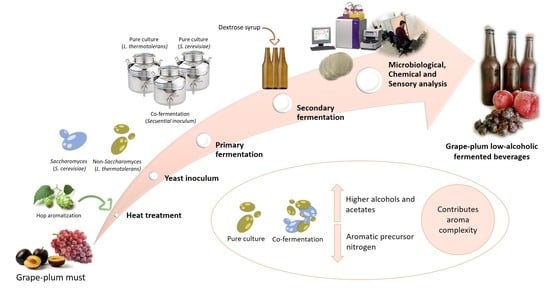
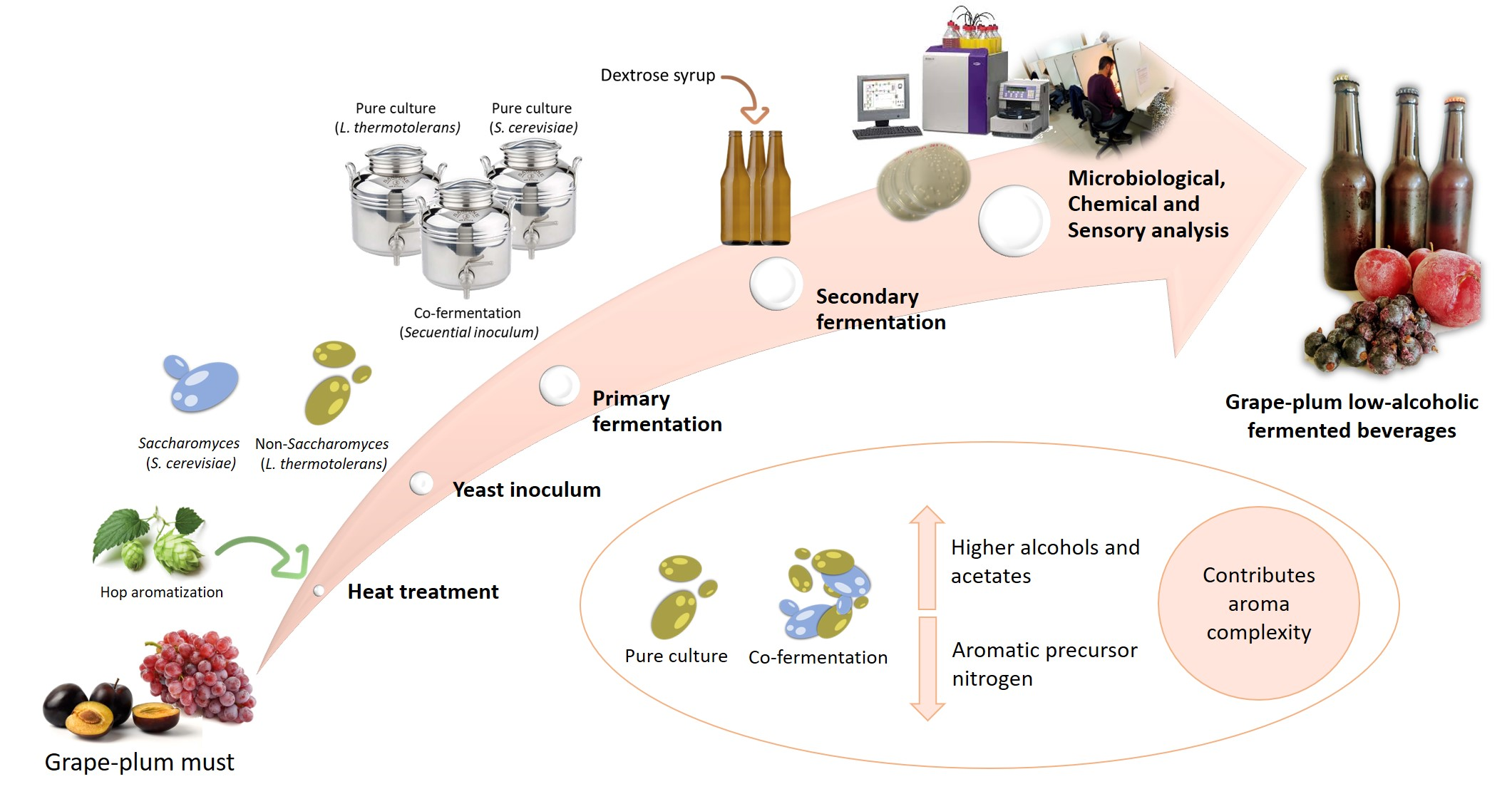
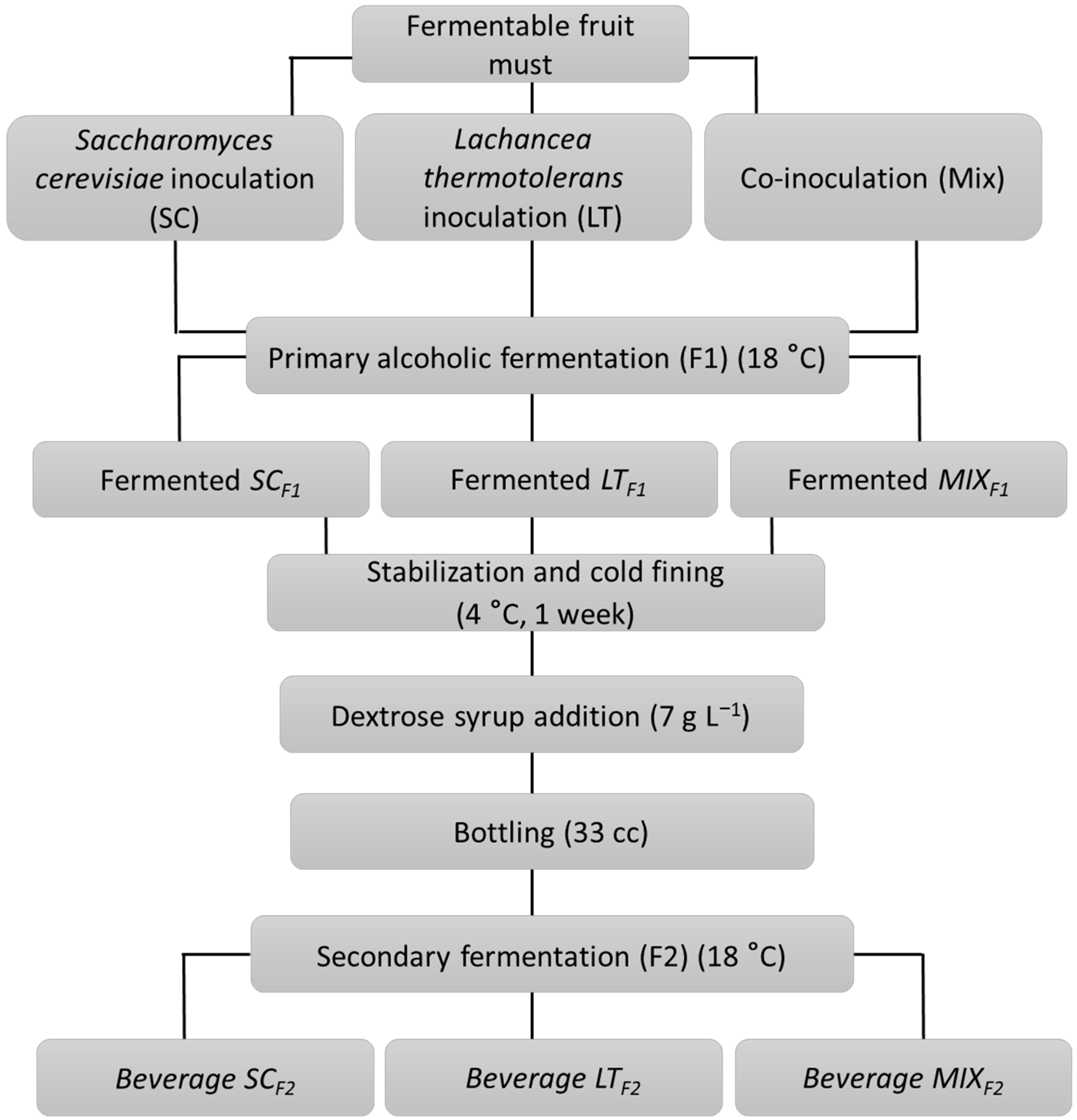
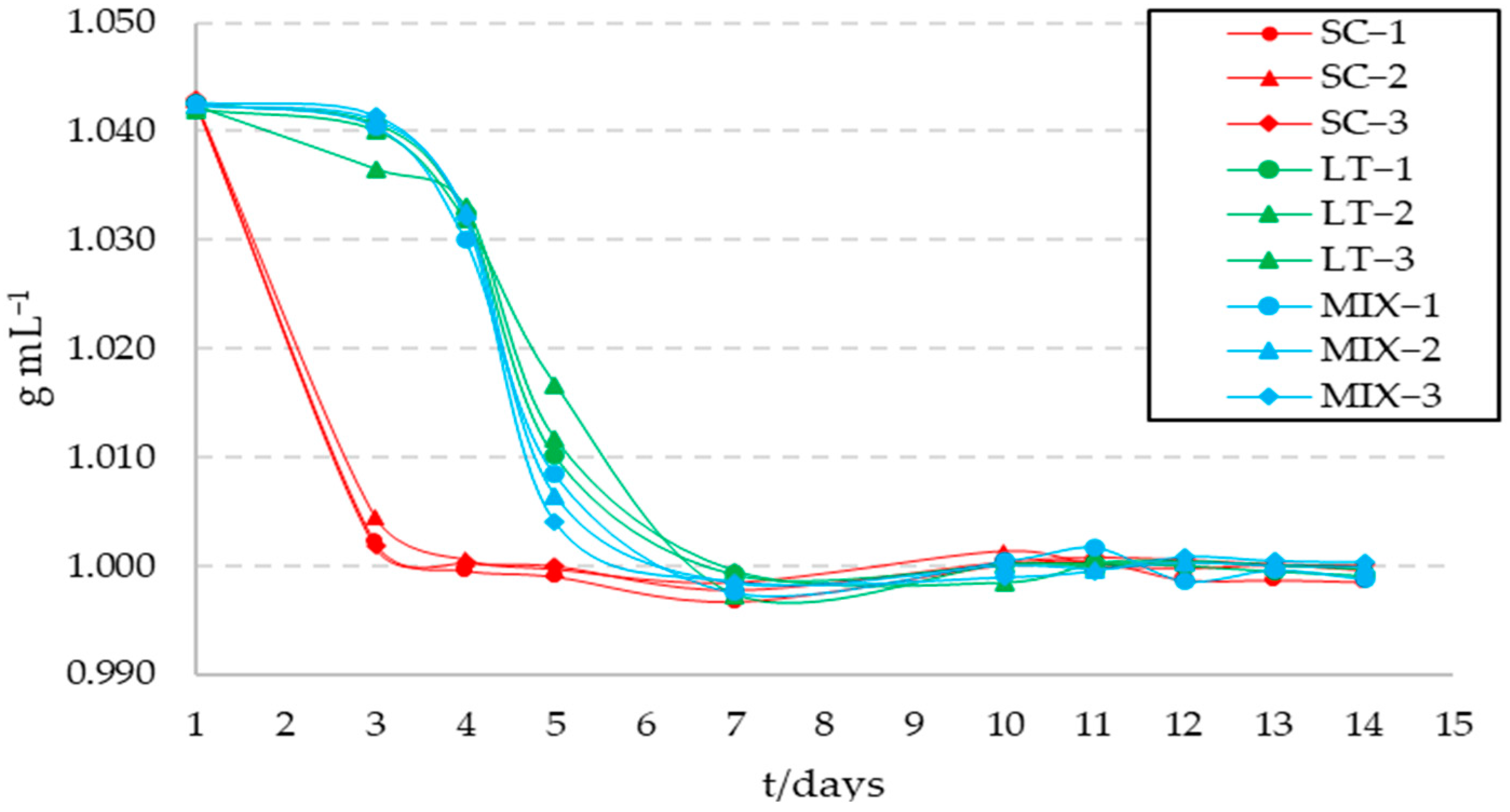
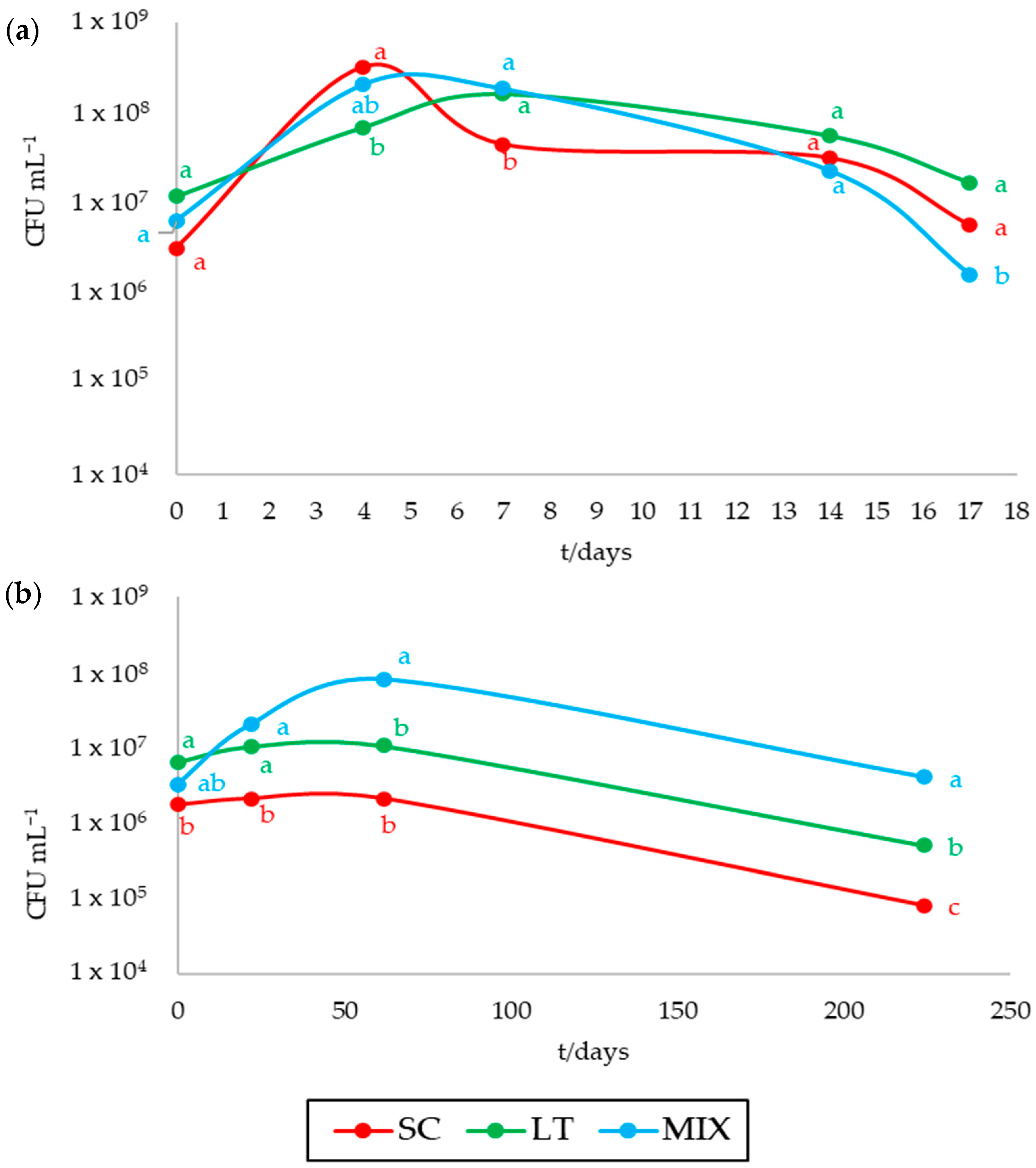
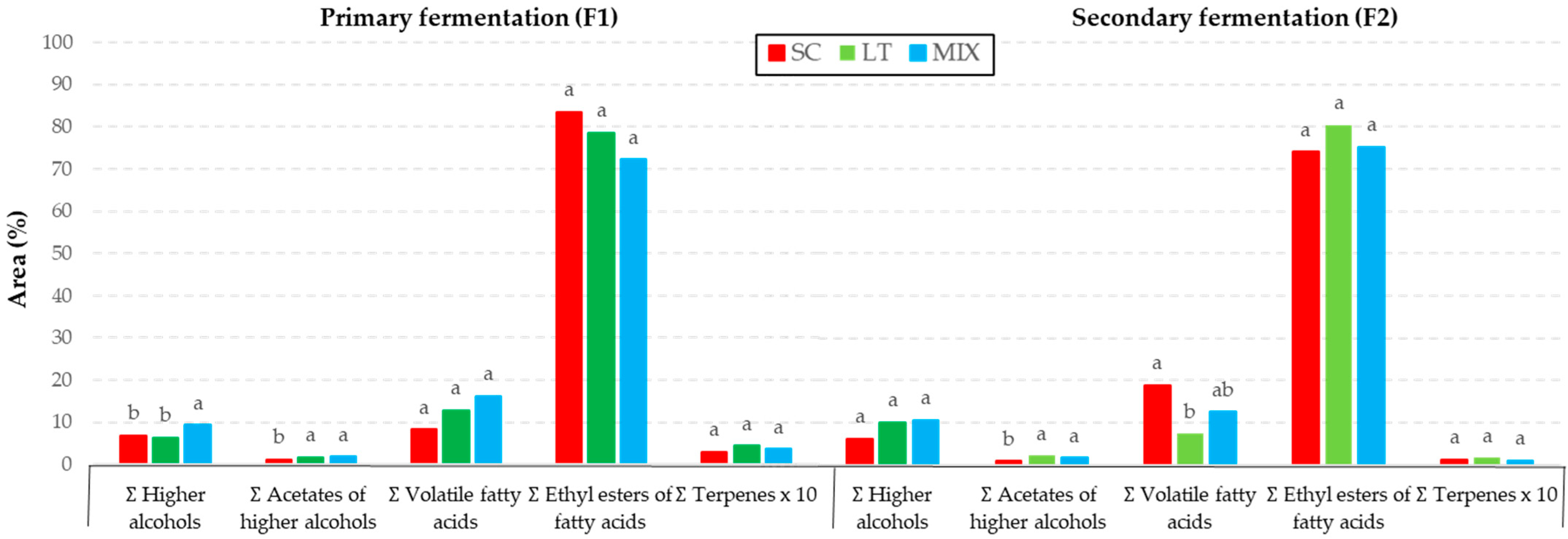
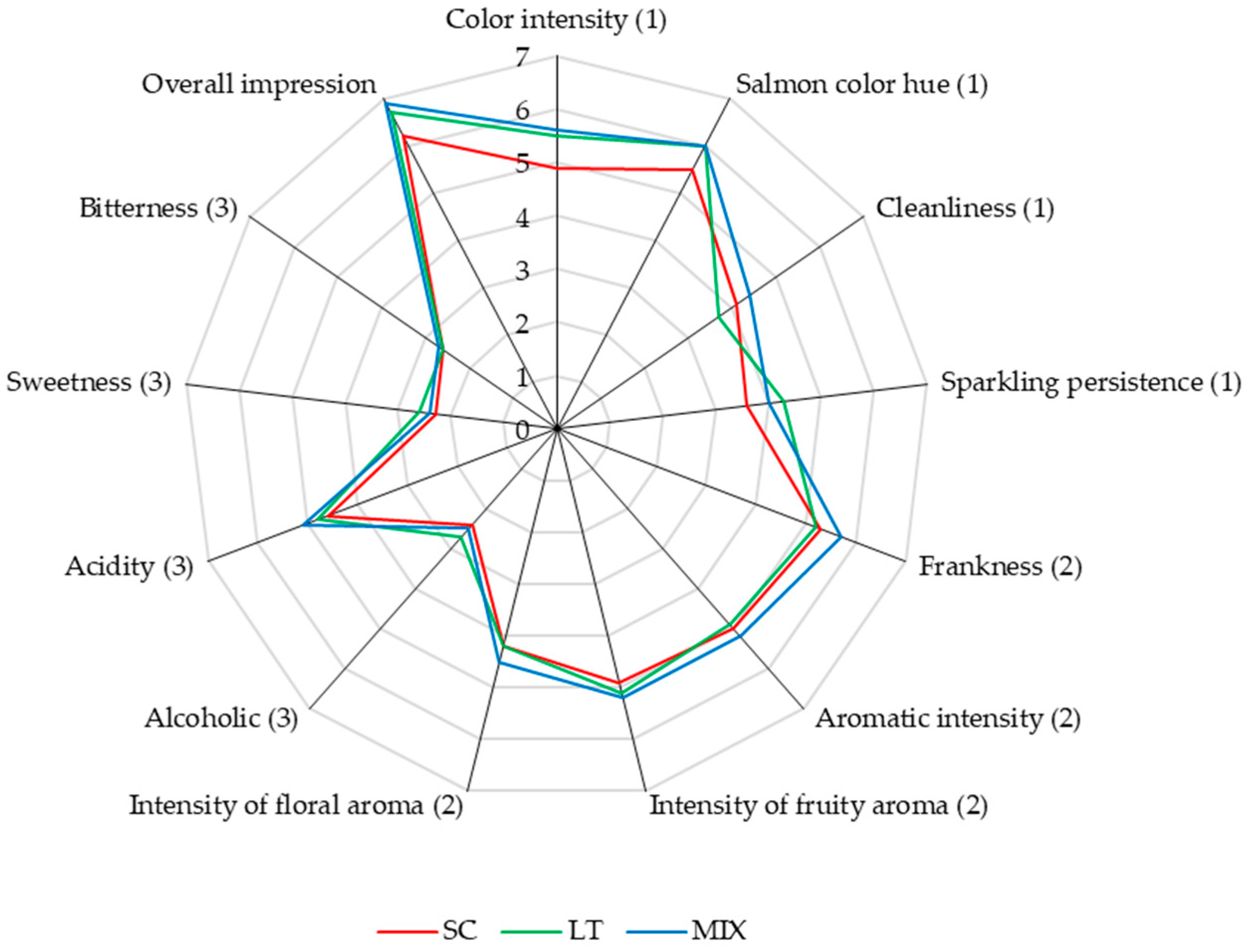
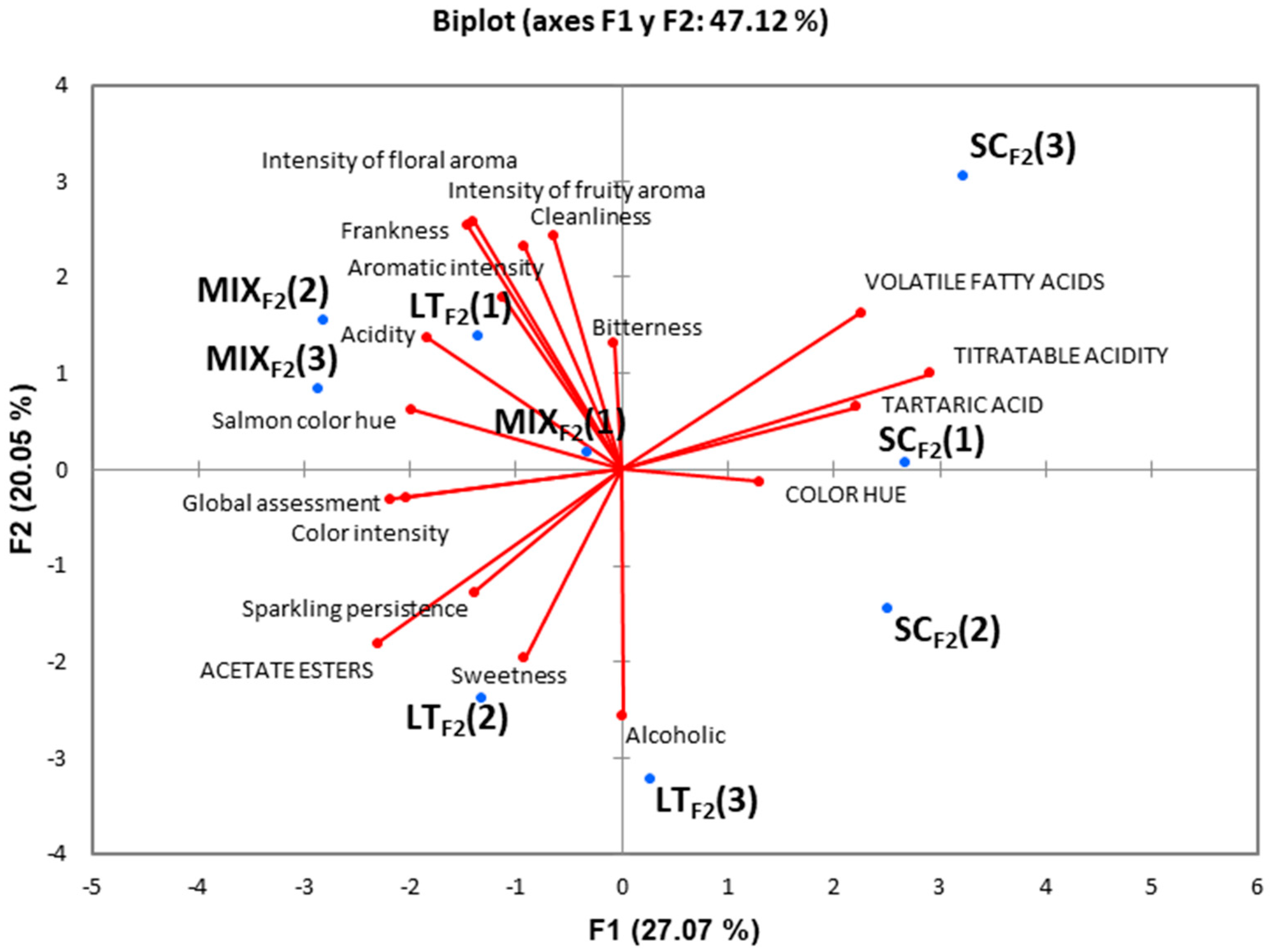
This work presents the attempt to develop a production technology for grape–plum low-alcohol beverages and enhance their chemical composition and flavor complexity through the non-Saccharomyces species. Saccharomyces cerevisiae (SC) pure cultures were used as reference beverages. Pure cultures of Lachancea thermotolerans (LT) and co-inoculated Lachancea thermotolerans with Saccharomyces cerevisiae (MIX) were included for grape–plum must fermentation at a pilot scale. The process involves two steps: a primary alcoholic fermentation in stainless steel tanks (F1) and a secondary fermentation in a bottle after dextrose syrup addition (F2). The chemical compositions of all beverages obtained in F1 and F2 were studied. Compared to SC, must inoculated with L. thermotolerans (LT and MIX) required four more days to complete the fermentation of sugars during F1. SC fermentation tended to have slightly higher pH and titratable acidity values and lower concentrations of total phenols. Final levels of aromatic precursor nitrogen and sulfur amino nitrogen were obtained more in SC than in LT and MIX. SC treatment had higher final levels of histidine, phenylalanine, isoleucine, lysine, methionine, threonine, valine, and cysteine. Related to individual amino acids, SC treatment had higher final levels of histidine, phenylalanine, isoleucine, lysine, methionine, threonine, valine, and cysteine. Analysis of the volatile composition showed that, compared with SC, MIX had the highest percentage of higher alcohols (3-methyl-1-butanol and 2-methyl-1-butanol) and acetates (isoamyl acetate and isobutyl acetate) which are associated with fruity and banana aromas. A decreasing trend in volatile fatty acids was observed in LT and MIX compared to SC. LT application, both in pure and mixed culture, significantly modified the values of the percentage of 5 of the 10 ethyl ester compounds analyzed. Finally, the sensory analysis showed that there were no significant differences, even though the non-Saccharomyces had a higher percentage of volatile metabolites. The results have shown that through this process an innovative and high-quality product was obtained: a low-alcohol beverage made from grapes and plums, which could be developed at an industrial level due to the increasing interest of consumers in this type of product.
Keywords: non-Saccharomyces; Lachancea thermotolerans; amino acid; volatile compounds non-Saccharomyces; Lachancea thermotolerans; amino acid; volatile compounds
Graphical Abstract