
Article

Agro-Industrial Wastes: A Substrate for Multi-Enzymes Production by Cryphonectria parasitica
1
Unit of Biotechnology, Department of Molecular and Translational Medicine (DMMT), University of Brescia, viale Europa 11, 25123 Brescia, Italy
2
Agri-Food and Environmental Microbiology Platform (PiMiAA), Department of Molecular and Translational Medicine, University of Brescia, viale Europa 11, 25123 Brescia, Italy
*
Author to whom correspondence should be addressed.
These authors equally contributed to the work.
Fermentation 2021, 7(4), 279; https://doi.org/10.3390/fermentation7040279

Submission received: 22 October 2021 / Revised: 22 November 2021 / Accepted: 23 November 2021 / Published: 26 November 2021
(This article belongs to the Special Issue Biotransformation of Plant Materials by Molds and Higher Fungi)

Abstract

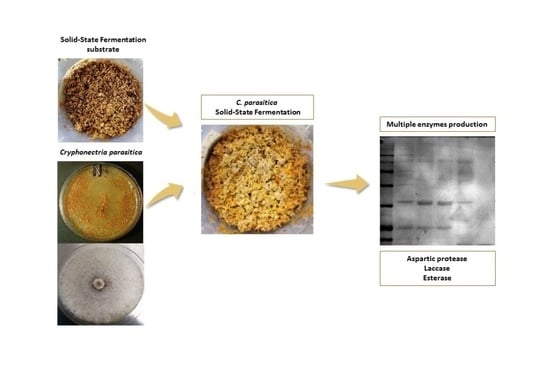
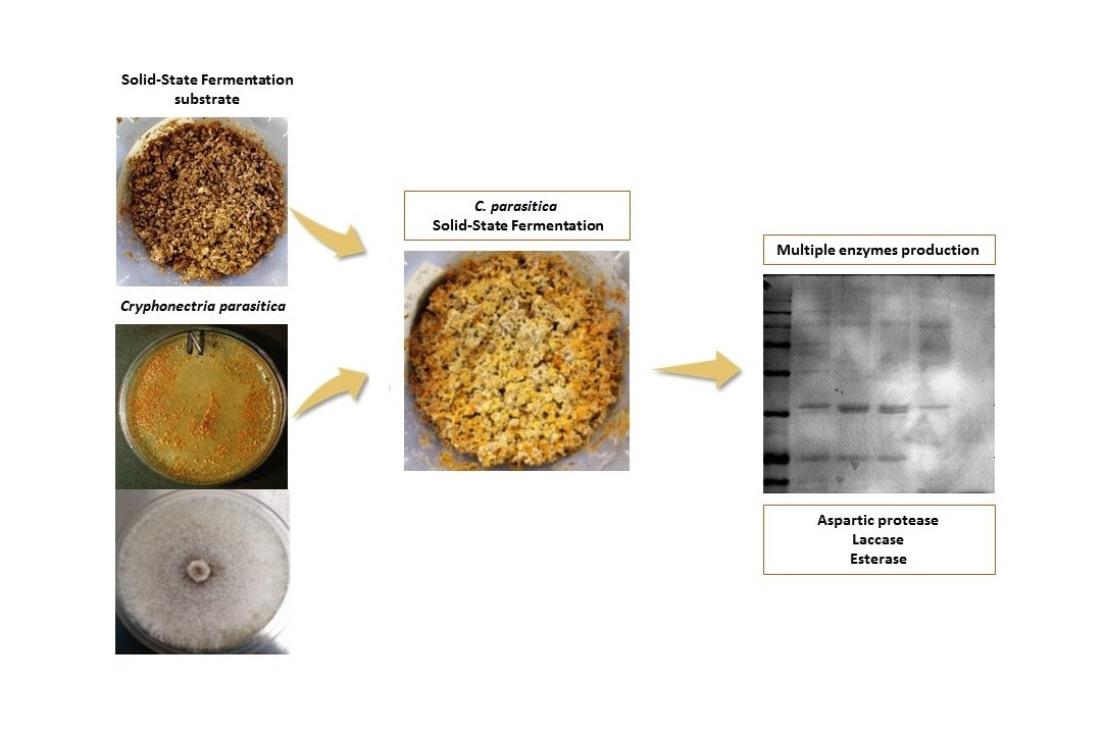
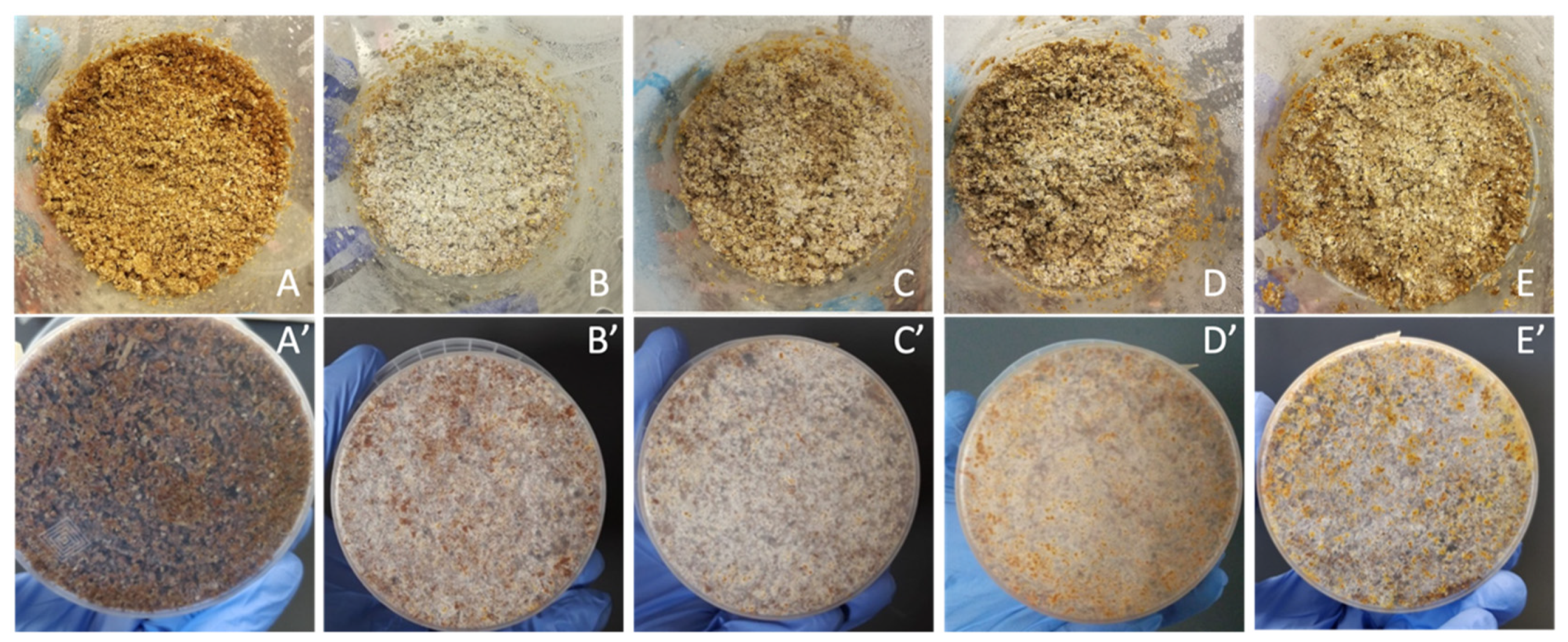
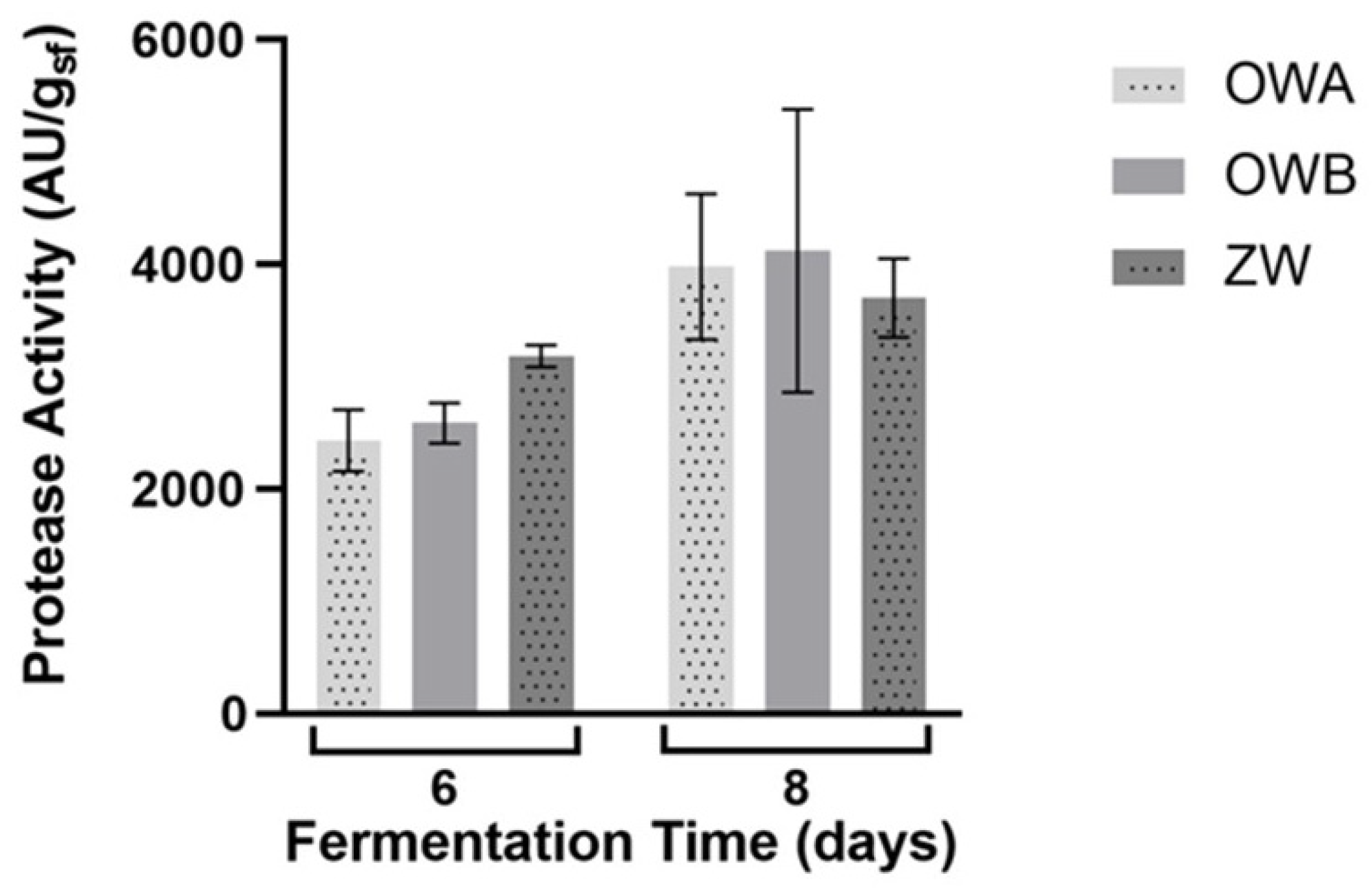
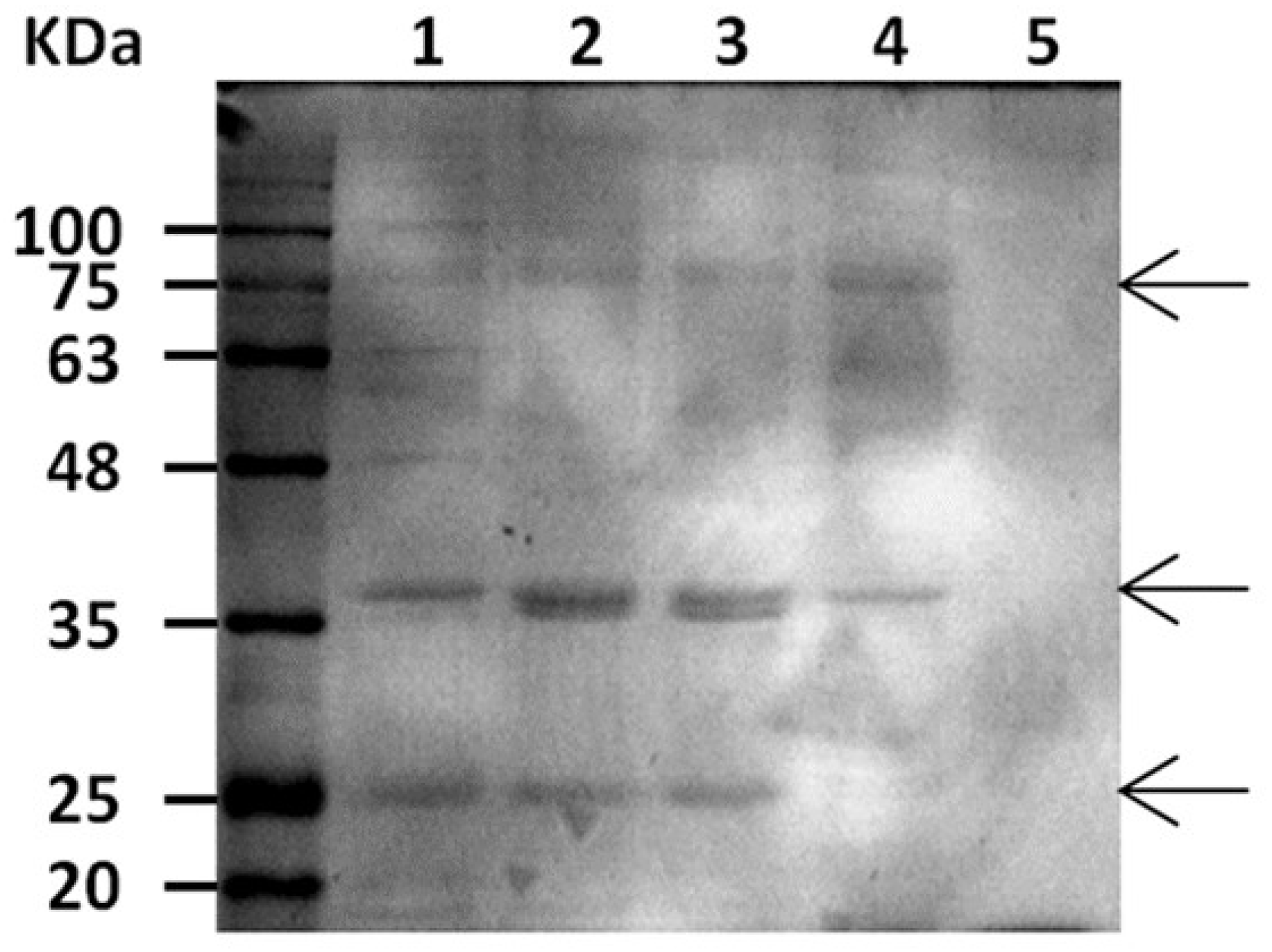
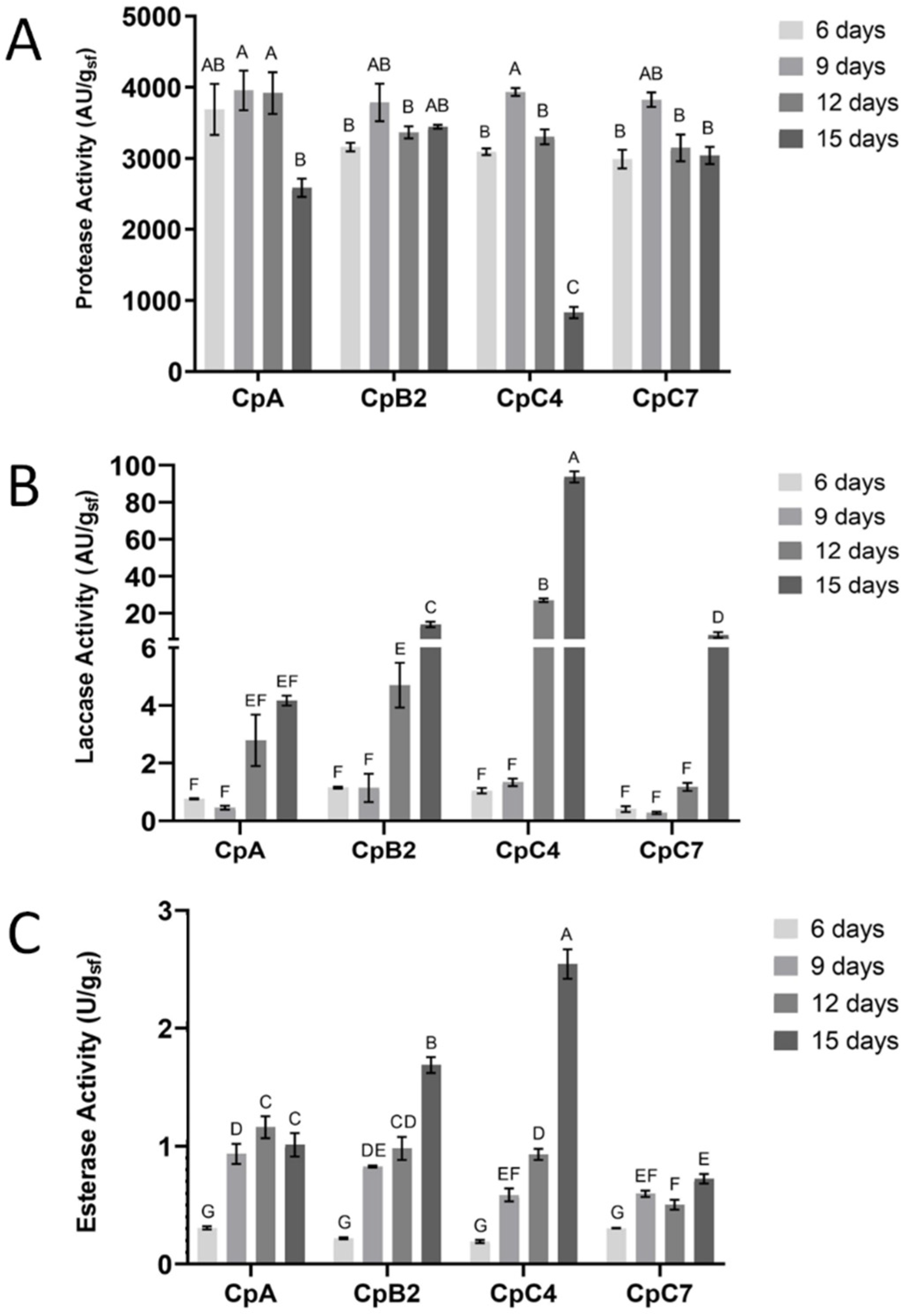
This study aims to produce a mix of enzymes through Solid State Fermentation (SSF) of raw materials. Four different, easily available, agro-industrial wastes were evaluated as SSF substrates for enzymes production by Cryphonectria parasitica (Murr.) Barr. environmental strains named CpA, CpB2, CpC4, and CpC7. Among the tested wastes, organic wheat bran for human use and wheat bran for animal feed better supports C. parasitica growth and protease production without any supplements. SDS-PAGE analyses highlighted the presence of three bands corresponding to an extracellular laccase (77 kDa), to the endothiapepsin (37 kDa), and to a carboxylesterase (60.6 kDa). Protease, laccase, and esterase activities by C. parasitica in SSF were evaluated for 15 days, showing the maximum protease activity at day 9 (3955.6 AU/gsf,). Conversely, the best laccase and esterase production was achieved after 15 days. The C. parasitica hypovirulent CpC4 strain showed the highest laccase and esterase activity (93.8 AU/gsf and 2.5 U/gsf, respectively). These results suggest the feasibility of a large-scale production of industrially relevant enzymes by C. parasitica strains in SSF process on low value materials.
Keywords: esterase; aspartic protease; laccase; solid state fermentation; wheat bran; by-products esterase; aspartic protease; laccase; solid state fermentation; wheat bran; by-products
Graphical Abstract