1. Introduction
A new generation of wine consumers, particularly Millennials and Generation Z, has promoted a significant shift in the global wine market. This change is characterised by a departure from traditional consumption patterns toward preferences that reflect healthier, more flexible, and lifestyle-oriented habits [
1,
2]. Consequently, consumer demand has increasingly focused on products offering lighter and more approachable sensory experiences, including sparkling wines, fresh rosé wines, and, especially, wines with lower alcohol content. This trend is closely associated with a growing awareness of moderation, wellness, and responsible alcohol consumption [
3].
Pedro Ximénez wine, produced under the Montilla–Moriles Protected Designation of Origin, is internationally recognized for its distinctive sensory complexity and unique production process [
4,
5]. However, its traditionally high ethanol and sugar contents contrast with the preferences of many contemporary consumers.
The production of Pedro Ximénez sweet wine begins with the sun-drying (“asoleo”) of fully ripe grapes on drying mats (“paseras”). During this process, which typically lasts 5–7 days, partial dehydration concentrates grape sugars to values exceeding 450 g/L, transforming the berries into raisins. The resulting raisined grapes are pressed to obtain an extremely sweet must. Alcoholic fermentation is subsequently interrupted by the addition of wine spirit, resulting in wines with a final ethanol content between 15 and 17% (
v/
v) [
4]. Depending on the desired style, the wines may undergo oxidative ageing through the traditional Criaderas y Solera system or be marketed without ageing [
6,
7].
These wines are characterised by their intense ebony colour, high viscosity, and remarkable aromatic complexity [
8]. Young wines typically exhibit pronounced notes of honey, raisins, figs, and dates, whereas oxidative ageing promotes the development of more complex aromas associated with coffee, cocoa, and dark chocolate [
9].
In recent years, consumer interest in products with reduced sweetness and improved drinkability has stimulated the development of alternative winemaking strategies aimed at preserving wine quality while improving sensory balance and drinkability [
1,
10]. In this context, controlled partial fermentation of raisined grape musts may represent a promising technological approach for modifying the composition of Pedro Ximénez wines while maintaining their distinctive identity.
Therefore, the objective of this study was to evaluate the feasibility of producing partially fermented Pedro Ximénez wines by allowing controlled alcoholic fermentation prior to fortification. The resulting wines were characterised chemically and sensorially to determine the effect of fermentation degree on their compositional and organoleptic properties. Unlike our previous study, which focused primarily on the volatile composition of partially fermented Pedro Ximénez wines, this work evaluated wines obtained at predefined fermentation endpoints and conducted an integrated characterisation including general oenological parameters and major volatile compounds, multivariate analysis, and sensory evaluation.
2. Materials and Methods
2.1. Raw Material
The study was conducted using must obtained from sun-dried Pedro Ximénez grapes supplied by the San Acacio Cooperative (Montemayor, Córdoba, Spain). The must contained 505 g/L of sugars and exhibited a pH of 4.70 ± 0.05, a titratable acidity of 2.60 ± 0.05 g/L (expressed as tartaric acid), and a volatile acidity of 0.55 ± 0.05 g/L (expressed as acetic acid).
2.2. Experimental Design
Alcoholic fermentation was carried out in three independent 50 L temperature-controlled stainless-steel tanks, which served as biological replicates. Each tank was maintained as an independent experimental unit throughout the study, and all analytical determinations were performed separately for each replicate.
The must was inoculated with a commercial Saccharomyces cerevisiae strain (Opale®, Lallemand Bio S.L., Madrid, Spain) at a dosage of 25 g/hL, following the manufacturer’s recommendations and without prior acclimatization.
Before inoculation, three 7 L aliquots of the initial must were fortified with wine alcohol to obtain a final ethanol concentration of 9% (v/v). These samples were used as controls and represented the traditional production approach for Pedro Ximénez sweet wines.
Fermentations were conducted at 21 ± 1 °C. During the process, 7 L samples were withdrawn when ethanol concentrations reached 3.0, 5.0, 6.5, and 7.7% (v/v). The latter value corresponded to the end of fermentation, defined as the absence of detectable fermentative activity and stabilization of ethanol concentration for at least seven consecutive days.
Immediately after sampling, fermentation was arrested by the addition of wine alcohol until a final ethanol concentration of 9% (
v/
v) was reached. This procedure ensured that all wines had the same final alcohol content, facilitating comparison among treatments while acknowledging that different fortification volumes introduced slight treatment-dependent dilution effects inherent to this winemaking strategy. Because the objective of the study was to characterise the final wines obtained under practical winery conditions, analytical data are presented without dilution correction. The ethanol content was adjusted to 9% (
v/
v) because this reflects the first fortification step commonly applied in the traditional production of Pedro Ximénez wines. In commercial wineries, the initial fortification to approximately 8–9% (
v/
v) is used to arrest fermentation and facilitate the natural clarification and settling of the wine, a process that is considerably more difficult to achieve at the final fortification level of 15–17% (
v/
v). After clarification, a second fortification is performed to increase the alcohol content to 15–17% (
v/
v) before ageing. In this study, the wines were maintained at 9% (
v/
v) to evaluate the potential of producing partially fermented Pedro Ximénez wines with a lower alcohol content while preserving the initial stages of the traditional production process [
11].
Following fortification, the wines were sulphited with 50 mg/L of SO2 by the addition of potassium metabisulphite. They were subsequently stored at 4 °C to promote the natural settling of the lees. Once clarification was complete, the wines were racked, bottled, and subjected to the analytical and sensory evaluations.
All treatments were stored at 4 °C for the same period of 4 weeks between fortification and analytical and sensory evaluation. During this period, the wines were visually inspected, and no turbidity development, gas release, or bottle pressure indicative of renewed fermentation was observed. However, yeast viability and viable cell counts were not determined; therefore, complete microbiological inactivation could not be directly verified. Ethanol and residual sugar concentrations were determined after stabilization and immediately before the analytical and sensory evaluations, and no changes compatible with renewed fermentation were observed.
Fermentation progress was monitored by determining ethanol concentration according to the official analytical methods of the International Organisation of Vine and Wine (OIV) [
12].
Five wines were ultimately obtained: (i) unfermented control wine (Control), (ii) wine fermented to 3% (v/v) ethanol, (iii) wine fermented to 5% (v/v) ethanol, (iv) wine fermented to 6.5% (v/v) ethanol, and (v) wine fermented to 7.7% (v/v) ethanol.
2.3. General Oenological Parameters
The wines were characterised by determining pH, titratable acidity, volatile acidity, ethanol content, and reducing sugar concentration. All analyses were performed according to the official methods recommended by the OIV [
12].
2.4. Major Volatile Compounds and Glycerol
Major volatile compounds were quantified by gas chromatography using an Agilent Technologies HP 6890 Series II gas chromatograph using Agilent ChemStation software (version ChemStation B.04.02) equipped with a CP-WAX 57 CB (Agilent, Santa Clara, CA, USA) capillary column (50 m × 0.25 mm i.d., 0.4 μm film thickness) and a flame ionization detector (FID). Analyses were performed according to the method described by Peinado et al. [
13].
For each determination, 0.5 μL of sample was injected directly into the chromatograph. Sample preparation consisted of adding 1 mL of 4-methyl-2-pentanol solution (1024 mg/L) as an internal standard to 10 mL of wine. Tartaric acid was removed prior to analysis by precipitation with 0.2 g of calcium carbonate, followed by centrifugation at 300× g.
Chromatographic separation was performed using a split ratio of 30:1. The oven temperature was initially maintained at 50 °C for 15 min, then increased at 4 °C/min to 190 °C and held for 35 min. Injector and detector temperatures were set at 270 and 300 °C, respectively. Helium was used as the carrier gas at an initial flow rate of 0.7 mL/min for the first 16 min. The flow rate was subsequently increased at 0.2 mL/min until reaching 1.1 mL/min, which was maintained for the remainder of the analysis.
Compound identification and quantification were achieved by comparison with authentic standards analysed under identical chromatographic conditions.
Glycerol concentration was determined enzymatically using the Enzytec™ Liquid Glycerol kit (R-Biopharm AG, Darmstadt, Germany) following the manufacturer’s instructions. The method is based on the enzymatic oxidation of glycerol and subsequent spectrophotometric measurement of NADH formation, which is directly proportional to the glycerol concentration present in the sample. All determinations were performed in triplicate, and the results are expressed as g/L.
2.5. Sensory Analysis
The Andalusian legislation (Decree-Law 3/2024 of 6 February) [
14] establishes ethical review procedures exclusively for biomedical or otherwise invasive research involving human subjects. This study, which was voluntary and anonymous and did not require wine ingestion, involved only sensory preference assessments—colour, odour, and taste—through anonymous questionnaires. The judges were instructed to spit the wine after tasting. No personal data was collected, and there was no physical or psychological intervention. Therefore, the study did not fall under the scope of these regulatory requirements.
Sensory evaluation was performed by a panel of 21 experienced assessors familiar with the sensory characteristics of sweet wines. Sample preparation and tasting conditions were conducted and interpreted in accordance with the UNE 87-020-93 standard [
15]. All samples were refrigerated at 10 °C for 24 h before analysis. Each judge was offered 30 mL of wine per sample, served at 10 °C in standardized tasting glasses according to AFNOR NF V09–110 [
16] and ISO 3591 [
17] requirements. The wines were presented in random order and identified by three-digit codes. One-minute intervals were maintained between each sample.
Sweetness, acidity, and overall balance were evaluated using a 10-point intensity scale, where 0 represented the lowest perception and 10 the highest. The aromatic profile was assessed through both orthonasal and retronasal evaluation. The intensity of each aroma descriptor characteristic of Pedro Ximénez wines was scored on the same 10-point scale, with 0 indicating the absence of the descriptor and 10 indicating maximum perceived intensity.
At the end of the evaluation, panellists were asked to identify the wine they considered to exhibit the highest overall quality.
2.6. Statistical Analysis
Analytical data were obtained from three independent biological replicates (fermentation tanks) for each fermentation endpoint. Results are expressed as the mean ± standard deviation. The statistical analysis was performed to compare the analytical characteristics of the wines obtained after fermentation was arrested at the predefined ethanol concentrations (Control, 3.0, 5.0, 6.5, and 7.7% (v/v)). Differences among treatments were evaluated by one-way analysis of variance (ANOVA), followed by Tukey’s multiple range test when significant differences were detected (p < 0.05). All statistical analyses were performed using IBM SPSS Statistics software version 25 (IBM, Armonk, NY, USA).
A hierarchical cluster heatmap was generated using Python version 3.9.7 within the Anaconda Jupyter environment (Anaconda Inc., Austin, TX, USA).
3. Results and Discussion
3.1. Fermentation Kinetics
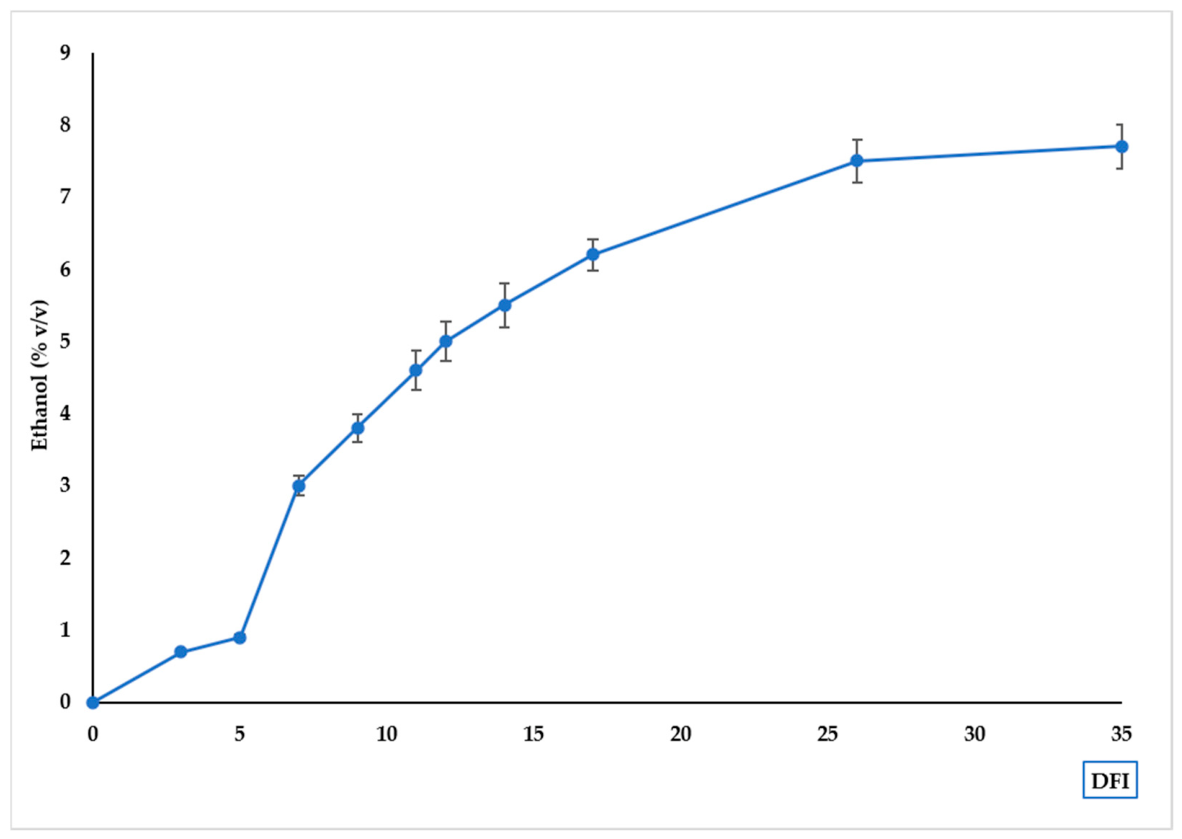
The fermentation kinetics are shown in
Figure 1. A pronounced lag phase was observed during the first five days following inoculation. This delayed onset of fermentative activity compared with that of conventional wine fermentations can be attributed to the adaptation of yeast cells to the highly hyperosmotic conditions generated by the elevated initial sugar concentration of the raisined grape must. Similar behaviour has been reported in fermentations conducted in high-sugar media, where osmotic stress temporarily restricts yeast growth and metabolic activity [
18,
19].
Following this adaptation period, ethanol production increased rapidly, reaching approximately 3% (v/v). Subsequently, fermentation proceeded at a slower rate, attaining 5% (v/v) ethanol after a phase of moderate fermentative activity. Beyond this point, ethanol production progressively declined, indicating a gradual reduction in yeast metabolic performance.
The decrease in fermentation rate observed at advanced stages of the process could be associated with the combined effects of persistent osmotic stress caused by the high residual sugar concentration and the increasing inhibitory effect of ethanol on yeast cells. Both factors have been widely recognized as major constraints on yeast viability and fermentative capacity in high-sugar fermentations [
18,
19].
This reduction in fermentative activity became particularly evident between days 17 and 25, during which ethanol concentration increased by only approximately 1% (v/v). Thereafter, ethanol production was almost negligible, with an increase of only 0.2% (v/v) between days 26 and 35. The stabilization of ethanol concentration, together with the absence of visible fermentative activity, indicated that fermentation had reached completion.
The prolonged lag phase observed in the present study may reflect the severe physiological challenge imposed by the extremely high osmotic pressure generated by raisined grape musts. Under these conditions, S. cerevisiae is known to activate a complex adaptive response involving the synthesis of compatible solutes, mainly glycerol, together with the induction of osmotic stress signalling pathways that promote cell survival. As fermentation progresses, the gradual accumulation of ethanol introduces an additional source of stress by affecting membrane fluidity, enzyme activity, and nutrient transport. Accordingly, yeast cells are simultaneously exposed to osmotic and ethanol stress, resulting in a progressive decline in fermentative activity. The ability of the yeast to complete fermentation under these conditions highlights its remarkable physiological plasticity and may explain the characteristic slow fermentation kinetics commonly observed during the production of wines from raisined grapes.
3.2. General Oenological Parameters
The general oenological parameters of the wines are presented in
Table 1.
A progressive decrease in pH was observed as fermentation advanced, accompanied by significant increases in titratable acidity, volatile acidity, and glycerol concentration. These changes were directly associated with the metabolic activity of S. cerevisiae during fermentation and may reflect the physiological adaptation of the yeast to the highly concentrated medium.
The pH decreased from 4.74 in the control wine to 4.51 in the wine fermented to 7.7% (
v/
v) ethanol, whereas titratable acidity increased from 2.64 to 5.46 g/L tartaric acid. Similarly, volatile acidity increased significantly with fermentation degree, reaching values above 2.5 g/L acetic acid in the wines fermented to 6.5 and 7.7% (
v/
v) ethanol. The increase in volatile acidity could be associated with the metabolic adjustments required to maintain the intracellular redox balance during fermentation, as discussed below in relation to glycerol production. This metabolic response may also contributed to the observed decrease in pH and increase in titratable acidity. Although the volatile acidity values may appear relatively high, they are within the range commonly reported for wines produced from fermented raisined grapes, such as the Italian Vin Santo [
20]. Although these wines exceed the current limit established by Spanish legislation for volatile acidity (25 meq/L, equivalent to 1.5 g/L of acetic acid), similar or even higher limits are permitted for certain traditional sweet wines in other European wine-producing countries. For example, Austrian and German regulations allow volatile acidity levels of up to 35 and 40 meq/L (2.1 and 2.4 g/L of acetic acid, respectively) for specific wine styles. These differences may reflect the distinctive technological characteristics associated with wines produced from raisined grapes and suggest that their regulatory framework may require specific consideration [
21].
Although the wines fermented to 5, 6.5, and 7.7% (v/v) exhibited volatile acidity values above the current Spanish regulatory limit for Pedro Ximénez wines, these results should be interpreted as evidence of the technological response of yeast under the extreme osmotic conditions imposed by raisined grape musts rather than as a commercially optimized winemaking protocol. Consequently, further technological developments aimed at reducing acetic acid production will be necessary before this approach can be considered for commercial application under the current regulatory framework. Nevertheless, the present results demonstrate that controlled partial fermentation can substantially improve the sensory balance of these wines, providing a useful basis for future optimization of the process.
As expected, increasing fermentation resulted in a marked reduction in residual sugar concentration. Reducing sugars decreased from 445 g/L in the control wine to 313 g/L in the wine fermented to 7.7% (v/v) ethanol, representing a reduction of approximately 30%. This decrease was accompanied by a substantial increase in glycerol concentration, which rose from 3.0 to 17.9 g/L as fermentation progressed.
The simultaneous accumulation of glycerol and acetic acid may be explained by the osmoadaptive response of
S. cerevisiae to the high osmotic pressure generated by the elevated sugar concentration of the raisined grape must. Under these conditions, yeast cells are known to activate metabolic pathways involved in glycerol synthesis to maintain intracellular osmotic balance and preserve cell turgor [
22,
23].
Glycerol production has been proposed to play a central role in maintaining intracellular redox homeostasis. The synthesis of glycerol consumes NADH generated during fermentative metabolism, modifying the cellular redox balance. Consequently, part of the acetaldehyde formed during fermentation may be oxidized to acetic acid through aldehyde dehydrogenase activity, contributing to NAD+ regeneration, and could contribute to the concomitant increase in volatile acidity observed during fermentation.
Beyond its physiological significance for yeast metabolism, glycerol accumulation may also have important sensory implications. Glycerol is generally associated with increased viscosity, mouthfeel, and sweetness perception, contributing positively to the texture of many wine styles. In the present study, however, the increase in glycerol occurred simultaneously with a marked reduction in residual sugars and an increase in acidity, suggesting that the final sensory balance resulted from the interaction among these parameters rather than from the effect of any individual compound. Likewise, the progressive decrease in pH may contribute not only to greater freshness but also to improved microbiological stability and colour preservation during storage. Therefore, the compositional changes induced by partial fermentation extend beyond simple sugar consumption and involve multiple chemical factors that collectively influence wine quality.
The positive relationship between glycerol production and volatile acidity observed in the present study is consistent with previous reports describing fermentations carried out under hyperosmotic conditions, where both metabolites form part of the physiological stress response developed by yeasts to ensure cellular survival and metabolic activity [
24,
25].
3.3. Major Volatile Compounds
The concentrations of the major volatile compounds detected in the wines are presented in
Table 2. Marked differences were observed among wines as a function of fermentation degree, indicating that partial fermentation substantially modified the volatile composition of Pedro Ximénez wines.
Among the compounds analysed, acetaldehyde and acetoin exhibited a distinctive pattern. Both compounds reached their highest concentrations in wines fermented to 5% (v/v) ethanol and subsequently decreased as fermentation progressed. Acetaldehyde is a central intermediate in alcoholic fermentation and plays a key role in the maintenance of intracellular redox balance. Under the severe osmotic stress conditions imposed by the high sugar concentration of the must, glycerol synthesis is stimulated as an adaptive response, increasing NADH consumption and potentially limiting the reduction of acetaldehyde to ethanol. Consequently, transient accumulation of acetaldehyde and related carbonyl compounds such as acetoin may occur during the intermediate stages of fermentation.
As fermentation advanced, the gradual reduction in osmotic stress together with the establishment of alternative redox-balancing mechanisms favoured the conversion of acetaldehyde into ethanol and other downstream metabolites. This behaviour could be explained by the lower concentrations of both acetaldehyde and acetoin observed in wines fermented to higher ethanol levels.
In contrast, ethyl acetate showed a progressive increase throughout fermentation, reaching its highest concentration in the wine fermented to 7.7% (
v/
v) ethanol. This behaviour may be attributed to the increasing availability of its principal precursors, ethanol and acetic acid, both of which accumulated during fermentation. Consequently, esterification reactions were favoured as fermentation progressed, promoting the formation of ethyl acetate [
25].
The concentrations of the major higher alcohols, including 1-propanol, isobutanol, 2-methylbutanol, 3-methylbutanol, and 2-phenylethanol, also increased significantly with fermentation degree. These compounds are mainly produced through amino acid catabolism via the Ehrlich pathway and are generally associated with increased yeast metabolic activity and longer fermentation periods [
25,
26,
27,
28]. Particularly noteworthy was the behaviour of 2-phenylethanol, whose concentration increased progressively from 5.7 to 10.1 mg/L. This compound is recognized as an important contributor to floral aromas, especially rose-like and honey-like notes, and is therefore considered a positive contributor to the aromatic complexity of sweet wines [
25,
29].
The evolution of higher alcohols deserves particular attention because these compounds exert both positive and negative sensory effects depending on their concentration and relative proportions. At moderate levels, compounds such as 2-phenylethanol contribute pleasant floral notes, whereas isoamyl alcohols enhance fruity complexity and increase overall aroma intensity. Conversely, excessive concentrations may mask varietal aromas or produce solvent-like perceptions. In the present study, all higher alcohols remained within concentration ranges commonly reported for quality sweet wines, suggesting that their increase is likely to contribute positively to aromatic complexity. Likewise, the progressive formation of ethyl acetate illustrates the dynamic balance between desirable fruity esters and compounds that may become detrimental only at much higher concentrations. These observations suggest that it not only modifies the quantitative volatile profile but also changes the equilibrium among aroma-active compounds, contributing to the development of wines with differentiated sensory characteristics.
The formation of 2,3-butanediol was also associated with the progression of fermentation. The levo-isomer increased steadily as ethanol production advanced, whereas the meso-isomer was only detected in wines fermented to the highest ethanol concentration. These findings further support the occurrence of progressive metabolic adaptations of yeast cells to the extreme fermentative conditions imposed by raisined grape musts, as previously reported during the fermentation of high-sugar musts [
30]. In addition, the accumulation of 2,3-butanediol has been proposed as an alternative mechanism for maintaining the intracellular redox balance of yeast cells under these stressful conditions [
31].
Overall, the volatile composition data indicate that partial fermentation not only reduced sugar concentration but also promoted the development of a more complex fermentative aroma profile, characterised by higher concentrations of esters, higher alcohols, and secondary fermentation metabolites.
3.4. Cluster Heatmap and Correlation Analysis
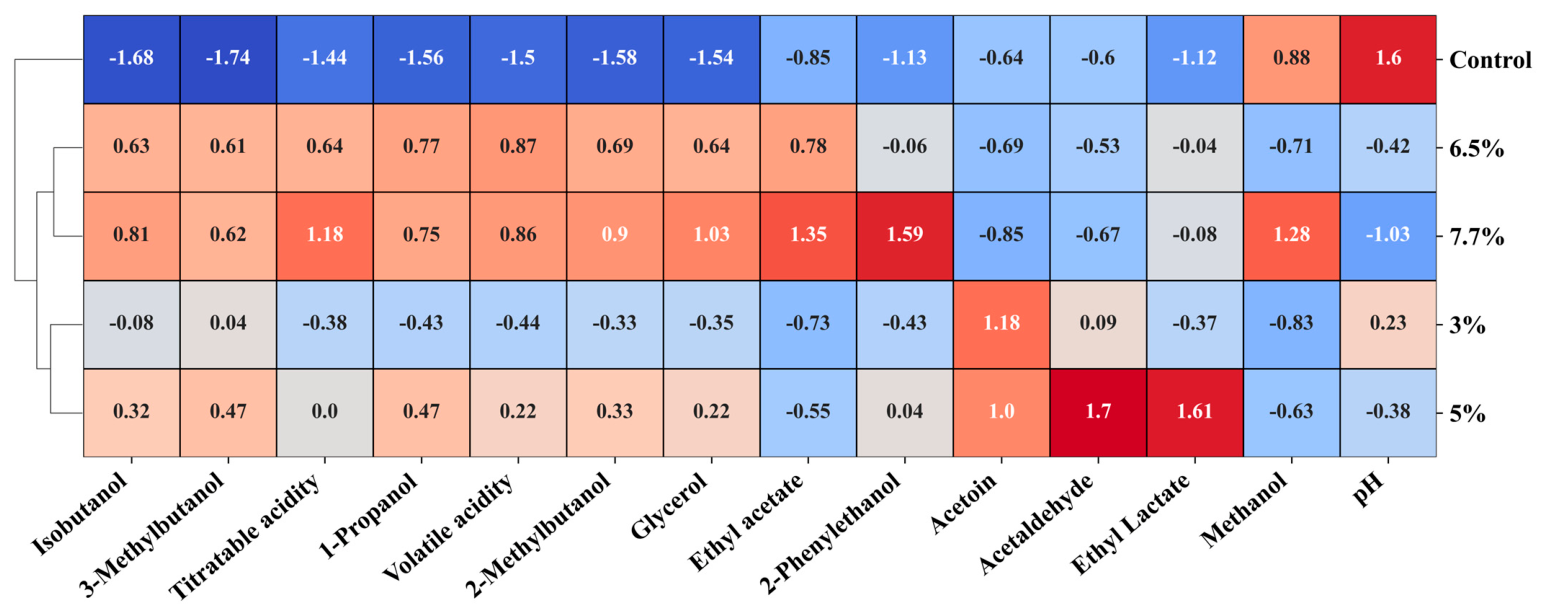
To obtain an integrated view of the chemical differences among wines, a hierarchical cluster analysis was performed using standardised analytical variables, as other authors have done [
32,
33,
34,
35]. The resulting heatmap is shown in
Figure 2.
The analysis clearly distinguished the control produced wine (PX_0%) from the wines obtained through partial fermentation. This separation was primarily driven by differences in glycerol concentration, titratable acidity, volatile acidity, and higher alcohol content, all of which exhibited substantially higher values in the fermented wines. These results highlight the profound impact of fermentation on the chemical composition of Pedro Ximénez wines even when all samples were standardized to the same final ethanol concentration after fortification.
Within the group of fermented wines, a second level of clustering differentiated wines subjected to lower fermentation degrees (3% and 5%) from those fermented to higher ethanol concentrations (6.5% and 7.7%). This separation was mainly associated with the concentrations of acetaldehyde and acetoin, which reached their highest levels at intermediate fermentation stages, and with the progressive accumulation of ethyl acetate and volatile acidity in the wines that underwent more extensive fermentation.
The clustering pattern may reflect the metabolic evolution occurring throughout fermentation. Intermediate fermentation stages were characterised by the accumulation of carbonyl compounds, particularly acetaldehyde and acetoin, whereas the most advanced stages showed a predominance of metabolites associated with esterification and oxidative pathways, such as ethyl acetate and acetic acid. These compositional changes are consistent with the progressive adaptation of yeast metabolism to the stressful conditions imposed by the high sugar concentration of the raisined grape must.
Overall, hierarchical clustering analysis showed that the degree of fermentation was the main factor governing the chemical differentiation of the wines. Furthermore, the results suggest that relatively small changes in fermentation extent were sufficient to generate distinct compositional profiles, highlighting its potential as a technological approach for diversifying Pedro Ximénez wine styles.
The hierarchical clustering approach also demonstrates the usefulness of multivariate statistical techniques for interpreting the complex compositional changes associated with fermentation. Instead of evaluating each analytical parameter independently, the heatmap integrates the contribution of all variables simultaneously, allowing a comprehensive visualization of the relationships among wines and analytical traits. This type of analysis may be particularly valuable for future studies aimed at classifying alternative sweet wine styles or evaluating the influence of different fermentation strategies, grape varieties, or ageing conditions on overall wine composition.
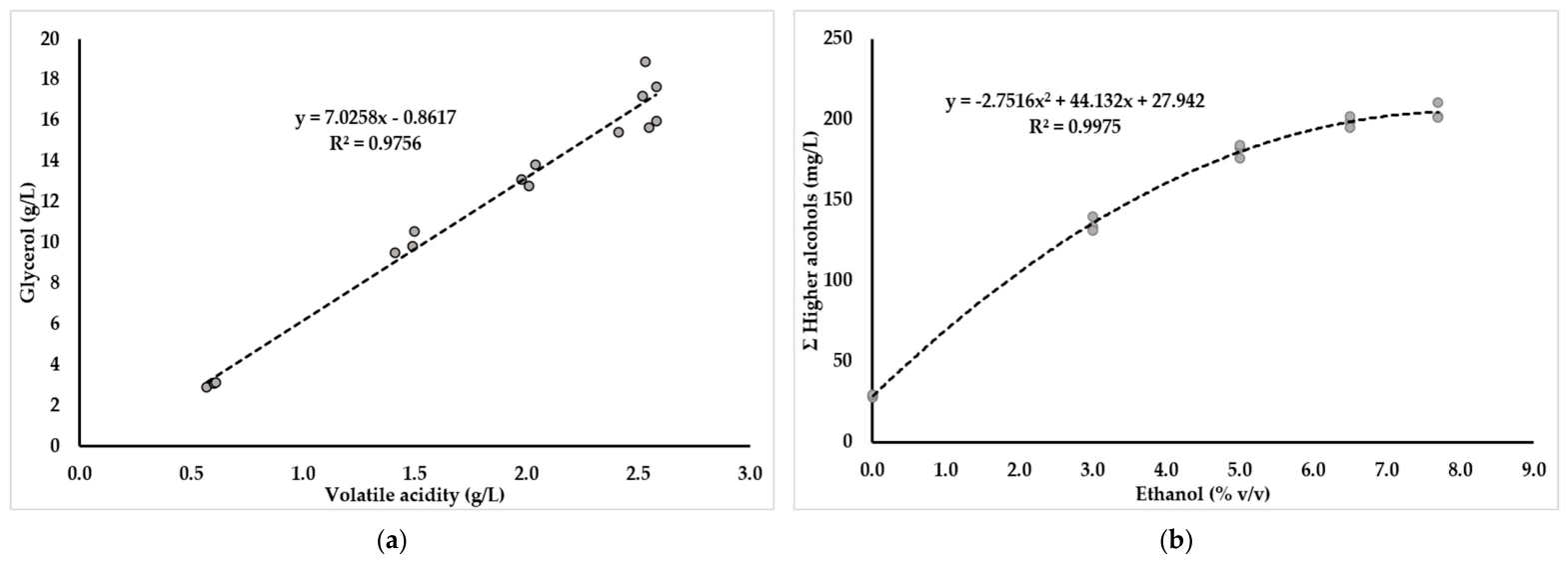
Figure 3 illustrates two of the strongest relationships identified in this study. First,
Figure 3a shows the strong linear correlation between glycerol production and volatile acidity. As discussed above, both metabolites are formed as part of the yeast response to the severe osmotic stress imposed by raisined grape musts and are closely associated with the maintenance of intracellular redox balance. Their concentrations were initially low but increased markedly as fermentation progressed, reaching their highest values in the most advanced fermentation stages.
The aromatic fraction, represented by the sum of higher alcohols (
Figure 3b), also exhibited a strong positive relationship with ethanol concentration and fermentation progress. In this case, the relationship followed a second-order polynomial pattern, indicating that higher alcohol production was closely linked to yeast growth and metabolic activity. The rapid accumulation observed during the early stages of fermentation was followed by a pronounced decline in the production rate as yeast metabolic activity progressively decreased under the combined effects of high sugar concentrations and increasing ethanol levels. At these later stages, cell growth and division were severely limited, while nitrogen catabolism through the Ehrlich pathway remained active, leading to the continued formation of higher alcohols as secondary metabolites.
3.5. Sensory Characterisation
The sensory characterisation of the wines included the evaluation of aroma descriptors by orthonasal and retronasal perception, together with the assessment of sweetness, acidity, overall balance, and overall preference (
Table 3).
The relatively large standard deviations observed for some descriptors reflect the natural variability commonly associated with descriptive analysis of complex sweet wines, where individual assessors may differ in sensitivity and in the relative importance assigned to specific aroma descriptors despite their previous experience and training.
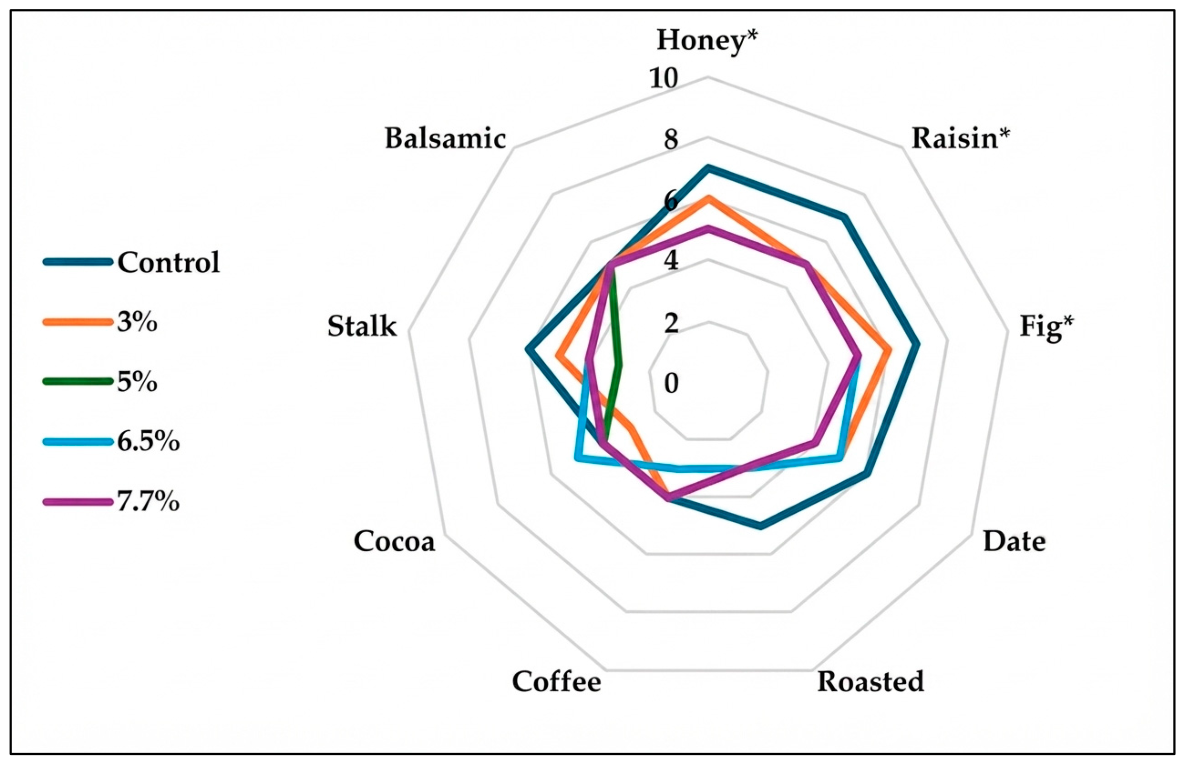
The results of the orthonasal evaluation are presented in
Figure 4 and
Table 3. The traditionally produced wine exhibited the highest intensity for most of the aroma descriptors evaluated, particularly those associated with the characteristic profile of Pedro Ximénez sweet wines, including honey, raisin, fig, date, and roasted notes.
In contrast, wines produced through partial fermentation generally showed lower intensities for these descriptors, regardless of fermentation degree. The aromatic profiles of the fermented wines were relatively similar, suggesting that fermentation mainly reduced the intensity of aromas associated with grape dehydration and sugar concentration rather than generating substantial differences among fermentation treatments.
However, some descriptors, particularly those related to coffee, cocoa, and balsamic notes, showed comparable intensities in both control and fermented wines. This finding suggests that certain aroma compounds contributing to the more complex sensory attributes of Pedro Ximénez wines were largely preserved despite the compositional changes induced by fermentation.
Overall, partial fermentation appeared to moderate the intensity of the characteristic varietal and raisined-fruit aromas without completely altering the aromatic identity of the wines.
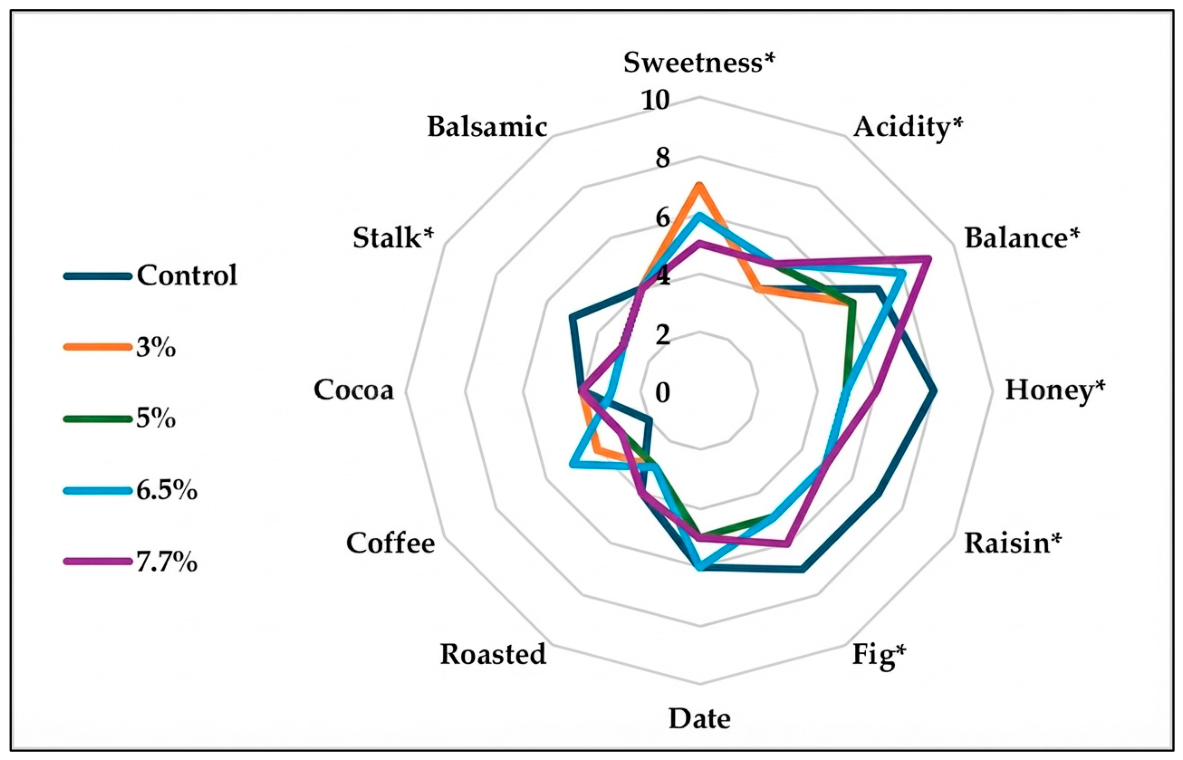
The sensory evaluation of taste attributes and retronasal aroma is shown in
Figure 5. A progressive decrease in sweetness perception was observed as fermentation degree increased, accompanied by a corresponding increase in perceived acidity. These sensory changes were consistent with the analytical results, which showed lower residual sugar concentrations and higher acidity values in the wines subjected to more extensive fermentation.
The modification of these taste attributes had a direct impact on the perception of overall balance. Wines fermented to 6.5 and 7.7% (v/v) ethanol received the highest balance scores, indicating that the reduction in sweetness combined with increased freshness resulted in a more harmonious sensory profile. In contrast, the control wine was perceived as considerably sweeter and consequently received lower balance scores.
The retronasal aroma evaluation (
Figure 5) revealed trends similar to those observed during orthonasal assessment. The traditional wine displayed the highest intensities for honey, raisin, and fig descriptors, confirming the strong contribution of raisined grapes to the aromatic profile of conventional Pedro Ximénez wines. Likewise, the control wine exhibited higher intensity for the “Stalk” descriptor than the fermented wines.
Although partial fermentation reduced the intensity of several characteristic aroma descriptors, these changes did not negatively affect the overall sensory perception of the wines. On the contrary, the improved balance between sweetness and acidity appeared to compensate for the reduction in aromatic intensity.
The preference test further supported the sensory findings. Fourteen of the twenty-one assessors selected the wines fermented to 6.5% and 7.7% ethanol (v/v) as the highest-quality samples (eight tasters for 7.7% and six tasters for 6.5%), whereas only five assessors preferred the control wine. The wines fermented to lower ethanol levels showed the lowest preference scores, with only two assessors selecting the 5% (v/v) wine and none selecting the 3% (v/v) wine.
These results indicate that moderate-to-advanced partial fermentation provides the most favourable balance between preserving the characteristic sensory attributes of Pedro Ximénez wines and reducing excessive sweetness. Among the treatments evaluated, the wines fermented to 6.5 and 7.7% (v/v) received the highest preference scores from the expert sensory panel. However, these treatments also exceeded the current Spanish regulatory limit for volatile acidity. Therefore, they should be regarded as the most promising experimental outcomes under the conditions evaluated rather than as commercially applicable products. Further technological optimization aimed at reducing acetic acid production will be necessary before practical or commercial implementation can be considered.
Overall, the sensory results suggest that controlled partial fermentation is a promising technological approach for producing Pedro Ximénez-style wines with improved sensory balance and freshness while preserving the characteristic sensory profile of this traditional wine style. Nevertheless, additional optimization of the winemaking process will be required to ensure compliance with current regulatory limits and to confirm the technological feasibility of this approach under commercial production conditions.
4. Conclusions
The present study demonstrated the feasibility of producing partially fermented Pedro Ximénez wines from raisined grape musts with extremely high sugar concentrations. Controlled fermentation prior to fortification significantly modified the chemical and sensory characteristics of the wines while maintaining their distinctive identity.
Fermentation progression resulted in a substantial reduction in residual sugar content, accompanied by increases in titratable acidity, volatile acidity, glycerol concentration, and fermentation-derived aroma compounds. These changes were associated with the osmoadaptive response of Saccharomyces cerevisiae to the hyperosmotic conditions of the raisined grape must and contributed to the development of differentiated compositional profiles.
Partial fermentation also altered the sensory properties of the wines. Although the intensity of characteristic Pedro Ximénez descriptors such as honey, raisin, and fig decreased, the reduction in sweetness and the increase in perceived freshness produced wines with improved sensory balance. Consequently, wines fermented to 6.5 and 7.7% (v/v) ethanol before fortification achieved the highest acceptance among the expert panel.
Overall, the results indicate that controlled partial fermentation represents a promising experimental approach for producing alternative Pedro Ximénez-style wines with lower sugar content, greater sensory balance, and high sensory acceptance while preserving the distinctive characteristics associated with raisined grape wines. These findings demonstrate the potential of controlled partial fermentation as an alternative approach for modifying the composition and sensory profile of Pedro Ximénez wines, although further technological optimization is required before commercial application can be considered. Future studies should evaluate the regulatory classification, commercial implementation, and consumer acceptance of these wines within the applicable legal framework, as well as optimize the process to reduce volatile acidity while maintaining the desirable sensory characteristics observed in the present study.
Future consumer studies will be required to determine market acceptance of these wines.