
Microbial Succession and Functional Metabolite Formation During SCOBY Fermentation of Pomelo Peel Substrates



Abstract
1. Introduction
2. Materials and Methods
2.1. Raw Materials and SCOBY Starter Culture
2.2. Preparation of Fermentation Substrates
2.3. Fermentation Setup and Sampling Procedures
2.4. pH Measurement
2.5. Total Soluble Solids (°Brix)
2.6. Ethanol Concentration
2.7. Titratable Acidity Analysis
2.8. Color Measurement Analysis
2.9. Total Phenolic Content (TPC)
2.10. Total Flavonoid Content (TFC)
2.11. DPPH Radical Scavenging Activity
2.12. Trolox Equivalent Antioxidant Capacity (TEAC)
2.13. Microbiological Analysis
2.14. Microbial Community Succession During SCOBY Fermentation
2.14.1. Full-Length 16S rRNA Gene Sequencing
2.14.2. SMRTbell Library Preparation and Sequencing
2.14.3. Bioinformatic and Statistical Analyses
2.15. Statistical Analysis
3. Results and Discussion
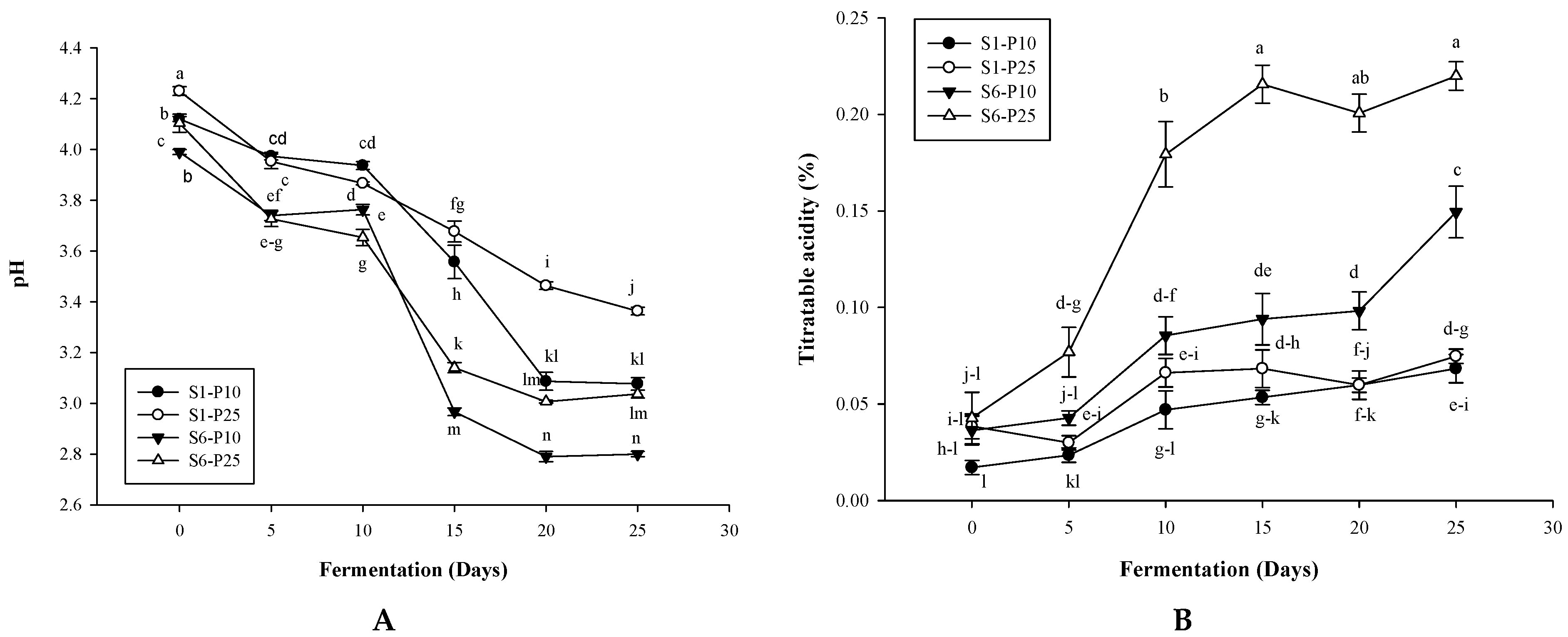
3.1. Changes in pH and Titratable Acidity (TA)
3.2. Changes in Total Soluble Solids (TSS) and Ethanol Concentration
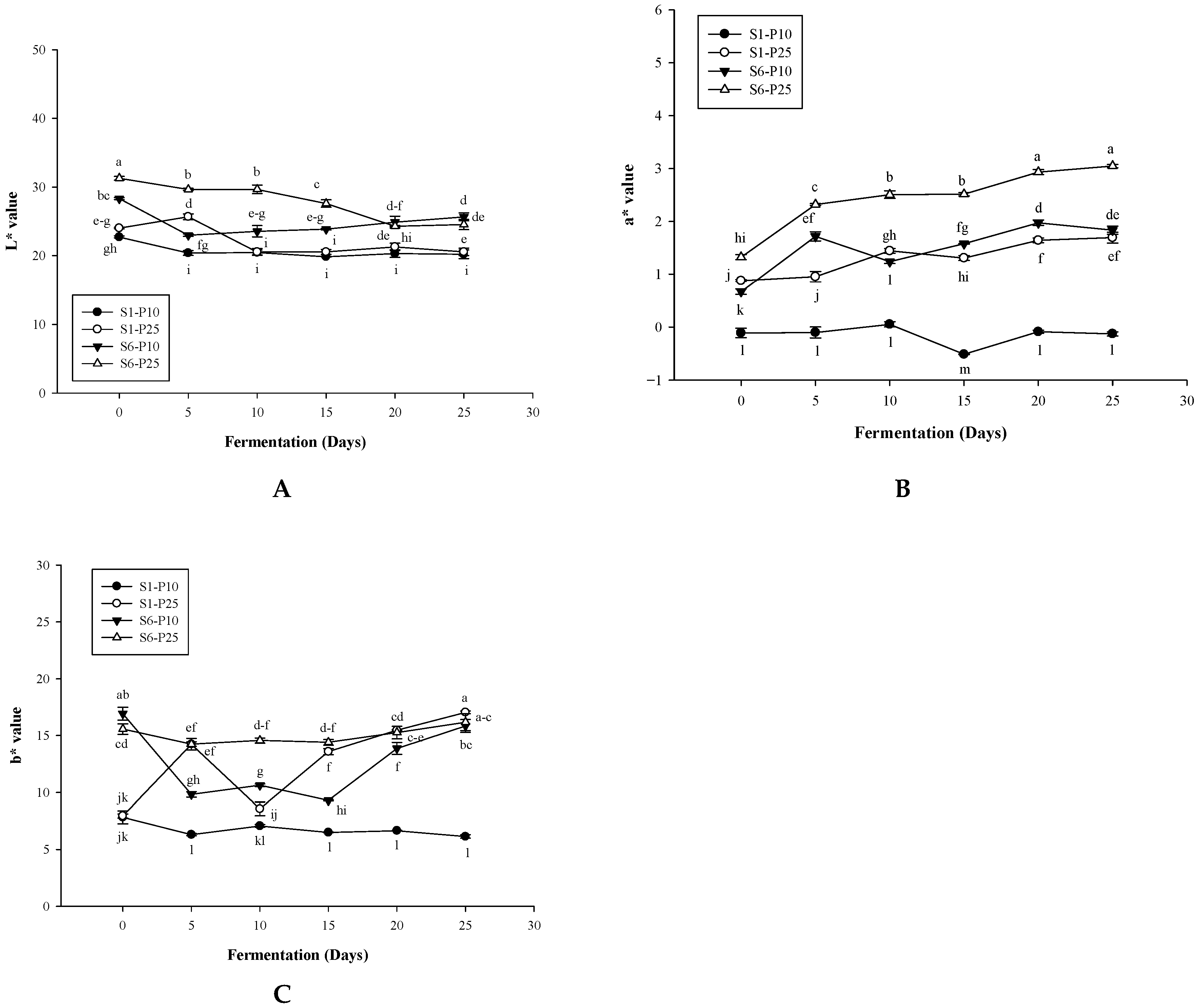
3.3. Changes in L*a*b* Color Parameters
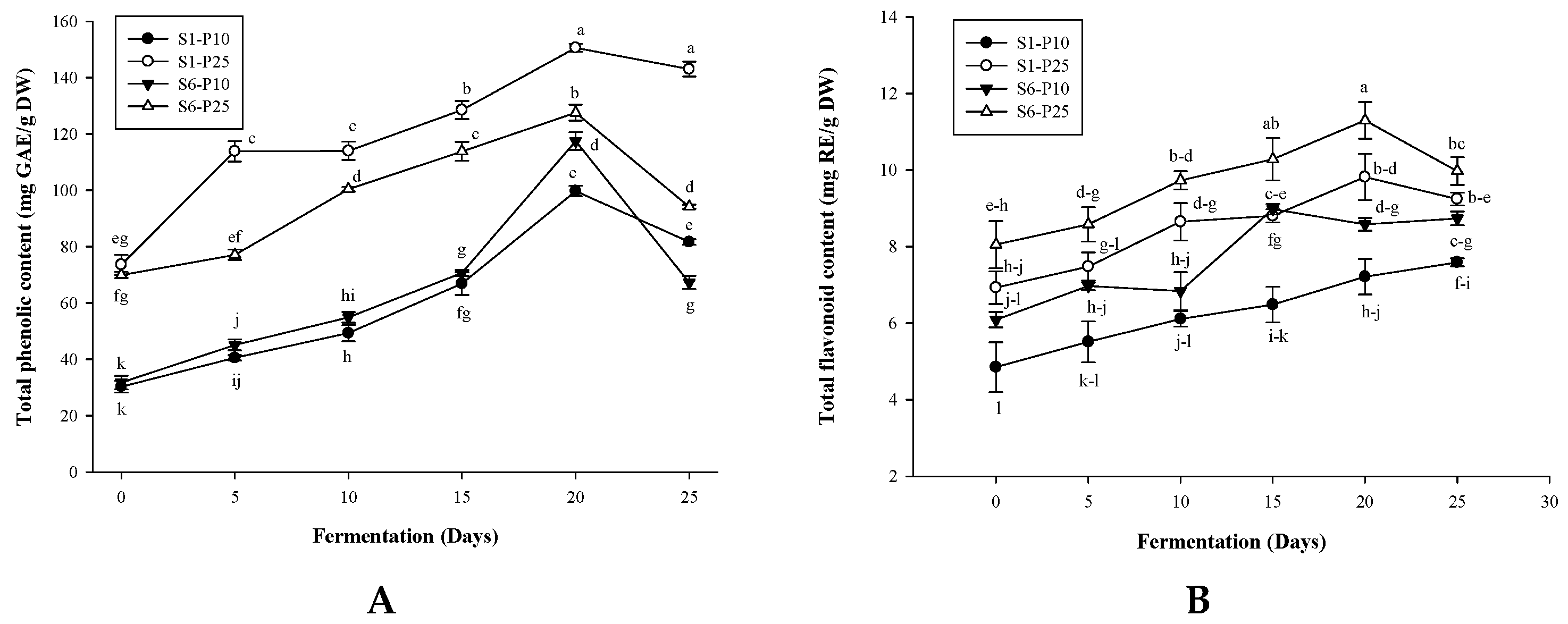
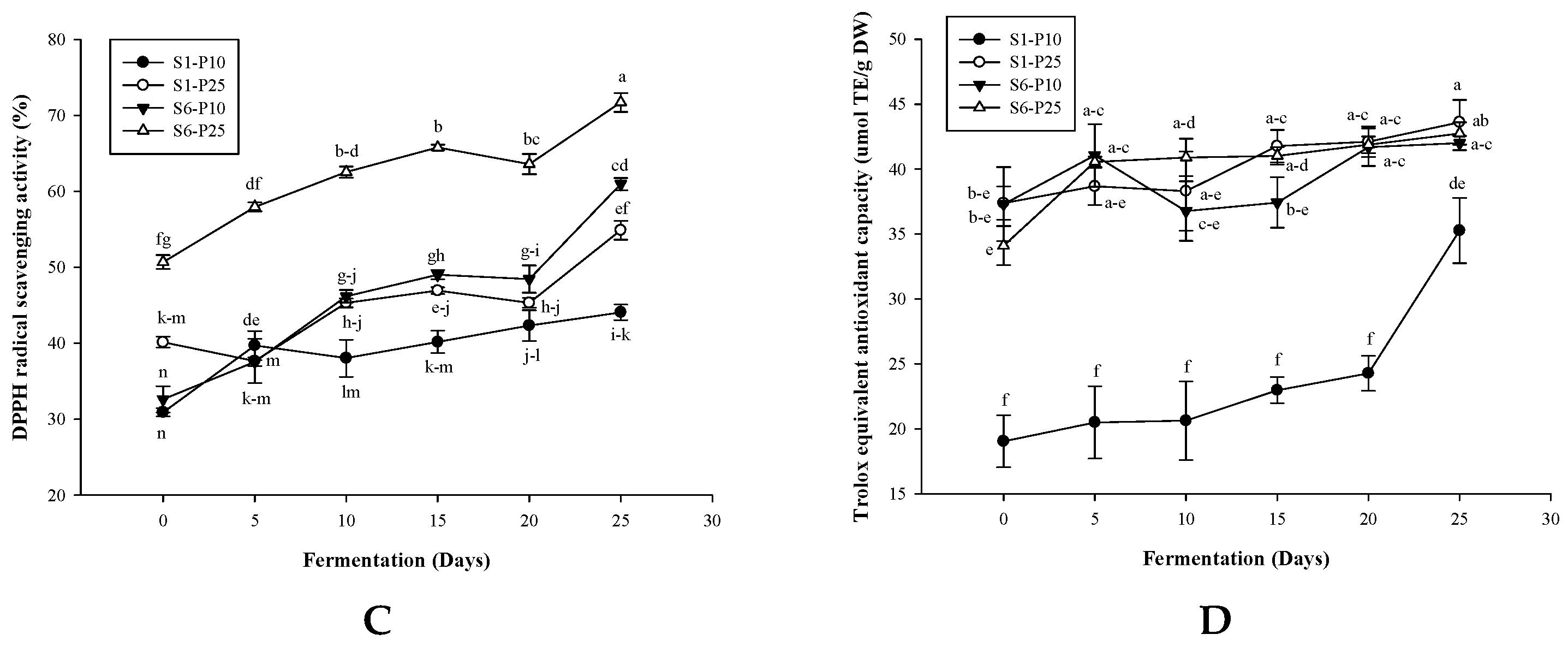
3.4. Bioactive Compounds and Antioxidant Activity
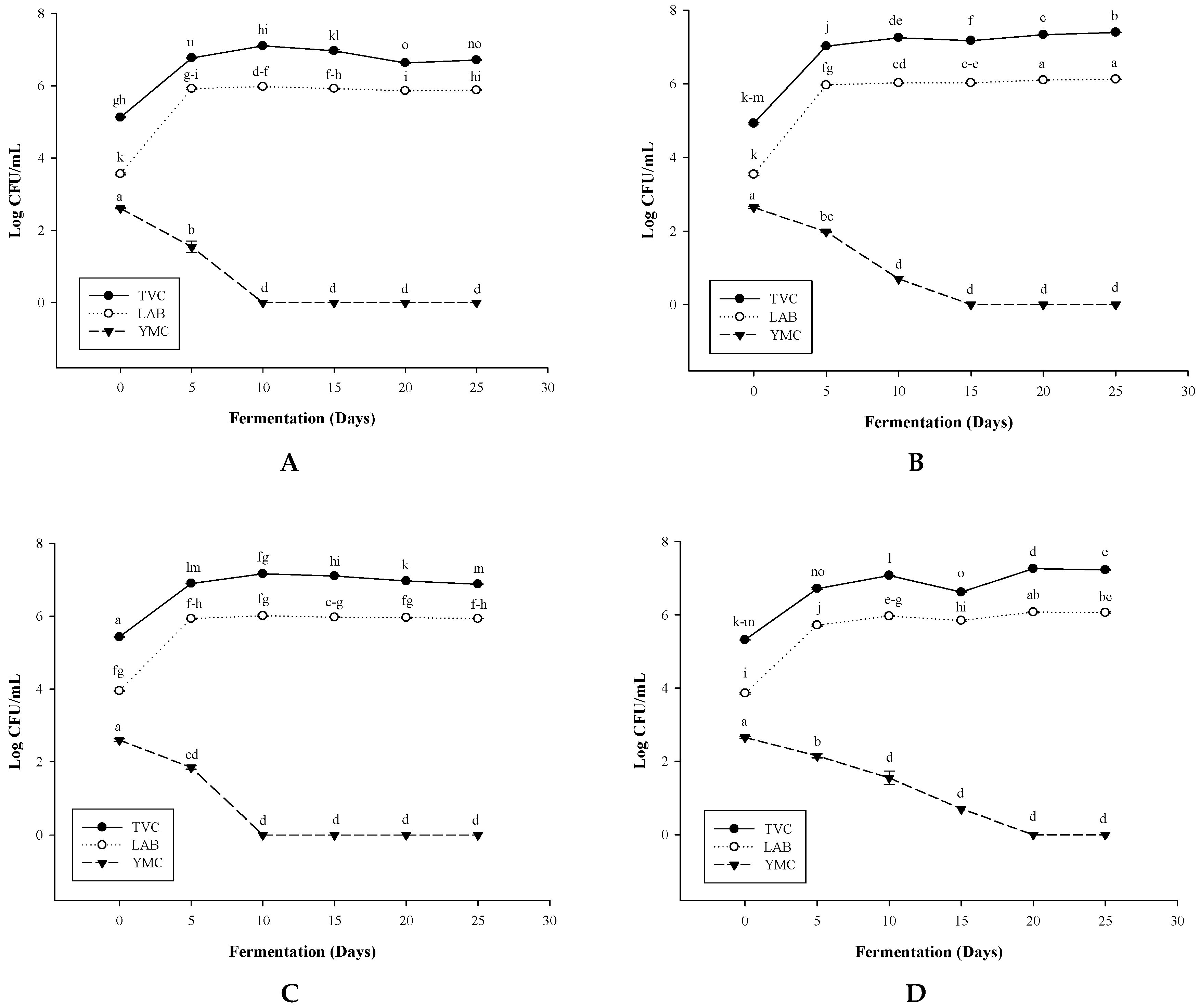
3.5. Changes in Total Viable Count (TVC), Lactic Acid Bacteria (LAB), and Yeast and Mold Count (YMC)
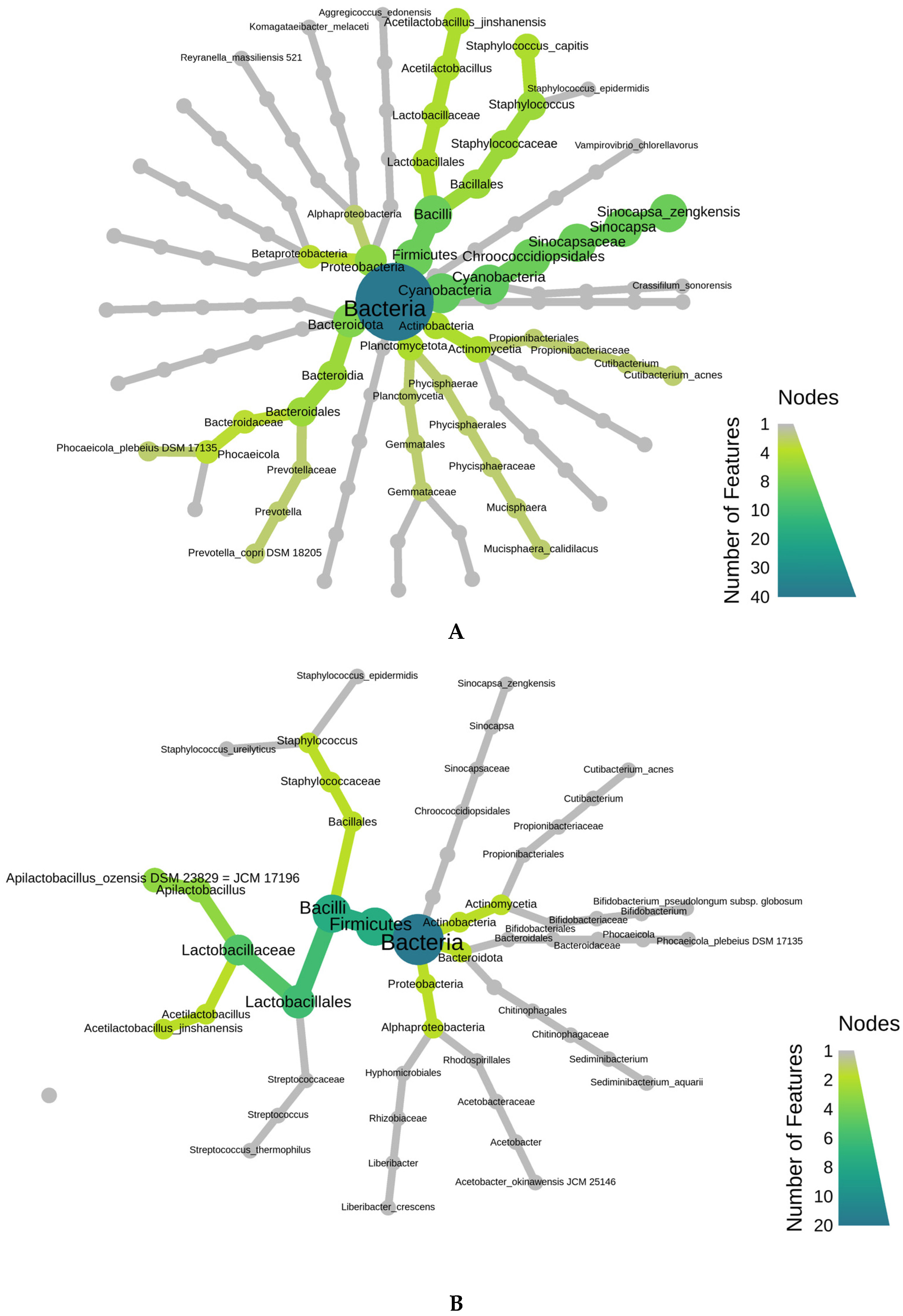
3.6. Microbial Community Structure and Succession Revealed by Heat Tree Analysis
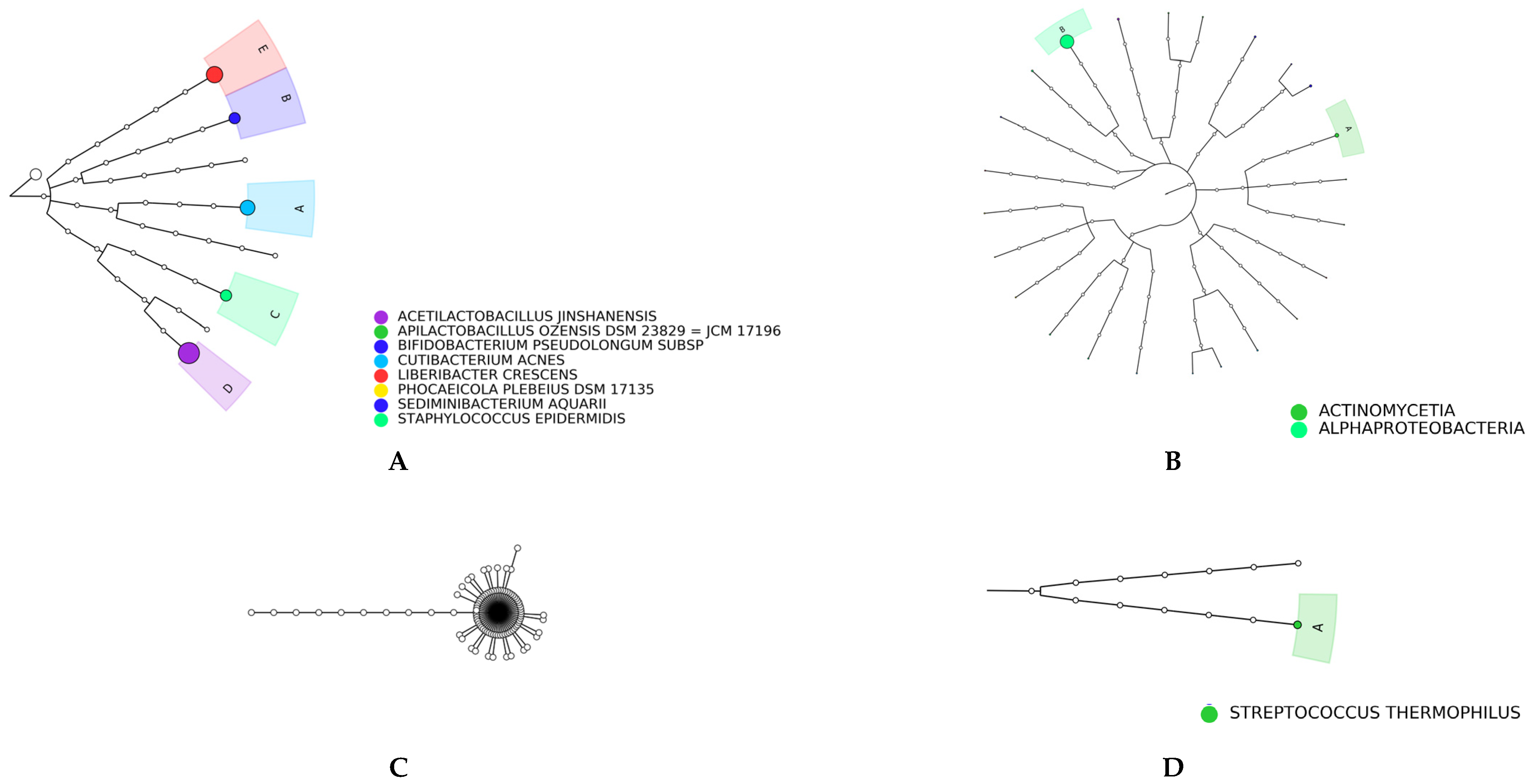
3.7. Phylogenetic Tree Analysis of the Core Microbiome in SCOBY Fermentation
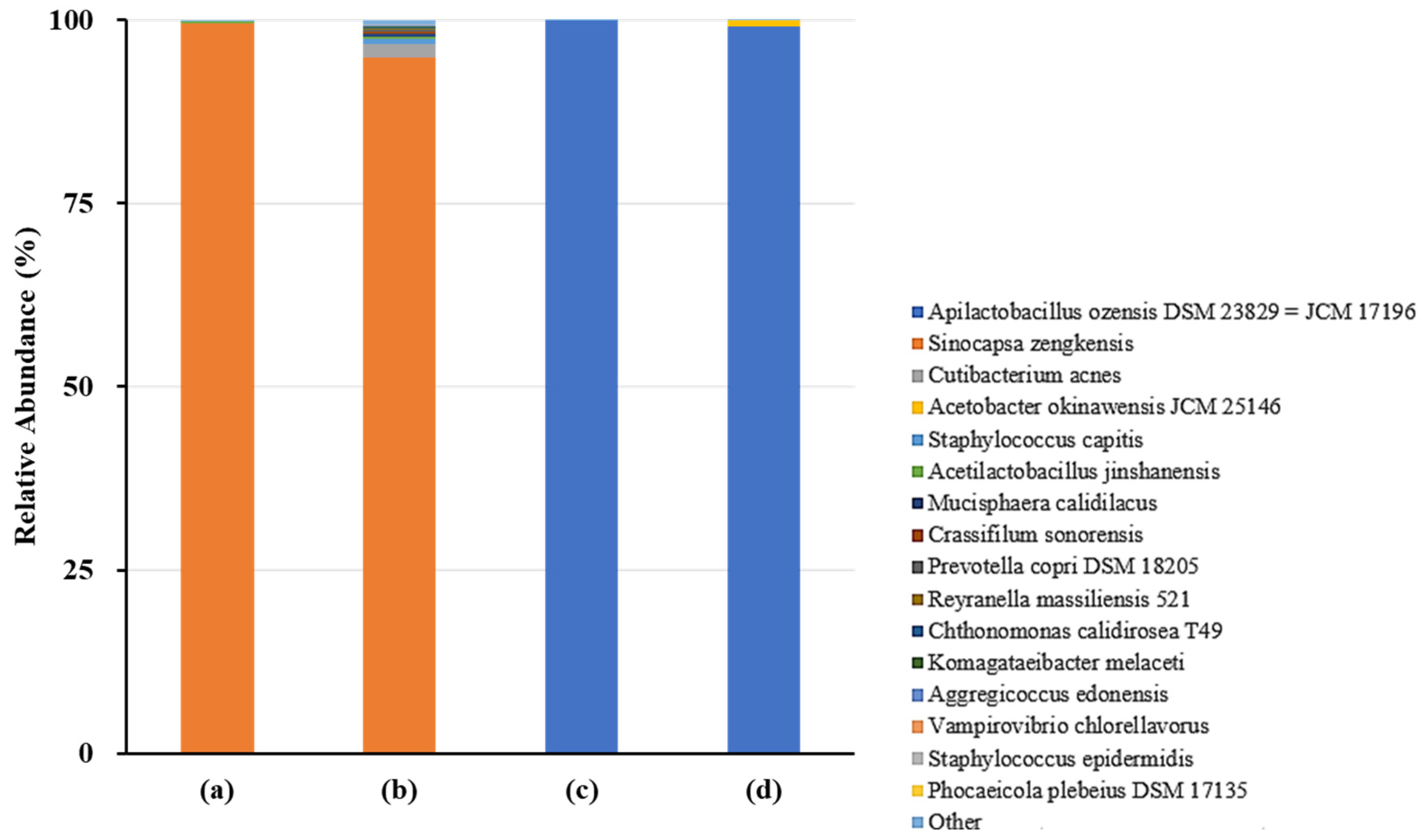
3.8. Species-Level Microbial Succession During Fermentation
4. Conclusions
Author Contributions
Funding
Institutional Review Board Statement
Informed Consent Statement
Data Availability Statement
Acknowledgments
Conflicts of Interest
References
- Jayabalan, R.; Malbaša, R.V.; Lončar, E.S.; Vitas, J.S.; Sathishkumar, M. A review on kombucha tea—Microbiology, composition, fermentation, beneficial effects, toxicity, and tea fungus. Compr. Rev. Food Sci. Food Saf. 2014, 13, 538–550. [Google Scholar] [CrossRef] [PubMed]
- Villarreal-Soto, S.A.; Beaufort, S.; Bouajila, J.; Souchard, J.P.; Taillandier, P. Understanding kombucha tea fermentation: A review. J. Food Sci. 2018, 83, 580–588. [Google Scholar] [CrossRef] [PubMed]
- Marsh, A.J.; O’Sullivan, O.; Hill, C.; Ross, R.P.; Cotter, P.D. Sequence-based analysis of the bacterial and fungal compositions of multiple kombucha samples. Food Microbiol. 2014, 38, 171–178. [Google Scholar] [CrossRef]
- Coton, M.; Pawtowski, A.; Taminiau, B.; Burgaud, G.; Deniel, F.; Coulloumme-Labarthe, L.; Fall, A.; Daube, G.; Coton, E. Unraveling microbial ecology of industrial-scale kombucha fermentations by metabarcoding and culture-based methods. FEMS Microbiol. Ecol. 2017, 93, fix048. [Google Scholar] [CrossRef]
- Chen, C.; Liu, B.Y. Changes in major components of tea fungus metabolites during prolonged fermentation. J. Appl. Microbiol. 2000, 89, 834–839. [Google Scholar] [CrossRef]
- Ayala-Zavala, J.F.; Vega-Vega, V.; Rosas-Domínguez, C.; Palafox-Carlos, H.; Villa-Rodriguez, J.A.; Siddiqui, M.W.; Dávila-Aviña, J.E.; González-Aguilar, G.A. Agro-industrial potential of exotic fruit byproducts as a source of food additives. Food Res. Int. 2011, 44, 1866–1874. [Google Scholar] [CrossRef]
- Mirabella, N.; Castellani, V.; Sala, S. Current options for the valorization of food manufacturing waste: A review. J. Clean. Prod. 2014, 65, 28–41. [Google Scholar] [CrossRef]
- Yin, J.; Hu, X.; Hou, Y.; Liu, S.; Jia, S.; Gan, C.; Ou, Y.; Zhang, X. Comparative analysis of chemical compositions and antioxidant activities of different pomelo varieties from China. Food Chem. Adv. 2023, 2, 100180. [Google Scholar] [CrossRef]
- Xu, G.; Ye, X.; Chen, J.; Liu, D. Effect of heat treatment on the phenolic compounds and antioxidant capacity of citrus peel extract. J. Agric. Food Chem. 2007, 55, 330–335. [Google Scholar] [CrossRef]
- Gorinstein, S.; Martín-Belloso, O.; Park, Y.S.; Haruenkit, R.; Lojek, A.; Číž, M.; Caspi, A.; Libman, I.; Trakhtenberg, S. Comparison of some biochemical characteristics of different citrus fruits. Food Chem. 2001, 74, 309–315. [Google Scholar] [CrossRef]
- Lu, C.; Zhang, J.; Zhao, X.; Zi, Y.; Xiao, X. Biotransformation of phenolic acids in foods: Pathways, key enzymes, and technological applications. Foods 2023, 12, 3443. [Google Scholar] [CrossRef]
- Hur, S.J.; Lee, S.Y.; Kim, Y.C.; Choi, I.; Kim, G.B. Effect of fermentation on the antioxidant activity in plant-based foods. Food Chem. 2014, 160, 346–356. [Google Scholar] [CrossRef]
- Filannino, P.; Di Cagno, R.; Gobbetti, M. Metabolic and functional paths of lactic acid bacteria in plant foods. Front. Microbiol. 2018, 9, 2516. [Google Scholar]
- Swain, M.R.; Anandharaj, M.; Ray, R.C.; Rani, R.P. Fermented fruits and vegetables of Asia: A potential source of probiotics. Biotechnol. Res. Int. 2014, 2014, 250424. [Google Scholar] [CrossRef] [PubMed]
- Zubaidah, E.; Cahyadi, A.B.; Srianta, I.; Tewfik, I. Physicochemical and microbiological characteristics of fruit-based kombucha. Food Res. 2023, 7, 64–70. [Google Scholar] [CrossRef]
- Rocha-Guzmán, N.E.; González-Laredo, R.F.; Moreno-Jiménez, M.R.; Gallegos-Infante, J.A.; Mancera-Rodríguez, J.; Rosales-Villarreal, M.C. Kombucha analogs from maqui juice: Consortium age and sugar concentration effects on anthocyanin stability and its relationship with antioxidant activity and digestive enzyme inhibition. Food Chem. 2023, 421, 136158. [Google Scholar] [CrossRef] [PubMed]
- Chakravorty, S.; Bhattacharya, S.; Chatzinotas, A.; Chakraborty, W.; Bhattacharya, D.; Gachhui, R. Kombucha tea fermentation: Microbial and biochemical dynamics. Int. J. Food Microbiol. 2016, 220, 63–72. [Google Scholar] [CrossRef]
- Hemdan, D.I.; Bushnaq, T.; Radhi, K. Effect of Fermentation Time on Antioxidants Activity and Sensory Evaluation of the Kombucha Tea Beverage Prepared with Hibiscus and Tamarind. J. Biobased Mater. Bioenergy 2023, 17, 573–581. [Google Scholar] [CrossRef]
- Li, X.; Tso, N.; Huang, S.; Wang, J.; Zhou, Y.; Liu, R. A comprehensive evaluation of microbial synergistic metabolic mechanisms and health benefits in kombucha fermentation: A review. Biology 2025, 14, 952. [Google Scholar] [CrossRef]
- Goh, W.N.; Rosma, A.; Kaur, B.; Fazilah, A.; Karim, A.A.; Bhat, R. Fermentation of black tea broth (Kombucha): II. Effects of sucrose concentration and fermentation time on ethanol and organic acid production. Food Chem. 2012, 131, 117–121. [Google Scholar]
- Lončar, E.; Malbaša, R.; Kolarov, L. Influence of working conditions upon kombucha conducted fermentation of black tea. Food Bioprod. Process. 2006, 84, 186–192. [Google Scholar] [CrossRef]
- Teoh, A.L.; Heard, G.; Cox, J. Yeast ecology of kombucha fermentation. Int. J. Food Microbiol. 2004, 95, 119–126. [Google Scholar] [CrossRef]
- Shi, S.; Wei, Y.; Lin, X.; Liang, H.; Zhang, S.; Chen, Y.; Dong, L.; Ji, C. Microbial metabolic transformation and antioxidant activity evaluation of polyphenols in kombucha. Food Biosci. 2023, 51, 102287. [Google Scholar] [CrossRef]
- Zhishen, J.; Mengcheng, T.; Jianming, W. The determination of flavonoid contents in mulberry and their scavenging effects on superoxide radicals. Food Chem. 1999, 64, 555–559. [Google Scholar] [CrossRef]
- Brand-Williams, W.; Cuvelier, M.E.; Berset, C. Use of a free radical method to evaluate antioxidant activity. LWT—Food Sci. Technol. 1995, 28, 25–30. [Google Scholar] [CrossRef]
- Re, R.; Pellegrini, N.; Proteggente, A.; Pannala, A.; Yang, M.; Rice-Evans, C. Antioxidant activity applying an improved ABTS radical cation decolorization assay. Free Radic. Biol. Med. 1999, 26, 1231–1237. [Google Scholar] [CrossRef]
- Schloss, P.D.; Jenior, M.L.; Koumpouras, C.C.; Westcott, S.L.; Highlander, S.K. Sequencing 16S rRNA gene fragments using the PacBio SMRT DNA sequencing system. PeerJ 2016, 4, e1869. [Google Scholar] [CrossRef]
- Rhoads, A.; Au, K.F. PacBio Sequencing and Its Applications. Genom. Proteom. Bioinform. 2015, 13, 278–289. [Google Scholar] [CrossRef]
- Callahan, B.J.; McMurdie, P.J.; Rosen, M.J.; Han, A.W.; Johnson, A.J.A.; Holmes, S.P. DADA2: High-resolution sample inference from Illumina amplicon data. Nat. Methods 2016, 13, 581–583. [Google Scholar] [CrossRef] [PubMed]
- Quast, C.; Pruesse, E.; Yilmaz, P.; Gerken, J.; Schweer, T.; Yarza, P.; Peplies, J.; Glöckner, F.O. The SILVA ribosomal RNA gene database project: Improved data processing and web-based tools. Nucleic Acids Res. 2013, 41, D590–D596. [Google Scholar] [CrossRef] [PubMed]
- Segata, N.; Izard, J.; Waldron, L.; Gevers, D.; Miropolsky, L.; Garrett, W.S.; Huttenhower, C. Metagenomic biomarker discovery and explanation. Genome Biol. 2011, 12, R60. [Google Scholar] [CrossRef] [PubMed]
- Paramithiotis, S.; Hondrodimou, O.L.; Drosinos, E.H. Development of the Microbial Community during Spontaneous Cauliflower Fermentation. Food Res. Int. 2010, 43, 1098–1103. [Google Scholar] [CrossRef]
- Bortolomedi, B.M.; Paglarini, C.S.; Brod, F.C.A. Bioactive compounds in kombucha: A review of substrate effect and fermentation conditions. Food Chem. 2022, 385, 132719. [Google Scholar] [CrossRef]
- Greenwalt, C.J.; Ledford, R.A.; Steinkraus, K.H. Determination and characterization of the antimicrobial activity of the fermented tea kombucha. J. Food Prot. 1998, 61, 891–896. [Google Scholar]
- Sreeramulu, G.; Zhu, Y.; Knol, W. Kombucha fermentation and its antimicrobial activity. Bioresour. Technol. 2000, 71, 143–146. [Google Scholar] [CrossRef]
- Watawana, M.I.; Jayawardena, N.; Gunawardhana, C.B.; Waisundara, V.Y. Enhancement of the antioxidant and starch hydrolase inhibitory activities of king coconut water (Cocos nucifera var. aurantiaca) by fermentation with kombucha ‘tea fungus’. Int. J. Food Sci. Technol. 2016, 51, 490–498. [Google Scholar] [CrossRef]
- Liao, T.; Li, X.; Fan, L.; Zhang, B.; Zheng, W.; Hua, J.; Li, L.; Mahror, N.; Cheng, L.-H. Nature of back slopping kombucha fermentation process: Insights from the microbial succession, metabolites composition changes and their correlations. Front. Microbiol. 2024, 15, 1433127. [Google Scholar] [CrossRef]
- Yang, J.; Lagishetty, V.; Kurnia, P.; Henning, S.M.; Ahdoot, A.I.; Jacobs, J.P. Microbial and Chemical Profiles of Commercial Kombucha Products. Nutrients 2022, 14, 670. [Google Scholar] [CrossRef]
- Fraiz, G.M.; Bonifácio, D.B.; de Paulo, R.S.; Teixeira, C.M.; Martino, H.S.D.; de Barros, F.A.R.; Milagro, F.I.; Bressan, J. Benefits of Kombucha Consumption: A Systematic Review of Clinical Trials Focused on Microbiota and Metabolic Health. Fermentation 2025, 11, 353. [Google Scholar] [CrossRef]
- Kim, H.; Hur, S.; Lim, J.; Jin, K.; Yang, T.-H.; Keehm, I.-S.; Kim, S.W.; Kim, T.; Kim, D. Enhancement of the phenolic compounds and antioxidant activities of Kombucha prepared using specific bacterial and yeast. Food Biosci. 2023, 56, 103431. [Google Scholar] [CrossRef]
- Vīna, I.; Semjonovs, P.; Linde, R.; Deniņa, I. Current evidence on physiological activity and expected health effects of kombucha fermented beverage. J. Med. Food 2014, 17, 179–188. [Google Scholar] [CrossRef] [PubMed]
- Sawant, S.S.; Park, H.Y.; Sim, E.Y.; Kim, H.S.; Choi, H.S. Microbial Fermentation in Food: Impact on Functional Properties and Nutritional Enhancement—A Review of Recent Developments. Fermentation 2024, 10, 432. [Google Scholar] [CrossRef]
- Nyhan, L.M.; Lynch, K.M.; Sahin, A.W.; Arendt, E.K. Advances in Kombucha Tea Fermentation: A Review. Appl. Microbiol. 2022, 2, 73–103. [Google Scholar] [CrossRef]
- Amalia, R.I.; Fahrudin, F.I.; Alvi, A.S.; Intipunya, P. Myths and Potential Benefits of Kombucha as a Functional Food: A Review. Int. J. Res. Innov. Appl. Sci. 2024, 9, 484–491. [Google Scholar] [CrossRef]
- Tu, C.; Yu, T.; Feng, S.; Xu, N.; Massawe, A.; Shui, S.; Zhang, B. Dynamics of microbial communities, flavor, and physicochemical properties of kombucha-fermented Sargassum fusiforme beverage during fermentation. LWT—Food Sci. Technol. 2022, 154, 112687. [Google Scholar] [CrossRef]
- De Filippis, F.; Troise, A.D.; Vitaglione, P.; Ercolini, D. Different temperatures select distinctive acetic acid bacteria species and promotes organic acids production during kombucha tea fermentation. Food Microbiol. 2018, 73, 11–16. [Google Scholar] [CrossRef]
- Reva, O.N.; Zaets, I.E.; Ovcharenko, L.P.; Kukharenko, O.E.; Shpylova, S.P.; Podolich, O.V.; de Vera, J.P.; Kozyrovska, N.O. Metabarcoding of the kombucha microbial community grown in different microenvironments. AMB Express 2015, 5, 35. [Google Scholar] [CrossRef] [PubMed]




| Sample | Fermentation (Days) | |||||
|---|---|---|---|---|---|---|
| 0 | 5 | 10 | 15 | 20 | 25 | |
| S1-P10 | 15.1 ± 0.10 ab | 15.1 ± 0.06 ab | 15.0 ± 0.06 ab | 15.0 ± 0.06 b | 15.0 ± 0.06 b | 14.8 ± 0.06 bc |
| S1-P25 | 15.3 ± 0.12 a | 15.0 ± 0.00 ab | 15.0 ± 0.06 b | 15.0 ± 0.06 b | 14.9 ± 0.06 b | 15.0 ± 0.12 b |
| S6-P10 | 14.9 ± 0.06 b | 14.9 ± 0.15 b | 14.9 ± 0.10 bc | 14.8 ± 0.06 b | 14.9 ± 0.06 b | 14.6 ± 0.12 cd |
| S6-P25 | 15.0 ± 0.15 ab | 14.9 ± 0.12 b | 14.9 ± 0.06 de | 14.4 ± 0.12 ef | 14.3 ± 0.15 ef | 14.1 ± 0.12 f |
Disclaimer/Publisher’s Note: The statements, opinions and data contained in all publications are solely those of the individual author(s) and contributor(s) and not of MDPI and/or the editor(s). MDPI and/or the editor(s) disclaim responsibility for any injury to people or property resulting from any ideas, methods, instructions or products referred to in the content. |
© 2026 by the authors. Licensee MDPI, Basel, Switzerland. This article is an open access article distributed under the terms and conditions of the Creative Commons Attribution (CC BY) license.
Share and Cite
Kono, T.; Lai, Y.-C.; Chen, B.-Y.; Kuo, M.-I. Microbial Succession and Functional Metabolite Formation During SCOBY Fermentation of Pomelo Peel Substrates. Fermentation 2026, 12, 219. https://doi.org/10.3390/fermentation12050219
Kono T, Lai Y-C, Chen B-Y, Kuo M-I. Microbial Succession and Functional Metabolite Formation During SCOBY Fermentation of Pomelo Peel Substrates. Fermentation. 2026; 12(5):219. https://doi.org/10.3390/fermentation12050219
Chicago/Turabian StyleKono, Tomoki, Yi-Chung Lai, Bang-Yuan Chen, and Meng-I Kuo. 2026. "Microbial Succession and Functional Metabolite Formation During SCOBY Fermentation of Pomelo Peel Substrates" Fermentation 12, no. 5: 219. https://doi.org/10.3390/fermentation12050219
APA StyleKono, T., Lai, Y.-C., Chen, B.-Y., & Kuo, M.-I. (2026). Microbial Succession and Functional Metabolite Formation During SCOBY Fermentation of Pomelo Peel Substrates. Fermentation, 12(5), 219. https://doi.org/10.3390/fermentation12050219