


Abstract
The aims of this study were to evaluate the impact of probiotics (added as a starter sourdough and microcapsules) on gluten-free (GF) rice–amaranth steamed bread (SB) regarding physicochemical characteristics, sensory attributes, probiotic viability, and volatile organic compounds (VOCs). Also, probiotic viability, pH, total titratable acidity (TTA), moisture content, water activity, and texture were determined for 10 days of storage. GF-SB based on rice and amaranth was formulated and cooked at 90 ± 2 °C for 40 min. Three types of GF-SB were studied: control, with 30% sourdough fermented using Lactiplantibacillus plantarum NRRL B-4496 (GF-P), and with sourdough and encapsulated Limosilactobacillus reuteri DSM 17938 (GF-PC). The encapsulation yield was 94.9%. The viability of both probiotics was drastically reduced after steamed cooking, with losses ranging from 6 to 8 log10 CFU/g. Sourdough decreased the pH (from 6.04 to 5.48–5.71) and hardness (control 46 N, sourdough ~25 N) while increasing lactic and acetic acids, moisture content (control 38%, sourdough ~46%), and water activity. Sourdough and probiotic capsules did not affect volume (~1.24 cm3/g), width-to-height ratio (~2.4), color, or sensory attributes. The VOCs revealed higher relative abundances of certain yeast-derived higher alcohols and oxidation-related carbonyl-trapping derivatives in control GF-SB, whereas bread with sourdough showed higher levels of long-chain hydrocarbons and esters, such as heptacosane and decanoic acid decyl ester. During the storage, Lpb. plantarum increased to ~3 log10 CFU/g and Lim. reuteri remained steady. pH and TTA (0.03–0.04%) remained constant during storage. After 10 days of storage, hardness increased significantly (p < 0.05) in all GF-SB, doubling the initial values. Moisture content remained constant, while water activity decreased in GF-P (Δ = 0.025) and the control (Δ = 0.015). The use of sourdough in GF-SB improved texture, moisture content, and VOCs without modifying physical and sensory properties.
1. Introduction
Steamed bread (SB) is a traditional Chinese steamed bread [1] widely enjoyed across Asia. Currently, SB is popular outside of China. There is a wide variety of SB, ranging from dense, very firm, and cohesive to soft and fluffy [2]. The texture and style of SB are determined by the formulation and process conditions [3]. The basic SB formulation consists of wheat flour, water, and yeast/sourdough [3]. SB is cooked at a low steaming temperature (100 °C) and is considered healthy food because it lacks toxic Maillard reaction products (acrylamide and furan) [1]. By contrast, in baked bread hot air at 160–250 °C is used to cook the dough for 5–40 min; specific temperature–time combinations depend on the dough mass and the bread type. Steam-cooking conditions may result in the retention of a greater diversity of endogenous and added nutrients than in baked bread [1]. These features may help maintain the function of heat-sensitive bioactive compounds, such as probiotics, thereby increasing their survival [4,5]. However, scientific research on added probiotics, especially encapsulated lactic acid bacteria (LAB), to gluten-free SB formulations and the examination of their combined effects on quality attributes are scarce. Home-made SB is traditionally prepared using sourdough fermentation, which prevents staling, reduces hardness, and increases shelf life, thereby enhancing quality and storage [3]. On the other hand, previous studies on gluten-free SB are scarce. Liu et al. [6] formulated and optimized a gluten-free SB using pregelatinized potato flour, hydroxypropyl methylcellulose, and egg white protein with response surface methodology to improve SB quality (dough rheological properties, volume, textural properties, and sensory properties) and evaluated the chemical composition, antioxidant activity, and estimated glycemic index (eIG). They observed that the optimized gluten-free bread exhibited suitable specific volume and texture, as well as acceptable sensory characteristics. In addition, dietary fiber, total polyphenol content, and antioxidant activity were enhanced, whereas the eIG was lower than that of wheat SB. Thus, the formulation of gluten-free SB using flour other than potato flour is necessary.
The demand for gluten-free (GF) bakery products has steadily increased over the past decade, driven by rising rates of celiac disease and non-celiac gluten sensitivity, as well as consumers seeking foods they view as healthier or more natural [7,8]. The growing demand for high-quality GF bread, clean-label products, and natural products underscores the need for new approaches to GF product development [9,10,11]. Recent advancements in GF product development have emphasized the addition of functional supplements, such as dietary fibers, plant-based proteins, bioactive compounds, and microbial cultures, many sourced from food by-products or alternative grains [11,12]. Pseudocereals such as amaranth have gained interest due to their excellent amino acid profiles, high micronutrient levels, and natural bioactive compounds, making them promising fortifying ingredients for rice-based GF products [13,14,15]. Bhatt et al. [16] studied the addition of amaranth flour (0%, 10%, 20%, 30%, 40%, 50%) to black rice GF muffins to assess the nutritional, physicochemical, textural, and sensory characteristics. Muffins containing 50% amaranth and black rice flour increased their nutritional attributes (crude fiber, fat, crude protein) and functional properties (total phenolics, flavonoid content, and antioxidant activity), while improving their color, reducing hardness and chewiness, and obtaining the highest scores on sensory attributes, and were well accepted. Yeşil and Levent [17] studied the effect of buckwheat, quinoa, and amaranth flours fermented via spontaneous and yeast fermentation, and their use in GF bread at 0, 15, 30, and 45% substitutions of rice flour/corn starch (50:50) on their chemical composition, hardness, antioxidant properties, and sensory analysis. Increased ratios of fermented dough pseudocereals (FDP) increased the levels of ash, crude protein, total phenolic content, antioxidant activity, and hardness. The addition of 45% of FDP increased the mineral content (Ca, P, K, Fe, Mg, and Zn). Breads with spontaneous FDP scored lower in sensory tests. They concluded that GF bread containing up to 30% fermented dough is acceptable. These studies revealed the importance of exploring the use of amaranth flour in GF bread as proposed in the present study. Another ingredient used as a gluten-free substitute is the seed husk (Plantago ovata) psyllium for its water-binding and gel-forming properties [18].
GF raw materials (rice, maize, buckwheat, teff, and amaranth) are a source of LAB (Lactobacillus fermentum, Lactobacillus plantarum, and Lactobacillus paralimentarious) [19]; thus, GF sourdough is common in manufacturing baking products. The sourdough fermentation of rice flour improves the functional, nutritional, textural, physicochemical, and sensory properties, and reduces microbial counts and staling of GF baked goods [20,21,22]. Lactobacillus spicheri [20], L. fermentum DSM 15429, L. plantarum [21], Lactococcus lactis 1.2472, Streptococcus thermophilus 1.2718, and Lactobacillus rhamnosus HCUL 1.1901–1912 [22] have been used in the formulation of GF based on rice flour, obtaining notable improvements in bread.
The use of probiotics is a growing area in GF bakery innovation [23]. Probiotic bread relies on developing new strategies such as encapsulation, among others. Incorporating probiotic microorganisms such as Limosilactobacillus reuteri can provide digestive and immunomodulatory benefits [24], while sourdough fermentation with Lactiplantibacillus plantarum potentially improves dough structure, flavor development, and overall product quality through fermentation-derived metabolites [23,25,26,27]. Lim. reuteri is known for attaching to intestinal cells and supporting colonization and activity. Selected strains promote gut health, modulate immune response, lower cholesterol, enhance barrier function, alter gut microbiota, and reduce inflammation [28]. These benefits have led to their inclusion in functional foods [29,30]. However, their viability can be affected during food processing, storage, and digestion.
Delivering viable probiotics in baked or steamed products remains challenging due to heat exposure and oxygen stress. Encapsulation technologies offer a viable strategy to enhance probiotic survival by protecting cells during processing and storage [5,31], and when combined with sourdough fermentation, may also provide synergistic improvements in texture and aroma [4]. Ghasemi et al. [4] studied how encapsulation with tragacanth gum and sago starch affected physicochemical properties, staling, and probiotic viability (Lactobacillus acidophilus and L. plantarum) in GF sorghum bread. Encapsulation improved probiotic survival during baking and storage by over 2 log cycles compared with the control. Zadeike et al. [32] evaluated the acidification capability of freeze-dried alginate and alginate-chitosan gel-based microcapsules containing Lacticaseibacillus casei during wheat-rice bread fermentation. Freeze-dried alginate microcapsules exhibited effective fermentation ability, improved bread quality, and extended their shelf life. Alginate and starch beads containing L. acidophilus or L. casei retained their viability (2.1 × 10⁸ CFU/g and 3.2 × 10⁸ CFU/g, respectively) after baking (15 min and 180 °C) in hamburger buns [33]. Viable counts of L. rhamnosus GG (probiotic) microencapsulated (3% alginate) and incorporated into white bread ranged from 4.94 to 6.45 log10 CFU/g after baking (250 °C for 15 min, 220 °C for 20 min, and 180 °C for 30 min) [34]. Microcapsules formulated with alginate (3%) and cassava starch (2%) or hi-maize resistant starch (2%) improved the viability of L. rhamnosus GG up to 7.55 and 7.97 log10 CFU/g after baking [34]. The supplementation of microencapsulated probiotics in GF bread or GF-SB remains unexplored.
Given these gaps, the present research investigates the supplementation of GF rice–amaranth SB with probiotics delivered via two strategies: (1) sourdough fermentation using Lpb. plantarum NRRL B-4496 and (2) incorporation of microencapsulated Lim. reuteri DSM 17938. This study evaluates the impact of these probiotic strategies on physicochemical characteristics, sensory attributes, probiotic viability, and volatile organic compounds. In addition, probiotic viability, pH, titratable acidity, moisture content, water activity, and texture were determined for 10 days of storage. By integrating alternative grains, functional supplementation, and microbial innovation, this work contributes to the emerging field of fortified GF-SB.
2. Materials and Methods
2.1. Materials
Sodium alginate was obtained from FMC BioPolymer (Rogaland, Norway), anhydrous calcium chloride (CaCl2, Reasol, Cd. de Mexico, Mexico), maltodextrin DE 10 (Ingredion, Guadalajara, Mexico), trisodium citrate dihydrate (Jungbunzlauer, Basel, Switzerland), maize starch, and soy oil from a local supermarket. The probiotic Lim. reuteri DSM 17938 was recovered from a tablet (BioGaia, Lund, Sweden), activated, and routinely subcultured in de Man, Rogosa, and Sharpe (MRS, Difco, BD, Sparks, MD, USA) broth at 37 °C for 24 h. Lpb. plantarum NRRL B-4496 was kindly donated in lyophilized form by the USDA (Agricultural Research Service, Peoria, IL, USA). Lpb. plantarum was also cultivated in MRS broth for 24 h at 37 °C.
2.2. Culture Conditions
Lpb. plantarum was cultivated in MRS broth at 35 °C for 24 h without shaking. Cells were harvested by centrifugation at 8000× g for 10 min at 4 °C (Thermo Fisher Scientific, Thermo Electron LED GmbH, Osterode am Harz, Germany), suspended in one milliliter of water, and used to formulate the GF poolish-type sourdough. The poolish-type sourdoughs (Type II) are the result of inoculating a flour–water mixture with lactic acid bacteria and then fermenting for 24 h, since a high inoculation was used [35].
For Lim. reuteri microencapsulation, three MRS broths (100 mL) were inoculated with Lim. reuteri and incubated at 37 °C for 24 h. Then, broth was centrifuged at 8000× g in a Sorvall ST 8R centrifuge (Thermo Fisher Scientific, Thermo Electron LED GmbH, Osterode am Harz, Germany) for 10 min at 4 °C. All steps were performed under aseptic conditions; the glassware, polypropylene material, and suspensions were previously sterilized at 121 °C for 20 min; for surfaces, ethanol was used for sanitization. Cells were washed twice using phosphate buffer (pH 7.0) and then suspended in maltodextrin solution (10%). For each batch of microcapsules, 30 mL of alginate (3%) was mixed with 10 mL of starch suspension and 10 mL of maltodextrin (containing the Lim. reuteri cells) until completely homogenized. Afterwards, 100 mL of soy oil containing 0.2% Tween 80 was added and mixed at 13,000 rpm using a Silverson L4R homogenizer (Silverson, New York, NY, USA). A total of 150 mL of CaCl2 solution (2%) was added under stirring and maintained at 200 rpm for 10 min; then, the mixture was allowed to stand for 30 min to drain the oil and separate the microcapsules. Microcapsules and the residual CaCl2 solution were centrifuged at 900× g for 5 min and filtered through sterile Whatman paper in a glass funnel. The microcapsules were washed twice with water, and the excess water was removed using paper tissue. The microcapsules had irregular form and size, ranging from 0.3 to 1.5 mm. For the microencapsulation yield analysis, 1 g of cell suspension (homogenized mixture of alginate, maltodextrin, starch, and cells) and 1 g of microcapsules were diluted into a citrate solution (1%), and appropriate 10-fold dilutions were cultured in Petri dishes by the poured method using MRS agar (Difco, BD, Sparks, MD, USA). Then, Petri dishes were incubated at 37 °C for 72 h under anaerobic conditions.
2.3. GF Bread Preparation
Whole grain amaranth flour and white rice flour were acquired from Sano Mundo (Sano Mundo S.A. de C.V., Cd. de Mexico, Mexico), psyllium husk NATSA (Encapsuladoras de México, S.A. de C.V., Chihuahua, Chihuahua, México), and the other ingredients were purchased at a local supermarket. For the control GF bread, 100 g of flour blend (rice/amaranth, 3:1), 100 mL of water, and 5 g of dry yeast were used. The final GF bread formulation is presented in Table 1; the poolish-type sourdough was prepared by fermenting the flour mixture with Lpb. plantarum (1 mL cell pellet/100 dough). In each case, the mixture was kneaded manually and fermented at 35 °C for 24 h.
Table 1.
Gluten-free (GF) steamed bread tested formulations.
After all ingredients were mixed and kneaded using a KitchenAid Artisan mixer (Whirlpool Corporation, Benton Harbor, MI, USA) at medium speed for 5 min, the dough was then fermented for 30 min at 35 °C. Afterwards, it was divided into portions of 60 ± 2 g and fermented again at 35 °C for 1 h. Cooking was performed in a steamer (90 ± 2 °C) for 40 min. Finally, the steamed loaves were cooled for 45 min, placed individually in polyethylene bags, and stored at room temperature (23 ± 2 °C) and environmental relative humidity (~60%).
The kneaded GF doughs were shaped and fermented, and SB cooked for 40 min. Four high-temperature data loggers were placed in different positions (one on top of the GF, one on the bottom, and one in the center) and in the steamer (using an electric saucepan) to record temperature at 30 s intervals during cooking. Temperature data were recorded using MadgeTech 4 (v4.3.1.1) Software (MadgeTech, Inc., 6 Warner Road, Warner, NH, USA).
2.4. Determination of Bread Physicochemical, Microbiological, and Quality Properties
The bread’s pH was measured with a pH meter model HI2210 (Hanna Instruments, Woonsocket, RI, USA) using the 02–52 method of the AACCI [36]. The total titratable acidity (TTA) in all the breads was determined using the AACCI method 02–31 [36]. The AOAC 930.15 method [37] was followed for moisture content determinations. An AquaLab 4TEV Series equipment (Meter Food, Pullman, WA, USA) was used for aw analysis. These determinations for all bread types were measured at 0, 5, and 10 days of storage. All determinations were performed in triplicate.
The specific volume was determined by seed displacement according to the AACC method 10–05 [36], and the specific volume of bread was expressed as the volume per unit weight (cm3/g). A digital Vernier was used to measure the width and height in central slices of 2.5 cm thickness for both dimensions, and then the width/height ratio was calculated. All determinations were performed in triplicate. Crumb pore size was evaluated using grayscale images via image analysis. Gas cells were segmented by adaptive thresholding, followed by morphological filtering. Pore sizes were quantified, and pore size distribution was obtained from the frequency histogram. All image processing and measurements were performed using MATLAB vR2025b (MathWorks, Natick, MA, USA).
The hardness of all the breads was measured with an EZ-SX texture analyzer (Shimadzu Corporation, Kyoto, Japan) on a 2.5 cm thick central slice of bread compressed (50%) with a stainless steel cylinder probe (d = 25 mm) at 60 mm/min speed; the maximum force (peak) was registered as the force (N) of the curve analyzed using the texture analyzer software (Trapezium vX, Shimadzu Corporation, Kyoto, Japan). The hardness of all types of bread was measured at 0, 5, and 10 days of storage. All determinations were performed in triplicate.
A Konica Minolta CR-400 colorimeter (Konica Minolta, Tokyo, Japan) was used in reflectance mode on the CIELAB scale to determine the color of the samples. Color differences (∆E) were assessed using Equation (1)
where Lc*, ac*, and bc* are the CIELAB parameters for the GF-SB control, and L*, a*, and b* are the CIELAB parameters for the sourdough GF-SB samples. The color measurements were taken in triplicate at 0 days of storage.
Bread weight loss was calculated by subtracting the bread’s final weight from the dough’s weight, with the GF-SB being weighed 1 h after being taken out of the steamer. Determinations were performed in triplicate.
The microbial quality of breads was analyzed at the beginning of the study (day 0) for total coliforms, following the NOM-113-SSA1-1994 [38] method, using violet red bile agar (Bioxon, BD, Cuatitlán, Mexico). Plates were incubated at 37 °C for 24 h. Total mesophilic aerobic bacteria (TMAB) counts were performed using NOM-092-SSA1-1994 [39], standard methods agar (Bioxon, BD, Cuatitlán, Mexico) was used as culture medium, and Petri dishes were incubated at 37 °C for 48 h. Yeast and mold were counted using the method NOM-111-SSA1-1994 [40], utilizing the potato dextrose agar (Bioxon, BD, Cuatitlán, Mexico) acidified (1.4 mL/100 mL agar from a 10 g/100 g of tartaric acid solution). Plates were incubated at 25 °C for 72 h.
2.5. Lactic Acid Bacterial Counts in GF Bread
For LAB counts, 10 g of SB was homogenized with 90 mL peptone water (0.1 g/100 mL, pH 7.0) and homogenized for 2 min with a stomacher 80 lab blender (Seward Ltd., Worthing, UK). For SB containing microcapsules, since the alginate microcapsules are insoluble in peptone water, 25 g of bread was homogenized with 225 mL of sodium citrate solution (1%) and mixed until dissolved. Both suspensions were adequately diluted 10-fold and cultured on MRS agar by the poured method in Petri dishes, then incubated at 37 °C for 72 h under anaerobic conditions. Total LAB counts (Lim. reuteri + Lpb. plantarum) were obtained in citrate-solution bread, while in peptone water, only Lpb. plantarum was counted; thus, differential counts were obtained by the difference between them. Stored SB containing Lpb plantarum or microcapsules was also analyzed after 5 and 10 days for Lpb. plantarum and Lim. reuteri.
In addition, L. plantarum counts were performed in the poolish-type sourdough. A total of 10 g of fermented dough was homogenized with 90 mL of peptone water, and the dilutions were cultivated on MRS agar as described previously.
2.6. Organic Acids Quantification
For the analysis and quantification of organic acids in the GF-SB, 1 g of sample was mixed with 10 mL of deionized water. The mixture was stirred for 30 min and subsequently centrifuged at 7000× g for 15 min at 5 °C in a Sorvall ST 8R centrifuge (Thermo Fisher Scientific, Thermo Electron LED GmbH, Osterode am Harz, Germany). The resulting supernatant was filtered through a 0.45 µm cellulose nitrate membrane (Advantec, MFS, Dublin, CA, USA). Lactic and acetic acids were quantified by high-performance liquid chromatography (HPLC). Analyses were performed using an Agilent 1260 chromatograph (Agilent Technologies, Santa Clara, CA, USA) equipped with a diode-array detector (DAD) set at 210 nm. Filtered supernatants were injected using an Agilent G1329 autosampler (Agilent Technologies, Santa Clara, CA, USA) with a 20 µL injection volume. Separation was achieved using a C-18 column (250 × 4.6 mm; Restek, Bellefonte, PA, USA) with an isocratic mobile phase consisting of a 20 mM monobasic potassium phosphate buffer (pH 2.4, adjusted with phosphoric acid), at a flow rate of 0.6 mL/min and at room temperature. Standard solutions of lactic and acetic acids (30–300 mM) were prepared for quantification. Peak areas were correlated with concentration using a linear calibration model, with correlation coefficients (R2) greater than 0.99 for all standards.
2.7. Characterization of GF-SB Volatiles
GF-SB were analyzed at the beginning of the storage for bread volatiles. The extraction of volatile components from GF-SB was performed using headspace solid-phase microextraction (HS-SPME) as described by Drakula et al. [41,42], with some modifications. In total, 1 g of previously homogenized GF-SB sample was placed into 20 mL headspace vials, to which 5 mL of an aqueous NaCl solution at 20% (w/w) was added; the vials were then hermetically sealed. Extraction of volatile compounds was performed using a 50/30 µm DVB/CAR/PDMS fiber (SUPELCO, Bellefonte, PA, USA). The vials were heated in a heating block at 60 °C for 5 min to pre-equilibrate the headspace atmosphere, and the fiber was subsequently exposed to the vial headspace for 60 min at 60 °C under shaking. After the extraction time had elapsed, the fiber was removed from the vial and immediately desorbed in the injection port of the gas chromatograph. In the chamber vessel, a barrier was installed that could be pierced with the SPME device, allowing extraction of volatile components under the same time and temperature conditions described above.
Analysis of the volatiles was carried out using a gas chromatograph (Agilent Technologies, Santa Clara, CA, USA) coupled to a mass spectrometer (MSD, Agilent 5975 C, Santa Clara, CA, USA). A capillary column (Agilent apolar HP-5 ms, 5% phenyl methyl polysiloxane) of 30 m length, 250 μm internal diameter, and 0.25 μm film thickness was used, with helium as the carrier gas (1.1 mL/min). The oven temperature of the gas chromatograph was maintained at 300 °C. The temperature program for the column started at 60 °C for 2 min, then increased to 250 °C at 10 °C/min and was held at this temperature for 10 min. The injector temperature was set at 250 °C. The mass spectrometer was operated at 70 eV, with a mass range from 30 to 425 amu. The components were identified based on their mass spectral fragmentation patterns, which were compared with data from the National Institute of Standards and Technology Mass Spectral database (NIST-MS).
2.8. Sensory Evaluation
The sensory evaluation involved 30 untrained panelists (52% women, 48% men) aged 18–55 years, recruited via an institutional email invitation. Participants reported no allergies and provided informed consent. Sensory evaluations were conducted in accordance with ISO 8589: 2023 guidelines [43] using individual booths at the UDLAP Sensory Evaluation Laboratory under controlled white lighting and ambient temperature (22 ± 2 °C). Each panelist received three GF-SB samples, approximately 10 g each, labeled with a randomly assigned three-digit code. The sequence of presentation was systematically balanced and randomized to minimize potential order effects. A 9-point hedonic scale (1 = dislike very much to 9 = like very much) was used to evaluate the following attributes: appearance, color, aroma, texture in hand, texture in mouth, hardness, flavor (taste), aftertaste, and overall acceptance. The sample size (n = 30) was consistent with previous sensory studies and was considered adequate to detect moderate differences in hedonic perception among formulations.
2.9. Statistical Analysis
All physicochemical and instrumental measurements were performed in triplicate for each GF-SB, and the findings were expressed as mean ± standard deviation. One-way analysis of variance (ANOVA) followed by Tukey’s test (p < 0.05) was used to identify significant differences among treatments and to assess the effects of storage time on the evaluated parameters. The same statistical methodology was applied to the sensory evaluation data to compare mean hedonic scores across formulations for each attribute. All data were processed using Minitab v21 statistical software (Minitab Inc., State College, PA, USA).
3. Results and Discussion
3.1. Microencapsulation Yield and LAB Counts in Poolish Sourdough
Lim. reuteri in cell suspension was at 10.2 ± 0.04 log10 CFU/g and in microcapsules at 9.7 ± 0.03 log10 CFU/g; thus, the encapsulation yield was 94.9%. The loss of viability during the microencapsulation process was minimal due to the gentle method used. Encapsulation yield was similar to that previously reported by Seyedain-Ardabili et al. [33] for L. casei and L. acidophilus (99.8%) and by Hernández-Figueroa et al. [44] for Lim. reuteri (88.9 ± 1.19%) at different alginate concentrations (1–3%).
Counts of Lpb. plantarum in the poolish sourdough was 8.4 ± 0.01 and 8.5 ± 0.01 log10 CFU/g for the two bread types, with and without microcapsules, respectively. Previously reported counts for six strains of Lbp. plantarum in whole-grain rye-flour-fermented sourdough ranged from 7.99 to 8.74 log10 CFU/g [45]. The good viability of Lpb. plantarum was expected, as this bacterium is a common member of the microbiota of GF cereals [19].
3.2. Lactic Acid Bacteria Count in GF-SB and Initial Microbial Quality
Total coliforms for all GF-SB batches were <10 CFU/g. TMAB was 2.1 ± 0.40, 2.4 ± 0.03, and 2.8 ± 0.01 log10 CFU/g for control SB, Lpb. plantarum poolish sourdough SB, and SB with microcapsules, respectively. Mold and yeast counts were 1.9 ± 0.04 and 1.8 ± 0.30 log10 CFU/g for control SB and Lpb. plantarum poolish sourdough SB, respectively; and <10 CFU/g SB with microcapsules. The initial microbial quality of SB met the requirements for buns established by Mexican legislation [46]. The limit for total coliforms is <10 CFU/g, and TMAB is 1000 CFU/g. The Mexican legislation does not consider mold and yeast [46]. Therefore, SB was prepared under adequate conditions.
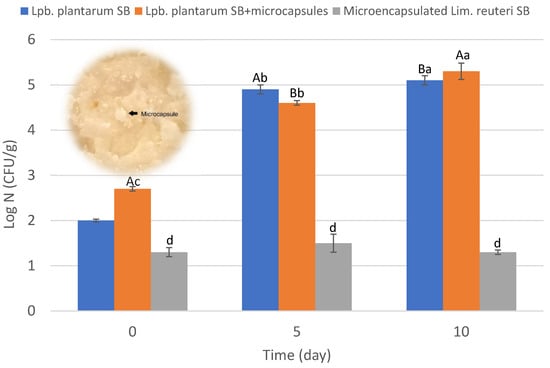
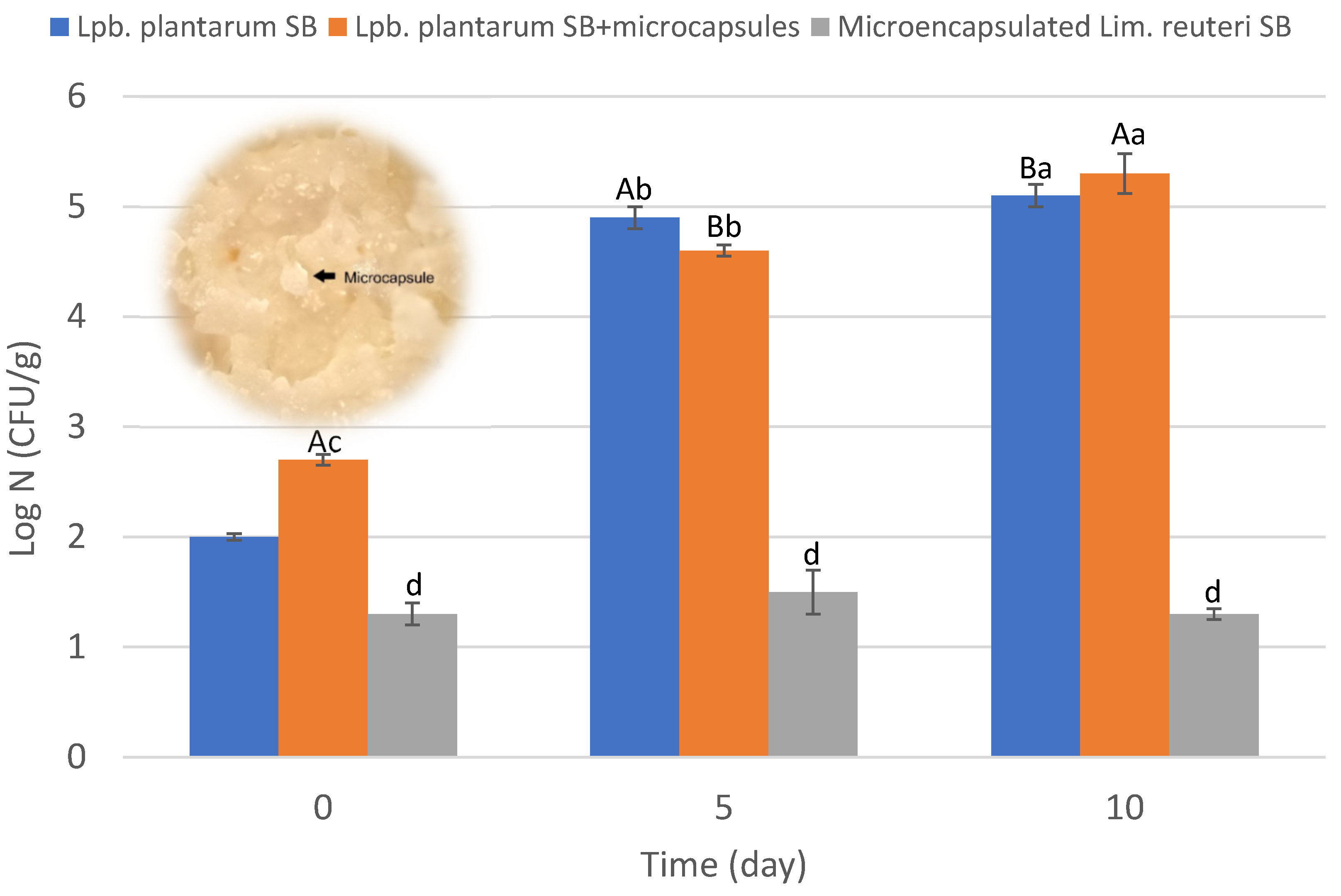
The survivability of encapsulated Lim. reuteri in SB, a matrix that remains relatively underexplored as a probiotic carrier, was evaluated in this study. Steamed bread has been suggested as a promising vehicle for probiotic delivery because it is processed at lower temperatures than conventional baked products. However, the results obtained under the conditions evaluated here did not support this hypothesis. LAB counts in SB after steam-cooking and during storage are presented in Figure 1. The GF-SB was steamed at 90 ± 2 °C for 40 min, resulting in a reduction of approximately 6 log10 CFU/g in Lpb. plantarum and ~8 log CFU/g for microencapsulated Lim. reuteri. The severe loss of Lim. reuteri viability was unexpected given the presence of the encapsulation matrix and the relatively low cooking temperature, indicating that steam-cooking under these conditions was highly unfavorable for probiotic survival. The high moisture content of SB-GF, prolonged exposure time to heat, and the relatively small size of the microcapsules facilitated heat transfer and limited the protective effect of the alginate-based encapsulation. Previous studies have reported that prolonged heat exposure (>30 min), even at moderate temperatures (65 °C), can reduce both free and encapsulated probiotic cells to similar levels, suggesting limited thermal protection by alginate matrices under such conditions [47]. These findings highlight an important limitation of the present study: although steam-cooking operates at lower temperatures than conventional baking, the long cooking time and moist environment can offset this advantage, leading to extensive inactivation of probiotics. Probiotic survivability in bread systems is therefore influenced by multiple interacting factors, including bread type, moisture content, product geometry, encapsulation strategy (single vs. double layer), encapsulating polymers, probiotic strain, and thermal profile. Consequently, probiotic performance should be evaluated on a product- and process-specific basis, and future studies should focus on optimizing encapsulation systems and cooking conditions to improve probiotic survival in steamed bread formulations. Controversial results have been reported on the survival of probiotics in bread, both free and encapsulated. Selected authors, Ghasemi et al. [4], Zadeike et al. [32], Seyedain Ardabili et al. [33], and Ezekiel et al. [34], have shown that encapsulation improves survival during baking, while others, Seyedain Ardabili et al. [33] and Hadidi et al. [48], did not obtain similar results. Various factors affect probiotic survivability, including bread type, microencapsulation type (single or double), encapsulating polymer(s), microorganism, bread size, and thermal treatment. Therefore, each product and probiotic should be evaluated. To our knowledge, no previous reports have been published on the survival of probiotics (free or encapsulated) in SB; thus, comparisons are not possible. Seyedain-Ardabili et al. [33] observed lower counts of encapsulated probiotics in white bread after baking (0.16–0.41 log10 CFU/g for single encapsulation and 1.5–2.7 log10 CFU/g for double-layer encapsulation). In contrast, the survival of microencapsulated probiotics was higher (4.78–5.61 log10 CFU/g) in GF flat bread baking at 180 °C for 20 min [4].
Figure 1.
Lactiplantibacillus plantarum NRRL B-4496 and Limosilactobacillus reuteri DSM 17938 counts in gluten-free steamed bread (GF-SB) after steaming and during storage at room temperature (23 ± 2 °C). Different lowercase letters indicate differences (p < 0.05) between storage times for the same type of GF-SB, and different uppercase letters indicate, for the same storage time, differences (p < 0.05) between types of GF-SB.
An interesting confirmation of previous findings is the capability of probiotic-free cells to grow during storage. As shown in Figure 1, after 5–10 days of storage, an increase of ~3 log10 CFU/g was recorded for probiotics in GF-SB. The growth of free cells is feasible due to the availability of nutrients in the bread matrix. Moreover, GF-SB contained more moisture than conventional breads (~35%), improving the Lpb. plantarum growth. In contrast, Lim. reuteri remained stable during storage, likely due to the scarcity of nutrients in the microcapsules. Although Lpb. plantarum NRRL B-4496 was not intended as a primary probiotic strain in this study, it could contribute to health benefits, as previous reports have highlighted its hypolipidemic activity, prebiotic exopolysaccharide production, and antitumor activity [49,50]. Hadidi et al. [48] and Ghasemi et al. [4] reported similar growth trends during bread storage, L. acidophilus increases 1–2 log10 CFU/g after 7 days, and L. plantarum or L. acidophilus grows ~1 log10 CFU/g after 72 h, respectively.
3.3. GF Steamed Bread Cooking Temperature Profiles
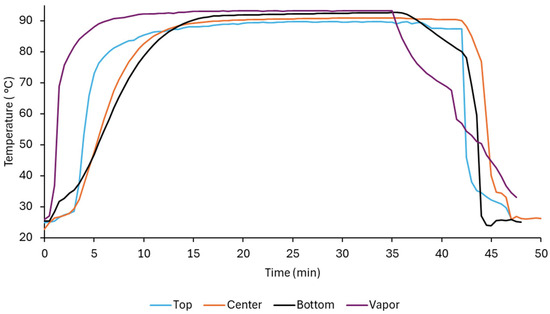
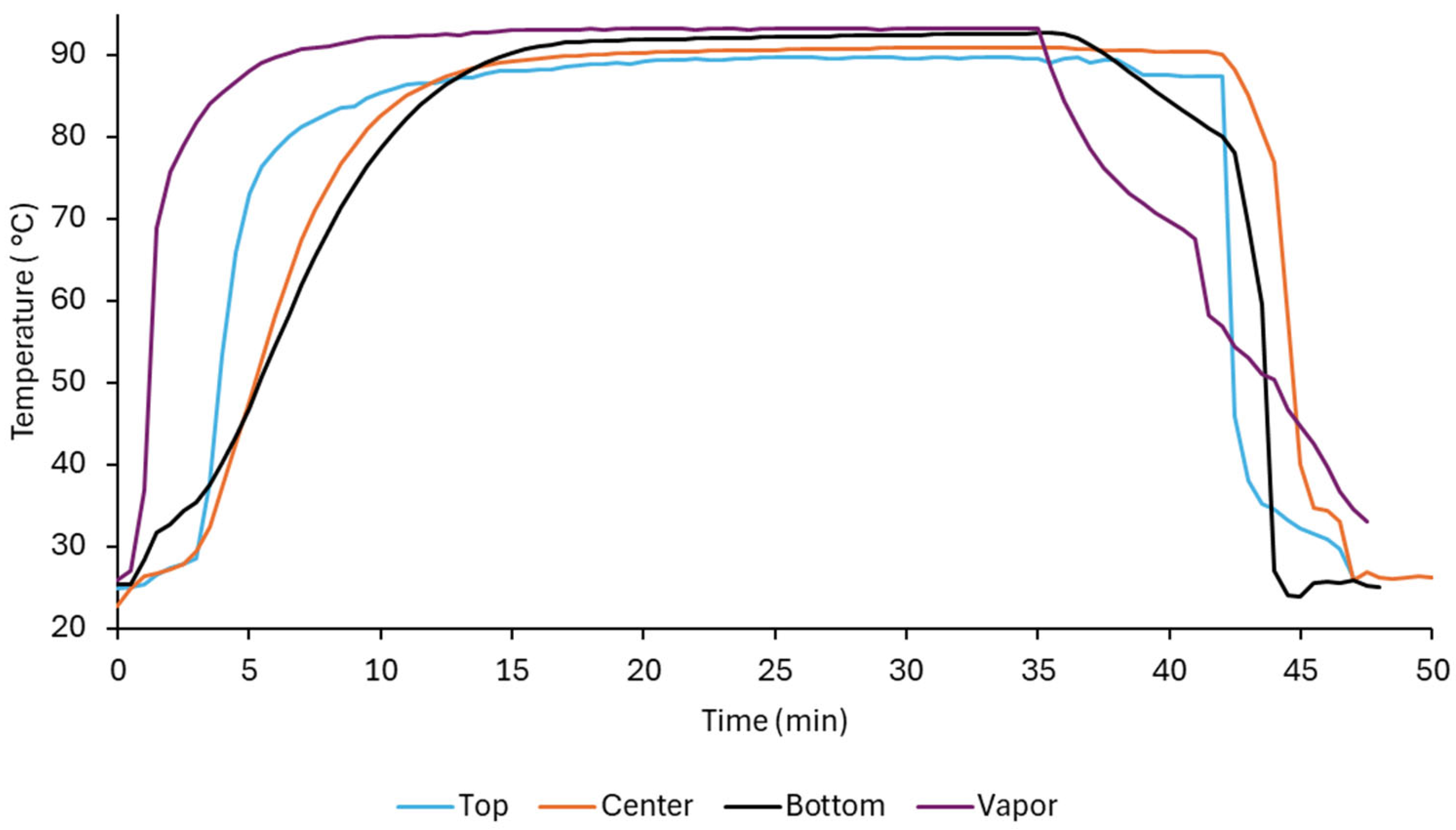
The temperature during GF bread steaming was recorded (Figure 2). The vapor temperature increased rapidly in the first 5 min, and the temperature in the GF bread remained low. From the next 5 to 10 min, there was a significant rise, with vapor temperature surpassing the internal bread temperature. The “top” of the GF bread heats faster than the “center” and “bottom”, indicating stronger exposure to steam. During the holding phase, the temperature converges and stabilizes at ~88–92 °C, indicating thermal equilibrium and uniform heat transfer throughout the GF bread surface during steady-state steaming. Once steam input stops, the vapor temperature drops, followed by a sequential decrease in the bread. Overall, the data (Figure 2) indicates effective steam-cooking with minimal temperature gradients during the main cooking stage.
Figure 2.
Temperature evolution at the top, center, and bottom positions of gluten-free bread during steam (vapor) cooking.
3.4. GF Bread Physicochemical and Quality Properties
3.4.1. Volume, Width/Height Ratio, and Pore Size Distribution of GF-SB
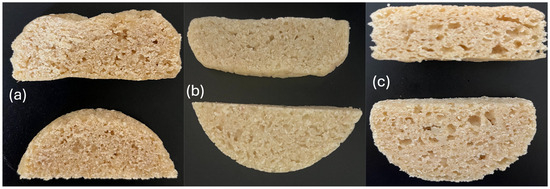
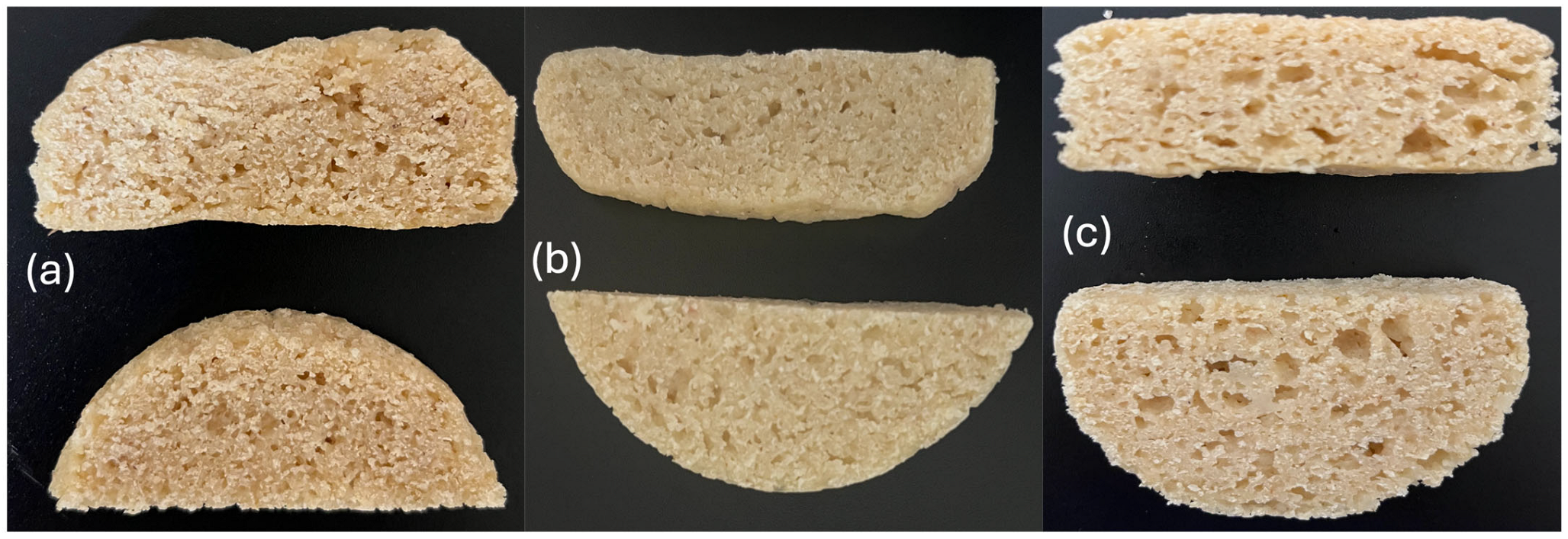
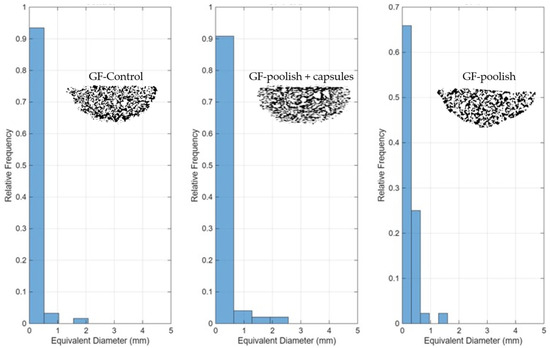
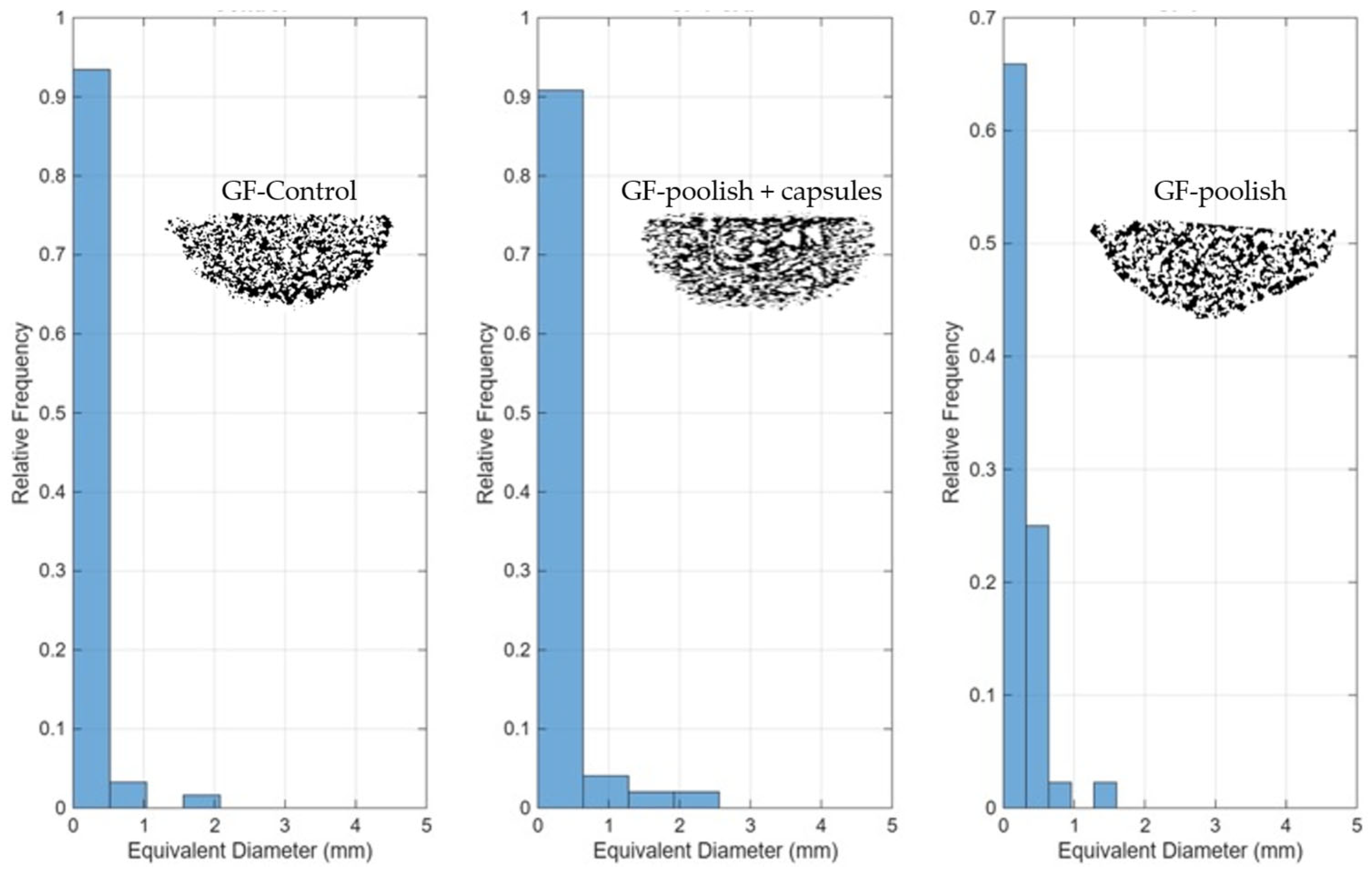
Figure 3 shows images of the prepared GF-SB samples’ appearance. These samples were analyzed for different quality and physicochemical properties. As shown in Table 2, no significant differences (p > 0.05) were observed among the GF-SB formulations in terms of specific volume or W/H ratio. All samples exhibited similar specific volumes (≈1.24 cm3/g), indicating that fermentation of rice and amaranth flours with a Lpb. plantarum poolish sourdough, as well as the additional incorporation of microencapsulated Lim. reuteri, did not adversely affect loaf expansion or gas retention (Figure 3). Figure 4 shows the pore size distribution for each sample analyzed. As noted, the sourdough samples, GF-poolish + microcapsules and GF-poolish, exhibit the largest pore diameters, whereas the control sample is the least porous. This shows that, although not statistically significant, sourdough-containing breads showed slightly lower W/H ratios than the control, suggesting a marginally more compact, structurally stable crumb. These findings align with previous reports on GF breads, where sourdough fermentation often enhances dough cohesion and structural integrity without necessarily increasing loaf volume, due to the lack of a gluten network [51,52,53,54]. Furthermore, the similar physical properties observed after adding probiotic microcapsules are consistent with earlier studies showing that microencapsulation reduces disruption to dough structure and maintains bread quality [55].
Figure 3.
Slices of the prepared gluten-free steamed bread (GF-SB) samples: (a) control, (b) GF-SB fermented sourdough with Lactiplantibacillus plantarum, and (c) GF-SB fermented sourdough with Lpb. plantarum and microcapsules containing Limosilactobacillus reuteri.
Table 2.
Specific volume and width/height (W/H) ratio of evaluated gluten-free steamed bread (GF-SB). Control, GF-SB-poolish is bread incorporated with fermented sourdough with Lactiplantibacillus plantarum, and GF-SB-poolish + microcapsules is bread incorporated with fermented sourdough with Lpb. plantarum and microcapsules containing Limosilactobacillus reuteri.
Figure 4.
Crumb pore structure and pore size distribution of gluten-free steamed-bread (GF-SB). Histograms represent the relative frequency of equivalent pore diameter (mm), and inset images show the corresponding segmented crumb microstructure for GF-SB-Control, GF-SB-poolish + microcapsules, and GF-SB-poolish samples.
3.4.2. Color of GF-SB
The L*, a*, and b* values of the GF-SB did not show significant differences among samples (p > 0.05) (Table 3), indicating that fermentation with Lpb. plantarum, as well as the addition of Lim. reuteri microcapsules, did not affect the color or appearance of the breads. The control and breads produced with poolish fermentation (GF-P) exhibited the highest L* values, indicating slightly whiter breads. Regarding the a* values, the GF-P bread showed the highest value, suggesting a greater contribution of red tones. With respect to the blue-yellow contribution (b*), the control and GF-P breads presented the highest values, indicating a greater contribution of yellow hues. Microcapsules did not modify the bread color. The ∆E values indicate that color differences among samples were very slight. The L* values are consistent with those reported by Zhao et al. [56], who obtained L* values ranging from 57.2 to 61.5 in steamed wheat breads. Concerning the a* and b* values, these authors reported lower values (1.10–1.15) and higher values (19.47–19.53), respectively, indicating that the addition of amaranth flour, which tends toward yellow coloration, significantly affected the final color of the GF-SB.
Table 3.
Color parameters and color difference (ΔE) of the gluten-free steamed bread, control, GF-P is gluten-free bread incorporated with fermented sourdough with Lactiplantibacillus plantarum, and GF-PC is bread incorporated with fermented sourdough with Lpb. plantarum and microcapsules containing Limosilactobacillus reuteri.
3.4.3. pH, Total Titratable Acidity, and Organic Acids in GF-SB
The pH and TTA of the GF-SB were significantly influenced by formulation and storage time (Table 4). At every sampling time, GF-P and bread with poolish plus probiotic microcapsules (GF-PC) exhibited significantly lower pH values than the control (p < 0.05), reflecting the acidifying effect of lactic acid fermentation. The GF-PC samples consistently showed the lowest pH and the highest TTA throughout storage, indicating a more pronounced and stable acid profile. This behavior was supported by organic acid content, which showed markedly higher lactic acid concentrations in GF-P and GF-PC breads (≈118–119 mM) compared with the control (≈54 mM), along with the presence of acetic acid exclusively in sourdough formulations (≈55.1 mM).
Table 4.
pH and total titratable acidity (TTA) of the gluten-free (GF) steamed bread during storage at 23 °C. Control, GF-P is bread incorporated with fermented sourdough with Lactiplantibacillus plantarum, and GF-PC is bread incorporated with fermented sourdough with Lpb. plantarum and microcapsules containing Limosilactobacillus reuteri.
Despite these differences, pH and TTA stabilized after day 5, indicating no further net acid production during storage. During storage, slight but significant pH fluctuations were observed within each formulation, accompanied by corresponding changes in TTA; however, no marked acidification occurred after day 5. The inverse relationship between pH and TTA observed across treatments is consistent with previous studies on GF sourdough breads, where LAB metabolism increases TTA while buffering pH changes due to interactions with starches and proteins [51,52,53,57]. The higher and more stable TTA in GF-PC breads further indicates that microcapsule incorporation may help retain acid and enhance buffering capacity during storage. This behavior has been previously reported for encapsulated probiotics in baked systems and is linked to improved shelf-life and microbial stability [5,31,55].
3.4.4. Moisture Content and Water Activity of GF-SB
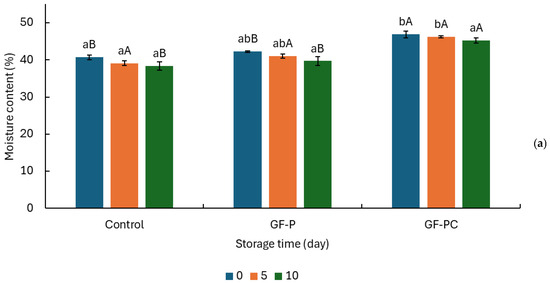
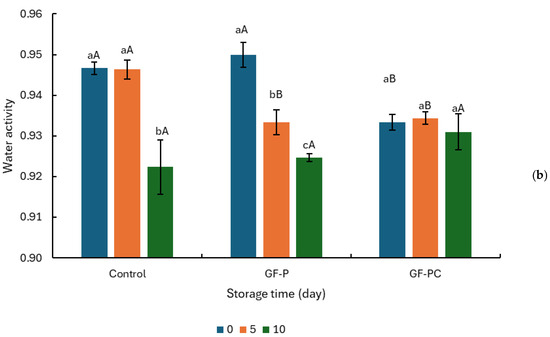
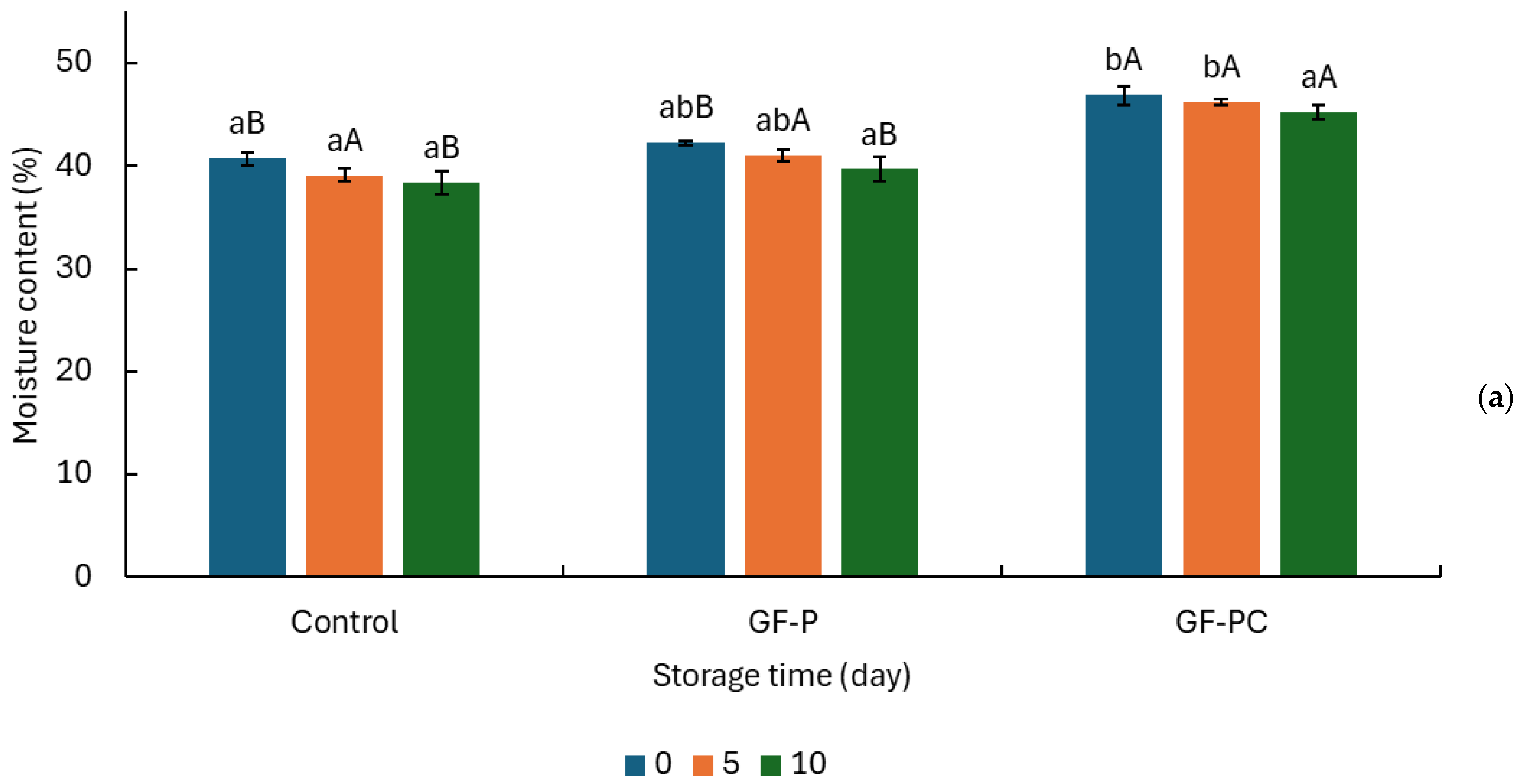
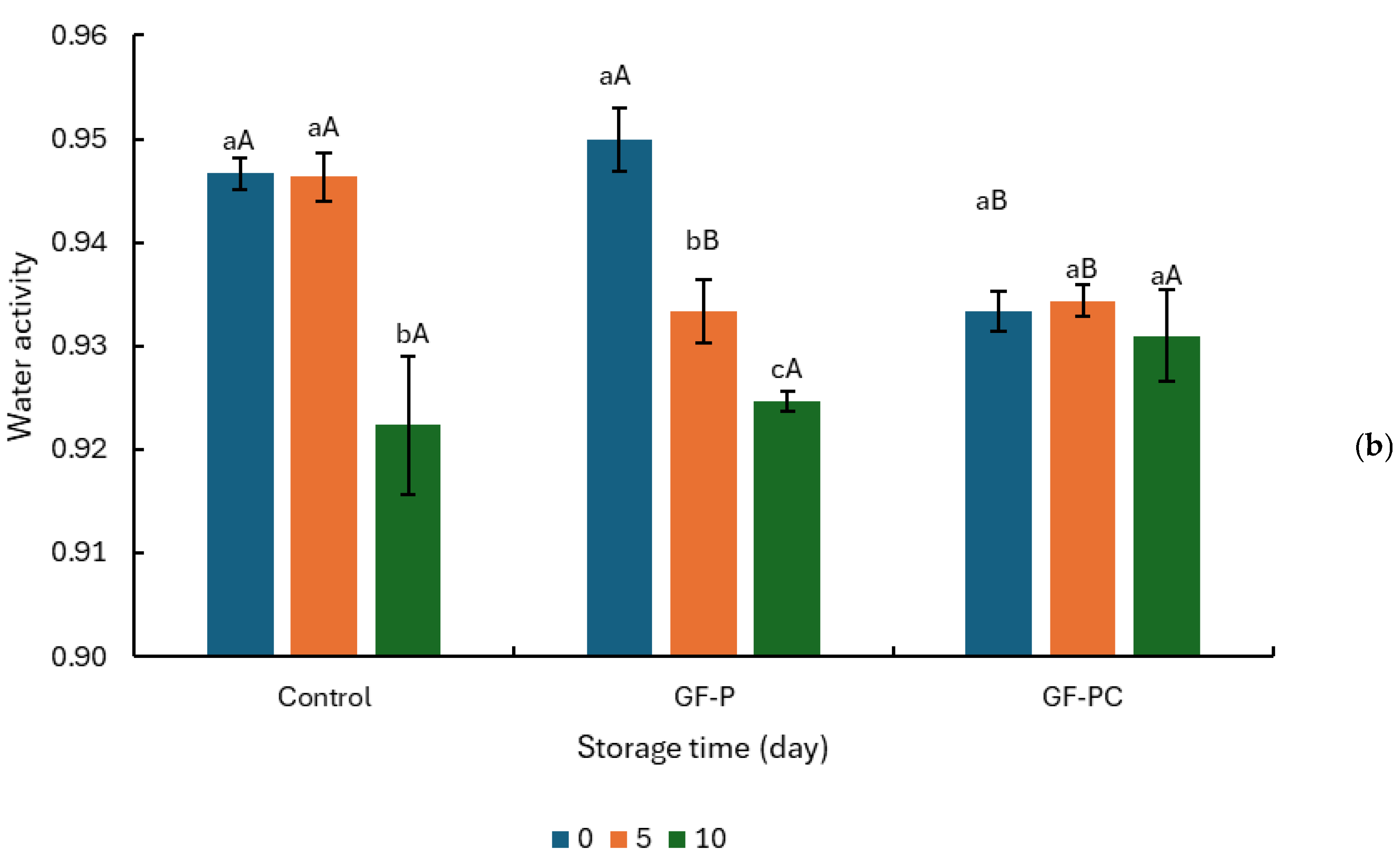
Moisture content and water activity of the GF-SB were significantly affected by formulation and storage time (Figure 5a,b), reflecting differences in ingredient composition and matrix structure. On day 0, moisture content ranged from 38 to 46% in the control and GF-poolish sourdough breads, while the formulation containing poolish sourdough and probiotic microcapsules exhibited significantly higher moisture values (p < 0.05). This behavior can be attributed to compositional differences: the GF-PC bread contained encapsulating materials, as well as fermentation-derived exopolysaccharides and soluble proteins that enhance water retention within the crumb matrix. During storage, all samples showed a slight decrease in moisture content, likely due to moisture redistribution and gradual evaporation; however, the GF-PC bread retained significantly more moisture than the other formulations, indicating a more effective water-holding network. In contrast, water activity (Figure 5b) decreased over storage time for all breads, with the most pronounced reduction observed between day 5 and day 10, suggesting progressive water immobilization within the starch–protein matrix rather than a direct loss of total moisture.
Figure 5.
Moisture (a) and water activity (b) of the gluten-free steamed bread samples during storage at 23 °C. Control, GF-P is gluten-free bread incorporated with sourdough with Lactiplantibacillus plantarum, and GF-PC is bread incorporated with sourdough with Lpb. plantarum and microcapsules containing Limosilactobacillus reuteri. Different lowercase letters indicate differences (p < 0.05) between storage times for the same type of GF bread, and different uppercase letters indicate, for the same storage time, differences (p < 0.05) between types of GF bread.
Although no significant differences (p > 0.05) were observed among GF-SB samples regarding moisture loss during steaming, the GF-PC bread exhibited the lowest moisture loss (1.68 ± 0.64%), followed by the GF-P bread (2.14 ± 1.09%). In contrast, the control bread showed the highest moisture loss (2.19 ± 1.20%). These trends indicate that sourdough fermentation and microcapsules incorporation enhance water retention and strengthen water binding within the matrix, leading to an increase in moisture content but less free water. Similar effects have been observed in GF breads fermented with LAB, where organic acid production and starch–protein interactions increase water-holding capacity and slow crumb dehydration during storage [51,52,53,58,59].
3.4.5. Texture of GF-SB
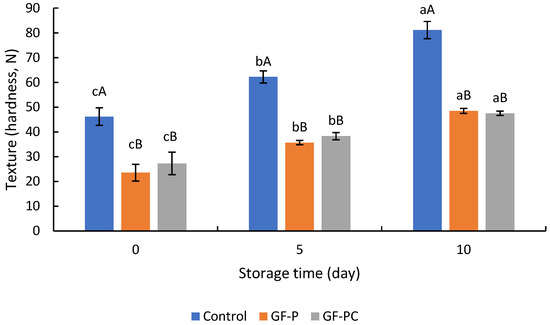
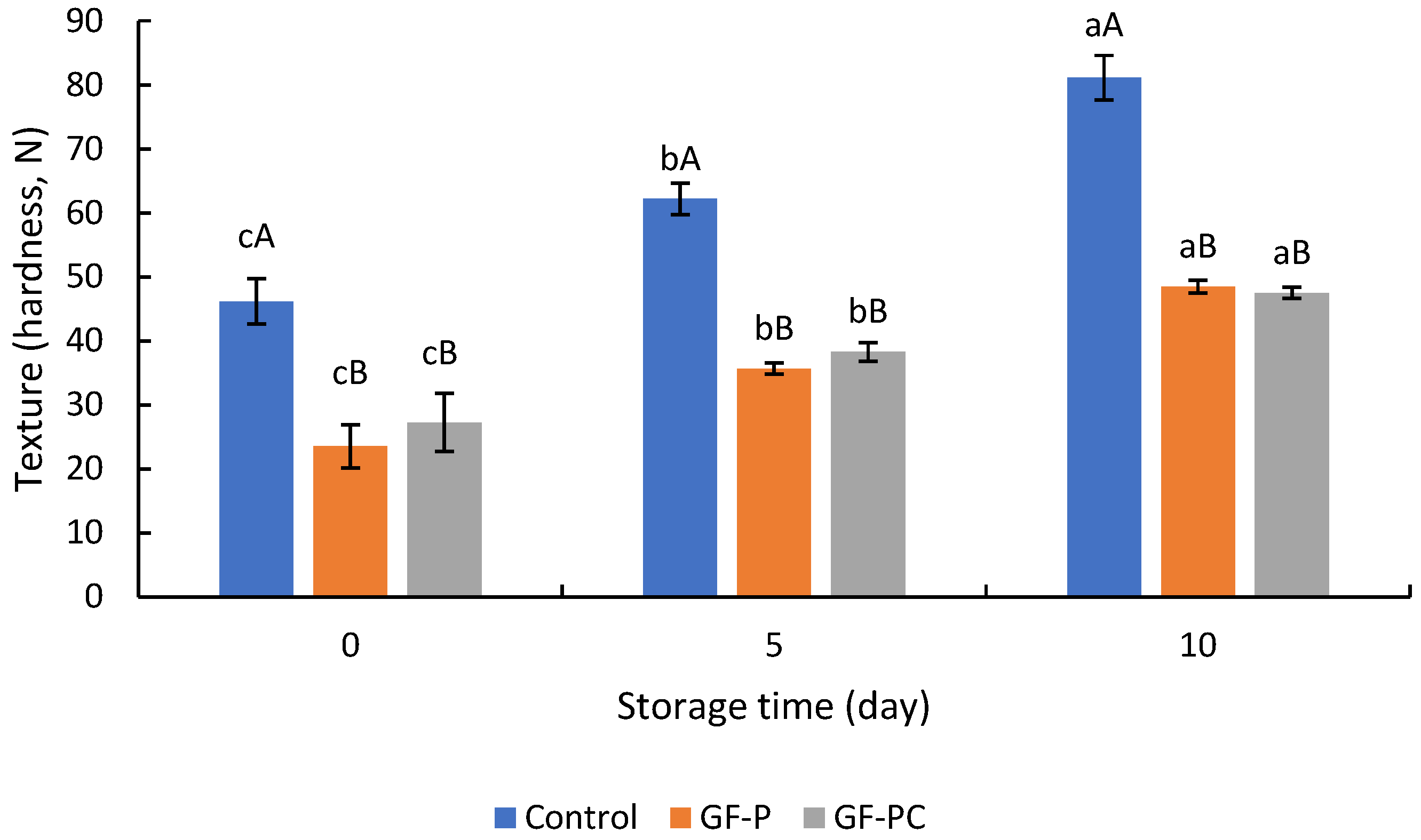
Hardness increased significantly in all GF-SB during storage (p < 0.05), indicating progressive hardening over time (Figure 6). At every sampling time, the control bread exhibited the highest hardness values, whereas both sourdough-containing formulations were significantly softer (p < 0.05). On day 0, hardness was 46 N in the control compared with 23–27 N in GF-P and GF-PC breads, and this difference became more pronounced after 10 days of storage, when the control reached about 80 N while sourdough breads remained below 50 N. No significant differences (p > 0.05) in hardness were observed between GF-P and GF-PC at the same storage time. The reduced texture in sourdough breads aligns with the higher moisture retention and lower water activity observed earlier, as well as with increased lactic and acetic acid levels, which are known to disrupt starch retrogradation and slow crumb firming in GF systems. Similar reductions in hardness during storage have been reported for GF breads fermented with LAB, where organic acid production and improved water-binding help enhance textural stability [51,52,53,57,58,60]. These results confirm that poolish fermentation, regardless of microcapsule addition, effectively reduces hardening and enhances the textural shelf life of rice–amaranth GF-SB.
Figure 6.
Hardness of gluten-free steamed bread during storage (23 °C). Control, GF-P is gluten-free bread incorporated with sourdough with Lactiplantibacillus plantarum, and GF-PC is bread incorporated with sourdough with Lpb. plantarum and microcapsules containing Limosilactobacillus reuteri. Different lowercase letters indicate differences (p < 0.05) between storage times for the same type of GF bread, and different uppercase letters indicate, for the same storage time, differences (p < 0.05) between types of GF bread.
3.5. Volatile Profile of GF-SB
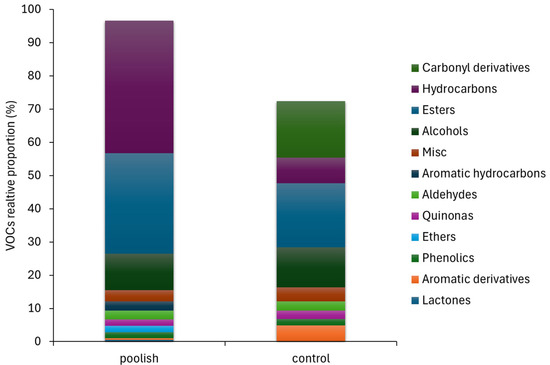
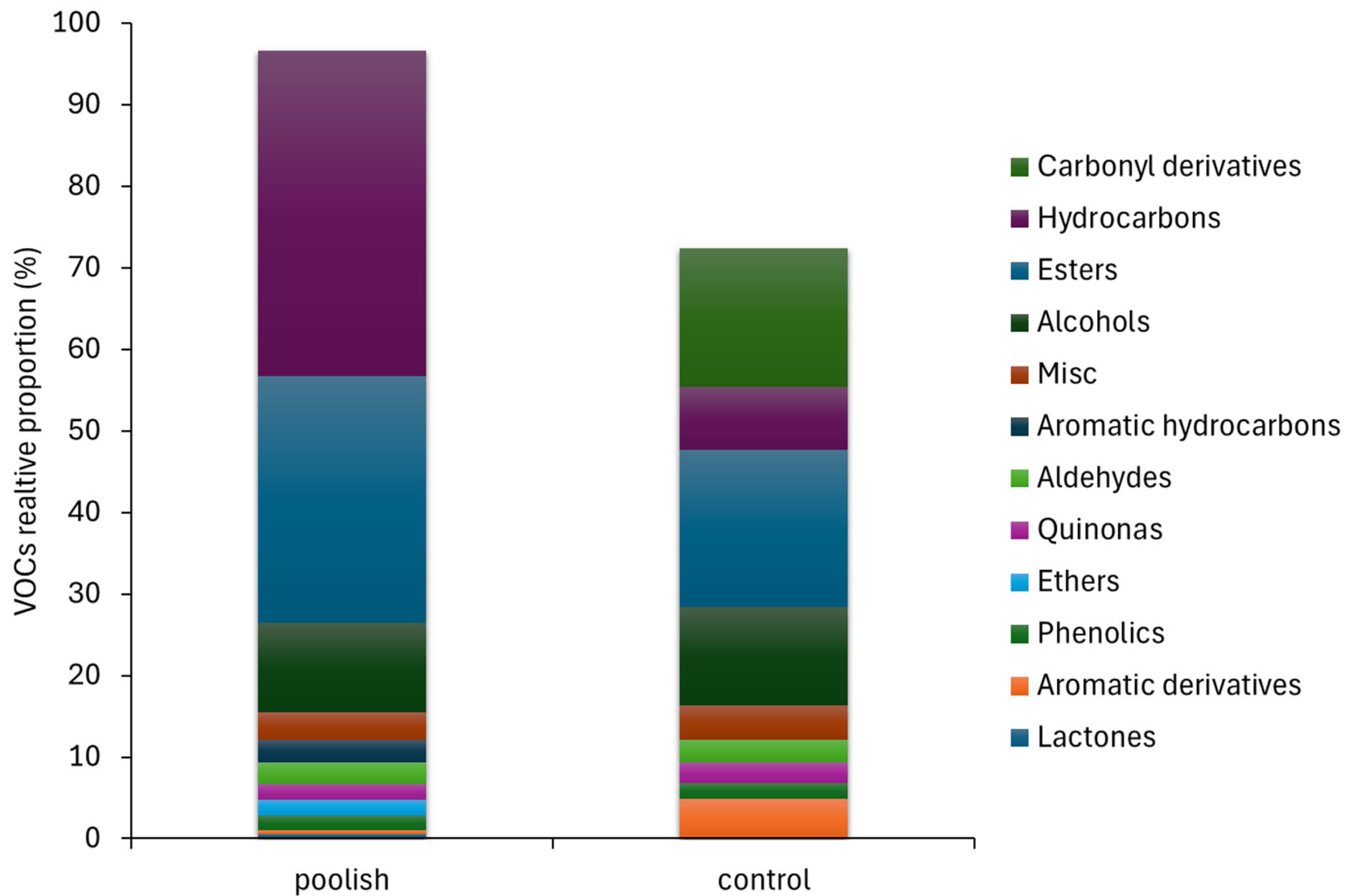
In sourdough GF bread, it has been reported that the effects of volatile organic compounds (VOCs) on flavor influence taste acceptance [61]. VOCs include acids, alcohols, aldehydes, esters, ketones, lactones, hydrocarbons, pyrroles, pyrazines, and sulfur compounds [61]. GC-MS analysis of GF-SB samples revealed distinct differences in VOCs composition between the control (yeast-only fermentation) and poolish-sourdough GF breads (co-fermentation with Lpb. plantarum and yeast) (Figure 7). Table 5 summarizes the retention times and relative abundances of the VOCs identified in the GF-SB samples. The yeast-only control exhibited higher relative abundances of yeast-derived higher alcohols and aromatic compounds, including phenylethyl alcohol (3.78%) and nonanal (2.80%), as well as oxidation-related carbonyl-trapping derivatives, particularly 4-oxovaleric acid semicarbazone (16.92%). The high level of this compound in the control and its marked reduction or absence in the sourdough sample indicate a more oxidation-prone environment under yeast-only fermentation and suggest improved carbonyl metabolism and redox balance during LAB–yeast co-fermentation. In contrast, the poolish-fermented (sourdough) bread (Lpb. plantarum + yeast) exhibited a more diverse volatile composition, characterized by the appearance and/or increase in esters (ethyl acetate, decanoic acid decyl ester, and pentanoic acid esters), lactones (butyrolactone), unsaturated alcohols, and long-chain hydrocarbons, including heptacosane (30.43%) and branched octadecane derivatives (Table 5). This shift reflects metabolic cross-feeding and cooperative interactions between LAB and yeast, which are known to modulate lipid metabolism, redox pathways, and aroma compound formation in fermented doughs [62]. Such interactions, driven by nutrient competition, metabolite exchange, and quorum sensing, have been shown to significantly influence fermentation performance and flavor development [63]. Consistent with these findings, sourdough breads generally exhibit greater volatile complexity and superior sensory quality compared with chemically acidified or yeast-only breads [64]. The reduction in higher alcohols and lipid-derived aldehydes in the sourdough samples, including nonanal, can be attributed to the enzymatic conversion of aldehydes into less reactive alcohols or acids by LAB-associated reductases and dehydrogenases [65]. LAB strains, such as Lpb. plantarum, produce aldehyde reductases, reduce aldehydes via dehydrogenases and redox pathways, and inhibit aldehyde formation. Lpb. plantarum is particularly effective in metabolizing carbonyl compounds and lipids during cereal fermentations, contributing to improved flavor stability and quality in GF bread systems [21]. Furthermore, ester formation, associated with fruity, sweet, and floral notes, is enhanced in LAB–yeast co-fermentations, where yeast alcohol acetyltransferase activity is supported by LAB-derived precursor alcohols and redox cofactors [62].
Figure 7.
Relative proportions of volatile organic compounds (VOCs) in control gluten-free steamed bread and GF-SB incorporated with sourdough (poolish) with Lactiplantibacillus plantarum.
Table 5.
Volatile organic compounds in control gluten-free steamed bread (GF-SB) and GF-SB incorporated with sourdough (poolish) with Lactiplantibacillus plantarum.
Heptacosane was almost absent in the control sample but highly abundant in the sourdough (poolish) sample, suggesting enhanced lipolysis or modified extraction of grain lipids during fermentation, especially considering the relatively high lipid content of amaranth flour [66,67]. Although long-chain hydrocarbons typically exhibit low odor activity, their increased abundance may influence the overall flavor balance and mouthfeel perception of amaranth-based GF breads. In addition, the sourdough (poolish) sample showed higher levels of phenolic and quinone-type compounds (Figure 7), likely arising from LAB-mediated transformations of amaranth phenolics through glycoside hydrolysis, de-esterification, or polymer breakdown [68]. Overall, sourdough fermentation reconfigured the volatile fingerprint of GF-SB, shifting it from a yeast-dominated, oxidation-prone profile toward a more complex and balanced aroma matrix enriched in esters and lipid-derived compounds.
Fang et al. [62] studied mixed-culture fermentation to enhance sourdough quality and flavor compounds, testing Lactobacillus paracasei LG0260, Lpb. plantarum LG1034, Lactococcus lactis LG0827, Saccharomyces cerevisiae J2815, and J8202 for type II sourdough. HS-SPME-GC-MS analysis showed that mixed fermentation produced more complex flavor compounds like acids, aldehydes, and esters. Variations in starter culture metabolism offer a basis for improving sourdough quality. Different ratios of bacteria to yeast in sourdoughs used to produce bread determine varying levels of total organic acids, and the fermentation quotient also influences the aroma profile of the final products [69]. Alcohols, acids, and aldehydes are the most characteristic families of volatile compounds, contributing fruity, green, floral, sweet, alcoholic, and fatty odors in bread. Pacyński et al. [68] evaluated GF bread (corn starch, gluten-free wheat starch, sugar, glucose, bamboo fiber, guar gum, pectin, salts, mono- and diglycerides of fatty acids, full-fat milk powder, instant yeast, canola cooking oil, eggs, and tap water), identifying 33 volatile compounds. The authors found that the most important feature of GF bread flavor is its lack of key bread compounds, specifically pyrazines and 2-acetyl-1-pyrroline, so they add these precursors (proline and glucose) and evaluated the GF bread with a consumer testing group (with celiac disease), reporting that the aroma of the GF bread was more desirable when the precursors were added than in the control bread. Peñalver et al. [70] evaluated three GF sourdoughs prepared with different flours (brown rice, quinoa, and amaranth) and compared them with traditional wheat sourdough. The authors found that sourdoughs from quinoa and amaranth could be an alternative to incorporate into the preparation of GF bread, since their microbial, physicochemical, and antioxidant properties, as well as total phenolic compounds, would contribute to GF bread and thus produce health benefits.
3.6. Sensory Evaluation of GF-SB
The sensory evaluation (Table 6) showed no significant differences (p > 0.05) between the control and fermented GF-SB samples for any evaluated attribute. This indicates that incorporating Lpb. plantarum as a starter culture and microencapsulated Lim. reuteri did not negatively affect sensory acceptance. The absence of significant differences among the control and sourdough GF-SB samples is consistent with previous reports, indicating that LAB fermentation can improve or maintain sensory quality in GF baked products without inducing negative sensory perceptions [57,71]. The comparable scores for appearance, color, and aroma (ranging from approximately 5.9 to 6.7) suggest that the use of Lpb. plantarum does not lead to visual or aromatic defects, which aligns with findings that LAB-driven acidification and metabolite production remain within acceptable sensory thresholds when properly controlled [72].
Table 6.
Scores of the sensory evaluation of the gluten-free steamed bread (GF-SB) formulated samples.
Nouri et al. [73] tested millet, amaranth, and quinoa flours, along with L. fermentum and Lpb. plantarum as starters in sourdough formulations to produce GF sourdoughs and added 10% of the sourdough to the GF bread dough. The sensory evaluation assigned the highest overall acceptance score to the sourdough sample prepared with a mixed starter and quinoa flour, followed by the sample prepared with amaranth flour.
Texture-related attributes showed similar acceptance across all formulations, corroborating earlier studies reporting that LAB fermentation improves crumb structure and mouthfeel in GF breads through exopolysaccharide production and starch–protein interactions, without significantly increasing perceived hardness [74]. The slightly higher (yet non-significant) texture and hardness scores observed in the microcapsule-containing sample are consistent with the literature describing microencapsulation matrices’ ability to integrate into bakery systems without disrupting textural perception [75].
Regarding flavor, aftertaste, and overall acceptance, the maintained or numerically improved scores for breads containing starter cultures and microencapsulated Lim. reuteri are supported by studies showing that controlled LAB fermentation enhances flavor complexity while avoiding excessive acidity, especially in cereal-based GF systems [76]. Moreover, several authors have reported that microencapsulated probiotics generally do not produce off-flavors, as encapsulation limits direct interaction between probiotic cells and the food matrix [55,77]. Overall, the present results are consistent with the consensus that functional enhancement of GF bread through LAB fermentation and probiotic microencapsulation can be achieved without compromising sensory acceptability, supporting the technological feasibility of producing value-added GF-SB with potential health benefits.
4. Conclusions
This study shows that quality and storage stability of GF-SB formulated with rice–amaranth flours can be effectively improved through sourdough fermentation and encapsulated probiotic supplementation. The use of a poolish-type sourdough fermented with Lpb. plantarum promoted favorable acidification and structural changes that enhanced water retention, reduced water activity, slowed textural firming during storage, and delayed staling. GF-SB containing microcapsules exhibited higher moisture content, stable acidity, and comparable hardness to sourdough breads without capsules, suggesting that microencapsulation enables the addition of probiotics while preserving key quality attributes.
From an applied perspective, the combination of lactic acid bacteria fermentation and microencapsulation represents a practical approach for improving the technological performance of fortified gluten-free steamed breads (GF-SB). However, despite the potential advantages of steam-cooking, the results of this study demonstrate that probiotic viability was markedly reduced after processing, indicating that the current formulation and cooking conditions did not support effective probiotic survival, even in microencapsulated form. Nevertheless, the incorporation of microencapsulated Lim. reuteri into the GF sourdough system was technologically compatible, as bread structure, texture, and moisture retention were maintained. Overall, these findings support rice–amaranth sourdough fermentation as a promising technological platform for the development of stable GF bakery products, while also highlighting the need for further optimization of encapsulation matrices, thermal processing conditions, and fermentation parameters (starter culture, fermentation time, and hydration) to improve probiotic survival and functional efficacy in future formulations.
Author Contributions
Conceptualization, Methodology, Data curation, Formal analysis, Writing—Original draft preparation, Writing—Reviewing and Editing: R.H.H.-F. Methodology, Data curation, Formal analysis, Writing—Original draft preparation: B.M.-G. Formal analysis, Conceptualization, Data curation, Writing—Reviewing and Editing: E.P. Conceptualization, Resources, Writing—Reviewing and Editing: A.L.-M. Conceptualization, Methodology, Formal analysis, Data curation, Writing—Original draft preparation, Writing—Reviewing and Editing: E.M.-L. All authors have read and agreed to the published version of the manuscript.
Funding
No funding was received for conducting this study.
Institutional Review Board Statement
The Research and Ethics Committee on Sensory Evaluation of Foods of the doctoral program in Food Science of the Universidad de las Américas Puebla approved the protocol for the sensory evaluation carried out in this work on 6 October 2025 (document number SEDCL-2025/016).
Informed Consent Statement
Informed consent was obtained from all subjects involved in the study. The panelists were informed about the use of rice and amaranth in the GF bread formulations. Each participant signs an informed consent by responding affirmatively to the following statement: “I am aware that my responses are confidential, and I agree to participate in this sensory evaluation”. They were informed they could withdraw from the test at any time without giving a reason; we explicitly stated “The products are safe for consumption” and that participants’ data would not be disclosed without their knowledge.
Data Availability Statement
The original contributions presented in this study are included in the article. Further inquiries can be directed to the corresponding authors.
Acknowledgments
The authors thank Universidad de las Américas Puebla for supporting this work.
Conflicts of Interest
The authors declare no conflict of interest.
References
- Zhu, F. Influence of Ingredients and Chemical Components on the Quality of Chinese Steamed Bread. Food Chem. 2014, 163, 154–162. [Google Scholar] [CrossRef] [Scilit]
- Huang, S. Steamed Bread. In Bakery Products Science and Technology; Zhou, W., Hui, Y.H., De Leyn, I., Pagani, M.A., Rosell, C.M., Selman, J.D., Therdthai, N., Eds.; Wiley: Hoboken, NJ, USA, 2014; pp. 539–562. [Google Scholar]
- Zhu, F. Staling of Chinese Steamed Bread: Quantification and Control. Trends Food Sci. Technol. 2016, 55, 118–127. [Google Scholar] [CrossRef] [Scilit]
- Ghasemi, L.; Nouri, L.; Mohammadi Nafchi, A.; Al-Hassan, A.A. The Effects of Encapsulated Probiotic Bacteria on the Physicochemical Properties, Staling, and Viability of Probiotic Bacteria in Gluten-free Bread. J. Food Process. Preserv. 2022, 46, e16359. [Google Scholar] [CrossRef] [Scilit]
- Mani-López, E.; Ramírez-Corona, N.; López-Malo, A. Advances in Probiotic Incorporation into Cereal-Based Baked Foods: Strategies, Viability, and Effects–A Review. Appl. Food Res. 2023, 3, 100330. [Google Scholar] [CrossRef] [Scilit]
- Liu, X.; Mu, T.; Sun, H.; Zhang, M.; Chen, J.; Fauconnier, M.L. Effect of Ingredients on the Quality of Gluten-Free Steamed Bread Based on Potato Flour. J. Food Sci. Technol. 2019, 56, 2863–2873. [Google Scholar] [CrossRef] [Scilit]
- Montemurro, M.; Pontonio, E.; Rizzello, C.G. Design of a “Clean-Label” Gluten-Free Bread to Meet Consumers Demand. Foods 2021, 10, 462. [Google Scholar] [CrossRef] [Scilit]
- Hernández-Figueroa, R.H.; López-Malo, A.; Mani-López, E. Sourdough Fermentation and Gluten Reduction: A Biotechnological Approach for Gluten-Related Disorders. Microbiol. Res. 2025, 16, 161. [Google Scholar] [CrossRef] [Scilit]
- Moroni, A.V.; Dal Bello, F.; Arendt, E.K. Sourdough in Gluten-Free Bread-Making: An Ancient Technology to Solve a Novel Issue? Food Microbiol. 2009, 26, 676–684. [Google Scholar] [CrossRef] [Scilit]
- Šmídová, Z.; Rysová, J. Gluten-Free Bread and Bakery Products Technology. Foods 2022, 11, 480. [Google Scholar] [CrossRef] [Scilit]
- Aguiar, E.V.; Santos, F.G.; Krupa-Kozak, U.; Capriles, V.D. Nutritional Facts Regarding Commercially Available Gluten-Free Bread Worldwide: Recent Advances and Future Challenges. Crit. Rev. Food Sci. Nutr. 2023, 63, 693–705. [Google Scholar] [CrossRef] [Scilit]
- Mitelut, A.C.; Popa, E.E.; Popescu, P.A.; Popa, M.E. Trends of Innovation in Bread and Bakery Production. In Trends in Wheat and Bread Making; Elsevier: Amsterdam, The Netherlands, 2021; pp. 199–226. [Google Scholar]
- Henrion, M.; Labat, E.; Lamothe, L. Pseudocereals as Healthy Grains: An Overview. In Innovative Processing Technologies for Healthy Grains; Pojić, M., Tiwari, U., Eds.; Wiley: Hoboken, NJ, USA, 2020; pp. 37–59. ISBN 978-1-119-47016-8. [Google Scholar]
- Dhull, S.B.; Bains, A.; Chawla, P.; Kaur, S. Pseudocereals: Production, Processing, and Nutrition, 1st ed.; CRC Press: Boca Raton, FL, USA, 2024. [Google Scholar]
- Woomer, J.S.; Adedeji, A.A. Current Applications of Gluten-Free Grains—A Review. Crit. Rev. Food Sci. Nutr. 2021, 61, 14–24. [Google Scholar] [CrossRef] [Scilit]
- Bhatt, S.; Kumari, N.; Abhishek, V.; Gupta, M. Elucidating the Role of Amaranth Flour in Formulation of Gluten Free Black Rice Muffins and Its Premix: Nutritional, Physico-Chemical and Textural Characteristics. J. Food Meas. Charact. 2021, 15, 675–685. [Google Scholar] [CrossRef] [Scilit]
- Yeşil, S.; Levent, H. The Influence of Fermented Buckwheat, Quinoa and Amaranth Flour on Gluten-Free Bread Quality. LWT 2022, 160, 113301. [Google Scholar] [CrossRef] [Scilit]
- Fratelli, C.; Muniz, D.G.; Santos, F.G.; Capriles, V.D. Modelling the Effects of Psyllium and Water in Gluten-Free Bread: An Approach to Improve the Bread Quality and Glycemic Response. J. Funct. Foods 2018, 42, 339–345. [Google Scholar] [CrossRef] [Scilit]
- Arendt, E.K.; Moroni, A.; Zannini, E. Medical Nutrition Therapy: Use of Sourdough Lactic Acid Bacteria as a Cell Factory for Delivering Functional Biomolecules and Food Ingredients in Gluten Free Bread. Microb. Cell Factories 2011, 10, S15. [Google Scholar] [CrossRef] [Scilit]
- Chiş, M.S.; Păucean, A.; Man, S.M.; Bonta, V.; Pop, A.; Stan, L.; Beldean, B.V.; Pop, C.R.; Mureşan, V.; Muste, S. Effect of Rice Flour Fermentation with Lactobacillus spicheri DSM 15429 on the Nutritional Features of Gluten-Free Muffins. Foods 2020, 9, 822. [Google Scholar] [CrossRef] [Scilit]
- Seyedahmadi, S.; Gharekhani, M.; Tariverdi, S.; Bakhshabadi, H. Enhancing the Quality of Rice-Based Gluten-Free Bread Using Sourdoughs Fermented with Lactobacillus fermentum and Lactobacillus plantarum. Sci. Rep. 2025, 15, 26543. [Google Scholar] [CrossRef] [Scilit]
- Wang, Z.; Yuan, Z.; Dou, X.; Yang, W.; Zhang, H.; Zhang, Y.; Chen, F.; Hao, Y. Enhancement of Anti-Staling Properties of Rice Bread Through Fermentation Rice Flour with Three Lactic Acid Bacteria. Foods 2025, 14, 2674. [Google Scholar] [CrossRef] [Scilit]
- Sadeghi, A.; Ebrahimi, M.; Assadpour, E.; Jafari, S.M. Recent Advances in Probiotic Breads; a Market Trend in the Functional Bakery Products. Crit. Rev. Food Sci. Nutr. 2024, 64, 13163–13174. [Google Scholar] [CrossRef] [Scilit]
- Hernández-Figueroa, R.H.; López-Malo, A.; Mani-López, E. Lactic Acid Bacteria-Derived Exopolysaccharides: Dual Roles as Functional Ingredients and Fermentation Agents in Food Applications. Fermentation 2025, 11, 538. [Google Scholar] [CrossRef] [Scilit]
- Hernández-Figueroa, R.H.; Mani-López, E.; López-Malo, A. Antifungal Activity of Wheat-Flour Sourdough (Type II) from Two Different Lactobacillus In Vitro and Bread. Appl. Food Res. 2023, 3, 100319. [Google Scholar] [CrossRef] [Scilit]
- Roobab, U.; Batool, Z.; Manzoor, M.F.; Shabbir, M.A.; Khan, M.R.; Aadil, R.M. Sources, Formulations, Advanced Delivery and Health Benefits of Probiotics. Curr. Opin. Food Sci. 2020, 32, 17–28. [Google Scholar] [CrossRef] [Scilit]
- Pejcz, E. Biotechnological Approach of Technological Advancements for Sustainable Probiotic Bread Production. Sustainability 2024, 16, 3275. [Google Scholar] [CrossRef] [Scilit]
- Abuqwider, J.; Altamimi, M.; Mauriello, G. Limosilactobacillus reuteri in Health and Disease. Microorganisms 2022, 10, 522. [Google Scholar] [CrossRef] [Scilit] [PubMed]
- Lima, E.M.F.; Soutelino, M.E.M.; Silva, A.C.D.O.; Pinto, U.M.; Todorov, S.D.; Rocha, R.D.S. Current Updates on Limosilactobacillus reuteri: Brief History, Health Benefits, Antimicrobial Properties, and Challenging Applications in Dairy Products. Dairy 2025, 6, 11. [Google Scholar] [CrossRef] [Scilit]
- Wang, L.; Ren, B.; Wu, S.; Song, H.; Xiong, L.; Wang, F.; Shen, X. Current Research Progress, Opportunities, and Challenges of Limosillactobacillus Reuteri-Based Probiotic Dietary Strategies. Crit. Rev. Food Sci. Nutr. 2024, 65, 3607–3627. [Google Scholar] [CrossRef] [Scilit]
- Arepally, D.; Reddy, R.S.; Goswami, T.K.; Coorey, R. A Review on Probiotic Microencapsulation and Recent Advances of Their Application in Bakery Products. Food Bioprocess Technol. 2022, 15, 1677–1699. [Google Scholar] [CrossRef] [Scilit]
- Zadeike, D.; Gaizauskaite, Z.; Basinskiene, L.; Zvirdauskiene, R.; Cizeikiene, D. Exploring Calcium Alginate-Based Gels for Encapsulation of Lacticaseibacillus paracasei to Enhance Stability in Functional Breadmaking. Gels 2024, 10, 641. [Google Scholar] [CrossRef] [Scilit]
- Seyedain Ardabili, M.; Sharifan, A. An Investigation of the Production of Synbiotic Pan Breads by Microencapsulation. Food Technol. Biotechnol. 2016, 54, 52–59. [Google Scholar] [CrossRef] [Scilit]
- Ezekiel, O.O.; Okehie, I.D.; Adedeji, O.E. Viability of Lactobacillus rhamnosus GG in Simulated Gastrointestinal Conditions and After Baking White Pan Bread at Different Temperature and Time Regimes. Curr. Microbiol. 2020, 77, 3869–3877. [Google Scholar] [CrossRef] [Scilit]
- Hernández-Figueroa, R.H.; Mani-López, E.; López-Malo, A. Antifungal Capacity of Poolish-Type Sourdough Supplemented with Lactiplantibacillus plantarum and Its Aqueous Extracts In Vitro and Bread. Antibiotics 2022, 11, 1813. [Google Scholar] [CrossRef] [Scilit]
- American Association of Cereal Chemist. Approved Methods of the American Association of Cereal Chemists, 10th ed.; AACC: St. Paul, MN, USA, 2000. [Google Scholar]
- Latimer, G.W.; AOAC International (Eds.) Official Methods of Analysis of AOAC International, 21st ed.; AOAC International: Gaithersburg, MD, USA, 2019; Volume 3. [Google Scholar]
- NOM-113-SSA1-1994; Bienes y Servicios. Método Para La Cuenta de Microorganismos Coliformes Totales En Placa. Comité Consultivo Nacional de Normalización de Regulación y Fomento Sanitario: Monterrey, Mexico, 1994.
- NOM-092-SSA1-1994; Bienes y Servicios. Método Para La Cuenta de Bacterias Aerobias En Placa. Comité Consultivo Nacional de Normalización de Regulación y Fomento Sanitario: Monterrey, Mexico, 1994.
- NOM-111-SSA1-1994; Método Para La Cuenta de Mohos y Levaduras En Alimentos. D. Of. Fed. Comité Consultivo Nacional de Normalización de Regulación y Fomento Sanitario: Monterrey, Mexico, 1994.
- Drakula, S.; Mustač, N.Č.; Novotni, D.; Voučko, B.; Krpan, M.; Hruškar, M.; Ćurić, D. Optimization and Validation of a HS-SPME/GC–MS Method for the Analysis of Gluten-Free Bread Volatile Flavor Compounds. Food Anal. Methods 2022, 15, 1155–1170. [Google Scholar] [CrossRef] [Scilit]
- Drakula, S.; Novotni, D.; Čukelj Mustač, N.; Voučko, B.; Krpan, M.; Vahčić, N.; Hruškar, M.; Ćurić, D. Volatile Profile and Sensory Properties of Gluten-Free Bread with Yellow Pea Flour and Sourdough. Eur. Food Res. Technol. 2024, 250, 945–960. [Google Scholar] [CrossRef] [Scilit]
- ISO 8589:2023; Sensory Analysis—Selection and Training of Sensory Assessors. International Organization for Standardization: Geneva, Switzerland, 2023.
- Hernández-Figueroa, R.H.; Ramírez, Y.D.; López-Malo, A.; Mani-López, E. Enhancing Soy Yogurt with Microencapsulated Limosilactobacillus reuteri: Viability and Sensory Acceptability. Fermentation 2025, 11, 423. [Google Scholar] [CrossRef] [Scilit]
- Zielińska, D.; Kostrzewska, A. Development of Sourdough Bread Made with Probiotic Lactiplantibacillus plantarum Bacteria Addition. Appl. Sci. 2024, 14, 6155. [Google Scholar] [CrossRef] [Scilit]
- NOM-247-SSA1-2008; Bienes y Servicios. Cereales y Sus Productos. Cereales, Harinas de Cereales, Sémolas o Semolinas. Alimentos a Base de: Cereales, Semillas Comestibles, de Harinas, Sémolas o Semolinas o Sus Mezclas. Productos de Panificación. Disposiciones y Especificaciones Sanitarias y Nutrimentales. Métodos de Prueba. Comité Consultivo Nacional de Normalización de Regulación y Fomento Sanitario: Monterrey, Mexico, 2008.
- Ding, W.K.; Shah, N.P. Acid, Bile, and Heat Tolerance of Free and Microencapsulated Probiotic Bacteria. J. Food Sci. 2007, 72, M446–M450. [Google Scholar] [CrossRef] [Scilit]
- Hadidi, M.; Majidiyan, N.; Jelyani, A.Z.; Moreno, A.; Hadian, Z.; Mousavi Khanegah, A. Alginate/Fish Gelatin-Encapsulated Lactobacillus acidophilus: A Study on Viability and Technological Quality of Bread during Baking and Storage. Foods 2021, 10, 2215. [Google Scholar] [CrossRef] [Scilit]
- Haroun, B.M.; Refaat, B.M.; Menoufy, H.A.E.; Amin, H.A. Structure Analysis and Antitumor Activity of the Exopolysaccharide from Probiotic Lactobacillus plantarum NRRL B- 4496 In Vitro and In Vivo. J. Appl. Sci. Res. 2013, 9, 425–434. [Google Scholar]
- Haroun, B.M.; Refaat, B.M.; El-Waseif, A.A.; Menoufy, H.A.E.; Amin, H.A. Hypolipidemic Activity of the Probiotic Lactobacillus plantarum NRRL B-4496 and Their Prebiotic Exopolysaccharide In Vitro and In Vivo. J. Appl. Sci. Res. 2013, 9, 1010–1020. [Google Scholar]
- Arendt, E.K.; Dal Bello, F. Gluten-Free Cereal Products and Beverages, 1st ed.; Food Science and Technology International Series; Academic: Amsterdam, The Netherlands; Boston, MA, USA, 2008. [Google Scholar]
- Cappa, C.; Lucisano, M.; Raineri, A.; Fongaro, L.; Foschino, R.; Mariotti, M. Gluten-Free Bread: Influence of Sourdough and Compressed Yeast on Proofing and Baking Properties. Foods 2016, 5, 69. [Google Scholar] [CrossRef] [Scilit]
- Nionelli, L.; Rizzello, C. Sourdough-Based Biotechnologies for the Production of Gluten-Free Foods. Foods 2016, 5, 65. [Google Scholar] [CrossRef] [Scilit] [PubMed]
- Moore, M.M.; Bello, F.D.; Arendt, E.K. Sourdough Fermented by Lactobacillus plantarum FST 1.7 Improves the Quality and Shelf Life of Gluten-Free Bread. Eur. Food Res. Technol. 2008, 226, 1309–1316. [Google Scholar] [CrossRef] [Scilit]
- Corona-Hernandez, R.I.; Álvarez-Parrilla, E.; Lizardi-Mendoza, J.; Islas-Rubio, A.R.; De La Rosa, L.A.; Wall-Medrano, A. Structural Stability and Viability of Microencapsulated Probiotic Bacteria: A Review. Compr. Rev. Food Sci. Food Saf. 2013, 12, 614–628. [Google Scholar] [CrossRef] [Scilit] [PubMed]
- Zhao, B.; Fu, S.; Li, H.; Li, H.; Wang, Y.; Li, Z.; Liu, C. Quality Evaluation of Steam Reheated Frozen Steamed Bread. LWT 2021, 150, 112074. [Google Scholar] [CrossRef] [Scilit]
- Di Cagno, R.; Rizzello, C.G.; De Angelis, M.; Cassone, A.; Giuliani, G.; Benedusi, A.; Limitone, A.; Surico, R.F.; Gobbetti, M. Use of Selected Sourdough Strains of Lactobacillus for Removing Gluten and Enhancing the Nutritional Properties of Gluten-Free Bread. J. Food Prot. 2008, 71, 1491–1495. [Google Scholar] [CrossRef] [Scilit]
- Sozer, N.; Melama, L.; Silbir, S.; Rizzello, C.G.; Flander, L.; Poutanen, K. Lactic Acid Fermentation as a Pre-Treatment Process for Faba Bean Flour and Its Effect on Textural, Structural and Nutritional Properties of Protein-Enriched Gluten-Free Faba Bean Breads. Foods 2019, 8, 431. [Google Scholar] [CrossRef] [Scilit]
- Dou, X.; Ren, X.; Zheng, Q.; He, Y.; Lv, M.; Liu, L.; Yang, P.; Hao, Y.; Chen, F.; Tang, X. Effects of Lactic Acid Bacteria Fermentation on the Physicochemical Properties of Rice Flour and Rice Starch and on the Anti-Staling of Rice Bread. Foods 2023, 12, 3818. [Google Scholar] [CrossRef] [Scilit]
- Gharekhani, M.; Nami, Y.; Aalami, M.; Hejazi, M.A. Sourdoughs Fermented by Autochthonous Lactobacillus Strains Improve the Quality of Gluten-free Bread. Food Sci. Nutr. 2021, 9, 6372–6381. [Google Scholar] [CrossRef] [Scilit]
- Celano, G.; De Angelis, M. Determination of the Volatile Components. In Basic Methods and Protocols on Sourdough; Gobbetti, M., Rizzello, C.G., Eds.; Methods and Protocols in Food Science; Springer: New York, NY, USA, 2024; pp. 127–134. [Google Scholar]
- Fang, L.; Wang, W.; Dou, Z.; Chen, J.; Meng, Y.; Cai, L.; Li, Y. Effects of Mixed Fermentation of Different Lactic Acid Bacteria and Yeast on Phytic Acid Degradation and Flavor Compounds in Sourdough. LWT 2023, 174, 114438. [Google Scholar] [CrossRef] [Scilit]
- Cheng, Z.; Yang, J.; Yan, R.; Wang, B.; Bai, Y.; Miao, Z.; Sun, J.; Li, H.; Wang, X.; Sun, B. Interactive Mechanism-Guided Microbial Interaction Dynamics in Food Fermentations: Lactic Acid Bacteria and Yeasts as a Case Example. Food Biosci. 2025, 68, 106453. [Google Scholar] [CrossRef] [Scilit]
- Hansen, A.; Schieberle, P. Generation of Aroma Compounds during Sourdough Fermentation: Applied and Fundamental Aspects. Trends Food Sci. Technol. 2005, 16, 85–94. [Google Scholar] [CrossRef] [Scilit]
- Vermeulen, N.; Czerny, M.; Gänzle, M.G.; Schieberle, P.; Vogel, R.F. Reduction of (E)-2-Nonenal and (E,E)-2,4-Decadienal during Sourdough Fermentation. J. Cereal Sci. 2007, 45, 78–87. [Google Scholar] [CrossRef] [Scilit]
- Dan, H.; Li, H.; Li, C.; Fang, Z.; Hu, B.; Chen, H.; Wang, C.; Chen, S.; Hui, T.; Wu, W.; et al. Application of Sourdough in Gluten-Free Bakery Products. Crit. Rev. Food Sci. Nutr. 2025, 65, 3048–3068. [Google Scholar] [CrossRef] [Scilit]
- Jekle, M.; Houben, A.; Mitzscherling, M.; Becker, T. Effects of Selected Lactic Acid Bacteria on the Characteristics of Amaranth Sourdough. J. Sci. Food Agric. 2010, 90, 2326–2332. [Google Scholar] [CrossRef] [Scilit] [PubMed]
- Pacyński, M.; Wojtasiak, R.Z.; Mildner-Szkudlarz, S. Improving the Aroma of Gluten-Free Bread. LWT—Food Sci. Technol. 2015, 63, 706–713. [Google Scholar] [CrossRef] [Scilit]
- De Luca, L.; Aiello, A.; Pizzolongo, F.; Blaiotta, G.; Aponte, M.; Romano, R. Volatile Organic Compounds in Breads Prepared with Different Sourdoughs. Appl. Sci. 2021, 11, 1330. [Google Scholar] [CrossRef] [Scilit]
- Peñalver, R.; Díaz-Vásquez, W.; Maulén, M.; Nieto, G. Sustainable Processes and Physico-Chemical Characterization of Artisanal Spontaneous Gluten Free Sourdough (Quinoa, Amaranth and Brown Rice) Compared to Wheat Sourdough. Sustainability 2024, 16, 3297. [Google Scholar] [CrossRef] [Scilit]
- Coda, R.; Cagno, R.D.; Gobbetti, M.; Rizzello, C.G. Sourdough Lactic Acid Bacteria: Exploration of Non-Wheat Cereal-Based Fermentation. Food Microbiol. 2014, 37, 51–58. [Google Scholar] [CrossRef] [Scilit]
- Hernández-Figueroa, R.H.; Mani-López, E.; Ramírez-Corona, N.; López-Malo, A. Optimizing Lactic Acid Bacteria Proportions in Sourdough to Enhance Antifungal Activity and Quality of Partially and Fully Baked Bread. Foods 2024, 13, 2318. [Google Scholar] [CrossRef] [Scilit]
- Nouri, R.; Faraji, A.; Naghipour, F. Gluten Free Sourdough Production by Using Millet, Quinoa and Amaranth Flours and Lactobacillus Fermentum and Lactobacillus plantarum Starters. J. Food Sci. Technol. 2024, 21, 154. [Google Scholar]
- Katina, K.; Salmenkallio-Marttila, M.; Partanen, R.; Forssell, P.; Autio, K. Effects of Sourdough and Enzymes on Staling of High-Fibre Wheat Bread. LWT—Food Sci. Technol. 2006, 39, 479–491. [Google Scholar] [CrossRef] [Scilit]
- Burgain, J.; Gaiani, C.; Linder, M.; Scher, J. Encapsulation of Probiotic Living Cells: From Laboratory Scale to Industrial Applications. J. Food Eng. 2011, 104, 467–483. [Google Scholar] [CrossRef] [Scilit]
- Gobbetti, M.; Rizzello, C.G.; Di Cagno, R.; De Angelis, M. How the Sourdough May Affect the Functional Features of Leavened Baked Goods. Food Microbiol. 2014, 37, 30–40. [Google Scholar] [CrossRef] [Scilit]
- Dianawati, D.; Mishra, V.; Shah, N.P. Survival of Microencapsulated Probiotic Bacteria after Processing and during Storage: A Review. Crit. Rev. Food Sci. Nutr. 2016, 56, 1685–1716. [Google Scholar] [CrossRef] [Scilit]

Disclaimer/Publisher’s Note: The statements, opinions and data contained in all publications are solely those of the individual author(s) and contributor(s) and not of MDPI and/or the editor(s). MDPI and/or the editor(s) disclaim responsibility for any injury to people or property resulting from any ideas, methods, instructions or products referred to in the content. |
© 2026 by the authors. Licensee MDPI, Basel, Switzerland. This article is an open access article distributed under the terms and conditions of the Creative Commons Attribution (CC BY) license.