
Article

One-Step Activation, Purification, and Immobilization of Bovine Chymosin via Adsorption on Magnetic Particles


by
Paulina G. Gonçalves
1,
Paz García-García
2,
Honoria S. Chipaca-Domingos
1,
Gloria Fernandez-Lorente
3,
Miguel Ladero
4 and
Benevides C. Pessela
3,*
1
National Center for Scientific Research (CNIC), Avenida Hochin Miinh N° 201, Maianga CP 34, Luanda, Angola
2
Department of Applied Physical Chemistry, Food Science, Universidad Autónoma de Madrid, Cantoblanco Campus, 28049 Madrid, Spain
3
Department of Food Microbiology and Biotechnology, Institute of Food Science Research CIAL (CSIC-UAM), C/Nicolás Cabrera 9, Campus de Cantoblanco, 28049 Madrid, Spain
4
Faculty of Chemistry, Complutense University of Madrid, Av. Seneca 2, 28040 Madrid, Spain
*
Author to whom correspondence should be addressed.
Fermentation 2026, 12(1), 66; https://doi.org/10.3390/fermentation12010066 (registering DOI)
Submission received: 27 August 2025 / Revised: 27 October 2025 / Accepted: 8 January 2026 / Published: 22 January 2026

Abstract

Chymosin is an aspartyl protease widely used in the food industry for milk coagulation during cheesemaking. Although recombinant production has replaced natural extraction from rennet, current heterologous expression systems still face significant challenges, including low solubility, costly purification steps, and enzyme instability after activation. To address these limitations, we sought to develop a more efficient and economical production strategy for bovine chymosin by cloning its codon-optimized prochymosin A gene into Escherichia coli using the pBAD/His vector under the control of the L-arabinose-inducible PBAD promoter. Overexpression of the recombinant gene resulted in the formation of inclusion bodies, which were solubilized with NaOH and refolded by dilution and pH adjustment with glycine. The folded prochymosin was then activated by acidification. To simplify the downstream process and improve enzyme recovery, different immobilization strategies were explored to combine activation, purification, and immobilization in a single step. While polymeric agarose-based supports showed low immobilization efficiency (<20%) due to pore clogging, magnetic nanoparticles completely overcame these limitations, achieving nearly 100% immobilization yield and retaining about 85% of enzymatic activity. This integrated magnetic-based approach provides a cost-effective and scalable alternative for the production and stabilization of active chymosin.

1. Introduction

Proteases (or peptidases) are enzymes that hydrolyze peptide bonds in proteins. They are naturally produced by living organisms and play essential roles in digestion, nutrient absorption, and protein metabolism [1]. Due to their catalytic versatility, proteases are widely used in industry, especially in detergents, food processing, leather treatment, and pharmaceuticals [2,3,4].
These enzymes occur in animals, plants, bacteria, fungi, and viruses, where they perform diverse biological functions—from protein digestion in vertebrates to the cleavage of viral polyproteins necessary for replication [5]. Among them, aspartic proteases are characterized by two aspartic acid residues located in a bilobed three-dimensional structure, with the active site at the interface of both lobes. This configuration allows them to act specifically on the Phe105–Met106 bond in milk casein, promoting coagulation [6].
Chymosin, an aspartic protease, is secreted in the fourth stomach of newborn calves and other young ruminants [7,8,9]. It is synthesized as pre-prochymosin, a 381-amino-acid protein. After secretion, the signal peptide is removed, and under acidic conditions (pH < 5), prochymosin is converted to active chymosin through autocatalytic cleavage of 42 N-terminal residues [10,11,12]. Structurally, chymosin consists mainly of β-sheets with a few α-helices and presents a bilobed tertiary structure stabilized by hydrogen bonds and three disulfide bridges. Each lobe contributes one catalytic aspartic acid residue (Asp32 and Asp215) [13,14]. Chymosin is crucial for cheese production. However, its traditional extraction from calves has ethical, economic, and supply limitations, since it requires animal sacrifice and yields are low. Moreover, religious or dietary restrictions further limit its acceptance [3,15,16]. To address this, biotechnological production using recombinant DNA technology has enabled large-scale synthesis of chymosin in microorganisms such as Escherichia coli, Pichia pastoris, and Saccharomyces cerevisiae [17,18,19]. Recombinant expression in E. coli is particularly attractive due to its rapid growth, simple genetic manipulation, and low cost, although protein aggregation in inclusion bodies remains a drawback [20,21].
Purification is a critical step for obtaining active recombinant enzymes and involves several operations to isolate the target protein from complex mixtures [22]. To improve enzyme stability and reusability, immobilization techniques have gained increasing attention [23]. Enzyme immobilization consists of confining the enzyme on a solid support while retaining its activity, which enhances operational stability, facilitates recovery, and enables enzyme reuse [24,25,26].
Immobilization methods can be physical (weak interactions such as adsorption or entrapment) or chemical (covalent attachment). Supports commonly include agarose, chitosan, or polysaccharide derivatives [27,28,29,30,31]. The choice of method and support strongly influences the properties of the resulting biocatalyst [32,33]. Ideal supports show high protein affinity, chemical stability, and biocompatibility. Recently, magnetic nanoparticles (MNPs) have emerged as promising supports for enzyme immobilization due to their high surface area, stability, biocompatibility, and ease of separation with a magnetic field [34,35,36,37,38]. Composed mainly of iron oxides (Fe2O3, Fe3O4) or ferrites, MNPs can be synthesized by coprecipitation, thermal decomposition, or microemulsion methods [39]. Their use as immobilization supports offers great potential for applications in biotechnology, biosensing, medicine, environmental analysis, and food processing [26,27,28,29,30,31,32,33,34,35,36].

2. Materials and Methods

2.1. Samples and Reagents

Starting gene, pPFZ-R2 (American Type Culture Collection (ATCC); Strains DH10B and BL21 (DE3) was a gift from ptorssor jose Luis García from the CIB-CSIB-Madrid (Spain). Vectors, pBAD/His and PET 29 (a+) ATG biosynthetics GmbH, were purchase from Biosynthetics GmbH (Merzhausen, Germany). Culture media, Luria–Bertani (LB), Terrif Broth (TB), LB-Agar werte purchased from Sigma-Aldricha (St. Louis, MO, USA). Skimmed milk powder (Sveltesse) was from Madrid commercial market. Commercial chymosin was obtained from Proquiga SA (Corunã-Galicia, Spain). 4BCL-agarose; DEAE-agarose, Sulfopropyl Sepharose Fast Flow, CNBR-Sepharose-4BCL; iron (II) sulfate, ammonium oxalate, dehydrogenated iron (III) sulfate, ammonium hydroxide 30%, sodium dodecyl sulfate (SDS), ammonium oxalate monohydrate, magnetic stirrer, water bath, thermostated, magnetic magnets, nitrogen were from Sigma/Aldrich (St. Louis, MO, USA).

2.2. Methods

2.2.1. Construction of the Synthetic Bovine Chymosin a Gene for Expression in Escherichia coli and Competent E. coli Strains

To construct the expression vectors, we first designed a synthetic bovine chymosin gene optimized for use in E. coli, based on the studies of Menzella et al. [39].
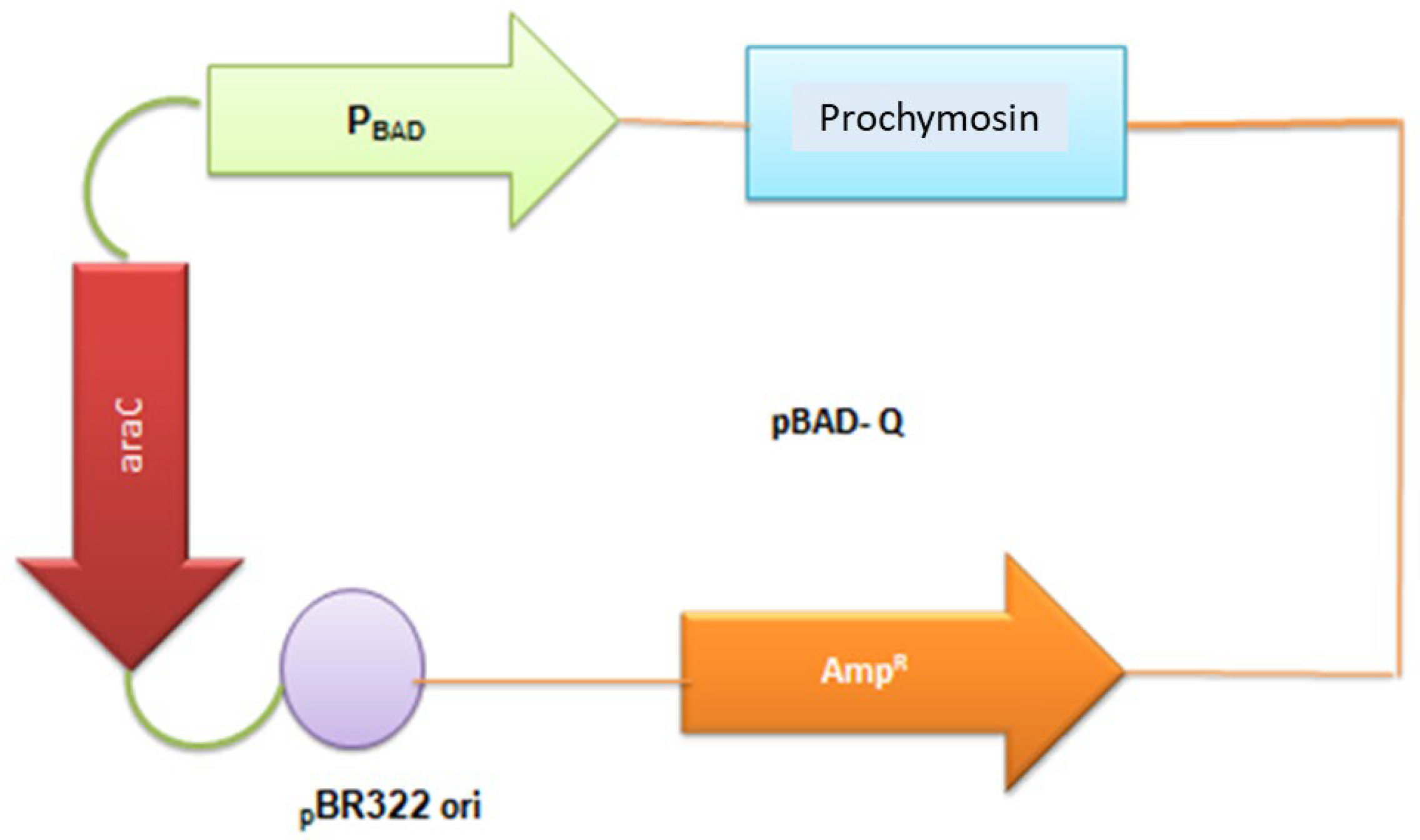
The bovine chymosin A gene with codons optimized for E. coli was synthesized at ATG: byosynthesis GmbH (Berlin, Germany) and cloned between the NcoI and EcoRI sites in the pBAD/His vector. This created the plasmid pBAD-Q, which expresses the bovine chymosin A gene under the control of the L-arabinose-inducible PAraBAD promoter.
The plasmid pBAD-Q was transformed into different competent E. coli cells by heat shock as described by Froger and Hall [40]. The competent cells were depleted using the RbCI method [41].

2.2.2. Culture Media and Conditions

A colony of E. coli, containing the plasmid pBAD/His, was inoculated in 10 mL of LB medium containing 100 µg/mL of ampicillin. The culture was performed at a temperature of 37 °C and 150 rpm shaking. The cells were collected at the beginning of the logarithmic phase of growth and used as a pre-inoculum of the culture. The culture was grown in a 2 L Erlenmeyer flask, containing 500 mL of LB medium, supplemented with 100 µg/mL ampicillin and 0.2% glycerol, at 37 °C and 150 rpm shaking. In all cultures, the initial optical density was on average 3.32, and the induction of recombinant prochymosin was carried out after 3 h of culture by adding 2% L arabinose. Culture continued at 37 °C and 150 rpm overnight. In the end, we obtained a culture with a pH of 5.0 and a DO 600 of 5.0.

2.2.3. Method of Extraction, Folding, Activation (First and Second), Purification, and Conservation

Harvesting of Crops
The biomass obtained in the fermentation process was centrifuged at 5000× g for 20 min (Hettich “Rotina 380 R” centrifuge and Sorvall Lynx 6000 centrifuge from Thermo Scientific, Waltham, MA, USA) at a temperature of 4 °C. It was resuspended in 20 mL of 1 mM EDTA and centrifuged again for 20 min with the same centrifugal force and temperature. The sediment was used at the same time or frozen at −80 °C for subsequent processing.
Recombinant Chymosin Extraction
For the extraction of the enzyme, the following procedure was followed based on the protocol described in patent [42]. The cell pellet was resuspended in 4 volumes of 10 mM EDTA for 30 min at 4 °C. The cells were washed, adding a volume equivalent to the previous final volume of 0.2 M NaOH to leave a final concentration of 0.1 M. The mixture was gently resuspended to lyse the pellet and thus dissolve the inclusion bodies, subsequently being stirred formally and manually for 15 min at 4 °C. The mixture was then diluted 5 times with distilled water and rested for 30 min at 4 °C. Finally, the pH was adjusted by adding 1 M glycine until generating a final glycine concentration of 0.056 M. After this process, it was left to rest for 30 min at 4 °C.
Recombinant Chymosin Folding
The solution was then incubated for 72 h at 28 °C for the correct folding of the protein.
First, Second Activation and Purification
The prochymosin solution was adjusted to pH 2.0, using an HCL buffer with a concentration of 0.1 and 0.2 M. The supernatant was then kept at rest for 8 h at 4 °C, giving rise to the first activation. Next, the second activation was carried out, which consisted of adjusting the extract to pH 5.0 using the buffer with a concentration of 0.5 M NaOH. Subsequently, the chymosin was preserved in solution at 4 °C, and the coagulant activity was determined.

2.3. Coagulation Assay

2.5 mL of previously prepared milk is added to 50 mL flasks and allowed to preheat in a water bath at 37 °C for 10–15 min maximum. Next, 250 µL of the enzyme solution is added, and the time is taken with a stopwatch. Keeping the tube in the bath, it was turned manually every 30 s. The coagulation time is defined precisely when the first milk clots appear on the walls of the bottle. That time is taken as clotting time. The tests were performed in triplicate, always carrying a positive control using commercial chymosin, following the same procedure, but adding 3.5 and 10 μL.

2.4. Immobilization

The agarose was prepared and activated, and then the activated supports were prepared with epoxide groups and consequently the IDA-agarose (iminodiacetic acid) according to our own protocols [43].

2.4.1. Immobilization on Ag-IDA-Ni and Ag-IDA-Cu Metal Chelate Supports

When obtaining the agarose-epoxide support incubated with iminodiacetic acid, the diols spontaneously generated in the support will be oxidized. Soon, it was washed with plenty of distilled water and treated with a solution of 0.5 g copper sulfate, dissolved in 100 mL of 50 mM pH 6 phosphate buffer and 0.1 g NaCl, and to this solution 10 g of agarose-epoxide-IDA was added. It is left stirring for 2 h, at 25 °C. The support was then washed with plenty of distilled water. To synthesize the Ag-IDA-Ni support, the same procedure was followed, adding NiCl2. Then, all these supports were used for the immobilization of chymosin.

2.4.2. Immobilization on Diethylaminoethyl (DEAE) and Sulfopropyl Supports

Commercial supports were activated according to the manufacturer’s recommendations. 0.35 g of dry support was suspended in 10 mL of an aqueous solution at pH 3.0 and then gently stirred for approximately 10 min. The supports were then vacuum filtered without washing and used for enzyme immobilization. Next, the supports will be vacuum filtered without washing and used for the immobilization of the enzyme, activated according to the manufacturer’s recommendations.

2.4.3. Synthesis of Magnetic Nanoparticles

The magnetic nanoparticles were produced using the method developed by [44]. 11 g of ferrous sulfate, which was heavy, II, was added to 5.65 g of ammonium oxalate and dissolved in 100 mL of distilled water, mixed, and heated until completely dissolved. After that, 16 g of iron III sulfate and 11 g of iron II sulfate were added to the suspension. To this suspension, 30% ammonium hydroxide was added to correct the pH to 9. Then, the suspension was put in the reactor, a stream of nitrogen was introduced, and stirring was vigorous at 1200 rpm for one hour, and in a water bath at 75 °C. Subsequently, the supernatant was separated from the particles with the help of a magnet, and the particles were washed with distilled water. Next, about 3 g of SDS was added to the nanoparticle suspension, and it was adjusted to pH 5.0. The Fe3O4: SDS molar ratio is 2:1. Thus, the dicarboxylic groups that were on the surface of the particles were replaced by sulfate groups. The solution continued to operate under the same working conditions for 24 h. Finally, the particles were washed with five portions of hot water (deoxygenated) at 60 to 65 °C. The decantation was performed with the help of a magnet. The solution obtained was frozen for 24 h and then lyophilized until a completely dry sample was obtained. For immobilization, the following were used as a support: 0.5 g of nanoparticles, 1 mL of enzyme, 4 mL of buffer, and the same procedure was carried out as an immobilization process.

2.5. Biochemical Characterization

After obtaining the enzyme derivative immobilized on magnetic nanoparticles, it is subjected to biochemical characterization based on the two calculation methods in IMCUS.

2.5.1. Determination of the Effect of pH and Temperature on the Derivative Immobilized on Magnetic Nanoparticles of the Commercial and Recombinant Enzyme

To evaluate the influence of the pH effect on the enzymes, they were tested in a range of 5.0 to 7.5. Using as a buffer, acetate at 20 mM for the pH range 5.0–5.5 and Tris-HCL at 20 mM for the pH range 6–7.5. The samples were incubated at room temperature, and the activity was determined at the respective pH, based on the substrate (10% skim milk and 0.01 M CaCl2) previously prepared according to the method used. And to evaluate the effect of temperature, a coagulation test was performed, changing the incubation temperature from 20 °C to 60 °C.

2.5.2. Determination of the pH and Temperature Stability of the Derivative Immobilized on Magnetic Nanoparticles of the Commercial and Recombinant Enzyme

The pH stability was determined by incubating the sample at different pH levels at room temperature and checking the stability every 2 h until the sample ran out of activity. For thermal stability, the samples were incubated at different temperatures, and the activity was tested every 2 h, until the sample was completely without activity in the temperature ranges between 37, 40, 45, 50, and 60 °C, respectively. All our experiments represent the average of three experiments for each point, whether it is a temperature study, calculation of enzyme activity, and/or determination of stability. For each of these, we performed three repetitions and then calculated the average to determine the exact value. Therefore, the error never exceeded 2–3%.

3. Results and Discussion

3.1. Heterologous Expression System for the Enzyme Bovine Chymosin

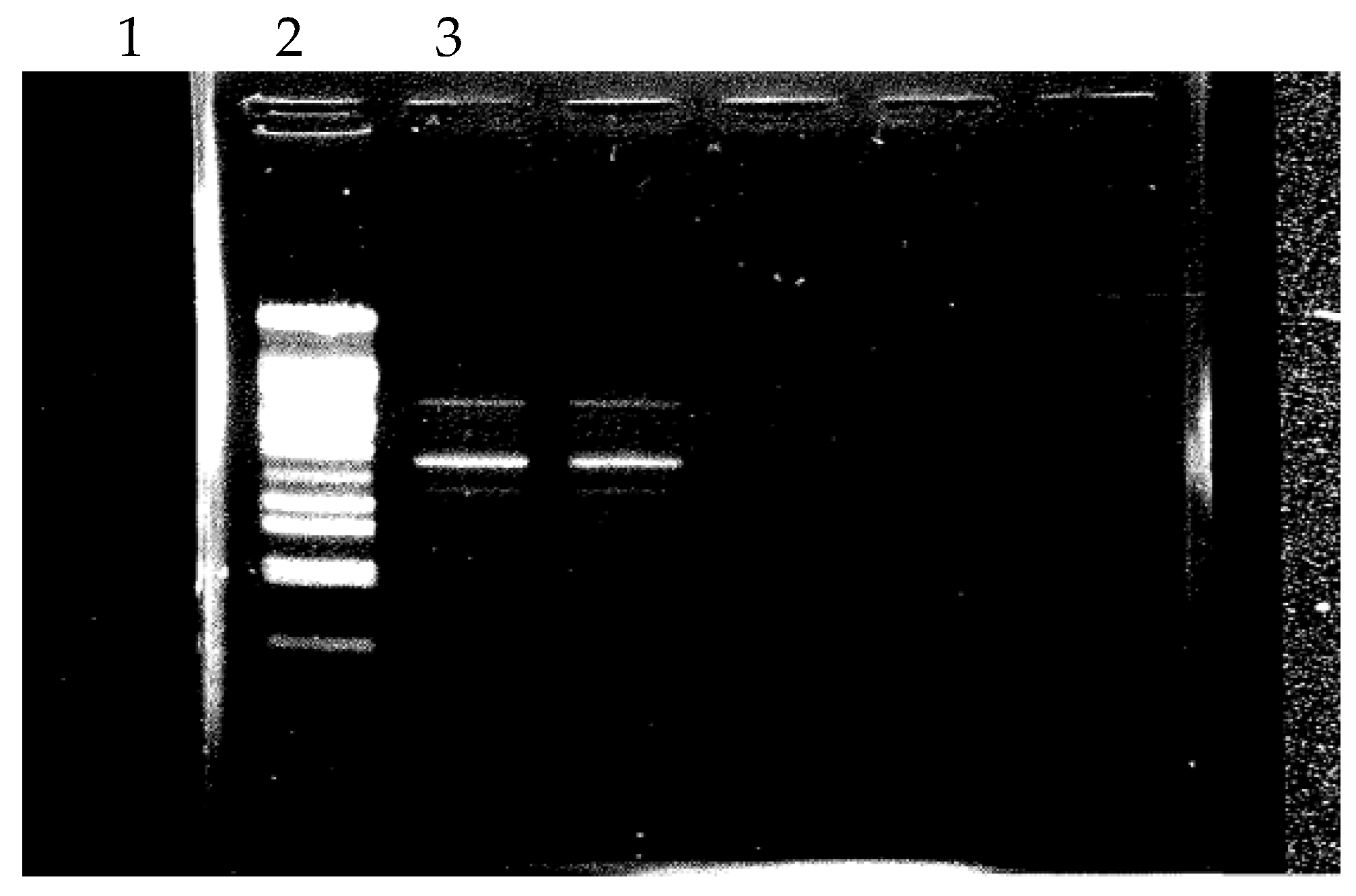
The starting point of our working system was developed by [40], which had to do with the optimization of the codons for the synthesis of the bovine chymosin gene for its correct expression in E. coli. With the strain acquired from the ATCC, commercial chymosin producer pPFZ-R2, with the purpose of purifying the plasmids and making a new synthetic gene to produce the recombinant chymosin protein. Once the strains were grown, we performed a 0.7% agar electrophoresis, and the result appears there (Figure 1).
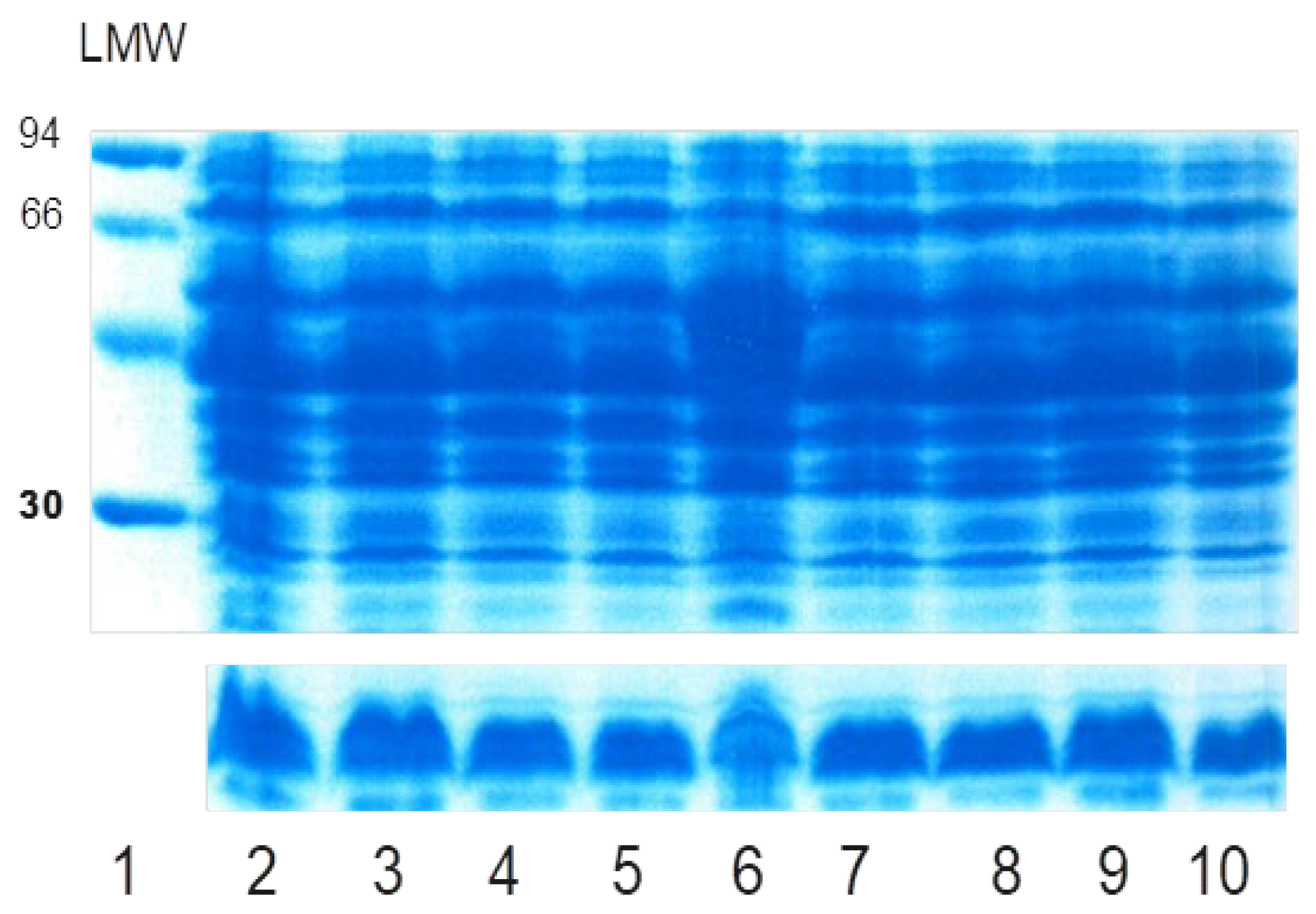
After that experiment, the pPFZ-R2 strain was seeded on an LB-agarose plate to isolate individual strains and see their phenotype in the production of the chymosin protein. The result of this experiment is presented in Figure 2. In it, we can see that all the colonies have the same profile, so we can conclude that the culture and the strains were completely free of any contamination (Figure 2).
From Figure 2, we can finally conclude with some confidence that all colonies seeded separately from the mother plate were completely free of contamination by other microorganisms.
We decided to apply the stochastic optimization strategy described by [40] for the design of our synthetic gene (Figure 3).
With respect to the codon optimization carried out with the stochastic algorithm, several phenomena were observed. On the one hand, there have been some changes where the frequency of use of the codon has remained constant, and others in which it has been decided to decrease it. This is a strategy to avoid saturating the transcriptional machinery and allowing the correct synthesis of other cellular proteins. On the other hand, the majority of triplets have been optimized for several amino acids. From a sequence of a gene encoding (but little producing) for the enzyme chymosin, the synthesis of a new gene has been carried out based on designs of these genes optimized for E. coli with histidines in the C and N terminal positions. These genes were designed for use with the pBAD/His arabinose plasmids.
This has allowed us to subsequently clone and express them in competent cells (previously prepared) of E. coli (DH10B and BL21) and optimize the production of the chymosin enzyme, in the form of inclusion bodies, to facilitate subsequent purification-reactivation processes and use in the maturation and production of cheeses on an industrial scale.

3.2. Production of Recombinant Chymosin

To obtain the recombinant protein capable of fulfilling its function, several physiological factors associated with the expression and cell growth of the recombinant protein were studied, which are related to the fermentative processes. We obtained the following results: carbon source, glucose 0.2%; nitrogen source, yeast extract 5 g/L; L-arabinose concentration, 2%; stirring speed, 150 rpm; temperature, 37 °C.

3.2.1. Extraction, Activation, Purification, and Concentration of the Recombinant Enzyme

As described in the Section 2, once the prochymosin gene induction process had been studied and developed, the optimization of the extraction, folding, activation, and concentration conditions.

3.2.2. Optimization of the Extraction and Folding Procedure

As expected, we have come across a varied series of data. On the one hand, if the chymosin A solution is allowed to incubate at a pH above 9, the conformational recovery process is carried out more efficiently at 28 °C. At pH 8, the behaviour of the enzyme is similar at both temperatures within the first 48 h.
However, if we focus on the experiments after 72 h, we can observe that at pH 9–10 the performance in terms of coagulation time (enzymatic activity) is similar at both temperatures, while at pH 8 the recovery of the native structure of the enzyme remains effective at 28 °C.
To obtain these results, it should be noted that the experiments were carried out until the production of the enzyme was actively achieved, since the final performance is determined by its milk coagulation capacity.

3.2.3. Activation pH Analysis

Regarding the use of 0.2 M HCL and the Gly-HCL buffer, we have observed that the order in which they are added to the sample has an influence on the activity and performance. The first addition of the buffer generates a greater disturbance in the initial pH of the sample, causing it to reach a value around 3 sooner.
With respect to the use only of HCL at 0.2 M, we have observed that the pH adjustment is very slow, and a large sample volume is generated. It could be performed with a higher molarity of HCL, but there is a risk of exceeding the desired final pH. Furthermore, a very abrupt change in pH could lead to the denaturation of the protein by precipitation.

3.2.4. Study of the Final Volume After the Activation Process

In order to reduce the final volume generated in each extraction and folding process, we decided to reduce the volume of reagents by half and observed that the performance in terms of coagulation was improved. In Table 1, we can see that in sample 2, it ends with half the volume; the returns in terms of activity were much higher in sample 1, where we have obtained a final volume of 9 mL, almost double that of the other sample, although with a slightly longer coagulation.
Considering the results obtained in terms of coagulation time (Table 1), we have observed that a large dilution of the cell mixture is not necessary to avoid the re-aggregation of chymosin in the form of inclusion bodies. The differences found between the coagulation units of both samples are due to the fact that the enzyme concentration is not equivalent when starting from samples of different volumes.

3.2.5. Purification of the Recombinant Enzyme

There are a multitude of methods for enzyme extraction described in the literature, such as sonication, enzymatic treatment, or pressure rupture [40,45,46,47].
However, in this work, it has been decided to carry out the extraction using alkali treatment due to its operational simplicity and low cost. The use of NaOH at 0.2 M, in addition to destabilizing and breaking cell membranes, also causes the complete destabilization of the proteins, which is why we manage to separate the chymosin aggregates. Afterwards, with the simple dilution and adjustment of pH 8.0–9.0, we promote the renaturation of the protein itself since the chymosin molecules are separated enough to fold individually and avoid returning to the state of inclusion bodies. Although there are many methods to dissolve the enzyme to its native conformation [40,45,46,47], in this work it was decided to carry out renaturation without these (inclusion bodies) due to their complexity and cost.

3.2.6. Enzyme Activation at pH 2

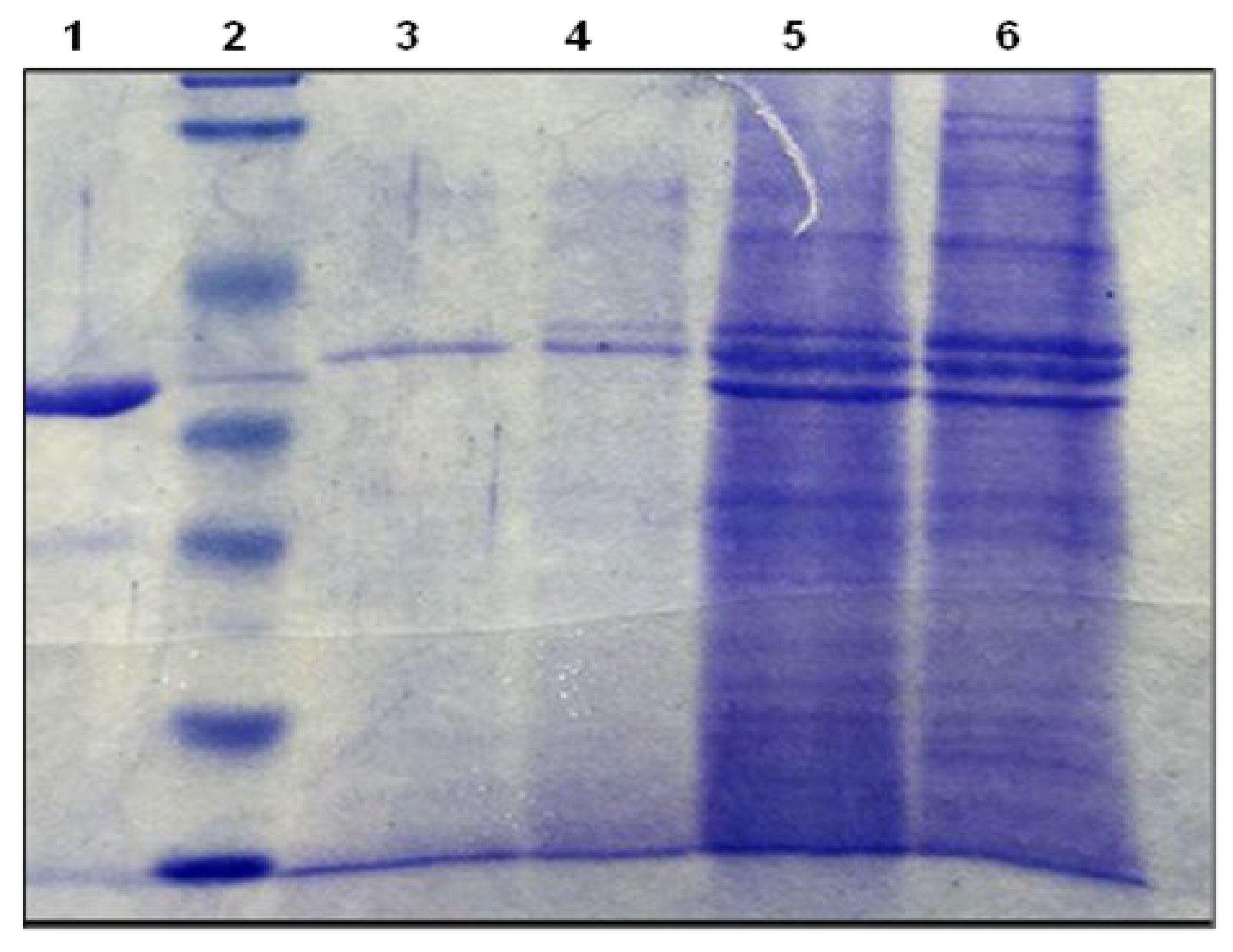
Throughout the first proteolytic processing at pH 2, we observed that the protein is correctly maintained in the form of prochymosin. Despite obtaining a high-purity enzyme in this first processing, a large part of this co-precipitates with cellular remains, causing performance to be lost in terms of activity as well (Figure 4).

3.2.7. Enzyme Activation at pH 4–5

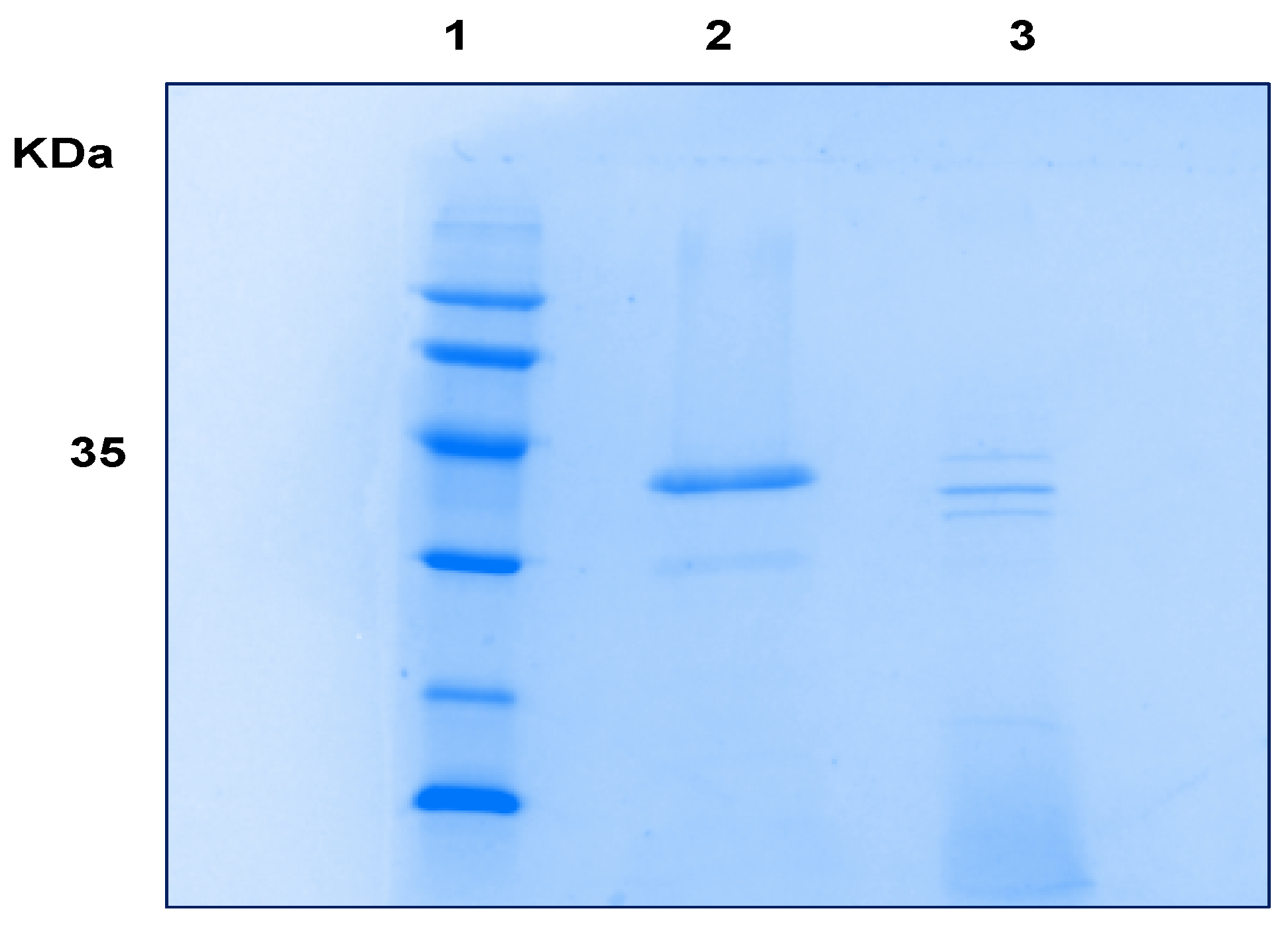
Once the protein has been activated at pH 2.0, its final activation must be carried out to leave the extract at pH 5.0, typical for its conservation and use (Figure 5). To do this, the pH must be raised by passing through the isoelectric point of the proteins, and this generates certain precipitation and activity problems. In some cases, we have managed to recover all the initial enzyme activity, as we see in the electrophoresis in the figure. In some cases, some yield has been lost due to precipitation and because both protein forms, pseudochymosin and chymosin, can coexist at the isoelectric point.

3.2.8. Immobilization of Enzymes on Exchange Supports

By immobilizing the enzymes studied (commercial enzyme and recombinant enzyme) on different supports, derivatives with different activities, stabilities, and selectivities were obtained, such as in the nanoparticle derivatives for the two enzymes and the metal-IDA-Cu derivative for the enzyme under study. However, the supporting sulfopropyl (−), DEAE (+), and the supporting metal chelate (Ag-IDA-Ni) enzymes have barely been immobilized. When using polymeric supports, the immobilization results were very poor (below 20%), mainly due to pore clogging problems in this type of resin.

3.3. Immobilization of Commercial and Recombinant Enzyme Preparations on Magnetic Nanoparticles

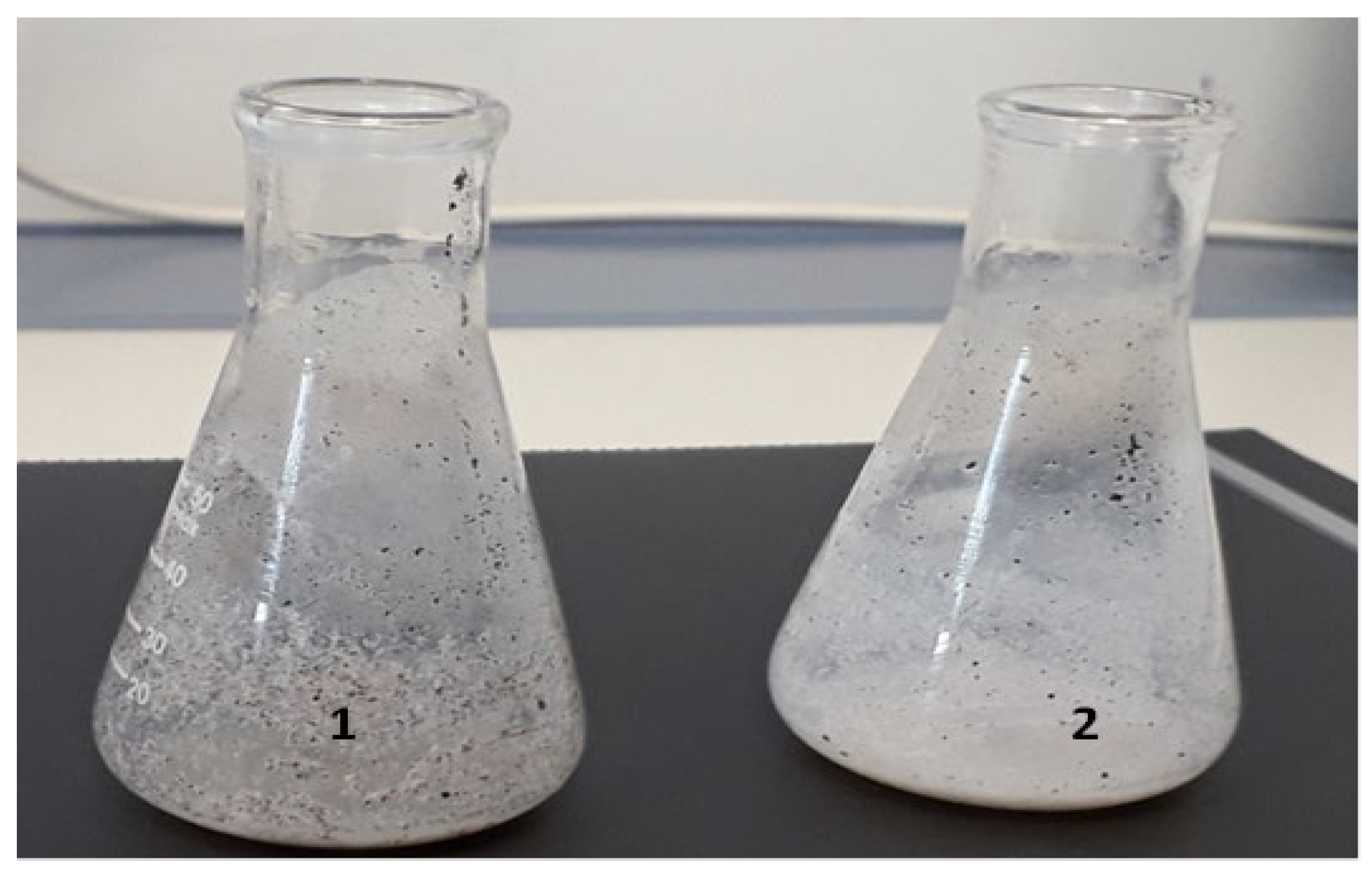
For both enzymes, we have managed to immobilize 80% of both enzymes on magnetic nanoparticles. The difference in the levels of immobilization when we use other types of supports is due to the clogging effect of the micelles in these supports, which does not occur when we use magnetic particles. Figure 6 represents the immobilization processes and analysis of the reactions under these conditions with this support.

3.3.1. Enzymatic Characterization

Effect of pH and Temperature on the Derivative Immobilized on Magnetic Nanoparticles (Commercial and Recombinant Enzyme)
The difference in the levels of immobilization when we use other types of supports is due to the clogging effect of the micelles in these supports, which does not occur when we use magnetic particles.
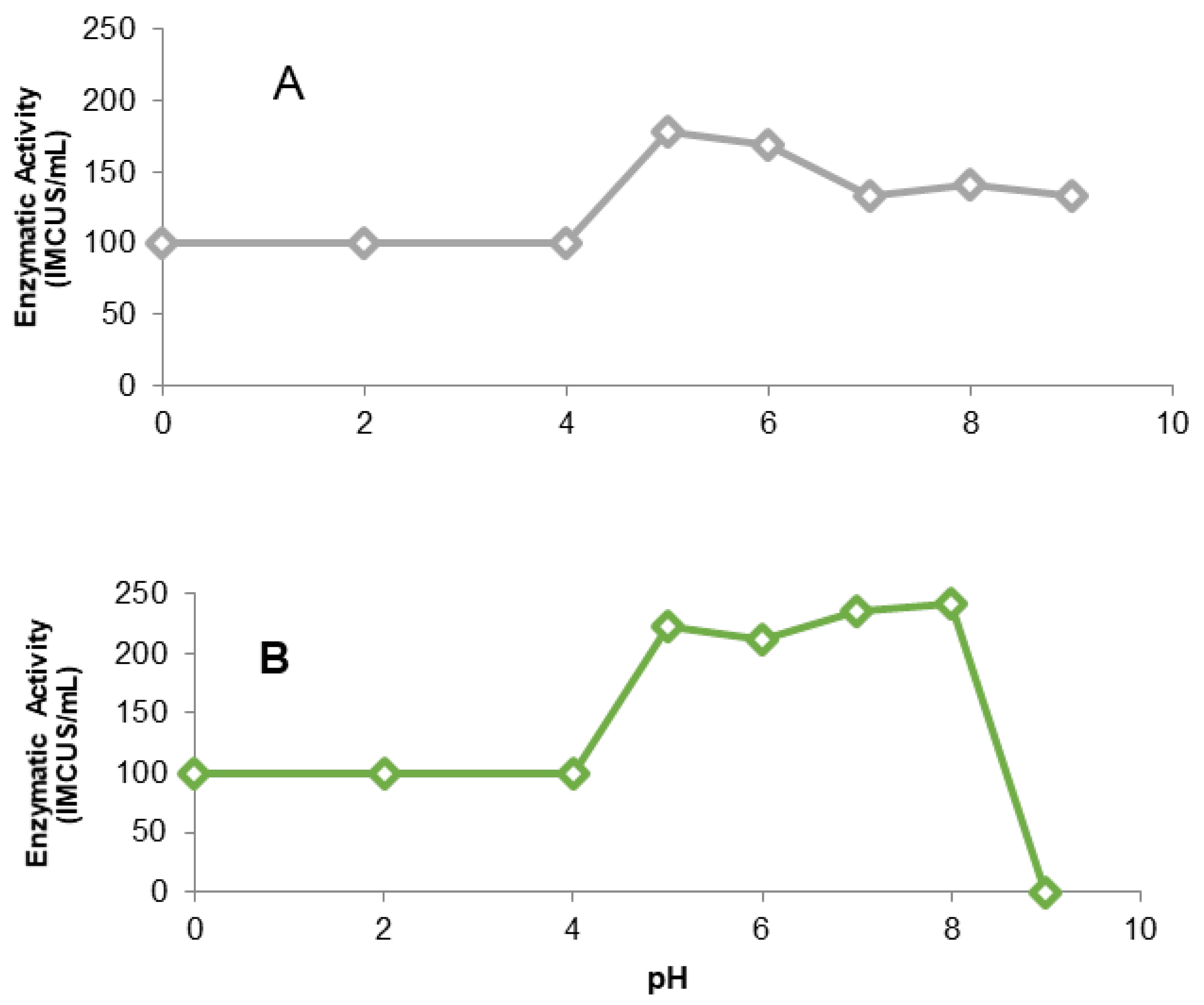
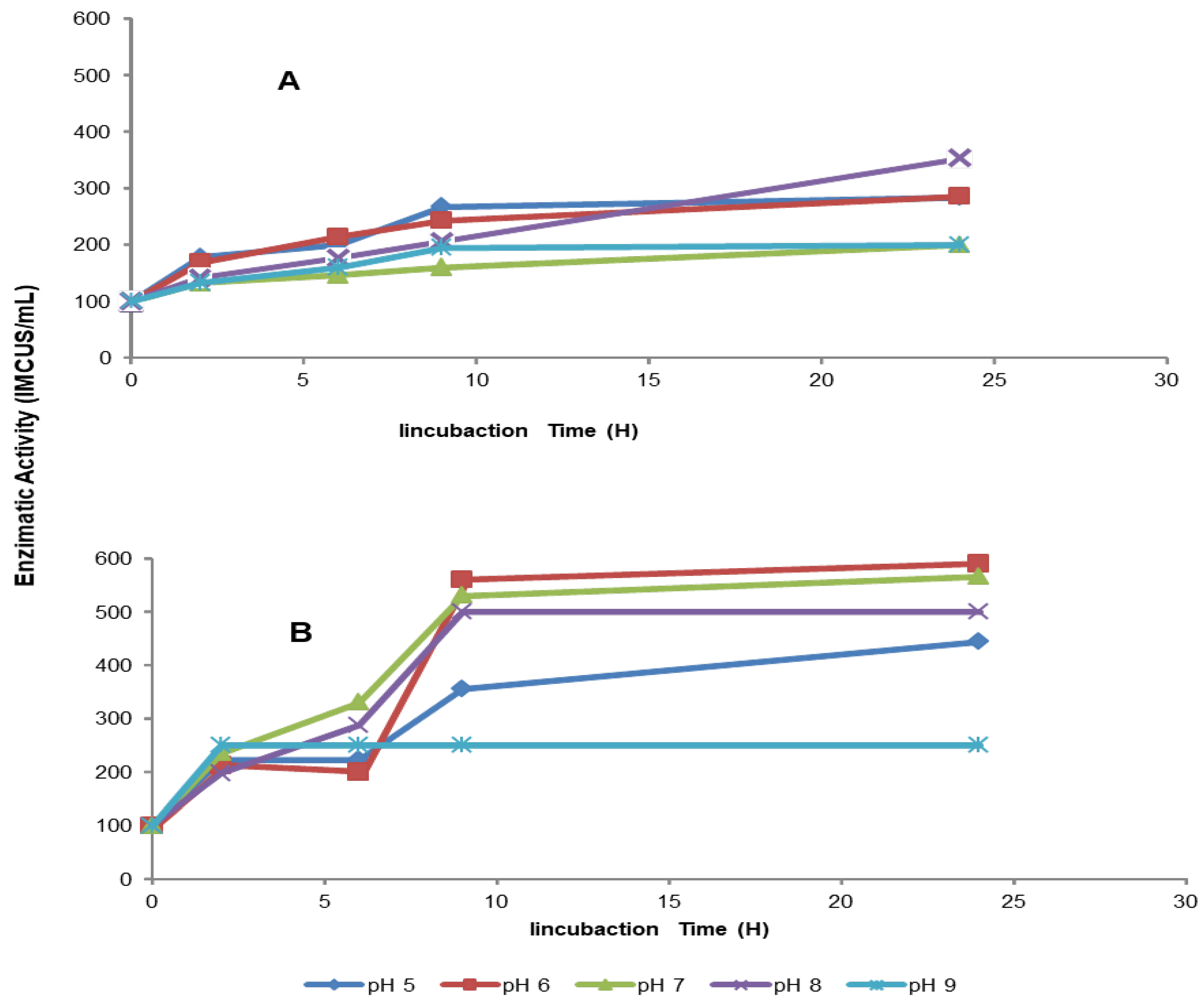
The difference is that from pH 5, the stabilization levels increase in the commercial preparation, but remain at 100%. However, the recombinant enzyme is constantly hyperactivating for all pH values studied, which constitutes a very marked difference between the two enzymes (Figure 7A,B). The differential fact is that from pH 5 onwards, the stabilization levels increase in the commercial preparation, but then remain at 100%.
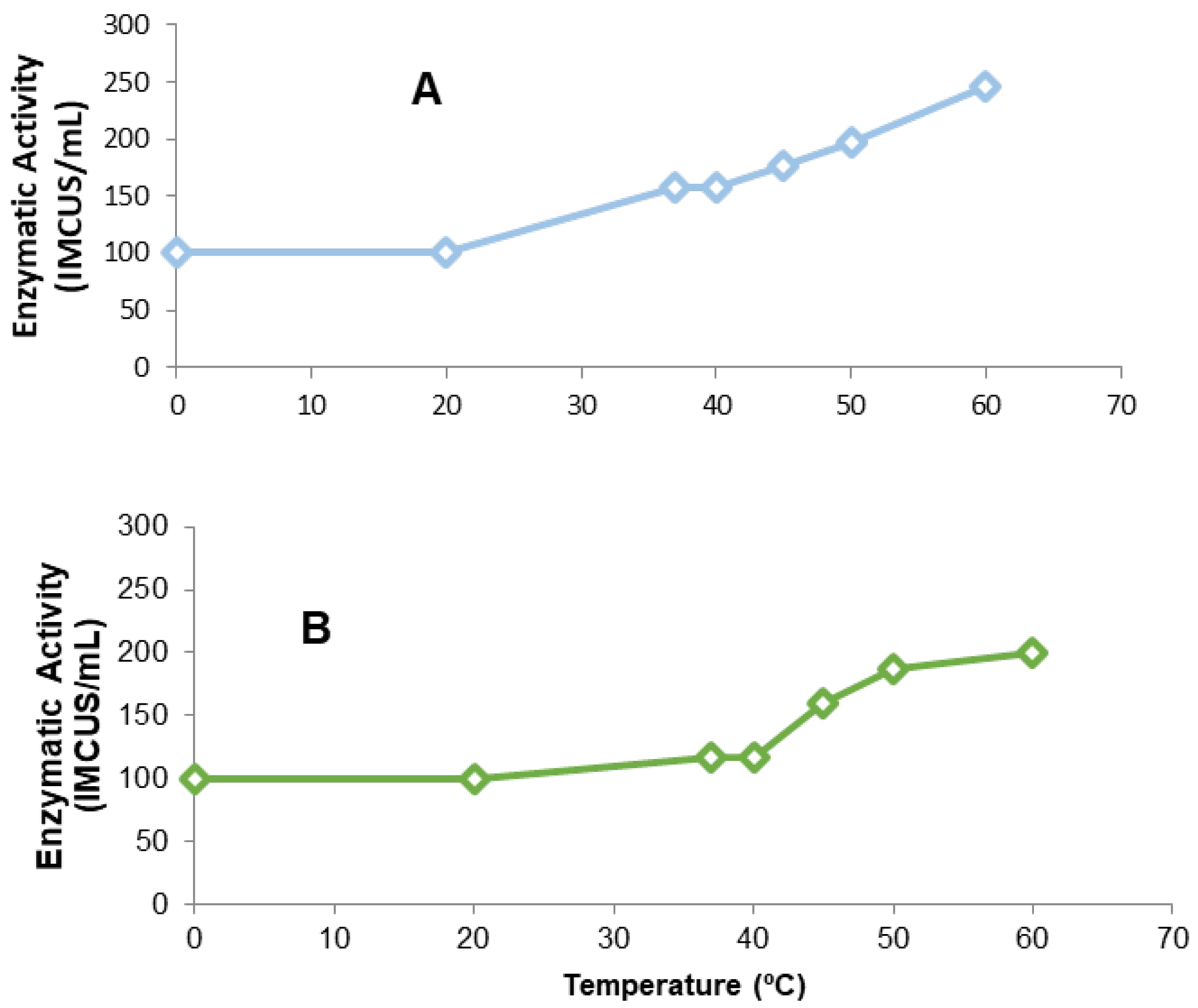
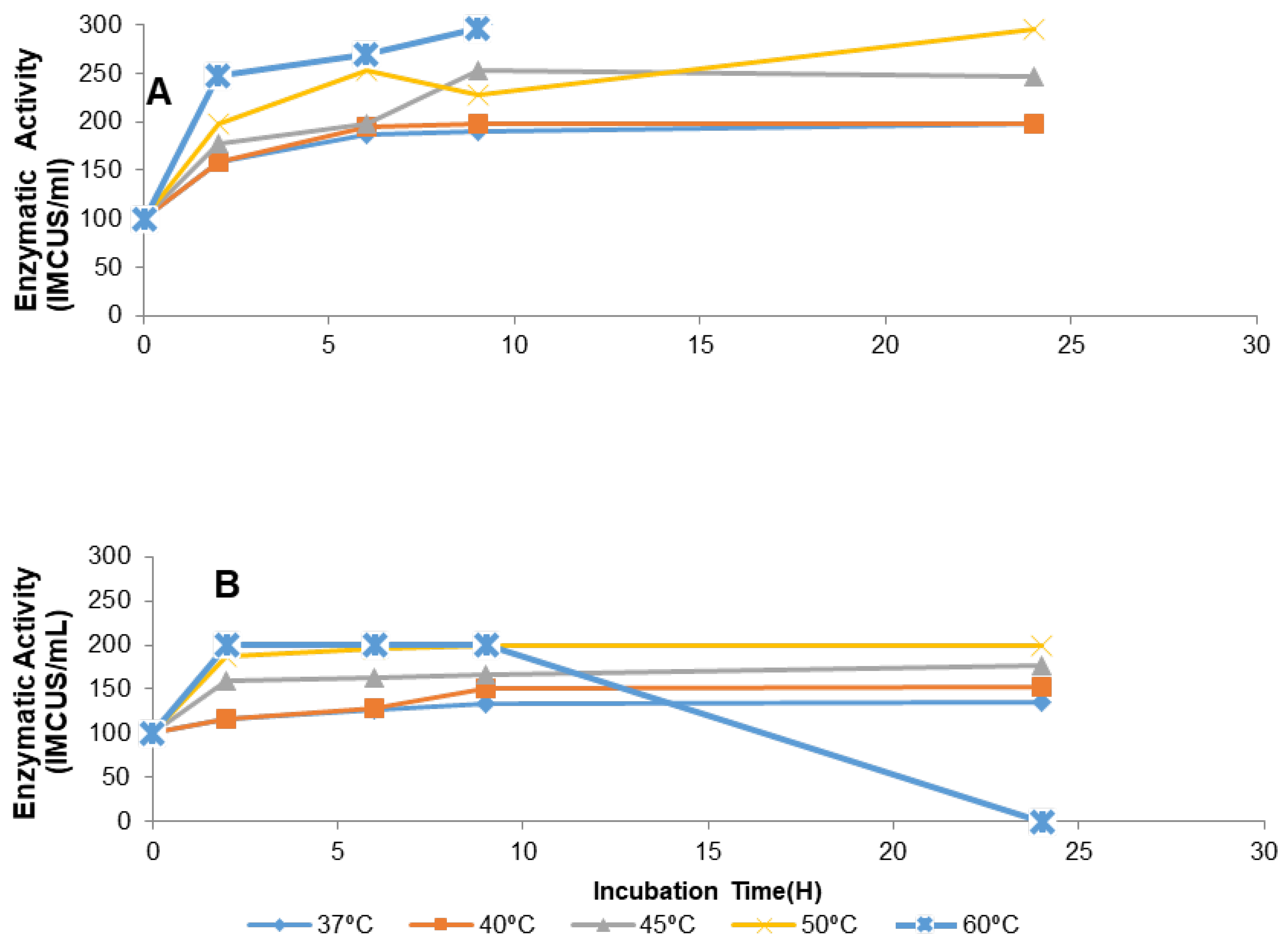
This finding is also observed when the effect of temperature on activity has been studied. Here, both enzymes have similar behaviour, and constant hyperactivation is observed in both enzymes.
This fact is also observed when the effect of temperature on activity has been studied. Here, both enzymes have a similar behaviour, since a constant hyperactivation is observed in both enzymes (Figure 8A,B).
pH Stability of the Magnetic Nanoparticle Derivative of the Commercial and Recombinant Preparations
The determination of the pH stability of the commercial enzyme derivative on the coagulation of 10% skim milk and a CaCl2 concentration of 0.01 M shows the variation in the enzymatic activity of the pH from 5.0 to 9, 0, after 24 h, where we observe that at pH levels between 5.0, 6.0, and 7.0. We found greater stability and lower values, which means better enzymatic activity expressed in IMCUS/mL. However, at pH 8.0 and 9.0, the activity is almost scarce. Compared to the immobilized enzyme, it shows a different behaviour. Greater stability was verified at a pH between 5 and 7, and at 8, it begins to become scarce until it completely loses its activity at a pH close to 9. We found greater stability and lower values, which means better enzymatic activity expressed in IMCUS/mL. However, at pH 8.0 and 9.0, the activity is almost scarce. Compared to the immobilized enzyme, it shows a different behaviour; greater stability was verified at pH between 5 and 7, and at 8, it begins to become scarce until it completely loses its activity at pH close to 9. On the other hand, the recombinant enzyme is very unstable at pH 8 and 9 and very stable at pH between 5, 6, and 7. This fact must be linked to the conformation that each of the enzymes adopts on this type of support, that is, the type of amino acids involved in the interaction with the particle, as we can see in Figure 9A.
Thermal Stability of the Derivatives of the Commercial Enzyme Preparations and Recombinant Enzyme
For both preparations, the same behaviour follows. As the temperature increases, the activity increases to values close to 50 °C, where the two preparations begin to be more active. This behaviour is very similar to that observed with soluble preparations, so it does not seem that the immobilization process has represented a greater addition. As can be seen at 60 °C, the commercial preparation is more active, while the recombinant enzyme preparation begins to break down its activity to residual values, as we can see in Figure 10.

4. Conclusions

An effective expression system for the production of bovine chymosin A in Escherichia coli was successfully developed. The use of the tightly regulated PBAD promoter ensured high clone stability under non-induced conditions, representing a key advantage over other expression systems.
Immobilization on conventional polymeric supports yielded unsatisfactory results, primarily due to pore obstruction and unfavourable internal morphology, which limited enzyme recovery. This limitation was overcome by replacing such supports with magnetic particles, which provided a more robust, accessible surface and eliminated diffusion restrictions. The immobilization on magnetic nanoparticles proved to be a valuable strategy during the complex reactivation process, allowing activation, purification, and immobilization to be integrated into a single step. This approach significantly reduced downstream processing steps and enhanced overall enzyme recovery.
Using magnetic nanoparticles, immobilization yields of approximately 80% were achieved, with high retention of enzymatic activity, demonstrating the potential of this magnetic-based system as an efficient, scalable, and cost-effective platform for chymosin production and stabilization.

Author Contributions

P.G.G.: conceptualization, methodology, writing—original draft, writing, review and editing, data analysis, visualization; P.G.-G.: methodology, research, and formal analysis; H.S.C.-D.: writing—original draft, investigation, data analysis; G.F.-L.: methodology, investigation; M.L.: methodology, investigation, formal analysis, conceptualization; B.C.P.: review and editing, supervision, methodology, investigation, formal analysis, conceptualization, draft approval, and final manuscript approval. All authors have read and agreed to the published version of the manuscript.

Funding

This research was funded through the granting of a scholarship to Paulina Gomes Gonçalves by the National Institute of Scholarship Management of Angola (INAGBE) in the period 2016–2022.

Institutional Review Board Statement

Not applicable.

Informed Consent Statement

Not applicable.

Data Availability Statement

The original contributions presented in this study are included in the article. Further inquiries can be directed to the corresponding author.

Acknowledgments

This work was supported by the National Institute for Scholarship Management of the Ministry of Higher Education, Science, Technology, and Innovation of Angola, which considers the scholarship to be part of the postgraduate training of researchers. We would also like to thank the National Center for Scientific Research (Angola) and the Food Research Institute (Spain) for their support in the training program.

Conflicts of Interest

The authors declare no conflicts of interest.

References

  1. Beaumont, M.; Blachier, F. Amino Acids in Intestinal Physiology and Health. In Amino Acids in Nutrition and Health; Springer: Cham, Switzerland, 2020. [Google Scholar] [CrossRef]
  2. Justesen, S.F.; Lamberth, K.; Nielsen, L.B.; Schafer-Nielsen, C.; Buus, S. Recombinant chymosin used for exact and complete removal of a prochymosin derived fusion tag releasing intact native target protein. Protein Sci. 2009, 18, 1023–1032. [Google Scholar] [CrossRef]
  3. Kumar, A.; Grover, S.; Sharma, J.; Batish, V. Chymosin and other milk coagulants: Sources and biotechnological interventions. Crit. Rev. Biotechnol. 2010, 30, 243–258.7. [Google Scholar] [CrossRef]
  4. Campbell, R.; Drake, M. In vited review: The effect of native and normative enzymes on the flavor of dried dairy ingredient. J. Dairy Sci. 2013, 96, 4773–4783. [Google Scholar] [CrossRef]
  5. Horimoto, Y.; Dee, D.; Yada, R. Multifuncional aspartic peptidase prosegments. New Biotechnol. 2009, 25, 318–324. [Google Scholar] [CrossRef] [PubMed]
  6. McMahon, D.J.; Brown, R.J.; Ernstrom, C.A. Enzymic coagulation of milk casein micelles. J. Dairy Sci. 1984, 67, 745–748. [Google Scholar] [CrossRef]
  7. Foltmann, B. Prochymosin and chymosin. Meth. Ensym. 1970, 19, 221–436. [Google Scholar]
  8. Mohanty, A.K.; Mukhapathyay, U.K.; Grover, S.; Batish, V.K. Bovine Chymosin: Production by rDNA technology an application in cheese manufacture. Biotechnol. Adv. 1999, 17, 205–217. [Google Scholar] [CrossRef]
  9. Langholm Jensen, J.; Molgaard, A.; Navarro Poulsen, J.C.; Harboe, M.K.; Simonsen, J.B.; Lorentzen, A.M.; Hjerno, K.; Van Den Brink, J.M.; Qvist, K.B.; Larsen, S. Camel and bovine chymosin: The relationship between their Structures and cheese-making properties. Acta Crystallogr. D Biol. Crystallogr. 2013, 69, 901–913. [Google Scholar] [CrossRef] [PubMed]
  10. Morales, J.V.; Muzio, I.C.; Torrens, V.; Jimenez, A.; Silva, A.S.; Quiñones, Y.; Narciandi, R.E.; Herreira, L.S. Expresión del Gene de la Quimosina en Escherichiacoli. Interferon Y Biotecnol. 1989, 6, 242–250. [Google Scholar]
  11. Pedersen, V.; Christensen, K.; Foltmann, B. Investigations on the activation of bovine prochymosin. Eur. J. Biochem. 1978, 94, 573–580. [Google Scholar] [CrossRef]
  12. Richter, C.; Tanaca, T.; Yada, R.Y. Mechanism of activation of the gastric aspartic proteinases: Pepsinogen, progastricsin and prochymosin. Biochem. J. 1998, 335, 481–490. [Google Scholar] [CrossRef]
  13. Noseda, D.G.; Recúpero, M.; Blasco, M.; Bozzo, J.; Galvagno, M.A. Production in stirred-tank bioreactor of recombinant bovine chymosin B by a high-level expression transformant clone of Pichia pastoris. Protein Expr. Purif. 2016, 123, 112–121. [Google Scholar] [CrossRef]
  14. Foltmann, B.; Szecsi, P.B. Chymosin. In Handbook of Proteolytic Enzymes; Barrett, A.J., Rawlings, N.D., Woessner, J.F., Eds.; Academic Press: London, UK, 1998; pp. 815–819. [Google Scholar]
  15. Merops: The Peptidase Database. Available online: https://www.ebi.ac.uk/merops/ (accessed on 7 January 2026).
  16. Beppv, T. The cloning and expression of chymosin (Rennin). Genes. Microorg. Trends Biotech. 1983, 1, 85–89. [Google Scholar] [CrossRef]
  17. Sardinas, J.L. Rennin enzyme of Endothia parasitica. Appl. Microbiol. 1967, 16, 248–255. [Google Scholar] [CrossRef]
  18. Beldarrain, A.; Acosta, N.; Montesinos, R.; Mata, M.; Cremata, J. Characterization of Mucor pusillus rennin expressed in Pichia pastoris: Enzymic, spectroscopic and calorimetric studies. Biotechnol. Appl. Biochem. 2000, 31, 77–84. [Google Scholar] [CrossRef]
  19. Lambertz, C.; Garvey, M.; Klinger, J.; Heesel, D.; Klose, H.; Fischer, R.; Commandeur, U. Challenges and advances in the heterologous expression of cellulolytic enzymes: A review. Biotechnol. Biofuels 2014, 7, 135. [Google Scholar] [CrossRef]
  20. Choi, J.H.; Keum, K.C.; Lee, S.Y. Production of recombinant proteins by high cell density culture of Escherichia coli. Chem. Eng. Sci. 2006, 61, 876–885. [Google Scholar] [CrossRef]
  21. Adrio, J.L.; Demain, A.L. Recombinant organisms for production of industrial products. Bioeng. Bugs 2010, 1, 116–131. [Google Scholar] [CrossRef] [PubMed]
  22. Voet, D.; Voet, J.G. Biochemistry, 4th ed.; Artmed: Porto Alegre, Brazil; 1520p, ISBN 978-0-470-57095-1.
  23. Arroyo, M. Immobilization of Enzymes. Fundamentals, Methods and Applications; Department of Biochemistry and Molecular Biology I, Biological Sciences Faculty, Complutense University of Madrid: Madrid, Spain, 1990; Available online: https://revistaseug.ugr.es/index.php/ars/article/view/6008 (accessed on 7 January 2026).
  24. Fernandez, F.M. Immobilization of Laccase: Methods and Potential Industrial Applications. International Doctoral Thesis, University of Vigo, Vigo, Spain, 2013. Available online: http://www.investigo.biblioteca.uvigo.es/xmlui/handle/11093/75 (accessed on 7 January 2026).
  25. Sahu, A.; Badhr, P.S.; Adivarekar, R.; Aniruddha, M.R.L.; Pandit, A.B. Synthesis of glycinamides using protease immobilized magnetic nanoparticles. Biotechnol. Rep. 2016, 12, 13–15. [Google Scholar] [CrossRef] [PubMed]
  26. Yazid, N.A.; Barreira, R.; Sanchez, A. The immobilization of protease produced by SSF onto functionalized magnetic nanoparticles: Application in the hydrolysis of different protein sources. J. Mol. Catal. B Enzym. 2016, 133, S230–S242. [Google Scholar] [CrossRef]
  27. TIchy, P.J.; Kapralek, F.; Jecmen, P. Improved procedure for a high-yield recovery of enzymatically active recombinant calf chymosin from Escherichia coli inclusion bodies. Protein Expr. Purif. 1993, 4, 59–63. [Google Scholar] [CrossRef]
  28. Mati–Baouche, N.; Elchinger, P.H.; DE-Baynast, H.; Pierre, G.; Delattre, C.; Michaud, P. Chitosan as an adhesive. Eur. Polm. J. 2014, 60, 198–213. [Google Scholar] [CrossRef]
  29. Elchinger, P.H.; Delattre, C.; Faure, S.; Roy, O.; Badel, S.; Bernardi, T.; Taillefumier, C.; Michaud, P. Immobilization of proteases on chitosan for the development of films with anti-biofilm properties. Int. J. Biol. Macromol. 2015, 72, 1058–1063. [Google Scholar] [CrossRef]
  30. Delattre, C.; Pierre, G.; Gardian, C.; Adivarekar, R.; Traikia, M.; Elboutachfait, R.; Isogai, A.; Michaud, P. Antioxidant activities of a polyglucuronic acid sodium salt obtained from Tempo—Mediated oxidation of Xantha. Carborhydr. Polym. 2015, 116, 34–41. [Google Scholar] [CrossRef]
  31. Thakrar, F.J.; Singh, S.R. Catalytic, thermodynamic and structural properties of an immobilized and highly thermostable alkaline protease from a haloalkaliphilic actinobacteria, Nocardiopsis alba TATA-5. Bioresour. Technol. 2019, 278, 150–158. [Google Scholar] [CrossRef] [PubMed]
  32. Salazar-Leyva, J.A.; Lizardi-Mendoza, J.; Ramirez-Suarez, J.C.; Garcia-Sanchez, G.; Ezquerra-Brauer, J.M.; Valenzuela-Soto, E.M.; Carvallo-Ruiz, M.G.; Lugo-Sanchez, M.E.; y Pacheco-Aguilar, R. Utilization of Chitin and Chitosan-Based Materials for Protease Immobilization: Stabilization Effects and Applications. Rev. Mex. Ing. Química 2014, 13, 129–150. [Google Scholar]
  33. Pessela, B.C.C.; Fernández-Lafuente, R.; Fuentes, M.; Vian, A.; García, J.L.; Carrascosa, A.V.; Mateo, C.; Guisán, J.M. Reversible immobilization of a thermophilic β-galactosidase via ionic adsorption on PEI-coated Sepabeads. Enzym. Microb. Technol. 2003, 32, 369–374. [Google Scholar] [CrossRef]
  34. Sánchez-Ramírez, J.; Martínez-Hernández, J.L.; Segura-Cenice, E.P.; Contreras-Esquivel, J.C.; Medina-Morales, M.A.; Aguilar, C.N.; Iliná, A. Immobilization of Lignocellulolytic Enzymes on Magnetic Nanoparticles; Faculty of Chemical Sciences, Autonomous University of Coahuila: Coahuila, Mexico, 2014. [Google Scholar]
  35. Montejo, M.G. Nanostructured Gold Transducers for Use in the Development of Enzymatic Biosensors. Ph.D. Thesis, Department of Applied Physical Chemistry, Faculty of Sciences, Autonomous University of Madrid, Madrid, Spain, 2013. Available online: http://hdl.handle.net/10486/674408 (accessed on 7 January 2026).
  36. Shamaila, S.; Zafar, N.; Riaz, S.; Sharif, R.; Nazir, J. Gold Nanoparticles. An Efficient Antimicrobial Agent Against Enteric Bacterial Human Pathogen. Nanomaterials 2016, 60, 71. [Google Scholar] [CrossRef]
  37. Jin, X.; Frang-Li, J.; Huang, Y.; Dong, X.-Y.; Guo, L.-L.; Yang, L.; Cao, Y.-C.H.; Wei, F.; Zhao, Y.D.; Chen, H. Immobilized protease on the magnetic nanoparticles used for the hydrolysis of rapeseed meals. J. Magn. Magn. Mater. 2010, 322, 2031–2037. [Google Scholar] [CrossRef]
  38. Rojas, H.A.; Martínez, J.J.; Vargas, H.Y. Magnetic supports selection for Urease immobilization. Eng. Compet. 2014, 16, 289–296. [Google Scholar]
  39. Menzella, H.G. Comparison of two codon optimization strategies to enhance recombinant protein production in Escherichia coli. Microb. Cell Fact. 2011, 10, 1. [Google Scholar] [CrossRef]
  40. Froger, A.; Hall, J.E. Transformation of plasmid DNA into E. coli using the heat shock method. J. Vis. Exp. 2007, 6, 253. [Google Scholar]
  41. Swank, R.T.; MunKres, K.D. Molecular weight analysis of oligopeptides by electrophoresis in polyacrylamide gel with sodium dodecyl sulfate. Anal. Biochem. 1971, 39, 462–477. [Google Scholar] [CrossRef] [PubMed]
  42. Mateo, C.; Abian, O.; Bernedo, M.; Cuenca, E.; Fuentes, M.; Fernandez-Lorente, G.; Palomo, J.M.; Grazu, V.; Pessela, B.C.C.; Giacomini, C.; et al. Some special features of glyoxyl supports to immobilize proteins. Enzym. Microb. Technol. 2005, 37, 456–462. [Google Scholar] [CrossRef]
  43. Lee, D.G.; Ponvel, K.M.; Kwang, S.; Ahn, L.S.; Lee, G.H. Immobilization of lipase on hydrophobic nano-sized magnetite particles. J. Mpl. Catal. B Enzyn. 2009, 57, 62–66. [Google Scholar] [CrossRef]
  44. Uren, J.R.; Robinson, D.E.; Scandella, C.L. Recovery and Activation Process for Microbially Produced Calf Prochymosin. U.S. Patent No. 4,721,673, 26 January 1988. [Google Scholar]
  45. Tang, B.; Zhang, S.; Yang, K. Assisted refolding of recombinant prochymosin with the aid of protein disulphide isomerase. Biochem. J. 1994, 301, 17–20. [Google Scholar] [CrossRef] [PubMed]
  46. Tischer, W.; Wedekind, F. Immobilized enzymes: Methods and applications. In Biocatalysis-from Discovery to Application; Springer: Berlin, Germany, 1999; pp. 95–126. [Google Scholar]
  47. Menzella, H.G.; Gramajo, H.C.; Ceccarelli, E.A. High recovery of prochymosin from inclusion bodies using controlled air oxidation. Protein Expr. Purif. 2002, 252, 248–255. [Google Scholar] [CrossRef]
Figure 1. Electrophoresis in 0.7% agarose. Lane 1: Molecular weight patterns. Lane 2: plasmid extracted from the strain acquired at the ATCC (pPFZ-R2) and purified. Lane 3: plasmid extracted from the strain acquired at the ATCC (pPFZ-R2) and purified.
Fermentation 12 00066 g001
Figure 2. SDS-PAGE (12%) of small cultures of the pPFZ-R2 strain under various culture conditions. Lane 1: low molecular weight patterns. Lane 2: colony 1 of pPFZ-R2 without ampicillin, Lane 3: colony 2 of pPFZ-R2 without ampicillin. Lane 4: colony 3 of pPFZ-R2 without ampicillin. Lane 5: colony 4 of pPFZ-R2 without ampicillin. Lane 6: colony 2 of pPFZ-R2 with ampicillin. Lane 7: colony 5 of pPFZ-R2 with ampicillin. Lane 8: colony 6 of pPFZ-R2 with ampicillin. Lane 9: colony 7 of pPFZ-R2 with ampicillin. Lane 10: colony 8 of pPFZ-R2 with ampicillin.
Fermentation 12 00066 g002
Figure 3. Expression vector pBAD-Q from the plasmid pBAD/His for bovine chymosin. This contains, in addition to the bovine chymosin A gene, an ampicillin resistance gene (AmpR), an origin of replication (pBR322 ori), the promoter PBAD, and the repressor gene araC.
Fermentation 12 00066 g003
Figure 4. SDS-PAGE 12.5%. Enzymatic activation at pH 2. Lane 1: Commercial chymosin; Lane 2: molecular weight standard; Lane 3 and 4: sample of prochymosin and pseudochymosin activated at pH 2; Lane 5 and 6: cellular remains of the extract and some percentage of precipitated chymosin. It should be noted that the intense band observed in lanes 5 and 6 does not correspond to chymosin; it is surely the enzymatic degradation of chymosin itself.
Fermentation 12 00066 g004
Figure 5. SDS-PAGE 12%. Complete chymosin activation process. Lane 1: molecular weight standard. Lane 2: commercial enzyme. Lane 3: recombinant enzyme.
Fermentation 12 00066 g005
Figure 6. The coagulation of 10% skim milk and 0.01 M [CaCL2] incubated at 37 °C is observed, of the derivative in magnetic nanoparticles with the use of the commercial enzyme (1) and the enzyme under study (2).
Fermentation 12 00066 g006
Figure 7. Effect of pH on the coagulation of the nanoparticle derivative of commercial enzyme (A) and recombinant enzyme (B).
Fermentation 12 00066 g007
Figure 8. Effect of temperature on the coagulation of the nanoparticle derivative of commercial enzyme (A) and recombinant enzyme (B).
Fermentation 12 00066 g008
Figure 9. pH stability over nanoparticle derivative commercial enzyme (A) and recombinant enzyme (B).
Fermentation 12 00066 g009
Figure 10. Thermal stability of derivatives on nanoparticles in the coagulation commercial enzyme (A) and recombinant enzyme (B).
Fermentation 12 00066 g010
Table 1. Analysis of volume reduction parameters during the activation process. Influence on coagulation times.
SampleInitial
pH
Time of Folding
(Hours)
Final
pH
Final Volume (mL)Time of
Coagulation
(Seg)
Enzymatic
Activity
(IMCUS/mL)
19.1724.79501385.7
29.1725.54362212.7
1—commercial chymosin. 2—recombinant chymosin.
Disclaimer/Publisher’s Note: The statements, opinions and data contained in all publications are solely those of the individual author(s) and contributor(s) and not of MDPI and/or the editor(s). MDPI and/or the editor(s) disclaim responsibility for any injury to people or property resulting from any ideas, methods, instructions or products referred to in the content.