
Review

Tiny but Mighty: Small RNAs—The Micromanagers of Bacterial Survival, Virulence, and Host–Pathogen Interactions

Department of Biomolecular Chemistry, University of Wisconsin-Madison, Madison, WI 53706, USA
Non-Coding RNA 2025, 11(3), 36; https://doi.org/10.3390/ncrna11030036
Submission received: 3 March 2025 / Revised: 7 April 2025 / Accepted: 28 April 2025 / Published: 5 May 2025

Abstract

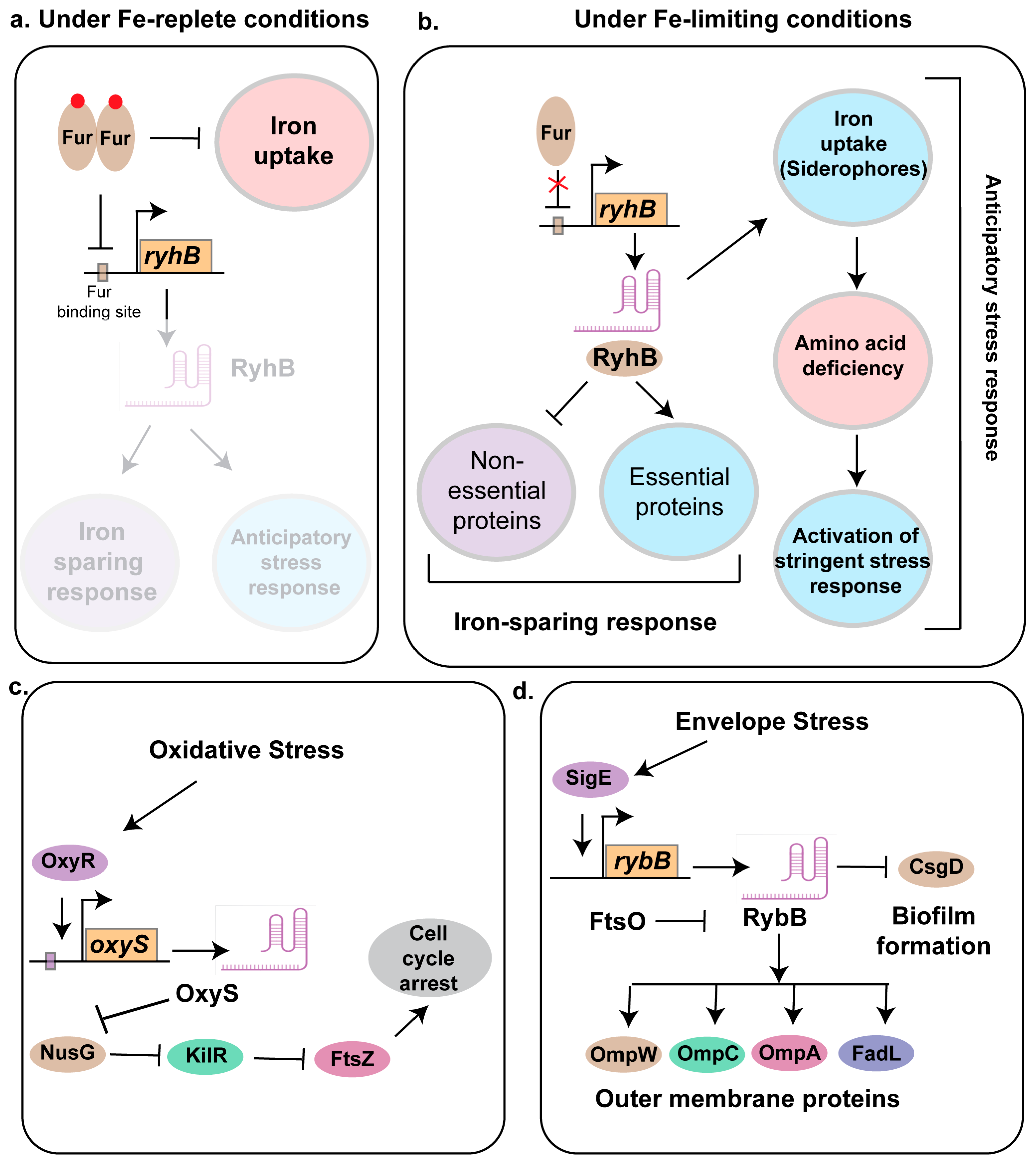
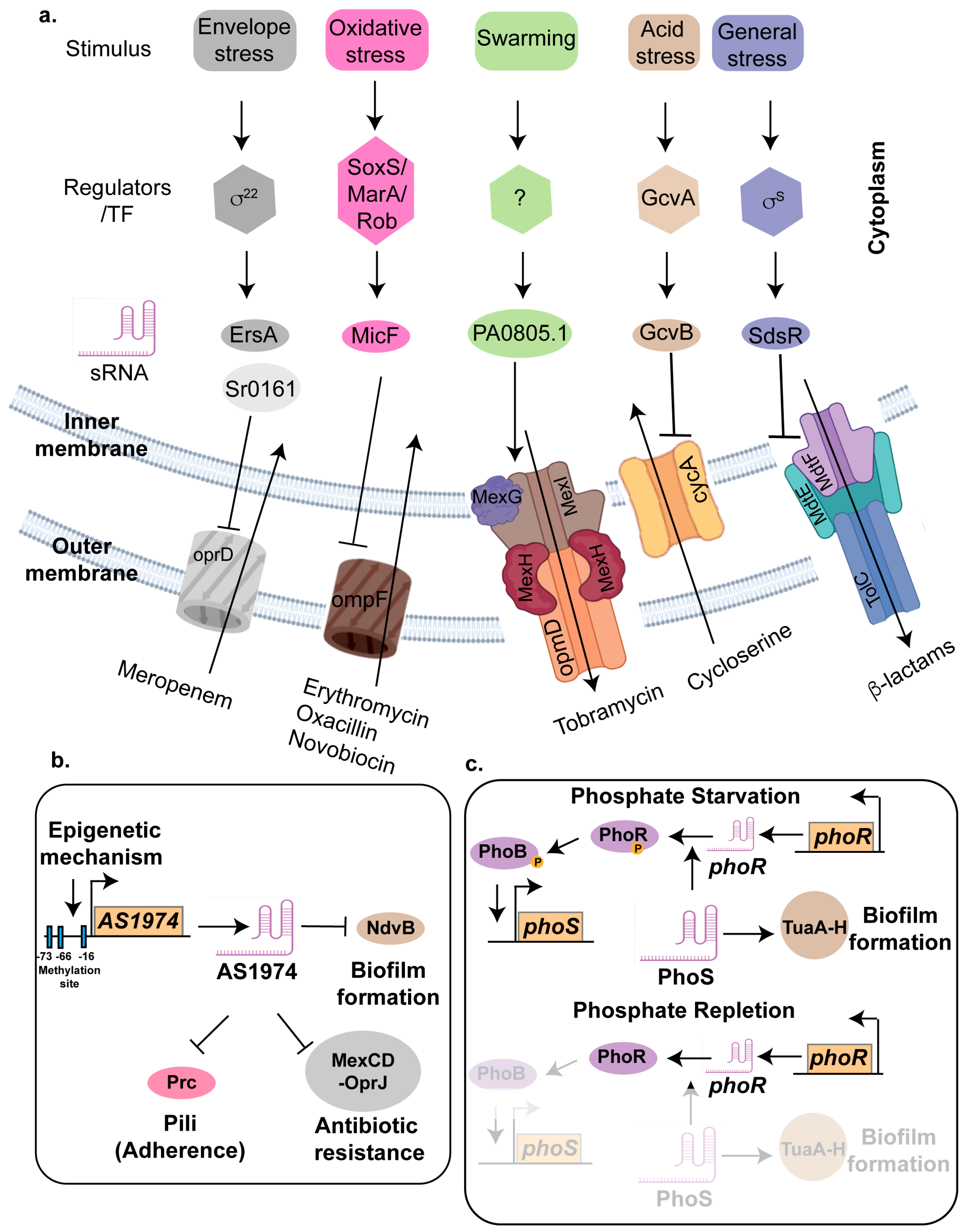
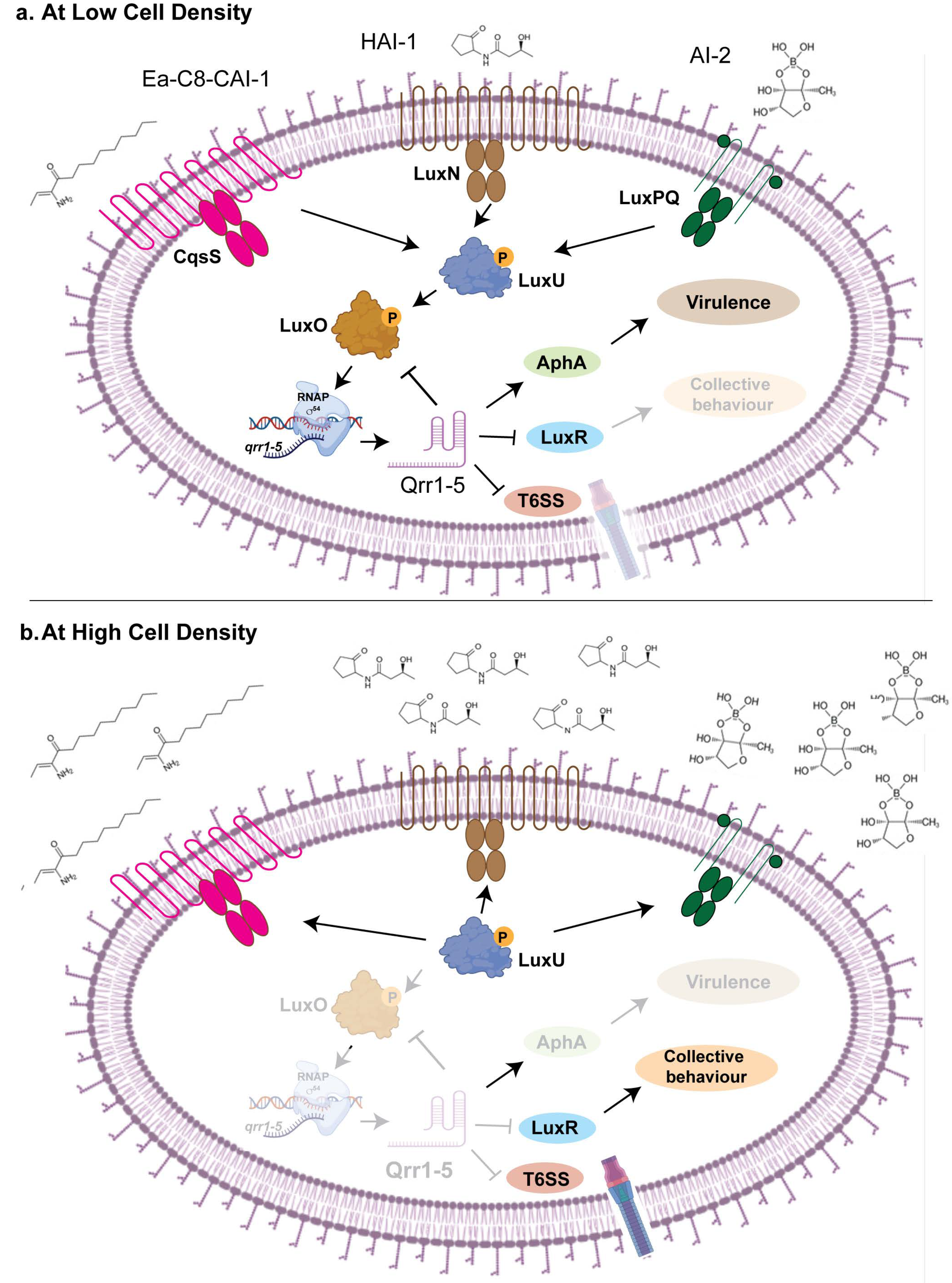
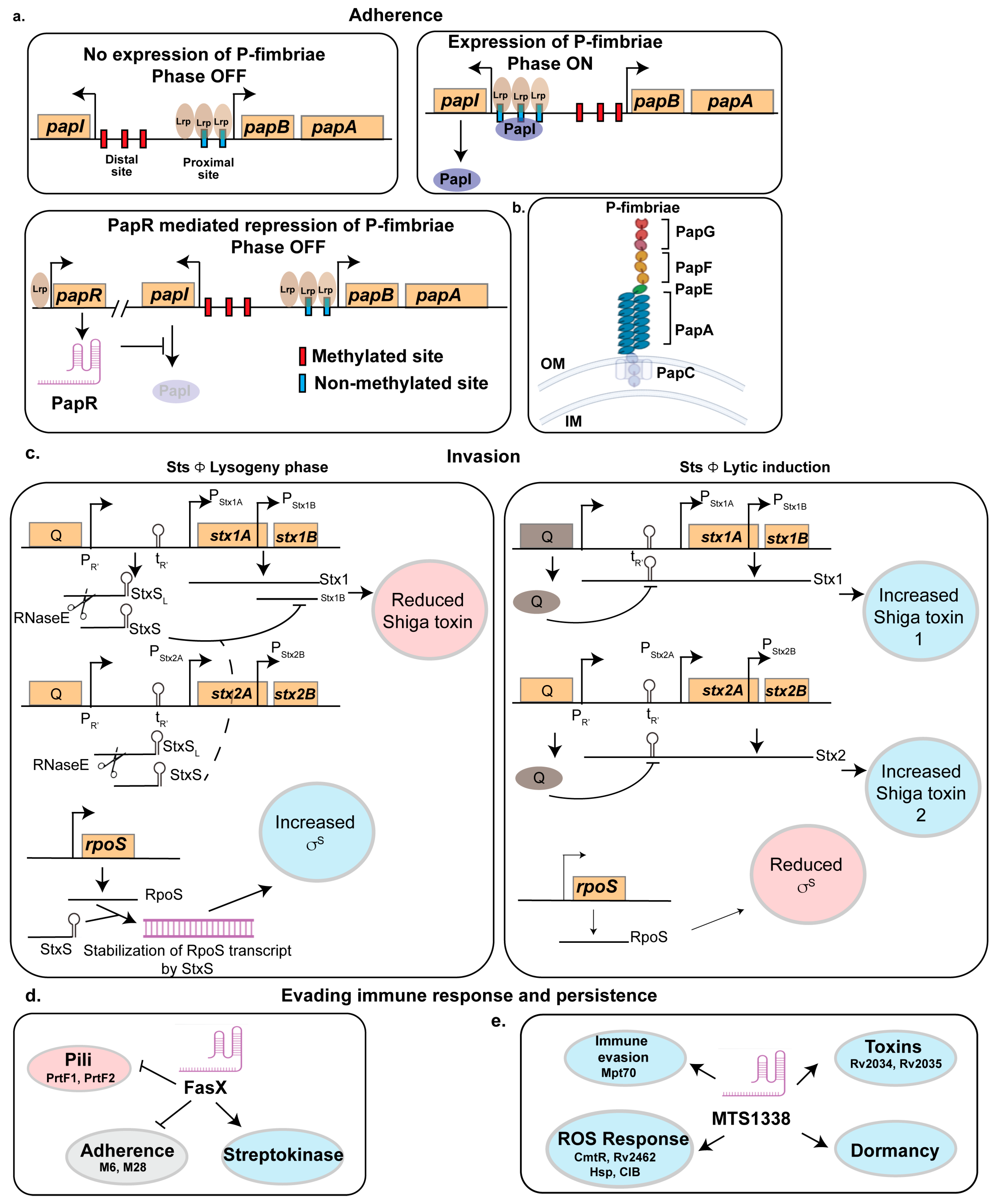
Bacterial pathogens have evolved diverse strategies to infect hosts, evade immune responses, and establish successful infections. While the role of transcription factors in bacterial virulence is well documented, emerging evidence highlights the significant contribution of small regulatory RNAs (sRNAs) in bacterial pathogenesis. These sRNAs function as posttranscriptional regulators that fine-tune gene expression, enabling bacteria to adapt rapidly to challenging environments. This review explores the multifaceted roles of bacterial sRNAs in host–pathogen interactions. Firstly, it examines how sRNAs regulate pathogenicity by modulating the expression of key virulence factors, including fimbriae, toxins, and secretion systems, followed by discussing the role of sRNAs in bacterial stress response mechanisms that counteract host immune defenses, such as oxidative and envelope stress. Additionally, this review investigates the involvement of sRNAs in antibiotic resistance by regulating efflux pumps, biofilm formation, and membrane modifications, which contribute to multi-drug resistance phenotypes. Lastly, this review highlights how sRNAs contribute to intra- and interspecies communication through quorum sensing, thereby coordinating bacterial behavior in response to environmental cues. Understanding these regulatory networks governed by sRNAs is essential for the development of innovative antimicrobial strategies. This review highlights the growing significance of sRNAs in bacterial pathogenicity and explores their potential as therapeutic targets for the treatment of bacterial infections.
Keywords: small RNA; bacterial pathogenesis; stress response; antibiotic resistance; quorum sensing; host–pathogen interactions small RNA; bacterial pathogenesis; stress response; antibiotic resistance; quorum sensing; host–pathogen interactions