
Article

Study of the Synergistic Flowback Technology of Fracturing-Fluid Self-Flow and CO2 Gas Lift in Shale Reservoirs of the Lianggaoshan Formation, Sichuan Basin

Key Laboratory for Enhanced Oil & Gas Recovery of the Ministry of Education, Northeast Petroleum University, Daqing 163318, China
*
Author to whom correspondence should be addressed.
Fluids 2026, 11(8), 191; https://doi.org/10.3390/fluids11080191

Submission received: 16 June 2026 / Revised: 21 July 2026 / Accepted: 25 July 2026 / Published: 31 July 2026

Abstract

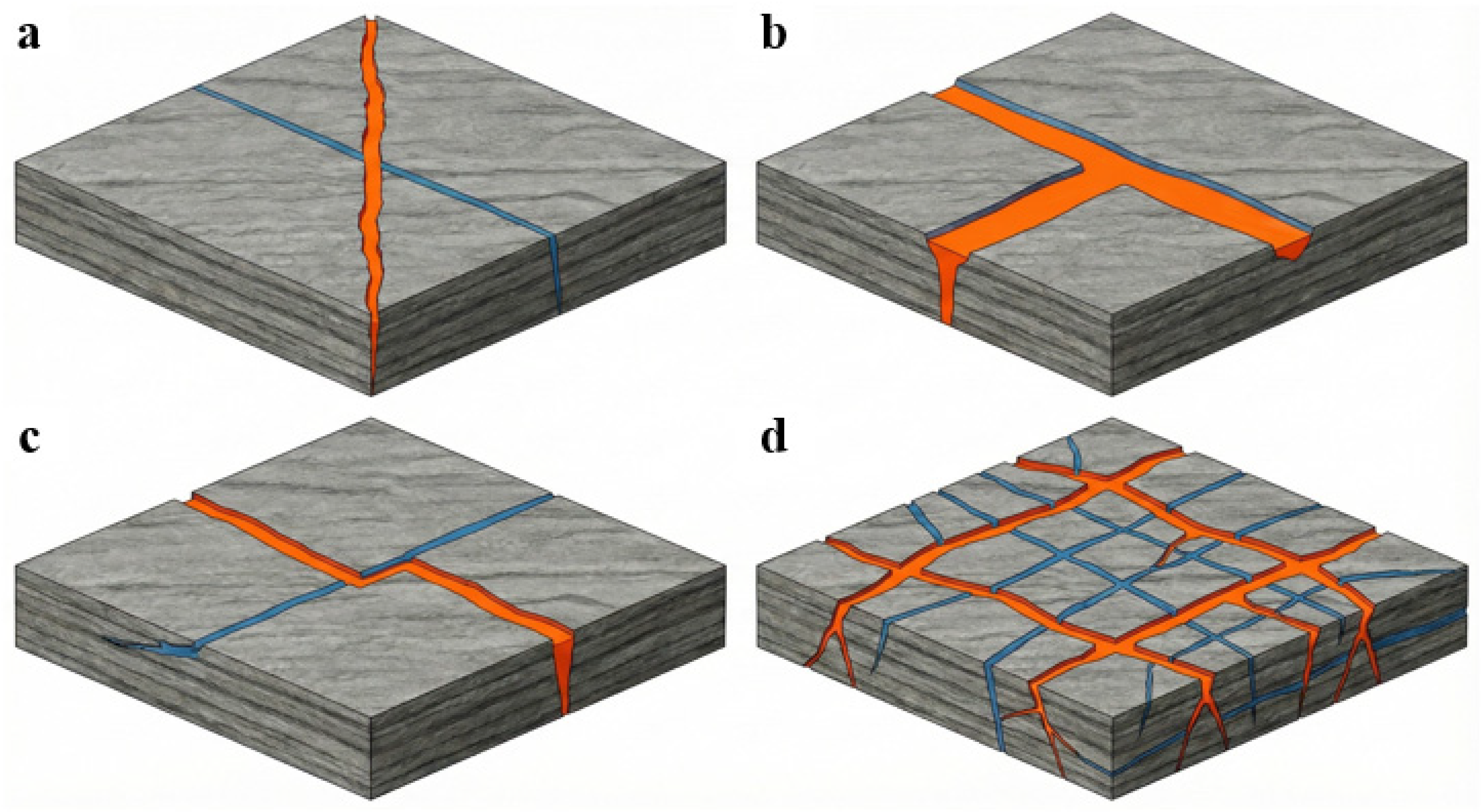
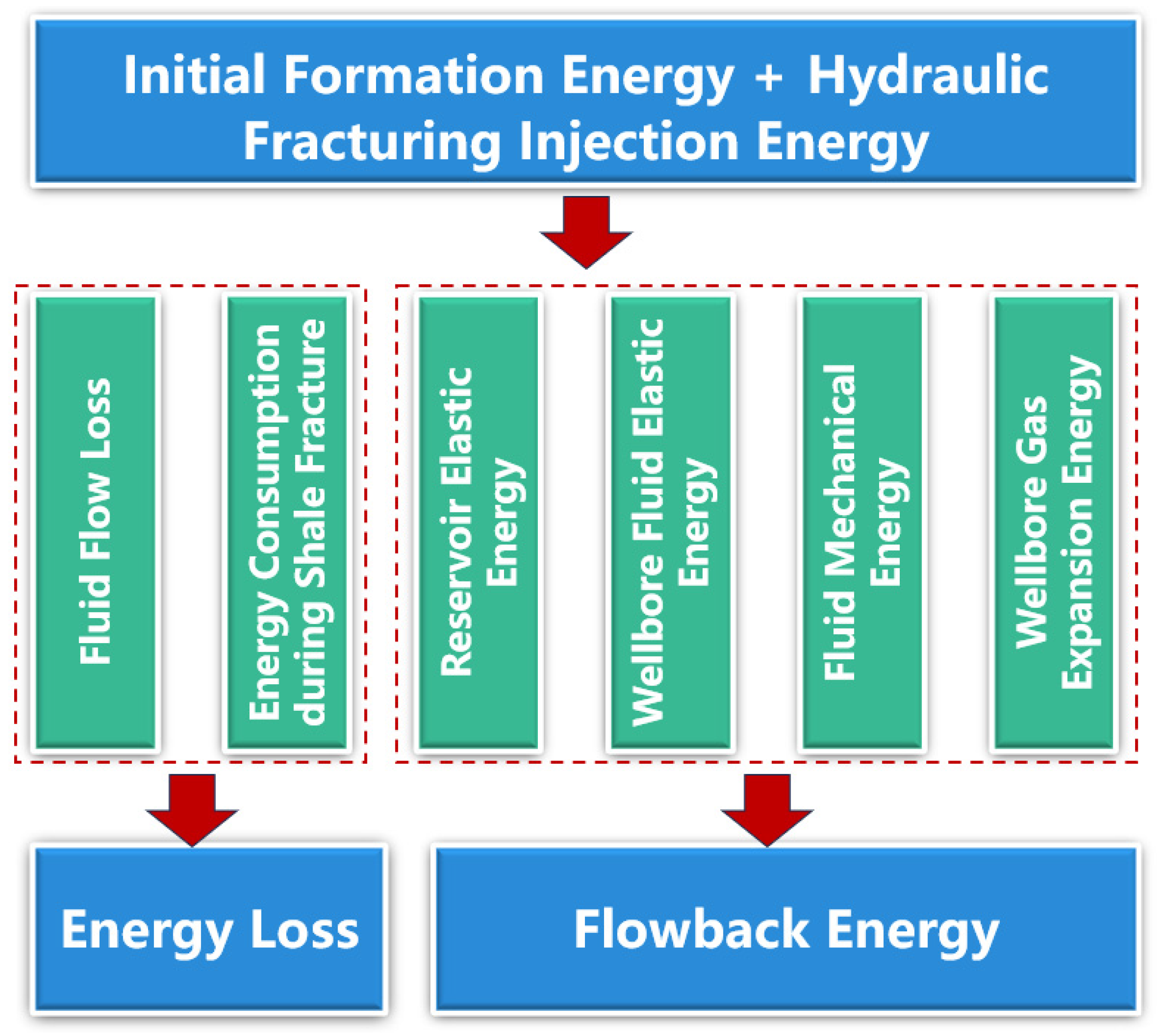
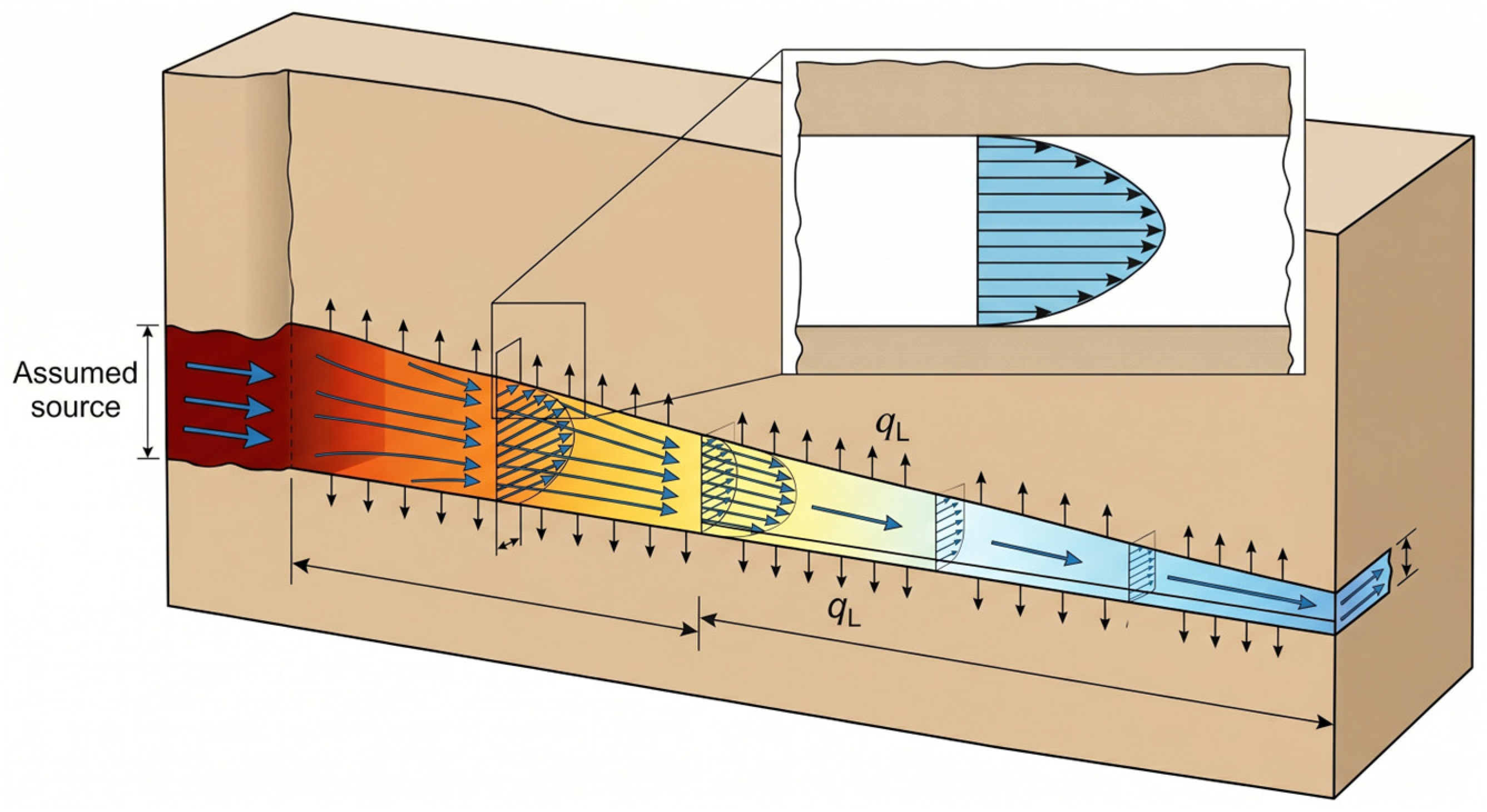
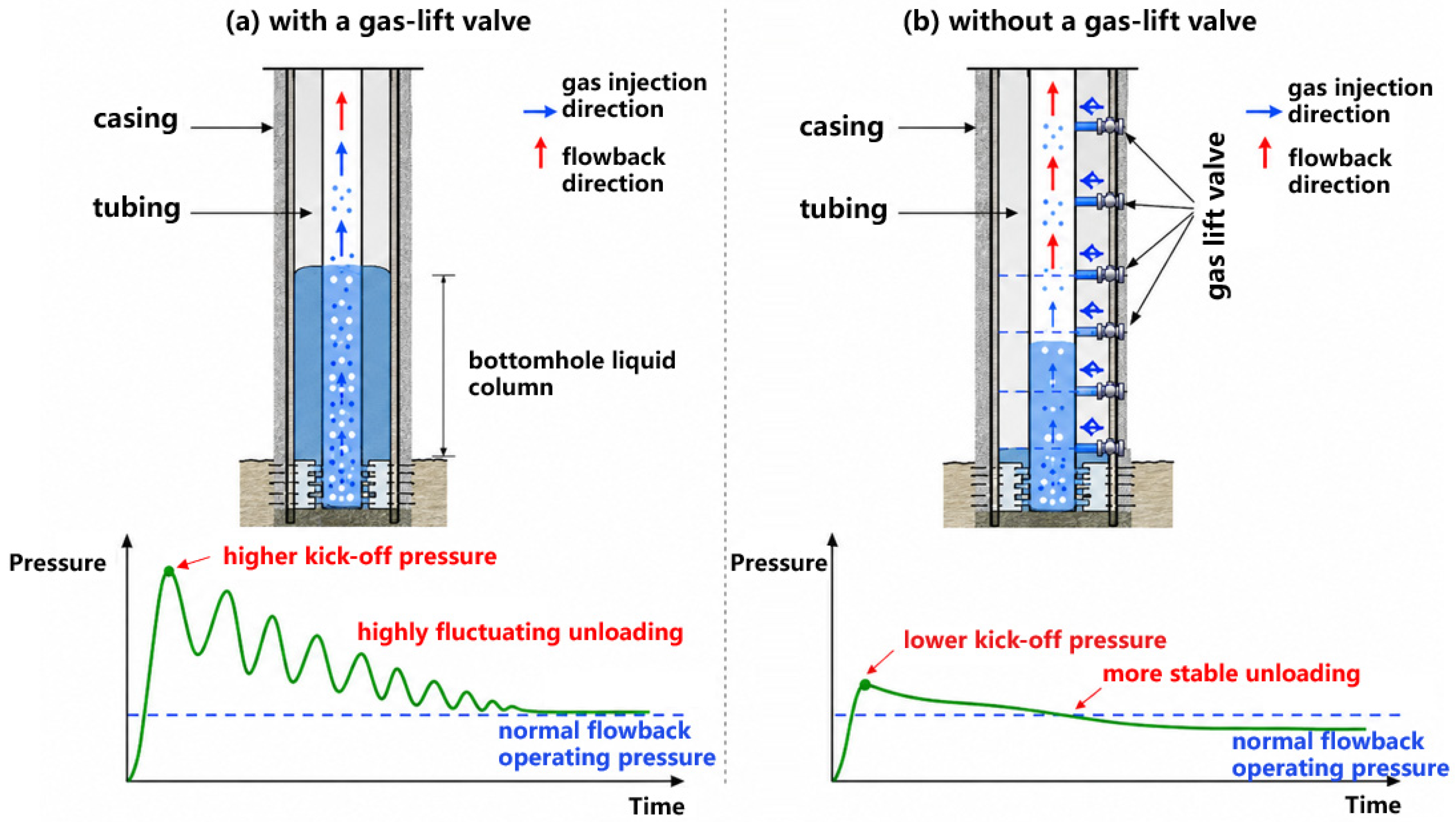
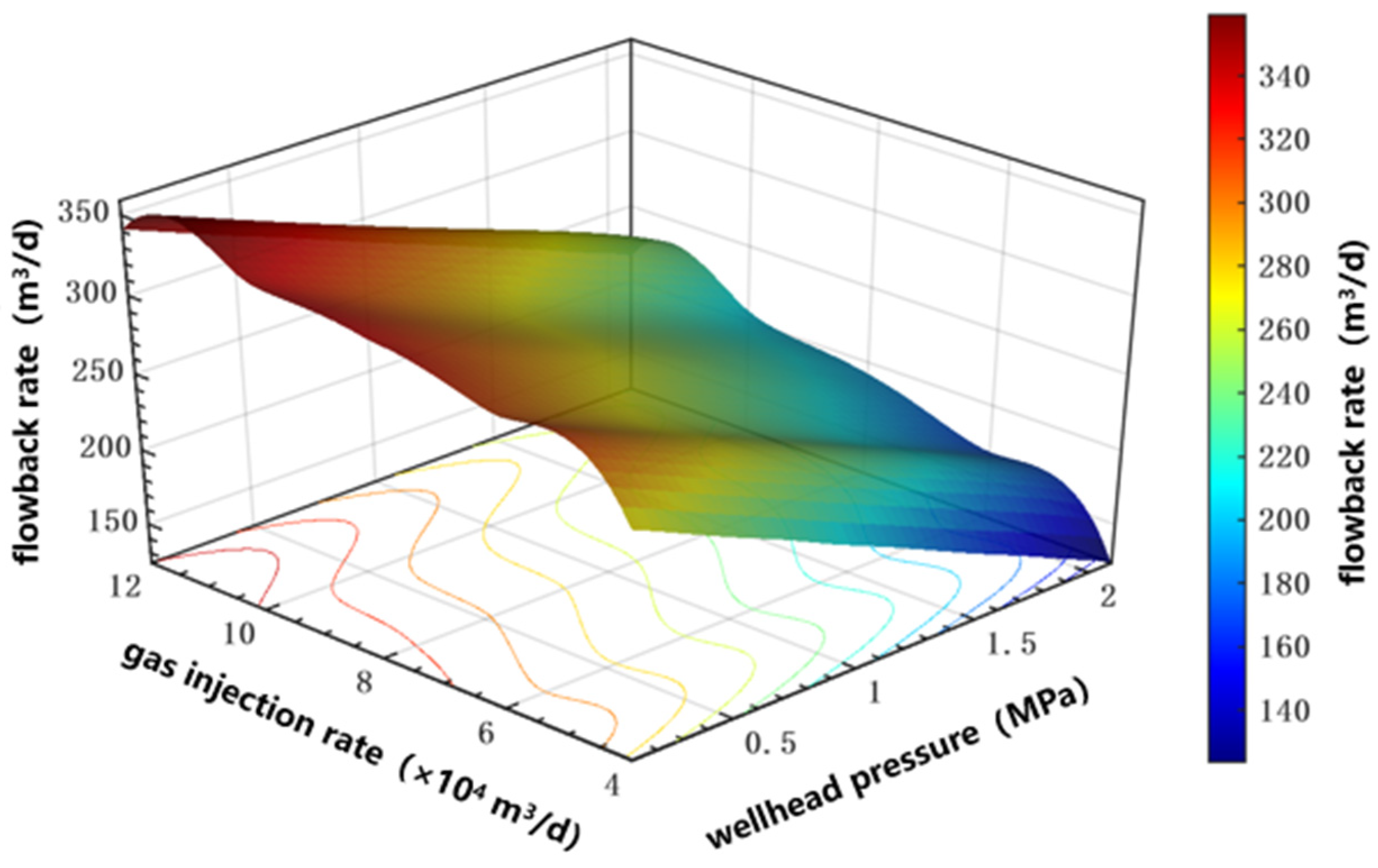
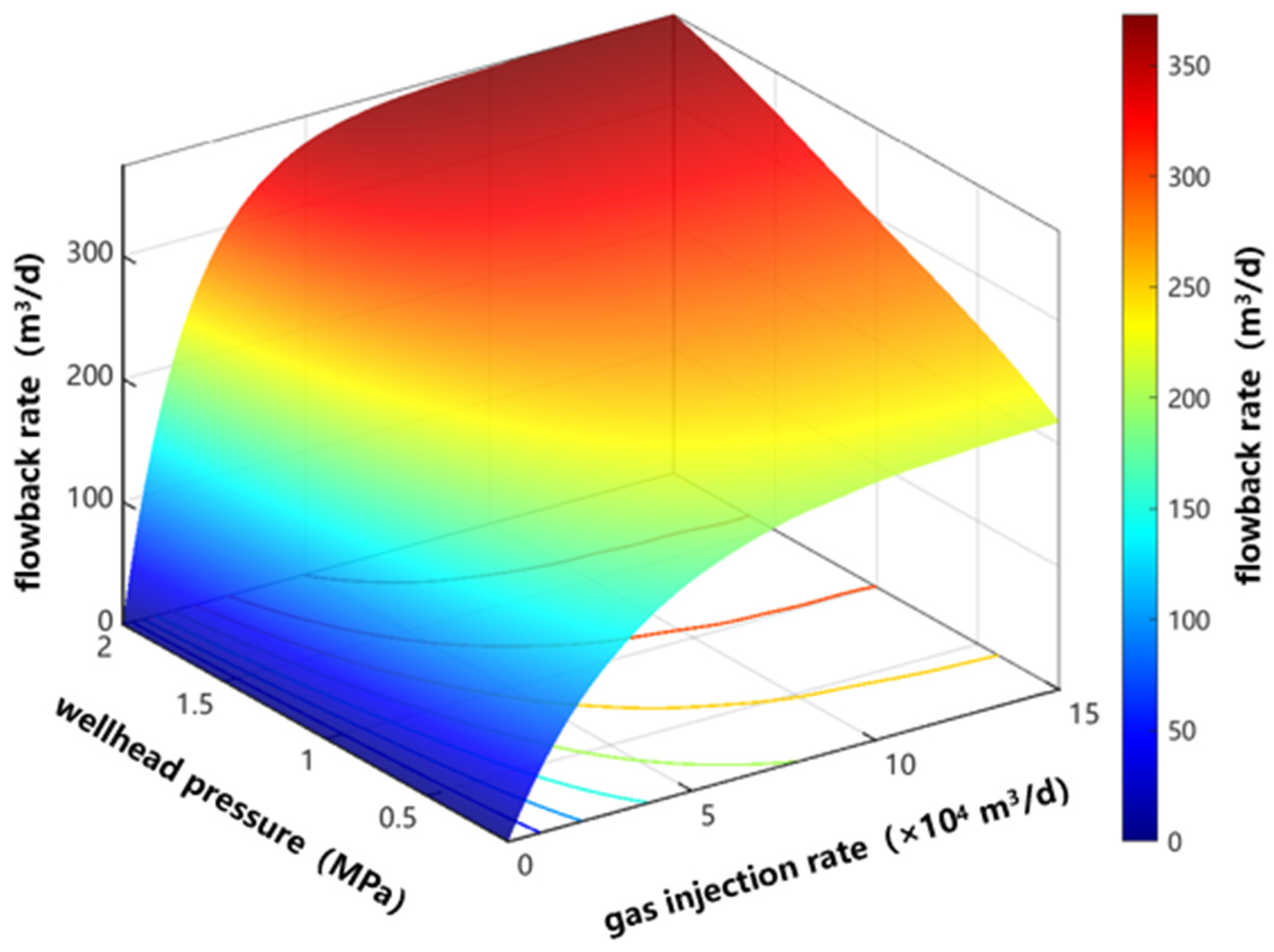
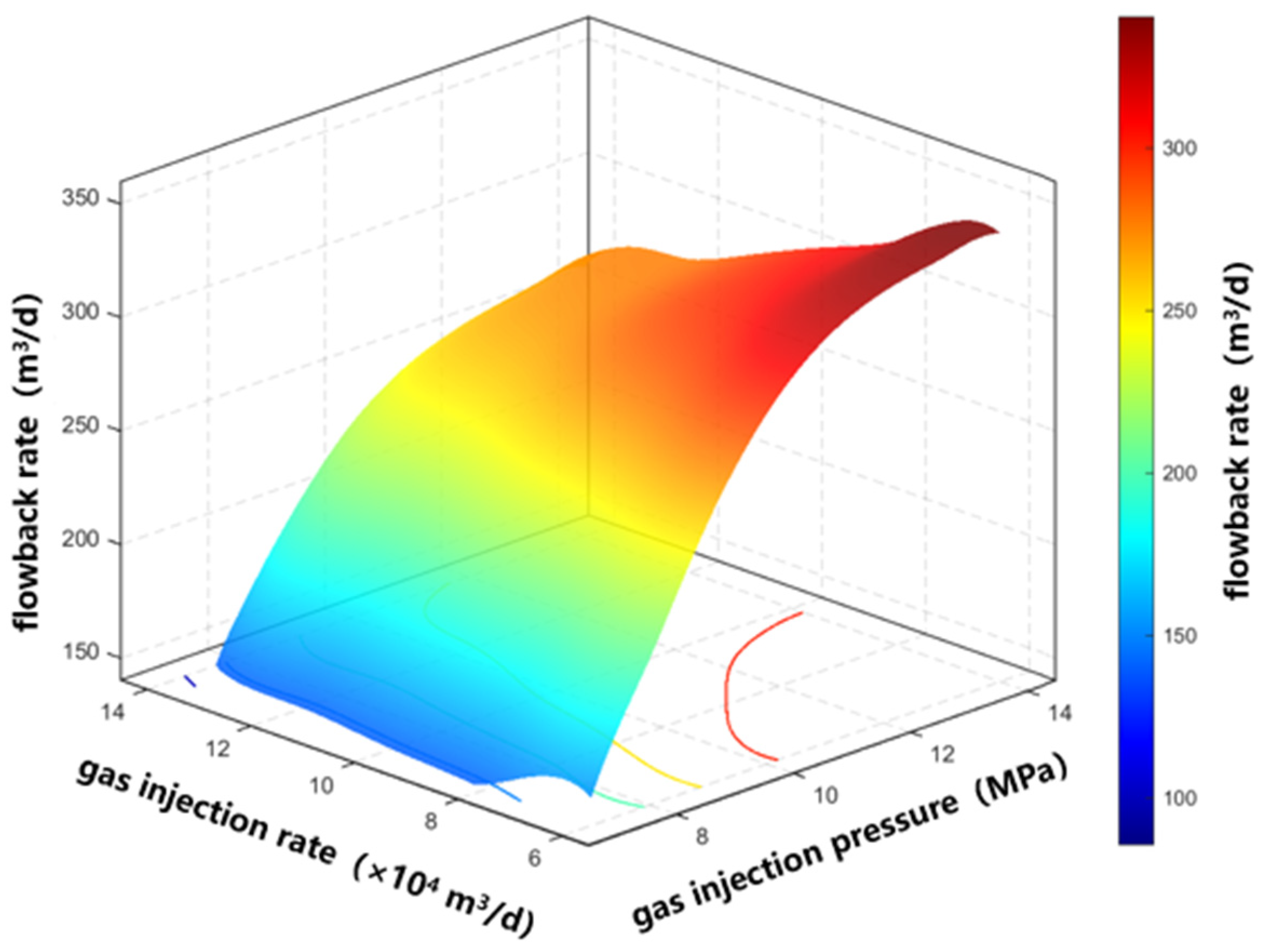
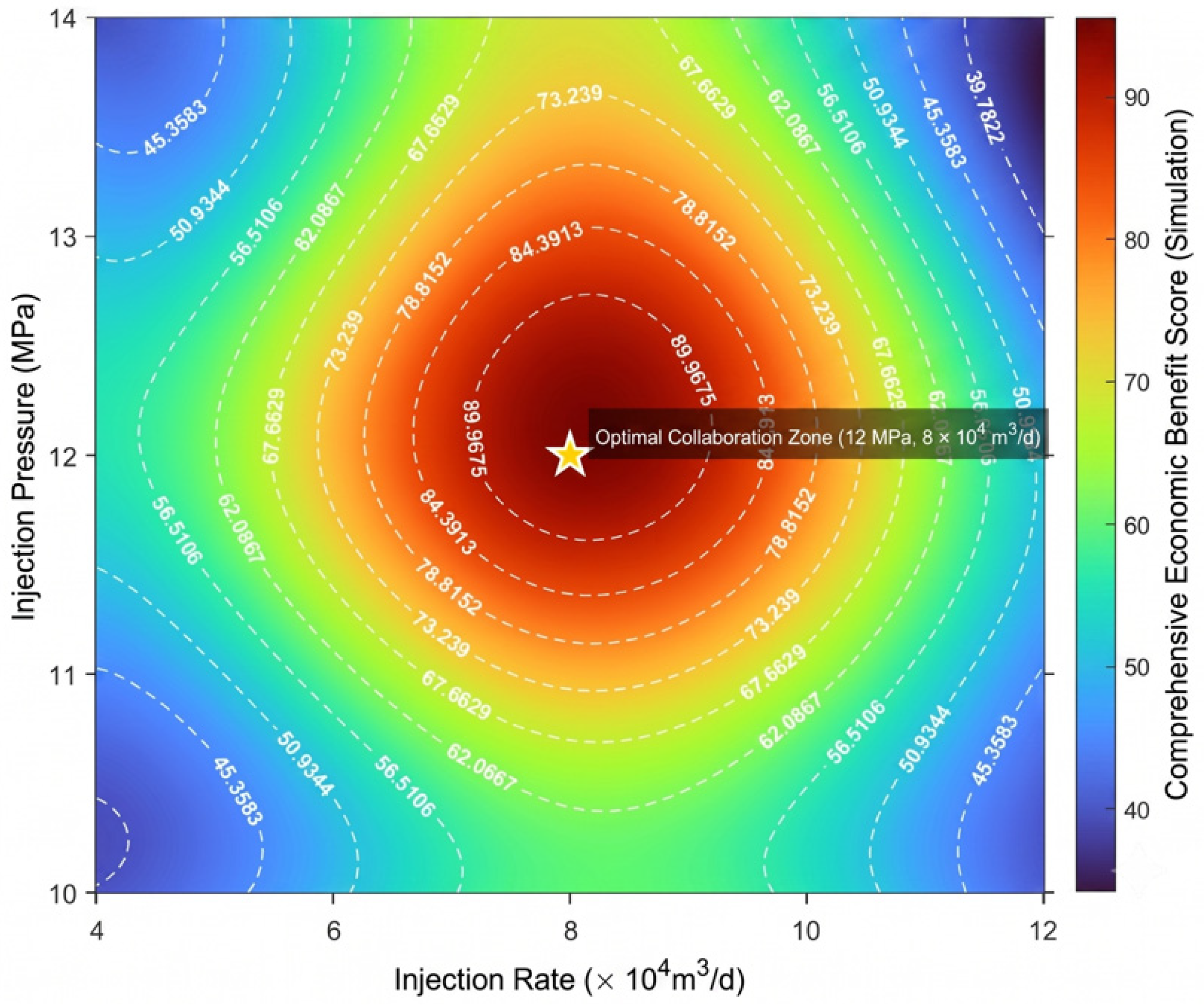
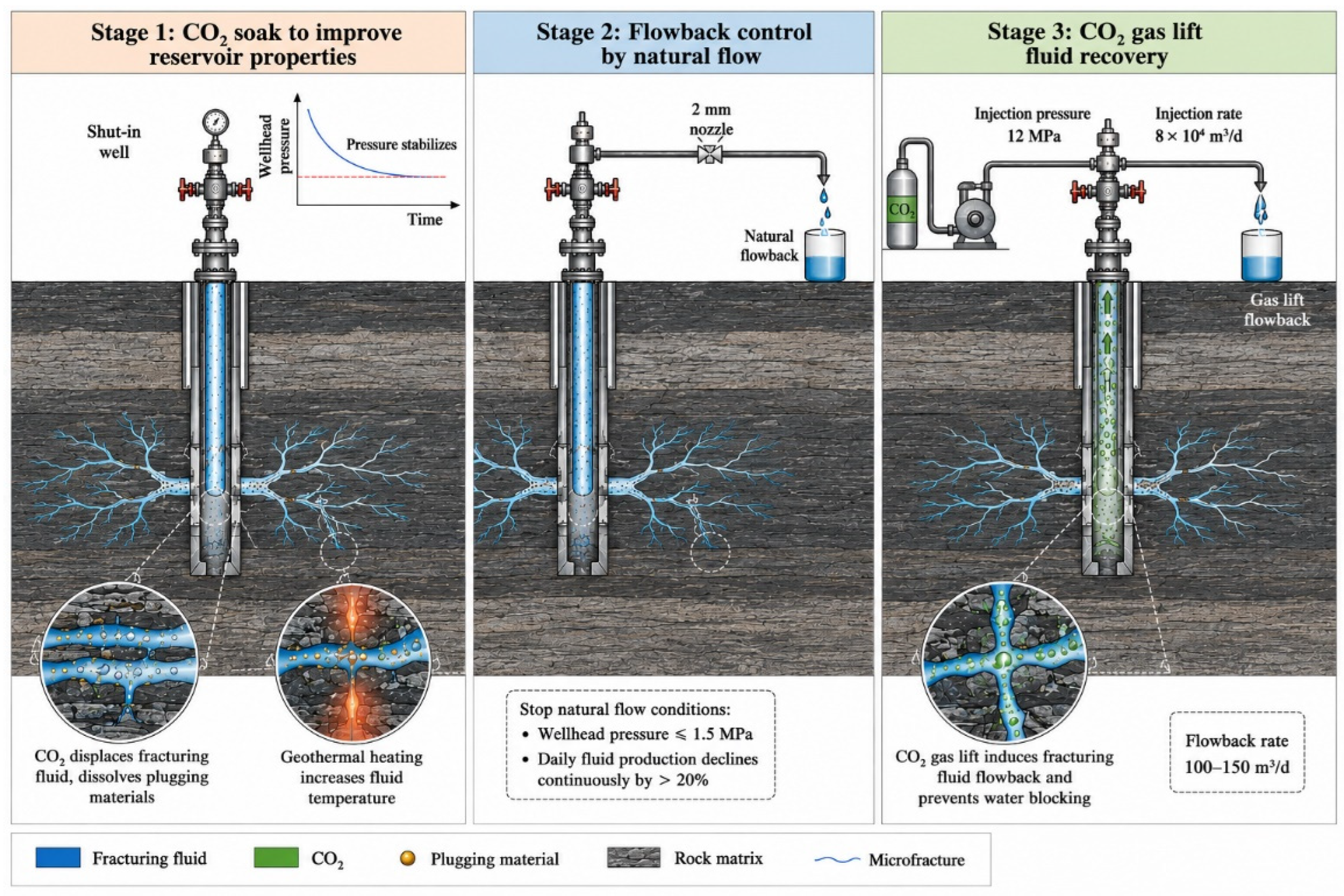
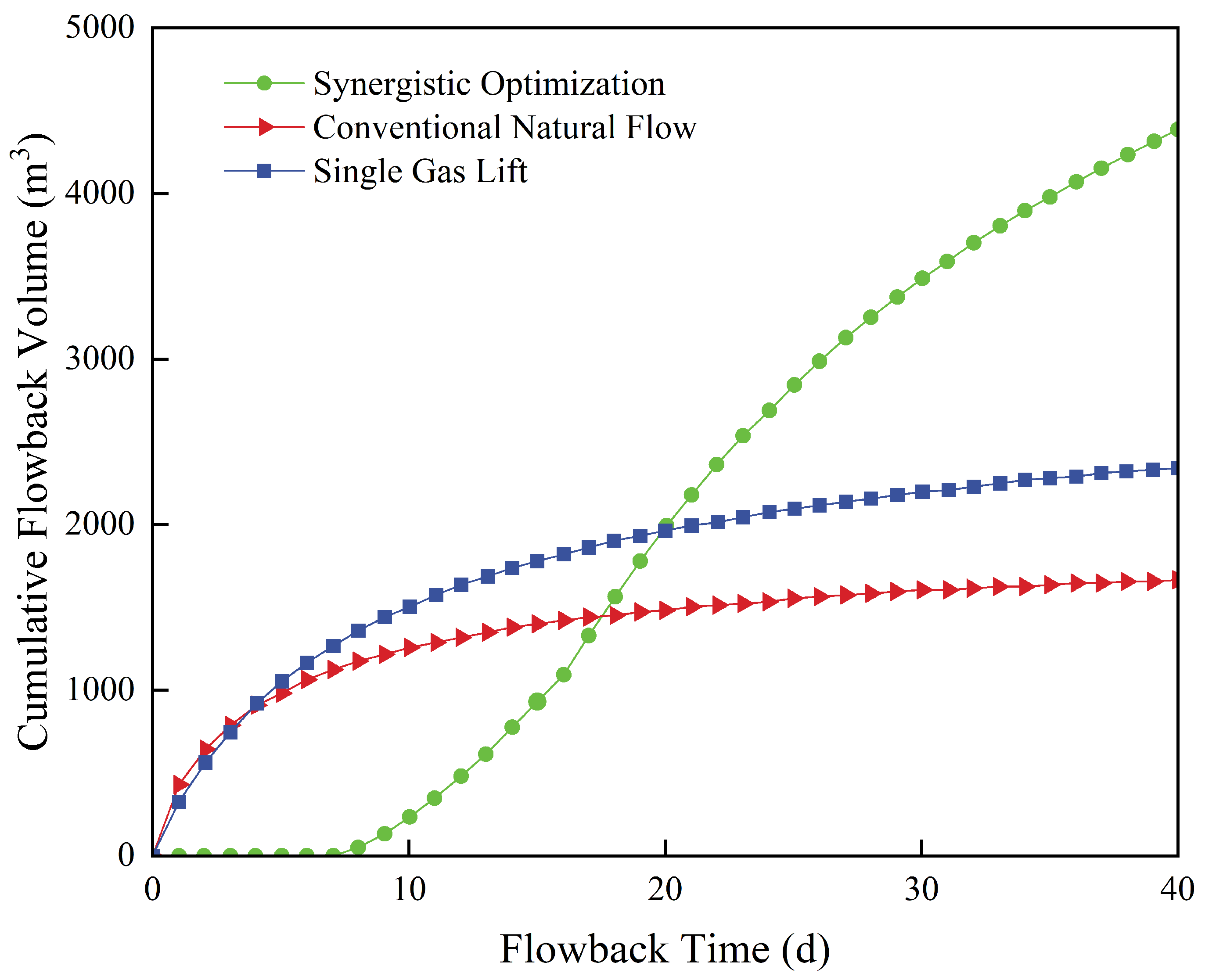
Severe fracturing-fluid retention and low post-fracturing flowback efficiency are common in the Lianggaoshan shale reservoirs of the Sichuan Basin. Liquid loading may also occur during late production. To address these problems, this study investigates a synergistic flowback technology that combines natural fracturing-fluid flowback with CO2 gas lift. First, based on the complex fracture network characteristics of the Lianggaoshan shale reservoir, the interaction mechanisms between hydraulic fractures and natural fractures were investigated. An energy model for fracturing-fluid flowback under natural flowback conditions was established, revealing that reservoir gas expansion energy, hydromechanical energy, and rock elastic energy are the primary driving forces for fracturing-fluid flowback. Furthermore, considering fracture closure behavior, fluid leakoff, and wellbore flow dynamics, a calculation model for the natural flowback of fracturing fluid was developed, and a staged pressure-controlled flowback strategy was proposed. Subsequently, to address the decline in liquid unloading capacity caused by formation-energy depletion during the late stage of natural flowback, a gas-lift-assisted flowback multiphase flow model for the wellbore was established. The effects of the gas injection pressure, gas injection rate, and wellhead pressure on liquid unloading efficiency were systematically investigated. The results indicate that the liquid unloading rate increases with an increasing gas injection pressure and gas injection rate; however, a pronounced diminishing marginal effect is observed. For the Well H1 reference case, the central recommended gas injection pressure was 12 MPa, the gas injection rate was 8 × 10⁴–10 × 104 m3/d, and the wellhead backpressure was maintained below 0.5 MPa. Furthermore, the CO2-assisted flowback mechanisms were evaluated by distinguishing between the effects explicitly represented in the model and the potential reservoir-scale physicochemical effects. The reduction in wellbore mixture density and bottomhole flowing pressure was simulated directly, whereas CO2–oil mass transfer, viscosity reduction, mineral dissolution, and changes in water-blocking behavior were interpreted with reference to published experimental studies. Based on these mechanisms, a three-stage synergistic optimized flowback scheme, consisting of “CO2 soaking–natural flowback–CO2 gas lift,” was established. A sequence of stagewise quasi-steady PIPESIM calculations was subsequently performed over the 30-day operating schedule. Under the adopted simulation conditions, the recommended soaking period is 5–7 days. The operation should be switched to gas lift when the wellhead pressure falls below 1.5 MPa or when daily liquid production declines continuously by more than 20%. Under the synergistic scheme, the 30-day cumulative flowback volume was predicted to reach 3492 m3. This value was substantially higher than those obtained by conventional natural flowback and standalone gas-lift processes. Moreover, the flowback curve exhibits a distinct “secondary surge” characteristic. These findings provide a theoretical basis and technical support for efficient fracturing-fluid flowback and stable long-term production in the Lianggaoshan Formation. They may also be applicable to other shale oil reservoirs with low porosity and ultra-low permeability.
Keywords: Lianggaoshan formation; shale oil; fracturing-fluid flowback; CO2 gas lift; natural flowback; synergistic optimization Lianggaoshan formation; shale oil; fracturing-fluid flowback; CO2 gas lift; natural flowback; synergistic optimization