
Article

Particle Agglomeration and Properties of Pregelatinized Potato Starch Powder

Department of Food Science and Biotechnology, Dongguk University-Seoul, Goyang 410-820, Republic of Korea
*
Author to whom correspondence should be addressed.
Submission received: 9 December 2022 / Revised: 16 January 2023 / Accepted: 18 January 2023 / Published: 20 January 2023
(This article belongs to the Special Issue Food Colloids:From Design to Application)

Abstract

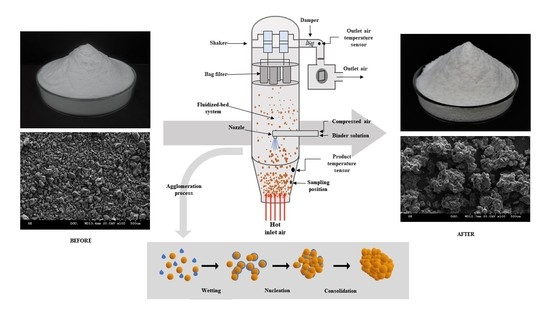
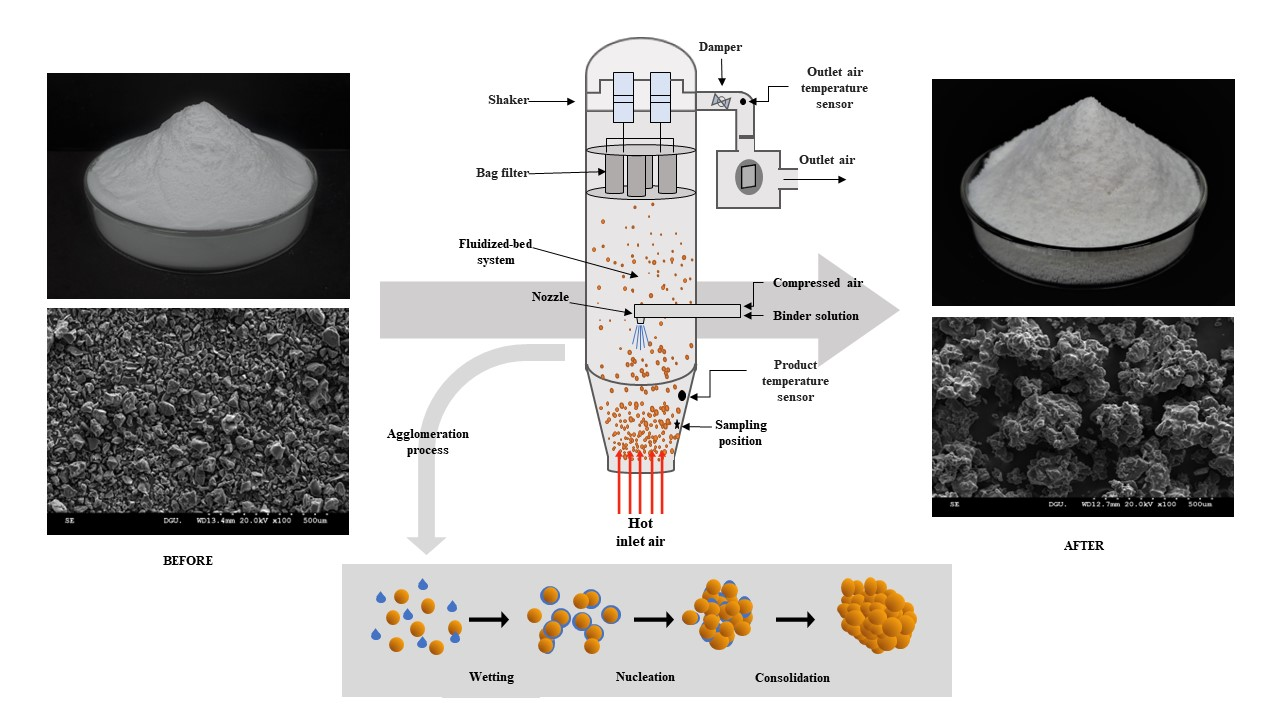
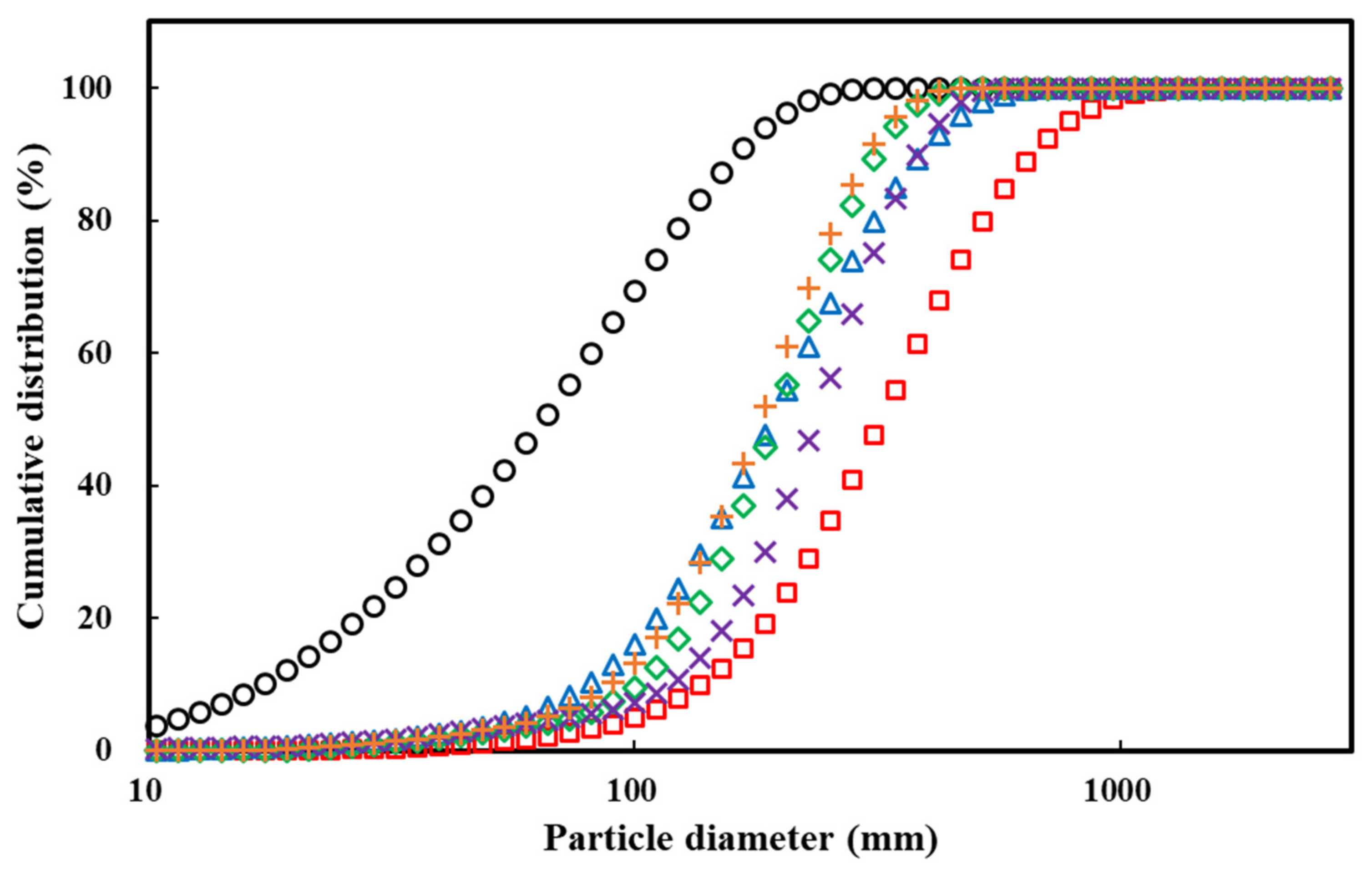
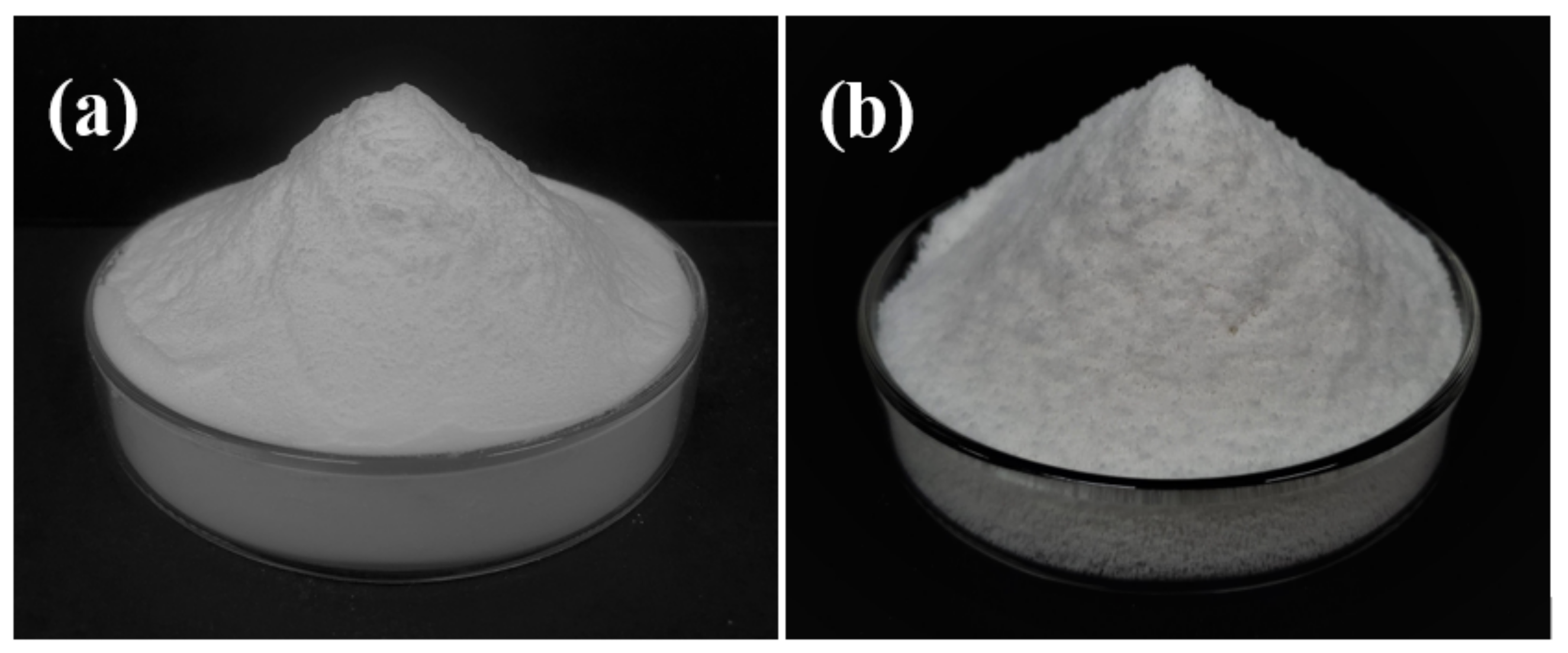
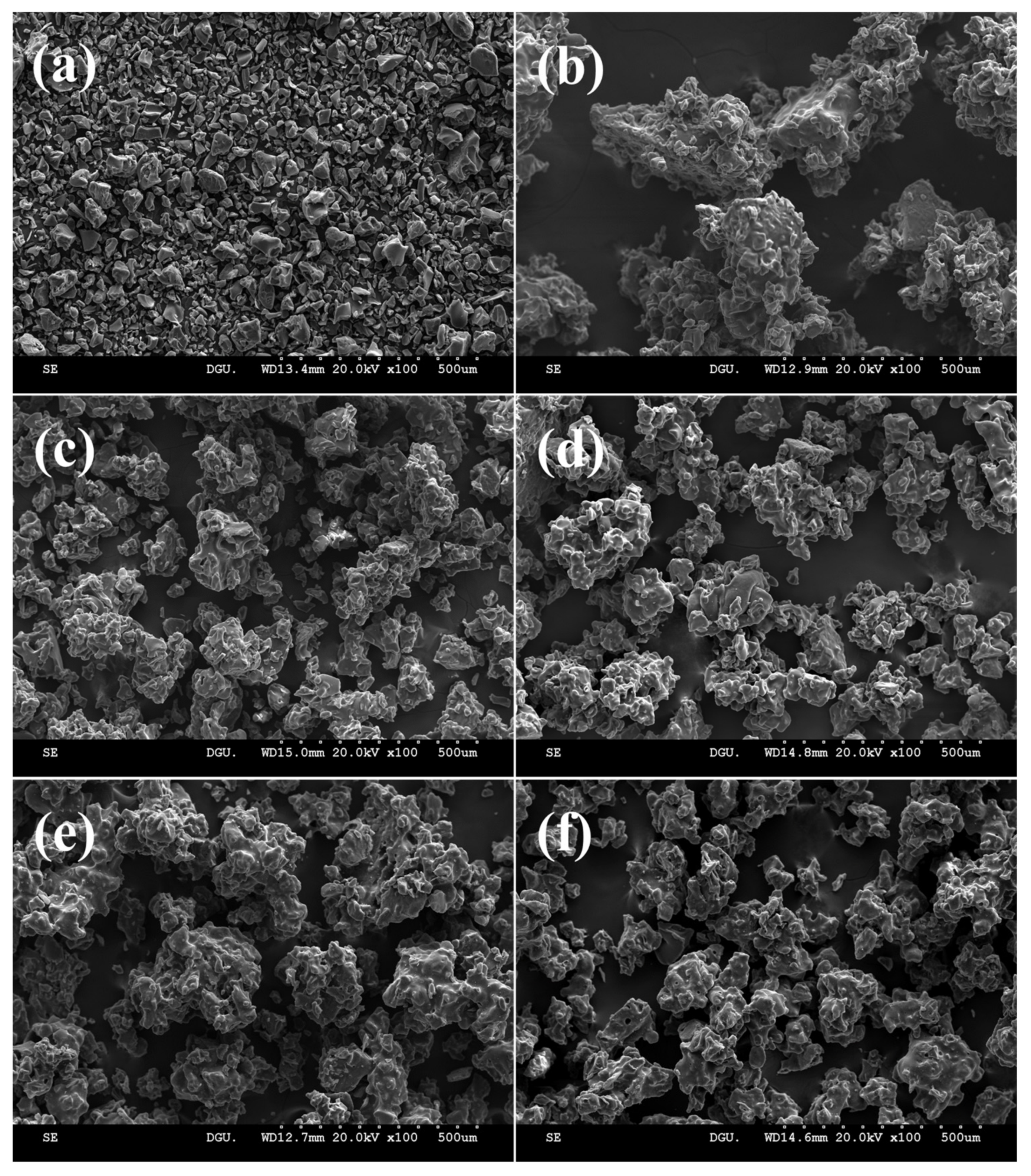
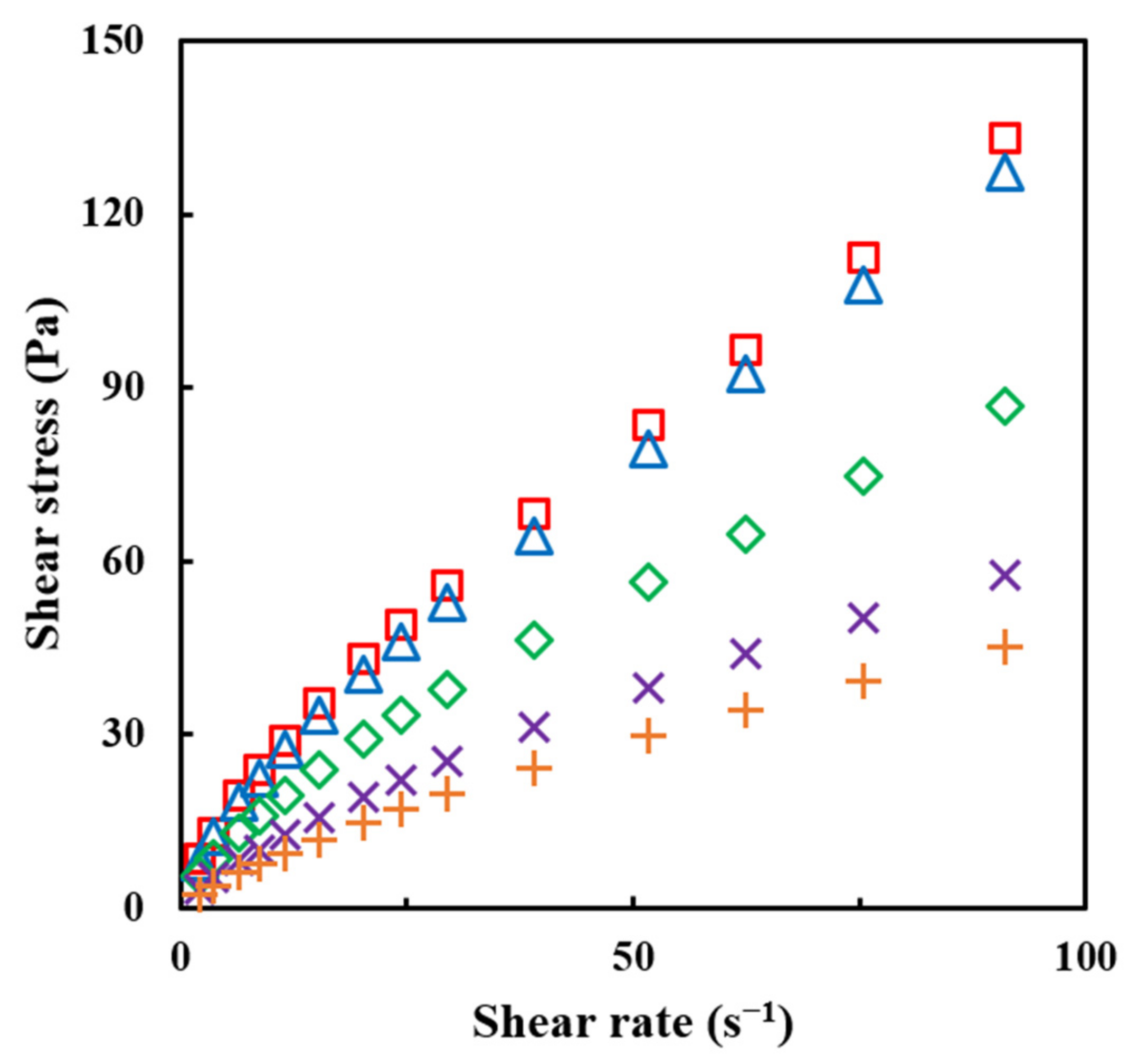
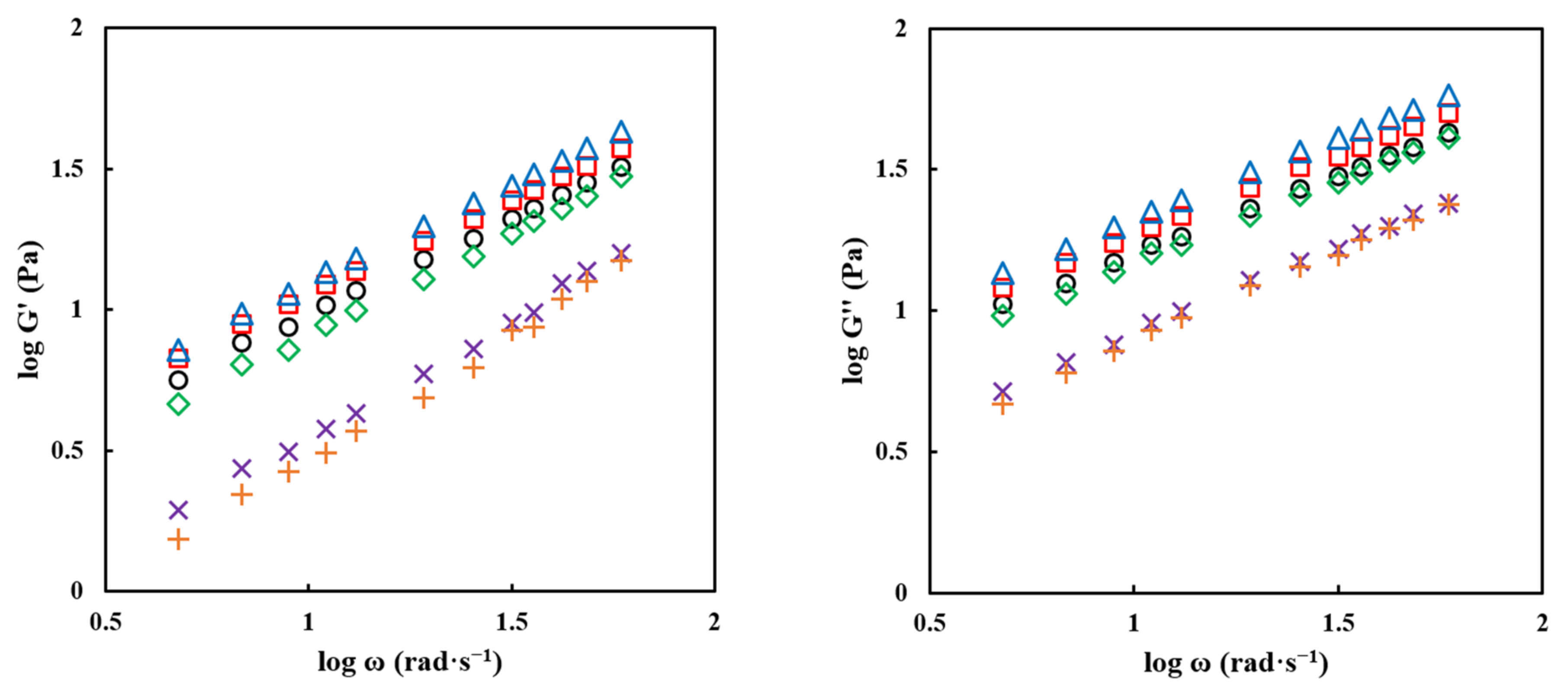
Pregelatinized starches are used as thickeners in many instant food products. The unique properties of pregelatinized starches, such as their dispersibility in water and high viscosity, are generally desirable for instant food products. However, powdered starches cannot be easily dispersed in cold water due to clumping. The most reliable method to solve this problem is particle size enlargement by an agglomeration technique that causes a structural change in the starch. In this study, pregelatinized potato starch powder (PPSP) was agglomerated in a fluidized bed agglomerator, after which the physical, structural, and rheological properties of the PPSP agglomerated with different maltodextrin (MD) binder concentrations were investigated. The powder solubility and flowability (CI and HR) of all the agglomerated PPSPs were improved, and the particle size (D50) tended to increase as the MD concentration increased, except for the control (0% MD) and the 40% MD. The changes in the particle size of the agglomerated PPSPs were consistent with the SEM image analysis. The magnitudes of the gel strength and viscoelastic moduli (G′ and G″) of the agglomerated PPSPs with 10% MD were higher than those of the control due to the more stable structure formed by better intermolecular interaction in the starch and MD during the agglomeration process. Therefore, our results indicated that the fluidized bed agglomeration process and the MD addition as a binder solution greatly influence the physical, structural, and rheological properties of PPSP.
Keywords: pregelatinized starch; particle agglomeration; structural change; maltodextrin; rheological property pregelatinized starch; particle agglomeration; structural change; maltodextrin; rheological property
Graphical Abstract