

Polyelectrolyte Microcapsules: An Efficient and Rapid Adsorbent for Uranine


Abstract
1. Introduction
2. Results and Discussion
3. Conclusions
4. Materials and Methods
4.1. Materials and Reagents
4.2. Synthesis of CaCO3 Microspherulites
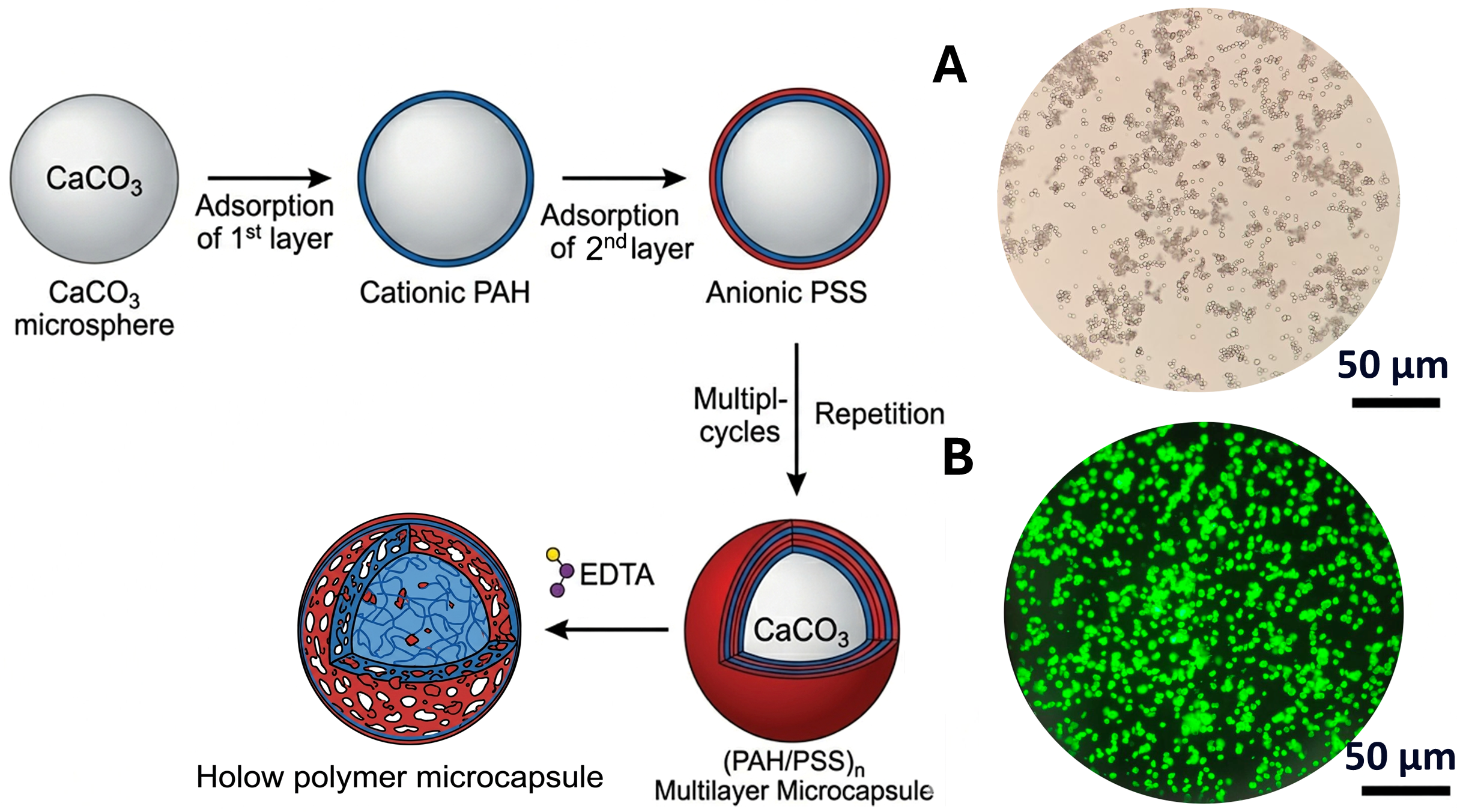
4.3. Fabrication of CaCO3-Templated Polyelectrolyte Microcapsules
4.4. Quantification of Uranine Sorption
4.5. Kinetic Analysis of Sorption
4.6. Adsorption Isotherms
4.7. Statistical Analysis
Author Contributions
Funding
Institutional Review Board Statement
Data Availability Statement
Acknowledgments
Conflicts of Interest
References
- Magde, D.; Wong, R.; Seybold, P.G. Fluorescence Quantum Yields and Their Relation to Lifetimes of Rhodamine 6G and Fluorescein in Nine Solvents: Improved Absolute Standards for Quantum Yields. Photochem. Photobiol. 2002, 75, 327–334. [Google Scholar] [CrossRef] [Scilit]
- Gutowski, L.; Olsson, O.; Lange, J.; Kümmerer, K. Photolytic Transformation Products and Biological Stability of the Hydrological Tracer Uranine. Sci. Total Environ. 2015, 533, 446–453. [Google Scholar] [CrossRef] [Scilit] [PubMed]
- Król, A.; Gajec, M.; Kukulska-Zając, E. Uranine as a Tracer in the Oil and Gas Industry: Determination in Formation Waters with High-Performance Liquid Chromatography. Water 2021, 13, 3082. [Google Scholar] [CrossRef] [Scilit]
- Bork, M.; Lange, J.; Graf-Rosenfellner, M.; Lang, F. Controls of Fluorescent Tracer Retention by Soils and Sediments. Hydrol. Earth Syst. Sci. Discuss. 2020, 24, 977–989. [Google Scholar] [CrossRef] [Scilit]
- Campos, C.J.A.; Tremblay, L.A.; Champeau, O.; Goblick, G. Fluorescent Dyes in Hydrological Tracing: Application Methods, Ecotoxicological Effects, and Safe Application Levels. J. Xenobiot. 2026, 16, 45. [Google Scholar] [CrossRef] [Scilit] [PubMed]
- Yannuzzi, L.A.; Ober, M.D.; Slakter, J.S.; Spaide, R.F.; Fisher, Y.L.; Flower, R.W.; Rosen, R. Ophthalmic Fundus Imaging: Today and Beyond. Am. J. Ophthalmol. 2004, 137, 511–524. [Google Scholar] [CrossRef] [Scilit] [PubMed]
- NCT00847522|Fluorescein for Lymphatic Mapping and Sentinel Lymph Node (SLN) Biopsy in Patients With Stage I and II Malignant Melanoma. Available online: https://clinicaltrials.gov/study/NCT00847522 (accessed on 4 May 2026).
- Al-Kadhi, N.S. Removal of Fluorescein Dye from Aqueous Solutions Using Natural and Chemically Treated Pine Sawdust. Int. J. Anal. Chem. 2020, 2020, 8824368. [Google Scholar] [CrossRef] [Scilit] [PubMed]
- Lange, J.; Olsson, O.; Sweeney, B.; Herbstritt, B.; Reich, M.; Alvarez-Zaldivar, P.; Payraudeau, S.; Imfeld, G. Fluorescent Tracers to Evaluate Pesticide Dissipation and Transformation in Agricultural Soils. Sci. Total Environ. 2018, 619–620, 1682–1689. [Google Scholar] [CrossRef] [Scilit] [PubMed]
- Pirillo, S.; Cornaglia, L.; Ferreira, M.L.; Rueda, E.H. Removal of Fluorescein Using Different Iron Oxides as Adsorbents: Effect of PH. Spectrochim. Acta A Mol. Biomol. Spectrosc. 2008, 71, 636–643. [Google Scholar] [CrossRef] [Scilit] [PubMed]
- Yankell, S.L.; Loux, J.J. Acute Toxicity Testing of Erythrosine and Sodium Fluorescein in Mice and Rats. J. Periodontol. 1977, 48, 228–231. [Google Scholar] [CrossRef] [Scilit] [PubMed]
- Li, Y.; Shi, L.; Jia, L.; Zhang, H. Effect of Half-Dose Fluorescein Sodium Contrast Agent on Liver and Kidney Functions in Patients with Mild to Moderate Chronic Kidney Disease: A Retrospective Cohort Study. J. South. Med. Univ. 2021, 41, 1436–1438. [Google Scholar] [CrossRef] [Scilit] [PubMed]
- Salem, H.; Loux, J.J.; Smith, S.; Nichols, C.W. Evaluation of the Toxicologic and Teratogenic Potentials of Sodium Fluorescein in the Rat. Toxicology 1979, 12, 143–150. [Google Scholar] [CrossRef] [Scilit] [PubMed]
- de Jesus Azevedo, C.C.; de Oliveira, R.; Suares-Rocha, P.; Sousa-Moura, D.; Li, A.T.; Grisolia, C.K.; de Aragão Umbuzeiro, G.; Montagner, C.C. Auramine Dyes Induce Toxic Effects to Aquatic Organisms from Different Trophic Levels: An Application of Predicted Non-Effect Concentration (PNEC). Environ. Sci. Pollut. Res. Int. 2021, 28, 1866–1877. [Google Scholar] [CrossRef] [Scilit] [PubMed]
- Rahmoun, H.B.; Boumediene, M.; Ghenim, A.N.; Da Silva, E.F.; Labrincha, J. Coupling Coagulation–Flocculation–Sedimentation with Adsorption on Biosorbent (Corncob) for the Removal of Textile Dyes from Aqueous Solutions. Environments 2025, 12, 201. [Google Scholar] [CrossRef] [Scilit]
- Kim, I.C.; Lee, K.H. Dyeing Process Wastewater Treatment Using Fouling Resistant Nanofiltration and Reverse Osmosis Membranes. Desalination 2006, 192, 246–251. [Google Scholar] [CrossRef] [Scilit]
- Abid, M.F.; Zablouk, M.A.; Abid-Alameer, A.M. Experimental Study of Dye Removal from Industrial Wastewater by Membrane Technologies of Reverse Osmosis and Nanofiltration. Iran. J. Environ. Health Sci. Eng. 2012, 9, 17. [Google Scholar] [CrossRef] [Scilit] [PubMed]
- Sgroi, M.; Anumol, T.; Vagliasindi, F.G.A.; Snyder, S.A.; Roccaro, P. Comparison of the New Cl2/O3/UV Process with Different Ozone- and UV-Based AOPs for Wastewater Treatment at Pilot Scale: Removal of Pharmaceuticals and Changes in Fluorescing Organic Matter. Sci. Total Environ. 2021, 765, 142720. [Google Scholar] [CrossRef] [Scilit] [PubMed]
- Duman, G.; Onal, Y.; Okutucu, C.; Onenc, S.; Yanik, J. Production of Activated Carbon from Pine Cone and Evaluation of Its Physical, Chemical, and Adsorption Properties. Energy Fuels 2009, 23, 2197–2204. [Google Scholar] [CrossRef] [Scilit]
- Maximizing Cost Efficiency: A Comprehensive Guide to Activated Carbon Regeneration Methods—Heycarb Activated Carbon. Available online: https://heycarbons.com/activated-carbon-regeneration-guide/ (accessed on 4 May 2026).
- Shimabuku, K.K.; Kennedy, A.M.; Mulhern, R.E.; Summers, R.S. Evaluating Activated Carbon Adsorption of Dissolved Organic Matter and Micropollutants Using Fluorescence Spectroscopy. Environ. Sci. Technol. 2017, 51, 2676–2684. [Google Scholar] [CrossRef] [Scilit] [PubMed]
- Pelekani, C.; Snoeyink, V.L. Competitive Adsorption in Natural Water: Role of Activated Carbon Pore Size. Water Res. 1999, 33, 1209–1219. [Google Scholar] [CrossRef] [Scilit]
- Assafi, A.; Ali, Y.A.E.; Almufarij, R.S.; Hejji, L.; Raza, N.; Villarejo, L.P.; Souhaila, B.; Azzouz, A. Ultrasound-Assisted Adsorption of Organic Dyes in Real Water Samples Using Zirconium (Iv)-Based Metal-Organic Frameworks Uio-66-Nh2 as an Adsorbent. Heliyon 2023, 9, e22001. [Google Scholar] [CrossRef] [Scilit] [PubMed]
- Pramanik, B.; Sahoo, R.; Das, M.C. PH-Stable MOFs: Design Principles and Applications. Coord. Chem. Rev. 2023, 493, 215301. [Google Scholar] [CrossRef] [Scilit]
- Pachfule, P.; Das, R.; Poddar, P.; Banerjee, R. Solvothermal Synthesis, Structure, and Properties of Metal Organic Framework Isomers Derived from a Partially Fluorinated Link. Cryst. Growth Des. 2011, 11, 1215–1222. [Google Scholar] [CrossRef] [Scilit]
- Yadav, A.K.; Kenny, M.S.; Musa, E.N.; Walz, T.J.; Gładysiak, A.; Stylianou, K.C. Hydrolytic Stability of Metal–Organic Frameworks: An Experimental Study. Chem. Mater. 2025, 37, 9965–9984. [Google Scholar] [CrossRef] [Scilit]
- Yang, A.; Wang, Z.; Zhu, Y. Facile Preparation and Highly Efficient Sorption of Magnetic Composite Graphene Oxide/Fe3O4/GC for Uranium Removal. Sci. Rep. 2021, 11, 8440. [Google Scholar] [CrossRef] [Scilit] [PubMed]
- Tan, P.T.; Thu Hien, L.T.; Anh, N.N.; Minh, P.N.; Van Trinh, P.; Van Hao, N. Graphene Oxide–Carbon Nanotube-Magnetite Nanocomposites for Efficient Arsenic Removal from Aqueous Solutions. RSC Adv. 2025, 15, 20792–20809. [Google Scholar] [CrossRef] [Scilit] [PubMed]
- Binaeian, E.; Babaee Zadvarzi, S.; Yuan, D. Anionic Dye Uptake via Composite Using Chitosan-Polyacrylamide Hydrogel as Matrix Containing TiO2 Nanoparticles; Comprehensive Adsorption Studies. Int. J. Biol. Macromol. 2020, 162, 150–162. [Google Scholar] [CrossRef] [Scilit] [PubMed]
- Phonlakan, K.; Meetam, P.; Chonlaphak, R.; Kongseng, P.; Chantarak, S.; Budsombat, S. Poly(Acrylic Acid-Co-2-Acrylamido-2-Methyl-1-Propanesulfonic Acid)-Grafted Chitosan Hydrogels for Effective Adsorption and Photocatalytic Degradation of Dyes. RSC Adv. 2023, 13, 31002–31016. [Google Scholar] [CrossRef] [Scilit] [PubMed]
- Panigrahi, A.; Maity, S. A Comparative Physicochemical and Adsorption Properties of Rice Husk, Cotton Stem, and Coconut Shell Biochar. In Abstract Book of the 1st International Conference on Translational Research, Innovation, and Bio-Entrepreneurship (TRIBE)—2026; Science Publishing Group: New York, NY, USA, 2026; Available online: https://www.sciencepg.com/ISBN/979-8-88599-192-6/010 (accessed on 4 May 2026).
- Hu, A.; Jiang, Y.; An, J.; Huang, X.; Elgarhy, A.H.; Cao, H.; Liu, G. Novel Fe/Ca Oxide Co-Embedded Coconut Shell Biochar for Phosphorus Recovery from Agricultural Return Flows. RSC Adv. 2024, 14, 27204–27214. [Google Scholar] [CrossRef] [Scilit] [PubMed]
- Kamran, U.; Park, S.J. MnO2-Decorated Biochar Composites of Coconut Shell and Rice Husk: An Efficient Lithium Ions Adsorption-Desorption Performance in Aqueous Media. Chemosphere 2020, 260, 127500. [Google Scholar] [CrossRef] [Scilit] [PubMed]
- Redda, Z.T.; Prinz, C.; Yimam, A.; Barz, M.; Becker, K.; Gizaw, D.G.; Laß-Seyoum, A. Structural and Textural Characterization of Brassica Carinata Biochar to Investigate Its Potential Industrial Applications. Sci. Rep. 2026, 16, 5384. [Google Scholar] [CrossRef] [Scilit] [PubMed]
- Bagotia, N. Regeneration Strategies for Exhausted Adsorbents Used in Water Treatment—A Critical Review. J. Water Process Eng. 2025, 69, 106560. [Google Scholar] [CrossRef] [Scilit]
- Sabatini, D.A. Sorption and Intraparticle Diffusion of Fluorescent Dyes with Consolidated Aquifer Media. Ground Water 2000, 38, 651–656. [Google Scholar] [CrossRef] [Scilit]
- Donath, E.; Sukhorukov, G.B.; Caruso, F.; Davis, S.A.; Möhwald, H. Novel Hollow Polymer Shells by Colloid-Templated Assembly of Polyelectrolytes. Angew. Chem. Int. Ed. 1998, 37, 2201–2205. [Google Scholar] [CrossRef]
- Sukhorukov, B.I.; Tikhonenko, S.A.; Saburova, E.A.; Dubrovskiĭ, A.V.; Dybovskaia, I.N.; Shabarchina, L.I. Incapsulation of Enzymes into Polyelectrolyte Nano- and Microcapsules and the Problem of the Development of Enzymatic Microdiagnostics. Biofizika 2007, 52, 1041–1048. [Google Scholar] [PubMed]
- Musin, E.V.; Kim, A.L.; Dubrovskii, A.V.; Tikhonenko, S.A. New Sight at the Organization of Layers of Multilayer Polyelectrolyte Microcapsules. Sci. Rep. 2021, 11, 14040. [Google Scholar] [CrossRef] [Scilit] [PubMed]
- Kim, A.L.; Musin, E.V.; Oripova, M.J.; Oshchepkova, Y.I.; Salikhov, S.I.; Tikhonenko, S.A. Polyelectrolyte Microcapsules—A Promising Target Delivery System of Amiodarone with the Possibility of Prolonged Release. Int. J. Mol. Sci. 2023, 24, 3348. [Google Scholar] [CrossRef] [Scilit] [PubMed]
- De Geest, B.G.; De Koker, S.; Sukhorukov, G.B.; Kreft, O.; Parak, W.J.; Skirtach, A.G.; Demeester, J.; De Smedt, S.C.; Hennink, W.E. Polyelectrolyte Microcapsules for Biomedical Applications. Soft Matter 2009, 5, 282–291. [Google Scholar] [CrossRef] [Scilit]
- Mateos-Maroto, A.; Fernández-Peña, L.; Abelenda-Núñez, I.; Ortega, F.; Rubio, R.G.; Guzmán, E. Polyelectrolyte Multilayered Capsules as Biomedical Tools. Polymers 2022, 14, 479. [Google Scholar] [CrossRef] [Scilit] [PubMed]
- Zhao, Z.; Zhou, H.; Han, X.; Han, L.; Xu, Z.; Wang, P. Rapid, Highly-Efficient and Selective Removal of Anionic and Cationic Dyes from Wastewater Using Hollow Polyelectrolyte Microcapsules. Molecules 2023, 28, 3010. [Google Scholar] [CrossRef] [Scilit] [PubMed]
- Caruso, F.; Donath, E.; Möhwald, H.; Georgieva, R. Fluorescence Studies of the Binding of Anionic Derivatives of Pyrene and Fluorescein to Cationic Polyelectrolytes in Aqueous Solution. Macromolecules 1998, 31, 7365–7377. [Google Scholar] [CrossRef] [Scilit]
- Antipov, A.A.; Sukhorukov, G.B.; Leporatti, S.; Radtchenko, I.L.; Donath, E.; Möhwald, H. Polyelectrolyte Multilayer Capsule Permeability Control. Colloids Surf. A Physicochem. Eng. Asp. 2002, 198–200, 535–541. [Google Scholar] [CrossRef] [Scilit]
- Qiu, X.; Donath, E.; Möhwald, H. Permeability of Ibuprofen in Various Polyelectrolyte Multilayers. Macromol. Mater. Eng. 2001, 286, 591. [Google Scholar] [CrossRef] [Scilit]
- Tong, W.; Dong, W.; Gao, C.; Möhwald, H. Charge-Controlled Permeability of Polyelectrolyte Microcapsules. J. Phys. Chem. B 2005, 109, 13159–13165. [Google Scholar] [CrossRef] [Scilit] [PubMed]
- Antipov, A.A.; Sukhorukov, G.B. Polyelectrolyte Multilayer Capsules as Vehicles with Tunable Permeability. Adv. Colloid Interface Sci. 2004, 111, 49–61. [Google Scholar] [CrossRef] [Scilit] [PubMed]
- Antipov, A.A.; Sukhorukov, G.B.; Möhwald, H. Influence of the Ionic Strength on the Polyelectrolyte Multilayers’ Permeability. Langmuir 2003, 19, 2444–2448. [Google Scholar] [CrossRef] [Scilit]
- Wanasingha, N.; Dorishetty, P.; Dutta, N.K.; Choudhury, N.R. Polyelectrolyte Gels: Fundamentals, Fabrication and Applications. Gels 2021, 7, 148. [Google Scholar] [CrossRef] [Scilit] [PubMed]
- Tsiaxerli, A.; Karagianni, A.; Ouranidis, A.; Kachrimanis, K. Polyelectrolyte Matrices in the Modulation of Intermolecular Electrostatic Interactions for Amorphous Solid Dispersions: A Comprehensive Review. Pharmaceutics 2021, 13, 1467. [Google Scholar] [CrossRef] [Scilit] [PubMed]
- Caruso, F.; Lichtenfeld, H.; Donath, E.; Möhwald, H. Investigation of Electrostatic Interactions in Polyelectrolyte Multilayer Films: Binding of Anionic Fluorescent Probes to Layers Assembled onto Colloids. Macromolecules 1999, 32, 2317–2328. [Google Scholar] [CrossRef] [Scilit]
- Bullen, J.C.; Saleesongsom, S.; Gallagher, K.; Weiss, D.J. A Revised Pseudo-Second-Order Kinetic Model for Adsorption, Sensitive to Changes in Adsorbate and Adsorbent Concentrations. Langmuir 2021, 37, 3189–3201. [Google Scholar] [CrossRef] [Scilit] [PubMed]
- Tawfik, A.M.; Eltabey, R.M. Fractional Kinetic Strategy toward the Adsorption of Organic Dyes: Finding a Way Out of the Dilemma Relating to Pseudo-First- and Pseudo-Second-Order Rate Laws. J. Phys. Chem. A 2024, 128, 1063–1073. [Google Scholar] [CrossRef] [Scilit] [PubMed]
- Monte Blanco, S.P.D.; Scheufele, F.B.; Módenes, A.N.; Espinoza-Quiñones, F.R.; Marin, P.; Kroumov, A.D.; Borba, C.E. Kinetic, Equilibrium and Thermodynamic Phenomenological Modeling of Reactive Dye Adsorption onto Polymeric Adsorbent. Chem. Eng. J. 2017, 307, 466–475. [Google Scholar] [CrossRef] [Scilit]
- Yang, L.; Shang, J.; Dou, B.; Lan, J.; Zhang, C.; Zou, R.; Xiao, H.; Lin, S. CO2-Responsive Functional Cotton Fibers Decorated with Ag Nanoparticles for “Smart” Selective and Enhanced Dye Adsorption. J. Hazard. Mater. 2022, 429, 128327. [Google Scholar] [CrossRef] [Scilit] [PubMed]
- Usman, M.A.; Khan, A.Y. Selective Adsorption of Anionic Dye from Wastewater Using Polyethyleneimine Based Macroporous Sponge: Batch and Continuous Studies. J. Hazard. Mater. 2022, 428, 128238. [Google Scholar] [CrossRef] [Scilit] [PubMed]
- Abdus-Salam, N.; Buhari, M. Adsorption of Alizarin and Fluorescein Dyes onto Palm Seeds Activated Carbon: Kinetic and Thermodynamic Studies. J. Chem. Soc. Pak. 2016, 38, 604. [Google Scholar]
- Tella, A.C.; Owalude, S.O.; Ojekanmi, C.A.; Oluwafemi, O.S. Synthesis of Copper–Isonicotinate Metal–Organic Frameworks Simply by Mixing Solid Reactants and Investigation of Their Adsorptive Properties for the Removal of the Fluorescein Dye. New J. Chem. 2014, 38, 4494–4500. [Google Scholar] [CrossRef] [Scilit]
- Hmaied, A.; Ben Hassen Trabelsi, A.; Lachaal, F.; Negro, S.; Hammecker, C. Biochars Derived from Diverse Local Tunisian Feedstocks for Environmental Remediation: Physicochemical Properties and Adsorption Behaviour. Land 2025, 14, 2224. [Google Scholar] [CrossRef] [Scilit]
- Alshammari, N.A.H.; Alnawmasi, J.S.; Alotaibi, A.M.; Alshammari, O.A.O.; Abomuti, M.A.; Elsayed, N.H.; El-Bindary, A.A. Efficient Adsorption of Fluorescein Dye from Aqueous Solutions by Al/Th-MOF Bimetal-Organic Frameworks: Adsorption Isotherm, Kinetics, DFT Computation, and Optimization via Box-Behnken Design. Process Saf. Environ. Prot. 2024, 190, 353–371. [Google Scholar] [CrossRef] [Scilit]
- Costantino, U.; Coletti, N.; Nocchetti, M.; Aloisi, G.G.; Elisei, F.; Latterini, L. Surface Uptake and Intercalation of Fluorescein Anions into Zn−Al−Hydrotalcite. Photophysical Characterization of Materials Obtained. Langmuir 2000, 16, 10351–10358. [Google Scholar] [CrossRef] [Scilit]
- Musin, E.V.; Kim, A.L.; Tikhonenko, S.A. Destruction of Polyelectrolyte Microcapsules Formed on CaCO3 Microparticles and the Release of a Protein Included by the Adsorption Method. Polymers 2020, 12, 520. [Google Scholar] [CrossRef] [Scilit] [PubMed]
- Kim, A.L.; Dubrovskii, A.V.; Tikhonenko, S.A. Distinctive Features of the Buffer Capacity of Polyelectrolyte Microcapsules Formed on MnCO3 Core. Polymers 2025, 17, 2149. [Google Scholar] [CrossRef] [Scilit] [PubMed]
- Volodkin, D.V.; Petrov, A.I.; Prevot, M.; Sukhorukov, G.B. Matrix Polyelectrolyte Microcapsules: New System for Macromolecule Encapsulation. Langmuir 2004, 20, 3398–3406. [Google Scholar] [CrossRef] [Scilit] [PubMed]





| Parameters | Value | Model/Conditions | Technological Interpretation |
|---|---|---|---|
| Kinetic parameters | |||
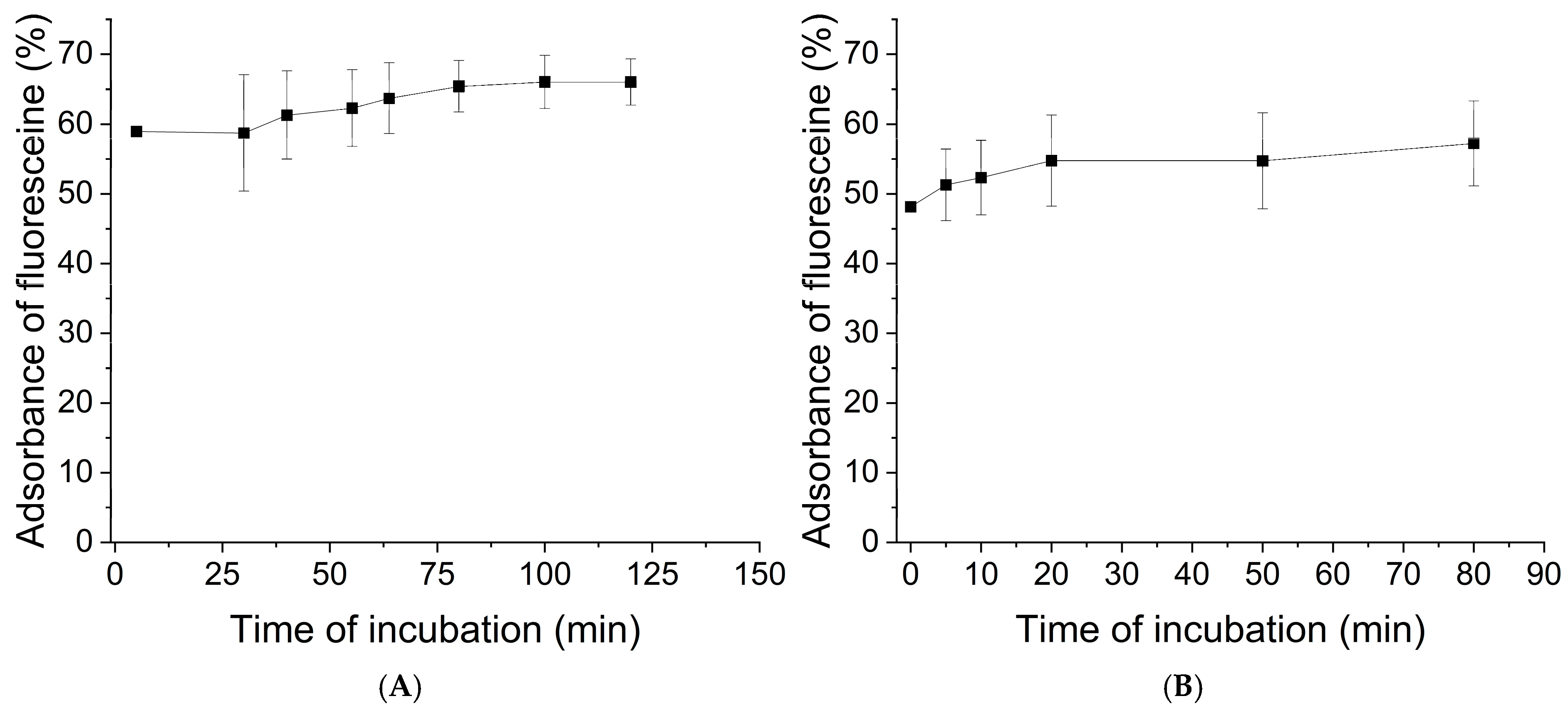
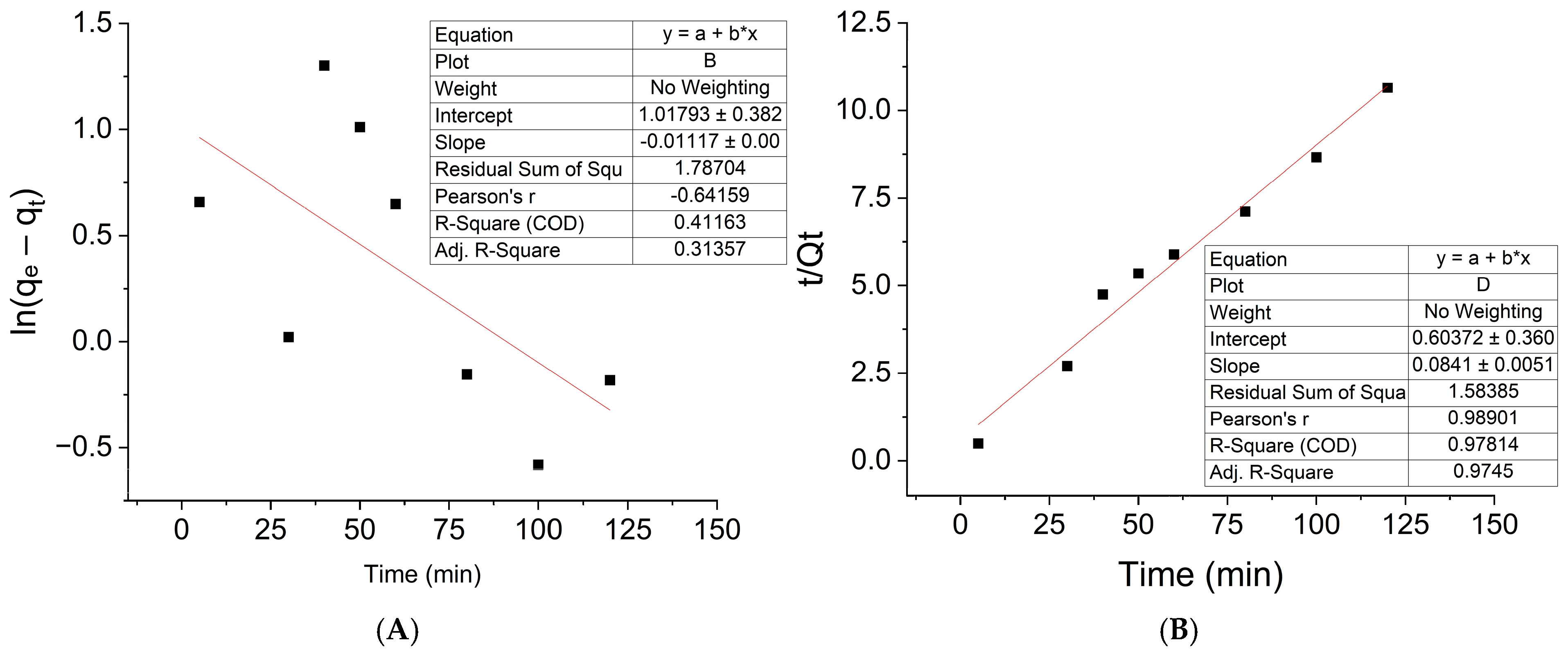
| qe,exp | 12.1 mg/g | C0 = 10C0 =10 mg/L, t = 5 min, pH 7.0 | Baseline sorbent productivity under operational conditions |
| qe,calc (PSO) | 11.8 mg/g | Pseudo-second-order | Supports the contribution of electrostatic interactions |
| k2 | 0.047 g/(mg·min) | Pseudo-second-order | Key parameter for contact time calculation in column design |
| Isotherm parameters | |||
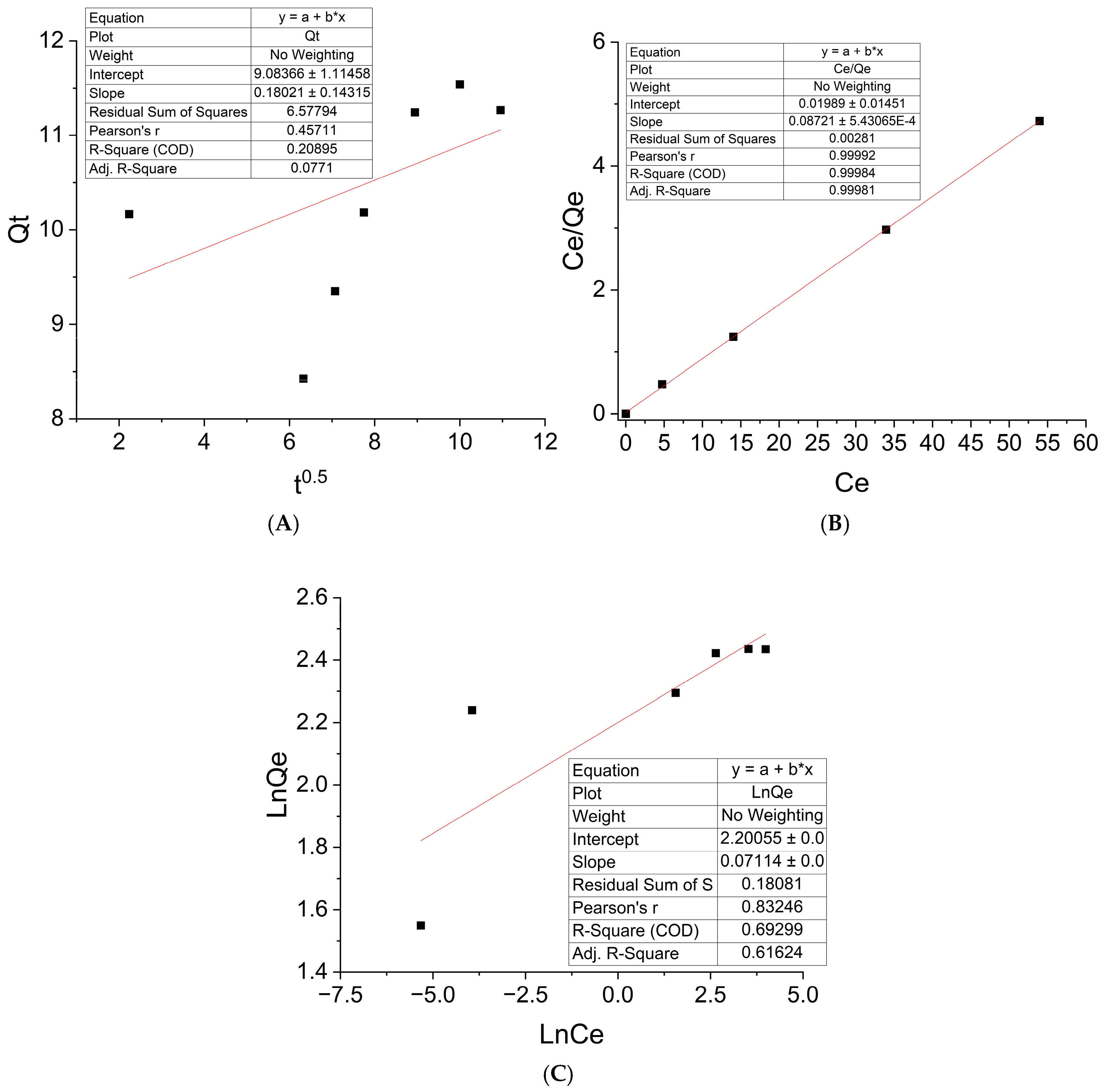
| qmax (Langmuir) | 12.1 mg/g | Langmuir isotherm | Monolayer coverage of homogeneous active sites; negligible rate-limiting diffusion |
| KL (Langmuir) | 5.5 L/mg | Langmuir isotherm | High phase affinity; stability of the PMC–uranine complex within the bulk polyelectrolyte matrix |
| n (Freundlich) | 2.9 | Freundlich isotherm | Model indicates favorable sorption, but heterogeneous model provides inferior fit compared to Langmuir |
| Operational boundaries | |||
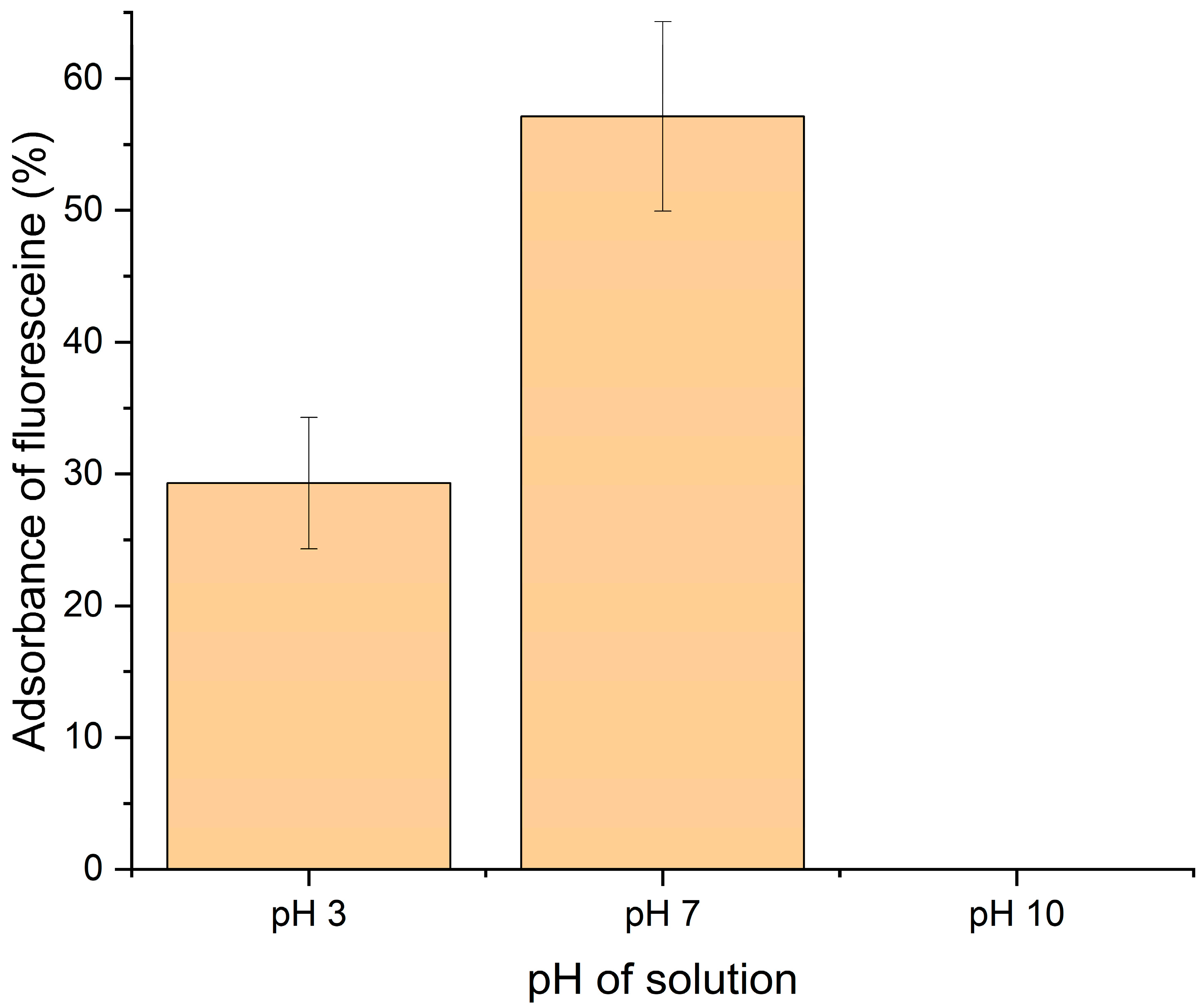
| Optimal pH range | 3.0–7.0 | Static batch conditions | No pH adjustment required for neutral/mildly acidic effluents |
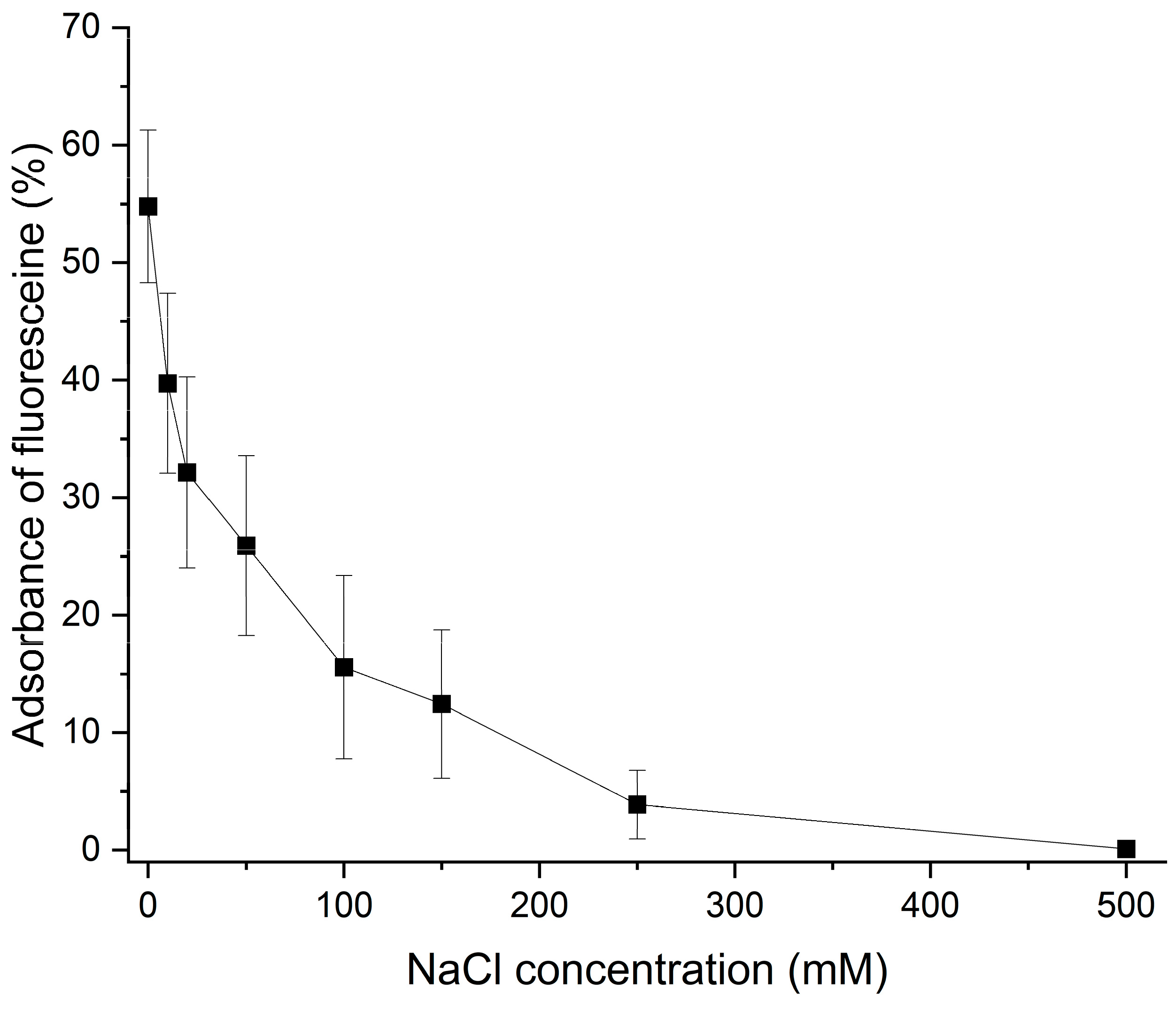
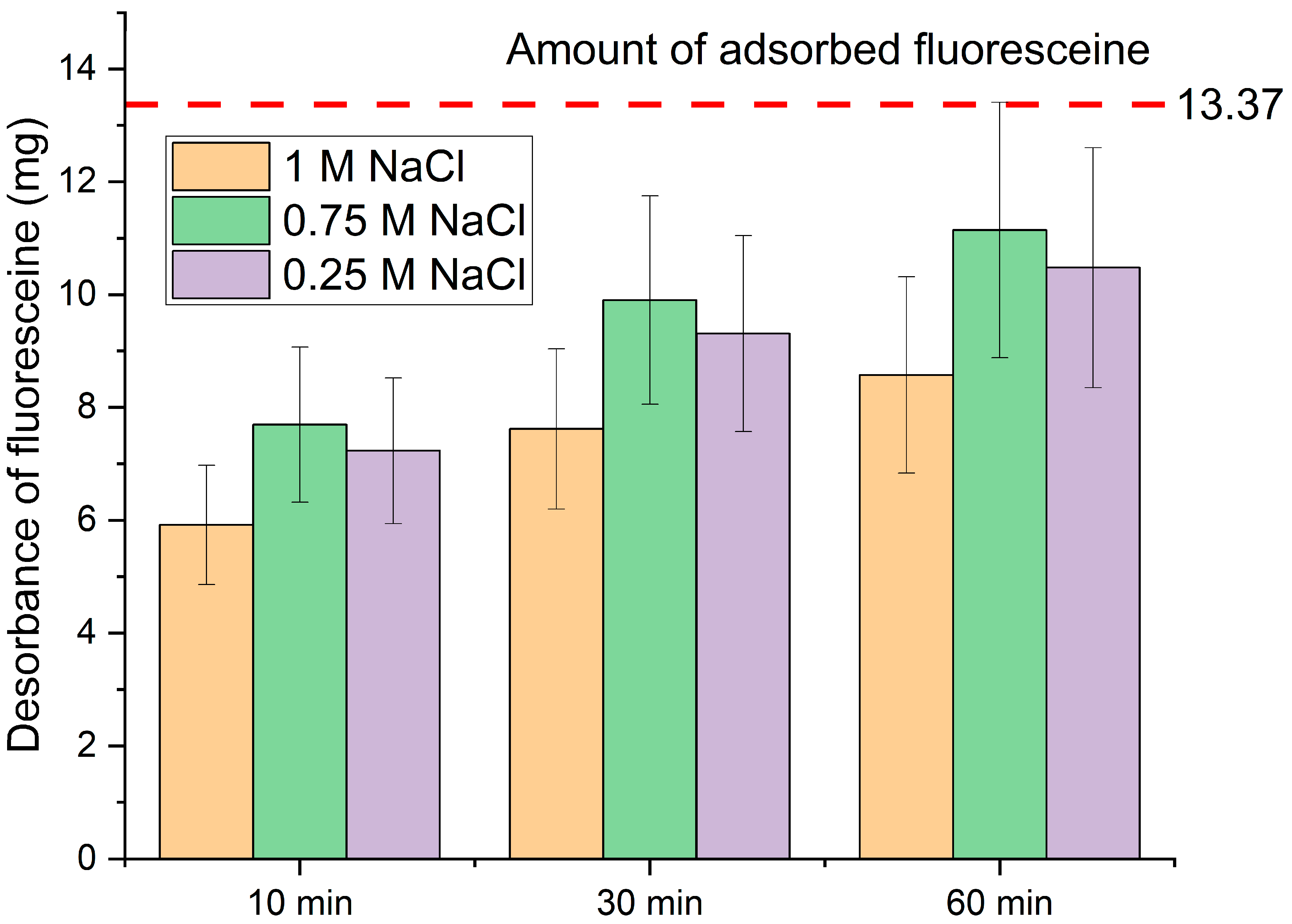
| Threshold ionic strength (I) | ≤0.10–0.15 M NaCl | Salt interference studies | Recommended integration point: post-desalination or after stream dilution |
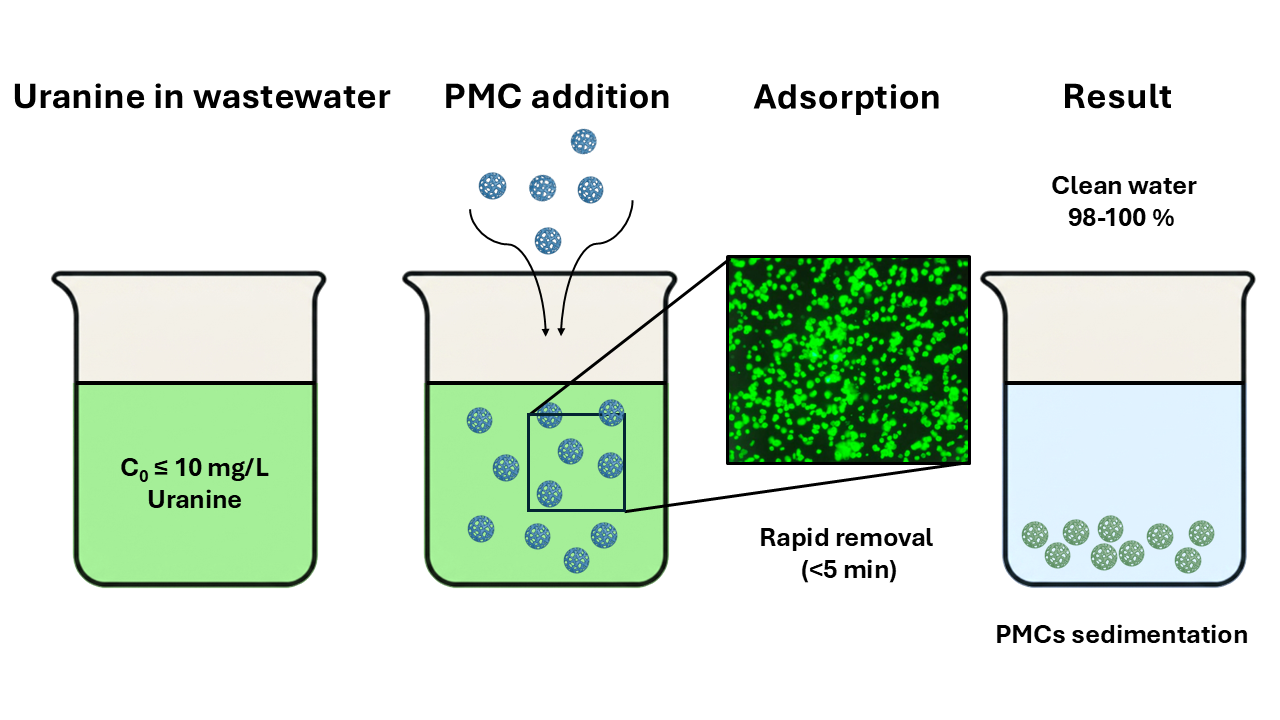
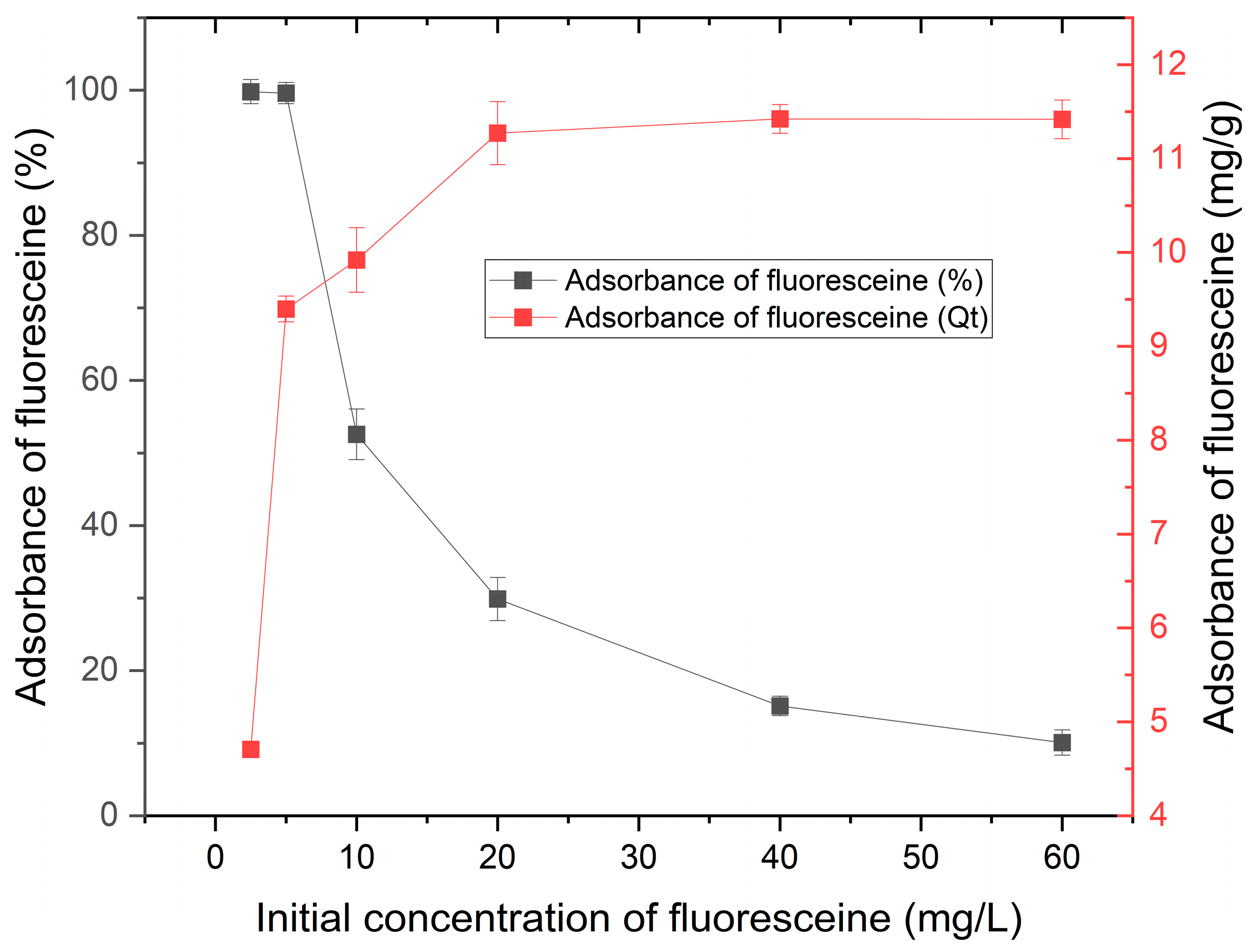
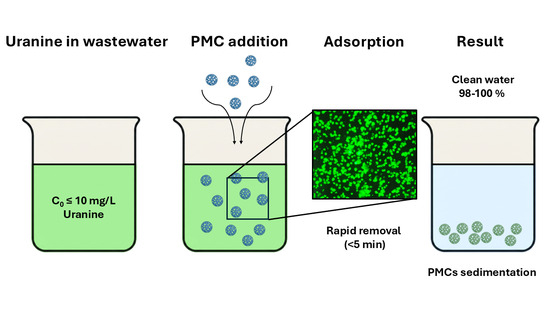
| Working C0 range | ≤10 mg/L | Qt = f(C0) dependence | Adsorption efficiency 98–100%; target effluent concentration <0.05 mg L−1 achievable |
| Regeneration characteristics | |||
| Desorption efficiency | ~50% | 0.75 M NaCl, 25 °C | Enables dye preconcentration; complete elution not achievable |
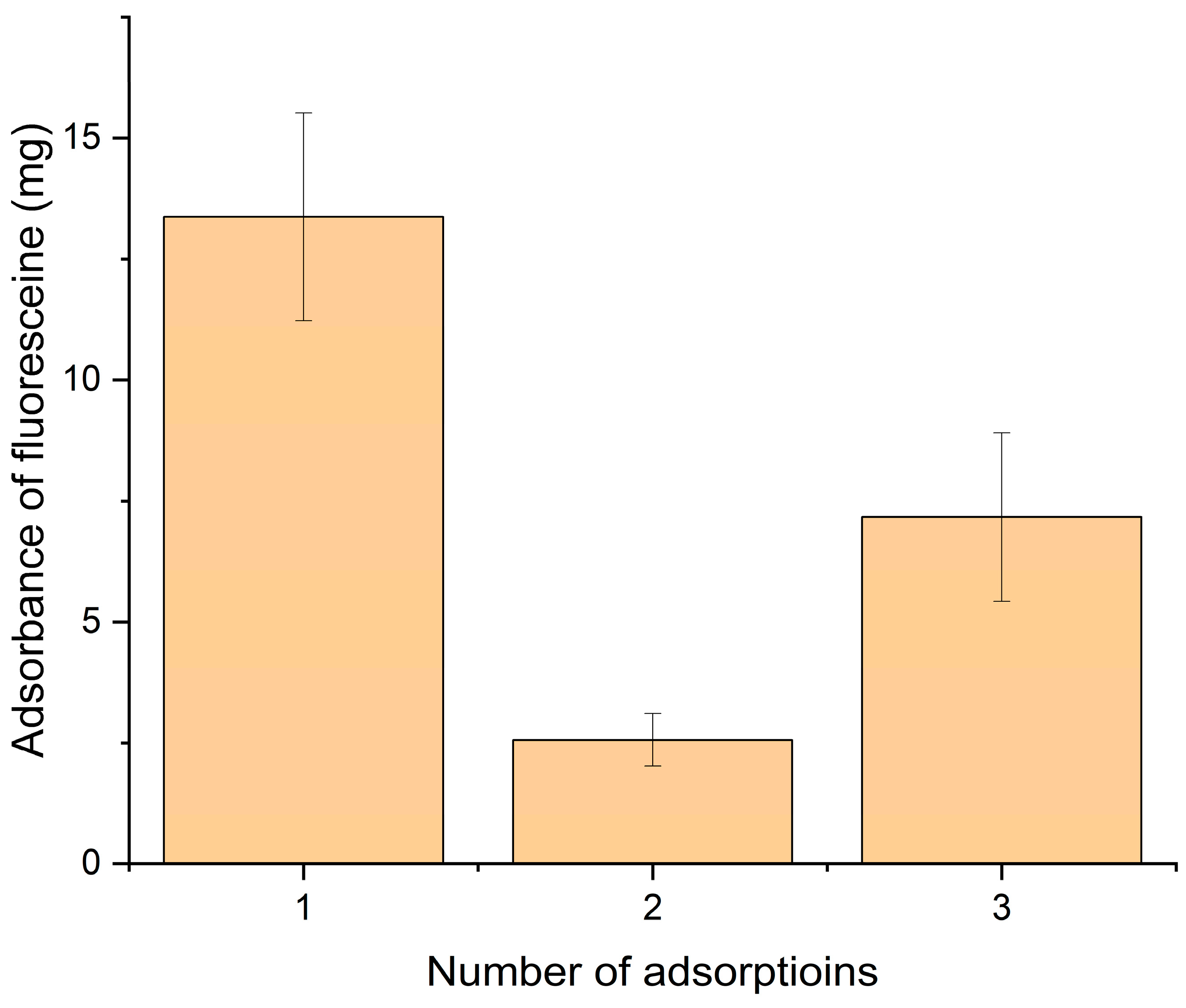
| Capacity retention (cycle 2) | ≤15% | Single adsorption–desorption cycle | Not recommended for multi-cycle industrial deployment |
| Material | qmax, mg/g | Equilibrium Time | Optimal pH | Tolerance to Ionic Strength (I), M | Regeneration | Cost/Scalability | Technological Limitations |
|---|---|---|---|---|---|---|---|
| PMCs (this work) | 12.1 | ≤5 min | 3.0–7.0 | ≤0.15 | ~50%, 1–2 cycles | Low (LbL assembly, aqueous media) | Moderate capacity; single-use operational format |
| Activated carbon from palm seeds [58] | 1111.11 | 90 min; 68.4% removal already after 15 min | Not reported | Not reported | Not reported | Low-cost biomass precursor; scalability untested | Batch study only; no data on ionic strength, regeneration, cycling, or fixed-bed performance |
| Cu-isonicotinate MOF, Cu(INA)2[NO_PRINTED_FORM] [59] | 66.67 | 360 min | 9 | Not reported | Not reported | Solvent-free synthesis; potentially scalable | Slow adsorption; reusability and salt tolerance not assessed |
| Biochars (agricultural residues) [60] | 0.015–0.20 (palm/olive tree biochars: ~0.12–0.13) | 24 h | 5.9–10.1 (precipitation at pH 3–5 limits lower bound) | Not reported | Not reported | Very low; simple pyrolysis at 550 °C, 1 h residence, ~35% yield; earth-mound method for traditional charcoal | Low capacity & high variability; poor wood-biochar performance (SSA < 15 m2/g); limited data on interferences and dye-pesticide correlation. |
| Al/Th-MOF [61] | 668.6 | 60–120 min (pore diffusion-limited) | 4.0 (protonated surface enhances electrostatic attraction) | High: retains >80% capacity at I = 0.5 M NaCl (π-π stacking, pore filling dominate) | Feasible: >90% recovery after 8 adsorption–desorption cycles (ethanol/acid elution) | High synthesis cost, lab-scale only; scalability uncertain | Complex synthesis; potential metal leaching; requires dedicated regeneration infrastructure |
| Zn−Al−Hydrotalcite [62] | 16.6 | ~72 h (3 days equilibration with stirring at 25 °C) | 7.5–8.0 | Not reported | Not reported | Lab-scale synthesis | Surface-only uptake (fixed CO32−), low SSA (15.3 m2/g), and mandatory pH control |
Disclaimer/Publisher’s Note: The statements, opinions and data contained in all publications are solely those of the individual author(s) and contributor(s) and not of MDPI and/or the editor(s). MDPI and/or the editor(s) disclaim responsibility for any injury to people or property resulting from any ideas, methods, instructions or products referred to in the content. |
© 2026 by the authors. Licensee MDPI, Basel, Switzerland. This article is an open access article distributed under the terms and conditions of the Creative Commons Attribution (CC BY) license.
Share and Cite
Kim, A.L.; Musin, E.V.; Tikhonenko, S.A. Polyelectrolyte Microcapsules: An Efficient and Rapid Adsorbent for Uranine. Gels 2026, 12, 743. https://doi.org/10.3390/gels12080743
Kim AL, Musin EV, Tikhonenko SA. Polyelectrolyte Microcapsules: An Efficient and Rapid Adsorbent for Uranine. Gels. 2026; 12(8):743. https://doi.org/10.3390/gels12080743
Chicago/Turabian StyleKim, Aleksandr L., Egor V. Musin, and Sergey A. Tikhonenko. 2026. "Polyelectrolyte Microcapsules: An Efficient and Rapid Adsorbent for Uranine" Gels 12, no. 8: 743. https://doi.org/10.3390/gels12080743
APA StyleKim, A. L., Musin, E. V., & Tikhonenko, S. A. (2026). Polyelectrolyte Microcapsules: An Efficient and Rapid Adsorbent for Uranine. Gels, 12(8), 743. https://doi.org/10.3390/gels12080743