
Enzyme-Flavonoid Synergistic Hydrogel: Enables Glucose-Activated Cascade Acidification and Programmed Drug Release for Diabetic Wound Therapy

Abstract
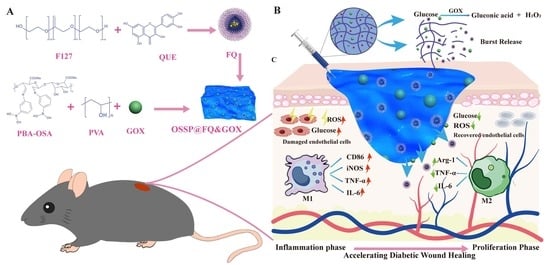
1. Introduction
2. Results and Discussion
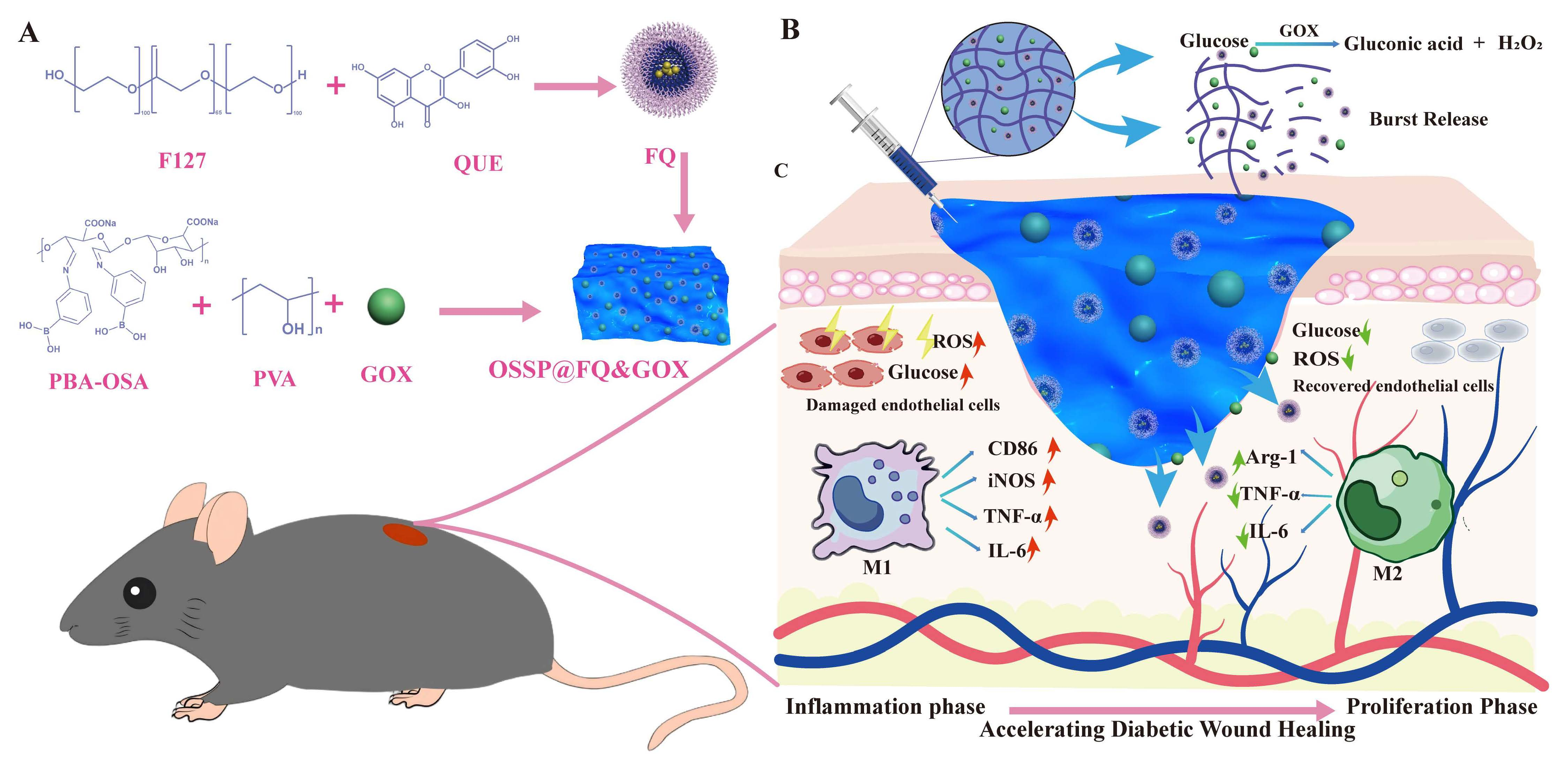
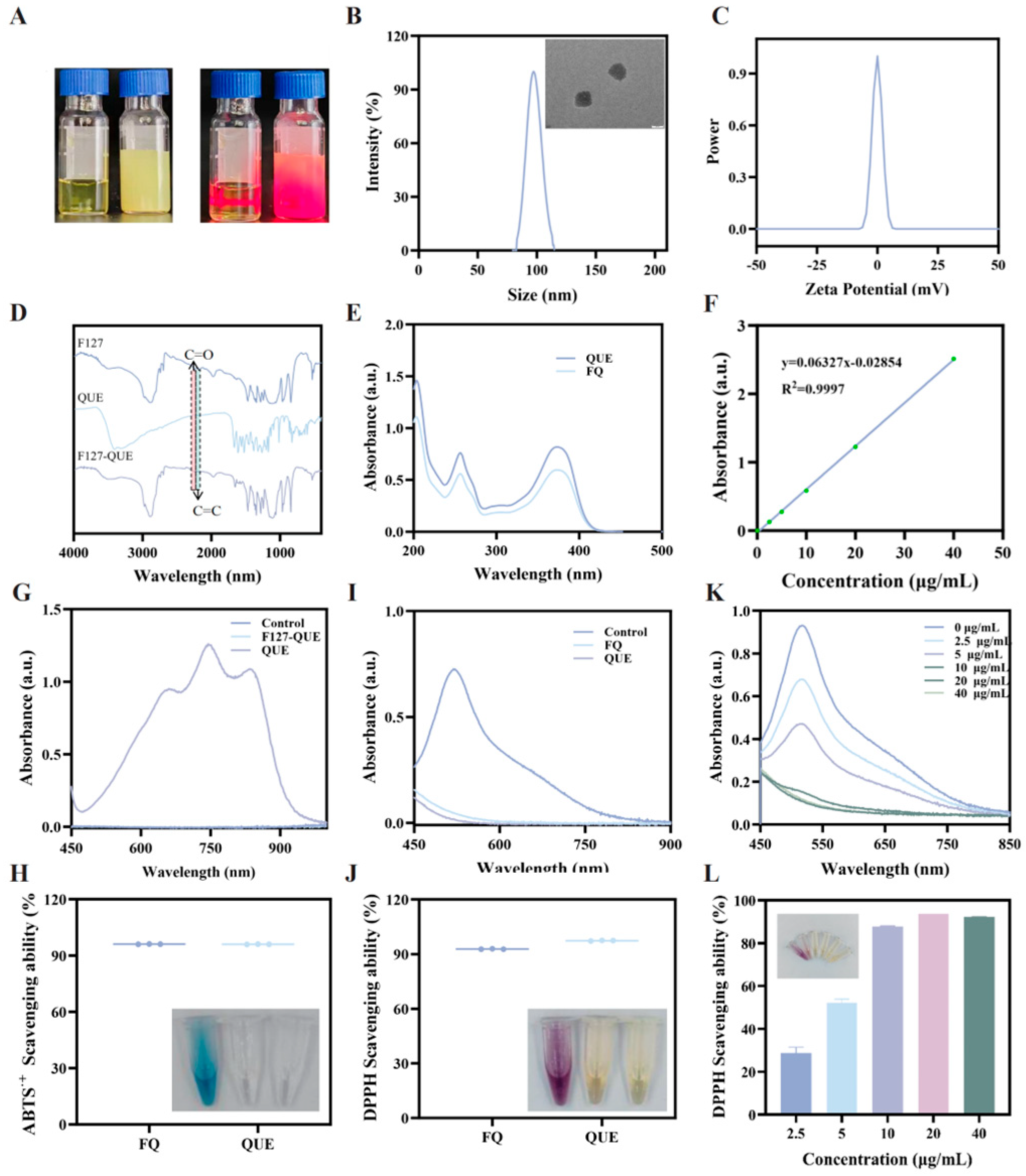
2.1. Characterisation of Micelles FQ
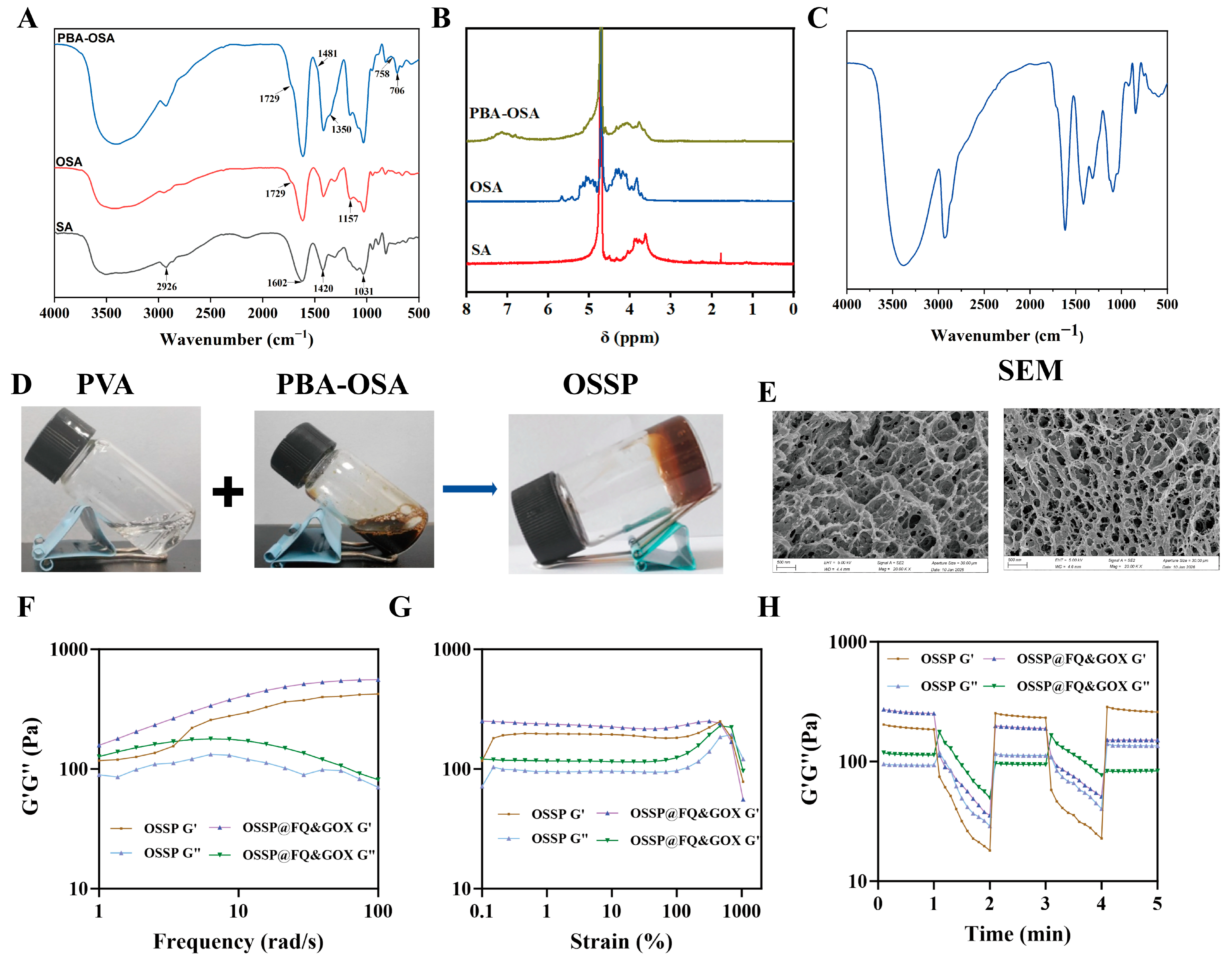
2.2. Characterization of Hydrogels
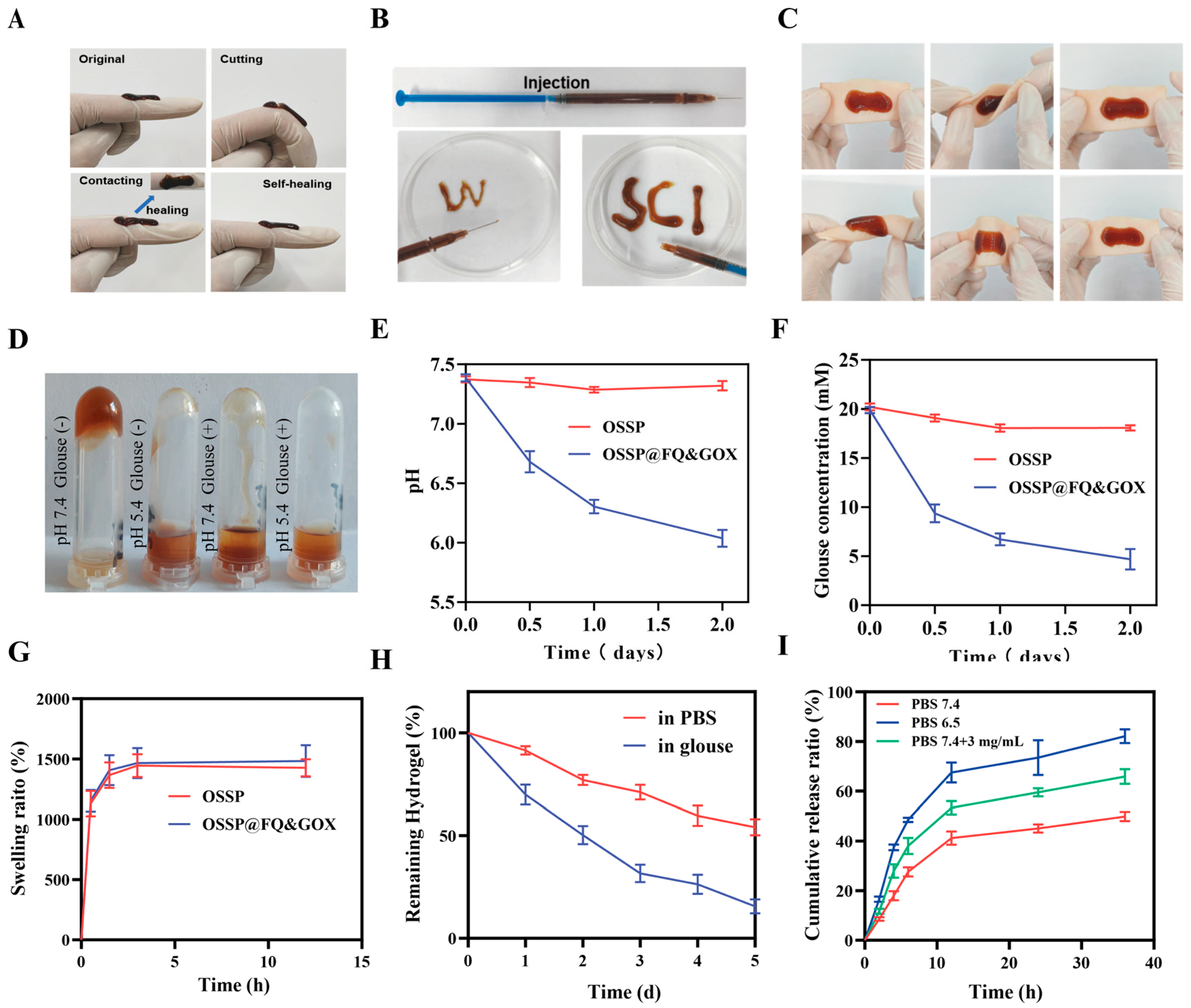
2.3. The Rheological Properties, Injectability, Self-Healing Capability, Swelling Behavior, and Degradation Performance of the Hydrogels
2.4. The pH and Glucose Responsiveness and Drug Release of the Hydrogel
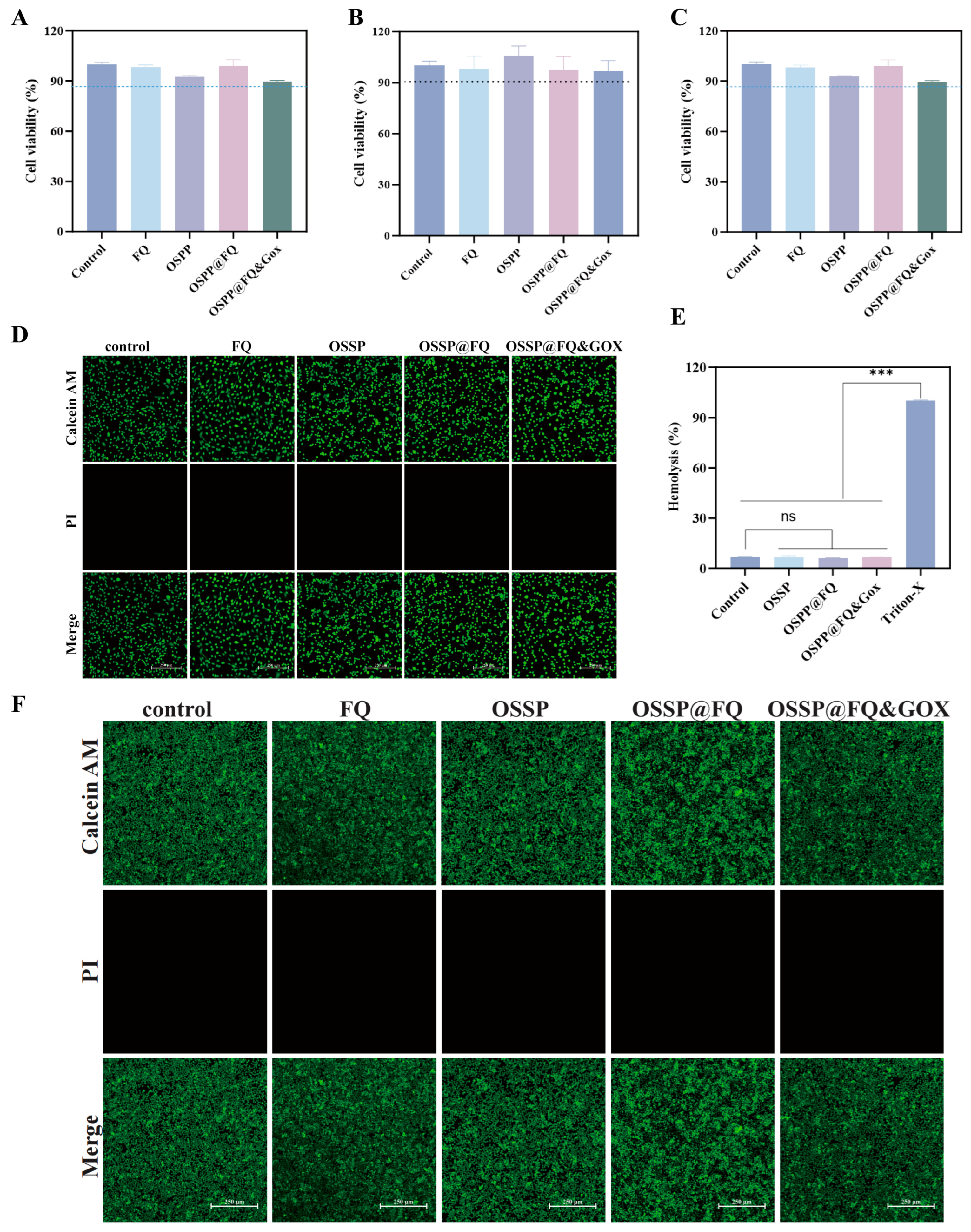
2.5. Biocompatibility of Hydrogels
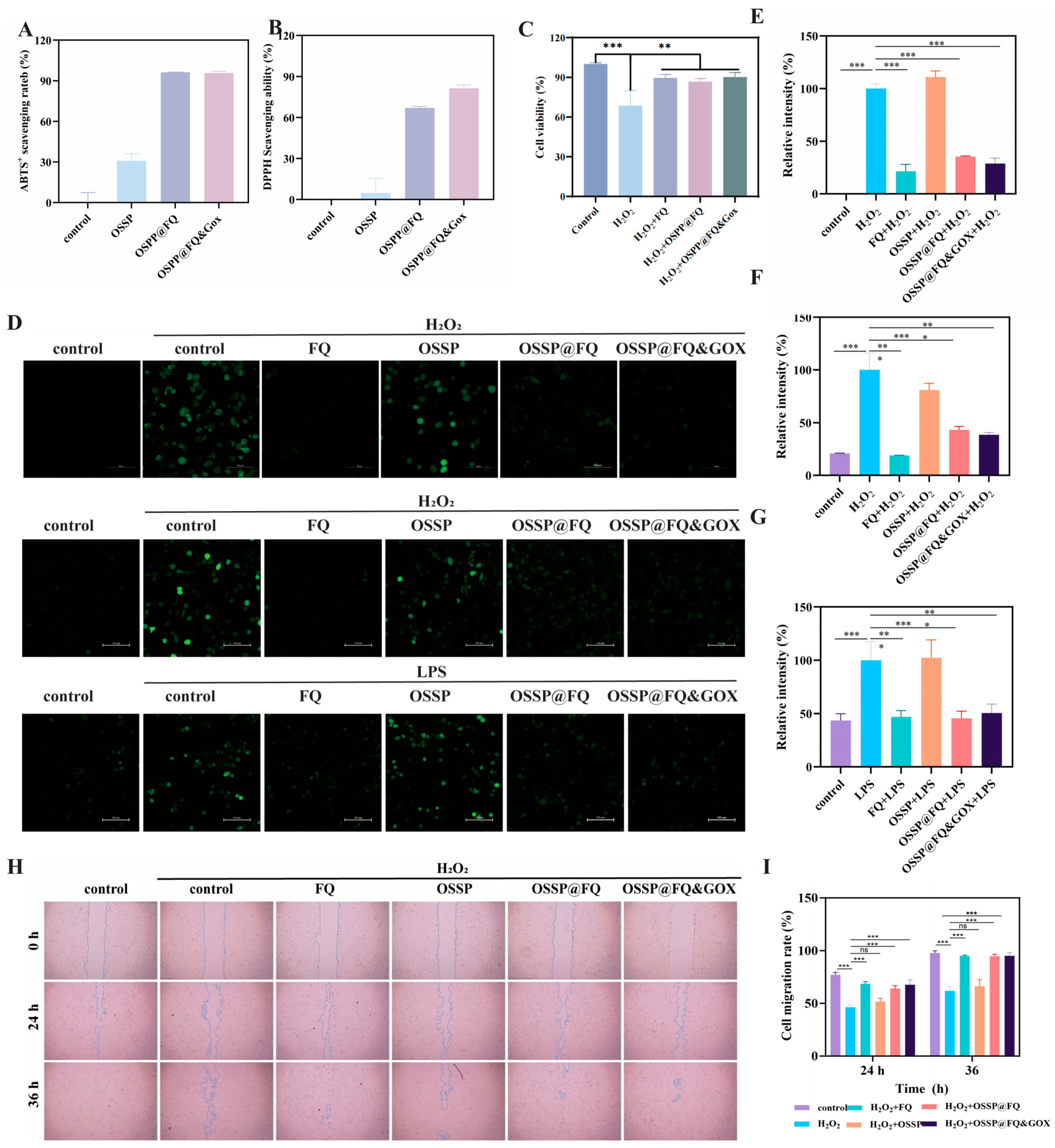
2.6. Antioxidant Activity of the Hydrogels
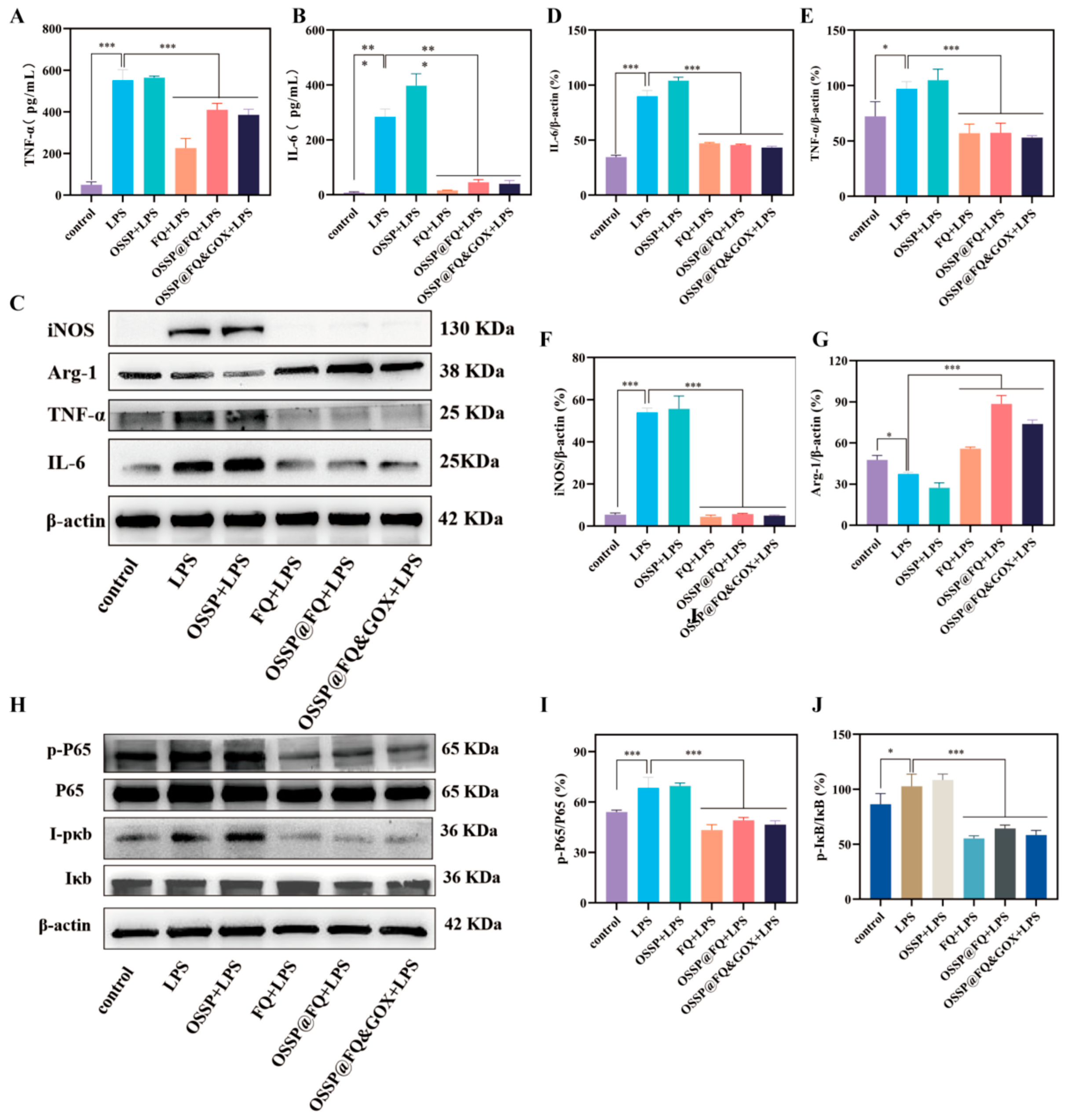
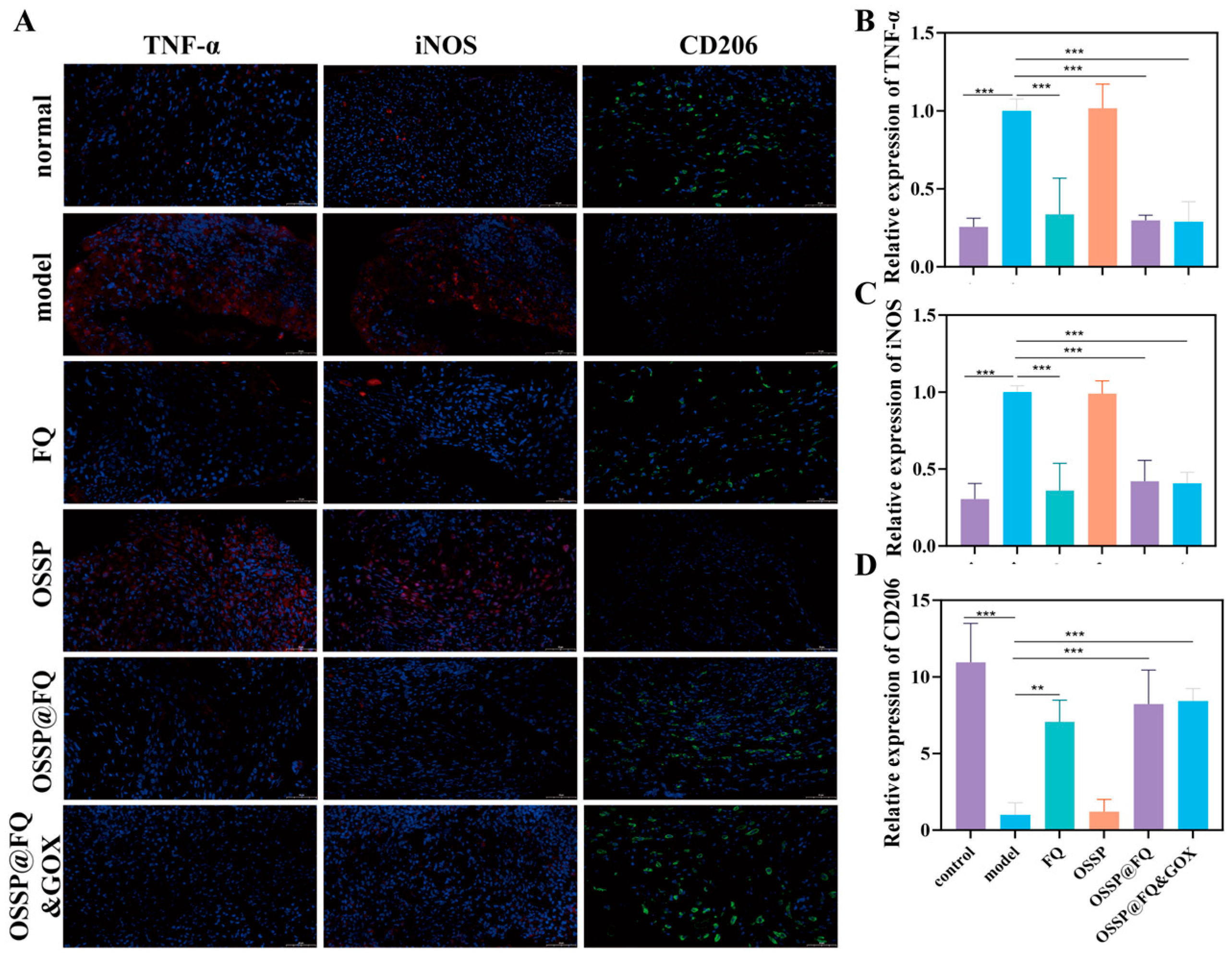
2.7. Anti-Inflammatory Activity and Macrophage Reprogramming by Hydrogels
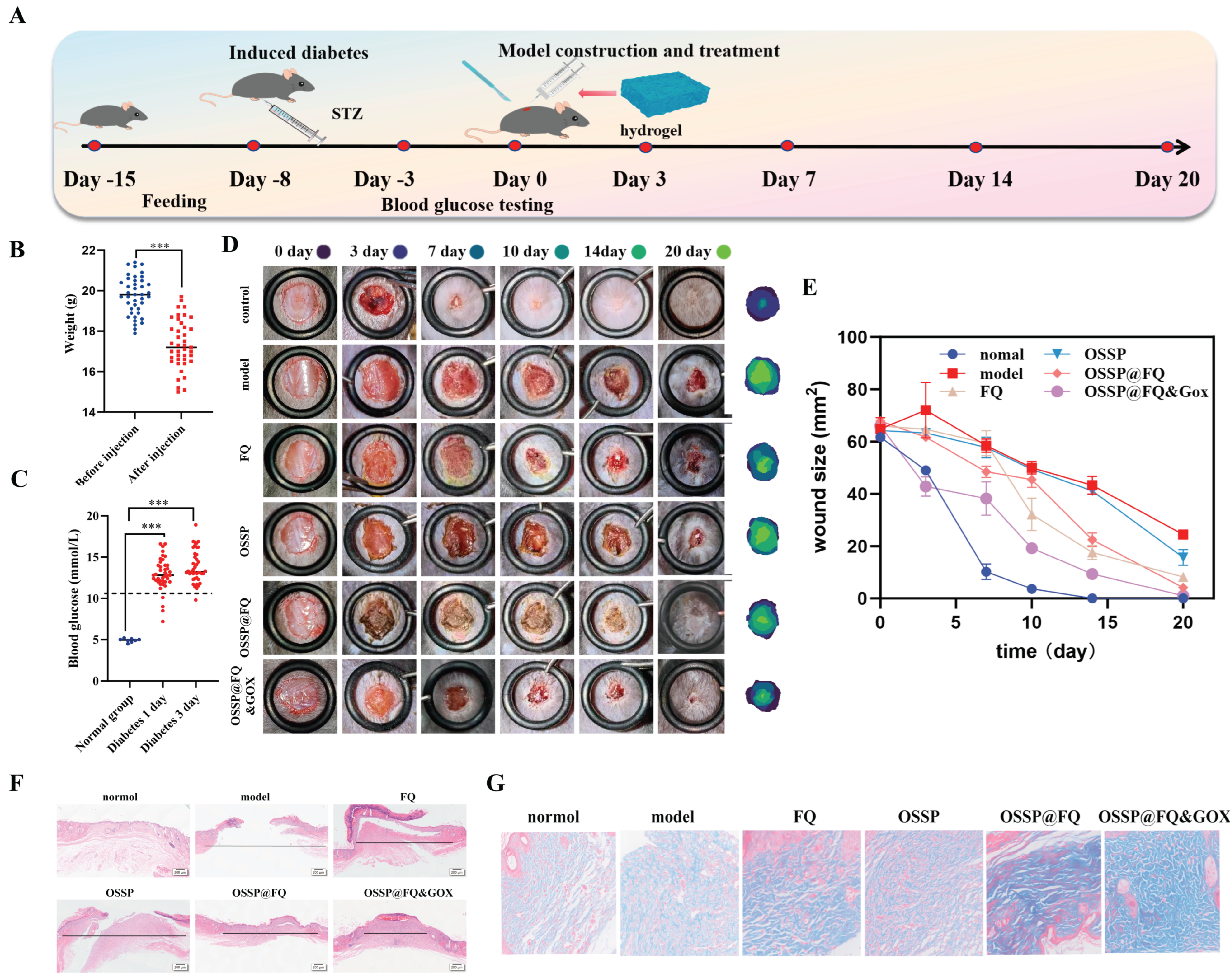
2.8. Evaluation of Diabetic Wound Healing Ability of OSSP@FQ&GOX In Vivo
2.9. Histopathological Evaluation of Mice Skin
3. Conclusions
4. Materials and Methods
4.1. Materials
4.2. Animals
4.3. Preparation of FQ
4.4. Micellar FQ Characterisation
4.5. Drug Loading and Encapsulation Rates of FQ Micelles
4.6. Synthesis and Characterization of PBA-OSA
4.7. Preparation of Hydrogels
4.8. Rheological Properties and the Stimuli-Responsive (pH/Glucose) Properties of the Hydrogels
4.9. Cell Culture and Cytotoxicity Assay
4.10. Hemolytic Activity of the Hydrogels
4.11. Analysis of the Radical Scavenging Capacity of Hydrogels
4.12. Measurement of Intracellular ROS Levels
4.13. Cell Scratch Assay
4.14. Enzyme-Linked Immunosorbent Assay
4.15. Western Blot Analysis
4.16. Establishment of Diabetic Full-Thickness Skin Wound Model and Treatment
4.17. Histological Analysis
4.18. Statistical Analysis
Supplementary Materials
Author Contributions
Funding
Institutional Review Board Statement
Informed Consent Statement
Data Availability Statement
Acknowledgments
Conflicts of Interest
References
- Demir, S.; Nawroth, P.P.; Herzig, S.; Üstünel, B.E. Emerging Targets in Type 2 Diabetes and Diabetic Complications. Adv. Sci. 2021, 8, 2100275. [Google Scholar] [CrossRef] [Scilit]
- Genitsaridi, I.; Salpea, P.; Salim, A.; Sajjadi, S.F.; Tomic, D.; James, S.; Thirunavukkarasu, S.; Issaka, A.; Chen, L.; Basit, A.; et al. 11th edition of the IDF Diabetes Atlas: Global, regional, and national diabetes prevalence estimates for 2024 and projections for 2050. Lancet Diabetes Endocrinol. 2026, 14, 149–156. [Google Scholar] [CrossRef] [Scilit] [PubMed]
- Gregg, E.W.; Pratt, A.; Owens, A.; Barron, E.; Dunbar-Rees, R.; Slade, E.T.; Hafezparast, N.; Bakhai, C.; Chappell, P.; Cornelius, V.; et al. The burden of diabetes-associated multiple long-term conditions on years of life spent and lost. Nat. Med. 2024, 30, 2830–2837. [Google Scholar] [CrossRef] [Scilit] [PubMed]
- Han, C.L.; Singla, R.K.; Wang, C.S. Application of Biomaterials in Diabetic Wound Healing: The Recent Advances and Pathological Aspects. Pharmaceutics 2025, 17, 1295. [Google Scholar] [CrossRef] [Scilit] [PubMed]
- McDermott, K.; Fang, M.; Boulton, A.J.M.; Selvin, E.; Hicks, C.W. Etiology, Epidemiology, and Disparities in the Burden of Diabetic Foot Ulcers. Diabetes Care 2023, 46, 209–221. [Google Scholar] [PubMed]
- Li, Q.L.; Dong, M.D.; Han, Q.Q.; Zhang, Y.J.; Yang, D.Z.; Wei, D.Q.; Yang, Y.L. Enhancing diabetic wound healing with a pH-responsive nanozyme hydrogel featuring multi-enzyme-like activities and oxygen self-supply. J. Control. Release 2024, 365, 905–918. [Google Scholar] [CrossRef] [Scilit] [PubMed]
- Pu, C.Y.; Wang, Y.; Xiang, H.L.; He, J.T.; Sun, Q.Y.; Yong, Y.; Chen, L.; Jiang, K.; Yang, H.F.; Li, Y.L. Zinc-based Polyoxometalate Nanozyme Functionalized Hydrogels for optimizing the Hyperglycemic-Immune Microenvironment to Promote Diabetic Wound Regeneration. J. Nanobiotechnol. 2024, 22, 611. [Google Scholar] [CrossRef] [Scilit]
- Yang, Y.T.; Fang, Q.Q.; Wang, J.X.; Li, M.; Li, Z.L.; Xu, H.R.; Huang, S.F.; Chen, J.Y.; Guo, B.L. Glucose-Activated Programmed Hydrogel with Self-Switchable Enzyme-Like Activity for Infected Diabetic Wound Self-Adaptive Treatment. Adv. Mater. 2025, 37, 2419158. [Google Scholar] [CrossRef] [Scilit]
- Wang, Y.; Wu, H.M.; Pan, Y.; Xiao, Y.B.; Chen, Y.Y.; Yang, S.H.; Wang, J.; Feng, W.Y.; Hu, C.; Niu, X.K.; et al. Innovations in hydrogel therapies for diabetic wound healing: Bridging the gap between pathophysiology and clinical application. Burns Trauma 2025, 13, tkaf025. [Google Scholar] [CrossRef] [Scilit]
- Liao, Y.H.; Zhang, Z.H.; Zhao, Y.Z.; Zhang, S.M.; Zha, K.K.; Ouyang, L.Z.; Hu, W.X.; Zhou, W.; Sun, Y.; Liu, G.H. Glucose oxidase: An emerging multidimensional treatment option for diabetic wound healing. Bioact. Mater. 2025, 44, 131–151. [Google Scholar] [CrossRef] [Scilit] [PubMed]
- Kumar, S.; Agrawal, P.; Mendhey, P.; Dhatwalia, S.K.; Sitasawad, S.L. Antioxidants ameliorates glucose/glucose oxidase-induced myocardial damage through mitochondrial and MAPK pathway. 3 Biotech 2025, 15, 323. [Google Scholar] [CrossRef] [Scilit] [PubMed]
- Luo, W.; Liu, J.; Jiang, Y.; Wang, T.; Du, N.; Algharib, S.A.; Xie, S. Multifunctional nanogel dressings with dual acid and H(2)O(2) responsive release for synergetic therapy of diabetic bacterial wounds. Mater. Today Bio 2025, 33, 102094. [Google Scholar] [CrossRef] [Scilit] [PubMed]
- Xu, Q.T.; Su, W.; Huang, C.L.; Zhong, H.Y.; Huo, L.N.; Cai, J.Y.; Li, P.Y. Multifunctional Polysaccharide Self-Healing Wound Dressing: NIR-Responsive Carboxymethyl Chitosan/Quercetin Hydrogel. Adv. Healthc. Mater. 2025, 14, 2403267. [Google Scholar]
- Fan, Z.; Xia, G.; Zhu, F.; Yang, N.; Ma, A.; Shi, Y.; Jiang, Z.; Zhou, X.; Hou, Z. Ruthenium-quercetin coordinated nanotherapeutics with macrophage polarization regulation to rapidly promote bacterial-infected wound healing. Mater. Today Bio 2025, 33, 101983. [Google Scholar] [CrossRef] [Scilit] [PubMed]
- Alizadeh, S.R.; Savadkouhi, N.; Ebrahimzadeh, M.A. Drug design strategies that aim to improve the low solubility and poor bioavailability conundrum in quercetin derivatives. Expert Opin. Drug Dis. 2023, 18, 1117–1132. [Google Scholar] [CrossRef] [Scilit]
- Su, Y.T.; Zhou, Q.; Xu, H.; Huang, M.T.; Li, S.Q.; He, J.Y.; Cheng, K.W.; Wang, M.F. Enhancing the bioavailability of quercetin via the construction of carboxymethylated curdlan/quercetin nanocomplex. Food Hydrocoll. 2024, 149, 109502. [Google Scholar] [CrossRef] [Scilit]
- Ashfaq, M.; Ali, S.; Summer, M. Quercetin-polysaccharides based hydrogels: A review of applications, molecular associations, chemical and biological modifications, toxicological implications and future perspectives. Int. J. Biol. Macromol. 2025, 318, 144845. [Google Scholar] [CrossRef] [Scilit] [PubMed]
- Li, X.P.; Zhang, X.; Qi, Y.P.; Jin, W.J.; Wen, Z.; Zhao, Y.X.; Li, X.Y.; Yao, X.; Shen, Z.H.; Zhang, F.; et al. Conductive bioadhesive hydrogel with controlled astragaloside IV release for ferroptosis-mediated cardiac repair. J. Control. Release 2025, 384, 113874. [Google Scholar] [CrossRef] [Scilit] [PubMed]
- Zhang, W.; Shi, Y.A.; Chen, Y.Z.; Ye, J.A.; Sha, X.Y.; Fang, X.L. Multifunctional Pluronic P123/F127 mixed polymeric micelles loaded with paclitaxel for the treatment of multidrug resistant tumors. Biomaterials 2011, 32, 2894–2906. [Google Scholar] [CrossRef] [Scilit] [PubMed]
- Bordbar-Khiabani, A.; Gasik, M. Smart Hydrogels for Advanced Drug Delivery Systems. Int. J. Mol. Sci. 2022, 23, 3665. [Google Scholar] [CrossRef] [Scilit] [PubMed]
- Zhang, Y.L.; Wu, B.M. Current Advances in Stimuli-Responsive Hydrogels as Smart Drug Delivery Carriers. Gels 2023, 9, 838. [Google Scholar] [CrossRef] [Scilit] [PubMed]
- Cui, J.D.; Shi, J.B.; Liu, Y.J.; Shi, X.B.; Sun, J.; He, Z.G.; Luo, C.; Zhang, S.W. Engineered hydrogel platform for diabetic wound healing. Chem. Eng. J. 2025, 507, 160379. [Google Scholar] [CrossRef] [Scilit]
- Jiang, Q.; Zhang, S.F. Stimulus-Responsive Drug Delivery Nanoplatforms for Osteoarthritis Therapy. Small 2023, 19, 2206929. [Google Scholar] [CrossRef] [Scilit]
- Baniasadi, H. State-of-the-art in natural hydrogel-based wound dressings: Design, functionalization, and fabrication approaches. Adv. Colloid Interface Sci. 2025, 342, 103527. [Google Scholar] [CrossRef] [Scilit] [PubMed]
- Wang, H.; Yang, L.; Yang, Y.N. A review of sodium alginate-based hydrogels: Structure, mechanisms, applications, and perspectives. Int. J. Biol. Macromol. 2025, 292, 139151. [Google Scholar] [CrossRef] [Scilit] [PubMed]
- Lin, X.Y.; Zhang, D.; Chen, X.Y.; Liu, M.X. Self-Cross-Linked Oxidized Sodium Alginate/Gelatin/Halloysite Hydrogel as Injectable, Adhesive, Antibacterial Dressing for Hemostasis. ACS Sustain. Chem. Eng. 2024, 12, 11739–11753. [Google Scholar] [CrossRef] [Scilit]
- Qiao, B.W.; Wang, J.X.; Qiao, L.P.; Maleki, A.; Liang, Y.P.; Guo, B.L. ROS-responsive hydrogels with spatiotemporally sequential delivery of antibacterial and anti-inflammatory drugs for the repair of MRSA-infected wounds. Regen. Biomater. 2024, 11, rbad110. [Google Scholar] [PubMed]
- Feng, X.L.; Zhang, X.F.; Li, S.Q.; Zheng, Y.Q.; Shi, X.N.; Li, F.; Guo, S.B.; Yang, J.M. Preparation of aminated fish scale collagen and oxidized sodium alginate hybrid hydrogel for enhanced full-thickness wound healing. Int. J. Biol. Macromol. 2020, 164, 626–637. [Google Scholar] [CrossRef] [Scilit] [PubMed]
- Liang, Y.P.; Zhao, X.; Hu, T.L.; Chen, B.J.; Yin, Z.H.; Ma, P.X.; Guo, B.L. Adhesive Hemostatic Conducting Injectable Composite Hydrogels with Sustained Drug Release and Photothermal Antibacterial Activity to Promote Full-Thickness Skin Regeneration During Wound Healing. Small 2019, 15, 1900046. [Google Scholar] [CrossRef] [Scilit]
- Yu, T.J.; Ding, Q.T.; Wang, N.; Zhang, S.; Cheng, Z.Q.; Zhao, C.L.; Li, Q.J.; Ding, C.B.; Liu, W.C. Cranial repair-promoting effect of oxidised sodium alginate/amino gelatine injectable hydrogel loaded with deer antler blood peptides. Int. J. Biol. Macromol. 2025, 305, 141116. [Google Scholar] [CrossRef] [Scilit] [PubMed]
- Zhou, Y.F.; Dai, F.J.; Zhao, S.F.; Li, Z.L.; Liang, H.Z.; Wang, X.; Zhao, L.L.; Tan, H. pH and Glucose Dual-Responsive Hydrogels Promoted Diabetic Wound Healing by Remodeling the Wound Microenvironment. Adv. Healthc. Mater. 2025, 14, 2500810. [Google Scholar] [CrossRef] [Scilit]
- Pan, Y.J.; Li, Y.Y.; Zhou, X.; Luo, J.; Ding, Q.Y.; Pan, R.S.; Tian, X.B. Extracellular Matrix-Mimicking Hydrogel with Angiogenic and Immunomodulatory Properties Accelerates Healing of Diabetic Wounds by Promoting Autophagy. ACS Appl. Mater. Interfaces 2025, 17, 4608–4625. [Google Scholar] [CrossRef] [Scilit] [PubMed]
- Liu, Z.W.; Guo, K.L.; Yan, L.M.; Zhang, K.; Wang, Y.; Ding, X.K.; Zhao, N.A.; Xu, F.J. Janus nanoparticles targeting extracellular polymeric substance achieve flexible elimination of drug-resistant biofilms. Nat. Commun. 2023, 14, 5132. [Google Scholar] [CrossRef] [Scilit] [PubMed]
- Liu, Y.; Wang, S.; Zhang, Y.; Wan, L.; Wang, H.; Zhang, L. Oxidized alginate-based interpenetrated dual-network antibacterial hydrogel for enhanced diabetic wound healing. Int. J. Biol. Macromol. 2026, 342, 150335. [Google Scholar] [CrossRef] [Scilit] [PubMed]
- Yu, L.J.; Sun, X.X.; Zhang, X.Y.; Sun, J.; He, Z.G.; Li, J.; Luo, C.; Zhang, S.W. Nanoenzyme-engineered hydrogels reprogram wound microenvironment to accelerate diabetic wound healing. Coord. Chem. Rev. 2026, 549, 217376. [Google Scholar] [CrossRef] [Scilit]
- Zhou, Q.L.; Zhuang, Y.; Deng, X.L.; Jiang, W.D.; Wang, X.D.; Yuan, C.Y.; Lin, K.L. Hydrogel-Based ROS-Regulating Strategy: Reprogramming the Oxidative Stress Imbalance in Advanced Diabetic Wound Repair. Adv. Mater. 2025, 38, e12719. [Google Scholar] [CrossRef] [Scilit] [PubMed]
- Das, A. The emerging role of microplastics in systemic toxicity: Involvement of reactive oxygen species (ROS). Sci. Total Environ. 2023, 895, 165076. [Google Scholar] [CrossRef] [Scilit] [PubMed]
- Bao, X.G.; Huo, S.C.; Wang, Z.H.; Yang, S.Y.; Dou, L.Y.; Liu, Y.F.; Huang, J.; Cai, C.; Fang, B.; Xu, G.H. Multifunctional biomimetic hydrogel dressing provides anti-infection treatment and improves immunotherapy by reprogramming the infection-related wound microenvironment. J. Nanobiotechnol. 2024, 22, 80. [Google Scholar] [CrossRef] [Scilit]
- Zeng, X.L.; Chen, B.H.; Wang, L.P.; Sun, Y.X.; Jin, Z.; Liu, X.Y.; Ouyang, L.P.; Liao, Y. Chitosan@Puerarin hydrogel for accelerated wound healing in diabetic subjects by miR-29ab1 mediated inflammatory axis suppression. Bioact. Mater. 2023, 19, 653–665. [Google Scholar] [CrossRef] [PubMed]
- Zhou, H.; Guan, L.; Guo, W.; Wang, Z.; Liu, Q.; Wu, S.; Lu, H.; Liu, T.; Li, R.; Guo, D.; et al. Injectable hydrogel with immune regulation, anti-inflammation, and angiogenesis for accelerating diabetic wound healing. Mater. Des. 2026, 267, 116291. [Google Scholar] [CrossRef] [Scilit]
- Liang, X.Y.; Chen, H.G.; Zhang, R.; Xu, Z.X.; Zhang, G.; Xu, C.; Li, Y.; Zhang, L.; Xu, F.J. Herbal micelles-loaded ROS-responsive hydrogel with immunomodulation and microenvironment reconstruction for diabetic wound healing. Biomaterials 2025, 317, 123076. [Google Scholar] [CrossRef] [Scilit] [PubMed]
- He, C.Y.; Bi, S.W.; Zhang, R.Y.; Chen, C.; Liu, R.Q.; Zhao, X.S.; Gu, J.; Yan, B. A hyaluronic acid hydrogel as a mild photothermal antibacterial, antioxidant, and nitric oxide release platform for diabetic wound healing. J. Control. Release 2024, 370, 543–555. [Google Scholar] [CrossRef] [Scilit] [PubMed]
- Liu, W.; Zhao, N.N.; Yin, Q.; Zhao, X.Y.; Guo, K.L.; Xian, Y.F.; Li, S.W.; Wang, C.L.; Zhu, M.M.; Du, Y.R.; et al. Injectable Hydrogels Encapsulating Dual-Functional Au@Pt Core-Shell Nanoparticles Regulate Infarcted Microenvironments and Enhance the Therapeutic Efficacy of Stem Cells through Antioxidant and Electrical Integration. ACS Nano 2023, 17, 2053–2066. [Google Scholar] [CrossRef] [Scilit] [PubMed]
- Wu, Y.; Wang, Y.; Long, L.Y.; Hu, C.; Kong, Q.Q.; Wang, Y.B. A spatiotemporal release platform based on pH/ROS stimuli-responsive hydrogel in wound repairing. J. Control. Release 2022, 341, 147–165. [Google Scholar] [CrossRef] [Scilit] [PubMed]
- Luo, X.J.; Ouyang, J.H.; Wang, Y.; Zhang, M.H.; Fu, L.; Xiao, N.; Gao, L.H.; Zhang, P.; Zhou, J.; Wang, Y.P. A novel anionic cathelicidin lacking direct antimicrobial activity but with potent anti-inflammatory and wound healing activities from the salamander Tylototriton kweichowensis. Biochimie 2021, 191, 37–50. [Google Scholar] [CrossRef] [Scilit] [PubMed]
- Li, S.Y.; Wang, K.; Shi, W.Z.; Wang, X.; Li, D.X.; Liu, Y.L.; Zhang, P.; Wang, Y.P. Vm-MSI: A Vancomycin-Antimicrobial Peptide Conjugate Combating Resistant Bacteria and Broadening the Antimicrobial Spectrum. Adv. Sci. 2026, 13, e03023. [Google Scholar]
- Huang, X.X.; Wang, J.J.; Wang, H.Q.; Ma, R.; Ling, Z.H.; Chen, K.; Xu, Z.C.; Ren, J.A.; Wu, X.W.; Zhang, Q.H.; et al. Silver-Catechol Dynamic Redox Chemistry Provides Hydrogel Dressings with Sustained Antioxidant and Antibacterial Activity for Chronic Wound Care. ACS Nano 2025, 19, 22270–22290. [Google Scholar] [CrossRef] [Scilit] [PubMed]
- Meng, L.; Zhang, R.; Wang, L.; Wang, Y.; Li, B.; Chen, L. Glucose/ROS dual-responsive hydrogel loaded with mangiferin accelerates diabetic wound healing. Chin. Chem. Lett. 2026, 37, 111981. [Google Scholar] [CrossRef] [Scilit]
- Xiao, Z.Y.; Zhao, H.; Yu, Q.Y.; Luo, H.W.; Liu, Y.; Liu, Z.Y.; Xie, X.T.; Liu, B. Adaptive injectable pullulan/carboxymethyl chitosan hydrogel accelerates diabetic wound healing through antibacterial, angiogenic, and immunomodulatory effects. Int. J. Biol. Macromol. 2026, 337, 149616. [Google Scholar] [CrossRef] [Scilit] [PubMed]
- Xia, H.; Tang, Q.; Chen, Z.; Cao, S.J.; Wu, L.H.; Hao, L.L.; Hu, X.L.; Sun, L.Y.; Gu, Z.W.; Mao, H.L. Engineered polypeptide cascade-release platform restores macrophage plasticity for accelerated diabetic wound healing. Bioact. Mater. 2026, 58, 370–387. [Google Scholar] [CrossRef] [Scilit] [PubMed]
- Chen, L.; Chen, Y.; Zhang, R.; Yu, Q.L.; Liu, Y.; Liu, Y. Glucose-Activated Nanoconfinement Supramolecular Cascade Reaction for Diabetic Wound Healing. ACS Nano 2022, 16, 9929–9937. [Google Scholar] [CrossRef] [Scilit] [PubMed]




Disclaimer/Publisher’s Note: The statements, opinions and data contained in all publications are solely those of the individual author(s) and contributor(s) and not of MDPI and/or the editor(s). MDPI and/or the editor(s) disclaim responsibility for any injury to people or property resulting from any ideas, methods, instructions or products referred to in the content. |
© 2026 by the authors. Licensee MDPI, Basel, Switzerland. This article is an open access article distributed under the terms and conditions of the Creative Commons Attribution (CC BY) license.
Share and Cite
Wang, G.; Shen, S.; Tian, Y.; Li, C.; He, J.; Song, Y. Enzyme-Flavonoid Synergistic Hydrogel: Enables Glucose-Activated Cascade Acidification and Programmed Drug Release for Diabetic Wound Therapy. Gels 2026, 12, 652. https://doi.org/10.3390/gels12070652
Wang G, Shen S, Tian Y, Li C, He J, Song Y. Enzyme-Flavonoid Synergistic Hydrogel: Enables Glucose-Activated Cascade Acidification and Programmed Drug Release for Diabetic Wound Therapy. Gels. 2026; 12(7):652. https://doi.org/10.3390/gels12070652
Chicago/Turabian StyleWang, Guixi, Sihang Shen, Yichen Tian, Chao Li, Junnan He, and Yuzhu Song. 2026. "Enzyme-Flavonoid Synergistic Hydrogel: Enables Glucose-Activated Cascade Acidification and Programmed Drug Release for Diabetic Wound Therapy" Gels 12, no. 7: 652. https://doi.org/10.3390/gels12070652
APA StyleWang, G., Shen, S., Tian, Y., Li, C., He, J., & Song, Y. (2026). Enzyme-Flavonoid Synergistic Hydrogel: Enables Glucose-Activated Cascade Acidification and Programmed Drug Release for Diabetic Wound Therapy. Gels, 12(7), 652. https://doi.org/10.3390/gels12070652