
Article

Enhanced Durability of Cellulose-Reinforced PVA-SA Beads for Long-Term Quorum Quenching Applications in Membrane Bioreactors

1
Chair of Biotechnology of Water Treatment, Brandenburg University of Technology Cottbus-Senftenberg, Siemens-Halske-Ring 8, 03046 Cottbus, Germany
2
Central Analytical Laboratory, Brandenburg University of Technology Cottbus-Senftenberg, Siemens-Halske-Ring 8, 03046 Cottbus, Germany
*
Author to whom correspondence should be addressed.
Gels 2026, 12(6), 480; https://doi.org/10.3390/gels12060480
Submission received: 6 May 2026 / Revised: 26 May 2026 / Accepted: 27 May 2026 / Published: 30 May 2026
(This article belongs to the Special Issue Chemical Properties and Application of Gel Materials (2nd Edition))

Abstract

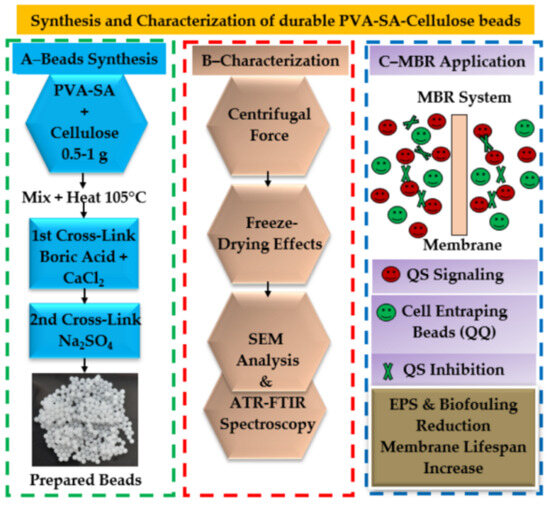
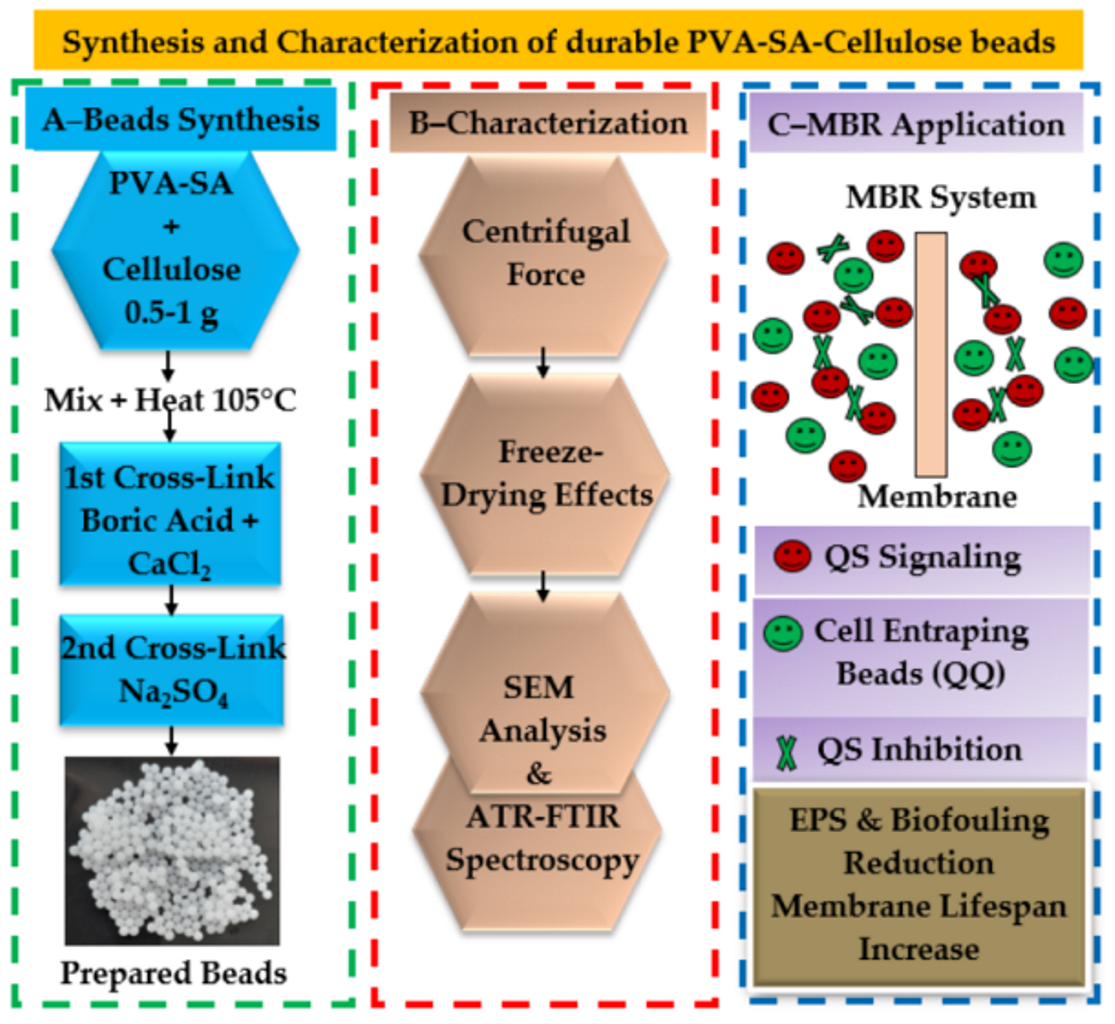
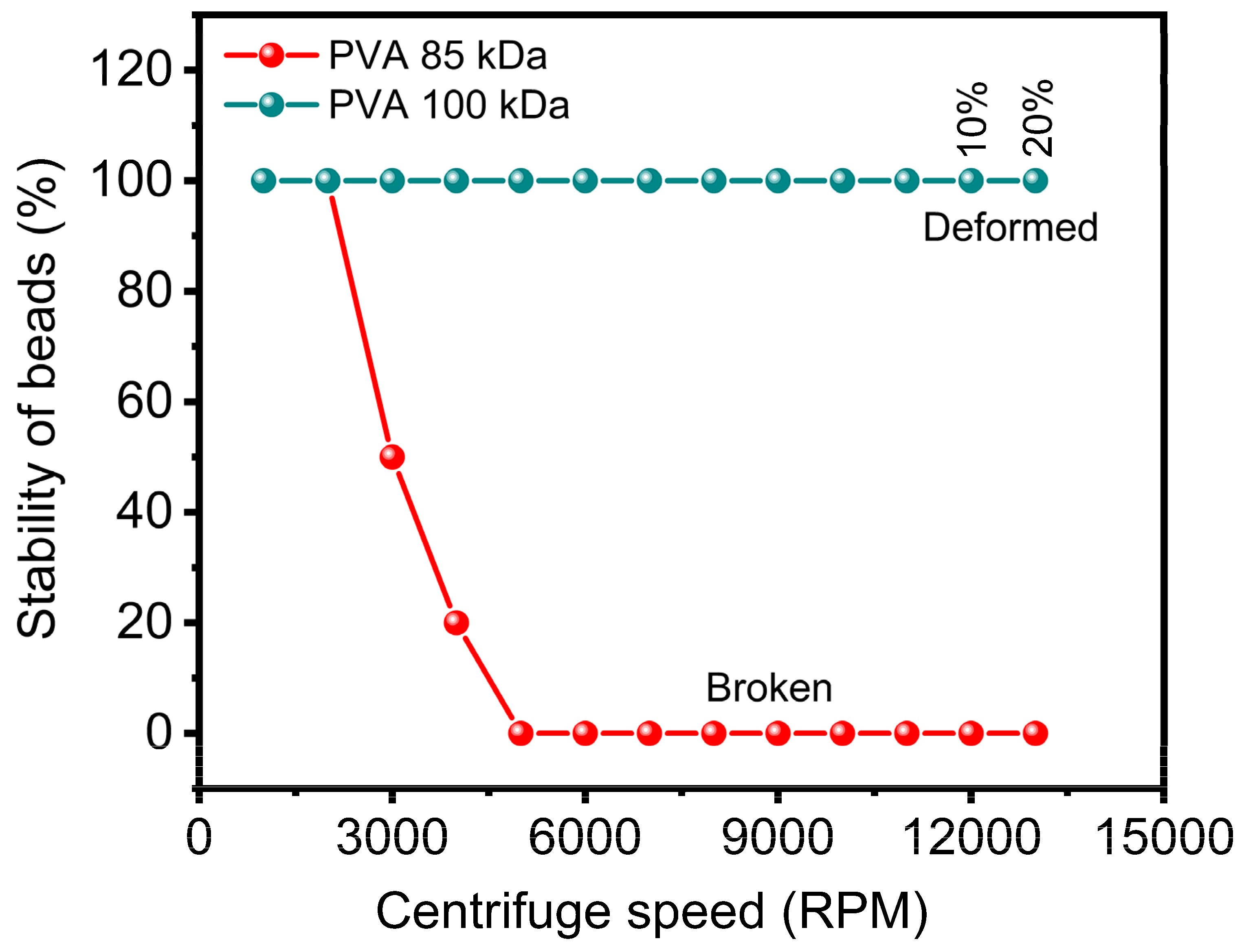
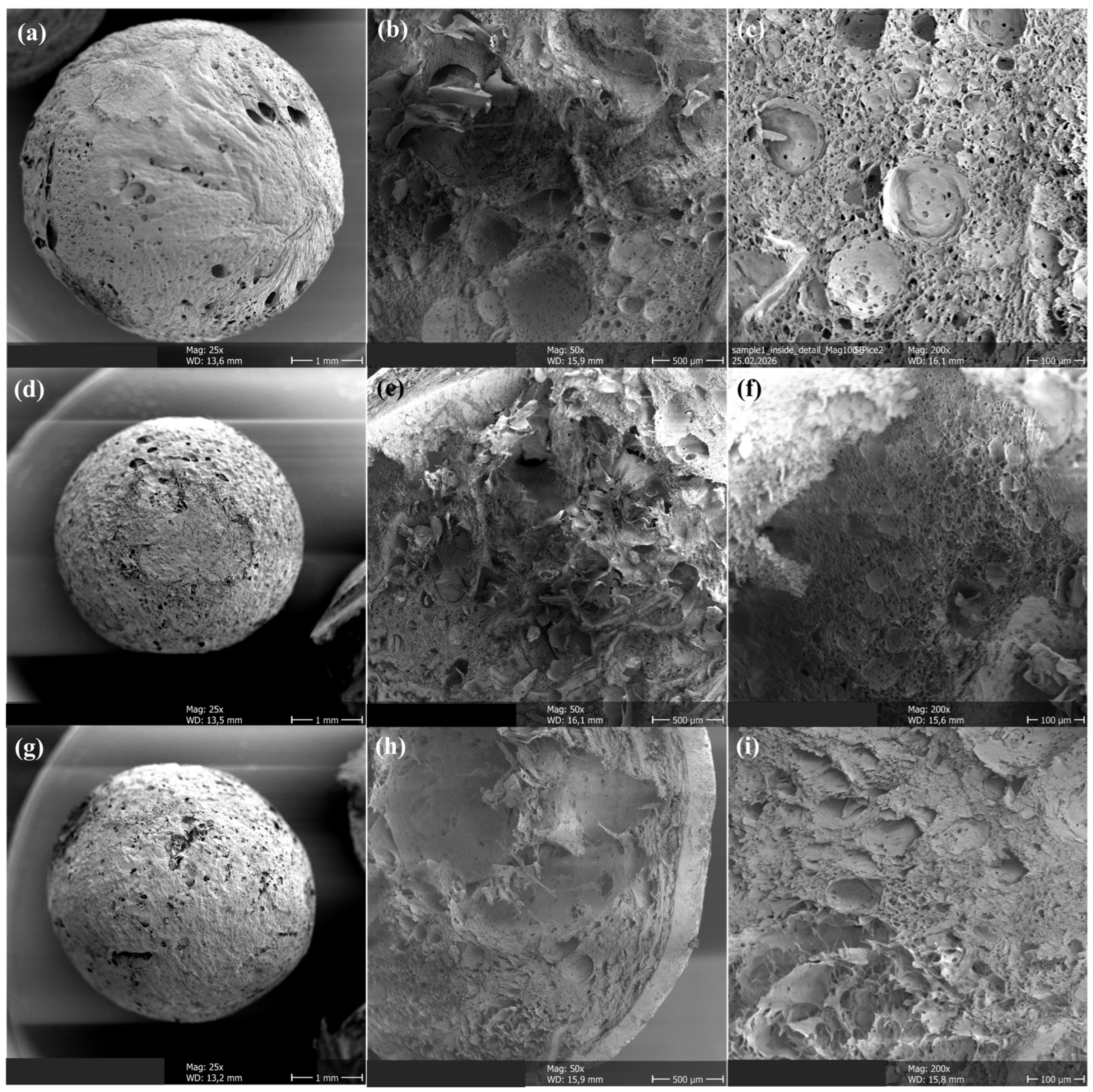
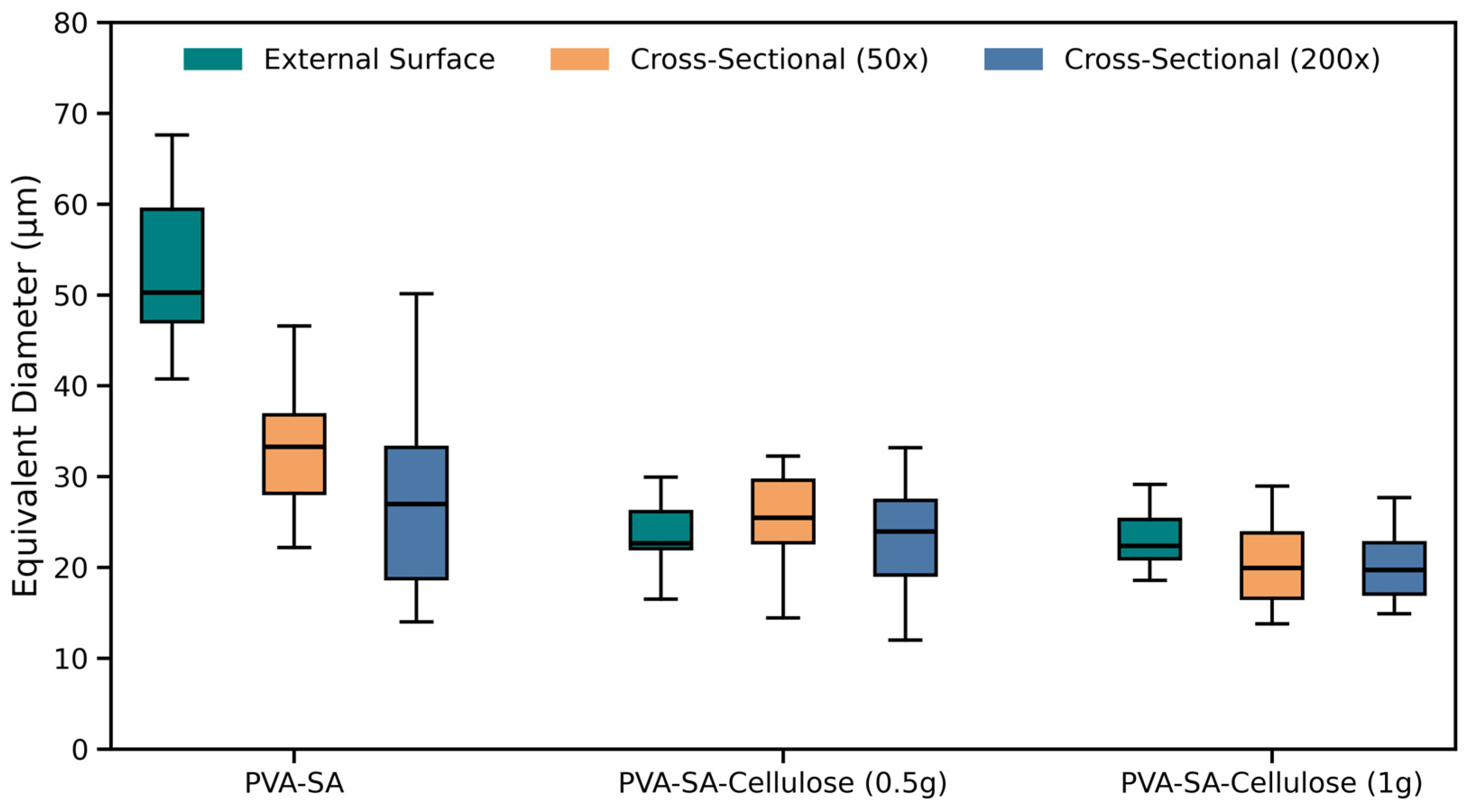
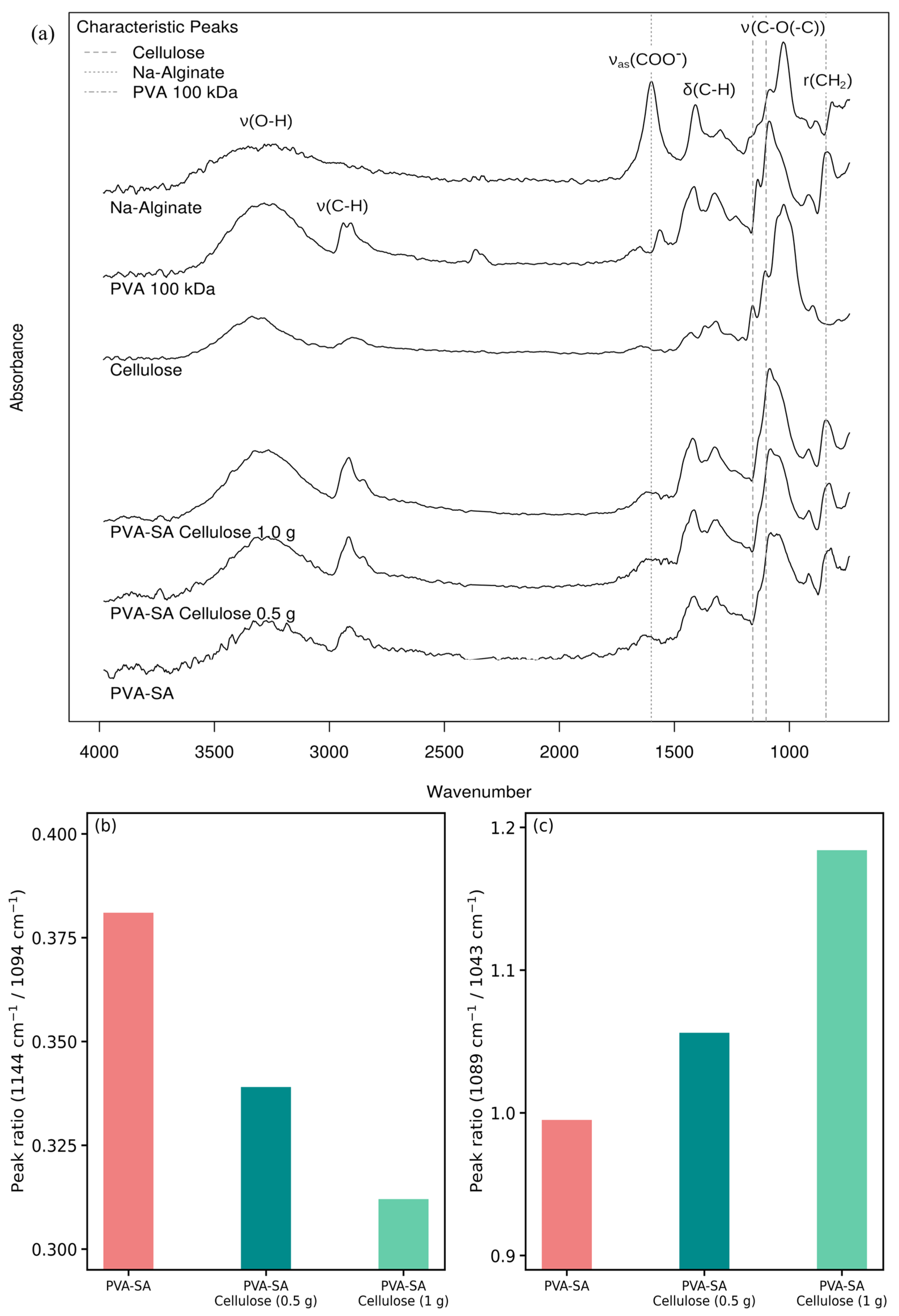
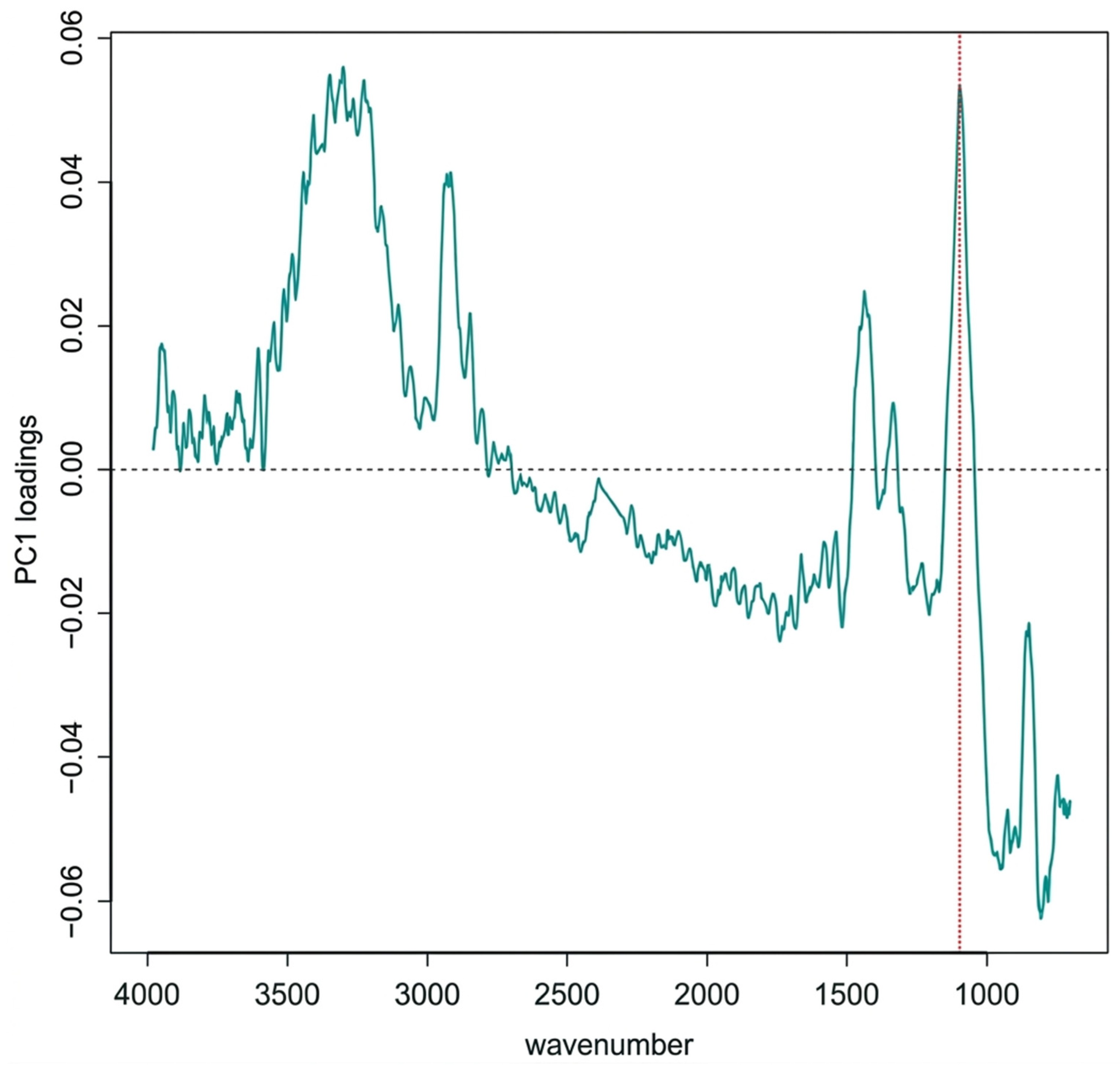
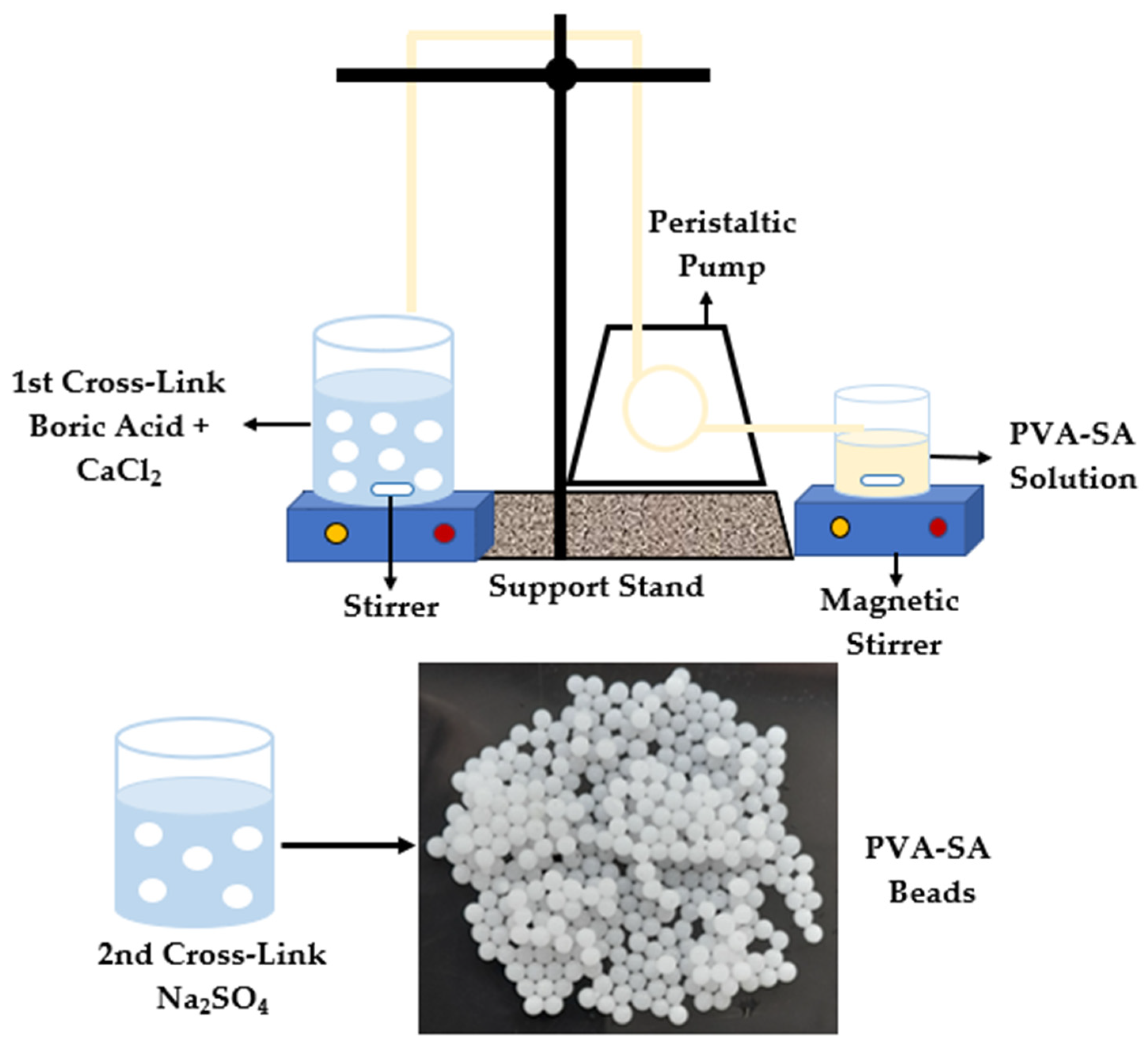
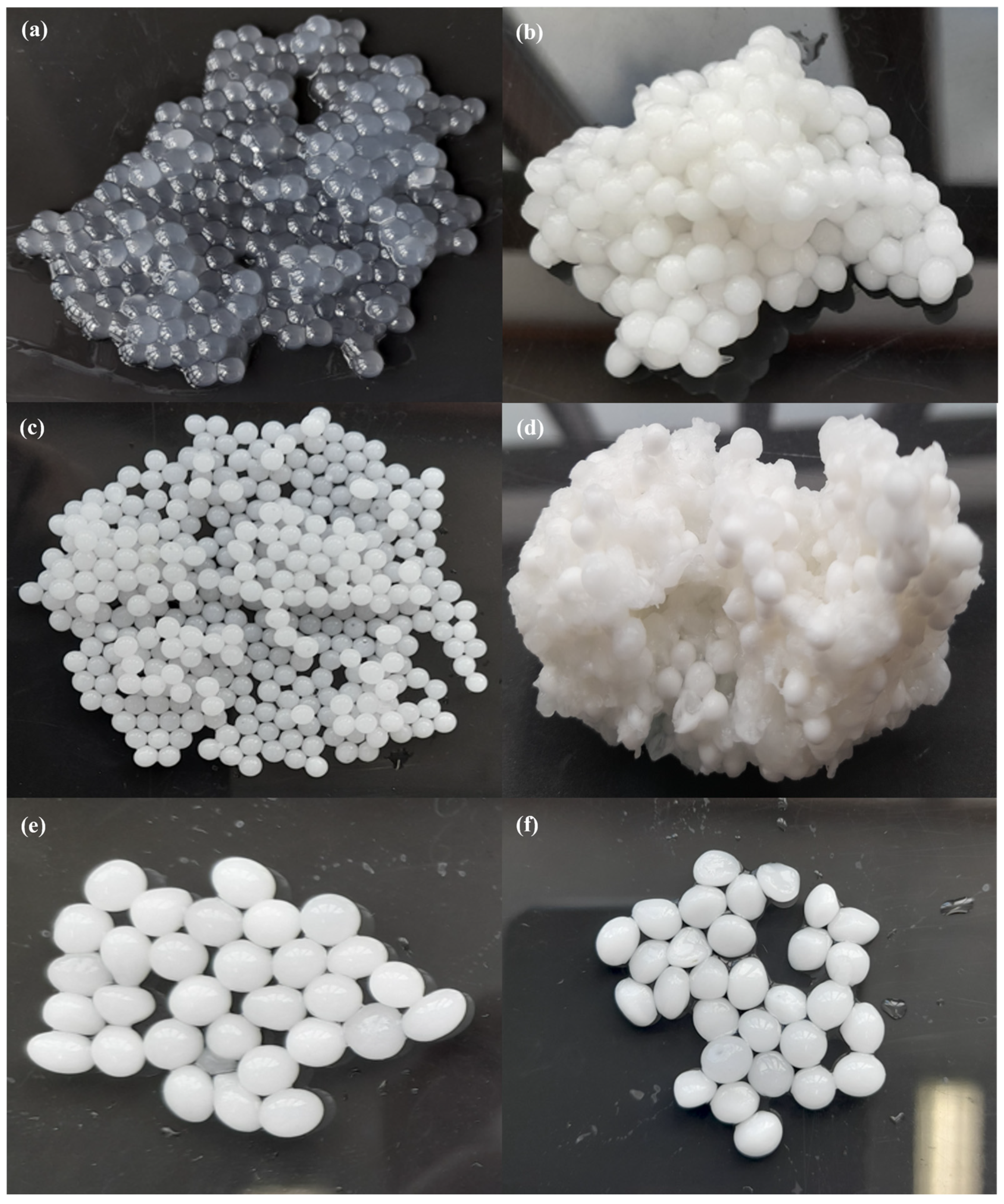
The long-term application of immobilized quorum quenching (QQ) bacteria requires carrier materials with sufficient mechanical stability and durability across various operating conditions. This study aims to enhance the durability and stability of polyvinyl alcohol (PVA) beads and to evaluate their performance for long-term operation. The beads were synthesized using two PVA brands with different molecular weights (MWs), and the effect of cross-linking conditions and reagent purity on bead stability was also investigated. Primarily, their physical strength was evaluated under centrifugal forces. Additionally, polyvinyl alcohol and sodium alginate (PVA-SA) beads were incorporated with cellulose to enhance their strength. The structural and chemical characteristics of the beads were examined using scanning electron microscopy (SEM) and Fourier-transform infrared spectroscopy (FTIR). The results showed that PVA 100 kDa beads withstood centrifugal forces up to 11,000 rpm without breakage, whereas lower MW (PVA 85 kDa) beads failed at 5000 rpm. Bead quality was critically sensitive to calcium chloride purity, as impurities and reduced Ca2+ availability caused poor crosslinking and structural collapse. The results revealed that PVA 100 kDa increases the number of polymer chain entanglements and intermolecular interactions, which enhance the structural integrity. Bead quality is strongly influenced by the purity of calcium chloride in the crosslinking solution, as well as by the solution pH. SEM analysis showed that cellulose-incorporating beads exhibited a denser and more uniform pore structure, with median equivalent pore diameters reduced from 50 µm (PVA-SA) to 22.4 µm upon cellulose incorporation, while maintaining sufficient porosity for nutrient diffusion. Similarly, FTIR analysis confirmed that cellulose was successfully integrated, with increased hydroxyl interactions and modified C–O vibrational characteristics, indicating strong hydrogen bonding within the composite matrix. Principal component analysis (PCA) confirmed that hydroxyl interactions and C–O vibrational modes are the main contributors to spectral variation, indicating that cellulose acts as a structural modifier in the PVA-SA network. These results demonstrate the effectiveness of this strategy in designing durable PVA-SA-cellulose based composite beads for long-term QQ applications.
Keywords: membrane bioreactor (MBR); quorum sensing (QS); quorum quenching (QQ); polyvinyl alcohol and sodium alginate (PVA-SA); CEBs (cell entrapping beads) membrane bioreactor (MBR); quorum sensing (QS); quorum quenching (QQ); polyvinyl alcohol and sodium alginate (PVA-SA); CEBs (cell entrapping beads)
Graphical Abstract