
GelMA Versus Agarose Hydrogels in Pancreatic Cancer 3D Spheroid Modeling: Effects on Morphology, HIF-1α Expression, and Gemcitabine Response


Abstract
1. Introduction
2. Results and Discussion
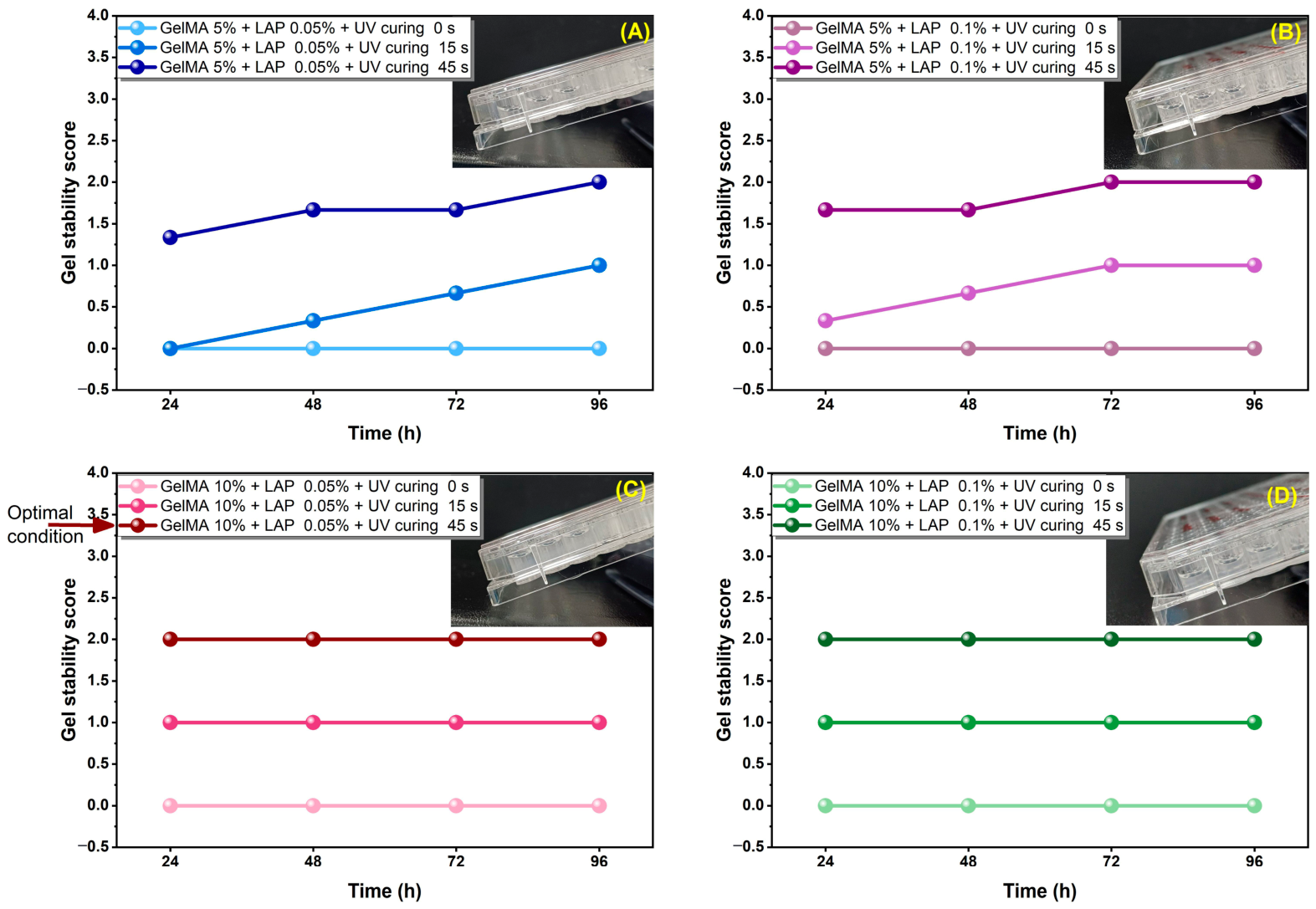
2.1. Optimization of GelMA Photocrosslinking and Hydrogel Stability
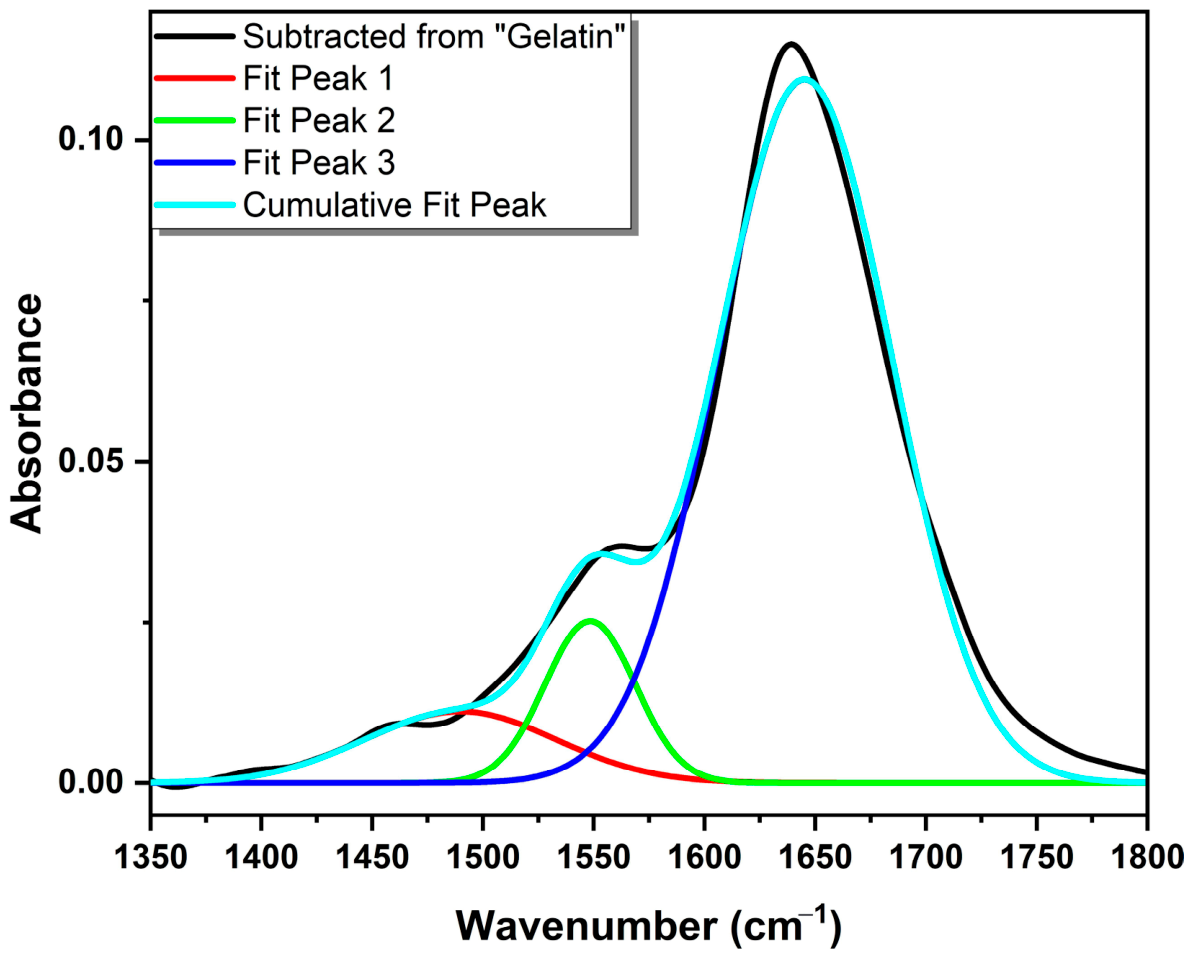
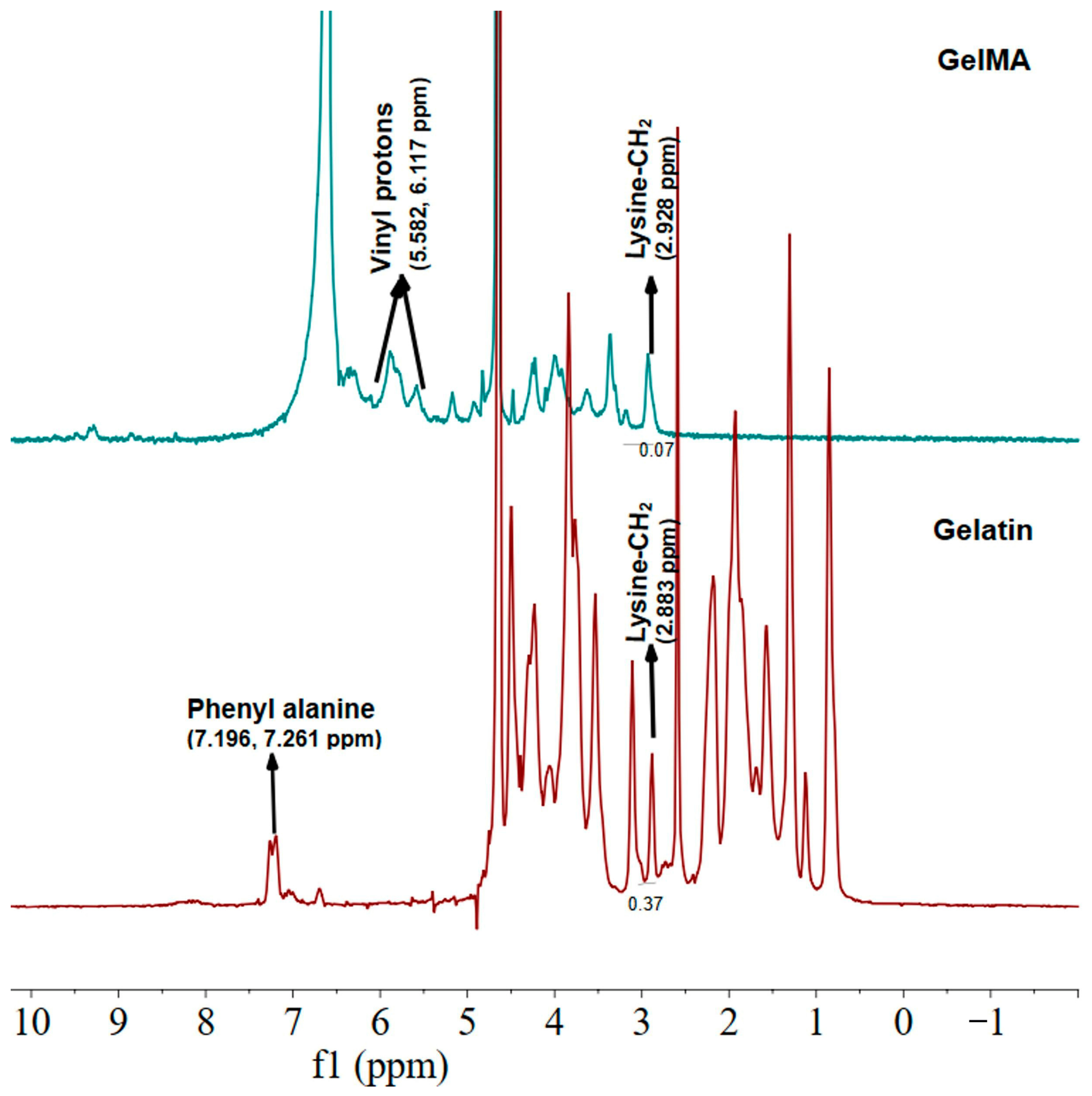
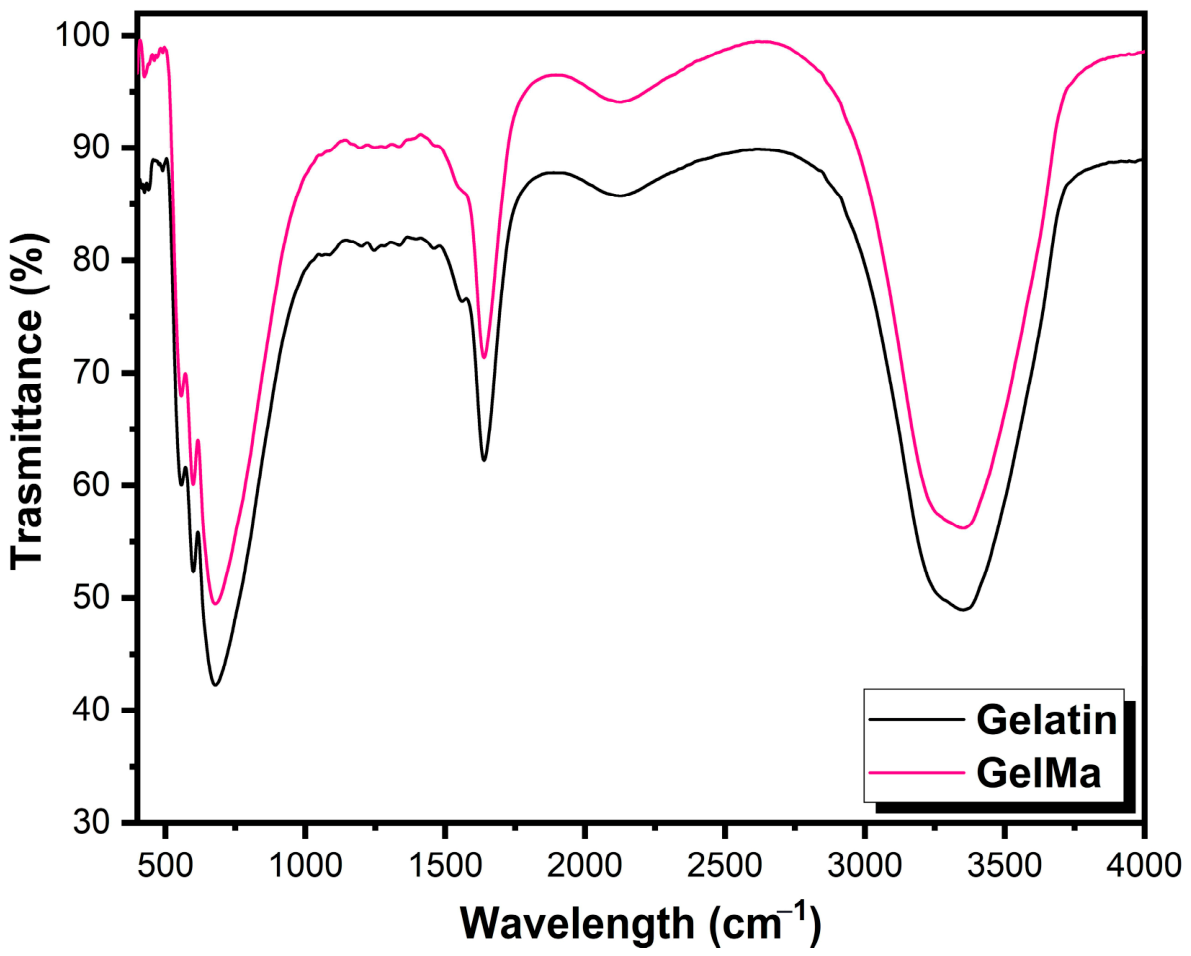
2.2. FT-IR and 1H-NMR Analysis Results
2.3. Swelling Behavior and Degradation Characteristics
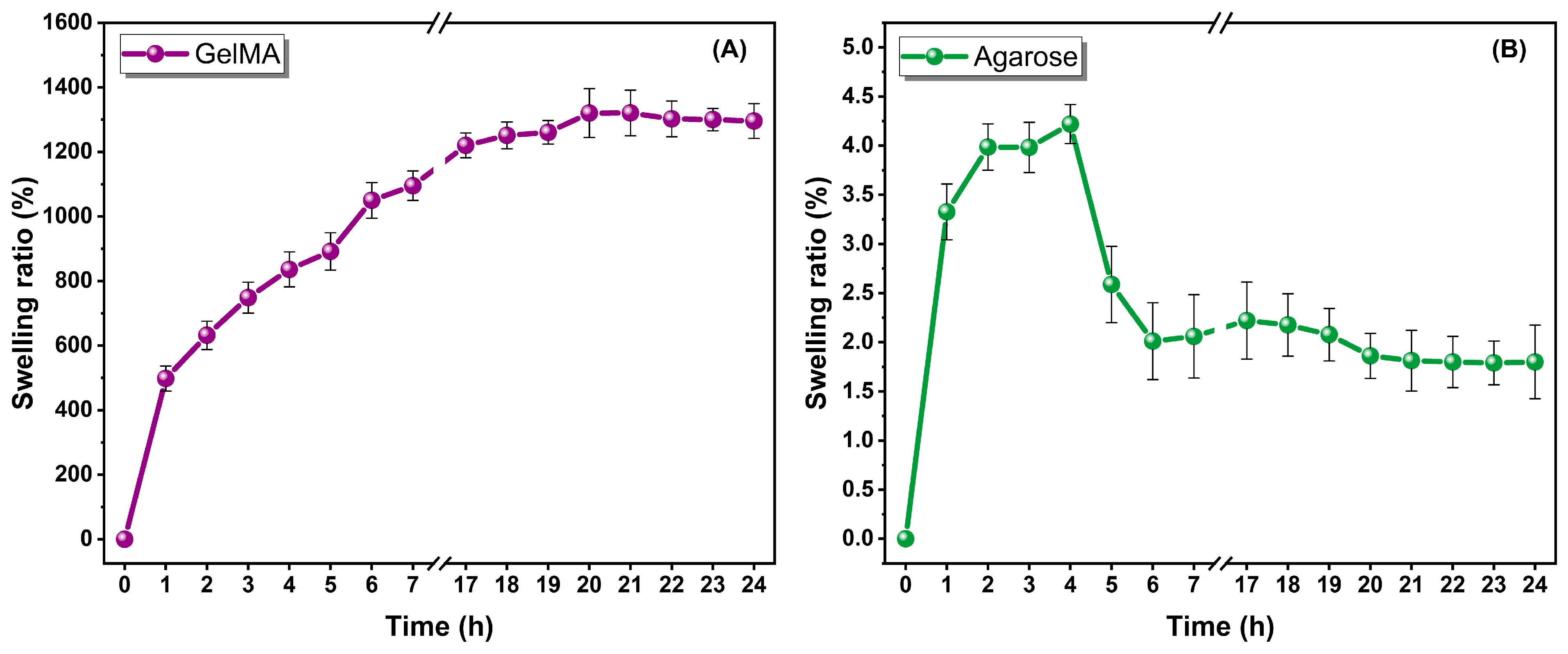
2.3.1. Swelling Behavior: Network Architecture and Water Uptake Dynamics
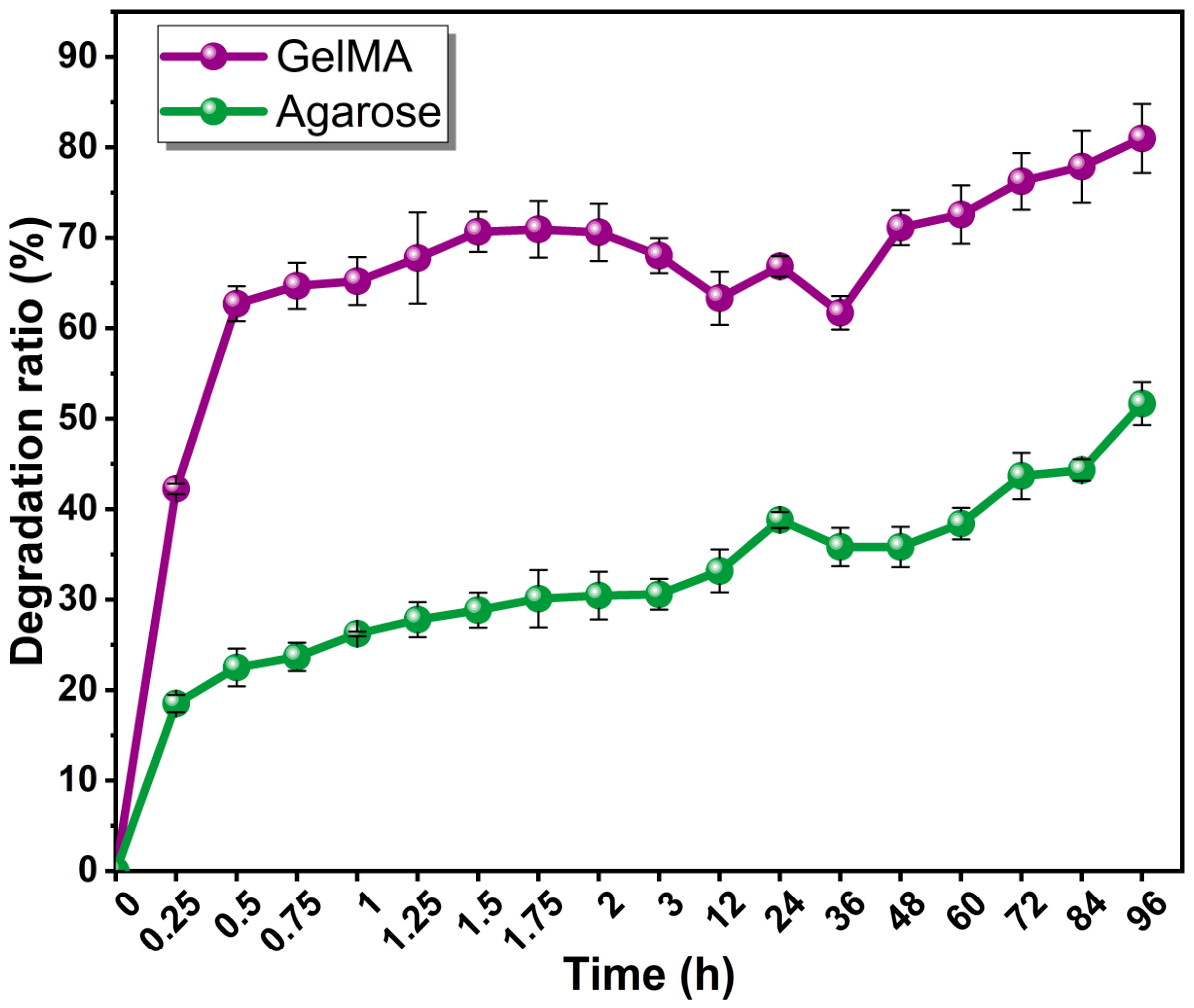
2.3.2. Degradation Behavior: Stability and Network Integrity
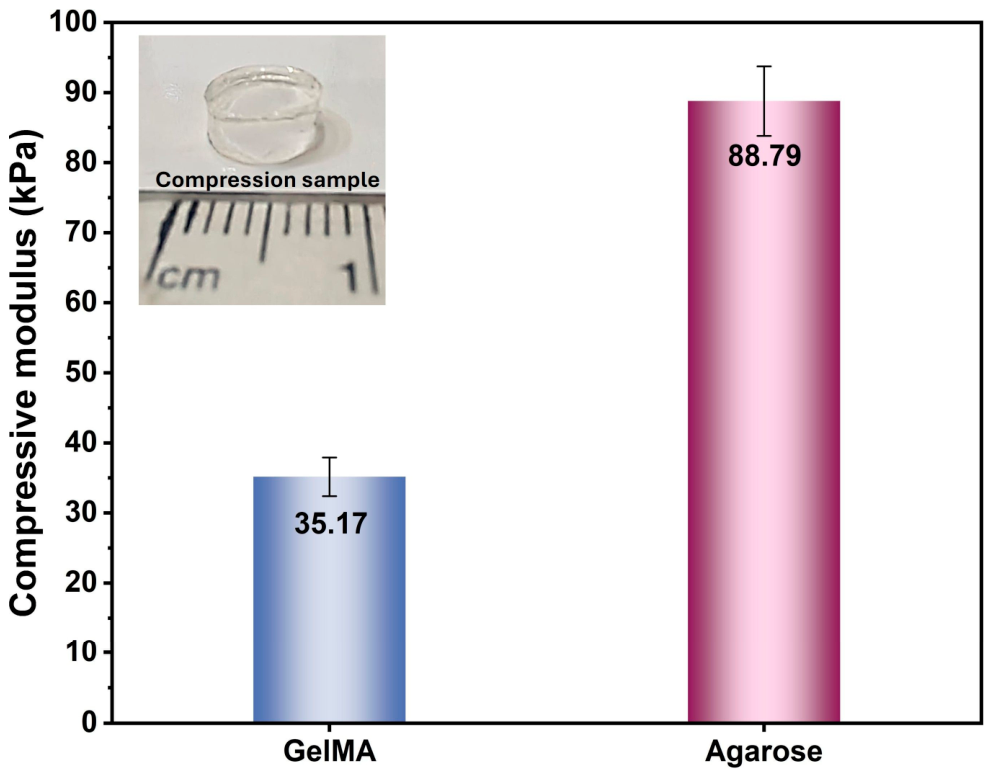
2.4. Hydrogel Stiffness and Textural Properties
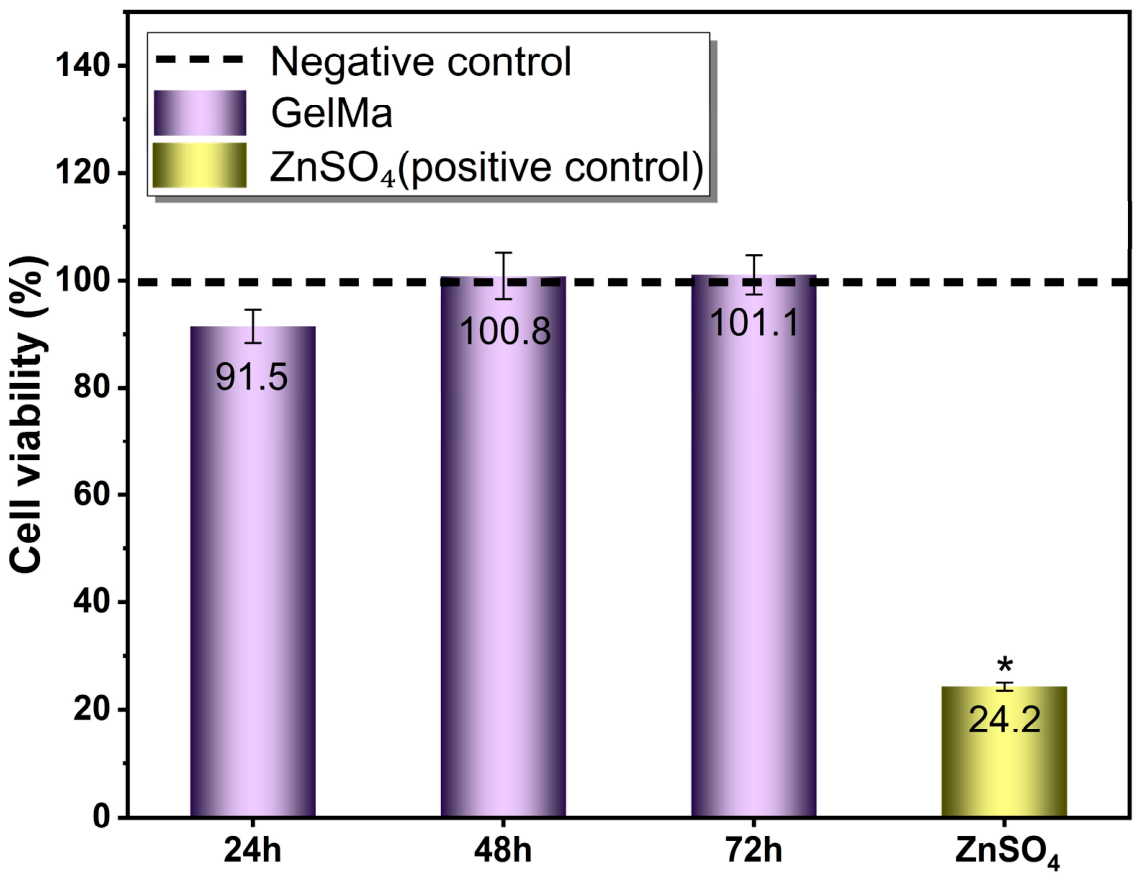
2.5. Cytotoxicity Assessment of GelMA Extracts
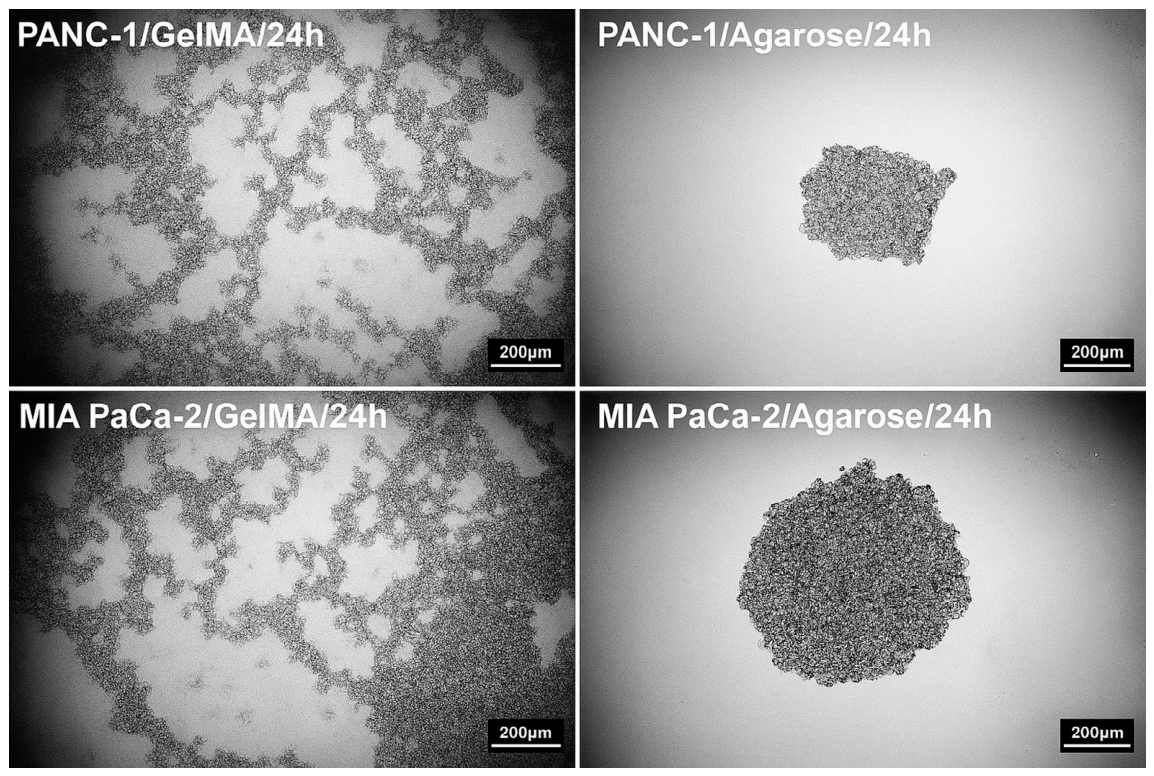
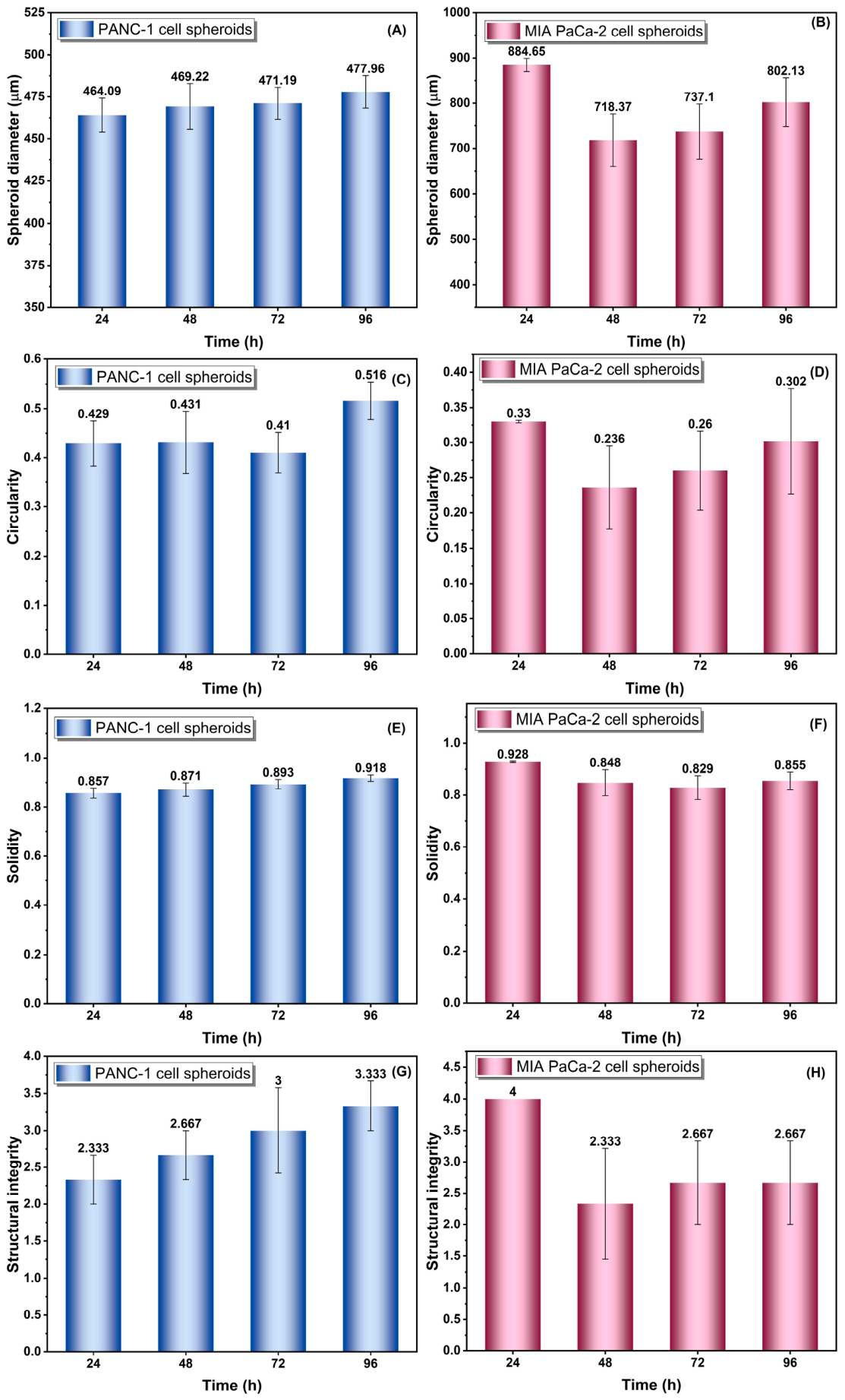
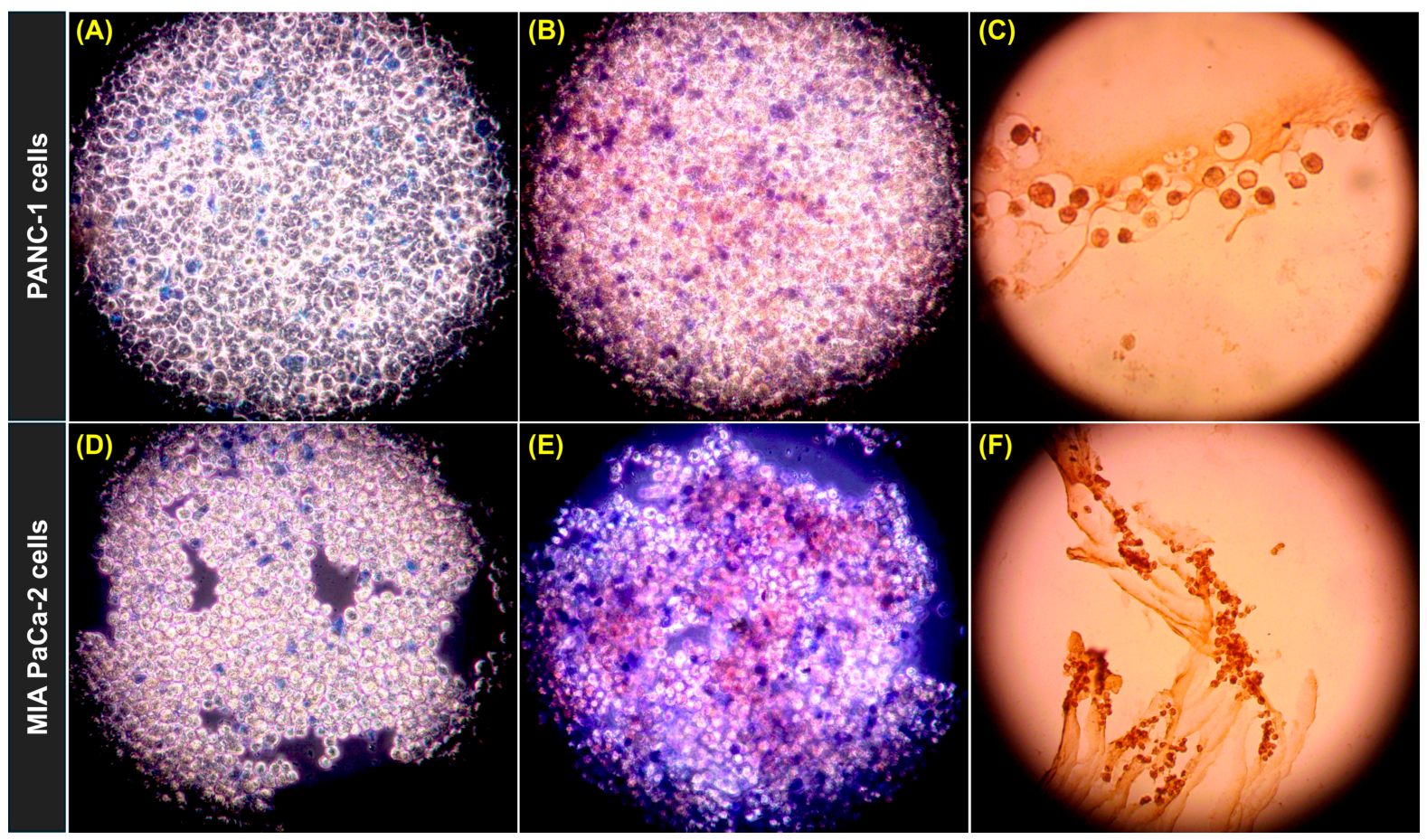
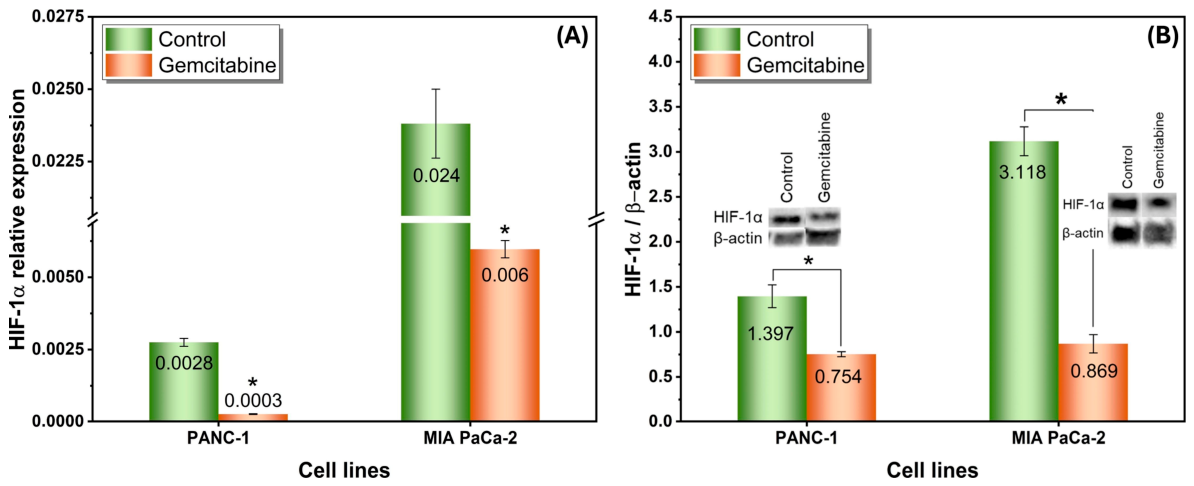
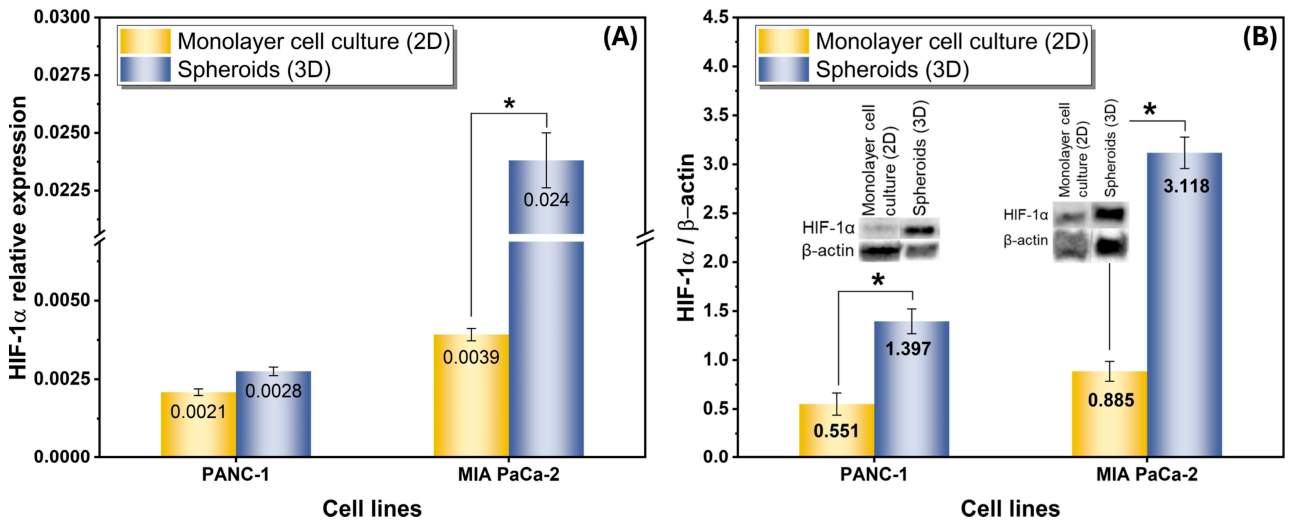
2.6. Spheroid Formation, Morphological Characterization, and Hypoxia-Associated HIF-1α Expression
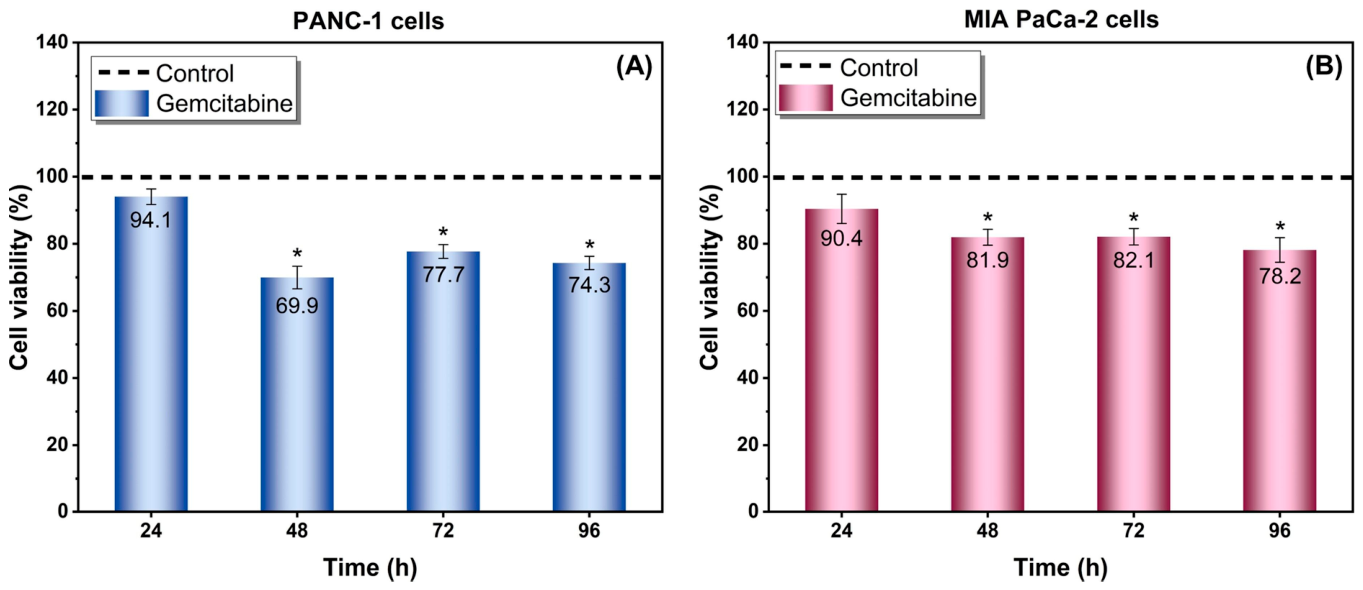
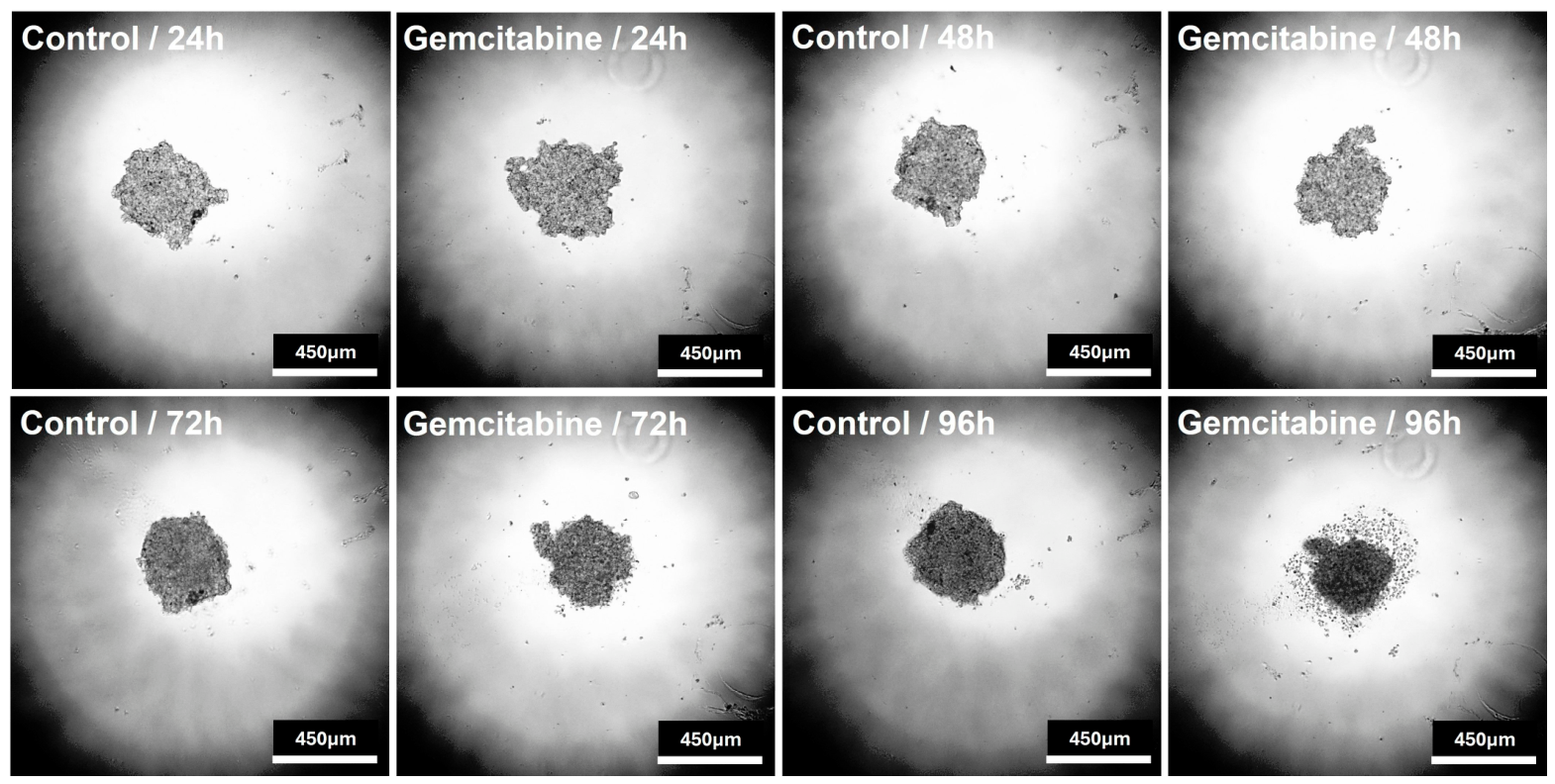
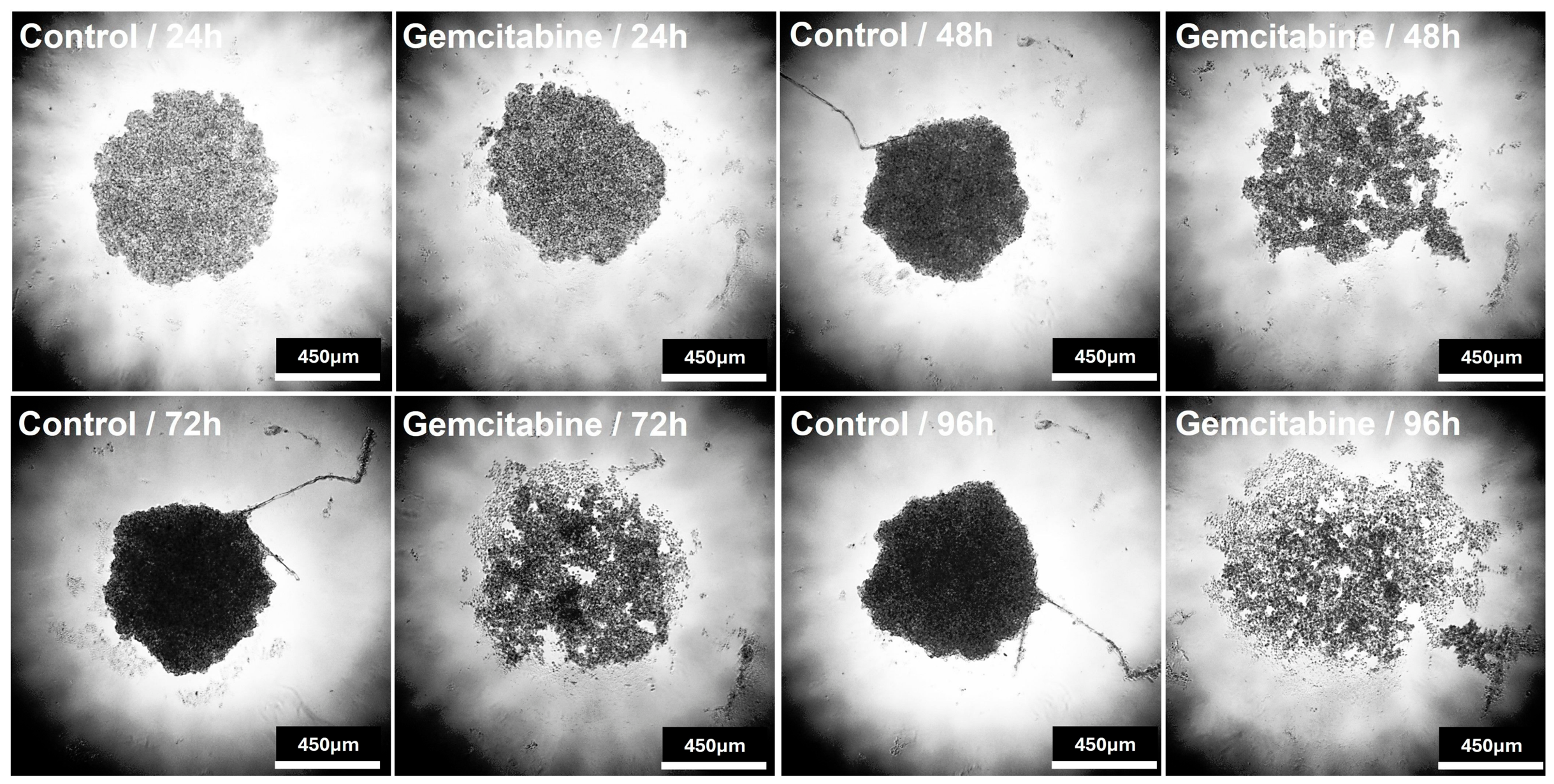
2.7. Gemcitabine Response and Hypoxia-Driven Drug Resistance in 3D Pancreatic Cancer Spheroids
2.8. Study Limitations and Future Perspectives
3. Conclusions
4. Materials and Methods
4.1. Materials
4.2. Synthesis and Photocrosslinking of GelMA Hydrogels
4.3. Preparation of Agarose Hydrogels
4.4. FTIR and 1H NMR Analysis of Hydrogels
4.5. Swelling and Degradation Assessment
4.6. Mechanical and Textural Characterization of Hydrogels
4.7. Cell Culture
4.8. Spheroid Formation, Cell Seeding Optimization and Quantitative Morphological Analysis
4.9. Evaluation of GelMA Cytotoxicity via MEM Elution Assay
4.10. Viability, Metabolic Activity, and Proliferation Analysis of Spheroids
4.10.1. Trypan Blue Staining
4.10.2. Neutral Red Staining
4.10.3. Ki-67 Immunohistochemical Analysis
4.11. Quantitative Real-Time PCR (qPCR) Analysis
4.12. Gemcitabine Treatment and Viability Assessment
4.13. Statistical Analysis
Supplementary Materials
Author Contributions
Funding
Institutional Review Board Statement
Informed Consent Statement
Data Availability Statement
Acknowledgments
Conflicts of Interest
Abbreviations
| GelMA | Gelatin metacryloyl |
| GEM | Gemcitabine |
| LAP | Lithium phenyl-2,4,6-trimethylbenzoylphosphinate |
| PBS | Phosphate-buffered saline |
| AB | Alamar Blue |
| DAB | 3,3′-Diaminobenzidine |
| DoM | Degree of Methacrylation |
| FBS | Fetal Bovine Serum |
| HIF-1α | Hypoxia-Inducible Factor-1 Alpha |
| qPCR | Quantitative Real-Time Polymerase Chain Reaction |
| 1H-NMR | Proton Nuclear Magnetic Resonance |
| FT-IR | Fourier Transform Infrared Spectroscopy |
| PDAC | Pancreatic Ductal Adenocarcinoma |
References
- Bray, F.; Ferlay, J.; Soerjomataram, I.; Siegel, R.L.; Torre, L.A.; Jemal, A. Global cancer statistics 2018: GLOBOCAN estimates of incidence and mortality worldwide for 36 cancers in 185 countries. CA Cancer J. Clin. 2018, 68, 394–424. [Google Scholar] [CrossRef]
- Aier, I.; Semwal, R.; Sharma, A.; Varadwaj, P.K. A systematic assessment of statistics, risk factors, and underlying features involved in pancreatic cancer. Cancer Epidemiol. 2019, 58, 104–110. [Google Scholar] [CrossRef]
- Yamada, K.M.; Cukierman, E. Modeling tissue morphogenesis and cancer in 3D. Cell 2007, 130, 601–610. [Google Scholar] [CrossRef]
- Breslin, S.; O’Driscoll, L. Three-dimensional cell culture: The missing link in drug discovery. Drug Discov. Today 2013, 18, 240–249. [Google Scholar] [CrossRef]
- Bissell, M.J.; Rizki, A.; Mian, I.S. Tissue architecture: The ultimate regulator of breast epithelial function. Curr. Opin. Cell Biol. 2003, 15, 753–762. [Google Scholar] [CrossRef] [PubMed]
- Baker, B.M.; Chen, C.S. Deconstructing the third dimension–how 3D culture microenvironments alter cellular cues. J. Cell Sci. 2012, 125, 3015–3024. [Google Scholar] [CrossRef] [PubMed]
- Engler, A.J.; Sen, S.; Sweeney, H.L.; Discher, D.E. Matrix elasticity directs stem cell lineage specification. Cell 2006, 126, 677–689. [Google Scholar] [CrossRef]
- Fischbach, C.; Chen, R.; Matsumoto, T.; Schmelzle, T.; Brugge, J.S.; Polverini, P.J.; Mooney, D.J. Engineering tumors with 3D scaffolds. Nat. Methods 2007, 4, 855–860. [Google Scholar] [CrossRef]
- Gilbert, P.M.; Havenstrite, K.L.; Magnusson, K.E.; Sacco, A.; Leonardi, N.A.; Kraft, P.; Nguyen, N.K.; Thrun, S.; Lutolf, M.P.; Blau, H.M. Substrate elasticity regulates skeletal muscle stem cell self-renewal in culture. Science 2010, 329, 1078–1081. [Google Scholar] [CrossRef] [PubMed]
- Pampaloni, F.; Reynaud, E.G.; Stelzer, E.H. The third dimension bridges the gap between cell culture and live tissue. Nat. Rev. Mol. Cell Biol. 2007, 8, 839–845. [Google Scholar] [CrossRef]
- Kapałczyńska, M.; Kolenda, T.; Przybyła, W.; Zajączkowska, M.; Teresiak, A.; Filas, V.; Ibbs, M.; Bliźniak, R.; Łuczewski, Ł.; Lamperska, K. 2D and 3D cell cultures–a comparison of different types of cancer cell cultures. Arch. Med. Sci. 2018, 14, 910–919. [Google Scholar] [CrossRef]
- Huh, D.; Hamilton, G.A.; Ingber, D.E. From 3D cell culture to organs-on-chips. Trends Cell Biol. 2011, 21, 745–754. [Google Scholar] [CrossRef]
- Hickman, J.A.; Graeser, R.; de Hoogt, R.; Vidic, S.; Brito, C.; Gutekunst, M.; van der Kuip, H. Three-dimensional models of cancer for pharmacology and cancer cell biology: Capturing tumor complexity in vitro/ex vivo. Biotechnol. J. 2014, 9, 1115–1128. [Google Scholar] [CrossRef]
- Ravi, M.; Ramesh, A.; Pattabhi, A. Contributions of 3D cell cultures for cancer research. J. Cell. Physiol. 2017, 232, 2679–2697. [Google Scholar] [CrossRef] [PubMed]
- Cacciamali, A.; Villa, R.; Dotti, S. 3D cell cultures: Evolution of an ancient tool for new applications. Front. Physiol. 2022, 13, 836480. [Google Scholar] [CrossRef] [PubMed]
- Friedrich, J.; Seidel, C.; Ebner, R.; Kunz-Schughart, L.A. Spheroid-based drug screen: Considerations and practical approach. Nat. Protoc. 2009, 4, 309–324. [Google Scholar] [CrossRef]
- Kelm, J.M.; Timmins, N.E.; Brown, C.J.; Fussenegger, M.; Nielsen, L.K. Method for generation of homogeneous multicellular tumor spheroids applicable to a wide variety of cell types. Biotechnol. Bioeng. 2003, 83, 173–180. [Google Scholar] [CrossRef]
- Monico, D.A.; Calori, I.R.; Souza, C.; Espreafico, E.M.; Bi, H.; Tedesco, A.C. Melanoma spheroid-containing artificial dermis as an alternative approach to in vivo models. Exp. Cell Res. 2022, 417, 113207. [Google Scholar] [CrossRef]
- Van Den Bulcke, A.I.; Bogdanov, B.; De Rooze, N.; Schacht, E.H.; Cornelissen, M.; Berghmans, H. Structural and rheological properties of methacrylamide modified gelatin hydrogels. Biomacromolecules 2000, 1, 31–38. [Google Scholar] [CrossRef] [PubMed]
- Ermis, M.; Falcone, N.; De Barros, N.R.; Mecwan, M.; Haghniaz, R.; Choroomi, A.; Monirizad, M.; Lee, Y.; Song, J.; Cho, H.-J. Tunable hybrid hydrogels with multicellular spheroids for modeling desmoplastic pancreatic cancer. Bioact. Mater. 2023, 25, 360–373. [Google Scholar] [CrossRef]
- Giustarini, G.; Teng, G.; Pavesi, A.; Adriani, G. Characterization of 3D heterocellular spheroids of pancreatic ductal adenocarcinoma for the study of cell interactions in the tumor immune microenvironment. Front. Oncol. 2023, 13, 1156769. [Google Scholar] [CrossRef]
- Piłat, E.; Kurdyn, A.; Kucińska-Lipka, J. Naturally-derived hydrogels for 3D pancreatic tumor models: A short review. Polym. Renew. Resour. 2023, 14, 279–288. [Google Scholar] [CrossRef]
- Walker, M.; Morton, J. Hydrogel models of pancreatic adenocarcinoma to study cell mechanosensing. Biophys. Rev. 2024, 16, 851–870. [Google Scholar] [CrossRef]
- Kong, J.; Yu, S. Fourier transform infrared spectroscopic analysis of protein secondary structures. Acta Biochim. Biophys. Sin. 2007, 39, 549–559. [Google Scholar] [CrossRef]
- Das, M.P.; Suguna, P.; Prasad, K.; Vijaylakshmi, J.; Renuka, M. Extraction and characterization of gelatin: A functional biopolymer. Int. J. Pharm. Pharm. Sci. 2017, 9, 239. [Google Scholar] [CrossRef]
- Yue, K.; Trujillo-de Santiago, G.; Alvarez, M.M.; Tamayol, A.; Annabi, N.; Khademhosseini, A. Synthesis, properties, and biomedical applications of gelatin methacryloyl (GelMA) hydrogels. Biomaterials 2015, 73, 254–271. [Google Scholar] [CrossRef]
- Nichol, J.W.; Koshy, S.T.; Bae, H.; Hwang, C.M.; Yamanlar, S.; Khademhosseini, A. Cell-laden microengineered gelatin methacrylate hydrogels. Biomaterials 2010, 31, 5536–5544. [Google Scholar] [CrossRef] [PubMed]
- Caliari, S.R.; Burdick, J.A. A practical guide to hydrogels for cell culture. Nat. Methods 2016, 13, 405–414. [Google Scholar] [CrossRef]
- Normand, V.; Lootens, D.L.; Amici, E.; Plucknett, K.P.; Aymard, P. New insight into agarose gel mechanical properties. Biomacromolecules 2000, 1, 730–738. [Google Scholar] [CrossRef] [PubMed]
- Ahearne, M. Introduction to cell–hydrogel mechanosensing. Interface Focus 2014, 4, 20130038. [Google Scholar] [CrossRef]
- Zarrintaj, P.; Manouchehri, S.; Ahmadi, Z.; Saeb, M.R.; Urbanska, A.M.; Kaplan, D.L.; Mozafari, M. Agarose-based biomaterials for tissue engineering. Carbohydr. Polym. 2018, 187, 66–84. [Google Scholar] [CrossRef]
- Edmondson, R.; Broglie, J.J.; Adcock, A.F.; Yang, L. Three-dimensional cell culture systems and their applications in drug discovery and cell-based biosensors. Assay Drug Dev. Technol. 2014, 12, 207–218. [Google Scholar]
- Shahidi, S.; Janmaleki, M.; Riaz, S.; Nezhad, A.S.; Syed, N. A tuned gelatin methacryloyl (GelMA) hydrogel facilitates myelination of dorsal root ganglia neurons in vitro. Mater. Sci. Eng. C 2021, 126, 112131. [Google Scholar]
- Lu, C.; Zheng, J.; Yoshitomi, T.; Kawazoe, N.; Yang, Y.; Chen, G. How hydrogel stiffness affects adipogenic differentiation of mesenchymal stem cells under controlled morphology. ACS Appl. Bio Mater. 2023, 6, 3441–3450. [Google Scholar] [CrossRef] [PubMed]
- Smirnov, V.; Khramova, D.; Chistiakova, E.; Zueva, N.; Vityazev, F.; Velskaya, I.; Popov, S. Texture perception and chewing of agar gel by people with different sensitivity to hardness. Gels 2024, 11, 5. [Google Scholar] [CrossRef]
- ISO 10993–5: 2009; Biological Evaluation of Medical Devices—Part 5: Tests for In Vitro Cytotoxicity. International Organization for Standardization: Geneva, Switzerland, 2009; 34p.
- Gumushan Aktas, H.; Celik, Z.; Ergin, B.; Gencdal, S.; Aslan, M.; Aktas, B.; Yalcin, S. Bio-based gelatin composites reinforced with aloe vera, eggshell protein, and loofah for enhanced wound healing. J. Biomater. Sci. Polym. Ed. 2025, 1–26. [Google Scholar] [CrossRef]
- Aktas, H.G.; Das, R.; Aktas, B.; Uyar, E.; Yalcin, S.; Celik, Z.; Ergin, B.; Ulas, E.O. Impact of Calcium Silicate and Titanium Dioxide Co-Doping on the Microstructure and Bioactivity of 3D-Printed 3Y-ZrO2 Ceramics. Ceram. Int. 2025, 51, 60666–60682. [Google Scholar]
- Hirschhaeuser, F.; Menne, H.; Dittfeld, C.; West, J.; Mueller-Klieser, W.; Kunz-Schughart, L.A. Multicellular tumor spheroids: An underestimated tool is catching up again. J. Biotechnol. 2010, 148, 3–15. [Google Scholar] [CrossRef] [PubMed]
- Wen, Z.; Liao, Q.; Hu, Y.; You, L.; Zhou, L.; Zhao, Y. A spheroid-based 3-D culture model for pancreatic cancer drug testing, using the acid phosphatase assay. Braz. J. Med. Biol. Res. 2013, 46, 634–642. [Google Scholar] [CrossRef]
- Ware, M.J.; Colbert, K.; Keshishian, V.; Ho, J.; Corr, S.J.; Curley, S.A.; Godin, B. Generation of homogenous three-dimensional pancreatic cancer cell spheroids using an improved hanging drop technique. Tissue Eng. Part C Methods 2016, 22, 312–321. [Google Scholar] [CrossRef]
- Subia, B.; Patel, A.; Nathwani, S.; Ghoshdastidar, K.; Jain, M.; Viswanathan, K. Simulating tumor complexity: 3D pancreatic tumor spheroid model for improved drug screening. Hum. Cell 2025, 38, 149. [Google Scholar] [CrossRef]
- Semenza, G.L. Hypoxia-inducible factors in physiology and medicine. Cell 2012, 148, 399–408. [Google Scholar] [CrossRef]
- Thongrom, B.; Tang, P.; Arora, S.; Haag, R. Polyglycerol-Based Hydrogel as Versatile Support Matrix for 3D Multicellular Tumor Spheroid Formation. Gels 2023, 9, 938. [Google Scholar] [CrossRef]
- Kim, S.; Lam, P.Y.; Jayaraman, A.; Han, A. Uniform sized cancer spheroids production using hydrogel-based droplet microfluidics: A review. Biomed. Microdevices 2024, 26, 26. [Google Scholar] [CrossRef]
- Amrutkar, M.; Gladhaug, I.P. Pancreatic cancer chemoresistance to gemcitabine. Cancers 2017, 9, 157. [Google Scholar] [CrossRef]
- Zanoni, M.; Piccinini, F.; Arienti, C.; Zamagni, A.; Santi, S.; Polico, R.; Bevilacqua, A.; Tesei, A. 3D tumor spheroid models for in vitro therapeutic screening: A systematic approach to enhance the biological relevance of data obtained. Sci. Rep. 2016, 6, 19103. [Google Scholar] [CrossRef] [PubMed]
- Aktas, H.G. Chemotherapeutic Drug Delivery from 3D-Printed Biodegradable Polymer for Breast Cancer Treatment. Commagene J. Biol. 2025, 9, 103–111. [Google Scholar] [CrossRef]
- Peppas, N.A.; Merrill, E.W. Crosslinked poly (vinyl alcohol) hydrogels as swollen elastic networks. J. Appl. Polym. Sci. 1977, 21, 1763–1770. [Google Scholar] [CrossRef]
- Richbourg, N.R.; Peppas, N.A. The swollen polymer network hypothesis: Quantitative models of hydrogel swelling, stiffness, and solute transport. Prog. Polym. Sci. 2020, 105, 101243. [Google Scholar] [CrossRef]
- Melik, H.; Yalcin, S.; Aktas, B.; Aktas, H.G.; Uyar, E.; Celik, Z.; Ergin, B.; Demircan, G.; Balak, M.V. Three-Dimensionally Printed HEMA–TRIS Hydrogel Contact Lenses with Optimized Optical, Mechanical, and Antibacterial Performance. J. Appl. Polym. Sci. 2026, 143, e70277. [Google Scholar] [CrossRef]
- ISO 10993-12: 2021; Biological Evaluation of Medical Devices—Part 12: Sample Preparation and Reference Materials. International Organization for Standardization: Geneva, Switzerland, 2021.
- Qiu, H.; Chen, F.; Chen, M. MicroRNA-138 negatively regulates the hypoxia-inducible factor 1α to suppress melanoma growth and metastasis. Biol. Open 2019, 8, bio042937. [Google Scholar] [CrossRef] [PubMed]
- Livak, K.J.; Schmittgen, T.D. Analysis of relative gene expression data using real-time quantitative PCR and the 2−ΔΔCT method. Methods 2001, 25, 402–408. [Google Scholar] [CrossRef] [PubMed]
- Rampersad, S.N. Multiple applications of Alamar Blue as an indicator of metabolic function and cellular health in cell viability bioassays. Sensors 2012, 12, 12347–12360. [Google Scholar] [CrossRef] [PubMed]









| Samples | Hardness (N) | Adhesiveness (N·s) | Springiness | Cohesiveness |
|---|---|---|---|---|
| Agarose | 7.01 | −1.41 | 0.99 | 0.30 |
| GelMA | 1.65 | 0 (Non-adhesive) | 1.00 | 1.00 |
Disclaimer/Publisher’s Note: The statements, opinions and data contained in all publications are solely those of the individual author(s) and contributor(s) and not of MDPI and/or the editor(s). MDPI and/or the editor(s) disclaim responsibility for any injury to people or property resulting from any ideas, methods, instructions or products referred to in the content. |
© 2026 by the authors. Licensee MDPI, Basel, Switzerland. This article is an open access article distributed under the terms and conditions of the Creative Commons Attribution (CC BY) license.
Share and Cite
Celik, Z.; Gumushan Aktas, H.; Aktas, B.; Yalcin, S. GelMA Versus Agarose Hydrogels in Pancreatic Cancer 3D Spheroid Modeling: Effects on Morphology, HIF-1α Expression, and Gemcitabine Response. Gels 2026, 12, 377. https://doi.org/10.3390/gels12050377
Celik Z, Gumushan Aktas H, Aktas B, Yalcin S. GelMA Versus Agarose Hydrogels in Pancreatic Cancer 3D Spheroid Modeling: Effects on Morphology, HIF-1α Expression, and Gemcitabine Response. Gels. 2026; 12(5):377. https://doi.org/10.3390/gels12050377
Chicago/Turabian StyleCelik, Zeynep, Hatice Gumushan Aktas, Bulent Aktas, and Serife Yalcin. 2026. "GelMA Versus Agarose Hydrogels in Pancreatic Cancer 3D Spheroid Modeling: Effects on Morphology, HIF-1α Expression, and Gemcitabine Response" Gels 12, no. 5: 377. https://doi.org/10.3390/gels12050377
APA StyleCelik, Z., Gumushan Aktas, H., Aktas, B., & Yalcin, S. (2026). GelMA Versus Agarose Hydrogels in Pancreatic Cancer 3D Spheroid Modeling: Effects on Morphology, HIF-1α Expression, and Gemcitabine Response. Gels, 12(5), 377. https://doi.org/10.3390/gels12050377