



Tannin-Rich Chestnut and Persimmon Extracts in Puddings: Gelation, Proteins, and Antioxidant Activity

Abstract
1. Introduction
2. Results and Discussion
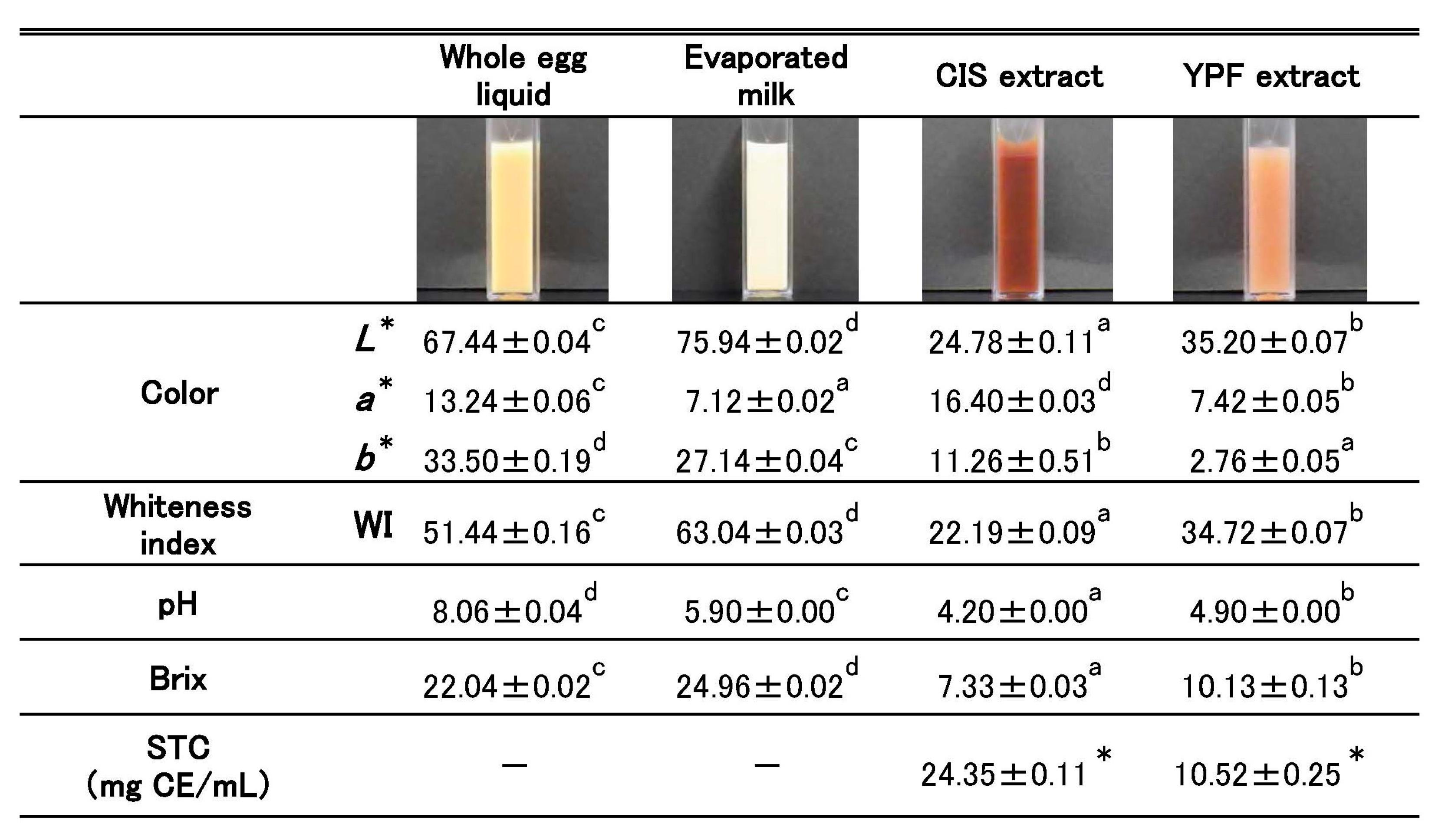
2.1. Characteristics of Pudding Materials
2.1.1. Color
2.1.2. pH
2.1.3. Brix
2.1.4. STC of CIS and YPF Extracts
2.2. Pudding Quality Evaluation
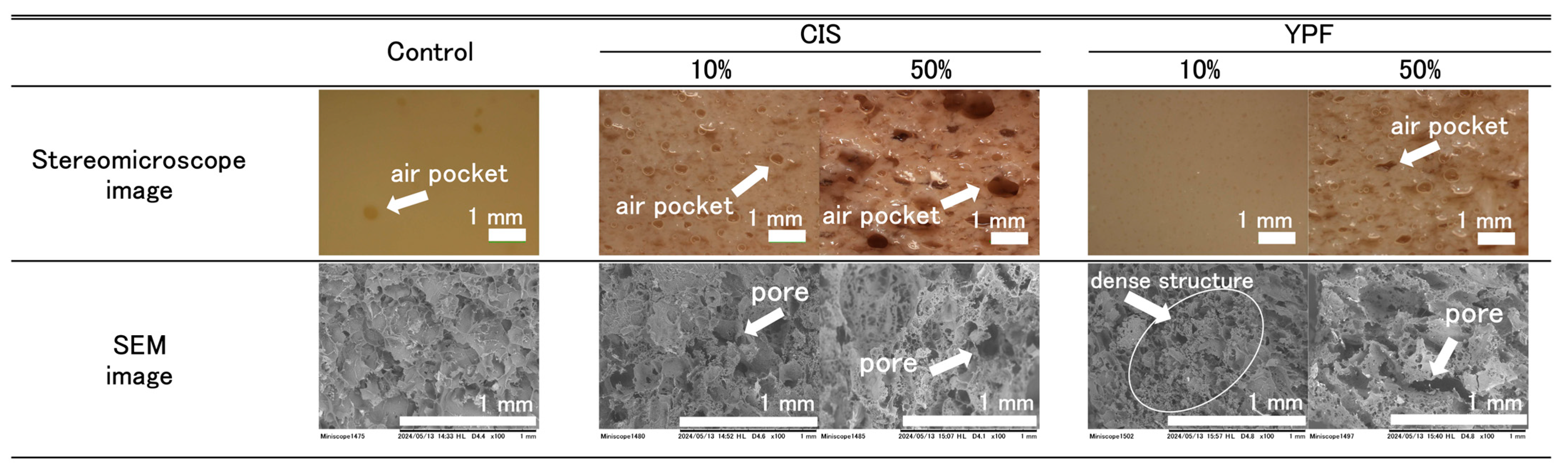
2.2.1. Stereomicroscopic Observation of Bubbles in Pudding Mixture
2.2.2. Static Viscosity of Pudding Mixtures
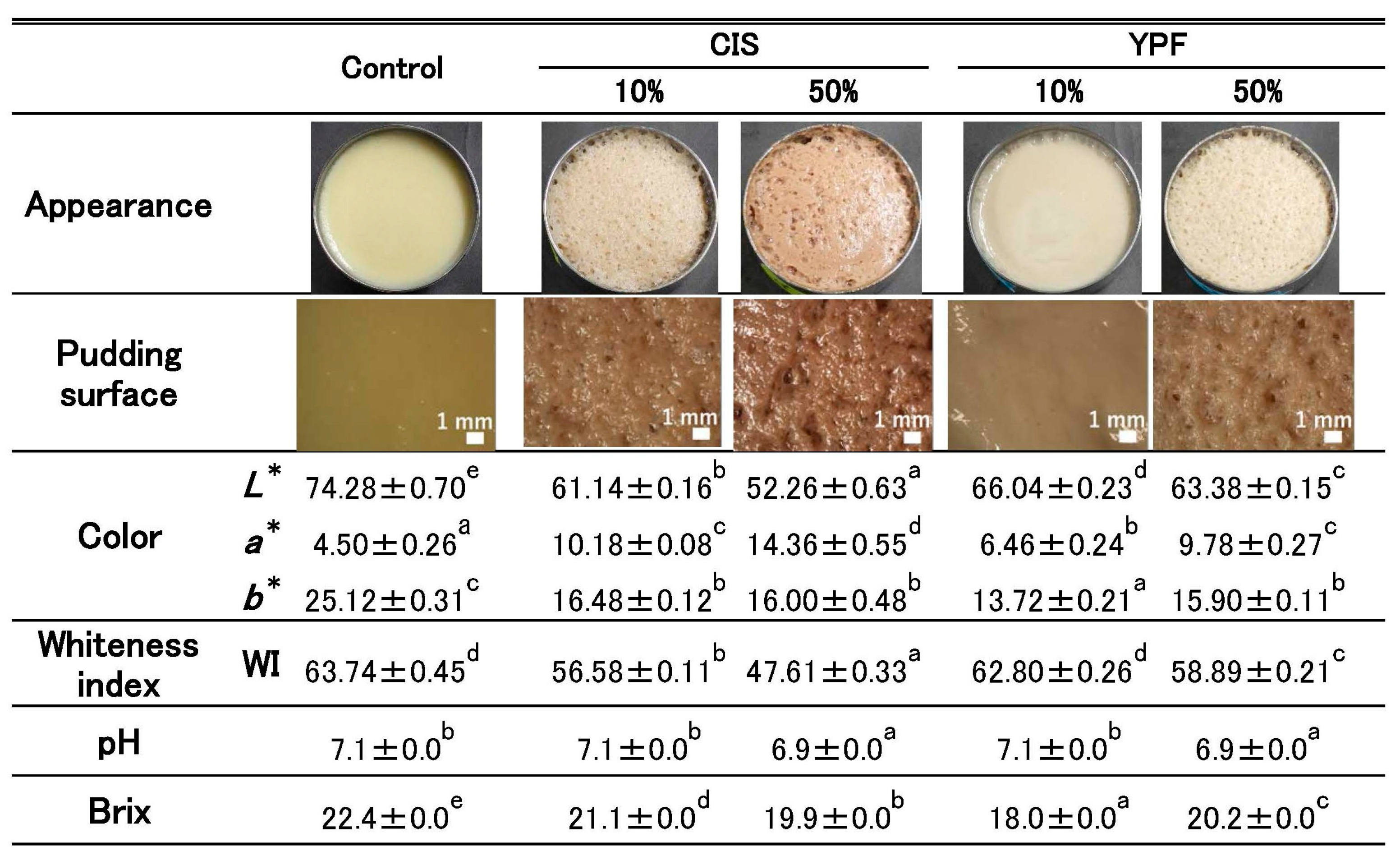
2.2.3. Surface Appearance and Physicochemical Properties of Pudding Gels
2.2.4. Cross-Sectional Structural Observation of Pudding Gels
2.2.5. Density of Pudding Mixtures and Gels
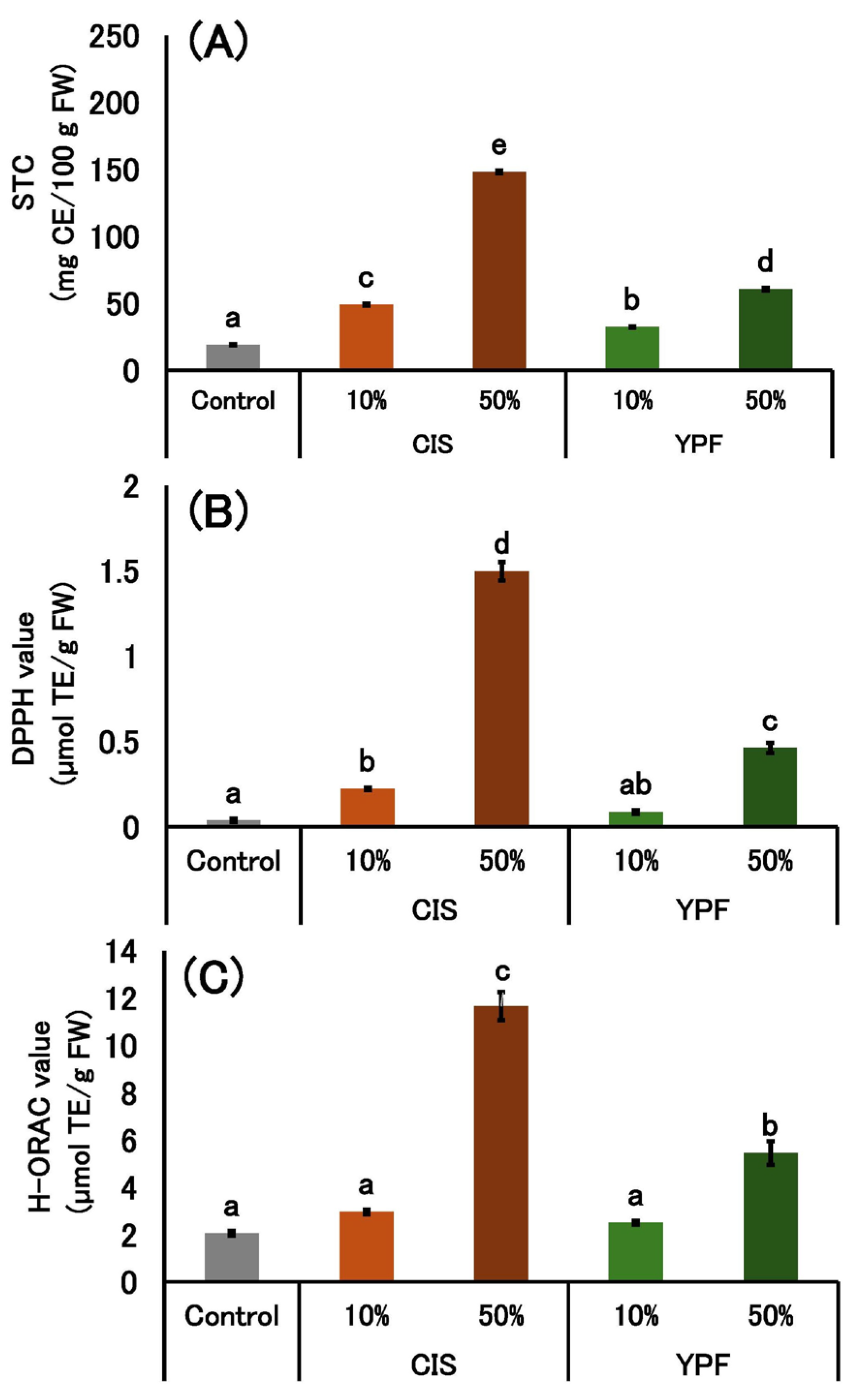
2.2.6. Soluble Tannin Content and Antioxidant Activity of Pudding Gels
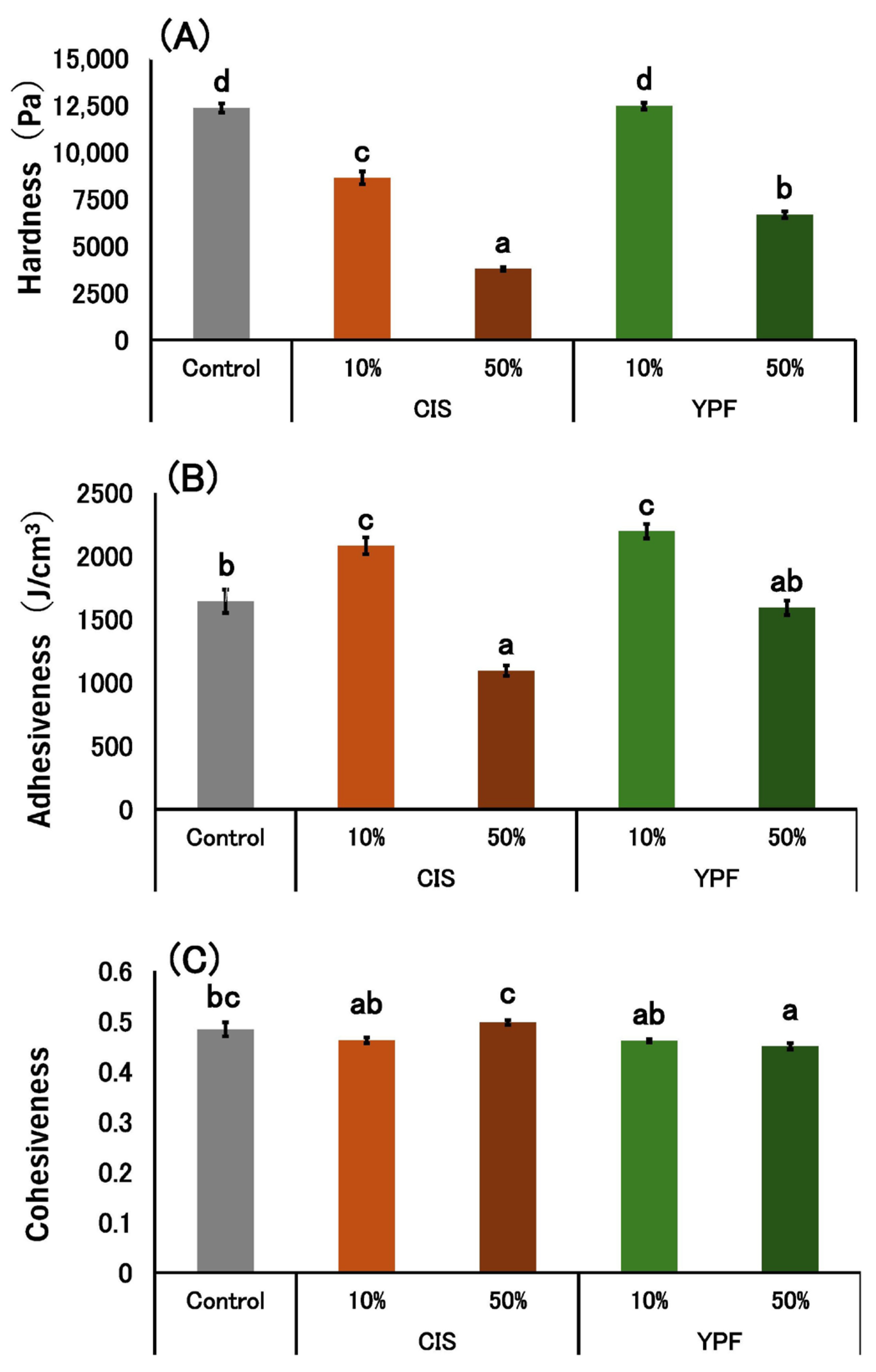
2.2.7. Texture Measurement of Pudding Gels
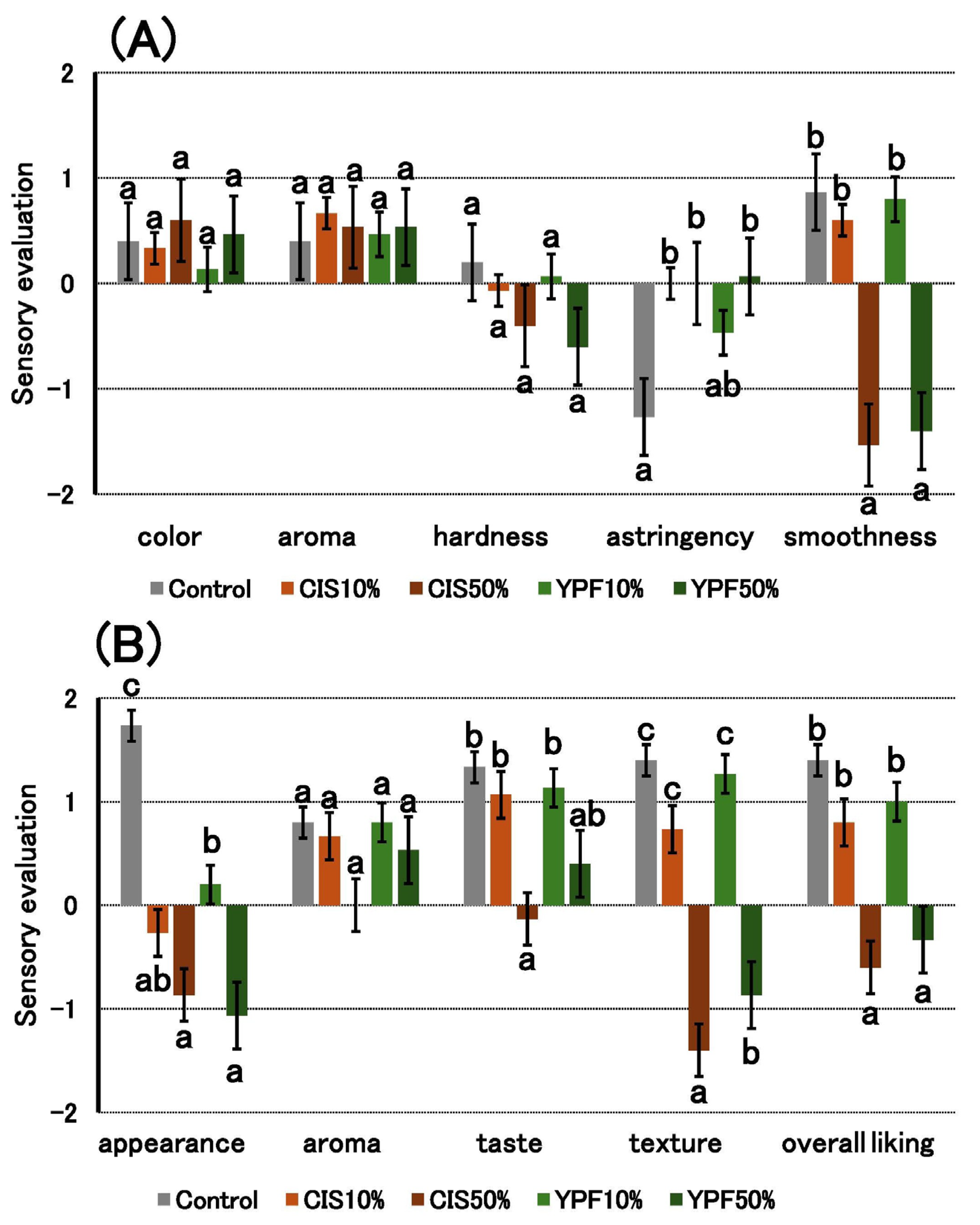
2.2.8. Sensory Analysis
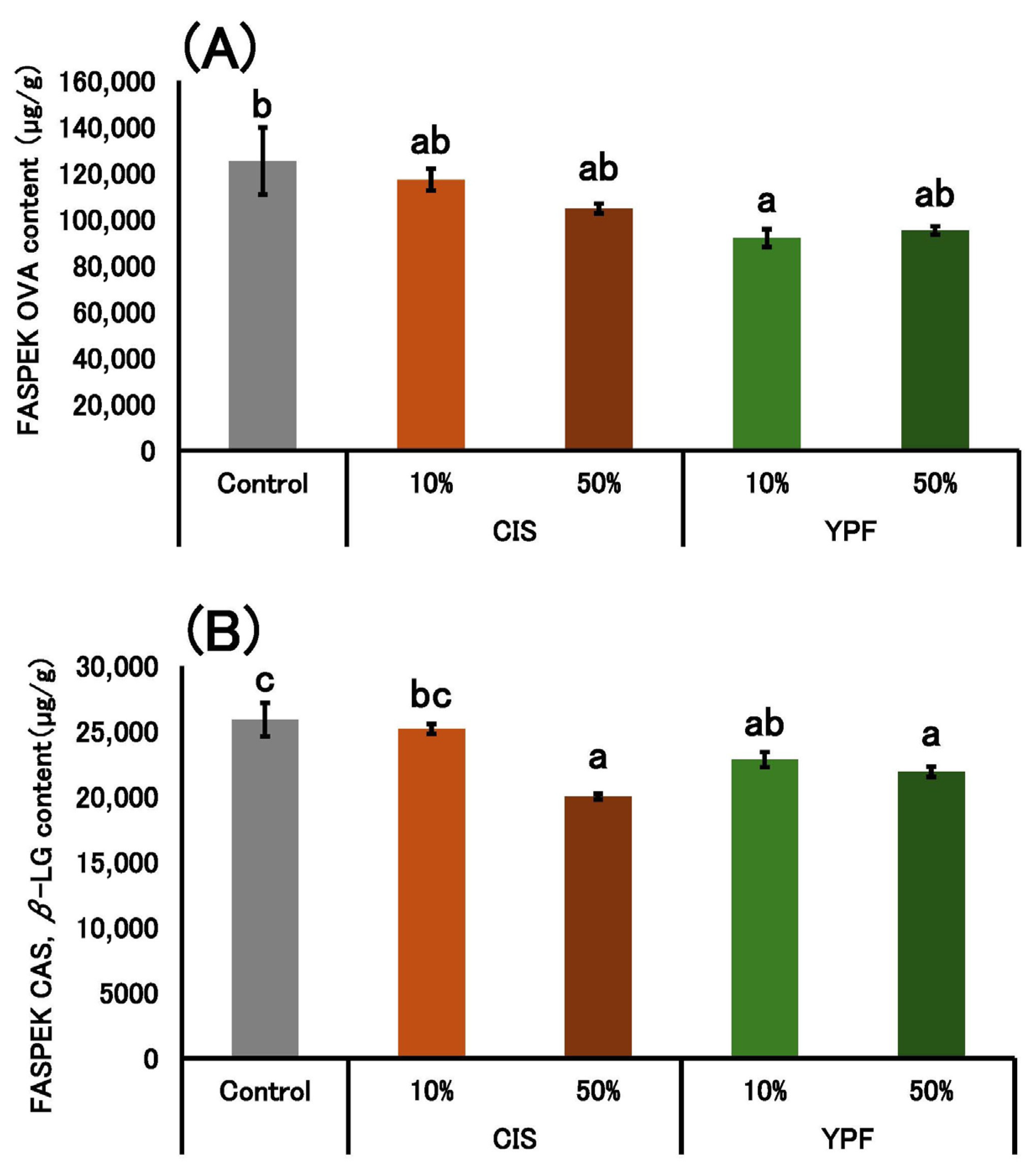
2.3. Determination of OVA, CAS, and β-LG Concentrations in the Pudding Gels
2.4. Discussion
3. Conclusions
4. Materials and Methods
4.1. Materials
4.2. Preparation of Pudding
4.3. Characterization of Pudding Materials
4.3.1. Measurement of Color, pH, and Brix
4.3.2. Density and Soluble Tannin Content of the Extracts
4.4. Pudding Mixture and Gel Quality Evaluation
4.4.1. Stereomicroscopic Observation of Bubbles in the Pudding Mixture
4.4.2. Determination of Static Viscosity
4.4.3. Observation of Pudding Gel Appearance and Surface, and Measurement of Color
4.4.4. Microstructural Analysis of Pudding Gels
4.4.5. Determination of the pH and Brix of Pudding Gels
4.4.6. Density Determination for Pudding Mixtures and Gels
4.4.7. Texture Analysis
4.4.8. Sensory Evaluation
4.4.9. Determination of Soluble Tannin Content and Antioxidant Activity
4.5. Quantification of Allergenic Proteins (OVA, CAS, β-LG) in Pudding Gels
4.6. Statistical Analysis
Author Contributions
Funding
Institutional Review Board Statement
Informed Consent Statement
Data Availability Statement
Acknowledgments
Conflicts of Interest
References
- Capanoglu, E.; Nemli, E.; Tomas-Barberan, F. Novel approaches in the valorization of agricultural wastes and their applications. J. Agric. Food Chem. 2022, 70, 6787–6804. [Google Scholar] [CrossRef] [Scilit]
- Pinto, G.; De Pascale, S.; Aponte, M.; Scaloni, A.; Addeo, F.; Caira, S. Polyphenol profiling of chestnut pericarp, integument and curing water extracts to qualify these food by-products as a source of antioxidants. Molecules 2021, 26, 2335. [Google Scholar] [CrossRef] [Scilit]
- Sawabe, A.; Ohnishi, N.; Yoshioka, S.; Kusudo, K.; Kanno, K.; Watanabe, Y. Functional ingredients and food preservative in immature Persimmon “Tekka-Kaki”. Processes 2021, 9, 1989. [Google Scholar] [CrossRef] [Scilit]
- Tsurunaga, Y.; Arima, S.; Kumagai, S.; Morita, E. Low allergenicity in processed wheat flour products using tannins from agri-food wastes. Foods 2023, 12, 2722. [Google Scholar] [CrossRef] [Scilit] [PubMed]
- Tsurunaga, Y.; Ishigaki, M.; Takahashi, T.; Arima, S.; Kumagai, S.; Tsujii, Y.; Koyama, S. Effect of addition of tannin extract from underutilized resources on allergenic Proteins, Color and Textural Properties of Egg White Gels. Int. J. Mol. Sci. 2024, 25, 4124. [Google Scholar] [CrossRef] [Scilit]
- Han, X.; Shen, T.; Lou, H. Dietary polyphenols and their biological significance. Int. J. Mol. Sci. 2007, 8, 950–988. [Google Scholar] [CrossRef] [Scilit]
- Šamec, D.; Karalija, E.; Šola, I.; Vujčić Bok, V.; Salopek-Sondi, B. The role of polyphenols in abiotic stress response: The influence of molecular structure. Plants 2021, 10, 118. [Google Scholar] [CrossRef] [Scilit]
- Wang, X.; Qi, Y.; Zheng, H. Dietary polyphenol, gut microbiota, and health benefits. Antioxidants 2022, 11, 1212. [Google Scholar] [CrossRef] [Scilit] [PubMed]
- Molino, S.; Casanova, N.A.; Rufián Henares, J.Á.; Fernandez Miyakawa, M.E. Natural tannin wood extracts as a potential food ingredient in the food industry. J. Agric. Food Chem. 2019, 68, 2836–2848. [Google Scholar] [CrossRef] [Scilit] [PubMed]
- Ren, S.; Zhang, G.; Wang, Z.; Sun, F.; Cheng, T.; Wang, D.; Yang, H.; Wang, Z.; Guo, Z. Potentially texture-modified food for dysphagia: Gelling, rheological, and water fixation properties of rice starch–soybean protein composite gels in various ratios. Food Hydrocoll. 2024, 153, 110025. [Google Scholar] [CrossRef] [Scilit]
- Sun, Y.; Hayakawa, S.; Jiang, H.; Ogawa, M.; Izumori, K. Rheological characteristics of heat-induced custard pudding gels with high antioxidative activity. Biosci. Biotechnol. Biochem. 2006, 70, 2859–2867. [Google Scholar] [CrossRef] [Scilit]
- Dantas, M.D.d.A.; de Araújo Tenório, H.; Lopes, T.I.B.; Pereira, H.J.V.; Marsaioli, A.J.; Figueiredo, I.M.; Santos, J.C.C. Interactions of tetracyclines with ovalbumin, the main allergen protein from egg white: Spectroscopic and electrophoretic studies. Int. J. Biol. Macromol. 2017, 102, 505–514. [Google Scholar] [CrossRef] [Scilit]
- Abeyrathne, E.; Huang, X.; Ahn, D.U. Antioxidant, angiotensin-converting enzyme inhibitory activity and other functional properties of egg white proteins and their derived peptides—A review. Poult. Sci. 2018, 97, 1462–1468. [Google Scholar] [CrossRef] [Scilit]
- López-Pedrouso, M.; Lorenzo, J.M.; Gagaoua, M.; Franco, D. Current trends in proteomic advances for food allergen analysis. Biology 2020, 9, 247. [Google Scholar] [CrossRef] [Scilit]
- Docena, G.; Fernandez, R.; Chirdo, F.; Fossati, C. Identification of casein as the major allergenic and antigenic protein of cow’s milk. Allergy 1996, 51, 412–416. [Google Scholar] [CrossRef]
- Bosman, G.P.; Oliveira, S.; Simons, P.J.; Sastre Torano, J.; Somsen, G.W.; Knippels, L.M.; Haselberg, R.; Pieters, R.J.; Garssen, J.; Knipping, K. Limited lactosylation of beta-lactoglobulin from cow’s milk exerts strong influence on antigenicity and degranulation of mast cells. Nutrients 2021, 13, 2041. [Google Scholar] [CrossRef] [Scilit]
- Aghajanzadeh, S.; Sultana, A.; Ziaiifar, A.M.; Khalloufi, S. Formation of pores and bubbles and their impacts on the quality attributes of processed foods: A review. Food Res. Int. 2024, 188, 14494. [Google Scholar] [CrossRef] [Scilit]
- Lazidis, A.; de Almeida Parizotto, L.; Spyropoulos, F.; Norton, I. Reprint of: Microstructural design of aerated food systems by soft-solid materials. Food Hydrocoll. 2018, 78, 26–35. [Google Scholar] [CrossRef] [Scilit]
- Deng, B.; De Ruiter, J.; Schroën, K. Application of microfluidics in the production and analysis of food foams. Foods 2019, 8, 476. [Google Scholar] [CrossRef] [Scilit]
- Roman, L.; de la Cal, E.; Gomez, M.; Martinez, M.M. Specific ratio of A-to B-type wheat starch granules improves the quality of gluten-free breads: Optimizing dough viscosity and pickering stabilization. Food Hydrocoll. 2018, 82, 510–518. [Google Scholar] [CrossRef] [Scilit]
- Jabarkhyl, S.; Barigou, M.; Zhu, S.; Rayment, P.; Lloyd, D.M.; Rossetti, D. Foams generated from viscous non-Newtonian shear-thinning liquids in a continuous multi rotor-stator device. Innov. Food Sci. Emerg. Technol. 2020, 59, 102231. [Google Scholar] [CrossRef] [Scilit]
- Photchanachai, S.; Mehta, A.; Kitabatake, N. Heating of an ovalbumin solution at neutral pH and high temperature. Biosci. Biotechnol. Biochem. 2002, 66, 1635–1640. [Google Scholar] [CrossRef] [Scilit]
- Wang, L.; Li, R.; Lv, S.; Liu, Y.; Fang, S.; Zang, J.; Qing, M.; Chi, Y. The Thermodynamic and Gelation Properties of Ovalbumin and Lysozyme. Gels 2025, 11, 470. [Google Scholar] [CrossRef] [Scilit]
- Taha, A.; Mehany, T.; Pandiselvam, R.; Anusha Siddiqui, S.; Mir, N.A.; Malik, M.A.; Sujayasree, O.; Alamuru, K.C.; Khanashyam, A.C.; Casanova, F. Sonoprocessing: Mechanisms and recent applications of power ultrasound in food. Crit. Rev. Food Sci. Nutr. 2024, 64, 6016–6054. [Google Scholar] [CrossRef] [Scilit]
- Chavan, P.; Sharma, P.; Sharma, S.R.; Mittal, T.C.; Jaiswal, A.K. Application of high-intensity ultrasound to improve food processing efficiency: A review. Foods 2022, 11, 122. [Google Scholar] [CrossRef] [Scilit]
- Elmore, J.R.; Heymann, H.; Johnson, J.; Hewett, J.E. Preference mapping: Relating acceptance of “creaminess” to a descriptive sensory map of a semi-solid. Food Qual. Prefer. 1999, 10, 465–475. [Google Scholar] [CrossRef] [Scilit]
- Li, D.; Zhang, Y.; Jiang, R.; He, W. Textural properties and consumer preference of functional milk pudding fortified with apricot kernel extracts. J. Texture Stud. 2022, 53, 255–265. [Google Scholar] [CrossRef] [Scilit]
- Selway, N.; Stokes, J.R. Insights into the dynamics of oral lubrication and mouthfeel using soft tribology: Differentiating semi-fluid foods with similar rheology. Food Res. Int. 2013, 54, 423–431. [Google Scholar] [CrossRef] [Scilit]
- Foegeding, E.A.; Davis, J.P.; Doucet, D.; McGuffey, M.K. Advances in modifying and understanding whey protein functionality. Trends Food Sci. Technol. 2002, 13, 151–159. [Google Scholar] [CrossRef] [Scilit]
- Quan, T.H.; Benjakul, S.; Sae-leaw, T.; Balange, A.K.; Maqsood, S. Protein–polyphenol conjugates: Antioxidant property, functionalities and their applications. Trends Food Sci. Technol. 2019, 91, 507–517. [Google Scholar] [CrossRef] [Scilit]
- Hagerman, A.E.; Butler, L.G. Condensed tannin purification and characterization of tannin-associated proteins. J. Agric. Food Chem. 1980, 28, 947–952. [Google Scholar] [CrossRef] [Scilit]
- Matsuo, T.; Ito, S. The chemical structure of kaki-tannin from immature fruit of the persimmon (Diospyros kaki L.). Agric. Biol. Chem. 1978, 42, 1637–1643. [Google Scholar] [CrossRef] [Scilit]
- Kanakis, C.D.; Hasni, I.; Bourassa, P.; Tarantilis, P.; Polissiou, M.; Tajmir-Riahi, H.-A. Milk β-lactoglobulin complexes with tea polyphenols. Food Chem. 2011, 127, 1046–1055. [Google Scholar] [CrossRef] [Scilit]
- Maggonage, M.H.U.; Manjula, P.; Ahn, D.; Abeyrathne, E.D.N.S. Ovalbumin: A potential functional protein. Food Sci. Preserv. 2024, 31, 346–359. [Google Scholar] [CrossRef] [Scilit]
- Farrell, H., Jr.; Jimenez-Flores, R.; Bleck, G.; Brown, E.; Butler, J.; Creamer, L.; Hicks, C.; Hollar, C.; Ng-Kwai-Hang, K.; Swaisgood, H. Nomenclature of the proteins of cows’ milk—Sixth revision. J. Dairy Sci. 2004, 87, 1641–1674. [Google Scholar] [CrossRef] [Scilit]
- Lu, Y.; Bennick, A. Interaction of tannin with human salivary proline-rich proteins. Arch. Oral Biol. 1998, 43, 717–728. [Google Scholar] [CrossRef] [Scilit]
- Ghahri, S.; Chen, X.; Pizzi, A.; Hajihassani, R.; Papadopoulos, A.N. Natural tannins as new cross-linking materials for soy-based adhesives. Polymers 2021, 13, 595. [Google Scholar] [CrossRef] [Scilit]
- Urisu, A.; Ando, H.; Morita, Y.; Wada, E.; Yasaki, T.; Yamada, K.; Komadac, K.; Torii, S.; Gotoe, M.; Wakamatsu, T. Allergenic activity of heated and ovomucoid-depleted egg white. J. Allergy Clin. Immunol. 1997, 100, 171–176. [Google Scholar] [CrossRef] [Scilit]
- Ramroop, P.; Neetoo, H. Antilisterial activity of Cymbopogon citratus on crabsticks. AIMS Microbiol. 2018, 4, 67. [Google Scholar] [CrossRef] [Scilit]
- Chang, H.; Hu, Y.; Shi, Y.; Xiong, J.; Bo, Z. Effects of Gnaphalium affine extract on the gel properties of •OH-induced oxidation of Myofibrillar proteins. Foods 2024, 13, 1447. [Google Scholar] [CrossRef] [Scilit]
- Guo, X.; Wei, Y.; Liu, P.; Deng, X.; Zhu, X.; Wang, Z.; Zhang, J. Study of four polyphenol-Coregonus peled (C. peled) myofibrillar protein interactions on protein structure and gel properties. Food Chem. X 2024, 21, 101063. [Google Scholar] [CrossRef] [Scilit]
- Singh, T.P.; Verma, A.K.; Rajkumar, V.; Chatli, M.K.; Arora, S.; Rai, B. Investigating the impact of milk protein, inulin, and honey on quality attributes of goat milk yoghurt. J. Food Sci. Technol. 2024, 61, 1598–1608. [Google Scholar] [CrossRef] [Scilit]
- Parmar, P.; Lopez-Villalobos, N.; Tobin, J.T.; Murphy, E.; Buckley, F.; Crowley, S.V.; Kelly, A.L.; Shalloo, L. Effect of temperature on raw whole milk density and its potential impact on milk payment in the dairy industry. Int. J. Food Sci. Technol. 2021, 56, 2415–2422. [Google Scholar] [CrossRef] [Scilit]
- Tsujita, T.; Yamada, M.; Takaku, T.; Shintani, T.; Teramoto, K.; Sato, T. Purification and characterization of polyphenols from chestnut astringent skin. J. Agric. Food Chem. 2011, 59, 8646–8654. [Google Scholar] [CrossRef] [Scilit] [PubMed]
- Squillaci, G.; Apone, F.; Sena, L.M.; Carola, A.; Tito, A.; Bimonte, M.; De Lucia, A.; Colucci, G.; La Cara, F.; Morana, A. Chestnut (Castanea sativa Mill.) industrial wastes as a valued bioresource for the production of active ingredients. Process Biochem. 2018, 64, 228–236. [Google Scholar] [CrossRef] [Scilit]
- Shahkoomahally, S.; Ramezanian, A. Analytical and statistical interpretation of relationship between total antioxidant activity, ascorbic acid content, total phenolic compounds, soluble tannin and chromatic parameters of persimmon (Diospyros kaki) cv.’Shiraz’ during cold storage. Agric. Commun. 2013, 1, 17–22. [Google Scholar]
- Tsurunaga, Y.; Morita, E. Effect of adding chestnut inner skin on allergenic protein, antioxidant properties, and quality of bread. Molecules 2024, 29, 863. [Google Scholar] [CrossRef] [Scilit] [PubMed]
- Izumo, N.; Koiwai, A. Technological background and latest market requirements concerning “static viscosity” measurement with a tuning-fork vibration viscometer. In Proceedings of the Asia-Pacific Symposium on Measurement of Mass, Force and Torque (APMF 2009), Tokyo, Japan, 1–4 June 2009; A&D Company, Ltd.: Tokyo, Japan, 2009; pp. 1–4. Available online: https://www.aandd.co.jp/pdf_storage/tech_doc/analytical/t_sv_apmf2009.pdf (accessed on 27 November 2025).
- Deng, C.; Shao, Y.; Xu, M.; Yao, Y.; Wu, N.; Hu, H.; Zhao, Y.; Tu, Y. Effects of metal ions on the physico-chemical, microstructural and digestion characteristics of alkali-induced egg white gel. Food Hydrocoll. 2020, 107, 105956. [Google Scholar] [CrossRef] [Scilit]
- Mihafu, F.D.; Issa, J.Y.; Kamiyango, M.W. Implication of sensory evaluation and quality assessment in food product development: A review. Curr. Res. Nutr. Food Sci. 2020, 8, 690–702. [Google Scholar] [CrossRef] [Scilit]
- Tsurunaga, Y.; Uno, A.; Takahashi, T.; Furuichi, T. Effects of substituting wheat with waxy barley bran flour on physical properties, Health Functionality, and Sensory Characteristics of Noodles. Foods 2025, 14, 436. [Google Scholar] [CrossRef] [Scilit]
- Watanabe, J.; Oki, T.; Takebayashi, J.; Yamasaki, K.; Takano-Ishikawa, Y.; Hino, A.; Yasui, A. Method validation by interlaboratory studies of improved hydrophilic oxygen radical absorbance capacity methods for the determination of antioxidant capacities of antioxidant solutions and food extracts. Anal. Sci. 2012, 28, 159–165. [Google Scholar] [CrossRef] [Scilit] [PubMed]
- Tsurunaga, Y.; Kanou, M.; Ikeura, H.; Makino, M.; Oowatari, Y.; Tsuchiya, I. Effect of different tea manufacturing methods on the antioxidant activity, functional components, and aroma compounds of Ocimum gratissimum. LWT 2022, 169, 114058. [Google Scholar] [CrossRef] [Scilit]
- Bugyi, Z.; Török, K.; Hajas, L.; Adonyi, Z.; Popping, B.; Tömösközi, S. Comparative study of commercially available gluten ELISA kits using an incurred reference material. Qual. Assur. Saf. Crops 2013, 5, 79–87. [Google Scholar] [CrossRef] [Scilit]





| Control | CIS | YPF | |||
|---|---|---|---|---|---|
| 10% | 50% | 10% | 50% | ||
| Viscosity (mPa·s) | 6.93 ± 0.25 a | 25.89 ± 0.06 b | 94.87 ± 1.70 c | 11.90 ± 0.08 a | 117.87 ± 6.07 d |
| Control | CIS | YPF | ||||
|---|---|---|---|---|---|---|
| 10% | 50% | 10% | 50% | |||
| Apparent density (g/cm3) | Mixture | 1.02 ± 0.01 c | 1.03 ± 0.03 c | 0.71 ± 0.03 a | 1.02 ± 0.07 c | 0.74 ± 0.08 b |
| Gel | 1.09 ± 0.00 d | 0.99 ± 0.00 c | 0.84 ± 0.00 a | 1.12 ± 0.00 e | 0.88 ± 0.00 b | |
Disclaimer/Publisher’s Note: The statements, opinions and data contained in all publications are solely those of the individual author(s) and contributor(s) and not of MDPI and/or the editor(s). MDPI and/or the editor(s) disclaim responsibility for any injury to people or property resulting from any ideas, methods, instructions or products referred to in the content. |
© 2026 by the authors. Licensee MDPI, Basel, Switzerland. This article is an open access article distributed under the terms and conditions of the Creative Commons Attribution (CC BY) license.
Share and Cite
Kumagai, S.; Takahashi, T.; Tsurunaga, Y. Tannin-Rich Chestnut and Persimmon Extracts in Puddings: Gelation, Proteins, and Antioxidant Activity. Gels 2026, 12, 111. https://doi.org/10.3390/gels12020111
Kumagai S, Takahashi T, Tsurunaga Y. Tannin-Rich Chestnut and Persimmon Extracts in Puddings: Gelation, Proteins, and Antioxidant Activity. Gels. 2026; 12(2):111. https://doi.org/10.3390/gels12020111
Chicago/Turabian StyleKumagai, Sae, Tetsuya Takahashi, and Yoko Tsurunaga. 2026. "Tannin-Rich Chestnut and Persimmon Extracts in Puddings: Gelation, Proteins, and Antioxidant Activity" Gels 12, no. 2: 111. https://doi.org/10.3390/gels12020111
APA StyleKumagai, S., Takahashi, T., & Tsurunaga, Y. (2026). Tannin-Rich Chestnut and Persimmon Extracts in Puddings: Gelation, Proteins, and Antioxidant Activity. Gels, 12(2), 111. https://doi.org/10.3390/gels12020111