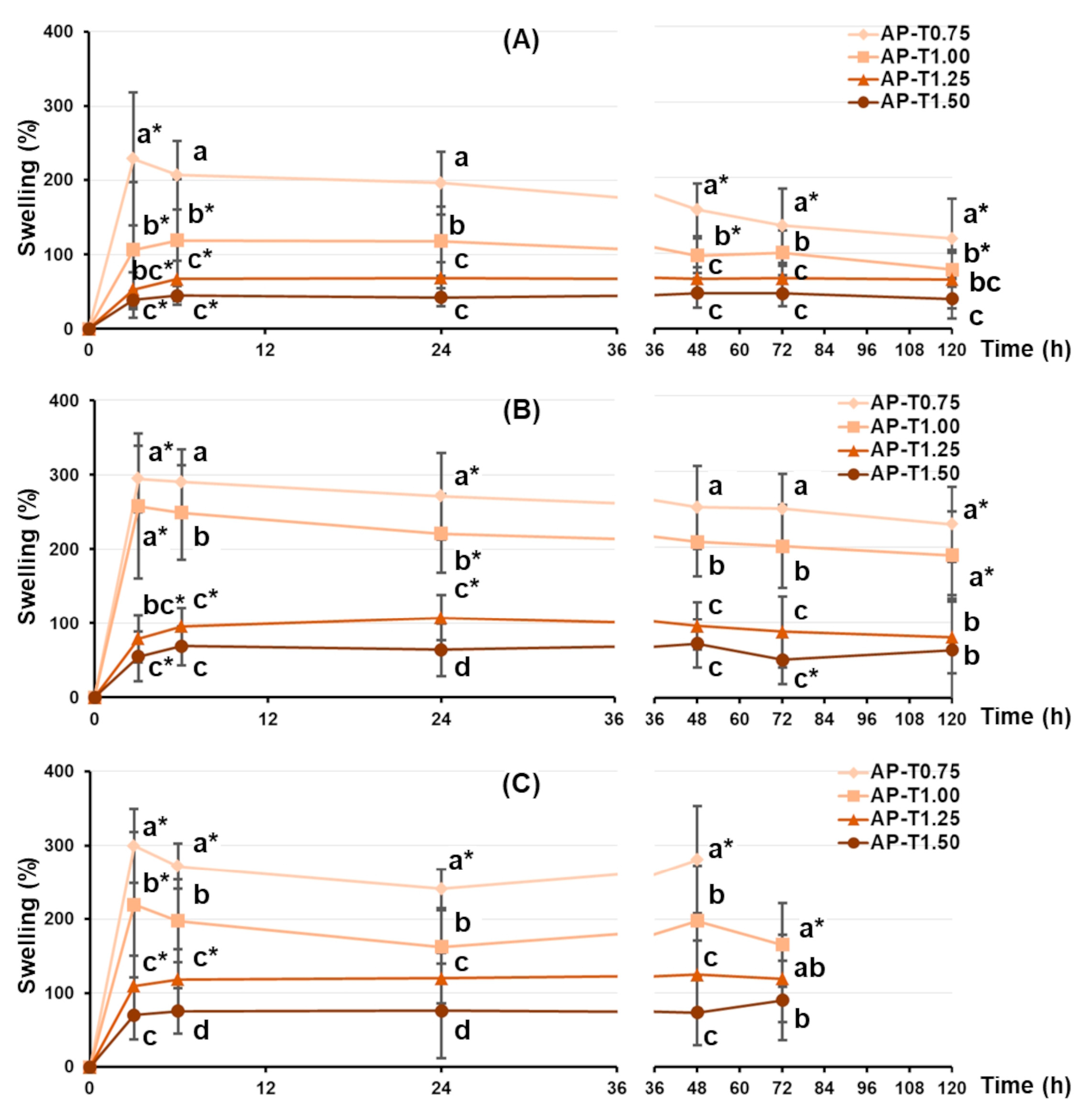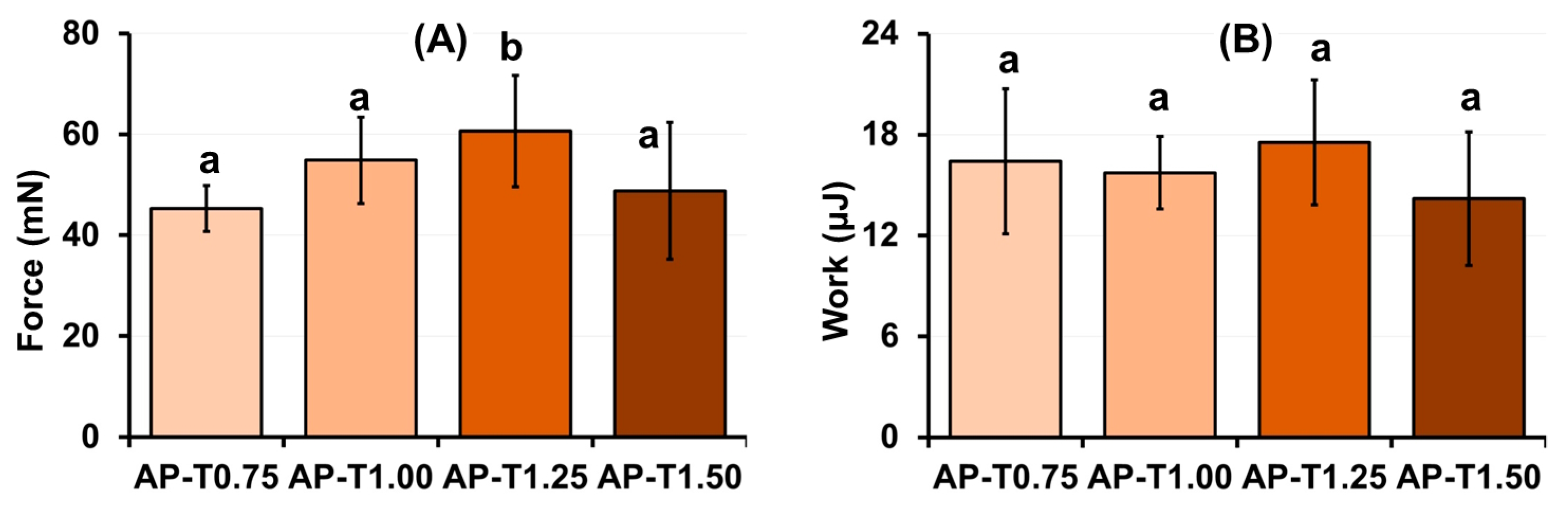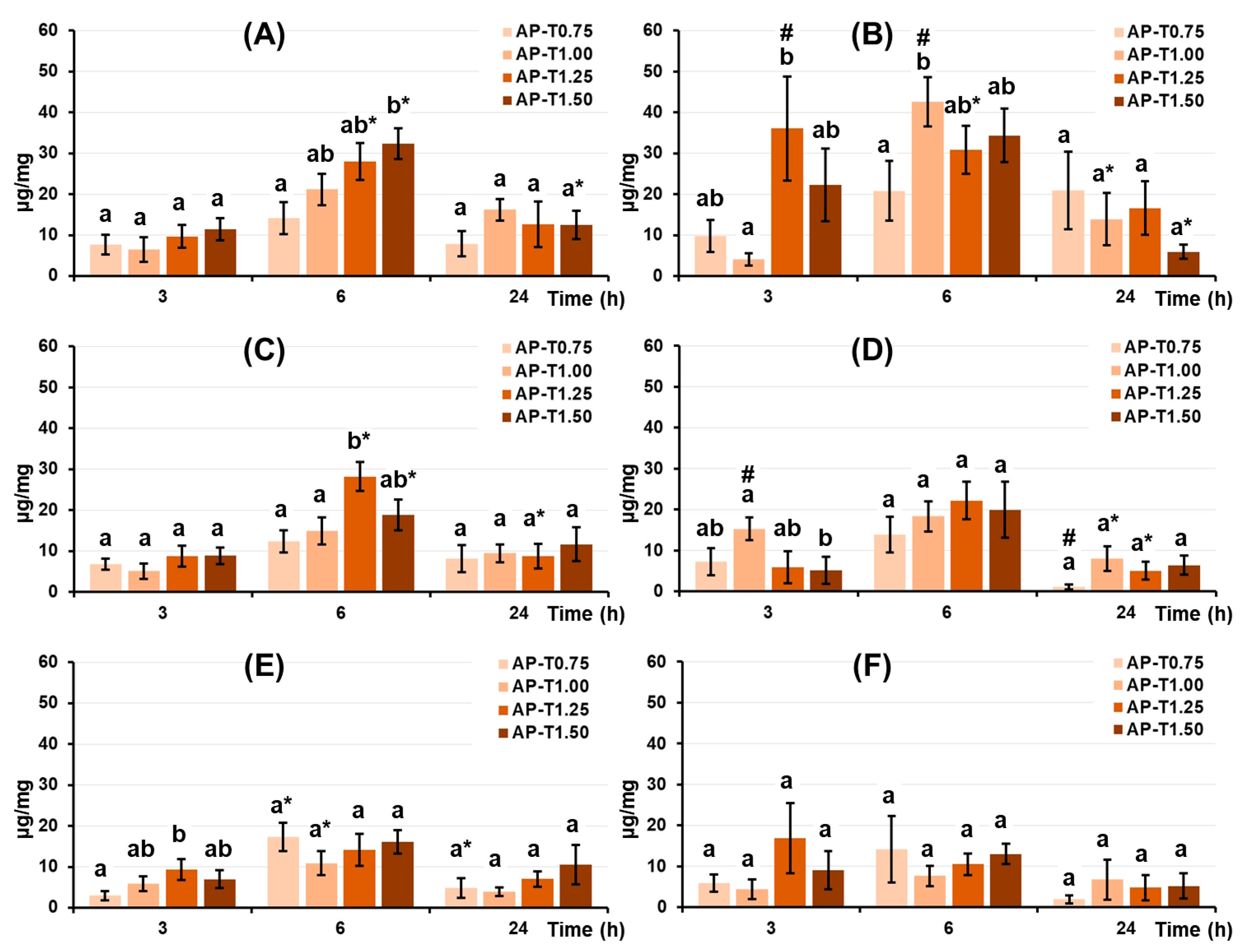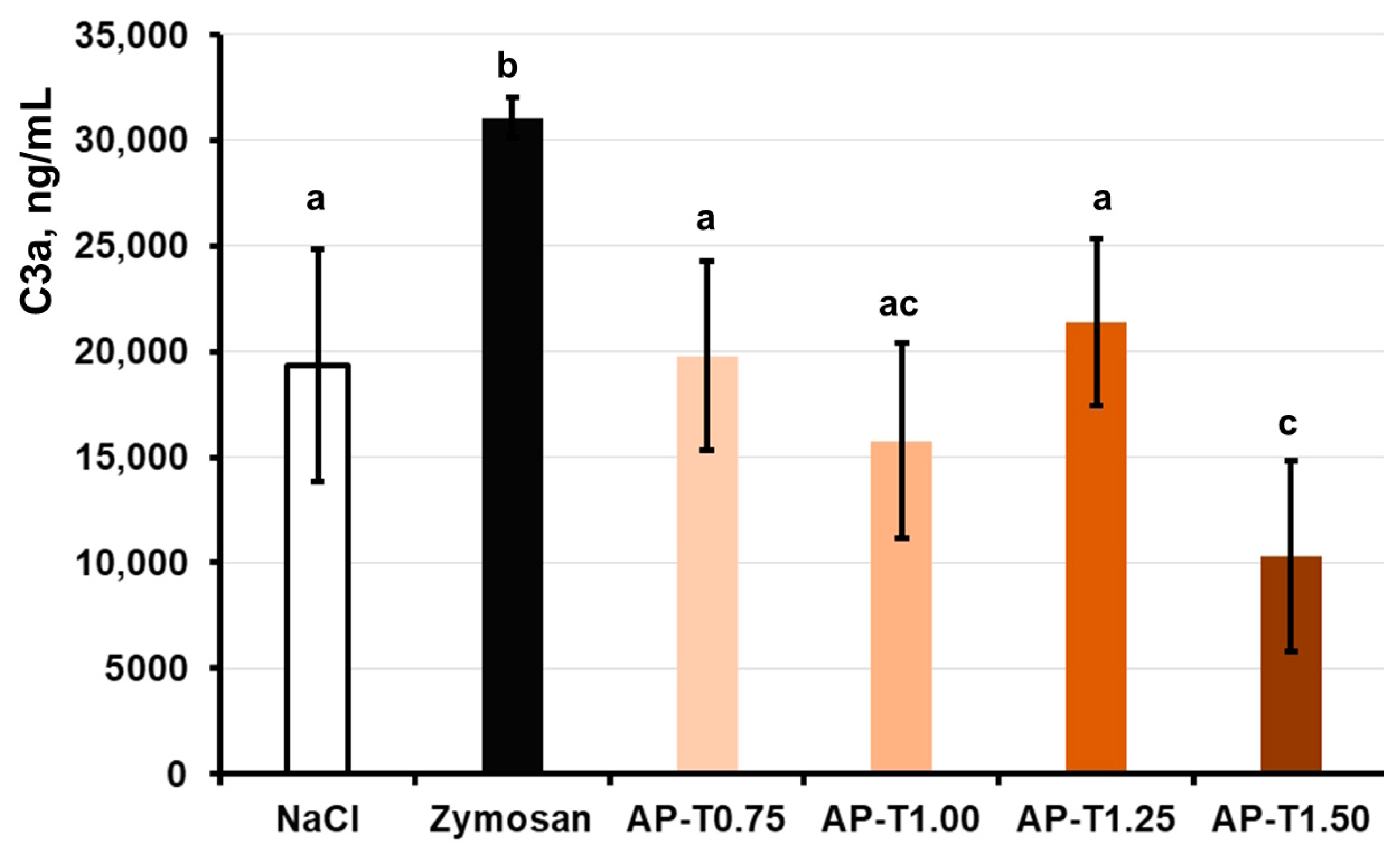


Swelling, Serosal Adhesion, Protein Adsorption, and Biocompatibility of Pectin–TEOS Gels


Abstract
1. Introduction
2. Results and Discussion
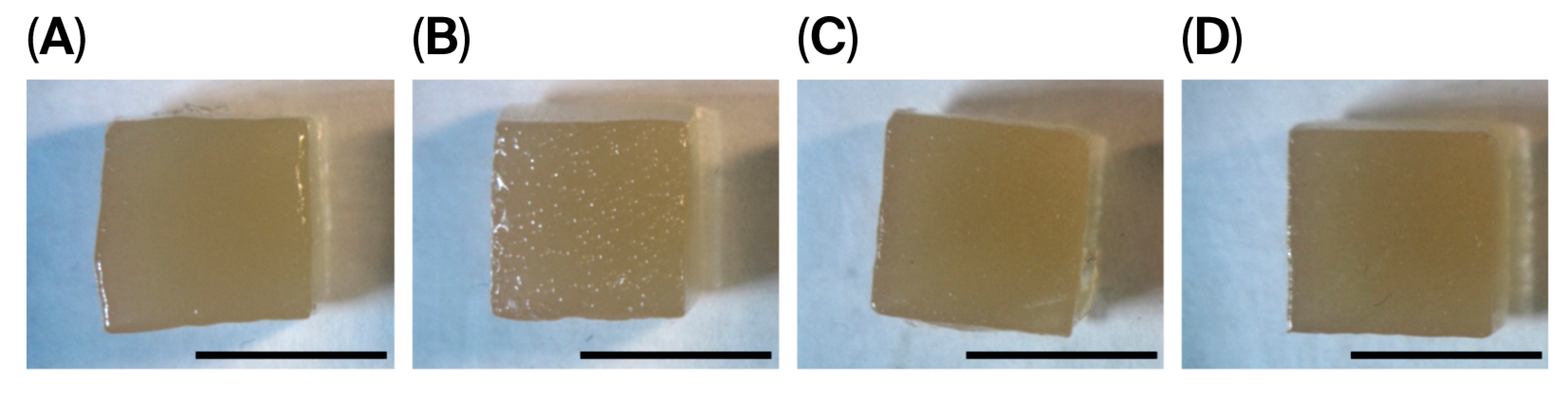
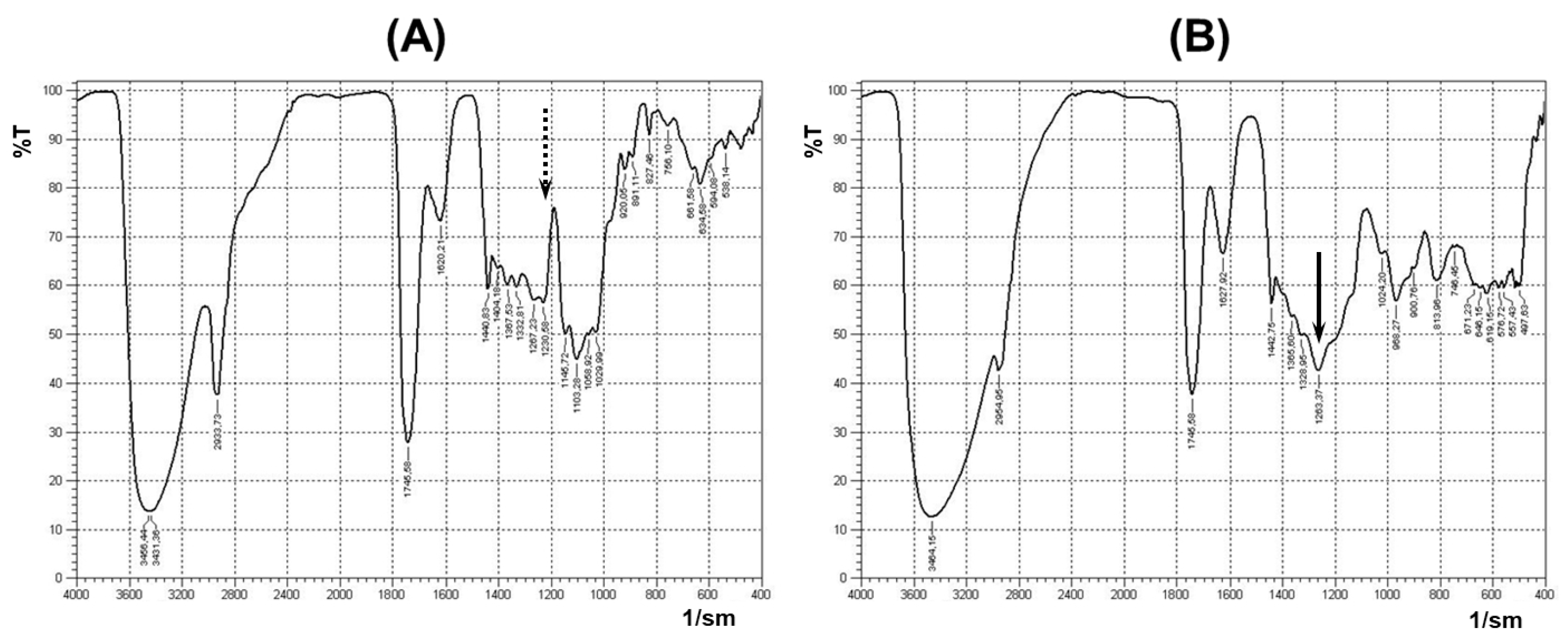
2.1. Characterization of Pectin–TEOS Hydrogels
2.2. Swelling Studies
2.3. Serosal Adhesion of Pectin–TEOS Hydrogels
2.4. Protein Adsorption on the Pectin–TEOS Hydrogels
2.5. Characterization of Biocompatibility of Pectin–TEOS Hydrogels
2.5.1. Hemolysis Assay
2.5.2. Complement Activation
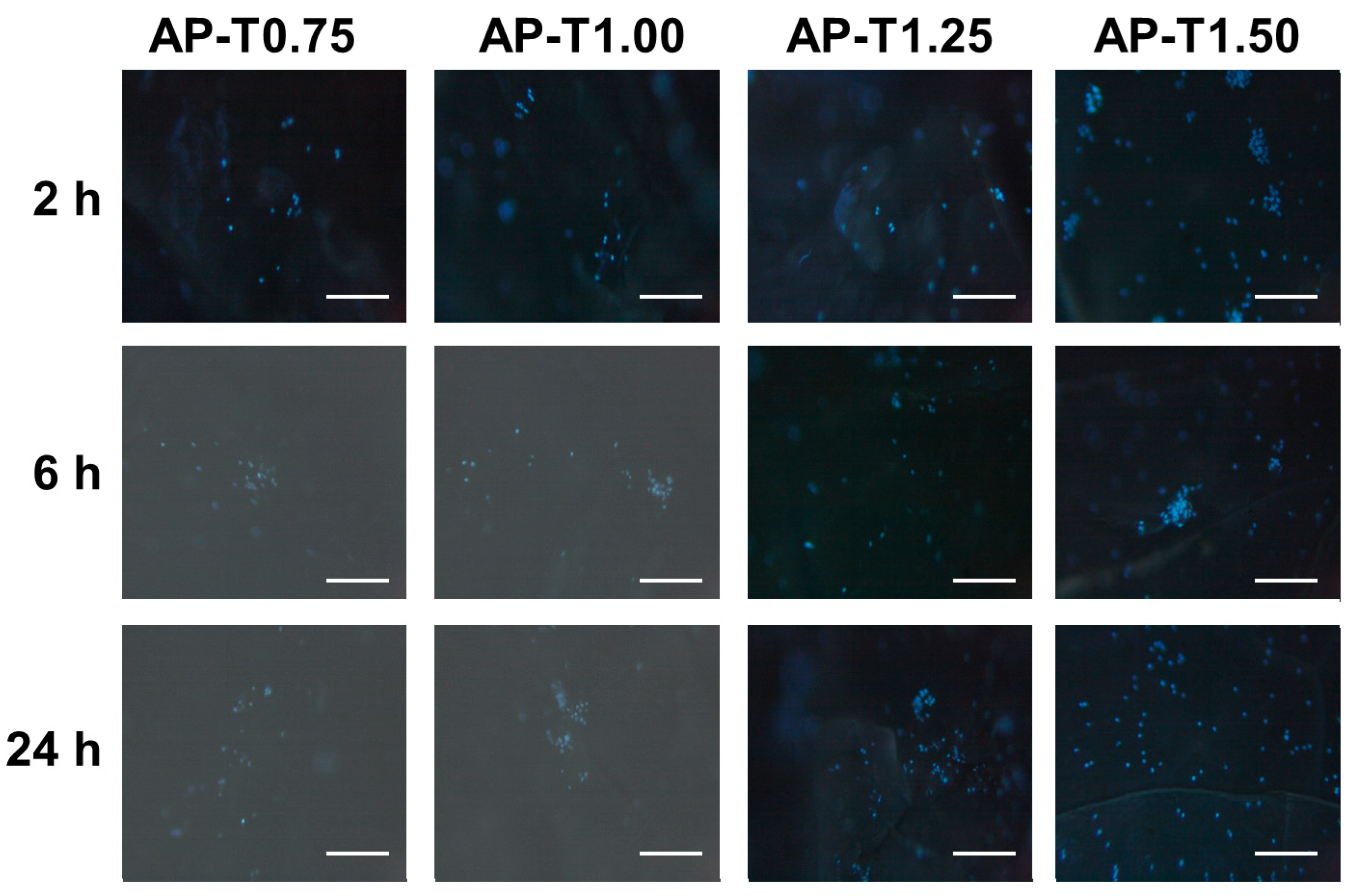
2.5.3. Peritoneal Macrophage Adhesion on the Pectin–TEOS Hydrogels
3. Conclusions
4. Materials and Methods
4.1. Materials
4.2. Preparation of Pectin–TEOS Gels
4.3. Characterization of Pectin–TEOS Hydrogels
4.4. Texture Characterization
4.5. Swelling Characterization of Pectin–TEOS Gels
4.6. Tissue Adhesion Assay
4.7. Protein Adsorption by Pectin–TEOS Hydrogels
4.8. Biocompatibility of the Pectin–TEOS Hydrogels
4.8.1. Hemolysis Ratio Determination
4.8.2. Complement Activation Evaluation
4.8.3. Peritoneal Macrophage Adhesion Evaluation
4.9. Statistical Analysis
Author Contributions
Funding
Institutional Review Board Statement
Informed Consent Statement
Data Availability Statement
Acknowledgments
Conflicts of Interest
References
- Moslemi, M. Reviewing the recent advances in application of pectin for technical and health promotion purposes: From laboratory to market. Carbohydr. Polym. 2021, 254, 117324. [Google Scholar] [CrossRef] [PubMed]
- Cascone, S.; Lamberti, G. Hydrogel-based commercial products for biomedical applications: A review. Int. J. Pharm. 2020, 573, 118803. [Google Scholar] [CrossRef] [PubMed]
- Oh, G.-W.; Nam, S.Y.; Heo, S.-J.; Kang, D.-H.; Jung, W.-K. Characterization of ionic cross-linked composite foams with different blend ratios of alginate/pectin on the synergistic effects for wound dressing application. Int. J. Biol. Macromol. 2020, 156, 1565–1573. [Google Scholar] [CrossRef] [PubMed]
- Long, J.; Etxeberria, A.E.; Nand, A.V.; Bunt, C.R.; Ray, S.; Seyfoddin, A. A 3D printed chitosan-pectin hydrogel wound dressing for lidocaine hydrochloride delivery. Mater. Sci. Eng. C 2019, 104, 109873. [Google Scholar] [CrossRef]
- Ji, F.; Li, J.; Qin, Z.; Yang, B.; Zhang, E.; Dong, D.; Wang, J.; Wen, Y.; Tian, L.; Yao, F. Engineering pectin-based hollow nanocapsules for delivery of anticancer drug. Carbohydr. Polym. 2017, 177, 86–96. [Google Scholar] [CrossRef]
- Lara-Espinoza, C.; Carvajal-Millán, E.; Balandran-Quintana, R.; Lopez-Franco, Y.; Rascon-Chu, A. Pectin and pectin-based composite materials: Beyond food texture. Molecules 2018, 23, 942. [Google Scholar] [CrossRef]
- Minzanova, S.T.; Mironov, V.F.; Arkhipova, D.M.; Khabibullina, A.V.; Mironova, L.G.; Zakirova, Y.M.; Milyukov, V.A. Biological activity and pharmacological application of pectic polysaccharides: A review. Polymers 2018, 10, 1407. [Google Scholar] [CrossRef]
- Servais, A.B.; Kienzle, A.; Valenzuela, C.D.; Ysasi, A.B.; Wagner, W.; Tsuda, A.; Ackermann, M.; Mentzer, S.J. Structural heteropolysaccharide adhesion to the glycocalyx of visceral mesothelium. Tissue Eng. Part A 2018, 24, 199–206. [Google Scholar] [CrossRef]
- Neves, S.C.; Moroni, L.; Barrias, C.C.; Granja, P.L. Leveling up hydrogels: Hybrid systems in tissue engineering. Trends Biotechnol. 2019, 38, 292–315. [Google Scholar] [CrossRef]
- Noreen, A.; Huma Nazli, Z.-H.; Akram, J.; Rasul, I.; Mansha, A.; Yaqoob, N. Pectins functionalized biomaterials; a new viable approach for biomedical applications: A review. Int. J. Biol. Macromol. 2017, 101, 254. [Google Scholar] [CrossRef]
- Li, D.; Li, J.; Dong, H.; Li, X.; Zhang, J.; Ramaswamy, S.; Xu, F. Pectin in biomedical and drug delivery applications: A review. Int. J. Biol. Macromol. 2021, 185, 49. [Google Scholar] [CrossRef]
- Salonen, J.; Kaukonen, A.M.; Hirvonen, J.; Lehto, V.P. Mesoporous silicon in drug delivery applications. J. Pharm. Sci. 2008, 97, 632–653. [Google Scholar] [CrossRef]
- Vivero-Escoto, J.L.; Slowing, I.I.; Trewyn, B.G.; Lin, V.S. Mesoporous silica nanoparticles for intracellular controlled drug delivery. Small 2010, 6, 1952–1967. [Google Scholar] [CrossRef]
- Quignard, S.; Copello, G.J.; Aime, C.; Bataille, I.; Helary, C.; Desimone, M.F.; Coradin, T. Influence of Silicification on the Structural and Biological Properties of Buffer-Mediated Collagen Hydrogels. Adv. Eng. Mater. 2012, 14, B51–B55. [Google Scholar] [CrossRef]
- Gaharwar, A.K.; Rivera, C.; Wu, C.-J.; Chan, B.K.; Schmid, G. Photocrosslinked nanocomposite hydrogels from PEG and silica nanospheres: Structural, mechanical and cell adhesion characteristics. Mater. Sc. Eng. C 2013, 33, 1800–1807. [Google Scholar] [CrossRef]
- Emmert, M.; Witzel, P.; Rothenburger-Glaubitta, M.; Heinrich, D. Nanostructured surfaces of biodegradable silica fibers enhance directed amoeboid cell migration in a microtubule-dependent process. RSC Adv. 2017, 7, 5708–5714. [Google Scholar] [CrossRef]
- Jeon, Y.; Kim, T.R.; Park, E.S.; Park, J.H.; Youn, H.S.; Hwang, D.Y.; Seo, S. Effect of Silica Nanoparticle Treatment on Adhesion between Tissue-like Substrates and In Vivo Skin Wound Sealing. J. Funct. Biomater. 2024, 15, 259. [Google Scholar] [CrossRef] [PubMed]
- Khabadze, Z.; Ivanov, S.; Kotelnikova, A.; Shylyaeva, E.; Nazarova, D. The effect of silica gel to the adhesive protocol stages in the treatment of caries and its complications. Arch. Euromedica 2022, 12, 124–127. [Google Scholar] [CrossRef]
- Collings, K.; Boisdon, C.; Sham, T.-T.; Skinley, K.; Oh, H.-K.; Prince, T.; Ahmed, A.; Pennington, S.H.; Brownridge, P.J.; Edwards, T.; et al. Attaching protein-adsorbing silica particles to the surface of cotton substrates for bioaerosol capture including SARS-CoV-2. Nat. Commun. 2023, 14, 5033. [Google Scholar] [CrossRef]
- Thakur, S.; Pandey, S.; Arotiba, O. Sol-gel derived xanthan gum/silica nanocomposite—A highly efficient cationic dyes adsorbent in aqueous system. Int. J. Biol. Macromol. 2017, 103, 596–604. [Google Scholar] [CrossRef]
- Sagar, S.; Alturki, A.; Farhan, M.; Bahadar, A.; Hossain, N. Synergistic influence of tetraethyl orthosilicate crosslinker on mixed matrix hydrogels. Appl. Nanosci. 2022, 12, 2923–2932. [Google Scholar] [CrossRef]
- Mesa, M.; Becerra, N.Y. Silica/Protein and Silica/Polysaccharide Interactions and Their Contributions to the Functional Properties of Derived Hybrid Wound Dressing Hydrogels. Int. J. Biomater. 2021, 2021, 6857204. [Google Scholar] [CrossRef] [PubMed]
- Abouzeid, R.E.; ABD El-Kader, A.H.; Salama, A.; Fahmy, T.Y.A.; El-Sakhawy, M. Preparation and properties of novel biocompatible pectin/silica calcium phosphate hybrids. Cellul. Chem. Technol. 2022, 56, 371–378. [Google Scholar] [CrossRef]
- Oh, J.-S.; Park, J.-S.; Han, C.-M.; Lee, E.-J. Facile in situ formation of hybrid gels for direct-forming tissue engineering. Mater. Sci. Eng. C 2017, 78, 796–805. [Google Scholar] [CrossRef]
- Popov, S.; Paderin, N.; Chistiakova, E.; Ptashkin, D. Serosal Adhesion Ex Vivo of Hydrogels Prepared from Apple Pectin Cross-Linked with Fe3+ Ions. Int. J. Mol. Sci. 2023, 24, 1248. [Google Scholar] [CrossRef]
- Popov, S.; Paderin, N.; Khramova, D.; Kvashninova, E.; Melekhin, A.; Vityazev, F. Characterization and Biocompatibility Properties In Vitro of Gel Beads Based on the Pectin and κ-Carrageenan. Mar. Drugs 2022, 20, 94. [Google Scholar] [CrossRef]
- Popov, S.; Paderin, N.; Chistiakova, E.; Ptashkin, D.; Vityazev, F.; Markov, P.A.; Erokhin, K.S. Effect of Chitosan on Rheological, Mechanical, and Adhesive Properties of Pectin–Calcium Gel. Mar. Drugs 2023, 21, 375. [Google Scholar] [CrossRef]
- Rajput, K.; Tawade, S.; Nangare, S.; Shirsath, N.; Bari, S.; Zawar, L. Formulation, optimization, and in-vitro-ex-vivo evaluation of dual-crosslinked zinc pectinate-neem gum-interpenetrating polymer network mediated lansoprazole loaded floating microbeads. Int. J. Biol. Macromol. 2022, 222, 915–926. [Google Scholar] [CrossRef]
- Sun, R.; Lv, Z.; Wang, Y.; Gu, Y.; Sun, Y.; Zeng, X.; Gao, Z.; Zhao, X.; Yuan, Y.; Yue, T. Preparation and characterization of pectin-alginate-based microbeads reinforced by nano montmorillonite filler for probiotics encapsulation: Improving viability and colonic colonization. Int. J. Biol. Macromol. 2024, 264, 130543. [Google Scholar] [CrossRef]
- Chen, H.; Guo, X.; Li, J.; Liu, Z.; Hu, Y.; Tao, X.; Song, S.; Zhu, B. Pickering emulsions synergistically stabilized by sugar beet pectin and montmorillonite exhibit enhanced storage stability and viscoelasticity. Int. J. Biol. Macromol. 2023, 242, 124788. [Google Scholar] [CrossRef] [PubMed]
- Chen, L.; Zhang, S.; Liang, T.; Ding, X.; Ding, L.; Shi, J.; Zhang, J.; Wu, J. Design and characterization of pectin-starch/organoclay-tea tree essential oil composite hydrogel beads as a gastrointestinal-specific sustained release system. Int. J. Biol. Macromol. 2025, 332, 148562. [Google Scholar] [CrossRef]
- Saberi, E.A.; Mollashahi, N.F.; Ejeian, F.; Nematollahi, M.; Shahraki, O.; Pirhaji, A.; Esfahani, M.H.N. Assessment of Cytotoxicity and Odontogenic/Osteogenic Differentiation Potential of Nano-Dentine Cement Against Stem Cells from Apical Papilla. Cell J. 2022, 24, 637–646. [Google Scholar] [CrossRef]
- Marangoni Júnior, L.; Fozzatti, C.R.; Jamróz, E.; Vieira, R.P.; Alves, R.M.V. Biopolymer-Based Films from Sodium Alginate and Citrus Pectin Reinforced with SiO2. Materials 2022, 15, 3881. [Google Scholar] [CrossRef]
- Hou, X.; Xue, Z.; Xia, Y.; Qin, Y.; Zhang, G.; Liu, H.; Li, K. Effect of SiO2 nanoparticle on the physical and chemical properties of eco-friendly agar/sodium alginate nanocomposite film. Int. J. Biol. Macromol. 2019, 125, 1289–1298. [Google Scholar] [CrossRef]
- Rangelova, N.; Aleksandrov, L.; Nenkova, S. Synthesis and characterization of pectin/SiO2 hybrid materials. J. Sol-Gel Sci. Technol. 2018, 85, 330–339. [Google Scholar] [CrossRef]
- Bellemjid, N.; Assifaoui, A.; Moussaif, A.; El Abbadi, N.; Mesfioui, A.; Iddar, A. Silica-coated calcium pectinate formulations for controlling carbendazim release: Water and soil release studies. J. Environ. Sci. Health B 2021, 56, 613–622. [Google Scholar] [CrossRef] [PubMed]
- Vityazev, F.V.; Fedyuneva, M.I.; Golovchenko, V.V.; Patova, O.A.; Ipatova, E.U.; Durnev, E.A.; Martinson, E.A.; Litvinets, S.G. Pectin-silica gels as matrices for controlled drug release in gastrointestinal tract. Carbohydr. Polym. 2017, 157, 9–20. [Google Scholar] [CrossRef] [PubMed]
- Assifaoui, A.; Bouyer, F.; Chambin, O.; Cayot, P. Silica-coated calcium pectinate beads for colonic drug delivery. Acta Biomater. 2013, 9, 6218–6225. [Google Scholar] [CrossRef]
- Alghooneh, A.; Razavi, S.M.A.; Kasapis, S. Classification of hydrocolloids based on small amplitude oscillatory shear, large amplitude oscillatory shear, and textural properties. J. Texture Stud. 2019, 50, 520–538. [Google Scholar] [CrossRef] [PubMed]
- Rajamäki, K.; Nordström, T.; Nurmi, K.; Åkerman, K.; Kovanen, P.; Öörni, K.; Eklund, K. Extracellular Acidosis Is a Novel Danger Signal Alerting Innate Immunity via the NLRP3 Inflammasome. J. Biol. Chem. 2013, 288, 13410–13419. [Google Scholar] [CrossRef]
- Wallace, L.A.; Gwynne, L.; Jenkins, T. Challenges and opportunities of pH in chronic wounds. Ther. Deliv. 2019, 11, 719–735. [Google Scholar] [CrossRef] [PubMed]
- Kuo, S.-H.; Shen, C.-J.; Shen, C.-F.; Cheng, C.-M. Role of pH Value in Clinically Relevant Diagnosis. Diagnostics 2020, 10, 107. [Google Scholar] [CrossRef] [PubMed]
- Xu, K.; Wu, X.; Zhang, X.; Xing, M. Bridging wounds: Tissue adhesives’ essential mechanisms, synthesis and characterization, bioinspired adhesives and future perspectives. Burn. Trauma. 2022, 10, tkac033. [Google Scholar] [CrossRef] [PubMed]
- Wagner, W.L.; Zheng, Y.; Pierce, A.; Ackermann, M.; Horstmann, H.; Kuner, T.; Ronchi, P.; Schwab, Y.; Konitzke, P.; Wunnemann, F.; et al. Mesopolysaccharides: The extracellular surface layer of visceral organs. PLoS ONE 2020, 15, e0238798. [Google Scholar] [CrossRef]
- Sriamornsak, P.; Wattanakorn, N.; Takeuchi, H. Study on the mucoadhesion mechanism of pectin by atomic force microscopy and mucin-particle method. Carbohydr. Polym. 2010, 79, 54–59. [Google Scholar] [CrossRef]
- Kuckelman, J.; Conner, J.; Zheng, Y.; Pierce, A.; Jones, I.; Lammers, D.; Cuadrado, D.; Eckert, M.; Mentzer, S. Improved Outcomes Utilizing a Novel Pectin-Based Pleural Sealant Following Acute Lung Injury. J. Trauma. Acute Care Surg. 2020, 89, 915–919. [Google Scholar] [CrossRef]
- Pierce, A.; Zheng, Y.; Wagner, W.L.; Scheller, H.V.; Mohnen, D.; Ackermann, M.; Mentzer, S.J. Visualizing pectin polymer-polymer entanglement produced by interfacial water movement. Carbohydr. Polym. 2020, 246, 116618. [Google Scholar] [CrossRef]
- Zheng, Y.; Pierce, A.F.; Wagner, W.L.; Khalil, H.A.; Chen, Z.; Servais, A.B.; Ackermann, M.; Mentzer, S.J. Functional adhesion of pectin biopolymers to the lung visceral pleura. Polymers 2021, 13, 2976. [Google Scholar] [CrossRef]
- Zheng, Y.; Pierce, A.F.; Wagner, W.L.; Khalil, H.A.; Chen, Z.; Funaya, C.; Ackermann, M.; Mentzer, S.J. Biomaterial-assisted anastomotic healing: Serosal adhesion of pectin films. Polymers 2021, 13, 2811. [Google Scholar] [CrossRef]
- Lowe, B.M.; Skylaris, C.-K.; Green, N.G. Acid-base dissociation mechanisms and energetics at the silica–water interface: An activationless process. J. Colloid. Interface Sci. 2015, 451, 231–244. [Google Scholar] [CrossRef] [PubMed]
- Kalashnikov, N.; Barralet, J.; Vorstenbosch, J. Implantable Medical Devices, Biomaterials, and the Foreign Body Response: A Surgical Perspective. J. Biomed. Mater. Res. A 2025, 113, e37983. [Google Scholar] [CrossRef]
- Brash, J.L.; Horbett, T.A.; Latour, R.A.; Tengvall, P. The blood compatibility challenge. Part 2: Protein adsorption phenomena governing blood reactivity. Acta Biomater. 2019, 94, 11–24. [Google Scholar] [CrossRef]
- Klopfleisch, R.; Jung, F. The pathology of the foreign body reaction against biomaterials. J. Biomed. Mater. Res. Part A 2017, 105, 927–940. [Google Scholar] [CrossRef]
- Hedayati, M.; Neufeld, M.J.; Reynolds, M.M.; Kipper, M.J. The quest for blood-compatible materials: Recent advances and future technologies. Mater. Sci. Eng. R. 2019, 138, 118–152. [Google Scholar] [CrossRef]
- Firkowska-Boden, I.; Zhang, X.; Jandt, K.D. Controlling protein adsorption through nanostructured polymeric surfaces. Adv. Healthc. Mater. 2018, 7, 1700995. [Google Scholar] [CrossRef] [PubMed]
- Ghose, S.; McNerney, T.M.; Hubbard, B. Preparative protein purification on underivatized silica. Biotechnol. Bioeng. 2004, 87, 413–423. [Google Scholar] [CrossRef] [PubMed]
- ASTM F756; Standard Practice for Assessment of Hemolytic Properties of Materials. ASTM International: West Conshohocken, PA, USA, 2017.
- Tamilselvi, S.; Kavitha, R.; Usharani, M.; Mumjitha, M.; Mohanapriya, S.; Mohanapriya, S. Mechanical characterization of bio composite films as a novel drug carrier platform for sustained release of 5-fluorouracil for colon cancer: Methodological investigation. J. Mech. Behav. Biomed. Mater. 2021, 115, 104266. [Google Scholar] [CrossRef] [PubMed]
- Bai, S.; Sun, Y.; Cheng, Y.; Ye, W.; Jiang, C.; Liu, M.; Ji, Q.; Zhang, B.; Mei, Q.; Liu, D.; et al. MCP mediated active targeting calcium phosphate hybrid nanoparticles for the treatment of orthotopic drug resistant colon cancer. J. Nanobiotechnol. 2021, 19, 367. [Google Scholar] [CrossRef]
- Kodoth, A.K.; Ghate, V.M.; Lewis, S.A.; Prakash, B.; Badalamoole, V. Pectin-based silver nanocomposite film for transdermal delivery of Donepezil. Int. J. Biol. Macromol. 2019, 134, 269–279. [Google Scholar] [CrossRef]
- Wang, S.; Shi, S.; Lian, H.; Zhu, C.; Wang, H.; Liu, R.; Bligh, S.W.A. Structural features and anti-complementary activity of an acidic polysaccharide from Forsythia suspensa. J. Glycom. Lipidom. 2016, 6, 138. [Google Scholar] [CrossRef]
- Michaelsen, T.E.; Gilje, A.; Samuelsen, A.B.; HùgaÊsen, K.; Paulsen, B.S. Interaction between human complement and a pectin type polysaccharide fraction, PMII, from the leaves of Plantago major L. Scand. J. Immunol. 2000, 52, 483–490. [Google Scholar] [CrossRef]
- Zhao, Y.; Sun, X.; Zhang, G.; Trewyn, B.G.; Slowing, I.I.; Lin, V.S.-Y. Interaction of mesoporous silica nanoparticles with human red blood cell membranes: Size and surface effects. ACS Nano. 2011, 5, 1366–1375. [Google Scholar] [CrossRef]
- Li, H.; Wu, X.; Yang, B.; Li, J.; Xu, L.; Liu, H.; Li, S.; Xu, J.; Yang, M.; Wei, M. Evaluation of biomimetically synthesized mesoporous silica nanoparticles as drug carriers: Structure, wettability, degradation, biocompatibility and brain distribution. Mater. Sci. Eng. C 2019, 94, 453–464. [Google Scholar] [CrossRef] [PubMed]
- Goldberg, L.A.; Zomer, H.D.; McFetridge, C.; McFetridge, P.S. Silica nanoparticles enhance the cyto- and hemocompatibility of a multilayered extracellular matrix scaffold for vascular tissue regeneration. Biotechnol. Lett. 2024, 46, 249–261. [Google Scholar] [CrossRef] [PubMed]
- Labarre, D. The interactions between blood and polymeric nanoparticles depend on the nature and structure of the hydrogel covering the surface. Polymers 2012, 4, 986–996. [Google Scholar] [CrossRef]
- Trier, N.H.; Güven, E.; Skogstrand, K.; Ciplys, E.; Slibinskas, R.; Houen, G. Comparison of immunological adjuvants. APMIS 2019, 127, 635–641. [Google Scholar] [CrossRef]
- Kiyohara, H.; Matsumoto, T.; Nagai, T.; Kim, S.-J.; Yamada, H. The presence of natural human antibodies reactive against pharmacologically active pectic polysaccharides from herbal medicines. Phytomedicine 2006, 13, 494–500. [Google Scholar] [CrossRef]
- Andersson, L.I.; Sjöström, D.J.; Brandwijk, R.J.M.G.E.; Toonen, E.J.M.; Mollnes, T.E.; Nilsson, P.H. Complement function and activation in human serum and plasma collected in different blood collection tubes. J. Immunol. Methods 2025, 538, 113825. [Google Scholar] [CrossRef]
- Park, J.H.; Jackman, J.A.; Ferhan, A.R.; Belling, J.N.; Mokrzecka, N.; Weiss, P.S.; Cho, N.-J. Cloaking Silica Nanoparticles with Functional Protein Coatings for Reduced Complement Activation and Cellular Uptake. ACS Nano. 2020, 14, 11950–11961. [Google Scholar] [CrossRef]
- Callis, A.H.; Sohnle, P.G.; Mandel, G.S.; Mandel, N.S. The Role of Complement in Experimental Silicosis. Environ. Res. 1986, 40, 301–312. [Google Scholar] [CrossRef]
- Jurak, M.; Wiącek, A.E.; Ładniak, A.; Przykaza, K.; Szafran, K. What affects the biocompatibility of polymers? Adv. Colloid. Interface Sci. 2021, 294, 102451. [Google Scholar] [CrossRef]
- Williams, D.F. Biocompatibility Pathways: Biomaterials-Induced Sterile Inflammation, Mechanotransduction, and Principles of Biocompatibility Control. ACS Biomater. Sci. Eng. 2017, 3, 2–35. [Google Scholar] [CrossRef]
- Kazimierczak, P.; Benko, A.; Nocun, M.; Przekora, A. Novel chitosan/agarose/hydroxyapatite nanocomposite scaffold for bone tissue engineering applications: Comprehensive evaluation of biocompatibility and osteoinductivity with the use of osteoblasts and mesenchymal stem cells. Int. J. Nanomed. 2019, 14, 6615–6630. [Google Scholar] [CrossRef] [PubMed]
- Brevig, T.; Holst, B.; Ademovic, Z.; Rozlosnik, N.; Røhrmann, J.H.; Larsen, N.B.; Hansen, O.C.; Kingshott, P. The recognition of adsorbed and denatured proteins of different topographies by β2 integrins and effects on leukocyte adhesion and activation. Biomaterials 2005, 26, 3039–3053. [Google Scholar] [CrossRef] [PubMed]
- Popov, S.; Paderin, N.; Khramova, D.; Kvashninova, E.; Patova, O.; Vityazev, F. Swelling, Protein Adsorption, and Biocompatibility In Vitro of Gel Beads Prepared from Pectin of Hogweed Heracleum sosnówskyi Manden in Comparison with Gel Beads from Apple Pectin. Int. J. Mol. Sci. 2022, 23, 3388. [Google Scholar] [CrossRef] [PubMed]
- Synytsya, A.; Copikova, J.; Matejka, P.; Machovic, V. Fourier Transform Raman and infrared spectroscopy of pectins. Carbohydr. Res. 2003, 54, 97–106. [Google Scholar] [CrossRef]
- Wang, X.; Zhang, Z.; Yao, Q.; Zhao, M.; Qi, H. Phosphorylation of low-molecular-weight polysaccharide from Enteromorpha linza with antioxidant activity. Carbohydr. Polym. 2013, 96, 371–375. [Google Scholar] [CrossRef]
- Li, Y.; Li, J.; Shi, Z.; Wang, Y.; Song, X.; Wang, L.; Han, M.; Du, H.; He, C.; Zhao, W.; et al. Anticoagulant chitosan-kappacarrageenan composite hydrogel sorbent for simultaneous endotoxin and bacteria cleansing in septic blood. Carbohydr. Polym. 2020, 243, 116470. [Google Scholar] [CrossRef]
- Grossi, L.C.; Zaidan, I.; Souza, J.A.M.; Carvalho, A.F.S.; Sanches, R.C.O.; Cardoso, C.; Lara, E.S.; Montuori-Andrade, A.C.M.; Bruscoli, S.; Marchetti, M.C.; et al. GILZ Modulates the Recruitment of Monocytes/Macrophages Endowed with a Resolving Phenotype and Favors Resolution of Escherichia coli Infection. Cells 2023, 12, 1403. [Google Scholar] [CrossRef]



| Hydrogel | Density (g/cm3) | Water Content (%) | pH |
|---|---|---|---|
| AP-T0.75 | 0.97 ± 0.13 a | 93.8 ± 0.2 a | 3.34 ± 0.07 a |
| AP-T1.00 | 0.93 ± 0.02 a | 93.1 ± 0.2 b | 3.46 ± 0.09 ab |
| AP-T1.25 | 0.90 ± 0.03 a | 92.2 ± 0.4 c | 3.50 ± 0.04 b |
| AP-T1.50 | 0.94 ± 0.03 a | 92.4 ± 0.4 c | 3.45 ± 0.10 ab |
| Hydrogel | Hardness (kPa) | Young’s Modulus (kPa) | Elasticity (mm) |
|---|---|---|---|
| AP-T0.75 | 340 ± 20 a | 1237 ± 141 a | 1.77 ± 0.09 ab |
| AP-T1.00 | 325 ± 42 a | 1183 ± 101 a | 1.72 ± 0.12 a |
| AP-T1.25 | 406 ± 29 a | 1189 ± 63 a | 1.82 ± 0.07 ab |
| AP-T1.50 | 631 ± 190 b | 1588 ± 229 b | 1.95 ± 0.28 b |
| Hydrogel | Hydrogel Concentration in Blood | ||
|---|---|---|---|
| 2 mg/mL | 5 mg/mL | 10 mg/mL | |
| Distilled Water (Positive control) | 100 | 100 | 100 |
| 0.9% NaCl (Negative control) | 0 | 0 | 0 |
| AP-T0.75 | 0.47 ± 0.29 a | 1.58 ± 0.61 a | 3.24 ± 1.02 a |
| AP-T1.00 | 1.60 ± 0.48 a | 1.11 ± 0.38 a | 2.43 ± 0.34 a |
| AP-T1.25 | 0.65 ± 0.22 a | 3.40 ± 1.59 a | 2.65 ± 0.50 a |
| AP-T1.50 | 1.32 ± 0.68 a | 4.55 ± 2.63 a | 6.30 ± 1.33 b |
| Hydrogel | Incubation Time | ||
|---|---|---|---|
| 2 h | 6 h | 24 h | |
| AP-T0.75 | 104 ± 41 a | 271 ± 124 a * | 237 ± 171 a |
| AP-T1.00 | 349 ± 166 ac | 369 ± 206 a | 244 ± 192 a |
| AP-T1.25 | 479 ± 264 bc | 422 ± 155 a | 491 ± 86 b |
| AP-T1.50 | 613 ± 184 b | 482 ± 222 a | 507 ± 174 b |
| Gel | AU202 (%) | TEOS (M) |
|---|---|---|
| AP-T0.75 | 4 | 0.75 |
| AP-T1.00 | 4 | 1.00 |
| AP-T1.25 | 4 | 1.25 |
| AP-T1.50 | 4 | 1.50 |
Disclaimer/Publisher’s Note: The statements, opinions and data contained in all publications are solely those of the individual author(s) and contributor(s) and not of MDPI and/or the editor(s). MDPI and/or the editor(s) disclaim responsibility for any injury to people or property resulting from any ideas, methods, instructions or products referred to in the content. |
© 2025 by the authors. Licensee MDPI, Basel, Switzerland. This article is an open access article distributed under the terms and conditions of the Creative Commons Attribution (CC BY) license (https://creativecommons.org/licenses/by/4.0/).
Share and Cite
Paderin, N.; Sokolova, A.; Popov, S. Swelling, Serosal Adhesion, Protein Adsorption, and Biocompatibility of Pectin–TEOS Gels. Gels 2025, 11, 984. https://doi.org/10.3390/gels11120984
Paderin N, Sokolova A, Popov S. Swelling, Serosal Adhesion, Protein Adsorption, and Biocompatibility of Pectin–TEOS Gels. Gels. 2025; 11(12):984. https://doi.org/10.3390/gels11120984
Chicago/Turabian StylePaderin, Nikita, Alisa Sokolova, and Sergey Popov. 2025. "Swelling, Serosal Adhesion, Protein Adsorption, and Biocompatibility of Pectin–TEOS Gels" Gels 11, no. 12: 984. https://doi.org/10.3390/gels11120984
APA StylePaderin, N., Sokolova, A., & Popov, S. (2025). Swelling, Serosal Adhesion, Protein Adsorption, and Biocompatibility of Pectin–TEOS Gels. Gels, 11(12), 984. https://doi.org/10.3390/gels11120984