

Effect of Ultrasonic Treatment of Dispersed Carbon Nanocomposite Media on the Formation, Electrical Conductivity, and Degradation of a Hydrogel for Metallic Stimulation Electrodes

 , , , , , , , , and
Abstract
1. Introduction
2. Results and Discussion
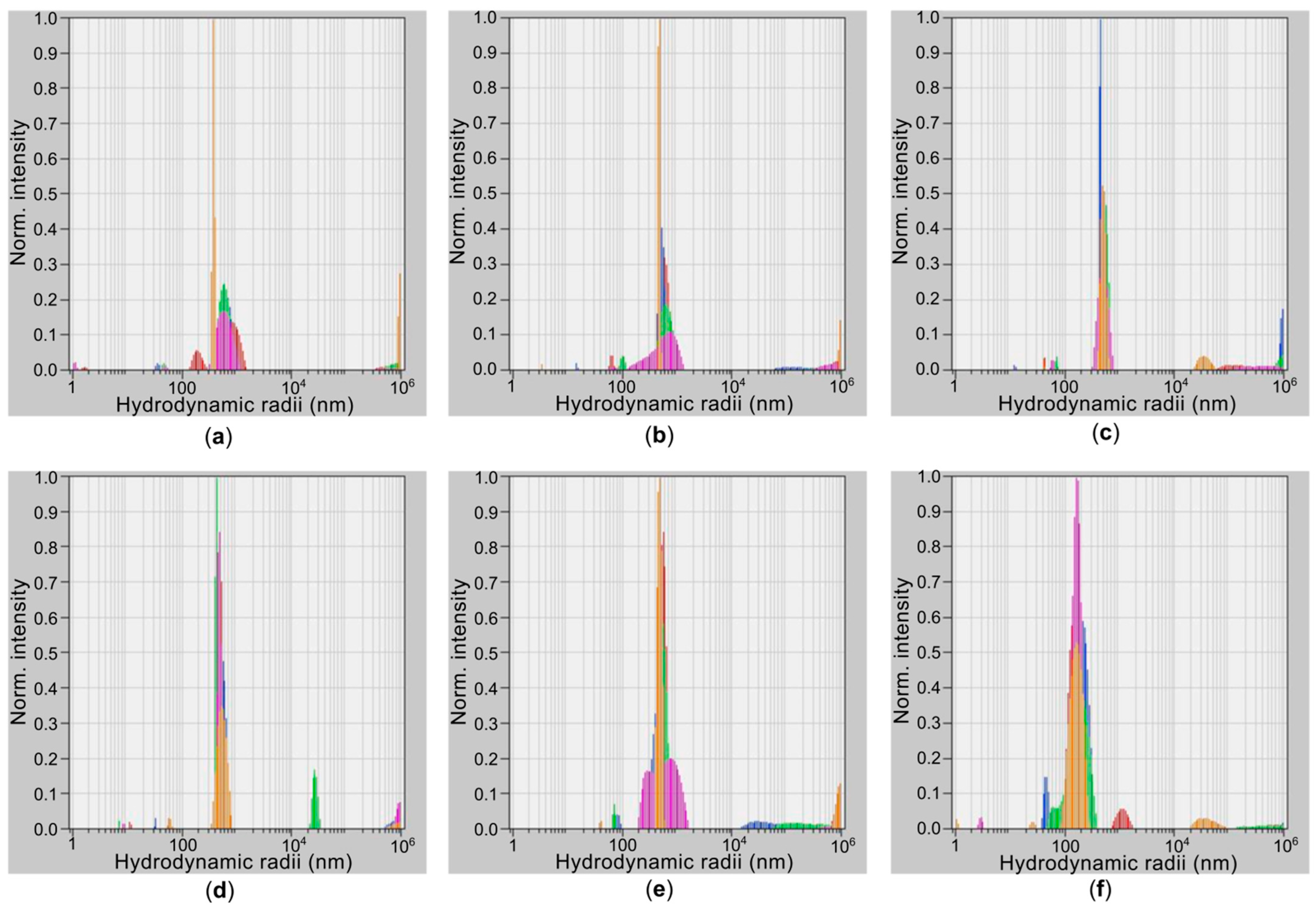
2.1. Dynamic Light Scattering Study
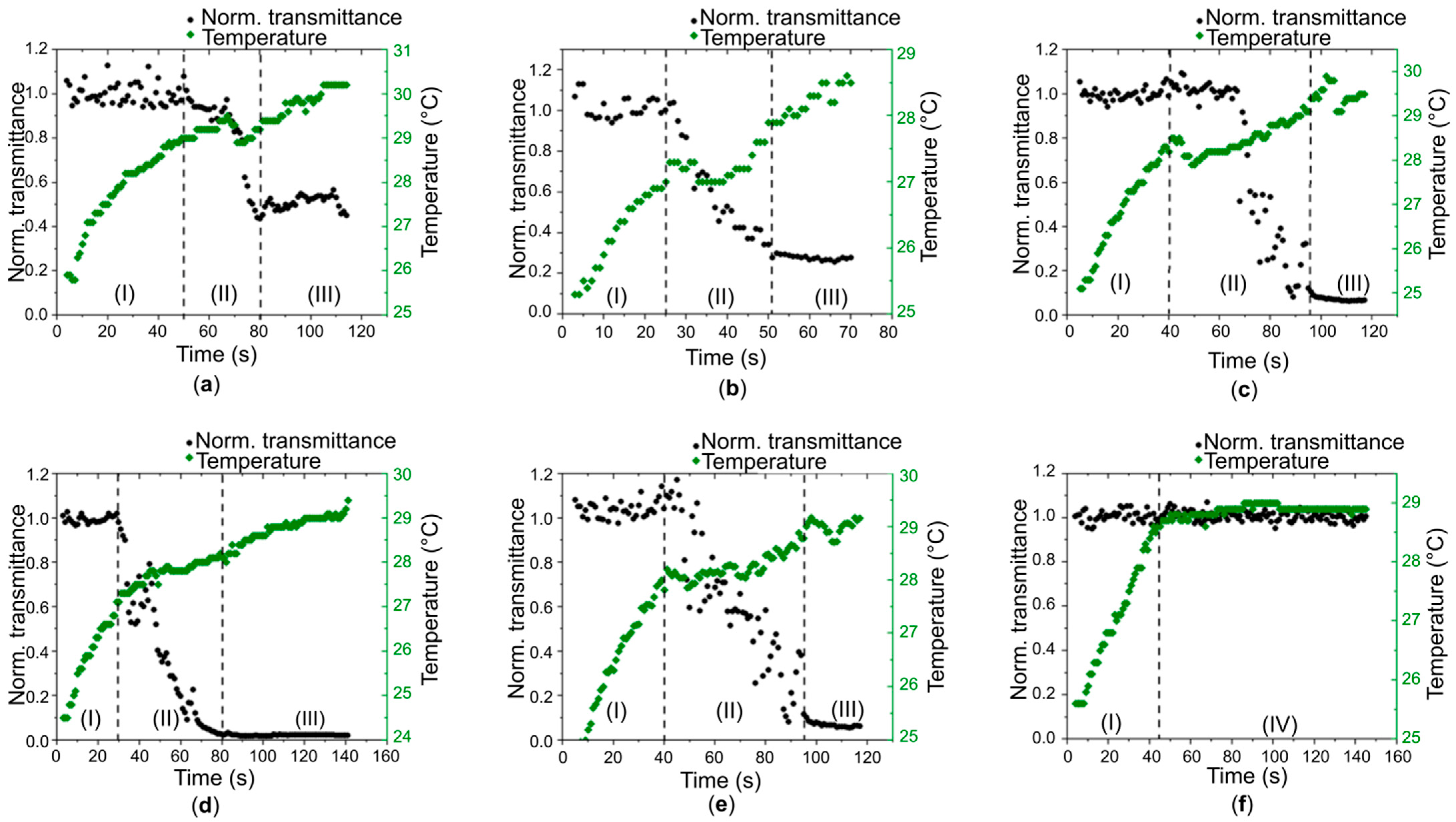
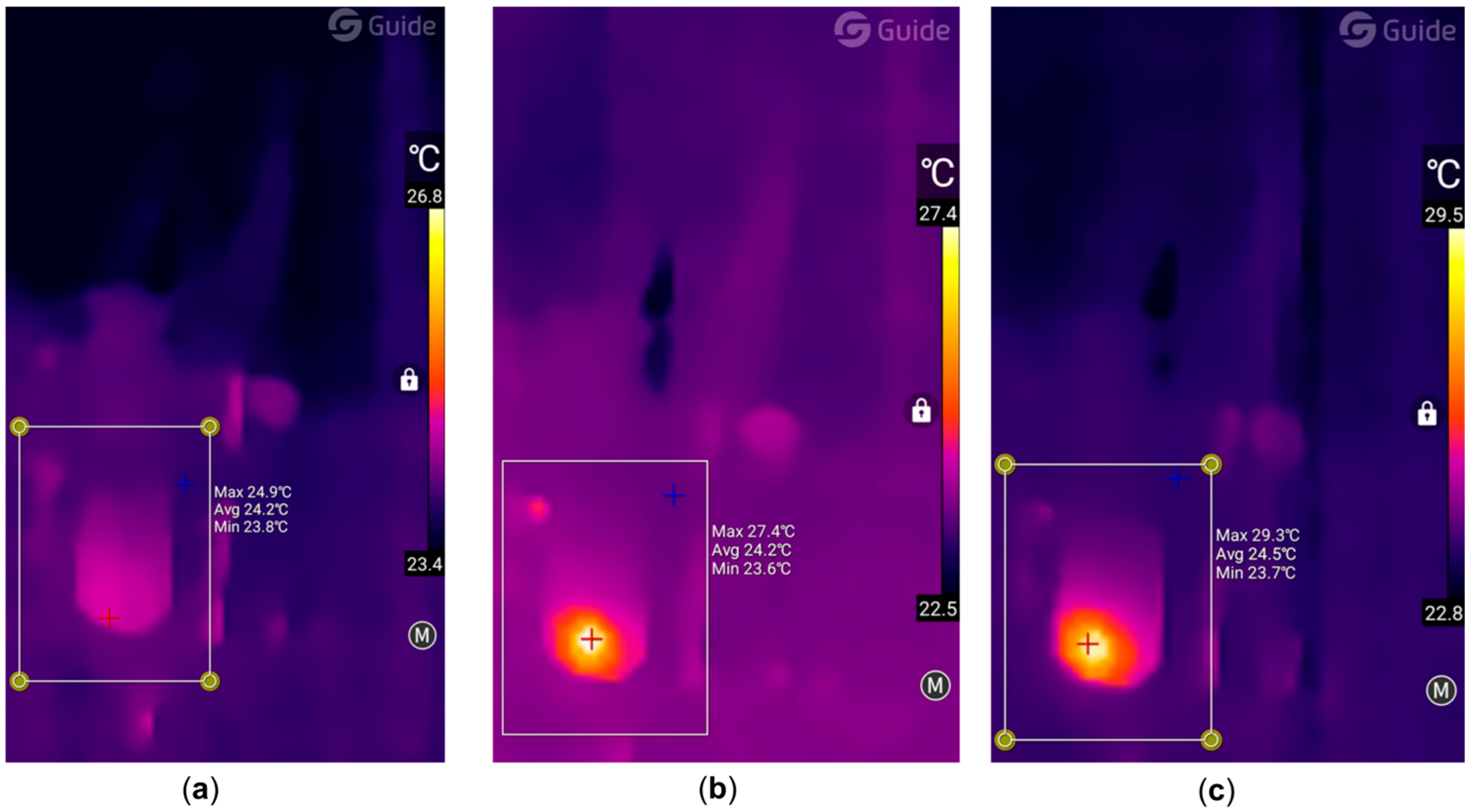
2.2. Temperature and Optical Density Control During Photopolymerization
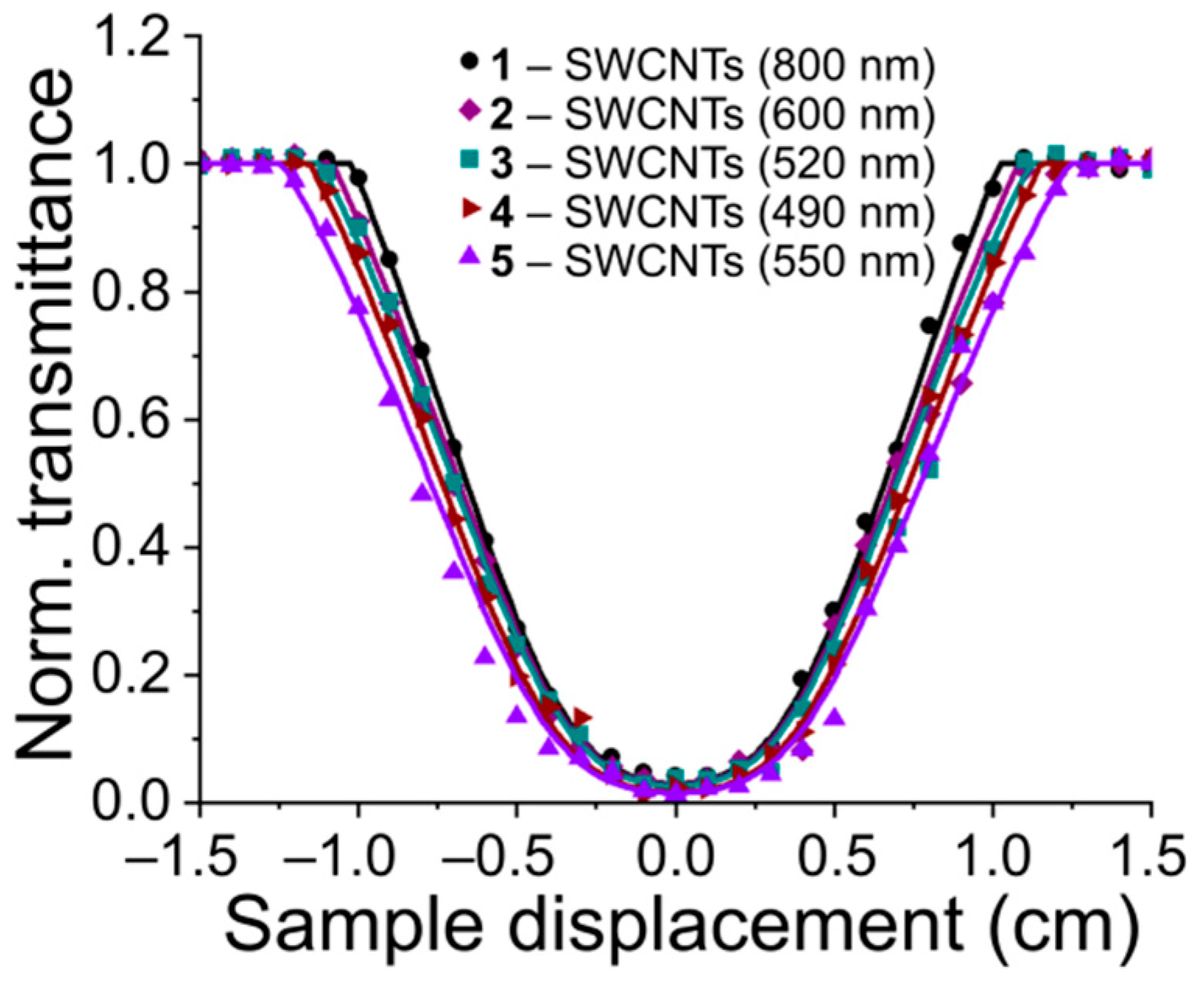
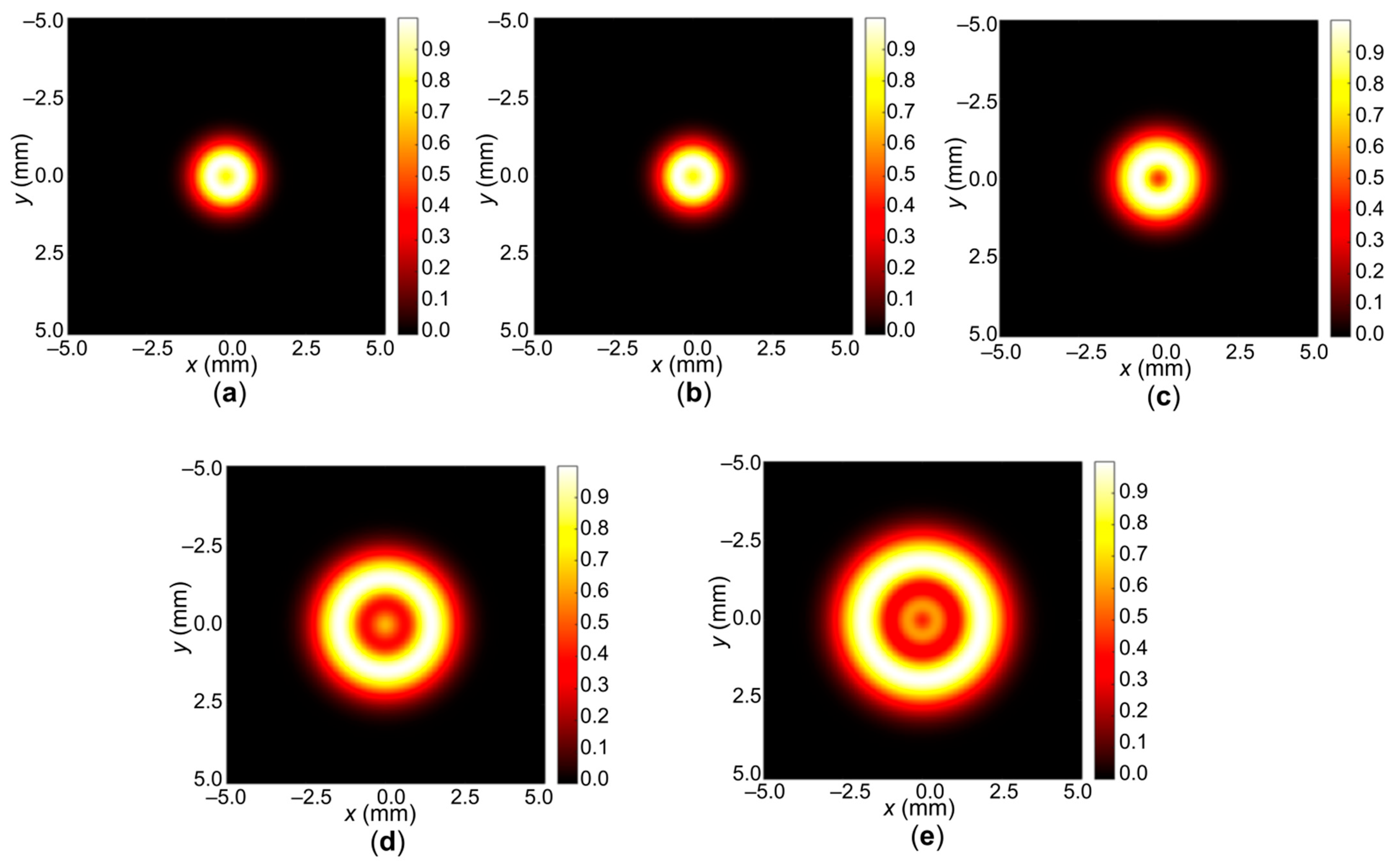
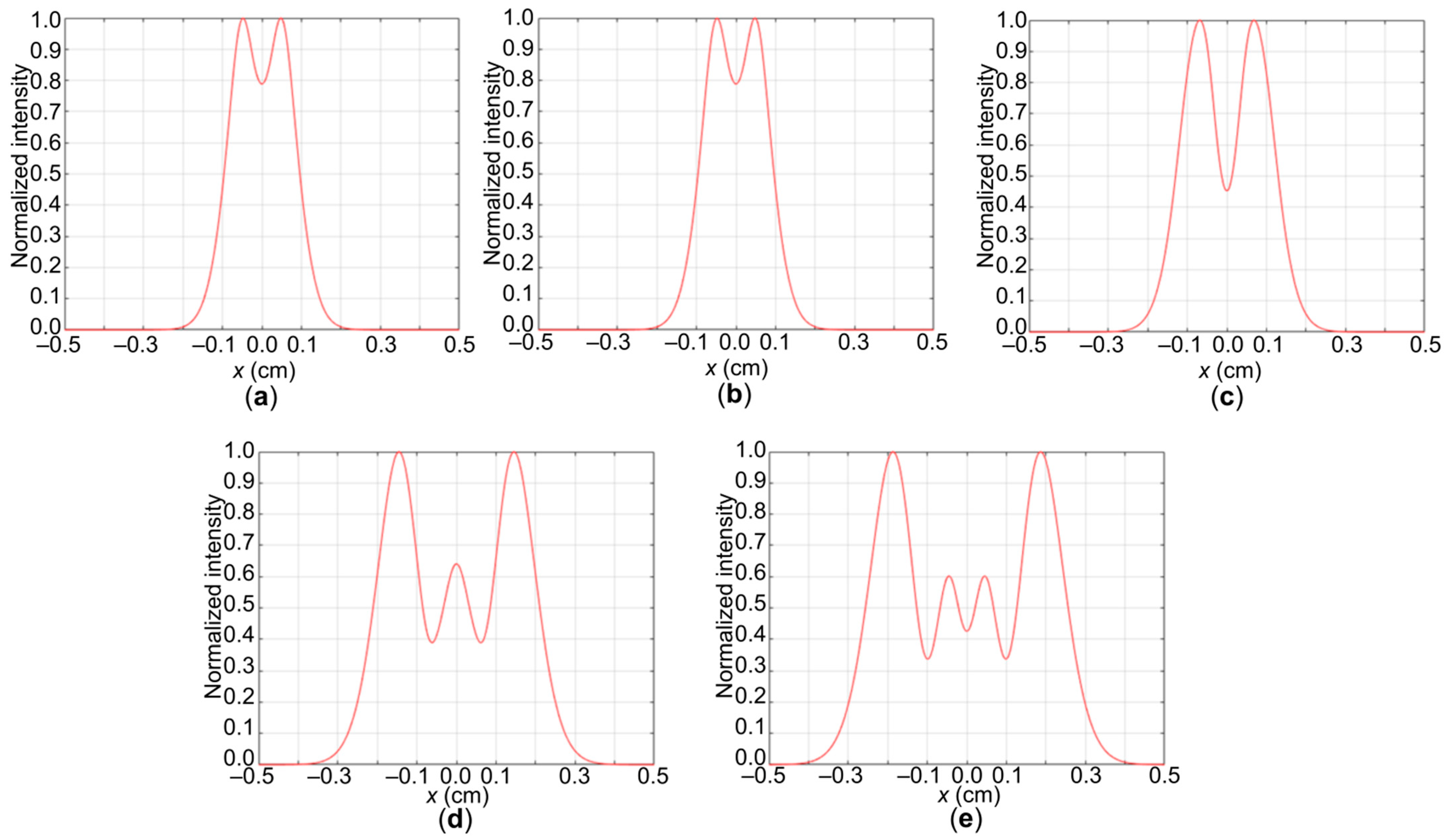
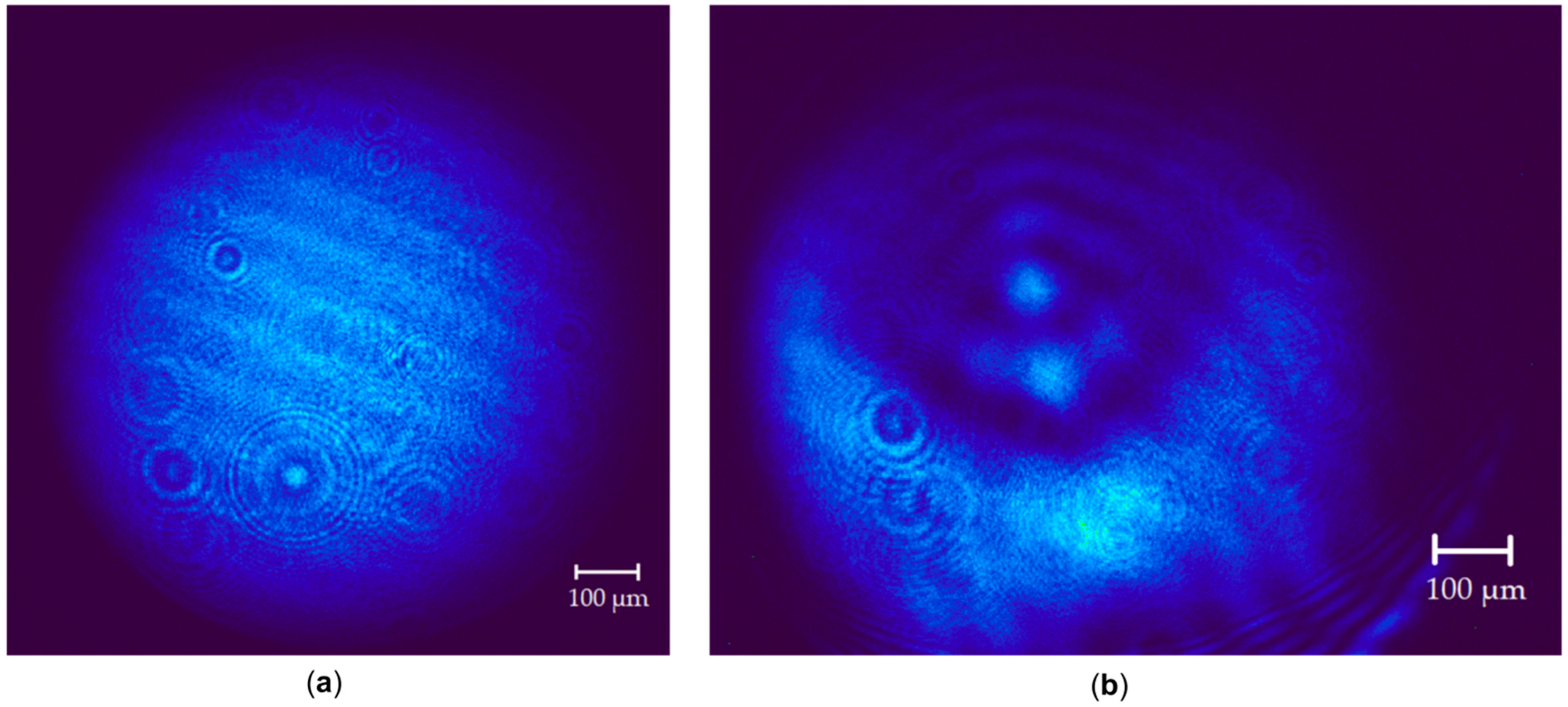
2.3. Nonlinear Optical Properties of Dispersions for Hydrogel Creation
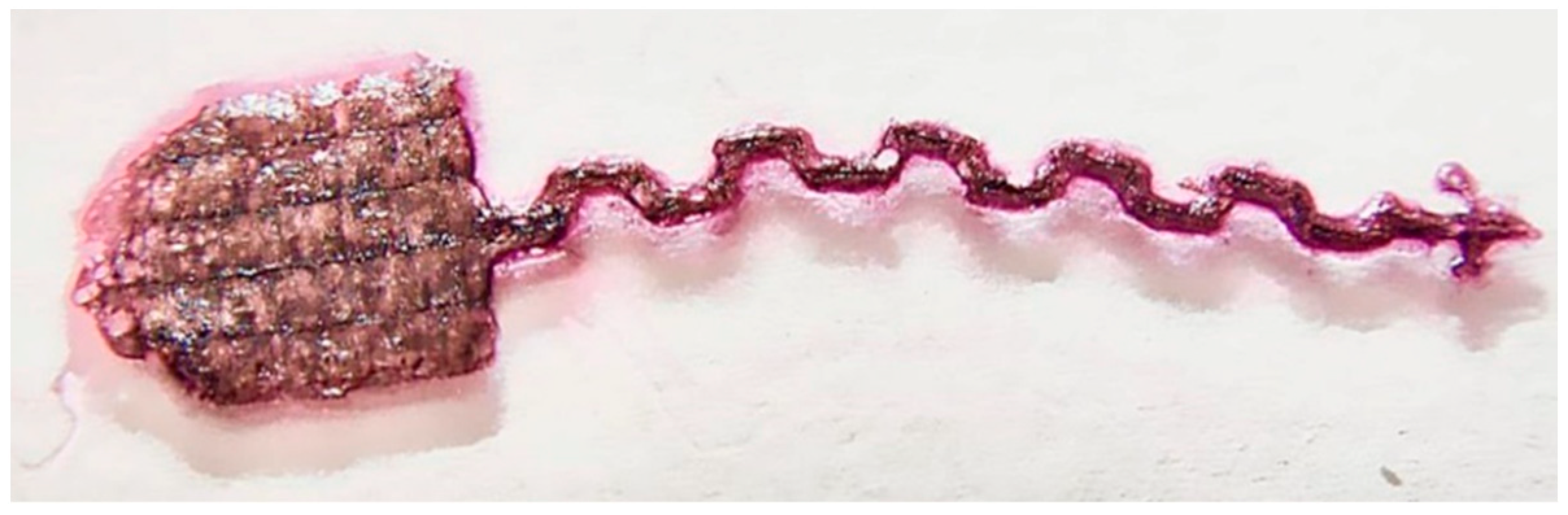
2.4. Specific Electrical Conductivity of Hydrogel
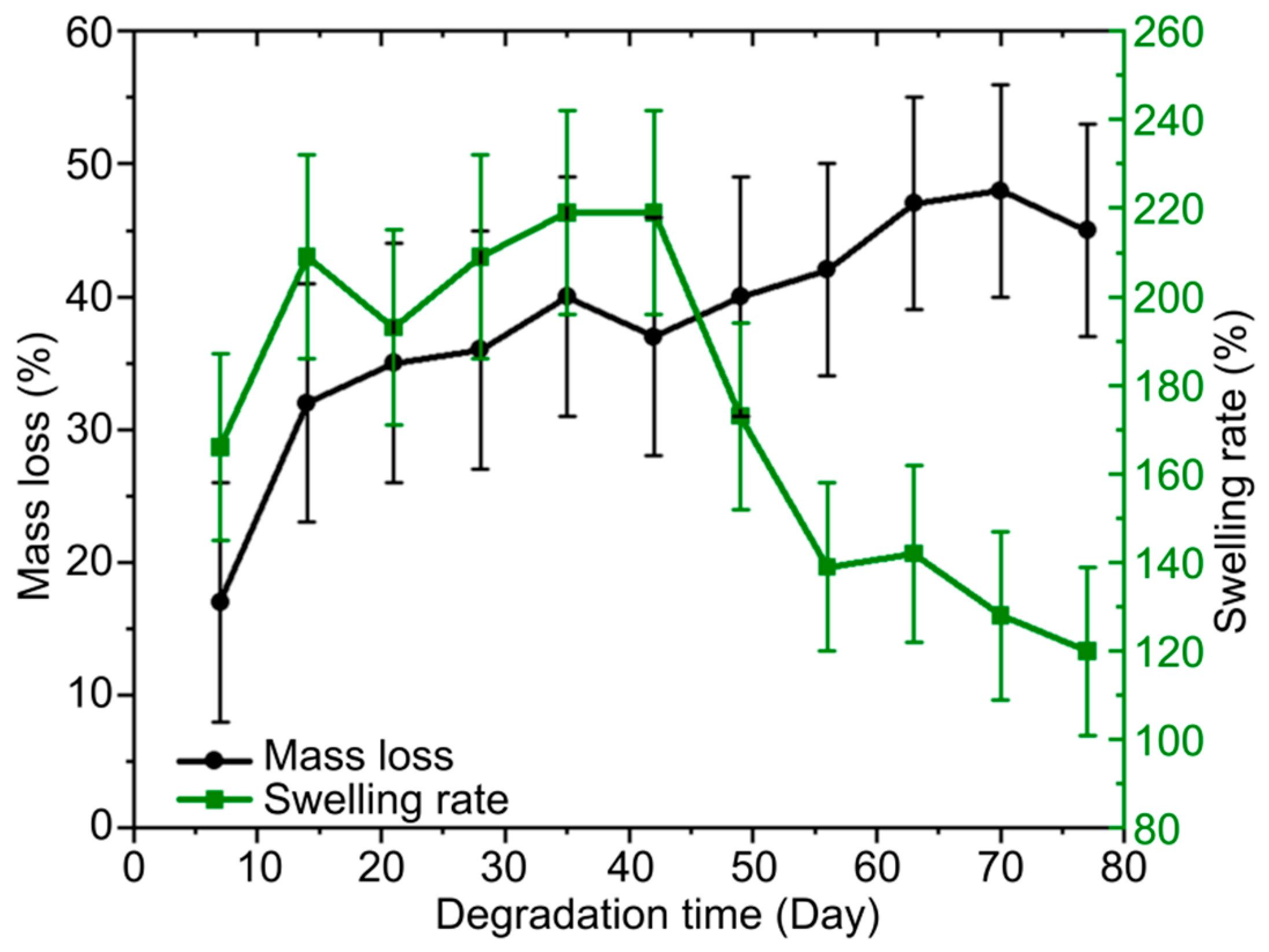
2.5. Hydrogel Degradation
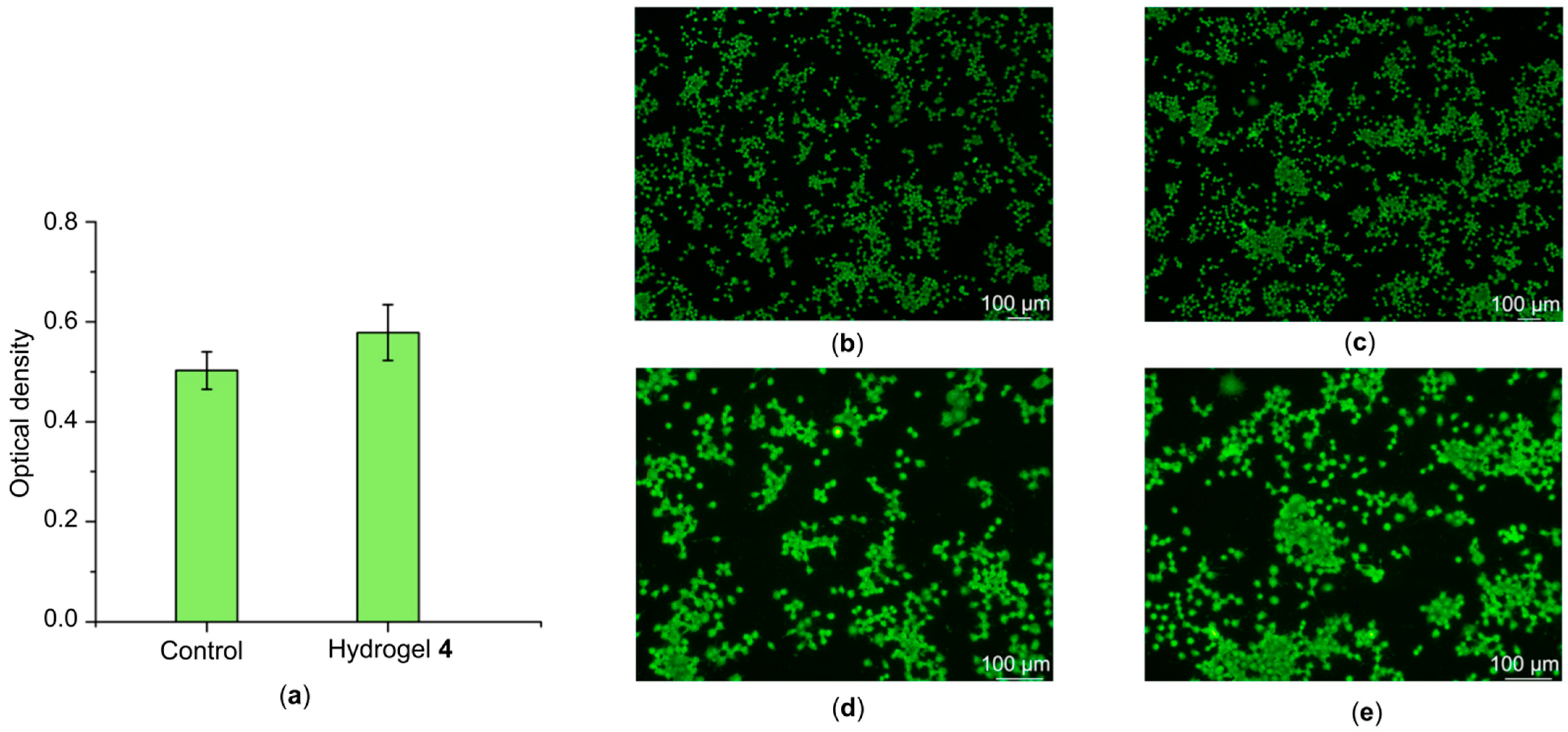
2.6. Biocompatibility
3. Conclusions
4. Materials and Methods
4.1. Preparation of Carbon Components
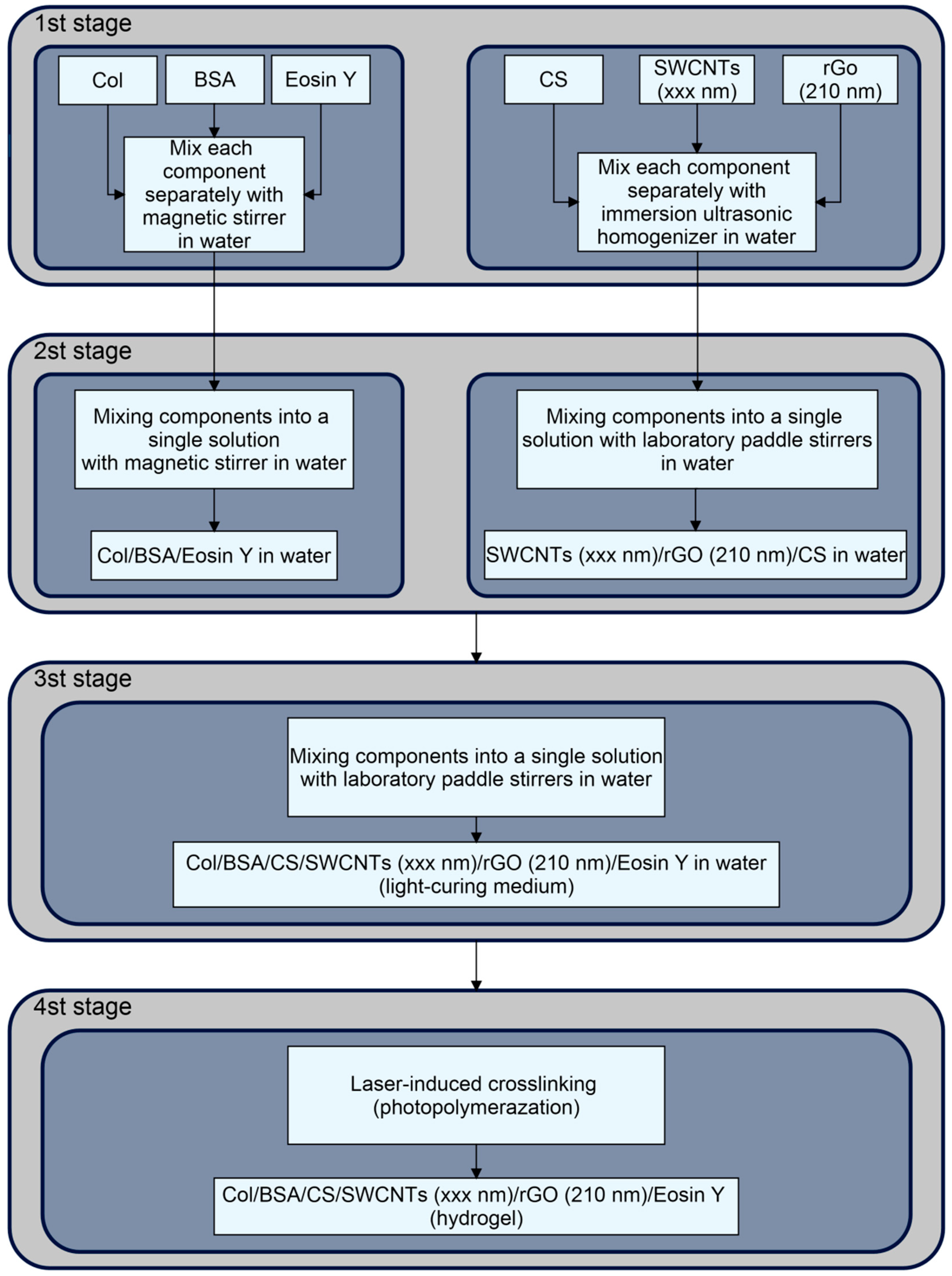
4.2. Preparation of Photopolymerizable Media for Hydrogel Fabrication
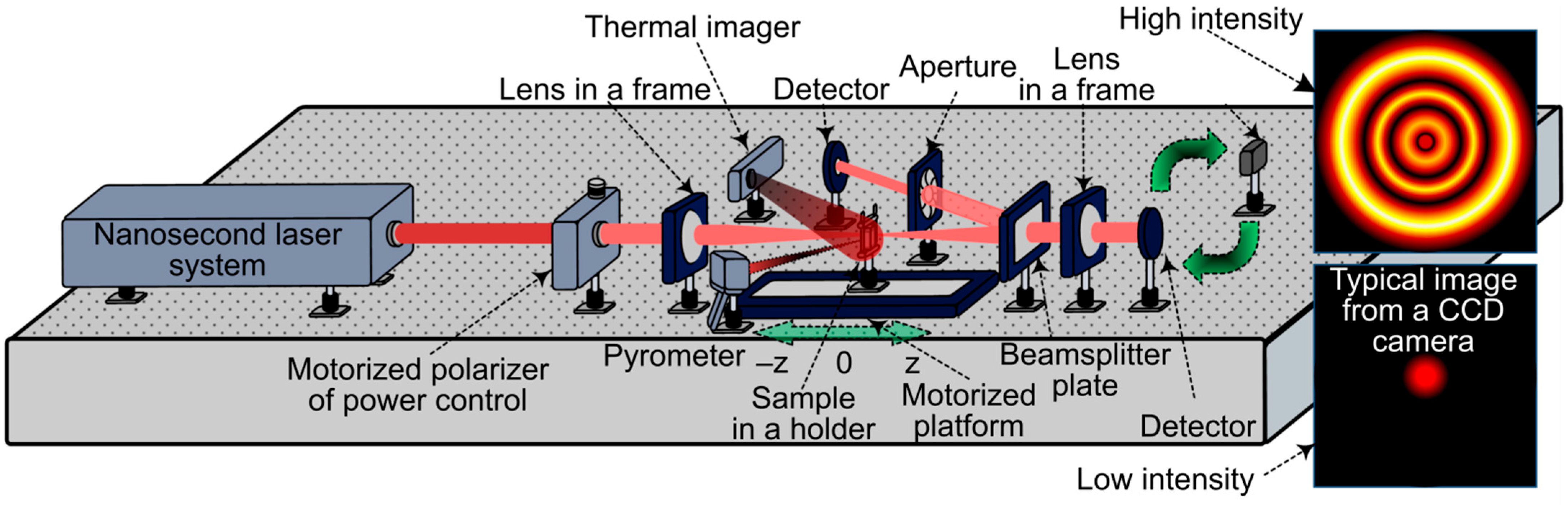
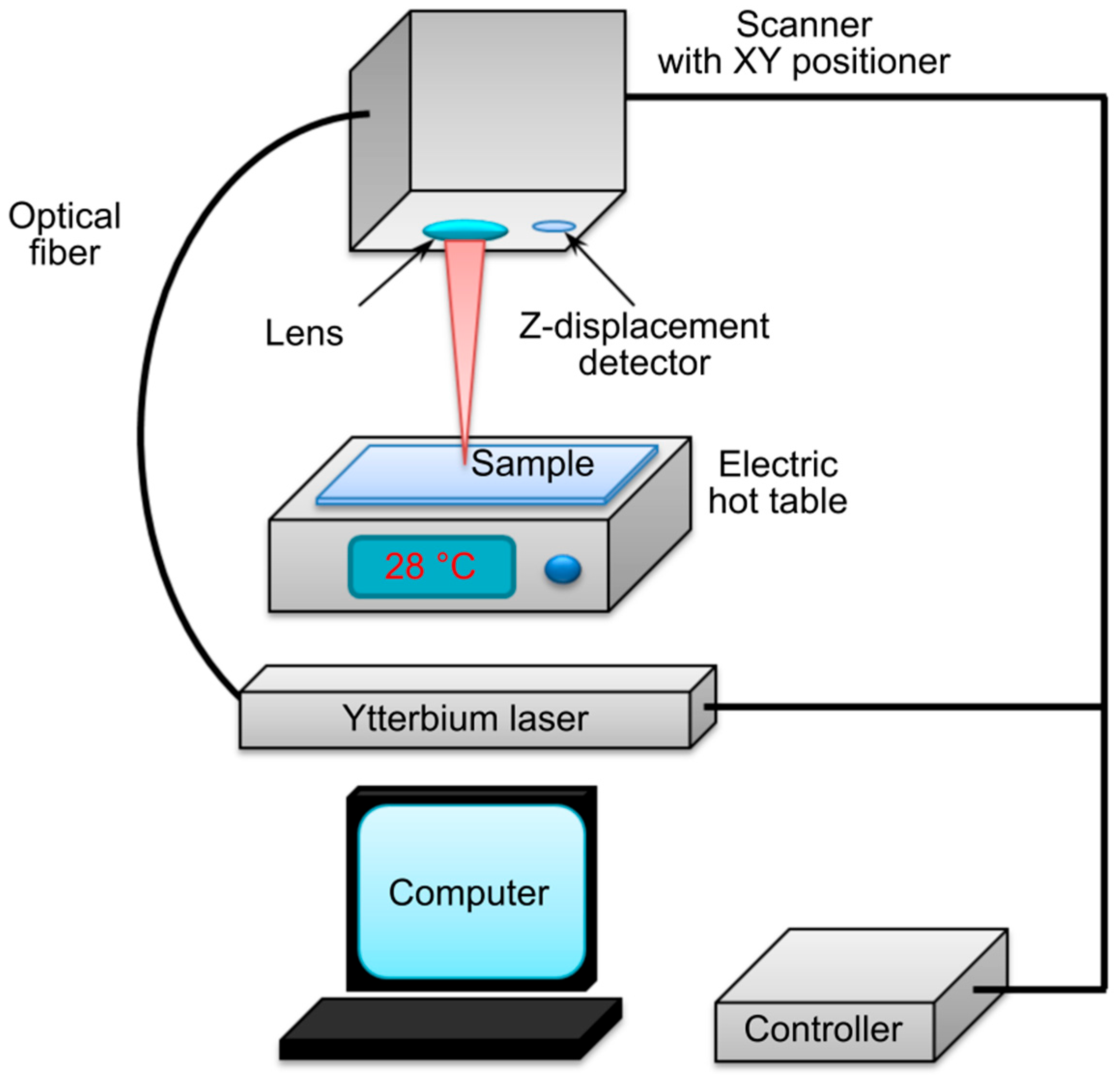
4.3. Optical Studies and Temperature Control
4.4. Studies of Electrical Conductivity and Hydrogel Formation
4.5. Degradation Studies
4.6. Biocompatibility Studies
Author Contributions
Funding
Institutional Review Board Statement
Informed Consent Statement
Data Availability Statement
Acknowledgments
Conflicts of Interest
Abbreviations
| CNS | Central nervous system |
| DC | Direct current |
| SCS | Spinal cord stimulation |
| Col | Collagen |
| BSA | Bovine serum albumin |
| CS | Chitosan |
| SWCNTs | Single-wall carbon nanotubes |
| DLS | Dynamic light scattering |
| rGO | Reduced graphene oxide |
| Eosin Y | Eosin Yellow |
| MTT | Colorimetric assay for assessing cell metabolic activity |
| RTE | Radiative transfer equation |
| DMEM | Dulbecco’s modified eagle medium |
References
- Jiang, L.; Gan, D.; Xu, C.; Zhang, T.; Gao, M.; Xie, C.; Zhang, D.; Lu, X. Polyphenol-Mediated Multifunctional Human–Machine Interface Hydrogel Electrodes in Bioelectronics. Small Sci. 2025, 5, 2400362. [Google Scholar] [CrossRef]
- Staples, N.A.; Goding, J.A.; Gilmour, A.D.; Aristovich, K.Y.; Byrnes-Preston, P.; Holder, D.S.; Morley, J.W.; Lovell, N.H.; Chew, D.J.; Green, R.A. Conductive Hydrogel Electrodes for Delivery of Long-Term High Frequency Pulses. Front. Neurosci. 2018, 11, 748. [Google Scholar] [CrossRef]
- Vrabec, T.L.; Wainright, J.S.; Bhadra, N.; Shaw, L.; Kilgore, K.L.; Bhadra, N. A Carbon Slurry Separated Interface Nerve Electrode for Electrical Block of Nerve Conduction. IEEE Trans. Neural Syst. Rehabil. Eng. 2019, 27, 836–845. [Google Scholar] [CrossRef]
- Rodríguez-Meana, B.; del Valle, J.; Viana, D.; Walston, S.T.; Ria, N.; Masvidal-Codina, E.; Garrido, J.A.; Navarro, X. Engineered Graphene Material Improves the Performance of Intraneural Peripheral Nerve Electrodes. Adv. Sci. 2024, 11, 2308689. [Google Scholar] [CrossRef]
- Tringides, C.M.; Mooney, D.J. Materials for Implantable Surface Electrode Arrays: Current Status and Future Directions. Adv. Mater. 2022, 34, 2107207. [Google Scholar] [CrossRef]
- Gutruf, P. Monolithically Defined Wireless Fully Implantable Nervous System Interfaces. Acc. Chem. Res. 2024, 57, 1275–1286. [Google Scholar] [CrossRef]
- Wang, M.; Mi, G.; Shi, D.; Bassous, N.; Hickey, D.; Webster, T.J. Nanotechnology and Nanomaterials for Improving Neural Interfaces. Adv. Funct. Mater. 2018, 28, 1700905. [Google Scholar] [CrossRef]
- Wang, K.; Tian, L.; Wang, T.; Zhang, Z.; Gao, X.; Wu, L.; Fu, B.; Liu, X. Electrodeposition of Alginate with PEDOT/PSS Coated MWCNTs to Make an Interpenetrating Conducting Hydrogel for Neural Interface. Compos. Interfaces 2019, 26, 27–40. [Google Scholar] [CrossRef]
- Thakur, R.; Aplin, F.P.; Fridman, G.Y. A Hydrogel-Based Microfluidic Nerve Cuff for Neuromodulation of Peripheral Nerves. Micromachines 2021, 12, 1522. [Google Scholar] [CrossRef] [PubMed]
- Guo, L. The pursuit of chronically reliable neural interfaces: A materials perspective. Front. Neurosci. 2016, 10, 599. [Google Scholar] [CrossRef]
- Bhadra, N.; Kilgore, K.L. Direct current electrical conduction block of peripheral nerve. IEEE Trans. Neural Syst. Rehabil. Eng. 2004, 12, 313–324. [Google Scholar] [CrossRef]
- Tai, C.; Roppolo, J.R.; de Groat, W.C. Analysis of nerve conduction block induced by direct current. J. Comput. Neurosci. 2009, 27, 201–210. [Google Scholar] [CrossRef] [PubMed]
- Whitwam, J.G.; Kidd, C. The use of direct current to cause selective block of large fibres in peripheral nerves. Br. J. Anaesth. 1975, 47, 1123–1133. [Google Scholar] [CrossRef] [PubMed]
- Aplin, F.P.; Singh, D.; Santina, C.C.D.; Fridman, G.Y. Ionic Direct Current Modulation for Combined Inhibition/Excitation of the Vestibular System. IEEE Trans. Biomed. Eng. 2019, 66, 775–783. [Google Scholar] [CrossRef] [PubMed]
- Yang, F.; Anderson, M.; He, S.; Stephens, K.; Zheng, Y.; Chen, Z.; Raja, S.N.; Aplin, F.; Guan, Y.; Fridman, G. Differential expression of voltage-gated sodium channels in afferent neurons renders selective neural block by ionic direct current. Sci. Adv. 2018, 4, eaaq1438. [Google Scholar] [CrossRef]
- Lam, C.M.; Latif, U.; Sack, A.; Govindan, S.; Sanderson, M.; Vu, D.T.; Smith, G.; Sayed, D.; Khan, T. Advances in Spinal Cord Stimulation. Bioengineering 2023, 10, 185. [Google Scholar] [CrossRef] [PubMed]
- Caylor, J.; Reddy, R.; Yin, S.; Cui, C.; Huang, M.; Huang, C.; Rao, R.; Baker, D.G.; Simmons, A.; Souza, D.; et al. Spinal cord stimulation in chronic pain: Evidence and theory for mechanisms of action. Bioelectron. Med. 2019, 5, 12. [Google Scholar] [CrossRef]
- Kim, E.; Chung, W.G.; Kim, E.; Oh, M.; Paek, J.; Lee, T.; Kim, D.; An, S.H.; Kim, S.; Park, J. Multi-Channel Neural Interface for Neural Recording and Neuromodulation. Small Methods 2025, e01227. [Google Scholar] [CrossRef]
- North, R.B.; Kidd, D.; Zahurak, M.; James, C.; Long, D. Spinal cord stimulation for chronic, intractable pain: Experience over two decades. Neurosurgery 1993, 32, 384–394. [Google Scholar] [CrossRef]
- Hosobuchi, Y.; Adams, J.E.; Weinstein, P.R. Preliminary percutaneous dorsal column stimulation prior to permanent implantation. J. Neurosurg. 1972, 37, 242–245. [Google Scholar] [CrossRef]
- Liu, K.; Zhang, H.; Hu, M.; Li, Z.; Xu, K.; Chen, D.; Cui, W.; Lv, C.; Ding, R.; Geng, X.; et al. The Past, Present, and Future of in Vivo -Implantable Recording Microelectrodes: The Neural Interfaces. Mater. Adv. 2024, 5, 4958–4973. [Google Scholar] [CrossRef]
- Giannotti, A.; Santanché, R.; Zinno, C.; Carpaneto, J.; Micera, S.; Riva, E.R. Characterization of a Conductive Hydrogel@Carbon Fibers Electrode as a Novel Intraneural Interface. Bioelectron. Med. 2024, 10, 20. [Google Scholar] [CrossRef] [PubMed]
- Wu, H.; Yang, G.; Zhu, K.; Liu, S.; Guo, W.; Jiang, Z.; Li, Z. Materials, Devices, and Systems of On-Skin Electrodes for Electrophysiological Monitoring and Human–Machine Interfaces. Adv. Sci. 2021, 8, 2001938. [Google Scholar] [CrossRef]
- Savelyev, M.S.; Kuksin, A.V.; Murashko, D.T.; Otsupko, E.P.; Suchkova, V.V.; Popovich, K.D.; Vasilevsky, P.N.; Vasilevskaya, Y.O.; Kurilova, U.E.; Eganova, E.M.; et al. Formation of Neurointerfaces Based on Electrically Conductive Biopolymers by Two-Photon Polymerization Method. Polymers 2025, 17, 1300. [Google Scholar] [CrossRef]
- Yang, G.; Hu, Y.; Guo, W.; Lei, W.; Liu, W.; Guo, G.; Geng, C.; Liu, Y.; Wu, H. Tunable Hydrogel Electronics for Diagnosis of Peripheral Neuropathy. Adv. Mater. 2024, 36, 2308831. [Google Scholar] [CrossRef] [PubMed]
- Yang, M.; Wang, L.; Liu, W.; Li, W.; Huang, Y.; Jin, Q.; Zhang, L.; Jiang, Y.; Luo, Z. Highly-Stable, Injectable, Conductive Hydrogel for Chronic Neuromodulation. Nat. Commun. 2024, 15, 7993. [Google Scholar] [CrossRef]
- Kruczkowska, W.; Gałęziewska, J.; Grabowska, K.H.; Gromek, P.; Czajkowska, K.; Rybicki, M.; Kciuk, M.; Kłosiński, K.K. From Molecules to Mind: The Critical Role of Chitosan, Collagen, Alginate, and Other Biopolymers in Neuroprotection and Neurodegeneration. Molecules 2025, 30, 1017. [Google Scholar] [CrossRef]
- Wei, X.; Li, S.; Wang, W.; Zhang, X.; Zhou, W.; Xie, S.; Liu, H. Recent Advances in Structure Separation of Single-Wall Carbon Nanotubes and Their Application in Optics, Electronics, and Optoelectronics. Adv. Sci. 2022, 9, 2200054. [Google Scholar] [CrossRef] [PubMed]
- Vakhrusheva, T.V.; Gusev, A.A.; Gusev, S.A.; Vlasova, I.I. Albumin Reduces Thrombogenic Potential of Single-Walled Carbon Nanotubes. Toxicol. Lett. 2013, 221, 137–145. [Google Scholar] [CrossRef] [PubMed]
- Zadeh Mehrizi, T.; Shafiee Ardestani, M. Application of Non-Metal Nanoparticles, as a Novel Approach, for Improving the Stability of Blood Products: 2011–2021. Prog. Biomater. 2022, 11, 137–161. [Google Scholar] [CrossRef] [PubMed]
- Valentini, F.; Mari, E.; Zicari, A.; Calcaterra, A.; Talamo, M.; Scioli, M.G.; Orlandi, A.; Mardente, S. Metal Free Graphene Oxide (GO) Nanosheets and Pristine-Single Wall Carbon Nanotubes (p-SWCNTs) Biocompatibility Investigation: A Comparative Study in Different Human Cell Lines. Int. J. Mol. Sci. 2018, 19, 1316. [Google Scholar] [CrossRef]
- Gerasimenko, A.Y.; Kuksin, A.V.; Shaman, Y.P.; Kitsyuk, E.P.; Fedorova, Y.O.; Murashko, D.T.; Shamanaev, A.A.; Eganova, E.M.; Sysa, A.V.; Savelyev, M.S.; et al. Hybrid Carbon Nanotubes–Graphene Nanostructures: Modeling, Formation, Characterization. Nanomaterials 2022, 12, 2812. [Google Scholar] [CrossRef] [PubMed]
- Kougkolos, G.; Golzio, M.; Laudebat, L.; Valdez-Nava, Z.; Flahaut, E. Hydrogels with electrically conductive nanomaterials for biomedical applications. J. Mater. Chem. B 2023, 11, 2036–2062. [Google Scholar] [CrossRef] [PubMed]
- Rennhofer, H.; Zanghellini, B. Dispersion state and damage of carbon nanotubes and carbon nanofibers by ultrasonic dispersion: A review. Nanomaterials 2021, 11, 1469. [Google Scholar] [CrossRef] [PubMed]
- Nagaev, E.I.; Baimler, I.V.; Baryshev, A.S.; Astashev, M.E.; Gudkov, S.V. Effect of Laser-Induced Optical Breakdown on the Structure of Bsa Molecules in Aqueous Solutions: An Optical Study. Molecules 2022, 27, 6752. [Google Scholar] [CrossRef] [PubMed]
- Turunen, S.; Käpylä, E.; Terzaki, K.; Viitanen, J.; Fotakis, C.; Kellomäki, M.; Farsari, M. Pico- and Femtosecond Laser-Induced Crosslinking of Protein Microstructures: Evaluation of Processability and Bioactivity. Biofabrication 2011, 3, 045002. [Google Scholar] [CrossRef]
- Savelyev, M.S.; Agafonova, N.O.; Vasilevsky, P.N.; Ryabkin, D.I.; Telyshev, D.V.; Timashev, P.S.; Gerasimenko, A.Y. Effects of Pulsed and Continuous-Wave Laser Radiation on the Fabrication of Tissue-Engineered Composite Structures. Opt. Eng. 2020, 59, 061623. [Google Scholar] [CrossRef]
- Kuroda, C.; Haniu, H.; Ajima, K.; Tanaka, M.; Sobajima, A.; Ishida, H.; Tsukahara, T.; Matsuda, Y.; Aoki, K.; Kato, H.; et al. The Dispersion State of Tangled Multi-Walled Carbon Nanotubes Affects Their Cytotoxicity. Nanomaterials 2016, 6, 219. [Google Scholar] [CrossRef] [PubMed]
- Albers, P.W.; Leich, V.; Ramirez-Cuesta, A.J.; Cheng, Y.; Hönig, J.; Parker, S.F. The Characterisation of Commercial 2D Carbons: Graphene, Graphene Oxide and Reduced Graphene Oxide. Mater. Adv. 2022, 3, 2810–2826. [Google Scholar] [CrossRef]
- Zhang, W.; He, W.; Jing, X. Preparation of a Stable Graphene Dispersion with High Concentration by Ultrasound. J. Phys. Chem. B 2019, 114, 10368–10373. [Google Scholar] [CrossRef]
- Lou, K.; Zhu, Z.; Zhang, H.; Wang, Y.; Wang, X.; Cao, J. Comprehensive Studies on the Nature of Interaction between Carboxylated Multi-Walled Carbon Nanotubes and Bovine Serum Albumin. Chem. Biol. Interact. 2016, 243, 54–61. [Google Scholar] [CrossRef] [PubMed]
- O’Connell, M.J.; Boul, P.; Ericson, L.M.; Huffman, C.; Wang, Y.; Haroz, E.; Kuper, C.; Tour, J.; Ausman, K.D.; Smalley, R.E. Reversible Water-Solubilization of Single-Walled Carbon Nanotubes by Polymer Wrapping. Chem. Phys. Lett. 2001, 342, 265–271. [Google Scholar] [CrossRef]
- Sheik-Bahae, M.; Said, A.A.; Wei, T.-H.; Hagan, D.J.; Van Stryland, E.W. Sensitive Measurement of Optical Nonlinearities Using a Single Beam. IEEE J. Quantum Electron. 1990, 26, 760–769. [Google Scholar] [CrossRef]
- Vasilevsky, P.N.; Savelyev, M.S.; Tolbin, A.Y.; Ryabkin, D.I.; Gerasimenko, A.Y. Spatial Self-Phase Modulation of Light in Liquid Dispersions Based on Conjugates of Phthalocyanines and Carbon Nanotubes. St. Petersburg Polytech. Univ. J. Phys. Math. 2023, 16, 31–35. [Google Scholar] [CrossRef]
- Munir, K.S.; Wen, C.; Li, Y. Carbon Nanotubes and Graphene as Nanoreinforcements in Metallic Biomaterials: A Review. Adv. Biosyst. 2019, 3, 1800212. [Google Scholar] [CrossRef] [PubMed]
- Fisher, C.; Rider, A.E.; Jun Han, Z.; Kumar, S.; Levchenko, I.; Ostrikov, K. Applications and Nanotoxicity of Carbon Nanotubes and Graphene in Biomedicine. J. Nanomater. 2012, 2012, 315185. [Google Scholar] [CrossRef]
- Xu, X.; Wang, L.; Jing, J.; Zhan, J.; Xu, C.; Xie, W.; Ye, S.; Zhao, Y.; Zhang, C.; Huang, F. Conductive Collagen-Based Hydrogel Combined with Electrical Stimulation to Promote Neural Stem Cell Proliferation and Differentiation. Front. Bioeng. Biotechnol. 2022, 10, 912497. [Google Scholar] [CrossRef] [PubMed]
- Predtechenskiy, M.R.; Khasin, A.A.; Bezrodny, A.E.; Bobrenok, O.F.; Dubov, D.Y.; Muradyan, V.E.; Saik, V.O.; Smirnov, S.N. New Perspectives in SWCNT Applications: Tuball SWCNTs. Part 1. Tuball by Itself—All You Need to Know about It. Carbon Trends 2022, 8, 100175. [Google Scholar] [CrossRef]
- Zhang, M.; An, H.; Zhang, F.; Jiang, H.; Wan, T.; Wen, Y.; Han, N.; Zhang, P. Prospects of Using Chitosan-Based Biopolymers in the Treatment of Peripheral Nerve Injuries. Int. J. Mol. Sci. 2023, 24, 12956. [Google Scholar] [CrossRef] [PubMed]
- Knerelman, E.I.; Zvereva, G.I.; Kislov, M.B.; Davydova, G.I.; Krestinin, A.V. Characterization of Products on the Base of Single-Walled Carbon Nanotubes by the Method of Nitrogen Adsorption. Nanotechnol. Russ. 2010, 5, 786–794. [Google Scholar] [CrossRef]
- Murashko, D.; Kurilova, U.; Savelyev, M.; Selishchev, S. Formation of Carbon Nanomaterials Layers to Create Passive and Active Implantable Devices for Nerve Tissue Repair. In Proceedings of the 2025 IEEE 26th International Conference of Young Professionals in Electron Devices and Materials (EDM), Altai, Russia, 27 June–1 July 2025; IEEE: New York, NY, USA, 2025; pp. 1660–1664. [Google Scholar] [CrossRef]
- Jia, Y.; Li, Z.; Saeed, M.; Tang, J.; Cai, H.; Xiang, Y. Kerr Nonlinearity in Germanium Selenide Nanoflakes Measured by Z-Scan and Spatial Self-Phase Modulation Techniques and Its Applications in All-Optical Information Conversion. Opt. Express 2019, 27, 20857. [Google Scholar] [CrossRef] [PubMed]
- Golestanifar, M.; Haddad, M.A.; Hassan, A.N.; Pakravan, K. Exploring the Thermal-Induced Optical Nonlinearity of Crude Oil via Spatial Self-Phase Modulation Technique. Sci. Rep. 2025, 15, 3973. [Google Scholar] [CrossRef] [PubMed]
- Liu, X.; Qin, S.; Xu, L.; Fu, G.; Huang, Y.; Yu, C.; Cheng, G.; Li, Y.; He, Y.; Qi, Y.; et al. A Tough and Mechanically Stable Adhesive Hydrogel for Non-Invasive Wound Repair. Front. Bioeng. Biotechnol. 2023, 11, 1173247. [Google Scholar] [CrossRef]
- Dias, J.R.; Sousa, A.; Augusto, A.; Bártolo, P.J.; Granja, P.L. Electrospun Polycaprolactone (PCL) Degradation: An In Vitro and In Vivo Study. Polymers 2022, 14, 3397. [Google Scholar] [CrossRef] [PubMed]
- Mosmann, T. Rapid Colorimetric Assay for Cellular Growth and Survival: Application to Proliferation and Cytotoxicity Assays. J. Immunol. Methods 1983, 65, 55–63. [Google Scholar] [CrossRef] [PubMed]
- Wang, L.; Liu, S.; Zhao, W.; Li, J.; Zeng, H.; Kang, S.; Sheng, X.; Wang, L.; Fan, Y.; Yin, L. Recent Advances in Implantable Neural Interfaces for Multimodal Electrical Neuromodulation. Adv. Healthc. Mater. 2024, 13, 2303316. [Google Scholar] [CrossRef] [PubMed]



| Ultrasonic Treatment Time, min | Ultrasound Power, W | Type of Nanoparticles | Hydrodynamic Radius R, nm | Standard Deviation, nm | Contribution, % |
|---|---|---|---|---|---|
| 20 | 210 | Individual SWCNTs | 195 | 35 | 18 |
| SWCNT Bundles | 800 | 240 | 76 | ||
| SWCNT Bundles | 670,000 | 180,000 | 6 | ||
| 40 | 210 | Individual SWCNTs | 65 | 4 | 5 |
| SWCNT Bundles | 600 | 90 | 88 | ||
| SWCNT Bundles | 800,000 | 120,000 | 7 | ||
| 60 | 210 | Individual SWCNTs | 60 | 4 | 2 |
| SWCNT Bundles | 520 | 100 | 94 | ||
| SWCNT Bundles | 790,000 | 130,000 | 4 | ||
| 80 | 210 | Individual SWCNTs | 40 | 5 | 2 |
| SWCNT Bundles | 490 | 100 | 88 | ||
| SWCNT Bundles | 180,000 | 110,000 | 10 | ||
| 100 | 210 | Individual SWCNTs | 70 | 4 | 3 |
| SWCNT Bundles | 550 | 70 | 90 | ||
| SWCNT Bundles | 860,000 | 96,000 | 7 | ||
| 80 | 210 | Individual rGO | 45 | 5 | 9 |
| Individual rGO | 210 | 50 | 90 | ||
| rGO agglomerates | 920,000 | 65,000 | 1 |
| Photocurable Medium (Negative Photoresist) | Hydrodynamic Radius of SWCNTs R, nm | Linear Absorption Coefficient α, cm−1 | Nonlinear Absorption Cross-Section σ, GM | Threshold Laser Exposure Fx, J/cm2 | Linear Refractive Index n0 | Nonlinear Refractive Index nn, cm2/GW |
|---|---|---|---|---|---|---|
| 1 | 800 ± 200 | 40 ± 3 | 750 ± 50 | 0.09 ± 0.01 | 1.353 ± 0.001 | 0.26 ± 0.02 |
| 2 | 600 ± 90 | 37 ± 3 | 770 ± 50 | 0.08 ± 0.01 | 1.356 ± 0.001 | 0.26 ± 0.02 |
| 3 | 520 ± 90 | 40 ± 3 | 760 ± 50 | 0.08 ± 0.01 | 1.359 ± 0.001 | 0.42 ± 0.02 |
| 4 | 490 ± 40 | 40 ± 3 | 850 ± 60 | 0.07 ± 0.01 | 1.361 ± 0.001 | 0.78 ± 0.03 |
| 5 | 550 ± 70 | 35 ± 3 | 830 ± 60 | 0.06 ± 0.01 | 1.363 ± 0.001 | 0.95 ± 0.03 |
| Hydrogel | Hydrodynamic Radius of SWCNTs R, nm | Specific Conductivity (25 °C), mS × cm−1 | Specific Conductivity (37 °C), mS × cm−1 |
|---|---|---|---|
| 1 | 800 ± 200 | 28 ± 2 | 35 ± 2 |
| 2 | 600 ± 90 | 18 ± 2 | 22 ± 2 |
| 3 | 520 ± 90 | 32 ± 2 | 38 ± 2 |
| 4 | 490 ± 40 | 72 ± 6 | 86 ± 6 |
| 5 | 550 ± 70 | 26 ± 2 | 31 ± 2 |
Disclaimer/Publisher’s Note: The statements, opinions and data contained in all publications are solely those of the individual author(s) and contributor(s) and not of MDPI and/or the editor(s). MDPI and/or the editor(s) disclaim responsibility for any injury to people or property resulting from any ideas, methods, instructions or products referred to in the content. |
© 2025 by the authors. Licensee MDPI, Basel, Switzerland. This article is an open access article distributed under the terms and conditions of the Creative Commons Attribution (CC BY) license (https://creativecommons.org/licenses/by/4.0/).
Share and Cite
Savelyev, M.; Kuksin, A.; Murashko, D.; Otsupko, E.; Suchkova, V.; Efremova, K.; Vasilevsky, P.; Kurilova, U.; Selishchev, S.; Gerasimenko, A. Effect of Ultrasonic Treatment of Dispersed Carbon Nanocomposite Media on the Formation, Electrical Conductivity, and Degradation of a Hydrogel for Metallic Stimulation Electrodes. Gels 2025, 11, 1004. https://doi.org/10.3390/gels11121004
Savelyev M, Kuksin A, Murashko D, Otsupko E, Suchkova V, Efremova K, Vasilevsky P, Kurilova U, Selishchev S, Gerasimenko A. Effect of Ultrasonic Treatment of Dispersed Carbon Nanocomposite Media on the Formation, Electrical Conductivity, and Degradation of a Hydrogel for Metallic Stimulation Electrodes. Gels. 2025; 11(12):1004. https://doi.org/10.3390/gels11121004
Chicago/Turabian StyleSavelyev, Mikhail, Artem Kuksin, Denis Murashko, Ekaterina Otsupko, Victoria Suchkova, Kristina Efremova, Pavel Vasilevsky, Ulyana Kurilova, Sergey Selishchev, and Alexander Gerasimenko. 2025. "Effect of Ultrasonic Treatment of Dispersed Carbon Nanocomposite Media on the Formation, Electrical Conductivity, and Degradation of a Hydrogel for Metallic Stimulation Electrodes" Gels 11, no. 12: 1004. https://doi.org/10.3390/gels11121004
APA StyleSavelyev, M., Kuksin, A., Murashko, D., Otsupko, E., Suchkova, V., Efremova, K., Vasilevsky, P., Kurilova, U., Selishchev, S., & Gerasimenko, A. (2025). Effect of Ultrasonic Treatment of Dispersed Carbon Nanocomposite Media on the Formation, Electrical Conductivity, and Degradation of a Hydrogel for Metallic Stimulation Electrodes. Gels, 11(12), 1004. https://doi.org/10.3390/gels11121004