Article

Ibuprofen-Loaded Silver Nanoparticle-Doped PVA Gels: Green Synthesis, In Vitro Cytotoxicity, and Antibacterial Analyses


by
Ezgi Altınay
1,
Fatma Zehra Köse
2,
Sezen Canım Ateş
2 and
Kadriye Kızılbey
3,*
1
Institute of Science and Engineering, İstanbul Yeni Yüzyıl University, İstanbul 34010, Türkiye
2
Biomedical Engineering Department, Faculty of Engineering and Architecture, İstanbul Yeni Yüzyıl University, İstanbul 34010, Türkiye
3
Department of Natural Sciences, Faculty of Engineering and Natural Sciences, Acıbadem University, İstanbul 34752, Türkiye
*
Author to whom correspondence should be addressed.
Gels 2024, 10(2), 143; https://doi.org/10.3390/gels10020143
Submission received: 29 November 2023 / Revised: 18 January 2024 / Accepted: 22 January 2024 / Published: 14 February 2024
(This article belongs to the Special Issue Research on Hydrogels for Controlled Drug Delivery)

Abstract

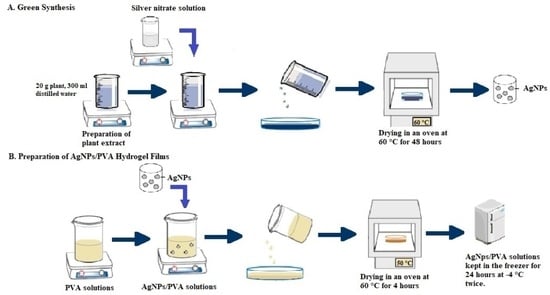
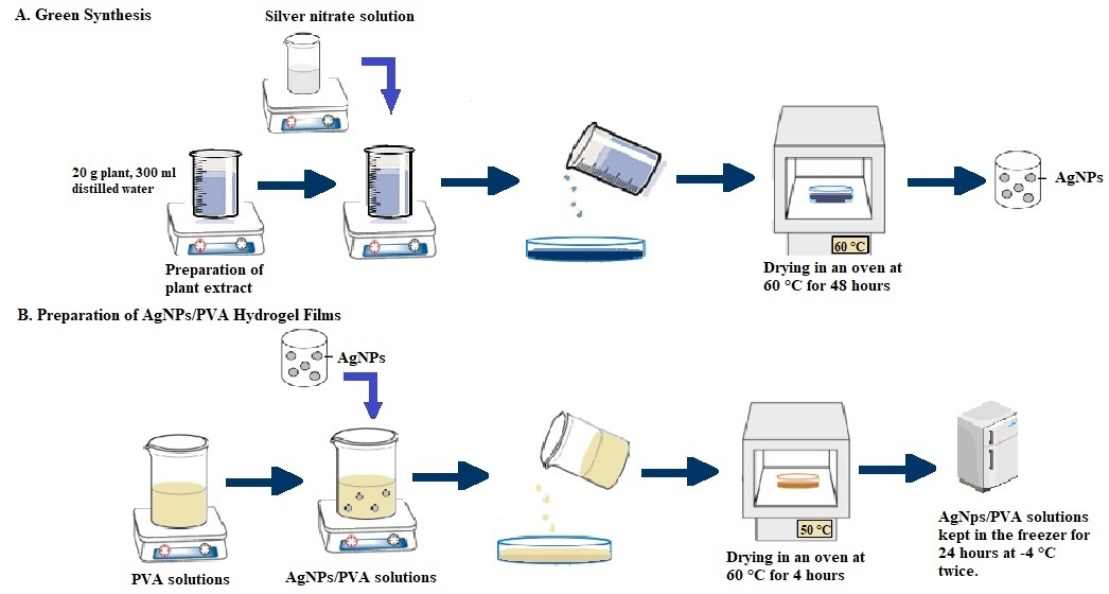
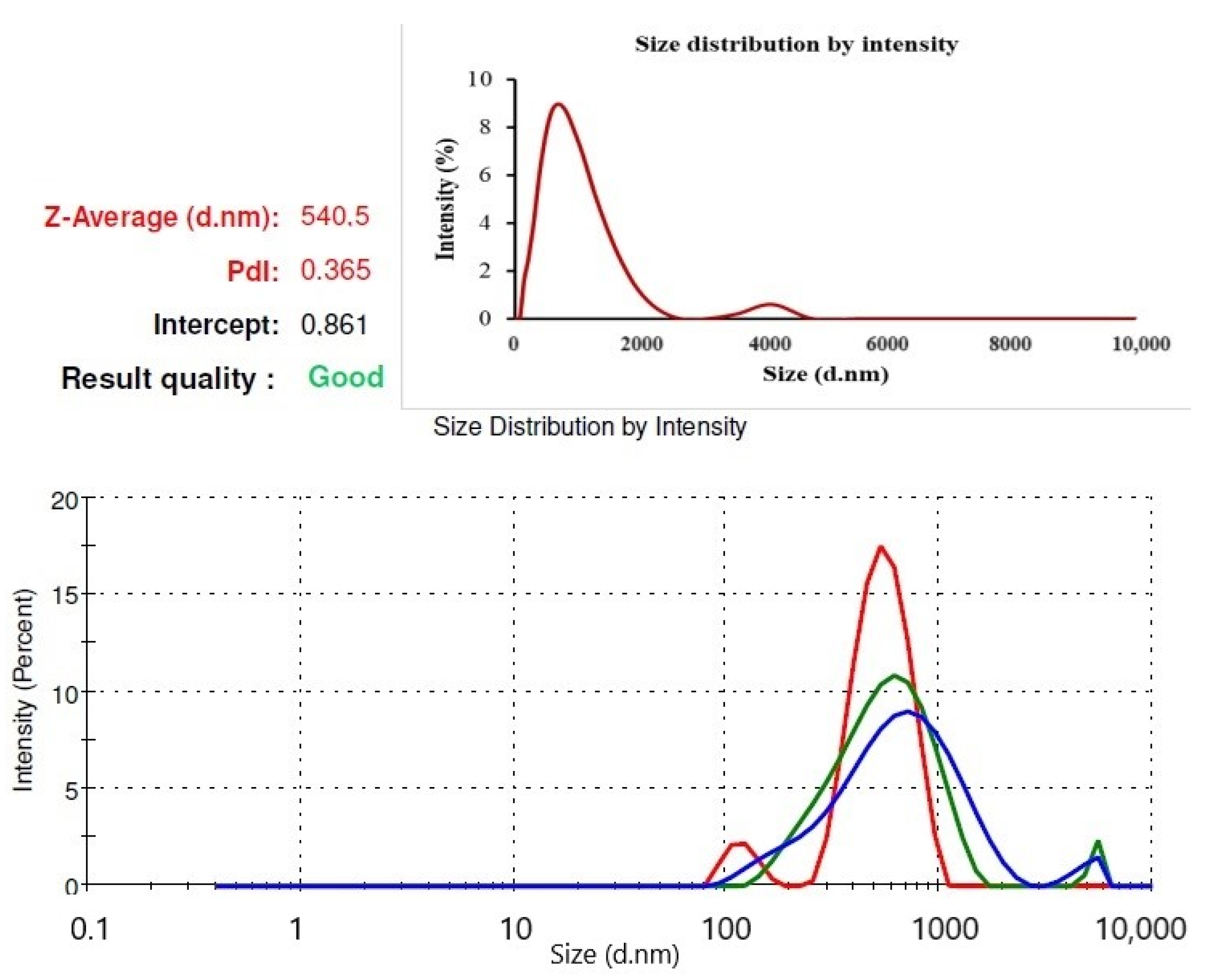
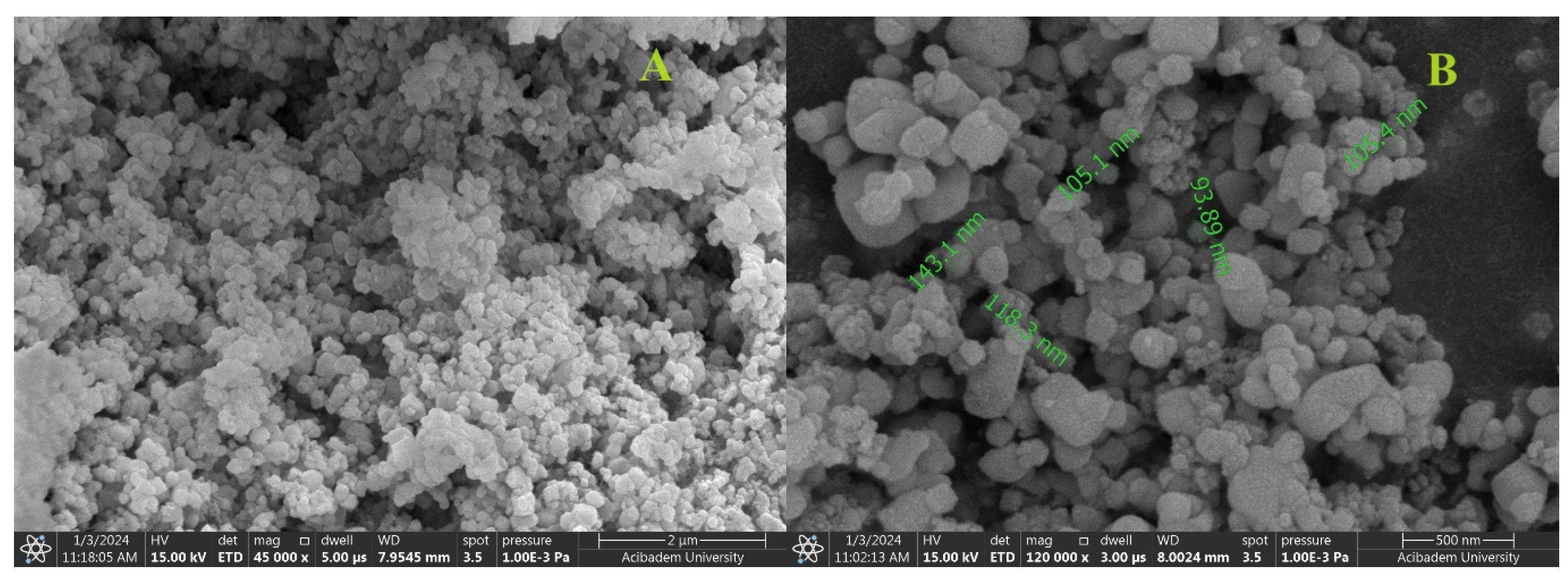
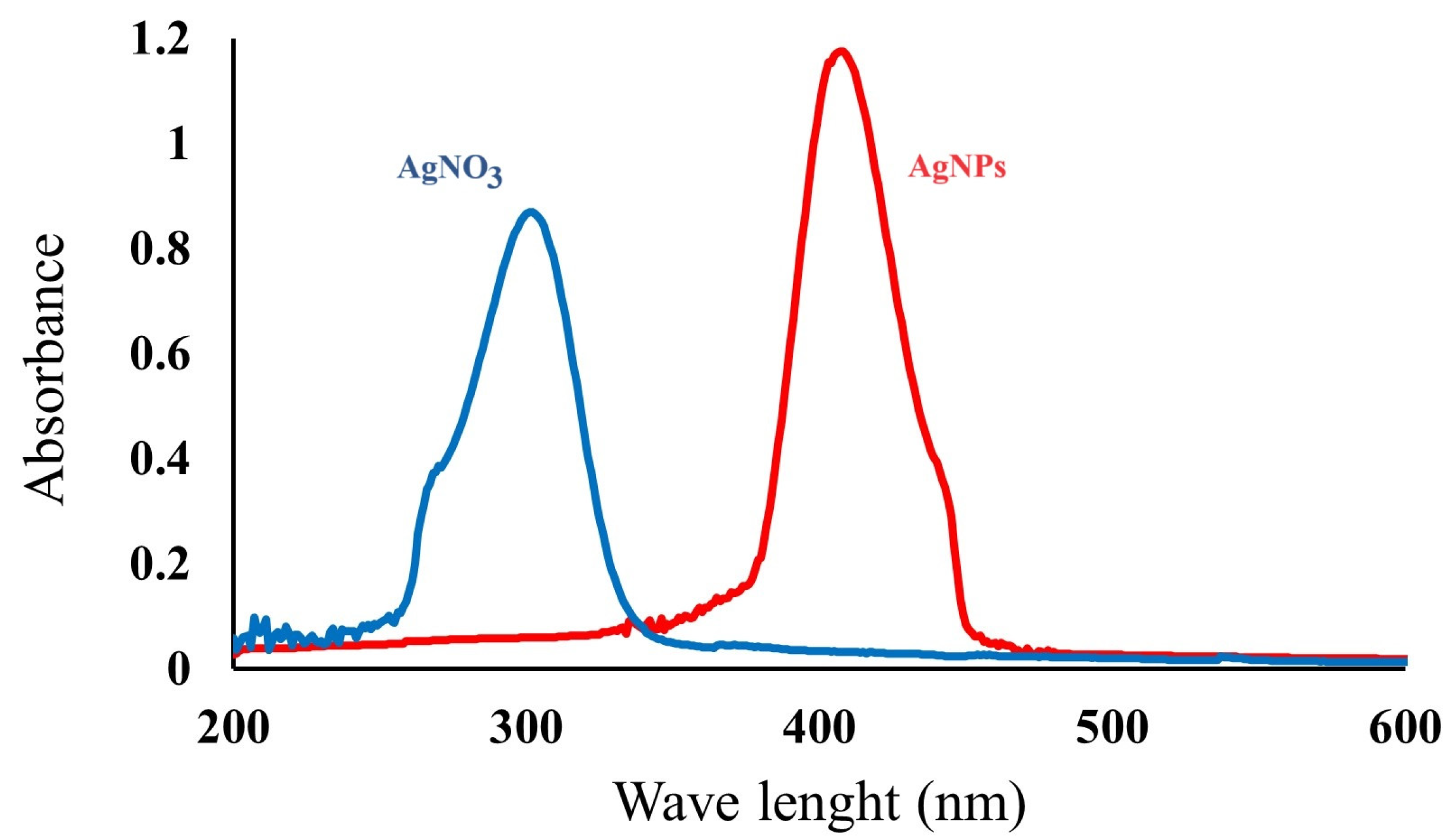
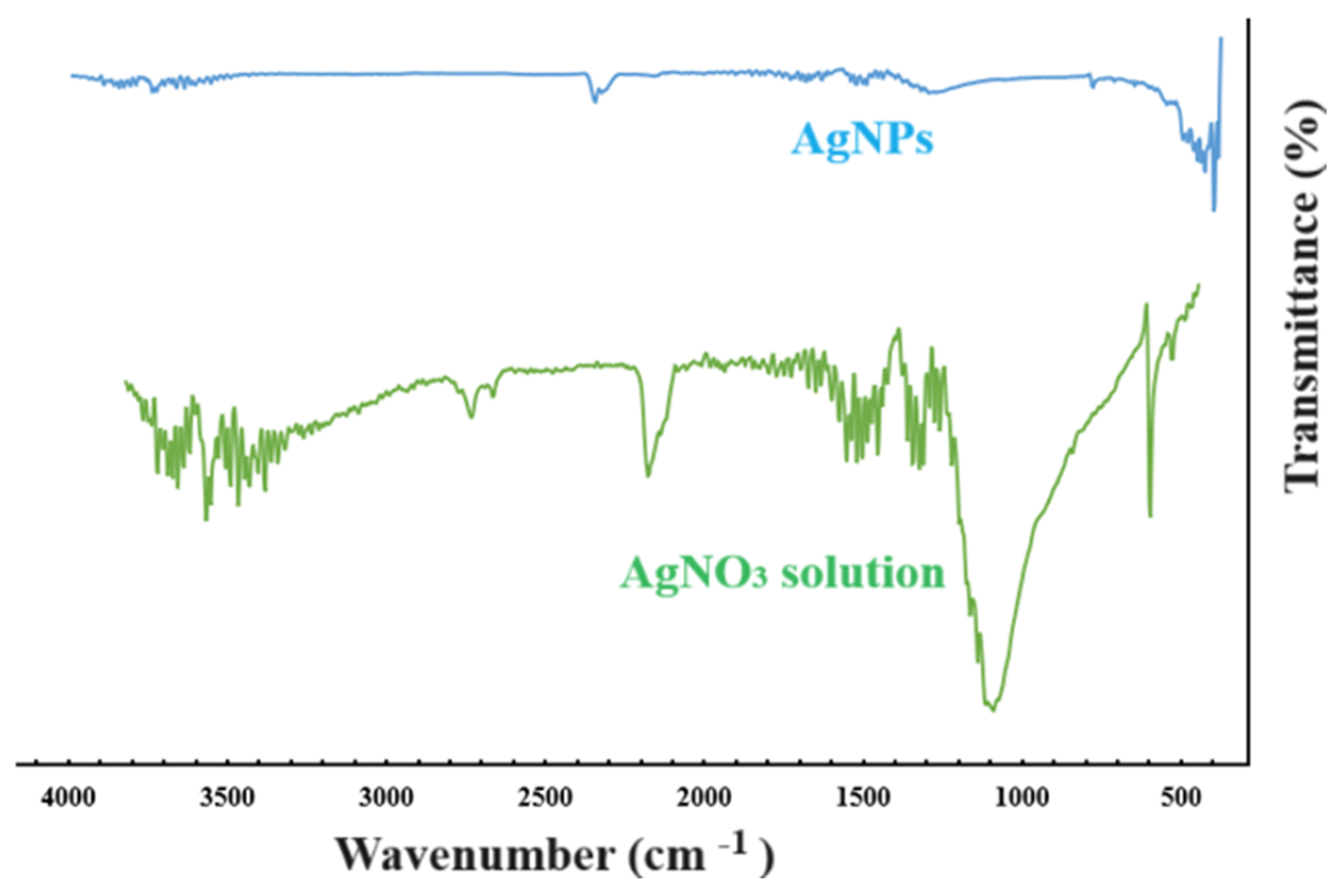
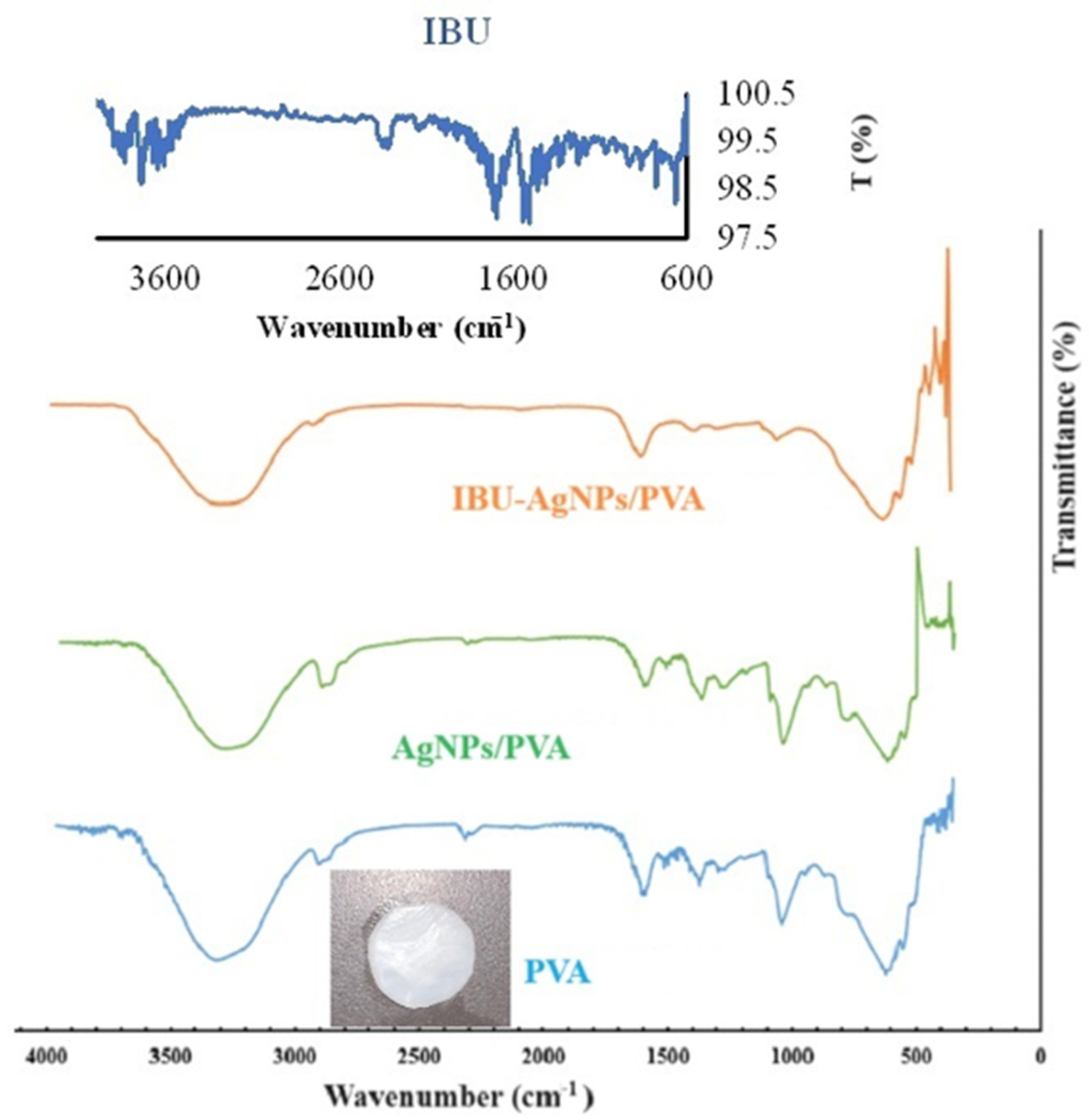
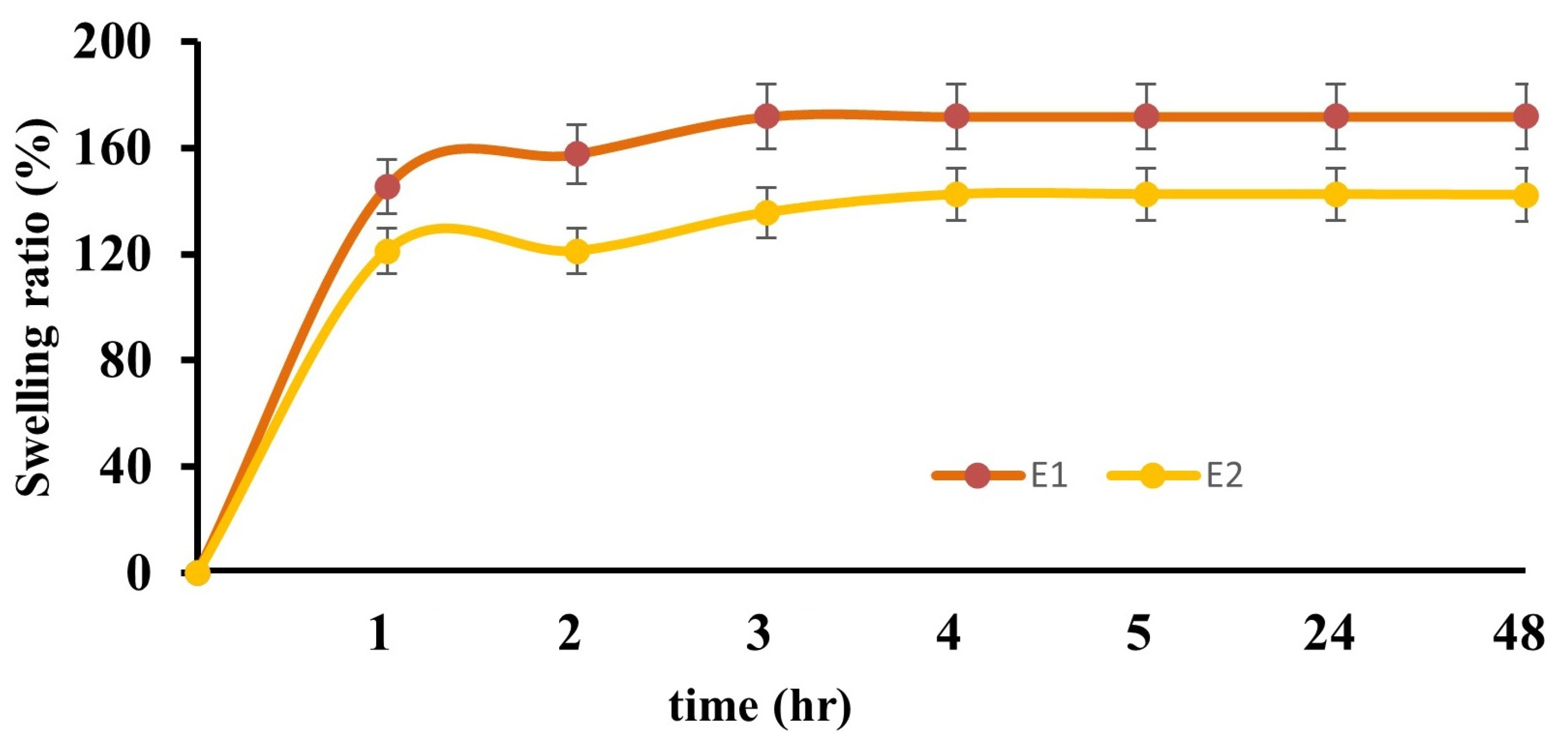
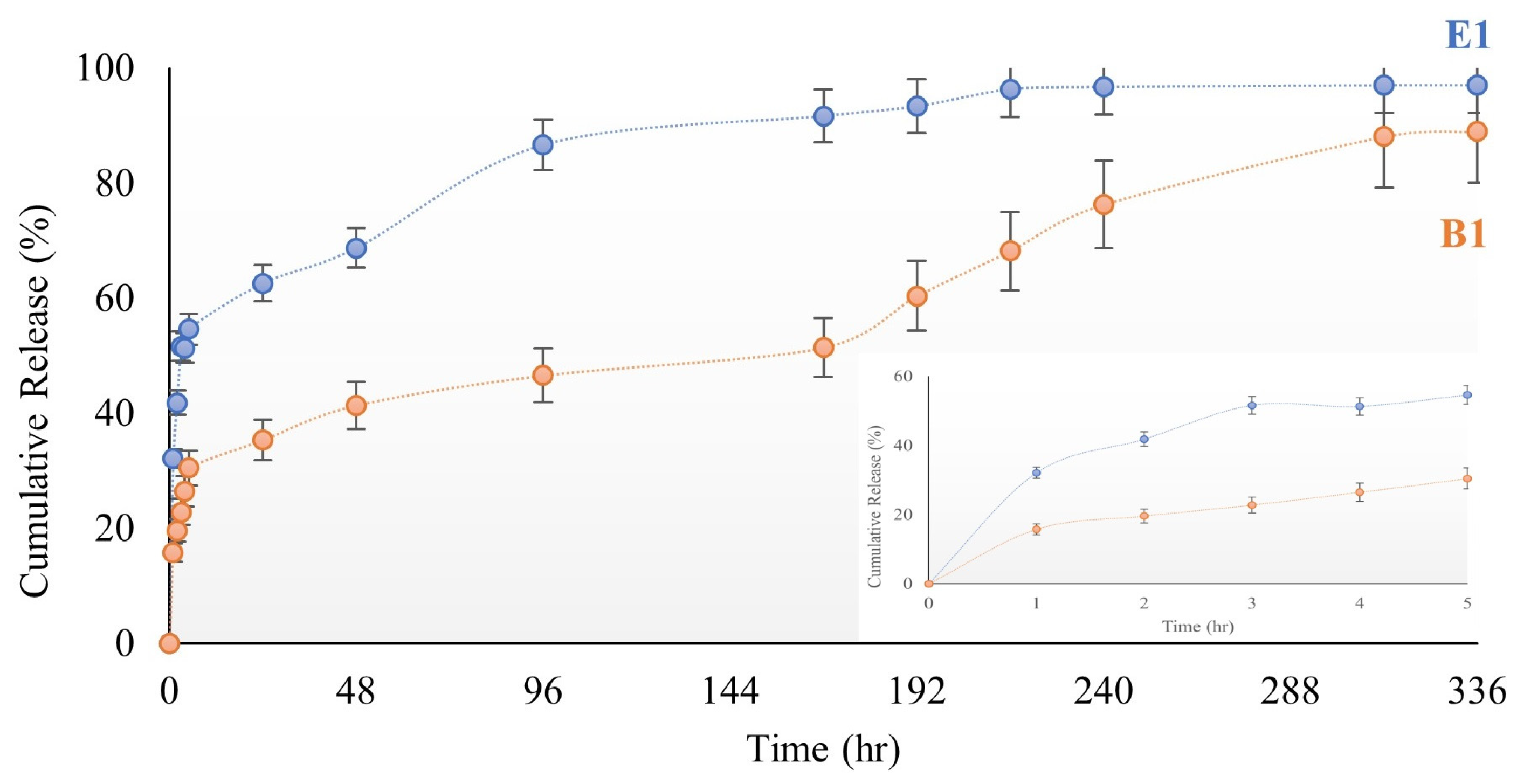
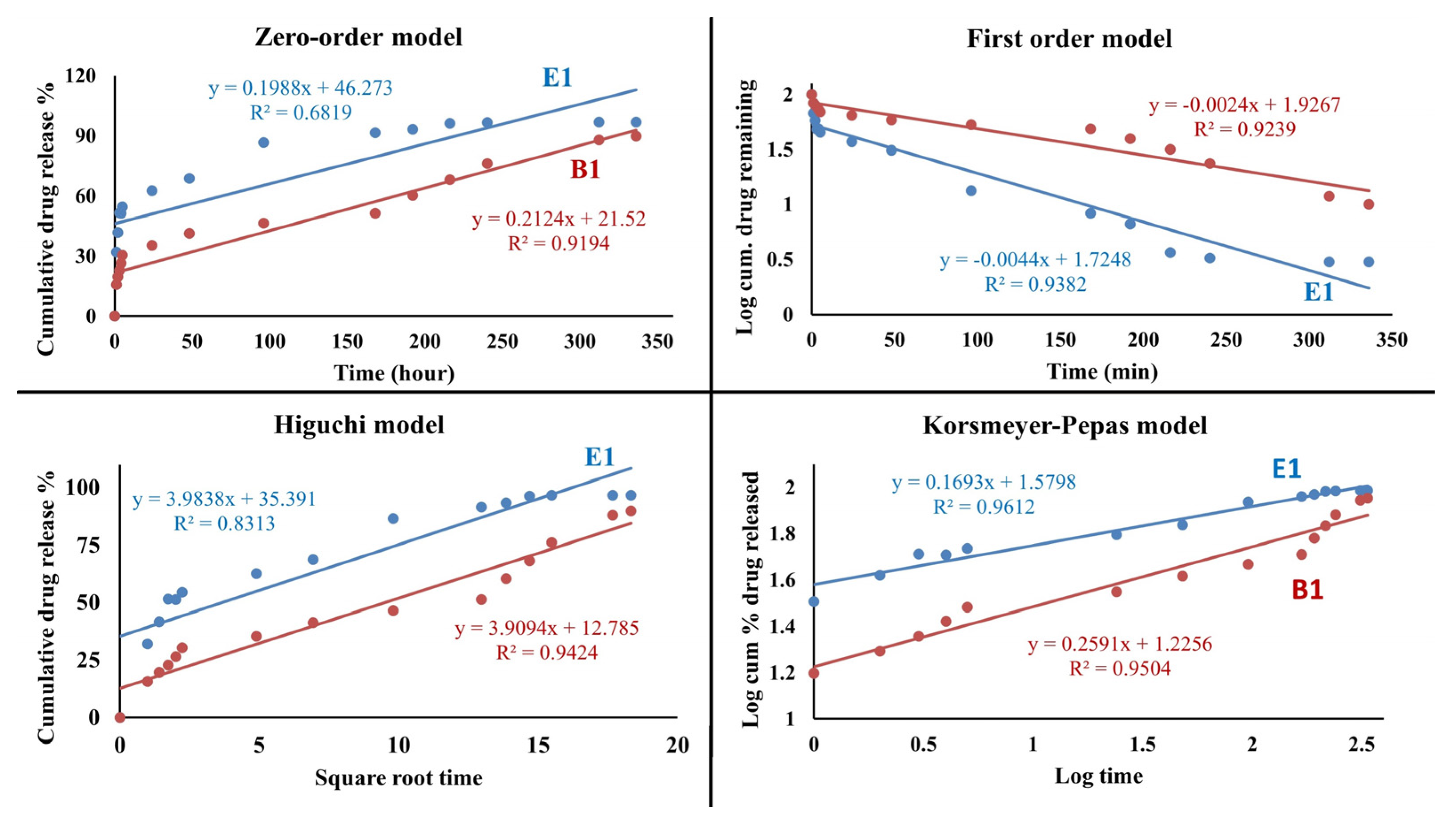
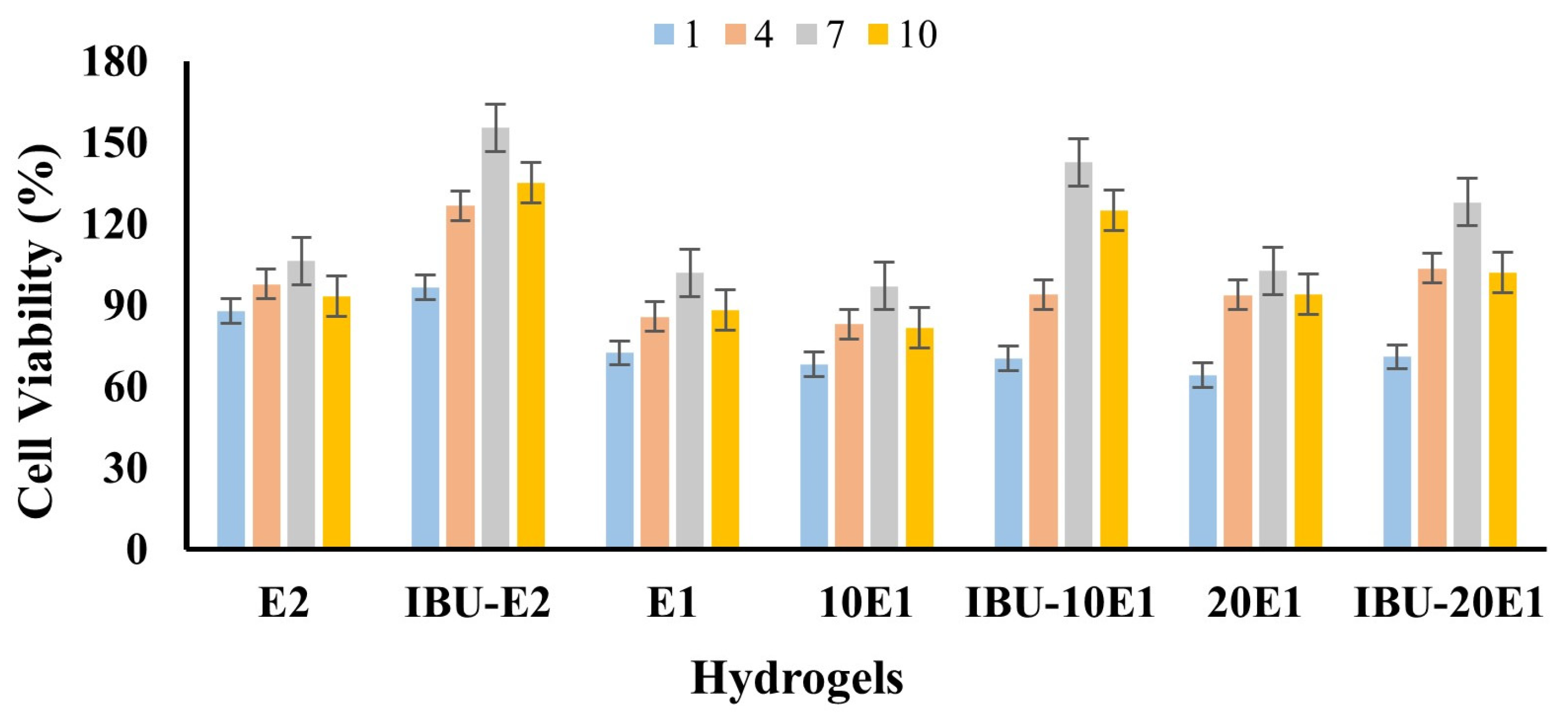
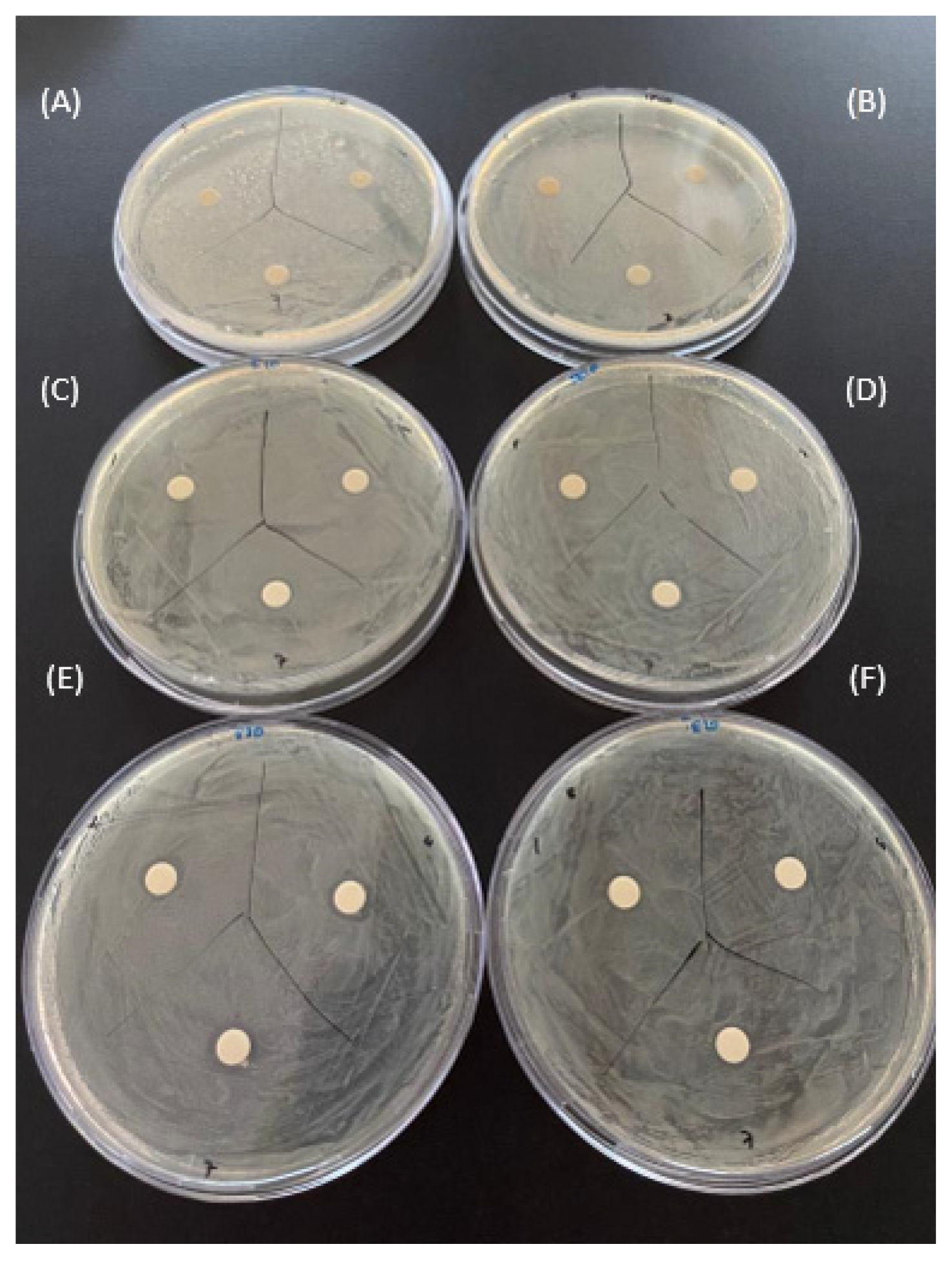
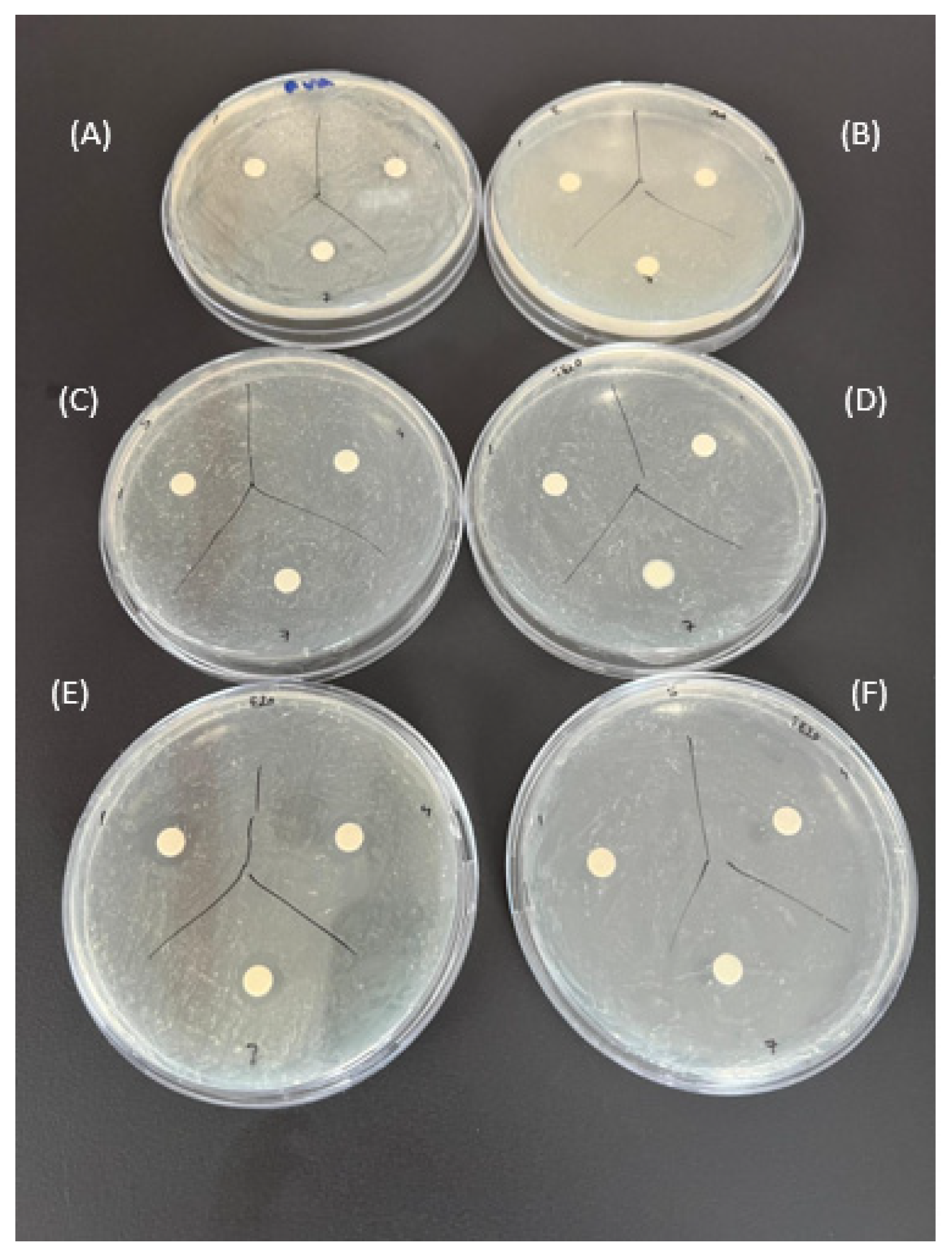
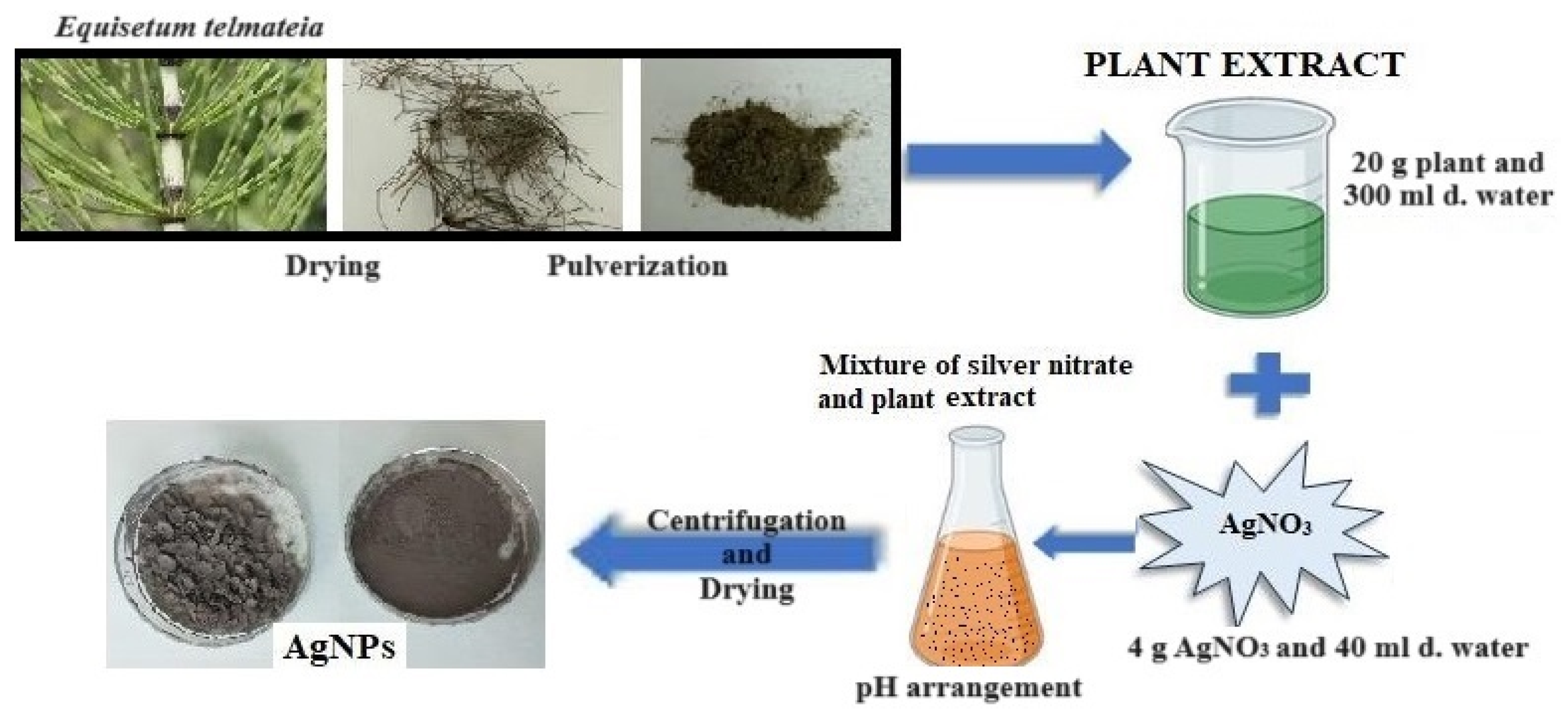
In contrast to conventional drug delivery systems, controlled drug release systems employ distinct methodologies. These systems facilitate the release of active substances in predetermined quantities and for specified durations. Polymer hydrogels have gained prominence in controlled drug delivery because of their unique swelling–shrinkage behavior and ability to regulate drug release. In this investigation, films with a hydrogel structure were crafted using polyvinyl alcohol, a biocompatible polymer, and silver nanoparticles. Following characterization, ibuprofen was loaded into the hydrogels to evaluate their drug release capacity. The particle sizes of silver nanoparticles synthesized using a green approach were determined. This study comprehensively examined the structural properties, morphological features, mechanical strength, and cumulative release patterns of the prepared films. In vitro cytotoxicity analysis was employed to assess the cell viability of drug-loaded hydrogel films, and their antibacterial effects were examined. The results indicated that hydrogel films containing 5% and 10% polyvinyl alcohol released 89% and 97% of the loaded drug, respectively, by day 14. The release kinetics fits the Korsmeyer–Peppas model. This study, which describes nanoparticle-enhanced polyvinyl alcohol hydrogel systems prepared through a cost-effective and environmentally friendly approach, is anticipated to contribute to the existing literature and serve as a foundational study for future research.
Keywords: drug release; polyvinyl alcohol; hydrogel; kinetic models drug release; polyvinyl alcohol; hydrogel; kinetic models
Graphical Abstract