
Next Article in Journal
Variability in Nutrient Use by Orchid Mycorrhizal Fungi in Two Medium Types
Next Article in Special Issue
Invasive Aspergillosis after Renal Transplantation
Previous Article in Journal
The Botrytis cinerea Gene Expression Browser
Previous Article in Special Issue
Epidemiologic Aspects of Mycetoma in Africa
 
 
Correction published on 6 April 2023, see J. Fungi 2023, 9(4), 450.
Perspective

Severe Fungal Asthma: A Role for Biologics and Inhaled Antifungals
Center of Excellence in Pulmonary Biology, Division of Pulmonary, Asthma and Sleep Medicine, Department of Pediatrics, Stanford University School of Medicine, 770 Welch Road, Suite 350, Palo Alto, CA 94304, USA
J. Fungi 2023, 9(1), 85; https://doi.org/10.3390/jof9010085
Submission received: 9 December 2022 / Revised: 2 January 2023 / Accepted: 3 January 2023 / Published: 6 January 2023 / Corrected: 6 April 2023

Abstract

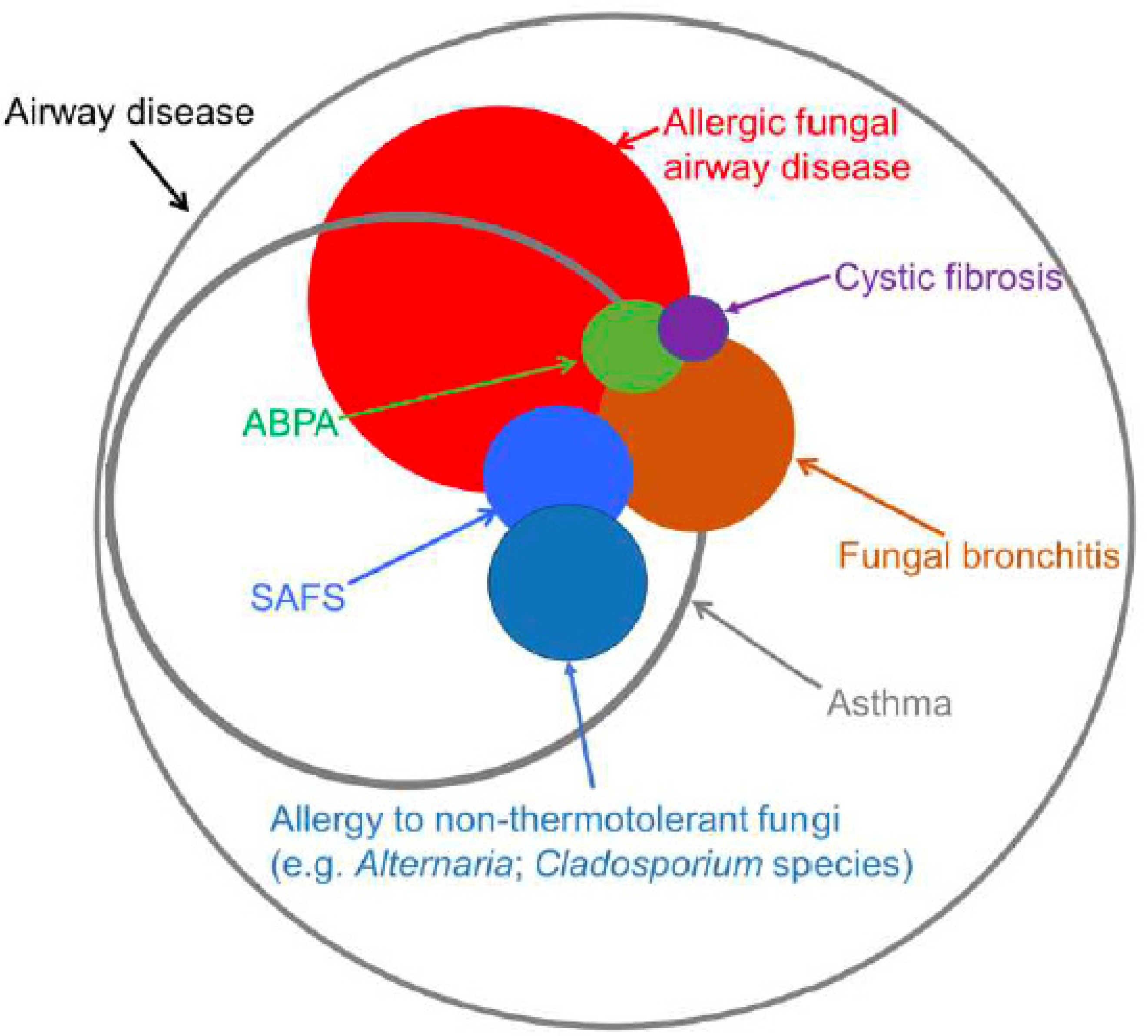
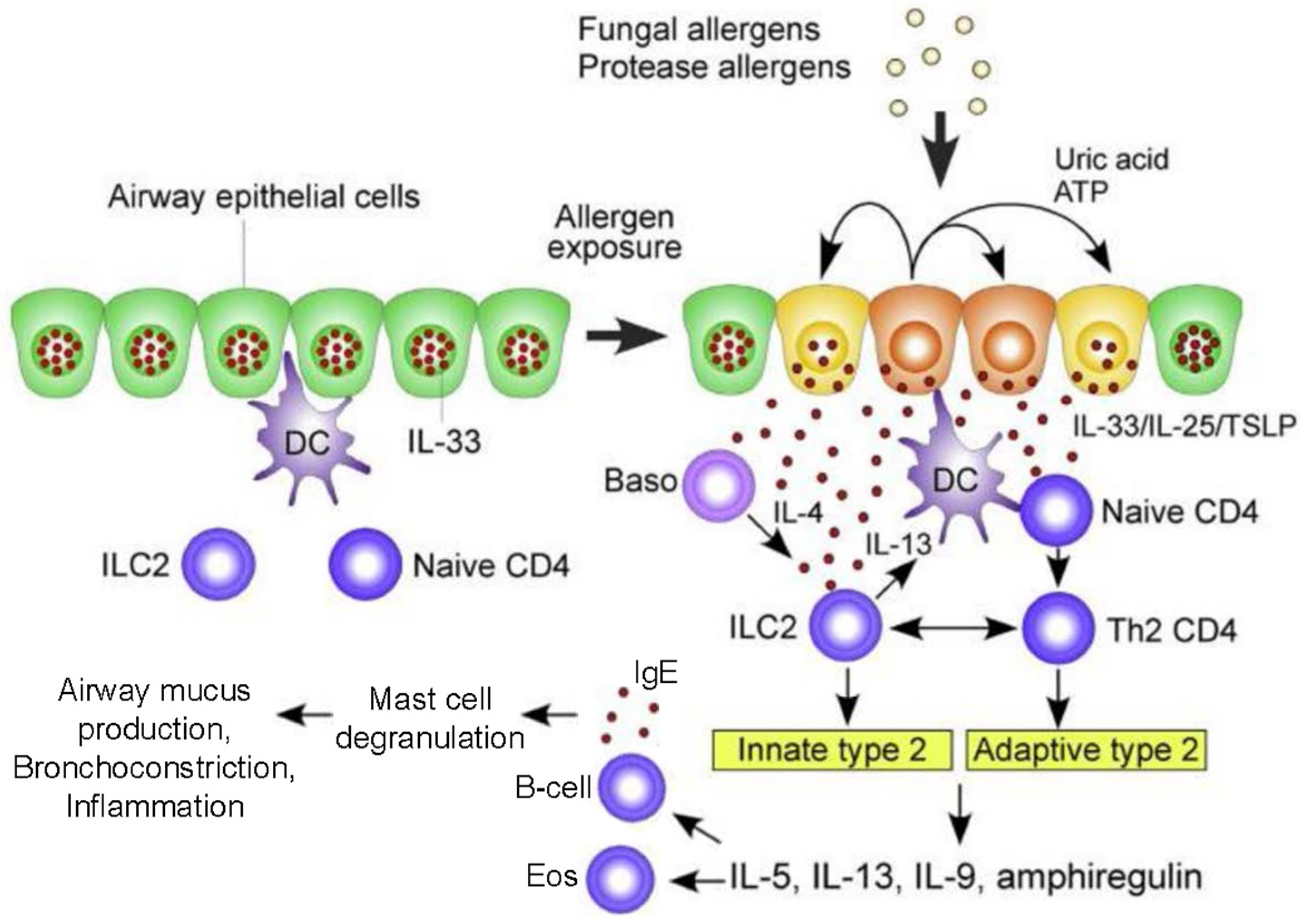
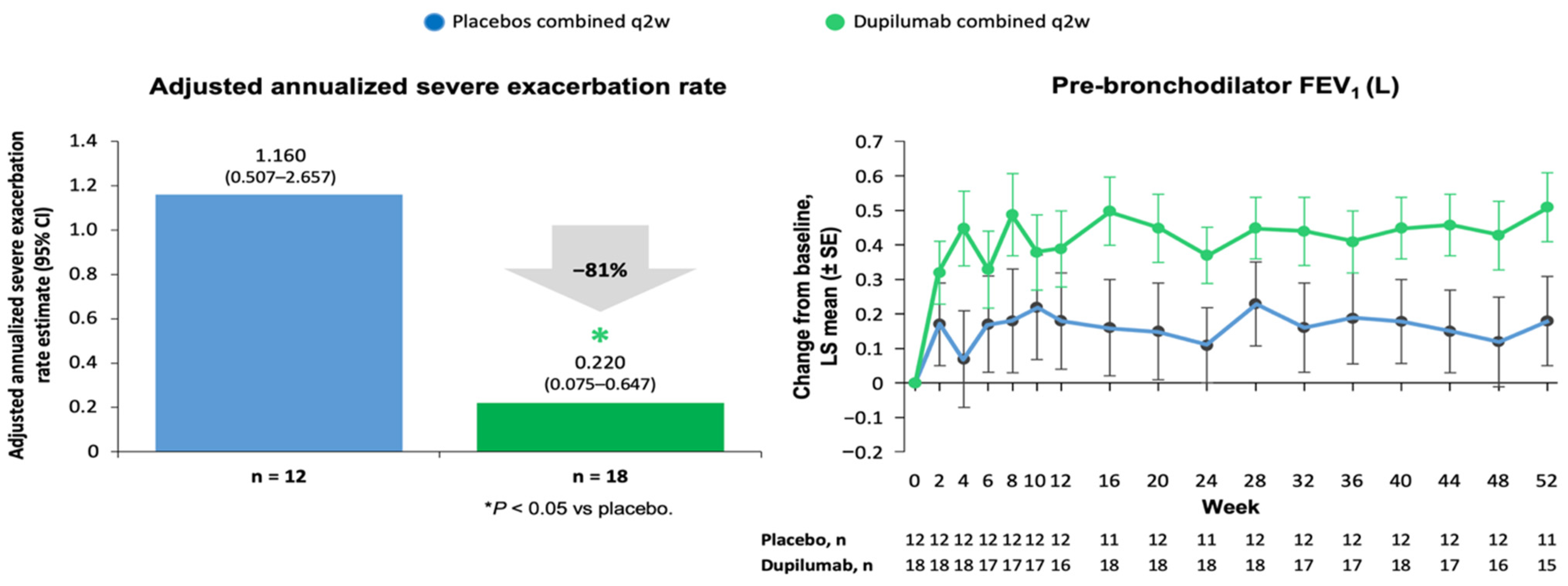
Allergic asthma has traditionally been treated with inhaled and systemic glucocorticosteroids. A continuum of allergic fungal airways disease associated with Aspergillus fumigatus colonization and/or atopic immune responses that encompasses fungal asthma, severe asthma with fungal sensitization and allergic bronchopulmonary aspergillosis is now recognized along a phenotypic severity spectrum of T2-high immune deviation lung disease. Oral triazoles have shown clinical, anti-inflammatory and microbiologic efficacy in this setting; in the future inhaled antifungals may improve the therapeutic index. Humanized monoclonal antibody biologic agents targeting T2-high disease also show efficacy and promise of improved control in difficult cases. Developments in these areas are highlighted in this overview.
Keywords: allergic bronchopulmonary aspergillosis (ABPA); Aspergillus fumigatus (Af); asthma; biologicals; amphotericin; azoles; monoclonal antibodies (Mab); severe asthma with fungal sensitization (SAFS); type 2 immune deviation disease (T2) allergic bronchopulmonary aspergillosis (ABPA); Aspergillus fumigatus (Af); asthma; biologicals; amphotericin; azoles; monoclonal antibodies (Mab); severe asthma with fungal sensitization (SAFS); type 2 immune deviation disease (T2)