
Article

Characterization and Functional Analysis of a New Calcium/Calmodulin-Dependent Protein Kinase (CaMK1) in the Citrus Pathogenic Fungus Penicillium italicum
1
Hubei Key Laboratory of Genetic Regulation and Integrative Biology, School of Life Sciences, Central China Normal University, Wuhan 430079, China
2
School of Public Administration, Central China Normal University, Wuhan 430079, China
3
Hubei Key Laboratory of Economic Forest Germplasm Improvement and Resources Comprehensive Utilization, Hubei Collaborative Innovation Center for the Characteristic Resources Exploitation of Dabie Mountains, College of Biology and Agricultural Resources, Huanggang Normal University, Huanggang 438000, China
*
Author to whom correspondence should be addressed.
These authors contributed equally to this work.
J. Fungi 2022, 8(7), 667; https://doi.org/10.3390/jof8070667
Submission received: 8 June 2022 / Revised: 21 June 2022 / Accepted: 23 June 2022 / Published: 25 June 2022
(This article belongs to the Special Issue Control of Postharvest Pathogenic Penicillium)

Abstract

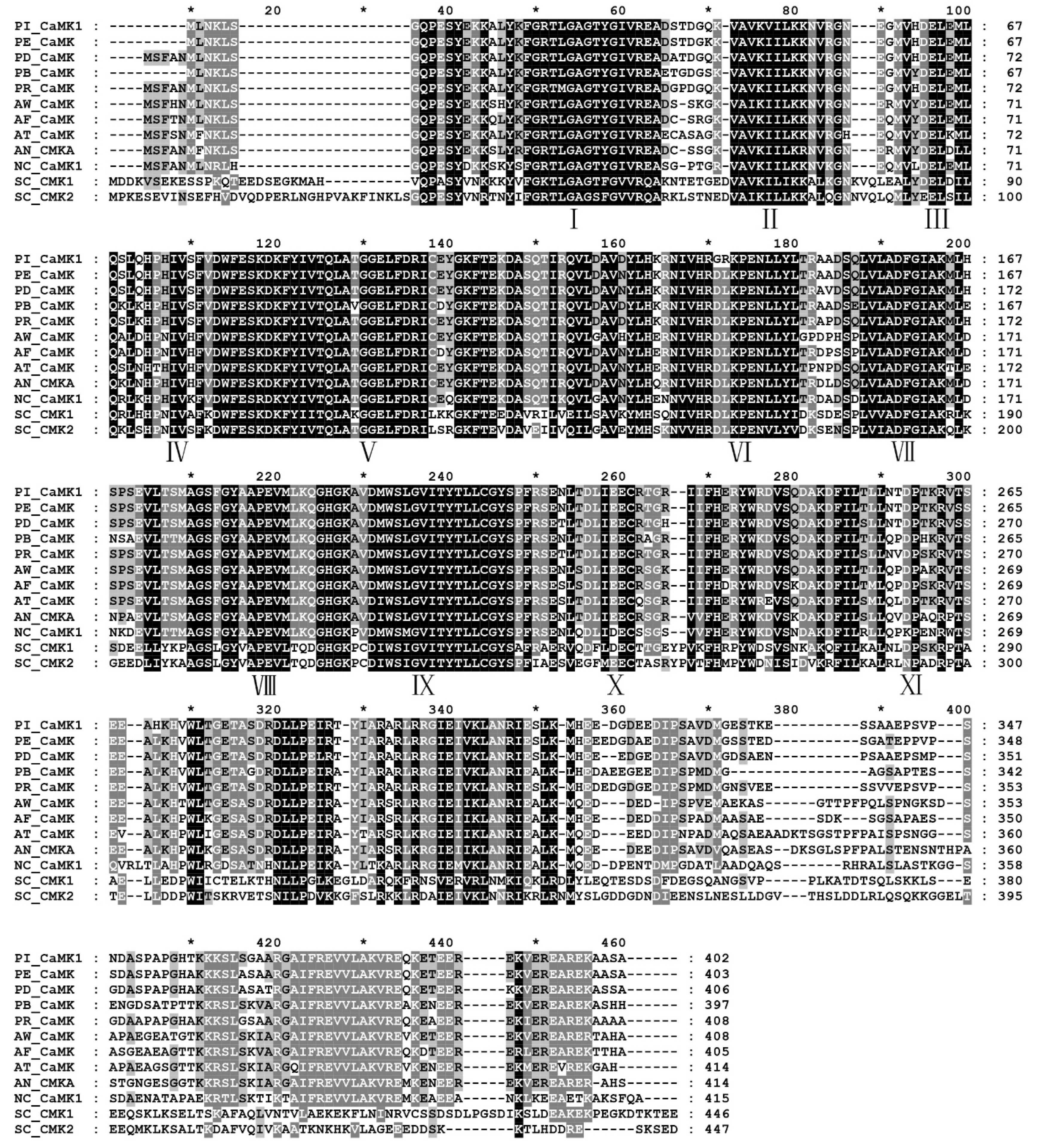
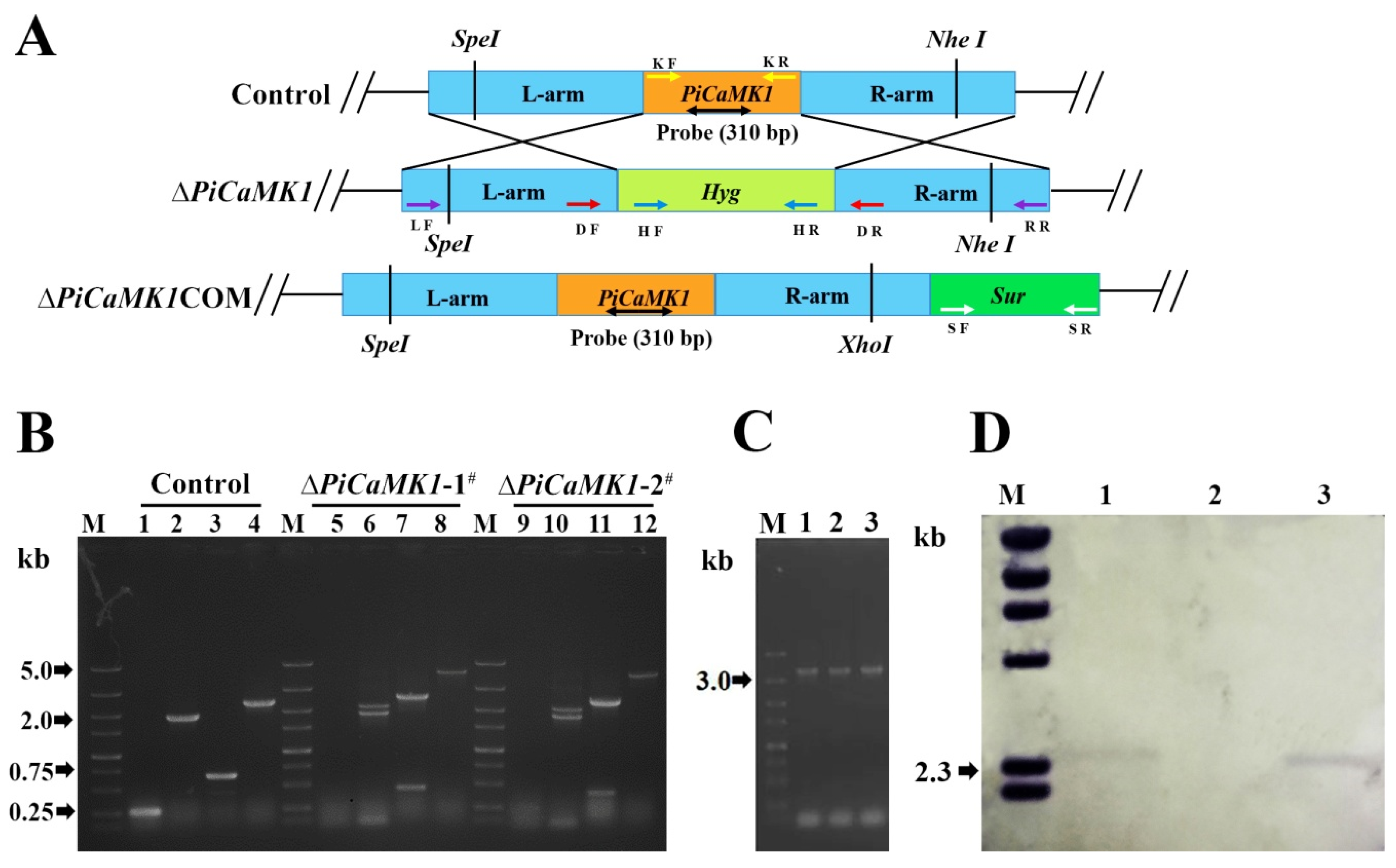
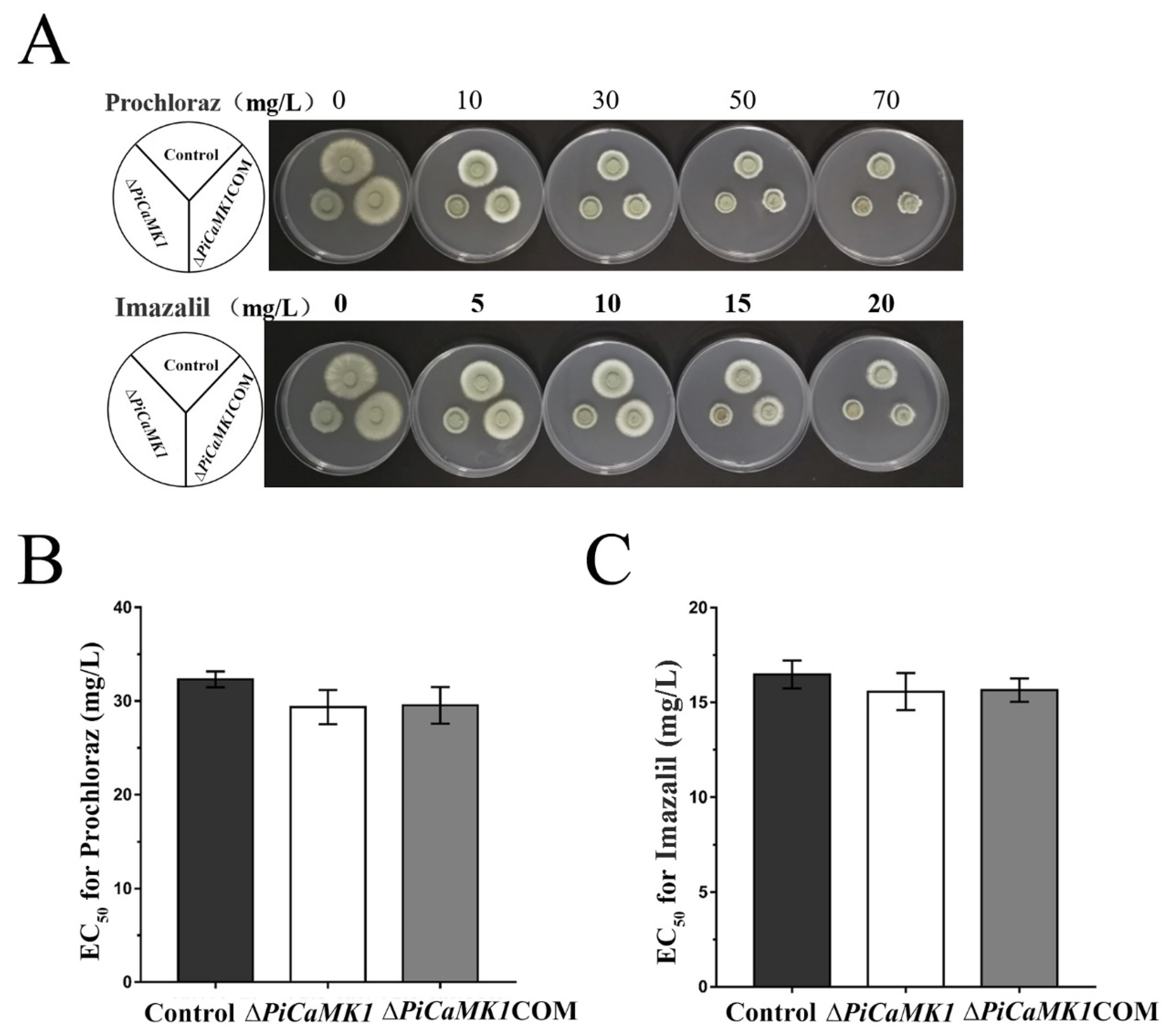
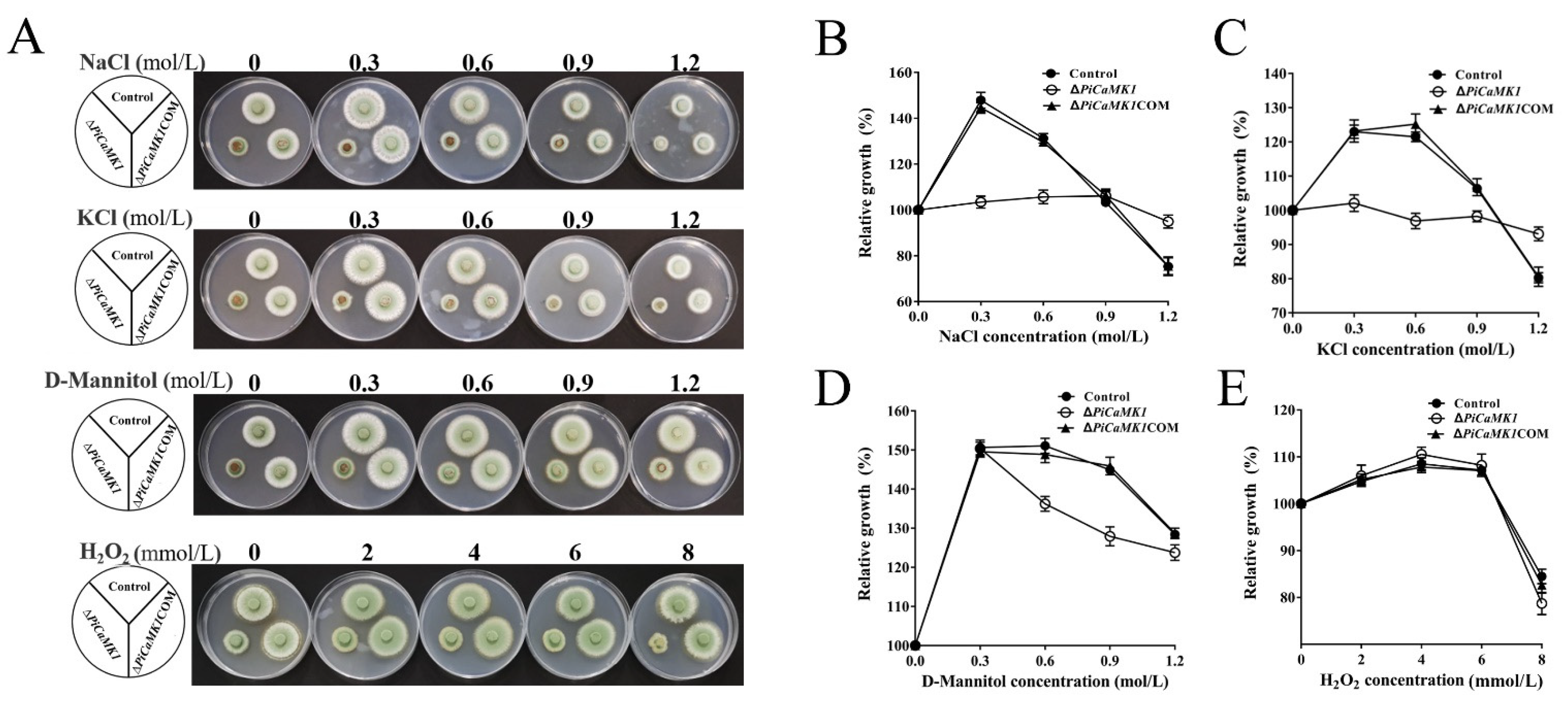
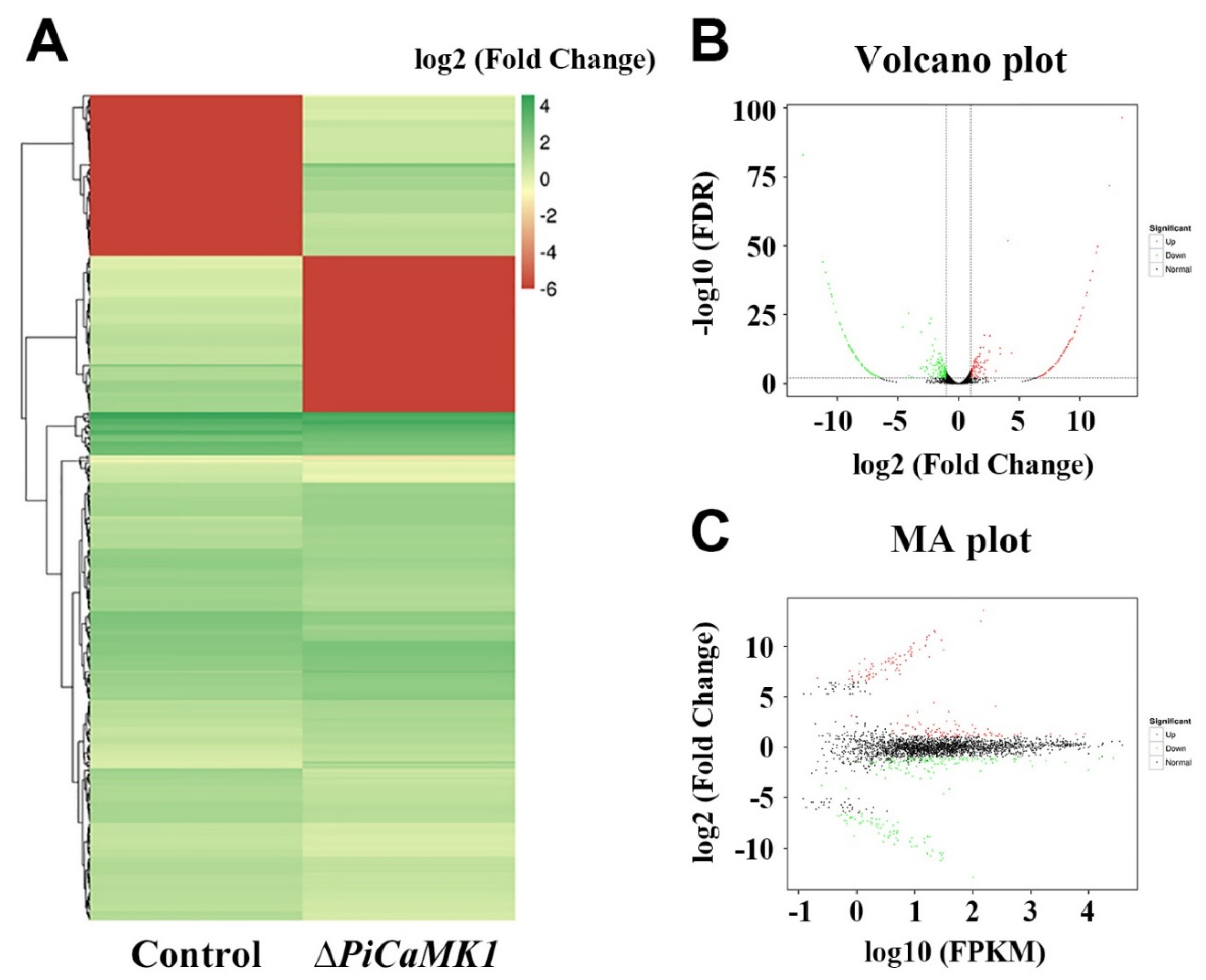
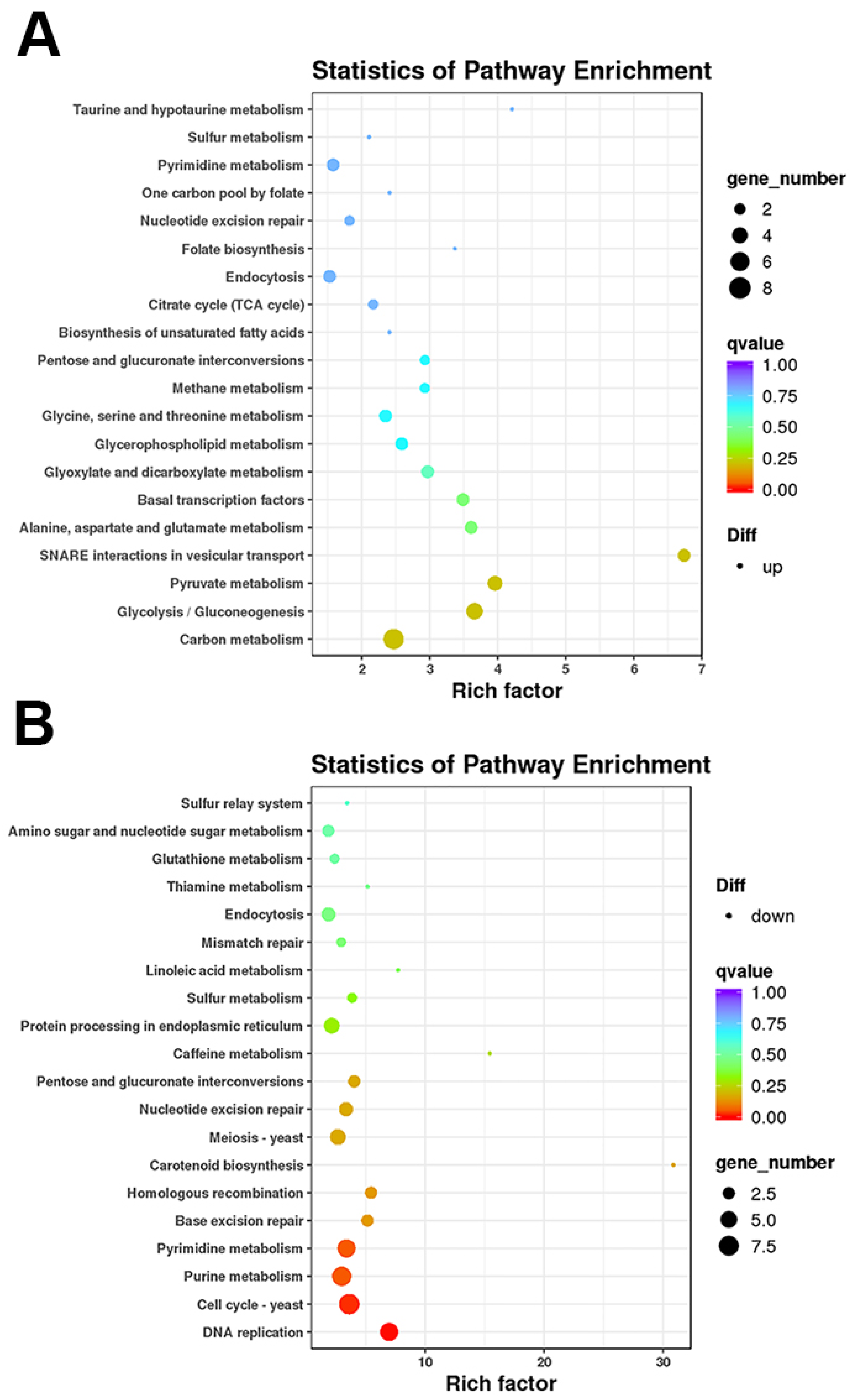
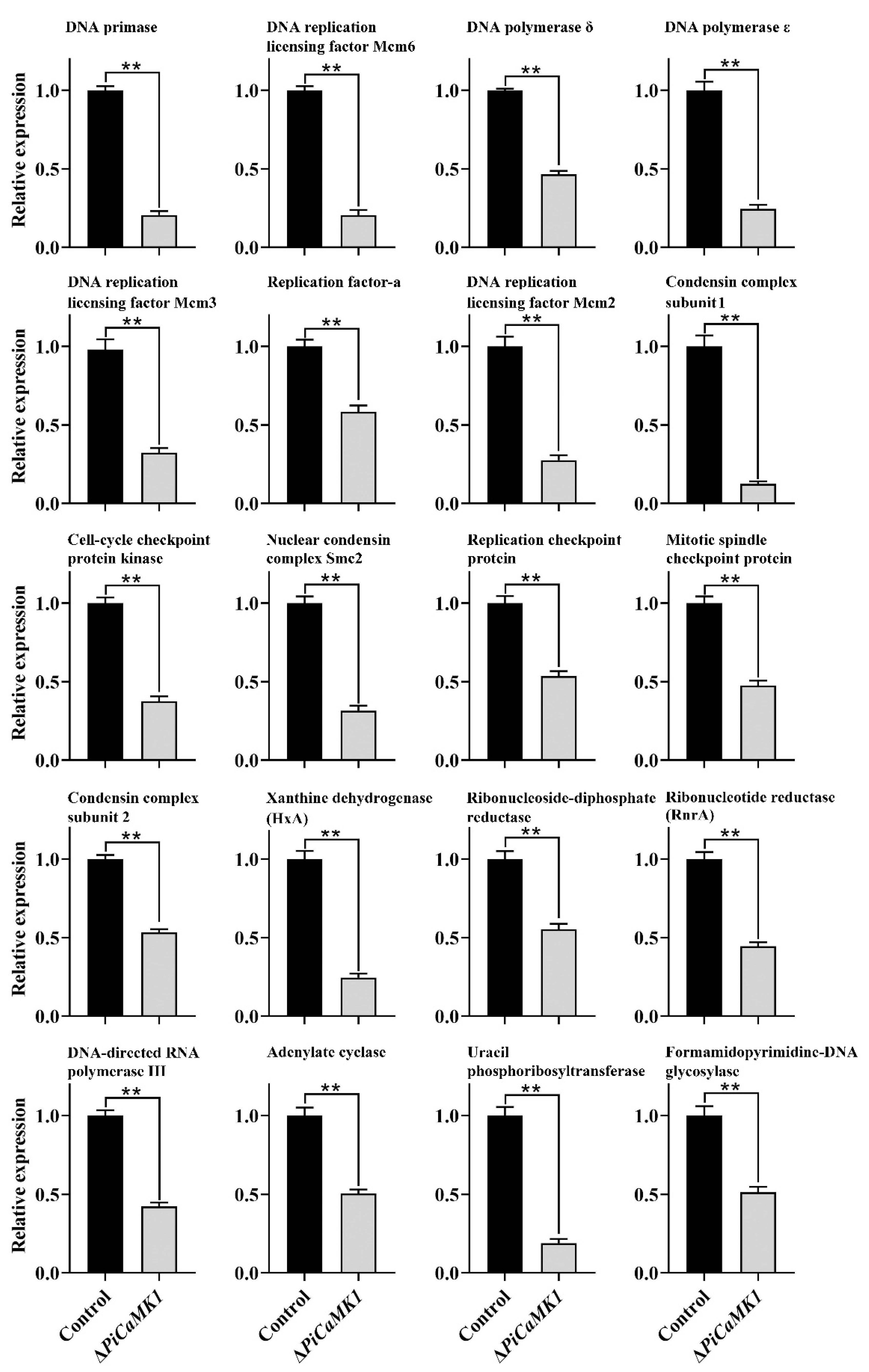
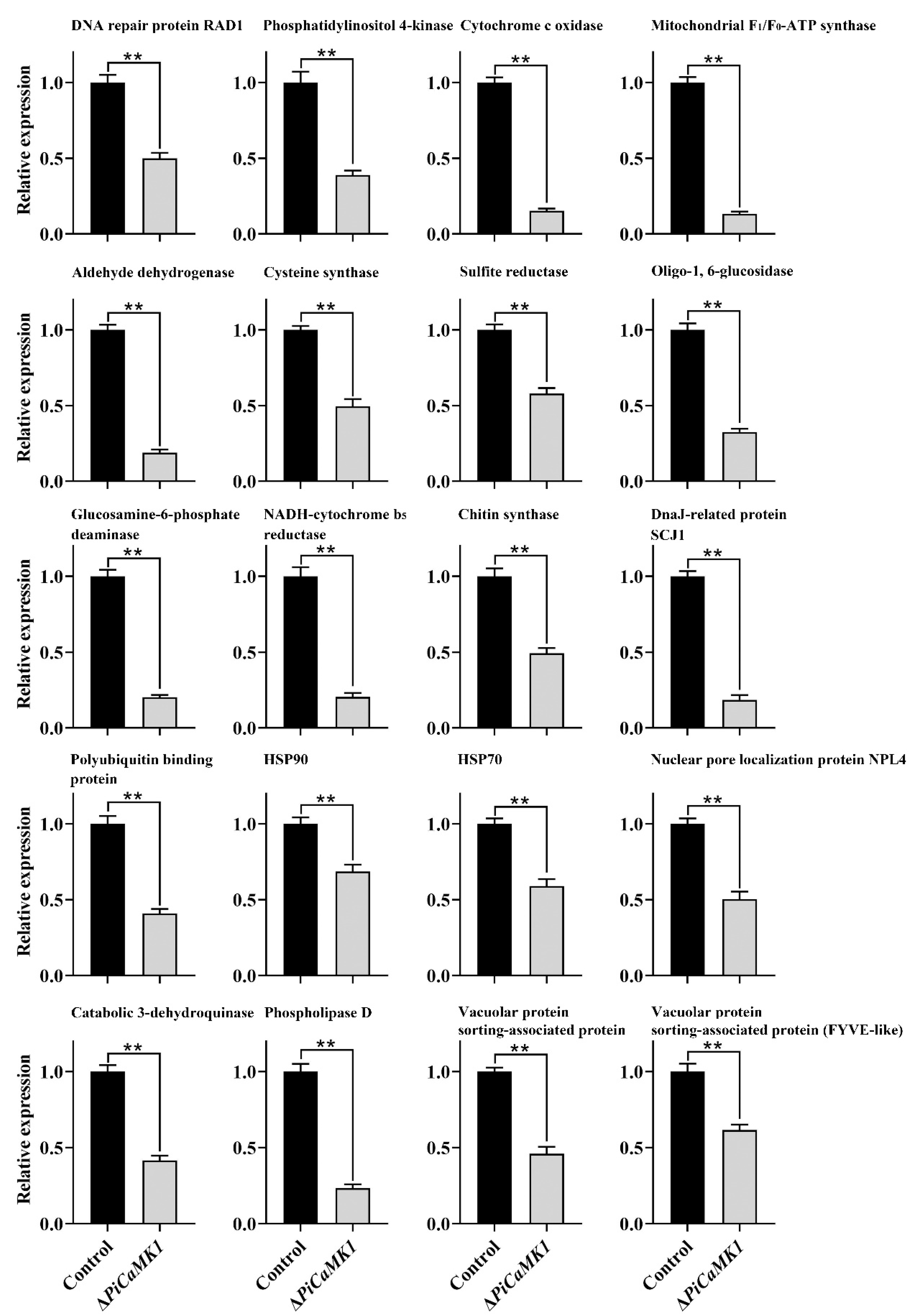
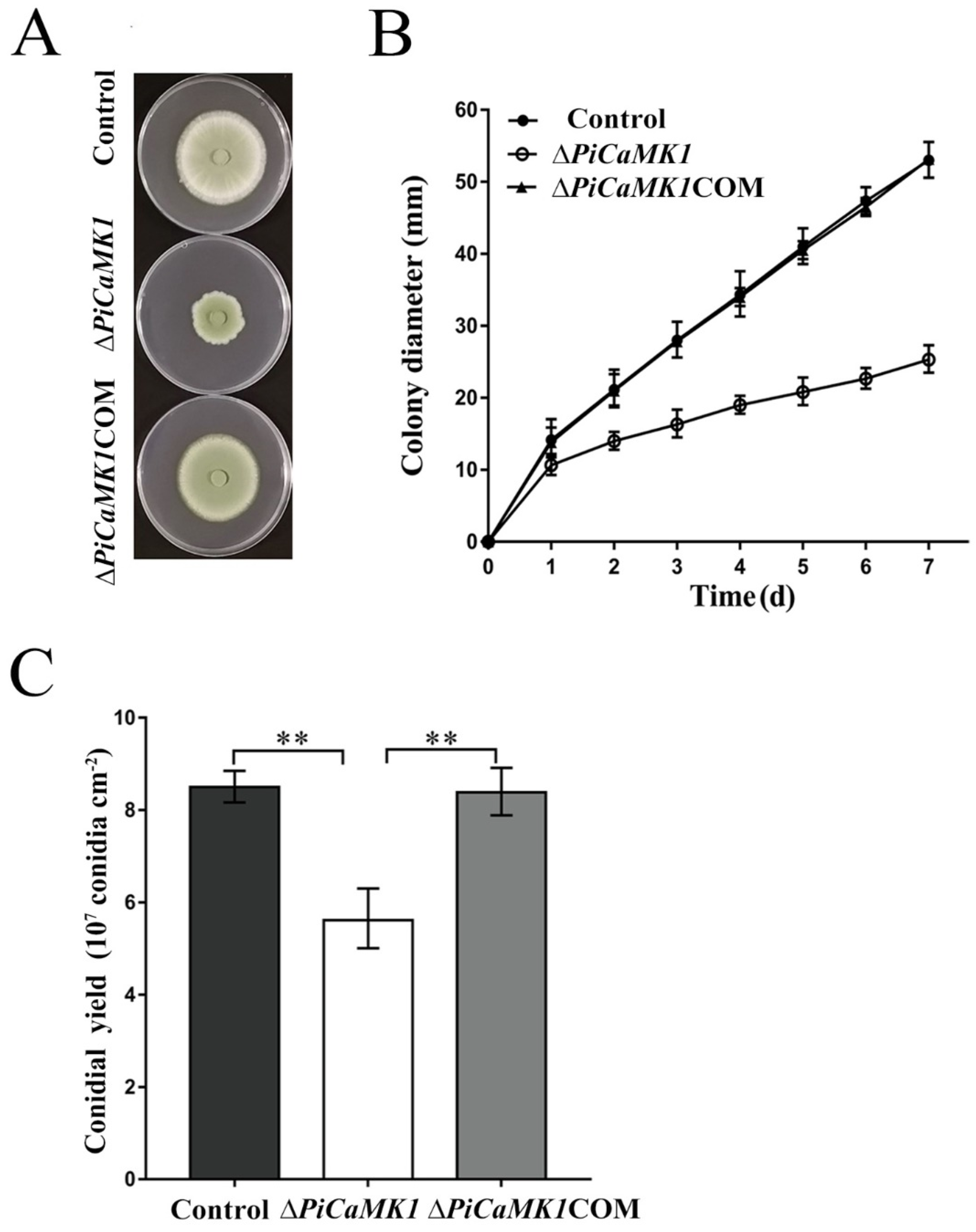
Calcium (Ca2+)/calmodulin-dependent protein kinases (CaMKs) act as a class of crucial elements in Ca2+-signal transduction pathways that regulate fungal growth, sporulation, virulence, and environmental stress tolerance. However, little is known about the function of such protein kinase in phytopathogenic Penicillium species. In the present study, a new CaMK gene from the citrus pathogenic fungus P. italicum, designated PiCaMK1, was cloned and functionally characterized by gene knockout and transcriptome analysis. The open reading frame of PiCaMK1 is 1209 bp in full length, which encodes 402 amino acid residues (putative molecular weight ~45.2 KD) with the highest homologous (~96.3%) to the P. expansum CaMK. The knockout mutant ΔPiCaMK1 showed a significant reduction in vegetative growth, conidiation, and virulence (i.e., to induce blue mold decay on citrus fruit). ΔPiCaMK1 was less sensitive to NaCl- or KCl-induced salinity stress and less resistant to mannitol-induced osmotic stress, indicating the functional involvement of PiCaMK1 in such environmental stress tolerance. In contrast, the PiCaMK1-complemented strain ΔPiCaMK1COM can restore all the defective phenotypes. Transcriptome analysis revealed that knockout of PiCaMK1 down-regulated expression of the genes involved in DNA replication and repair, cell cycle, meiosis, pyrimidine and purine metabolisms, and MAPK signaling pathway. Our results suggested the critical role of PiCaMK1 in regulating multiple physical and cellular processes of citrus postharvest pathogen P. italicum, including growth, conidiation, virulence, and environmental stress tolerance.
Keywords: P. italicum; calcium/calmodulin-dependent protein kinase (CaMK); conidiation; virulence; stress tolerance; transcriptome P. italicum; calcium/calmodulin-dependent protein kinase (CaMK); conidiation; virulence; stress tolerance; transcriptome