
Sustained Release of Azoxystrobin from Clay Carriers for the Management of Maize Late Wilt Disease

 ,
,
Abstract

1. Introduction
2. Materials and Methods
2.1. Rationale and Research Design
2.2. Fungi Used in This Study
2.3. Growth of the Fungi
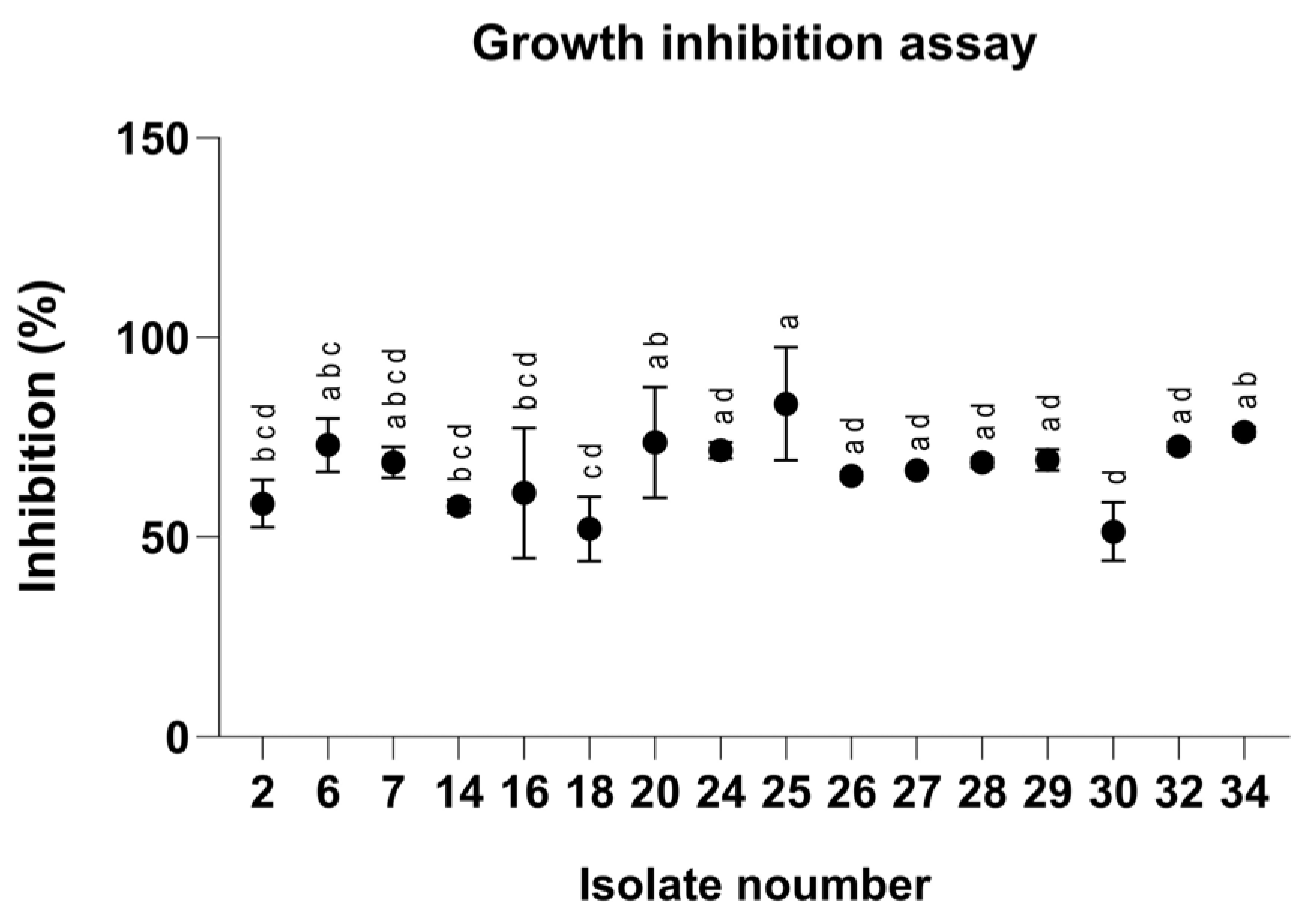
2.4. Azoxystrobin Growth Inhibition Assay for M. maydis Isolates
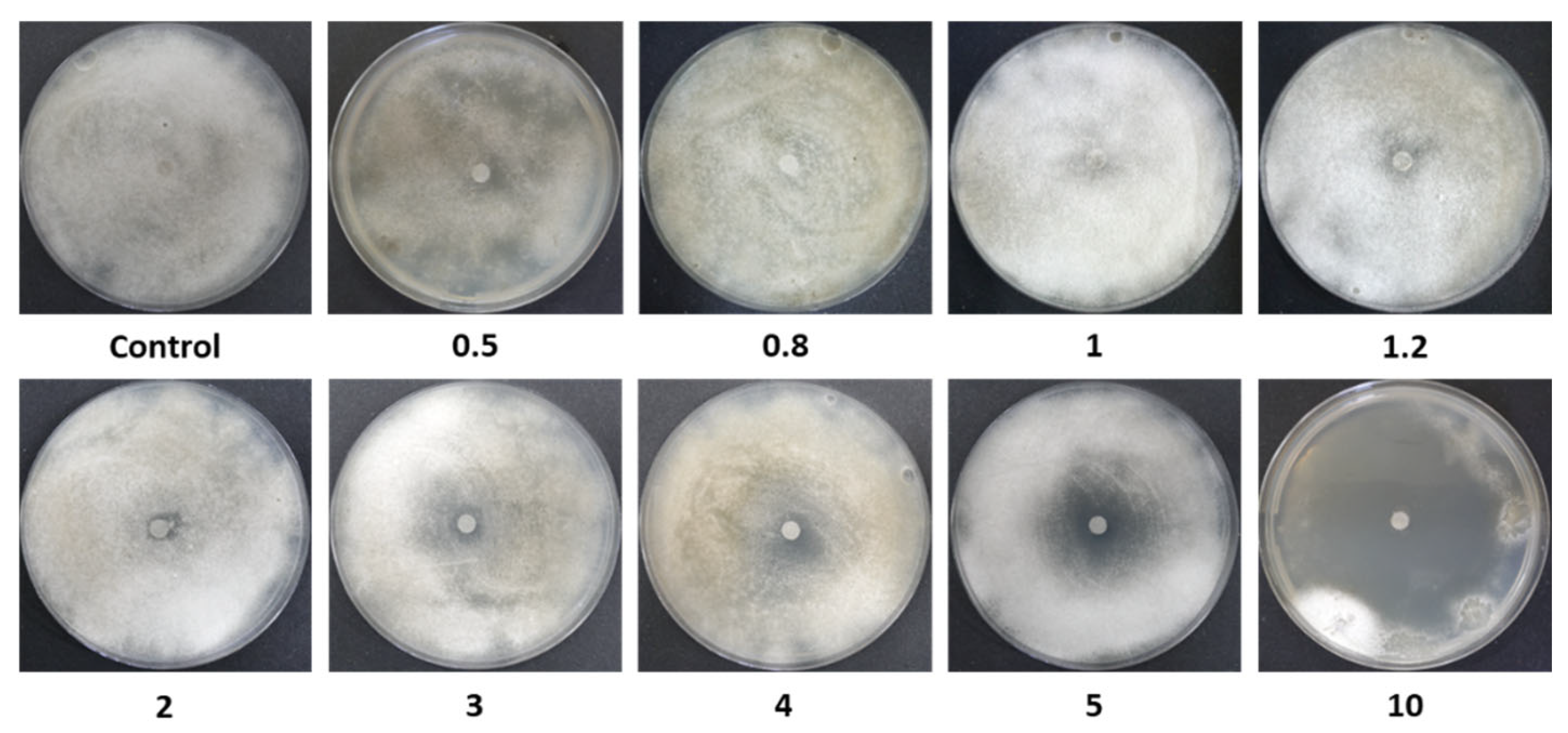
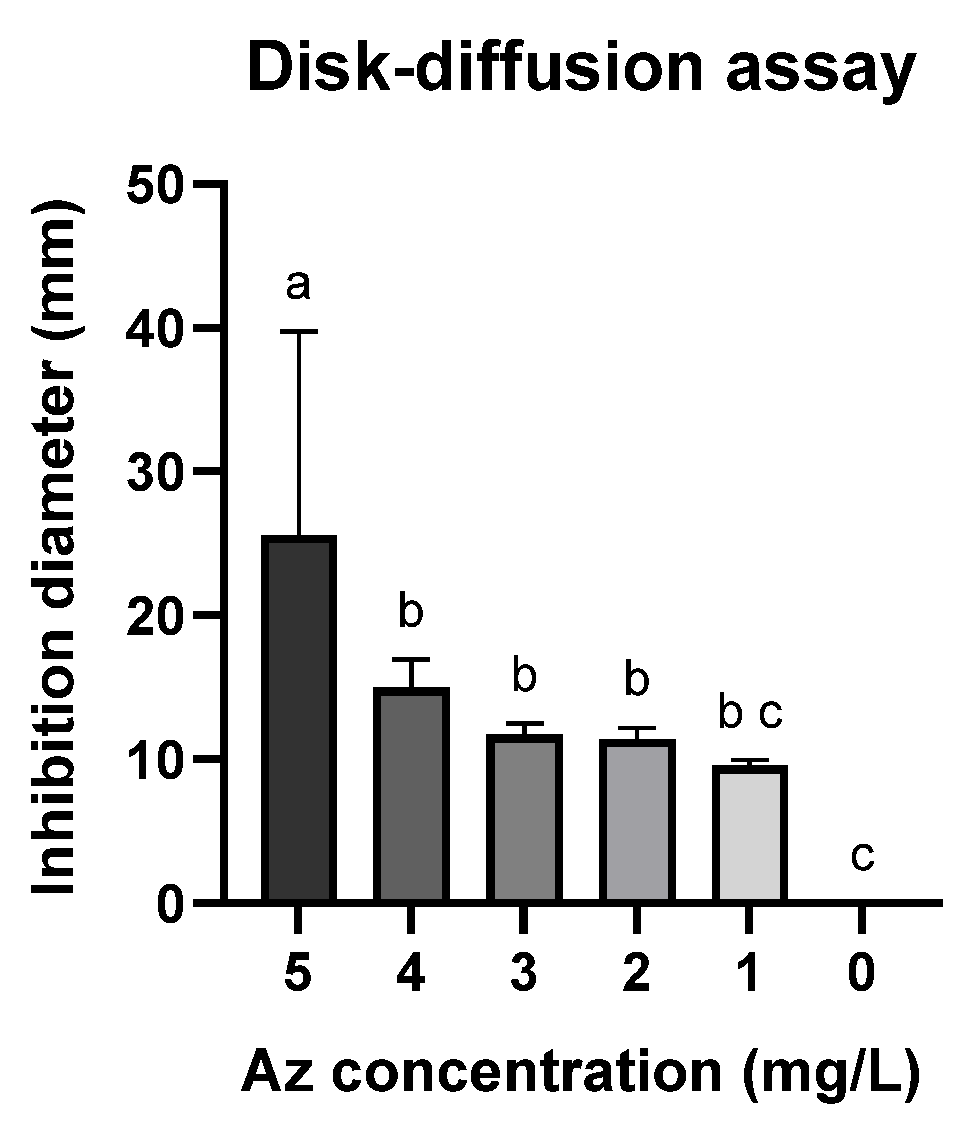
2.5. Disk-Diffusion Assay
2.5.1. Preparation of the Clay–Az Formulation
2.5.2. Inhibition of M. maydis Spore Germination and Hyphal Growth by Clay–Az Formulations
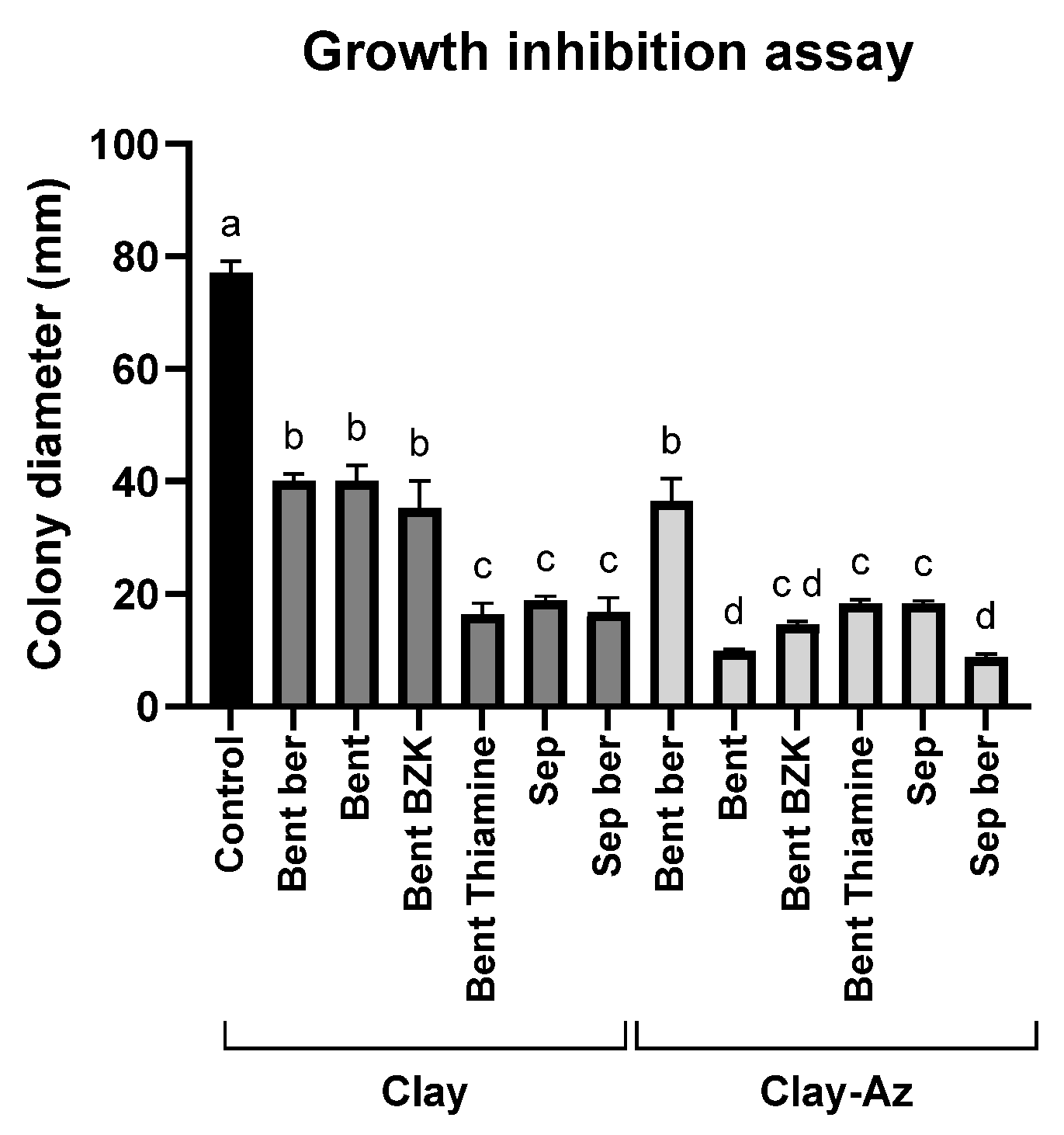
2.6. Mycelial-Growth Inhibition Assay for Clay–Az Formulations
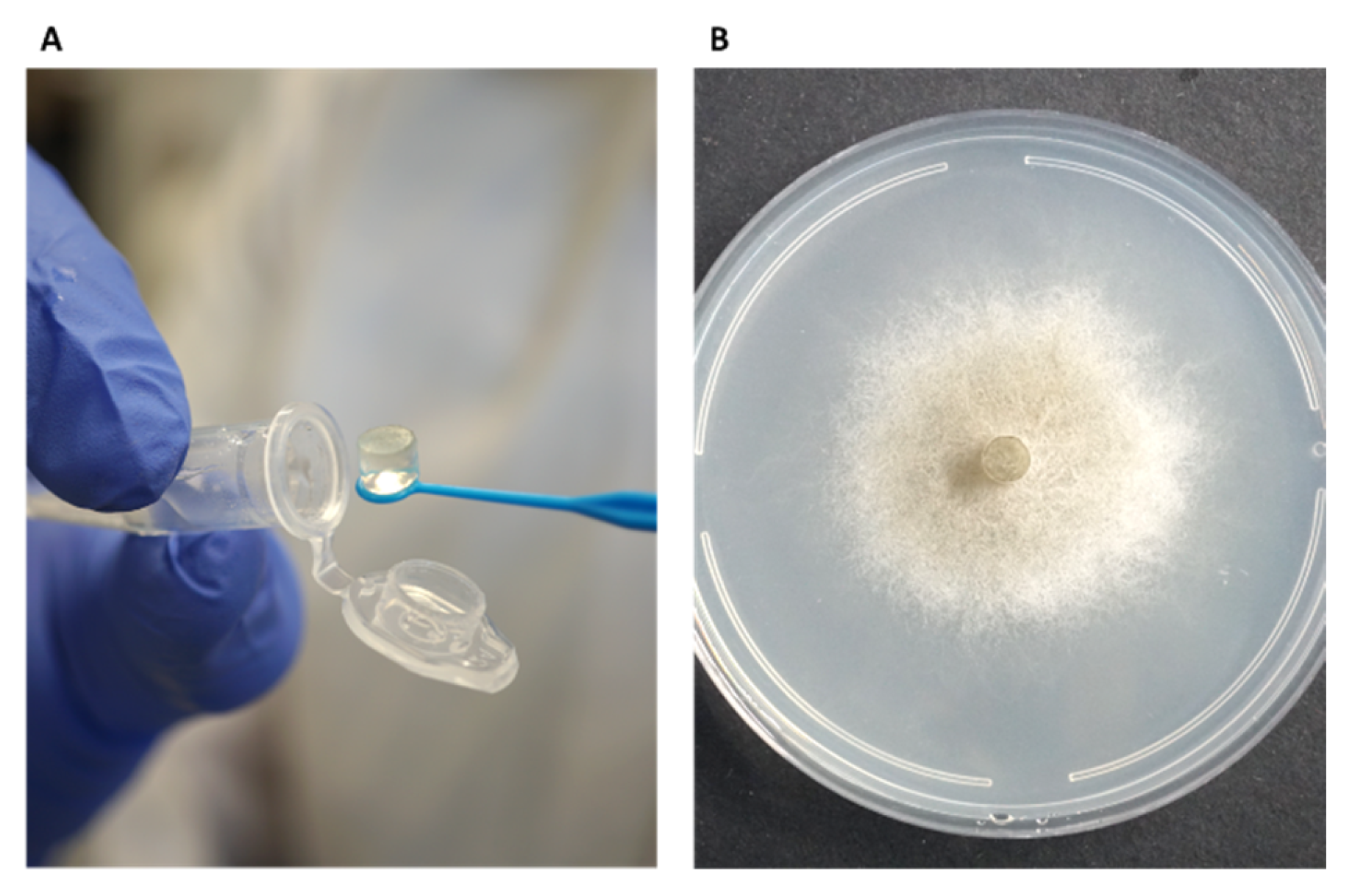
2.7. Mycelial Plug-Immersion Bioassay
2.8. Slow-Release Kinetics of Azoxystrobin from Clay Carriers Using the Plug-Immersion Bioassay
2.9. Statistical Analysis
3. Results
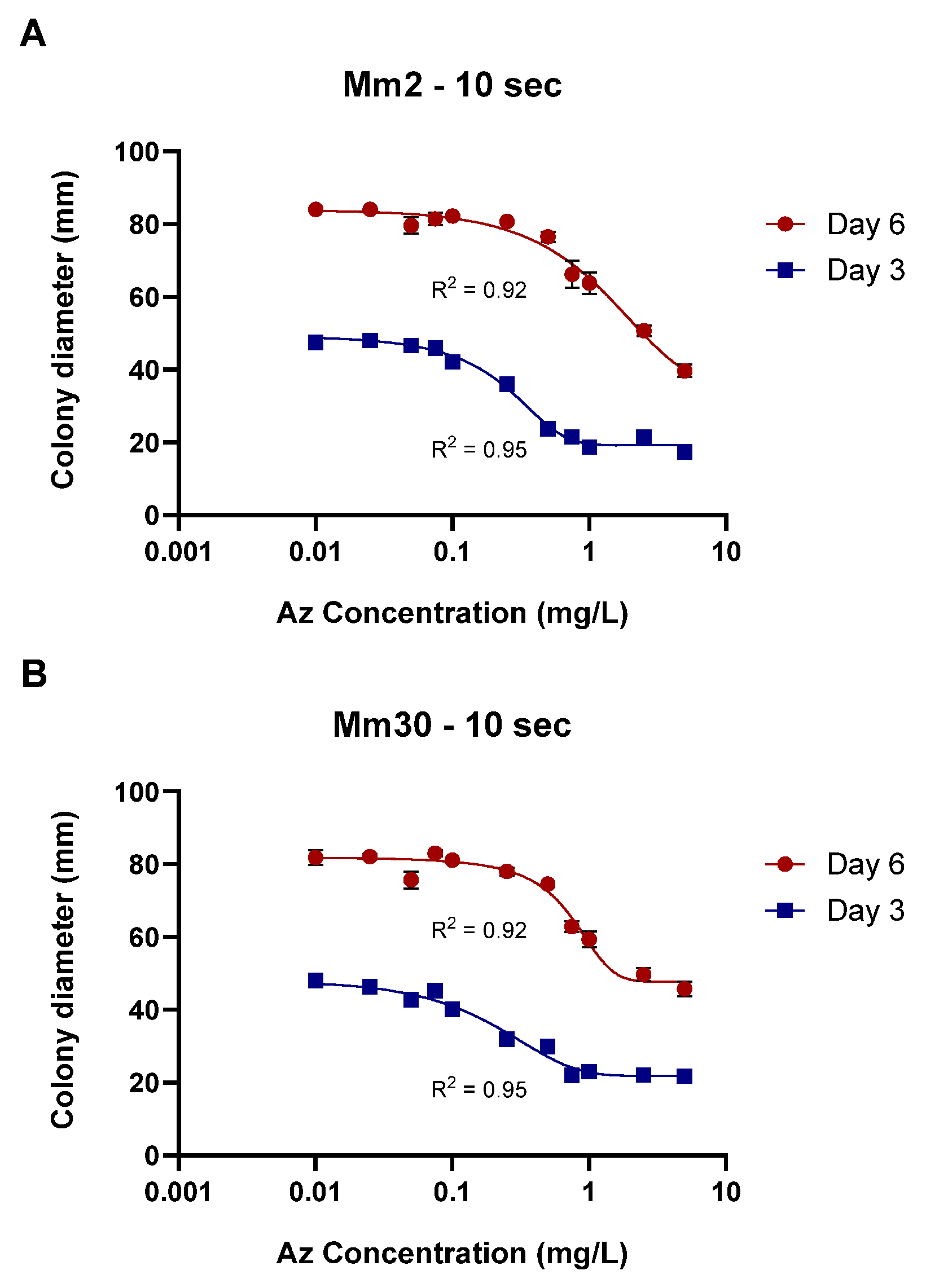
3.1. Azoxystrobin Growth Inhibition Assay for M. maydis Isolates
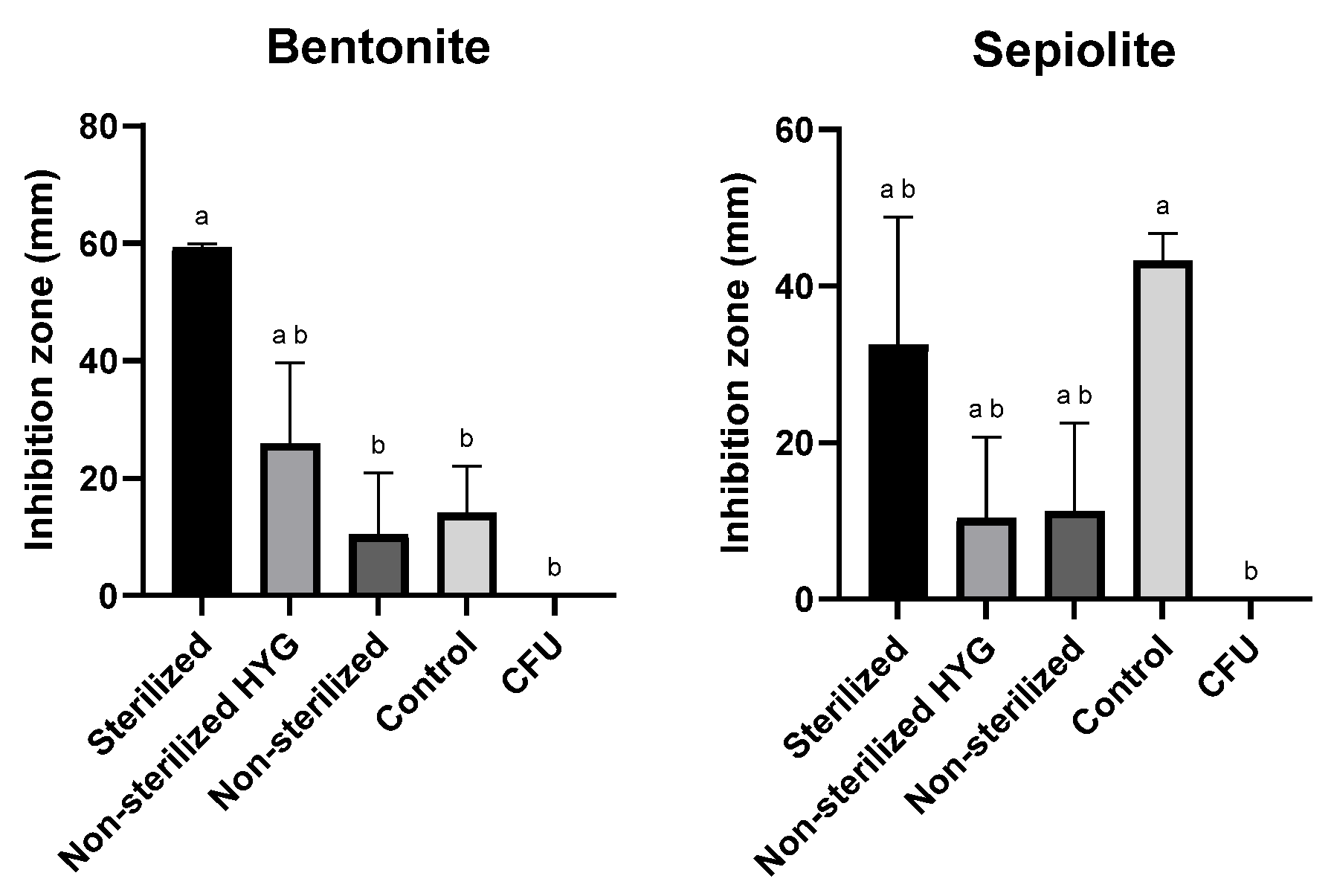
3.2. Disk-Diffusion Assay
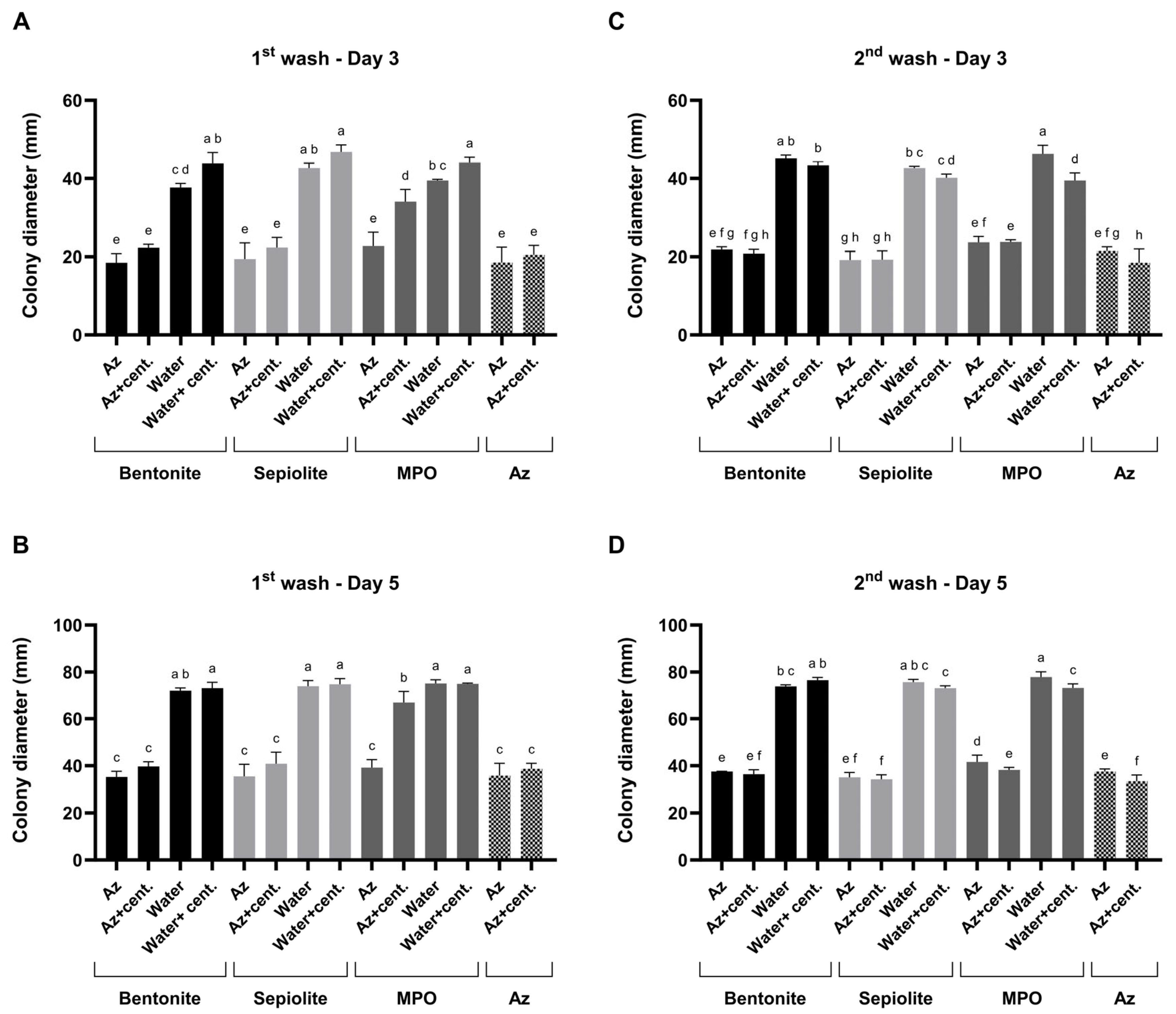
3.3. Clay–Az Formulations Mycelial-Growth Inhibition Assay
3.4. Inhibition of M. maydis Spore Germination and Hyphal Growth by Clay–Az Formulations
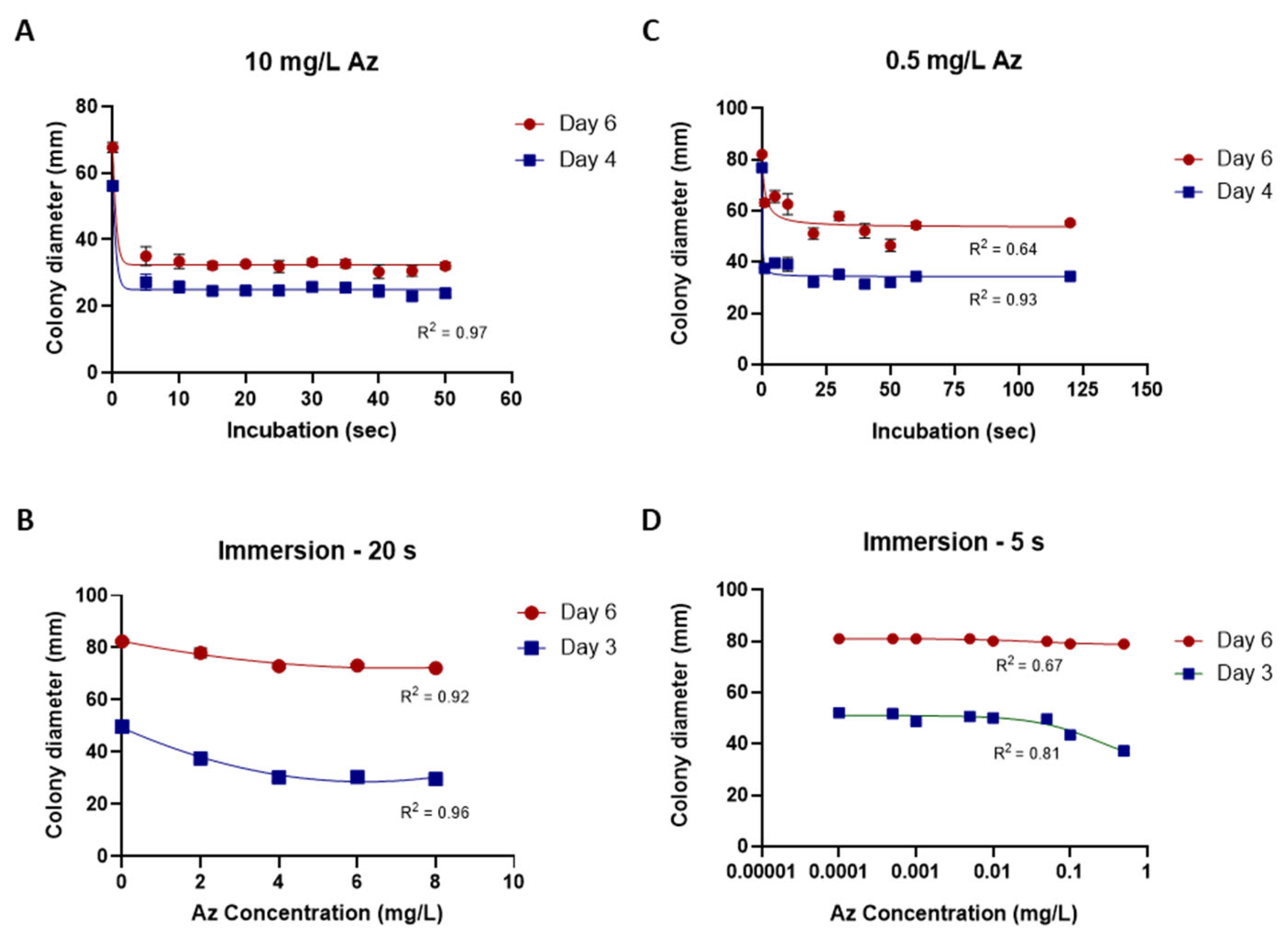
3.5. Mycelial Plug-Immersion Bioassay Calibration Curves
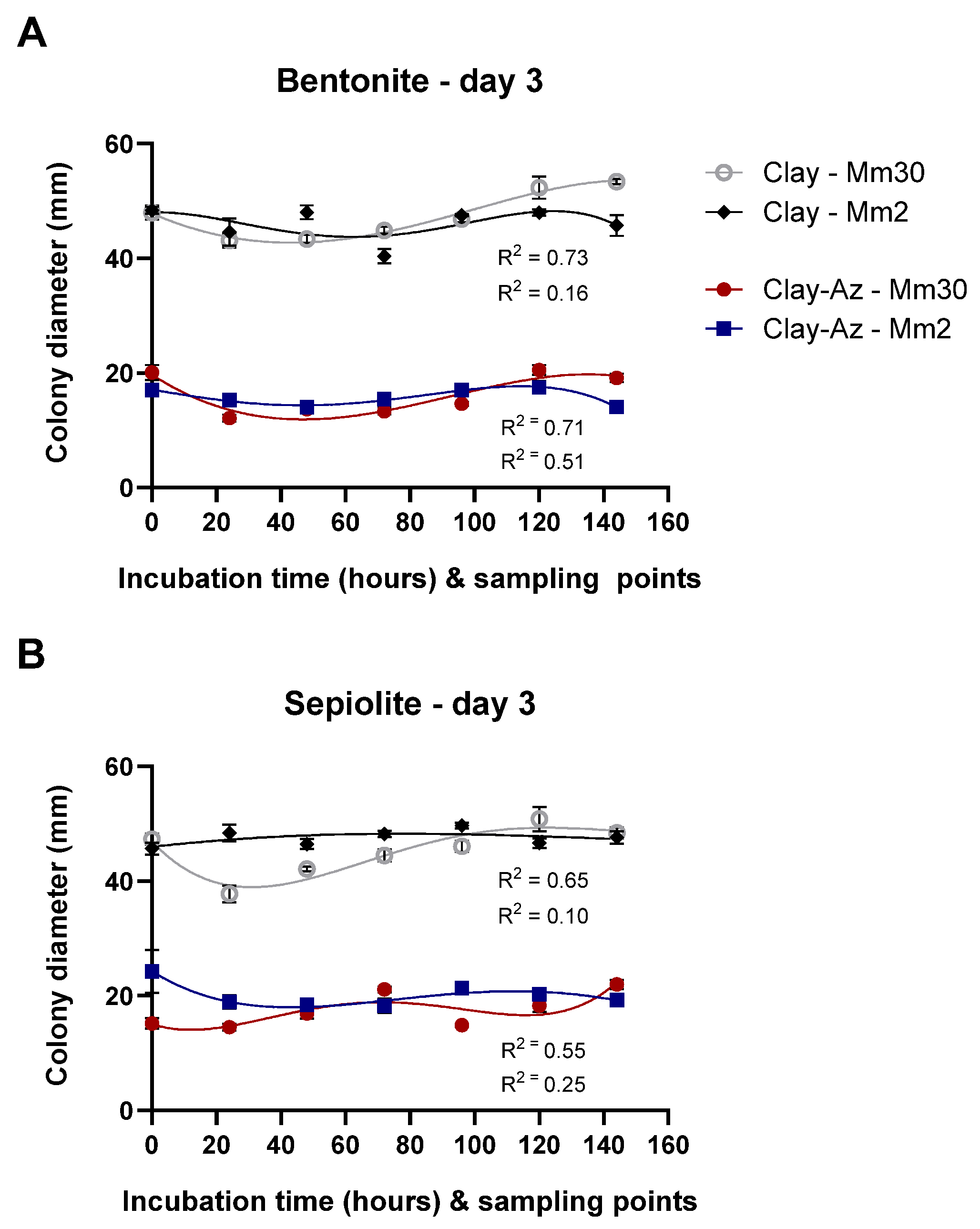
3.6. Slow-Release Kinetics of Azoxystrobin from Clay Carriers Using the Plug-Immersion Bioassay
4. Discussion
5. Conclusions
Author Contributions
Funding
Institutional Review Board Statement
Informed Consent Statement
Data Availability Statement
Acknowledgments
Conflicts of Interest
Abbreviations
| AI | Active ingredient |
| ANOVA | Analysis of variance |
| Az | Azoxystrobin |
| BZK | Benzalkonium |
| CFU | Colony-forming unit |
| CLSI | Clinical and Laboratory Standards Institute |
| DDW | Double-distilled water |
| EE | Encapsulation efficiency |
| FTIR | Fourier-transform infrared spectroscopy |
| IC50 | Half-maximal inhibitory concentration |
| LC | Loading capacity |
| LSD | Least significant difference |
| LWD | Late wilt disease |
| MPO | Kaolinite clay (commercial code) |
| PDA | Potato Dextrose Agar |
| PDB | Potato Dextrose Broth |
| Qo | Quinol oxidation site |
| QoI | Quinone outside inhibitor (strobilurin fungicide class) |
| qPCR | Quantitative polymerase chain reaction |
| R2 | Coefficient of determination |
| SC | Suspension concentrate |
| SE | Standard error |
| 4PL | Four-parameter logistic model |
References
- Tanklevska, N.; Petrenko, V.; Karnaushenko, A.; Melnykova, K. World corn market: Analysis, trends and prospects of its deep processing. Agric. Resour. Econ. Int. Sci. E-J. 2020, 6, 96–111. [Google Scholar] [CrossRef]
- Zhao, C.; Liu, B.; Piao, S.; Wang, X.; Lobell, D.B.; Huang, Y.; Huang, M.; Yao, Y.; Bassu, S.; Ciais, P. Temperature increase reduces global yields of major crops in four independent estimates. Proc. Natl. Acad. Sci. USA 2017, 114, 9326–9331. [Google Scholar] [CrossRef] [PubMed]
- ur Rehman, F.; Adnan, M.; Kalsoom, M.; Naz, N.; Husnain, M.G.; Ilahi, H.; Ilyas, M.A.; Yousaf, G.; Tahir, R.; Ahmad, U. Seed-borne fungal diseases of maize (Zea mays L.): A review. Agrinula J. Agroteknol. Perkeb. 2021, 4, 43–60. [Google Scholar] [CrossRef]
- Degani, O. A review: Late wilt of maize—The pathogen, the disease, current status and future perspective. J. Fungi 2021, 7, 989. [Google Scholar] [CrossRef]
- Matos, D.; Cardoso, P.; Almeida, S.; Figueira, E. Challenges in maize production: A review on late wilt disease control strategies. Fungal Biol. Rev. 2024, 50, 100396. [Google Scholar] [CrossRef]
- Matos, D.; Bedia, C.; Marques, P.A.A.P.; Cardoso, P.; Figueira, E. Optimizing maize late wilt disease management: A comparative assessment of bacterial biocontrol and azoxystrobin alone and in combination. Pestic. Biochem. Physiol. 2025, 214, 106613. [Google Scholar] [CrossRef]
- Samra, A.; Sabet, K.; Kamel, M.; Abd El-Rahim, M. Further Studies on the Effect of Field Conditions and Cultural Practices on Infection with Stalk-Rot Complex of Maize; Arab Republic of Egypt, Ministry of Agriculture, Plant Protection Department: Cairo, Egypt, 1971. [Google Scholar]
- Payak, M.; Sharma, R. Research on Diseases of Maize; Indian Council of Agricultural Research: New Delhi, India, 1978; p. 228. [Google Scholar]
- Degani, O.; Weinberg, T.; Graph, S. Chemical control of maize late wilt in the field. Phytoparasitica 2014, 42, 559–570. [Google Scholar] [CrossRef]
- Abd El-Rahim, M.F.; Fahmy, G.M.; Fahmy, Z.M. Alterations in transpiration and stem vascular tissues of two maize cultivars under conditions of water stress and late wilt disease. Plant Pathol. 1998, 47, 216–223. [Google Scholar] [CrossRef]
- Sabet, K.A.; Samra, A.S.; Mansour, I.M. Saprophytic behaviour of Cephalosporium maydis and C. acremonium. Ann. Appl. Biol. 1970, 66, 265–271. [Google Scholar] [CrossRef]
- Sabet, K.A.; Zaher, A.M.; Samra, A.S.; Mansour, I.M. Pathogenic behaviour of Cephalosporium maydis and C. acremonium. Ann. Appl. Biol. 1970, 66, 257–263. [Google Scholar] [CrossRef]
- Singh, S.D.; Siradhana, B.S. Survival of Cephalosporium maydis, incitant of late wilt of maize. Indian J. Mycol. Pl. Pathol. 1987, 17, 83–85. [Google Scholar]
- Drori, R.; Sharon, A.; Goldberg, D.; Rabinovitz, O.; Levy, M.; Degani, O. Molecular diagnosis for Harpophora maydis, the cause of maize late wilt in israel. Phytopathol. Mediterr. 2013, 52, 16–29. [Google Scholar] [CrossRef][Green Version]
- Michail, S.H.; Abou-Elseoud, M.S.; Nour Eldin, M.S. Seed health testing of corn for Cephalosporium maydis. Acta Phytopathol. Entomol. Hung. 1999, 34, 35–42. [Google Scholar]
- Sabet, K.; Samra, A.; Mansour, I. Interaction between Fusarium oxysporum F. Vasinfectum and Cephalosporium maydis on cotton and maize. Ann. Appl. Biol. 1966, 58, 93–101. [Google Scholar] [CrossRef]
- Sahab, A.F.; Osman, A.R.; Soleman, N.K.; Mikhail, M.S. Studies on root-rot of lupin in egypt and its control. Egypt. J. Phytopathol. 1985, 17, 23–35. [Google Scholar]
- Dor, S.; Degani, O. Uncovering the host range for maize pathogen Magnaporthiopsis maydis. Plants 2019, 8, 259. [Google Scholar] [CrossRef]
- Degani, O. Control strategies to cope with late wilt of maize. Pathogens 2022, 11, 13. [Google Scholar] [CrossRef]
- Abdelghany, W.R.; Elsharkawy, M.M.; Abdelkawy, R.N.; Omara, R.I.; Abdelaal, K.; Abbas, A.H.; Hozzein, W.N.; Essa, T.; ALkhalifah, D.H.; Abou Tabl, A.H. Deciphering maize resistance to late wilt disease caused by Magnaporthiopsis maydis: Agronomic, anatomical, molecular, and genotypic insights. Front. Plant Sci. 2025, 16, 1566514. [Google Scholar] [CrossRef]
- Degani, O.; Yifa, R.; Gordani, A.; Becher, P.; Chen, A. Cultivars resistance assay for maize late wilt disease. Biology 2022, 11, 1854. [Google Scholar] [CrossRef]
- Ghazy, N.A.; Al-Zaban, M.I.; Safhi, F.A.; Aljabri, M.; Kafsheer, D.A.; Ben Abdelmalek, I.; Kamara, M.M.; Mansour, E.; Hamden, S. Unraveling genetic variation and inheritance patterns in newly developed maize hybrids for improving late wilt disease resistance and agronomic performance under artificial inoculation conditions. Life 2024, 14, 1609. [Google Scholar] [CrossRef]
- Abdelghany, W.R.; EL-Sayed, A.B.; Kafsheer, D.A.; Ata, A.A.; Omara, R.I. Partial resistance of late wilt disease caused by Magnaporthiopsis maydis in certain Egyptian maize hybrids. Egypt. J. Phytopathol. 2023, 51, 76–92. [Google Scholar] [CrossRef]
- Rakesh, B.; Gangappa, E.; Gandhi, S.; Gowda, R.P.V.; Swamy, S.D.; Ramesh, S.; Hemareddy, H.B. Mapping genomic regions controlling resistance to late wilt disease caused by Harpophora maydis in maize (Zea mays L.). Euphytica 2022, 218, 101. [Google Scholar] [CrossRef]
- Shofman, G.; Bahouth, M.; Degani, O. Aggressive strains of the late wilt fungus of corn exist in Israel in mixed populations and can specialize in disrupting growth or plant health. Fungal Biol. 2022, 126, 793–808. [Google Scholar] [CrossRef] [PubMed]
- Ortiz-Bustos, C.M.; Testi, L.; García-Carneros, A.B.; Molinero-Ruiz, L. Geographic distribution and aggressiveness of Harpophora maydis in the Iberian Peninsula, and thermal detection of maize late wilt. Eur. J. Plant Pathol. 2015, 144, 383–397. [Google Scholar] [CrossRef]
- Zeller, K.A.; Ismael, A.M.; El-Assiuty, E.M.; Fahmy, Z.M.; Bekheet, F.M.; Leslie, J.F. Relative competitiveness and virulence of four clonal lineages of Cephalosporium maydis from Egypt toward greenhouse-grown maize. Plant Dis. 2002, 86, 373–378. [Google Scholar] [CrossRef]
- Shofman, G.; Degani, O. Mixed fungal strains challenge host resistance: Insights into Magnaporthiopsis maydis pathogenicity in maize. Front. Microbiol. 2025, 16, 1520237. [Google Scholar] [CrossRef]
- Degani, O.; Dor, S.; Movshowitz, D.; Fraidman, E.; Rabinovitz, O.; Graph, S. Effective chemical protection against the maize late wilt causal agent, Harpophora maydis, in the field. PLoS ONE 2018, 13, e0208353. [Google Scholar] [CrossRef]
- Gordani, A.; Hijazi, B.; Dimant, E.; Degani, O. Integrated biological and chemical control against the maize late wilt agent Magnaporthiopsis maydis. Soil Syst. 2023, 7, 1. [Google Scholar] [CrossRef]
- Zhou, W.; Li, M.; Achal, V. A comprehensive review on environmental and human health impacts of chemical pesticide usage. Emerg. Contam. 2025, 11, 100410. [Google Scholar] [CrossRef]
- Avila-Adame, C.; Koller, W. Characterization of spontaneous mutants of Magnaporthe grisea expressing stable resistance to the QO-inhibiting fungicide azoxystrobin. Curr. Genet. 2003, 42, 332–338. [Google Scholar] [CrossRef]
- Gisi, U.; Sierotzki, H.; Cook, A.; McCaffery, A. Mechanisms influencing the evolution of resistance to QO inhibitor fungicides. Pest Manag. Sci. 2002, 58, 859–867. [Google Scholar] [CrossRef] [PubMed]
- Degani, O.; Dor, S. Trichoderma biological control to protect sensitive maize hybrids against late wilt disease in the field. J. Fungi 2021, 7, 315. [Google Scholar] [CrossRef] [PubMed]
- Elshahawy, I.E.; El-Sayed, A.E.-K.B. Maximizing the efficacy of Trichoderma to control Cephalosporium maydis, causing maize late wilt disease, using freshwater microalgae extracts. Egypt. J. Biol. Pest Control 2018, 28, 48. [Google Scholar] [CrossRef]
- Ghazy, N.; El-Nahrawy, S. Siderophore production by Bacillus subtilis mf497446 and Pseudomonas koreensis mg209738 and their efficacy in controlling Cephalosporium maydis in maize plant. Arch. Microbiol. 2020, 203, 1195–1209. [Google Scholar] [CrossRef]
- Ons, L.; Bylemans, D.; Thevissen, K.; Cammue, B.P.A. Combining biocontrol agents with chemical fungicides for integrated plant fungal disease control. Microorganisms 2020, 8, 1930. [Google Scholar] [CrossRef]
- Huang, M.; Deng, G.; Yu, H.; Zhou, X.; Liu, M. An environmentally friendly, rainfall-resistant suspension prepared based on halloysite nanotubes for the delivery of hydrophobic pesticides. Chem. Eng. J. 2025, 503, 158168. [Google Scholar] [CrossRef]
- Teng, G.; Chen, C.; Ma, X.; Mao, H.; Yuan, X.; Xu, H.; Wu, Z.; Zhang, J. Spherical assembly of halloysite clay nanotubes as a general reservoir of hydrophobic pesticides for ph-responsive management of pests and weeds. Small 2024, 20, 2402921. [Google Scholar] [CrossRef]
- Man, L.; Chen, H.; Deng, H.; Zhou, H.; Hao, L.; Zhou, X. Montmorillonite supported nano-silica and schiff base ligands nanocomposite for agricultural antifungal agent with long-term sterilization ability. Appl. Clay Sci. 2024, 256, 107429. [Google Scholar] [CrossRef]
- Wanyika, H. Controlled release of agrochemicals intercalated into montmorillonite interlayer space. Sci. World J. 2014, 2014, 656287. [Google Scholar] [CrossRef]
- Shaltiel-Harpaz, L.; Kreimer, T.; Dudai, N.; Kaspi, R.; Ben-Yakir, D.; Rytwo, G. Sepiolite-rosemary oil combination as an environmentally oriented insecticide. Appl. Clay Sci. 2023, 234, 106838. [Google Scholar] [CrossRef]
- Di Rago, S.; Morandi, F.; Pizzetti, F.; Rossi, F. Advances in controlled release systems for sustainable crop production: A review of nano-, micro-, and macro-formulations. Adv. Agrochem. 2025, 4, 188–206. [Google Scholar] [CrossRef]
- Shelar, A.; Nile, S.H.; Singh, A.V.; Rothenstein, D.; Bill, J.; Xiao, J.; Chaskar, M.; Kai, G.; Patil, R. Recent advances in nano-enabled seed treatment strategies for sustainable agriculture: Challenges, risk assessment, and future perspectives. Nanomicro Lett. 2023, 15, 54. [Google Scholar] [CrossRef] [PubMed]
- Degani, O.; Dor, S.; Movshovitz, D.; Rabinovitz, O. Methods for studying Magnaporthiopsis maydis, the maize late wilt causal agent. Agronomy 2019, 9, 181. [Google Scholar] [CrossRef]
- Degani, O.; Goldblat, Y. Ambient stresses regulate the development of the maize late wilt causing agent, Harpophora maydis. Agric. Sci. 2014, 05, 571–582. [Google Scholar] [CrossRef]
- Balouiri, M.; Sadiki, M.; Ibnsouda, S.K. Methods for in vitro evaluating antimicrobial activity: A review. J. Pharm. Anal. 2016, 6, 71–79. [Google Scholar] [CrossRef]
- Gakuubi, M.M.; Maina, A.W.; Wagacha, J.M. Antifungal activity of essential oil of Eucalyptus camaldulensis dehnh. Against selected Fusarium spp. Int. J. Microbiol. 2017, 2017, 8761610. [Google Scholar] [CrossRef]
- Degani, O.; Dor, S.; Chen, A.; Orlov-Levin, V.; Stolov-Yosef, A.; Regev, D.; Rabinovitz, O. Molecular tracking and remote sensing to evaluate new chemical treatments against the maize late wilt disease causal agent, Magnaporthiopsis maydis. J. Fungi 2020, 6, 54. [Google Scholar] [CrossRef]
- Hayles, J.; Johnson, L.; Worthley, C.; Losic, D. 5-nanopesticides: A review of current research and perspectives. In New Pesticides and Soil Sensors; Grumezescu, A.M., Ed.; Academic Press: Cambridge, MA, USA, 2017; pp. 193–225. [Google Scholar] [CrossRef]
- Stackelberg, P.E.; Kauffman, L.J.; Ayers, M.A.; Baehr, A.L. Frequently co-occurring pesticides and volatile organic compounds in public supply and monitoring wells, Southern New Jersey, USA. Environ. Toxicol. Chem. 2001, 20, 853–865. [Google Scholar] [CrossRef]
- Whitehouse, P.; Rannard, S. The application of nanodispersions to agriculture. Outlooks Pest Manag. 2010, 21, 190–192. [Google Scholar] [CrossRef]
- Aranda, P.; Darder, M.; Wicklein, B.; Rytwo, G.; Ruiz-Hitzky, E. Clay–organic interfaces for design of functional hybrid materials. In Hybrid Organic-Inorganic Interfaces: Towards Advanced Functional Materials; John Wiley & Sons, Inc.: Hoboken, NJ, USA, 2018; pp. 1–84. [Google Scholar]
- Rytwo, G.; Rabinowitz, O. Behaviour of an organomontmorillonite-acetochlor formulation in drained wetland soils of the hula valley. Mires Peat 2012, 9, 6. [Google Scholar] [CrossRef]
- Rytwo, G.; Zakai, R.; Wicklein, B. The use of atr-ftir spectroscopy for quantification of adsorbed compounds. J. Spectrosc. 2015, 2015, 727595. [Google Scholar] [CrossRef]
- Shuali, U.; Nir, S.; Rytwo, G. Chapter 15—Adsorption of surfactants, dyes and cationic herbicides on sepiolite and palygorskite: Modifications, applications and modelling. In Developments in Clay Science; Galàn, E., Singer, A., Eds.; Elsevier: Amsterdam, The Netherlands, 2011; Volume 3, pp. 351–374. [Google Scholar] [CrossRef]
- Undabeytia, T.; Recio, E.; Maqueda, C.; Morillo, E.; Gómez-Pantoja, E.; Sánchez-Verdejo, T. Reduced metribuzin pollution with phosphatidylcholine–clay formulations. Pest Manag. Sci. 2011, 67, 271–278. [Google Scholar] [CrossRef] [PubMed]
- Mishael, Y.G.; Undabeytia, T.; Rabinovitz, O.; Rubin, B.; Nir, S. Sulfosulfuron incorporated in micelles adsorbed on montmorillonite for slow release formulations. J. Agric. Food Chem. 2003, 51, 2253–2259. [Google Scholar] [CrossRef] [PubMed][Green Version]
- Sheng, G.; Johnston, C.T.; Teppen, B.J.; Boyd, S.A. Potential contributions of smectite clays and organic matter to pesticide retention in soils. J. Agric. Food Chem. 2001, 49, 2899–2907. [Google Scholar] [CrossRef]
- Behroozian, S.; Svensson, S.L.; Li, L.Y.; Davies, J.E. Broad-spectrum antimicrobial and antibiofilm activity of a natural clay mineral from british columbia, canada. mBio 2020, 11, e02350-20. [Google Scholar] [CrossRef]
- Fetter, G.; Velázquez-Herrera, F.D. Intrinsic antimicrobial properties of ldh clays: A brief review. Emergent Mater. 2025, 1–16. [Google Scholar] [CrossRef]
- Zhang, H.; Chen, W.; Zhao, B.; Phillips, L.A.; Zhou, Y.; Lapen, D.R.; Liu, J. Sandy soils amended with bentonite induced changes in soil microbiota and fungistasis in maize fields. Appl. Soil Ecol. 2020, 146, 103378. [Google Scholar] [CrossRef]
- Sidhu, A.; Bala, A.; Singh, H.; Ahuja, R.; Kumar, A. Development of mgo-sepoilite nanocomposites against phytopathogenic fungi of rice (Oryzae sativa): A green approach. ACS Omega 2020, 5, 13557–13565. [Google Scholar] [CrossRef]
- Nir, S.; El-Nahhal, Y.; Undabeytia, T.; Rytwo, G.; Polubesova, T.; Mishael, Y.; Rabinovitz, O.; Rubin, B. Clays, clay minerals, and pesticides. In Developments in Clay Science; Elsevier: Amsterdam, The Netherlands, 2013; Volume 5, pp. 645–662. [Google Scholar] [CrossRef]
- Frost, R.L.; Ding, Z. Controlled rate thermal analysis and differential scanning calorimetry of sepiolites and palygorskites. Thermochim. Acta 2003, 397, 119–128. [Google Scholar] [CrossRef]
- Qin, Y.; Peng, T.; Sun, H.; Zeng, L.; Li, Y.; Zhou, C. Effect of montmorillonite layer charge on the thermal stability of bentonite. Clays Clay Miner. 2021, 69, 328–338. [Google Scholar] [CrossRef]
- Berns, A.; Philipp, H.; Narres, H.D.; Burauel, P.; Vereecken, H.; Tappe, W. Effect of gamma-sterilization and autoclaving on soil organic matter structure as studied by solid state nmr, uv and fluorescence spectroscopy. Eur. J. Soil Sci. 2008, 59, 540–550. [Google Scholar] [CrossRef]
- Islam, M.R.; Singh, B.; Dijkstra, F.A. Stabilisation of soil organic matter: Interactions between clay and microbes. Biogeochemistry 2022, 160, 145–158. [Google Scholar] [CrossRef]
- Massi, F.; Torriani, S.F.; Borghi, L.; Toffolatti, S.L. Fungicide resistance evolution and detection in plant pathogens: Plasmopara viticola as a case study. Microorganisms 2021, 9, 119. [Google Scholar] [CrossRef] [PubMed]
- Fernández-Ortuño, D.; Torés, J.A.; De Vicente, A.; Pérez-García, A. The Qoi Fungicides, the Rise and Fall of a Successful Class of Agricultural Fungicides; InTech: Rijeka, Croatia, 2010. [Google Scholar] [CrossRef]
- Koehler, A.; Rogers, L.; Shew, H. Characterization of the cytb gene structure in Macrophomina phaseolina to assess fungicide resistance risk. In Modern Fungicides and Antifungal Compounds IX; Deising, H.B., Fraaije, B., Mehl, A., Oerke, E.C., Sierotzki, H., Stammler, G., Eds.; DPG-Verlag der deutschen Phytomedizinischen Gesellschaft: Braunschweig, Germany, 2020; p. 63. [Google Scholar]
- Brent, K.J.; Hollomon, D.W. Fungicide Resistance in Crop Pathogens: How Can It be Managed? Citeseer: Princeton, NJ, USA, 1995; Volume 1. [Google Scholar]
- Davies, C.R.; Wohlgemuth, F.; Young, T.; Violet, J.; Dickinson, M.; Sanders, J.-W.; Vallieres, C.; Avery, S.V. Evolving challenges and strategies for fungal control in the food supply chain. Fungal Biol. Rev. 2021, 36, 15–26. [Google Scholar] [CrossRef] [PubMed]
- Otto, W.R.; Arendrup, M.C.; Fisher, B.T. A practical guide to antifungal susceptibility testing. J. Pediatr. Infect. Dis. Soc. 2023, 12, 214–221. [Google Scholar] [CrossRef]
- Hossain, T.J. Methods for screening and evaluation of antimicrobial activity: A review of protocols, advantages, and limitations. Eur. J. Microbiol. Immunol. 2024, 14, 97–115. [Google Scholar] [CrossRef]
- Volova, T.; Prudnikova, S.; Boyandin, A.; Zhila, N.; Kiselev, E.; Shumilova, A.; Baranovskiy, S.; Demidenko, A.; Shishatskaya, E.; Thomas, S. Constructing slow-release fungicide formulations based on poly(3-hydroxybutyrate) and natural materials as a degradable matrix. J. Agric. Food Chem. 2019, 67, 9220–9231. [Google Scholar] [CrossRef]
- Singh, G.; Ramadass, K.; Sooriyakumar, P.; Hettithanthri, O.; Vithange, M.; Bolan, N.; Tavakkoli, E.; Van Zwieten, L.; Vinu, A. Nanoporous materials for pesticide formulation and delivery in the agricultural sector. J. Control. Release 2022, 343, 187–206. [Google Scholar] [CrossRef]
- Massaro, M.; Colletti, C.G.; Lazzara, G.; Riela, S. The use of some clay minerals as natural resources for drug carrier applications. J. Funct. Biomater. 2018, 9, 58. [Google Scholar] [CrossRef]



| Clay Name | Type and General Information |
|---|---|
| Sep–Sepiolite S9 (S9) | Raw. Commercial sepiolite (Tolsa, Spain, CAS No: 63800–37-3), a magnesium–silicate mineral with a needle-like structure connected along the edges to form nanometer-sized channels. Exhibits excellent adsorption capacity, including uncharged molecules (primarily along the corners). It does not swell upon wetting and is chemically stable. |
| Sep Ber–Sepiolite modified with Berberine (Sber) | Organoclay. Sepiolite (S9) modified with berberine, a natural organic cation derived from Berberis shrubs. The berberine amount is adjusted to neutralize the negative charge of the raw clay, producing hydrophobic surfaces. |
| Bent–Sigma Bentonite–Montmorillonite (SW) | Raw. Commercial bentonite (Sigma–Aldrich, Rehovot, Israel, CAS No: 1302–78-9) is composed mainly of Na-montmorillonite (a 2:1 aluminosilicate mineral built of sheets). These sheets may swell when wetted or when large organic molecules are intercalated. The mineral adsorbs cations by an exchange mechanism, and in most cases does not adsorb considerable amounts of non-charged molecules. |
| Bent BZK–Montmorillonite–Bentonite modified with Benzalkonium | Organoclay. Bentonite (SW) modified with Benzalkonium (BZK), a quaternary ammonium cation known as a preservative that inhibits microbial development. The BZK content is adjusted to neutralize the negative charge of the raw clay, producing hydrophobic surfaces able to adsorb nonpolar molecules. |
| Bent Thiamine–Montmorillonite–Bentonite modified with Thiamine B1 (BB1) | Organoclay. Bentonite (SW) modified with Vitamin B1 (Thiamine), a cationic molecule containing an aromatic pyrimidine ring. The B1 content is adjusted to neutralize the negative charge of the raw clay, producing hydrophobic surfaces (as in Bent BZK). |
| Bent Ber–Montmorillonite–Bentonite modified with Berberine (Bber) | Organoclay. Bentonite (SW) modified with berberine (see Sber for details). The berberine content is adjusted to neutralize the negative charge of the raw clay, producing hydrophobic surfaces. |
| MPO–Kaolinite | Raw. Kaolinite (MPO—Minerals Processing Operations Ltd., Israel; CAS No. 1332-58-7), a natural aluminosilicate clay with a 1:1 layer structure, where sheets are held together by hydrogen bonds. It is non-swelling and widely used in the food and cosmetics industries. |
| Clay Source | Raw Dry Clay Weight (mg) | Clay–Az a Formulation Weight (mg) | Absorbed Solution Weight b (mg) | Absorbed Solution Volume (mL) | Absorbed Amistar SC Volume (mL) | Absorbed Amistar SC Weight (mg) | Amistar SC in the Formulation (%) | Az AI c Weight in Formulation (mg) | Az AI in Formulation (%) |
|---|---|---|---|---|---|---|---|---|---|
| Bent (SW) | 20.2 | 94.3 | 74.1 | 0.072 | 0.036 | 38.3 | 40.7 | 9.0 | 9.6 |
| Sep (S9) | 19.7 | 92.1 | 72.4 | 0.070 | 0.035 | 37.5 | 40.7 | 8.8 | 9.6 |
| MPO–Kaolinite | 23.8 | 32.9 | 9.1 | 0.009 | 0.004 | 4.7 | 14.3 | 1.1 | 3.4 |
| Treatment | Day 3 | Day 6 | ||||||
|---|---|---|---|---|---|---|---|---|
| Mm2 | Mm30 | Mm2 | Mm30 | |||||
| Mean | S.E. | Mean | S.E. | Mean | S.E. | Mean | S.E. | |
| Control | 49.9 C | 1 | 41.5 D | 1.9 | 83.5 A | 0.2 | 77.6 B | 2.4 |
| DDW 10 s | 53.1 C | 0.9 | 50.4 C | 0.7 | 83.5 A | 0.2 | 83.5 A | 0.2 |
Disclaimer/Publisher’s Note: The statements, opinions and data contained in all publications are solely those of the individual author(s) and contributor(s) and not of MDPI and/or the editor(s). MDPI and/or the editor(s) disclaim responsibility for any injury to people or property resulting from any ideas, methods, instructions or products referred to in the content. |
© 2025 by the authors. Licensee MDPI, Basel, Switzerland. This article is an open access article distributed under the terms and conditions of the Creative Commons Attribution (CC BY) license.
Share and Cite
Degani, O.; Abramovici, A.; Levi-Lion, A.; Demenchuk, D.; Hadad, A.; Dimant, E. Sustained Release of Azoxystrobin from Clay Carriers for the Management of Maize Late Wilt Disease. J. Fungi 2026, 12, 21. https://doi.org/10.3390/jof12010021
Degani O, Abramovici A, Levi-Lion A, Demenchuk D, Hadad A, Dimant E. Sustained Release of Azoxystrobin from Clay Carriers for the Management of Maize Late Wilt Disease. Journal of Fungi. 2026; 12(1):21. https://doi.org/10.3390/jof12010021
Chicago/Turabian StyleDegani, Ofir, Adar Abramovici, Achinoam Levi-Lion, Daniel Demenchuk, Ariel Hadad, and Elhanan Dimant. 2026. "Sustained Release of Azoxystrobin from Clay Carriers for the Management of Maize Late Wilt Disease" Journal of Fungi 12, no. 1: 21. https://doi.org/10.3390/jof12010021
APA StyleDegani, O., Abramovici, A., Levi-Lion, A., Demenchuk, D., Hadad, A., & Dimant, E. (2026). Sustained Release of Azoxystrobin from Clay Carriers for the Management of Maize Late Wilt Disease. Journal of Fungi, 12(1), 21. https://doi.org/10.3390/jof12010021