
The Role of TLR2/TLR4 Receptors in Host Genetic Susceptibility to Recurrent Vulvovaginitis

 , ,
, ,  and
and
Abstract
1. Introduction
2. Methodology of the Literature Search
3. Innate Immunity and Toll-like Receptors in RVVC
3.1. Innate Immunity and Toll-like Receptors
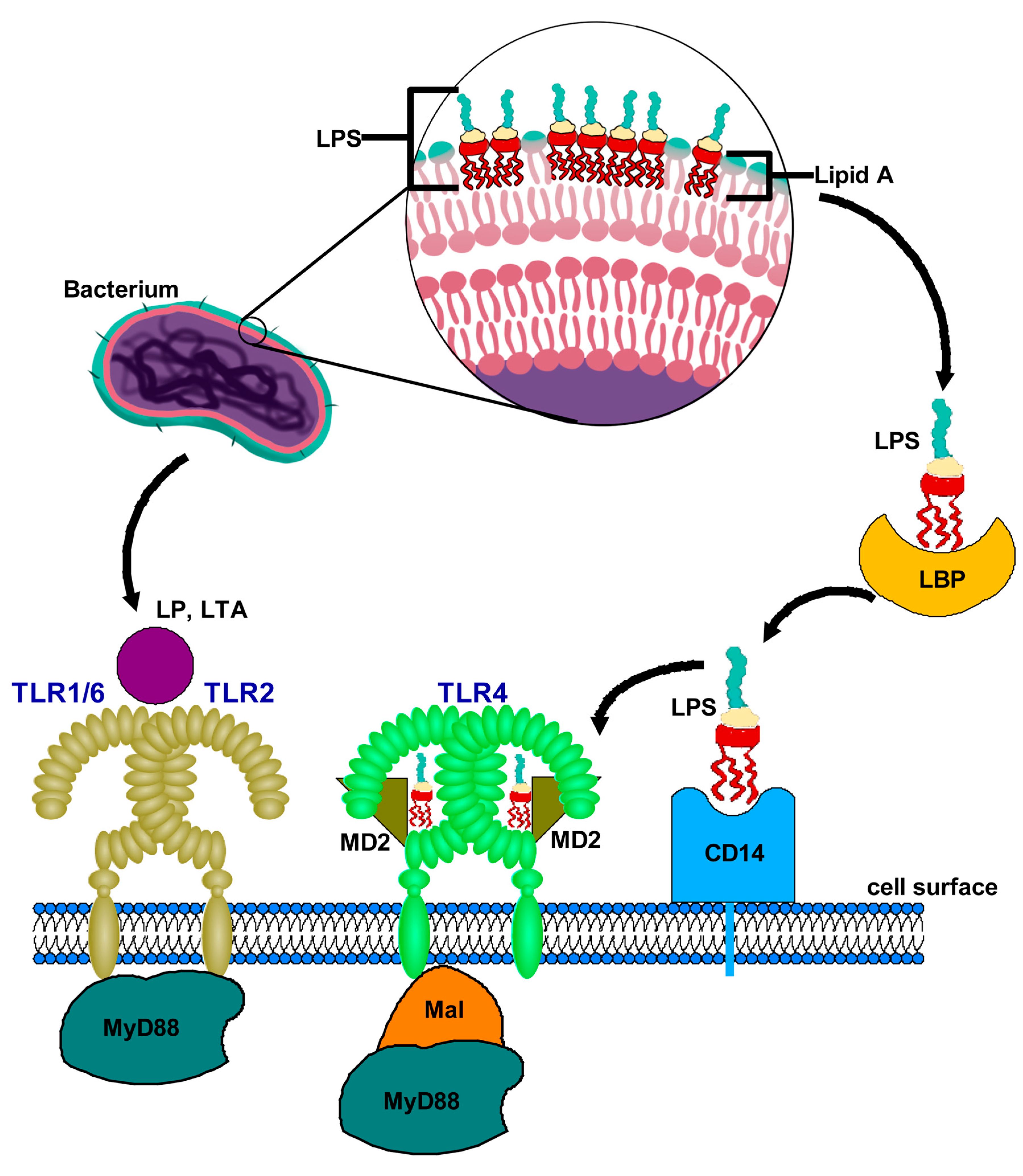
3.2. Ligands of TLR2 and TLR4

3.3. Signaling Pathways of TLR2 and TLR4
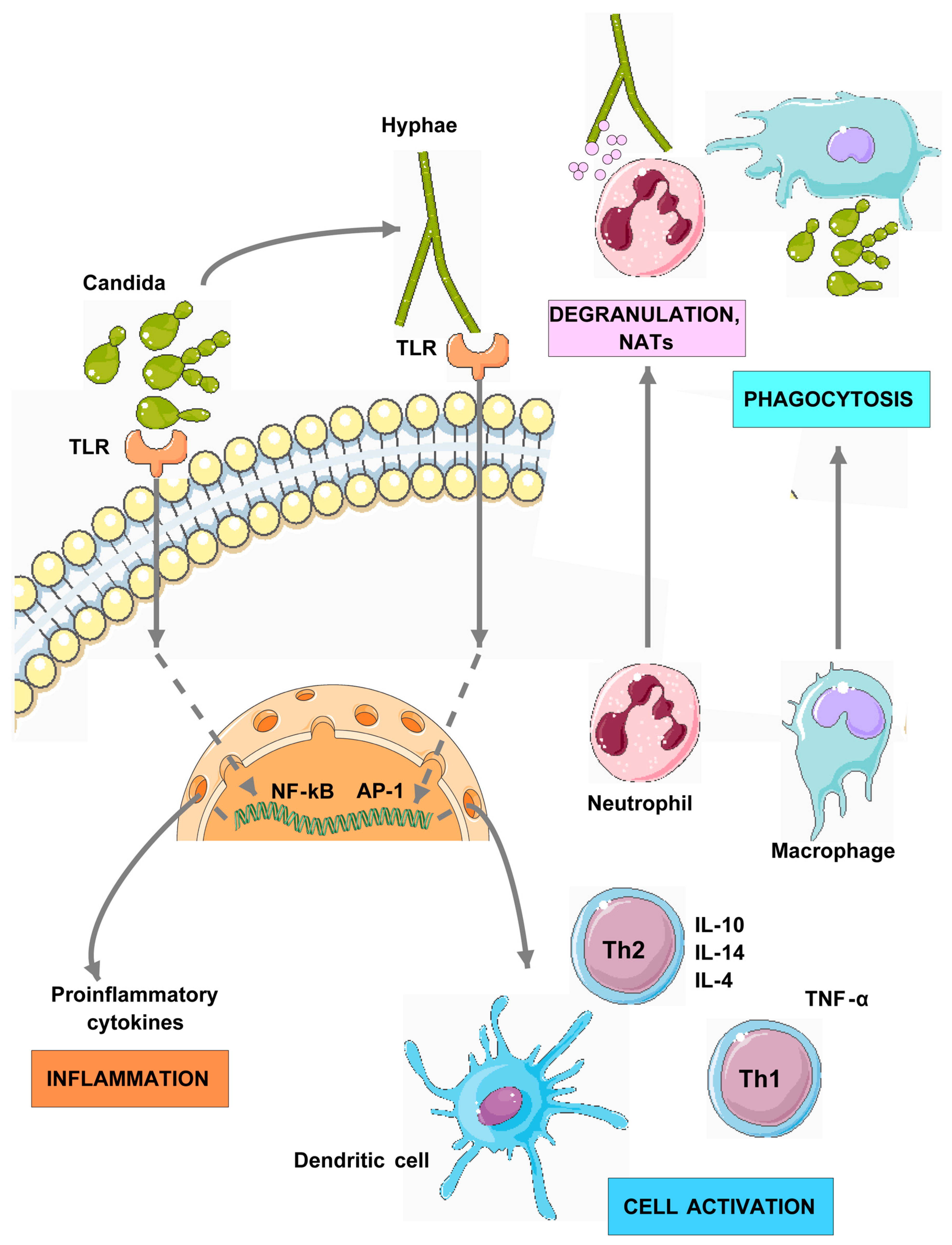
3.4. Role of TLR2 and TLR4 in Fungal Recognition and RVVC

4. Discussion
4.1. Genetic Polymorphisms and Immune Response
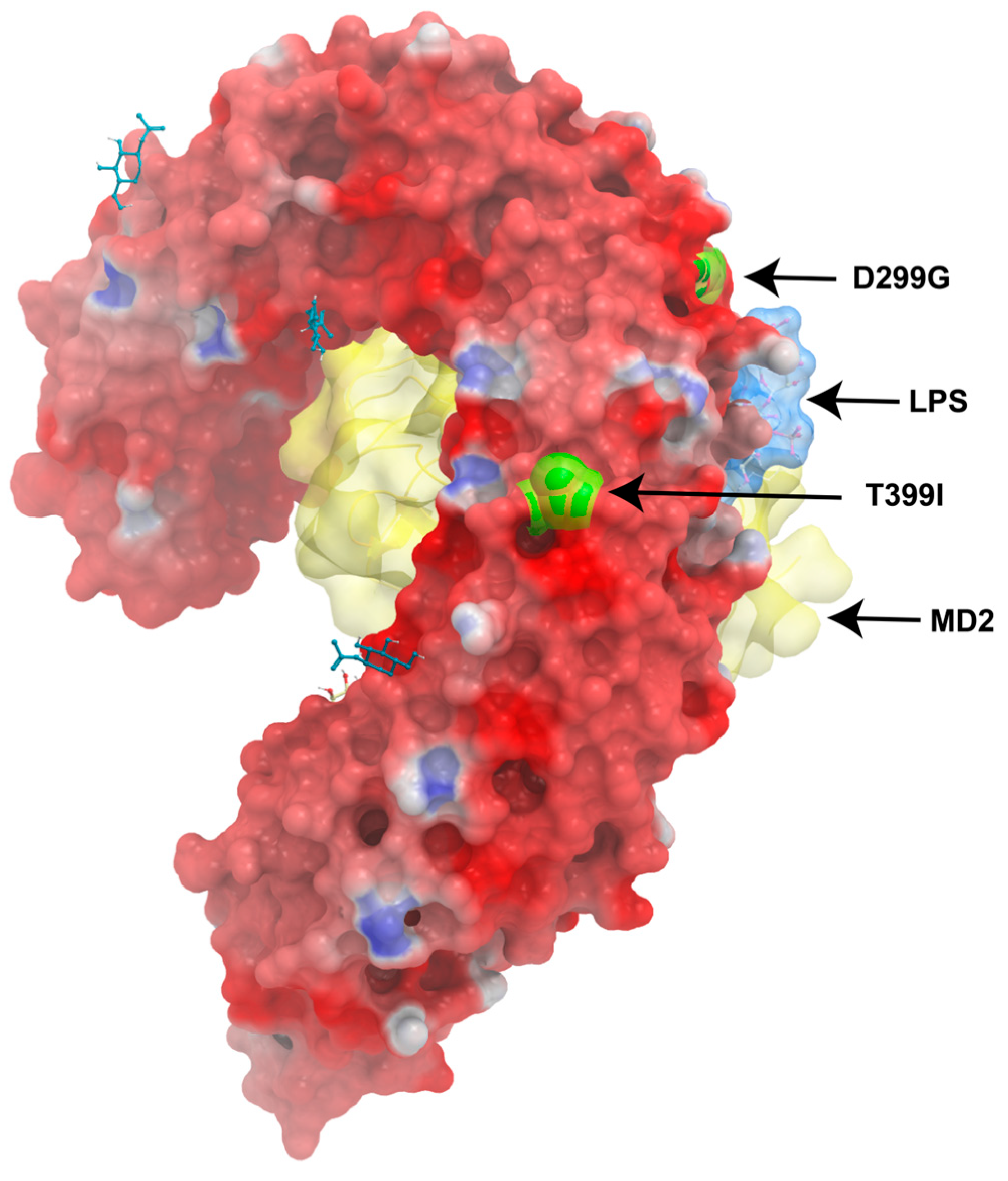
4.2. Polymorphisms in TLR4
4.3. TLR4 Polymorphisms and Fungal Infections

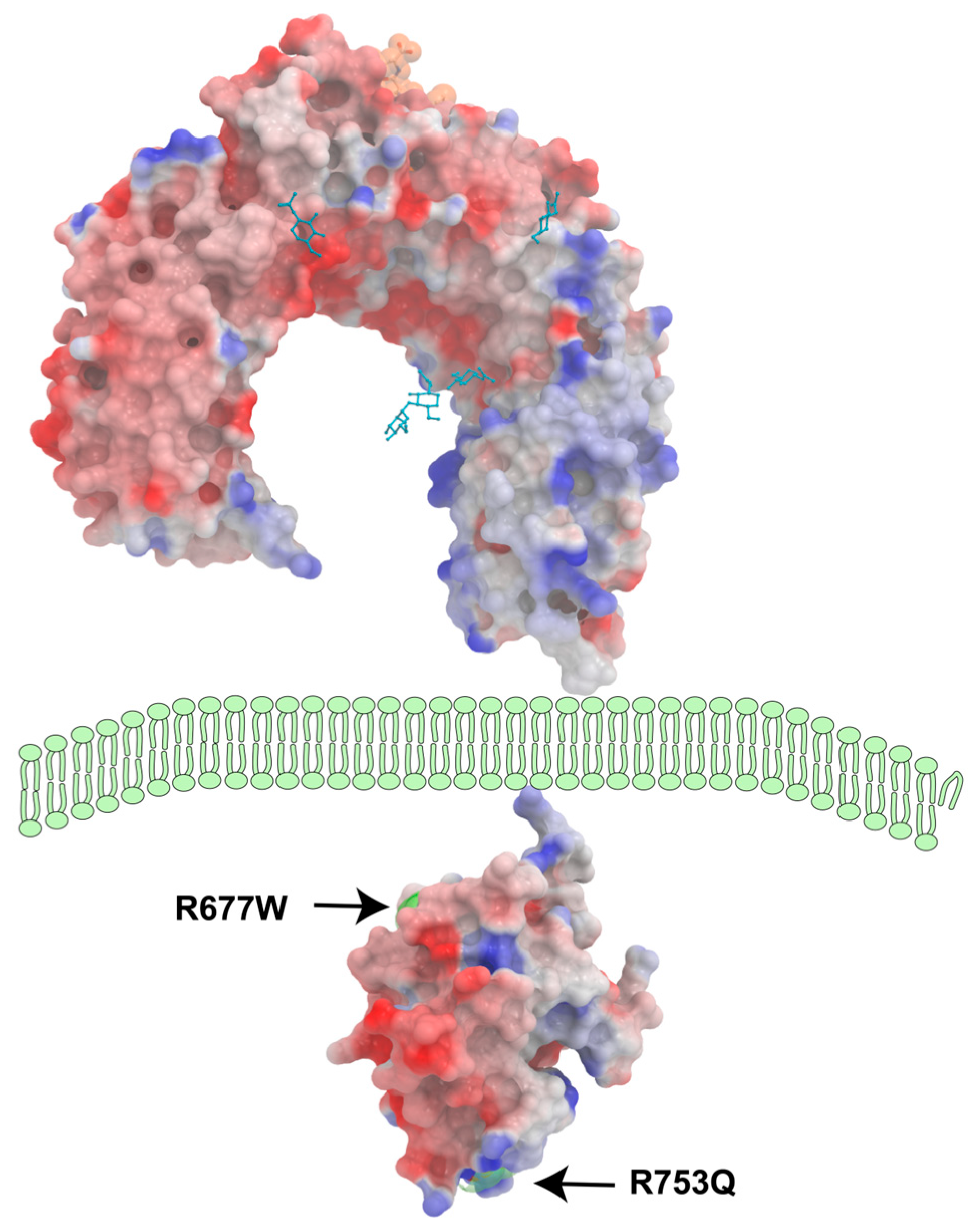
4.4. Polymorphisms in TLR2
- Arg677Trp (rs121917864): This polymorphism is believed to potentially alter the affinity of TLR2 for its ligands. Research indicates that this variant may influence the strength of TLR2-mediated responses, which can modulate the activation of NF-κB. It has been demonstrated that individuals carrying this variant exhibit different susceptibility profiles to infectious diseases such as tuberculosis and chronic inflammatory conditions, suggesting that the intrinsic signaling efficiency may be altered [81,90].
- Arg753Gln (rs5743708): This polymorphism similarly affects TLR2 function. Studies suggest that Arg753Gln may lead to decreased NF-κB activation in response to TLR2 ligands, thereby reducing the production of key inflammatory cytokines [91]. This variant may also impact the cross-talk between TLR2 and other signaling pathways involved in IRF activation, which can indirectly regulate the innate immune response [92,93].

4.5. TLR2 Polymorphisms and Fungal Infections
4.6. Polymorphisms in TLRs, Other than TLR2 and TLR4, and Fungal Infections
4.7. Interactions with Other Immune Components
5. Clinical Implications and Future Research Directions
6. Conclusions
Author Contributions
Funding
Institutional Review Board Statement
Informed Consent Statement
Data Availability Statement
Conflicts of Interest
References
- Kalia, N.; Singh, J.; Kaur, M. Immunopathology of Recurrent Vulvovaginal Infections: New Aspects and Research Directions. Front. Immunol. 2019, 10, 2034. [Google Scholar] [CrossRef]
- Binsaad, A.J.A.; Al-Abd, N. The Prevalence of Vulvovaginal Candidiasis (Vvc) Among Women Suffering Vaginitis Attended a Private Gynecological Clinic, Aden-Yemen. Electron. J. Univ. Aden Basic. Appl. Sci. 2021, 2, 169–175. [Google Scholar] [CrossRef]
- Salama, O.E.; Gerstein, A.C. Differential Response of Candida Species Morphologies and Isolates to Fluconazole and Boric Acid. Antimicrob. Agents Chemother. 2022, 66, e02406-21. [Google Scholar] [CrossRef] [PubMed]
- Denning, D.W.; Kneale, M.; Sobel, J.D.; Rautemaa-Richardson, R. Global burden of recurrent vulvovaginal candidiasis: A systematic review. Lancet Infect. Dis. 2018, 18, e339–e347. [Google Scholar] [CrossRef] [PubMed]
- Sobel, J.D. Recurrent vulvovaginal candidiasis. Am. J. Obs. Gynecol. 2016, 214, 15–21. [Google Scholar] [CrossRef] [PubMed]
- Rosati, D.; Bruno, M.; Jaeger, M.; Kullberg, B.J.; van de Veerdonk, F.; Netea, M.G.; Oever, J.T. An Exaggerated Monocyte-Derived Cytokine Response to Candida Hyphae in Patients with Recurrent Vulvovaginal Candidiasis. J. Infect. Dis. 2020, 225, 1796–1806. [Google Scholar] [CrossRef]
- Zhu, Y.; Li, T.; Fan, S.R.; Liu, P.; Liang, Y.; Liu, P. Health-Related Quality of Life as Measured with the Short-Form 36 (SF-36) Questionnaire in Patients with Recurrent Vulvovaginal Candidiasis. Health Qual. Life Outcomes 2016, 14, 65. [Google Scholar] [CrossRef]
- Blostein, F.; Levin-Sparenberg, E.; Wagner, J.; Foxman, B. Recurrent vulvovaginal candidiasis. Ann. Epidemiol. 2017, 27, 575–582. [Google Scholar] [CrossRef]
- Foxman, B.; Muraglia, R.; Dietz, J.P.; Sobel, J.D.; Wagner, J. Prevalence of recurrent vulvovaginal candidiasis in 5 European countries and the United States: Results from an internet panel survey. J. Low. Genit. Tract Dis. 2013, 17, 340–345. [Google Scholar] [CrossRef]
- Willems, H.M.E.; Ahmed, S.S.; Liu, J.; Xu, Z.; Peters, B.M. Vulvovaginal Candidiasis: A Current Understanding and Burning Questions. J. Fungi 2020, 6, 27. [Google Scholar] [CrossRef]
- Ardizzoni, A.; Wheeler, R.T.; Pericolini, E. It Takes Two to Tango: How a Dysregulation of the Innate Immunity, Coupled with Candida Virulence, Triggers VVC Onset. Front. Microbiol. 2021, 12, 692491. [Google Scholar] [CrossRef]
- Smeekens, S.P.; Frank, L.v.d.V.; Kullberg, B.J.; Netea, M.G. Genetic Susceptibility To Candida Infections. Embo Mol. Med. 2013, 5, 805–813. [Google Scholar] [CrossRef]
- Chen, Y.-H.; Wu, K.H.; Wu, H.P. Unraveling the Complexities of Toll-like Receptors: From Molecular Mechanisms to Clinical Applications. Int. J. Mol. Sci. 2024, 25, 5037. [Google Scholar] [CrossRef]
- Duan, T.; Du, Y.; Xing, C.; Wang, H.Y.; Wang, R.F. Toll-like Receptor Signaling and Its Role in Cell-Mediated Immunity. Front. Immunol. 2022, 13, 812774. [Google Scholar] [CrossRef]
- Kawai, T.; Akira, S. The Role of Pattern-Recognition Receptors in Innate Immunity: Update on Toll-like Receptors. Nat. Immunol. 2010, 11, 373–384. [Google Scholar] [CrossRef] [PubMed]
- Kim, S.-N.; Joe, Y.; Surh, Y.J.; Chung, H.T. Differential Regulation of Toll-like Receptor-Mediated Cytokine Production by Unfolded Protein Response. Oxidative Med. Cell. Longev. 2018, 2018, 9827312. [Google Scholar] [CrossRef]
- Kubarenko, A.V.; Ranjan, S.; Çolak, E.; George, J.; Frank, M.; Weber, A.N. Comprehensive Modeling and Functional Analysis of Toll-like Receptor Ligand-recognition Domains. Protein Sci. 2010, 19, 558–569. [Google Scholar] [CrossRef]
- Takeda, K.; Akira, S. Toll-like Receptors. Curr. Protoc. Immunol. 2015, 109, 14.12.1–14.12.10. [Google Scholar] [CrossRef] [PubMed]
- Goncalves, B.; Ferreira, C.; Alves, C.T.; Henriques, M.; Azeredo, J.; Silva, S. Vulvovaginal candidiasis: Epidemiology, microbiology and risk factors. Crit. Rev. Microbiol. 2016, 42, 905–927. [Google Scholar] [CrossRef] [PubMed]
- Rosati, D.; Bruno, M.; Jaeger, M.; ten Oever, J.; Netea, M.G. Recurrent Vulvovaginal Candidiasis: An Immunological Perspective. Microorganisms 2020, 8, 144. [Google Scholar] [CrossRef]
- Rasaei, R.; Sarodaya, N.; Kim, K.S.; Ramakrishna, S.; Hong, S.H. Importance of Deubiquitination in Macrophage-Mediated Viral Response and Inflammation. Int. J. Mol. Sci. 2020, 21, 8090. [Google Scholar] [CrossRef]
- Chen, L.; Yu, J. Modulation of Toll-like Receptor Signaling in Innate Immunity by Natural Products. Int. Immunopharmacol. 2016, 37, 65–70. [Google Scholar] [CrossRef]
- O’Neill, L.A.; Bowie, A.G. The family of five: TIR-domain-containing adaptors in Toll-like receptor signalling. Nat. Rev. Immunol. 2007, 7, 353–364. [Google Scholar] [CrossRef]
- Guo, J.; Liao, M.; Wang, J. TLR4 Signaling in the Development of Colitis-Associated Cancer and Its Possible Interplay with microRNA-155. Cell Commun. Signal. 2021, 19, 90. [Google Scholar] [CrossRef]
- Shi, J.h.; Sun, S.C. Tumor Necrosis Factor Receptor-Associated Factor Regulation of Nuclear Factor ΚB and Mitogen-Activated Protein Kinase Pathways. Front. Immunol. 2018, 9, 1849. [Google Scholar] [CrossRef]
- Gozalbo, D. Role of Toll-like Receptors in Systemic Candida albicans Infections. Front. Biosci. 2016, 21, 278–302. [Google Scholar] [CrossRef] [PubMed]
- Marongiu, L.; Gornati, L.; Artuso, I.; Zanoni, I.; Granucci, F. Below the Surface: The Inner Lives of TLR4 and TLR9. J. Leukoc. Biol. 2019, 106, 147–160. [Google Scholar] [CrossRef] [PubMed]
- Behzadi, P.; García-Perdomo, H.A.; Karpiński, T.M. Toll-like Receptors: General Molecular and Structural Biology. J. Immunol. Res. 2021, 2021, 9914854. [Google Scholar] [CrossRef]
- Abdul-Cader, M.S.; Amarasinghe, A.; Abdul-Careem, M.F. Activation of Toll-like Receptor Signaling Pathways Leading to Nitric oxide-Mediated Antiviral Responses. Arch. Virol. 2016, 161, 2075–2086. [Google Scholar] [CrossRef] [PubMed]
- McKeown-Longo, P.J.; Higgins, P.J. Integration of Canonical and Noncanonical Pathways in TLR4 Signaling: Complex Regulation of the Wound Repair Program. Adv. Wound Care 2017, 6, 320–329. [Google Scholar] [CrossRef]
- Xu, R.h.; Li, Y.; Liu, Y.; Qu, J.; Cao, W.; Zhang, E.; He, J.; Cai, Z. How Are McPip1 and Cytokines Mutually Regulated in Cancer-Related Immunity? Protein Cell 2020, 11, 881–893. [Google Scholar] [CrossRef]
- Scheenstra, M.R.; Harten, R.M.v.; Veldhuizen, E.J.; Haagsman, H.P.; Coorens, M. Cathelicidins Modulate TLR-Activation and Inflammation. Front. Immunol. 2020, 11, 1137. [Google Scholar] [CrossRef]
- Reed, S.G.; Hsu, F.-C.; Carter, D.; Orr, M.T. The Science of Vaccine Adjuvants: Advances in TLR4 Ligand Adjuvants. Curr. Opin. Immunol. 2016, 41, 85–90. [Google Scholar] [CrossRef]
- Cunha, C.; Romani, L.; Carvalho, A. Cracking the Toll-like Receptor Code in Fungal Infections. Expert. Rev. Anti-Infect. Ther. 2010, 8, 1121–1137. [Google Scholar] [CrossRef] [PubMed]
- Nedovic, B.; Posteraro, B.; Leoncini, E.; Ruggeri, A.; Amore, R.; Ricciardi, W.; Boccia, S. Mannose-Binding Lectin Codon 54 Gene Polymorphism and Vulvovaginal Candidiasis: A Systematic Review and Meta-Analysis. BioMed Res. Int. 2014, 2014, 738298. [Google Scholar] [CrossRef] [PubMed]
- Jouault, T.; Ibata-Ombetta, S.; Takeuchi, O.; Trinel, P.A.; Sacchetti, P.; Lefebvre, P.; Akira, S.; Poulain, D. Candida albicans phospholipomannan is sensed through toll-like receptors. J. Infect. Dis. 2003, 188, 165–172. [Google Scholar] [CrossRef] [PubMed]
- Yano, J.; Peters, B.M.; Noverr, M.C.; Fidel, P.L. Novel Mechanism Behind the Immunopathogenesis of Vulvovaginal Candidiasis: “Neutrophil Anergy”. Infect. Immun. 2018, 86, 10–1128. [Google Scholar] [CrossRef]
- Miro, M.S.; Rodriguez, E.; Vigezzi, C.; Icely, P.A.; Garcia, L.N.; Peinetti, N.; Maldonado, C.A.; Riera, F.O.; Caeiro, J.P.; Sotomayor, C.E. Contribution of TLR2 pathway in the pathogenesis of vulvovaginal candidiasis. Pathog. Dis. 2017, 75, ftx096. Correction in Pathog. Dis. 2018, 76, fty050. https://doi.org/10.1093/femspd/fty050. [CrossRef]
- Netea, M.G.; Gow, N.A.; Munro, C.A.; Bates, S.; Collins, C.; Ferwerda, G.; Hobson, R.P.; Bertram, G.; Hughes, H.B.; Jansen, T.; et al. Immune sensing of Candida albicans requires cooperative recognition of mannans and glucans by lectin and Toll-like receptors. J. Clin. Investig. 2006, 116, 1642–1650. [Google Scholar] [CrossRef]
- van de Veerdonk, F.L.; Joosten, L.A.; Netea, M.G. The interplay between inflammasome activation and antifungal host defense. Immunol. Rev. 2015, 265, 172–180. [Google Scholar] [CrossRef] [PubMed]
- Joly, S.; Sutterwala, F.S. Fungal Pathogen Recognition by the NLRP3 Inflammasome. Virulence 2010, 1, 276–280. [Google Scholar] [CrossRef]
- Bao, M.-Y.; Li, M.; Bu, Q.-R.; Yang, Y.; Song, H.; Wang, C.; Wang, T.; Li, N. The Effect of Herbal Medicine in Innate Immunity to Candida albicans. Front. Immunol. 2023, 14, 1096383. [Google Scholar] [CrossRef] [PubMed]
- Cunha, C.; Carvalho, A.; Esposito, A.; Bistoni, F.; Romani, L. DAMP Signaling in Fungal Infections and Diseases. Front. Immunol. 2012, 3, 286. [Google Scholar] [CrossRef] [PubMed]
- Netea, M.G.; Van der Graaf, C.; Van der Meer, J.W.; Kullberg, B.J. Recognition of fungal pathogens by Toll-like receptors. Eur. J. Clin. Microbiol. Infect. Dis. 2004, 23, 672–676. [Google Scholar] [CrossRef]
- Romani, L.; Montagnoli, C.; Bozza, S.; Perruccio, K.; Spreca, A.; Allavena, P.; Verbeek, S.; Calderone, R.A.; Bistoni, F.; Puccetti, P. The exploitation of distinct recognition receptors in dendritic cells determines the full range of host immune relationships with Candida albicans. Int. Immunol. 2004, 16, 149–161. [Google Scholar] [CrossRef]
- Skevaki, C.; Pararas, M.; Kostelidou, K.; Tsakris, A.; Routsias, J.G. Single nucleotide polymorphisms of Toll-like receptors and susceptibility to infectious diseases. Clin. Exp. Immunol. 2015, 180, 165–177. [Google Scholar] [CrossRef]
- Omosa-Manyonyi, G.S.; Ponce, I.R.; Rosati, D.; Bruno, M.; Kamau, N.W.; Obimbo, M.M.; Jaeger, M.; van der Ven, A.; Netea, M.G.; Kumar, V.; et al. Genetic susceptibility to recurrent vulvovaginal candidiasis in an African population from Nairobi, Kenya. Sci. Rep. 2025, 15, 12149. [Google Scholar] [CrossRef]
- Babula, O.; Lazdane, G.; Kroica, J.; Linhares, I.M.; Ledger, W.J.; Witkin, S.S. Frequency of interleukin-4 (IL-4) -589 gene polymorphism and vaginal concentrations of IL-4, nitric oxide, and mannose-binding lectin in women with recurrent vulvovaginal candidiasis. Clin. Infect. Dis. 2005, 40, 1258–1262. [Google Scholar] [CrossRef]
- Bojang, E.; Ghuman, H.; Kumwenda, P.; Hall, R.A. Immune Sensing of Candida albicans. J. Fungi 2021, 7, 119. [Google Scholar] [CrossRef]
- Plantinga, T.S.; Johnson, M.D.; Scott, W.K.; Joosten, L.A.B.; Meer, J.W.M.v.d.; Perfect, J.R.; Kullberg, B.J.; Netea, M.G. Human Genetic Susceptibility To Candida infections. Med. Mycol. 2012, 50, 785–794. [Google Scholar] [CrossRef] [PubMed]
- Zahedi, N.; Kenari, S.A.; Mohseni, S.; Aslani, N.; Ansari, S.; Badali, H. Is Human Dectin-1 Y238X Gene Polymorphism Related to Susceptibility to Recurrent Vulvovaginal Candidiasis? Curr. Med. Mycol. 2016, 2, 15–19. [Google Scholar] [CrossRef] [PubMed]
- Senhaji, N.; Diakite, B.; Serbati, N.; Zaid, Y.; Badre, W.; Nadifi, S. Toll-like Receptor 4 Asp299Gly and Thr399Ile Polymorphisms: New Data and a Meta-Analysis. BMC Gastroenterol. 2014, 14, 206. [Google Scholar] [CrossRef][Green Version]
- Ferwerda, B.; McCall, M.; Alonso, S.; Giamarellos-Bourboulis, E.J.; Mouktaroudi, M.; Izagirre, N.; Syafruddin, D.; Kibiki, G.; Cristea, T.; Hijmans, A.; et al. TLR4 polymorphisms, Infectious Diseases, and Evolutionary Pressure During Migration of Modern Humans. Proc. Natl. Acad. Sci. USA 2007, 104, 16645–16650. [Google Scholar] [CrossRef]
- Arbour, N.C.; Lorenz, E.; Schutte, B.C.; Zabner, J.; Kline, J.N.; Jones, M.; Frees, K.; Watt, J.L.; Schwartz, D.A. TLR4 mutations are associated with endotoxin hyporesponsiveness in humans. Nat. Genet. 2000, 25, 187–191. [Google Scholar] [CrossRef]
- Long, H.; O’Connor, B.P.; Zemans, R.L.; Zhou, X.; Yang, I.V.; Schwartz, D.A. The Toll-like receptor 4 polymorphism Asp299Gly but not Thr399Ile influences TLR4 signaling and function. PLoS ONE 2014, 9, e93550. [Google Scholar] [CrossRef] [PubMed][Green Version]
- Tenhu, E.; Terasjarvi, J.; Cruzeiro, M.L.; Savonius, O.; Rugemalira, E.; Roine, I.; He, Q.; Pelkonen, T. Gene Polymorphisms of TLR4 and TLR9 and Haemophilus influenzae Meningitis in Angolan Children. Genes. 2020, 11, 1099. [Google Scholar] [CrossRef] [PubMed]
- Hold, G.L.; Berry, S.; Saunders, K.A.; Drew, J.; Mayer, C.; Brookes, H.; Gay, N.J.; El-Omar, E.M.; Bryant, C.E. The TLR4 D299G and T399I SNPs are constitutively active to up-regulate expression of Trif-dependent genes. PLoS ONE 2014, 9, e111460. [Google Scholar] [CrossRef]
- Muheremu, A.; Jiang, J.; Yakufu, M.; Aili, A.; Li, L.; Luo, Z. Relationship between tool-like receptor 4 gene polymorphism and the susceptibility to pulmonary tuberculosis. Am. J. Transl. Res. 2022, 14, 3893–3903. [Google Scholar]
- Agnese, D.M.; Calvano, J.E.; Hahm, S.J.; Coyle, S.M.; Corbett, S.A.; Calvano, S.E.; Lowry, S.F. Human toll-like receptor 4 mutations but not CD14 polymorphisms are associated with an increased risk of gram-negative infections. J. Infect. Dis. 2002, 186, 1522–1525. [Google Scholar] [CrossRef]
- Lorenz, E.; Mira, J.P.; Frees, K.L.; Schwartz, D.A. Relevance of mutations in the TLR4 receptor in patients with gram-negative septic shock. Arch. Intern. Med. 2002, 162, 1028–1032. [Google Scholar] [CrossRef] [PubMed]
- Child, N.J.; Yang, I.A.; Pulletz, M.C.; de Courcy-Golder, K.; Andrews, A.L.; Pappachan, V.J.; Holloway, J.W. Polymorphisms in Toll-like receptor 4 and the systemic inflammatory response syndrome. Biochem. Soc. Trans. 2003, 31, 652–653. [Google Scholar] [CrossRef] [PubMed]
- Ziakas, P.D.; Prodromou, M.L.; El Khoury, J.; Zintzaras, E.; Mylonakis, E. The role of TLR4 896 A > G and 1196 C > T in susceptibility to infections: A review and meta-analysis of genetic association studies. PLoS ONE 2013, 8, e81047. [Google Scholar] [CrossRef]
- Mockenhaupt, F.P.; Cramer, J.P.; Hamann, L.; Stegemann, M.S.; Eckert, J.; Oh, N.R.; Otchwemah, R.N.; Dietz, E.; Ehrhardt, S.; Schroder, N.W.; et al. Toll-like receptor (TLR) polymorphisms in African children: Common TLR-4 variants predispose to severe malaria. Proc. Natl. Acad. Sci. USA 2006, 103, 177–182. [Google Scholar] [CrossRef] [PubMed]
- Rasouli, M.; Keshavarz, M.; Kalani, M.; Moravej, A.; Kiany, S.; Badiee, P. Toll-like receptor 4 (TLR4) polymorphisms in Iranian patients with visceral leishmaniasis. Mol. Biol. Rep. 2012, 39, 10795–10802. [Google Scholar] [CrossRef]
- Awomoyi, A.A.; Rallabhandi, P.; Pollin, T.I.; Lorenz, E.; Sztein, M.B.; Boukhvalova, M.S.; Hemming, V.G.; Blanco, J.C.; Vogel, S.N. Association of TLR4 polymorphisms with symptomatic respiratory syncytial virus infection in high-risk infants and young children. J. Immunol. 2007, 179, 3171–3177. [Google Scholar] [CrossRef]
- Silva, M.J.A.; Santana, D.S.; de Oliveira, L.G.; Monteiro, E.O.L.; Lima, L. The relationship between 896A/G (rs4986790) polymorphism of TLR4 and infectious diseases: A meta-analysis. Front. Genet. 2022, 13, 1045725. [Google Scholar] [CrossRef]
- Figueroa, L.; Xiong, Y.; Song, C.; Piao, W.; Vogel, S.N.; Medvedev, A.E. The Asp299Gly polymorphism alters TLR4 signaling by interfering with recruitment of MyD88 and TRIF. J. Immunol. 2012, 188, 4506–4515. [Google Scholar] [CrossRef]
- Bakaros, E. Innate Immune Gene Polymorphisms and COVID-19 Prognosis. Viruses 2023, 15, 1784. [Google Scholar] [CrossRef]
- Reilly, F.; Burke, J.P.; Lennon, G.; Kay, E.W.; McNamara, D.A.; Cullen, G.; Doherty, G.; Mulcahy, H.; Martin, S.T.; Winter, D.C.; et al. A Case–control Study Examining the Association of smad7 and TLR Single Nucleotide Polymorphisms on the Risk of Colorectal Cancer in Ulcerative Colitis. Color. Dis. 2021, 23, 1043–1048. [Google Scholar] [CrossRef]
- Kesici, G.G.; Kaytez, S.K.; Özdaş, T.; Özdaş, S. Association of Toll-like Receptor Polymorphisms With Nasal Polyposis. Ear Nose Throat J. 2019, 100, NP26–NP32. [Google Scholar] [CrossRef]
- Jiang, S.; Ma, J.; Ye, S.; Meaney, C.; Moore, T.E.; Pan, S.; Gao, C. Associations Among Disseminated Intravascular Coagulation, Thrombocytopenia Cytokines/Chemokines and Genetic Polymorphisms of Toll-like Receptor 2/4 in Chinese Patients with Sepsis. J. Inflamm. Res. 2022, 15, 1–15. [Google Scholar] [CrossRef]
- Tyurin, Y.A.; Шамсутдинoв, А.Ф.; Kalinin, N.N.; Шарифуллина, А.А.; Решетникoва, И.Д. Association of Toll-like Cell Receptors TLR2 (p.Arg753GLN) and TLR4 (p.Asp299GLY) Polymorphisms with Indicators of General and Local Immunity in Patients With Atopic Dermatitis. J. Immunol. Res. 2017, 2017, 8493545. [Google Scholar] [CrossRef]
- Bochud, P.Y.; Chien, J.W.; Marr, K.A.; Leisenring, W.M.; Upton, A.; Janer, M.; Rodrigues, S.D.; Li, S.; Hansen, J.A.; Zhao, L.P.; et al. Toll-like receptor 4 polymorphisms and aspergillosis in stem-cell transplantation. N. Engl. J. Med. 2008, 359, 1766–1777. [Google Scholar] [CrossRef] [PubMed]
- Ohto, U.; Fukase, K.; Miyake, K.; Shimizu, T. Structural basis of species-specific endotoxin sensing by innate immune receptor TLR4/MD-2. Proc. Natl. Acad. Sci. USA 2012, 109, 7421–7426. [Google Scholar] [CrossRef]
- Ohto, U.; Yamakawa, N.; Akashi-Takamura, S.; Miyake, K.; Shimizu, T. Structural analyses of human Toll-like receptor 4 polymorphisms D299G and T399I. J. Biol. Chem. 2012, 287, 40611–40617. [Google Scholar] [CrossRef] [PubMed]
- Wang, M.; Li, L.; Xiao, S.; Chen, W.; Hu, F.; Li, F.; Guo, P.; Chen, X.; Cai, W.; Tang, X. The Association of TLR2, TLR3, and TLR9 Gene Polymorphisms With Susceptibility to Talaromycosis Among Han Chinese AIDS Patients in Guangdong. Front. Cell. Infect. Microbiol. 2021, 11, 625461. [Google Scholar] [CrossRef]
- Elloumi, N.; Tahri, S.; Fakhfakh, R.; Abida, O.; Mahfoudh, N.; Hachicha, H.; Marzouk, S.; Bahloul, Z.; Masmoudi, H. Role of Innate Immune Receptors TLR4 and TLR2 Polymorphisms in Systemic Lupus Erythematosus Susceptibility. Ann. Hum. Genet. 2022, 86, 137–144. [Google Scholar] [CrossRef] [PubMed]
- Kang, T.J.; Lee, S.B.; Chae, G.T. A polymorphism in the toll-like receptor 2 is associated with IL-12 production from monocyte in lepromatous leprosy. Cytokine 2002, 20, 56–62. [Google Scholar] [CrossRef]
- Kang, T.J.; Chae, G.T. Detection of Toll-like receptor 2 (TLR2) mutation in the lepromatous leprosy patients. FEMS Immunol. Med. Microbiol. 2001, 31, 53–58. [Google Scholar] [CrossRef] [PubMed]
- Ben-Ali, M.; Barbouche, M.R.; Bousnina, S.; Chabbou, A.; Dellagi, K. Toll-like receptor 2 Arg677Trp polymorphism is associated with susceptibility to tuberculosis in Tunisian patients. Clin. Diagn. Lab. Immunol. 2004, 11, 625–626. [Google Scholar] [CrossRef] [PubMed]
- Davoodi, H.; Ghaemi, E.A.; Jamali, A.; Naeeme, J.S.; Shakeri, F. Arg677Trp and Arg753Gln Polymorphisms in TLR2 Genes Detected in Patients with Tuberculosis in Golestan Province, Iran. Jundishapur J. Microbiol. 2018, 11, e13933. [Google Scholar] [CrossRef]
- Shan, C.; Abasijiang, A.; Wu, Z.P.; Wang, T.T.; Jin, Z. Association of TLR-2 Gene Polymorphisms With the Risk of Periodontitis: A Meta-Analysis. Dis. Markers 2020, 2020, 9353958. [Google Scholar] [CrossRef]
- Bhanothu, V.; Lakshmi, V.; Theophilus, J.; Rozati, R.; Badhini, P.; Vijayalaxmi, B. Investigation of Toll-like Receptor-2 (2258g/A) and Interferon Gamma (+874t/A) Gene Polymorphisms Among Infertile Women with Female Genital Tuberculosis. PLoS ONE 2015, 10, e0130273. [Google Scholar] [CrossRef]
- Hu, W.; Spaink, H.P. The Role of TLR2 in Infectious Diseases Caused by Mycobacteria: From Cell Biology to Therapeutic Target. Biology 2022, 11, 246. [Google Scholar] [CrossRef]
- Ogus, A.C.; Yoldas, B.; Ozdemir, T.; Uguz, A.; Olcen, S.; Keser, I.; Coskun, M.; Cilli, A.; Yegin, O. The Arg753GLn polymorphism of the human toll-like receptor 2 gene in tuberculosis disease. Eur. Respir. J. Off. J. Eur. Soc. Clin. Respir. Physiol. 2004, 23, 219–223. [Google Scholar] [CrossRef]
- Bustamante, J.; Tamayo, E.; Florez, S.; Telleria, J.J.; Bustamante, E.; Lopez, J.; San Roman, J.A.; Alvarez, F.J. Toll-like receptor 2 R753Q polymorphisms are associated with an increased risk of infective endocarditis. Rev. Esp. Cardiol. 2011, 64, 1056–1059. [Google Scholar] [CrossRef][Green Version]
- Masin, P.S.; Visentin, H.A.; Elpidio, L.N.S.; Sell, A.M.; Visentainer, L.; Quirino Alves de Lima, N.; Zacarias, J.M.V.; Couceiro, P.; Shinzato, A.H.; Rosa, M.S.; et al. Genetic Polymorphisms of Toll-like Receptors in Leprosy Patients from Southern Brazil. Front. Genet. 2022, 13, 952219. [Google Scholar] [CrossRef]
- Kang, S.S.; Abdel-Massih, R.; Brown, R.A.; Dierkhising, R.A.; Kremers, W.K.; Razonable, R.R. Homozygosity for the Toll-like Receptor 2 R753Q Single-Nucleotide Polymorphism Is a Risk Factor for Cytomegalovirus Disease After Liver Transplantation. J. Infect. Dis. 2012, 205, 639–646. [Google Scholar] [CrossRef]
- Chen, L.; Zheng, L.; Chen, P.; Liang, G. Myeloid Differentiation Primary Response Protein 88 (MyD88): The Central Hub of TLR/IL-1R Signaling. J. Med. Chem. 2020, 63, 13316–13329. [Google Scholar] [CrossRef]
- Saleh, M.A.; Ramadan, M.M.; Arram, E.O. Toll-like Receptor-2 Arg753Gln and Arg677Trp Polymorphisms and Susceptibility to Pulmonary and Peritoneal Tuberculosis. Apmis 2017, 125, 558–564. [Google Scholar] [CrossRef]
- Pabst, S.; Yenice, V.; Lennarz, M.; Tuleta, I.; Nickenig, G.; Gillissen, A.; Grohé, C. Toll-like Receptor 2 Gene Polymorphisms Arg677Trp and Arg753Gln in Chronic Obstructive Pulmonary Disease. Lung 2009, 187, 173–178. [Google Scholar] [CrossRef]
- Lee, S.-H.; Nishino, M.; Mazumdar, T.; Garcia, G.E.; Galfione, M.; Lee, F.L.; Lee, C.L.; Liang, A.K.; Kim, J.; Feng, L.; et al. 16-kDa Prolactin Down-Regulates Inducible Nitric Oxide Synthase Expression Through Inhibition of the Signal Transducer and Activator of Transcription 1/Ifn Regulatory Factor-1 Pathway. Cancer Res. 2005, 65, 7984–7992. [Google Scholar] [CrossRef] [PubMed][Green Version]
- Liu, S.; Jia, H.; Hou, S.; Xin, T.; Guo, X.; Zhang, G.; Gao, X.; Li, M.; Zhu, W.; Zhu, H. Recombinant Mtb9.8 of Mycobacterium Bovis Stimulates TNF-α and IL-1β Secretion by RAW264.7 Macrophages Through Activation of NF-κB Pathway via TLR2. Sci. Rep. 2018, 8, 1928. [Google Scholar] [CrossRef]
- Cai, Y.; Peng, Y.B.; Tang, Z.; Guo, X.-L.; Qing, Y.; Liang, S.; Jiang, H.; Dang, W.-T.; Ma, Q.; He, C.; et al. Association of Toll-like Receptor 2 Polymorphisms with Gout. Biomed. Rep. 2014, 2, 292–296. [Google Scholar] [CrossRef] [PubMed][Green Version]
- Myles, A.; Aggarwal, A. Lack of Association of Single Nucleotide Polymorphisms in Toll-like Receptors 2 and 4 with Enthesitis-Related Arthritis Category of Juvenile Idiopathic Arthritis in Indian Population. Rheumatol. Int. 2012, 33, 417–421. [Google Scholar] [CrossRef] [PubMed]
- Semple, C.; Choi, K.-Y.G.; Kroeker, A.; Denechezhe, L.; Orr, P.; Mookherjee, N.; Larcombe, L. Polymorphisms in the P2X7 Receptor, and Differential Expression of Toll-like Receptor-Mediated Cytokines and Defensins, in a Canadian Indigenous Group. Sci. Rep. 2019, 9, 14204. [Google Scholar] [CrossRef]
- Liakath, F.B.; Varatharajan, S.; Premkumar, P.S.; Syed, C.; Ward, H.; Kang, G.; Ajjampur, S.S.R. Toll-like Receptors and Mannose Binding Lectin Gene Polymorphisms Associated With Cryptosporidial Diarrhea in Children in Southern India. Am. J. Trop. Med. Hyg. 2021, 105, 1706–1711. [Google Scholar] [CrossRef]
- Woehrle, T.; Du, W.; Goetz, A.; Hsu, H.Y.; Joos, T.O.; Weiss, M.; Bauer, U.; Brueckner, U.B.; Marion Schneider, E. Pathogen specific cytokine release reveals an effect of TLR2 Arg753Gln during Candida sepsis in humans. Cytokine 2008, 41, 322–329. [Google Scholar] [CrossRef]
- Khaled, B.M.; Noha, A.S.M.; Manal, A.A.M.; Engy, S.M. Role of Toll-like Receptors 2 and 4 Genes Polymorphisms in Neonatal Sepsis in a Developing Country: A Pilot Study. J. Pediatr. Infect. Dis. 2020, 15, 276–282. [Google Scholar] [CrossRef]
- Rosentul, D.C.; Delsing, C.E.; Jaeger, M.; Plantinga, T.S.; Oosting, M.; Costantini, I.; Venselaar, H.; Joosten, L.A.B.; van der Meer, J.W.; Dupont, B.; et al. Gene polymorphisms in pattern recognition receptors and susceptibility to idiopathic recurrent vulvovaginal candidiasis. Front. Microbiol. 2014, 5, 483. [Google Scholar] [CrossRef]
- Netea, M.G.; Brown, G.D.; Kullberg, B.J.; Gow, N.A. An integrated model of the recognition of Candida albicans by the innate immune system. Nat. Rev. Microbiol. 2008, 6, 67–78. [Google Scholar] [CrossRef]
- Plantinga, T.S.; Johnson, M.D.; Scott, W.K.; van de Vosse, E.; Velez Edwards, D.R.; Smith, P.B.; Alexander, B.D.; Yang, J.C.; Kremer, D.; Laird, G.M.; et al. Toll-like receptor 1 polymorphisms increase susceptibility to candidemia. J. Infect. Dis. 2012, 205, 934–943. [Google Scholar] [CrossRef] [PubMed]
- Carvalho, A.; Pasqualotto, A.C.; Pitzurra, L.; Romani, L.; Denning, D.W.; Rodrigues, F. Polymorphisms in toll-like receptor genes and susceptibility to pulmonary aspergillosis. J. Infect. Dis. 2008, 197, 618–621. [Google Scholar] [CrossRef] [PubMed]
- Hawn, T.R.; Verbon, A.; Lettinga, K.D.; Zhao, L.P.; Li, S.S.; Laws, R.J.; Skerrett, S.J.; Beutler, B.; Schroeder, L.; Nachman, A.; et al. A common dominant TLR5 stop codon polymorphism abolishes flagellin signaling and is associated with susceptibility to legionnaires’ disease. J. Exp. Med. 2003, 198, 1563–1572. [Google Scholar] [CrossRef] [PubMed]
- Carvalho, A.; De Luca, A.; Bozza, S.; Cunha, C.; D’Angelo, C.; Moretti, S.; Perruccio, K.; Iannitti, R.G.; Fallarino, F.; Pierini, A.; et al. TLR3 essentially promotes protective class I-restricted memory CD8(+) T-cell responses to Aspergillus fumigatus in hematopoietic transplanted patients. Blood 2012, 119, 967–977. [Google Scholar] [CrossRef]
- Nahum, A.; Dadi, H.; Bates, A.; Roifman, C.M. The L412F variant of Toll-like receptor 3 (TLR3) is associated with cutaneous candidiasis, increased susceptibility to cytomegalovirus, and autoimmunity. J. Allergy Clin. Immunol. 2011, 127, 528–531. [Google Scholar] [CrossRef]
- Hatinguais, R.; Willment, J.A.; Brown, G.D. C-type Lectin Receptors in Antifungal Immunity: Current Knowledge and Future Developments. Parasite Immunol. 2022, 45, e12951. [Google Scholar] [CrossRef]
- Goyal, S.; Castrillón-Betancur, J.C.; Klaile, E.; Slevogt, H. The Interaction of Human Pathogenic Fungi with C-Type Lectin Receptors. Front. Immunol. 2018, 9, 1261. [Google Scholar] [CrossRef] [PubMed]
- Heine, H.; Zamyatina, A. Therapeutic Targeting of TLR4 for Inflammation, Infection, and Cancer: A Perspective for Disaccharide Lipid A Mimetics. Pharmaceuticals 2022, 16, 23. [Google Scholar] [CrossRef] [PubMed]
- Miyauchi, M.; Murata, M.; Fukushima, A.; Sato, T.; Nakagawa, M.; Fujii, T.; Koseki, N.; Chiba, N.; Kashiwazaki, Y. Optimization of cell-wall skeleton derived from Mycobacterium bovis BCG Tokyo 172 (SMP-105) emulsion in delayed-type hypersensitivity and antitumor models. Drug Discov. Ther. 2012, 6, 218–225. [Google Scholar] [CrossRef] [PubMed][Green Version]
- Araujo, N.M.; Chanes, G.B.; da Cruz, K.A.S.; de Rubio, I.G.S.; Villa, L.L.; Tamura, R.E.; Morale, M.G. The antitumor effect of tlr4 inhibition in head and neck cancer cell lines. Sci. Rep. 2025, 15, 31681. [Google Scholar] [CrossRef]
Disclaimer/Publisher’s Note: The statements, opinions and data contained in all publications are solely those of the individual author(s) and contributor(s) and not of MDPI and/or the editor(s). MDPI and/or the editor(s) disclaim responsibility for any injury to people or property resulting from any ideas, methods, instructions or products referred to in the content. |
© 2025 by the authors. Licensee MDPI, Basel, Switzerland. This article is an open access article distributed under the terms and conditions of the Creative Commons Attribution (CC BY) license (https://creativecommons.org/licenses/by/4.0/).
Share and Cite
Routsias, J.; Verra, C.; Tsiakalos, A.; Tsakris, A.; Mavrouli, M. The Role of TLR2/TLR4 Receptors in Host Genetic Susceptibility to Recurrent Vulvovaginitis. J. Fungi 2025, 11, 804. https://doi.org/10.3390/jof11110804
Routsias J, Verra C, Tsiakalos A, Tsakris A, Mavrouli M. The Role of TLR2/TLR4 Receptors in Host Genetic Susceptibility to Recurrent Vulvovaginitis. Journal of Fungi. 2025; 11(11):804. https://doi.org/10.3390/jof11110804
Chicago/Turabian StyleRoutsias, John, Chrysoula Verra, Aristotelis Tsiakalos, Athanasios Tsakris, and Maria Mavrouli. 2025. "The Role of TLR2/TLR4 Receptors in Host Genetic Susceptibility to Recurrent Vulvovaginitis" Journal of Fungi 11, no. 11: 804. https://doi.org/10.3390/jof11110804
APA StyleRoutsias, J., Verra, C., Tsiakalos, A., Tsakris, A., & Mavrouli, M. (2025). The Role of TLR2/TLR4 Receptors in Host Genetic Susceptibility to Recurrent Vulvovaginitis. Journal of Fungi, 11(11), 804. https://doi.org/10.3390/jof11110804