
Article

Comparative Analysis of Rhizosphere and Endosphere Fungal Communities in Healthy and Diseased Faba Bean Plants
1
Qinghai Academy of Agriculture and Forestry Sciences, Qinghai University, Xining 810016, China
2
Key Laboratory of Agricultural Integrated Pest Management, Xining 810016, China
3
Key Laboratory of Qinghai Tibetan Plateau Biotechnology, Ministry of Education, Qinghai University, Xining 810016, China
4
State Key Laboratory of Plateau Ecology and Agriculture, Qinghai University, Xining 810016, China
*
Authors to whom correspondence should be addressed.
J. Fungi 2024, 10(1), 84; https://doi.org/10.3390/jof10010084
Submission received: 21 November 2023 / Revised: 17 January 2024 / Accepted: 19 January 2024 / Published: 22 January 2024

Abstract

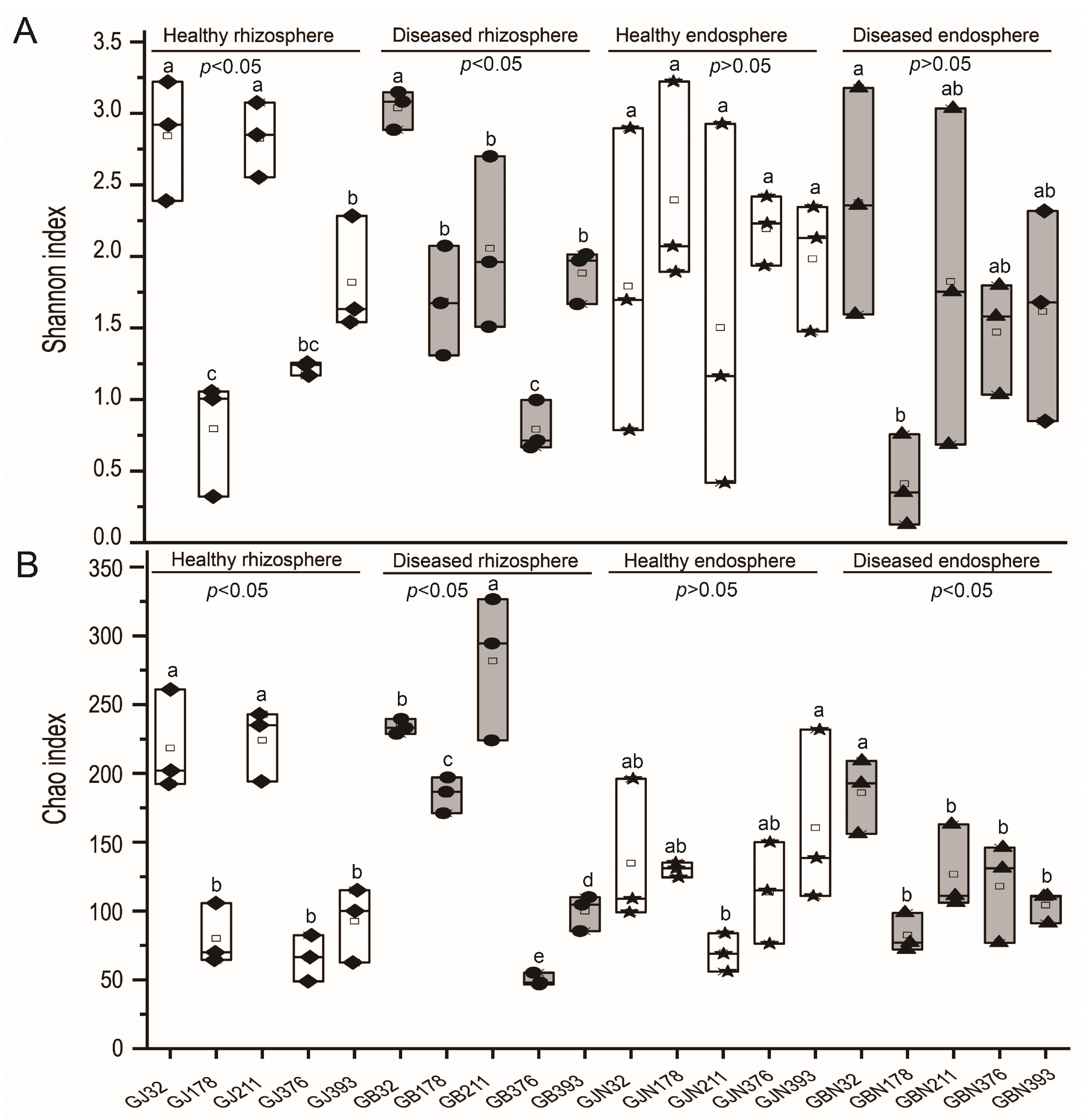
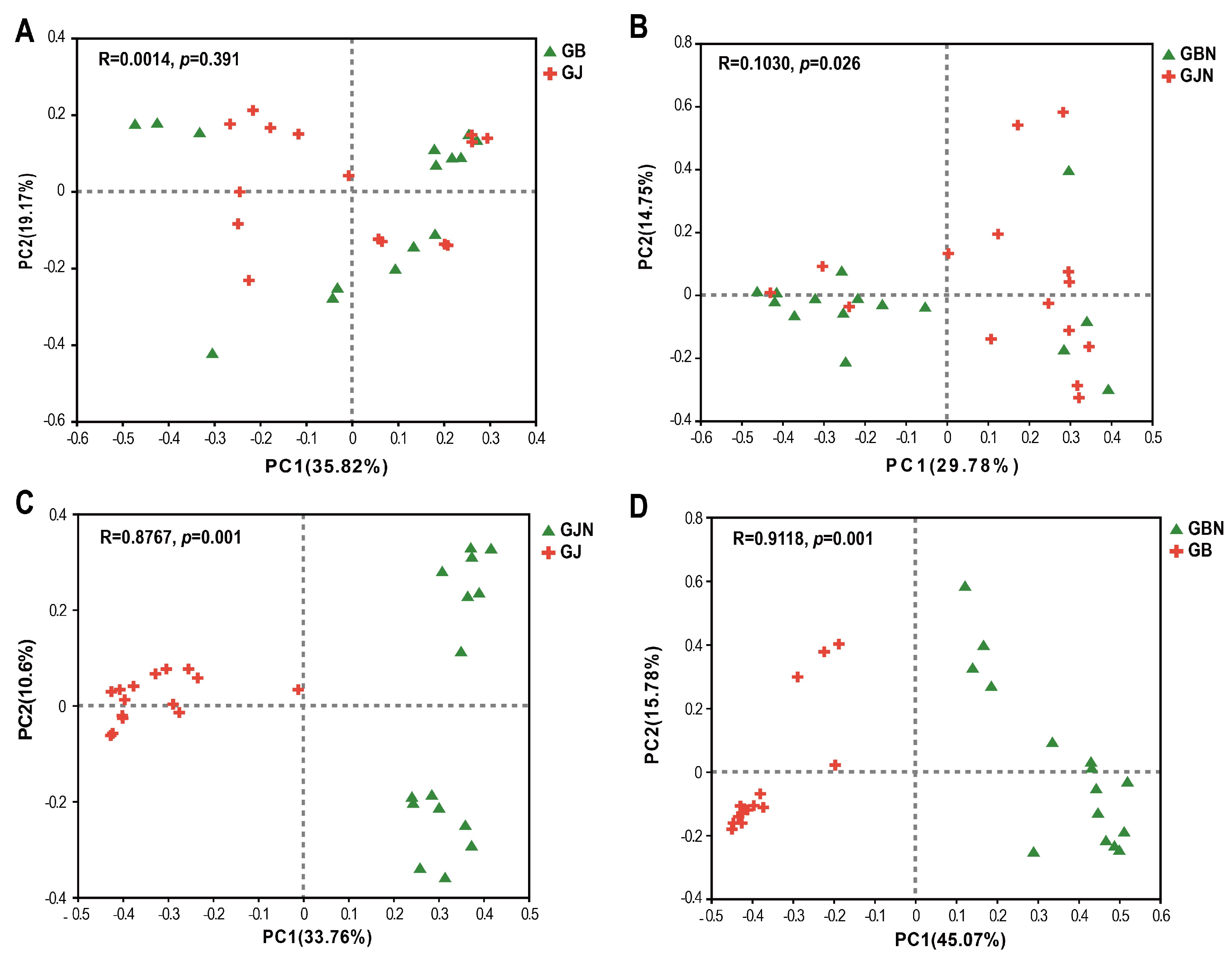
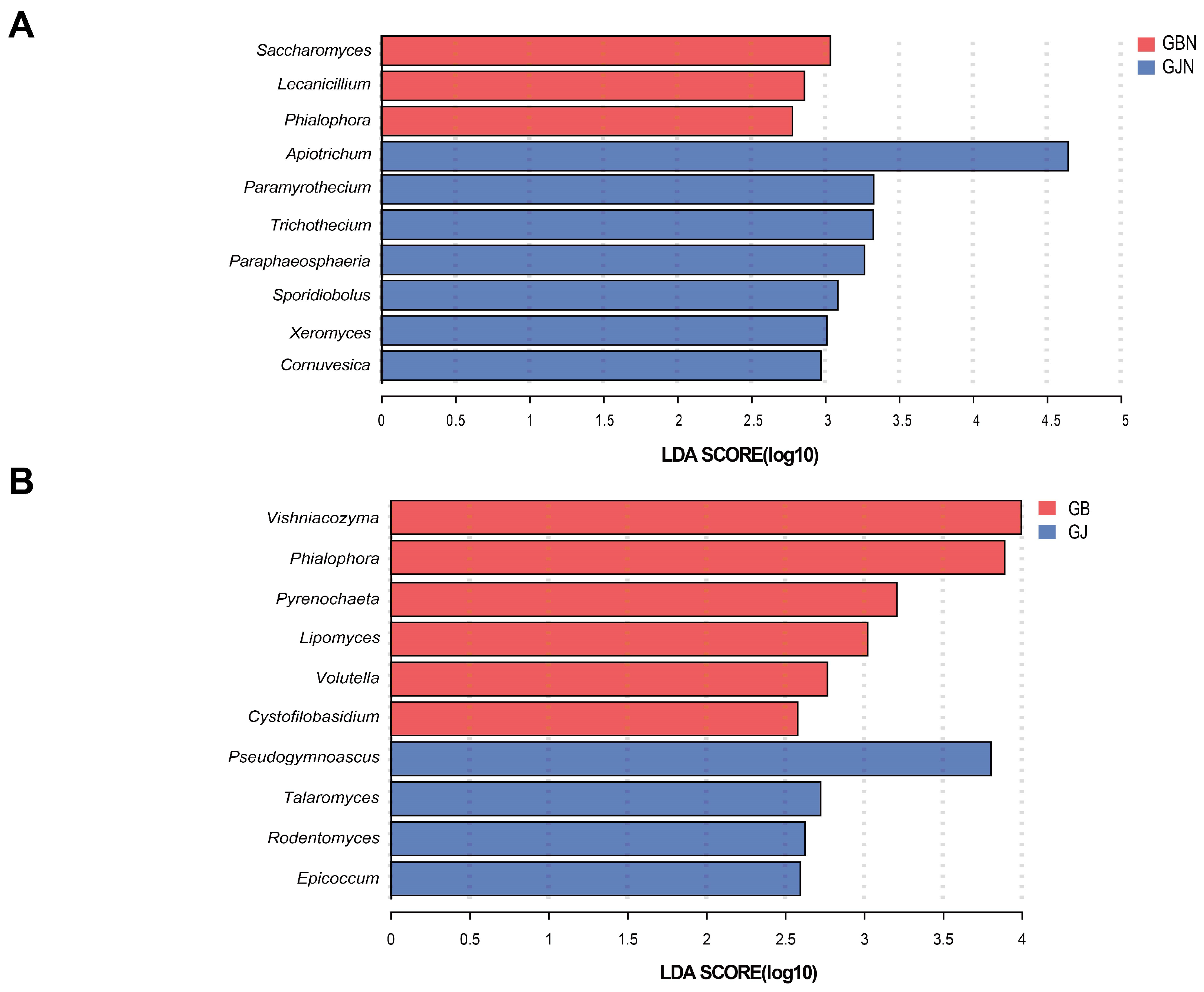
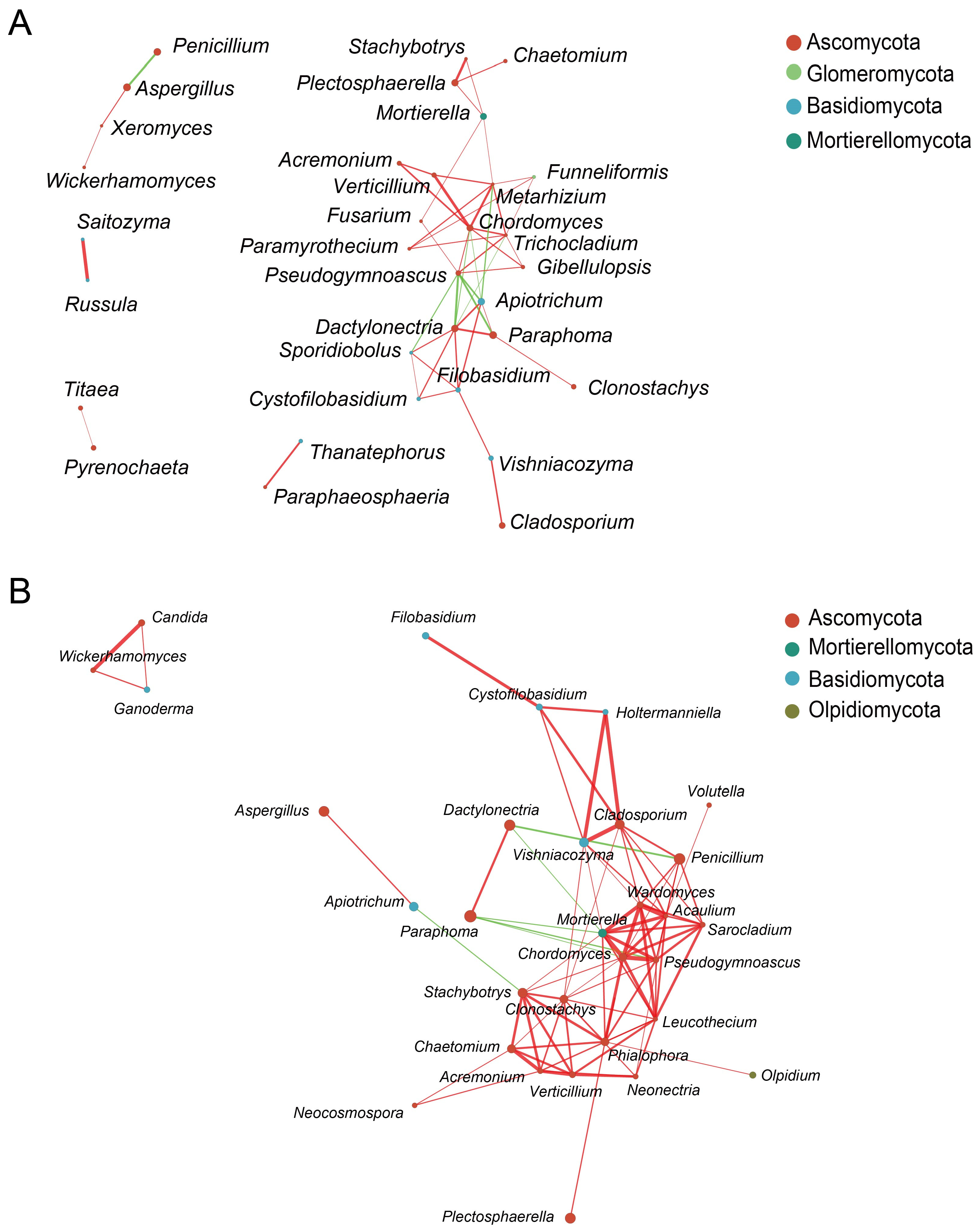
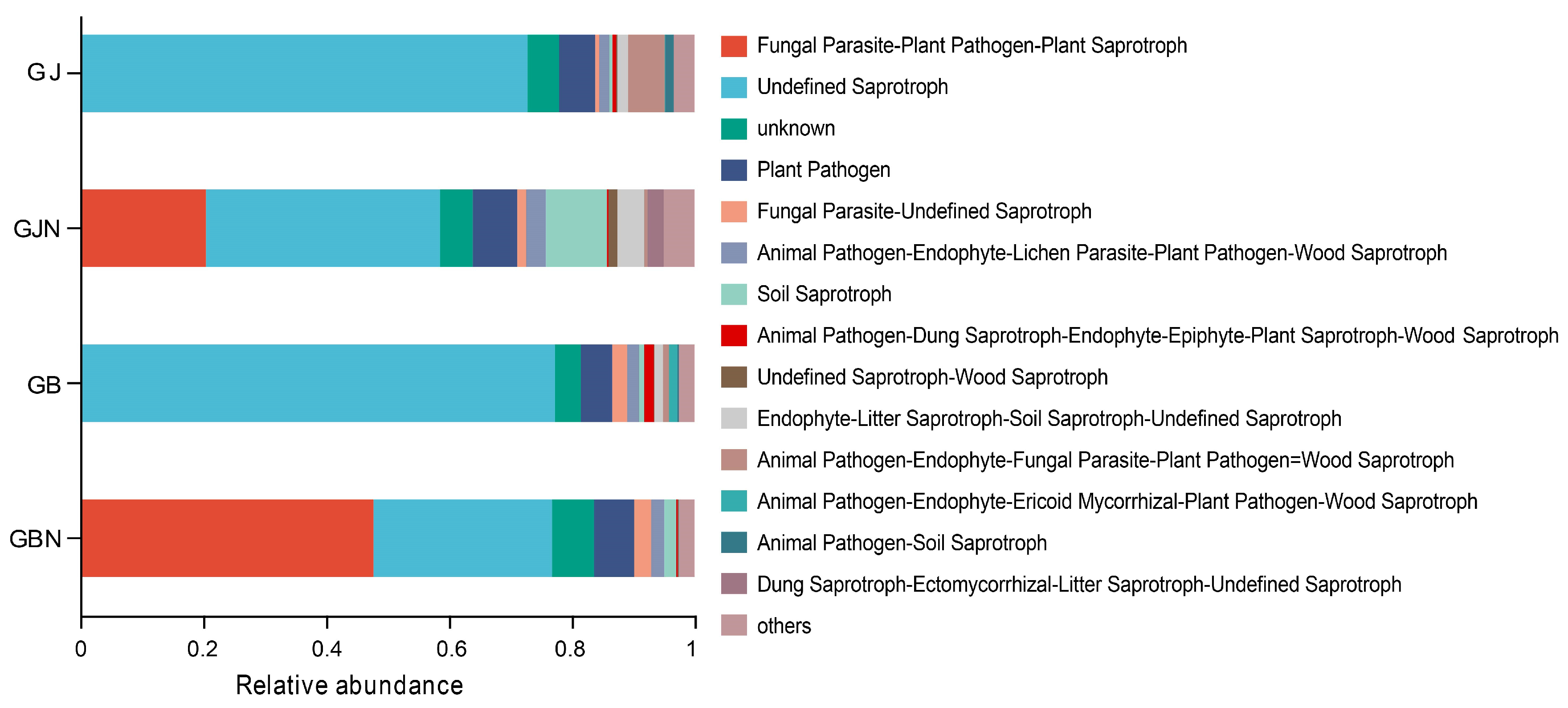
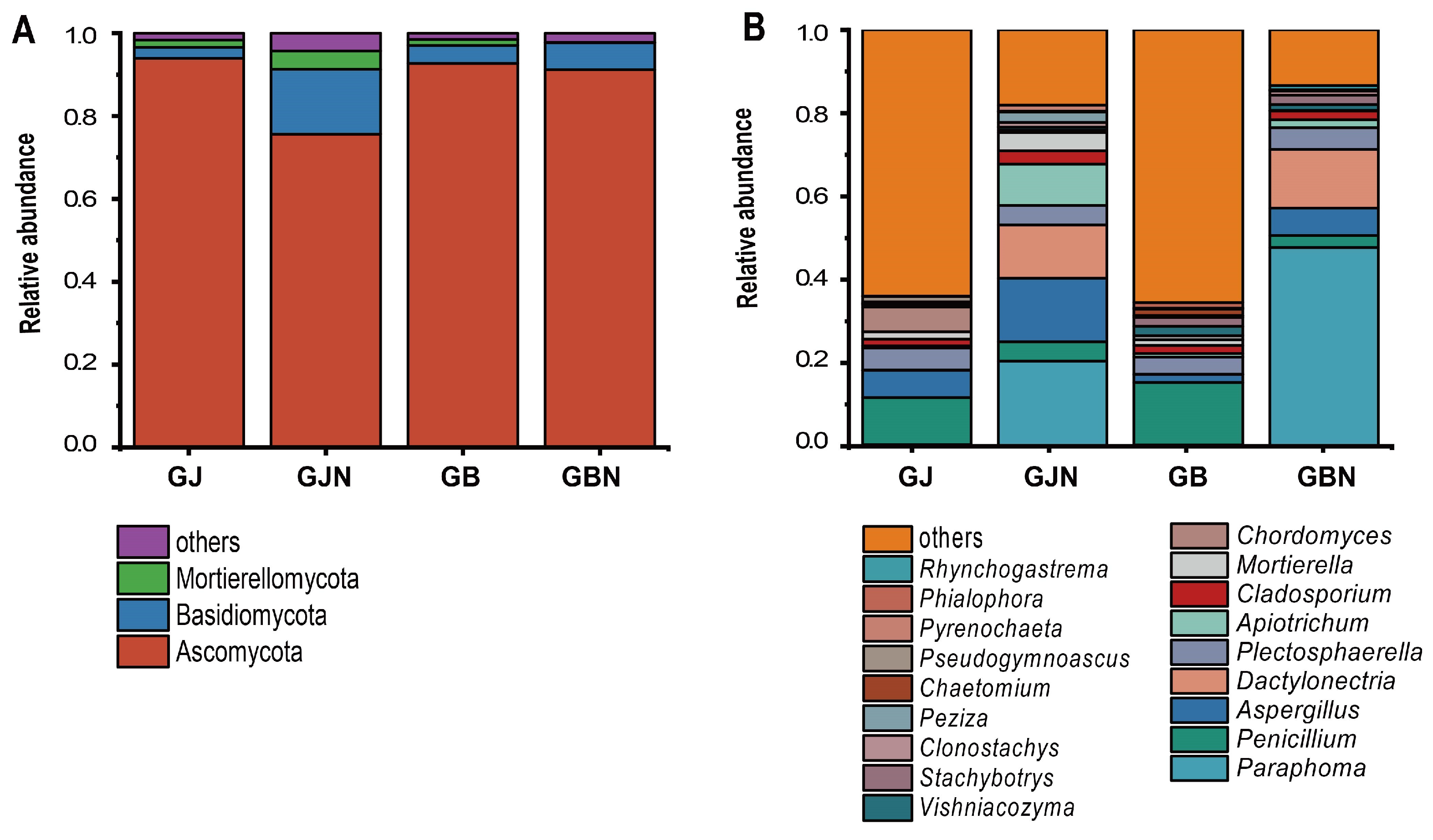
This study used the ITS approach based on Illumina MiSeq sequencing to assess the endosphere and rhizosphere fungal communities in healthy and diseased faba bean plants. The findings indicate that the most predominant phyla in all samples were Ascomycota (49.89–99.56%) and Basidiomycota (0.33–25.78%). In healthy endosphere samples, Glomeromycota (0.08–1.17%) was the only predominant phylum. In diseased endosphere samples, Olpidiomycota (0.04–1.75%) was the only predominant phylum. At the genus level, Penicillium (0.47–35.21%) was more abundant in rhizosphere soil, while Paraphoma (3.48–91.16%) was predominant in the endosphere roots of faba bean plants. Significant differences were observed in the alpha diversity of rhizosphere samples from different germplasm resources (p < 0.05). The fungal community structures were clearly distinguished between rhizosphere and endosphere samples and between healthy and diseased endosphere samples (p < 0.05). Saccharomyces was significantly enriched in diseased endosphere samples, whereas Apiotrichum was enriched in healthy endosphere samples. Vishniacozyma and Phialophora were enriched in diseased rhizosphere samples, while Pseudogymnoascus was enriched in healthy rhizosphere samples. Diseased samples displayed more strongly correlated genera than healthy samples. Saprotrophs accounted for a larger proportion of the fungal microbes in rhizosphere soil than in endosphere roots. This study provides a better understanding of the composition and diversity of fungal communities in the rhizosphere and endosphere of faba bean plants as well as a theoretical guidance for future research on the prevention or control of faba bean root rot disease.
Keywords: faba bean; fungal community; healthy and diseased; rhizosphere and endosphere; diversity; Illumina MiSeq faba bean; fungal community; healthy and diseased; rhizosphere and endosphere; diversity; Illumina MiSeq