Abstract
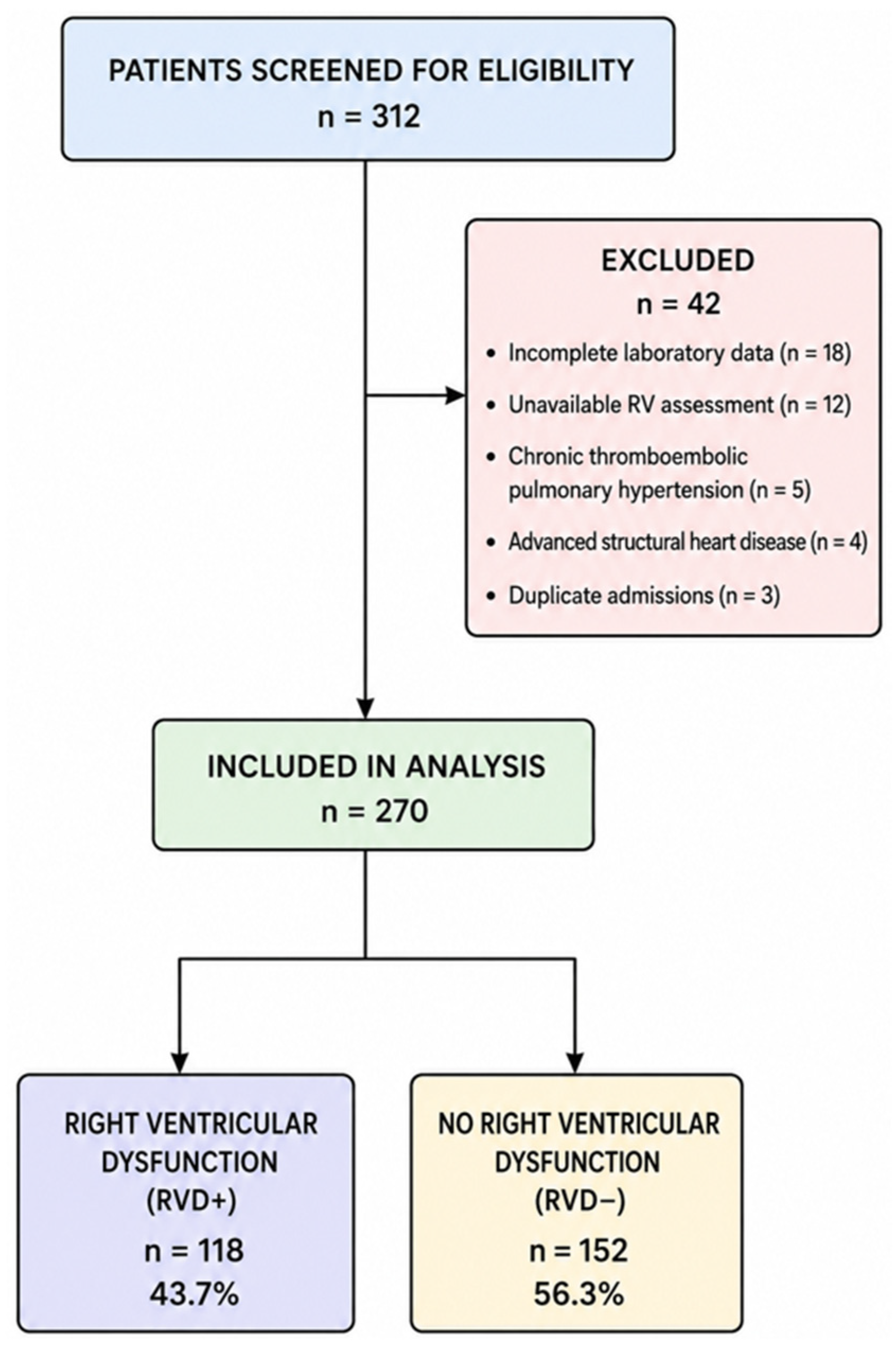
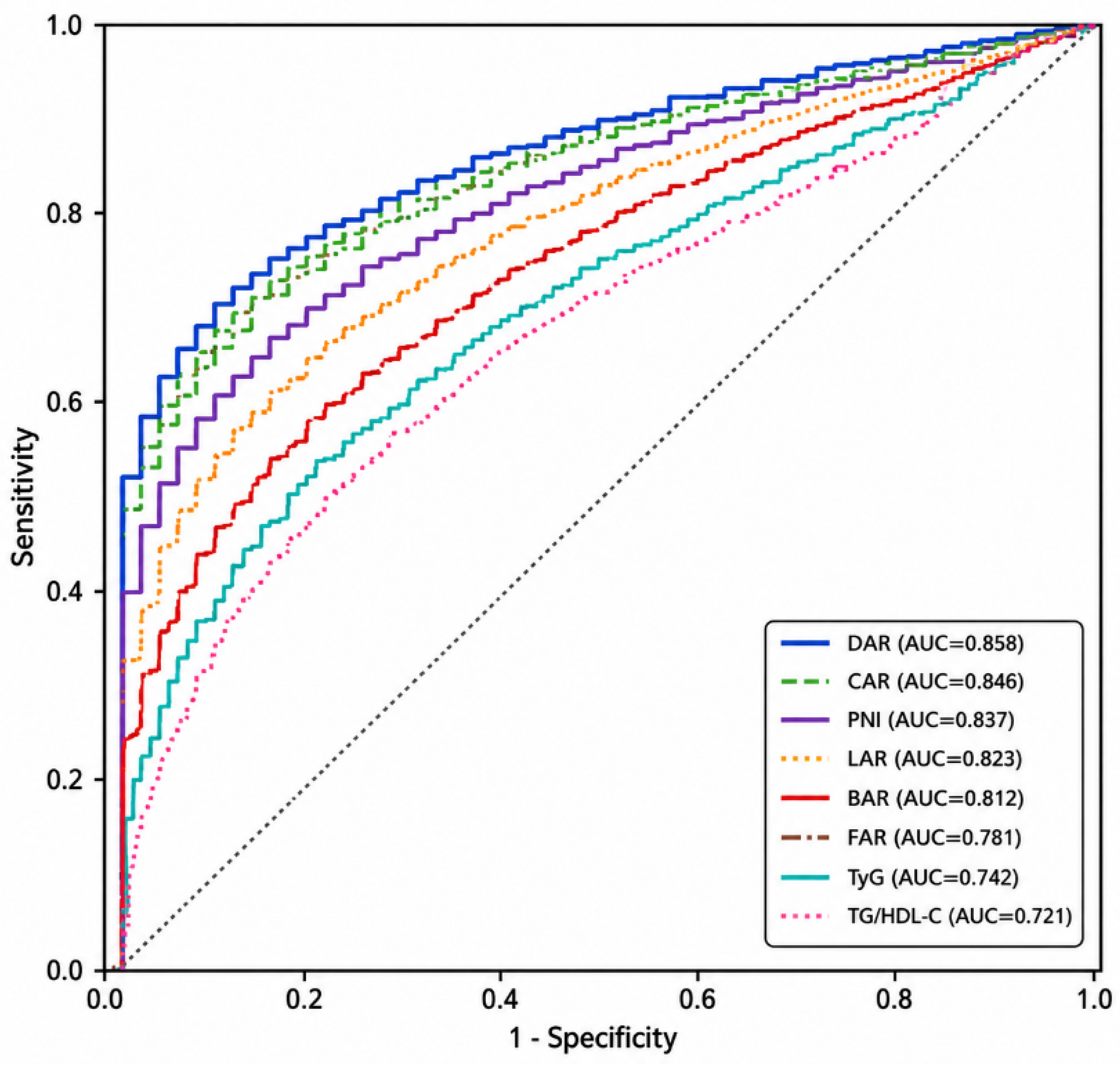
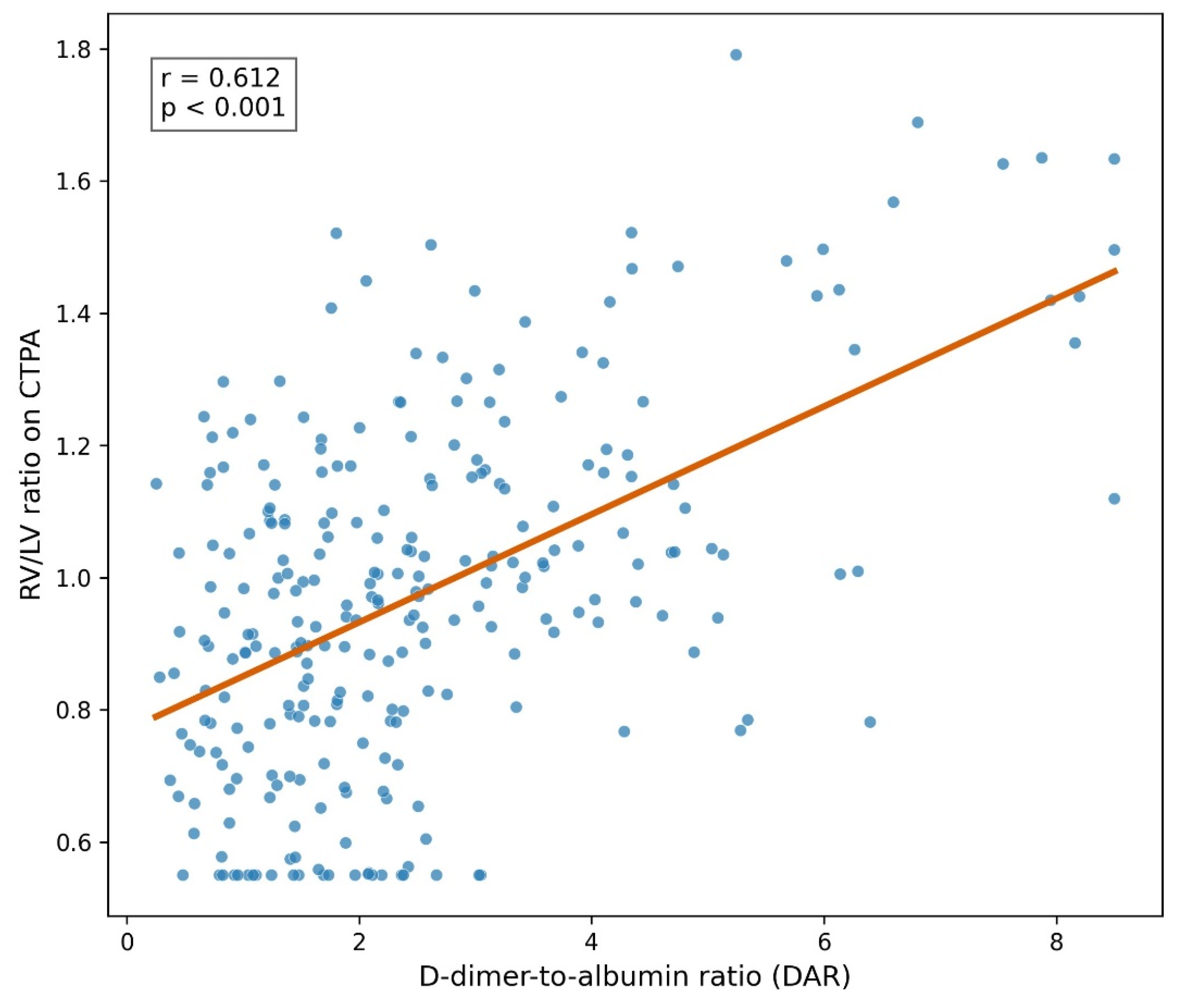
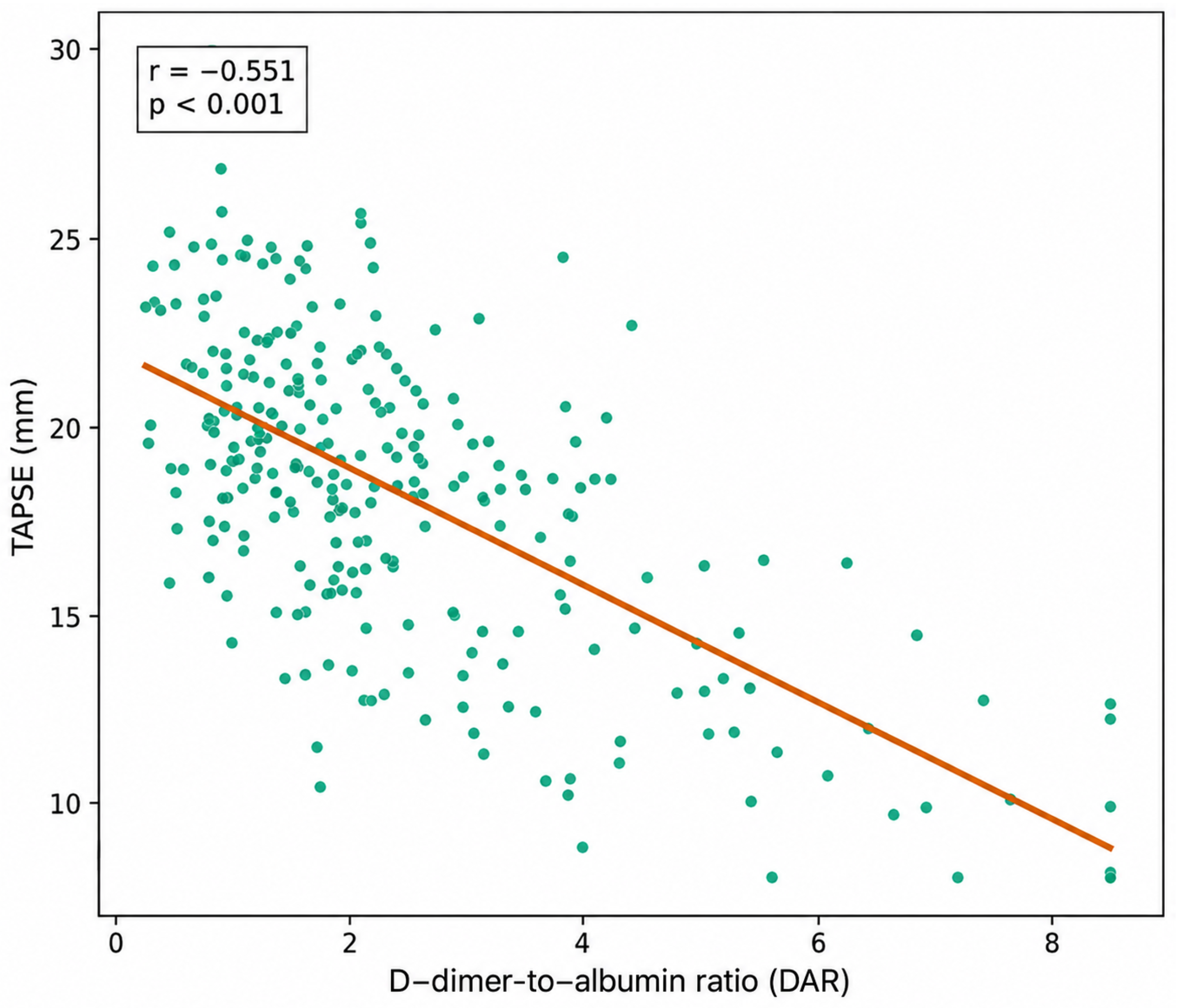
Background/Objectives: Right ventricular dysfunction (RVD) is a major determinant of adverse outcomes in patients with acute pulmonary embolism (PE). Several laboratory-derived composite indices reflecting metabolic, inflammatory, thrombotic, and nutritional status have been proposed as prognostic markers in cardiovascular diseases; however, their relationship with imaging-defined RVD in acute PE remains insufficiently investigated. This study aimed to evaluate the association between metabolic, inflammatory, thrombotic, and nutritional indices and RVD in patients with acute PE. Methods: This retrospective observational cohort study included 270 patients with acute PE treated at a tertiary referral center between January 2024 and March 2026. Patients were categorized according to the presence or absence of RVD determined by echocardiographic and/or computed tomography pulmonary angiography criteria. The triglyceride–glucose (TyG) index, triglyceride/high-density lipoprotein cholesterol ratio (TG/HDL-C), blood urea nitrogen-to-albumin ratio (BAR), C-reactive protein-to-albumin ratio (CAR), lactate-to-albumin ratio (LAR), D-dimer-to-albumin ratio (DAR), fibrinogen-to-albumin ratio (FAR), and prognostic nutritional index (PNI) were calculated from admission laboratory data. Logistic regression, receiver operating characteristic (ROC), DeLong, and correlation analyses were performed. Results: Among the 270 patients, 118 (43.7%) had RVD and 152 (56.3%) did not. Patients with RVD demonstrated significantly higher thromboembolic burden, more severe imaging findings, and worse clinical outcomes. All investigated composite indices differed significantly between groups (all p < 0.001). In multivariable logistic regression analyses, TyG index (OR: 1.63, 95% CI: 1.01–2.63), BAR (OR: 1.15, 95% CI: 1.05–1.26), CAR (OR: 1.03, 95% CI: 1.01–1.06), LAR (OR: 2.04, 95% CI: 1.12–3.72), DAR (OR: 1.18, 95% CI: 1.04–1.34), and PNI (OR: 0.93, 95% CI: 0.88–0.98) remained independently associated with RVD. ROC analysis demonstrated that DAR yielded the numerically highest AUC (AUC: 0.858, 95% CI: 0.812–0.904), but was not statistically superior to CAR (AUC: 0.846), PNI (AUC: 0.837), and LAR (AUC: 0.823). Correlation analysis revealed that DAR exhibited the strongest association among the composite indices with both RV/LV ratio on computed tomography pulmonary angiography (r = 0.612, p < 0.001) and tricuspid annular plane systolic excursion (r = −0.551, p < 0.001). Conclusions: Several metabolic, inflammatory, thrombotic, and nutritional indices were associated with imaging-defined RVD in acute PE. DAR yielded the numerically highest AUC and the strongest correlations among the composite indices but was not statistically superior to CAR, PNI, or LAR. These exploratory findings do not establish incremental value beyond D-dimer, cardiac biomarkers, established risk scores, or imaging.