1. Introduction
Aquaculture has become a central pillar of global aquatic food production, nutrition security and rural livelihoods, particularly as capture fisheries remain constrained by biological limits, stock depletion and climate-related uncertainty [
1,
2,
3,
4]. The most recent global assessments indicate that aquaculture is no longer a supplementary source of aquatic food but a dominant contributor to human fish supply, with aquaculture production of aquatic animals surpassing capture fisheries production for the first time in 2022 [
1]. This transition has intensified the need for production systems that are not only efficient and economically viable but also resilient to environmental instability, disease outbreaks and resource constraints [
2,
5,
6]. Within this context, aquafeed nutrition has shifted from a traditional emphasis on growth maximization and feed conversion toward a broader concept of nutritional resilience, in which diets are formulated to support physiological robustness, immune competence, oxidative balance and metabolic flexibility under changing culture conditions [
7,
8,
9,
10].
Climate change is emerging as one of the most important external pressures on aquaculture, particularly through ocean and freshwater warming, increasing frequency of marine and inland heatwaves, seasonal temperature instability, altered oxygen availability and changes in pathogen ecology [
5,
6,
11,
12,
13]. Because fish are ectothermic animals, water temperature directly influences biochemical reaction rates, aerobic scope, feed intake, digestion, nutrient absorption, endocrine stress responses, immune function and energy allocation [
14,
15,
16,
17,
18]. Thermal conditions outside the optimal range can impair growth and feed efficiency by redirecting energy from somatic deposition toward maintenance, osmoregulation, stress-response pathways and cellular repair [
15,
19,
20]. Both acute and chronic temperature stress may also compromise welfare and production by increasing cortisol and glucose mobilization, disturbing lipid and amino acid metabolism, altering hematological and plasma biochemical profiles, damaging intestinal integrity and increasing susceptibility to opportunistic pathogens [
20,
21,
22,
23,
24].
At the cellular level, thermal stress commonly induces oxidative stress, protein damage, inflammatory imbalance and metabolic reprogramming [
20,
22,
23,
24,
25,
26]. Elevated temperature can increase mitochondrial respiration and reactive oxygen species production, whereas cold stress may reduce enzyme efficiency, alter membrane fluidity and disrupt energy supply–demand balance [
18,
25,
27]. Fish respond through coordinated activation of heat-shock proteins, antioxidant enzymes and endocrine stress pathways, including HSP70/HSP90 expression, superoxide dismutase, catalase, glutathione peroxidase, glutathione-related enzymes, cortisol-mediated gluconeogenesis and altered plasma metabolites such as glucose, cholesterol, triglycerides and total protein [
20,
21,
22,
24,
28]. However, when these responses are insufficient or prolonged, thermal stress may result in lipid peroxidation, immune suppression, intestinal dysbiosis, apoptosis, impaired nutrient utilization and reduced survival [
20,
24,
25,
29,
30]. Therefore, maintaining immune, antioxidant and metabolic homeostasis under thermal stress has become a key objective for climate-resilient finfish culture.
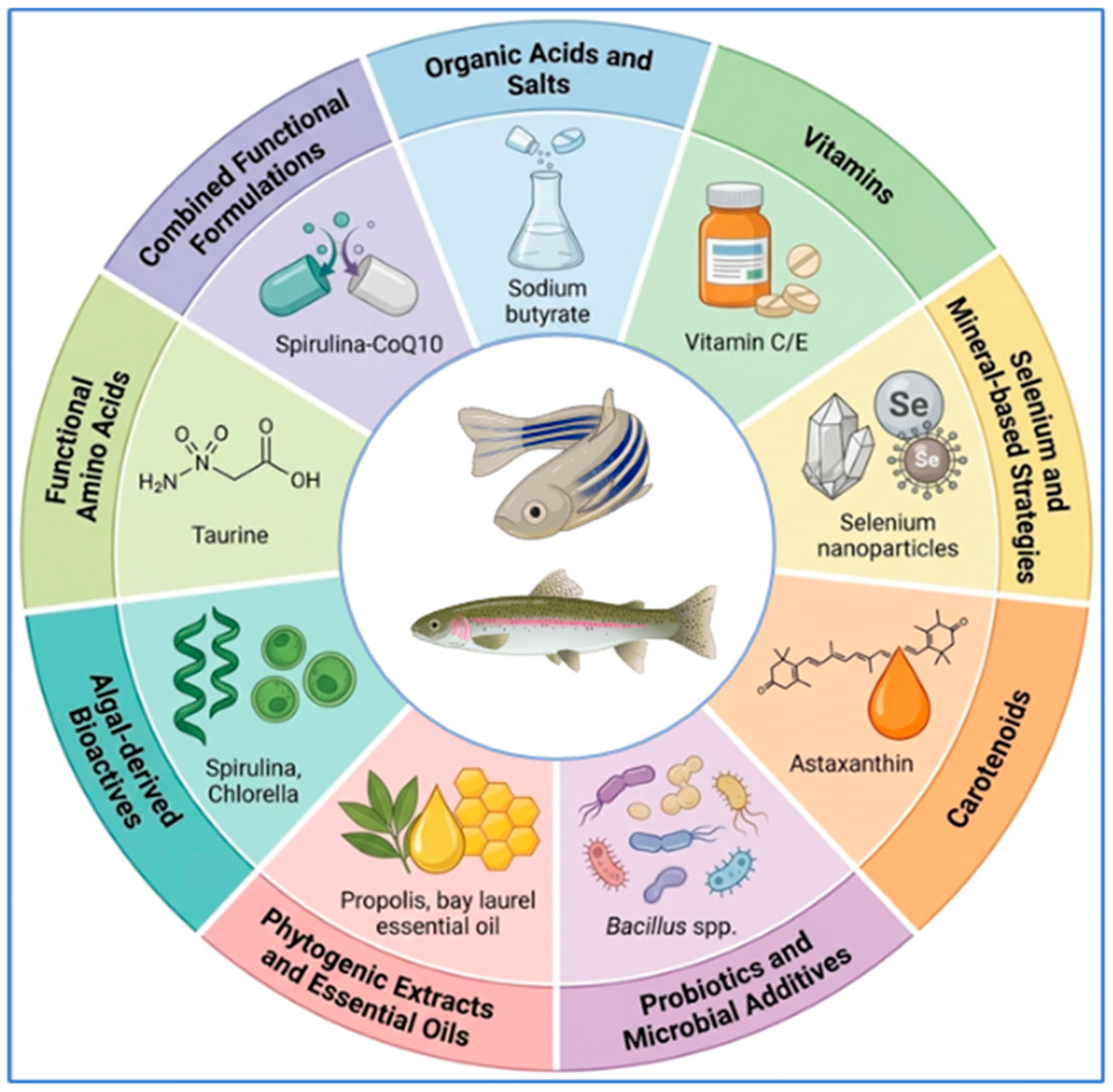
Functional aquafeeds offer a practical and non-pharmaceutical strategy for improving fish resilience to temperature-related stressors [
7,
9,
10,
31,
32]. Unlike conventional feeds designed mainly to satisfy basal nutrient requirements, functional aquafeeds include nutrients, bioactive compounds or microbial modulators that can enhance physiological performance beyond normal growth, particularly by supporting gut barrier function, antioxidant capacity, innate immunity, stress tolerance and disease resistance [
8,
31,
33,
34]. Potential functional strategies for thermal-stress resilience include antioxidant micronutrients such as vitamin C, vitamin E, selenium, zinc and copper; functional amino acids such as taurine, arginine, glutamine, methionine and γ-aminobutyric acid; microbial additives such as probiotics, prebiotics, synbiotics and postbiotics; phytogenic compounds including essential oils, polyphenols and plant extracts; and marine- or insect-derived bioactives such as seaweed polysaccharides, chitin, chitosan and nucleotides [
10,
32,
34,
35,
36,
37].
The biological plausibility of functional aquafeeds for thermal-stress mitigation is supported by several mechanistic pathways. Antioxidant nutrients and phytogenic compounds may reduce oxidative damage by strengthening enzymatic and non-enzymatic antioxidant systems, stabilizing membranes and modulating nuclear factor erythroid 2-related factor 2-associated antioxidant signaling [
25,
35,
38]. Functional amino acids can influence protein synthesis, osmoregulation, bile acid conjugation, neurotransmission, nitric oxide production, glutathione metabolism and immune-cell function, thereby linking nutrient metabolism with stress adaptation [
10,
37,
39]. Probiotics, prebiotics and synbiotics may improve resilience by stabilizing gut microbiota, enhancing short-chain fatty acid production, improving intestinal morphology, regulating mucosal immunity and reducing pathogen colonization under stress-challenged conditions [
32,
33,
34,
40]. Similarly, phytobiotics and marine polysaccharides may provide antioxidant, antimicrobial, anti-inflammatory and immunostimulatory effects through modulation of cytokines, complement activity, lysozyme activity, mucin production and tight-junction integrity [
31,
38]. These mechanisms suggest that dietary interventions can influence thermal tolerance not through a single pathway but through integrated immune–metabolic regulation.
Despite the rapid expansion of functional feed research in aquaculture, the evidence base remains fragmented across fish species, stress models, functional-ingredient classes, feeding durations, temperature-challenge designs, tissues and measured endpoints [
7,
9,
10,
20]. Many studies report growth, survival, feed utilization or antioxidant enzyme activities, whereas others focus on plasma metabolites, cytokine expression, heat-shock proteins, intestinal morphology, gut microbiota or transcriptomic/metabolomic profiles [
20,
28,
37,
41]. This heterogeneity makes direct quantitative comparison difficult but also creates an opportunity for systematic evidence mapping. In particular, there is a need to identify which nutritional strategies have been tested most frequently, which cultured finfish species and life stages are over- or under-represented, which immune and metabolic biomarkers are consistently used, and which response patterns are associated with improved tolerance to heat stress, cold stress or temperature fluctuation. A structured synthesis is also needed to distinguish between general health-promoting effects under normal conditions and specific resilience-enhancing effects under thermal challenge.
Previous reviews have addressed fish immunonutrition, functional feed additives, probiotics and prebiotics, nutrigenomics, oxidative stress or climate-related thermal stress separately [
7,
8,
9,
10,
20,
32,
34,
41]. However, fewer studies have systematically integrated these areas around the central question of climate-resilient aquafeed design. In particular, the current literature lacks a PRISMA-guided evidence map that links functional feed strategies with thermal-stress tolerance, immune responses, antioxidant defense and metabolic homeostasis in cultured finfish. Such an approach is important because thermal-stress resilience is not determined only by survival at extreme temperatures but also by the capacity to maintain feed intake, nutrient utilization, redox balance, mucosal integrity, immune competence and metabolic stability during and after thermal disturbance [
10,
15,
17,
20].
Therefore, this review aimed to systematically map the evidence on functional aquafeeds for climate-resilient finfish culture, with particular emphasis on nutritional strategies for thermal-stress tolerance, immunity and metabolic homeostasis. Specifically, the review aimed to: (i) identify the major functional-ingredient classes evaluated under heat stress, cold stress or temperature fluctuation; (ii) map the cultured finfish species, life stages, feeding durations and thermal-challenge protocols used in the literature; (iii) synthesize reported effects on growth, survival, feed utilization, antioxidant defense, immune responses, stress biomarkers, gut health and metabolic indicators; and (iv) highlight research gaps and methodological limitations that currently restrict translation into practical feed formulation. By applying a PRISMA-guided systematic evidence map, this review seeks to provide a transparent foundation for designing functional aquafeeds that support climate resilience in cultured finfish.
2. Materials and Methods
2.1. Review Design and Reporting Framework
This manuscript was developed as a PRISMA-guided systematic evidence map to identify, classify and synthesize the available evidence on functional aquafeeds for improving thermal-stress resilience in cultured finfish. This review was performed in accordance with the PRISMA (Preferred Reporting Items for Systematic Reviews and Meta-Analyses) guidelines. The review focused on dietary nutritional strategies associated with thermal-stress tolerance, immune regulation, antioxidant defense and metabolic homeostasis. The methodology followed the Preferred Reporting Items for Systematic Reviews and Meta-Analyses 2020 statement to ensure transparent reporting of study identification, screening, eligibility assessment and synthesis [
42]. The literature search was reported with reference to the PRISMA-S extension to improve reproducibility of the search strategy [
43]. Because the included studies were expected to differ in fish species, functional-ingredient classes, thermal-challenge protocols, feeding duration and measured endpoints, the primary synthesis was designed as a systematic evidence map. Where quantitative pooling was not appropriate, the narrative synthesis was guided by the Synthesis Without Meta-analysis reporting guideline [
44].
The review addressed the following research question: which dietary functional-aquafeed strategies have been evaluated for improving thermal-stress resilience in cultured finfish, and which immune, antioxidant and metabolic responses are most consistently associated with improved tolerance? The review protocol information was retrospectively registered on the Open Science Framework (OSF) for transparency. The eligibility criteria, search strategy, outcomes of interest, extraction categories, and synthesis approach were predefined before study screening. Registration details: [registration ID: q5csy; registry URL:
https://doi.org/10.17605/OSF.IO/PVG4H].
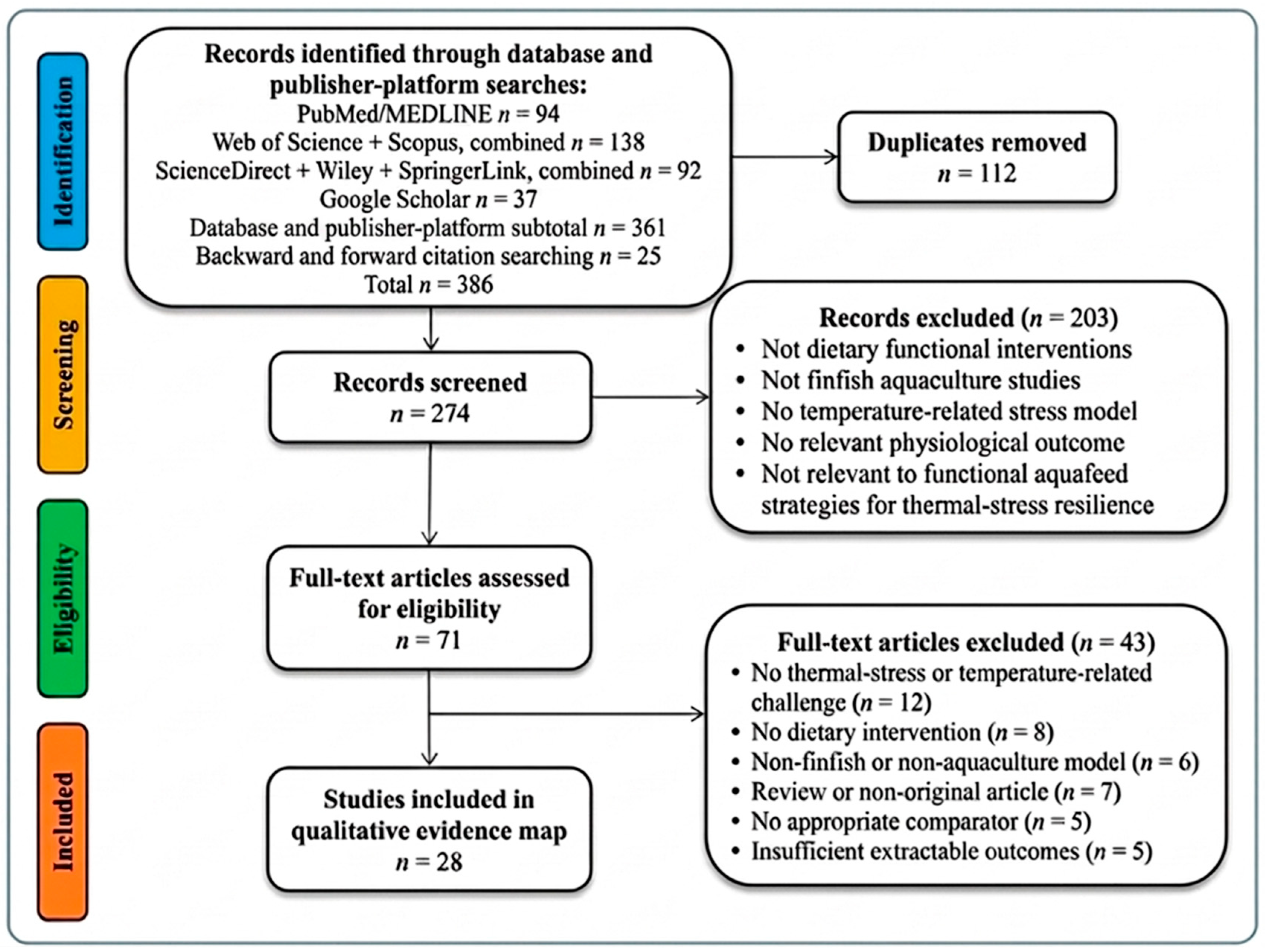
The complete evidence identification, screening, eligibility and inclusion process is presented in the PRISMA flow diagram (
Figure 1), providing a transparent overview of how records were identified, screened, assessed for eligibility and retained for the final qualitative evidence map.
2.2. Eligibility Criteria
Eligibility criteria were structured according to a modified PICOS framework, including population, intervention, comparator, outcomes and study design. Studies were eligible when they used live freshwater or marine finfish species relevant to aquaculture production and evaluated them in a controlled dietary feeding trial. Eligible life stages included larvae, juveniles, grow-out fish and broodstock. Studies using aquatic invertebrates, including shrimp, crabs and mollusks, laboratory model fish such as zebrafish or medaka, ornamental fish without food-aquaculture relevance, cell-culture models, isolated tissues or ex vivo preparations were excluded.
The intervention of interest was dietary administration of a deliberately manipulated feed ingredient, nutrient, additive or formulation evaluated for a functional role during thermal stress. In this review, functional aquafeeds were defined as diets containing nutrients, additives or bioactive compounds intended to improve physiological function beyond basal nutrient supply, particularly stress tolerance, immune competence, antioxidant capacity, gut health or metabolic regulation. The term “functional” described the experimental purpose and use of the intervention rather than its essential or non-essential nutritional status. An intervention was considered functional only when: (i) it was intentionally varied as a dietary treatment against an appropriate basal, non-supplemented or lower-dose comparator; (ii) the study evaluated effects beyond routine provision of basal nutrient requirements or correction of a documented nutrient deficiency; and (iii) the intervention was assessed in relation to at least one predefined thermal-stress-resilience domain, including stress tolerance, antioxidant defense, immune regulation, gut or tissue integrity, metabolic stability, growth or survival under thermal challenge. Nutrients included only as normal components of a balanced diet, vitamin or mineral premix, or requirement-level formulation were not treated as functional interventions. Essential nutrients were eligible only when they were specifically tested as supplemental, graded or strategically formulated dietary treatments for thermal-stress resilience and when the comparator permitted their effects to be distinguished from basal nutrient provision.
Eligible interventions included functional amino acids and related compounds, vitamins, minerals and trace elements meeting the above functional-use criteria, phytogenic additives, microbial-based additives, marine- or algal-derived bioactives, insect-derived bioactive fractions, chitin, chitosan, nucleotides and other dietary compounds with clearly stated functional roles. Studies using injection, immersion, bath exposure or waterborne treatment without dietary administration were excluded because the review focused specifically on feed-based nutritional strategies. In studies containing both dietary and non-dietary treatment arms, only the eligible dietary arms were included in the evidence synthesis.
Eligible studies were required to include an appropriate control or comparator group, such as a basal diet, non-supplemented diet, commercial control diet, thermal-stress control or lower-dose dietary treatment. Studies without a clearly defined control group were excluded from the main synthesis. Eligible studies were also required to include a thermal-stress component. Thermal stress was defined as exposure to water temperature outside the optimal rearing range of the species or as an experimental temperature challenge designed to induce heat stress, cold stress or temperature fluctuation. Acute heat stress, chronic high-temperature exposure, acute cold stress, chronic low-temperature exposure, rapid temperature change, diel temperature fluctuation and seasonal temperature-challenge models were considered eligible when the dietary intervention was evaluated in relation to thermal-stress responses.
Studies were included when they reported at least one outcome related to thermal-stress resilience, immune response, antioxidant defense, metabolic homeostasis or aquaculture performance. Relevant outcomes included growth performance, feed utilization, survival, cortisol, glucose, lactate, heat-shock proteins, antioxidant enzymes, oxidative-damage markers, lysozyme activity, complement activity, immunoglobulin levels, cytokine expression, antimicrobial peptides, plasma metabolites, digestive enzymes, gut morphology, intestinal barrier markers, gut microbiota and disease-resistance outcomes. Studies conducted only under normal rearing temperature without a thermal-challenge component were excluded unless the study objective and measured outcomes clearly addressed thermal-tolerance mechanisms.
No lower publication-year restriction was applied. Eligible reports were English-language, peer-reviewed original research articles describing controlled feeding trials, with a final publisher version of record publicly available on or before 5 July 2026. Articles assigned to a 2026 journal issue were included only when their final version of record was publicly available before the cutoff date. Publication status was verified using official publisher webpages, DOI metadata and bibliographic database records. Preprints, manuscripts under review, accepted manuscripts without a final version of record, conference abstracts, theses and dissertations, patents, institutional reports, book chapters, editorials, letters and other non-peer-reviewed or non-experimental reports were excluded. Relevant reviews were used only for background discussion and citation searching.
2.3. Information Sources and Search Strategy
A systematic literature search was conducted across the available coverage periods of Web of Science Core Collection, Scopus, PubMed/MEDLINE, ScienceDirect, Wiley Online Library, and SpringerLink, without applying a lower publication-year restriction. Google Scholar was used as a supplementary source to identify potentially missing records, recently published articles and citation-linked studies. The reference lists of relevant review articles and all included studies were also manually checked to identify additional eligible records. The final search was completed on 5 July 2026. Thus, 2012 was not a prespecified beginning of the search period; it was the publication year of the earliest study that met all eligibility criteria. Studies were eligible only when their final peer-reviewed version of record was publicly available on or before this date. For articles assigned to a later issue year than their initial online-publication year, eligibility was determined from the date on which the final version of record became publicly available, rather than from the year appearing in the DOI string. Publication status was verified using the official publisher webpage, DOI metadata, and bibliographic database records. The core search strategy, search fields and source-level record counts are summarized in
Supplementary Table S1. However, no dedicated gray-literature database, dissertation repository, conference-proceedings source, or trial registry was searched systematically. Records of these types identified during screening were excluded in accordance with the predefined eligibility criteria. Domain experts were not contacted to identify unpublished studies or datasets.
The search strategy combined terms related to finfish, aquaculture, thermal stress, functional feed ingredients and physiological responses. Search strings were adapted to the syntax of each database. The core search strategy included terms such as “fish,” “finfish,” “cultured fish,” “farmed fish” and “aquaculture” combined with thermal-stress terms such as “thermal stress,” “heat stress,” “cold stress,” “temperature stress,” “high temperature,” “low temperature,” “temperature fluctuation” and “warming.” These terms were combined with nutrition-related terms such as “functional feed,” “functional aquafeed,” “feed additive,” “dietary supplementation,” “functional ingredient” and “nutritional strategy,” as well as outcome-related terms including “immunity,” “immune response,” “antioxidant,” “oxidative stress,” “metabolism,” “metabolic homeostasis,” “metabolomics,” “transcriptome,” “gene expression,” “cortisol,” “glucose,” “heat shock protein” and “HSP.”
Additional ingredient-specific searches were conducted to improve sensitivity. These searches included functional amino acids and related compounds, such as taurine, arginine, glutamine, methionine, tryptophan and γ-aminobutyric acid; antioxidant micronutrients, such as vitamin C, vitamin E, selenium, zinc and copper; microbial additives, such as probiotics, prebiotics, synbiotics, postbiotics,
Bacillus,
Lactobacillus,
Saccharomyces, inulin, mannan oligosaccharides, fructo-oligosaccharides and β-glucan; phytogenic additives, such as plant extracts, essential oils, polyphenols, flavonoids, curcumin, thymol and carvacrol; and marine-, algal- or insect-derived bioactives, such as seaweed, algae, chitin, chitosan, nucleotides, insect meal and black soldier fly (
Hermetia illucens). All retrieved records were exported into reference-management software, and duplicates were removed before screening. The source-specific search syntax, search fields and candidate-record counts are summarized in
Supplementary Table S1. Article-level exclusion categories, the full 28-study evidence map and the risk-of-bias table are provided in
Supplementary Tables S2–S4 and Supplementary File S1.
2.4. Study Selection
Study selection was performed in two sequential stages. First, titles and abstracts of all retrieved records were screened against the eligibility criteria. Second, full texts of potentially eligible studies were assessed to determine final inclusion. Screening was conducted independently by two reviewers. Disagreements between reviewers were resolved through discussion, and a third reviewer was consulted when consensus could not be reached. Reasons for exclusion at the full-text stage were recorded and summarized. The complete study selection process is presented using a PRISMA flow diagram, including the number of records identified, duplicates removed, records screened, full-text articles assessed for eligibility and studies included in the final synthesis.
2.5. Data Extraction
Data were extracted using a standardized extraction form developed before full-text assessment. The form was pilot-tested using a subset of eligible studies and refined before final extraction. Extracted information included bibliographic details, fish species, life stage, initial body weight, feeding habit, culture environment, experimental design, number of treatments, number of replicates, fish per tank, feeding duration, dietary formulation, functional-ingredient type, inclusion level, feeding rate and comparator diet. Information on the thermal-stress protocol was also extracted, including stress type, control temperature, stress temperature, exposure duration, rate of temperature change and recovery period, where available.
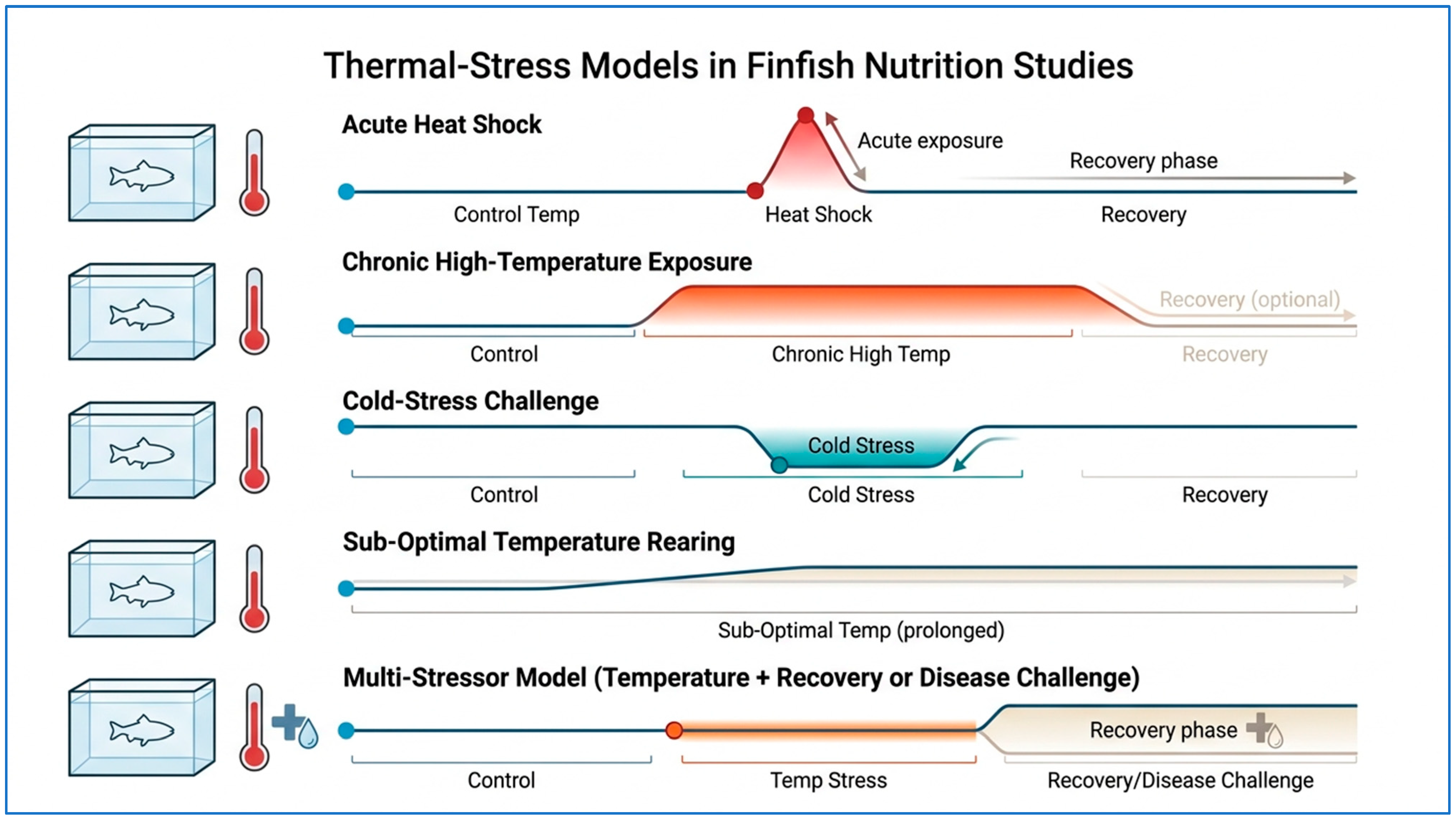
Thermal-stress models were classified using two complementary dimensions: thermal direction and exposure architecture. The reference temperature was defined as the concurrent control, acclimation or challenge-start temperature reported in the original study. When no concurrent reference was available, a species-specific optimal range reported in the source article was used only descriptively and was explicitly identified as a source-reported optimal range; otherwise, the reference temperature and thermal deviation were coded as not reported. Thermal deviation was calculated as ΔT = Tstress − Treference, with positive values indicating heat exposure and negative values indicating cold exposure. Exposure pattern was classified using review-specific operational criteria as rapid acute (≤24 h), short-term (>24 h to 7 days), prolonged (>7 days), endpoint-defined, or NR/unclassified. Endpoint-defined models comprised progressive warming or cooling tests in which the terminal temperature depended on a physiological, behavioral or mortality endpoint rather than a predetermined exposure duration. Multi-stressor conditions were retained as modifiers rather than treated as separate duration categories. These operational categories were developed for transparent evidence mapping and should not be interpreted as universal species-independent physiological thresholds. Study-level temperatures, ΔT values, temperature-change patterns, exposure durations, recovery phases and operational classifications are reported in
Supplementary Table S3B.
Outcome data were extracted according to predefined primary domains. Growth and production outcomes included final body weight, weight gain, specific growth rate, feed conversion ratio, feed efficiency, feed intake and survival. Endocrine and cellular-stress-response outcomes included cortisol, circulating glucose measured during or after thermal challenge, lactate, heat-shock proteins and stress-response-related genes. Antioxidant and oxidative-damage outcomes included superoxide dismutase, catalase, glutathione peroxidase, glutathione, total antioxidant capacity, reactive oxygen species, malondialdehyde, lipid peroxidation and related antioxidant gene-expression markers. Immune outcomes included lysozyme activity, complement activity, immunoglobulin levels, phagocytic activity, respiratory burst, cytokines, antimicrobial peptides and immune-related genes. Metabolic and nutrient-regulatory outcomes included plasma total protein, albumin, globulin, triglycerides, cholesterol, ammonia, digestive enzymes, tissue glycogen, glucose-transport indicators such as GLUT4, lipid- and amino-acid-metabolism indicators, nutrient-metabolism-related genes and metabolomics-related endpoints. Circulating glucose measured as an acute systemic response to thermal challenge was coded within the endocrine and cellular-stress-response domain, whereas tissue-level glucose transport, glycogen regulation and glucose-metabolism pathways were coded within the metabolic and nutrient-regulatory domain. Cortisol was not coded as a metabolic outcome. IGF-1 was classified as a growth-regulatory indicator, whereas hemoglobin, hematocrit and blood-cell counts were recorded separately as hematological or systemic physiological indicators. Gut-health outcomes included intestinal morphology, goblet cells, mucin expression, tight-junction genes and gut microbiota. When studies included pathogen-challenge tests, pathogen species, challenge method, post-challenge survival and relative percent survival were also extracted.
When numerical data were presented only in figures, values were extracted using digital image-extraction software where appropriate. If essential information was missing, corresponding authors were contacted when necessary. When missing data could not be obtained, the study was retained in the qualitative evidence map if sufficient information was available for classification. Each study was also classified according to ingredient class, thermal-stress type, fish feeding habit, outcome domain and overall direction of response. For count-based evidence mapping, each measured variable was assigned to one primary outcome domain. A study could contribute to multiple domains when it reported distinct variables, but the same measured variable was not counted in more than one domain. Secondary mechanistic relationships could still be discussed narratively without changing the primary variable-level classification.
2.6. Risk-of-Bias and Methodological-Quality Assessment
The risk of bias of all 28 included studies was evaluated using an adapted version of SYRCLE’s risk-of-bias tool for animal intervention studies [
45]. The formal assessment comprised 10 domains: sequence generation, baseline similarity, allocation concealment, random housing or tank allocation, blinding of caregivers and investigators, random outcome assessment, blinding of outcome assessors, incomplete outcome data, selective outcome reporting and other potential sources of bias. Each domain was rated as low, high or unclear risk of bias. A low-risk judgment was assigned when the published report provided sufficient information to indicate that the relevant source of bias had been adequately controlled. A high-risk judgment was assigned only when the reported design, sampling procedure or statistical analysis indicated a specific risk of bias. An unclear-risk judgment was assigned when the published report did not provide sufficient information to support either a low- or high-risk classification.
Statements that fish had been “randomly assigned” were not considered sufficient evidence of low-risk sequence generation unless the method used to generate the allocation sequence was described. Similarly, the selective-reporting domain was rated as unclear when no prospectively available study protocol or prespecified outcome record could be identified. No composite methodological-quality score was calculated because the SYRCLE domains represent distinct sources of bias and should not be treated as equally weighted components of a single numerical scale. Instead, the number and percentage of low-, unclear- and high-risk judgments were calculated separately for each domain using the 28 included studies as the denominator.
Because dietary treatments in aquaculture experiments are generally administered at tank level, the experimental unit received particular attention in the “other bias” domain. The tank was considered the appropriate experimental unit for diet-related comparisons unless the design and analysis justified another unit. A study was rated as high risk for other bias when individual fish or within-tank subsamples were treated as statistically independent replicates without accounting for tank-level treatment allocation, or when replicate tanks were combined into a single treatment-level tank during the thermal challenge. When tank allocation, subsampling or the analytical unit was insufficiently described, the judgment was unclear. Experimental-unit concerns were interpreted at the outcome level rather than automatically applied to every result within an affected study. When growth, feed-utilization or survival outcomes were calculated from independent replicate-tank means, those outcomes were retained as tank-level evidence. In contrast, biochemical, immune, histological or molecular outcomes based on multiple fish from the same tank without tank-level aggregation or an appropriate nested, hierarchical or mixed-effects model were considered affected by pseudoreplication and were interpreted as supportive or hypothesis-generating evidence. When replicate tanks or cages were combined into a single treatment-level tank during the thermal challenge, the resulting challenge-specific outcomes were regarded as unreplicated. Study-specific affected outcomes and their consequences for interpretation are provided in
Supplementary Table S4C.
Three aquaculture-specific reporting domains were assessed separately from the formal SYRCLE tool: (i) tank replication and definition of the experimental unit, (ii) clarity of diet formulation and functional-ingredient dose and (iii) completeness of the thermal-stress protocol. These domains were classified as adequate, unclear or concern and were not combined with the SYRCLE judgments. Study-level SYRCLE judgments are presented in
Supplementary Table S4A, study-specific explanations supporting these judgments are provided in
Supplementary Table S4B, and the outcome-level consequences of experimental-unit concerns in the 14 affected studies are summarized in
Supplementary Table S4C. Domain-level frequencies and percentages are presented in
Supplementary Table S5, and the separate aquaculture-specific reporting assessment is provided in
Supplementary Table S6. Risk-of-bias judgments informed the interpretation of the evidence but were not used as automatic exclusion criteria. An unclear judgment indicates insufficient reporting and should not be interpreted as proof that the relevant safeguard was not implemented.
2.7. Evidence Mapping and Data Synthesis
The primary synthesis was conducted as a systematic evidence map using a hierarchical intervention-classification framework. Interventions were first classified as single-component or combination formulations. Single-component interventions were then assigned to one mutually exclusive primary class based on material identity and source: (i) chemically defined nutrients and metabolites, (ii) microbial preparations, (iii) natural-product-derived bioactives or (iv) algal preparations. Specific subclasses included vitamins, minerals and trace elements, amino acids, lipids, organic acids, carotenoids, probiotics, botanical extracts, essential oils, bee-derived products, fungal products and microalgae. Combination formulations were classified separately and annotated according to their constituent components. Antioxidant, immunomodulatory, gut-protective and metabolic effects were coded independently as outcome or mechanistic domains rather than ingredient categories. Each study was assigned to one primary intervention class but could contribute to multiple outcome domains. Assignment to an intervention class did not itself establish functional eligibility; functional status had already been determined at the study-arm level using the operational criteria specified in
Section 2.2. Studies were also categorized by fish species, feeding habit, life stage, culture environment, thermal-stress type, feeding duration and thermal-challenge protocol. The quantitative thermal-protocol fields and the corresponding operational thermal-model assignments are provided at the study level in
Supplementary Table S3B. The evidence map was used to identify research clusters, knowledge gaps and under-represented species, interventions or response markers. Summary tables and figures were used to present the distribution of evidence across intervention classes and biological outcomes.
The synthesis was organized around seven major outcome domains: growth performance and survival under thermal stress; endocrine and cellular-stress response; antioxidant defense and oxidative damage; innate and mucosal immunity; metabolic and nutrient-regulatory responses; intestinal health and microbiota; and disease resistance after dietary or thermal conditioning. Each measured variable was assigned to one primary outcome domain for count-based mapping, although a study could contribute to multiple domains when it reported distinct outcomes. The same measured variable was not counted in more than one domain. The term “metabolic homeostasis” was reserved for the higher-level interpretation of coordinated maintenance or recovery across complementary metabolic indicators and was not assigned on the basis of a single biomarker. Hematological indicators were extracted separately and treated as supportive systemic responses.
To improve consistency across the outcome-domain syntheses, the findings in
Section 3.5,
Section 3.6,
Section 3.7,
Section 3.8,
Section 3.9,
Section 3.10 and
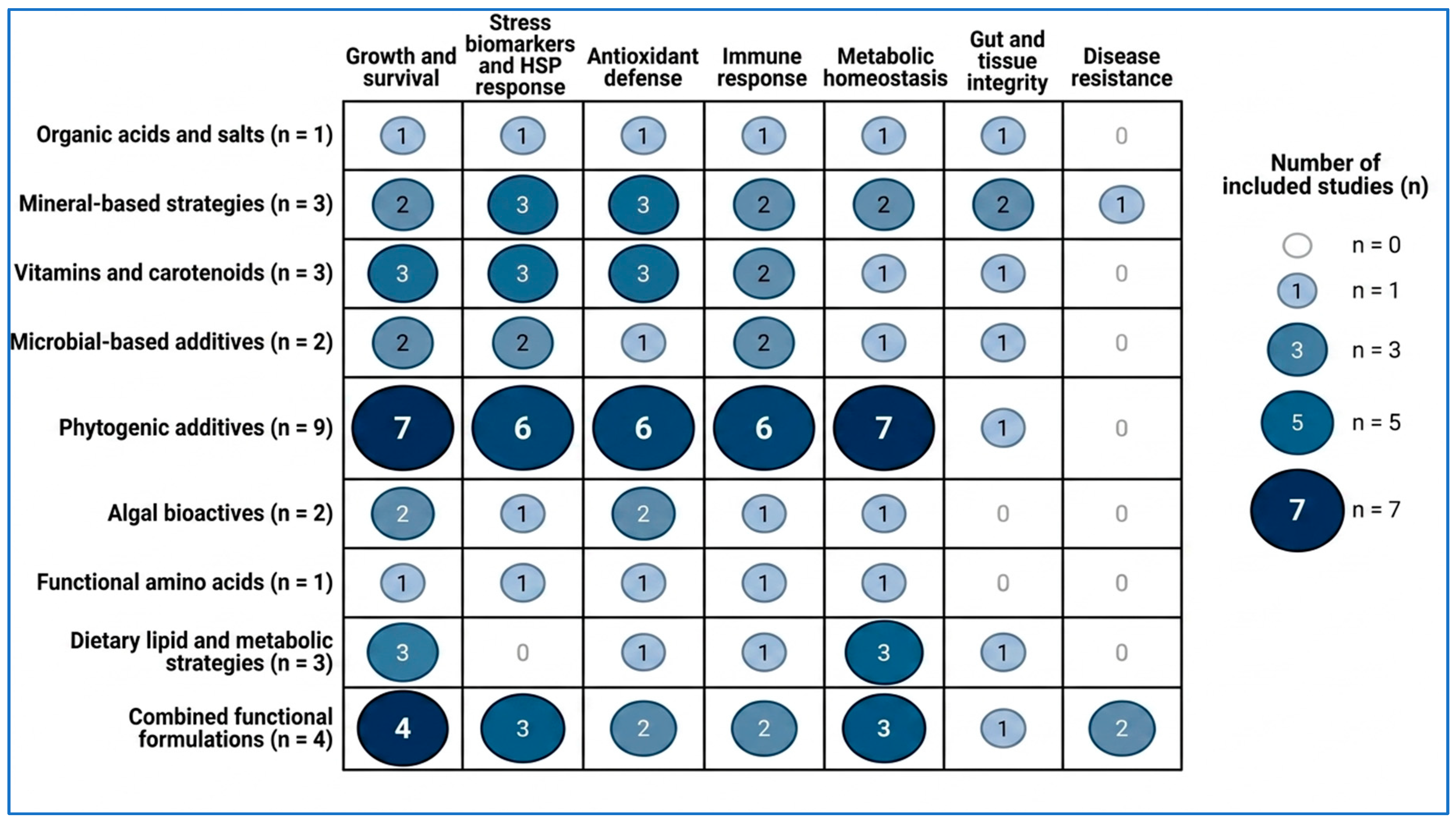
Section 3.11 were presented using the same intervention sequence: (i) chemically defined nutrients and metabolites, (ii) microbial preparations, (iii) natural-product-derived bioactives, (iv) algal preparations and (v) combination formulations. Within each primary class, interventions were discussed by subclass and then by study, while fish species and thermal-stress model were treated as study characteristics rather than alternative organizing categories. Cross-domain effects of the same intervention were integrated in an intervention-by-outcome matrix .
For each domain, the direction of response was classified as positive, negative, neutral or mixed compared with the control group. A positive response was defined as improvement in growth, survival, feed utilization, antioxidant capacity, immune function, gut integrity or metabolic and nutrient-regulatory function. A negative response was defined as reduced performance, poorer feed utilization, increased oxidative damage, immune suppression, metabolic or nutrient-regulatory disturbance or reduced survival. A mixed response was assigned when the outcome differed by dose, tissue, sampling time, fish species or biomarker.
Because substantial heterogeneity was expected among fish species, dietary additives, feeding periods and thermal-stress models, quantitative pooling was not used as the primary synthesis approach. Where meta-analysis was not appropriate, findings were synthesized narratively according to SWiM guidance, with explicit reporting of how studies were grouped, how outcome directions were summarized and how limitations of the synthesis were handled [
44].
2.8. Quantitative Synthesis
No formal quantitative meta-analysis was performed because the included studies differed substantially in species, functional-ingredient class, dietary inclusion level, feeding duration, thermal-stress protocol, sampled tissues and outcome reporting. The synthesis therefore prioritized structured evidence mapping, response-direction classification and mechanistic interpretation across growth, survival, stress biomarkers, antioxidant defense, immunity, gut health and metabolic indicators.
If future updates identify at least three independent studies with sufficiently comparable intervention types, control conditions and outcome metrics, exploratory random-effects meta-analysis may be added using standardized mean differences or log response ratios for continuous outcomes and risk ratios or odds ratios for survival or disease-challenge outcomes. Until such comparability is established, quantitative pooling would risk overinterpreting biologically heterogeneous evidence. Formal assessment of small-study effects or publication bias was not performed because no meta-analysis was conducted and the included studies were highly heterogeneous. Because dedicated gray-literature sources were not systematically searched and eligibility was restricted to English-language, peer-reviewed final articles, unpublished, non-English, null or negative findings may be under-represented. Accordingly, the apparent consistency of beneficial responses should be interpreted in light of the potential for language and publication bias.
2.9. Confidence and Translational Interpretation of Evidence
Confidence in the body of evidence was evaluated separately from the breadth of biological responses reported within individual studies. Confidence was interpreted primarily according to the number of independent studies, consistency of response direction, methodological limitations and risk of bias, validity of the experimental unit, aquaculture relevance of the species and life stage, clarity and directness of the thermal-stress model, availability of dose–response information and comparability of the reported outcomes.
Evidence was considered to have relatively higher confidence when multiple independent studies reported generally consistent effects under directly relevant thermal-stress conditions and when the principal outcomes were not dominated by serious experimental-unit concerns or other major methodological limitations. Evidence was considered moderate when findings were generally consistent but were limited by study number, species concentration, protocol heterogeneity, incomplete dose–response information or unclear risk-of-bias reporting. Evidence was considered emerging or low-confidence when it was based on one or few studies, showed mixed or inconsistent responses, involved narrow species or stress-model coverage, or depended mainly on outcomes affected by experimental-unit concerns.
The simultaneous improvement of several response domains within a study—such as growth or survival, antioxidant defense, immune regulation, gut or tissue condition and metabolic stability—was interpreted separately as cross-domain biological coherence. Such coherence may strengthen mechanistic plausibility and translational relevance, but it did not by itself increase the confidence rating of an intervention class without independent replication and adequate methodological support. Conversely, consistent evidence for an important outcome across multiple independent studies was not downgraded solely because each study measured a narrower outcome panel.
Because this review was designed as a systematic evidence map rather than a formal certainty-of-evidence assessment using GRADE or a quantitative meta-analysis, the terms higher, moderate and emerging confidence represent structured qualitative judgments rather than validated numerical scores or universal efficacy rankings.
4. Discussion
4.1. Overview of the Evidence Landscape
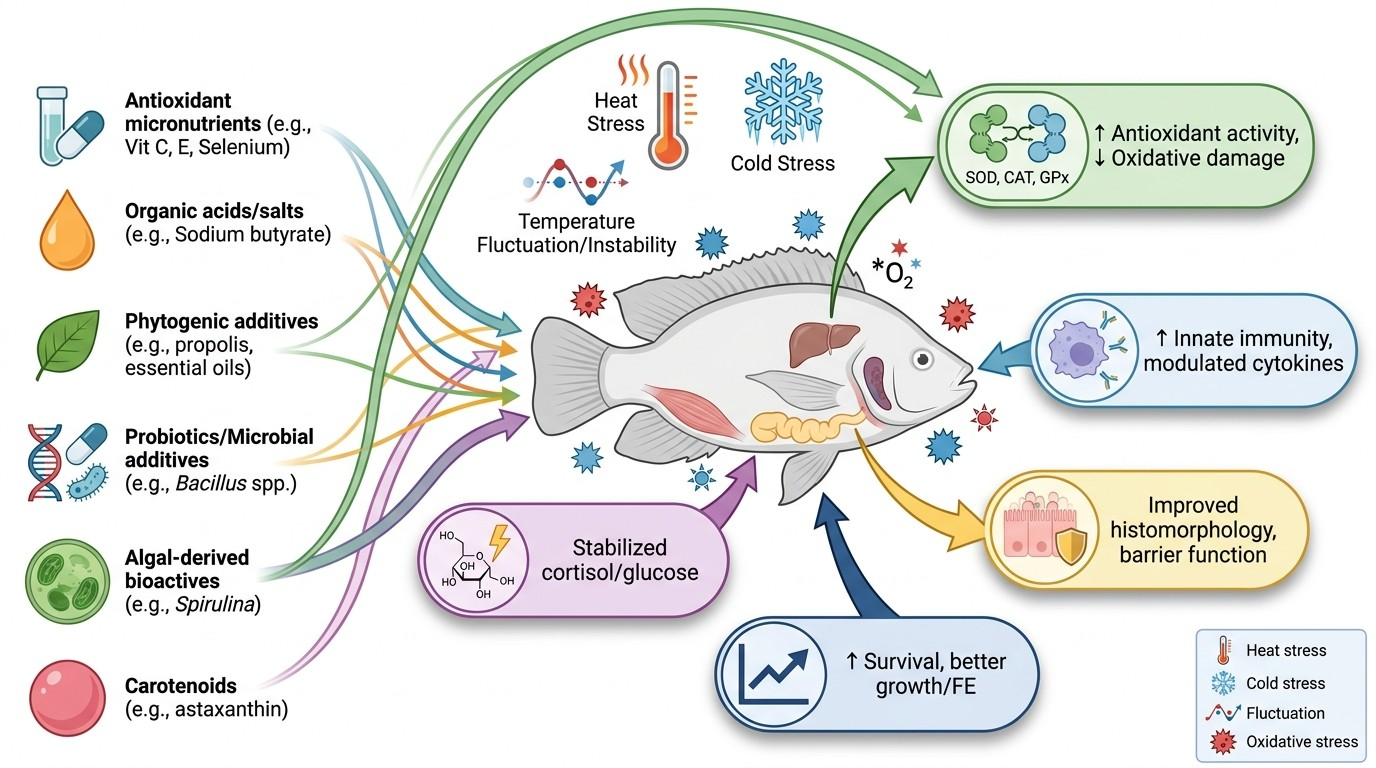
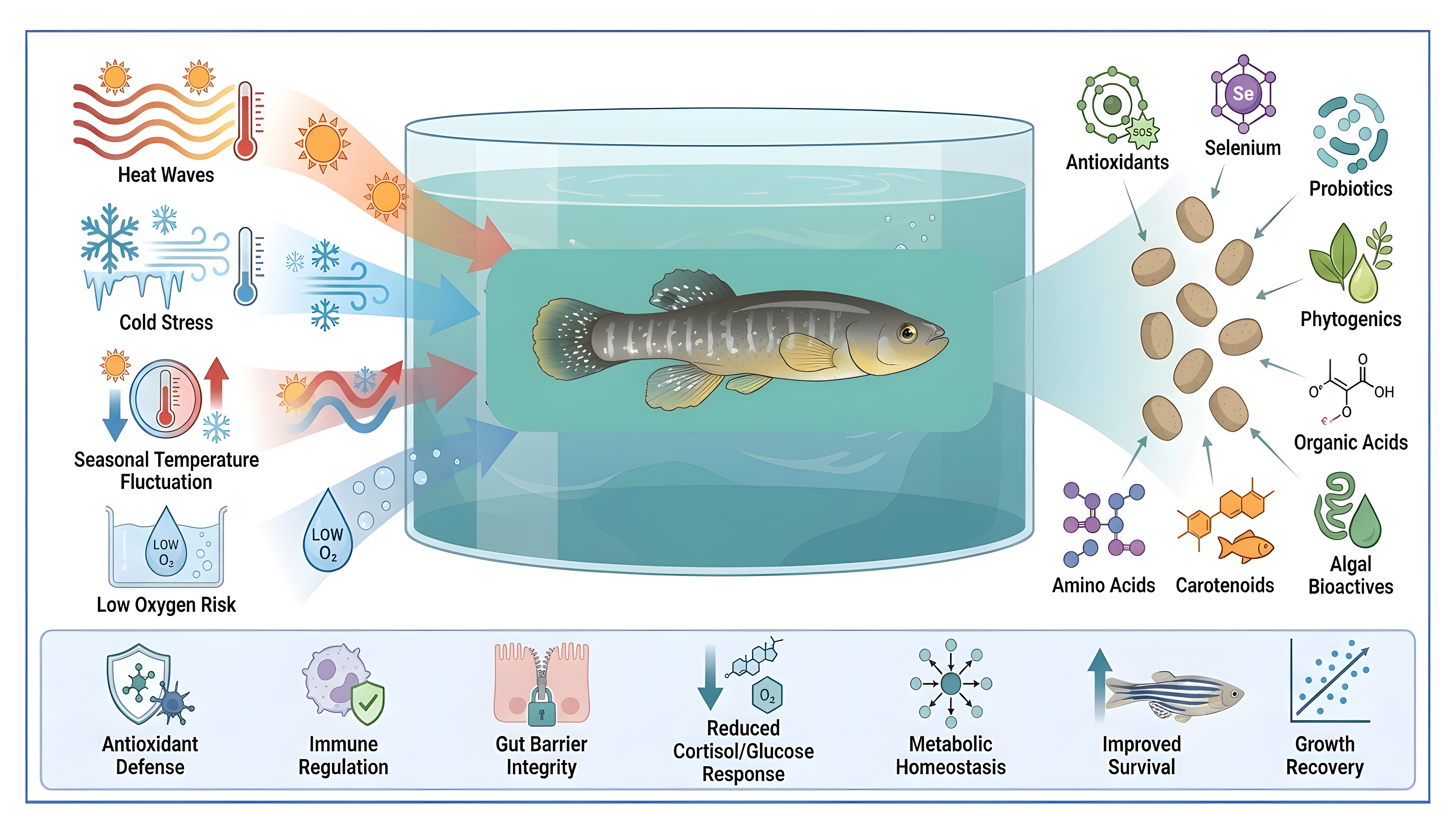
This systematic evidence map highlights the growing interest in functional aquafeeds as nutritional tools for improving thermal-stress resilience in cultured finfish. The evidence indicates that dietary interventions have been investigated not only for their effects on growth performance and feed utilization, but also for their capacity to modulate stress biomarkers, antioxidant defense, immune responses, gut health and metabolic homeostasis under heat, cold or sub-optimal temperature conditions. This reflects a broader transition in aquafeed research from conventional growth-oriented formulation toward resilience-oriented nutrition, in which dietary strategies are designed to support physiological stability under increasingly variable rearing environments. Based on the mapped evidence, the proposed conceptual framework indicates that functional aquafeeds may support climate resilience by linking dietary bioactive inputs with antioxidant, immune, gut and metabolic regulation under thermal stress (
Figure 5).
The evidence base was not evenly distributed across species, functional-ingredient classes or thermal-stress models. Nile tilapia was strongly represented among the available studies, particularly in experiments evaluating sodium butyrate, organic selenium,
Bacillus spp., propolis and essential oils under heat, cold or sub-optimal temperature conditions [
36,
47,
51,
56,
72]. Other finfish species, including striped catfish and Wuchang bream, were included in studies evaluating selenium nanoparticles, riboflavin, emodin and vitamin C under elevated-temperature or stress-related conditions [
58,
62]. However, comparatively fewer studies were available for marine carnivorous species, salmonids, broodstock or long-term grow-out stages. This species imbalance limits the direct transferability of findings across cultured finfish groups, particularly because thermal tolerance, feeding habit, nutrient metabolism and immune regulation differ substantially among taxa.
Most studies focused on heat stress or cold stress, whereas repeated temperature fluctuation, seasonal transition and post-stress recovery were less frequently investigated. This is an important limitation because farmed fish are often exposed not only to constant high or low temperatures, but also to fluctuating and cumulative thermal disturbances. In addition, most studies measured a limited set of biomarkers rather than integrated response profiles. Growth, antioxidant enzymes and innate immune markers were commonly reported, whereas metabolomics, transcriptomics, microbiome analysis, intestinal barrier function and post-stress disease resistance were less consistently evaluated. Therefore, the current literature provides useful evidence that selected functional aquafeeds may support thermal-stress tolerance, but the mechanistic integration of immune, antioxidant, gut and metabolic responses remain incomplete.
4.2. Functional Aquafeeds as a Climate-Resilience Strategy
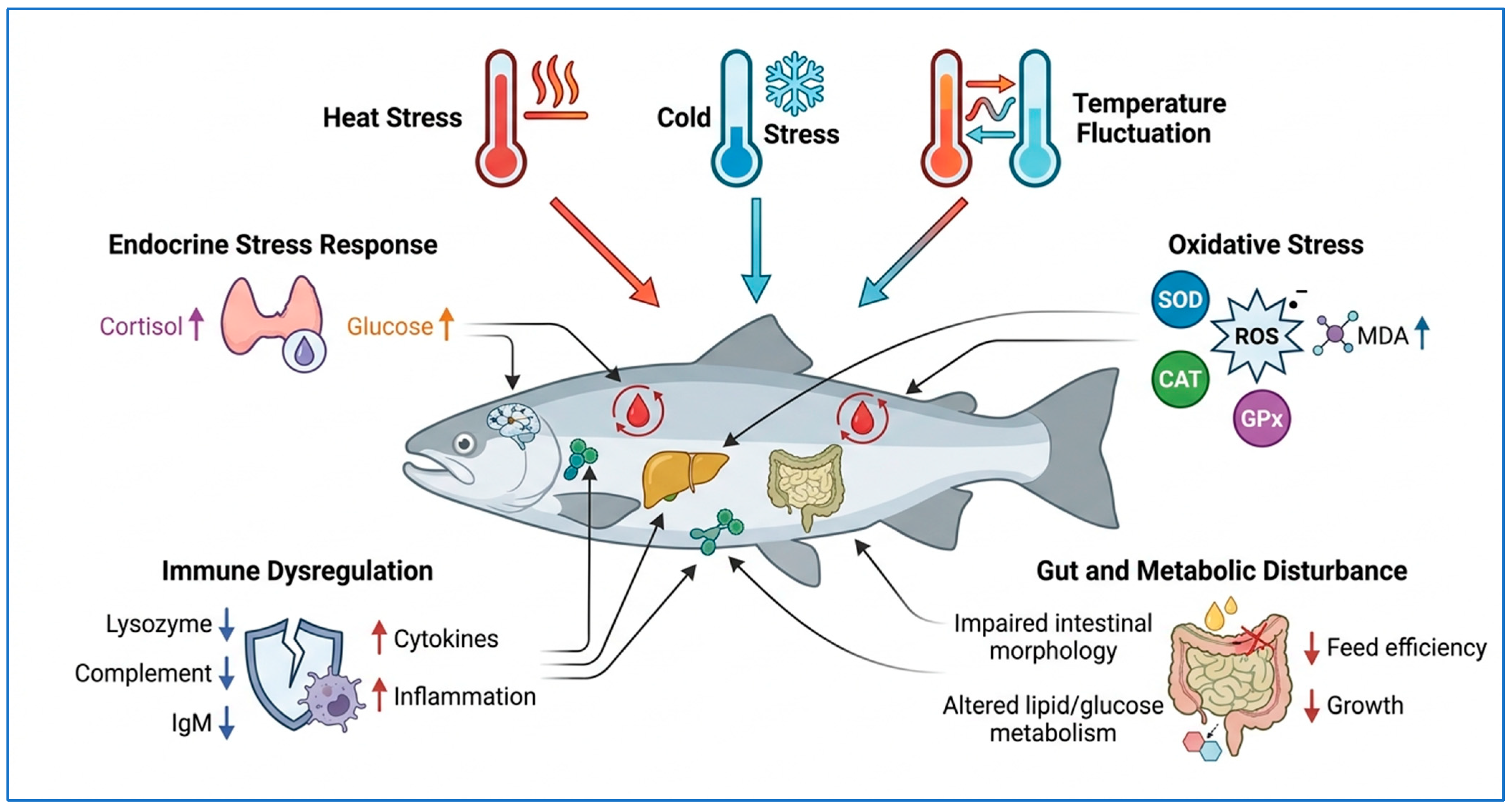
The findings suggest that functional aquafeeds may be considered promising tools for climate-resilient finfish culture, particularly when used within species-specific and stress-specific nutritional programs. Thermal stress affects fish at multiple biological levels, including endocrine stress regulation, oxidative balance, immune competence, intestinal function, nutrient metabolism and energy allocation. Because fish are ectothermic animals, changes in water temperature directly influence metabolic rate, feeding activity, digestion, oxygen demand and cellular homeostasis. Under thermal challenge, energy is often redirected from growth toward maintenance, stress defense, immune regulation and tissue repair. Therefore, nutritional strategies that help fish maintain antioxidant capacity, immune balance and metabolic stability may improve resilience even when growth enhancement is not always evident. The physiological effects of thermal stress are multi-systemic, involving endocrine stress activation, oxidative damage, immune disruption, intestinal impairment and altered energy allocation (
Figure 6).
Several dietary interventions in the reviewed evidence produced coordinated improvements across multiple physiological domains. Sodium butyrate supplementation in Nile tilapia exposed to heat stress was associated with improved growth, intestinal morphology, immune response, antioxidant status, reduced cortisol and glucose, altered HSP70 expression and improved survival after heat exposure [
36]. Organic selenium improved growth, serum biochemical indices, immune responses, antioxidative capacity and stress-related gene expression in Nile tilapia reared under sub-optimal temperature [
47]. Selenium nanoparticles combined with riboflavin improved growth, antioxidant status, immune indicators and survival outcomes in striped catfish exposed to elevated temperature and arsenic stress [
62]. These studies illustrate that functional aquafeeds may act through multiple interconnected pathways rather than through a single protective mechanism.
From a practical perspective, thermal-stress resilience should not be defined only as survival under extreme temperature. A more useful aquaculture definition should include maintenance of feed intake, feed efficiency, growth potential, immune competence, redox balance, gut integrity, metabolic stability and recovery capacity after stress exposure. Under this broader definition, functional aquafeeds can be viewed as nutritional conditioning tools. They may be used before predictable heatwaves, winter cold periods or seasonal transitions to prepare fish for stress, or after stress exposure to support recovery and reduce secondary disease risk.
4.3. Antioxidant Defense as a Central Mechanism of Thermal-Stress Tolerance
Antioxidant defense emerged as one of the most consistent response domains linking functional aquafeeds with thermal-stress resilience. Thermal stress can increase reactive oxygen species production, disturb mitochondrial function and promote lipid peroxidation. Therefore, dietary ingredients that enhance antioxidant enzyme activity or reduce oxidative damage are biologically plausible candidates for improving thermal tolerance. In the reviewed evidence, antioxidant-related benefits were reported for sodium butyrate, selenium, selenium nanoparticles, riboflavin, astaxanthin, propolis, bay laurel essential oil and algal-derived functional ingredients [
36,
47,
51,
56,
60,
62].
Improved antioxidant status was often reflected by increased superoxide dismutase, catalase, glutathione peroxidase, glutathione-related responses or total antioxidant capacity, together with reduced malondialdehyde. This combined pattern is more convincing than an increase in antioxidant enzyme activity alone. An isolated increase in antioxidant enzymes may represent either enhanced protective capacity or a compensatory response to persistent oxidative stress. In contrast, increased antioxidant capacity accompanied by reduced lipid peroxidation provides stronger evidence of improved redox protection. For example, sodium butyrate enhanced antioxidant enzyme activities and reduced malondialdehyde in Nile tilapia subjected to heat stress, while selenium nanoparticles and riboflavin reduced lipid peroxidation and improved antioxidant status in striped catfish under elevated-temperature stress [
36,
62].
Carotenoids and phytogenic additives also appear promising because of their direct and indirect antioxidant properties. Astaxanthin suppressed reactive oxygen species production induced by high-temperature stress and improved antioxidant defense in fish, suggesting that dietary carotenoids may help protect cellular structures during thermal challenge [
60]. Propolis and bay laurel essential oil improved redox status and antioxidant defense in cold-stressed Nile tilapia, indicating that phytogenic additives may also support cold-stress tolerance through antioxidant and immunomodulatory pathways [
51,
56]. However, the effects of phytogenic compounds are likely to depend on source material, extraction method, active-compound concentration and dietary inclusion level. These factors should be carefully standardized in future studies.
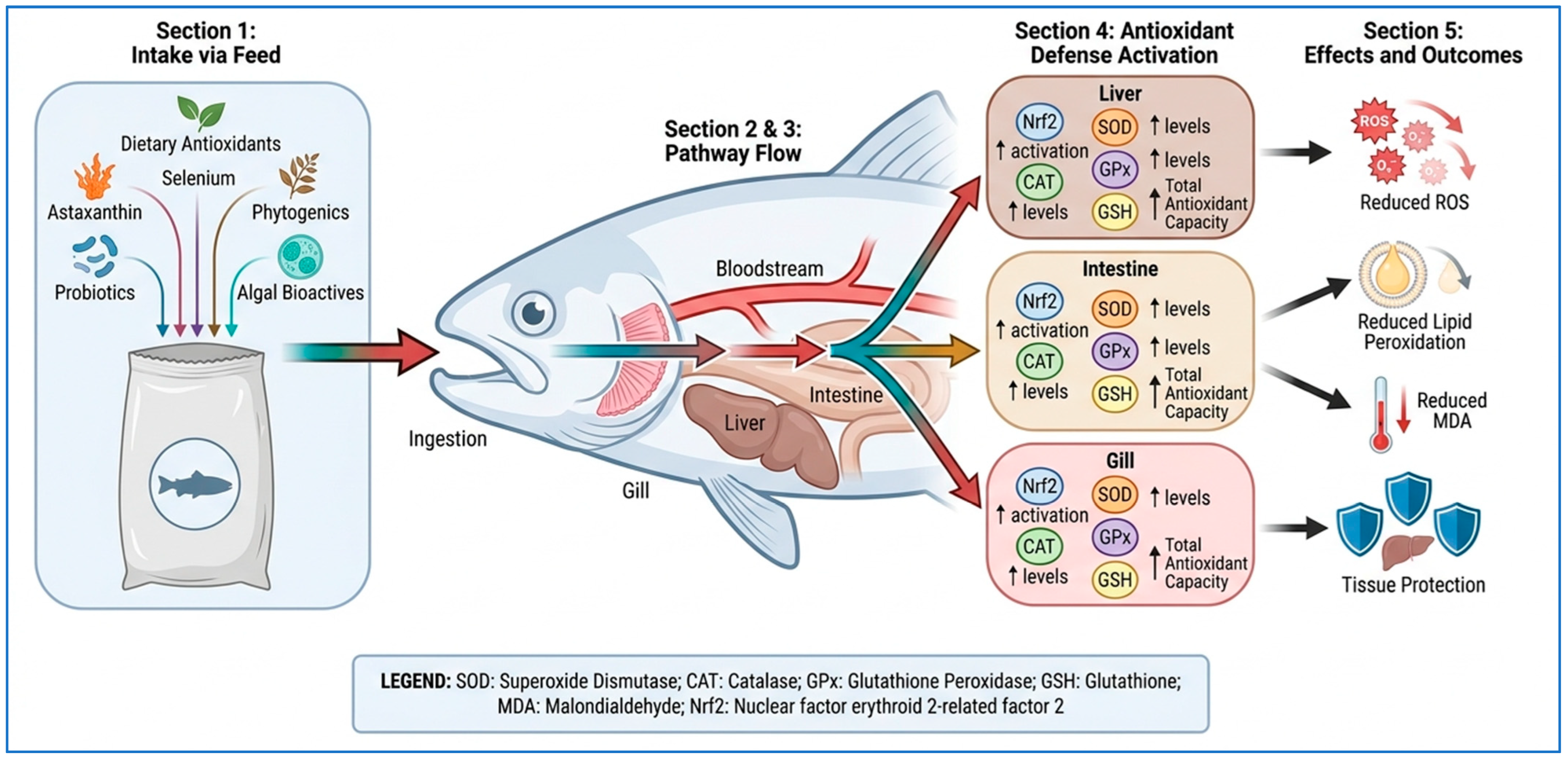
Overall, the antioxidant findings suggest that redox regulation is a central mechanism of functional-aquafeed-mediated thermal resilience. However, antioxidant biomarkers should be interpreted in an integrated manner. Future studies should combine antioxidant enzyme activity, oxidative-damage markers, stress hormones, immune indicators and performance outcomes to distinguish true physiological protection from compensatory stress responses. The proposed antioxidant-defense pathway through which functional aquafeeds may reduce thermal-stress damage is summarized in
Figure 7.
4.4. Immune Regulation Under Thermal Stress
Thermal stress can impair immune competence, alter inflammatory responses and increase disease susceptibility in cultured fish. The reviewed studies suggest that functional aquafeeds may support immune stability during thermal challenge by enhancing innate immune defenses, regulating inflammatory responses and improving mucosal protection. Commonly reported immune indicators included lysozyme activity, complement activity, immunoglobulin levels, phagocytic activity, respiratory burst, myeloperoxidase activity, cytokine expression and antimicrobial defense-related genes.
Microbial-based additives were particularly relevant to immune regulation under thermal stress. Dietary
Bacillus spp. supplementation mitigated heat-shock-related stress responses in Nile tilapia and influenced immune, antioxidant, histopathological and heat-shock protein gene-expression outcomes [
72]. This suggests that probiotics may improve resilience through combined effects on immune readiness, oxidative status and tissue protection. Similarly, sodium butyrate improved phagocytic activity, lysozyme activity and immune response in heat-stressed Nile tilapia, indicating that gut-active functional ingredients can influence systemic immune competence during thermal challenge [
36].
Phytogenic additives also showed immunomodulatory potential. Propolis improved growth, redox status and immune response in Nile tilapia subjected to cold stress, while bay laurel essential oil enhanced immunity and antioxidant defense in cold-stressed Nile tilapia at appropriate inclusion levels [
51,
56]. These findings support the view that phytobiotics may act through combined antioxidant, antimicrobial and anti-inflammatory mechanisms. However, immune stimulation should not be interpreted as universally beneficial. Excessive or prolonged inflammatory activation can increase metabolic cost and tissue damage. Therefore, the most desirable outcome is not simple immune upregulation, but balanced immune regulation.
This point is particularly important for interpreting cytokine responses. Increased expression of immune-related genes may indicate improved defense preparedness, whereas reduced pro-inflammatory cytokine expression may indicate attenuation of stress-induced inflammation. These responses are not necessarily contradictory. Functional aquafeeds may enhance basal defense capacity while preventing excessive inflammatory damage during thermal challenge. Therefore, immune outcomes should be interpreted in relation to stress severity, sampling time, tissue type, antioxidant status, gut health and survival outcomes.
4.5. Metabolic and Nutrient-Regulatory Responses and Energy Allocation
Metabolic homeostasis is a key component of thermal-stress resilience because temperature strongly affects energy demand, nutrient utilization and physiological maintenance. Under thermal stress, fish may increase glucose mobilization, alter lipid metabolism, change plasma protein status and redirect nutrients away from growth toward stress defense. Commonly reported metabolic and nutrient-regulatory indicators included total protein, triglycerides, cholesterol, ammonia, digestive-enzyme activity, nutrient-transport markers such as GLUT4, and genes related to lipid, glucose and nutrient metabolism. Cortisol and circulating glucose measured during or after thermal challenge were classified as endocrine stress-response indicators rather than metabolic outcomes.
Several dietary interventions produced complementary endocrine stress and metabolic or nutrient-regulatory responses under thermal challenge. Sodium butyrate reduced cortisol and circulating glucose in heat-stressed Nile tilapia, indicating moderation of the endocrine stress response, while its effects on total protein and intestinal morphology provided separate evidence of systemic and nutrient-related regulation [
36]. Organic selenium improved serum biochemical indices and modulated transcription of stress-related genes in Nile tilapia under sub-optimal temperature [
47]. Selenium nanoparticles and riboflavin reduced circulating glucose and cortisol, which were classified as stress-response outcomes, while also improving antioxidant and immune responses in striped catfish exposed to elevated temperature and arsenic stress [
62]. These findings suggest that functional aquafeeds may moderate stress-related energy mobilization while supporting broader physiological adaptation under thermal stress.
Metabolic and nutrient-regulatory responses should not be interpreted from isolated changes in individual biochemical indicators. Although circulating glucose was classified within the endocrine and cellular-stress-response domain, its response pattern may provide cross-domain information regarding acute energy mobilization and recovery. Similarly, changes in triglycerides or cholesterol may reflect altered lipid mobilization, membrane adaptation or energy allocation. Therefore, metabolic homeostasis should be interpreted as the capacity to maintain coordinated energy balance, nutrient utilization and physiological function under thermal challenge.
The evidence also suggests that growth-related and metabolism-related genes can provide useful mechanistic insight. Bay laurel essential oil increased IGF-1 and GLUT4 expression at appropriate inclusion levels in cold-stressed Nile tilapia; IGF-1 was interpreted as a growth-regulatory indicator, whereas GLUT4 was classified as a metabolic and nutrient-regulatory marker [
56]. Emodin and vitamin C altered biochemical parameters and HSP70 mRNA expression in Wuchang bream; the biochemical parameters were interpreted as metabolic responses, whereas HSP70 was classified within the cellular-stress-response domain [
58]. However, gene-expression outcomes were highly variable across tissues, species and sampling points. Future studies should combine gene expression with plasma metabolites, enzyme activities and growth outcomes to better define metabolic resilience.
4.6. Gut Health as the Interface Between Diet and Systemic Resilience
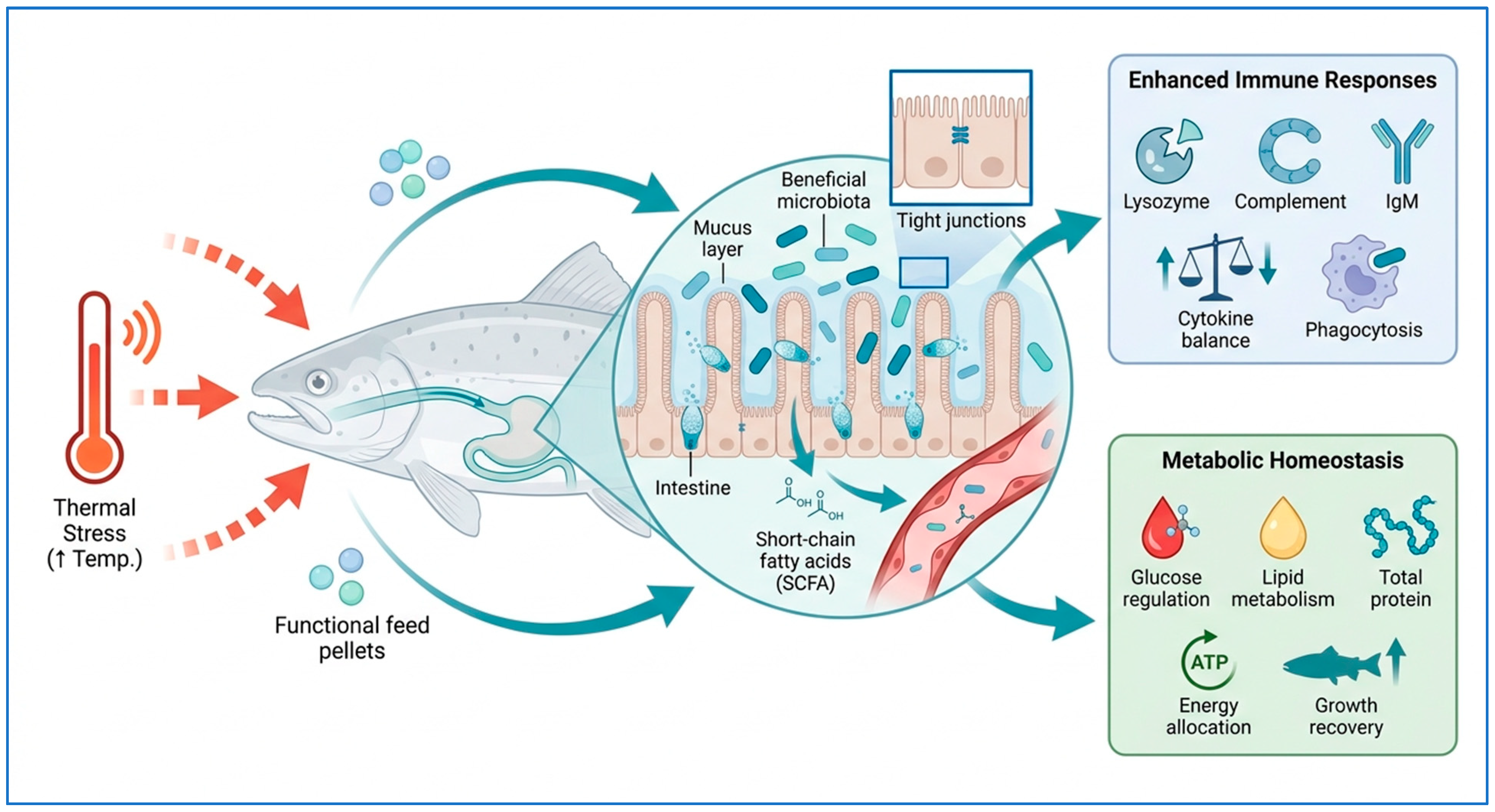
The intestine represents a major interface between functional aquafeeds and systemic stress resilience. Thermal stress can impair digestive function, intestinal morphology, mucosal barrier integrity and microbial balance, which may reduce nutrient absorption and increase inflammatory risk. Functional feed ingredients that improve intestinal morphology, goblet-cell abundance, mucin production, tight-junction integrity, digestive enzyme activity or beneficial microbiota may therefore enhance resilience indirectly by supporting nutrient acquisition and mucosal immune stability. The gut may function as a central interface through which functional aquafeeds influence systemic thermal-stress resilience by coordinating intestinal barrier function, mucosal immunity, microbial balance and nutrient metabolism (
Figure 8).
In the reviewed evidence, gut-related outcomes were most frequently reported in studies evaluating organic acids, probiotics, phytogenic additives and algal-derived bioactives. Sodium butyrate improved intestinal histomorphology in Nile tilapia and was associated with enhanced immune response, antioxidant defense and survival after heat stress [
36].
Bacillus spp. supplementation influenced histopathological status and stress-protective responses in heat-shocked Nile tilapia, supporting the potential role of probiotics in maintaining tissue integrity during thermal challenge [
72]. These findings suggest that gut-active functional ingredients may help preserve intestinal function when thermal stress compromises digestion and mucosal immunity.
Despite these promising findings, gut-mediated thermal resilience remains insufficiently resolved. Many studies reported intestinal morphology without microbiome analysis, or immune biomarkers without barrier-function markers. Others measured systemic responses but did not evaluate the intestine. This limits understanding of how local gut responses translate into whole-body resilience. Future studies should integrate intestinal histology, digestive enzymes, mucosal immunity, tight-junction gene expression, gut microbiota and metabolite profiling. Such integrated designs would clarify whether improved growth or survival under thermal stress is mediated through improved digestion, barrier protection, microbial modulation or systemic immune–metabolic regulation.
4.7. Ingredient-Specific Interpretation
Ingredient-specific interpretation followed the hierarchical framework defined in
Section 2.7, which separated intervention identity and source from biological function. Chemically defined nutrients and metabolites included vitamins, minerals and trace elements, amino acids, lipids, organic acids and carotenoids. Microbial preparations, natural-product-derived bioactives and algal preparations were classified according to source, whereas multicomponent interventions were treated as combination formulations. Antioxidant, immunomodulatory, gut-protective and metabolic effects were interpreted as overlapping mechanisms rather than ingredient categories.
Within the chemically defined nutrient and metabolite class, functional amino acids and related compounds may support thermal-stress resilience through osmoregulation, nitrogen metabolism, neurotransmission, antioxidant defense, protein turnover and immune-cell metabolism. Although amino-acid-based interventions were less consistently represented than vitamins, minerals or natural-product-derived bioactives, they remain important candidates for resilience-oriented feed formulation because thermal stress increases the demand for cellular repair, antioxidant substrates and metabolic regulation.
Vitamins, minerals and trace elements, including vitamin C, vitamin E, selenium and copper, are particularly relevant when thermal stress induces oxidative damage. Selenium-based interventions were among the clearer examples in the reviewed evidence. Organic selenium improved growth, immunity, antioxidative capacity and stress-related gene expression in Nile tilapia under sub-optimal temperature, whereas selenium nanoparticles combined with riboflavin enhanced antioxidant and immune outcomes under elevated-temperature stress in striped catfish [
47,
62]. These findings support the role of micronutrients in maintaining redox balance and immune competence under thermal stress. However, micronutrients have narrow safe and effective ranges; therefore, dose–response studies are essential. Astaxanthin, classified within the carotenoid subclass, also improved high-temperature stress resistance through antioxidant-related mechanisms [
60].
Natural-product-derived bioactives, including botanical extracts, essential oils, propolis and fungal-derived products, may act through antioxidant, anti-inflammatory, antimicrobial and appetite-modulating mechanisms. Propolis and bay laurel essential oil improved growth, redox status and immune responses under cold-stress conditions in Nile tilapia [
51,
56]. Nevertheless, these interventions are difficult to compare because their biological effects depend on source material, extraction method, active-compound concentration and dietary inclusion level. Future studies should provide chemical characterization to improve reproducibility and formulation value.
Microbial preparations, including single- and multi-strain probiotics, may improve thermal resilience through modulation of gut microbiota, mucosal immunity, digestive function and pathogen resistance. The positive effects of
Bacillus spp. under heat shock suggest that probiotics may buffer thermal stress by improving immune and antioxidant responses while reducing tissue damage [
72]. Organic acids such as sodium butyrate were classified separately within chemically defined nutrients and metabolites and may support gut-mediated resilience by improving intestinal morphology and immune responses under heat stress [
36].
Algal preparations, including single-source Chlorella and Spirulina interventions, represent promising but still limited evidence categories. Combination formulations, such as selenium nanoparticles–riboflavin, multicomponent supplement blends and Spirulina–coenzyme Q10, were classified separately because their effects could not be attributed to a single component. Their future value will depend on stronger evidence linking composition, dose and component interactions with physiological outcomes under defined thermal-stress models.
4.8. Practical Implications for Climate-Resilient Aquafeed Formulation
The findings have practical implications for climate-resilient aquafeed development, but these implications should be treated as a research-guidance framework rather than direct universal formulation recommendations. Functional aquafeeds should not be viewed only as continuous growth-promoting diets, but also as strategic feeds that may be applied during predictable high-risk periods. For example, antioxidant- and immune-supportive formulations may be useful before summer heatwaves, winter cold periods or seasonal temperature transitions. During thermal stress, highly digestible diets enriched with functional nutrients may help reduce metabolic burden. After stress exposure, recovery-oriented diets may support gut repair, antioxidant restoration, immune stabilization and metabolic rebalancing.
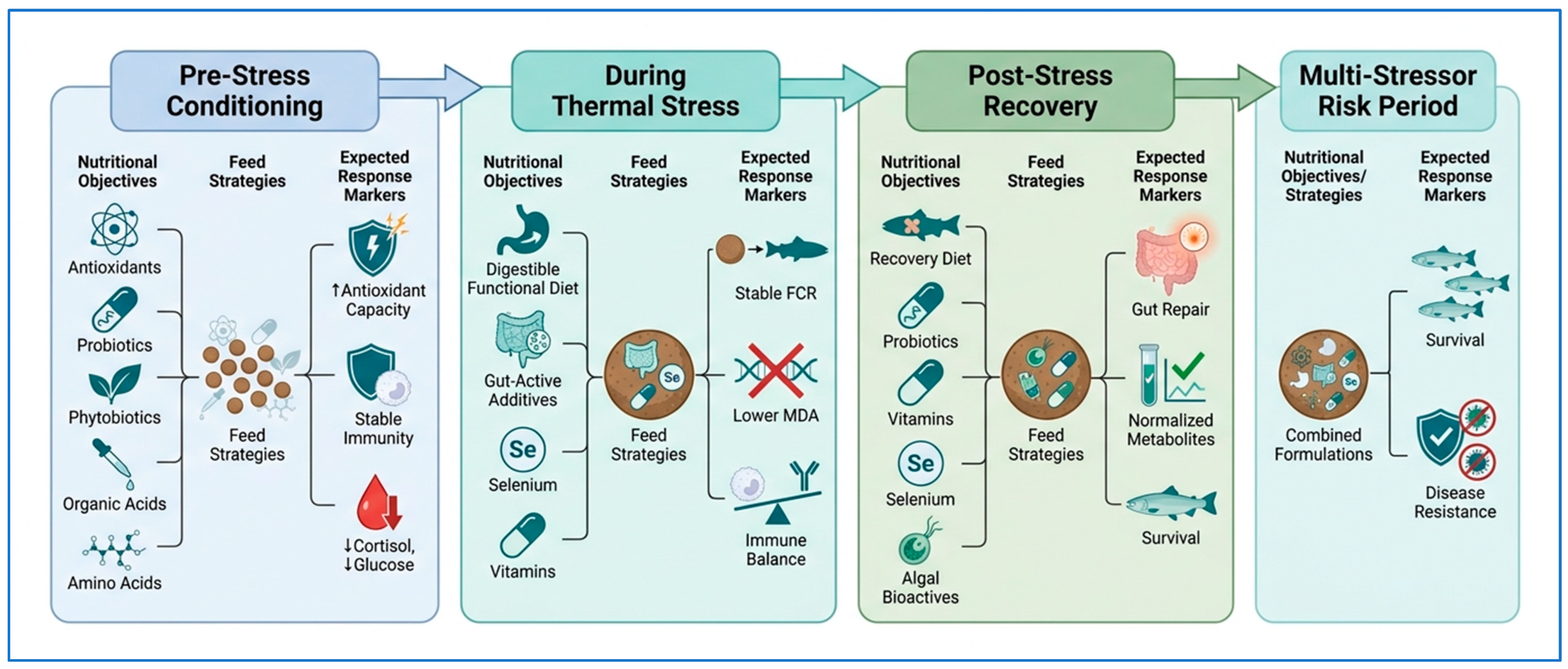
A practical feeding framework may include three stages: pre-stress conditioning, stress-period support and post-stress recovery. Accordingly, functional aquafeeds can be organized into a practical climate-resilience framework consisting of pre-stress conditioning, stress-period support, post-stress recovery and multi-stressor risk management phases (
Figure 9).
Pre-stress conditioning aims to increase physiological preparedness by strengthening antioxidant capacity, mucosal immunity and metabolic reserves. Stress-period support aims to maintain feed intake, digestion and cellular protection while minimizing oxidative and inflammatory damage. Post-stress recovery aims to restore intestinal integrity, immune balance and growth performance. This approach is more realistic than expecting a single additive to solve all thermal-stress problems. A translational framework for applying these strategies in climate-resilient aquafeed programs is summarized in
Table 6.
However, practical formulation must remain species-specific and dose-specific. A functional ingredient that benefits Nile tilapia under heat stress may not produce the same effect in cold-water salmonids, marine carnivores or herbivorous species. Feeding habit, basal diet composition, thermal preference, life stage and culture environment all influence response to supplementation. Therefore, functional-aquafeed formulation should be based on species-specific nutrient requirements, predictable environmental risk and clearly defined physiological targets.
4.9. Methodological Limitations of the Current Evidence
Several limitations were identified in the current evidence. First, thermal-stress protocols were not standardized. Studies differed in control temperature, stress temperature, exposure duration, temperature-shift rate, acclimation period, sampling time and recovery assessment. These differences make it difficult to compare dietary interventions directly across studies. Future studies should report thermal protocols in sufficient detail and justify stress temperatures according to species-specific thermal ranges.
Second, many studies relied on limited biomarker panels. Although antioxidant enzymes, cortisol, glucose and immune markers are useful, they provide only partial insight into resilience. Thermal-stress resilience is a multisystem phenotype involving growth, feed intake, endocrine stress response, redox balance, immune regulation, gut integrity, nutrient metabolism and recovery capacity. Studies that measure only one or two domains may overestimate or underestimate the functional value of a dietary intervention.
Third, dose–response designs were not consistently used. Single-dose supplementation can identify potential effects, but it cannot determine optimal, marginal or excessive inclusion levels. This is particularly important for selenium, essential oils, phytogenic extracts and immunostimulants, where excessive inclusion may produce neutral or negative effects. Fourth, the reporting of randomization, blinding and experimental unit was often incomplete. In aquaculture feeding trials, the tank rather than the individual fish is usually the appropriate experimental unit when diet is administered at tank level. Therefore, future studies should clearly report tank number, fish number per tank, random tank allocation, whether tanks or individual fish were used in the statistical model and how subsampling within tanks was handled. Failure to clearly define the experimental unit may increase the risk of pseudoreplication and overinterpretation.
The identified experimental-unit concerns also affected the confidence assigned to specific outcomes. When dietary treatments were allocated at tank level, fish sampled from the same tank represented subsamples rather than independent treatment replicates. Treating these fish as independent observations may underestimate variance and overstate statistical precision. In the present evidence map, this concern primarily affected biochemical, immune, histological and molecular endpoints. Accordingly, these outcomes were interpreted as supportive or hypothesis-generating rather than confirmatory, whereas independently analyzed tank-level growth and feed-utilization outcomes from the same studies were considered separately. Study-specific affected outcomes and their consequences for interpretation are detailed in
Supplementary Table S4C.
A further limitation arises from the substantial species and design heterogeneity of the included evidence. The available studies were strongly concentrated in Nile tilapia, whereas marine carnivores, salmonids, broodstock and long-term grow-out stages were comparatively under-represented. Species differed in thermal preference, feeding habit, nutrient metabolism and stress physiology, while the studies also varied in dietary intervention, supplementation level, feeding duration, thermal-challenge protocol, sampled tissue and outcome definition. These differences prevented a meaningful quantitative synthesis. Consequently, no pooled effect sizes, confidence intervals, statistical heterogeneity estimates, subgroup analyses or quantitative comparisons among intervention classes were generated. The evidence map therefore identifies response directions, mechanistic patterns and research concentrations but cannot determine the magnitude or precision of additive-specific effects or establish a quantitative ranking of interventions. Apparent differences among dietary strategies may partly reflect species, protocol and outcome heterogeneity rather than true differences in efficacy. The findings should therefore be interpreted as qualitative and mechanistic evidence rather than as pooled efficacy estimates or universal formulation recommendations.
An additional limitation concerns evidence retrieval. The review did not systematically search dedicated gray-literature databases or solicit unpublished datasets from domain experts, and eligibility was restricted to English-language peer-reviewed articles. Consequently, non-English, unpublished, null or negative findings may be under-represented, potentially increasing the apparent predominance of beneficial dietary responses. The evidence map should therefore be interpreted as a synthesis of the accessible peer-reviewed English-language literature rather than a complete inventory of all conducted studies.
Finally, relatively few studies evaluated post-stress recovery, repeated temperature fluctuation or combined thermal-stress and disease-challenge models. This is a major gap because farmed fish are often exposed to multiple stressors under commercial conditions. Thermal stress may increase disease susceptibility, reduce appetite, alter gut microbiota and impair recovery. Therefore, studies that integrate thermal challenge, recovery monitoring and pathogen resistance are needed to determine whether functional aquafeeds provide meaningful farm-level resilience.
4.10. Future Research Priorities
Future research should move from single-marker evaluation toward integrated resilience phenotyping. At minimum, studies should combine growth and feed-utilization outcomes with stress biomarkers, antioxidant status, immune indicators, gut-health markers and metabolic responses. A core biomarker panel could include weight gain, specific growth rate, feed conversion ratio, survival, cortisol, glucose, SOD, CAT, GPx, MDA, lysozyme, complement activity, IgM, key cytokines, intestinal morphology and selected metabolic indicators. When possible, transcriptomics, metabolomics and microbiome analysis should be added to identify mechanistic pathways and biomarker signatures of resilience.
Future research should move beyond descriptive microbiome profiling toward microbiome-informed dietary interventions. Probiotics, prebiotics, synbiotics, postbiotics and diet–microbiome combinations should be selected for their ability to maintain microbial stability, short-chain fatty acid production, mucosal integrity and immune–metabolic regulation during thermal stress. Artificial intelligence and machine learning may support context-specific aquafeed formulation by integrating species, life stage, diet composition, functional ingredients, water temperature, dissolved oxygen, feeding behavior, growth and physiological biomarkers. In precision aquaculture, sensors, automated feeding, computer vision and decision-support models could adjust feeding rate, timing and additive application according to temperature, appetite, behavior and water quality. However, standardized datasets, transparent models, external validation and biological confirmation are required to ensure improvements in fish welfare, thermal resilience and production performance.
Thermal-stress models also require greater standardization. Future studies should clearly report optimal temperature, stress temperature, temperature-shift rate, exposure duration, recovery period and sampling time. Studies should distinguish between acute heat shock, chronic high-temperature exposure, cold shock, chronic low-temperature exposure and repeated temperature fluctuation. These models may produce different physiological responses and should not be interpreted as equivalent.
More attention should be given to under-represented species and production stages. Research remains heavily concentrated in Nile tilapia, while marine carnivorous fish, salmonids, yellowtail, groupers, olive flounder, sea bass and sea bream require further investigation. Broodstock, larvae and long-term grow-out stages are also under-represented. Because nutritional requirements and stress tolerance differ across life stages, functional aquafeeds should be validated across production phases.
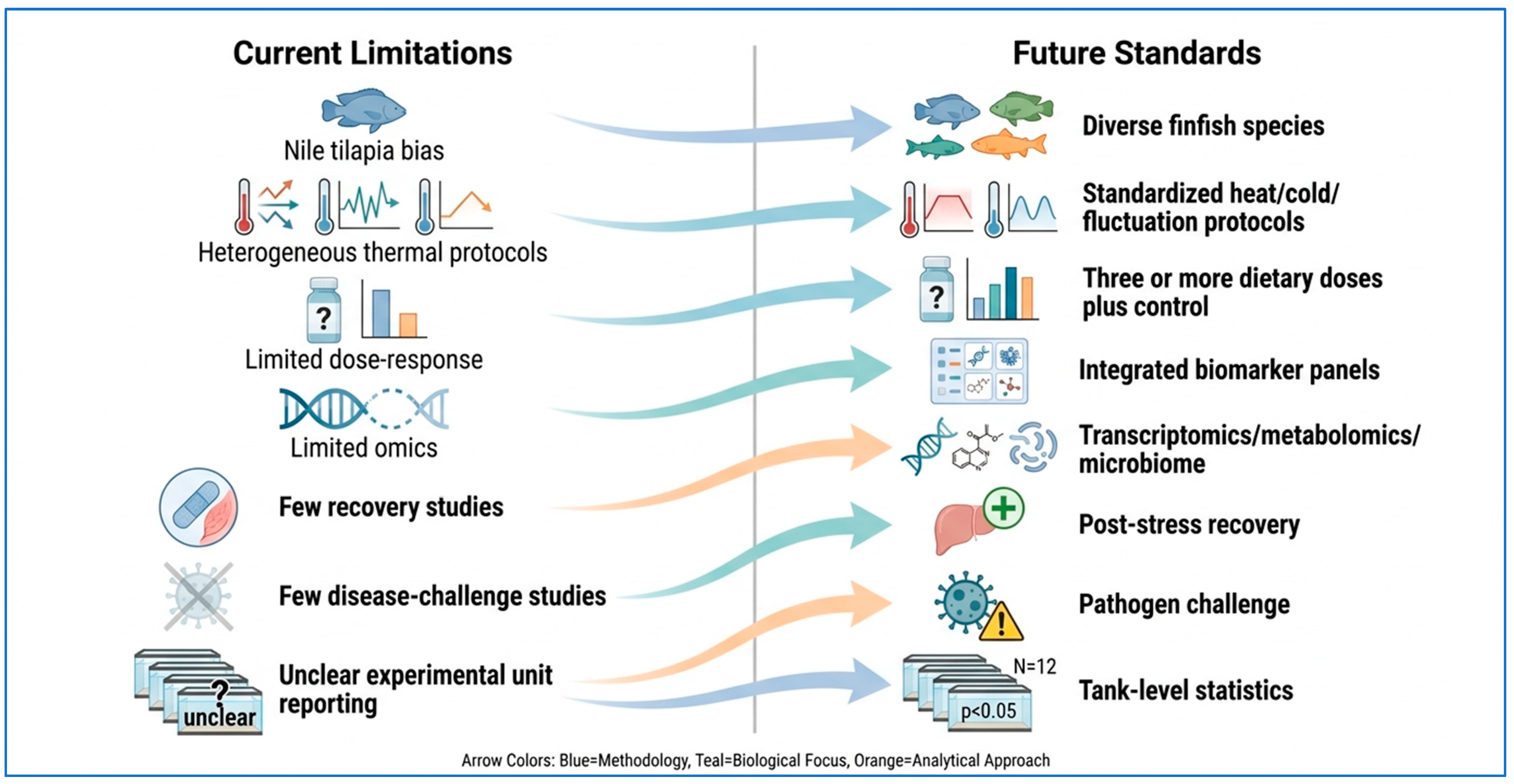
Future studies should assess practical feeding strategies, including pre-stress, seasonal, recovery and combined functional diets. Multi-ingredient formulations may better target antioxidant, immune, gut and metabolic pathways, but their additive, synergistic and antagonistic effects must be distinguished. Key evidence gaps and methodological priorities are summarized in
Figure 10.
5. Conclusions
Overall, the available evidence suggests that selected functional aquafeeds may improve thermal-stress resilience in cultured finfish, mainly through antioxidant defense, immune regulation, gut integrity, stress-biomarker modulation and metabolic stability. Sodium butyrate, selenium-based supplements, carotenoids, phytogenic additives and microbial-based additives showed promising effects under heat, cold or sub-optimal temperature conditions. However, responses varied according to species, dose, basal diet, stress model, exposure duration and measured endpoint. Therefore, the conclusions should be interpreted as a structured evidence-map synthesis rather than as universal formulation guidance.
The central message from this review is that climate-resilient aquafeeds should be designed not only to maintain growth, but also to support physiological stability under environmental stress. Thermal-stress resilience is a coordinated phenotype involving endocrine regulation, redox balance, immune competence, intestinal function and energy metabolism. To strengthen translation into practical aquafeed formulation, future studies should use standardized thermal-challenge protocols, dose–response designs, clear tank-level experimental-unit reporting, integrated biomarker panels, multiomics and microbiome-informed approaches, artificial intelligence-assisted formulation, precision aquaculture tools, post-stress recovery assessment and long-term validation under realistic farming conditions. Greater attention to under-represented marine carnivorous species, salmonids, broodstock and grow-out stages will be especially important for determining whether promising findings from current model species can be generalized across finfish aquaculture.