
Characterization of Enterococcus faecium Based on Multi-Omics Approaches: Genomic, Transcriptomic, and Phenotypic Analyses

Simple Summary
Abstract
1. Introduction
2. Materials and Methods
2.1. Sample Source
2.2. Experimental Animals
2.3. Primary Reagents and Instruments
2.4. Bacterial Isolation and Identification
2.5. Amplification of Target Genes and Analysis
2.6. Whole-Genome Sequencing and Bioinformatics Analysis
2.6.1. Genomic DNA Sequencing and Library Construction
2.6.2. Sequencing Data Quality Control and Filtering
2.6.3. Genome Assembly
2.6.4. Prediction of Genomic Components
2.6.5. Functional Annotation
2.7. Phylogenetic Analysis
2.8. Observation by Transmission Electron Microscopy (TEM)
2.9. Antimicrobial Susceptibility Testing
2.10. Mouse Challenge Experiment and Histopathological Observation
2.11. Transcriptome Sequencing and Differential Expression Gene Analysis
2.12. Data Analysis
2.12.1. Differential Expression Analysis
2.12.2. Differential Gene Enrichment Analysis
3. Results
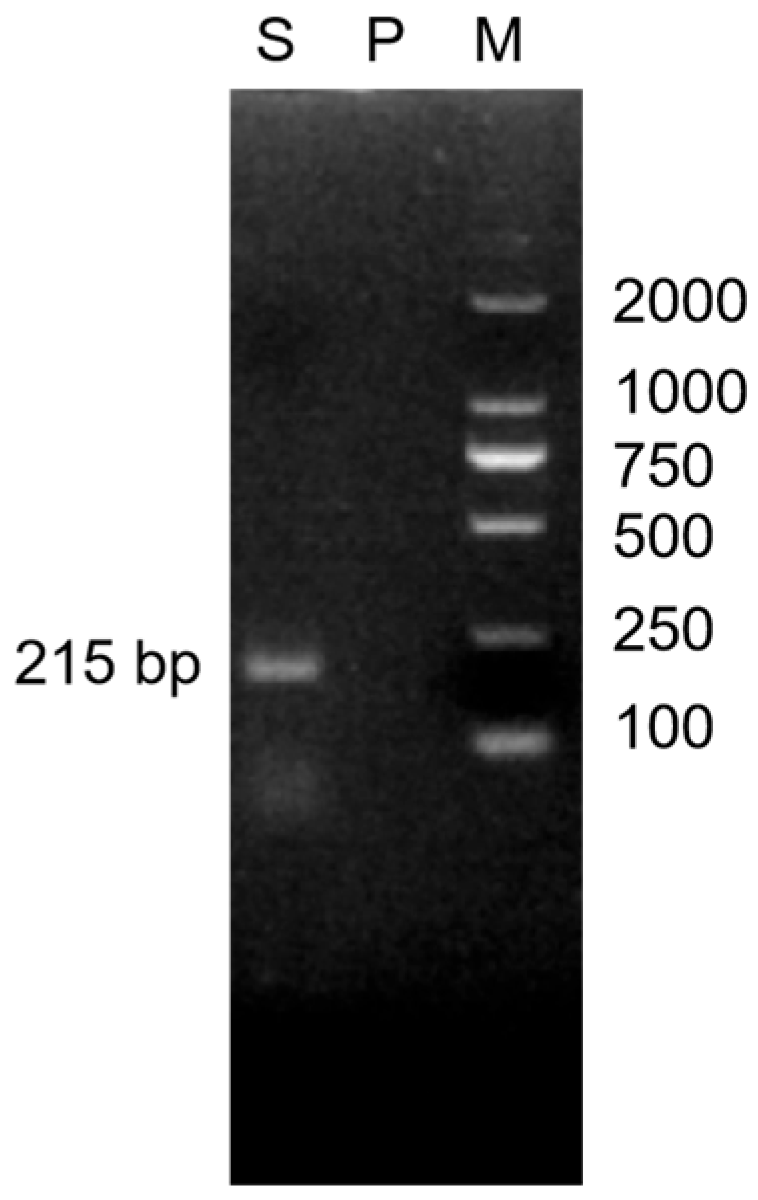
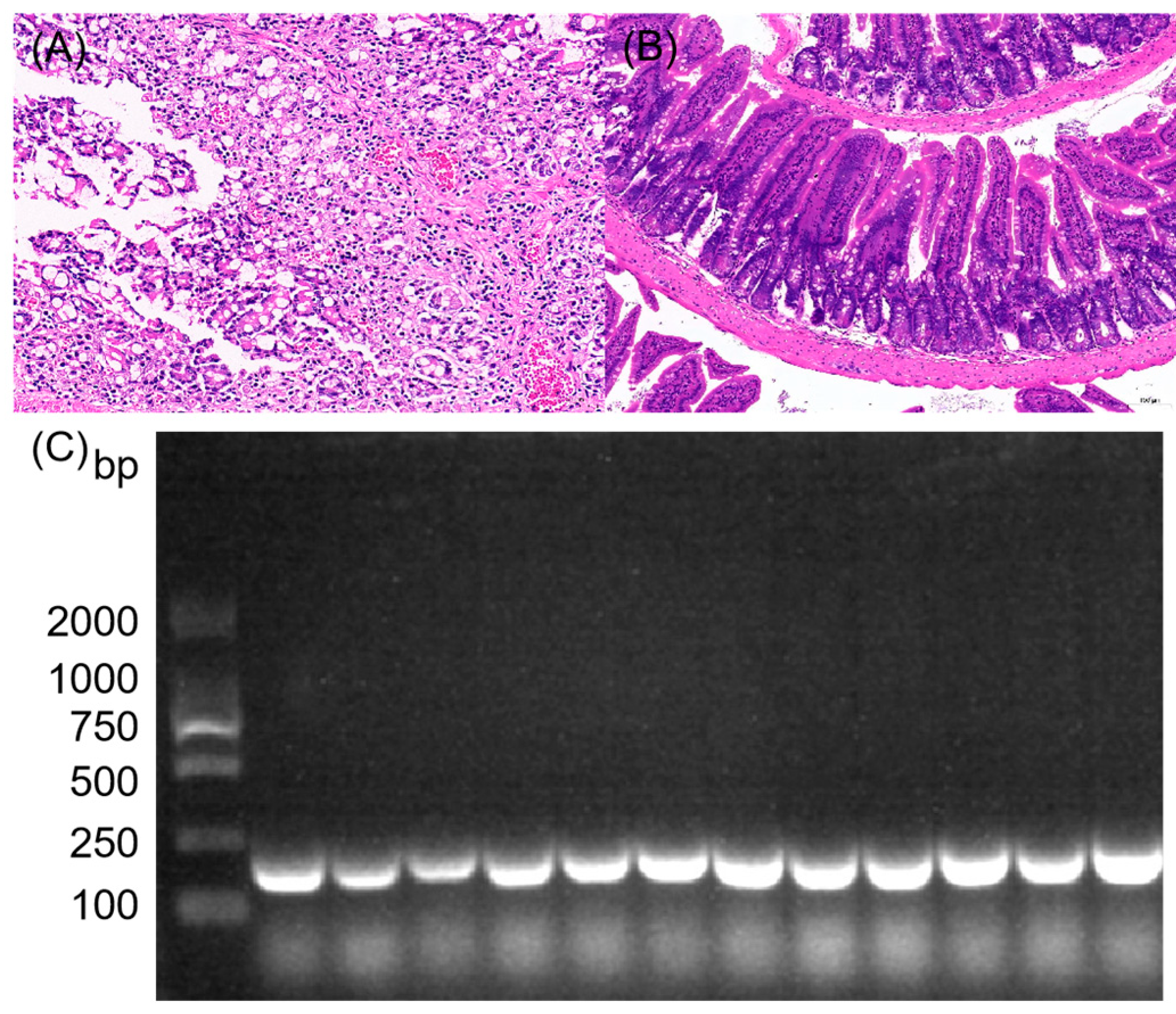
3.1. Isolation and Identification of Yak-Derived E. faecium
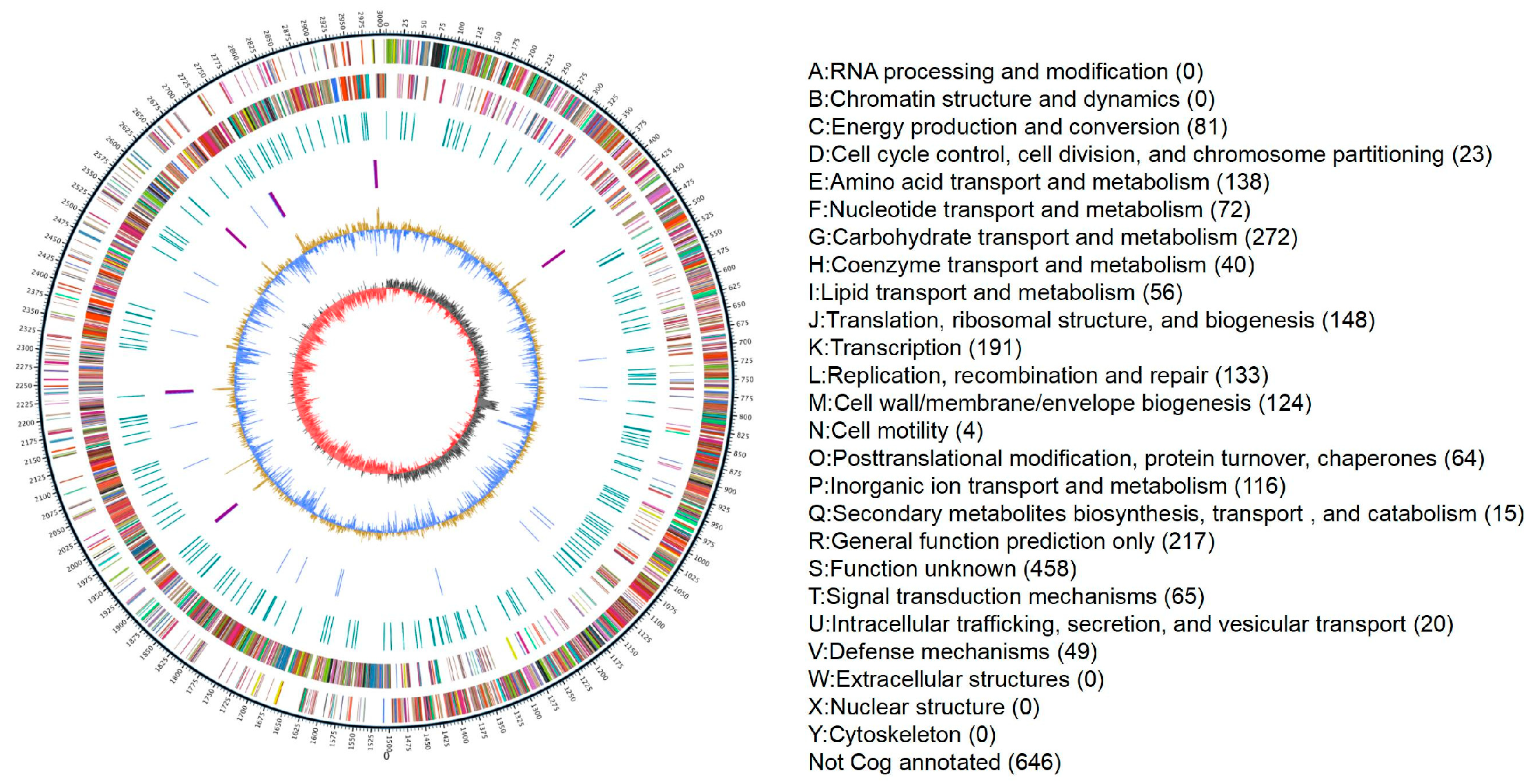
3.2. Whole-Genome Sequencing Results
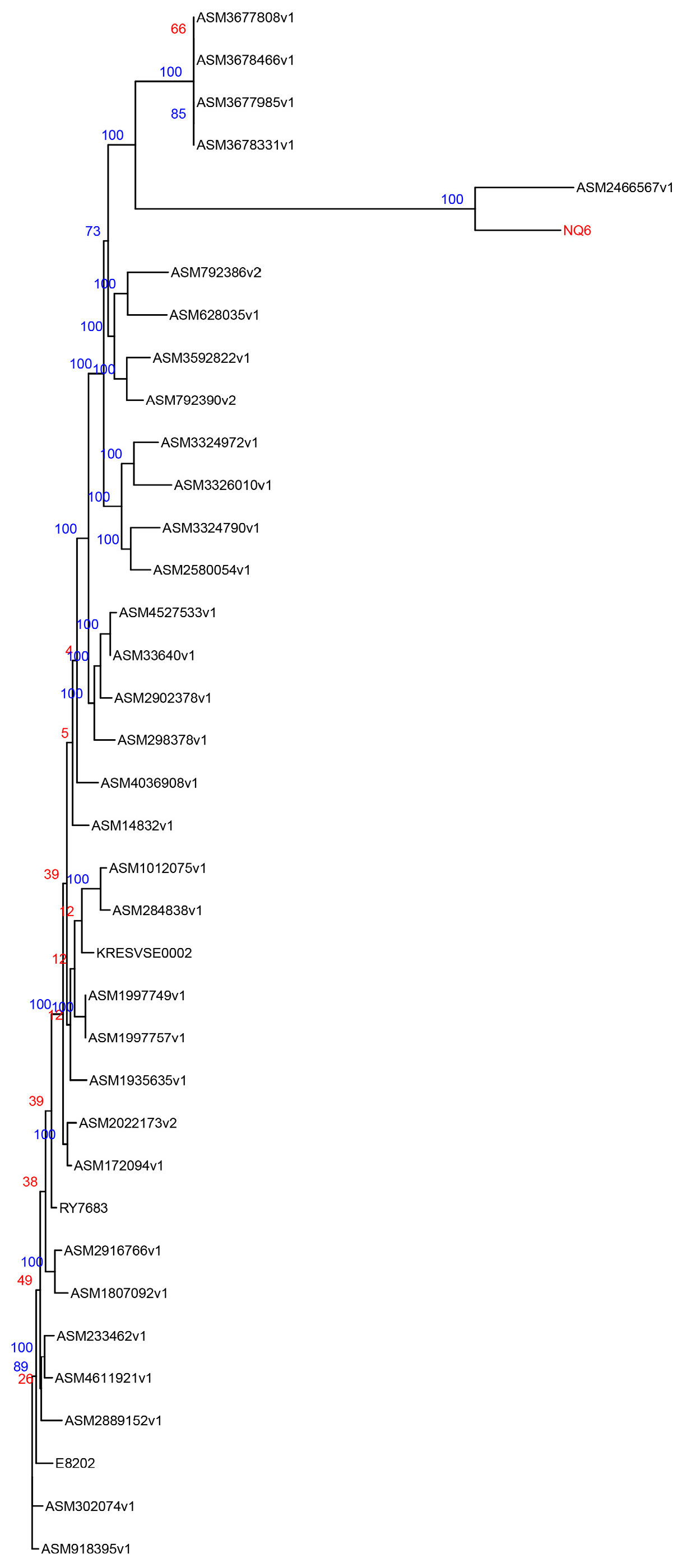
3.3. Phylogenetic Tree Analysis
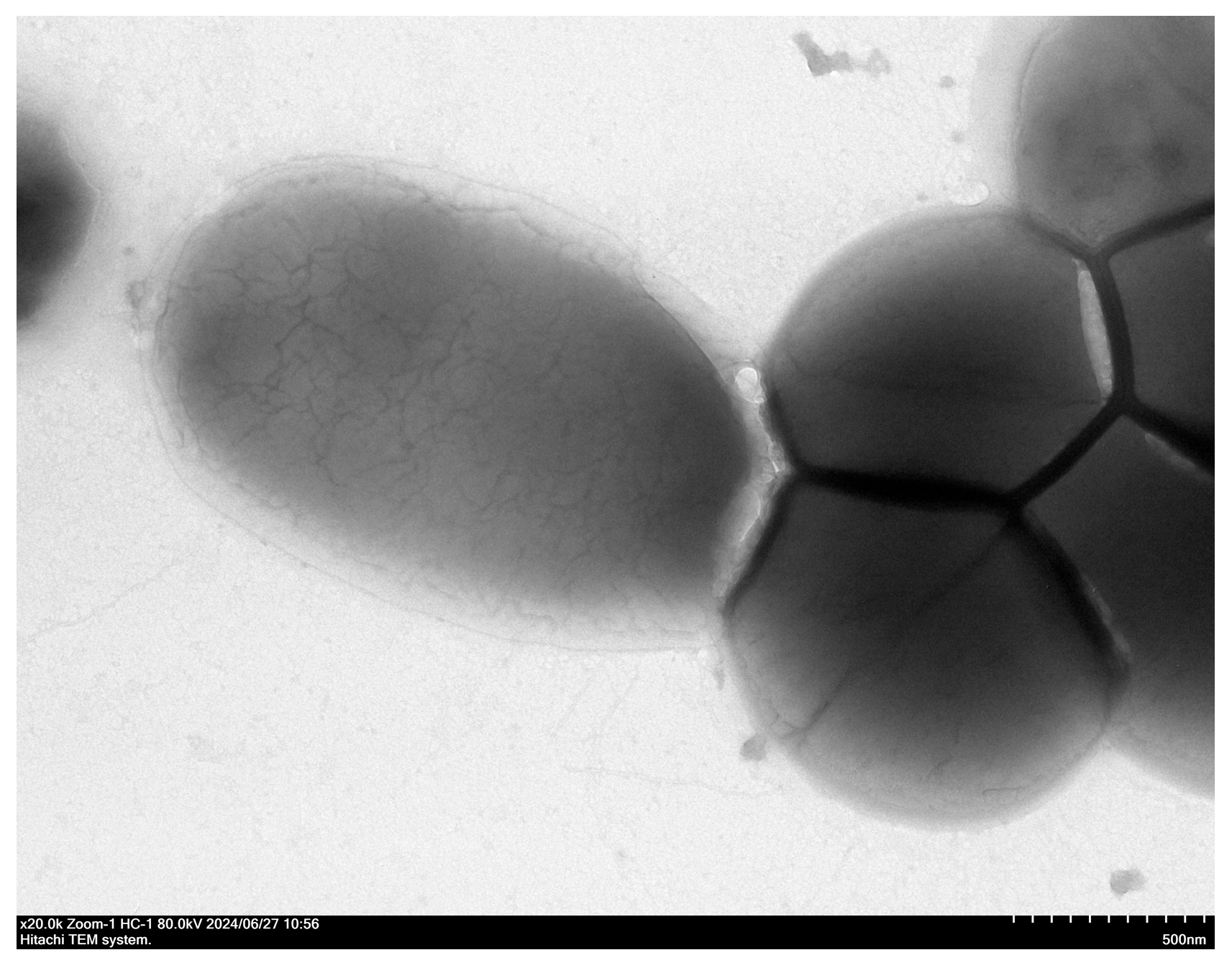
3.4. Transmission Electron Microscopy (TEM) Observation Results
3.5. Antimicrobial Susceptibility Testing Results
3.6. In Vivo Challenge and Pathological Evaluation in Mice
3.7. Transcriptome Sequencing Results
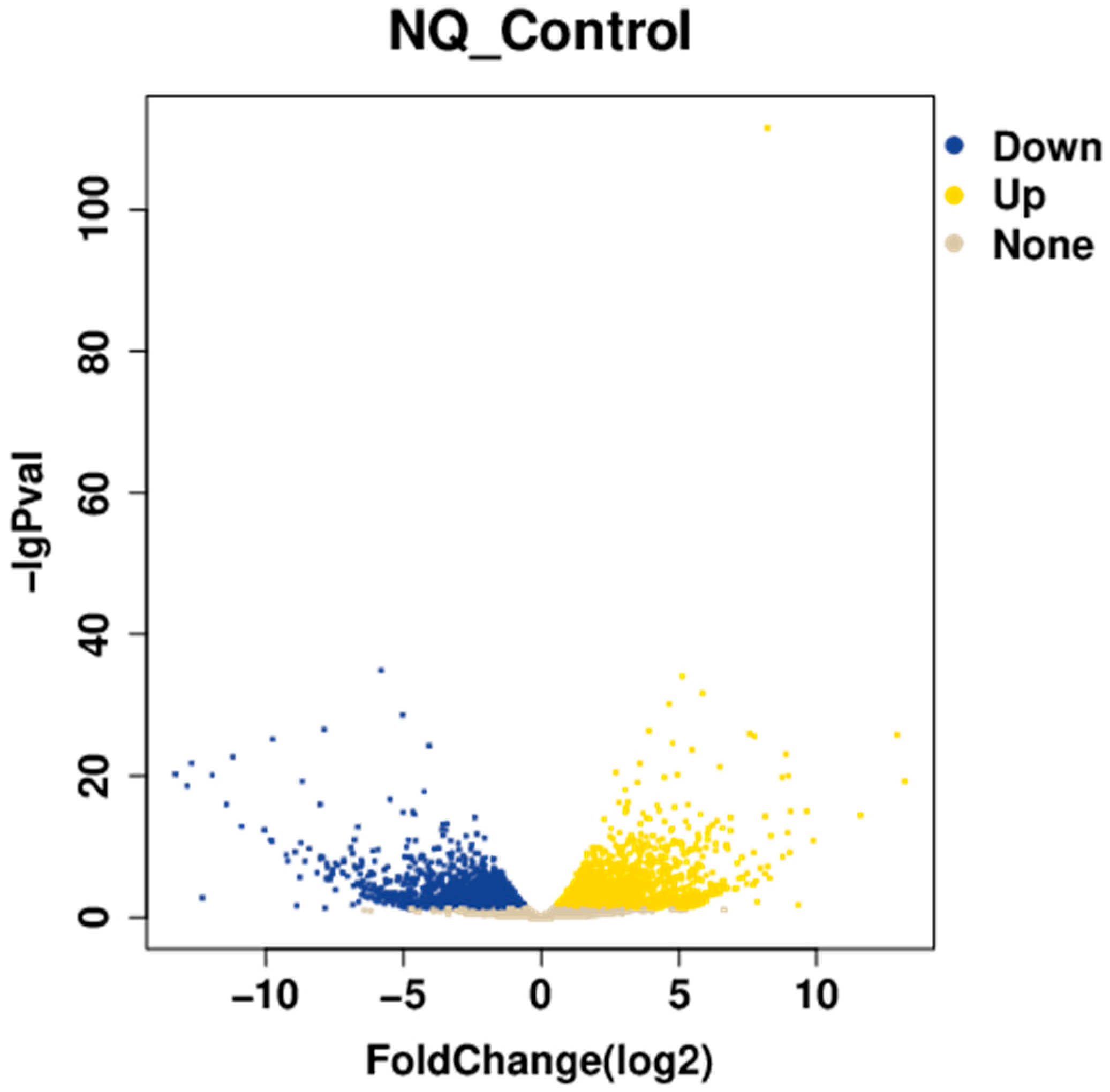
3.7.1. Statistics of Differentially Expressed Genes
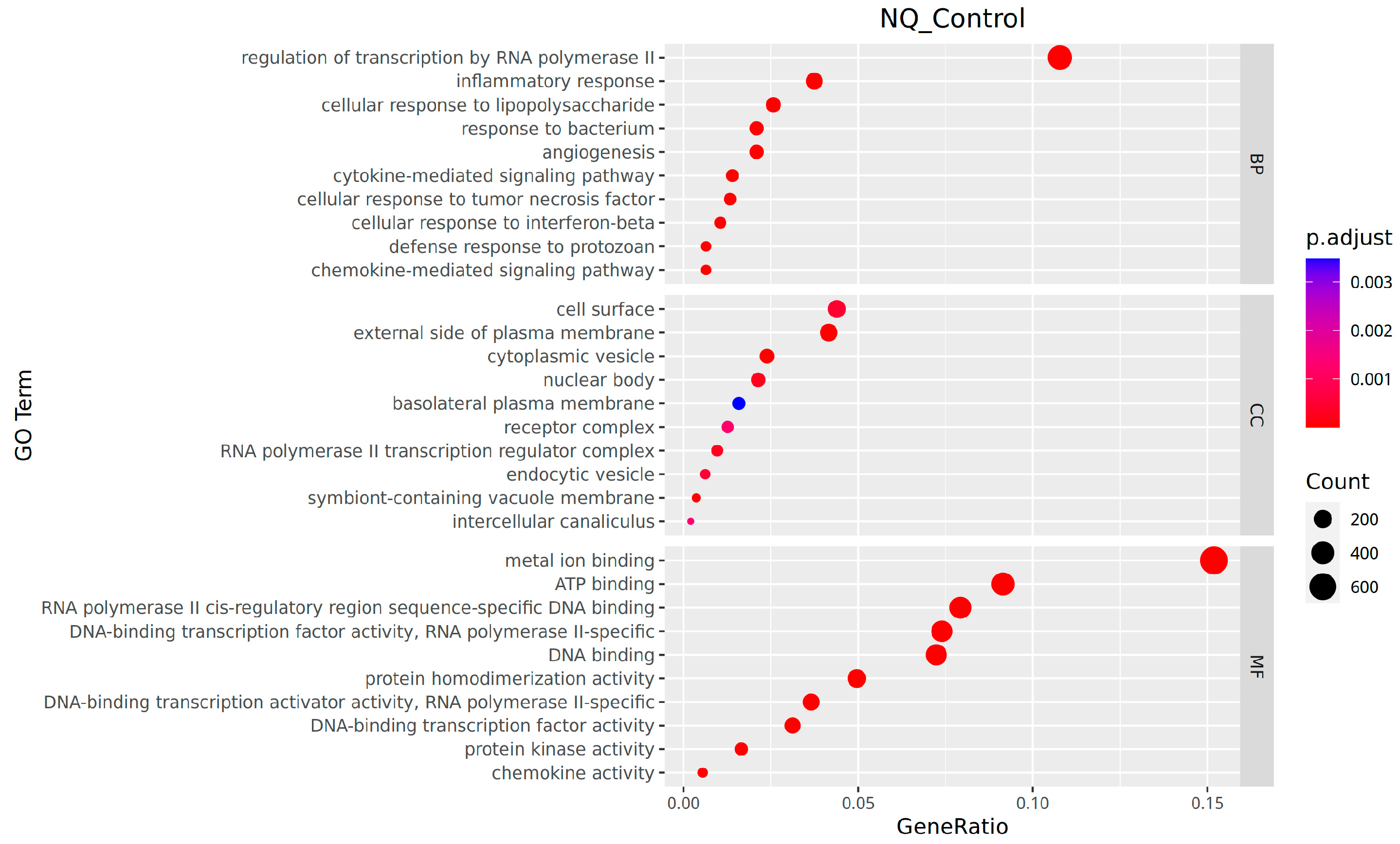
3.7.2. GO Enrichment Analysis
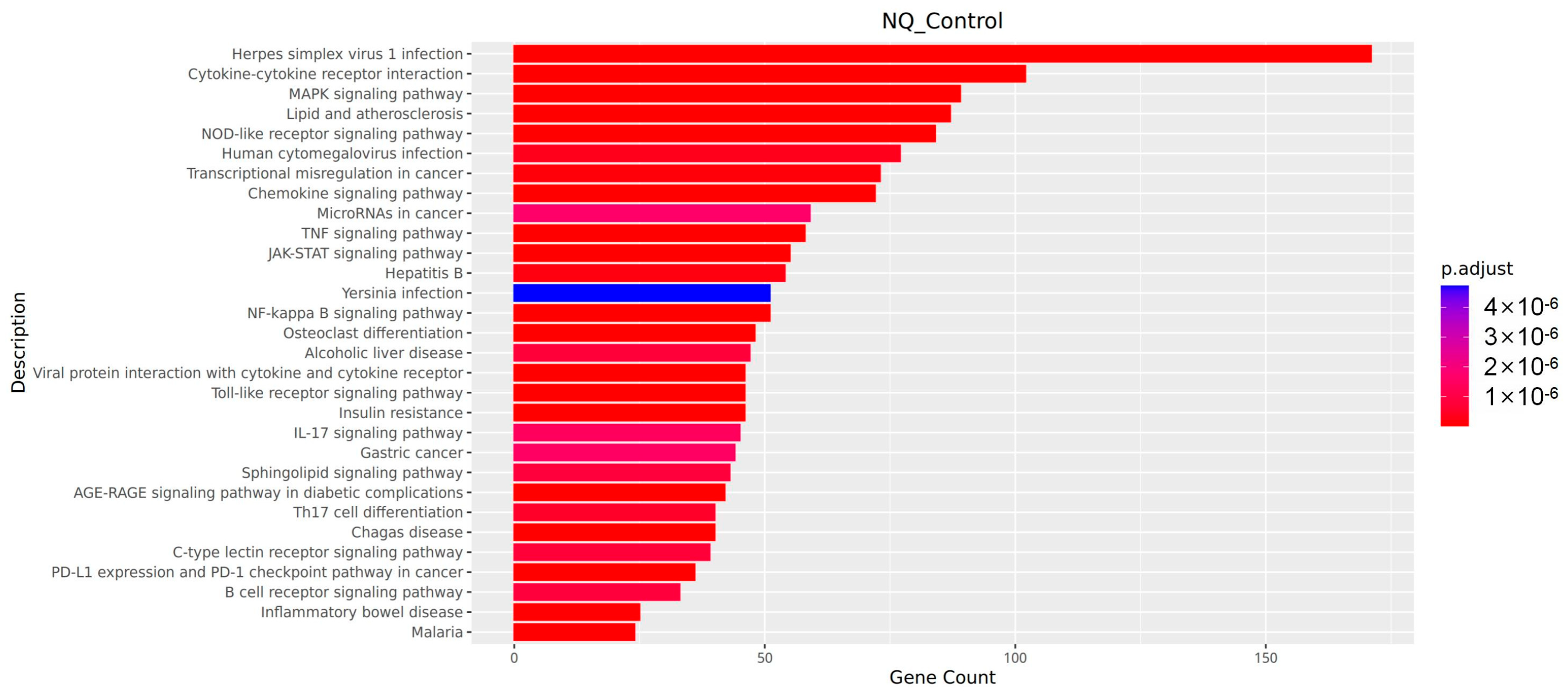
3.7.3. KEGG Pathway Analysis
4. Discussion
4.1. Resistance and Virulence Risks Revealed by Genomic Characterization
4.2. Validation of Consistency Between Phenotype and Genotype
4.3. Combined Analysis of HE Pathological Phenotype and Transcriptome Enrichment Results
5. Conclusions
Supplementary Materials
Author Contributions
Funding
Institutional Review Board Statement
Informed Consent Statement
Data Availability Statement
Conflicts of Interest
References
- Corredor, N.C.; López, C.; Aguilera, P.A.; Prieto, L.M.; Rodríguez-Leguizamón, G.; Leal, A.L.; Ovalle-Guerro, M.V.; Pardo-Oviedo, J.M.; Chica, C.E.; Patarroyo, M.A. An epidemiological and molecular study regarding the spread of vancomycin-resistant Enterococcus faecium in a teaching hospital in Bogotá, Colombia 2016. BMC Infect. Dis. 2019, 19, 258. [Google Scholar] [CrossRef] [PubMed]
- Udaondo, Z.; Abram, K.; Kothari, A.; Jun, S.R. Top-Down Genomic Surveillance Approach To Investigate the Genomic Epidemiology and Antibiotic Resistance Patterns of Enterococcus faecium Detected in Cancer Patients in Arkansas. Microbiol. Spectr. 2023, 11, e0490122. [Google Scholar] [CrossRef] [PubMed]
- Kwentoh, I.; Henry, T. Look Beyond Syncope: A Positive Outcome in the Management of Multiple Bladder Diverticuli-Associated Enterococcus faecium Urinary Tract Infection. Cureus 2023, 15, e42361. [Google Scholar] [CrossRef]
- Giannakopoulos, X.; Sakkas, H.; Ragos, V.; Tsiambas, E.; Bozidis, P.; Evangelou, A.M.; Papadopoulou, C.; Petrogiannopoulos, L.; Sofikitis, N. Impact of enterococcal urinary tract infections in immunocompromised-neoplastic patients. J. BUON 2019, 24, 1768–1775. [Google Scholar] [PubMed]
- Brinkwirth, S.; Feig, M.; Noll, I.; Eckmanns, T.; Dörre, A.; Haller, S.; Willrich, N. Changing dynamics of bloodstream infections due to methicillin-resistant Staphylococcus aureus and vancomycin-resistant Enterococcus faecium in Germany, 2017–2023: A continued burden of disease approach. Antimicrob. Resist. Infect. Control. 2025, 14, 4. [Google Scholar] [CrossRef]
- Alotaibi, G.; Khan, K.; Al Mouslem, A.K.; Ahmad Khan, S.; Naseer Abbas, M.; Abbas, M.; Ali Shah, S.; Jalal, K. Pan genome based reverse vaccinology approach to explore Enterococcus faecium (VRE) strains for identification of novel multi-epitopes vaccine candidate. Immunobiology 2022, 227, 152221. [Google Scholar] [CrossRef]
- Chen, V.; Griffin, M.E.; Maguin, P.; Varble, A.; Hang, H.C. RecT Recombinase Expression Enables Efficient Gene Editing in Enterococcus spp. Appl. Environ. Microbiol. 2021, 87, e0084421. [Google Scholar] [CrossRef]
- Freitas, A.R.; Pereira, A.P.; Novais, C.; Peixe, L. Multidrug-resistant high-risk Enterococcus faecium clones: Can we really define them? Int. J. Antimicrob. Agents 2021, 57, 106227. [Google Scholar] [CrossRef]
- Tumpa, A.; Štritof, Z.; Pintarić, S. Prevalence and antimicrobial susceptibility of Enterococcus spp. from urine of dogs and cats in northwestern Croatia. Res. Vet. Sci. 2022, 151, 42–46. [Google Scholar] [CrossRef]
- Thu, W.P.; Sinwat, N.; Bitrus, A.A.; Angkittitrakul, S.; Prathan, R.; Chuanchuen, R. Prevalence, antimicrobial resistance, virulence gene, and class 1 integrons of Enterococcus faecium and Enterococcus faecalis from pigs, pork and humans in Thai-Laos border provinces. J. Glob. Antimicrob. Resist. 2019, 18, 130–138. [Google Scholar] [CrossRef]
- Samad, M.A.; Sagor, M.S.; Hossain, M.S.; Karim, M.R.; Mahmud, M.A.; Sarker, M.S.; Shownaw, F.A.; Mia, Z.; Card, R.M.; Agunos, A.; et al. High prevalence of vancomycin non-susceptible and multi-drug resistant enterococci in farmed animals and fresh retail meats in Bangladesh. Vet. Res. Commun. 2022, 46, 811–822. [Google Scholar] [CrossRef]
- Beukers, A.G.; Zaheer, R.; Goji, N.; Amoako, K.K.; Chaves, A.V.; Ward, M.P.; McAllister, T.A. Comparative genomics of Enterococcus spp. isolated from bovine feces. BMC Microbiol. 2017, 17, 52. [Google Scholar] [CrossRef]
- Kwit, R.; Zając, M.; Śmiałowska-Węglińska, A.; Skarżyńska, M.; Bomba, A.; Lalak, A.; Skrzypiec, E.; Wojdat, D.; Koza, W.; Mikos-Wojewoda, E.; et al. Prevalence of Enterococcus spp. and the Whole-Genome Characteristics of Enterococcus faecium and Enterococcus faecalis Strains Isolated from Free-Living Birds in Poland. Pathogens 2023, 12, 836. [Google Scholar] [CrossRef] [PubMed]
- Soltani, S.; Fallah, T.; Shafiei, M.; Shahraki, A.H.; Iranbakhsh, A. Investigating the prevalence of CRISPR-Cas system and their association with antibiotic resistance genes and virulence factors in Enterococcus faecalis and Enterococcus faecium strains isolated from hospitalized patients. J. Glob. Antimicrob. Resist. 2025, 43, 344–357. [Google Scholar] [CrossRef]
- Alduhaidhawi, A.H.M.; AlHuchaimi, S.N.; Al-Mayah, T.A.; Al-Ouqaili, M.T.S.; Alkafaas, S.S.; Muthupandian, S.; Saki, M. Prevalence of CRISPR-Cas Systems and Their Possible Association with Antibiotic Resistance in Enterococcus faecalis and Enterococcus faecium Collected from Hospital Wastewater. Infect. Drug Resist. 2022, 15, 1143–1154. [Google Scholar] [CrossRef] [PubMed]
- Iweriebor, B.C.; Obi, L.C.; Okoh, A.I. Virulence and antimicrobial resistance factors of Enterococcus spp. isolated from fecal samples from piggery farms in Eastern Cape, South Africa. BMC Microbiol. 2015, 15, 136. [Google Scholar] [CrossRef]
- Stellfox, M.E.; Van Tyne, D. Last Bacteria Standing: VREfm Persistence in the Hospitalized Gut. mBio 2022, 13, e0067022. [Google Scholar] [CrossRef]
- Van Hal, S.J.; Willems, R.J.L.; Gouliouris, T.; Ballard, S.A.; Coque, T.M.; Hammerum, A.M.; Hegstad, K.; Westh, H.T.; Howden, B.P.; Malhotra-Kumar, S.; et al. The global dissemination of hospital clones of Enterococcus faecium. Genome Med. 2021, 13, 52. [Google Scholar] [CrossRef]
- Schuetz, A.N.; Ferrell, A.; Hindler, J.A.; Humphries, R.; Bobenchik, A.M. Overview of changes in the Clinical and Laboratory Standards Institute Performance Standards for Antimicrobial Susceptibility Testing: M100 32nd and 33rd editions. J. Clin. Microbiol. 2025, 63, e0162323. [Google Scholar] [CrossRef] [PubMed]
- Prabhu, D.; Shankari, G.; Rajamanikandan, S.; Jeyakanthan, J.; Velusamy, P.; Gopinath, S.C.B.; Pattabi, S. Designing potential lead compounds targeting aminoglycoside N (6′)-acetyltransferase in Serratia marcescens: A drug discovery strategy. Int. J. Biol. Macromol. 2024, 281, 136976. [Google Scholar] [CrossRef]
- Chen, W.; Wang, Q.; Wu, H.; Xia, P.; Tian, R.; Li, R.; Xia, L. Molecular epidemiology, phenotypic and genomic characterization of antibiotic-resistant enterococcal isolates from diverse farm animals in Xinjiang, China. Sci. Total Environ. 2024, 912, 168683. [Google Scholar] [PubMed]
- Fatoba, D.O.; Amoako, D.G.; Akebe, A.L.K.; Ismail, A.; Essack, S.Y. Genomic analysis of antibiotic-resistant Enterococcus spp. reveals novel enterococci strains and the spread of plasmid-borne Tet(M), Tet(L) and Erm(B) genes from chicken litter to agricultural soil in South Africa. J. Environ. Manag. 2022, 302, 114101. [Google Scholar] [CrossRef] [PubMed]
- Zakaria, N.D.; Hamzah, H.H.; Salih, I.L.; Balakrishnan, V.; Abdul Razak, K. A Review of Detection Methods for Vancomycin-Resistant Enterococci (VRE) Genes: From Conventional Approaches to Potentially Electrochemical DNA Biosensors. Biosensors 2023, 13, 294. [Google Scholar] [CrossRef]
- Zhang, L.; Wang, F.; Jia, L.; Yan, H.; Gao, L.; Tian, Y.; Su, X.; Zhang, X.; Lv, C.; Ma, Z.; et al. Edwardsiella piscicida infection reshapes the intestinal microbiome and metabolome of big-belly seahorses: Mechanistic insights of synergistic actions of virulence factors. Front Immunol. 2023, 14, 1135588. [Google Scholar] [CrossRef] [PubMed]
- Nallapareddy, S.R.; Weinstock, G.M.; Murray, B.E. Clinical isolates of Enterococcus faecium exhibit strain-specific collagen binding mediated by Acm, a new member of the MSCRAMM family. Mol. Microbiol. 2003, 47, 1733–1747. [Google Scholar] [CrossRef]
- Nallapareddy, S.R.; Singh, K.V.; Murray, B.E. Construction of improved temperature-sensitive and mobilizable vectors and their use for constructing mutations in the adhesin-encoding acm gene of poorly transformable clinical Enterococcus faecium strains. Appl. Environ. Microbiol. 2006, 72, 334–345. [Google Scholar] [CrossRef]
- Ghanbarpour, A.; Zhang, J.J.; Davis, J.H.; Baker, T.A.; Sauer, R.T. Structural insights into the Pseudomonas aeruginosa ClpP1•ClpP2 heterocomplex and its interactions with the AAA+ ClpX unfoldase. Protein Sci. 2025, 34, e70310. [Google Scholar] [CrossRef]
- Hunashal, Y.; Kumar, G.S.; Choy, M.S.; D’Andréa, É.D.; Da Silva Santiago, A.; Schoenle, M.V.; Desbonnet, C.; Arthur, M.; Rice, L.B.; Page, R.; et al. Molecular basis of β-lactam antibiotic resistance of ESKAPE bacterium E. faecium Penicillin Binding Protein PBP5. Nat. Commun. 2023, 14, 4268. [Google Scholar] [CrossRef]
- Dec, M.; Stępień-Pyśniak, D.; Gnat, S.; Fratini, F.; Urban-Chmiel, R.; Cerri, D.; Winiarczyk, S.; Turchi, B. Antibiotic Susceptibility and Virulence Genes in Enterococcus Isolates from Wild Mammals Living in Tuscany, Italy. Microb. Drug Resist. 2020, 26, 505–519. [Google Scholar] [CrossRef]
- Jang, K.K.; Heaney, T.; London, M.; Ding, Y.; Putzel, G.; Yeung, F.; Ercelen, D.; Chen, Y.H.; Axelrad, J.; Gurunathan, S.; et al. Antimicrobial overproduction sustains intestinal inflammation by inhibiting Enterococcus colonization. Cell Host Microbe 2023, 31, 1450–1468.e8. [Google Scholar] [CrossRef]
- Kaur, A.; Kaushik, D.; Piplani, S.; Mehta, S.K.; Petrovsky, N.; Salunke, D.B. TLR2 Agonistic Small Molecules: Detailed Structure-Activity Relationship, Applications, and Future Prospects. J. Med. Chem. 2021, 64, 233–278. [Google Scholar] [CrossRef]
- Kawai, T.; Ikegawa, M.; Ori, D.; Akira, S. Decoding Toll-like receptors: Recent insights and perspectives in innate immunity. Immunity 2024, 57, 649–673. [Google Scholar] [CrossRef]
- Tian, H.; Ling, N.; Guo, C.; Gao, M.; Wang, Z.; Liu, B.; Sun, Y.; Chen, Y.; Ji, C.; Li, W. Immunostimulatory activity of sea buckthorn polysaccharides via TLR2/4-mediated MAPK and NF-κB signaling pathways in vitro and in vivo. Int. J. Biol. Macromol. 2024, 283, 137678. [Google Scholar] [CrossRef]
- Lin, X.; Guo, X.; Qu, L.; Tu, J.; Li, S.; Cao, G.; Liu, Y. Preventive effect of Atractylodis Rhizoma extract on DSS-induced acute ulcerative colitis through the regulation of the MAPK/NF-κB signals in vivo and in vitro. J. Ethnopharmacol. 2022, 292, 115211. [Google Scholar] [CrossRef] [PubMed]
- Dong, D.; Su, T.; Chen, W.; Wang, D.; Xue, Y.; Lu, Q.; Jiang, C.; Ni, Q.; Mao, E.; Peng, Y. Clostridioides difficile aggravates dextran sulfate solution (DSS)-induced colitis by shaping the gut microbiota and promoting neutrophil recruitment. Gut Microbes 2023, 15, 2192478. [Google Scholar] [CrossRef] [PubMed]
- Zheng, C.; Li, J.; Chen, H.; Ma, X.; Si, T.; Zhu, W. Dual role of CD177 + neutrophils in inflammatory bowel disease: A review. J. Transl. Med. 2024, 22, 813. [Google Scholar] [CrossRef] [PubMed]
- Shim, J.A.; Jo, Y.; Hwang, H.; Lee, S.E.; Ha, D.; Lee, J.H.; Kim, J.; Song, P.; Lee, D.; Hong, C. Defects in aminoacyl-tRNA synthetase cause partial B and T cell immunodeficiency. Cell Mol. Life Sci. 2022, 79, 87. [Google Scholar] [CrossRef]
- De Waal, T.; Handin, N.; Brouwers, J.; Ferrante, M.; Vermeire, S.; Vanuytsel, T.; Artursson, P.; Augustijns, P. The impact of inflammation on the expression of drug transporters and metabolic enzymes in colonic tissue from ulcerative colitis patients. Int. J. Pharm. 2022, 628, 122282. [Google Scholar] [CrossRef]




| Antibiotic | Dosage |
|---|---|
| Penicillin | 10 U |
| Gentamicin | 120 μg |
| Kanamycin | 30 μg |
| Cefazolin | 30 μg |
| Ceftazidime | 30 μg |
| Cephradine | 30 μg |
| Vancomycin | 30 μg |
| Erythromycin | 15 μg |
| Tetracycline | 30 μg |
| Ofloxacin | 30 μg |
| Clindamycin | 30 μg |
| Furazolidone | 30 μg |
| Antimicrobial Agent | Content (μg/Disk) | Breakpoints (mm) | Inhibition Zone Diameter (mm) | Susceptibility | ||
|---|---|---|---|---|---|---|
| R | I | S | ||||
| Penicillin | 10 U | ≤14 | 14–15 | ≥15 | 0 | R |
| Gentamicin | 120 | ≤6 | 7–9 | ≥10 | 9 | I |
| Kanamycin | 30 | ≤13 | 14–17 | ≥18 | 7 | R |
| Cefazolin | 30 | ≤14 | 15–17 | ≥18 | 24 | S |
| Ceftazidime | 30 | ≤14 | 15–17 | ≥18 | 22 | S |
| Cephradine | 30 | ≤14 | 15–17 | ≥18 | 18 | S |
| Vancomycin | 30 | ≤14 | 15–16 | ≥17 | 17 | S |
| Erythromycin | 15 | ≤13 | 14–22 | ≥23 | 12 | R |
| Tetracycline | 30 | ≤14 | 15–18 | ≥19 | 18 | I |
| Ofloxacin | 5 | ≤12 | 13–15 | ≥16 | 23 | S |
| Clindamycin | 2 | ≤14 | 15–20 | ≥21 | 0 | R |
| Furazolidone | 300 | ≤14 | 15–16 | ≥17 | 15 | |
| Gene Category | Gene Names | Functional Category |
|---|---|---|
| Upregulated | Cars, Gars, Lars, Tars, Mars1, Aars, Nars, Etf1 | Aminoacyl-tRNA synthetase family |
| Abcb1b, Abcc4, Abcc1 | ABC transporter family | |
| Chd7, Chd2 | Transcription and epigenetic regulation | |
| Acacb, Shmt2, Gbe1 | Metabolism-related enzymes | |
| Myo5a | Cytoskeleton and motility | |
| Ppp3cc | Signal transduction | |
| Rpl3-ps1 | Predicted gene/pseudogene | |
| Downregulated | Gm5540, Gm6682, Gm3756, Gm5837, Gm9826 | Predicted genes/pseudogenes |
| Abcc2 | ABC transporter family | |
| Ahcy, Aacs | Metabolism-related enzymes | |
| Acta1 | Cytoskeleton and motility |
Disclaimer/Publisher’s Note: The statements, opinions and data contained in all publications are solely those of the individual author(s) and contributor(s) and not of MDPI and/or the editor(s). MDPI and/or the editor(s) disclaim responsibility for any injury to people or property resulting from any ideas, methods, instructions or products referred to in the content. |
© 2026 by the authors. Licensee MDPI, Basel, Switzerland. This article is an open access article distributed under the terms and conditions of the Creative Commons Attribution (CC BY) license.
Share and Cite
Huang, J.; Fan, H.; Wang, Y.; Yue, X.; Li, Z.; Bai, Z.; Qiong, D.; Gesang, Z.; Suolang, S. Characterization of Enterococcus faecium Based on Multi-Omics Approaches: Genomic, Transcriptomic, and Phenotypic Analyses. Vet. Sci. 2026, 13, 103. https://doi.org/10.3390/vetsci13010103
Huang J, Fan H, Wang Y, Yue X, Li Z, Bai Z, Qiong D, Gesang Z, Suolang S. Characterization of Enterococcus faecium Based on Multi-Omics Approaches: Genomic, Transcriptomic, and Phenotypic Analyses. Veterinary Sciences. 2026; 13(1):103. https://doi.org/10.3390/vetsci13010103
Chicago/Turabian StyleHuang, Jiayan, Haoyu Fan, Yurui Wang, Xiao Yue, Zixuan Li, Zhanchun Bai, Da Qiong, Zhuoma Gesang, and Sizhu Suolang. 2026. "Characterization of Enterococcus faecium Based on Multi-Omics Approaches: Genomic, Transcriptomic, and Phenotypic Analyses" Veterinary Sciences 13, no. 1: 103. https://doi.org/10.3390/vetsci13010103
APA StyleHuang, J., Fan, H., Wang, Y., Yue, X., Li, Z., Bai, Z., Qiong, D., Gesang, Z., & Suolang, S. (2026). Characterization of Enterococcus faecium Based on Multi-Omics Approaches: Genomic, Transcriptomic, and Phenotypic Analyses. Veterinary Sciences, 13(1), 103. https://doi.org/10.3390/vetsci13010103