
Cinnamaldehyde Alleviates Salmonellosis in Chicks by Regulating Gut Health
by
 , ,
, ,
Lizi Yin
†,
Luxin Li
†,
Xue Lv
,
Fengsheng Sun
,
Yuyun Dai
,
Yingzi Guo
,
Shihao Peng
,
Chenyu Ye
,
Xiaoxia Liang
,
Changliang He
,
Gang Shu
and
Ping Ouyang
* Department of Basic Veterinary Medicine, Sichuan Agricultural University, Chengdu 611100, China
*
Author to whom correspondence should be addressed.
†
These authors contributed equally to this work.
Vet. Sci. 2025, 12(3), 237; https://doi.org/10.3390/vetsci12030237
Submission received: 24 December 2024
/
Revised: 13 February 2025
/
Accepted: 24 February 2025
/
Published: 3 March 2025
(This article belongs to the Special Issue Antimicrobial Compounds as Potential Veterinary Drugs and Their Effectiveness Assessment)
Simple Summary
This study investigated the efficacy of cinnamaldehyde (CA) in the treatment of pullorum disease caused by Salmonella pullorum (S. pullorum) infection. Specifically, CA prevents further spread of S. pullorum by repairing damaged intestinal tight junctions. Additionally, CA ameliorated the disorganization of gut microbial structure caused by S. pullorum infection, remodels intestinal metabolism, and thereby restores chick health. In conclusion, our results suggest that CA may serve as an effective treatment for pullorum disease. In addition, this manuscript provides valuable information for further research.
Abstract
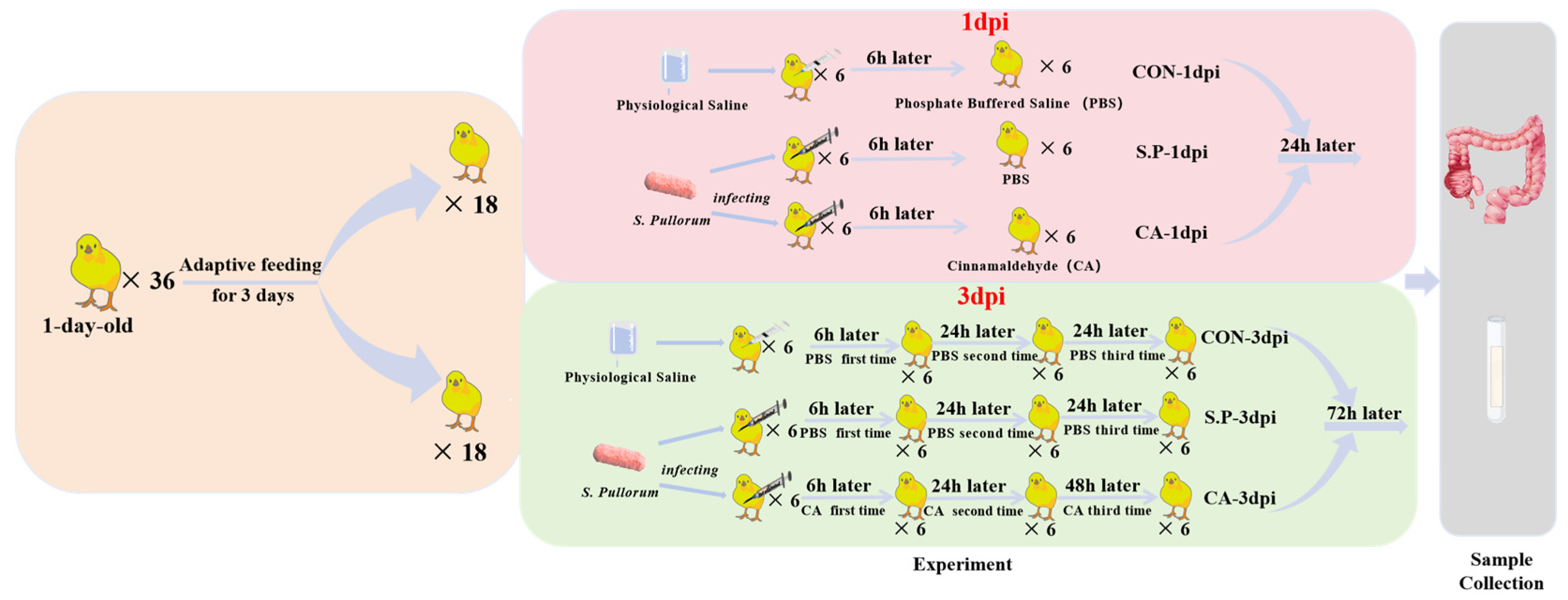
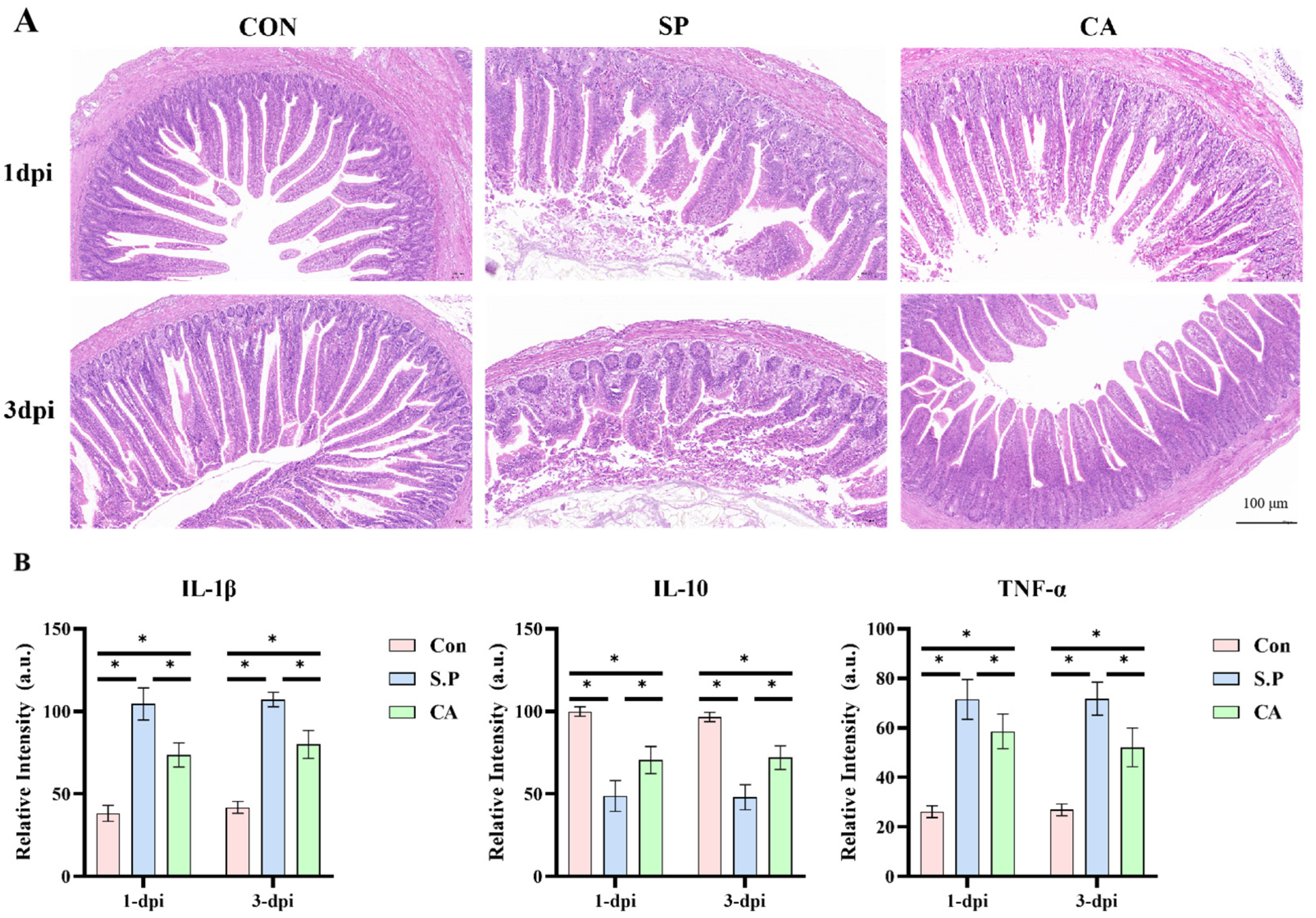
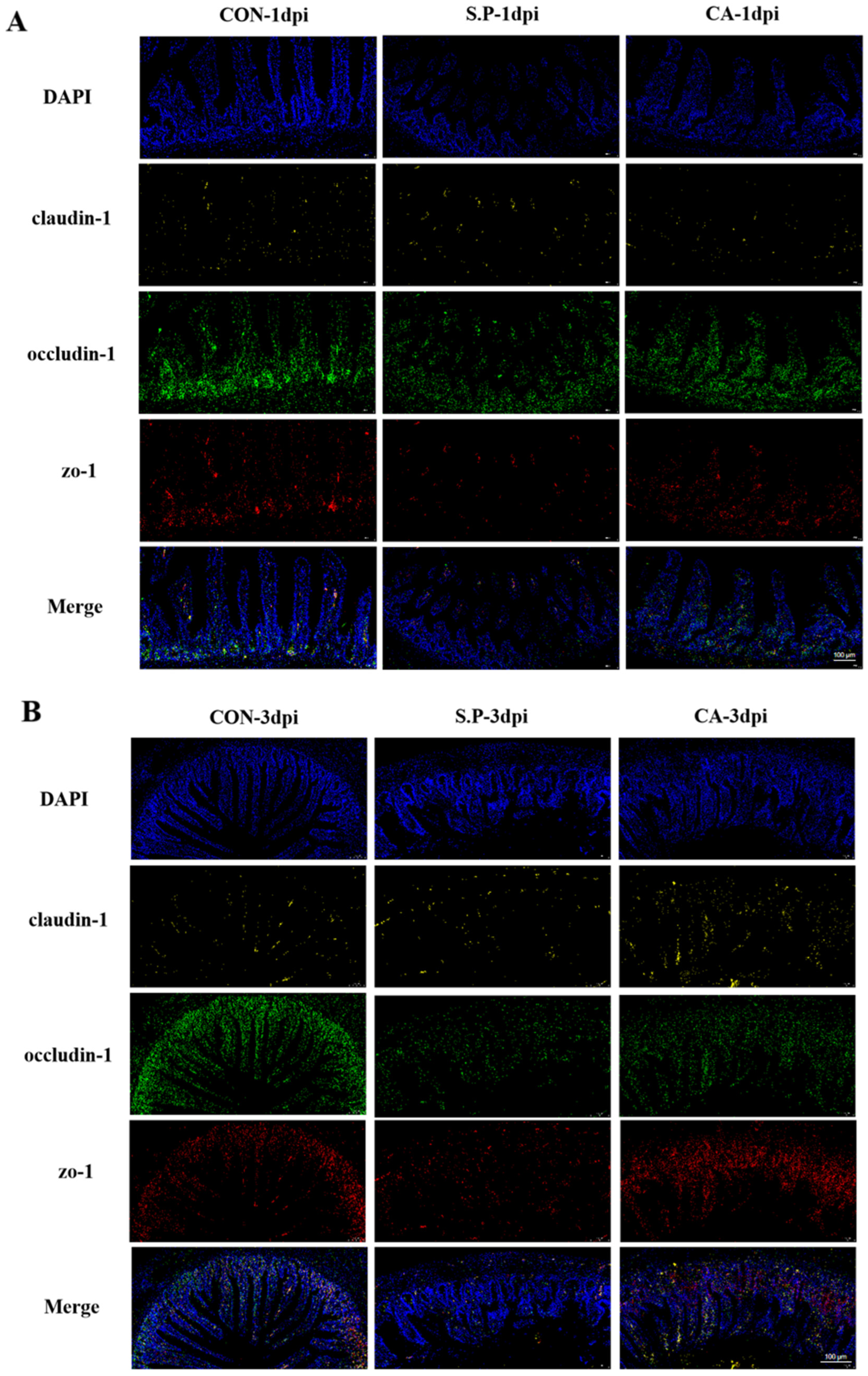
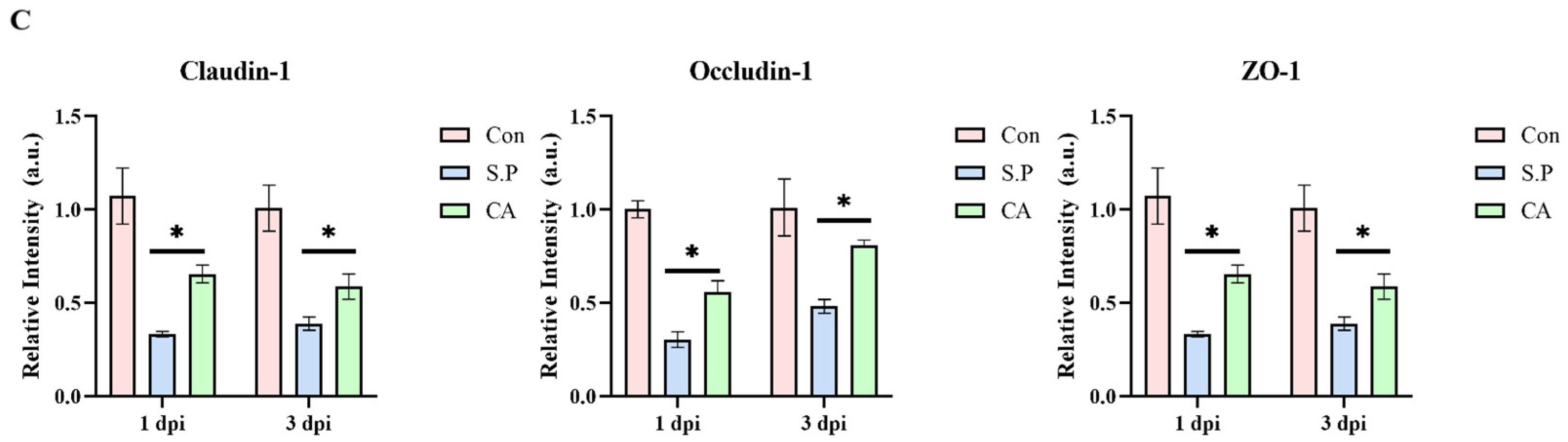
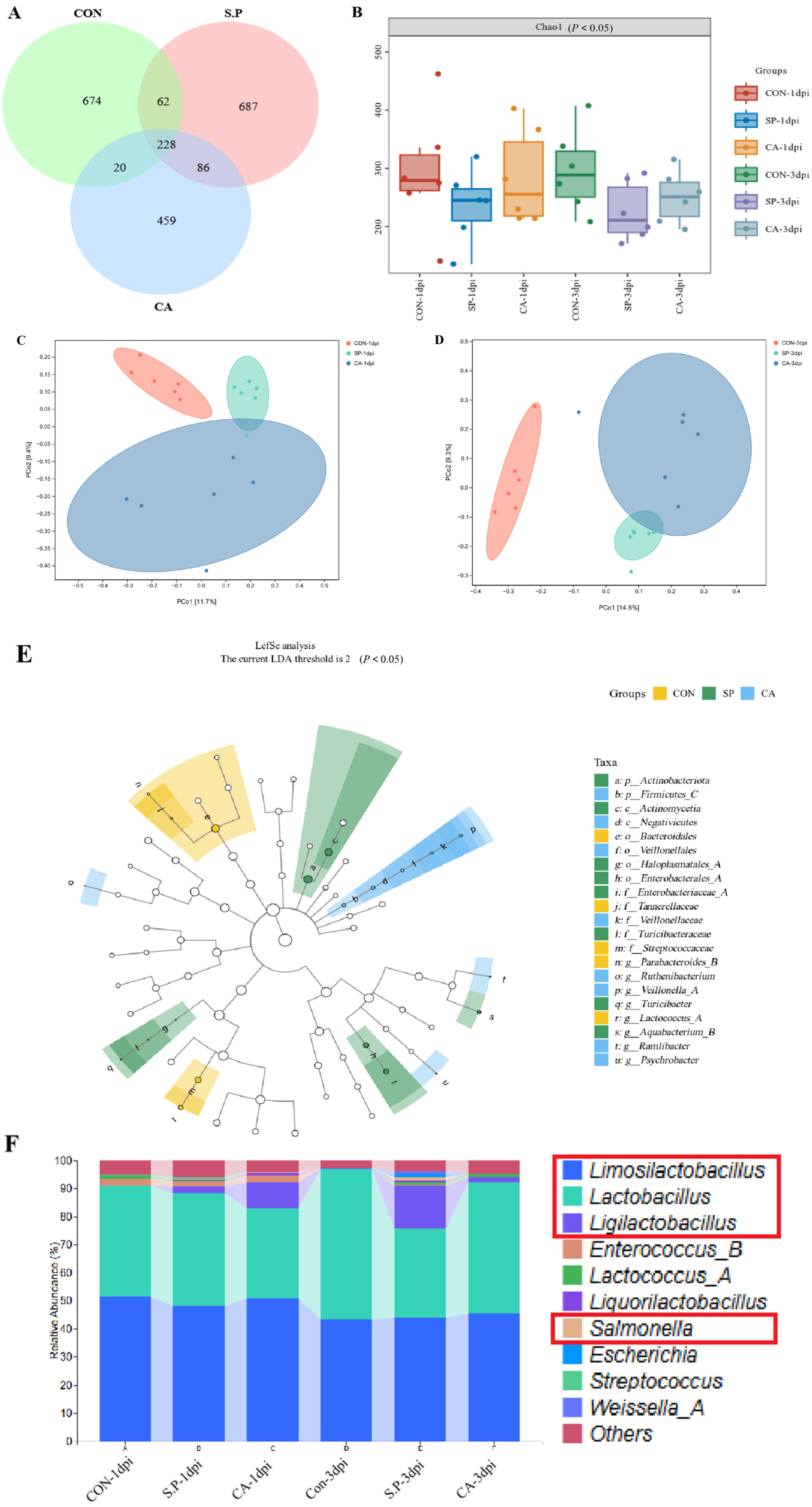
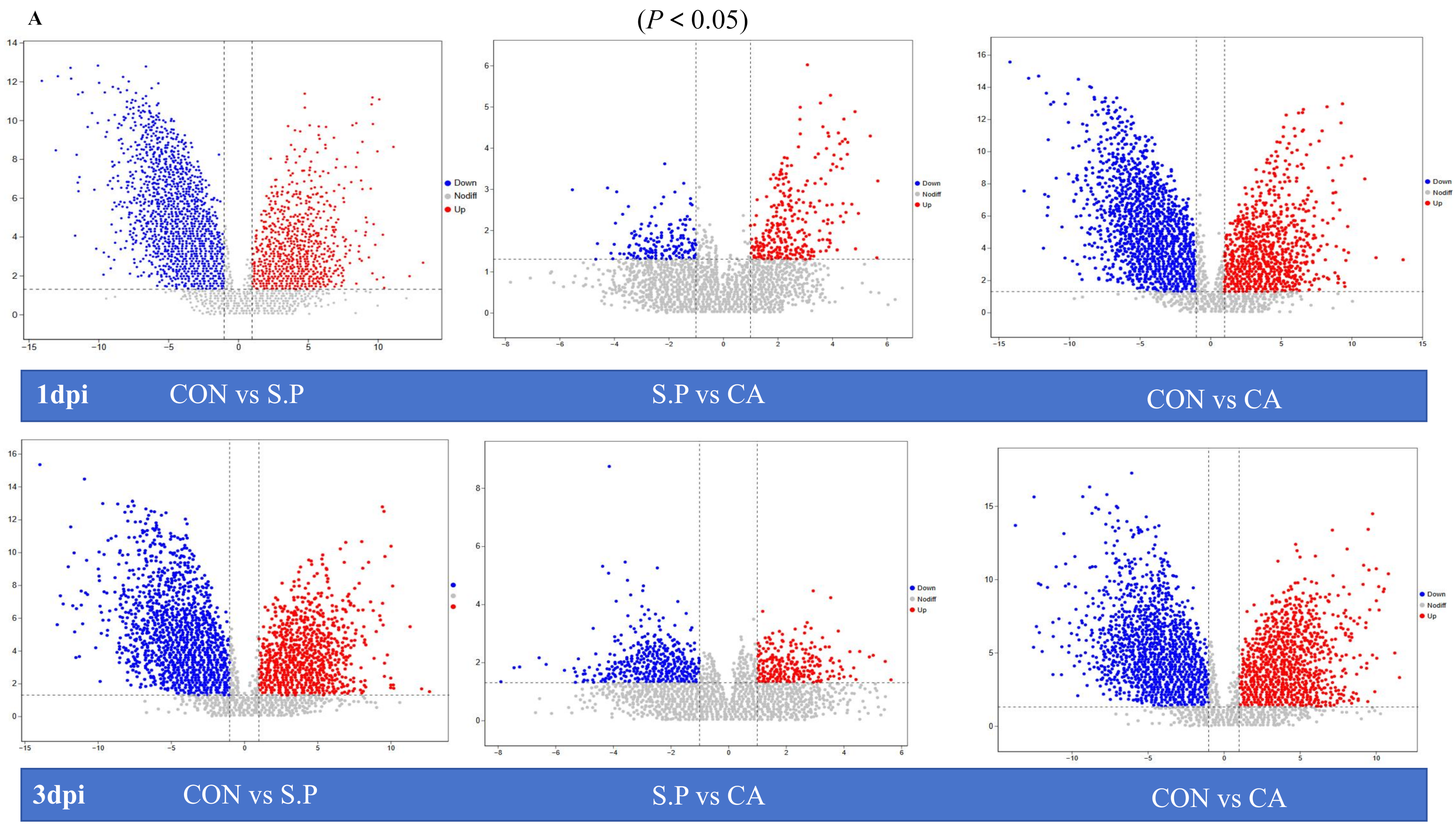
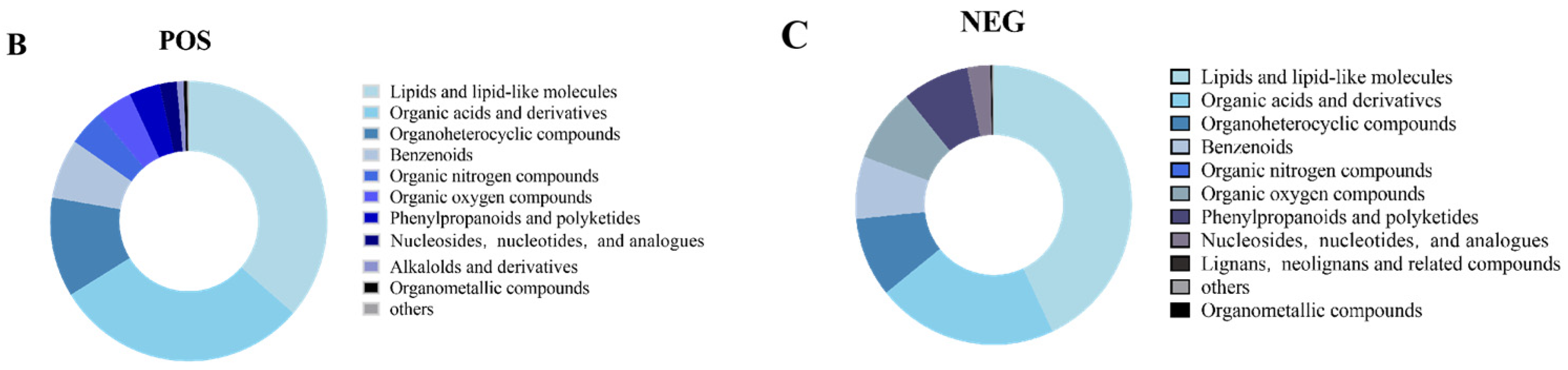
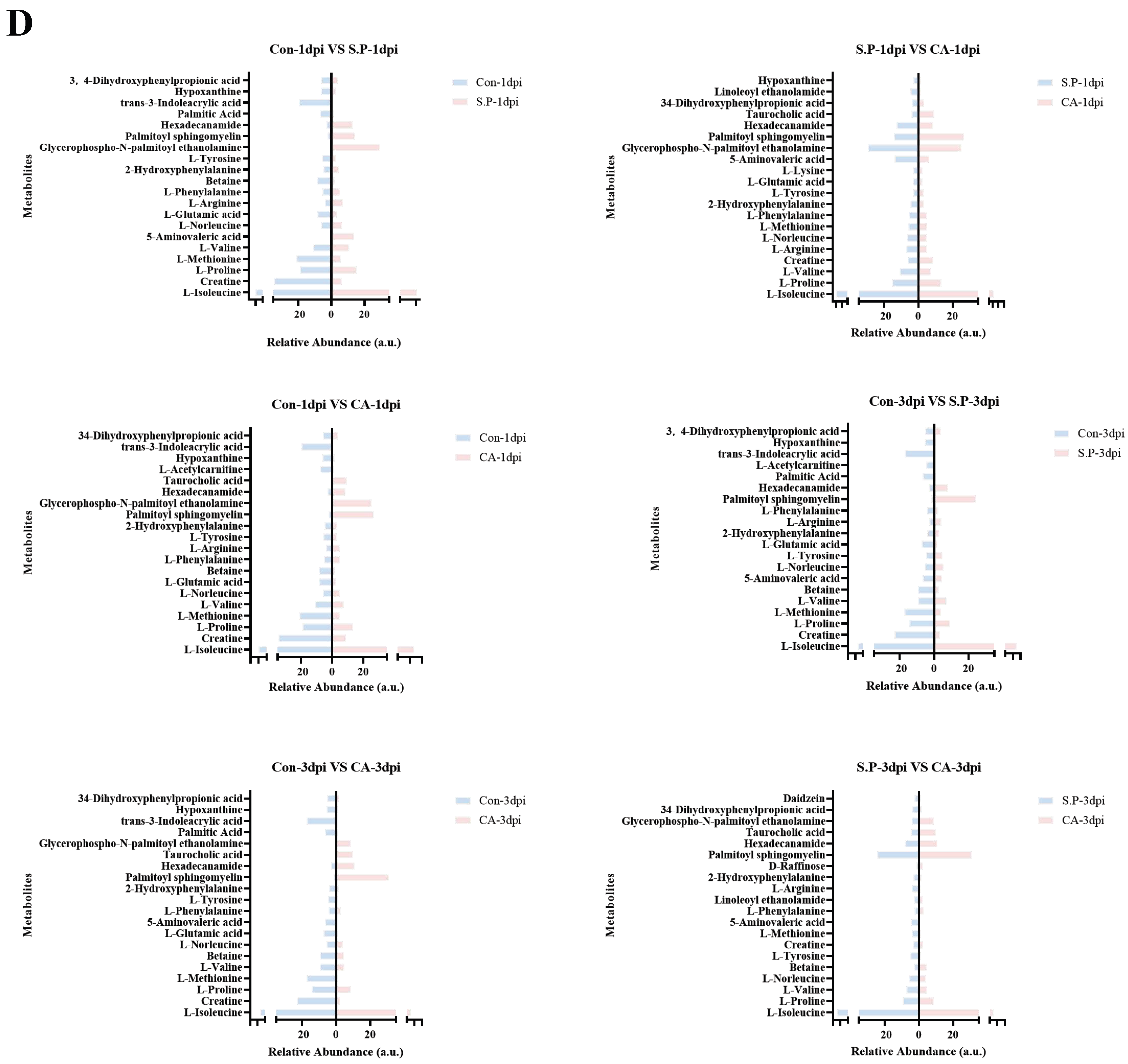
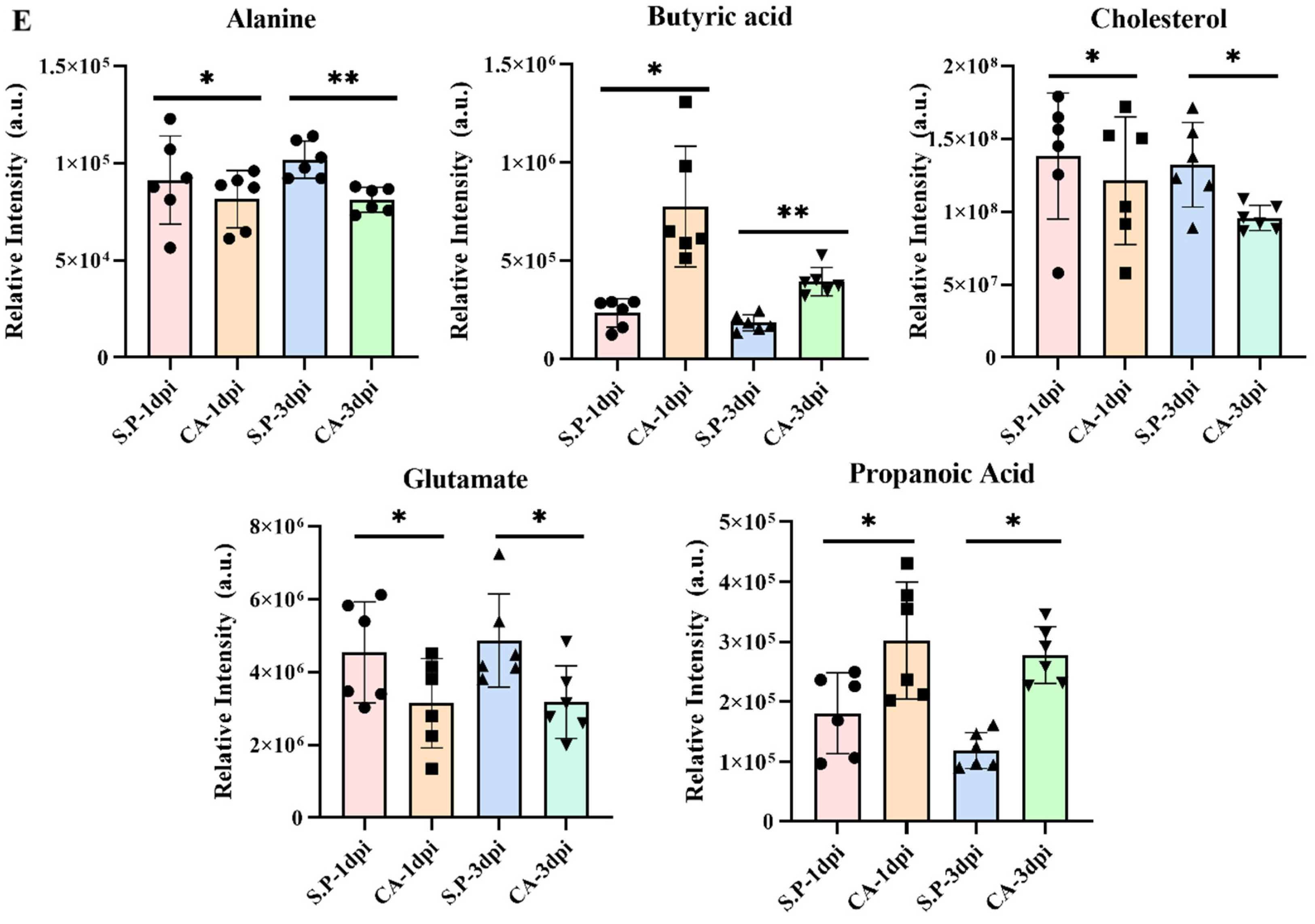
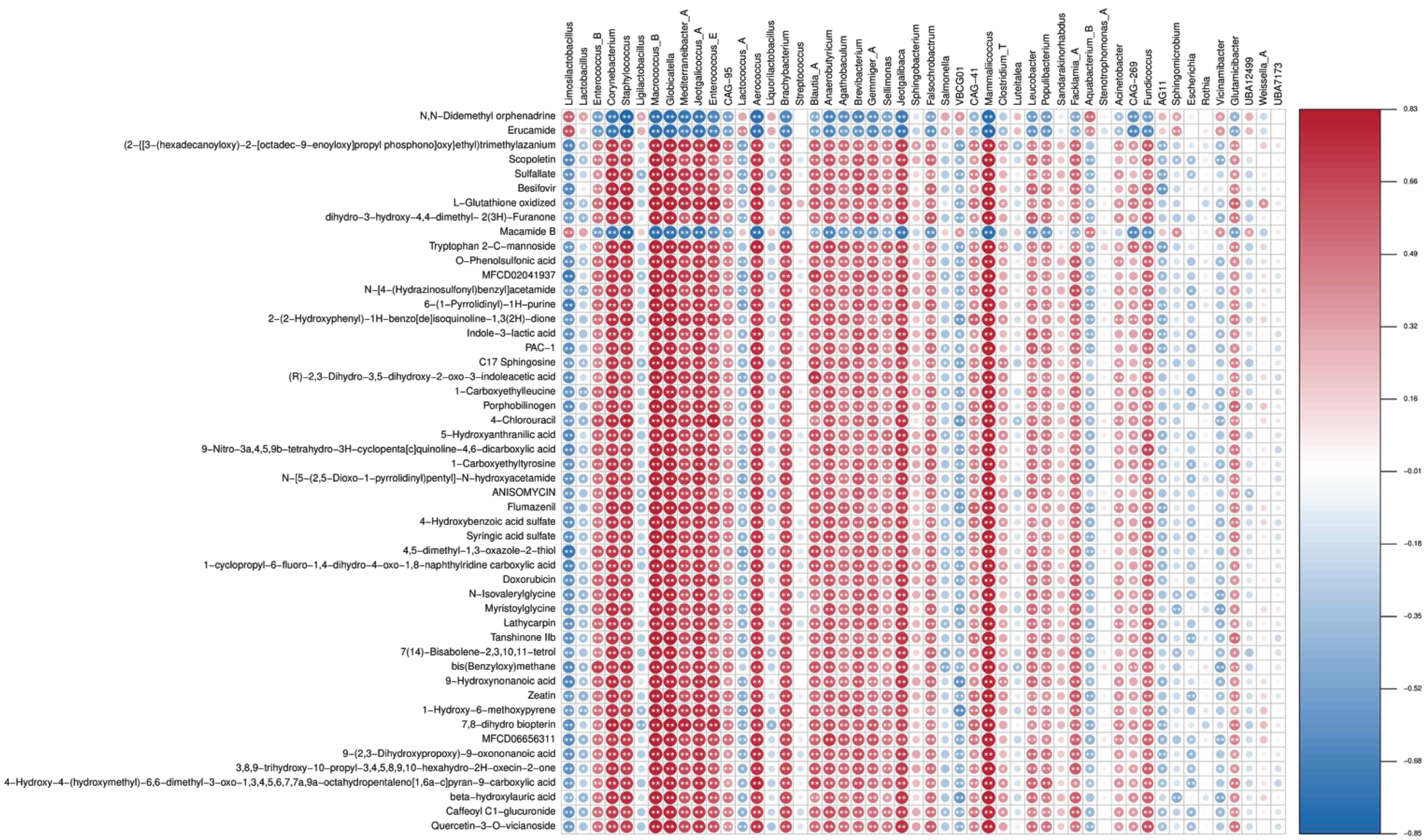
Due to the high mortality rate in chicks caused by pullorum disease (PD) and the drawbacks of antibiotic resistance, the poultry industry is increasingly interested in using natural herbal antimicrobial agents as alternatives, with cinnamaldehyde (CA) being a focus due to its multitarget and synergistic effects. This study aimed to evaluate the effects of oral administration of CA on restoring intestinal physical integrity, intestinal microbial barrier, and intestinal metabolism in a laboratory model of Salmonella pullorum (S. pullorum) infection in chicks. Thirty-six chicks were divided into six groups. The S.P and CA groups were infected with 5 × 10⁸ CFU/mL, 0.5 mL S. pullorum, while the CON group received an equal-volume saline injection. The CA group was treated with 100 mg/kg CA, and the others received phosphate buffer saline (PBS). Samples were collected 24 h after the last treatment. Intestinal physical integrity was assessed by H&E staining, and ELISA was used to measure inflammatory factors. In situ hybridization (ISH) and RT-qPCR were used to measure the expression of tight-junction protein mRNA. The microbiota was analyzed by 16S rRNA gene sequencing of the ileal contents, and metabolite analysis was performed on the intestinal contents. After CA treatment, the expression of IL-1β and TNF-α was reduced, and IL-10 was increased (p < 0.05). H&E staining showed that the intestinal structure was partially restored after treatment. ISH results showed that the fluorescence intensity indicating gene expression status was low in the S.P group and high in the CA group, indicating reduced intestinal permeability. RT-qPCR showed that CA up-regulated the mRNA expression of tight-junction proteins (claudin-1, occludin-1, and zo-1, p < 0.05). The 16S rRNA gene sequence analysis showed that Salmonella was significantly enriched in the S.P group (LDA score > 2.0, p < 0.05), while specific genera were significantly more abundant in the treated groups. Untargeted sequencing of intestinal contents showed that key metabolites (butyrate, alanine, glutamate, cholesterol, and propionate) in the CA group were significantly changed compared with the S.P group (p < 0.05). CA treatment was the most effective method for reducing PD intestinal colonization and maintaining better intestinal homeostasis, possibly by regulating intestinal microbiota and metabolic functions.