


Choline as a Modulator of Periparturient Diseases in Dairy Cows

1
Sano (Yangling) Modern Animal Nutrition Co., Ltd., Yangling 712199, China
2
College of Animal Science and Technology, China Agricultural University, Beijing 100193, China
3
College of Veterinary Medicine, China Agricultural University, Beijing 100193, China
*
Author to whom correspondence should be addressed.
Vet. Sci. 2025, 12(10), 1016; https://doi.org/10.3390/vetsci12101016
Submission received: 5 September 2025
/
Revised: 17 October 2025
/
Accepted: 20 October 2025
/
Published: 21 October 2025
(This article belongs to the Special Issue Recent Advances in the Diagnosis, Pathogenesis, and Control of Metabolic and Immunological Diseases in Cattle)
Simple Summary
During the periparturient period, dairy cows often face negative energy balance (NEB), which increases the risk of several metabolic and inflammatory diseases such as ketosis, fatty liver, mastitis, endometritis, and hypocalcemia. These disorders not only impair health but also reduce milk yield and reproductive performance. This article reviews that NEB disturbs lipid metabolism, triggers oxidative and endoplasmic reticulum (ER) stress, and weakens immune function. Choline, especially in the form of rumen-protected choline (RPC), helps alleviate these problems by improving liver fat metabolism, enhancing antioxidant capacity, and supporting immune defense. Supplementing RPC during the transition period can reduce the incidence of ketosis, fatty liver, and inflammation-related diseases, contributing to better health and productivity in dairy cows. This provides a reference for the mechanism of choline’s role in the pathogenic effects of NEB during the periparturient period.
Abstract
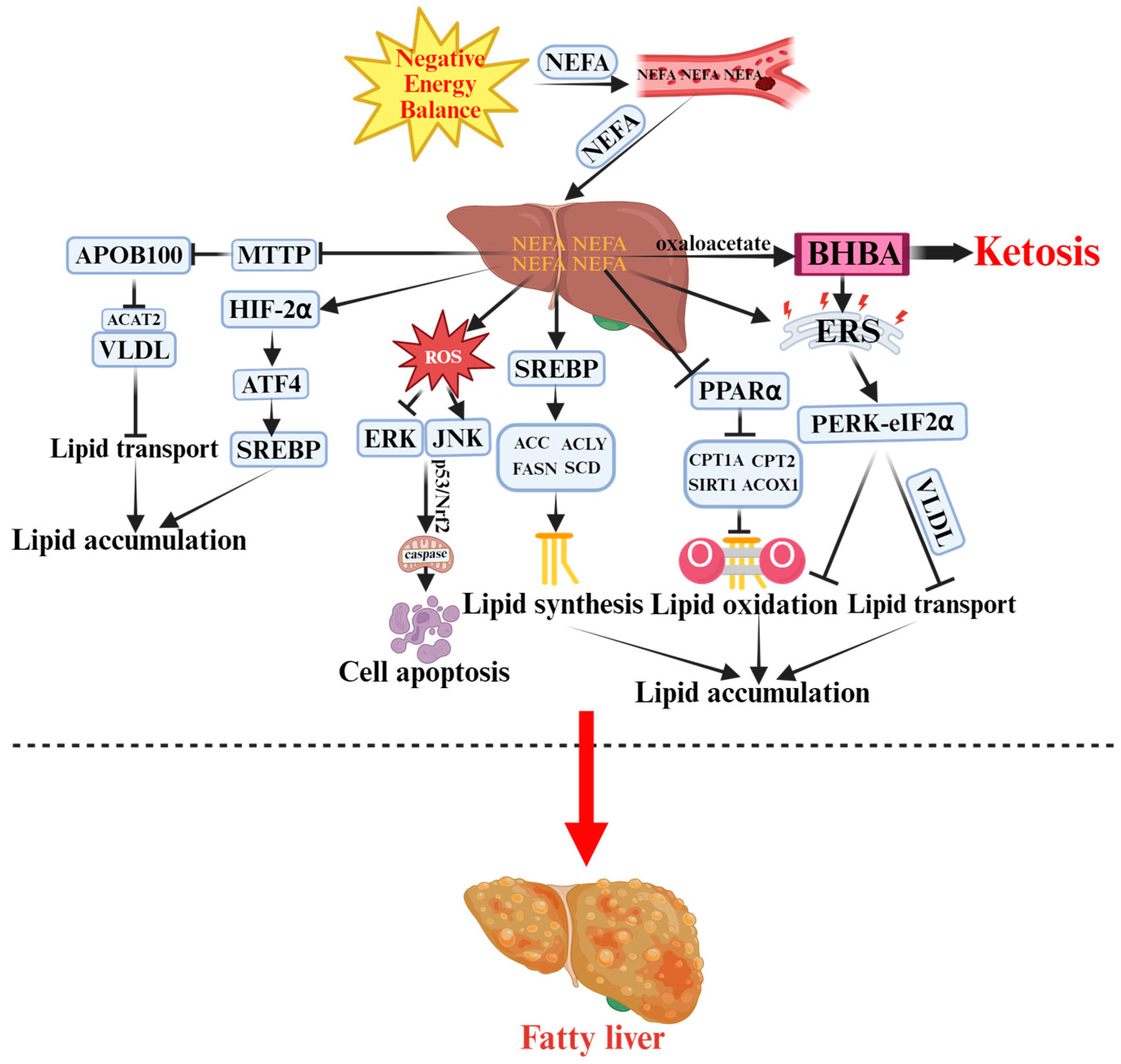
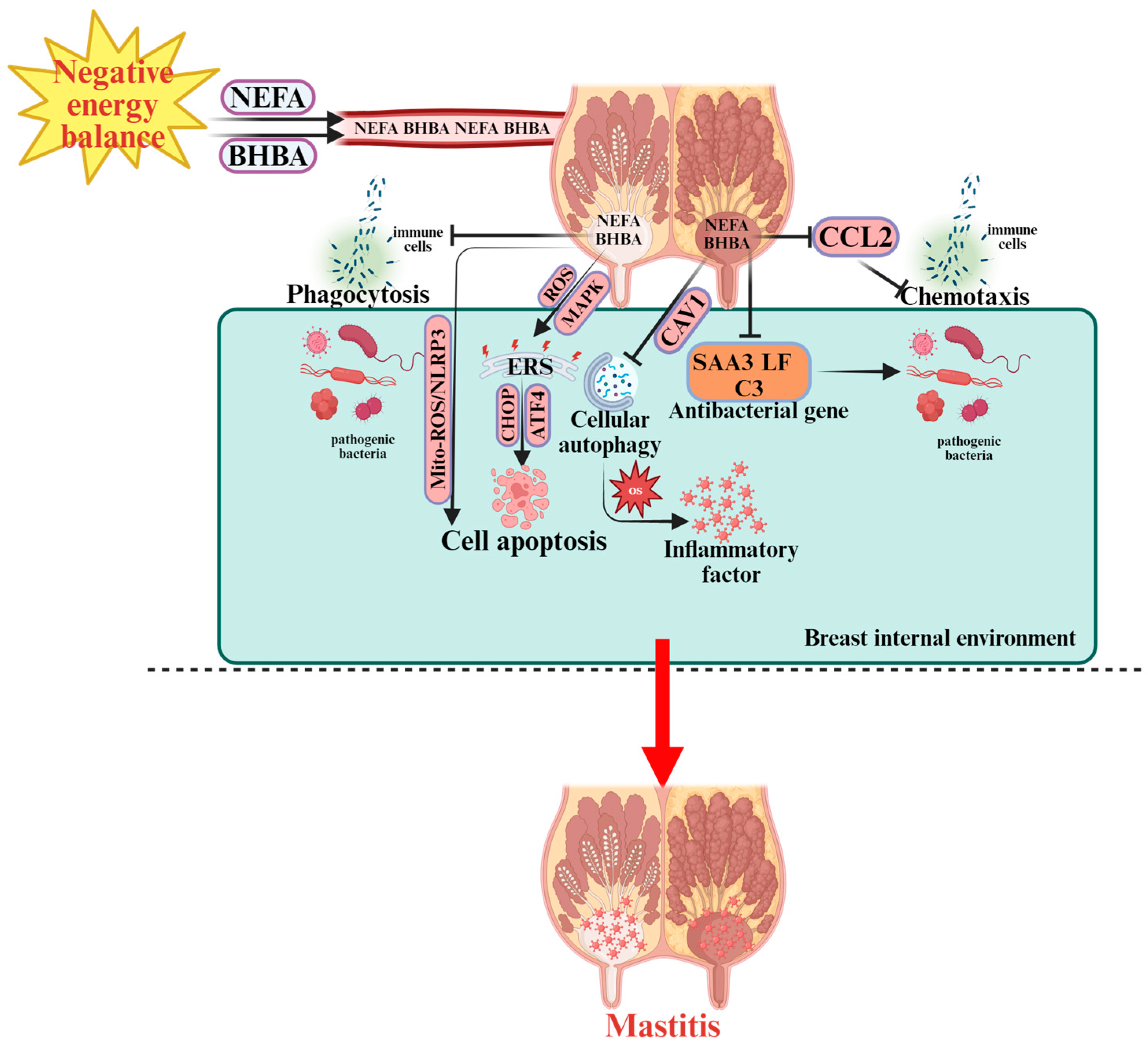
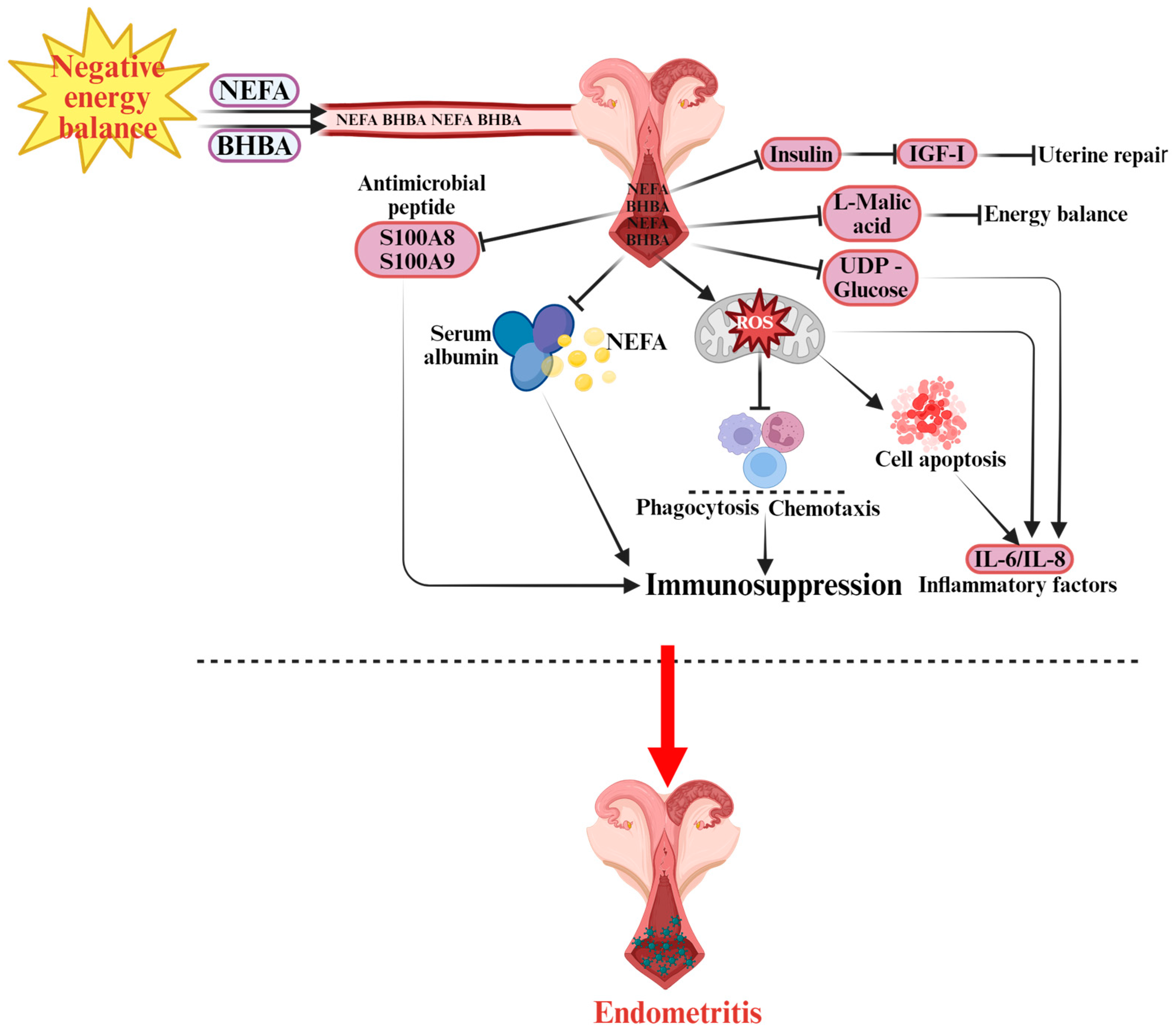
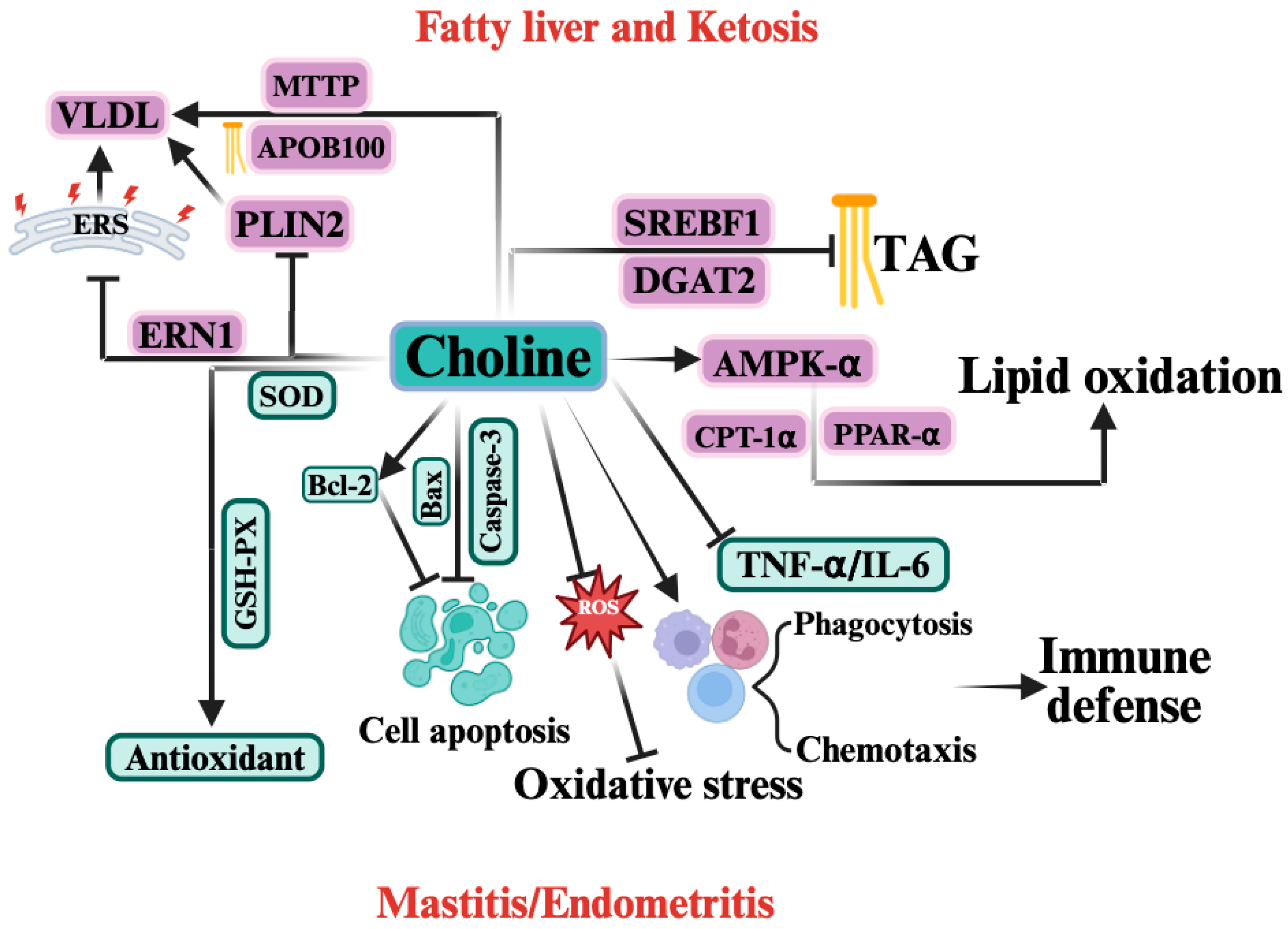
Dairy cows experiencing negative energy balance (NEB) are prone to metabolic and inflammatory disorders, including ketosis, fatty liver, mastitis, endometritis, and hypocalcemia, which impair productive and reproductive performance. NEB elevates non-esterified fatty acids (NEFA) and β-hydroxybutyrate (BHBA), leading to disrupted lipid metabolism characterized by increased fatty acid synthesis (via SREBP-1c, ACC, FASN), impaired lipid export (downregulated MTTP, ApoB100, ACAT2), and reduced oxidation (suppressed SIRT1–PPARα–CPT1A/2 pathway), resulting in triacylglycerol (TAG) accumulation and ketosis. Excess reactive oxygen species (ROS) trigger oxidative and endoplasmic reticulum (ER) stress and apoptosis through JNK, p53/Nrf2, and PERK–eIF2α signaling, while HIF-2α–mediated hypoxia aggravates hepatic damage. Elevated NEFA/BHBA impair polymorphonuclear neutrophil (PMN) chemotaxis and phagocytosis, promoting mastitis and endometritis, and hypocalcemia further weakens immune defense. Rumen-protected choline (RPC) improves lipid metabolism by enhancing VLDL assembly and TAG export (upregulating MTTP, ApoB100, ATG3; inhibiting SREBF1, DGAT2), stimulating fatty acid oxidation (activating AMPK–PPARα–CPT1α), and reducing oxidative stress (suppressing ROS–ERN1). Moreover, RPC decreases IL-6 and TNF-α levels and enhances antioxidant capacity and PMN function. Overall, RPC alleviates NEB-induced metabolic and inflammatory diseases, supporting its inclusion in periparturient management to mitigate NEB and associated disorders.
Keywords:
dairy cow; periparturient disease; choline; regulatory mechanisms