Article

100 m Resolution Age-Stratified Population Grid Data for China Based on Township-Level in 2020

School of Computer and Information Engineering, Xiamen University of Technology, Xiamen 361024, China
*
Author to whom correspondence should be addressed.
Data 2026, 11(2), 26; https://doi.org/10.3390/data11020026
Submission received: 27 September 2025 / Revised: 8 November 2025 / Accepted: 7 January 2026 / Published: 1 February 2026

Abstract

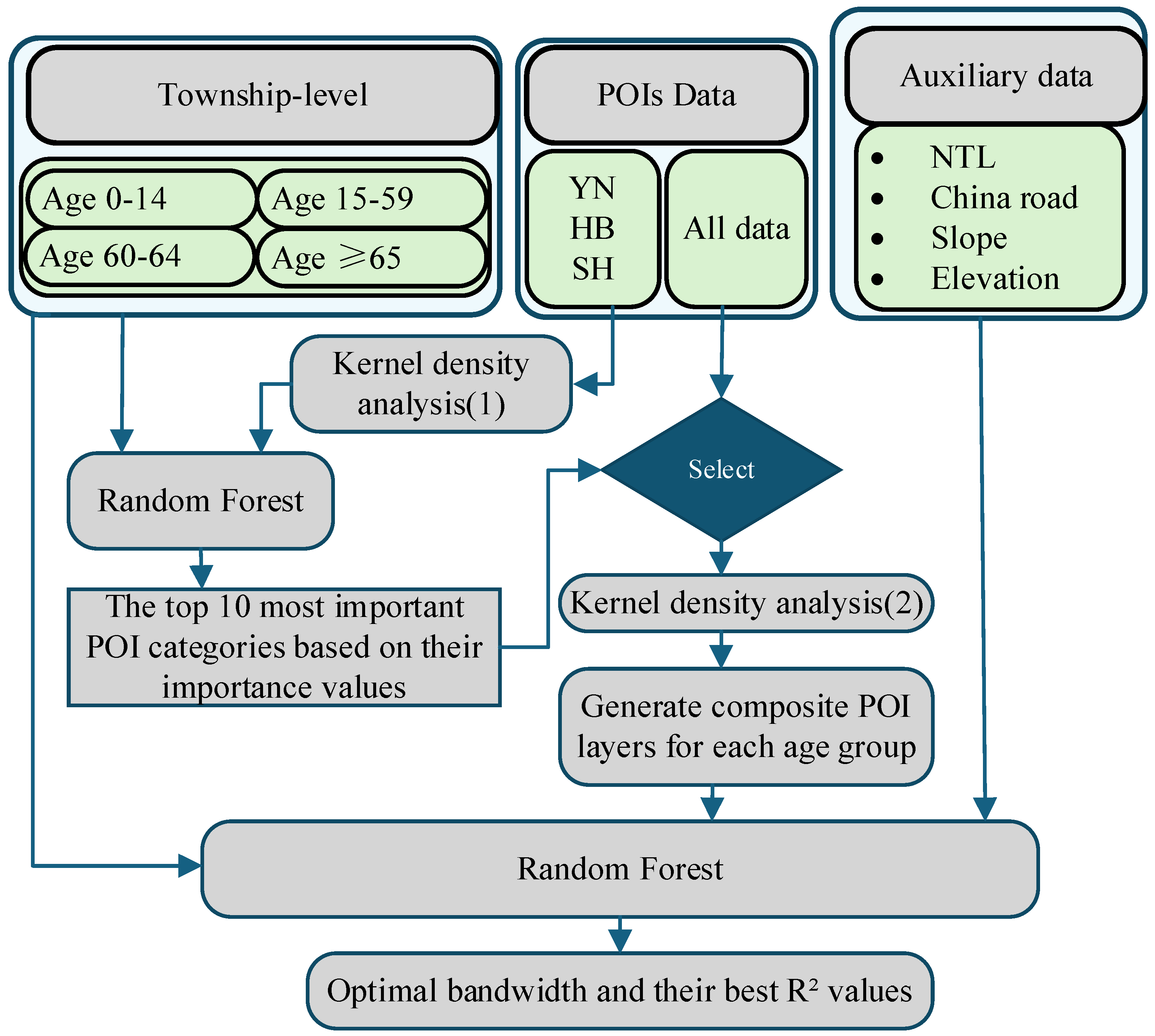
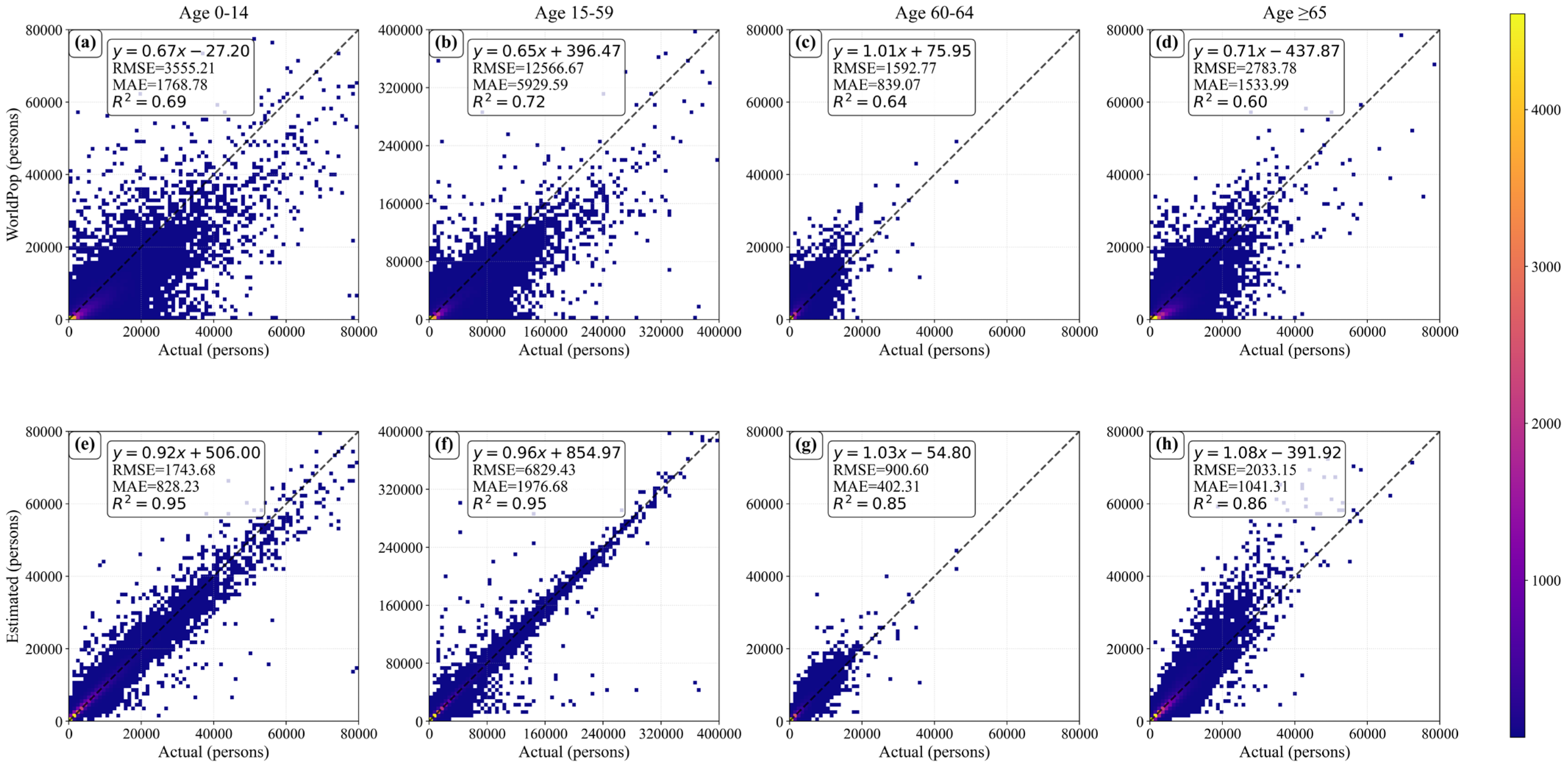
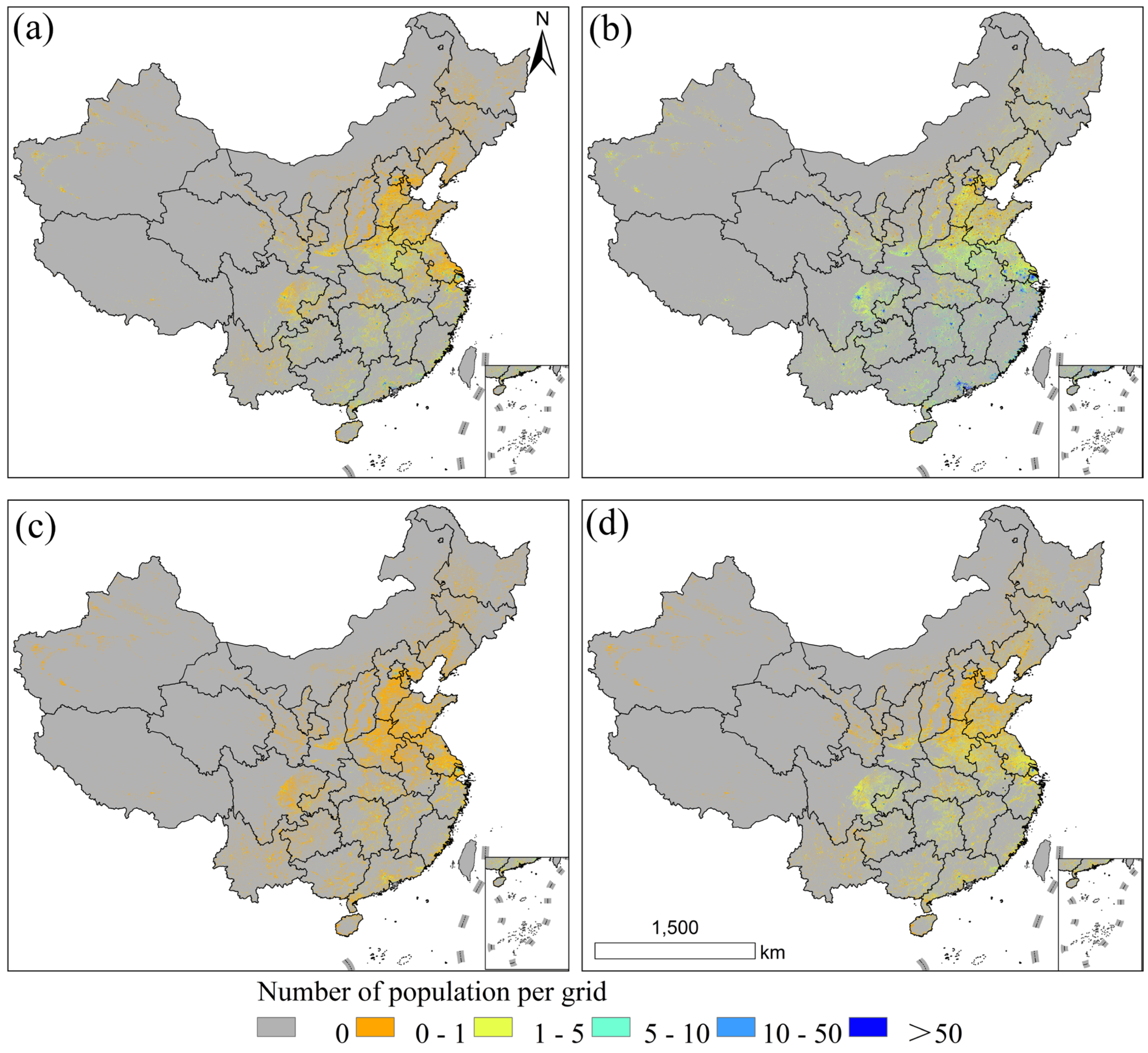
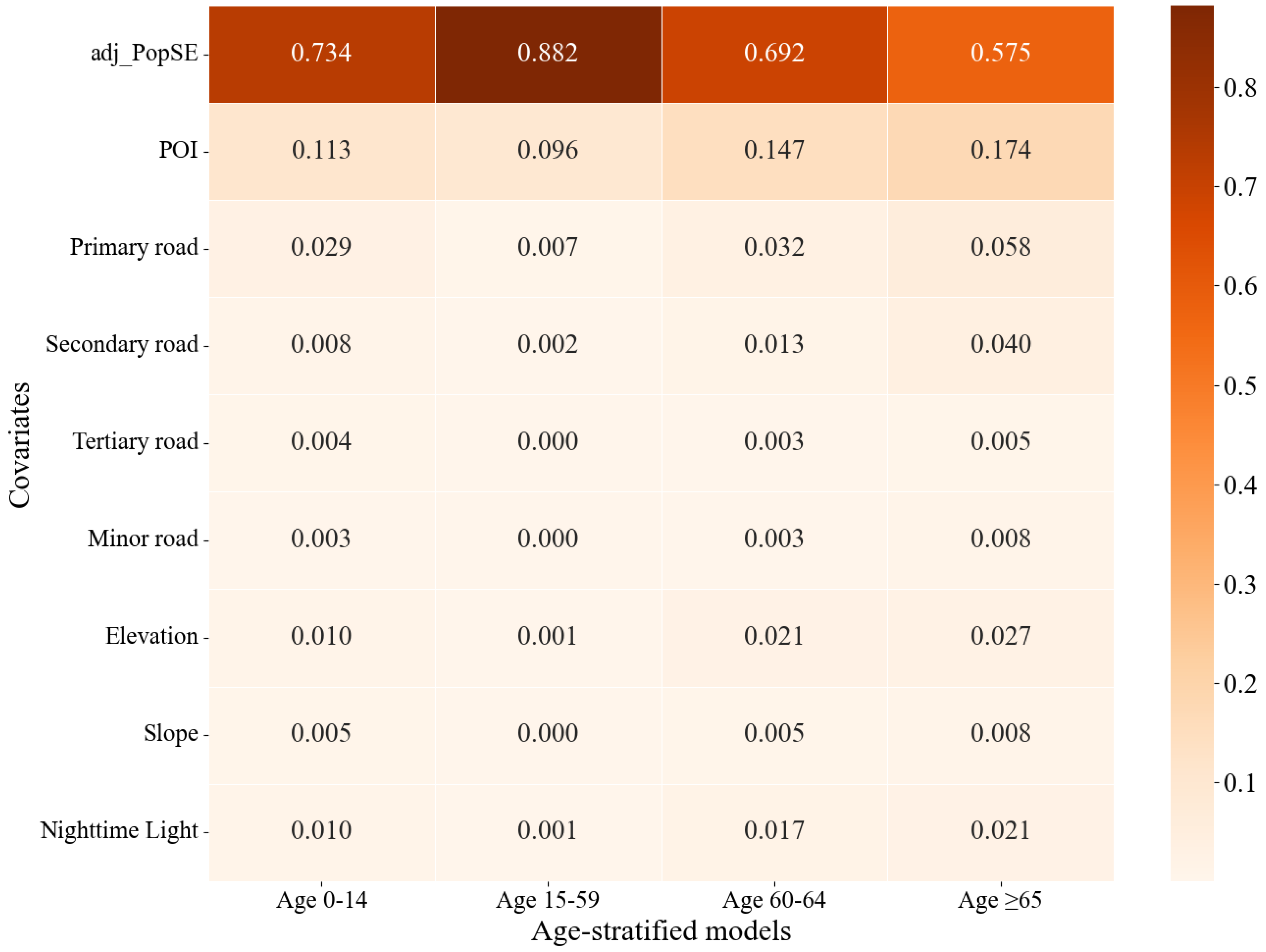
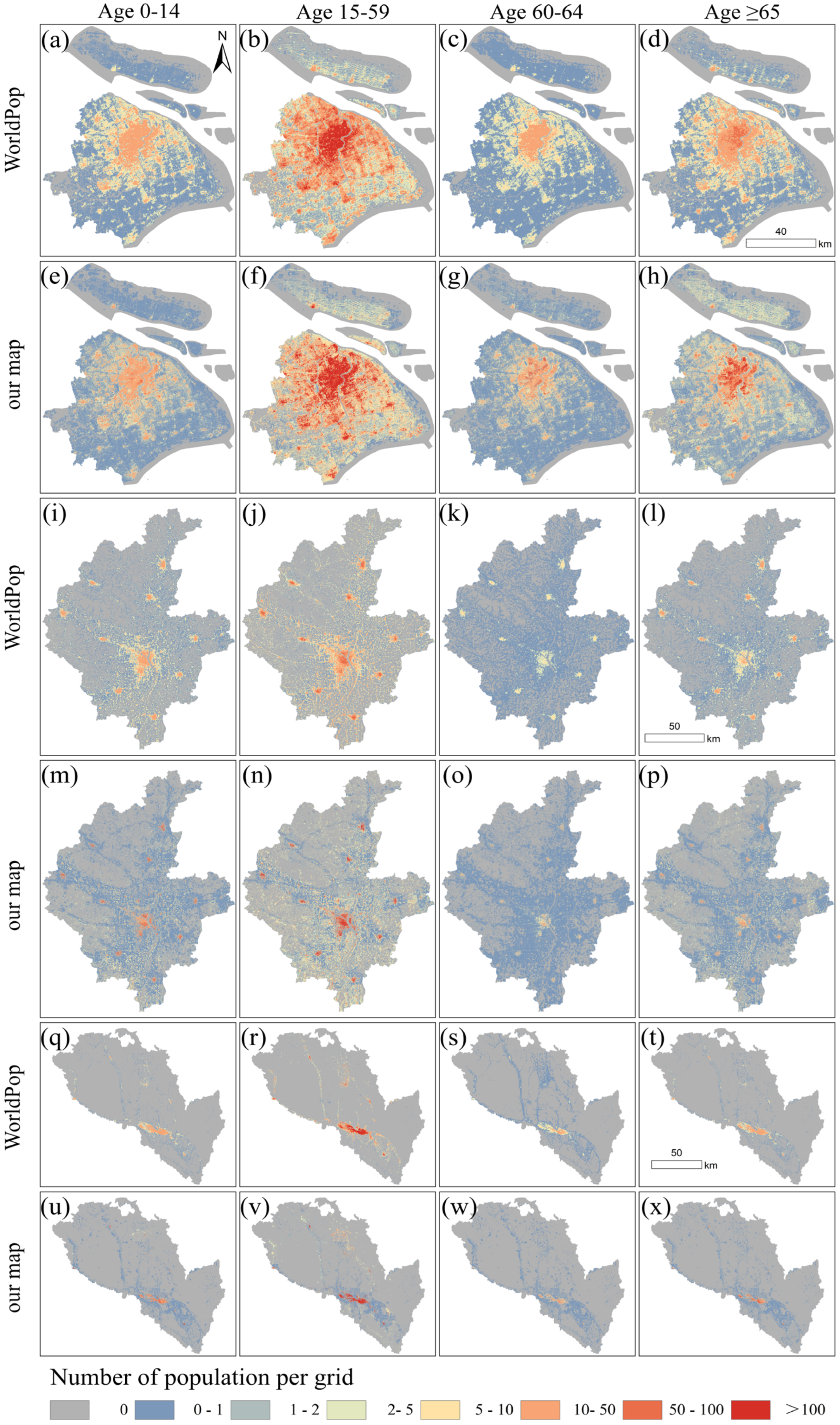
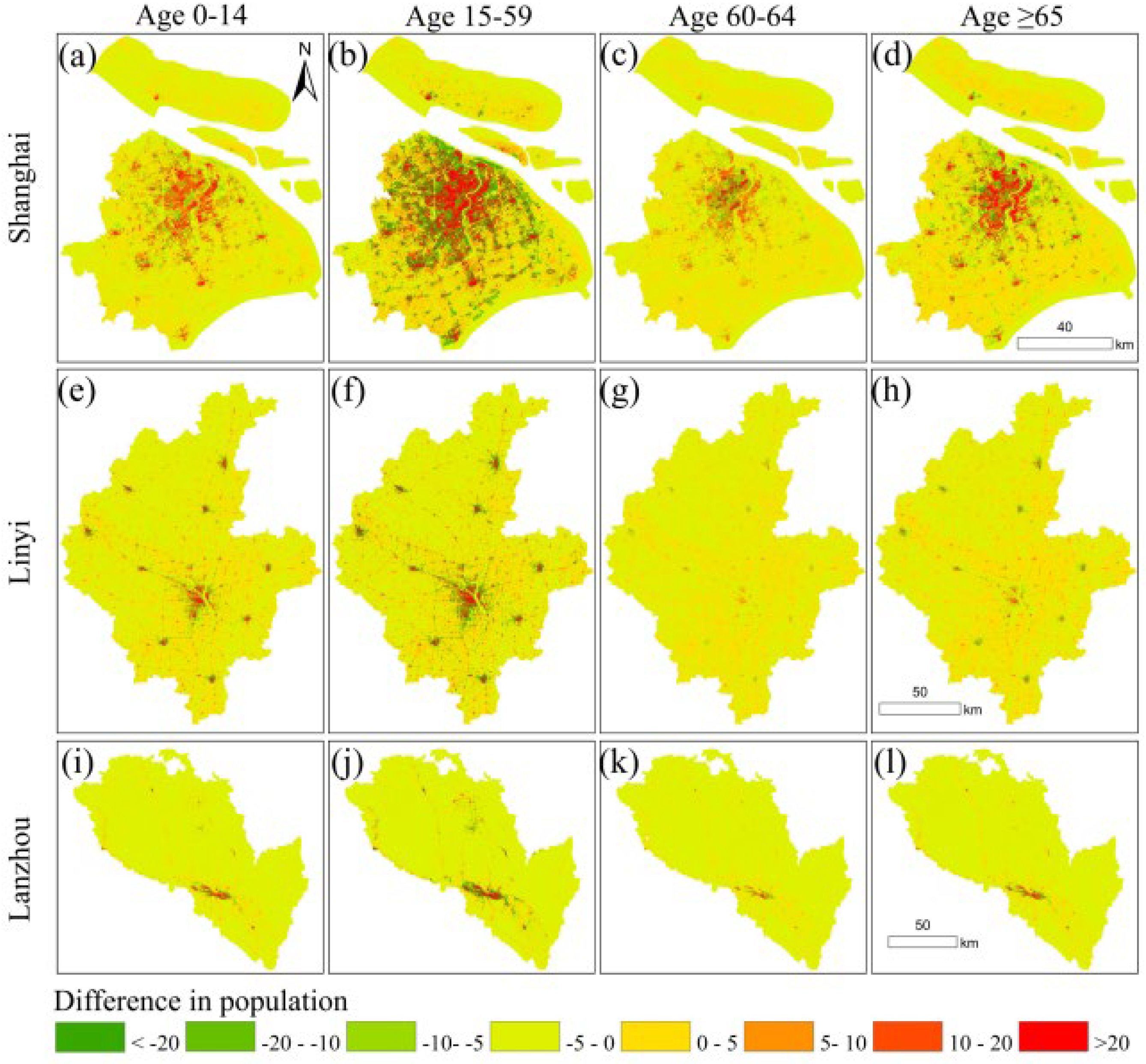
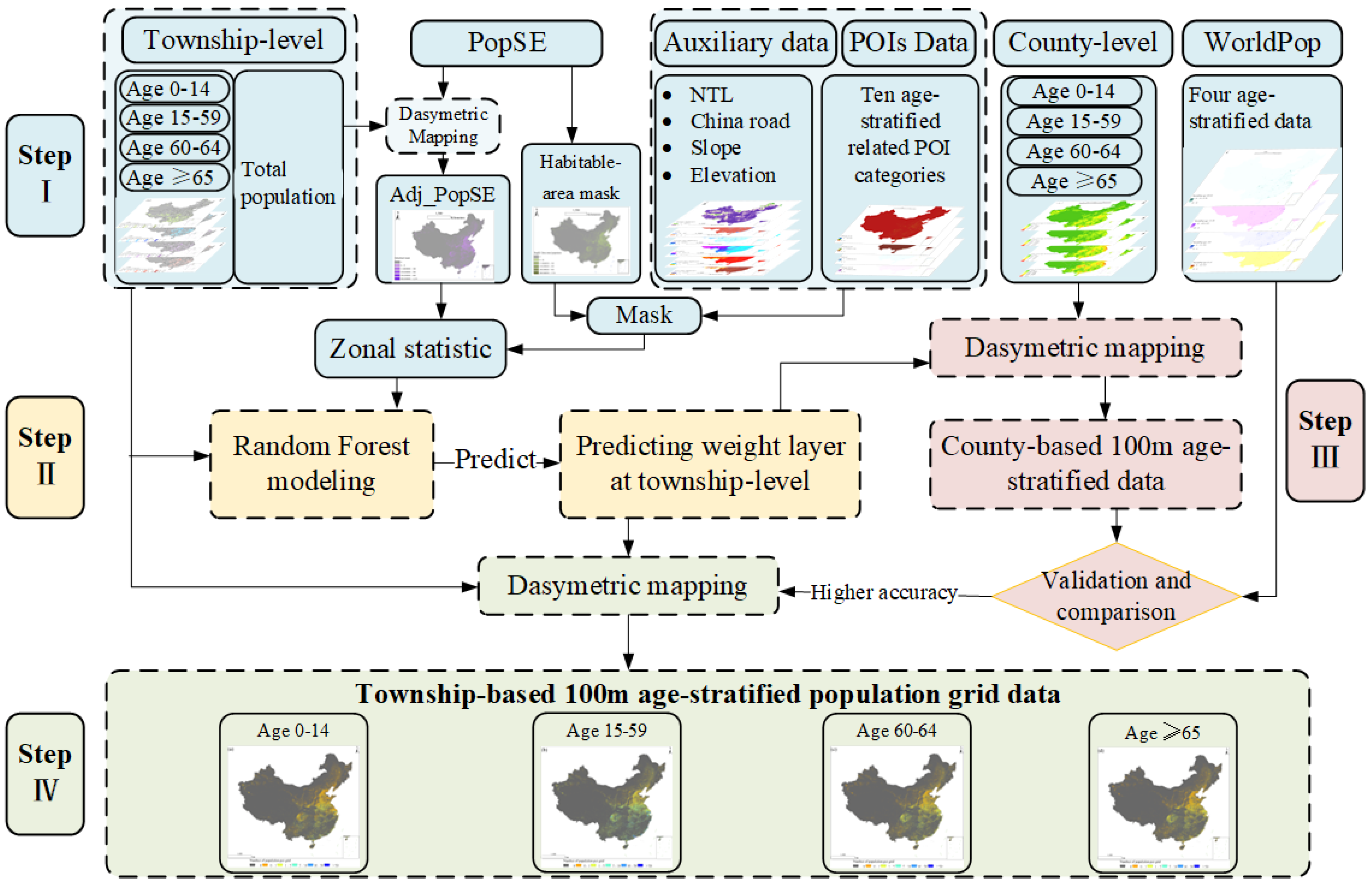
China’s age structure is undergoing profound demographic shifts, making accurate spatial information on age-stratified populations essential for policy-making, resource allocation, and risk assessment. However, census data are primarily aggregated by administrative units, offering coarse spatial resolution that constrains their integration and application with other gridded datasets. Using township-level population counts for four age groups (0–14, 15–59, 60–64, and ≥65 years) from the 2020 Seventh National Population Census across 38,572 townships, we developed an age-stratified downscaling framework. This framework integrates a random forest model with age-filtered Points of Interest (POI) data and other multi-source geospatial covariates to generate a 100 m resolution age-stratified population density weighting layer. Through township-level data dasymetric mapping, we produced the township-based 100 m Age-Stratified Population Grid Data (Township-ASPOP). Since township-level data represent the finest publicly available spatial unit of demographic statistics in China, we further validated the accuracy of Township-ASPOP by generating County-based 100 m Age-Stratified Population Grid Data (County-ASPOP) through dasymetric mapping using county-level age-stratified population data. The results demonstrate that County-ASPOP achieves superior predictive accuracy, with R2 values of 0.95, 0.95, 0.85, and 0.86, and Root Mean Square Error (RMSE) values of 1743, 6829, 900, and 2033 persons per township for the four age groups, respectively—significantly outperforming the contemporaneous WorldPop dataset (R2 = 0.69, 0.72, 0.64, and 0.60). The accuracy of Township-ASPOP is no less than that of County-ASPOP and effectively captures realistic spatial settlement patterns. This study establishes a reproducible framework for generating age-stratified population grid data and provides critical data support for policy formulation and resource allocation.
Keywords: points of interest; population; China; random forests; age structures points of interest; population; China; random forests; age structures