1. Introduction
Possessing an equilibrated nutritive composition, milk is one of the most valuable foods. However, during the last few years, in Europe, only a slight increase in milk deliveries was noticed (e.g., in 2024 an increase of 0.3% was reported) [
1]. This is because of many issues related to consumers’ perception of dairy product sustainability (carbon footprint or greenhouse gas emissions, content of preservatives, animal happiness and welfare, and ingredients) [
2], as well as to allergies, lactose intolerance, and energetic and hypercholesterolemia concerns [
3]. In this context, the production of plant-based beverage alternatives has registered exponential growth, and this trend is predicted to continue until 2028 [
4], seeking sources like cereals (oat, rice, and sweet corn) pseudo-cereals (quinoa, amaranth, and buckwheat), legumes (soy, peanuts, lupins, peas, chickpeas, lentils, and alfalfa), nuts (almonds, hazelnuts, walnuts, pistachio, and coconuts) or seeds (sesame, flax, hemp, and sunflowers) [
3,
4,
5,
6].
White sesame (
Sesamum indicum L.) is one of the most important oilseed crops in the world. The nutritive value of white sesame seeds is owned to high lipid content (45–65%), proteins (19–35%), dietary fibers (15–20%), and carbohydrates (14–20%) [
7]. They are also a good source of vitamins (γ-tocopherol, thiamine, riboflavin, niacin, pantothenic acid, folic acid, ascorbic acid, and tocotrienol), minerals (potassium, phosphorus, magnesium, sodium, iron, zinc and manganese) and antioxidants [
8,
9]. Antinutritive compounds like oxalic and phytic acids and small amounts of tannins are also reported in sesame composition [
9]. The abundance of nutrients makes white sesame seeds an attractive source of plant-based beverage alternatives.
According to statistics [
10], in 2022 the global market of sesame beverages was 5.60 billion USD and is expected to reach 7.94 billion USD in 2030. This source also mentions some issues related to this growth: production costs higher than those using traditional animal-derived milk, low yield, and consumer reticence. Thus, it is important for sesame beverage technology to be studied and improved.
The literature presents few studies regarding sesame beverages. Ahmadian-Kouchaksaraei et al. [
11] studied the influence of sodium bicarbonate concentration in soaking water, roasting temperature and blanching time on the physicochemical and sensory properties of sesame drinks. They found that the optimum processing conditions were soaking in water containing 0.5 g/100 mL of NaHCO
3, blanching for 15 min and without any roasting. Sethi et al. [
3] reviewed the technologies of sesame beverage production and stated that some treatments of seeds, like dehulling, soaking, roasting, defatting, germination, fermentation, and microwave heating, are required in order to improve protein solubility and the yield of total solids and also to reduce the antinutritive compound concentration. Zakidou and Paraskevopoulou [
12] investigated the chemical composition, aroma profile, particle size distribution, and foaming behavior of sesame seed aqueous extracts at two temperatures (4 and 65 °C). They concluded that generally, the extracts presented foaming behavior that was comparable to that of soy beverages but inferior to that of cow milk, being much closer in the case of 65 °C and xanthan gum addition, which led to a remarkable improvement in foam stability. Other recent studies investigated possibilities to obtain functional plant-based beverages by combining sesame seeds with other sources, like barley [
13], walnuts, oat and soybean [
14], pumpkin seeds, mango or dates [
15].
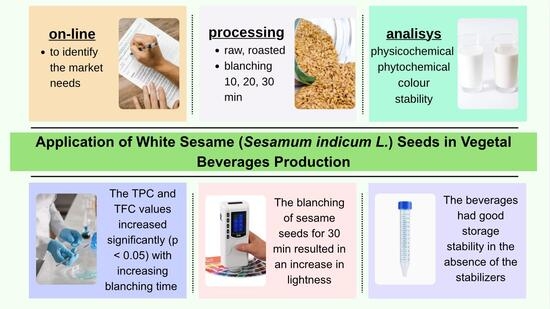
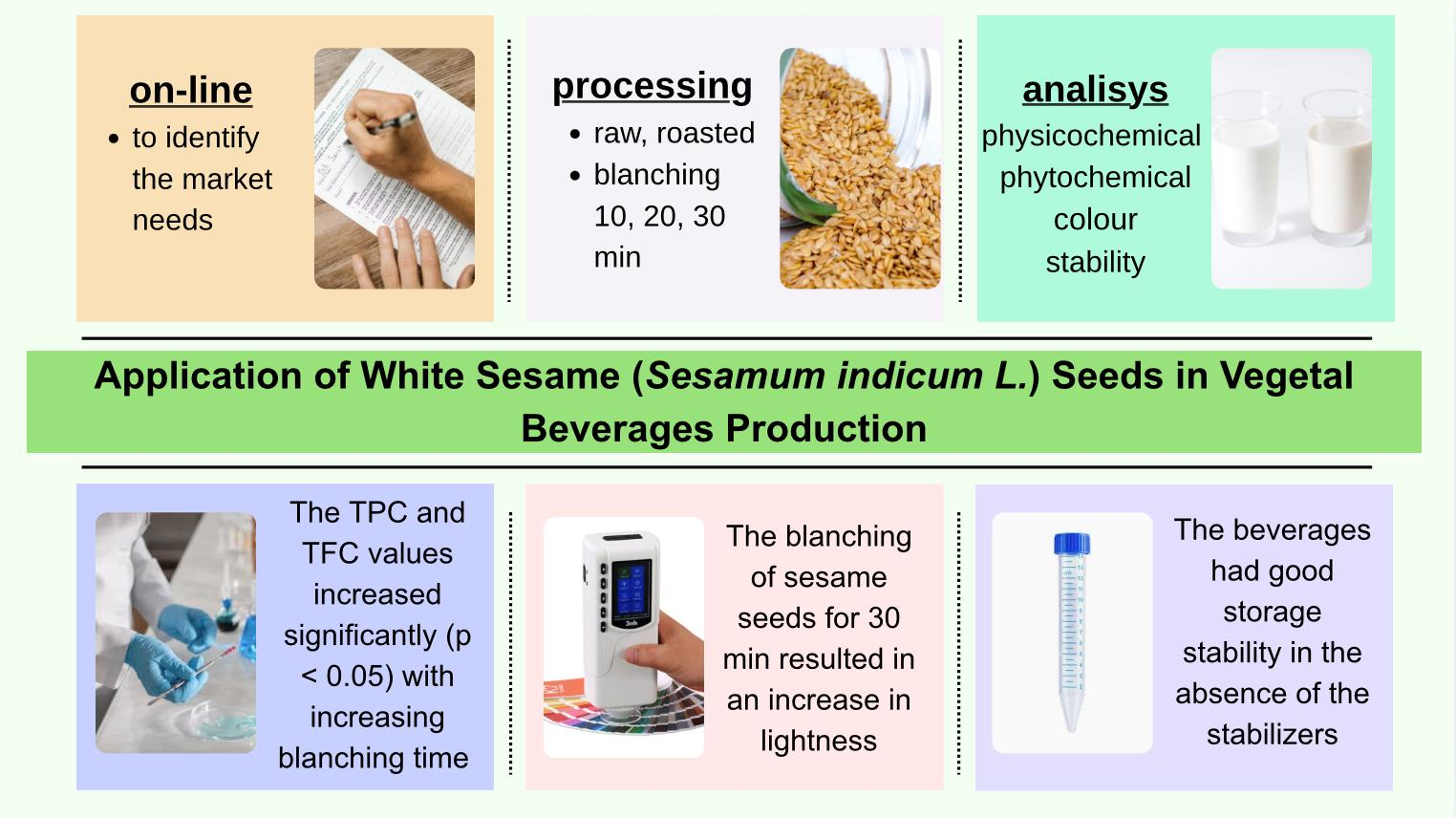
The main purpose of the present study was to investigate the influence of blanching time (10, 20, and 30 min) on the quality parameters of beverages obtained from raw and roasted sesame seeds. As the beverages are intended to be used in coffee shops, market needs were investigated using an online questionnaire. The study revealed the importance of blanching on the beverages’ stability.
2. Materials and Methods
2.1. The Materials Used in the Experimental Part
Husked white sesame seeds (Sesamum indicum) originating from India were used as raw material. White sesame seeds were selected for their popularity, owing to their nutty taste and creamy texture. Rich in unsaturated fatty acids, white sesame seeds contain 49.7 g of fats, 17.7 g of proteins, 11.7 g of carbohydrates, magnesium 236 mg and 476 mg of phosphorus per 100 g of product. The energetical value is 2433 kJ/589 kcal.
The still water Aqua Carpatica, Suceava county, Romania, was used as the liquid part to obtain the plant-based beverages. The samples were bottled in 330 mL sterilized glass bottles covered with screw caps.
All the reagents were of analytical quality, being purchased from Merck Company (Darmstadt, Germany).
2.2. Sample Preparation
For the sample preparation, specific equipment was used for its intended purpose, such as a multicooker, electric oven, and blender with heating.
Two variants of white sesame seed processing, using raw and roasted seeds, were chosen. The technologies were adapted after [
11].
The roasting of sesame seeds is a vital step in beverage production because it helps to break down cell walls to improve extraction yields, removes raw or grassy odors, and creates a nutty flavor, simultaneously boosting antioxidant stability.
Roasting at 145 °C for 20 min was possible by using the electric oven Indesit FIMB-51K.A-IX-PL, Indesit, Łódź, Poland.
In both variants, the seeds continued to be soaked in water at a 1:3 ratio for 30 min. After this, the water was drained, and the seeds were washed and again hydrated in water (1:2) for another 30 min. To blanch the samples at 90–95 °C for 10, 20, and 30 min an automated electric machine was used (Multicooker 16-in-1, 5 L, 860 W, Biovita, Cluj-Napoca, Romania), and then the excess water was drained. The seeds were washed again. After this phase, the seeds were put in a coupled stirring-and-heating mechanical facility (TermoBlend Pro, Biovita, Cluj-Napoca, Romania) with water (1:5) to facilitate grinding. The grinding parameters were set to 10 min at 10,000 rpm.
The mixture was filtered through a piece of gauze in two layers. The filtrate was ground for 5 min at 20,000 rpm and then pasteurized at 85 °C for 15 min by using the TermoBlend Pro, Biovita, Cluj-Napoca, Romania. The plant-based beverages were bottled, capped, and cooled to refrigeration temperature (4 °C), then stored at the same temperature for 30 days.
Six variants of samples were obtained, and encoding was established taking into consideration two main technological aspects: the type of sesame seeds (raw or roasted) and the blanching time (10, 20, and 30 min). Thus, the beverages from raw seeds were encoded SC, followed by 10, 20, or 30, while the beverages obtained from roasted seeds were encoded SP, followed by 10, 20, or 30.
2.3. Physicochemical Analysis
The samples were characterized first by physicochemical composition, including the moisture content, determined using a moisture analyzer (Kern MRS 120-3, Kern & Sohn GmbH, Balingen, Germany), and the protein and fat contents, which were determined in accordance with AOAC (2012) standards [
16] by using the Kjeldahl and Soxhlet methods, respectively.
The Kjeldahl method assumes a digestion of roughly 0.5 g of seeds with concentrated sulfuric acid (H2SO4) and catalysts at 420 °C for 2 h. The resulting ammonium sulfate was distilled with alkali, and titrating was performed with H2SO4 to quantify nitrogen levels. For the protein determination of sesame seed beverages, the 5.83 Kjeldahl nitrogen-to-protein conversion factor specific to oilseeds was used.
For fat determination petroleum ether was used as a solvent, which is commonly used to extract non-polar seed oils. Mainly, the grinded seeds were put into a flask mixed with petroleum ether (1:25) and subjected to 50 °C for 5 h of extraction.
The carbohydrate content was determined by difference. The ash content was determined in a calcination furnace Nabertherm (Lilienthal, Germany) at >600 °C.
2.4. Energetical Value
The energy value was calculated for all the samples, taking into consideration the values obtained from the physicochemical analysis processed by a free software [
17].
2.5. pH Determination
The pH values were determined for 30 days of storage (with a periodicity of 5 days) as a guarantee of the samples’ shelf life. The pH values were measured with the analog pH meter inoLab pH 711, WTW, Xylem Analytics, Weilheim in Oberbayern, Germany.
2.6. Separation Index
The stability of the two phases to storage was determined for 30 days with a frequency of 5 days.
The separation index was calculated using Equation (1) [
18]:
2.7. Phytochemical Analysis
From the physicochemical analysis, the following were determined: total phenolic content (TPC), total flavonoid content (TFC), and antioxidant activity by DPPH assay (DPPH Inhibition).
All the samples were prepared by using alcoholic extraction: 1 g of the sample was mixed with 9 mL of 70% (v/v) methanol and ultrasonicated (Digital Ultrasonic Bath Mod. DU-32; 131 ARGOLAB; Capri, Italy) at 30 ± 1 °C for 30 min. The ultrasonication was performed at constant values of an electric power of 100 W and frequency of 40 Hz.
For the spectrophotometric analysis, a Biochrom Libra S22 UV/Vis spectrophotometer (Cambridge, UK) was used.
2.7.1. Total Phenolic Content
The TPC was determined by using the Folin–Ciocalteu colorimetric method according to [
19]. The absorbance reading value was 765 nm, using a standard curve of gallic acid. The results are expressed as mg gallic acid equivalents (GAE)/g dry weight (d.w.).
2.7.2. Total Flavonoid Content
The TFC was evaluated using the aluminum chloride colorimetric assay. For the analysis, 250 µL of the extract was mixed with 250 µL of a 2% (
w/
v) AlCl
3 solution in methanol, followed by the addition of 1500 µL of methanol. The mixtures were kept protected from light for 15 min to allow for color development, and the absorbance was subsequently measured at 440 nm. The flavonoid concentration was determined from the quercetin standard calibration curve and is expressed as mg of quercetin equivalents per gram of dry weight (mg QE/g DW) [
20].
2.7.3. DPPH Assay
The method adapted from [
21] involved mixing a volume of 100 μL of methanolic extract, prepared as mentioned before, with 3900 μL of DPPH stock and storing it in darkness for 1.5 h at room temperature. The absorbance of the mixture was measured at 515 nm, and the values are reported as the inhibition of DPPH radicals (Equation (2)).
where A
control—the absorbance of the pure DPPH solution; A
sample—the absorbance of the DPPH solution mixed with the sample extract.
2.8. Color Assessment
A color assessment was performed using a portable colorimeter (NR110 Shenzhen 3nh Technology Co., Shenzhen, China), which directly reads the CIELAB method parameters.
White sesame beverage samples (15 mL) were transferred into black-jacketed glass Petri dishes. The L*, a*, and b* values were recorded, where L* indicates lightness, a* represents a red—green scale, and b* represents a yellow—blue scale. These color parameters were then used to calculate the browning index (BI) [
22], yellowness index (YI) [
23] and whiteness index (WI) [
24] using the following equations:
where x is the constant used in Equation (3).
The color analysis of the sesame beverages was performed in triplicate, with three instrumental measurements recorded per sample to ensure accuracy.
2.9. Questionnaire Methodology
The questionnaire was presented as a self-administered or self-reported or self-completed questionnaire, which is designed to be completed by respondents without assistance from a researcher, especially performed on online platforms.
This technique limits research costs and logistics and allows respondents to answer at their own place of choice. Self-reporting facilitates more accurate answers.
The questionnaire (
Figure S1) included some specific questions regarding the age, gender, and provenance area of the participants. The other questions were designed to highlight the importance of the consumers’ acceptance of white sesame seed beverages.
The group was selected by their affinity for consuming plant-based products by observing their online concerns. Two main criteria were used for the respondents: inclusion and exclusion. The inclusion criteria consisted of respondents who speak the language of the survey, know about this category of products and are interested in providing correct and assumed answers. The exclusion conditions were people who do not consume plant-based beverages and people who give fake or random data.
After we identified the target group, a web form accompanied by privacy agreement upfront was sent to them.
2.10. Statistics
All samples were analyzed in triplicate, and the results are expressed as mean values followed by standard deviation values. Principal Component Analysis (PCA) was performed using MATLAB R2025b (MathWorks, Natick, MA, USA). Statistical analysis was performed using Minitab 19 (Minitab LLC, State College, PA, USA). Two-way ANOVA was applied to evaluate the effects of roasting treatment, blanching time, and their interaction, followed by Tukey’s post hoc test for multiple comparisons when significant differences were observed. The assumptions of normality of residuals and homogeneity of variances were verified before the ANOVA analysis. A significance level of α = 0.05 was used.
3. Results and Discussion
3.1. Physicochemical Analysis Results
The main components of the beverages are presented in
Table 1. The values for the fat content in the range of 3.30 g/100 g are attributed to SP10, to 3.7 g/100 g for SC30, and to 3.60 g/100 g for SP30. The fat content outclasses the values reported by Popova et al. [
25] for plant-based beverages by 2 to 3 times. Nonetheless, the fat intake could be considered as more beneficial due to the presence of polyunsaturated amino acids. Sesame seed beverages are claimed to be a medium source of fats due to the native fatty acids of seeds. Therefore, the slight differences between the samples could be induced by the processing methods, especially noted in the blanching time, which has potentiated the fat content.
The blanching time facilitated an increase in the lipid fraction for both types of beverages obtained from fresh and roasted seeds. This mechanism was also observed by Ahmadian-Kouchaksaraei et al. [
11] and was primarily attributed to the softening of the cell wall, which promotes the release of lipids during blending.
Even sesame seed beverages are a valuable source of many beneficial and functional compounds, and regarding proteins they do not stand out compared to other vegetal sources.
Accordingly, the SC series registered higher values than the SP series for protein content. The lowest protein content (0.70 ± 0.05 g/100 g) was registered by SP10, while the highest value (1.00 ± 0.05 g/100 g) belongs to SC30. These values are sustained by the findings of Silva and Smetana [
26], who mentioned values between 0.6 and 5.5 g/100 g protein, lower than those presented in
Table 1. Our findings highlight the potential of raw seeds, which could constitute a good source for protein extraction. Comparatively, Pérez-Rodríguez et al. [
27] observed that 85.3% of plant-based beverages presented a significantly lower protein content (most values were below 1.5 g/100 mL).
Low quantities of proteins are not always a disadvantage, and from a functional point of view, including digestibility and amino acid profile adequacy, a reduced quantity of proteins offers a distinct advantage.
In the case of protein content, the treatment applied showed a moderate negative correlation (
r = −0.484;
p = 0.04). These results are consistent with those reported by Ahmadian-Kouchaksaraei et al. [
11], who suggested that thermal-treatment-induced protein denaturation within the structure of sesame seeds may be responsible for the negative effect observed on the protein content of plant-based beverages. However, the observed effect on protein content during blanching time was the opposite of that reported by these authors. Instead, a strong positive correlation (
r = 0.791;
p < 0.001) between protein content and blanching time was observed in this study. The phenomenon observed in the Kouchaksaraei et al. [
11] study can be attributed to the addition of sodium bicarbonate during the soaking process. Under the action of alkaline pH and Na
+ ions, partially unfolded, negatively charged proteins pass much more rapidly into the aqueous phase. In contrast, under the prolonged action of thermal treatment, this protein fraction denatures and is retained in the filter cake as hydrophobic aggregates or precipitates, rather than passing into the final beverage.
Conversely, Kanu [
28] reported that following the application of response surface methodology to evaluate the aqueous extraction of proteins from
Sesamum indicum L., increasing the temperature up to a certain threshold can facilitate protein recovery from the plant matrix, an effect attributed to the softening of the cellular structure and subsequent release of the same proteins observed in our study (
Table 1).
Compared to the values of Vijaya et al. [
29] on the formulation and quality of a sesame seed non-dairy milk alternative, the fat and protein contents presented in
Table 1 are about 68% and 38% lower respectively. These significant differences may have originated in the sesame seed quality, the quantity of added water and the process used to obtain the sesame seed beverages. Moreover, thermal treatments at different processing steps could be related to their influence on the sesame protein capacity of extraction [
30].
A plausible explanation for the low quantity (almost 0.50 g/100 g) of carbohydrates could be attributed to husk removement, given that the highest quantity of carbs, almost 70–80% from the whole percentage, originates in the seed coat [
9].
The moisture content values, varying between 94 and 95%, are in alignment with the moisture values of other types of plant-based beverages.
The nutritional value of white sesame seed beverages is influenced by several factors such as raw material, the type and quantity of added water, and the technological process used in their production.
The energy values of white sesame seed beverages (35–40 kcal/100 mL) fit to other plant-based beverages, like soy, almond, rice, and oat aqueous extracts [
27]. The present values are more comparable with those of soybean drinks.
3.2. pH Variation of Sesame Beverages
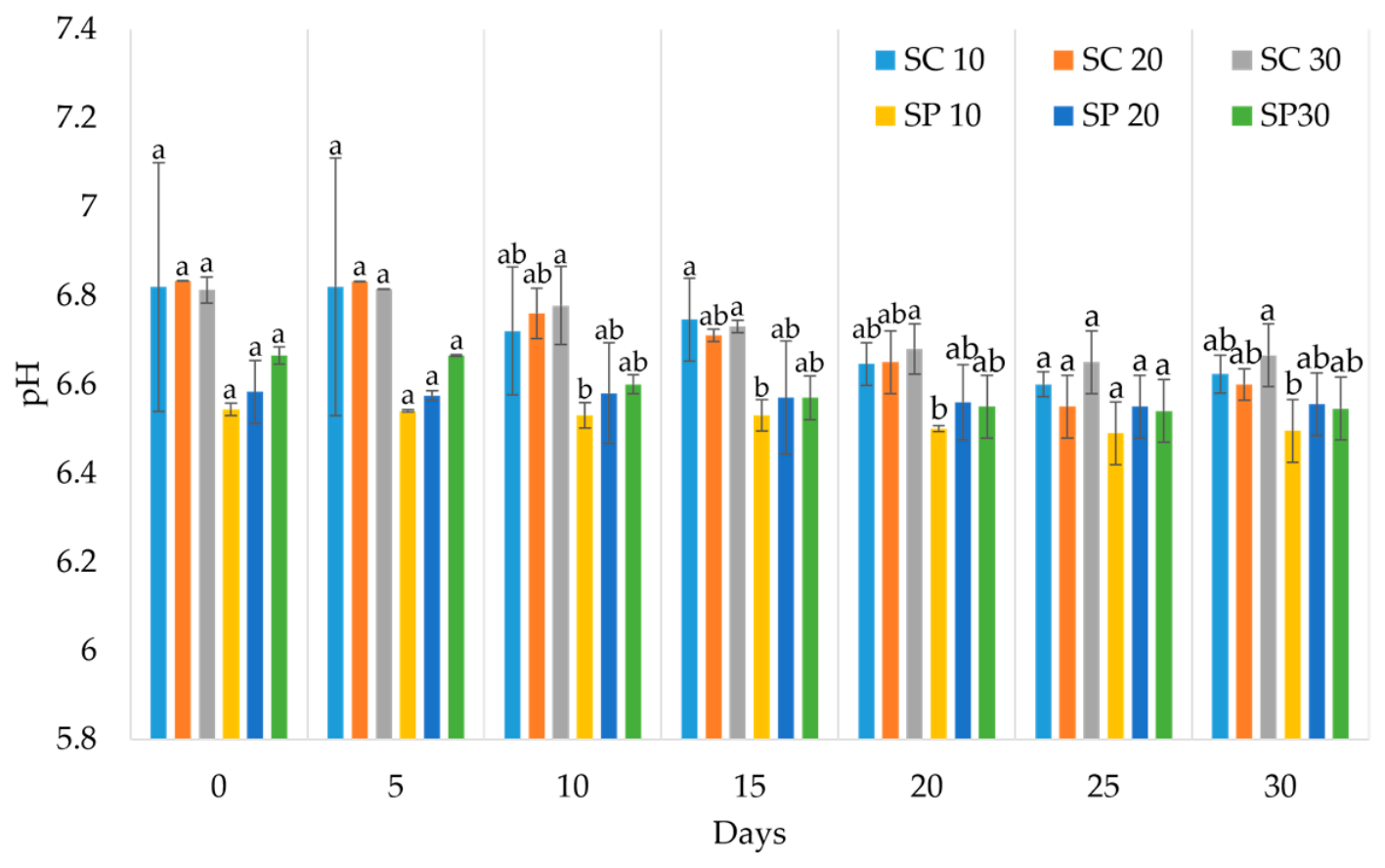
As shown in
Figure 1, the white sesame beverages exhibited a slight decrease in pH values; the initial pH values ranged from 6.543 (SP 10) to 6.832 (SC 20), while the final pH values after 30 days of storage ranged from 6.495 (SP 10) to 6.665 (SC 20). This minor pH reduction could potentially be attributed to the production of organic acids and their subsequent dissociation into hydrogen ions (H
+) within the beverage matrix, as previously suggested in the food science literature for similar plant-based beverages [
31,
32,
33].
Many authors have reported no significant changes in the pH of unfermented plant-based beverages during the storage period under refrigeration at 4 °C. Similar values were reported by Roland et al. [
34] for several unfermented plant-based drinks (oat, oat/hemp, almond, and soy/rice) and by Deziderio et al. [
35] for various fermented plant-based beverages (oat, rice, almond, Brazil nut, and soybean).
3.3. Separation Index of Sesame Beverages
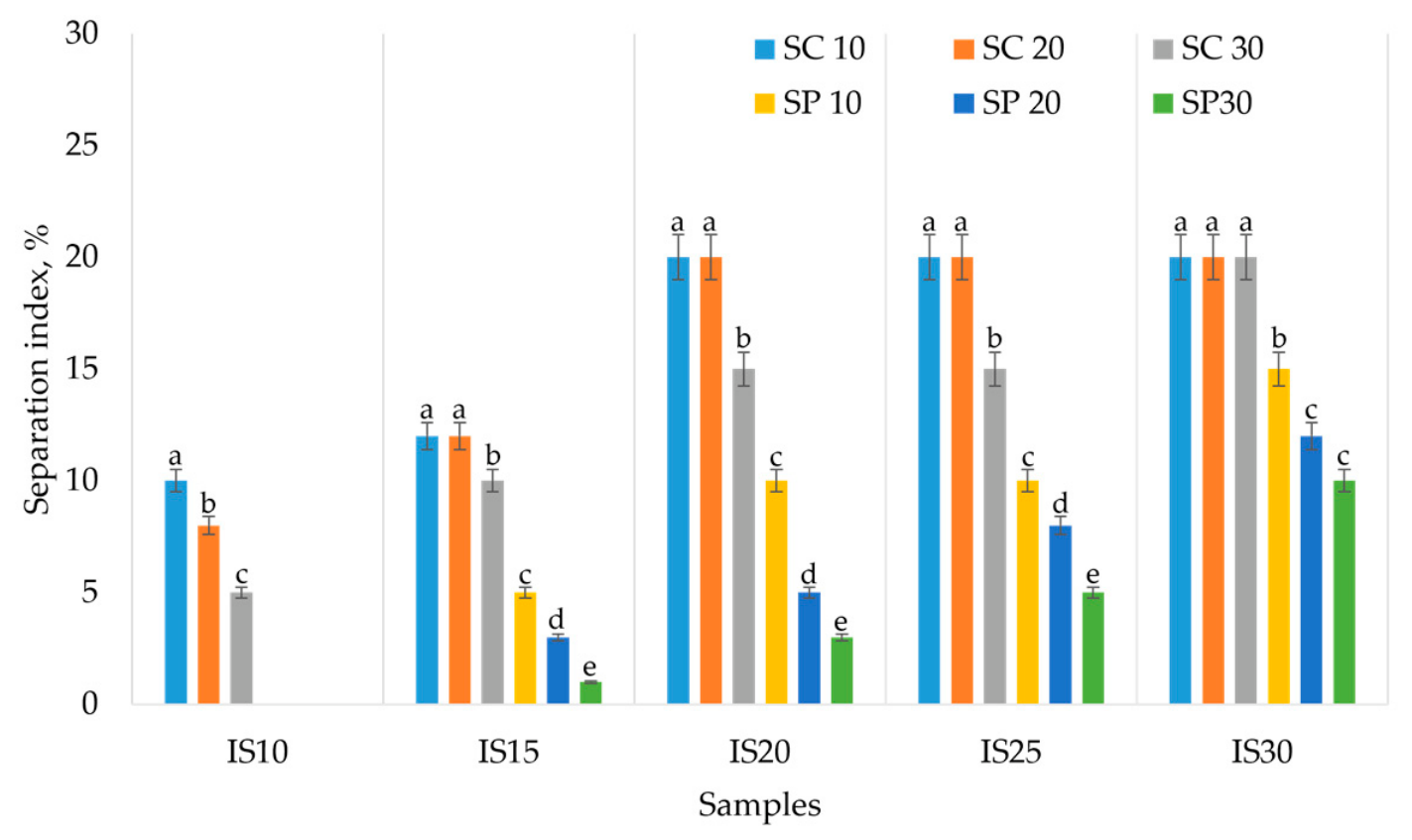
The physical stability of white sesame beverage samples may be influenced by blanching temperature, pasteurization temperature, pH, and the size and interaction of dispersed particles such as fat globules, proteins, and insoluble solids.
Figure 2 illustrates the separation index values used to quantify the stability of various white sesame beverages over a 30-day storage period evaluated on days 10, 15, 20, 25, and 30.
The higher blanching time and pasteurization temperature influenced the separation index of the white sesame beverage samples. This may be attributed to the formation of protein–lipid and protein–polysaccharide complexes. Similar results were observed in other studies about the separation index of sesame beverages that significantly increased when the pasteurization temperature was higher than 65 °C [
36].
The major constituent of the proteins (60–70%) in the sesame seed is α-globulin [
37], which has an isoelectric pH of 4.9 [
36]. According to the mentioned source, protein aggregation and a decline in the suspension stability of sesame beverage samples occur at a pH near the isoelectric point. In our research, the observed pH values were higher than the isoelectric pH; consequently, the electrostatic charges on the droplets increased, enhancing the repulsive forces between them and leading to higher stability against droplet aggregation [
38].
The particle size of our suspension could have influenced the physical stability of the sesame beverages. When the pH values were higher than the isoelectric point, the particle size increased. This phenomenon is attributed to enhanced negative surface charges on the proteins and the subsequent adsorption of oppositely charged surrounding particles [
36].
3.4. Phytochemical Results
The phytochemical results of the white sesame seed beverages are presented in
Table 2.
To counter free radicals’ negative effects on the human body, exogenous natural sources of antioxidants are crucial for internal defense systems.
Sesame seeds are rich in antioxidants, especially sesamin, sesamolin, and myristic acid, which are known for their antiproliferative, antimicrobial, antifungal and antioxidant qualities. Blanching time is an essential parameter in white sesame seed beverage production, as can be noted. The TPC and TFC values increased significantly (
p < 0.05) with an increasing blanching time. This phenomenon may be explained by the synergistic effect between the softening of plant cell structures during blanching and the subsequent blending process, which enhances the release and migration of bioactive compounds into the aqueous phase. As shown in
Table 2, the roasting process significantly increased (
p < 0.05) the TPC values in the plant-based beverages. This effect may be attributed to the thermal transformation of sesaminol into sesamol, which occurs during seed roasting and contributes to the release of phenolic compounds [
39]. Additionally, the formation of polymerized melanoidins during heat treatment may also contribute to the observed increase in TPC [
40].
As expected, a moderate to strong positive correlation was observed between the roasting treatment and the TPC (r = 0.776; p < 0.001).
In a study by Ayoub and Wani [
41] on sesame seeds, the reported values for TPC are 67–154 mg per 100 g. It is therefore deemed that the obtained values are satisfactory for the beverages.
The specialty literature lacks an explanation regarding the phytochemical content of white sesame seed beverages. This is consistent with the positive correlations observed in this research between these compounds and antioxidant activity values determined by the DPPH assay.
3.5. Antioxidant Activity of Sesame Beverages
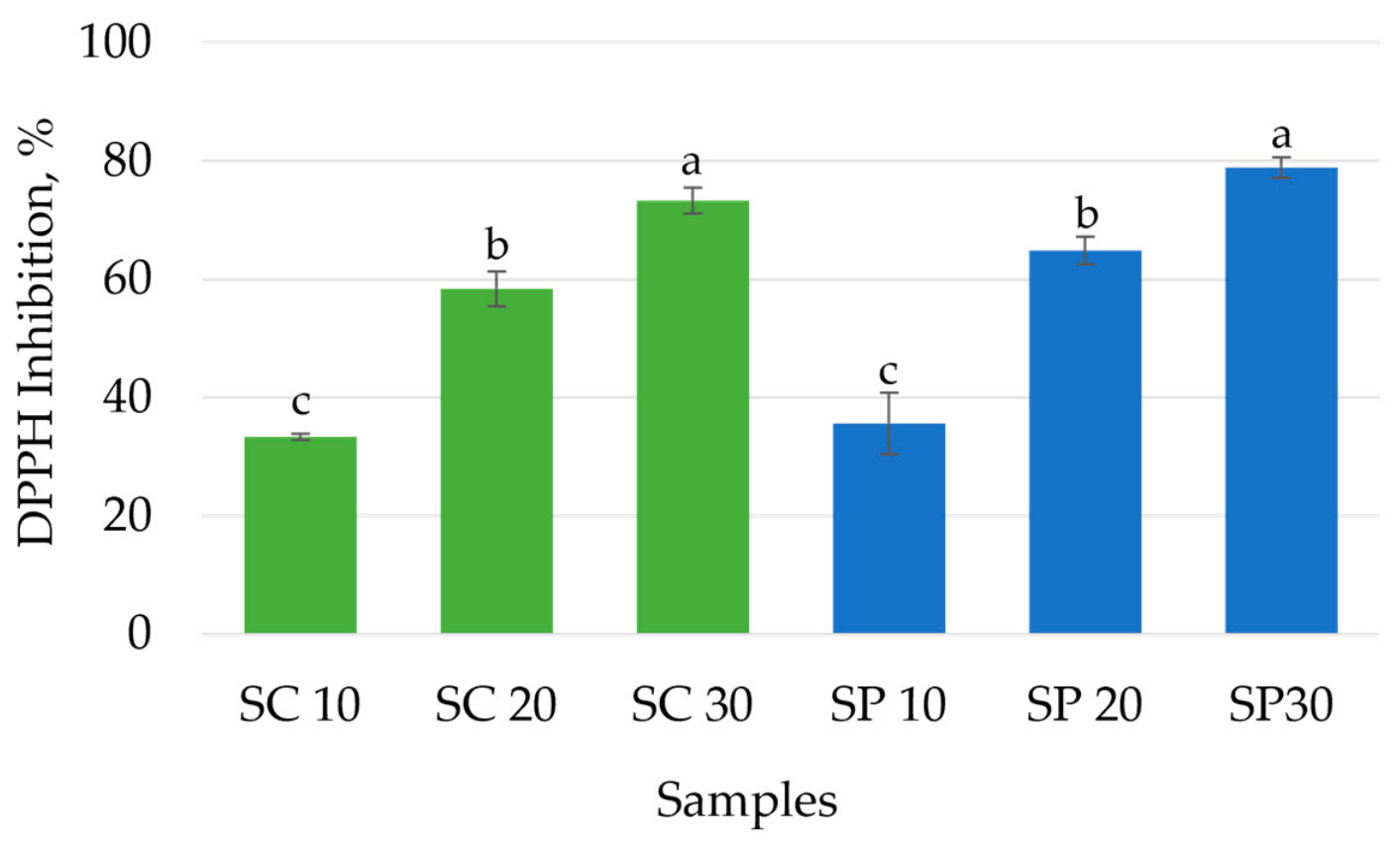
Figure 3 presents the DPPH inhibition of white sesame seed beverages.
The antioxidant activity determined by the DPPH assay presents values in the range of 33.36 ± 0.52 and 73.29 ± 2.21% for the SC samples, while for the SP samples the values varied between 35.61 ± 5.21 and 78.90 ± 1.77%. Approximately similar results for the sesame seed of 42.8% DPPH inhibition were reported by Ologoma et al. [
42]. Also, in a study by Ruslan et al. [
43] comparable results were reported as IC
50 values in the range of 8.88–44.21% for two varieties of
Sesamum indicum L. collected from Indonesia.
Regarding the antioxidant activity, the TFC exhibited a stronger positive correlation with DPPH radical scavenging capacity (r = 0.829; p < 0.001) compared to TPC, for which the observed correlation was slightly weaker (r = 0.769; p < 0.001).
3.6. Color of Sesame Beverages
The color of the sesame beverage samples was evaluated using both CIELAB parameters (L*, a*, and b*) and specific color indices (WI, YI, and BI). While CIELAB parameters quantify fundamental changes in lightness, redness, and yellowness, the color indices convert these parameters into standard quality indicators.
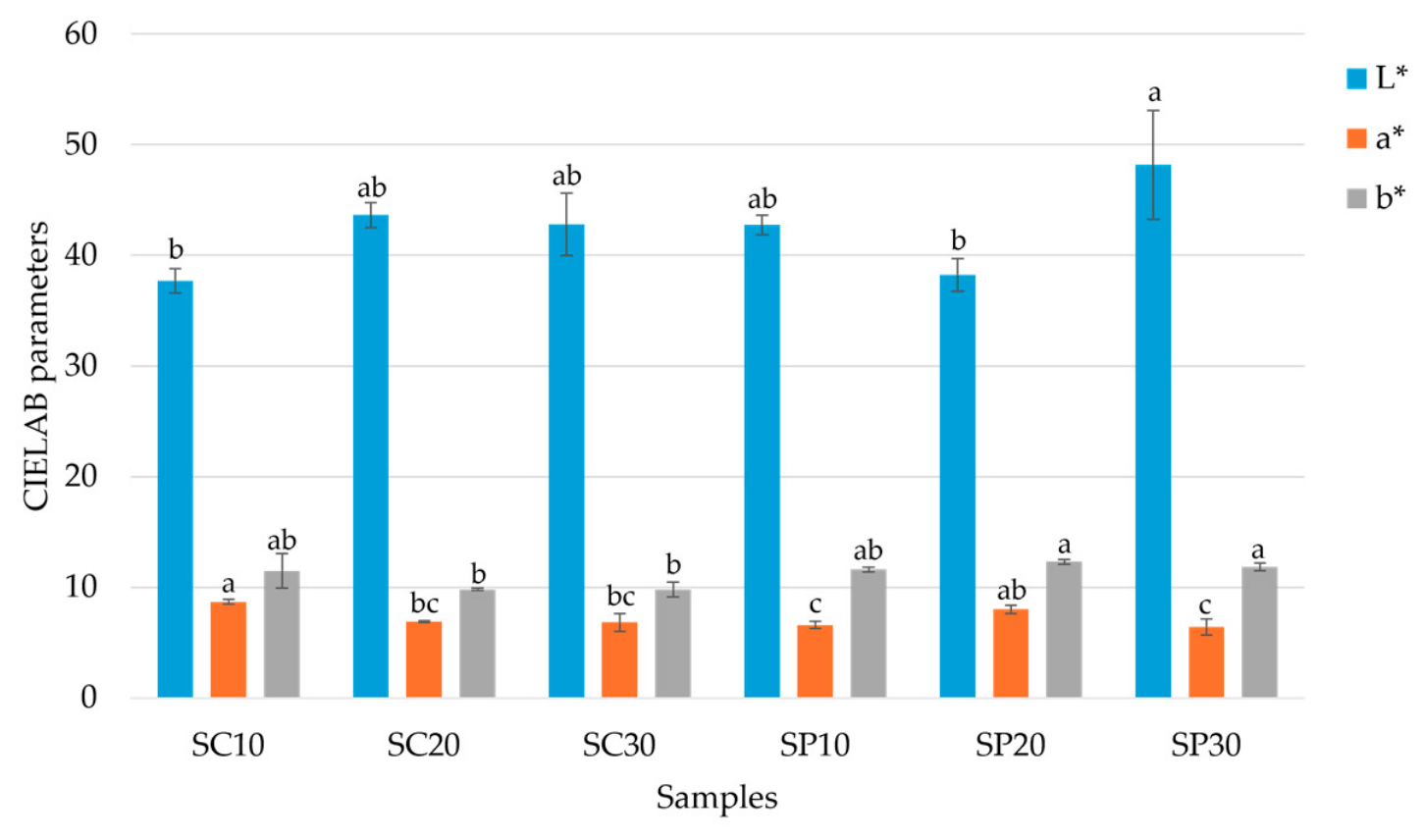
The color parameters (L*, a*, and b*) of the white sesame beverage samples are presented in
Figure 4. Lightness (L*) ranged from 37.71 (SC10) to 48.16 (SP30). The (a*) parameter varied from 6.41 (SP30) to 8.67 (SC10), while the (b*) value ranged from 9.81 (SC20 and SC30) to 12.31 (SP20).
Blanching of the sesame seeds for 30 min resulted in an increase in lightness (L*) for the sample SP30. According to Ahmadian-Kouchaksaraei et al. [
11], this light scattering was attributed to an increased release of fat globules, which was facilitated by cell wall softening during grinding. All sesame beverage samples exhibited positive a* values. This result is usually due to the use of roasted or blanched sesame seeds. This result can be attributed to the thermal decomposition of chlorophyll. Kahyaoglu and Kaya [
44] reported that higher roasting temperatures resulted in increased a* values for sesame seeds. The results demonstrate that thermal treatment increased the b* values of the sesame beverage samples.
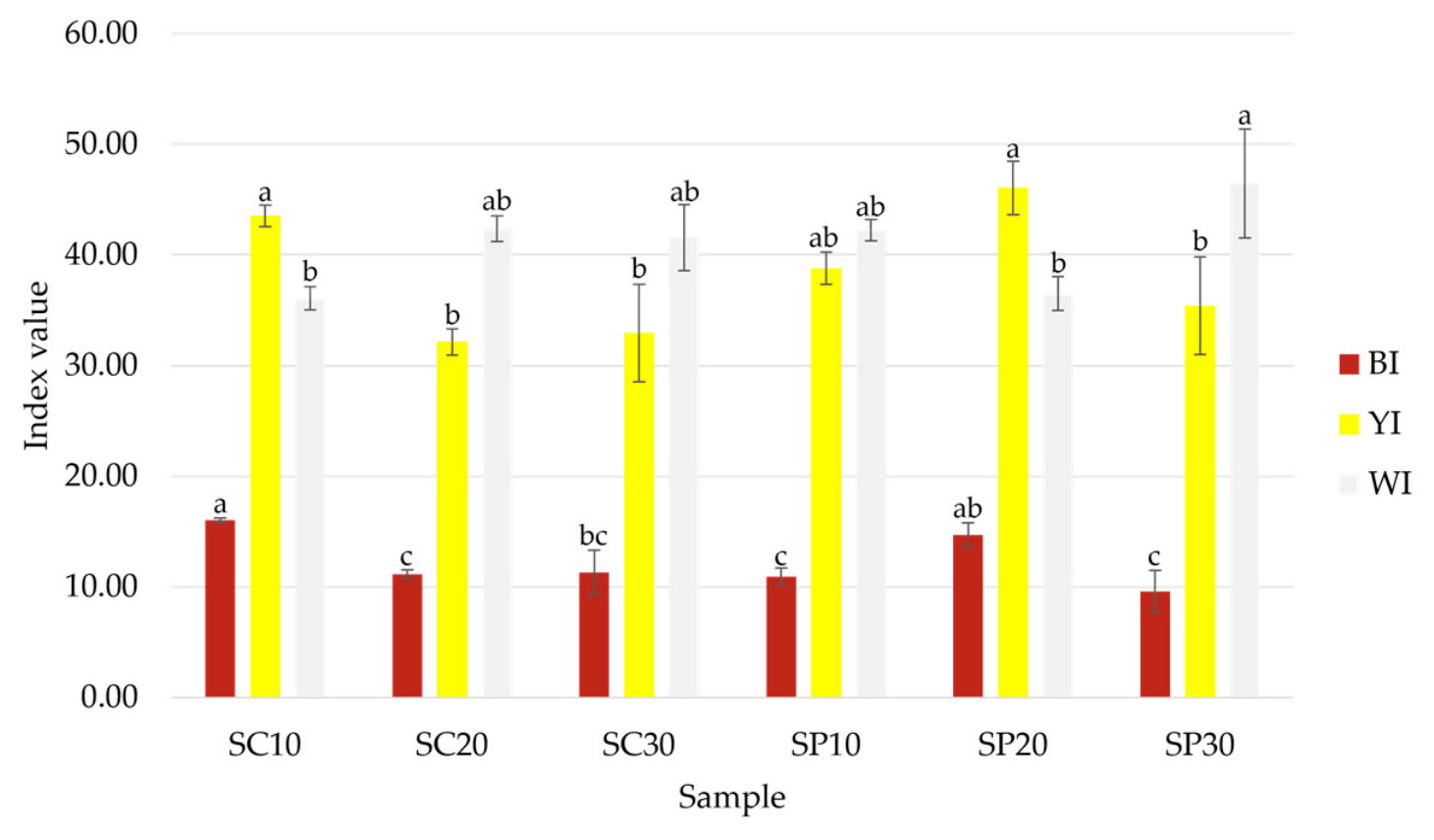
In food processing, color indices are very important to ensure product quality and consumer satisfaction. In
Figure 5 the brown, yellow and white index values are presented for white sesame seed beverages.
The sesame beverage samples obtained from unroasted white sesame were characterized by a pale appearance and a high whiteness index (WI). The highest value was established for SC20. Roasting the sesame seeds at a high temperature of 145 °C prior to milling accelerates the Maillard reaction and pigment formation. This increases both the browning index (BI) and yellowness index (YI) in the resulting beverages.
The moderate positive effect of blanching time on the beverages’ L* (
r = 0.527;
p = 0.02) and WI (
r = 0.532;
p = 0.02) aligns with the findings of Ahmadian-Kouchaksaraei et al. [
11]. This phenomenon is attributed to enhanced light scattering caused by the increased concentration of lipid globules, which are liberated more efficiently during grinding due to thermal softening of the cell walls.
3.7. Questionnaire Results
This study could be considered a pilot study or a preliminary market assessment because of the dimensions of the sample and the ages of the group, which could limit the generalizability of the findings to the broader consumer population.
Fifty respondents completed the questionnaire. Ten subsequent questions were selected to identify the possible consumers’ acceptance of white sesame seed beverages.
In every questionnaire there are some standards questions (
Figure 6,
Figure 7 and
Figure 8), which could further explain some specific preferences or behaviors.
As presented in
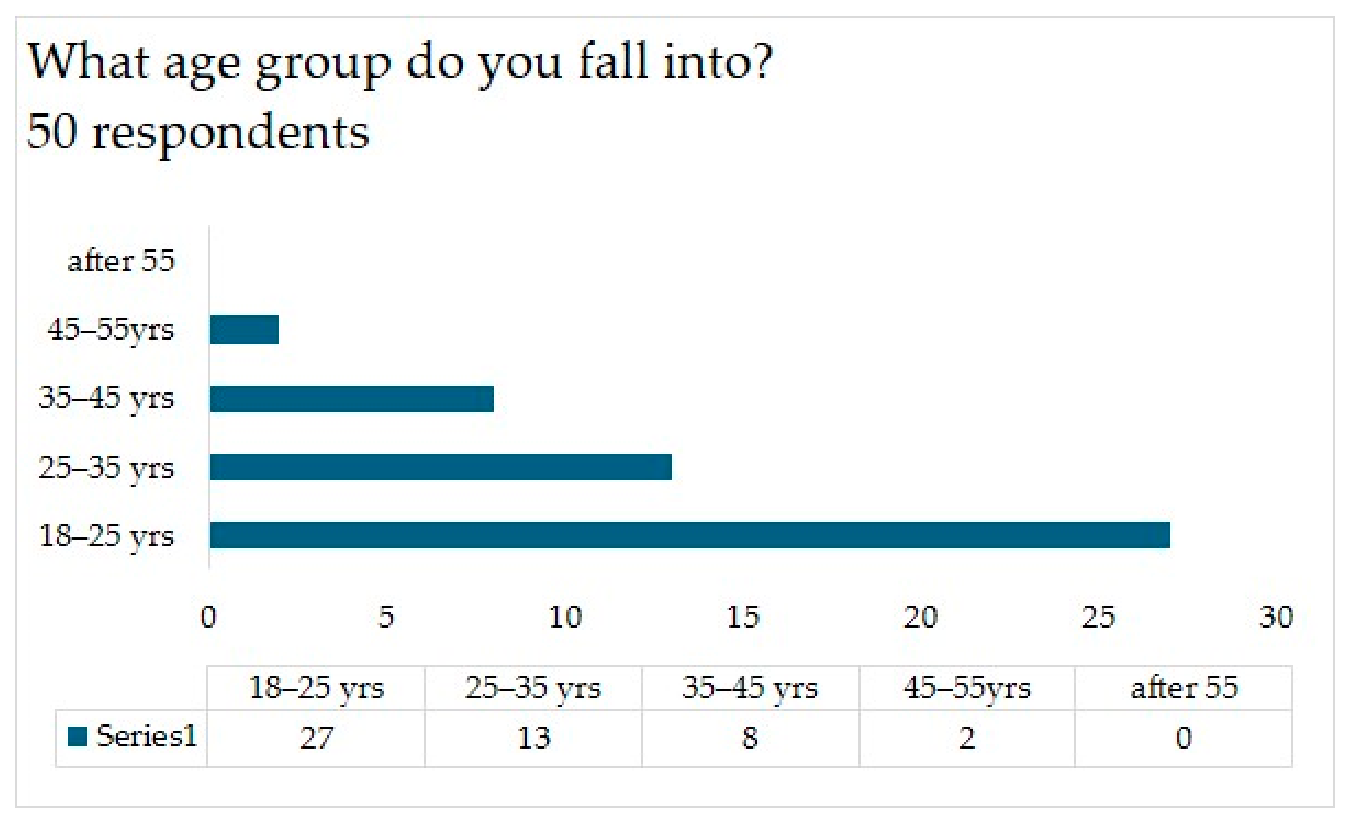
Figure 6, most of the respondents are from the age group of 18 to 25 years (54%), followed by 25–35 years (26%). People after 45 years are poorly represented (4%), while the 55-year category is not represented at all. These results could lead to evidence demonstrating that the survey was completed mostly by young people. This behavioral trend aligns with current concerns about healthy eating.
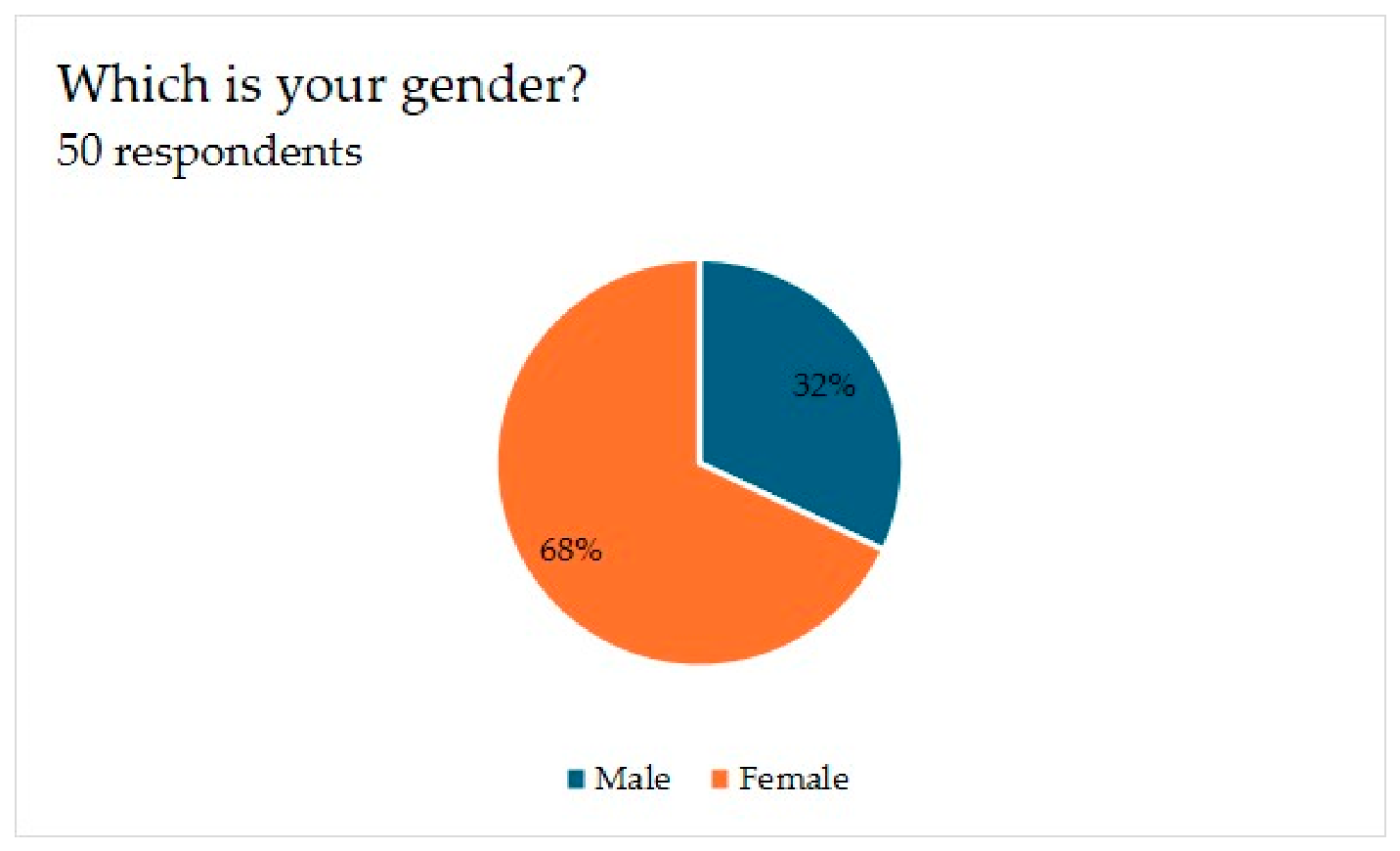
The distribution of genders evidence that 68 of the respondents were female, while 32% were male. This was the right approach, since this study was developed in Romania, which is a European state where, demographically, the female population is higher than that of the male [
45].
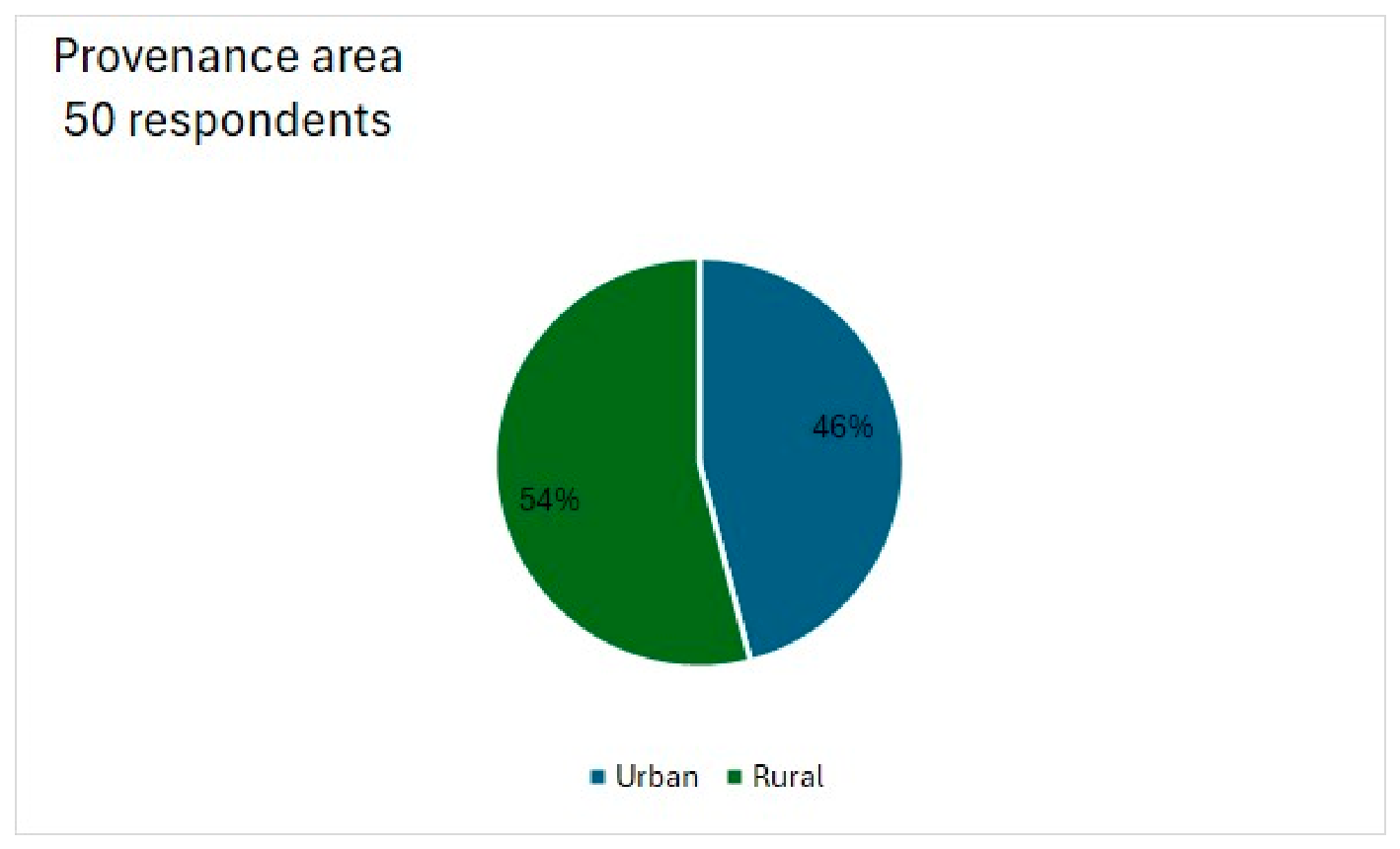
The provenance area of the respondents is presented in
Figure 8. As it shows, the respondents’ distribution is quite equal, with a slight (8%) dominance of rural people.
This proportion ensures adequate representation of both environments in the analysis and allows for a comparison of perceptions and consumption habits between the rural and urban population regarding the use of plant-based milk.
The popularity of white sesame seed beverages is very important in the future acceptance of possible consumers. Moreover, there are already many other plant-based beverages available in stores.
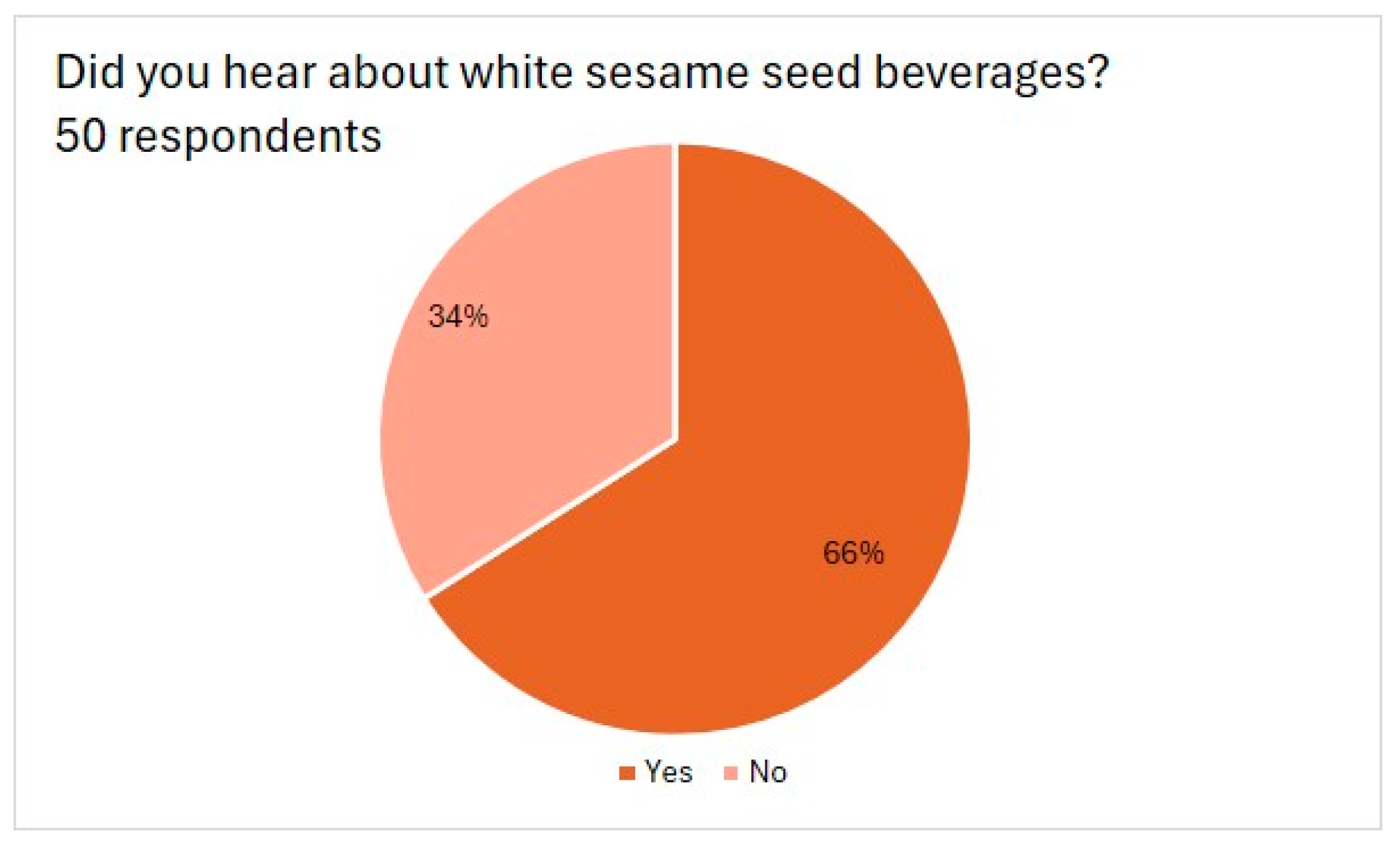
Figure 9 reflects the results to a question asking if the respondents know about this type of beverage, and a satisfactory percentage of 66% in the affirmative was obtained from the answers. These answers are in accordance with the novel European trends of vegan and vegetal products and increased plant-based beverage production. The potential of white sesame seeds to be used in beverages is sustained by European statistics. According to
https://www.cbi.eu/market-information/grains-pulses-oilseeds/sesame-seeds/market-potential (accessed on 26 May 2026) [
46] the actual quantity of European cultivated white sesame seeds is not enough to satisfy consumers’ needs. Thus, an important plan for a new direction in cultivation strategy is proposed to sustain this approach.
Figure 9.
The popularity of white sesame seed beverages. The context in which the consumers have encountered white sesame seed beverages is presented in
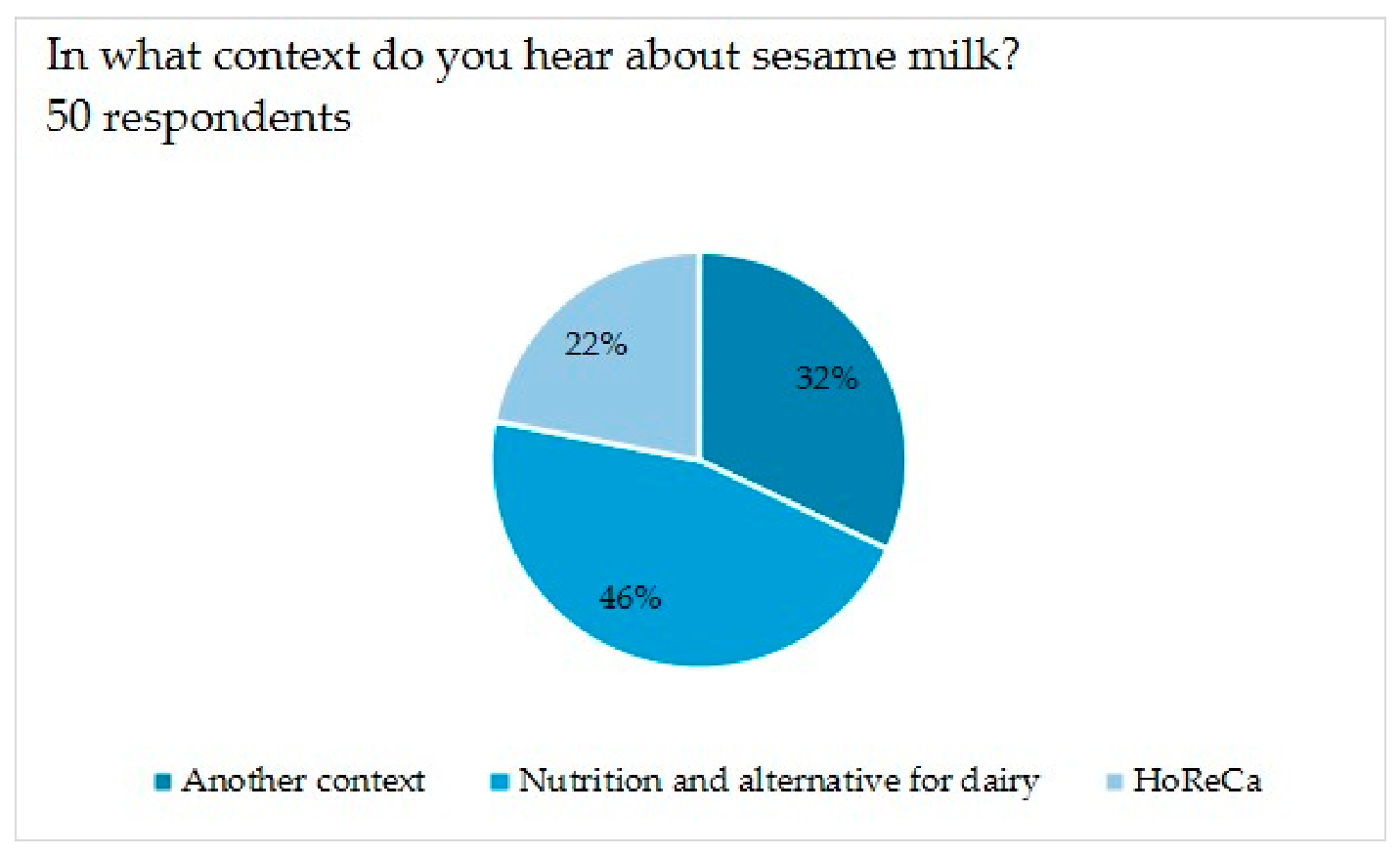
Figure 10. As expected, the highest percentage of 46% is attributed to nutrition and alternatives for dairies due to the intensive marketing of healthy plant-based beverages.
Figure 9.
The popularity of white sesame seed beverages. The context in which the consumers have encountered white sesame seed beverages is presented in
Figure 10. As expected, the highest percentage of 46% is attributed to nutrition and alternatives for dairies due to the intensive marketing of healthy plant-based beverages.
Figure 10.
The context of finding out about white sesame seed beverages.
Figure 10.
The context of finding out about white sesame seed beverages.
The lowest percentage of 22% was gained by the HoReCa field, which indicates that these types of beverages are not so popular in the hospitality industry, while the other context exposure (32%) highlights the diversity of information sources. These findings could be considered an opportunity to promote more active white sesame seed beverages in restaurants, cafes and HoReCa.
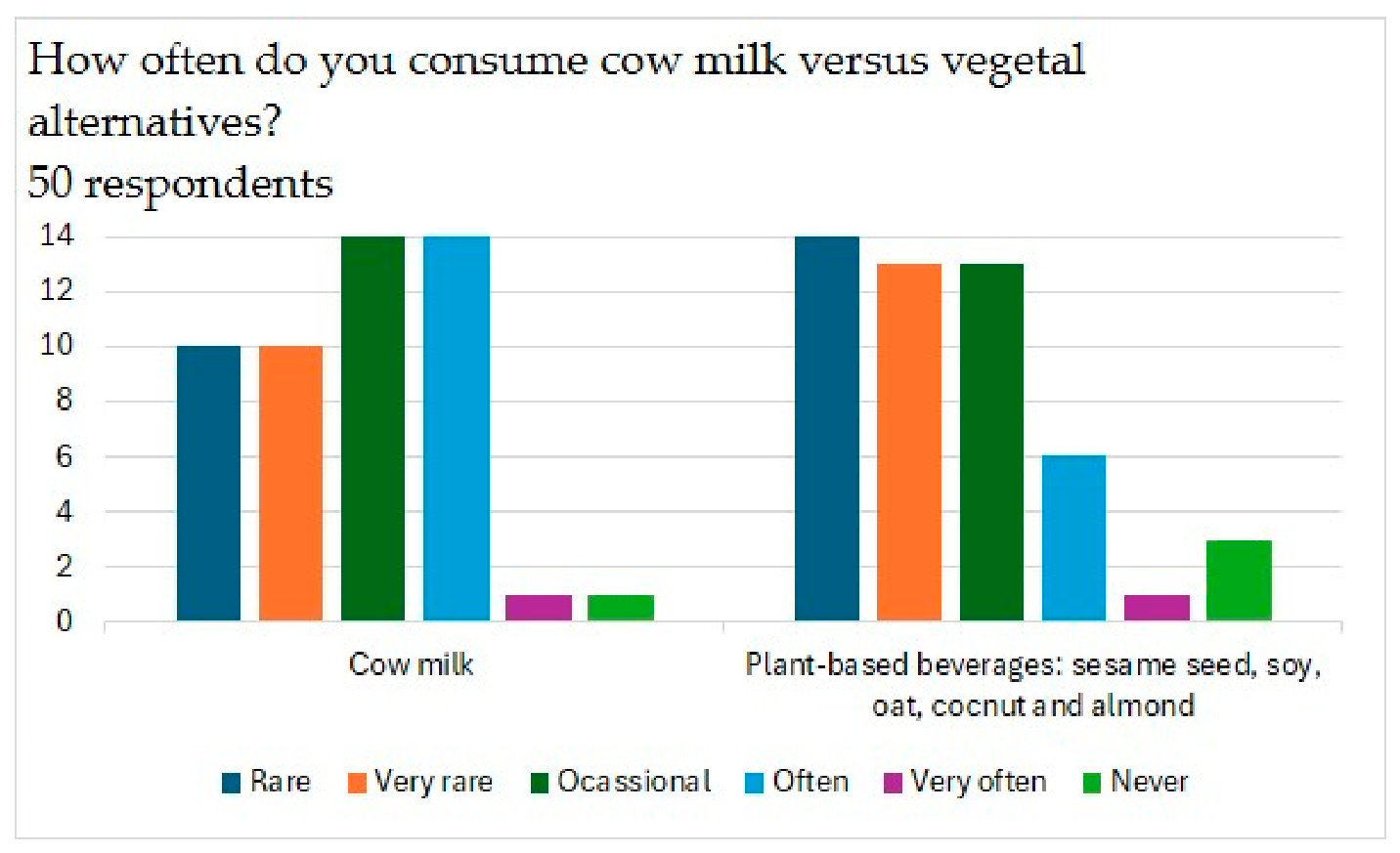
Figure 11 reflects an equitable tendency regarding the consumption of cow milk, and most of the respondents stated that they consume it occasionally or rarely.
In contrast, plant-based alternatives (such as sesame, soy, almond beverages, etc.) are consumed less frequently or not at all by a large proportion of participants. However, the presence of responses indicating frequent or even very frequent consumption of these alternatives suggests a growing openness towards plant-based products. These outcomes are possibly motivated by health, environmental or food-intolerance concerns. These results may indicate a transitional stage in consumption behaviors, with the potential for increased interest in plant-based milk.
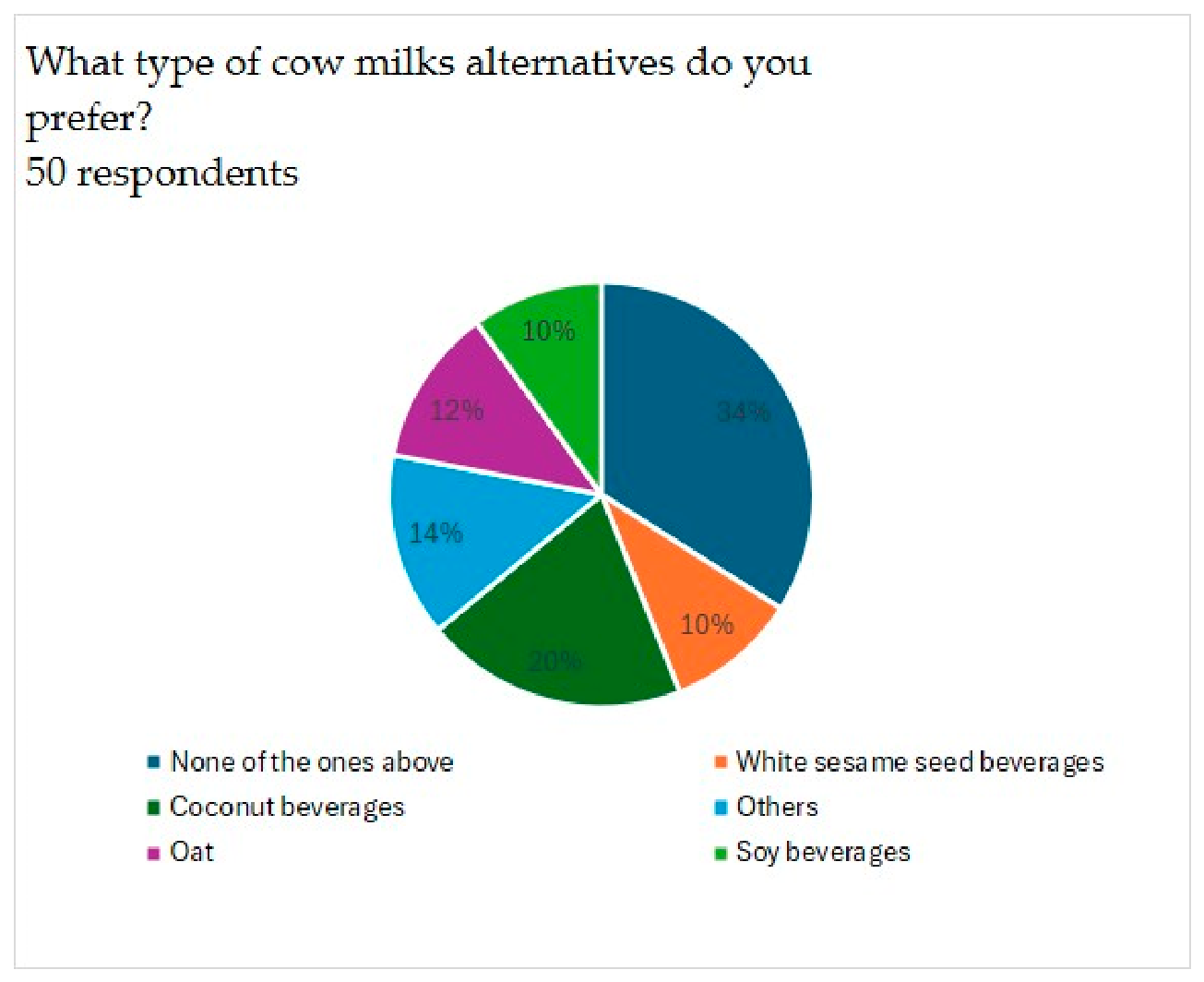
Figure 12 presents the preferences of the consumers regarding plant-based beverages.
According to the data, 34% of the respondents do not use any of the listed plant-based alternatives, indicating a preference for other options (including cow’s milk) or the avoidance of additives.
Among the plant-based alternatives, coconut drinks (20%) are the most preferred, followed by sesame drinks (14%), oat drinks (12%) and soy drinks (10%). Other (unspecified) options were chosen by 10% of the respondents.
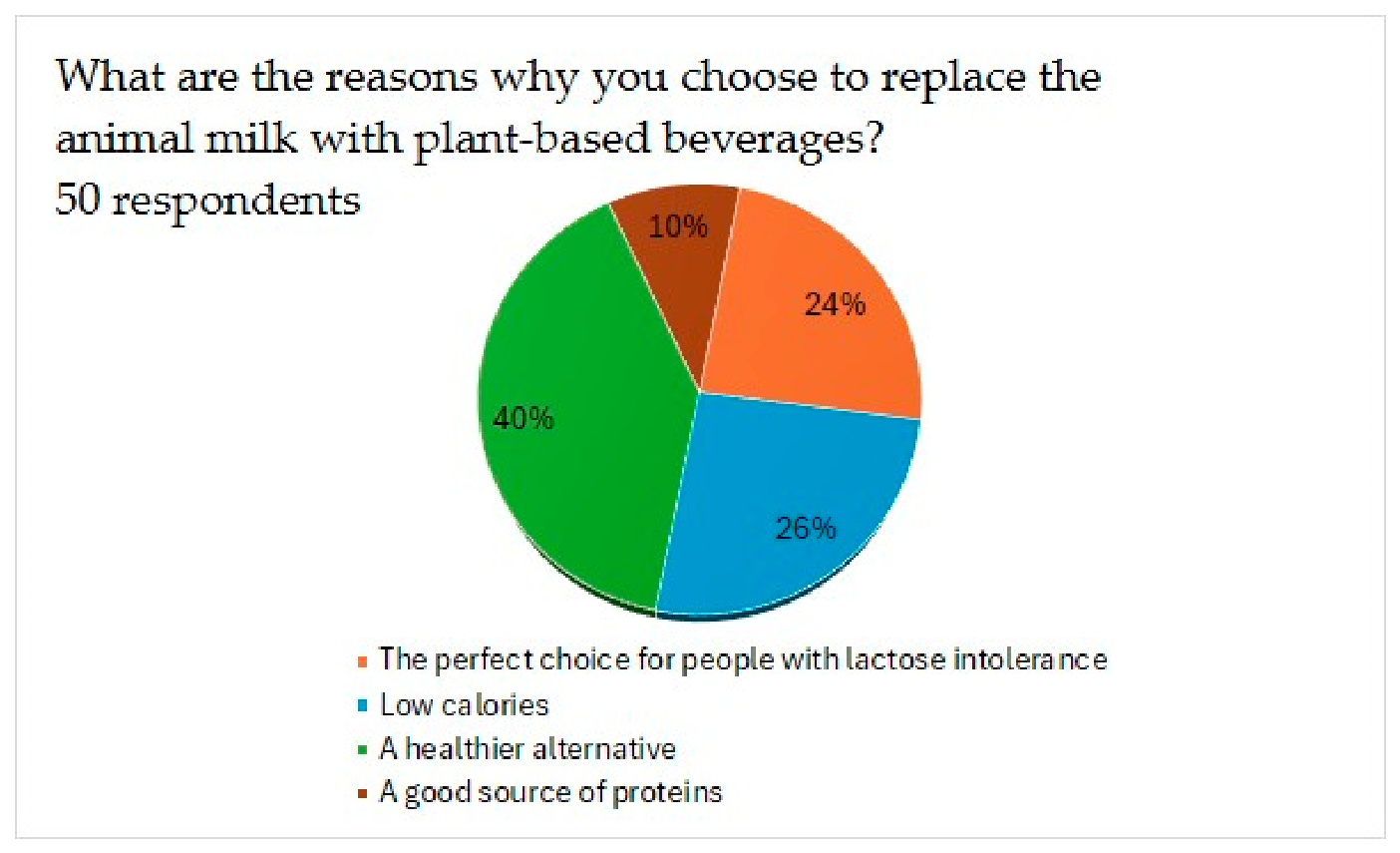
The data presented in
Figure 13 shows that the main motivation for consuming plant-based milk is perceived as a healthier alternative (40% of respondents). Other important reasons include lower calorie content (26%) and adaptability for people with lactose intolerance (24%). Only 10% of the respondents indicated protein intake as a determining factor. This distribution suggests that the choice of plant-based milk is primarily guided by health and diet concerns, rather than nutritional considerations related to protein content. Thus, lifestyle aspects and food tolerances seem to play a key role in the approval of these alternatives.
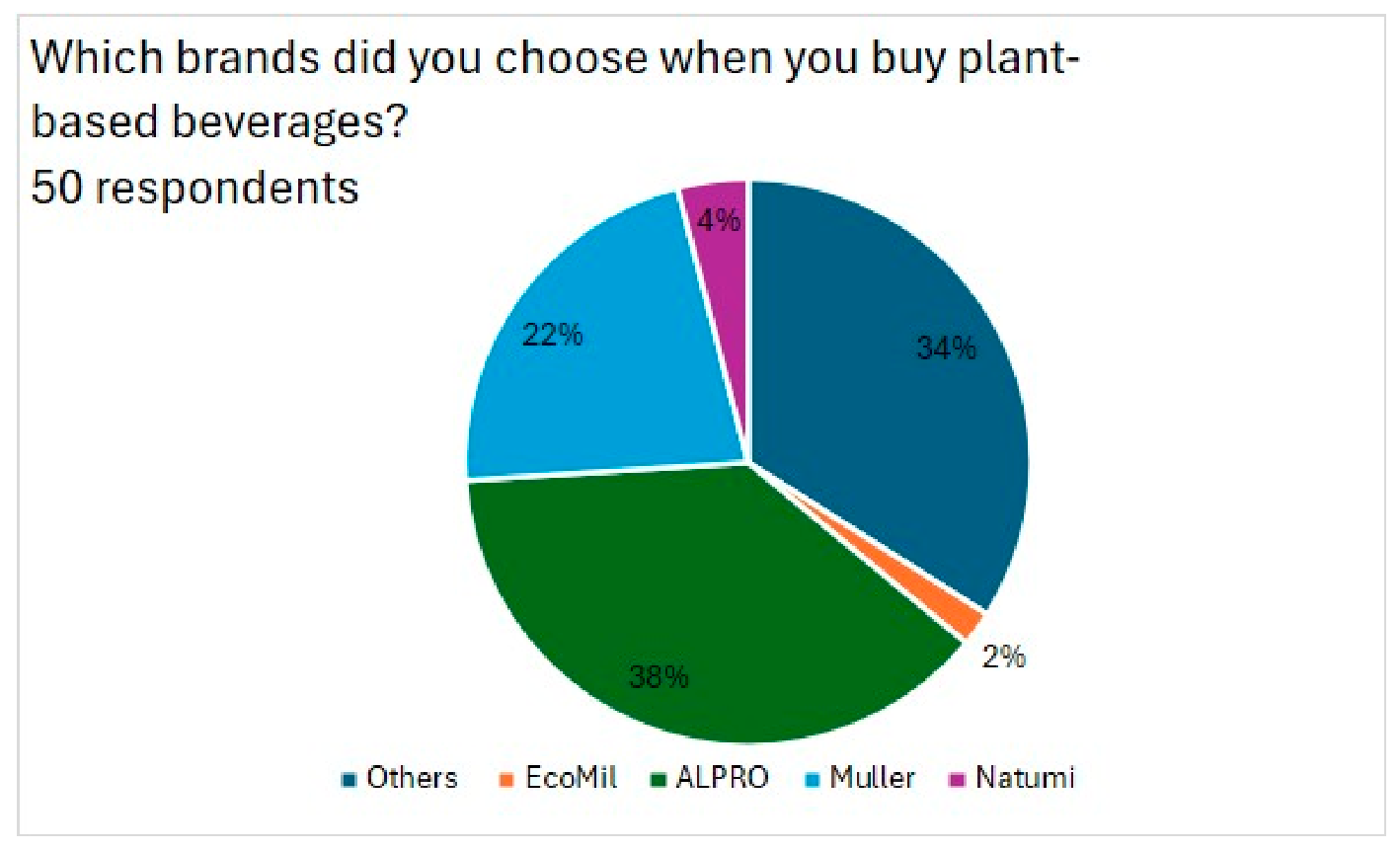
In
Figure 14 are presented the most popular brands of plant- based beverages. According to the graphs, ALPRO is the most recognized and preferred brand of the respondents, at 38%, followed by the “Other” category (34%), which indicates a diversified market and a high interest in multiple options. The Müller brand is considered by 22% of the participants, while brands such as EcoMil and Natumi have much lower percentages. These results suggest that although there are dominant brands, consumers are also open to less well-known or local alternatives. At the same time, the leading position of the ALPRO brand reflects its notoriety in the plant-based drink market in Romania and possible consumer loyalty towards its products.
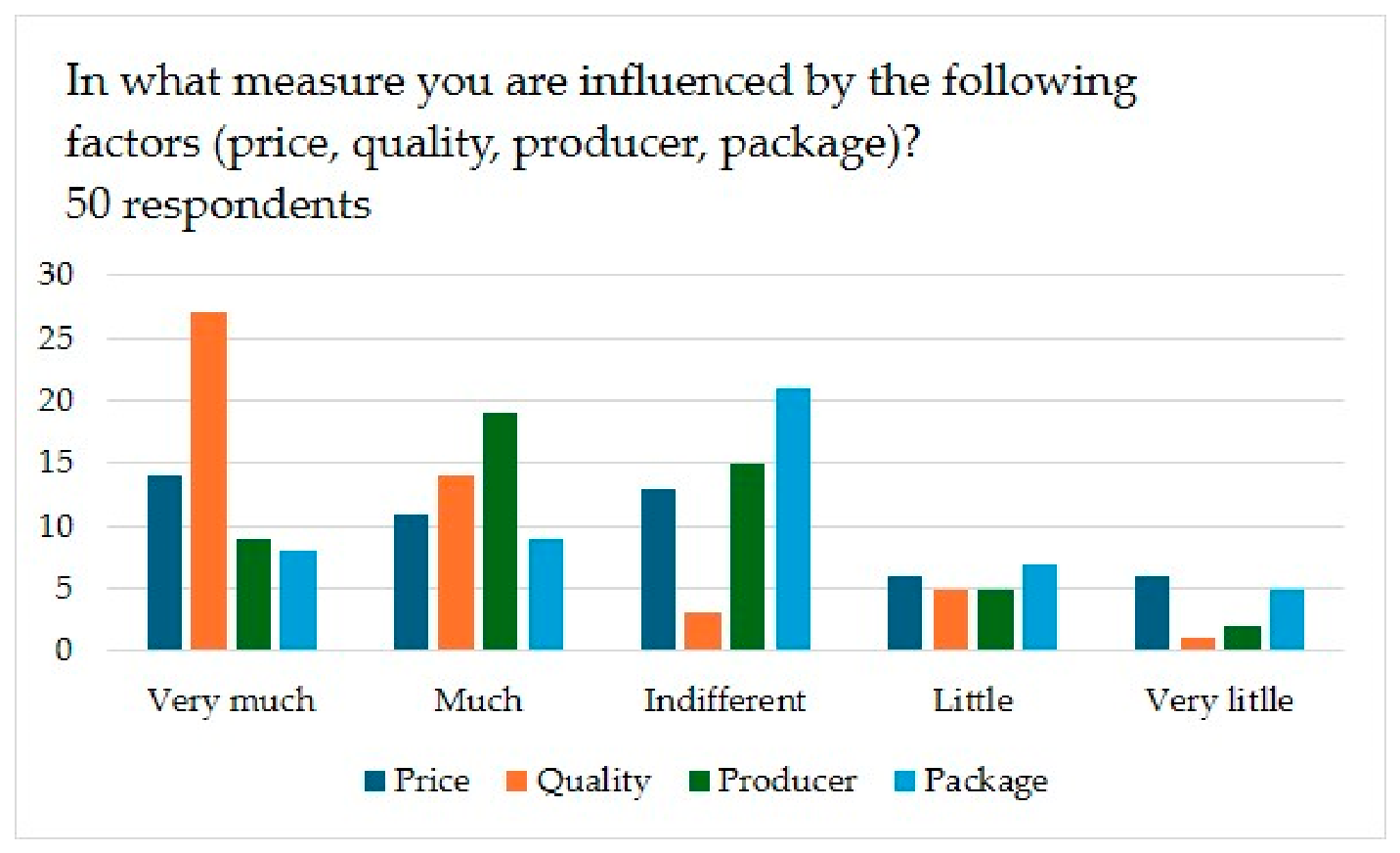
In
Figure 15 are presented the factors which influence purchase decisions. Quality is the most important factor in the decision to purchase plant-based drinks, with most respondents considering it “Very” influential. Price and manufacturer have a moderate impact, while packaging seems to influence the decision less, with many being “Indifferent” to this aspect. Thus, to attract consumers, manufacturers should focus especially on product quality and creating an attractive price–quality ratio.
3.8. Principal Component Analysis of Plant-Based Beverages
The use of principal component analysis (PCA) allowed for a reduction in the dimensionality of the data analyzed, which was previously standardized to eliminate the influence of scale differences among the dependent variables. The PCA was performed using the standardized dataset obtained from the six beverage formulations, each characterized by triplicate analytical determinations, including CIELAB parameters, physicochemical characteristics, and bioactive compounds. This multivariate approach was used as an exploratory tool to evaluate relationships among variables and to visualize the sample distribution associated with raw and roasted sesame seeds and blanching treatments. Subsequently, grouping the samples according to the treatment applied facilitated the interpretation of principal components in two-dimensional (2D) and three-dimensional (3D) space.
According to
Table 3, the first two components explained 71.69% of the total variation of the data. Furthermore, the inclusion of components with an eigenvalue >1 [
47] allowed for an explanation of 94.98% of the total system variation. Similarly, Comani et al. [
48] reported that the first two principal components explained 91.5% of the variation induced by the roasting treatment of white sesame seeds, highlighting its effects on fatty acid profile and polyphenolic compounds.
Table 4 shows that PC1 was positively associated with the L parameter, fat content, antioxidant activity, and WI, whereas BI and YI showed negative contributions. Therefore, PC1 can be associated with variations related to color characteristics and antioxidant-related properties, rather than indicating a direct causal effect. PC2 was mainly associated with variations in physicochemical composition, while PC3 showed negative contributions from the b* parameter, YI, TFC, and TPC, suggesting additional variation related to phenolic compounds and selected color parameters.
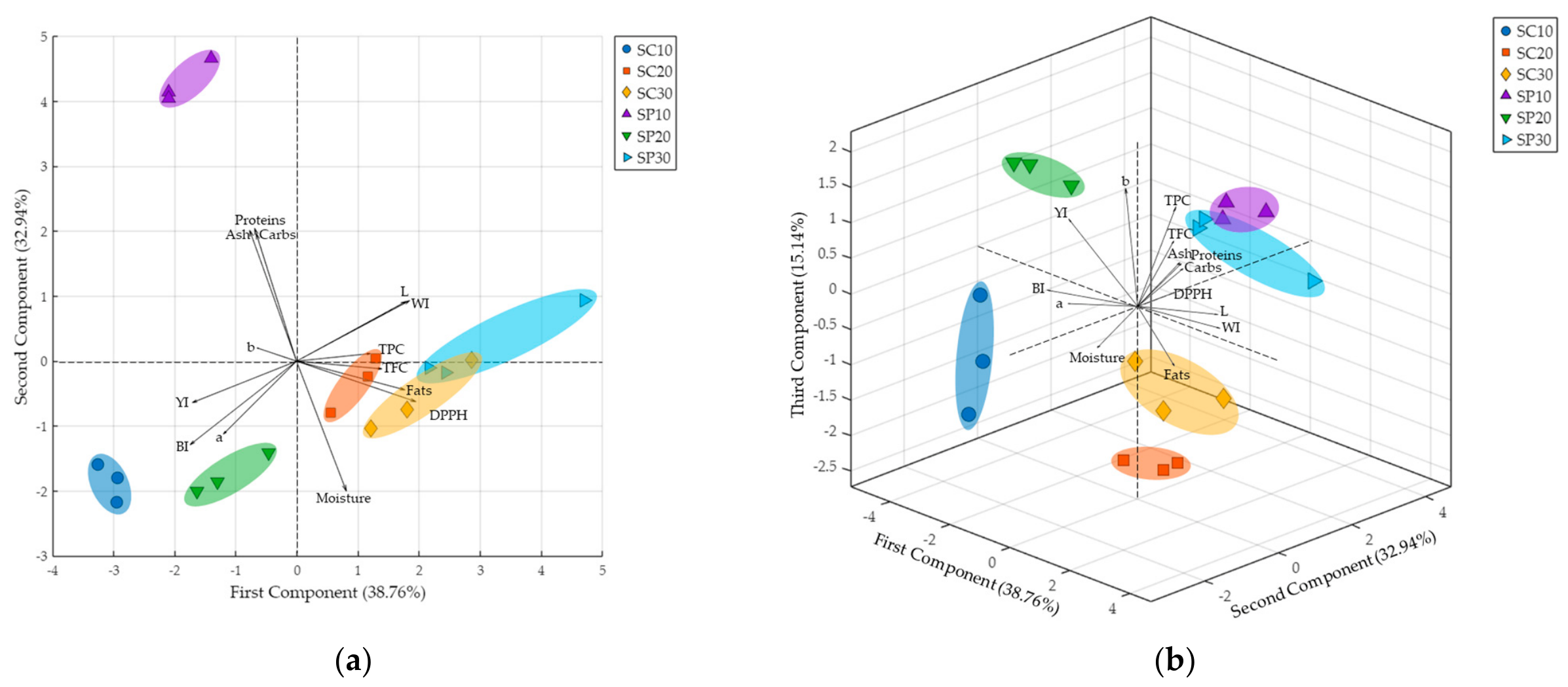
A 2D (
Figure 16a) and 3D (
Figure 16b) representation of the score and loading plots provided an exploratory visualization of sample distribution according to the variables included in the multivariate analysis, facilitating the interpretation of the influence of the experimental conditions on beverage production.
As can be seen in
Figure 16a, roasting treatment appeared to contribute more strongly to sample separation than blanching time. In the beverages obtained from raw seeds, separation was less evident, with only the sample blanched for 10 min showing differences from those treated for 20 and 30 min.
According to
Figure 16b, the 3D distribution suggests an association between the SP30 sample and higher values of brightness, TPC, TFC, and antioxidant activity. This association observed for sample SP30 may be explained by the impact of roasting, as reported by Akele et al. [
40]. The authors reported that roasting promotes an increase in TPC because of melanoidin formation. These compounds, generated through condensation and polymerization reactions between amino acids and carbohydrates present in the plant matrix, contribute to enhanced antioxidant activity.
At the same time, the high values of the
L and
WI parameters for samples blanched for 30 min were explained by Ahmadian-Kouchaksaraei et al. [
11], who attribute this effect to light scattering by lipid globules released because of cell wall softening and facilitated release during grinding.
The PCA results indicate that sesame seed roasting is the main source of variation in the system, while blanching exerts a secondary influence on the physicochemical and colorimetric properties of the sesame seed beverages.
Overall, the PCA results suggest that roasting treatment was associated with a greater contribution to the observed variability among beverage formulations, while blanching time showed a secondary contribution. Given the exploratory nature of PCA and the number of experimental formulations, these results should be interpreted as trends describing relationships among variables and sample distribution.
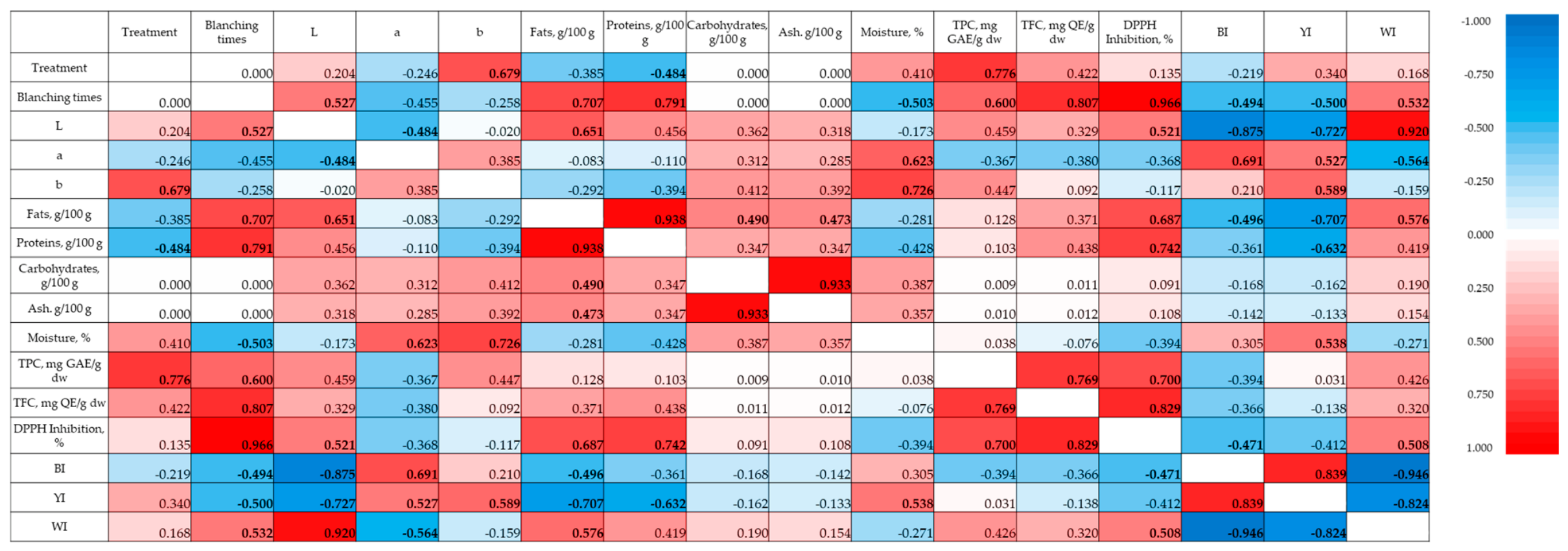
Pearson’s correlation analysis (
Figure 17) was used to determine the linear relationships between the independent and dependent variables, aiming to identify the mechanisms involved in the sesame beverage production process and their influence on colorimetric parameters and physicochemical properties. It also allowed for the observation of relationships established among the dependent variables, suggesting possible underlying mechanisms.
5. Conclusions
This study resulted in six technological variants of vegetable drinks obtained from white sesame seeds tested for characterization. Notably, all sesame seed beverages registered very high antioxidant activity by DPPH assay. In a strong correlation with results on bioactive compounds, antioxidant activity was induced by these major contributors.
Roasting has a vital positive impact on maximizing nutrient extraction, reducing antinutrients, and stabilizing white sesame seed emulsions. Blanching emphasizes the color characteristics of the white sesame seed beverages.
Consecutive high-speed stirring stages prevent phase separation and creaming by reducing the fat droplet size in the sesame seed beverages.
Quite unexpectedly, the beverages had good storage stability in the absence of stabilizers. An online questionnaire revealed the importance and at the same time the necessity of marketing such a product, which successfully fits into new health trends. Further studies are needed to validate consumers’ acceptance by a sensorial analysis using six variants.





 ,
,