
Review

Magnetic Resonance Imaging of the Neonatal Brain: Modalities, Scoring Systems, and Clinical Applications
by
Swathi Ariyapadi
1,2,3,
Emily Garavatti
2,3,4 and
Terrie Inder
1,2,3,*
1
Division of Newborn Medicine, Rady Children’s Hospital of Orange County, Orange, CA 92868, USA
2
Center for Perinatal and Infant Research, Rady Children’s Hospital of Orange County, Orange, CA 92868, USA
3
Department of Pediatrics, University of California, Irvine, CA 92868, USA
4
Division of Neurology, Rady Children’s Hospital of Orange County, Orange, CA 92868, USA
*
Author to whom correspondence should be addressed.
Bioengineering 2026, 13(8), 859; https://doi.org/10.3390/bioengineering13080859

Submission received: 8 June 2026 / Revised: 15 July 2026 / Accepted: 22 July 2026 / Published: 25 July 2026
(This article belongs to the Special Issue Technological Advances in Neurorehabilitation)

Abstract

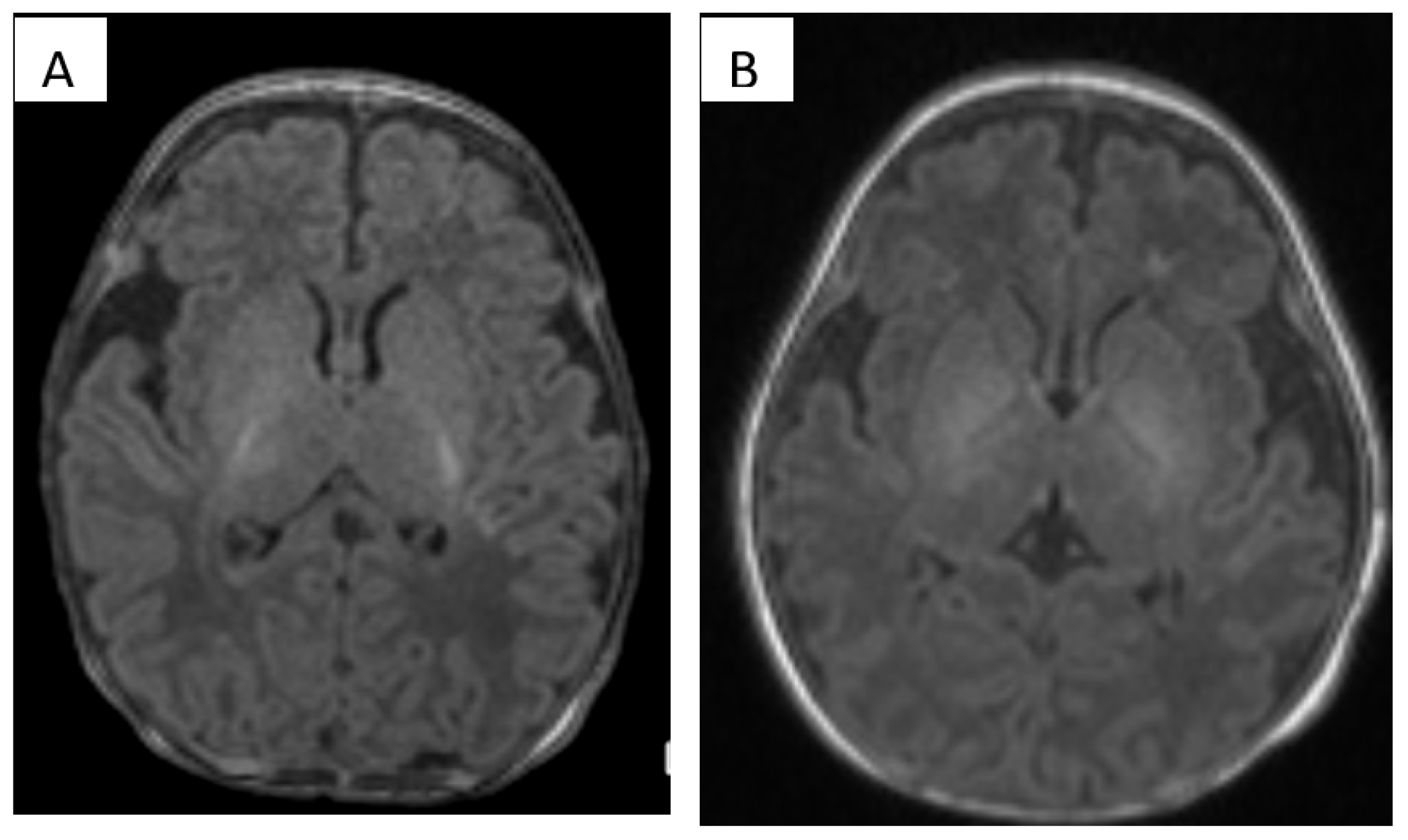
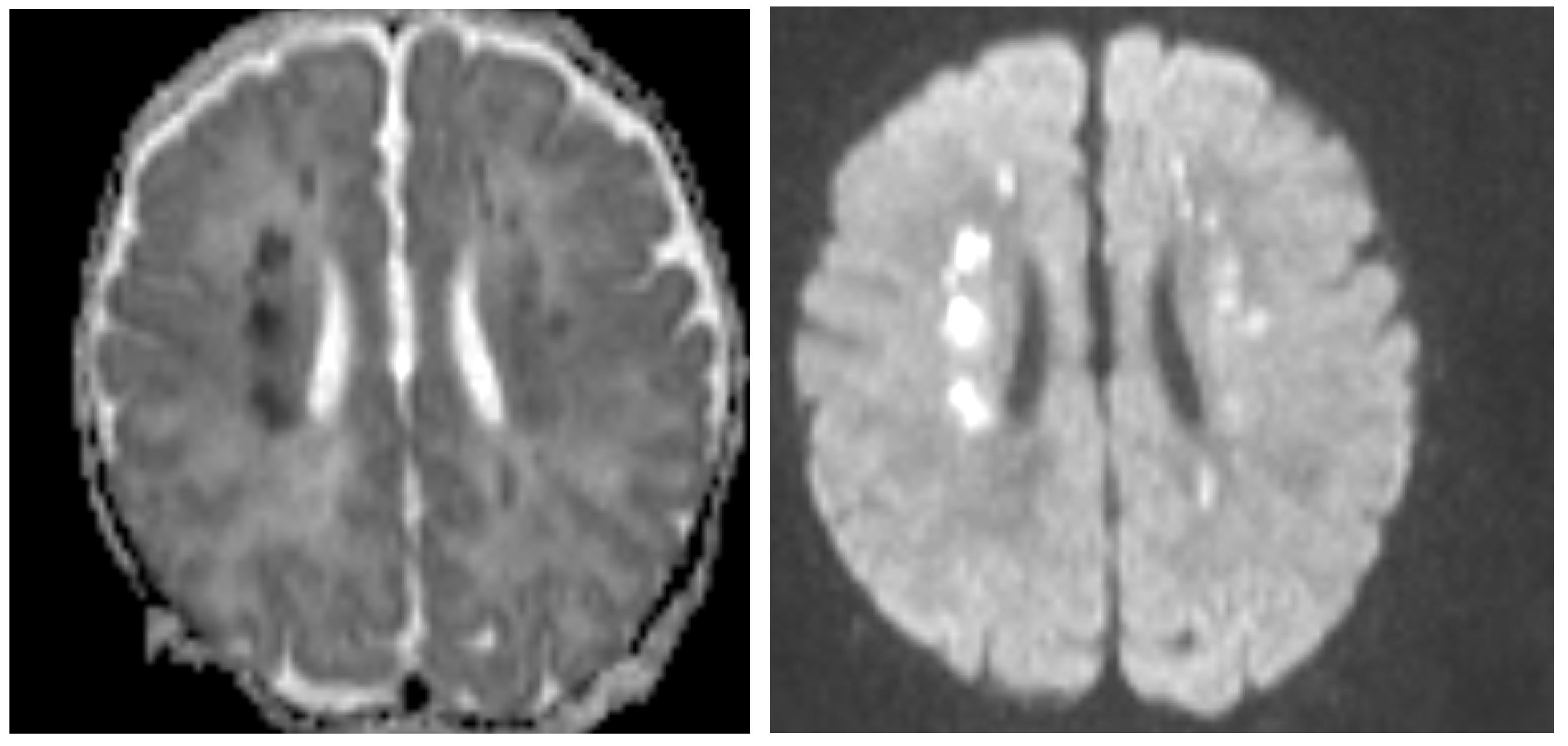
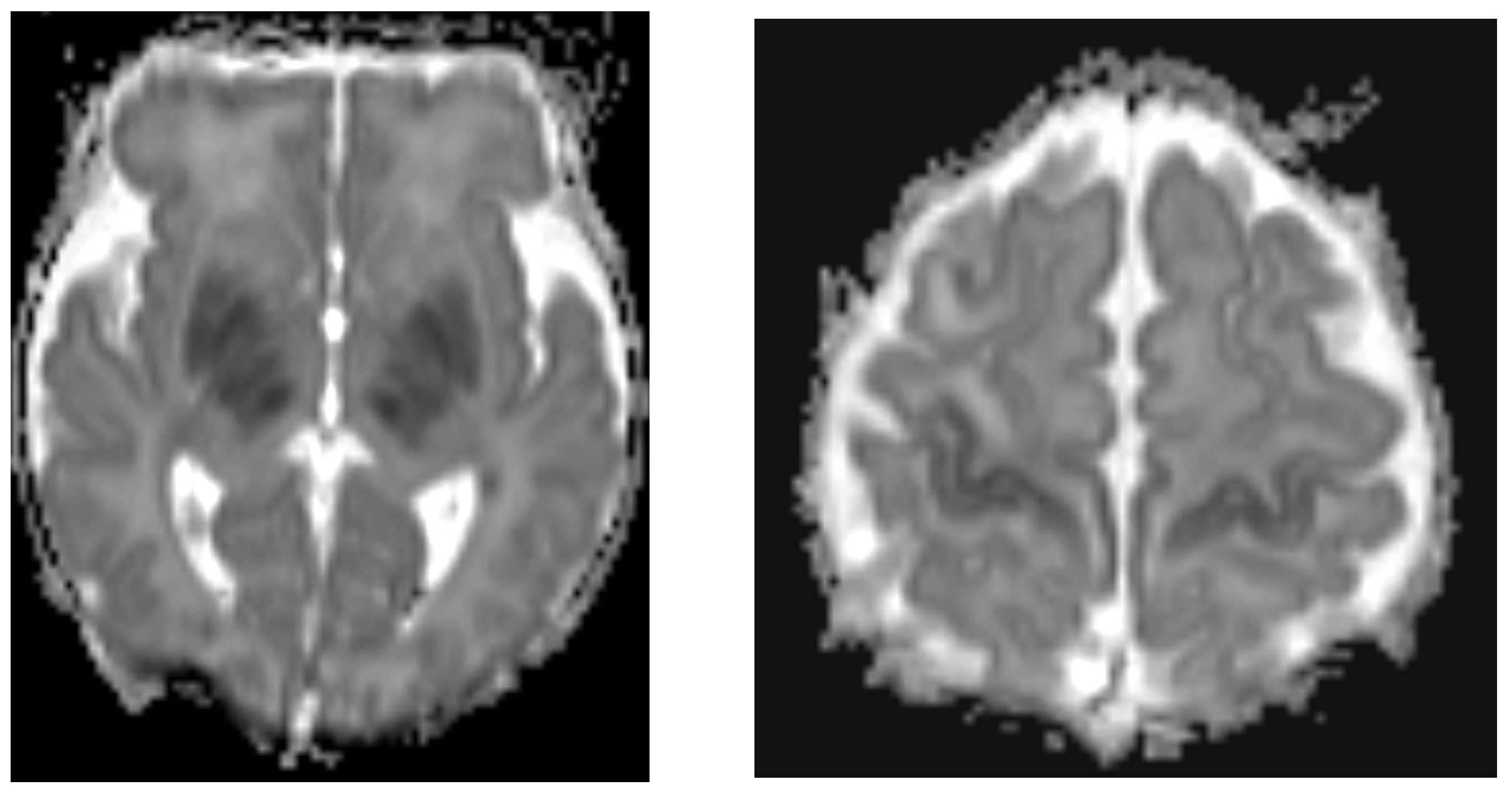
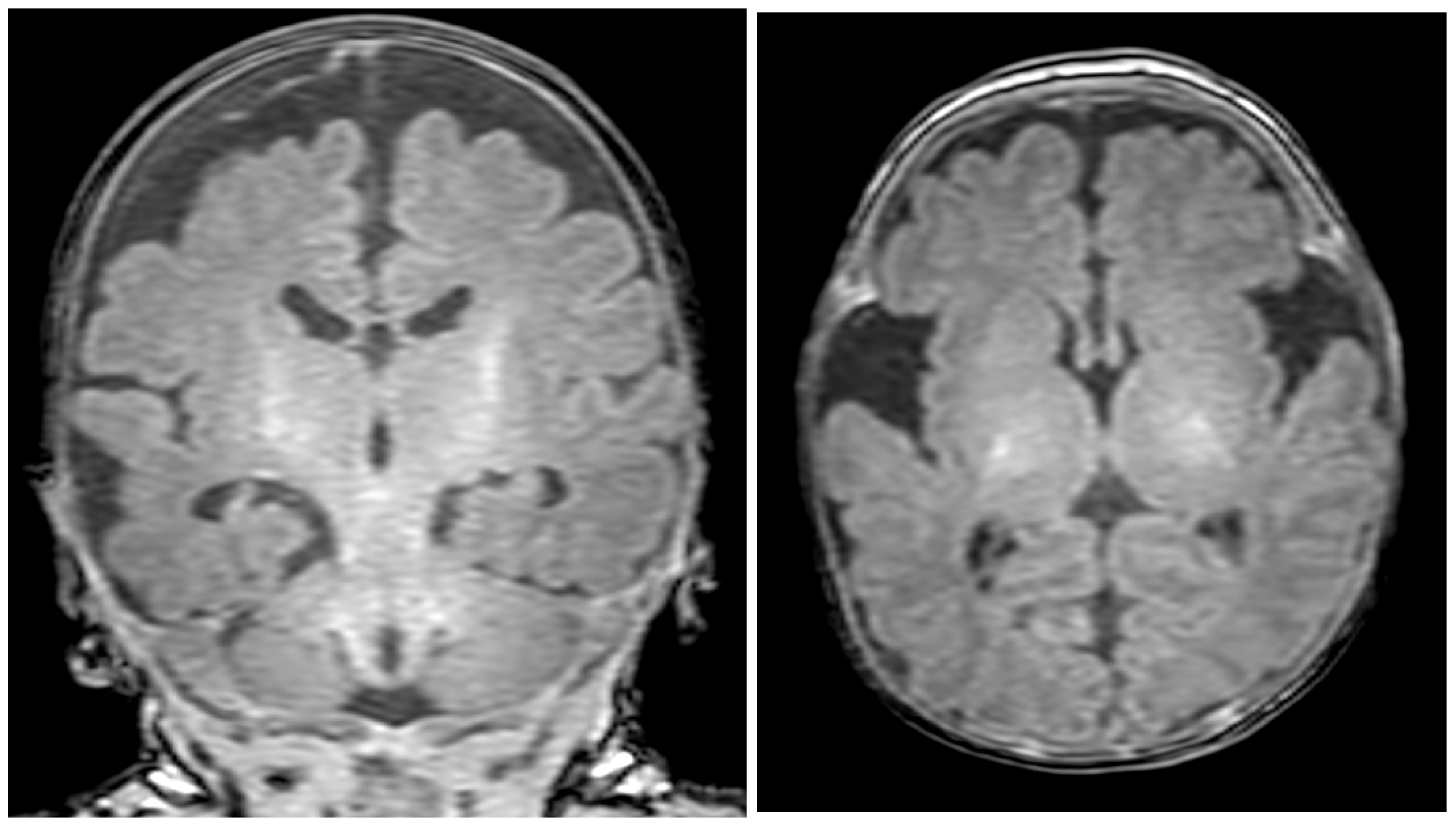
Magnetic resonance imaging (MRI) has become the gold standard for evaluating brain injury and development in newborn infants, providing structural, metabolic, and functional information without ionizing radiation. This review comprehensively examines the principal MRI modalities used in current neonatal neuroimaging for a novice/intermediate-level reader—including conventional T1- and T2-weighted imaging, diffusion-weighted imaging (DWI) with apparent diffusion coefficient (ADC) mapping, diffusion tensor imaging (DTI), magnetic resonance spectroscopy (MRS), susceptibility-weighted imaging (SWI), volumetric analysis, arterial spin labeling (ASL), and functional connectivity MRI—with particular attention to their applications in preterm and term populations. Additionally, validated MRI scoring systems for quantifying brain injury severity and predicting neurodevelopmental outcomes are reviewed and summarized. Understanding the technical principles, clinical applications, and limitations of these modalities is essential for optimal interpretation of neonatal brain MRI, and for advancing prognostication and therapeutic decision-making in this vulnerable population.
Keywords: magnetic resonance imaging (MRI); neonatal; diffusion-weighted imaging (DWI); diffusion tensor imaging (DTI); volumetric; magnetic resonance spectroscopy (MRS) magnetic resonance imaging (MRI); neonatal; diffusion-weighted imaging (DWI); diffusion tensor imaging (DTI); volumetric; magnetic resonance spectroscopy (MRS)