Systematic Review

Radiomics and Artificial Intelligence in Ovarian Endometriosis Imaging: A Systematic Review and Critical Appraisal of Emerging Evidence

by
Teodora Telecan
1,2,
Roxana-Denisa Capraș
1,*,
Simina Teodora Poenar
1,
Roxana Sevan-Libotean
1,
Adriana Ioana Gaia-Oltean
3,4,
Carmen-Bianca Crivii
1 and
Alexandru-Florin Badea
1
1
Department of Anatomy and Embryology, “Iuliu Hațieganu” University of Medicine and Pharmacy, 400012 Cluj-Napoca, Romania
2
Department of Pathology, County Emergency Clinical Hospital, 400347 Cluj-Napoca, Romania
3
Department of Obstetrics and Gynecology, “Iuliu Hațieganu” University of Medicine and Pharmacy, 400347 Cluj-Napoca, Romania
4
Department of Obstetrics and Gynecology, “Regina Maria” Hospital, 400609 Cluj-Napoca, Romania
*
Author to whom correspondence should be addressed.
Bioengineering 2026, 13(8), 855; https://doi.org/10.3390/bioengineering13080855

Submission received: 30 June 2026 / Revised: 22 July 2026 / Accepted: 22 July 2026 / Published: 24 July 2026
(This article belongs to the Special Issue Modern Medical Imaging in Disease Diagnosis Applications)

Abstract

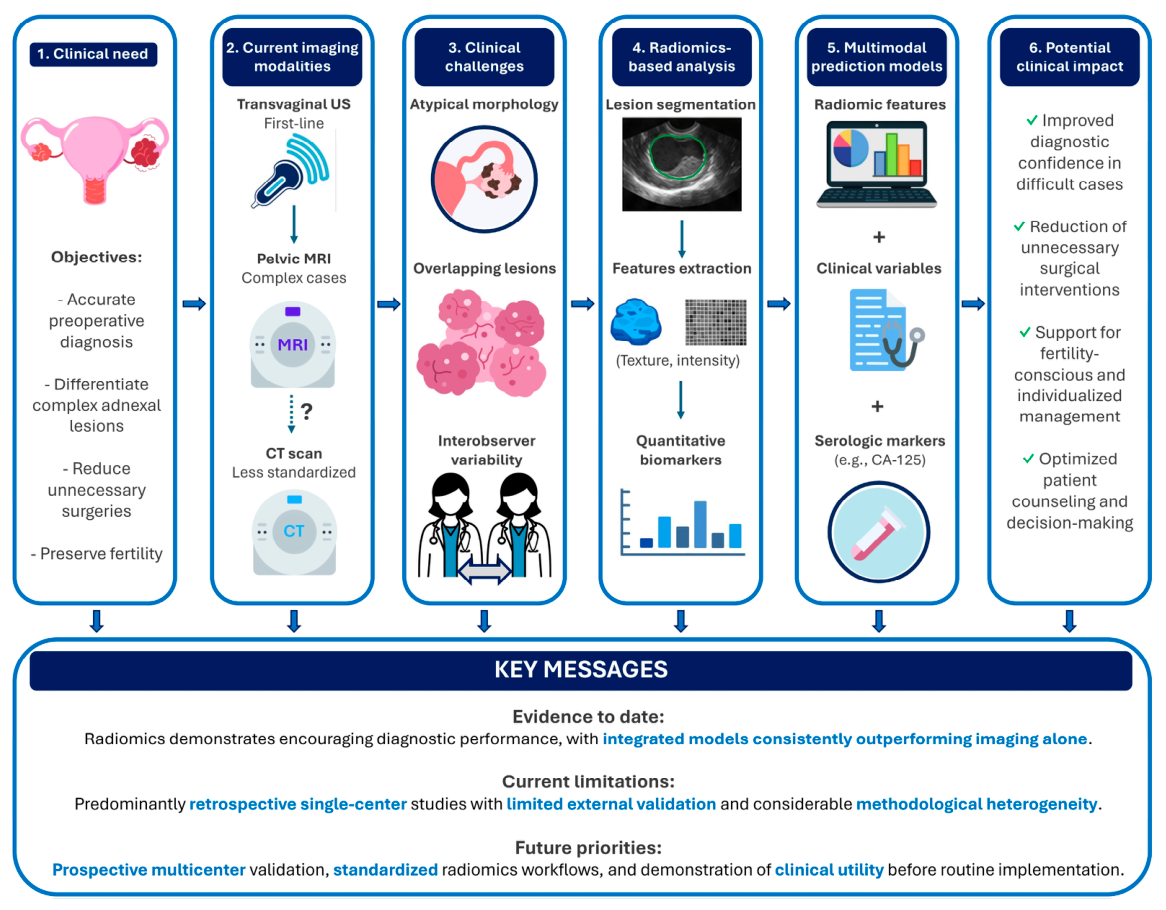
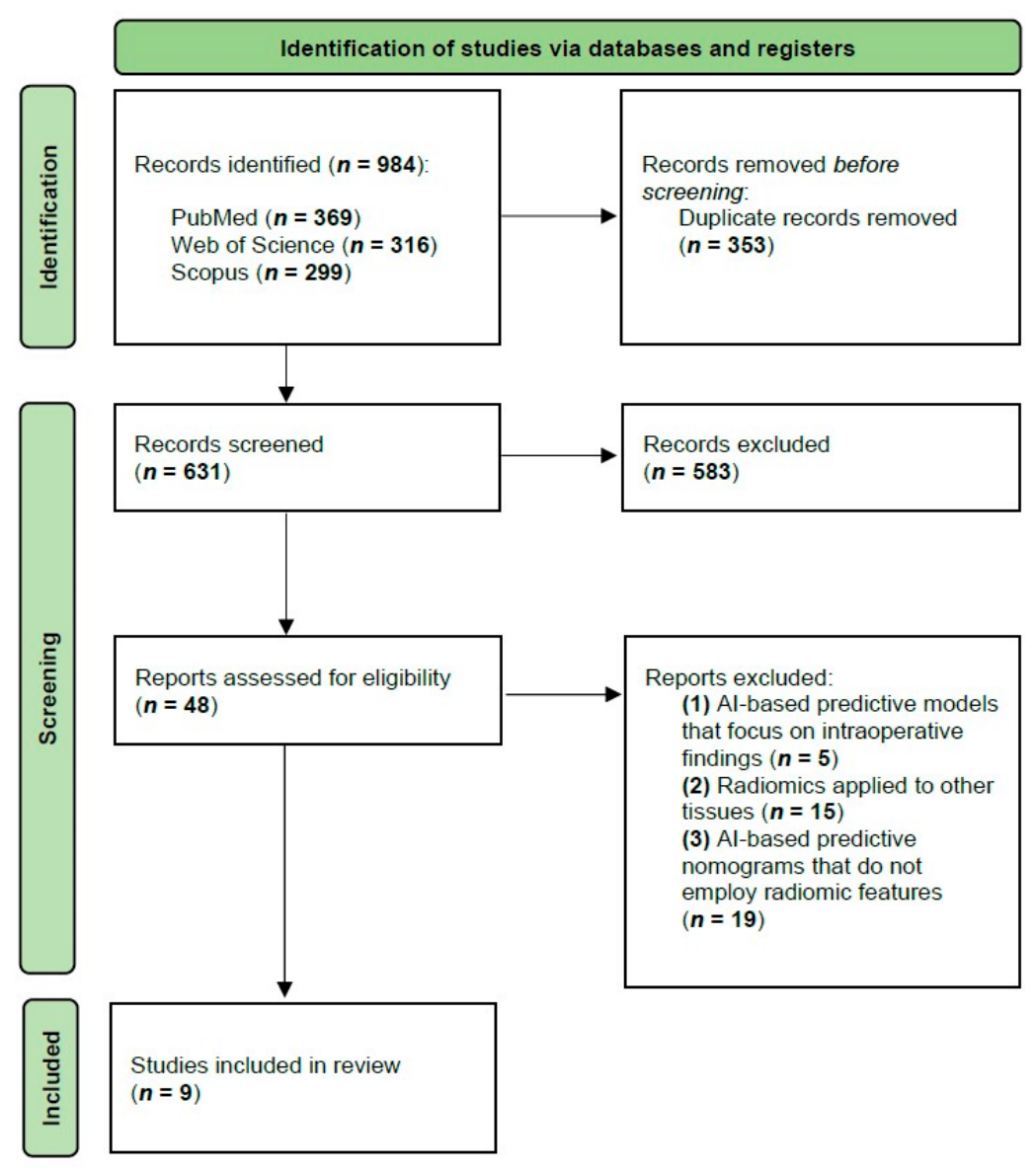
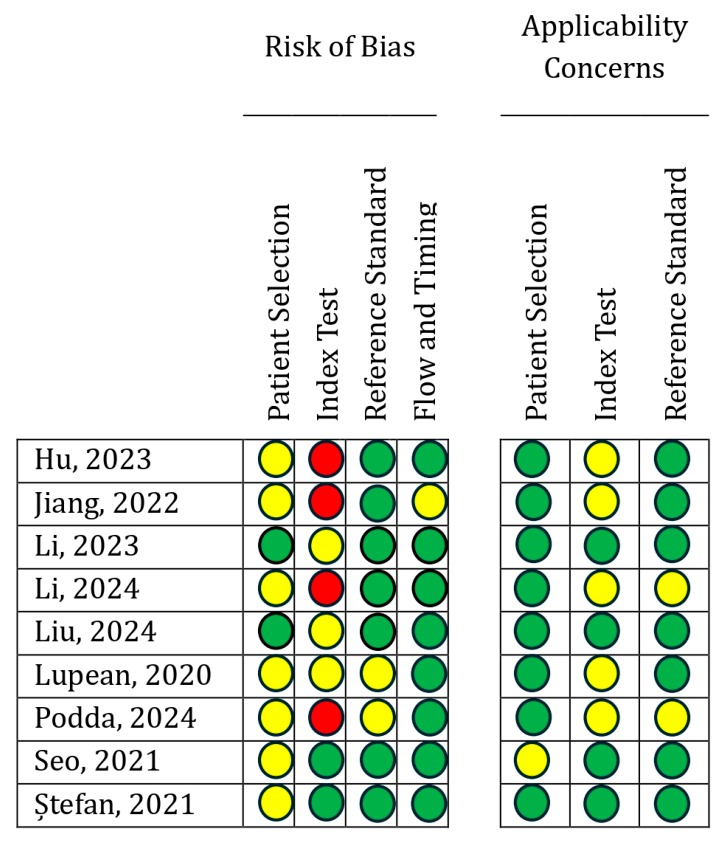
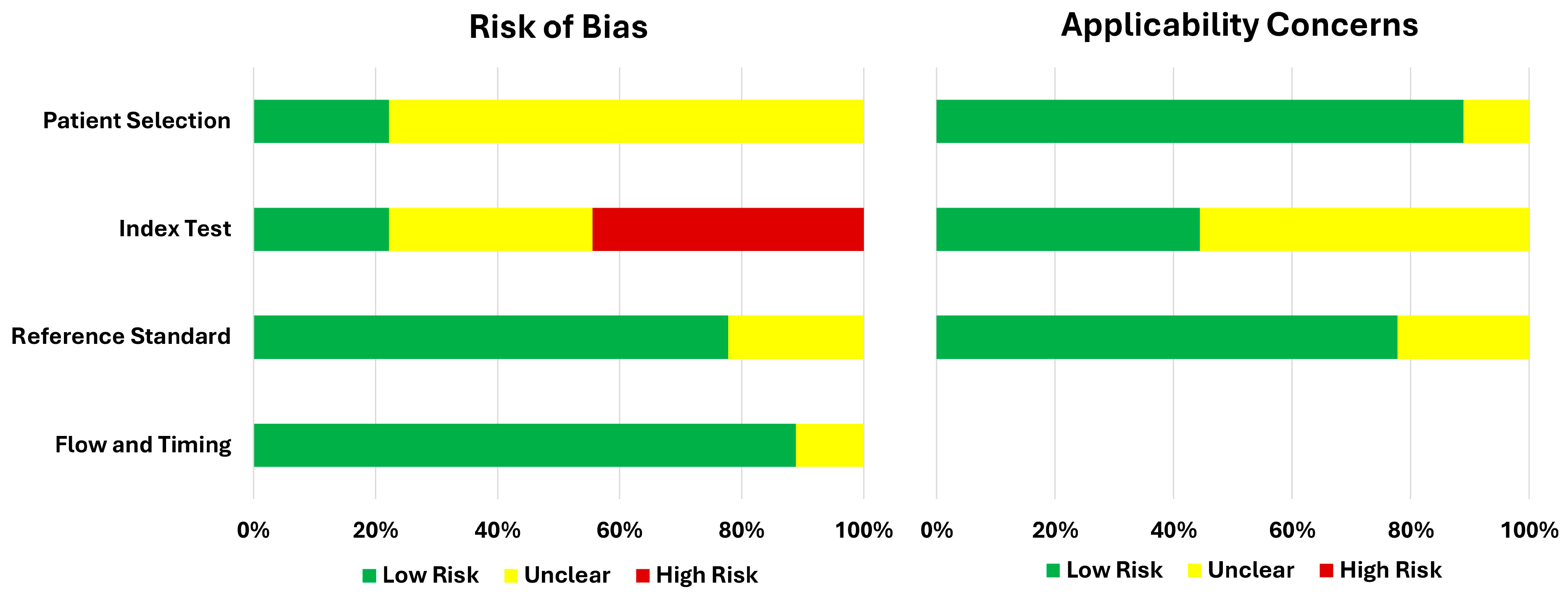
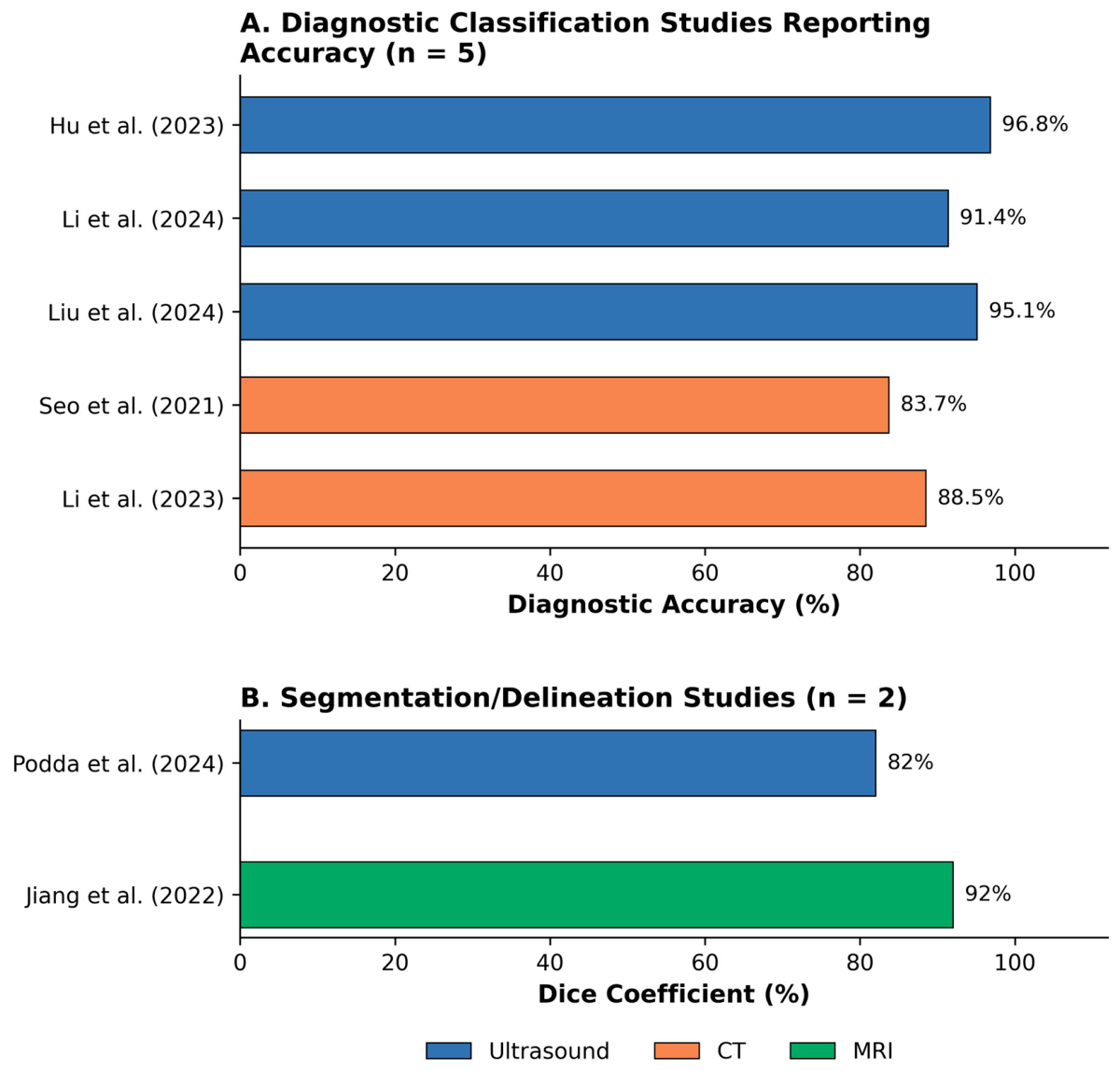
Background: Ovarian endometriosis is a common manifestation of endometriosis associated with chronic pelvic pain and infertility. Although transvaginal ultrasound and magnetic resonance imaging are central to diagnosis, challenging cases may benefit from more objective imaging biomarkers. Radiomics and artificial intelligence (AI) have emerged as promising approaches for quantitative lesion characterization. Objective: To systematically review current evidence on radiomics and AI for imaging-based evaluation of ovarian endometriosis. Methods: PubMed, Scopus, and Web of Science were systematically searched from inception to 31 March 2026. Studies investigating radiomics or AI applied to ultrasound, computed tomography, or magnetic resonance imaging for ovarian endometriosis were included. Study characteristics, radiomics methodologies, and diagnostic performance were qualitatively synthesized. Results: Nine studies met the inclusion criteria, including five ultrasound-, two computed tomography-, and two magnetic resonance imaging-based investigations. Among the seven studies addressing diagnostic classification, five reported diagnostic accuracy directly, with values ranging from 83.7% to 96.8%. The remaining two studies addressed automated lesion segmentation rather than diagnostic classification. Integrated radiomics nomograms improved diagnostic performance compared with clinical assessment alone and with less experienced readers. However, the evidence base was limited by small, predominantly retrospective, single-center studies with substantial methodological heterogeneity. Conclusions: Radiomics shows promise as a complementary imaging tool for ovarian endometriosis, but current evidence remains preliminary. Prospective multicenter validation, methodological standardization, and transparent reporting are required before routine clinical implementation.
Keywords: ovarian endometriosis; endometrioma; radiomics; texture analysis; ultrasound; magnetic resonance imaging; computed tomography; artificial intelligence ovarian endometriosis; endometrioma; radiomics; texture analysis; ultrasound; magnetic resonance imaging; computed tomography; artificial intelligence