1. Introduction
Urban groundwater systems are increasingly under strain due to rapid and unplanned urbanization, resulting in contamination from industrial discharges, inadequate sanitation, agricultural runoff, and improper waste disposal [
1,
2]. In many developing countries, untreated wastewater percolates into aquifers, increasing concentrations of heavy metals such as lead (Pb), cadmium (Cd), chromium (Cr), nickel (Ni), arsenic (As), and mercury (Hg), which pose significant health risks and disrupt ecosystems [
3,
4,
5,
6]. Groundwater is a vital global resource, accounting for about 26% of total freshwater withdrawal and nearly half of the drinking water supply. It also contributes about 43% of global irrigation demand, particularly in arid and semi-arid regions [
7,
8]. However, human activities, including over-extraction and pollution severely impact groundwater quality, underscoring the need for assessments that account for both natural and anthropogenic controls on contaminant levels. Continuous monitoring is essential for managing these pollutants, establishing baseline concentrations, informing public policy, and supporting sustainable groundwater management, especially in countries such as Saudi Arabia [
9,
10], where shallow aquifers are mainly associated with wadis and coastal regions, while deep sedimentary aquifers constitute major reserves [
11,
12]. Groundwater quality assessments typically focus on key cations, anions, and heavy metals [
13,
14,
15,
16,
17,
18,
19,
20].
Al-Madinah Al-Munawwarah (abbreviated as Al Madinah in the present paper), an important pilgrimage city, experiences increasing water demand for domestic and agricultural purposes. Local aquifers, composed of fractured Precambrian rocks and sedimentary formations, are exploited to meet these needs [
21,
22,
23,
24]. The region suffers from water scarcity due to high temperatures, low rainfall, and excessive groundwater extraction, with annual average maximum and minimum temperatures of 35 °C and 19 °C, respectively [
13,
22,
23,
24]. Harrat Rahat, a basaltic volcanic exposure covering the southeastern section of the Al Madinah area, consists mainly of basalt and andesite from the Tertiary–Quaternary periods. Fracturing associated with the Red Sea formation facilitated groundwater movement. Basaltic flows and cones indicate past volcanic activity, with the last eruption recorded in 1256 AD [
21].
Physicochemical parameters such as pH, TDS, EC, total hardness, and ion concentrations (Ca2+, Mg2+, Na+, K+, NH4+, Cl−, HCO3−, NO3−, SO42−, F−) are critical in evaluating water suitability for drinking and agriculture. High TDS levels indicate elevated dissolved salts, making water unpalatable and unsuitable for drinking while also causing salinity stress that negatively affects soil and plant growth. pH influences nutrient availability and microbial activity in soils, with extreme acidity or alkalinity posing risks to agriculture and human health. Elevated nitrate and heavy metal concentrations can result from both natural geochemical processes and anthropogenic activities, including mineral leaching and fertilizer use.
Heavy metals (HMs) pose serious environmental and health risks as they leach from igneous and metamorphic rocks into groundwater, particularly in mineralized and mining regions [
25,
26,
27,
28,
29]. Although some metals such as copper and zinc are essential at low concentrations, elevated levels can cause chronic health effects, including kidney toxicity. Consequently, strict drinking-water limits for heavy metals, including uranium, have been established by World Health Organization (WHO) and the U.S. Environmental Protection Agency (EPA).
In western Saudi Arabia, especially in the Al Madinah area, growing attention to groundwater quality reflects its importance for agricultural development [
30,
31,
32,
33,
34]. The presence of old copper and zinc mines increases the risk of heavy-metal contamination, emphasizing the need for comprehensive geochemical assessment of groundwater quality in comparison with the standards set by WHO, EPA and Gulf Standards Organization (GSO). Previous studies in Al Madinah region have reported groundwater characterized by variable concentrations of major ions, including HCO
3−, Na
+, K
+, Mg
2+, Ca
2+, SO
42−, Cl
−, CO
32−, and NO
3−. In several investigations, the relative abundance of major ions varies based on lithological control and anthropogenic inputs. Additionally, trace and potentially toxic elements such as Pb, Cd, Cr, Ni, As, Al, Zn, Cu, Co, Fe, and Mn have been detected at varying concentrations, highlighting the need for comprehensive hydrochemical assessment and source identification [
13,
15,
21,
24,
28,
29].
Although numerous studies have examined groundwater quality in arid volcanic environments, limited attention has been given to the comparative hydrochemical behavior of basaltic and adjacent alluvial aquifers within the same geological framework. Moreover, the combined application of hydrochemical facies analysis and statistical correlation techniques to distinguish natural geochemical controls from anthropogenic influences remains insufficiently explored in the Al Madinah region. Therefore, this study provides a systematic and integrated assessment aimed at bridging this gap. The obtained data will be used to support groundwater management strategies and inform local authorities in line with Saudi Arabia’s Vision 2030. Methodologically, this study proposes an integrated and robust screening framework designed to distinguish between basaltic and alluvial aquifers by combining classical and statistical hydrogeochemical tools. Piper’s trilinear diagram is employed to classify hydrochemical facies and elucidate groundwater evolution processes, while Spearman’s rank correlation matrix and Independent Sample
t-Test are employed to identify relationships among major ions and trace elements, helping to infer potential geochemical controls. The results and discussion section systematically interpret groundwater physicochemical characteristics, delineates natural versus anthropogenic contamination sources, and evaluates the dominant processes governing groundwater quality. Based on these findings, the study offers scientifically informed recommendations to enhance groundwater quality management and promote sustainable use. It concludes with a summary of the key outcomes and their wider implications for sustainable groundwater development in arid and semi-arid regions, accompanied by a thorough reference list and pertinent
Supplementary Materials.
The present study addresses a significant research gap in understanding groundwater quality in Al-Madinah by exploring the interplay between physicochemical parameters, heavy metal distributions, and anthropogenic influences. It examines how these factors define groundwater’s geochemical signature and their implications for both domestic and agricultural use. By investigating pollution sources and pathways, the research enhances knowledge about heavy metal contamination, while its innovative modeling approach reveals the interactions between natural hydrogeological processes and human activities. Additionally, the study assesses natural contamination and its implications for water management, contributing vital insights for developing effective strategies for safe drinking water and irrigation, thereby promoting sustainable water resource management.
4. Materials and Methods
4.1. Sampling Procedure
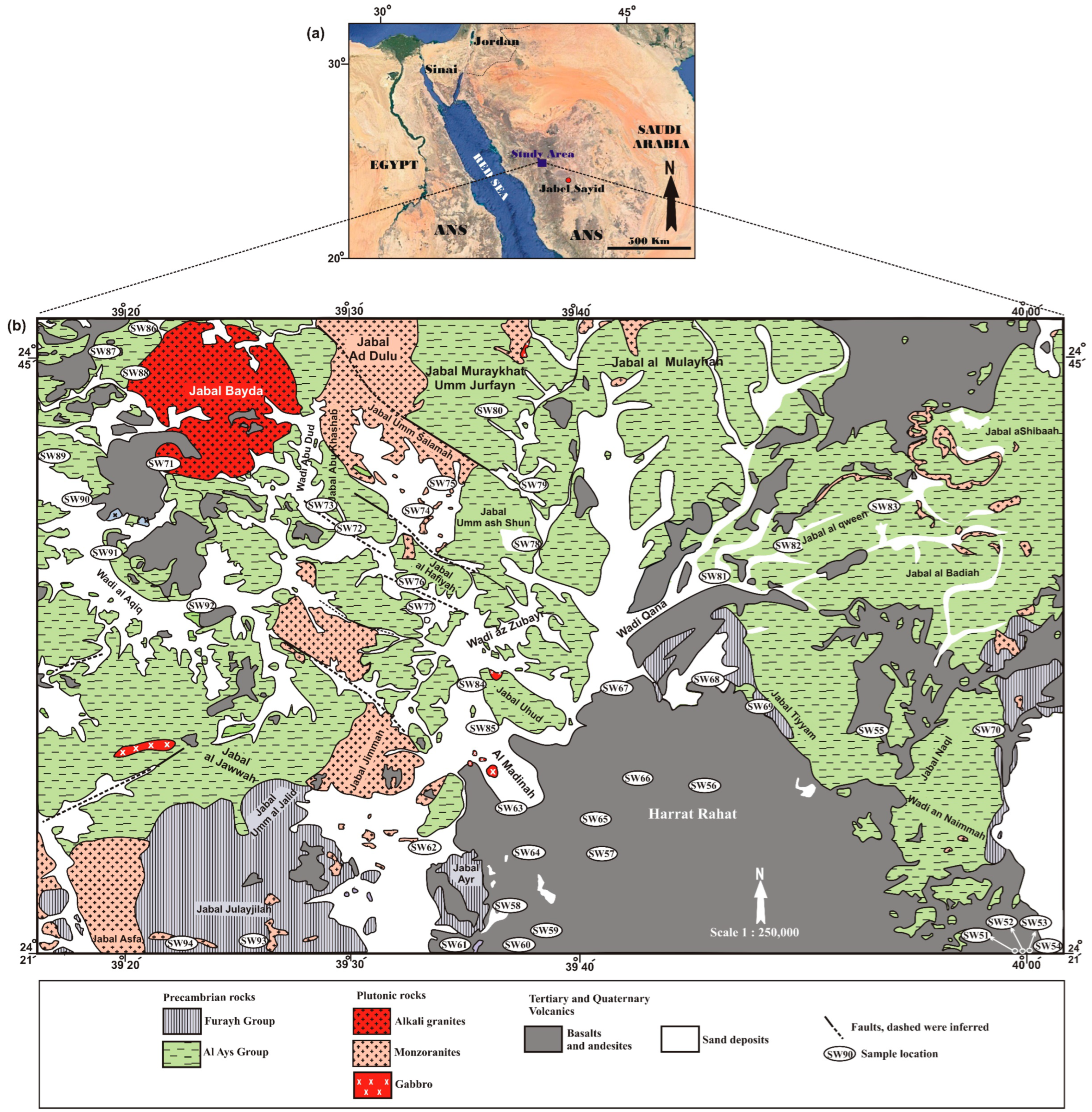
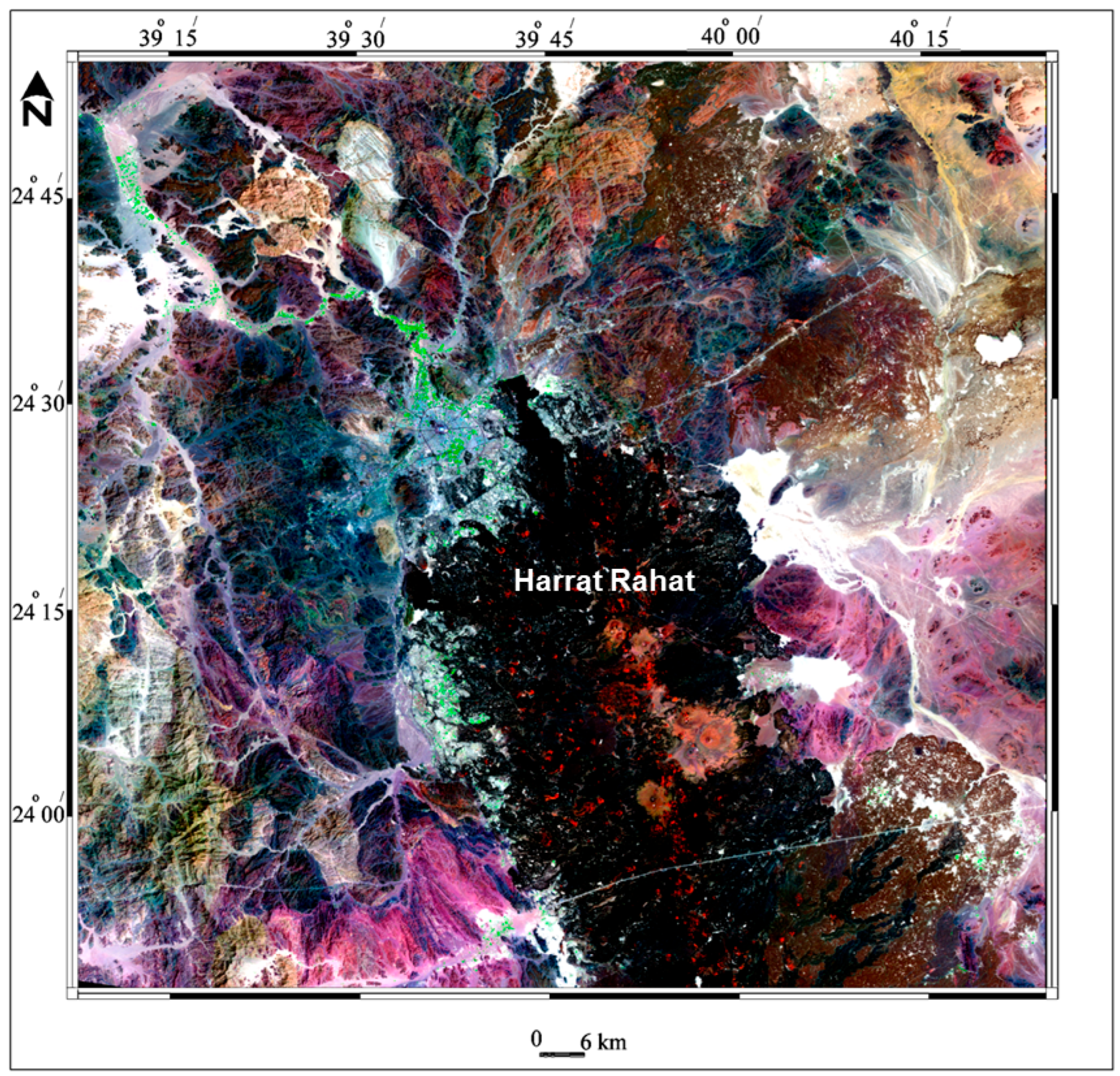
During field investigations conducted in the study area, groundwater samples were collected from multiple locations, including the Harrat Rahat and alluvial deposits aquifer. A total of 20 groundwater samples were collected from private and Ministry of Water and Electricity wells in the Harrat Rahat aquifer, and 24 samples from Quaternary alluvial deposits (
Figure 1b). Two water samples were collected from each well in one-liter high-density polyethylene (HDPE) bottles. Before filling, the bottles were rinsed three times with groundwater to minimize the risk of contamination. Immediately after collection, a few drops of nitric acid were added to one of the bottles from each well to ensure that heavy metals remained dissolved and did not precipitate onto the bottle walls, making the samples suitable for heavy metal analysis. The second bottle was preserved for the analysis of major cations and anions. All samples were stored at 4 °C in a cool box during transportation to the laboratory, with a maximum holding time of 14 days, in accordance with the Bureau of Indian Standards [
37]. Necessary field measurements were conducted at the time of sampling, including precise location determination (latitude and longitude) using a GPS system, as well as pH, temperature, and electrical conductivity measurements. In the laboratory, samples were filtered through 0.45 μm membrane filters to remove suspended particulates.
4.2. Analytical Methods
All chemical analyses for the determination of major anions, cations and trace elements were conducted at the laboratories of the Saudi Geological Survey. The accuracy of the chemical analyses was evaluated using ionic balance calculations, with analytical errors ranging between 2 and 5%. Given the presence of multiple cations, anions, and other parameters, including total dissolved solids, the water samples were analyzed using a combination of advanced laboratory techniques. Major and trace elements were quantified employing atomic absorption spectrometry (AAS) and inductively coupled plasma mass spectrometry (ICP-MS), ensuring precise and reliable determination of the groundwater composition. For the determination of Ca
2+, Mg
2+, Na
+, K
+ and Fe
2+, flame atomic absorption spectrometry (FAAS) was utilized, as outlined by the American Public Health Association [
38]. Ammonium (NH
4−) levels were measured through spectrophotometry using indophenol blue or the Nessler reaction with a photometer (MPM 1500). Silica (SiO
24−) was analyzed by spectrophotometry using ammonium molybdate. Chloride (Cl
−) was determined by DPD colorimetry with a Mettler DL25, while fluoride (F
−) concentrations were measured using an ion-selective electrode connected to a microprocessor (PMX 2000). Bicarbonate (HCO
3−) was determined by potentiometric titration using a pH electrode on the Mettler DL25. Nitrate (NO
3−) concentrations were determined either by electrode or spectrophotometry using the brucine method. Sulfate (SO
42−) was analyzed by potentiometry using barium perchlorate or by gravimetric methods with a photometer (MPM 1500). Phosphate (PO
43−) was measured via spectrophotometry with ammonium molybdate on the same photometer. Electrometry was applied to measure pH with the Mettler DL25. Total dissolved solids (TDS) were determined by filtration and evaporation using a Mettler Toledo or via evaporation residue at 110 °C. Conductivity measurements were taken using a microprocessor meter (LF 196). The geochemical data obtained for major ions and physicochemical parameters of groundwater in the study area are detailed in
Supplementary Materials Table S1. 27 heavy metals were analyzed with Inductively Coupled Plasma Mass Spectrometry (ICP-MS) using the PERKN ELMER DRC II methodology, as referenced in the SGS Manual of Chemical Procedures (
Supplementary Materials Table S2). This highly sensitive analytical technique is specifically designed to reduce polyatomic interferences, making it particularly effective for analyzing complex matrices. The method allows for the detection of elements at extremely low levels, typically following a microwave-assisted nitric acid digestion process.
Due to the elevated concentrations of Ca2+ and Mg2+ compared to Na+ and K+, as well as bicarbonate (HCO3−) and sulfate (SO42−) anions, it was necessary to identify and assess the implications of the dissolution and precipitation of carbonate minerals such as calcite and dolomite, along with other minerals such as gypsum, anhydrite, and halite. Therefore, saturation indices for these minerals were calculated using the FREEQE geochemical model (2001), along with the partial pressure of carbon dioxide (PCO2), which is significantly influenced by water temperature and pH. For this reason, both variables were measured in the field to avoid changes caused by sample storage.
To evaluate the extent of rock-water interaction as a source of elements in the groundwater of the study area, 14 rock samples were collected from bedrock exposures in the vicinity of selected groundwater wells to compare the chemical composition of the associated rocks and water. These samples were sent to ACME Analytical Laboratories in Vancouver, Canada, for geochemical analysis. The major element analysis was conducted using X-Ray Fluorescence (XRF), achieving an accuracy of ±0.01 wt%. Trace elements were analyzed using the inductively coupled plasma mass spectrometry (ICP-MS), with detection limits ranging from 0.01 ppm to 1 ppm. The obtained geochemical data are presented in
Supplementary Table S3.
The study incorporated multiple quality control measures, including the use of field blanks, laboratory blanks, duplicate samples, and Standard Reference Materials (SRMs). In addition, spiked samples were analyzed to assess analytical accuracy, evaluate potential matrix effects, and ensure the reliability of the results. Regular instrument calibration and strict adherence to standardized analytical procedures further reinforced data quality. Collectively, these measures enhance confidence in the analytical results and the conclusions drawn from the study.
4.3. Uncertainties and Limitations
The groundwater sampling dataset is subject to several limitations and uncertainties. One potential concern is sampling bias due to the limited number of wells; therefore, future investigations should include a larger number of sampling sites to obtain a more representative dataset. To minimize contamination risks during sample collection, stricter cleaning and rinsing protocols, along with the use of sterile bottles, are recommended. Regarding sample preservation, storage at 4 °C with a maximum holding time of 14 days may introduce uncertainties related to sample stability. It is advisable to reduce the holding time before analysis to minimize potential degradation. When possible, cryogenic storage could further improve sample integrity by limiting thermal and biochemical changes.
Field measurement accuracy may also be affected by GPS uncertainties. The use of high-precision GPS instruments and verification through multiple spatial readings would improve positional accuracy. To reduce variability in pH and temperature measurements, standardized procedures, routine instrument calibration, and controlled measurement conditions are essential. Organic matter content in certain samples may interfere with analytical determinations. Although nitric acid digestion was conducted in accordance with APHA guidelines to reduce organic interference, the application of advanced extraction or pretreatment techniques could further improve analytical reliability in future studies.
With respect to analytical limitations, employing complementary techniques such as FAAS, ICP-MS for water samples, and XRF analysis for associated rock Bottom of Form can enhance detection limits and improve trace metal quantification. Establishing a rigorous calibration schedule and incorporating quality control samples are also critical to ensuring analytical accuracy.
Finally, long-term groundwater monitoring is recommended to establish baseline conditions and assess temporal variations, thereby addressing the dynamic nature of groundwater systems and improving data reliability. Strengthening quality assurance and quality control (QA/QC) procedures, including routine validation of analytical batches, is strongly advised.
4.4. Statistical Analysis
4.4.1. Spearman’s Rank Correlation
Spearman’s rank correlation analysis was performed using SPSS software (version 23.0) to examine the relationships among variables measured in groundwater from the studied aquifers. The analysis was conducted on 44 groundwater samples from the two aquifers. Spearman’s correlation evaluates the strength and direction of association between two variables by assessing how well their relationship can be described by a monotonic function. Spearman’s rank correlation coefficient (
rs) was calculated using the standard equation:
where
di represents the difference between the ranks of each pair of values and
n is the number of observations. The correlation coefficient (
rs) ranges from +1 (perfect positive correlation) to −1 (perfect negative correlation), while 0 indicates no correlation. This analysis was applied to evaluate the relationships between major ions, trace elements, and physicochemical parameters with the aim of identifying potential common sources and geochemical processes.
4.4.2. Independent Samples t-Test
An Independent Sample
t-Test was performed to determine whether significant differences exist in the mean concentrations of major ions, trace elements, and physicochemical parameters between the alluvial and basaltic aquifers. Prior to analysis, the assumptions of normality and homogeneity of variances were verified (
Supplementary Materials Tables S4 and S5). Statistical significance was assessed at the 95% confidence level (
p < 0.05). All statistical analyses were conducted using SPSS software (version 23.0).
5. Results and Discussion
5.1. Physicochemical Parameters and Major Ions Concentrations of Groundwater
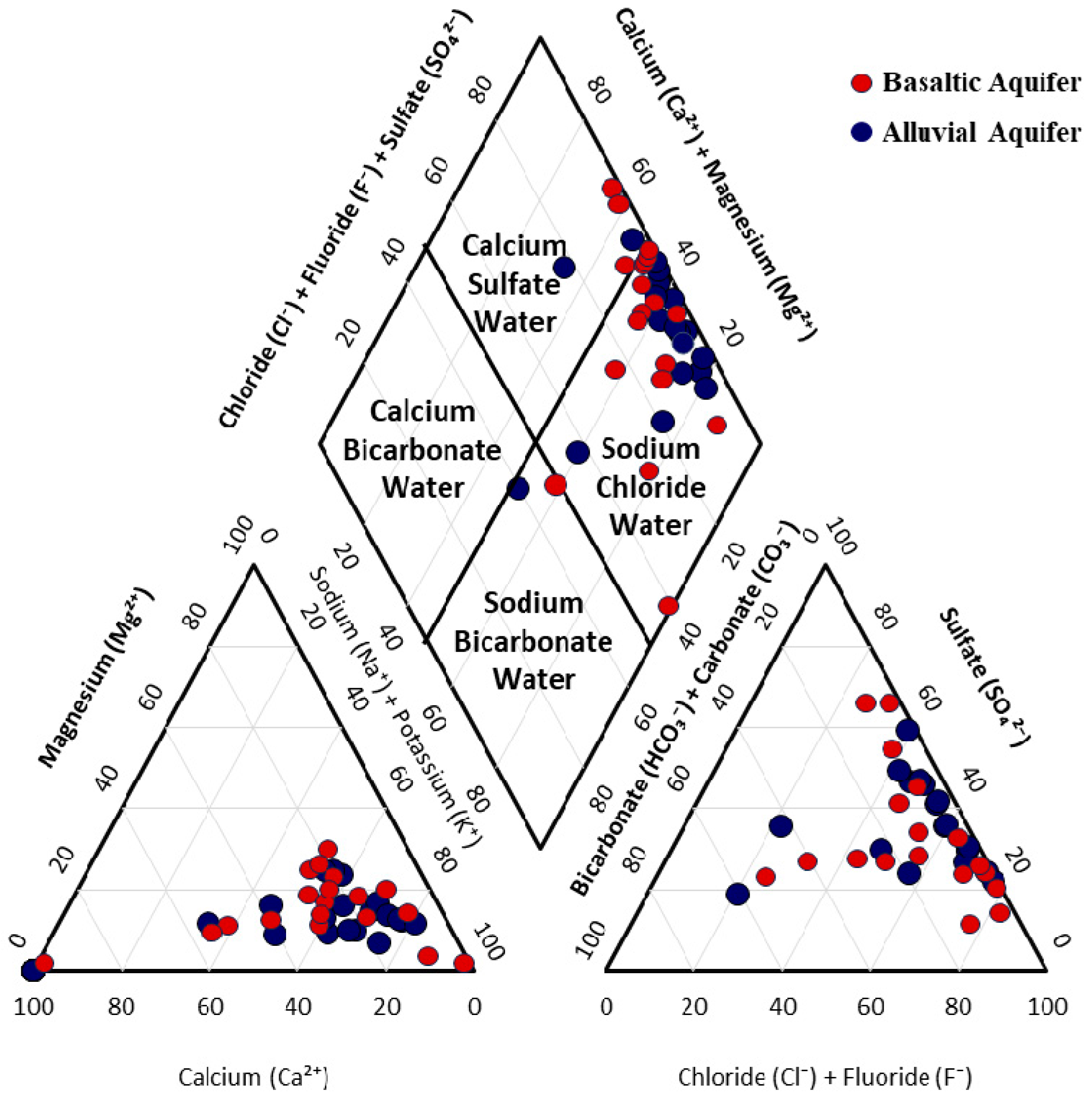
Table 1 shows the major ions and physicochemical parameters of groundwater in the study area. Piper’s trilinear diagram was used to classify the hydrochemical facies of groundwater based on dominant ion composition [
39]. The majority of the analyzed samples are located within the sodium-chloride and calcium-sulfate water types (
Figure 5), indicating a strong influence of evaporite mineral dissolution, particularly halite and gypsum, which contributes to elevated groundwater salinity. The dominance of sodium and chloride ions, together with calcium and sulfate, reflects the high evaporation rates typical of arid regions. The high concentrations of these ions, combined with the limited occurrence of bicarbonate-rich facies, suggest minimal recent freshwater recharge and reduced interaction with carbonate minerals. Overall, the Piper diagram indicates that shallow groundwater in the study area is primarily controlled by evaporation, evaporite dissolution, and ion exchange processes, resulting in chemically evolved water with high salinity. This hydrochemical classification highlights potential limitations for the use of this groundwater for drinking and irrigation purposes.
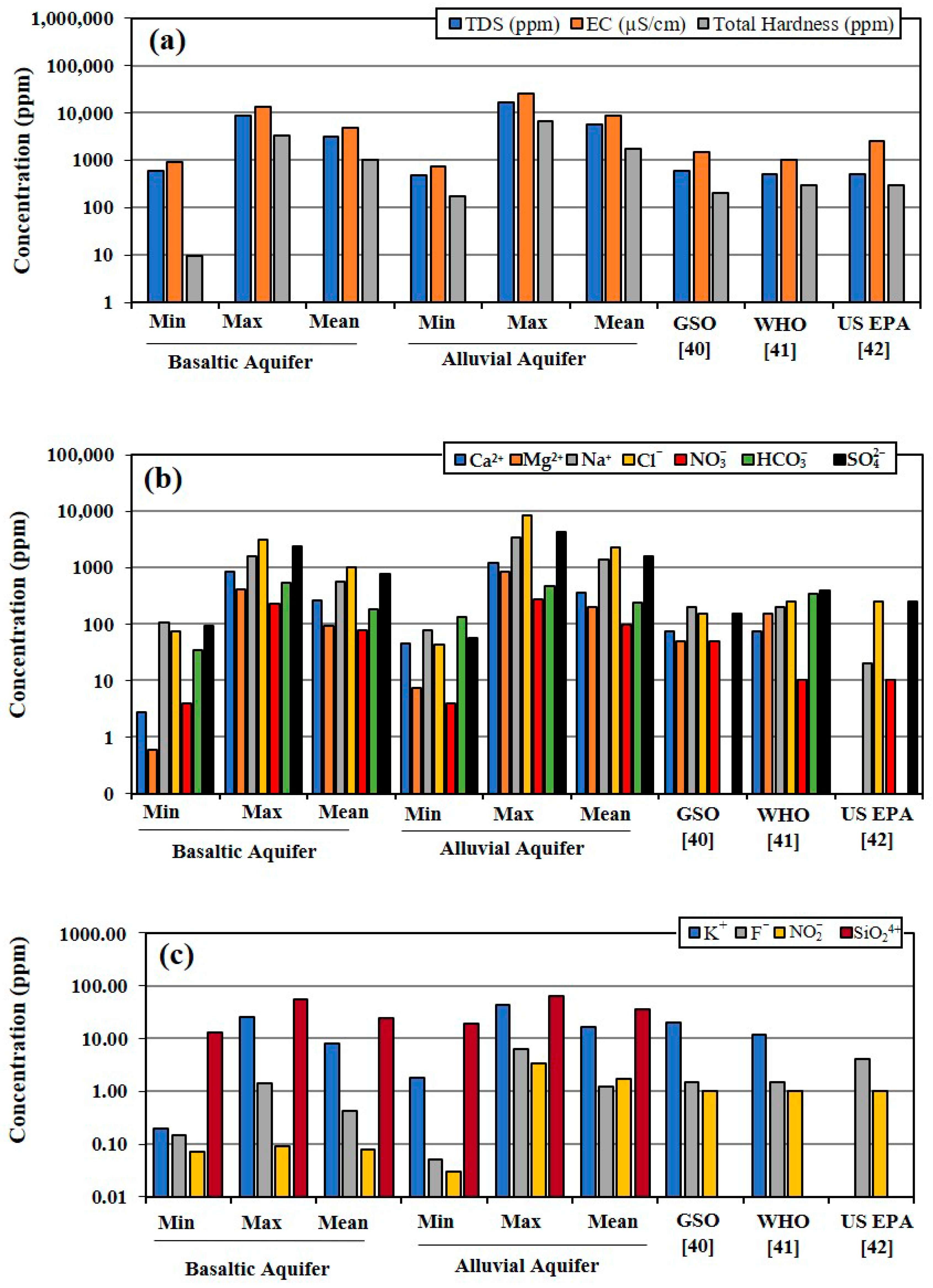
The total dissolved solid (TDS), electrical conductivity (EC), and total hardness (TH) values show a wide range in both basaltic and alluvial aquifers. However, the alluvial aquifer exhibits higher values, exceeding the maximum salinity limits recommended by international standards, including GSO [
40], WHO [
41], and the US EPA [
42] (
Figure 6a). Elevated TDS and EC levels indicate increased salinity, which may adversely affect agricultural activities and reduce the suitability of groundwater for drinking purposes. Such high concentrations may reflect natural geochemical processes, such as mineral leaching in geologically heterogeneous formations, or anthropogenic influences including agricultural runoff, industrial effluents, and urban contamination, ultimately leading to groundwater quality deterioration. Furthermore, elevated TH values typically indicate higher concentrations of calcium and magnesium ions, commonly associated with groundwater interaction with limestone or other mineral-rich lithologies.
The chemical analysis of major ions (Ca
2+, Mg
2+, Na
+, Cl
−, NO
3−, HCO
3−, and SO
42−) (
Table 1;
Figure 6b) indicates that the alluvial aquifer contains significantly higher ion concentrations, exceeding the permissible limits established by GSO, WHO, and the US EPA. In addition, chloride concentrations in both the basaltic and alluvial aquifers exceed international guideline values. Potassium (K
+) and fluoride (F
−) concentrations in both aquifers (
Table 1;
Figure 6c) remain below the maximum limits recommended by GSO. Nitrate (NO
3−) concentrations in the basaltic aquifer fall within the acceptable limits defined by GSO, WHO, and the US EPA, whereas elevated nitrate levels are observed in the alluvial aquifer. The physical parameters of groundwater samples from both aquifers show that pH values fall within the recommended range (6.0–8.5), indicating that the groundwater is generally neutral to slightly alkaline. According to GSO, WHO, and US EPA standards, this pH range suggests that the groundwater is suitable for human consumption. However, several major ions, including Ca
2+, Mg
2+, Na
+, Cl
−, HCO
3−, SO
42−, and NO
3−, exceed the maximum acceptable limits in both aquifers. These elevated concentrations raise concerns regarding groundwater quality and highlight the need for further assessment and management to mitigate potential health risks. It can be concluded that while the pH is acceptable, the elevated levels of specific ions warrant caution regarding the overall safety and suitability of the groundwater for consumption.
Elevated calcium concentrations can adversely affect renal function, leading to hypercalciuria and alkaline urine, which may promote kidney stone formation. Crystalline calcium carbonate can also increase gastric alkalinity and stimulate acidic gastric secretions, potentially counteracting elevated stomach pH [
43]. Excess sodium (Na
+) in blood plasma may cause dehydration, mild hand tremors, excessive nervousness, involuntary muscle movements, anxiety, impaired concentration, and in severe cases, coma [
44]. High chloride (Cl
−) concentrations in drinking water can be associated with various health issues, including cardiovascular disorders, respiratory problems, skin and hair conditions, dental weakness, miscarriages, and an increased risk of cancer [
43]. Elevated sulfate (SO
42−) levels may induce dehydration through repeated diarrhea, particularly in children. Additionally, the activity of sulfate-reducing bacteria can produce hydrogen sulfide gas (H
2S), which may cause dizziness, headaches, and, in extreme cases, can be fatal at very high concentrations. If sulfate levels exceed permissible limits, alternative water sources or treatment methods such as distillation or reverse osmosis are recommended. Finally, high nitrate (NO
3−) concentrations in drinking water can lead to methemoglobinemia in infants, a condition characterized by cyanosis, and in severe cases may result in brain damage or death due to oxygen deprivation [
45].
5.2. Heavy Metals Concentrations
A total of 27 heavy metals (HMs) were analyzed in groundwater, with detailed results presented in the
Supplementary Materials Table S2.
Table 2 offers a statistical summary of the HM concentrations in both basaltic and alluvial aquifers, compared to the permissible limits established by GSO, WHO, and US EPA.
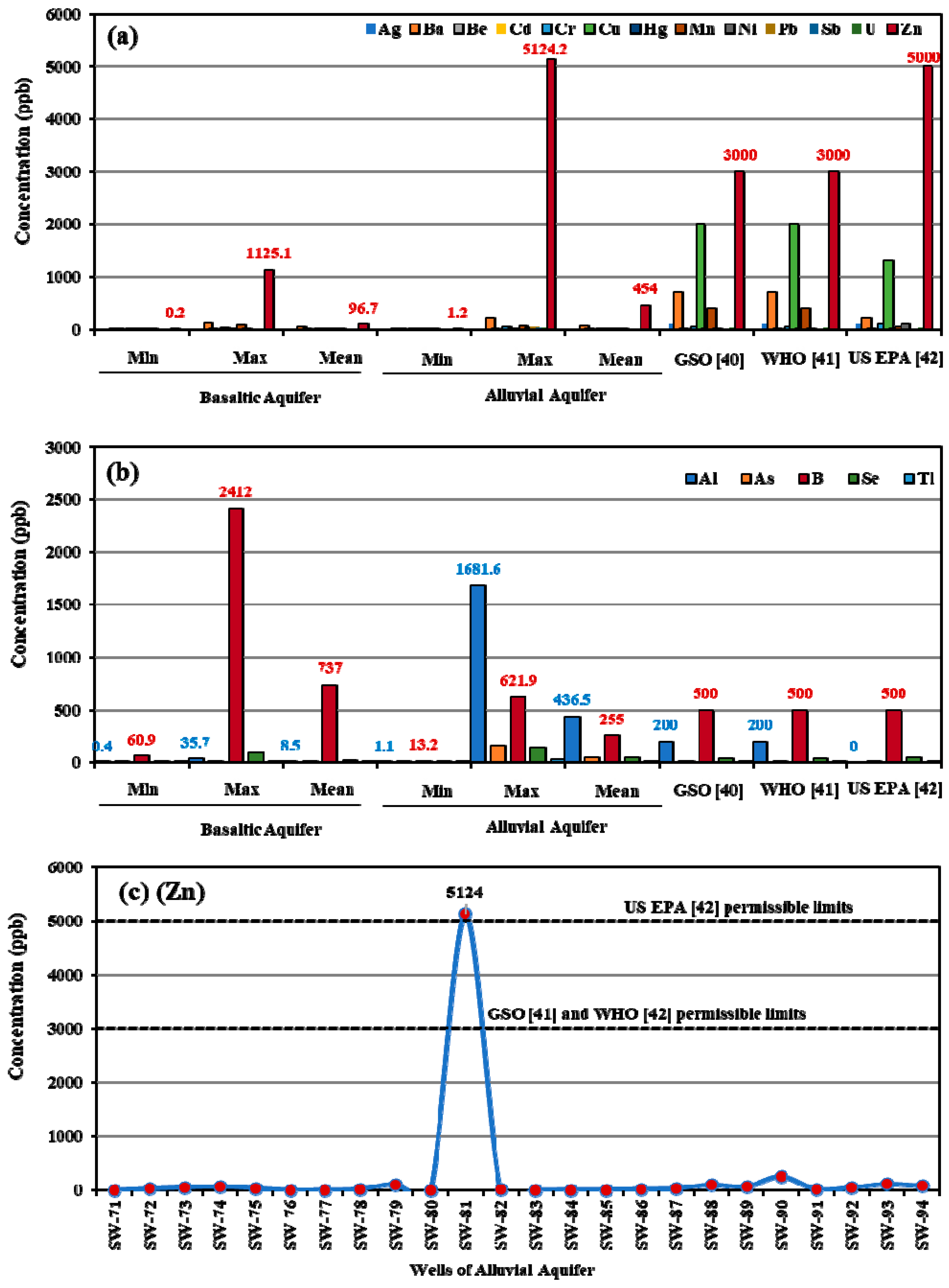
Figure 7 illustrates the variations in HM concentrations across the two aquifers. Some HM concentrations from the two aquifers, including Ag, Ba, Be, Cd, Cr, Cu, Hg, Mn, Ni, Pb, Sb, U, and Zn, were found to be within safe limits for groundwater use (
Figure 7a). However, certain metals exceeded the permissible limits; for instance, zinc (Zn) in the alluvial well (SW81) surpassed the thresholds set by GSO, WHO, and US EPA (
Figure 7c).
Data in
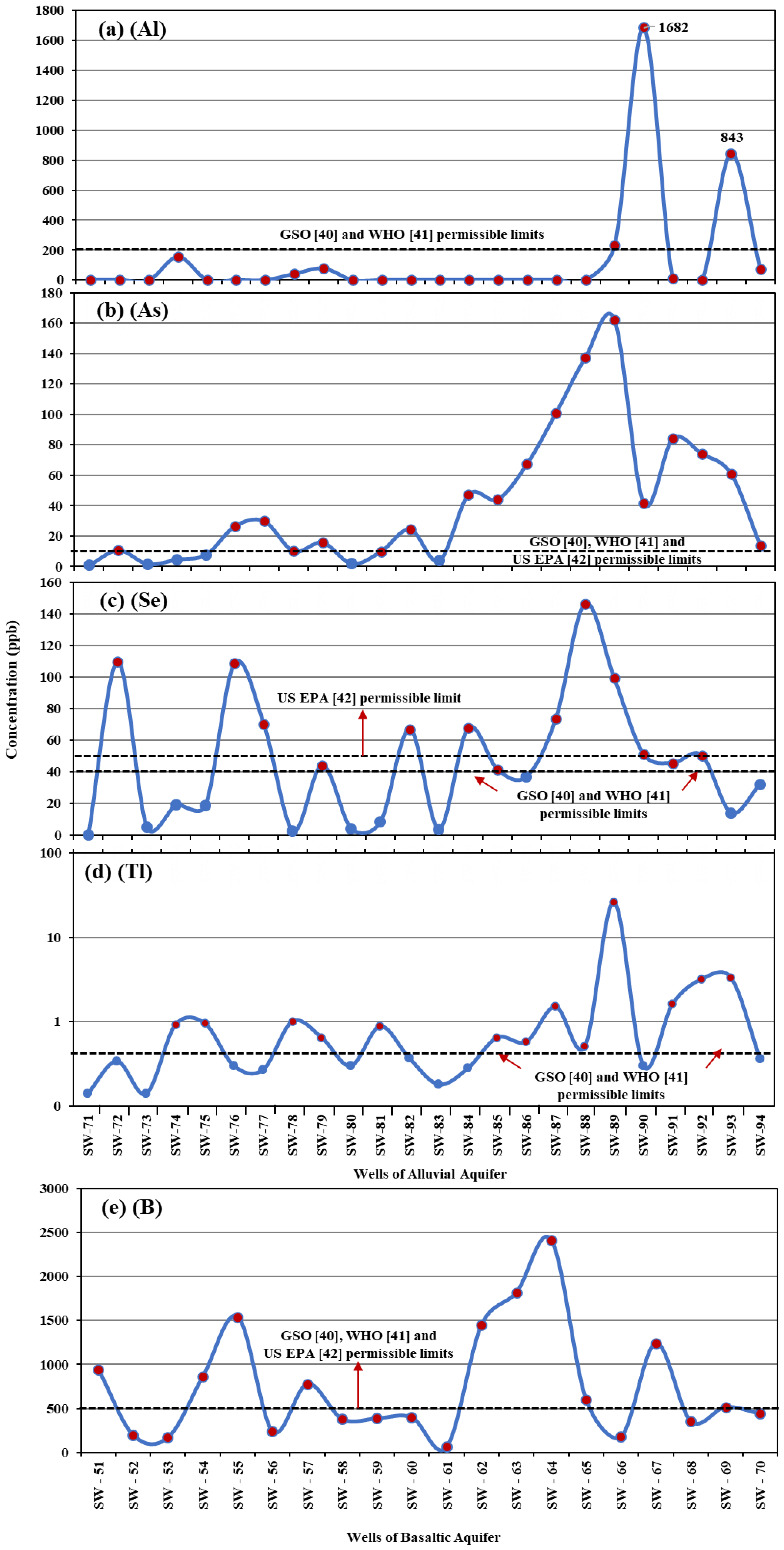
Figure 7b indicate that the alluvial aquifer exhibits relatively higher aluminum (Al) concentrations, particularly in wells SW90 and SW93, which exceed the permissible limits set by GSO and WHO (
Figure 8a). All basaltic wells show arsenic (As) concentrations below the permissible limits established by GSO, WHO and US EPA. Conversely, several alluvial wells display elevated concentrations of arsenic (As), selenium (Se), and thallium (Tl) exceeding the permissible limits of GSO and WHO (
Figure 8b–d), likely due to the interaction of groundwater with various rock and mineral types composing the alluvial deposits, whereas the basaltic aquifer is derived from a more uniform rock type. Furthermore, all alluvial wells report boron (B) levels within the permissible limits of GSO, WHO, and US EPA, while the majority of basaltic wells exceed these international boron limits (
Figure 8e).
Heavy metals (HMs) in the study area can be broadly classified into two categories: (1) Metals with concentrations below permissible limits, including Ag, Ba, Be, Cd, Cr, Cu, Hg, Mn, Ni, Pb, Sb and U; (2) Metals with concentrations exceeding permissible limits in at least one sample, including Zn, Al, As, Se and Tl. Elevated concentrations are primarily attributed to local interactions between water and specific rocks, such as granite and felsite, which are naturally rich in these elements. Rainfall and groundwater percolation facilitate the leaching of these elements into the aquifer. Increases in arsenic and zinc concentrations may also be linked to agricultural activities, as numerous farms in the area use fertilizers; phosphate fertilizers may contain arsenic up to 1200 mg/kg and nitrogenous fertilizers up to 120 mg/kg [
46]. Continuous irrigation processes wash soil particles, increasing the concentration of these metals in groundwater. Many basaltic aquifer wells show elevated boron concentrations, likely resulting from boron released from the Harrat basalts formed during past volcanic activity.
From a health perspective, high arsenic (As) concentrations can cause severe human health issues, affecting the heart, nervous system, skin, lungs, and kidneys. Other organisms interact with arsenic in various ways; some die, while others experience growth difficulties or inability to reproduce. Environmental areas affected by arsenic have shown a marked reduction in biodiversity [
43]. High levels of aluminum are linked to neurotoxicity and may contribute to Alzheimer’s disease and other cognitive impairments. Elevated Se concentrations can result in selenosis, with symptoms including gastrointestinal disturbances, hair loss, and neurological problems. Exposure to Tl can result in serious health effects, including hair loss, nerve damage, and potential damage to organs like the kidneys and liver [
45]. Elevated boron levels can be toxic to plants, affecting growth and crop yields, particularly in sensitive species [
43].
5.3. Comparative Statistical Analysis of the Basaltic and Alluvial Aquifers
Table 3 and
Table 4 present Spearman’s rank correlation matrices for groundwater samples from the basaltic and alluvial aquifers, respectively. Both aquifers display strong positive correlations between EC, TDS, and major cations, indicating that dissolved solids are primarily controlled by ionic constituents. The correlations between TDS and Na
+, as well as TDS and Cl
−, are extremely high in the alluvial system (r > 0.97), suggesting a highly coherent salinity control dominated by these ions. Although the basaltic aquifer also shows strong correlations among major ions and TDS, the relationships are slightly weaker. Strong correlations between Ca
2+, Mg
2+, and total hardness (TH) in both aquifers indicate that groundwater hardness is primarily controlled by alkaline earth metals, reflecting dissolution processes within the aquifer matrices. The sources of Ca
2+, Mg
2+ could be basalt weathering and alluvial carbonate sediments.
In the basaltic aquifer, nitrate shows moderate to strong positive correlations with K
+, Mg
2+, and Na
+ (
Table 3), suggesting that nitrate in this aquifer is partly influenced by geochemical interactions with the aquifer matrix, possibly through mineral weathering or cation exchange processes, rather than being solely derived from surface sources. In contrast, the alluvial aquifer exhibits generally weak or negative correlations of nitrate with major cations and anions, including a notable negative correlation with HCO
3− (
Table 4). This indicates that nitrate in the alluvial system is largely independent of the main geochemical controls and is more likely controlled by surface-derived inputs, such as agricultural or anthropogenic sources, reflecting recent recharge events. Overall, both aquifers exhibit strong inter-ionic correlations, with consistently high coefficients observed in the alluvial system. Nitrate serves as an important indicator distinguishing geochemically controlled processes in the basaltic aquifer from surface-influenced processes in the alluvial aquifer.
The results of the Independent Sample
t-Test are shown in
Supplementary Material Table S4. These findings reveal statistically significant differences at the 95% confidence level (
p < 0.05) for the average concentrations of several major ions and physicochemical parameters between the two aquifers. In general, the alluvial aquifer exhibits higher mean concentrations for most parameters. However, Ca
2+, HCO
3−, NO
3−, and total hardness (TH) show no statistically significant differences (
p > 0.05), indicating comparable mean values in both aquifers. These findings reflect notable variations in groundwater quality between the two aquifer types and may reflect differences in lithological composition, water–rock interaction processes, or land-use influences (e.g., agricultural or industrial activities).
Additionally, the Independent Sample
t-Test was conducted to determine if there are significant differences in the mean concentrations of heavy metals between the alluvial and basaltic aquifers. The results, detailed in
Supplementary Materials Tables S4 and S5, indicate statistically significant differences at the 95% confidence level (
p < 0.05) for several trace elements. Specifically, the alluvial aquifer shows significantly higher mean concentrations of Ag, As, B, Br, Cd, Se, and U, while Ba concentrations are notably higher in the basaltic aquifer. In contrast, no statistically significant differences (
p > 0.05) were found for Al, Cr, Cs, Cu, Hg, I, Li, Mn, Ni, Pb, Rb, Sb, Sr, Tl, and Zn between the two aquifers.
Furthermore, post hoc analysis using the half normal probability plot of residuals indicates the error in the test is not as large as expected (refer to
Supplementary Materials Table S5), allowing us to confidently employ parametric tests for further analyses.
These findings suggest that specific geochemical conditions and/or land-use practices may influence the enrichment of certain heavy metals in the alluvial aquifer, while the elevated Ba concentration in the basaltic aquifer likely reflects lithological control. The absence of significant differences for the remaining elements indicates either similar hydrogeochemical controls or common sources affecting both aquifer systems.
5.4. Sources and Processes Affecting Groundwater Quality
5.4.1. Dissolution and Precipitation of Minerals
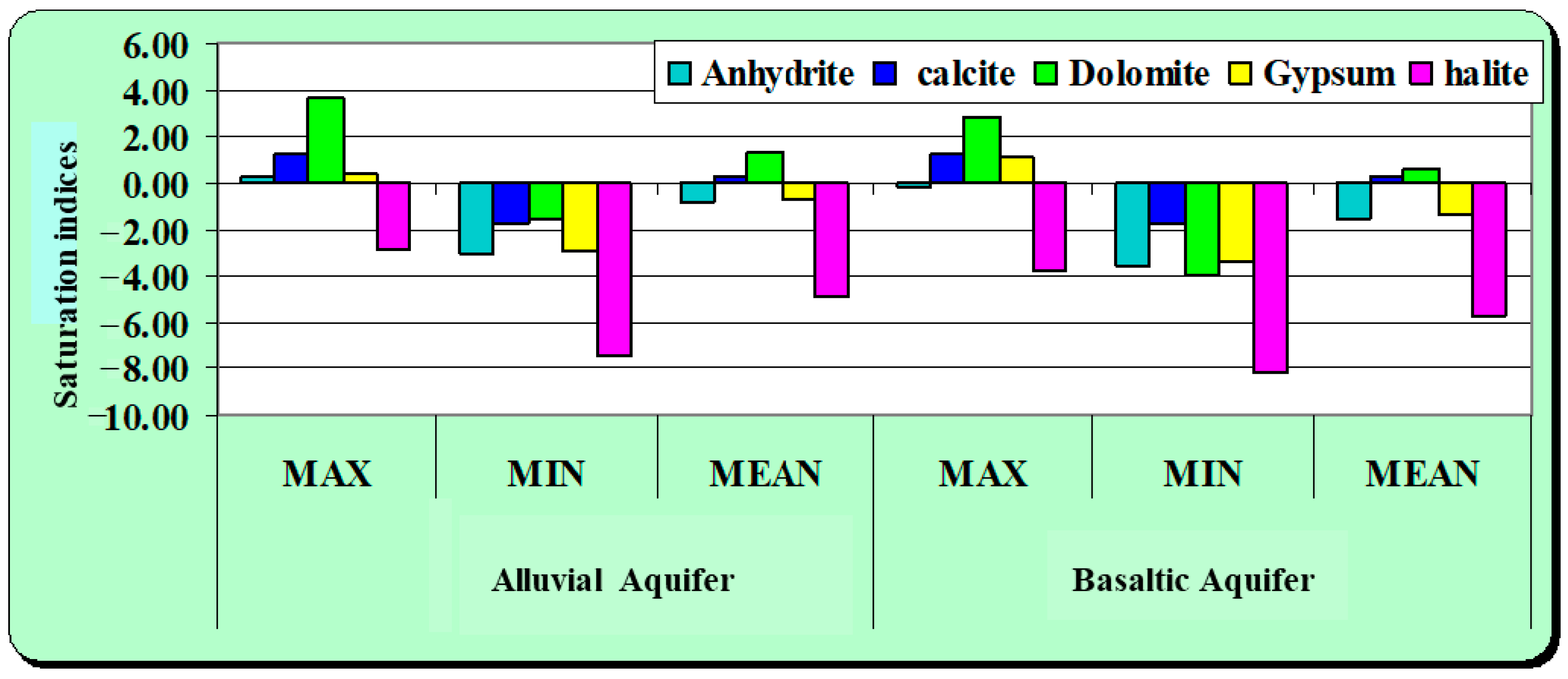
Table 1 shows the saturation indices of anhydrite, gypsum, calcite, dolomite, and halite. These indices indicate that most waters are supersaturated with respect to calcite (CaCO
3) and dolomite [CaMg(CO
3)
2], while only a few waters are supersaturated with gypsum (CaSO
4·2H
2O) and anhydrite (CaSO
4), suggesting a potential for the precipitation of these minerals (
Figure 9). In contrast, the groundwater is undersaturated with respect to halite (NaCl), suggesting that it still has the capacity to dissolve this salt if present. Most data points plot below the zero-saturation index line, indicating that groundwater does not significantly precipitate or dissolve these minerals. Therefore, the minerals calcite, dolomite, gypsum, and anhydrite are secondary minerals whose dissolution and precipitation processes influence groundwater chemistry by adding or reducing ions like Ca
2+, Mg
2+, SO
42−, and HCO
3−, alongside contributions from the chemical weathering of silicate minerals, collectively contributing to the overall hydrogeochemical evolution of the groundwater. These saturation index results are consistent with the observed major ion chemistry and confirm that carbonate and sulfate mineral equilibria play a central role in controlling groundwater composition.
5.4.2. Contribution of Nitrate
The main sources of nitrate in groundwater include: (1) application of chemical and animal fertilizers rich in nitrates, (2) atmospheric nitrate deposition due to the oxidation of nitrogen gas by oxygen in the atmosphere, and (3) oxidation of ammonia (NH
4) and nitrite (NO
2) into nitrate. These oxidation processes can be represented by two equations:
The first source is considered a major contributor to the increase in nitrate content in groundwater owing to continuous use of nitrate-rich chemical fertilizers and animal manure in the agricultural areas of western and northwestern Al Madinah. In contrast, the contributions of sources (2) and (3) are limited due to the generally low concentrations of ammonia and nitrite in groundwater (
Table 1).
Chemical analyses indicate that nitrate concentrations in groundwater from the basaltic aquifer range from 4 to 228 ppm, with an average value of 77 ppm. In the alluvial aquifer, nitrate concentrations range from 4 to 270 ppm, with an average of 99 ppm (
Table 1). These values exceed the maximum permissible limits of 50 ppm set by GSO (2009) and 10 ppm established by WHO and the US EPA.
To assess potential influence of sewage leakage on groundwater nitrate levels, the U.S. Environmental Protection Agency [
47] identifies chloride and nitrate as key indicators of sewage contamination. In the basaltic aquifer, a moderate positive correlation (r = 0.298,
Table 3) suggests a partial contribution from sewage sources. In contrast, the alluvial aquifer exhibits a weak negative correlation (r = −0.023,
Table 4), indicating a limited influence from sewage contamination. On the other hand, moderate to strong significant positive correlations between Cl
− and SO
42− in both basaltic and alluvial aquifers (r = 0.422 and 0.659, respectively) may reflect contributions from sewage effluents, industrial discharges, and natural geochemical processes such as mineral weathering.
Additionally, positive correlations between K+, Na+, Mg2+, and NO3− in the basaltic aquifer suggest the influence of agricultural fertilizers, whereas weaker correlations observed in the alluvial aquifer imply comparatively lower agricultural impacts. The correlations between TDS and various ions (Ca2+, Mg2+, Na+, K+, Cl−, HCO3−, NO3−, SO42−, F−, and TH) provide valuable insights into groundwater geochemical evolution. Elevated TDS values likely result from a combination of mineral dissolution, agricultural runoff, industrial discharges, and possible sewage contamination. Finally, positive correlations between SO42− and Ca2+, Mg2+, Na+, and K+ highlight influences from both natural geological processes and anthropogenic activities.
5.4.3. Groundwater Recharge Processes
The climatic conditions in the study area have a significant impact on water balance, which, in turn, affects groundwater quality. Saudi Arabia is located in one of the world’s arid regions, characterized by low and irregular rainfall as well as high evaporation rates that frequently surpass rainfall amounts. The area is occasionally impacted by severe storms and heavy thunderstorms, leading to flooding. Analysis of rainfall data reveals notable annual variations in the averages for the region, with Medina receiving approximately 45 mm of rain annually [
48].
The pre-rainfall period, occurring just before the monsoon season (typically in September and October), is marked by higher temperatures, lower humidity, and minimal rainfall, allowing for the evaluation of baseline groundwater conditions. During this time, 20 groundwater samples were collected from private wells and those of the Ministry of Water and Electricity in the Harrat Rahat lava area, along with 24 samples from Quaternary alluvial sedimentary deposits. Conversely, the post-rainfall period follows the rainy season and features increased rainfall and humidity, with January being the wettest month, averaging around 9 mm. This influx of rainwater helps to elevate groundwater levels. Post-rainfall sampling is critical for examining seasonal variations in groundwater quality, resource availability, and potential contamination sources. Thirteen alluvial aquifer samples were collected again one month after rainfall to compare changes in element concentrations.
Recharge of underground aquifers relies more on the intensity of flood-related rainfall than on annual averages of light rains, as evaporation can exceed low-intensity rainfall. Surface runoff significantly contributes to the hydrological balance by recharging groundwater, aided by the steep gradients and low permeability of the area’s hard rocks. Seasonal variations in groundwater levels and salinity are observed, with minimum salinity and highest water levels occurring after flood periods.
The composition of groundwater is influenced by factors such as salt deposition, evaporation rates, rock-water interactions, and human-induced pollutants. The trace and minor elements within hard rocks are distributed across the rock-forming minerals and the voids among mineral grains. These voids are influenced by physicochemical processes like adsorption, ion exchange, and dissolution, making the elements present in these spaces more vulnerable to dissolution and leaching from the rocks. Therefore, the mobility of metal ions is contingent on their concentrations in these voids. The weathering and fragmentation of certain minerals, such as feldspar, also play a crucial role in providing sources for surface and groundwater [
49].
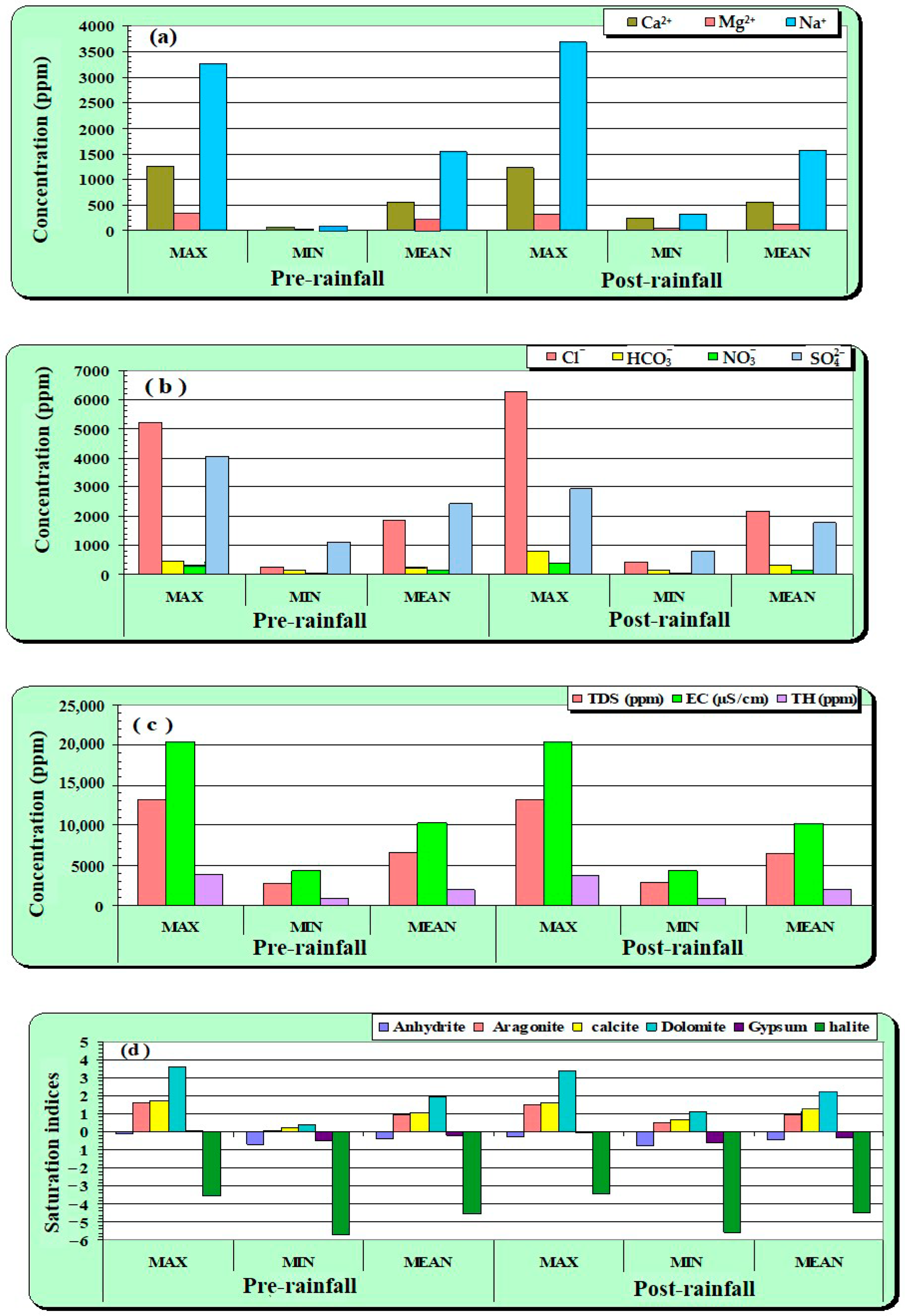
As mentioned earlier, 13 groundwater samples were re-collected from the alluvial aquifer one month after rainfall to assess recharge effects. The analysis shown in
Figure 10a
–d indicates an increase in sodium and chloride concentrations and a decrease in sulfate levels following recharge. Additionally, the saturation indices of calcite and dolomite slightly increased after the rainfall period, suggesting the dissolution of these minerals (
Figure 10d).
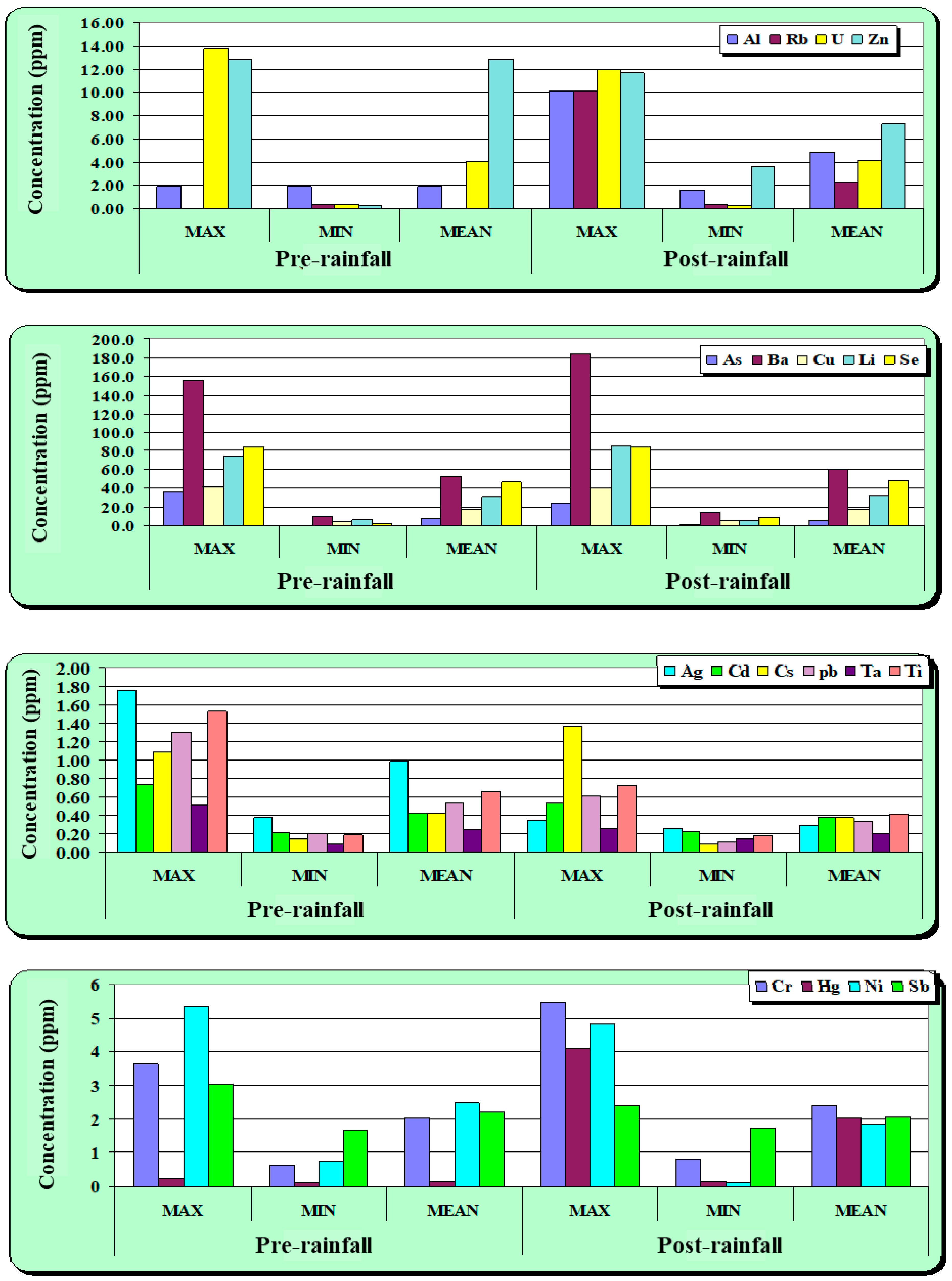
Figure 11 illustrates the concentrations of trace elements and heavy metals before and after the rainfall period. As shown in the figure, most elements and metals exhibited decreased concentrations in groundwater due to dilution by rainwater and the short residence time of the recharged water, which limited interaction with rocks and the release of additional elements. However, this trend did not apply to Rb, Al, Ba, Hg, and Cr, which showed notable increases after rainfall, potentially due to their relative ease of dissolution and release from host minerals such as feldspar.
5.4.4. Rock-Water Interactions
The sources of major and trace elements in groundwater, including heavy metals, are diverse. Rock–water interaction represents a primary mechanism controlling the release of these elements, as rocks undergo prolonged chemical weathering driven by factors such as acidic precipitation, oxygenated surface waters, and chemically active hydrothermal fluids. These processes promote the mobilization of elements from rocks into groundwater and, in some cases, the transfer of elements from water into rocks through adsorption and mineral precipitation. The interaction between rocks and water depends on the physicochemical conditions available at the rock–water interface, such as acidity, temperature, oxygen levels, and the chemical composition of the rocks and groundwater.
In addition to geogenic sources, groundwater chemistry may also be influenced by anthropogenic inputs, primarily associated with industrial, agricultural, and domestic discharges, as well as mining activities and mineral processing. To evaluate the contribution of rock–water interaction as a source of elements in the groundwater of the study area, representative rock samples were collected in the vicinity of selected groundwater wells (
Supplementary Table S3). These samples were analyzed and compared with the chemical composition of their associated groundwater.
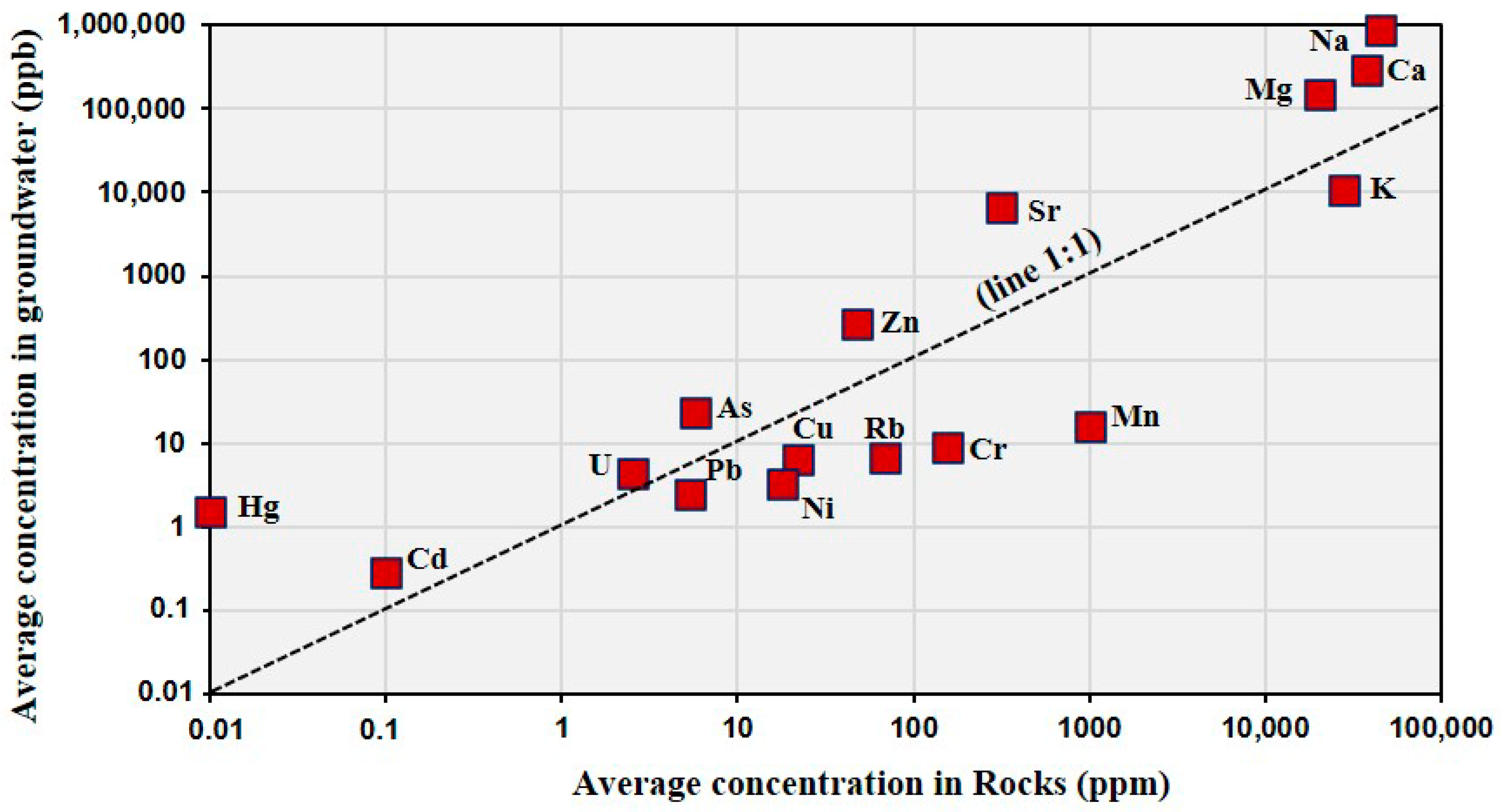
Table 5 shows the average concentrations of selected elements and heavy metals in both rock samples and their associated waters.
Figure 12 illustrates the relationship between these average concentrations. The observed positive correlations indicate that increases in elemental concentrations in the rocks are accompanied by corresponding increases in groundwater, and vice versa. This relationship strongly suggests that chemical weathering of local rocks constitutes the dominant source of dissolved elements in groundwater within the study area. It is noteworthy that if external sources such as wastewater or industrial effluents exerted a significant influence, the elemental relationships would be expected to deviate from this trend, potentially displaying inverse or anomalously elevated concentrations in groundwater relative to the host rock.
The chemical evolution of groundwater quality in crystalline igneous rocks is primarily controlled by the chemical weathering of minerals within the rock matrix and is strongly influenced by water acidity and the presence of carbon dioxide gas. Mineral weathering is largely governed by the activity of hydrogen ions (H
+), which are generated through the dissociation of carbonic acid (H
2CO
3), as illustrated by the following reactions:
The hydrogen ions (H
+) play a key role in the chemical weathering of silicate minerals by enhancing the ability of groundwater to dissolve and mobilize components from minerals present in the rock matrix and alluvial deposits. In the Harrat Rahat and Al Madinah region, the dominant rock type is olivine basalt, composed mainly of forsterite (Mg
2SiO
4), diopside (MgCaSi
2O
6), augite (CaMgFe(SiO
3)
2), and calcic plagioclase (CaAl
2Si
3O
8), the chemical weathering of silicate minerals such as forsterite, diopside, and augite can be represented by the following equations:
These reactions demonstrate that the chemical weathering of basaltic minerals releases significant amounts of Ca2+, Mg2+, Fe2+, and HCO3− into groundwater, thereby modifying its chemical composition and influencing overall groundwater quality.
The 1:1 reference line (
Figure 12) provides insight into the relative mobility of elements during water–rock interaction. Elements plotting above the 1:1 line indicate proportionally higher concentrations in groundwater relative to their abundance in host rocks, suggesting enhanced mobility and preferential release during chemical weathering. Such behavior is typical of relatively soluble elements or those weakly retained within mineral structures.
Conversely, elements plotting below the 1:1 line exhibit lower concentrations in groundwater relative to their host-rock abundance, indicating restricted mobility due to low intrinsic solubility, structural incorporation within stable mineral lattices, or post-release attenuation processes such as adsorption onto mineral surfaces and secondary mineral precipitation. Elements such as Cr, Ni, and Pb are commonly associated with resistant mafic minerals or Fe–Mn oxide phases. Their mobility is further controlled by prevailing pH and redox conditions; under near-neutral to slightly alkaline pH and predominantly oxidizing environments, these elements tend to remain immobilized through adsorption, co-precipitation, or stabilization within oxide and hydroxide phases, thereby limiting their transfer to groundwater.
Because the aquifer lithology includes basalt as well as sediments predominantly derived from felsic silicate rocks, the observed distribution patterns reflect combined lithological control rather than a purely basaltic weathering signature. Major cations such as Ca2+, Mg2+, Na+, and K+ likely originate from the weathering of both mafic and felsic silicates, whereas trace elements display variable mobility depending on mineral hosting, aqueous speciation, and prevailing geochemical conditions. Thus, the diagram supports a lithologically controlled geochemical imprint, with element-specific mobility governed by mineral stability and water chemistry.
5.5. Conceptual Hydrogeochemical Model
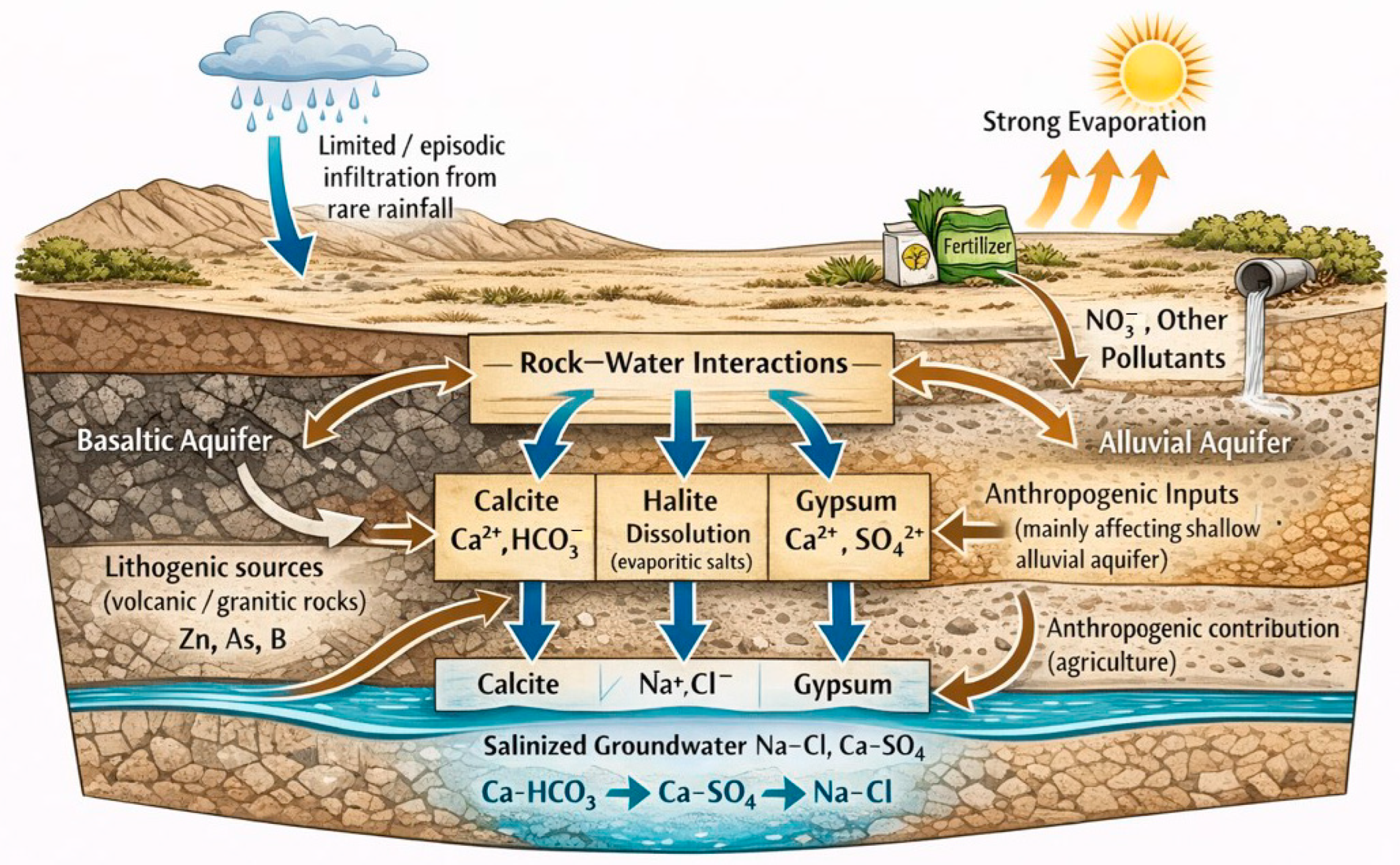
Based on the integration of geological setting, hydrochemical data, saturation index calculations, correlation analysis, and rock–water interaction results, a conceptual hydrogeochemical model is proposed to explain the evolution and quality of groundwater in the Al Madinah region (
Figure 13).
Groundwater recharge in the study area is primarily derived from limited rainfall and surface runoff infiltrating through fractured basaltic lava flows and Quaternary alluvial deposits. The study area is characterized by arid climatic conditions, where rainfall is infrequent, short-lived, and highly episodic. As a result, sustained surface water flow is absent, and runoff events occur only sporadically during rare intense storms, without forming permanent drainage networks. Additionally, the high permeability of fractured basaltic lava flows and coarse alluvial deposits promotes rapid infiltration of precipitation, limiting surface runoff and enhancing diffuse recharge mechanisms. Consequently, groundwater recharge is dominated by limited, episodic infiltration rather than continuous surface water flow, which explains the absence of surface hydrological features and reinforces the dominance of subsurface-controlled hydrogeochemical processes in the study area. In the basaltic aquifer, groundwater movement is mainly controlled by vesicles, fractures, weathered zones, and interflow boundaries between successive lava flows. In contrast, groundwater within the alluvial aquifer flows through interbedded layers of sand, gravel, and clay, resulting in longer residence times and enhanced hydrogeochemical evolution.
As recharge water percolates through the subsurface, intensive rock–water interactions occur. The chemical weathering of silicate minerals within basaltic rocks contributes Ca
2+, Mg
2+, Na
+, HCO
3−, and SiO
24+ to groundwater. However, the hydrochemical composition is strongly governed by carbonate and sulfate mineral equilibria, which play a central role in controlling groundwater chemistry. Saturation index calculations indicate that groundwater is predominantly supersaturated with respect to calcite and dolomite, suggesting active precipitation and buffering of Ca
2+, Mg
2+, and HCO
3− concentrations. In contrast, partial saturation or near-equilibrium conditions with respect to gypsum and anhydrite indicate ongoing dissolution–precipitation processes that regulate sulfate and calcium levels in the groundwater system. The hydrochemical evolution from Ca–HCO
3 to Ca–SO
4 and finally to Na–Cl facies reflect increasing groundwater residence time, enhanced rock–water interaction, and evaporation effects, consistent with Piper diagram interpretations. Groundwater remains undersaturated with respect to halite, indicating continued dissolution potential and explaining the widespread enrichment of Na
+ and Cl
− ions, particularly in the alluvial aquifer. These processes, combined with strong evaporation under arid climatic conditions, lead to progressive salinization and the development of chemically evolved groundwater dominated by sodium–chloride and calcium–sulfate facies. A similar interpretation was reported by [
50], who indicated that the predominance of Na
+ and Cl
− ions in the groundwater of Karamay City is primarily driven by intense evaporation, resulting in increased salinity and limited recent freshwater recharge. However, ref. [
50] also noted that the hydrochemical evolution initially begins with a bicarbonate-dominated facies, which gradually transitions to Na
+ and Cl
− dominance as evaporation intensifies. In addition, groundwater in Karamay is influenced by geological factors associated with oil-bearing strata, leading to distinctive geochemical processes such as the reduction of sulfate to hydrogen sulfide (H
2S), processes that are not observed in the study area.
Anthropogenic inputs further modify groundwater chemistry, especially in agricultural areas. Elevated concentrations of nitrate, potassium, zinc, and arsenic reflect the influence of fertilizer application, irrigation return flow, and localized sewage leakage. These impacts are more pronounced in the alluvial aquifer due to its higher permeability, longer groundwater residence time, and greater exposure to surface-derived contaminants. Naturally elevated arsenic and fluoride concentrations have been recorded in the volcanic–sedimentary domain of Viterbo, Central Italy [
51]. In contrast, the elevated arsenic levels in the study area are primarily associated with anthropogenic sources, particularly agricultural practices. While arsenic and fluoride enrichment in Viterbo mainly originates from natural geological conditions, these levels may be further influenced by human activities. The study area generally maintains fluoride concentrations below the recommended limits in both basaltic and alluvial aquifers, whereas Viterbo exhibits naturally higher fluoride levels due to its geological characteristics, with additional contributions from human activities. Overall, agricultural impacts are more pronounced in the study area, where specific practices contribute directly to increased contaminant concentrations. In Viterbo, agricultural and industrial activities tend to enhance pre-existing natural levels rather than serving as the primary source of contamination. The proposed model (
Figure 13) effectively distinguishes between geogenic salinization caused by the dissolution of evaporites (such as gypsum, anhydrite, and halite) and evaporation processes, as well as anthropogenic contributions to salinity linked to agricultural activities. This is evidenced by the increased concentrations of nitrate and potassium and their unique correlation patterns.
Heavy metal concentrations are largely controlled by lithological composition and mineral dissolution, particularly from granitic, felsitic, and volcanic rocks, with additional contributions from agricultural activities. Volcanic rocks in the Harrat region contribute to elevated boron levels in the basaltic aquifer, while alluvial sediments facilitate the accumulation of trace metals through adsorption and prolonged water–sediment interaction.
Overall, the conceptual model illustrates that groundwater quality in the Harrat Rahat–Al Madinah region results from the combined effects of climate-driven evaporation, carbonate and sulfate mineral equilibria, silicate weathering, and anthropogenic activities. These interacting processes explain the observed spatial variations in groundwater chemistry and provide a robust framework for understanding groundwater evolution, vulnerability, and management challenges in arid volcanic terrains.
6. Conclusions
The Al Madinah region is characterized by arid climate with limited surface water resources; consequently, groundwater represents the primary source of water in the area. To assess its suitability for drinking, domestic, and irrigation purposes, the chemical characteristics of groundwater from the basaltic aquifer of Harrat Rahat and the alluvial aquifer in the northwestern part of Harrat Rahat were investigated.
A total of 44 water samples were collected from different wells and analyzed for pH, total dissolved solids (TDS), electrical conductivity (EC), total hardness (TH), Ca2+, Mg2+, Na+, K+, NH4−, Cl−, HCO3−, NO3− and SO42−, and F−. Based on the Piper diagram classification, groundwater samples are predominantly classified within the sodium–chloride and calcium–sulfate water types. This distribution indicates a strong influence from the dissolution of evaporite minerals, particularly halite and gypsum, which contributes to elevated salinity levels in groundwater.
The study reveals that EC, TDS, and TH in both basaltic and alluvial aquifers exceed international and Gulf standards, indicating highly saline conditions that limit the suitability of groundwater for drinking and agricultural use. Elevated nitrate concentrations and other chemical constituents suggest the combined influence of natural geological processes and anthropogenic activities, including mineral leaching and agricultural runoff. Correlations among various ions reveal complex hydrochemical interactions controlled by both natural and human-induced factors. In the basaltic aquifer, a moderate correlation between nitrate and sewage-related indicators points to localized contamination, whereas weak correlations in the alluvial aquifer indicate minimal influence from sewage sources. Strong relationships among ions such as chloride, sulfate, potassium, sodium, magnesium, and nitrate further highlight the impact of agricultural and industrial activities on groundwater quality.
The results of the Independent Samples t-Test indicate statistically significant differences in the average concentrations of several major ions and physicochemical parameters between the alluvial and basaltic aquifers, with the alluvial aquifer generally showing higher mean concentrations. However, parameters like Ca2+, HCO3−, NO3−, and total hardness (TH) exhibited insignificant differences, indicating comparable values in both aquifers. Additionally, the t-test results for heavy metals reveal significant differences for several trace elements, with higher concentrations of Ag, As, B, Br, Cd, Se, and U in the alluvial aquifer, while Ba concentrations are higher in the basaltic aquifer. The absence of significant differences for other metals suggests similar hydrogeochemical controls or shared sources impacting both aquifer systems. Changes in groundwater quality post-rainfall indicate dilution effects on most trace elements and heavy metals, although certain elements like Rb, Al, Ba, Hg, and Cr exhibited increased concentrations, suggesting their enhanced solubility and release from host minerals.
Heavy metals in the studied groundwater can be categorized into two groups: (1) metals like Ag, Ba, Be, Cd, Cr, Cu, Hg, Mn, Ni, Pb, Sb, and U, which occur within permissible limits; and (2) metals such as Zn, Al, As, Se, and Tl which exceed allowable limits in at least one sample. Elevated concentrations of these metals are primarily attributed to water–rock interactions, particularly the leaching of granite and felsite rocks that release trace elements into the groundwater. Agricultural practices, especially the use of fertilizers, also contribute to increased arsenic and zinc concentrations, as some fertilizers contain appreciable amounts of these elements. Furthermore, the elevated boron levels in the basaltic aquifer are likely due to boron released from basalts formed during past volcanic activity in the Harrat region. Overall, the findings indicate possible health concerns based on guideline exceedances, and we recommend that future studies perform Hazard Quotient and Hazard Index calculations for more detailed risk quantification. These outcomes emphasize the need for continuous groundwater quality monitoring and the implementation of effective management strategies to mitigate contamination risks and ensure the sustainable use of groundwater resources in the Al Madinah region.