


Abstract
Effective Water Resource Management (WRM) requires the integration of physical hydrological processes with institutional drought response plans. In Romania, the Olt River Basin represents one of the most highly regulated catchments, where water security is maintained through a series of staged restriction measures (TR1–TR3). However, the efficacy of these measures under the shifting baselines of the SSP2-4.5 climate scenario remains poorly understood. This study addresses this gap by coupling rainfall–runoff dynamics with a priority-based allocation model to evaluate the reliability of current drought protocols in a climate-perturbed future. Rainfall–runoff modelling, reservoir operation, priority-based allocation, environmental flow constraints, and officially applied drought restriction plans were combined within a single modelling environment. Under the SSP2-4.5 climate scenario, total basin runoff decreased by approximately 13.3%, leading to more frequent activation of restriction stages and reduced allocation reliability.
1. Introduction
Water scarcity is an increasing global challenge, shaped by the unequal distribution of renewable freshwater resources, increasing human demand, and degradation of water quality [1,2,3,4]. Recent multidimensional assessments reveal that billions of people around the world are exposed to at least one type of water scarcity each year (e.g., surface and groundwater shortfalls, soil moisture deficits, or low quality of water), with about 58–64% of population experiencing some type of scarcity annually and around 80% exposed to -scarcity at least seasonally [5,6]. The UN World Water Development Report highlights [7] that about half of the world’s population experiences severe water scarcity for part of the year, agricultural and municipal withdrawals continue to grow, and lower-income regions face acute water quality and access issues. These findings underscore the importance of integrated assessment approaches that account for both quantity and quality constraints when evaluating water allocation performance and planning sustainable water management strategies [8,9,10].
Water resources allocation is a central challenge in contemporary water resource management, particularly in river basins where water availability is limited, demands are competing, and hydrological variability is intensified by climate change and human interventions [11,12]. Water allocation refers to the distribution of available water among multiple users (agriculture, domestic supply, industry, energy production, and environmental flow) based on legal frameworks, operational rules, and management objectives. In regulated river systems, reservoirs, diversions, and control structures substantially modify natural flow regimes, often resulting in spatially uneven water availability and increased complexity in allocation decisions [13].
Numerous river basins worldwide experience chronic or seasonal water scarcity driven by upstream abstractions, extensive storage infrastructure, and growing water demand. Well-documented examples include the Murray–Darling Basin in Australia, the Colorado River Basin in the United States, the Yellow River in China, and the Indus Basin in South Asia, where allocation policies strongly influence downstream water availability, economic productivity, and ecosystem health [14,15,16]. In such systems, cumulative upstream water use and reservoir operations progressively constrain downstream supplies, leading to localized water deficits, user conflicts, and heightened vulnerability during drought periods.
Recent research has highlighted the spatial dimension of allocation outcomes, showing that water deficits are not uniformly distributed across river networks but tend to cluster downstream of major reservoirs and high-demand nodes [17,18]. These findings underscore the cumulative and network-driven nature of water scarcity in regulated systems and emphasize the need for modelling frameworks that explicitly represent operational allocation rules and their spatial effects.
To manage these challenges, a variety of allocation approaches have been implemented, including priority-based systems, proportional sharing, and rule-based restriction schemes. Rule-based systems apply staged abstraction limitations triggered by reservoir storage levels, streamflow thresholds, or drought indicators, and are widely used by water authorities as operational drought management tools. The performance of such allocation strategies is commonly assessed using basin-scale modelling tools. The Water Evaluation and Planning system (WEAP), for example, has been extensively applied to evaluate policy-driven allocation scenarios under varying hydrological and demand conditions [19], while MODSIM and RiverWare have been used to simulate complex reservoir operations and rule-based allocation strategies in highly regulated river basins such as the Colorado River system [15,20].
Integrated water resource management at the river-basin scale requires the representation of hydrological, ecological, and socio-economic interactions under conditions of increasing climatic variability and competing sectoral demands. Increasing pressure on surface water resources, driven by climate variability, prolonged droughts, and growing sectoral demands, has intensified the need for operational tools capable of supporting water allocation and drought management at the river-basin scale [21,22,23,24]. In regulated basins, where reservoirs, abstractions, and legal allocation priorities strongly influence flow regimes, effective water resource management requires integrated modelling approaches that combine hydrological processes with allocation rules and operational constraints.
Basin-scale water allocation models have been widely applied to assess water availability, sectoral reliability, and system performance under both historical and future conditions [21,22,25]. Such models enable the representation of infrastructure operation, abstraction priorities, environmental flow requirements, and deficit propagation through complex river networks. Previous studies have demonstrated the value of integrated hydrological and allocation modelling frameworks for evaluating trade-offs between competing water uses, supporting drought planning, and assessing the impacts of climate change on water supply reliability.
Environmental flow requirements constitute a critical constraint in regulated river basins, limiting the volume of water available for consumptive uses and influencing the timing and severity of allocation deficits during low-flow periods [26,27,28]. The integration of environmental flows into allocation models has been shown to significantly affect system performance and user-level reliability, particularly under drought conditions. In practice, environmental flow obligations are often embedded within broader drought restriction plans, which define staged abstraction limitations based on hydrological thresholds. Despite their importance for operational water management, such restriction plans are rarely implemented explicitly in basin-scale models using their real regulatory structure [29,30,31].
Climate change further complicates water allocation in regulated basins by altering hydrological regimes, increasing the frequency and duration of droughts, and reducing the reliability of existing allocation rules. Numerous studies have reported projected decreases in runoff, shifts in seasonality, and increased pressure on reservoirs and priority [23] water uses under future climate scenarios. These changes highlight the need for modelling frameworks that can consistently propagate climate-induced hydrological changes through allocation systems and evaluate the robustness of current drought management strategies.
Many applications rely on simplified or hypothetical restriction schemes, rather than on restriction plans that are formally applied by water authorities. The simplifications typically consist of generic or arbitrarily defined rules, such as uniform percentage reductions in water demand or idealized threshold values, and are not directly linked to the regulatory framework or operational practice of a specific river basin. As a result, such approaches limit a model’s ability to assess the real-world effectiveness of drought management plans implemented by authorities.
By contrast, formally applied restriction plans are defined by water authorities, include discharge-based triggers at designated control sections, and define sector-specific abstraction limitations that are implemented consistently across the affected river reaches.
To address this gap, the present study applies an integrated hydrological and water allocation modelling framework to the Olt River Basin in Romania, one of the country’s most intensively regulated river systems, characterized by extensive reservoir infrastructure, multiple competing water uses, and officially defined, stage-based drought restriction plans implemented by the Romanian National Administration “Apele Române” (ANAR). Within this context, the objectives of this study are threefold: (1) to operationalize officially defined, stage-based drought restriction plans by explicitly translating ANAR’s operational rules into basin-scale model logic, enabling realistic simulation of restriction activation and their impacts on individual water users across a regulated river network; (2) to assess water allocation performance under historical hydroclimatic variability and climate-perturbed conditions using an integrated hydrological–allocation framework that accounts for rule-based allocation, environmental flow requirements, and progressive drought restrictions; and (3) to quantitatively evaluate how increasingly stringent restriction stages influence the magnitude and spatial distribution of water supply deficits, thereby demonstrating the applicability and transferability of the proposed approach for drought management in regulated river basins facing increasing water scarcity.
The novelty of this study lies in the operational integration of officially applied drought restriction plans into a basin-scale water allocation model, together with a quantitative assessment of their impacts on water allocation performance at both user and basin scales. The framework builds on developing a well-documented rainfall–runoff and water allocation models, using them as a solid foundation to deliver a robust and policy-relevant evaluation of drought management measures in practice.
2. Materials and Methods
2.1. Study Area
The Olt River Basin (Figure 1) is one of the most intensively regulated river basins in Romania and plays a strategic role in water supply, irrigation, and hydropower production. The basin covers an area of approximately 25,388 km2 and includes 622 cadaster watercourses, with a total river length exceeding 10,200 km. The long-term average annual surface water resource was estimated at approximately 5.3 billion m3, of which the exploitable resources are about 2.0 billion m3 per year, reflecting the strong influence of infrastructure and management constraints.
Figure 1.
Location of the Olt River basin in Romania and the Basin Water Administrations (A.B.A).
Romania’s water resource management is organized at the river-basin level through eleven Basin Water Administrations (Administrații Bazinale de Apă, A.B.A.), each responsible for implementing national and EU water policies within its designated hydrological region. These include the A.B.A. Someș–Tisa, Crișuri, Banat, Jiu, Olt, Argeș–Vedea, Buzău–Ialomița, Siret, Prut–Bârlad, Dobrogea–Litoral, and Mureș administrations. Each A.B.A. oversees water resources planning, monitoring, allocation, and drought management within its basin, in accordance with the River Basin Management Plans and national regulatory frameworks. The present study focuses exclusively on the Olt River Basin, managed by A.B.A. Olt, as it represents one of the most highly regulated basins in Romania and provides a representative case for analysing operational drought restriction plans.
The geology of the A.B.A. Olt area varies according to relief units, ranging from volcanic, crystalline, and magmatic rocks in the Carpathians to predominantly sedimentary formations in the Curvature Carpathians, Sub-Carpathians, and plateaus. These sedimentary covers include sandstones, conglomerates, clays, limestones, marls, and gravels, often overlying crystalline or granitic basements. In lowland and southern areas, loess and loess-like deposits commonly cap the sedimentary layers. The land use is strongly influenced by physiography and human activities; the landscape is dominated by forests (32%) and agricultural lands (61%), with smaller proportions of water bodies (3%) and built-up areas (4%).
Environmental flow requirements in the Olt River Basin are defined within the official basin-level water management and drought restriction plans developed by the national water authority. These requirements are specified as minimum discharge thresholds at selected control sections along the river network and are designed to preserve essential ecological functions during low-flow conditions. In the modelling framework, environmental flows are implemented as operational constraints, whereby minimum flow requirements must be satisfied before water is allocated to consumptive uses. The thresholds applied reflect regulatory practice and are not derived through ecological optimization, but through administratively established rules used in operational water management [32].
The basin hosts 34 major reservoirs, with a total active storage volume of approximately 812 million m3, forming a cascade system along the main stem of the Olt River and its major tributaries. Despite this extensive infrastructure, the basin is vulnerable to prolonged droughts, sedimentation of reservoirs, and increasing anthropogenic pressures. The usable water resource per capita is approximately 966 m3·cap−1·yr−1, placing the basin close to the threshold of water stress, particularly under climate change conditions [32].
In this study, multiple datasets were collected and subjected to preliminary processing for the construction, calibration, and validation of the integrated water resource management model developed using MIKE Hydro Basin.
Geospatial datasets were assembled to describe the physical and operational structure of the Olt River Basin, including the river network, the spatial distribution of hydrometric stations, the location of major reservoirs, and the positions of abstraction and return points associated with water uses. In addition, hydrological sub-basins were delineated to define contributing areas for runoff generation and inflow routing within the model framework.
Hydrological and meteorological datasets included time series of precipitation and air temperature, observed river discharges at hydrometric stations, estimates of potential evapotranspiration, and snowmelt coefficients. These data were processed to ensure temporal consistency and spatial representativeness at the basin scale and were subsequently used as inputs for rainfall–runoff modeling and water balance calculations.
Additional datasets describing reservoir characteristics and operational behavior were collected, including storage capacity curves, characteristic operating levels, and exploitation rules corresponding to different hydrological regimes. These data were essential for accurately representing reservoir storage dynamics and release patterns within the allocation model.
Finally, detailed information on water abstractions and return flows was compiled, including volumes and discharge rates associated with municipal, industrial, and agricultural uses. These datasets provided the basis for defining sectoral water demands and return flows and ensured consistency between observed water use patterns and the modeled allocation system.
2.2. Data Series
This section contains details of each type of data series used in the research.
2.2.1. Precipitation Data
Precipitation data were collected from 103 hydrometric and pluviometric stations within and in the vicinity of the Olt River Basin for 10 years (2008–2017). The primary datasets consisted of point-based daily precipitation measurements recorded at rain gauges and hydrometric stations operated by the national monitoring network. In addition to station-based observations, precipitation data derived from the ROFFG radar system (component of the Romanian National Hydrological Forecasting and Modeling System) were used for areas with insufficient spatial coverage. These radar-based datasets represent spatially distributed precipitation fields with a 1 × 1 km spatial resolution, which were spatially averaged over the hydrological sub-basins delineated in the MIKE Hydro Basin models. This procedure resulted in a daily precipitation time series representative of each modeled sub-basin. A comparative analysis revealed, in some cases, substantial differences between station-based precipitation time series and those derived from radar data, reflecting known discrepancies between point measurements and areal estimates obtained from weather radar [33,34,35].
The precipitation series shown in Figure 2 as an example reflects a clear seasonal pattern, which is characteristic of the Olt River Basin. Precipitation is generally higher during late spring and early summer, driven by convective rainfall events, while lower amounts are typically observed during winter and early autumn. This seasonality influences runoff generation and contributes to the timing of low-flow periods that are critical for water allocation and drought management.
Figure 2.
Excerpt of recorded precipitation data at the Cibanu hydrometric station (ANAR source).
The selection of the precipitation data source for each sub-basin was based on a performance-oriented criterion, namely the ability of the rainfall–runoff modeling framework to reproduce observed river discharges [36]. Specifically, for each sub-basin, alternative precipitation datasets (station-based and radar-derived) were tested within the rainfall–runoff modelling framework. The dataset retained for further modelling was the one that produced simulated discharges with closer agreement to observed flows at downstream hydrometric stations, as evaluated using a combination of volumetric consistency and low-flow performance metrics, which are most relevant for water allocation and drought analysis.
2.2.2. Temperature Data
Daily mean air temperature data were required for the estimation of potential evapotranspiration [37], which constitutes a key input to the simulation of runoff using the NAM hydrological model. In addition, air temperature was used to evaluate snowmelt coefficients and to determine the partitioning of precipitation into rainfall and snowfall, processes that directly influence runoff generation and streamflow dynamics within the hydrological modeling framework. Daily mean air temperatures were collected from 103 hydro-meteorological stations for the period 2008–2017. Such a series is presented in Figure 3.
Figure 3.
Excerpt of recorded temperature data at the Cibanu hydrometric station (ANAR source).
Data gaps and missing records were identified at several stations. These were addressed on a case-by-case basis through additional data requests to data providers and, where necessary, by extracting supplementary information from alternative sources such as Copernicus. The temperature series collected at individual stations was subsequently interpolated over the extended study period using the Empirical Bayesian Kriging geostatistical method from ArcGIS Pro v. 3.6 (developed by ESRI Inc, Redlands, CA, USA). The resulting spatially continuous temperature fields were then aggregated by statistical zonation at the level of the hydrological sub-basins delineated in the pilot models. This procedure yielded daily mean temperature time series representative of each sub-basin, ensuring spatially consistent temperature inputs and improved realism in the simulation of evapotranspiration and snow-related processes.
2.2.3. Discharge Data Series
Daily mean river discharges recorded at 103 hydrometric stations were compiled for 10 years (2008–2017). The data series was divided into two distinct sub-periods. Model calibration was performed over the 2008–2013 interval, while validation was conducted independently over the 2014–2017 period. This separation ensured that model parameters were evaluated against an independent dataset and that model performance was not assessed on the same data used for calibration.
2.2.4. Data Representativeness
The spatial distribution of hydrometric and pluviometric stations is shown in Figure 4. As illustrated by the map, the monitoring network is not uniformly distributed across the basin, but is aligned with the hydrological structure of the Olt River system and the location of key management and control points. Station density is higher along the main river corridor and major tributaries, as well as in proximity to large reservoirs, where flow regulation and water allocation decisions are concentrated. Headwater and upland areas are covered by a lower number of stations; however, these areas are represented through aggregated hydrological sub-basins and contribute to basin-scale inflows rather than local allocation control.
Figure 4.
Spatial distribution of gauging stations, reservoirs, river network, and hydrological sub-basins in the Olt River Basin.
The delineation of 229 hydrological sub-basins ensures continuous spatial coverage of the basin, capturing all major contributing areas, reservoirs, abstraction nodes, and return flows relevant for water allocation modelling. Taken together, the station network and sub-basin configuration provide adequate spatial representation of both hydrological variability and management-relevant features of the basin.
2.2.5. Snowmelt Coefficients
For sub-basins affected by winter processes (snowfall and snowmelt), snow-related coefficients were computed for four years (July 2014–August 2018) to capture a representative range of winter conditions. The derived coefficients were subsequently used to configure the snow module of the NAM hydrological model (developed by the Danish Hydraulic Institute, from Denmark), to improve the agreement between simulated and observed river discharges at hydrometric station locations.
2.3. Modelling Framework for Basin-Scale Water Allocation and Management
For clarity, this section distinguishes between the conceptual modeling logic and the implementation-specific configuration applied in the Olt River Basin. The conceptual logic describes how hydrological availability, allocation priorities, environmental flow constraints, and staged drought restriction plans are integrated within a basin-scale framework. The implementation-specific configuration documents how this logic is parameterized for the case study, including network schematization, reservoir characteristics, demand representation, and calibration settings. This structure is intended to guide the reader from the general methodological framework to its applied realization.
The modeling framework applied in this study follows a structured, stepwise workflow designed to integrate hydrological simulation with basin-scale water allocation and operational drought management. Figure 5 presents a schematic overview of the full methodological chain, explicitly indicating the role of each dataset, model component, and analytical step.
Figure 5.
Schematic overview of the full methodological chain for the draught management and restriction planning in the Olt River Basin.
The workflow consists of six main stages:
- Step 1—Data collection and preprocessing. Hydro-meteorological datasets (precipitation, temperature, discharge), reservoir characteristics, abstraction permits, and return-flow information were collected from national monitoring systems and regulatory documentation. Spatial datasets were processed in a GIS environment to define the river network, hydrological sub-basins, reservoirs, and water-use nodes. Meteorological data were spatially interpolated and aggregated at the sub-basin level.
- Step 2—Rainfall–runoff modelling and naturalized inflow generation. The NAM conceptual rainfall–runoff model was applied at the sub-basin scale to simulate naturalized inflow (i.e., river flows without human influences, such as reservoir regulation, abstractions, or return flows) series. Model calibration and validation were performed using observed discharge records, with emphasis on water balance consistency and low-flow performance relevant for allocation analysis.
- Step 3—Basin-scale network representation. The Olt River Basin was schematized as a node–link system in MIKE Hydro Basin, including river reaches, reservoirs, abstractions, return flows, and control sections. This representation enables explicit mass-balance accounting and flow propagation through the regulated river network.
- Step 4—Water allocation and reservoir operation modelling. Water allocation was simulated using a priority-based accounting approach, consistent with regulatory practice. Reservoirs were represented as dynamic storage elements governed by capacity curves and operating rules, while environmental flow requirements were implemented as binding constraints at selected control sections.
- Step 5—Implementation of drought restriction plans. Official basin-level drought restriction plans were explicitly translated into model logic. Discharge thresholds triggering restriction stages (TR1–TR3) were defined at control sections, and corresponding abstraction reduction rules were applied to all affected users. This step enables simulation of both the timing of restriction activation and its quantitative impact on user-level water deficits.
- Step 6—Scenario analysis and performance assessment. The integrated model was applied under historical conditions and under a climate change scenario (SSP2-4.5). Model outputs were analysed at sub-basin, reservoir, user, and basin scale to assess allocation reliability, deficit magnitude, and the effectiveness of restriction measures.
The integration of hydrological process representation with water accounting and rule-based allocation mechanisms is essential for assessing basin-scale water availability and sectoral reliability in regulated river systems. In such basins, environmental flow requirements represent a primary operational constraint, limiting the volume of water available for consumptive uses and influencing allocation outcomes during low-flow conditions. When incorporated into basin-scale models such as MIKE Hydro Basin [38,39], environmental flows are represented as explicit constraints that interact with reservoir operation, abstractions, and allocation priorities.
Water allocation under hydrological stress is governed by the propagation of shortages through the river network, depending on allocation rules, infrastructure configuration, and user priorities. Priority-based allocation systems exhibit nonlinear responses [21,22,25,40], whereby lower-priority uses experience reductions or curtailment before higher-priority demands are affected. This behavior can be represented within MIKE Hydro Basin by assigning hierarchical priorities to demand nodes and instream requirements. In addition, quota-based allocation approaches, in which users receive a proportion of available supply subject to predefined limits, can be implemented through mass-balance accounting at the basin scale. Such mechanisms form the operational basis of staged drought management frameworks applied in regulated basins.
Projected climate change is expected to further increase hydrological variability, intensify drought occurrence, and reduce the reliability of existing allocation rules. Changes in runoff magnitude, seasonality, and low-flow characteristics directly affect the performance of reservoir systems and the ability to meet sectoral demands while maintaining environmental flow obligations. MIKE Hydro Basin enables the assessment of these impacts through scenario-based simulations by integrating synthetic climate sequences, CMIP6 downscaled projections, in which perturbed inflow series are propagated through the allocation system, allowing evaluation of allocation reliability, deficit occurrence, and compliance with operational constraints under future conditions.
Although hydro-economic optimization approaches can provide additional insights into allocation efficiency, the present study adopts a simulation-based framework consistent with operational practice. The current study applies rule-based allocation rather than formal optimization [21,22], allowing transparent representation of regulatory priorities, abstraction limits, and restriction measures. This approach is well-suited for decision-support applications where allocation behavior is governed by predefined rules rather than by economic objective functions.
International policy assessments, such as OECD and UNESCO, emphasize the need for transparent and reproducible water allocation tools that integrate hydrological uncertainty, environmental objectives, and regulatory constraints [24,29]. By explicitly representing allocation logic, infrastructure operation, and restriction rules, the integrated water resource management model developed for the Olt River basin provides an appropriate framework for applied basin-scale assessment of water resource management under current and future conditions.
2.3.1. Network Representation
The Olt River Basin was schematized as a node–link network comprising river reaches, confluences, reservoirs, abstractions, return flows, and inter-basin transfers. River reaches were represented as conceptual flow paths without explicit hydrodynamic resolution, consistent with the basin-scale focus of the study.
The river network geometry was imported from the INSPIRE-compliant GIS database of “Apele Române,” replacing digital terrain model–derived river paths that exhibited significant deviations in lowland areas. The final model included 689 river reaches and preserved topological consistency with hydrometric stations and major water users. Optional Muskingum or linear reservoir routing was applied [22] to selected river reaches where flow travel times were non-negligible relative to the model temporal resolution and where flow timing influenced allocation outcomes.
2.3.2. Reservoirs and Storage Elements
Reservoirs were represented as dynamic storage nodes with explicit elevation–area–volume relationships, precipitation and evaporation losses, and operational release constraints. Storage continuity was preserved between time steps, allowing the model to capture seasonal and multi-annual carry-over effects, which are critical for drought propagation and recovery.
A total of 34 major reservoirs were configured, with a combined active storage volume of approximately 812 million m3. For each reservoir, capacity curves, characteristic operating levels, and exploitation rules for low-flow, normal-flow, and high-flow regimes were introduced. An example of a storage capacity curve is presented in Figure 6.
Figure 6.
Example of a storage capacity curve for the Arcești reservoir in the Olt River Basin.
For each reservoir, exploitation rules were implemented as explicit operational constraints using predefined time series. These included (i) a flood control level time series defining the maximum admissible reservoir level during high-flow conditions, (ii) a maximum release time series limiting controlled downstream releases to prevent flooding, (iii) a minimum operation level time series constraining releases during low-flow periods to preserve strategic storage, and (iv) a minimum release time series representing regulatory or environmental flow requirements. Together, these rule-based constraints define reservoir behaviour under low-, normal-, and high-flow regimes and are applied as prescribed operational inputs rather than dynamically optimized controls.
2.3.3. Hydrological Inputs and Boundary Conditions
The water resources system of the Olt River Basin was simulated using MIKE Hydro Basin, a basin-scale decision-support model [21,22,25] based on quasi-steady mass balance accounting and priority-based water allocation. The model was implemented using a monthly simulation time step, assuming quasi-steady conditions within each interval while preserving inter-temporal storage continuity in reservoirs.
Naturalized inflow series required by the allocation model were generated using the NAM conceptual rainfall–runoff model [41,42], which represents catchment response through lumped soil moisture and groundwater storage components for each sub-basin node of the model. Where long-term discharge observations were available for the period 2008–2017, measured flows were corrected for upstream abstractions, reservoir regulation effects, and inter-basin transfers to derive inflows representing unmanaged hydrological availability. This approach ensured spatially coherent inflow representation across the basin while maintaining consistency with observed discharge regimes. In total, runoff inflows were generated for 229 hydrological sub-basins, which constitute the inflow nodes of the water allocation model.
2.3.4. Water Demands
Water demands were represented as externally specified, time-varying series attached to demand nodes and expressed as average volumetric rates per simulation interval, consistent with the quasi-steady formulation of MIKE Hydro Basin.
Municipal and irrigation water demands were defined using authorized abstraction volumes and temporal allocation patterns specified in official water management permits and operating licenses issued by the Romanian water authority. Municipal demand time series followed the permitted abstraction rates and any seasonality prescribed in the permits, while irrigation demands were represented according to authorized monthly abstraction schedules, with irrigation calendars implemented as defined in the regulatory documentation. Industrial water demands were represented as point abstractions with fixed or seasonally varying demand profiles, including defined return-flow fractions and discharge locations.
Water demands were represented using authorized abstraction volumes, as reliable, basin-wide time series of actual withdrawals are not consistently available. Authorized abstraction volumes represent the maximum legally permitted withdrawals and may therefore differ from actual water use, which in practice can only be equal to or lower than the authorized limits. As a result, the simulated demands correspond to a conservative, upper-bound representation of water use; any deficits identified under these assumptions reflect the most favorable case in terms of water availability. In the absence of consistent basin-wide monitoring of actual withdrawals for all user categories, this approach was adopted as the only feasible and transparent representation of water demand.
Environmental flow requirements were imposed either as minimum flow constraints at selected control sections or as dedicated instream demand objects assigned the highest allocation priority. The overall demand configuration was consistent with national water management and restriction plans applicable to the Olt River Basin, while minor abstractions with negligible basin-scale impact were excluded through aggregation.
2.3.5. Calibration
Calibration was conducted following a combined automatic–manual approach implemented within the MIKE Hydro Basin environment [42]. An initial auto-calibration was performed using the Overall water balance and Low flow RMSE objective functions, emphasizing runoff volume and low-flow performance.
The water balance error was computed as:
where and denote observed and simulated discharge at time step , and N is the number of calibration time steps.
Low-flow performance was quantified by RMSE computed only for low-flow conditions defined by a discharge threshold (selected from the observed flow-duration curve). Specifically, for the set ,
When the resulting simulations were unsatisfactory, parameters were subsequently adjusted manually through successive iterations, modifying one parameter at a time to isolate its hydrological effect. The calibration process was initiated by balancing the overall water content of the system, recognizing that net precipitation is partitioned into evapotranspiration and runoff components across the conceptual reservoirs of the NAM model. In this context, the parameters Umax and Lmax were adjusted to control total evapotranspiration losses, while CQOF was calibrated to reproduce runoff magnitude (Table 1).
Table 1.
NAM model parameters calibrated in the study.
The shape and timing of the hydrograph were primarily influenced by the routing parameters CK1,2, whereas baseflow contribution and recession behavior were governed by CKBF and related groundwater parameters. Where baseflow recession was insufficiently represented, an additional groundwater reservoir was introduced by activating the parameters CQLOW and CKLOW. Threshold parameters controlling overland flow, interflow, and groundwater contribution (TOF, TIF, TG) were initially set to zero and subsequently refined after stabilization of the main storage and routing parameters.
The selection of the NAM rainfall–runoff model [43,44], applied to simulate a natural inflows model, based on lumped parameters, was guided by data availability and uncertainty considerations. For sub-basins with limited or uncertain input data, the use of more complex distributed models was not considered appropriate, as increased structural complexity would not have resulted in improved simulation accuracy. Sub-basin delineation was therefore conducted in two stages: first, aligned with the location of hydrometric stations to support calibration and validation, and subsequently refined to reflect the spatial distribution of major water users and control points relevant for flow balancing. This approach provided a consistent and reliable hydrological basis for the subsequent basin-scale water allocation analyses.
While local calibration performance varies across sub-basins (see the Results section), the hydrological model was designed to ensure basin-scale volumetric consistency and realistic low-flow representation, which are the primary requirements for water allocation and drought restriction analyses.
2.3.6. Allocation Engine Configuration
Water allocation [45] was performed using a priority-based accounting approach, consistent with regulatory water management practice, rather than through formal multi-objective optimization. At each simulation time step, available water was distributed sequentially to demands and instream requirements according to predefined priorities, network connectivity, and capacity constraints, while maintaining mass balance across the entire system.
Water allocation priorities [46] were defined to reflect the regulatory framework and operational practice applied by the Romanian National Administration “Apele Române” (ANAR) in basin-level water management and drought restriction planning. The following priority hierarchy was implemented in the allocation model:
- (1)
- Environmental flow requirements, representing legally defined minimum discharges at control sections, were assigned the highest priority to ensure the protection of essential ecological functions during low-flow conditions.
- (2)
- Municipal water supply, corresponding to drinking water and public services, was assigned the next highest priority, reflecting its critical social importance and protection under national water management regulations.
- (3)
- Industrial water uses, including energy production and industrial processes, were assigned an intermediate priority, subject to restriction during drought conditions.
- (4)
- Agricultural and irrigation demands were assigned the lowest priority, consistent with ANAR drought restriction plans, under which irrigation abstractions are progressively reduced or curtailed during severe and extreme drought stages.
When available water was insufficient to fully satisfy all demands within the same priority class, proportional sharing was applied among users belonging to that class. In such cases, each user received the same fraction of its demand relative to the available supply, ensuring equitable distribution of shortages within the priority group. This proportional allocation within classes reflects operational allocation practice under shared-priority conditions and is consistent with the structure of officially applied drought restriction plans.
For each simulation interval, the model processed inflows and initial reservoir storage states, propagated available water through the river network, allocated water to demands based on priority order, computed unmet demands where supplies were insufficient, and updated reservoir storage volumes for the subsequent time step. This procedure resulted in a deterministic allocation outcome for each scenario and simulation interval, enabling transparent evaluation of allocation performance under different hydrological and management conditions.
2.3.7. Climate Change Scenario Development
The SSP2-4.5 scenario represents a medium-emission, “middle-of-the-road” socio-economic pathway defined within the CMIP6 [47] framework and assessed in the IPCC AR6 reports [47,48,49,50,51]. It assumes moderate population growth, partial mitigation efforts, and stabilization of radiative forcing at approximately 4.5 W·m−2 by the end of the 21st century. As such, SSP2-4.5 [48,51] is commonly used to represent plausible future climate conditions under current and near-term policy trajectories. In this study, the SSP2-4.5 scenario was selected to assess the sensitivity of basin-scale water allocation and drought management to projected, but not extreme, climate-induced changes in hydrological conditions. The objective was not to explore worst-case impacts, but to evaluate whether the existing allocation rules and drought restriction plans remain robust under realistic future stress.
Climate change impacts were incorporated using a delta-change approach. Monthly modification factors [52,53] (Table 2) for precipitation and potential evapotranspiration were derived from bias-corrected CMIP6 projections for the 2060 horizon and applied to the historical meteorological time series. These modified climate inputs were subsequently propagated through the calibrated rainfall–runoff model to generate perturbed inflow series, which were then used as inputs to the basin-scale water allocation model.
Table 2.
Monthly climate change modification factors for precipitation (P) and potential evapotranspiration (PET) applied to the Olt River Basin under the SSP2-4.5 scenario (2060 horizon).
Monthly precipitation factors ranged between 0.875 and 1.077, indicating seasonal redistribution with reduced precipitation during summer and early autumn months, while potential evapotranspiration was consistently increased, with monthly factors close to 1.03 throughout the year. This approach ensures that climate-induced changes are consistently reflected in both runoff generation and downstream allocation processes, allowing direct assessment of their effects on water availability, restriction activation, and allocation reliability.
The climate change assessment does not involve a separate future simulation period in calendar time. Instead, the calibrated 2008–2017 reference period was re-simulated using climate-perturbed meteorological inputs derived from the SSP2-4.5 scenario, allowing a direct comparison between historical and climate-affected conditions while preserving the observed temporal structure of hydrological variability. The resulting simulations represent future-like hydrological stress conditions rather than explicit projections for a specific future time window.
2.3.8. Restriction Plans in Water Allocation
In the Romanian water management framework, drought conditions are addressed through a system of staged restriction measures, corresponding to increasing levels of hydrological stress, and specifying sectoral priorities and abstraction reduction measures associated with each stage. These stages represent progressively stricter levels of intervention applied when river discharges fall below predefined threshold values at selected control sections.
The restriction stages are defined as follows:
- The first restriction stage (TR1) corresponds to moderate hydrological stress. It is activated when discharge falls below the first threshold and typically involves partial reductions in water abstractions for lower-priority uses, while ensuring full supply for high-priority demands such as environmental flows and municipal water supply.
- The second restriction stage (TR2) represents severe hydrological stress. At this stage, abstraction limits are further tightened, resulting in significant reductions for industrial and agricultural users, while priority uses continue to be protected.
- The third restriction stage (TR3) corresponds to extreme drought conditions. It entails the strictest abstraction limitations and may lead to near-complete curtailment of non-essential water uses to safeguard critical demands and minimum environmental flows.
Once a restriction stage is triggered at a control section, the corresponding abstraction rules are uniformly applied to all water users connected to the affected river reach. This staged approach ensures a gradual and transparent response to increasing water scarcity and reflects operational drought management practice.
In this study, the restriction plans applicable to the Olt River Basin were explicitly implemented within the MIKE Hydro Basin modelling framework. Discharge thresholds, restriction stages, user categories, and associated abstraction reduction rules were translated into model logic and integrated into the allocation engine. This allowed the model to simulate not only the activation of restriction stages under low-flow conditions, but also their effects on water allocation at the user level, including unmet demand, frequency of restriction, and temporal distribution of supply deficits.
3. Results
Here, we focus on the interpretation of model outputs relevant to drought management in regulated river basins. Emphasis is placed on (i) the quantified effects of progressive drought restriction stages on water allocation deficits, (ii) the spatial distribution and clustering of deficit-affected users along the river network, and (iii) the implications of these patterns for allocation reliability under historical and climate-perturbed conditions.
3.1. Hydrological Performance at the Sub-Basin Scale
The application of the MIKE Hydro Basin model to the Olt River Basin produced a consistent set of quantitative results describing hydrological behaviour, reservoir operation, water allocation, and deficit occurrence under historical and climate-perturbed conditions. Outputs were analysed at multiple spatial scales, including sub-basins, river reaches, reservoirs, and individual water users, enabling an integrated assessment of basin-scale water resource management.
Calibration results varied across the modeled sub-basins but were overall satisfactory. About 43% of the sub-basins showed good agreement between simulated and observed discharges, with relative errors below 10%. A further 24% exhibited moderate errors (10–30%), while the remaining sub-basins showed larger discrepancies, mainly in areas affected by data limitations or more complex local hydrological conditions.
At the sub-basin level, the model generated continuous time series of simulated river discharges that were compared against observed flows for the 2008–2017 period. The results indicate generally satisfactory agreement for low and medium flows, which are most relevant for water resource management and allocation analyses. A representative example is the Dăești sub-basin (Figure 7), which indicates a good overall agreement between simulated and observed discharges over the calibration period, particularly for low and medium flows, with limited long-term volumetric bias as confirmed by cumulative discharge comparison. Peak flows are generally reproduced with acceptable accuracy in terms of timing, although some discrepancies in magnitude are observed during extreme events, reflecting the conceptual nature of the NAM model.
Figure 7.
Comparison between observed (red) and simulated (black) discharges for the Dăești sub-basin.
The cumulative volume comparison (Figure 8) further supports the robustness of the calibration, as the close alignment between observed and simulated cumulative discharge curves demonstrates a limited long-term water balance error. The total simulated runoff amounts to 180.5 mm·yr−1, compared to an observed total of 176.2 mm·yr−1, corresponding to a small positive bias (WBL = +2.38%). This limited water-balance error suggests that the integrated catchment water yield is reproduced with good accuracy.
Figure 8.
Comparison between observed (red) and simulated cumulative discharge volume curves for the Dăești sub-basin.
In terms of dynamics, the Nash–Sutcliffe efficiency (NSE = 0.54) indicates moderate predictive skill, implying that while the model represents the general runoff regime and cumulative volume, discrepancies persist in the timing and/or magnitude of individual runoff-generating events and recession behaviour.
Overall, the cumulative curves support the robustness of the model for basin-scale water yield and long-term volume assessment, whereas the NSE value suggests that caution is warranted when interpreting short-term variability and peak-event representation.
Similar levels of agreement were obtained for most calibrated sub-basins, confirming the consistency of the applied calibration approach at the basin scale.
Sub-basins with lower calibration performance correspond to small or highly regulated catchments where local operational interventions dominate the flow regime. In several cases, discharge records used for calibration are strongly influenced by upstream reservoir operations, including flow attenuation, artificial low-flow support, and episodic releases. In the absence of detailed and continuous operational records, these effects introduce non-stationarity in the observed discharge series that cannot be fully represented by a conceptual rainfall–runoff model calibrated under quasi-natural assumptions.
Additional uncertainty arises from heterogeneous data quality and availability across the basin. For some sub-basins, hydrometric stations are located downstream of multiple abstractions, diversions, or return flows for which historical information is incomplete or temporally inconsistent. In other areas, calibration is affected by short observation periods, data gaps, or changes in rating curves, which reduce the robustness of performance metrics.
In such cases, the conceptual structure of the NAM model cannot fully reproduce localized flow alterations driven by infrastructure operation or unmonitored water uses. These sub-basins represent a limited proportion of the total basin area and contribute marginally to the overall water balance; consequently, their higher calibration uncertainty does not materially affect basin-scale allocation results or drought management assessments.
Across the basin, approximately 66% of the calibrated sub-basins met predefined performance criteria [54], supporting the suitability of the hydrological model for allocation-oriented simulations.
3.2. Reservoir Operation and Environmental Flow Compliance
For the 34 major reservoirs represented in the model, MIKE Hydro Basin generated time series of storage volumes, inflows, and releases based on reservoir capacity curves and operating rules. These outputs enabled direct evaluation of downstream environmental flow compliance under historical conditions. The comparison between simulated releases and prescribed minimum environmental (servitude) flows indicates that required downstream discharges were generally maintained, while periods of reduced inflow led to releases approaching or temporarily falling below target thresholds, particularly during prolonged low-flow conditions.
The Frumoasa reservoir is presented as a representative example, illustrating how the model captures the interaction between reservoir operation and downstream flow constraints (Figure 9).
Figure 9.
Simulated reservoir releases (green) compared to minimum environmental flow requirements (purple horizontal line).
The reservoir release represents the total downstream release, including both regulated releases made to meet environmental flow requirements and additional releases resulting from reservoir operation, such as spillway releases during high-flow or flood events. Figure 9 highlights the variability of the simulated released discharges (green line) relative to the regulated minimum discharge defined by the operational rules (blue line). The simulated outflows vary between near-zero values and approximately 0.30 m3/s, with most releases concentrated in the range 0.05–0.20 m3/s. Systematic reductions in released flows are observed during the summer–autumn period, when precipitation inputs and catchment inflows are lowest. During these intervals, the simulated discharges fall below the regulatory threshold by typically 0.02–0.05 m3·s−1, and only rarely by larger amounts. These deficits occur over short durations and coincide with extended low-inflow conditions rather than with isolated operational events. Overall, the figure indicates that the variability of released discharges is primarily driven by seasonal inflow limitations. Although the minimum discharge requirement is not strictly met during summer–autumn low-flow periods, the absolute deviations from the imposed threshold are small, suggesting a limited impact in volumetric terms and a generally close adherence to the operational constraint.
Continuous time series of releases and minimum required flows allowed identification of periods of compliance and non-compliance, providing a quantitative basis for assessing the effectiveness of operating rules in maintaining environmental flow requirements while supporting upstream water uses. Such results support evaluation of trade-offs between storage, releases, and downstream obligations and inform priority-based allocation and restriction measures at the basin scale.
3.3. Water Allocation and User-Level Deficits
At the user level, the model produced detailed allocation results for the 119 configured water users, including allocated volumes, unmet demands, and temporal abstraction patterns. During the historical simulation period, 12 users experienced measurable supply deficits, primarily under basin-wide low-flow conditions. An example—the ALRO Slatina industrial user—shows that reductions in allocated discharges coincided with periods of reduced water availability, reflecting the combined effects of priority-based allocation and drought restriction measures. Comparable patterns were observed for municipal and agricultural users, enabling consistent cross-sectoral analysis of deficit occurrence. User-level water balance outputs further distinguished between gross abstractions, return flows, and net consumptive use, allowing assessment of the effective pressure exerted by individual users on surface water resources. For instance, the time series for user W1352 (small-scale economic water user from Covasna County) illustrates how return flows partially mitigated downstream impacts during periods of increased abstraction.
Figure 10 shows the temporal evolution of abstraction, return flow, net flow, and effective water use at the analysed river node. Water abstraction (orange line) dominates the balance, with values reaching approximately 0.08–0.10 m3·s−1 during the 2009–2011 period, followed by a marked reduction after 2012 to around 0.02–0.03 m3·s−1. Return flows (light blue line) remain consistently low, generally below 0.02 m3·s−1, resulting in a net flow to the node that closely follows the abstraction pattern. The effective water use (dark blue line) shows a similar temporal evolution to abstraction but at slightly lower magnitudes, indicating limited return to the river system. After 2012, all components stabilised at lower and less variable levels, suggesting a shift towards reduced water demand and a more constrained and stable operational regime. Overall, the figure highlights the dominance of consumptive use over return flows and the clear transition from a high-use to a low-use period within the analysed timeframe.
Figure 10.
Example for user W1352. User-level water abstraction, return flow, and net consumption time series.
These results provide a quantitative basis for evaluating allocation efficiency, identifying critical periods of water stress, and assessing the effectiveness of restriction measures at the level of individual water users.
3.4. Basin-Scale Water Balance
The simulations produced a basin-scale volumetric water balance for the 2008–2017 period, summarizing the relative contribution of inflows, losses, abstractions, and runoff (Table 3). Total net inflow amounted to 167,672.24 million m3, of which 110,341.55 million m3 were lost through evapotranspiration, infiltration, and other system losses. The simulated runoff leaving the basin was 54,443.36 million m3, while total abstractions reached 3861.47 million m3. Differences between initial and final system storage volumes reflect inter-annual variability and reservoir storage dynamics, confirming internal mass balance consistency of the integrated model.
Table 3.
Basin-scale water balance under historical conditions and climate change scenarios.
3.5. Effects of Drought Restriction Stages
The spatial distribution of users experiencing supply deficits highlights areas within the basin where hydrological variability and allocation constraints interact to produce recurrent shortages. Figure 11 illustrates that the deficits are strongly clustered along the main river corridor and in several upstream and midstream sub-basins, while other areas show sparse or no deficit occurrences.
Figure 11.
Spatial distribution of water users experiencing supply deficits in the Olt River Basin.
This spatial pattern highlights pronounced variability in water availability and demand at the basin scale, driven by differences in hydrological conditions, upstream regulation, and local abstraction pressure. The concentration of deficit points along the main stem suggests cumulative upstream impacts and increased competition for available flows, whereas the scattered distribution in tributary areas reflects more localized and episodic deficits. Overall, the map indicates that water shortages during 2008–2017 were spatially heterogeneous, with distinct hotspot areas rather than a uniform basin-wide response. The results further demonstrate that the progressive implementation of restriction stages (TR1–TR3) [29,42] effectively reduced the magnitude of water supply deficits for affected users.
Table 4 presents an example for the ALRO Slatina water user during April 2009. An initial unmet demand of 1.03288 m3/s under unrestricted conditions decreased to 0.76961 m3/s under TR1, 0.37470 m3/s under TR2, and 0.07851 m3/s under TR3. Similar reductions were observed during November 2010 and January 2012, with higher restriction stages leading to partial or complete elimination of deficits.
Table 4.
Initial demand and reduction in water supply deficits under progressive restriction stages (TR1–TR3) for one of the water users—ALRO Slatina.
Figure 12 illustrates the spatial setting and temporal variability of water demand and deficits for the representative user ALRO Slatina during 2008–2017. The basin outline (blue) and the red square indicate the location of the user within the catchment, while the river network map shows the abstraction configuration as represented in the MIKE Hydro Basin model. The upper time series shows pronounced temporal variability in the imposed water demand. The regulated demand (black line) is higher during the early part of the period (2008–2011) and decreases after 2012. The three restriction levels (TR1–TR3) represent imposed demand limits associated with the application of restriction stages defined by the operational regulation. The lower bar chart indicates the timing and magnitude of recorded deficits. Deficits occur during specific intervals and are reduced in magnitude when restriction stages are applied. Under stricter restriction levels, deficits decrease substantially or are eliminated, demonstrating the direct effect of restriction stages imposed on deficit mitigation at the user level. Overall, the figure highlights the temporal variability of demand and deficits and the effectiveness of restriction stages in reducing observed deficits.
Figure 12.
Example of water use dynamics and deficit evolution under staged drought restrictions for one of the water users—ALRO Slatina: (top left) basin outline and the user location in the basin, in red square; (top right) water user series (top right): regulated demand (black line), and restriction levels (TR1—blue, TR2—red, TR3—green).
The overall results indicate that staged restriction measures systematically limited water demand during critical low-flow periods, resulting in progressively smaller deficits and, in some cases, full mitigation of shortages. Therefore, the model provides a quantitative basis for evaluating the effectiveness of operational restriction plans in reducing water supply deficits at the user level.
3.6. Climate Change Impacts
Under the applied climate change scenario, total basin runoff was reduced by approximately 13.3%, with direct implications for water availability, reservoir performance, and allocation reliability across sectors. The reduction in inflows increased the frequency and duration of low-flow conditions, leading to more frequent activation of restriction stages and higher pressure on priority-based allocation mechanisms. These results highlight the vulnerability of current allocation and restriction frameworks to projected hydrological changes and underscore the importance of evaluating drought management strategies under future climate conditions.
4. Discussion
The results of this study provide a quantitative and operational assessment of how staged drought restriction plans influence water allocation performance in a highly regulated river basin. Rather than reiterating overall system behavior, this discussion focuses on interpreting the observed allocation outcomes, their significance for drought management, and their positioning relative to existing allocation modelling studies.
Basin-scale water allocation models have been extensively used to analyze drought management and sectoral reliability in regulated river systems, with applications based on platforms such as WEAP, MODSIM, and RiverWare [55,56,57]. These studies demonstrate the capacity of allocation models to represent reservoirs, abstractions, and priority-based supply under constrained hydrological conditions. In many cases, however, drought response is explored through hypothetical or stylized restriction scenarios, such as uniform demand reductions or simplified threshold-based rules, introduced primarily for sensitivity analysis or scenario comparison. In contrast, the present study explicitly implements the officially applied, stage-based drought restriction plans defined by ANAR, preserving their regulatory structure, discharge-based triggers, and sector-specific abstraction limitations. This distinction is relevant because the simulated deficits and allocation outcomes directly reflect the operational consequences of an existing management framework, rather than the behavior of an idealized or exploratory policy construct.
Priority-based allocation is a common feature of allocation studies in regulated basins, where higher-priority uses are protected during water scarcity while lower-priority demands absorb deficits [21,22,25]. Previous applications typically emphasize the hierarchical protection of environmental flows and municipal supply, but often provide limited detail on how shortages are distributed among users sharing the same priority level. In this study, allocation priorities are explicitly combined with proportional sharing within priority classes, such that shortages are distributed equitably among users of the same category when available water is insufficient. This implementation detail, while operational in nature, improves transparency and reproducibility and aligns the model logic with shared-priority allocation practice applied by ANAR, thereby strengthening the correspondence between simulated outcomes and real-world management procedures.
The role of environmental flow constraints in shaping allocation outcomes has been highlighted in numerous studies, which show that enforcing minimum ecological discharges can substantially alter deficit patterns and allocation reliability during drought periods [26,27,28]. Similar effects are observed in the present study, where environmental flows are treated as binding operational constraints and was assigned the highest allocation priority. Unlike approaches where environmental flows are evaluated ex post as performance indicators, their explicit integration into the allocation engine ensures that observed deficits for consumptive users arise only after ecological requirements have been satisfied. This contributes to a more realistic representation of trade-offs between ecosystem protection and water supply reliability, consistent with the regulatory context of the Olt River Basin.
Recent allocation studies further emphasize the spatial dimension of water scarcity, demonstrating that deficits tend to cluster along specific river reaches, often downstream of major reservoirs or in areas with high cumulative abstraction pressure [17,18,58,59,60]. The spatial distribution of deficits identified in this study is consistent with these findings, showing pronounced clustering along the main river corridor and selected sub-basins. Beyond confirming patterns reported in the literature, the present analysis shows how such spatial clustering interacts with progressive restriction stages: while higher restriction levels systematically reduce deficit magnitudes, the spatial locations of vulnerability remain largely controlled by network topology and upstream regulation. This highlights the importance of considering both hydrological connectivity and regulatory intervention when interpreting deficit patterns in regulated basins.
Scenario-based assessments of climate change impacts on water allocation commonly report increased frequency of shortages, reduced allocation reliability, and more frequent activation of drought management measures under projected runoff reductions [23,55,56,57]. The climate-change stress test applied here is consistent with these findings, as a moderate reduction in basin runoff (~13% under SSP2-4.5) leads to more frequent restriction activation and increased pressure on priority-based allocation. The added contribution of the present study lies in the fact that climate-perturbed inflows are propagated through an allocation system constrained by existing regulatory rules, rather than through optimized or adaptive management strategies. This allows direct evaluation of the robustness of current ANAR restriction plans under plausible future hydrological stress, providing insights that are immediately relevant for operational drought management rather than for theoretical policy design. Therefore, the findings should be interpreted as system-specific in terms of numerical outcomes, while the modelling framework and evaluation logic are transferable to other regulated river basins operating under rule-based drought management.
Although the study focuses on drought management and water allocation under low-flow conditions, the applied modelling framework represents the full range of hydrological variability. The rainfall–runoff models were calibrated over a continuous historical period (2008–2017) that includes wet years, flood events, and high-flow conditions. Consequently, high-flow periods contributing to reservoir refill and storage recovery are explicitly represented in the simulations and influence subsequent water availability and allocation outcomes.
The modelling framework presented in this study does not aim to define new regulatory measures for the Olt River Basin. Instead, it provides a real-world application of existing regulation management by explicitly implementing the drought restriction plans currently applied by the Romanian water authority (ANAR) and evaluating their performance under historical and climate-perturbed conditions. Consequently, the results support regulation management by offering a quantitative basis to assess whether current restriction thresholds, priority rules, and abstraction limits are effective in mitigating water supply deficits and protecting critical uses.
At the basin scale, the integrated modeling framework demonstrates that reliable evaluation of drought management measures requires consistency between hydrological volumes and allocation logic. The small cumulative water balance errors obtained at the sub-basin level in two-thirds of the catchment area indicate that the rainfall–runoff component preserves long-term volumetric integrity, which is a prerequisite for meaningful allocation analysis. Similar conclusions have been reported in large regulated basins where moderate hydrological performance is considered sufficient for allocation-oriented applications, provided that cumulative volumes and low-flow regimes are adequately represented [61,62]. In this context, the present results confirm that detailed peak-flow reproduction is less critical than volumetric consistency when the objective is to assess deficits and restriction performance.
A key outcome of the study is the quantified effect of progressive restriction stages (TR1–TR3) on deficit magnitude and persistence. The results clearly show that increasingly stringent abstraction limits lead to systematic reductions in unmet demand and, in several cases, complete deficit elimination at the user level. Comparable effects of staged or rule-based restrictions have been reported in other river basins using allocation models such as WEAP (developed by U.S. center of the Stockholm Environment Institute), MODSIM (developed by Colorado State University, Fort Collins, CO, USA), or RiverWare (developed by Center for Advanced Decision Support for Water and Environmental Systems from University of Colorado Boulder) [55,56,57]. However, in many of these studies, restriction rules are either hypothetical or optimized ex post, whereas the present work explicitly implements restriction stages as formally defined and applied by the water authority. This distinction is critical, as it allows the evaluation of real-world drought protocols rather than idealized management strategies.
The purpose of the modeling framework is not limited to reproducing current conditions at gauged locations, but to enable a spatially explicit, basin-wide assessment of water availability, allocation, and deficits under operational rules. While observations provide information at individual control points, the model allows propagation of hydrological conditions through the entire river network, including ungauged reaches and users, and enables consistent evaluation of deficits, restriction activation, and system performance across all sectors and locations. In addition, the framework provides a transferable basis for testing alternative hydrological inputs and management conditions, including climate-perturbed scenarios, while remaining fully consistent with existing regulatory rules.
The spatial clustering of deficit-affected users along the main river corridor highlights the cumulative and network-driven nature of water scarcity in regulated systems. Similar spatial patterns have been documented in regulated basins where upstream storage and abstractions progressively constrain downstream availability [58,59,60]. The present study extends these findings by demonstrating how such spatial variability interacts with restriction plans, showing that deficits are not uniformly distributed but concentrated in hydraulically and operationally sensitive reaches [16,17,63].
The climate change analysis is intended as a stress test of existing drought restriction plans under a plausible mid-century hydrological scenario, rather than as a comprehensive assessment of climate uncertainty or extreme drought behavior. As such, the results should be interpreted in terms of changes in low-flow persistence and allocation reliability, rather than event-scale extremes. In this context, the results indicate that a relatively moderate reduction in basin runoff (~13% under SSP2-4.5) can significantly increase the frequency of restriction activation and reduce allocation reliability. This finding is consistent with previous studies showing that allocation systems governed by fixed thresholds become increasingly stressed under altered hydrological regimes. The novelty here lies in the consistent propagation of climate-induced hydrological changes through an allocation system constrained by real regulatory rules, rather than through adaptive or optimized decision frameworks. This enables direct assessment of the robustness of existing drought plans under future conditions.
Compared to earlier water allocation studies, the contribution of this work lies not in algorithmic innovation, but in the level of operational realism achieved at the basin scale. In a number of allocation studies, drought restriction measures are introduced as hypothetical, simplified, or exploratory scenarios [55] within the modelling framework, often for analytical or comparative purposes. In contrast, the present study implements drought restriction rules exactly as they are formally defined and enforced in operational water management, without adjusting thresholds or abstraction limits for model performance.
Several limitations influence the interpretation of the results. The monthly temporal resolution restricts the representation of short-term drought onset and recovery, potentially underestimating brief but critical deficits. In addition, groundwater contributions are represented implicitly, which may understate buffering effects in some sub-basins. Data uncertainties related to abstractions, return flows, and reservoir operation rules also propagate into allocation results, a challenge widely reported in applied allocation modelling. These limitations do not invalidate the findings but delimit their operational scope.
While the framework is already suitable for operational drought management applications, future extensions could further enhance its decision-support capacity. Such developments may include higher temporal resolution during critical periods, improved representation of groundwater–surface water interactions, or the testing of alternative restriction thresholds. The evaluation of structural measures, such as new or additional storage, was not considered in this study, as it falls beyond the scope of operational drought management and requires separate planning and assessment processes.
Overall, this integrated framework provides not only diagnostic insight into past drought performance but also a credible basis for evaluating the effectiveness and robustness of existing restriction plans under future hydrological variability. By bridging hydrological simulation, allocation modelling, and real regulatory mechanisms, the study advances applied drought management analysis in regulated river basins.
5. Conclusions
This study applied an integrated hydrological and water allocation modelling framework to the Olt River Basin, one of the most intensively regulated river systems in Romania, with the objective of evaluating water allocation performance and drought management under historical and climate-perturbed conditions.
The key contributions to applied hydrology and water resource management are the following:
- Operational integration of drought restriction plans.
- Integrated assessment of allocation performance under climate variability and change.
- Quantitative evaluation of progressive restriction stages.
- Empirical evidence from an underrepresented regional context.
At the hydrological level, the calibrated NAM-based rainfall–runoff model provided a sufficiently robust representation of basin-scale flow regimes to support allocation analysis. Although calibration performance varied spatially across sub-basins, reflecting data availability and local hydrological complexity, the model reproduced low and medium flows with satisfactory accuracy, which are most relevant for water allocation and drought management purposes. The consistency of cumulative discharge volumes further supports the suitability of the hydrological component as an input to the allocation framework.
At the system level, the MIKE Hydro Basin implementation captured the interaction between natural inflows, reservoir storage dynamics, abstractions, return flows, and downstream flow requirements. The resulting basin-scale water balance confirmed internal mass balance consistency over the 2008–2017 period and illustrated how infrastructure operation and allocation rules mediate the relationship between hydrological availability and actual water use in a regulated basin.
The results obtained by representing minimum flow constraints at control sections and applying progressive restriction stages show that staged restriction measures effectively reduced water supply deficits during low-flow periods, with higher restriction levels leading to progressively smaller shortages and, in some cases, full mitigation of deficits.
The inclusion of a climate change scenario indicates that reduced inflows lead to more frequent activation of restriction stages and lower allocation reliability, underscoring the need to evaluate drought management measures under future hydrological conditions. The modelling framework enables consistent propagation of climate-induced changes through the allocation system, supporting assessment of future vulnerability under realistic operational constraints.
The modeling methodology developed in this study is directly applicable for operational use by water authorities. By explicitly integrating hydrological simulation, reservoir operation, officially defined allocation priorities, and staged drought restriction plans, the model allows managers to evaluate the performance of existing rules, identify vulnerable users and river reaches, and assess the robustness of current drought management under climate change. As such, the framework supports day-to-day and strategic drought management decisions within the existing regulatory and institutional setting.
A key implication for water management is that it enables quantitative evaluation of drought restriction plans before and during their application. The explicit simulation of progressive restriction stages (TR1–TR3) allows water authorities to assess whether current discharge thresholds and abstraction reduction rules are sufficient to mitigate water supply deficits, or whether adjustments are needed to reduce shortages for critical users while maintaining environmental flow requirements.
The user-level allocation results provide direct operational value by identifying which water users and river reaches are most vulnerable to supply deficits under low-flow conditions. The study of the spatial distribution of deficit-affected users highlights that water scarcity emerges from the combined influence of hydrological variability, infrastructure configuration, and priority-based allocation rules, rather than from uniform basin-wide shortages. By identifying these localized imbalances, the framework provides a robust basis for targeted management interventions, such as prioritizing monitoring efforts, revising abstraction permits, or refining restriction rules for specific sectors or locations within the basin.
Projected reductions in runoff, estimated at approximately 13.3% under the SSP2-4.5 pathway, are likely to increase pressure on existing allocation and restriction plans. From a management perspective, this highlights the importance of testing the robustness of existing drought plans under projected future conditions, rather than assuming that historically defined thresholds will remain effective. The applied framework allows such testing to be carried out in a transparent and reproducible manner, supporting adaptive refinement of drought management strategies.
From a practical perspective, this framework serves as a high-value decision-support tool for water managers and authorities. By distinguishing between gross abstractions, return flows, and net consumptive use, the model identifies specific river reaches and users most vulnerable to supply deficits under varying stress levels. This spatial granularity allows for targeted management actions, such as the prioritization of monitoring efforts or the adaptive refinement of abstraction permits. Furthermore, by incorporating climate change scenarios, the framework demonstrates that even moderate hydrological shifts can significantly increase the frequency and duration of restriction activations. Consequently, the model enables authorities to perform “what-if” analyses to test the climate robustness of existing drought plans, ensuring that management strategies remain effective under future hydrological conditions rather than relying solely on historical stationarity.
The approach is transferable to other regulated river basins where drought management relies on predefined allocation priorities and staged restriction plans. Provided that appropriate hydrological data, infrastructure information, and regulatory rules are available, the framework can be applied to evaluate drought management performance and support more resilient water allocation planning under future climate variability.
Author Contributions
Conceptualization, M.I.C. and A.B.; methodology, M.I.C.; software, M.V.S.; validation, M.I.C.; formal analysis, A.B. and C.Ș.D.; investigation, M.I.C., M.V.S., A.B., and C.Ș.D.; resources, M.I.C.; data curation, M.V.S.; writing—original draft preparation, M.I.C. and A.B.; writing—review and editing, C.Ș.D.; visualization, M.V.S.; supervision, M.I.C.; project administration, M.I.C.; funding acquisition, A.B. and M.I.C. All authors have read and agreed to the published version of the manuscript.
Funding
This research was funded by the Technical University of Civil Engineering of Bucharest, by the grant ARUST—UTCB—27 Evaluation of the Effects of Implementing Restrictive Measures on Ensuring Efficient Water Resources Management at the River Basin Scale. Case Study: the Olt River Basin (EVEMRESO).
Data Availability Statement
The datasets used and/or analysed during the current study are not publicly available due to institutional, contractual, and legal restrictions. The data include operational hydrometeorological observations (e.g., discharge records, precipitation time series, and radar-derived products), reservoir operation information, and model configuration files provided by national authorities and third parties for research and project-specific purposes only. These datasets are subject to data-sharing agreements, licensing conditions, and confidentiality clauses, which prevent their redistribution. In addition, some datasets contain sensitive information related to critical water infrastructure and operational water management, and their unrestricted release could compromise data integrity, security, and regulatory compliance. Part of the data and supporting information used in this study are publicly available, including climate projection datasets obtained from the Copernicus Climate Change Service (C3S) Climate Data Store and general documentation and methodological descriptions of the modelling software, which are accessible through the official sources and links provided in the References section. Aggregated results and methodological details supporting the findings of this study are available from the corresponding author upon reasonable request, subject to approval by the data providers.
Conflicts of Interest
The authors declare no conflicts of interest.
References
- Bărbulescu, A.; Dumitriu, C.Ș. Assessing Water Quality by Statistical Methods. Water 2021, 13, 1026. [Google Scholar] [CrossRef] [Scilit]
- Ene, A.; Moraru, D.I.; Pintilie, V.; Iticescu, C.; Georgescu, L.P. Metals and Natural Radioactivity Investigation of Danube River Water in the Lower Sector. Rom. J. Phys. 2024, 69, 802. [Google Scholar] [CrossRef] [Scilit]
- Tăban, C.I.; Sandu, A.; Oancea, S.; Stoia, M. Gross Alpha/Beta Radioactivity of Drinking Water and Relationships with Quality Parameters of Water from Alba County, Romania. Rom. J. Phys. 2024, 69, 806. [Google Scholar] [CrossRef] [Scilit]
- Voinea, S.; Nichita, C.; Burchiu, E.; Diac, C.; Armeanu, I. Case study of potable water from wells in the metropolitan Bucharest area. Influences on human health–interdisciplinary lab. Rom. Rep. Phys. 2022, 74, 902. [Google Scholar]
- Liu, W.; Fu, Z.; van Vliet, M.T.H.; Davis, K.F.; Ciais, P.; Bao, Y.; Bai, Y.; Du, T.; Kang, S.; Yin, Z.; et al. Global overlooked multidimensional water scarcity. Proc. Natl. Acad. Sci. USA 2025, 122, e2413541122. [Google Scholar] [CrossRef] [Scilit]
- van Vliet, M.T.H.; Jones, E.R.; Flörke, M.; Franssen, W.H.P.; Hanasaki, N.; Wada, Y.; Yearsley, J.R. Global water scarcity including surface water quality and expansions of clean water technologies. Environ. Res. Lett. 2021, 16, 024020. [Google Scholar] [CrossRef] [Scilit]
- UN Water. Water Scarcity. Available online: https://www.unwater.org/water-facts/water-scarcity (accessed on 19 December 2025).
- Bărbulescu, A.; Barbeş, L. Assessing the water quality of the Danube River (at Chiciu, Romania) by statistical methods. Environ. Earth Sci. 2021, 79, 122. [Google Scholar] [CrossRef] [Scilit]
- Mihăilescu, M.; Negrea, A.; Ciopec, M.; Negrea, P.; Duțeanu, N.; Grozav, I.; Svera, P.; Vancea, C.; Bărbulescu, A.; Dumitriu, C.Ș. Full Factorial Design for Gold Recovery from Industrial Solutions. Toxics 2021, 9, 111. [Google Scholar] [CrossRef] [Scilit] [PubMed]
- Popescu, C.; Bărbulescu, A. On the flash flood susceptibility and accessibility in the Vărbilău catchment (Romania). Rom. J. Phys. 2022, 67, 811. [Google Scholar]
- Huang, J.; Bashiri, Z.; Disse, M. Climate-Informed Water Allocation in Central Asia: Leveraging Decision Support System. Water 2026, 18, 161. [Google Scholar] [CrossRef] [Scilit]
- OECD. Water Resources Allocation: Sharing Risks and Opportunities; OECD: Paris, France, 2015. [Google Scholar]
- Labadie, J.W. Optimal Operation of Multireservoir Systems: State-of-the-Art Review. J. Water Resour. Plan. Manag. 2004, 130, 93–111. [Google Scholar] [CrossRef] [Scilit]
- Colloff, M.J.; Pittock, J. Mind the Gap! Reconciling Environmental Water Requirements with Scarcity in the Murray–Darling Basin, Australia. Water 2022, 14, 208. [Google Scholar] [CrossRef] [Scilit]
- Crespo, D.; Nemati, M.; Dinar, A.; Frankel, Z.; Halberg, N. Assessing the economic value of water in the Colorado River Basin: A hydroeconomic analysis. Water Resour. Econ. 2025, 52, 100266. [Google Scholar] [CrossRef] [Scilit]
- Ringler, C.; Cai, X.; Wang, J.; Ahmed, A.; Xue, Y.; Xu, Z.; Yang, E.; Jianshi, Z.; Zhu, T.; Cheng, L.; et al. Yellow River basin: Living with scarcity. Water Int. 2010, 35, 681–701. [Google Scholar] [CrossRef] [Scilit]
- Di Baldassarre, G.; Wanders, N.; AghaKouchak, A.; Kuil, L.; Rangecroft, S.; Veldkamp, T.I.E.; Garcia, M.; van Oel, P.R.; Breinl, K.; Van Loon, A.F. Water shortages worsened by reservoir effects. Nat. Sustain. 2018, 1, 617–622. [Google Scholar] [CrossRef] [Scilit]
- Wada, Y.; Wisser, D.; Bierkens, M.F.P. Global modeling of withdrawal, allocation and consumptive use of surface water and groundwater. Earth Syst. Dyn. 2014, 5, 15–40. [Google Scholar] [CrossRef] [Scilit]
- Sieber, J.; Purkey, D. Water Evaluation and Planning System (WEAP) User Guide for WEAP 2015; Stockholm Environment Institute—U.S. Center: Somerville, MA, USA, 2015. [Google Scholar]
- Zagona, E.A.; Fulp, T.J.; Shane, R.; Magee, T.; Goranflo, H.M. RiverWare: A generalized tool for complex reservoir system modeling. JAWRA J. Am. Water Resour. Assoc. 2001, 37, 913–929. [Google Scholar] [CrossRef] [Scilit]
- Loucks, D.P.; van Beek, E. Water Resource Systems Planning and Management: An Introduction to Methods, Models and Applications; Springer: Cham, Switzerland, 2017. [Google Scholar]
- Wurbs, R.A. Modeling river/reservoir system management, water allocation, and supply reliability. J. Hydrol. 2005, 300, 100–113. [Google Scholar] [CrossRef] [Scilit]
- Yates, D.; Sieber, J.; Purkey, D.; Huber-Lee, A. WEAP21—A demand-, priority-, and preference-driven water planning model. Water Int. 2005, 30, 487–500. [Google Scholar] [CrossRef] [Scilit]
- Borden, J.C.; Gaur, A.; Singh, C.R. Water Resource Software: Application Overview and Review (English); World Bank Group: Washington, DC, USA, 2016; Available online: http://documents.worldbank.org/curated/en/279391467995445292 (accessed on 1 December 2025).
- Dessu, S.B.; Melesse, A.M.; Bhat, M.G.; Price, R.M.; Seid, A.H.; Debebe, S.A.; McClain, M.E. Development and application of a priority rated water allocation model. Environ. Model. Softw. 2019, 113, 84–97. [Google Scholar] [CrossRef] [Scilit]
- Poff, N.L.; Allan, J.D.; Bain, M.B.; Karr, J.R.; Prestegaard, K.L.; Richter, B.D.; Sparks, R.E.; Stromberg, J.C. The natural flow regime: A paradigm for river conservation and restoration. BioScience 1997, 47, 769–784. [Google Scholar] [CrossRef] [Scilit]
- Acreman, M.C.; Dunbar, M.J. Defining environmental river flow requirements—A review. Hydrol. Earth Syst. Sci. 2004, 8, 861–876. [Google Scholar] [CrossRef] [Scilit]
- Richter, B.D.; Davis, M.M.; Apse, C.; Konrad, C. A presumptive standard for environmental flow protection. River Res. Appl. 2012, 28, 1312–1321. [Google Scholar] [CrossRef] [Scilit]
- Global Water Partnership Central and Eastern Europe. Guidelines for the Preparation of Drought Management Plans. Development and Implementation in the Context of the EU Water Framework Directive, Global Water Partnership Central and Eastern Europe; Global Water Partnership Central and Eastern Europe: Bratislava, Slovakia, 2015; 48p, Available online: https://www.gwp.org/globalassets/global/gwp-cee_files/idmp-cee/idmp-guidelines-hi4web-final.pdf (accessed on 1 December 2025).
- Rouillard, J.; Tarpey, J.; Kampa, E.; Penttilä, O.; Belinskij, A.; Díaz, E.; Berbel, J.; Junjan, V.; Molle, F.; Ionescu, C. Ecologic Institute. GOVAQUA Policy Matrix Part A—Review of National Water Allocation Policies in Six European Countries. Available online: https://www.ecologic.eu/sites/default/files/publication/2025/33016-water-allocation-policies-in-europe.pdf (accessed on 1 December 2025).
- Garrick, D.E.; Schlager, E.; De Stefano, L.; Villamayor-Tomas, S. Managing the cascading risks of droughts: Institutional adaptation in transboundary river basins. Earth’s Future 2018, 6, 809–827. [Google Scholar] [CrossRef] [Scilit]
- General Presentation of the Olt Hydographic Basin. Available online: https://olt.rowater.ro/abaolt/wp-content/uploads/2022/08/Plan%20de%20Management/cap%202_ABA%20Olt.pdf?utm_source=chatgpt.com (accessed on 15 November 2025).
- Carbunaru, D.V.; Sasu, M.; Burcea, S. Detection of hail through the three-body scattering signatures and its effects on radar algorithms observed in Romania. Atmósfera 2014, 27, 21–34. [Google Scholar] [CrossRef] [Scilit]
- Matreata, S.; Baciu, O.; Apostu, D.; Matreata, M. Evaluation of the Romanian flash flood forecasting system–case study in the Calnau river basin. Die Bodenkult. 2013, 67, 3–4. [Google Scholar]
- Burcea, S.; Cheval, S.; Dumitrescu, A.; Antonescu, B. Comparison between radar-estimated and rain gauge measured precipitation in the Moldavian Plateau (Romania). Environ. Eng. Manag. J. 2012, 11, 723–731. [Google Scholar] [CrossRef] [Scilit]
- Allen, R.G.; Pereira, L.S.; Raes, D.; Smith, M. Crop Evapotranspiration—Guidelines for Computing Crop Water Requirements; FAO Irrigation and Drainage Paper 56; Food and Agriculture Organization of the United Nations (FAO): Rome, Italy, 1998; Available online: https://www.fao.org/4/x0490e/x0490e00.htm (accessed on 1 December 2025).
- DHI River Basin Modelling & Management. MIKE Hydro Basin. Available online: https://www.dhigroup.com/technologies/mikepoweredbydhi/mike-hydro-basin (accessed on 4 December 2025).
- DHI. (n.d.). Hydrologic Modeling Inventory. MIKE BASIN. Available online: https://hydrologicmodels.tamu.edu/mike-basin/water-management-and-allocation/ (accessed on 4 December 2025).
- Mulat, A.G. Water resource modelling for the Lake Tana sub-basin using the Mike Basin model for current and future water resource development scenarios. J. Water Land Dev. 2021, 48, 215–224. [Google Scholar] [CrossRef] [Scilit]
- Bessa Santos, R.M.; Fernandes, L.S.; Cortes, R.; Pacheco, F. Analysis of hydrology and water allocation with SWAT and MIKE Hydro Basin in the Sabor River Basin (Portugal). WIT Trans. Ecol. Environ. 2018, 215, 347–355. [Google Scholar]
- Bangash, R.F.; Passuello, A.; Hammond, M.; Schuhmacher, M. Water allocation assessment in low flow river under data scarce conditions: A study of hydrological simulation in Mediterranean basin. Sci. Total Environ. 2012, 440, 60–71. [Google Scholar] [CrossRef] [Scilit]
- Madsen, H. Automatic calibration of a conceptual rainfall–runoff model using multiple objectives. J. Hydrol. 2000, 235, 276–288. [Google Scholar] [CrossRef] [Scilit]
- Kumar, P.; Lohani, A.K.; Nema, A.K. Rainfall Runoff Modeling Using MIKE 11 NAM Model. Curr. World Environ. 2019, 14, 27–36. [Google Scholar] [CrossRef] [Scilit]
- Jebelli, J. Water allocation to small-scale irrigation schemes using the Results of Analysis from WEAP Model: An Application to Mekabo Scheme in Tigray, Ethiopia. Eur. J. Eng. Technol. Res. 2018, 3, 84–95. [Google Scholar] [CrossRef] [Scilit]
- Jaiswal, R.K.; Ghosh, N.C.; Guru, P.; Devakant. MIKE BASIN based decision support tool for water sharing and irrigation management in Rangawan command of India. Adv. Agric. 2014, 2014, 924948. [Google Scholar] [CrossRef] [Scilit]
- Levy, M.C.; Cohn, A.; Lopes, A.V.; Thompson, S.E. Addressing rainfall data selection uncertainty using connections between rainfall and streamflow. Sci. Rep. 2017, 7, 219. [Google Scholar] [CrossRef] [Scilit]
- Copernicus Climate Data Store. CMIP6 Climate Projections. Available online: https://cds.climate.copernicus.eu/datasets/projections-cmip6?tab=download (accessed on 6 December 2025).
- Eyring, V.; Bony, S.; Meehl, G.A.; Senior, C.A.; Stevens, B.; Stouffer, R.J.; Taylor, K.E. Overview of the Coupled Model Intercomparison Project Phase 6 (CMIP6) experimental design and organization. Geosci. Model Dev. 2016, 9, 1937–1958. [Google Scholar] [CrossRef] [Scilit]
- Riahi, K.; van Vuuren, D.P.; Kriegler, E.; Edmonds, J.; O’Neill, B.C.; Fujimori, S.; Bauer, N.; Calvin, K.; Dellink, R.; Fricko, O.; et al. The Shared Socioeconomic Pathways and their energy, land use, and greenhouse gas emissions implications: An overview. Glob. Environ. Change 2017, 42, 153–168. [Google Scholar] [CrossRef] [Scilit]
- O’Neill, B.C.; Tebaldi, C.; van Vuuren, D.P.; Eyring, V.; Friedlingstein, P.; Hurtt, G.; Knutti, R.; Kriegler, E.; Lamarque, J.-F.; Lowe, J.; et al. The Scenario Model Intercomparison Project (ScenarioMIP) for CMIP6. Geosci. Model Dev. 2016, 9, 3461–3482. [Google Scholar] [CrossRef] [Scilit]
- IPCC. Climate Change 2021: The Physical Science Basis (AR6 WGI); Cambridge University Press: Cambridge, UK, 2021. [Google Scholar]
- Ntegeka, V.; Baguis, P.; Roulin, E.; Willems, P. Developing tailored climate change scenarios for hydrological impact assessments. J. Hydrol. 2014, 508, 307–321. [Google Scholar] [CrossRef] [Scilit]
- Teutschbein, C.; Seibert, J. Is bias correction of regional climate model (RCM) simulations possible for non-stationary conditions? Hydrol. Earth Syst. Sci. 2013, 17, 5061–5077. [Google Scholar] [CrossRef] [Scilit]
- Hashimoto, T.; Stedinger, J.R.; Loucks, D.P. Reliability, resiliency, and vulnerability criteria for water resource system performance evaluation. Water Resour. Res. 1982, 18, 14–20. [Google Scholar] [CrossRef] [Scilit]
- Zhang, Z.; He, Y.; Chen, X.; Tan, Q. Improvement of WEAP model considering regional and industrial water distribution priority and its application. J. Hydrol. Reg. Stud. 2023, 47, 101414. [Google Scholar] [CrossRef] [Scilit]
- Hirko, D.B.; Du Plessis, J.A.; Bosman, A. Review of machine learning and WEAP models for water allocation under climate change. Earth. Sci. Inform. 2025, 18, 310. [Google Scholar] [CrossRef] [Scilit]
- Zagona, E.; Kandl, E.; Carron, J.; Bowser, S. Water Accounting and Allocation in RiverWare. Available online: https://www.colorado.edu/cadswes/sites/default/files/attached-files/10f_zagona_03_01_10.pdf (accessed on 20 December 2025).
- Giuliani, M.; Herman, J.D.; Castelletti, A.; Reed, P.M. Many-objective reservoir policy identification and refinement to reduce policy inertia and myopia in water management. Water Resour. Res. 2014, 50, 3355–3370. [Google Scholar] [CrossRef] [Scilit]
- Vörösmarty, C.J.; Green, P.; Salisbury, J.; Lammers, R.B. Global water resources: Vulnerability from climate change and population growth. Science 2000, 289, 284–288. [Google Scholar] [CrossRef] [Scilit]
- Hanasaki, N.; Kanae, S.; Oki, T. A reservoir operation scheme for global river routing models. J. Hydrol. 2006, 327, 22–41. [Google Scholar] [CrossRef] [Scilit]
- Herman, J.D.; Reed, P.M.; Zeff, H.B.; Characklis, G.W. How should robustness be defined for water systems planning under change? J. Water Resour. Plan. Manag. 2015, 141, 04015012. [Google Scholar] [CrossRef] [Scilit]
- Nazemi, A.; Wheater, H.S. On inclusion of water resource management in Earth system models—Part 2: Representation of water supply and allocation. Hydrol. Earth Syst. Sci. 2015, 19, 63–90. [Google Scholar] [CrossRef] [Scilit]
- Marques, É.T.; Gunkel, G.; Sobral, M.C. Management of Tropical River Basins and Reservoirs under Water Stress: Experiences from Northeast Brazil. Environments 2019, 6, 62. [Google Scholar] [CrossRef] [Scilit]
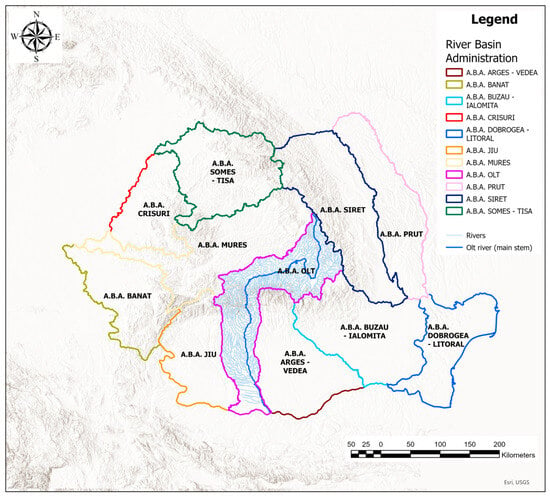
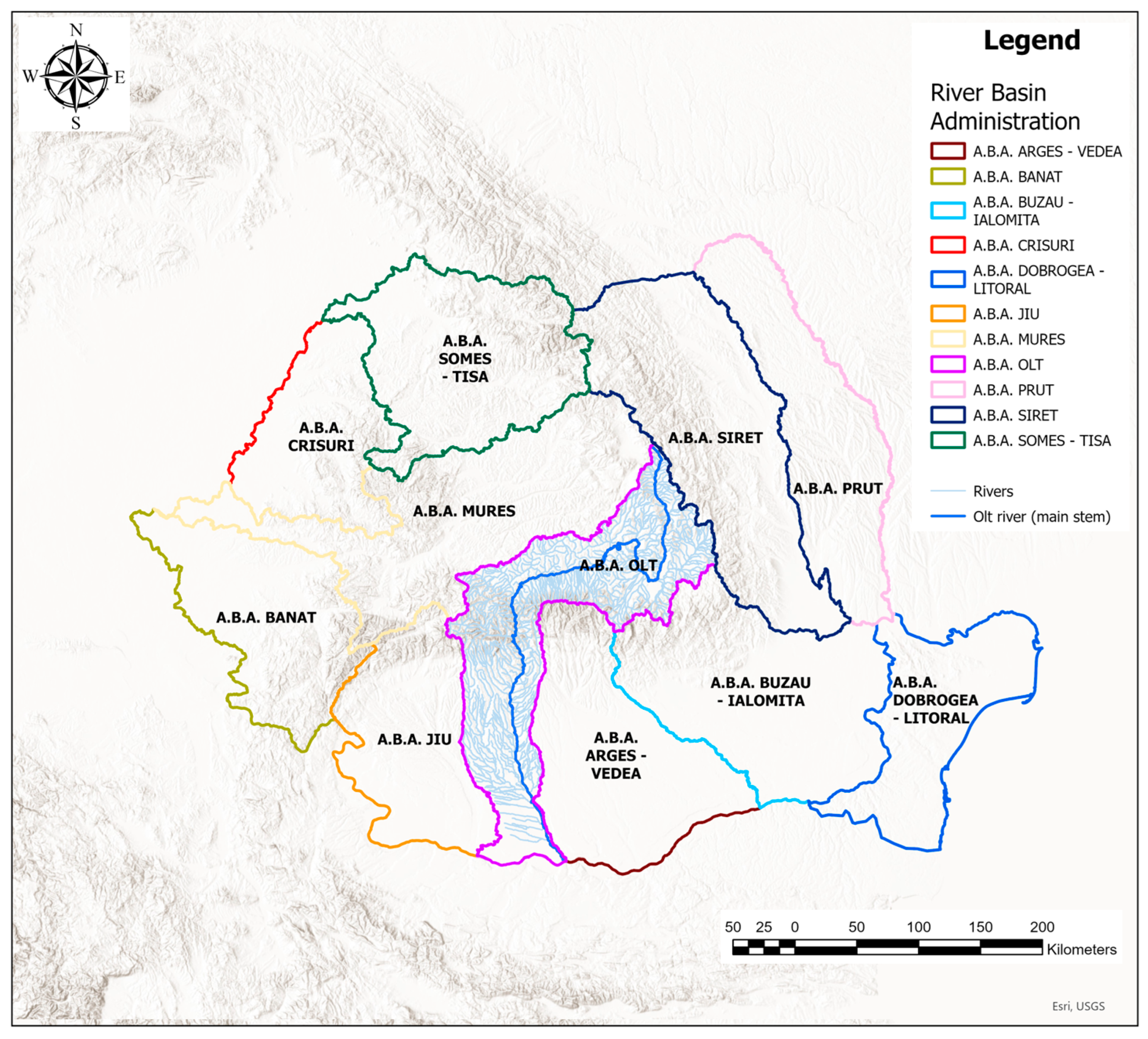
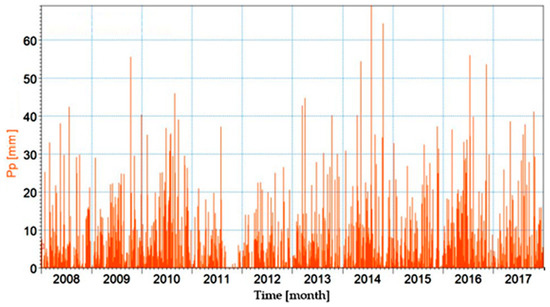
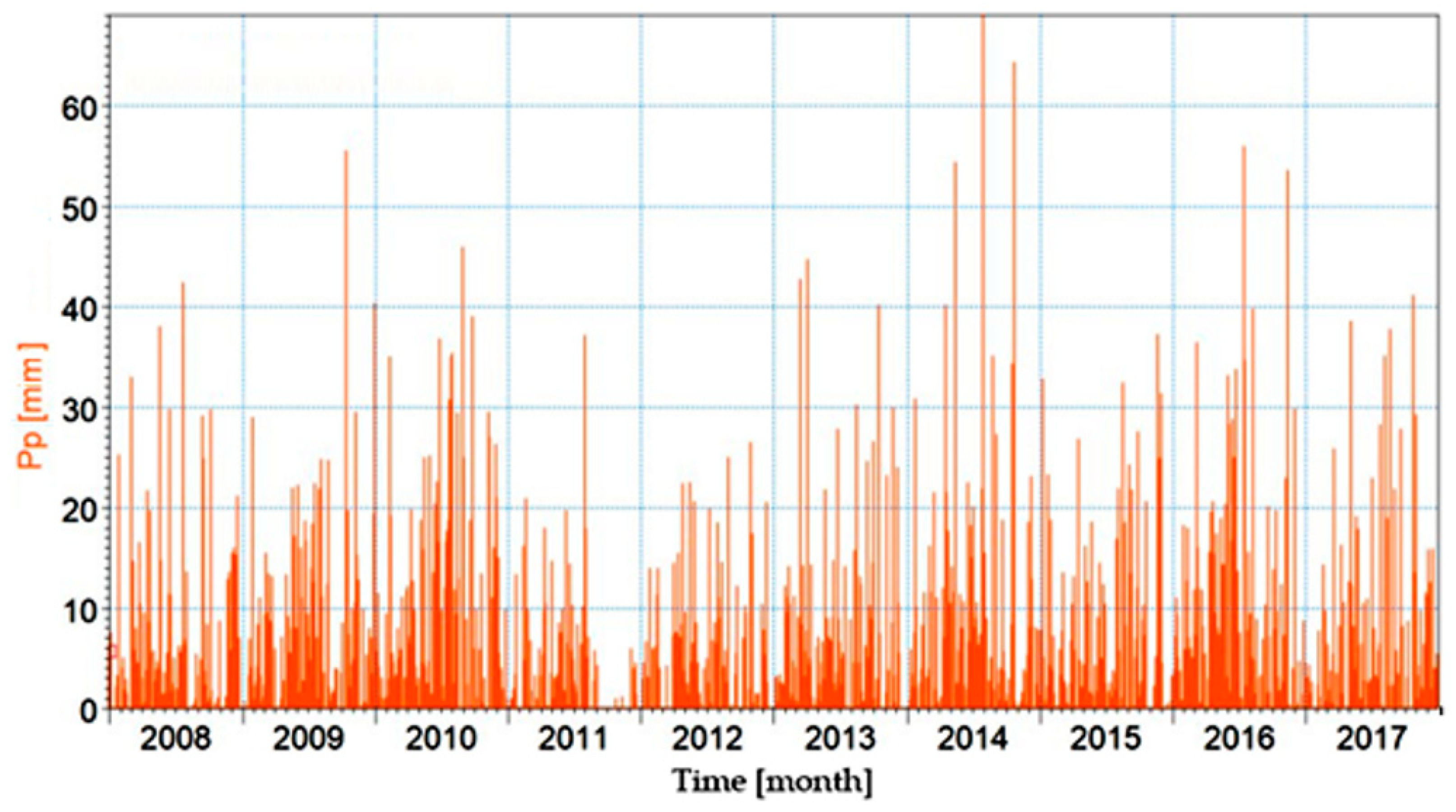
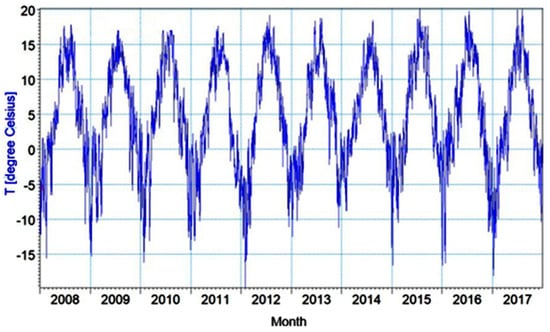
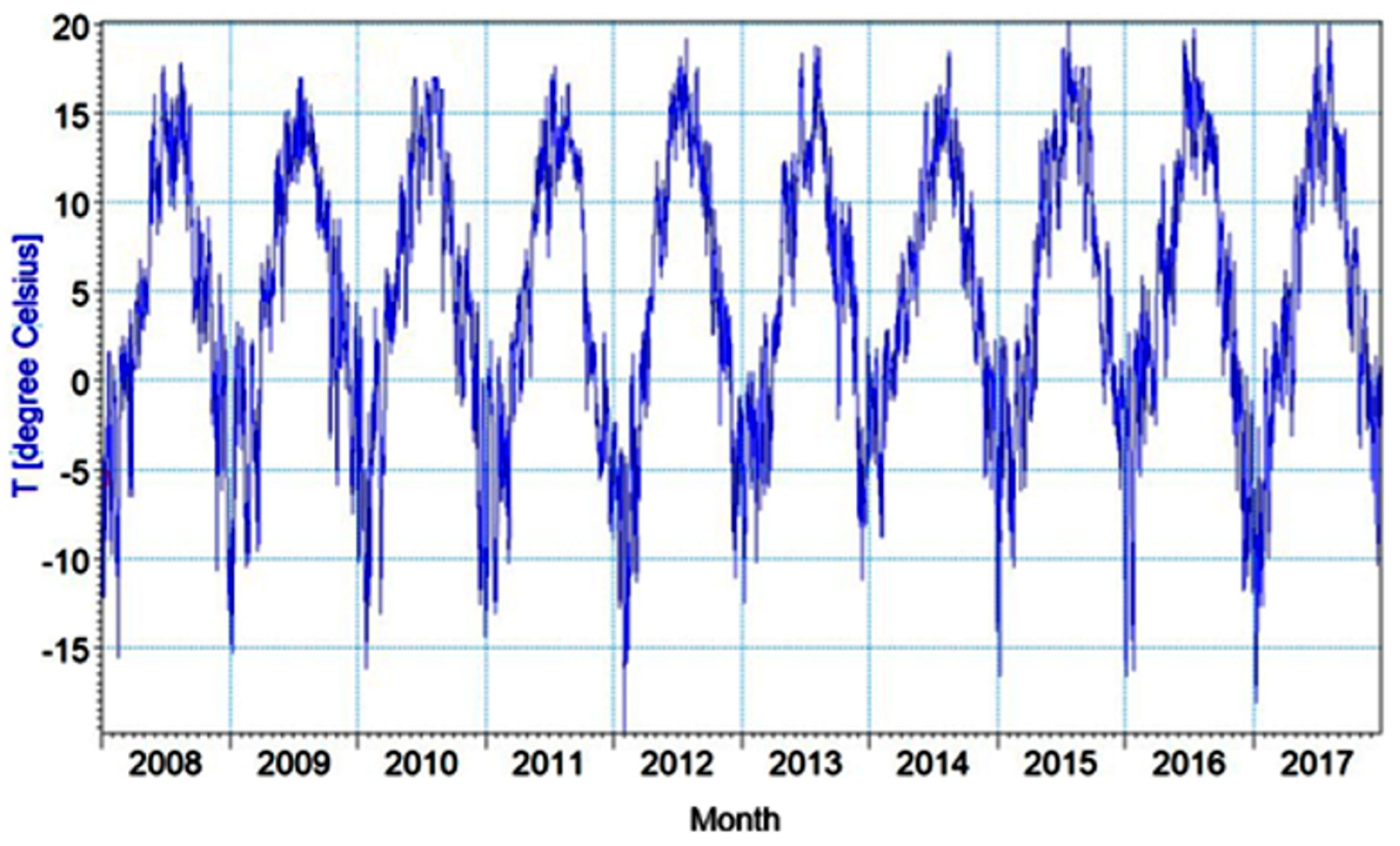
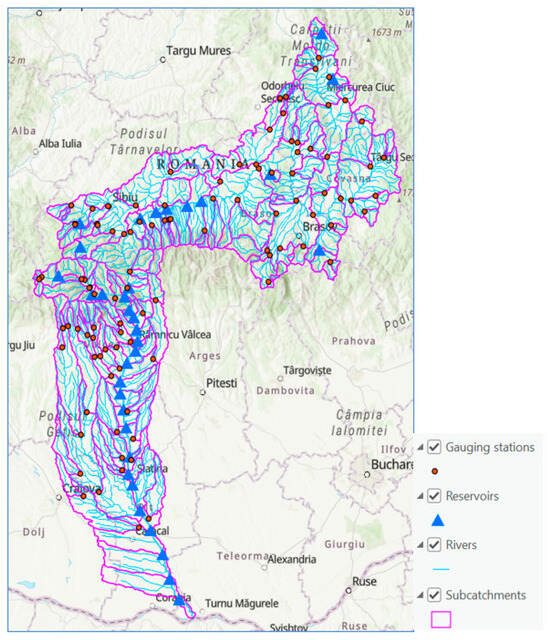
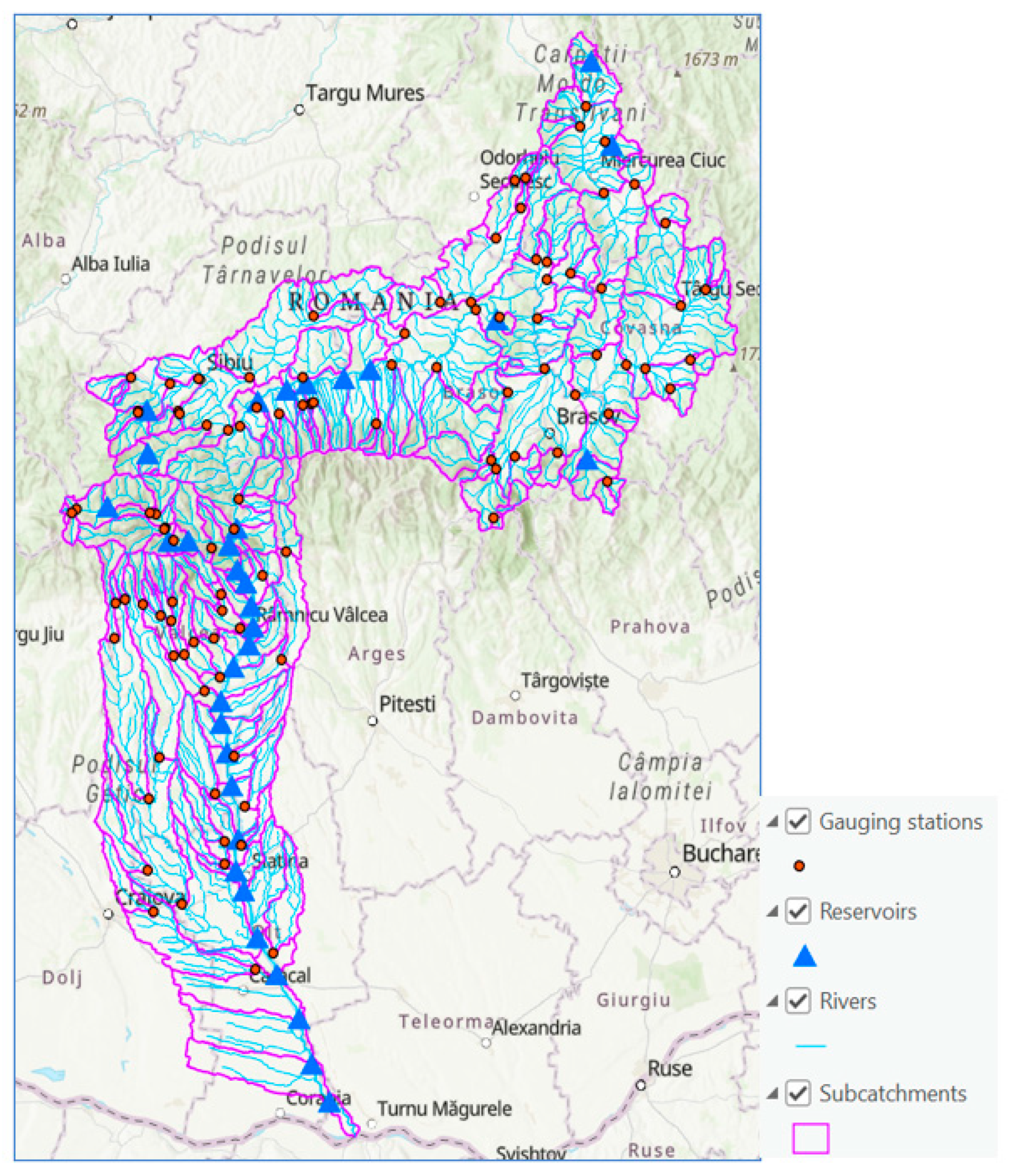
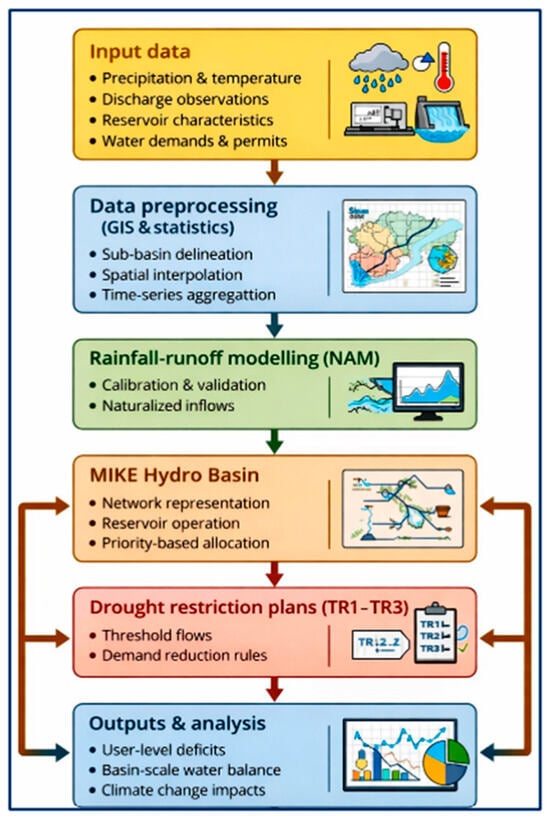
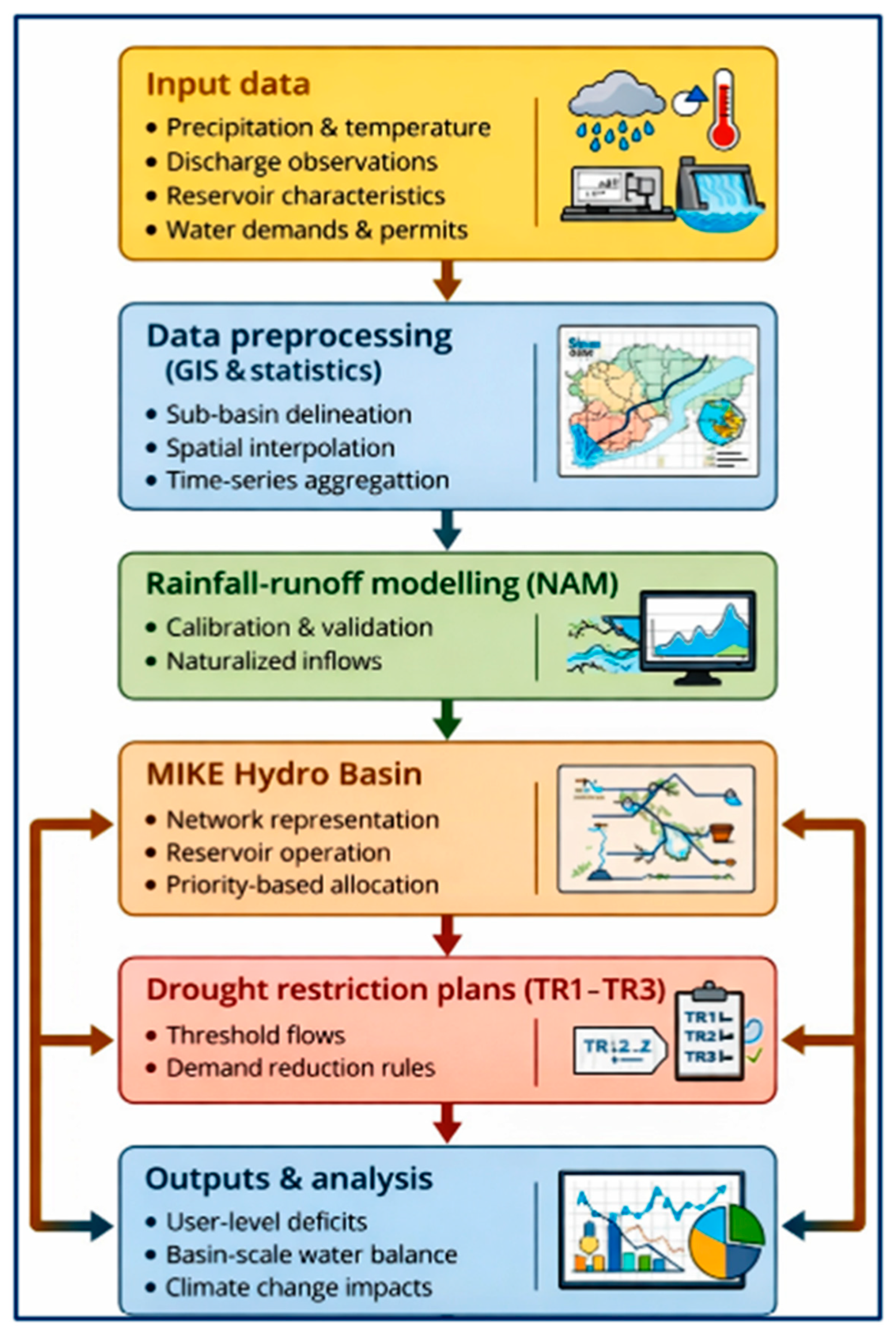
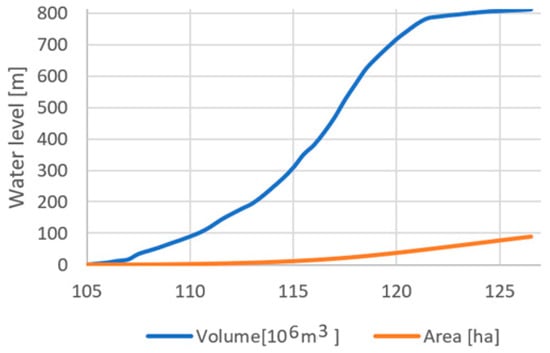
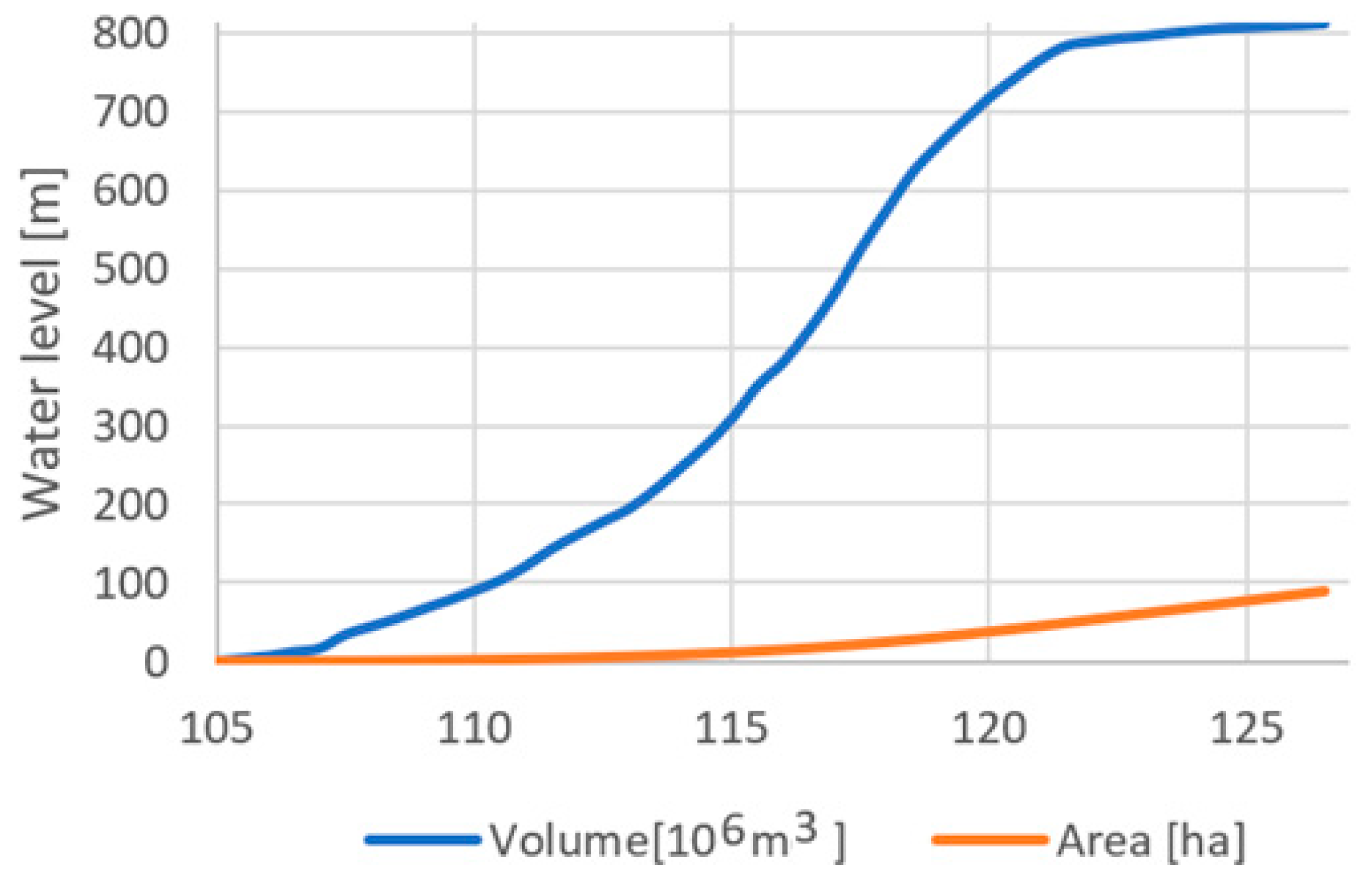
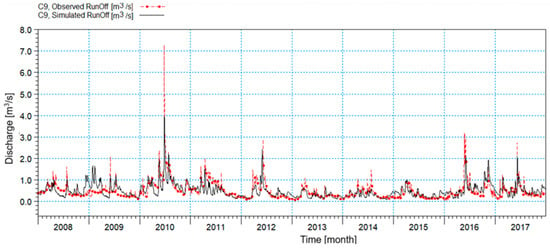
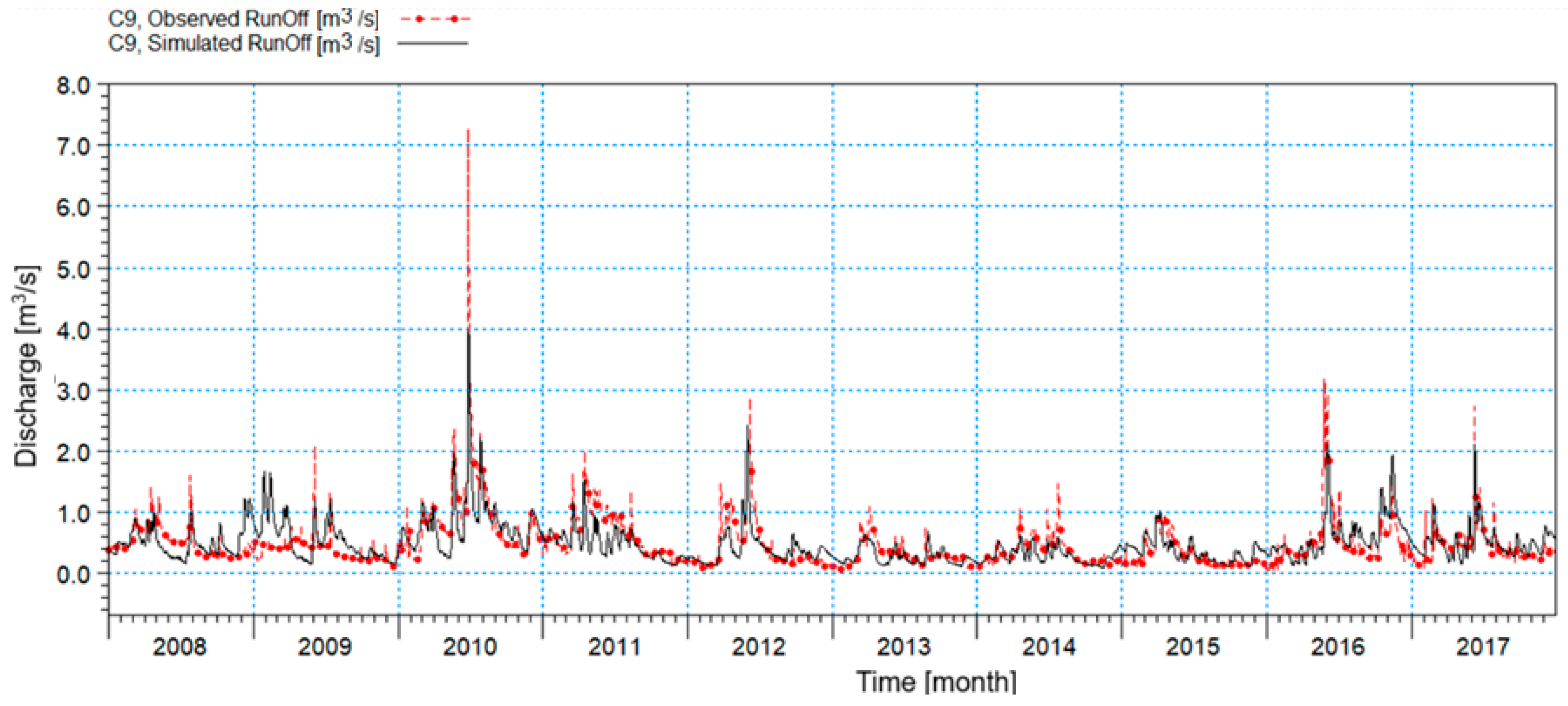
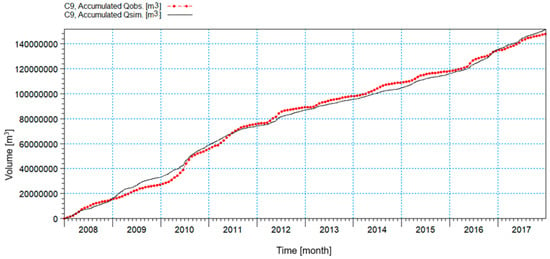
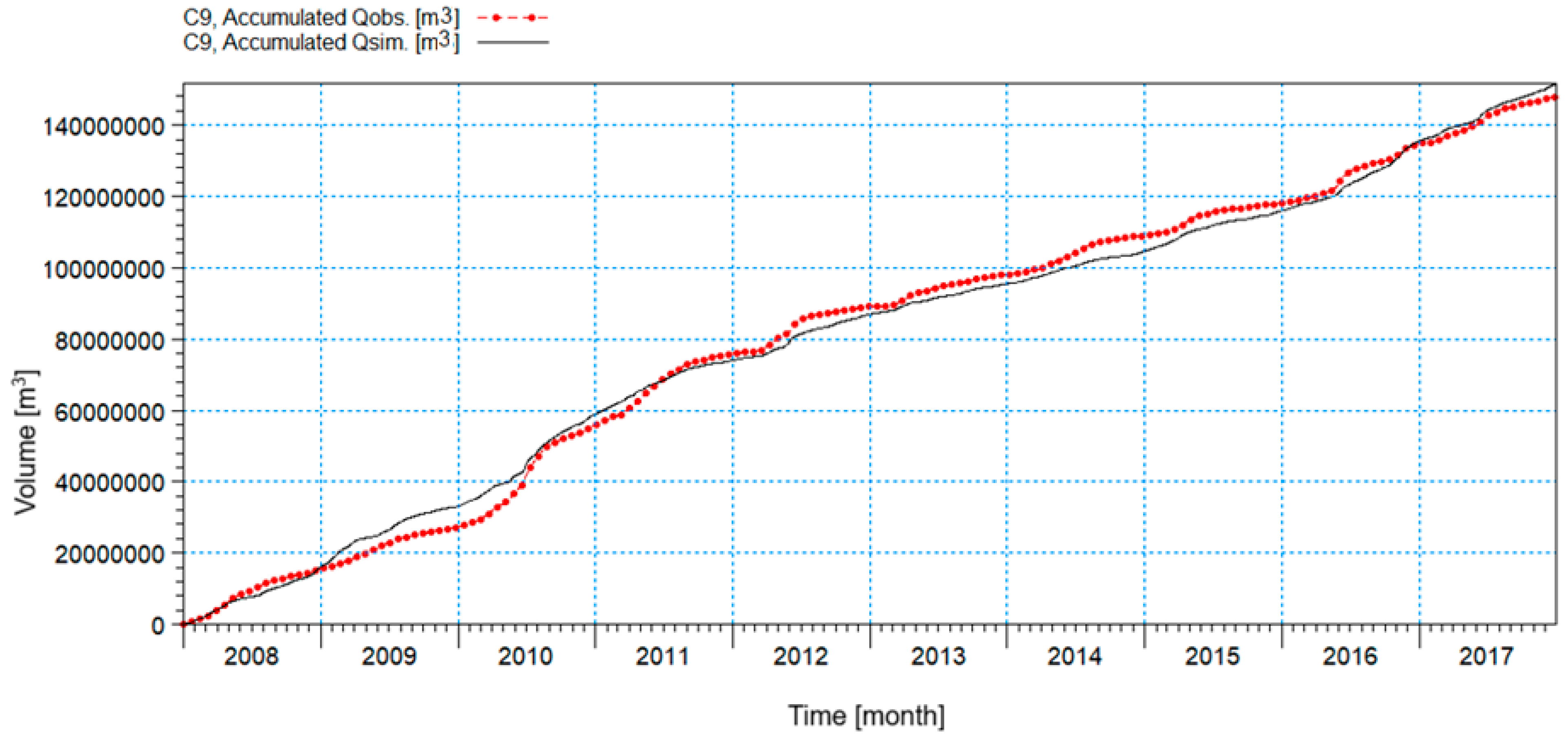
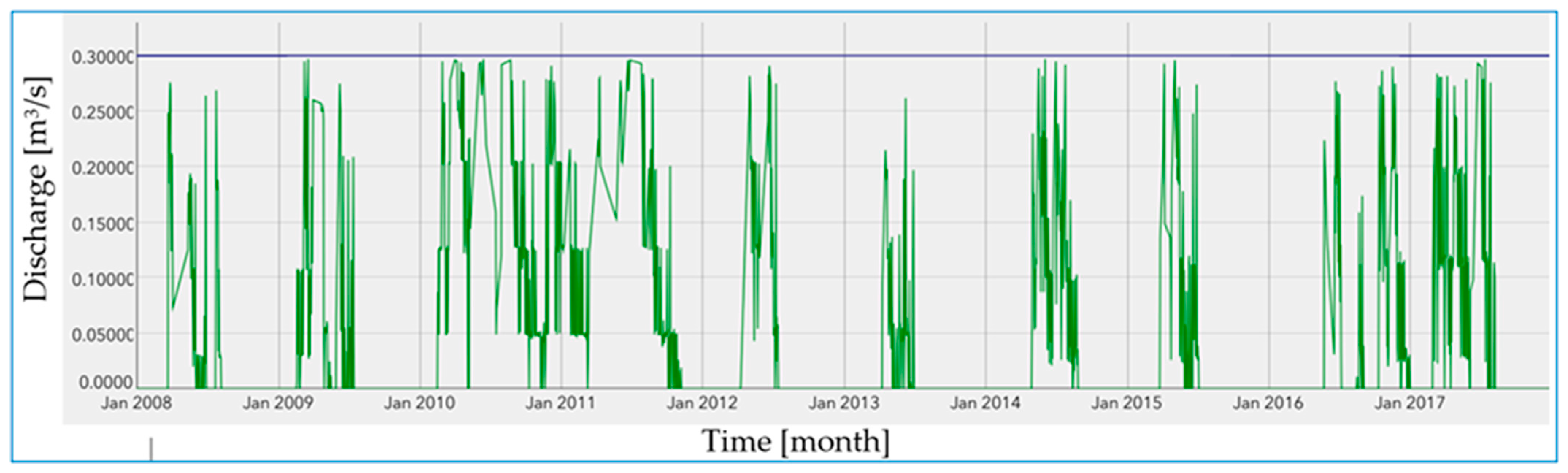
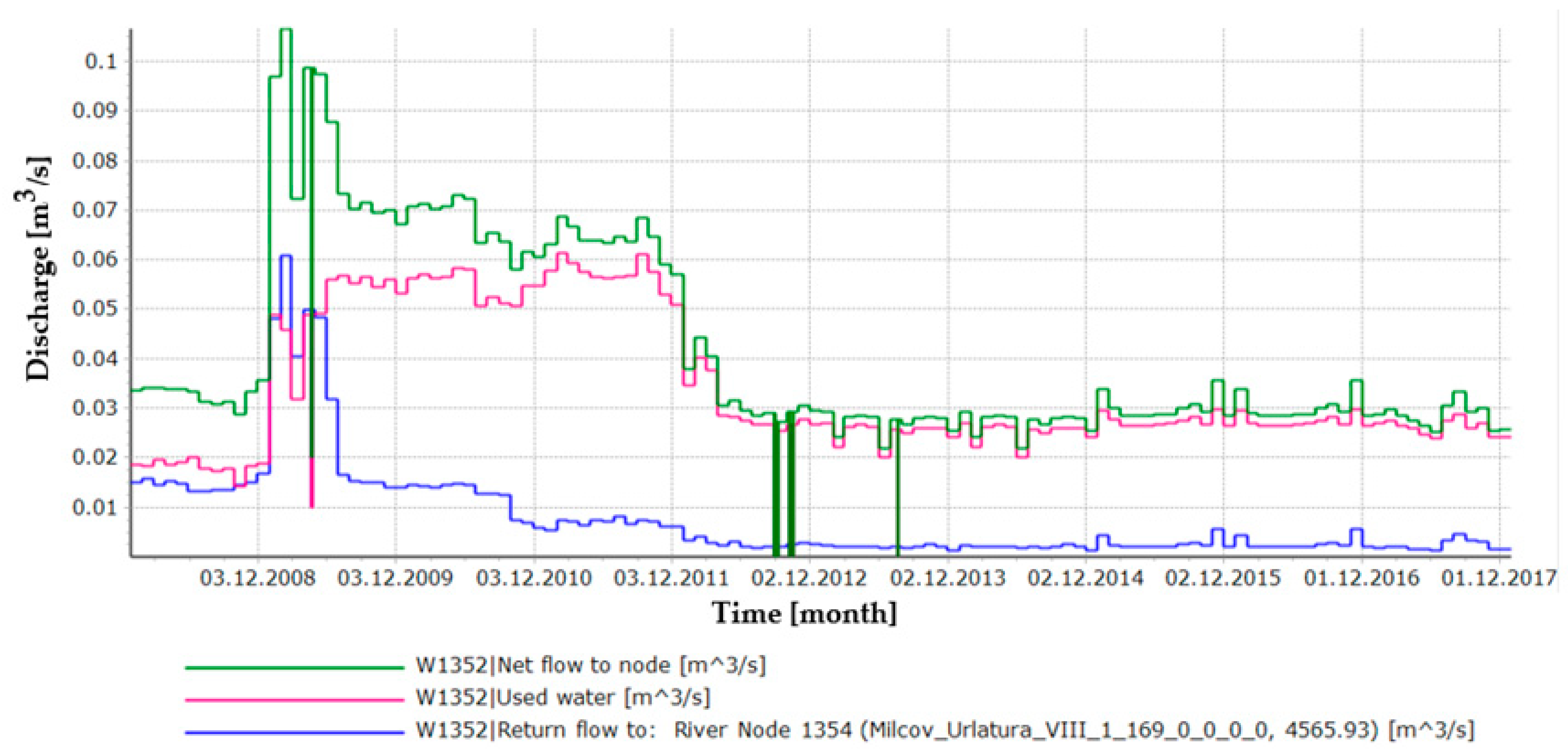
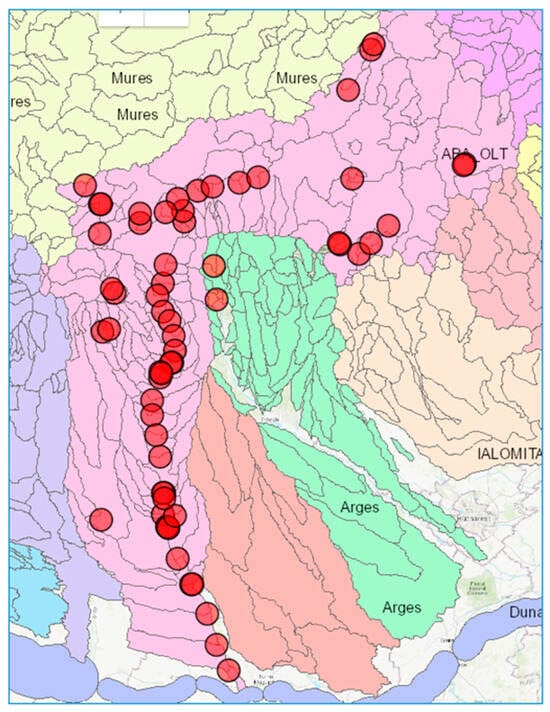
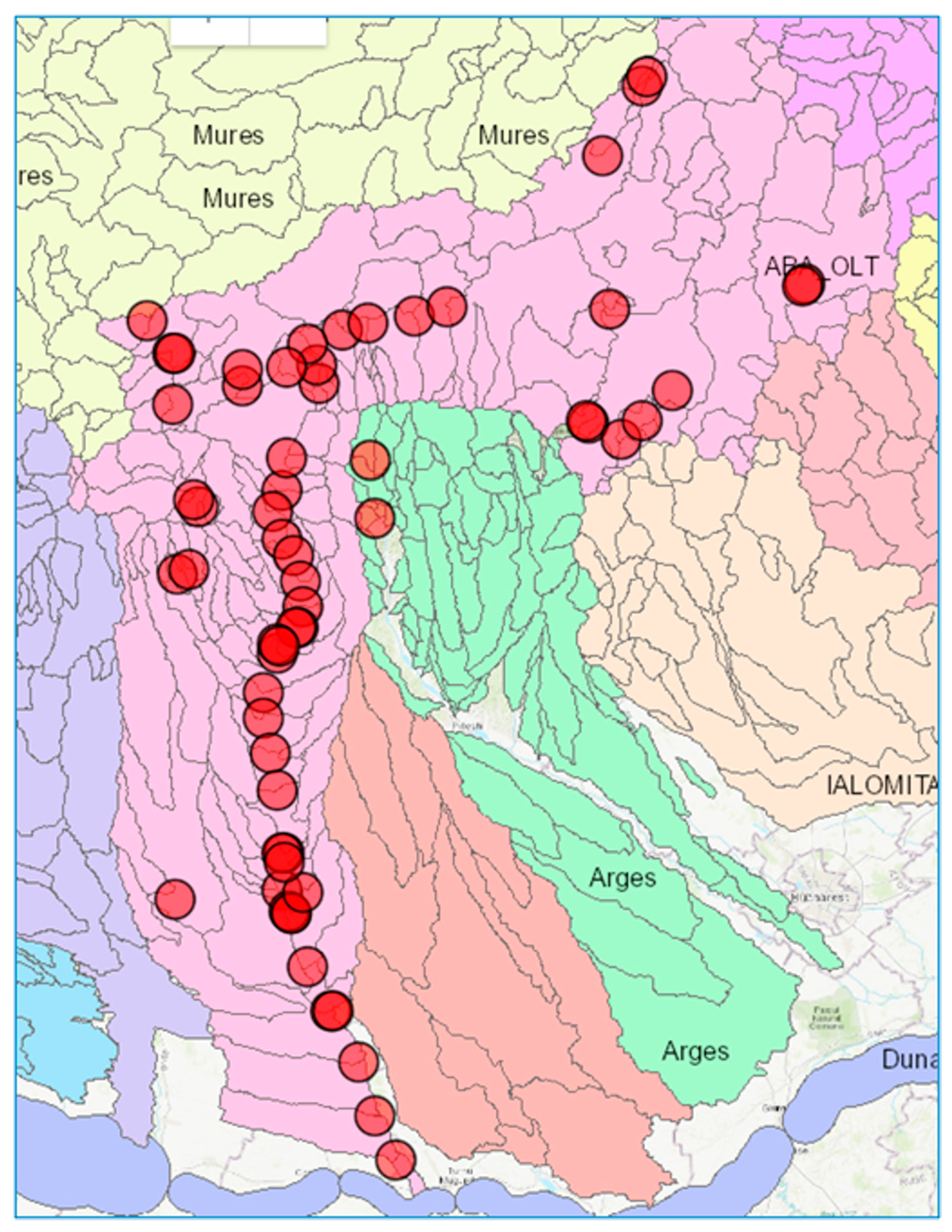
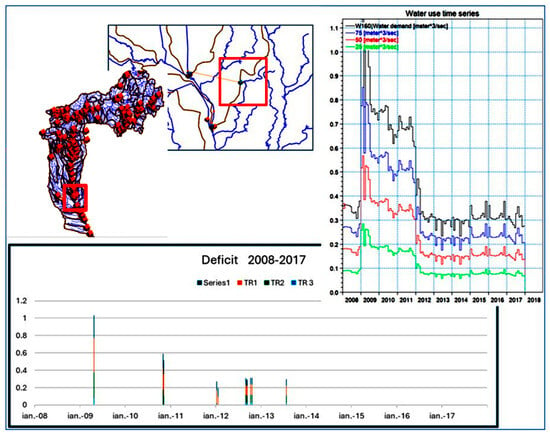
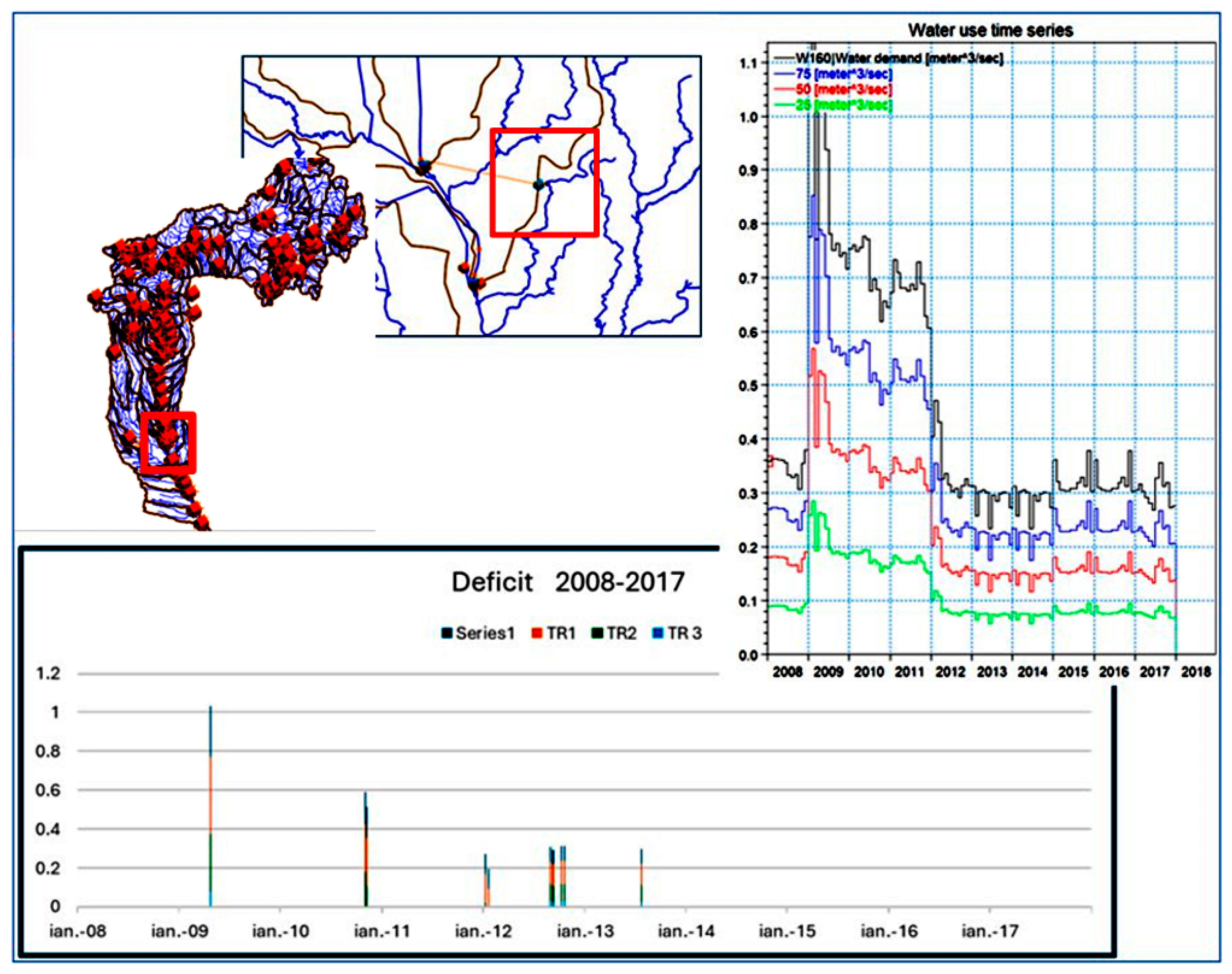

Disclaimer/Publisher’s Note: The statements, opinions and data contained in all publications are solely those of the individual author(s) and contributor(s) and not of MDPI and/or the editor(s). MDPI and/or the editor(s) disclaim responsibility for any injury to people or property resulting from any ideas, methods, instructions or products referred to in the content. |
© 2026 by the authors. Licensee MDPI, Basel, Switzerland. This article is an open access article distributed under the terms and conditions of the Creative Commons Attribution (CC BY) license.