Review

Artificial Intelligence-Based Models for Wax Deposition Prediction in Oil Pipelines: Potential, Challenges, and Future Directions


1
Centre for Research in Data Science (CERDAS), Department of Applied Sciences, Universiti Teknologi PETRONAS, Bandar Seri Iskandar 32610, Perak, Malaysia
2
Faculty of Basic Science, Maaref University of Applied Science, Sarmada, Syria
3
Department of Industrial Engineering, School of Engineering and Natural Sciences, Istanbul Medipol University, Beykoz, Istanbul 34810, Turkey
4
Facilities of Future, PETRONAS Research Sdn. Bhd (PRSB), Bangi 43000, Selangor, Malaysia
5
HICoE-Centre for Biofuel and Biochemical Research, Department of Applied Science, Universiti Teknologi PETRONAS, Bandar Seri Iskandar 32610, Perak, Malaysia
*
Authors to whom correspondence should be addressed.
ChemEngineering 2026, 10(9), 113; https://doi.org/10.3390/chemengineering10090113 (registering DOI)

Submission received: 28 July 2026 / Revised: 5 September 2026 / Accepted: 15 September 2026 / Published: 20 September 2026

Abstract

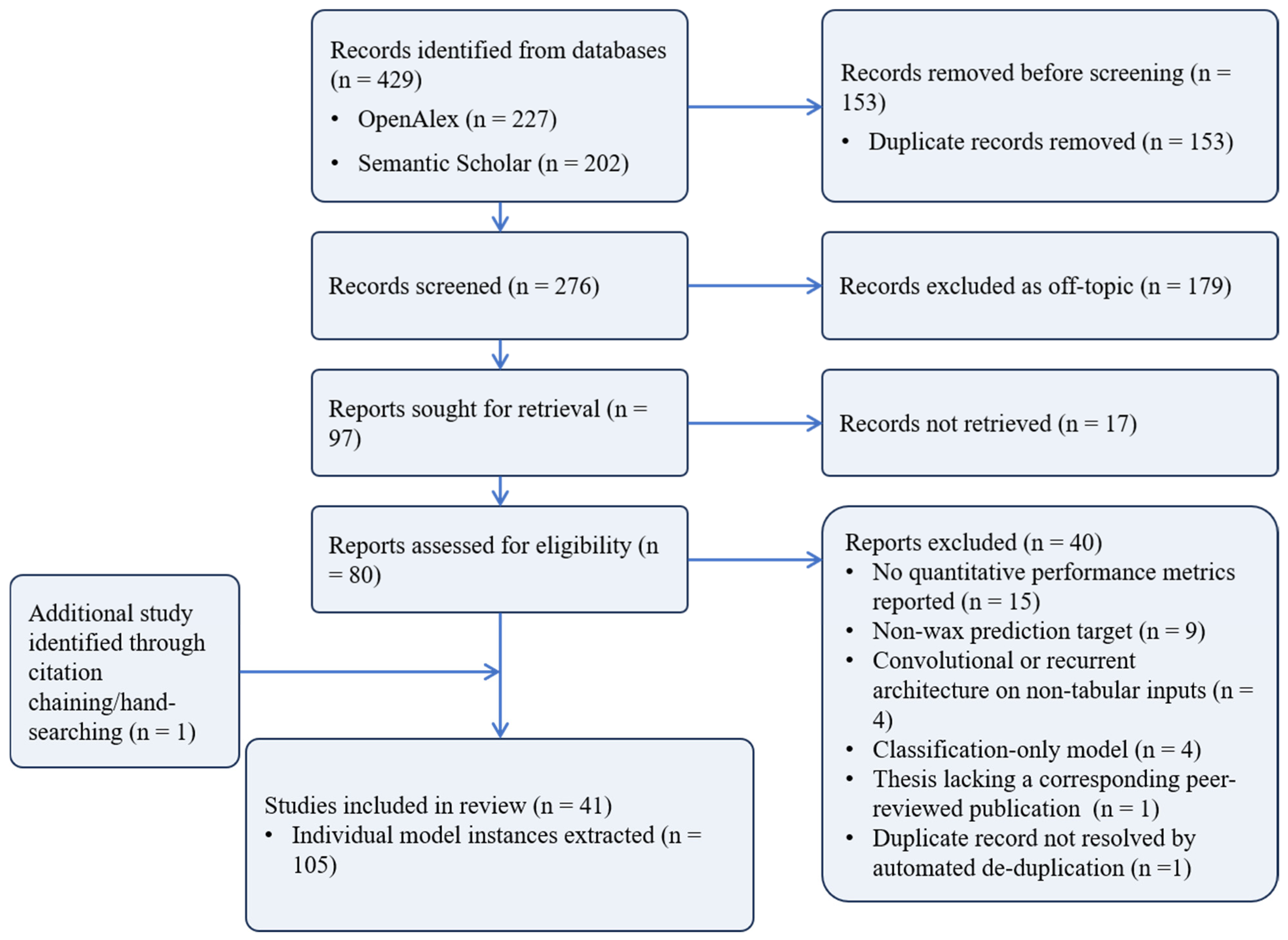
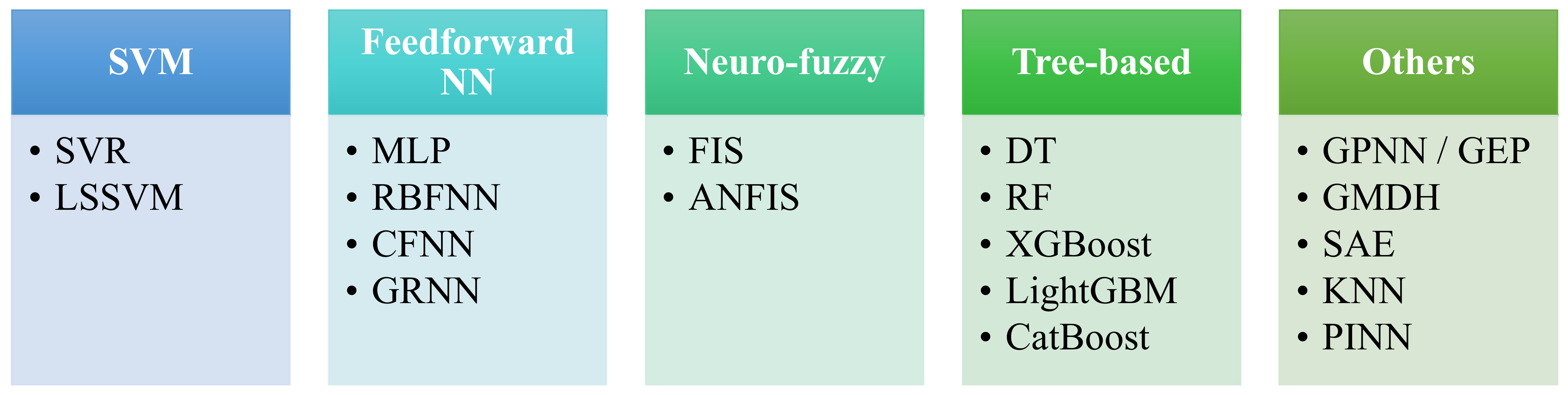
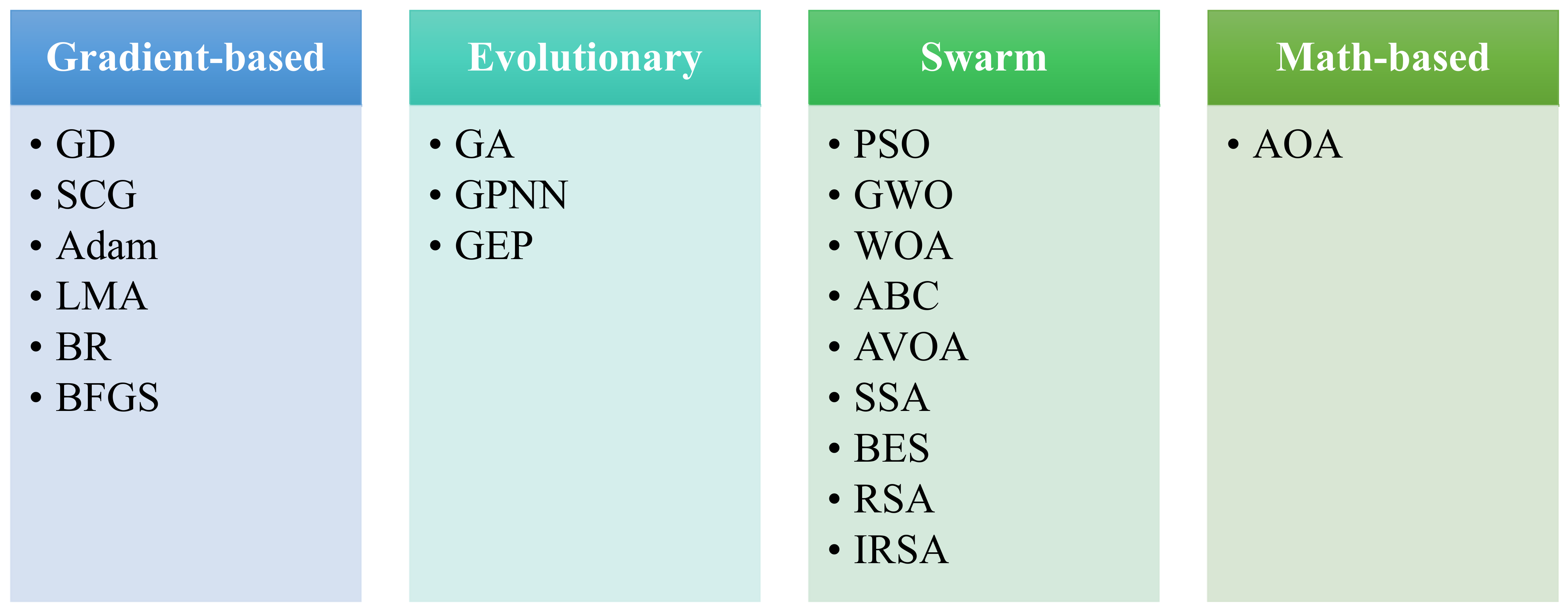
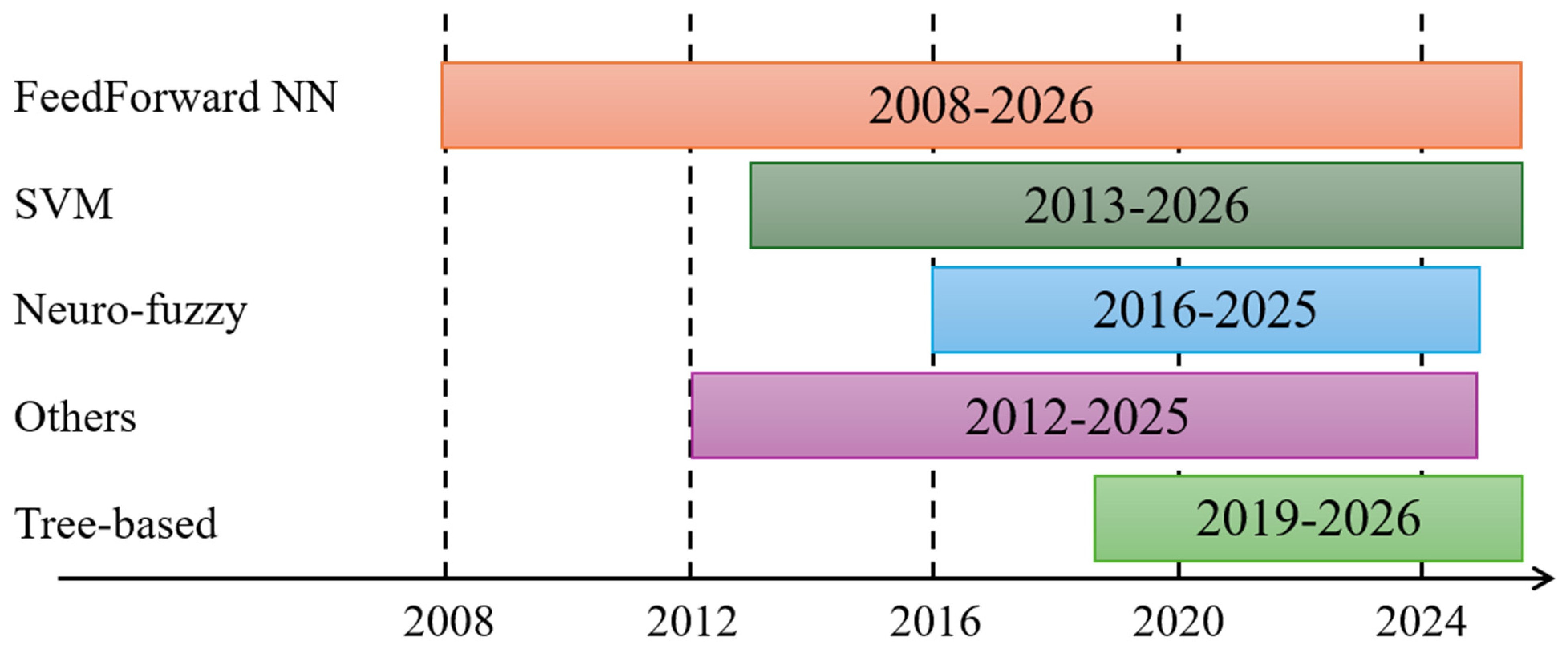
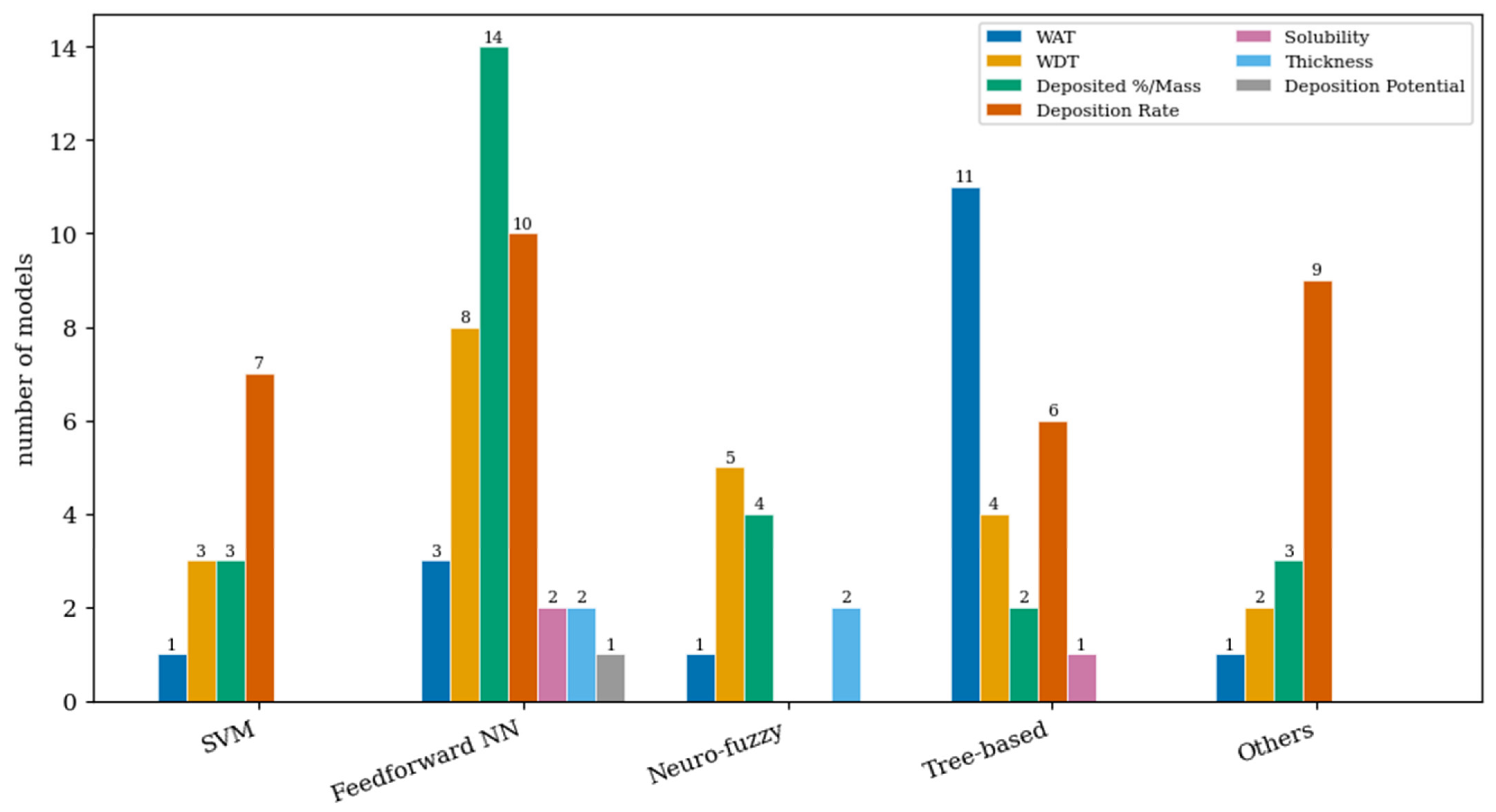
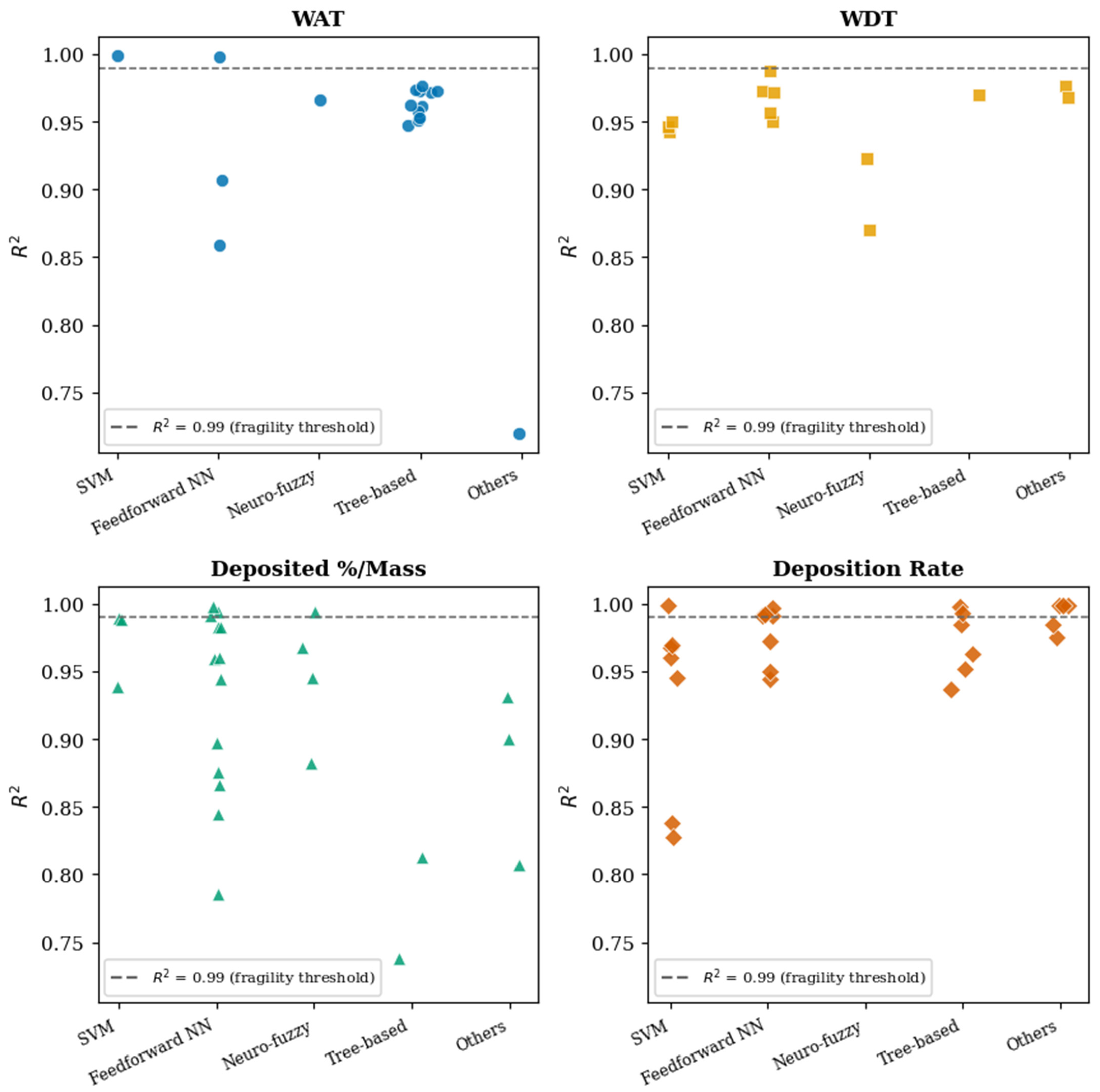
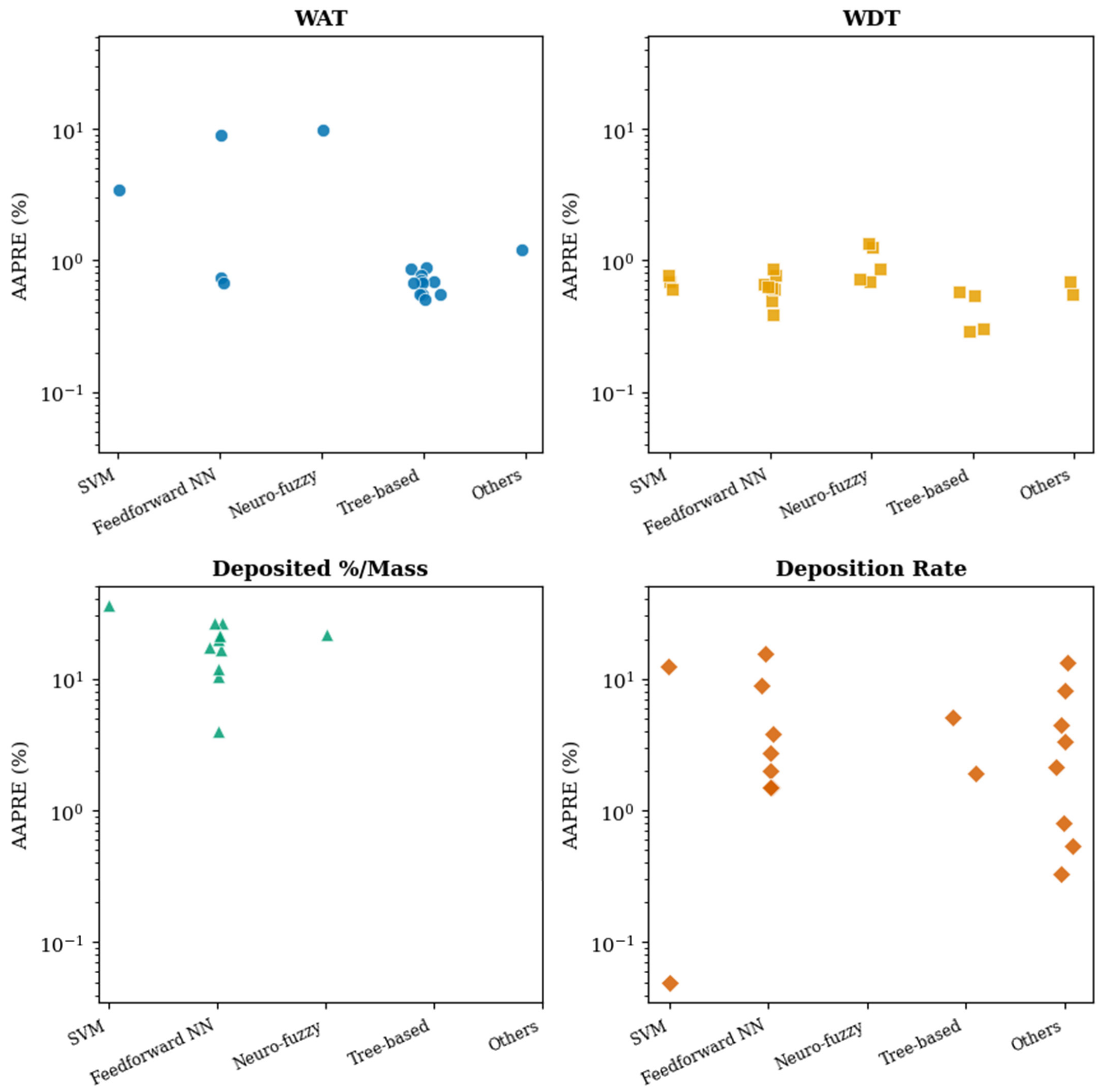
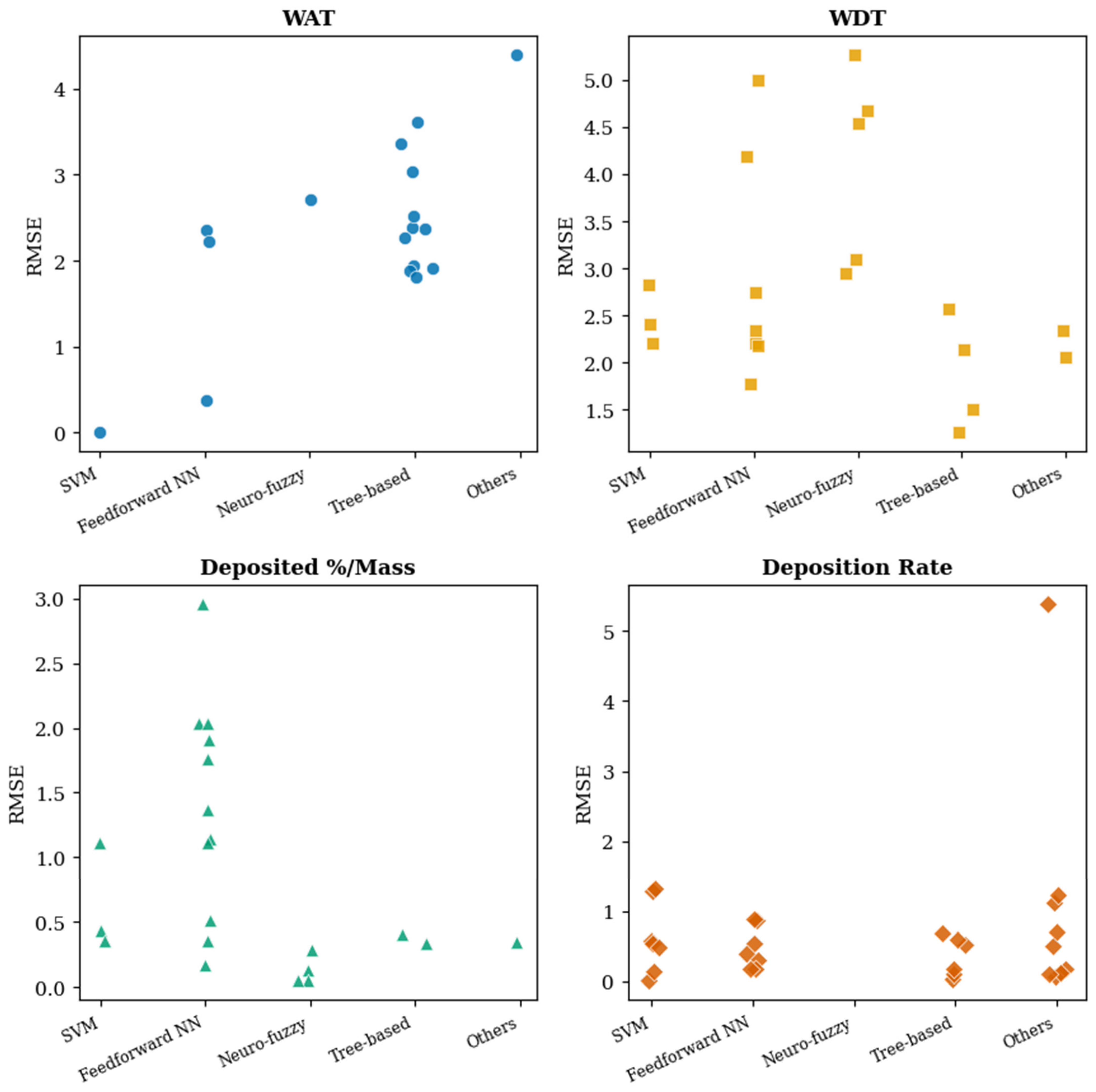
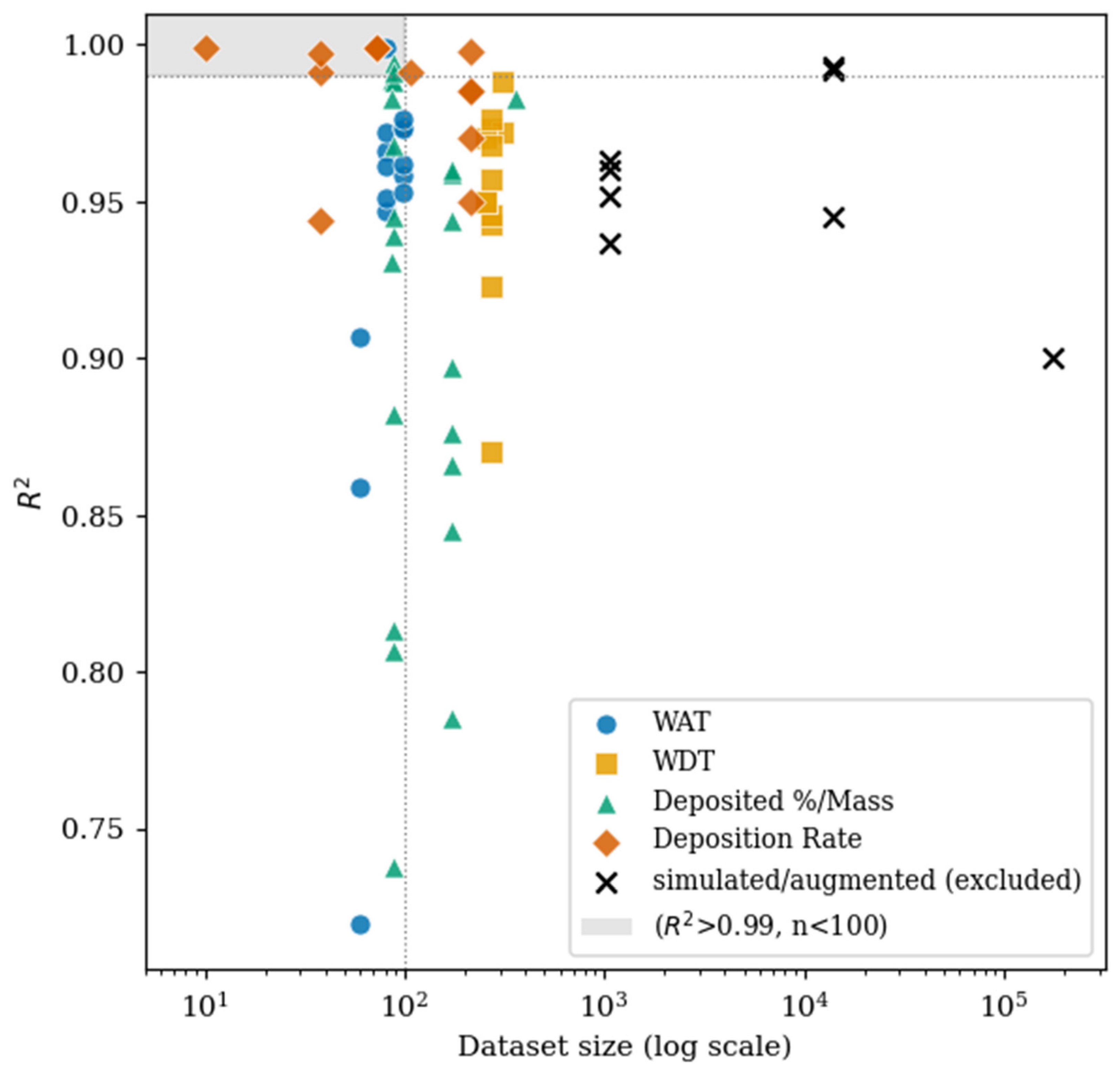
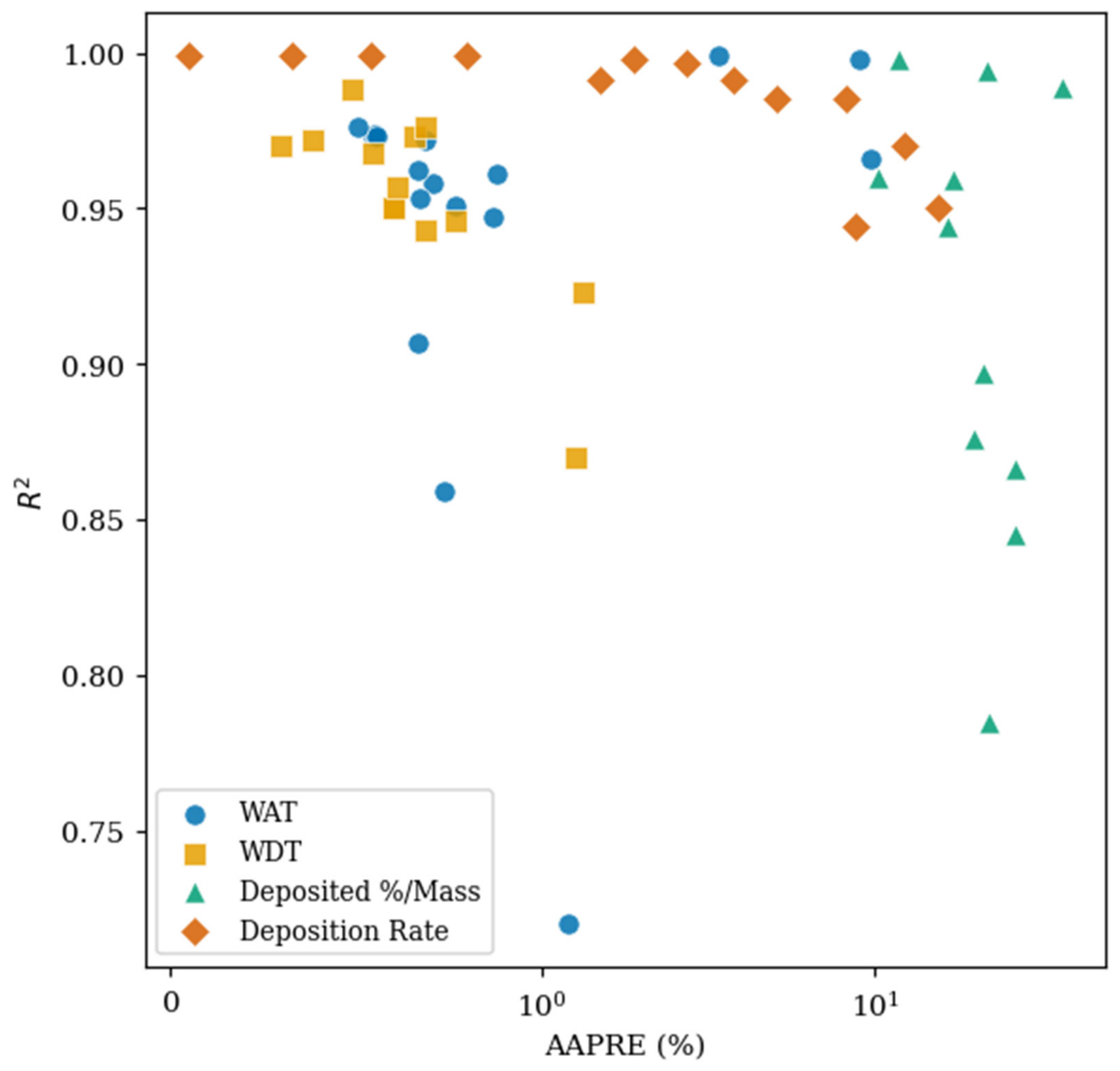
Wax deposition in pipelines is a major issue in the oil and gas industry. Estimating the main characteristics of the wax deposits is crucial in mitigating their negative impact. Thus, developing predictive models plays an important role in managing wax deposition. Artificial intelligence (AI)-based models have proven their effectiveness and accuracy, along with several advantages such as ease of use, flexibility, and adaptability. This paper presents a comprehensive review of 41 primary studies reporting over 100 individual AI-based models used for wax deposition prediction, including support vector machines (SVMs), feedforward neural networks (multilayer perceptron, RBFNN, cascade-forward, and others), neuro-fuzzy systems, and tree-based models, together with hybrid and metaheuristic-optimized variants. In addition, AI-based models that integrate multiple single-model predictors or optimization techniques were also reviewed. This paper discusses the underlying principles, applications, strengths, and limitations of these AI-based prediction techniques and concludes with an outlook on future research directions in AI-driven wax deposition prediction. According to the reviewed papers, and by analyzing the errors reported, AI-based models can successfully predict the wax deposition rate, deposited weight, thickness, wax appearance temperature (WAT), and wax disappearance temperature (WDT). AI-based models have high potential to compete with conventional models and efficiently contribute to wax deposition control and management. This review finds that although these models routinely report high accuracy (R2 > 0.95), such results are typically obtained on small, frequently reused datasets with limited validation. While gradient-boosting tree ensembles are the most frequent winners in recent head-to-head comparisons, no single model family is consistently superior across prediction targets.
Keywords: wax deposition; wax appearance temperature; wax thickness; artificial intelligence; multilayer perceptron; machine learning wax deposition; wax appearance temperature; wax thickness; artificial intelligence; multilayer perceptron; machine learning