1. Introduction
Cotton remains one of the most important natural fibers in textile engineering due to its low cost, renewability, biodegradability, softness, and high moisture sorption, which together ensure excellent wearer comfort [
1,
2]. The hierarchical micro-scale morphology of cotton fibers, arising from the arrangement of fibrils and lumen, provides a convenient structural platform for further surface engineering and for the construction of multiscale roughness required in advanced functional finishes [
3]. At the same time, the high density of hydroxyl groups along the cellulose backbone renders cotton intrinsically hydrophilic, which results in rapid water uptake, susceptibility to staining, and limited resistance to humid or chemically aggressive environments. These limitations motivate the development of surface treatments that reduce surface energy and improve water repellency, while retaining the favorable tactile and mechanical properties associated with cotton [
4]. Consequently, the design of robust hydrophobic and superhydrophobic coatings for cotton is actively explored in the context of self-cleaning textiles, protective clothing, and oil/water separation materials [
5,
6].
Silicone-based materials, in particular polysiloxanes and related siloxane architectures, have emerged as highly attractive candidates for textile finishing because they combine low surface energy with high thermal and chemical stability, flexibility, and wide structural tunability [
7,
8,
9]. The Si–O–Si backbone offers intrinsic robustness and enables the formation of thin, conformal coatings, whereas organic substituents attached to silicon can be engineered to control surface energy, reactivity, functionality, and the ability to form crosslinked networks [
10]. As a consequence, organosilicon systems are well suited for the construction of hybrid surface layers in which surface roughness and low surface energy can be synergistically adjusted to generate durable hydrophobic or even superhydrophobic behavior on fibrous substrates [
11,
12].
Among the various chemical strategies available for tailoring organosilicon structures, thiol-ene coupling has become a particularly powerful tool [
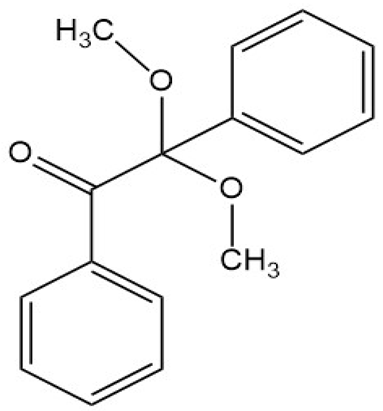
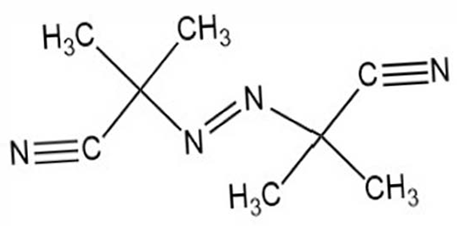
13]. This radical mediated click reaction typically proceeds with high efficiency and selectivity under mild conditions, tolerates a wide range of functional groups, and can be initiated either photochemically or thermally using standard initiators, such as 2,2-dimethoxy-2-phenylacetophenone (DMPA) and 2,2′-azobisisobutyronitrile (AIBN) [
14,
15,
16]. In contrast to hydrosilylation, thiol-ene chemistry does not require expensive metal catalysts and provides a straightforward pathway to sulfur-bridged organosilicon derivatives and crosslinkable polysiloxanes [
17]. For silicone chemistry, it has been widely exploited to prepare functional linear polymers, crosslinked elastomers, coatings, and silsesquioxane-based hybrids with tunable surface and bulk properties [
18,
19].
In the context of textile modification, thiol-ene reactions have been applied in several distinct ways. A common approach involves synthesizing functional organosilicon modifiers, such as trialkoxysilanes, silsesquioxanes, or vinyl-polysiloxanes, in solution via thiol-ene coupling, followed by their deposition onto cotton fabrics through dip-coating and sol-gel processing [
20,
21,
22,
23]. In another frequently used strategy, the cellulose surface is first equipped with reactive groups, typically thiol moieties introduced from 3-mercaptopropyltrialkoxysilanes or vinyl groups supplied by organosilane primers, and the thiol-ene reaction is then carried out directly on the fiber surface under UV irradiation. Such surface pathways have been successfully applied to POSS-containing systems, siloxane coatings, and long-chain alkylthiols, leading to hydrophobic cotton fabrics suitable for oil/water separation and related applications [
24,
25,
26].
Despite these advances, most studies on thiol-ene modification of textiles focus on grafting or deposition, while direct crosslinking of polysiloxane networks on fiber surfaces remains relatively underexplored. In many systems, alkoxysilyl groups are introduced to ensure covalent bonding with cellulose, and thiol-ene chemistry serves mainly as a secondary functionalization step. By contrast, surface thiol-ene crosslinking of polysiloxane networks that are not directly bonded to cellulose is still uncommon, despite offering potential advantages in processing simplicity, coating durability, and tunable network architecture [
19,
27].
Previous work by the same authors has demonstrated that fluorine-free organosilicon systems based on polysiloxanes, cyclic siloxanes, and silsesquioxanes can impart durable hydrophobic and flame-retardant effects to cotton fabrics, particularly when combined with thiol-ene chemistry and sol-gel-derived alkoxysilyl functionalities. These studies highlighted the important role of the modifier structure and the localization of the reaction (bulk vs. surface) in determining coating stability and wettability performance [
28,
29,
30,
31,
32]. Building on these insights, there is a strong motivation to investigate surface thiol-ene crosslinking of networks formed from thiol-functional polysiloxanes and vinyl-functional organosilicon crosslinkers under UV and thermal initiation. This approach enables the formation of robust, low surface energy coatings on cotton, in which network architecture and crosslinking efficiency and thus hydrophobic performance are governed by the number and distribution of reactive groups and the degree of branching of the organosilicon components.
3. Results and Discussion
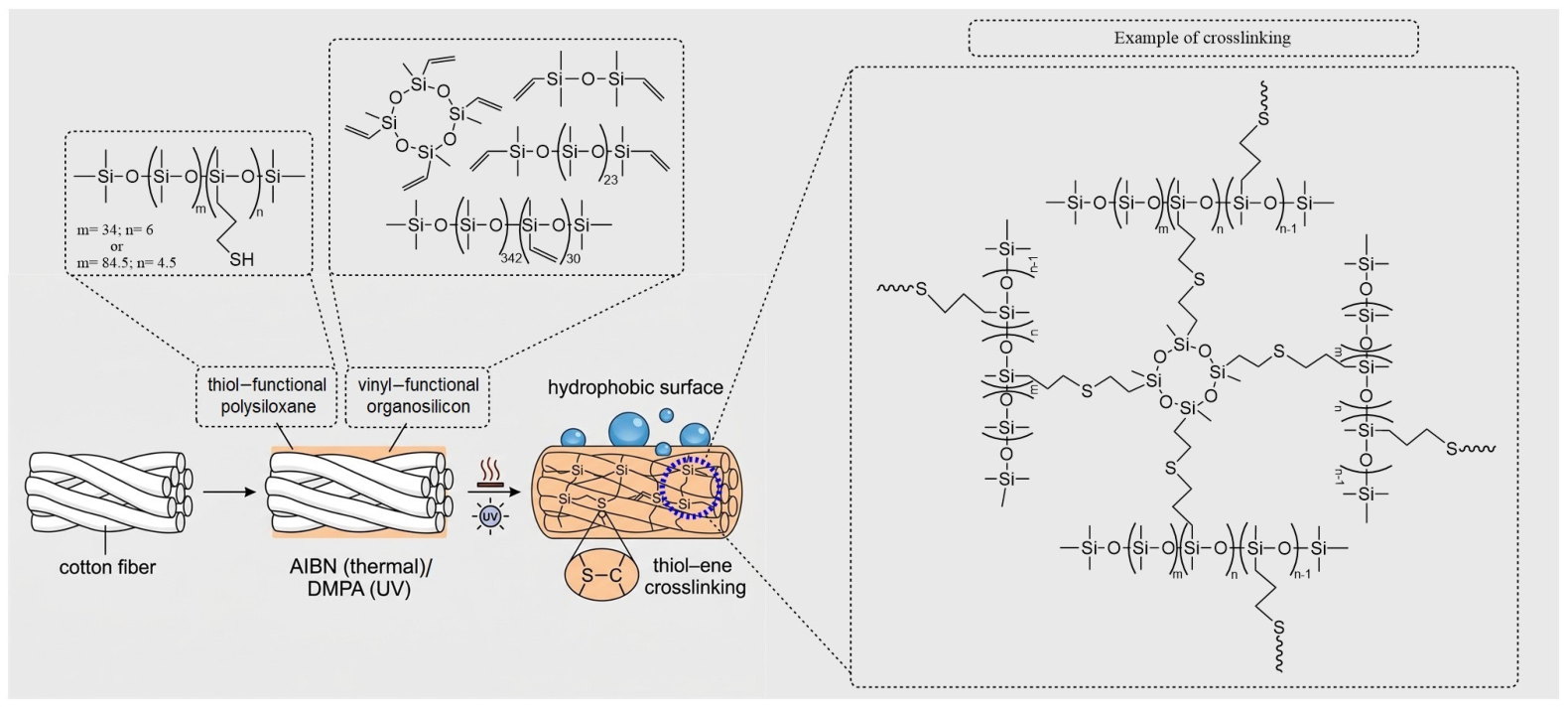
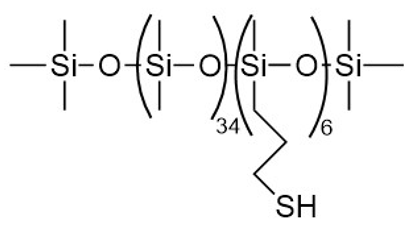
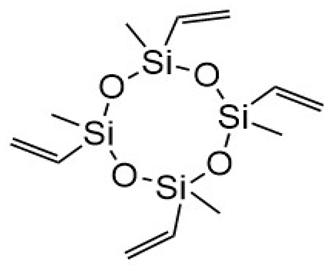
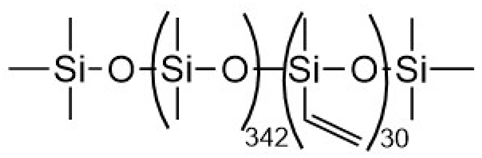
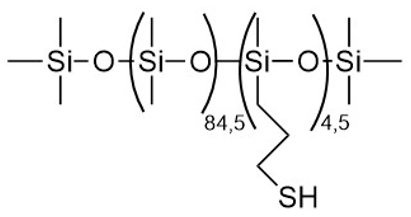
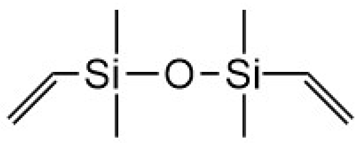
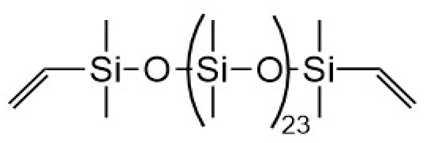
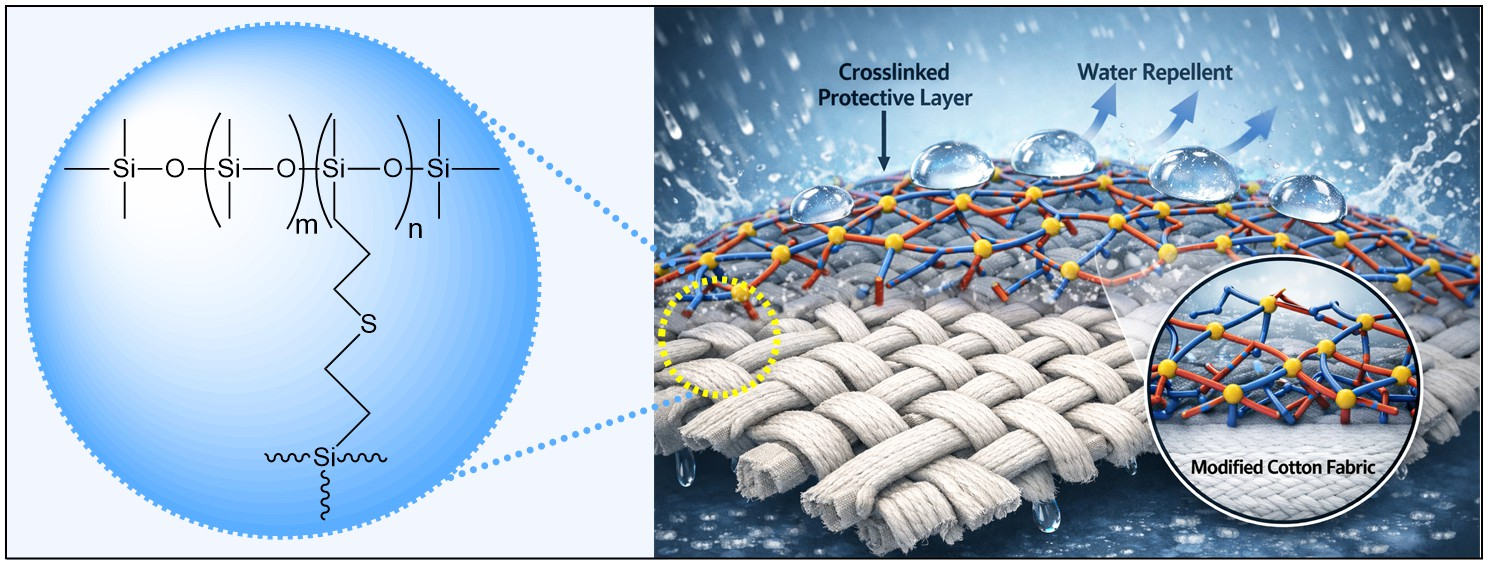
In this study, surface thiol-ene crosslinking was performed on cotton fabrics using two thiol-functional polysiloxanes differing in their content of –SH groups and four vinyl functional organosilicon compounds acting as crosslinkers. The modification process was carried out under both UV (DMPA) and thermally (AIBN) initiated conditions, enabling the formation of polysiloxane networks directly on the fiber surface. A molar ratio of thiol to vinyl groups (–SH:–Vi) of 1:1 was applied, and the fabrics were treated using 5 wt% solutions of the reacting components.
A schematic representation of the modification process is shown in
Figure 1. The notation of the modified samples together with their add-on values is summarized in
Table 2.
The add-on values obtained for all modified samples are relatively similar, which is consistent with the applied experimental conditions. Despite the use of different organosilicon compounds with varying molecular structures and molecular weights, the concentration of the reacting components was maintained at 5 wt% in all cases, resulting in comparable amounts of deposited material on the fabric surface. After washing, a slight decrease in add-on value was observed for all samples, indicating limited removal of the deposited material. In general, the decrease was somewhat more pronounced for T2-based systems than for T1-based ones, which may be related to the lower content of reactive –SH groups available for bond formation in the former systems. These small differences likely result from the washing-out of loosely attached species, while the majority of the deposited organosilicon layer remained retained on the fabric surface.
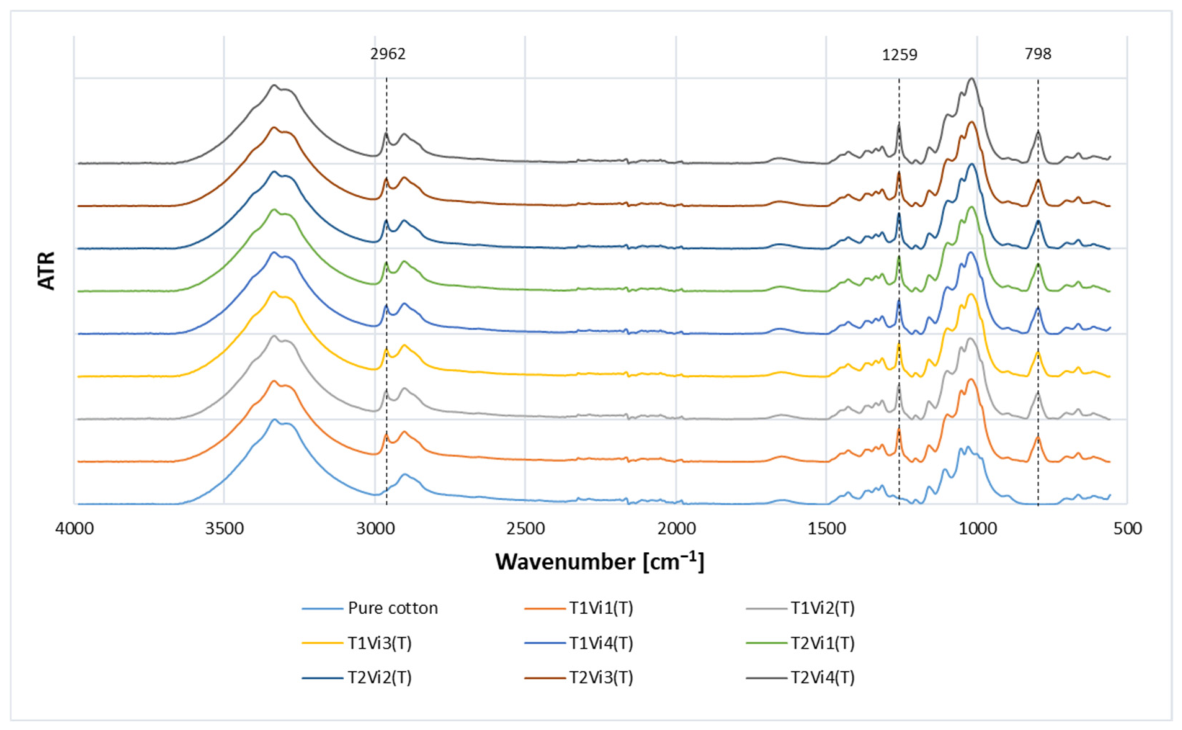
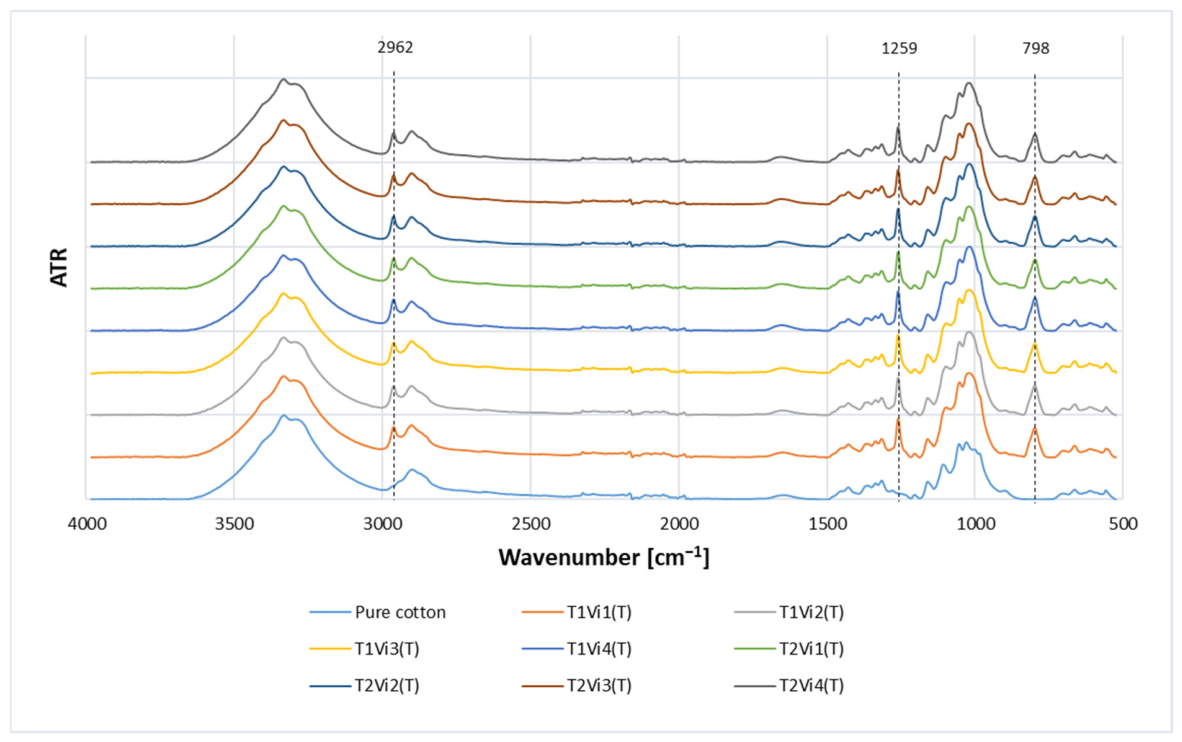
The effectiveness of the performed modification as well as its resistance to washing were evaluated by FT-IR analysis. The presence of characteristic absorption bands corresponding to organosilicon structures confirmed the successful deposition of the siloxane layer on the cotton surface, while the comparison of spectra before and after washing allowed assessment of coating durability.
The FT-IR spectra of the modified, unwashed samples and those subjected to washing, prepared using the AIBN initiator, are presented in
Figure 2 and
Figure 3, respectively.
The FT-IR spectra of the modified fabrics are characterized by the presence of bands typical for siloxane structures. The band observed at 2962 cm
−1 is attributed to C–H stretching vibrations of methyl (–CH
3) groups, while characteristic Si–CH
3 vibrations appear at 1259 and 798 cm
−1, confirming the presence of organosilicon species on the cotton surface. The spectra recorded before and after washing exhibit very similar band intensities and overall profiles, indicating that the deposited layer remains stable and is not significantly removed during the washing process, which confirms the durability of the applied modification. Notably, all investigated systems display highly similar FT-IR spectra, regardless of the type of vinyl crosslinker used. This is because all crosslinking agents employed in this study are also siloxane-based compounds. Consequently, the chemical structure of the deposited layer is dominated by the polysiloxane backbone, and the presence of different vinyl-functional crosslinkers does not introduce significant spectral differences in the FT-IR region. Additionally, no distinct absorption bands corresponding to unsaturated C=C bonds (typically observed in the region of ~1600–1650 cm
−1 or =C–H stretching vibrations above 3000 cm
−1) are detected in the modified samples. This suggests that the vinyl groups have been largely consumed during the thiol-ene reaction, which is consistent with the formation of a crosslinked siloxane network on the fiber surface. The FT-IR spectra of samples prepared using the DMPA photoinitiator (
Figures S1 and S2) are very similar to those obtained for AIBN-catalyzed systems, both before and after washing. This indicates that both initiation pathways are equally effective and lead to the formation of stable organosilicon coatings on the cotton surface.
Further confirmation of the successful modification and its durability was obtained by SEM-EDS elemental analysis. This technique enabled the evaluation of the elemental composition of the fiber surface, with particular emphasis on the presence of silicon as an indicator of deposited organosilicon species. The analysis was performed for samples modified using the thiol-functional polysiloxane T1 in combination with all four vinyl-functional organosilicon crosslinkers under thermally initiated conditions (AIBN). The obtained results are summarized in
Table 3.
The SEM-EDS results confirmed the successful deposition of organosilicon layers on the cotton surface, as silicon and sulfur were detected in all modified samples, whereas these elements were absent in the untreated fabric. The similar elemental compositions obtained before and after washing indicate that the deposited layer was retained on the fiber surface, which confirms the durability of the applied modification.
Among the analyzed samples, T1Vi1(T) and T1Vi3(T) exhibited a higher sulfur content than T1Vi2(T) and T1Vi4(T). This trend can be attributed to differences in the structure of the vinyl crosslinkers, particularly their molecular weight and the number of vinyl groups per molecule. Since all fabrics were modified using 5 wt% solutions and a constant molar ratio of thiol to vinyl groups equal to 1:1, the use of lower-molecular crosslinkers containing fewer siloxane units per reactive vinyl group is associated with a relatively higher contribution of the thiol-functional polysiloxane T1 to the deposited layer, and thus with a higher sulfur content. At the same time, the silicon content remained at a comparable level for all modified samples. This is consistent with the fact that both the thiol-functional polysiloxane and all applied vinyl crosslinkers were siloxane-based compounds containing Si–O–Si frameworks, so the resulting surface layers were silicon rich regardless of the particular crosslinker used. Slight differences in elemental composition observed after washing, including in some cases higher relative contents of silicon, may result from the nature of SEM-EDS analysis, which is based on point measurements averaged over selected surface areas. Local variations in coating distribution and surface heterogeneity can therefore lead to small fluctuations in the measured values. Additionally, the removal of loosely bound species during washing may lead to a relative enrichment of the remaining siloxane layer at the surface.
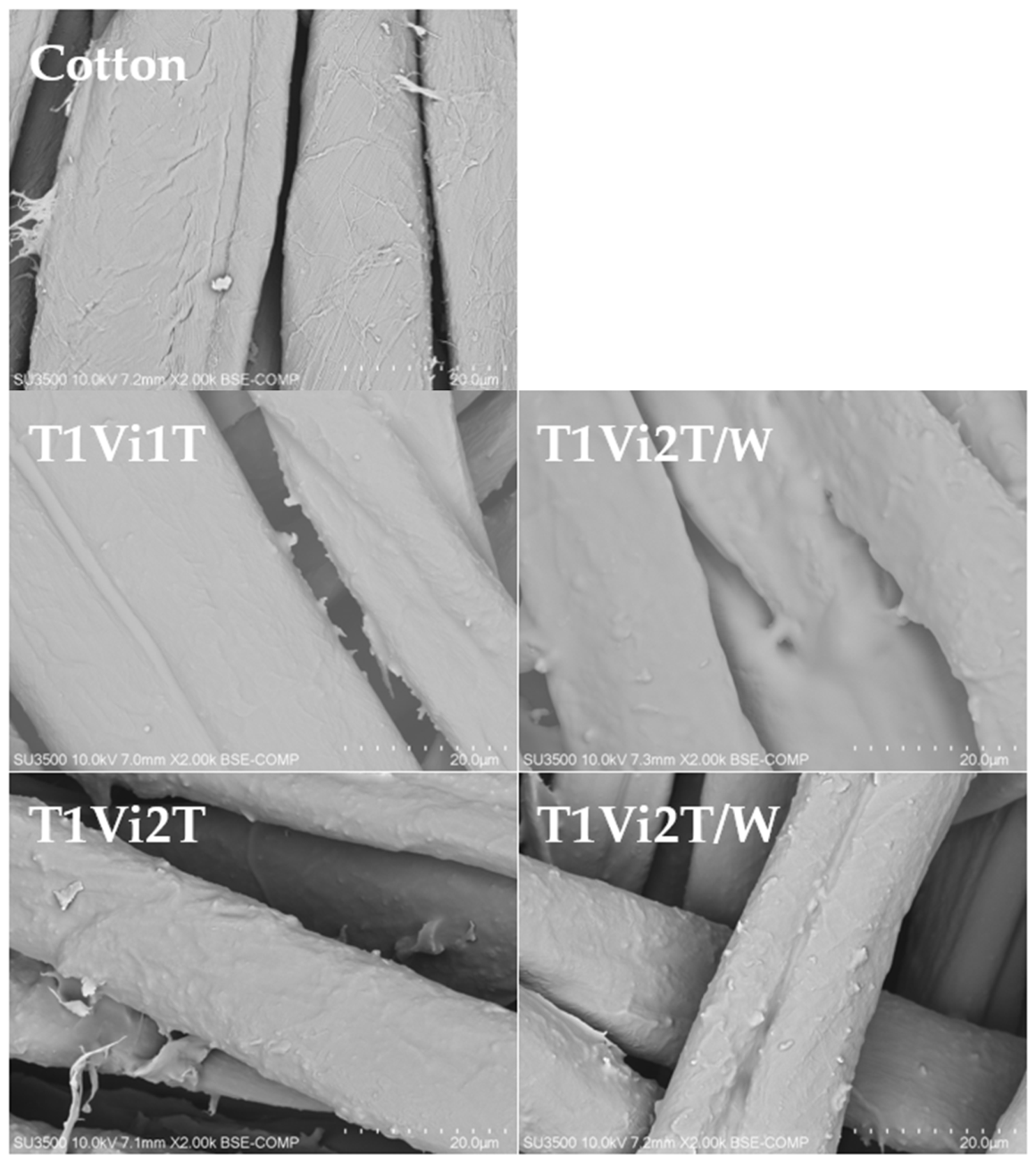
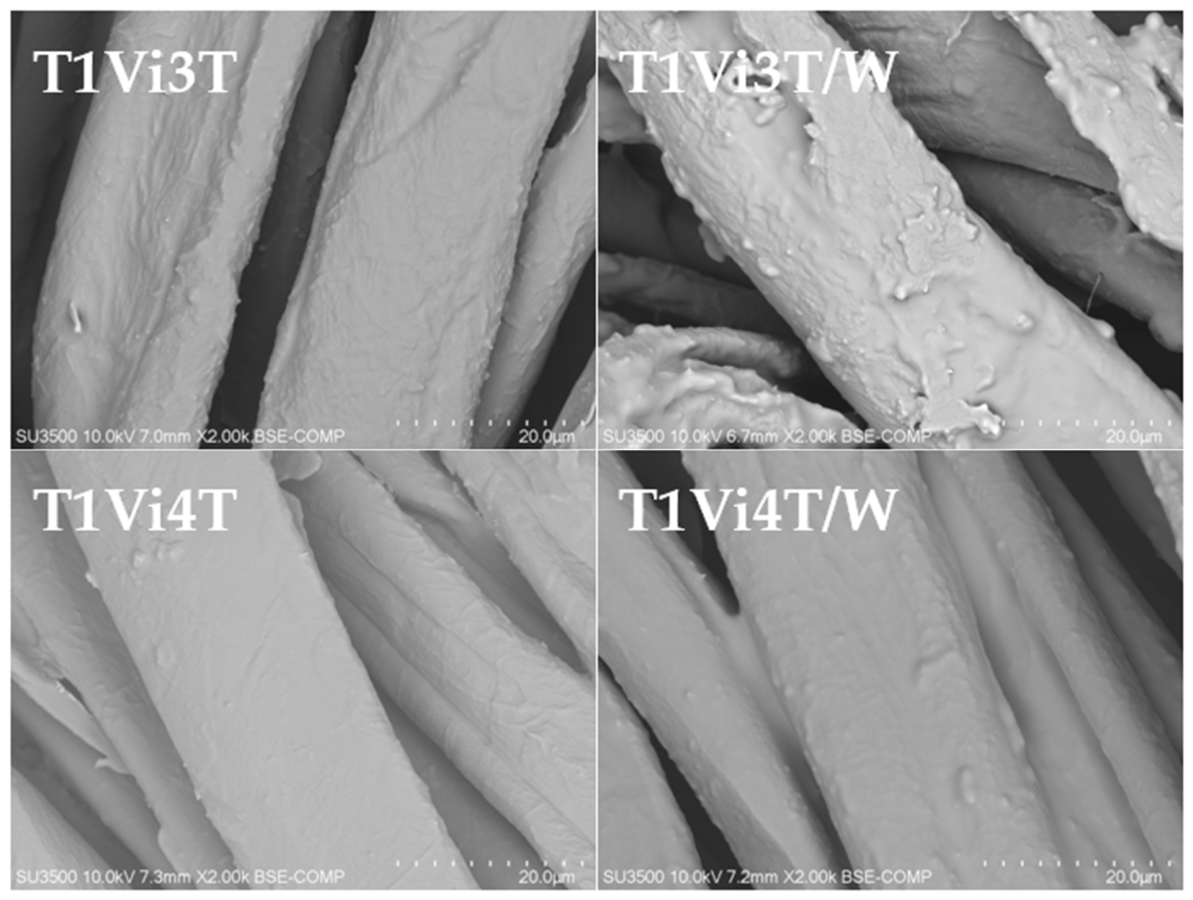
In the next step, the surface morphology of the modified fabrics was examined by SEM analysis. Both unwashed and washed samples were analyzed in order to assess the effect of modification and its durability. SEM images were taken at 2000× magnification. The obtained micrographs are presented in
Figure 4.
SEM images of the unmodified cotton fabric reveal a typical fibrous structure with relatively smooth fiber surfaces and clearly visible inter-fiber spaces. No additional surface features or deposits are observed, which confirms the absence of any coating on the pristine material. After modification via thiol-ene crosslinking, noticeable changes in surface morphology can be observed. The fibers appear to be covered with a thin and relatively uniform layer, leading to a slight increase in surface roughness while preserving the original fibrous structure of the textile. In some regions, small aggregates or irregular features can be distinguished, which may be associated with the formation of a polysiloxane-based coating on the fiber surface. Importantly, no significant blocking of inter-fiber spaces is observed, indicating that the modification does not lead to excessive deposition or pore filling. This observation is consistent with the relatively low add-on values reported for all samples.
A comparison of samples before and after washing provides further insight into the durability of the deposited layer. The SEM images of washed samples show only minor changes in surface morphology, with the coating remaining clearly visible on the fiber surface. No significant peeling, cracking, or removal of the deposited layer is observed, suggesting that the organosilicon coating is strongly retained on the fibers. Moreover, no substantial differences in morphology are observed between samples prepared using different vinyl crosslinkers. This indicates that the overall surface architecture is governed primarily by the formation of a siloxane-based network rather than by the specific structure of the individual crosslinking agents. However, subtle variations in surface roughness and homogeneity can be observed, which may reflect differences in network structure and crosslinking efficiency depending on the applied system.
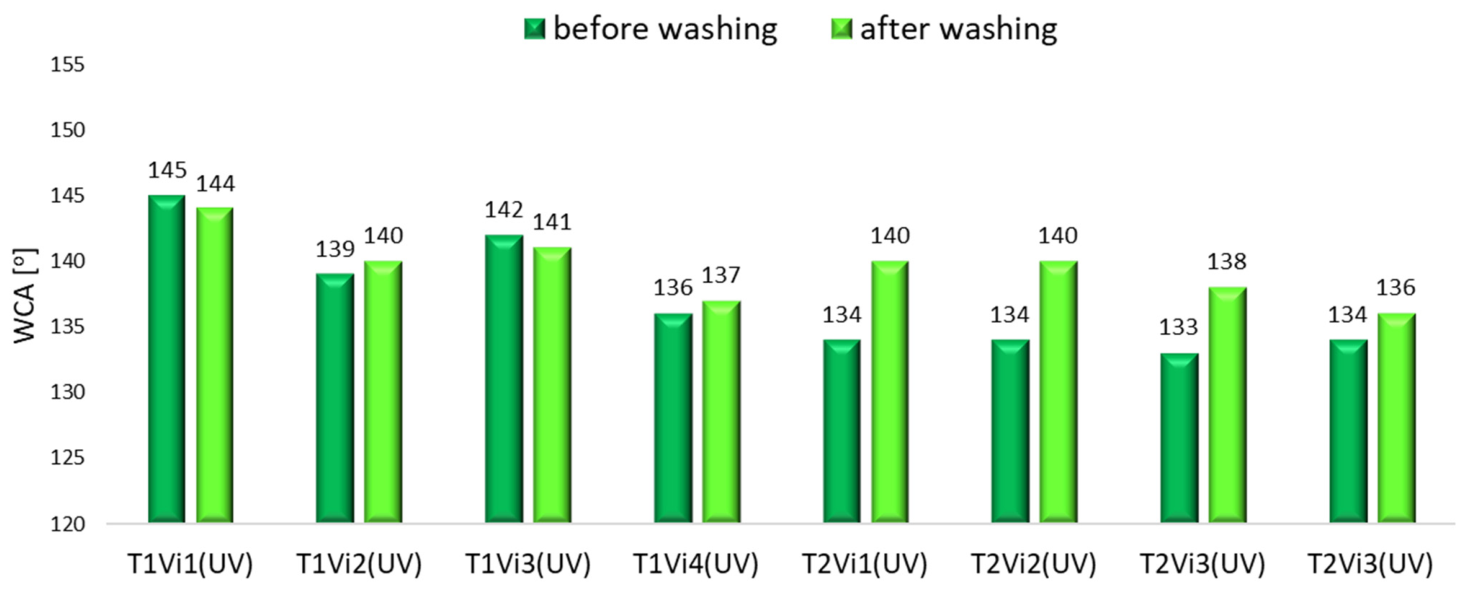
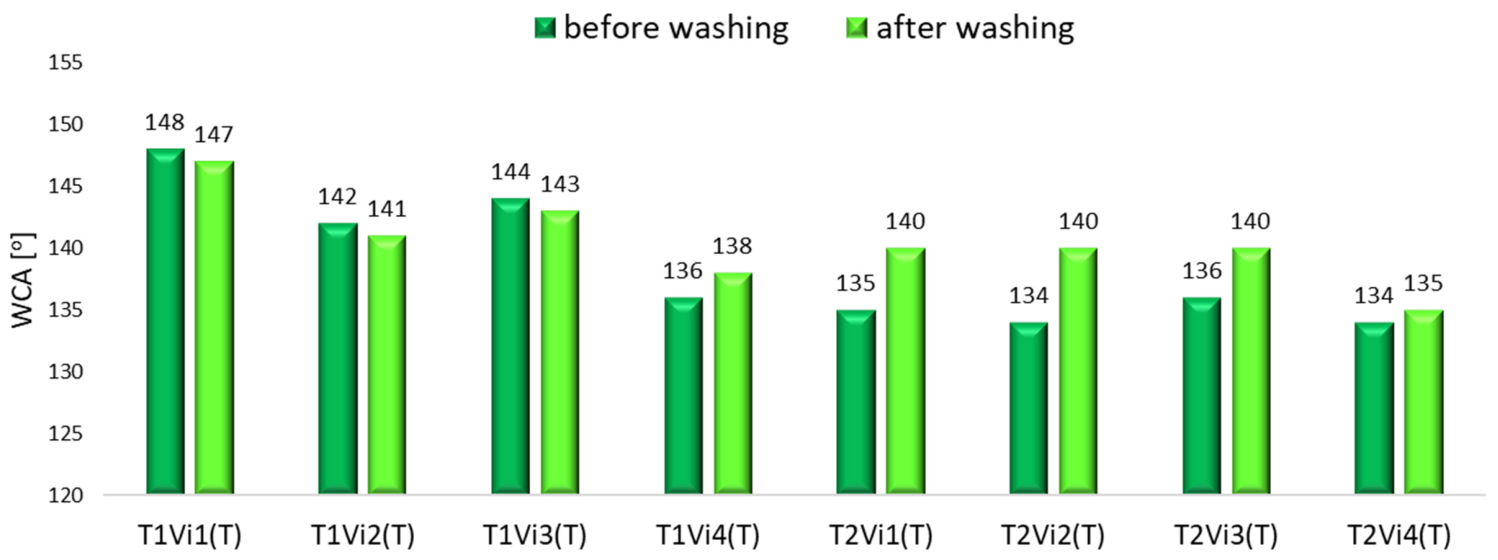
The hydrophobic properties of the modified fabrics were evaluated by static water contact angle (WCA) measurements. All samples were analyzed both before and after the washing process in order to assess not only the effectiveness of the applied modification but also its durability. The obtained results are presented in
Figure 5 and
Figure 6.
The WCA results presented in
Figure 5 and
Figure 6 clearly demonstrate that the applied modification significantly improved the hydrophobic properties of cotton fabrics. In general, higher contact angle values were obtained for samples modified with the T1 polysiloxane compared to T2, both before and after washing. This behavior is consistent with the higher content of thiol (–SH) groups in T1, which favored more effective thiol-ene coupling and likely contributed to the formation of a more highly crosslinked surface layer, resulting in more compact and effective hydrophobic coatings. In the case of T1-based systems, the highest WCA values were obtained for samples modified with the tetrafunctional vinyl crosslinker Vi1. The higher functionality and cyclic structure of this compound likely promoted the formation of a more tightly interconnected organosilicon network, which may have contributed to the development of a surface structure more favorable for hydrophobic performance. Relatively lower WCA values were observed for systems employing vinyl-functional polysiloxanes (Vi2 and Vi4) as crosslinkers. This may be related to their high molecular weight and relatively low content of vinyl groups. Under a constant molar ratio of thiol to vinyl groups (–SH:–Vi = 1:1), the use of such crosslinkers requires a smaller amount of thiol-functional polysiloxane, which reduces the overall amount of –SH groups available for bond formation in the modification system. In addition, in both Vi2 and Vi4, more than 20 non-reactive SiO(CH
3)
2 units are present per two vinyl groups, which may further hinder the thiol-ene reaction by lowering the local concentration of reactive sites and reducing their accessibility. As a result, these systems likely formed less well-developed organosilicon layers, which translated into lower hydrophobic performance.
Interestingly, after the washing process, a noticeable increase in WCA values was observed for the T2-modified samples. This effect may be attributed to the reorganization of polysiloxane chains on the fiber surface. The removal of loosely bound species during washing can lead to a more favorable orientation of siloxane segments, with hydrophobic methyl groups preferentially exposed at the air interface. Similar behavior has been observed in our previous studies on organosilicon-modified cotton fabrics, where post-treatment processes promoted improved surface organization and enhanced hydrophobic performance [
28,
29,
30,
36]. As a result, despite the less favorable conditions for bond formation in these systems, the surface becomes more hydrophobic after washing.
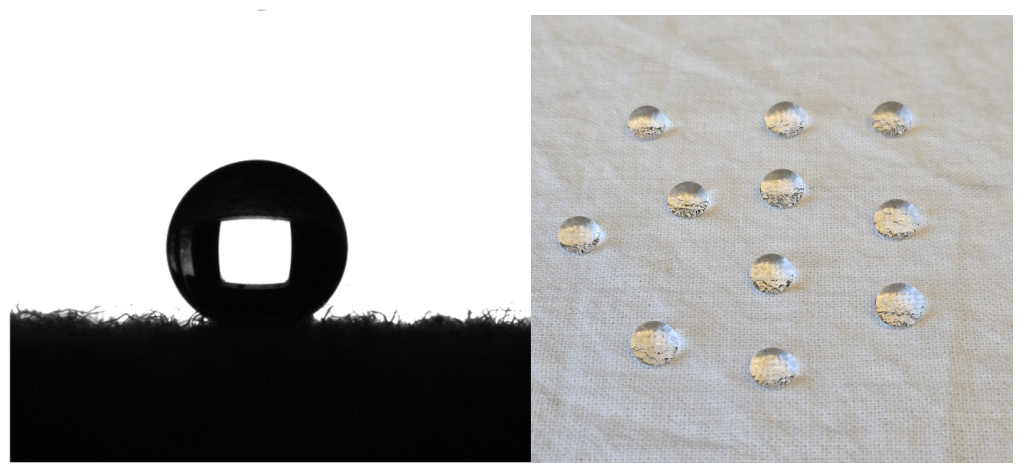
Importantly, no significant differences in WCA values were observed between the samples prepared using photochemical (DMPA) and thermal (AIBN) initiation. This indicates that both initiation pathways are similarly effective in promoting thiol-ene crosslinking under the applied conditions, leading to comparable network structures and surface properties. The similarity of the results suggests that the efficiency of the modification is governed primarily by the availability of reactive groups and the structure of the organosilicon components, rather than by the type of initiator used. At the same time, the slightly better results obtained for thermally initiated systems may be related to the three-dimensional structure of the textile substrate. In the case of UV-induced curing, local light-screening effects and the possible presence of shadow zones within the fibrous structure may limit the uniformity of irradiation and, consequently, the extent of crosslinking in less accessible regions of the fabric. By contrast, thermal initiation is not restricted by light penetration and may therefore promote more homogeneous network formation throughout the textile structure. However, this effect was relatively small under the applied conditions and did not lead to substantial differences in the final hydrophobic performance of the modified fabrics. Representative droplet images obtained during goniometric measurements, as well as photographs of water droplets on the fabric surface, are presented in
Figure 7.
In the next step, the stability of water droplets on the surface of the modified fabrics was evaluated. The obtained results are presented in
Table 4.
The results of water droplet stability (
Table 4) are in good agreement with the WCA measurements, confirming the effectiveness of the applied modification. In general, samples exhibiting higher contact angle values also showed longer droplet stability times, indicating that both parameters consistently reflect the hydrophobic performance of the modified fabrics. For fabrics modified with the T1 polysiloxane, maximum droplet stability (1800 s) was observed for all samples, both before and after washing. This confirms the formation of highly effective hydrophobic coatings, which is consistent with the higher content of thiol groups in T1, and suggests more effective formation of the organosilicon network in these systems. In contrast, samples modified with the T2 polysiloxane exhibited significantly lower droplet stability before washing. This behavior is consistent with the lower WCA values and can be explained by the reduced number of –SH groups in T2, which limits the extent of crosslinking and results in less developed hydrophobic structures on the fiber surface. Importantly, after the washing process, all T2-modified samples reached the maximum droplet stability (1800 s), similarly to T1-based systems. This indicates a significant improvement in hydrophobic performance after washing. Such behavior can be attributed to the reorganization and improved orientation of polysiloxane chains on the fiber surface. The removal of loosely bound or non-uniformly distributed material during washing likely leads to a more homogeneous coating, with hydrophobic methyl groups preferentially exposed at the interface. Overall, the results indicate that, although the initial effectiveness of network formation plays an important role in determining hydrophobic performance, post-treatment processes such as washing can further enhance surface properties by promoting a more favorable molecular organization of the siloxane layer.
The difference in color between the modified samples and pure cotton was also examined. The results of the analyses are summarized in
Table 5.
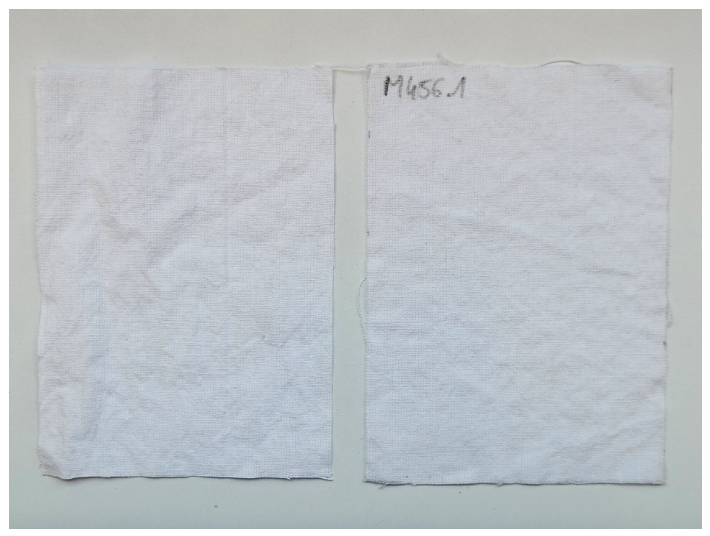
Color measurements performed in the CIE L*a*b* space showed that the applied modification caused only slight changes in the appearance of the cotton fabrics. All modified samples retained high lightness values (L* = 89.01–90.50) close to that of pure cotton (L* = 90.89), indicating only a minor decrease in brightness after treatment. The a* and b* parameters also changed only slightly and remained close to zero, which confirms that no substantial shift in fabric hue occurred. The total color difference values (ΔE*ab) ranged from 1.22 to 1.47 for all modified samples. Such values indicate very small color differences, perceptible only to an experienced observer. Therefore, the developed organosilicon coatings did not significantly affect the visual appearance of the cotton fabrics, which is also consistent with the photographs presented in
Figure 8.
In addition, the bending length and flexural rigidity of pure cotton and modified cotton fabrics were evaluated in order to assess the effect of the applied surface treatment on the mechanical behavior of the textile substrate. The obtained results are presented in
Table 6.
The results presented in
Table 6 indicate that, in most cases, the applied surface modification had no substantial effect on the flexibility of the cotton fabrics. For samples P1Vi2T, P1Vi3T, and P1Vi4T, the bending length and flexural rigidity remained close to those of the unmodified cotton, which suggests that these treatments did not significantly alter the flexibility of the textile substrate. A more pronounced increase in both bending length and flexural rigidity was observed only for sample P1Vi1T. This behavior is most likely related to the formation of the most densely crosslinked network in this system, which is consistent with its superior hydrophobic performance among all investigated samples. Although the stiffening effect for P1Vi1T was clearly noticeable in comparison with the reference fabric, it remained relatively limited and did not lead to excessive rigidification of the textile. The identical values obtained before and after washing further indicate that the mechanical response of the modified fabrics remained stable under the applied laundering conditions.
4. Conclusions
Surface thiol-ene crosslinking of thiol-functional polysiloxanes with vinyl-functional organosilicon compounds was demonstrated to be an effective fluorine-free strategy for imparting durable hydrophobicity to cotton fabrics. The applied modification led to the formation of stable silicon-containing surface layers, as confirmed by FT-IR and SEM-EDS analyses, while SEM observations showed that the deposited coatings preserved the fibrous structure of the textile and did not block the inter-fiber spaces.
The results clearly indicate that hydrophobic performance was governed primarily by the structure of the organosilicon system, especially the thiol-group content of the polysiloxane and the architecture of the vinyl crosslinker. Fabrics modified with the thiol-richer polysiloxane T1 exhibited consistently higher water contact angle values and complete droplet stability, demonstrating that a higher density of reactive groups promoted the formation of more effective hydrophobic networks. Among the investigated crosslinkers, the tetrafunctional vinyl siloxane Vi1 provided the most favorable results, indicating that crosslinker functionality and molecular structure play an important role in determining the final surface performance.
An important outcome of this study is the high laundering durability of the developed coatings. After washing, the modified samples retained their characteristic organosilicon spectral features and elemental composition, while their hydrophobic behavior remained unchanged or, in the case of T2-based systems, even improved. This increase in post-washing hydrophobicity is most likely associated with reorganization of the siloxane layer and preferential exposure of hydrophobic groups at the fabric-air interface. The results therefore show that the developed coatings were not only effective immediately after treatment, but also operationally stable under the applied washing conditions.
No substantial differences were observed between samples prepared using UV-initiated and thermally initiated thiol-ene crosslinking, indicating that both curing routes are suitable for the preparation of hydrophobic polysiloxane coatings on cotton. Overall, this study demonstrates that thiol-ene chemistry provides a simple and versatile platform for constructing durable fluorine-free hydrophobic finishes on cellulosic textiles, and that coating performance can be tailored through rational control of reactive-group density and consequently crosslinker structure. Further work should focus on direct characterization of network structure and on broader evaluation of textile performance, including abrasion resistance, air permeability, and long-term ageing.