
Sequential Anaerobic–Aerobic Treatment of Paint Wastewater: Performance and LC–MS Pollutant Transformation


Abstract
1. Introduction
2. Materials and Methodology
2.1. Sample Preparation
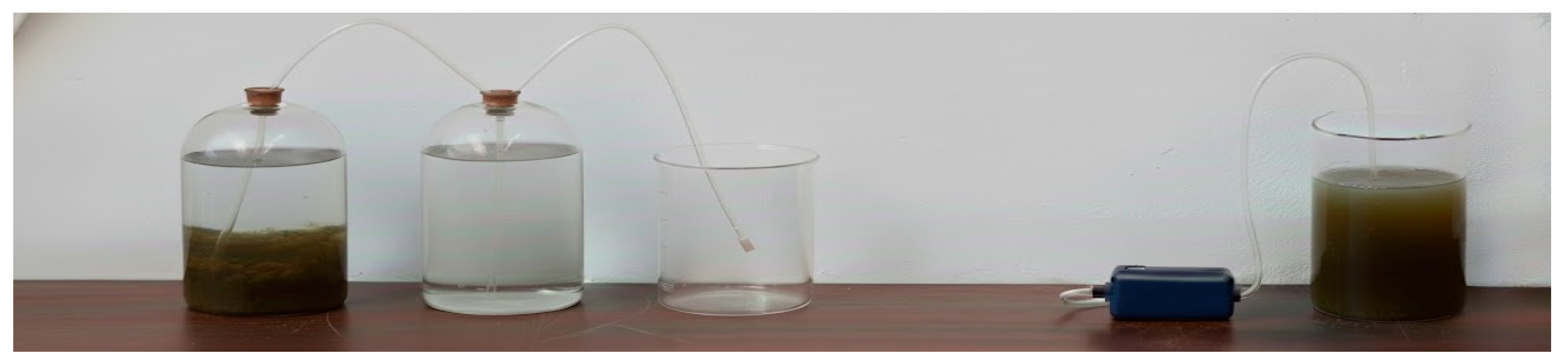
2.2. Reactor Set-Up
2.3. Reactor Operation
2.4. Instrumentation and Analytical Methods
3. Results and Discussions
3.1. Anaerobic Reactor Performance
3.1.1. COD Removal Efficiency
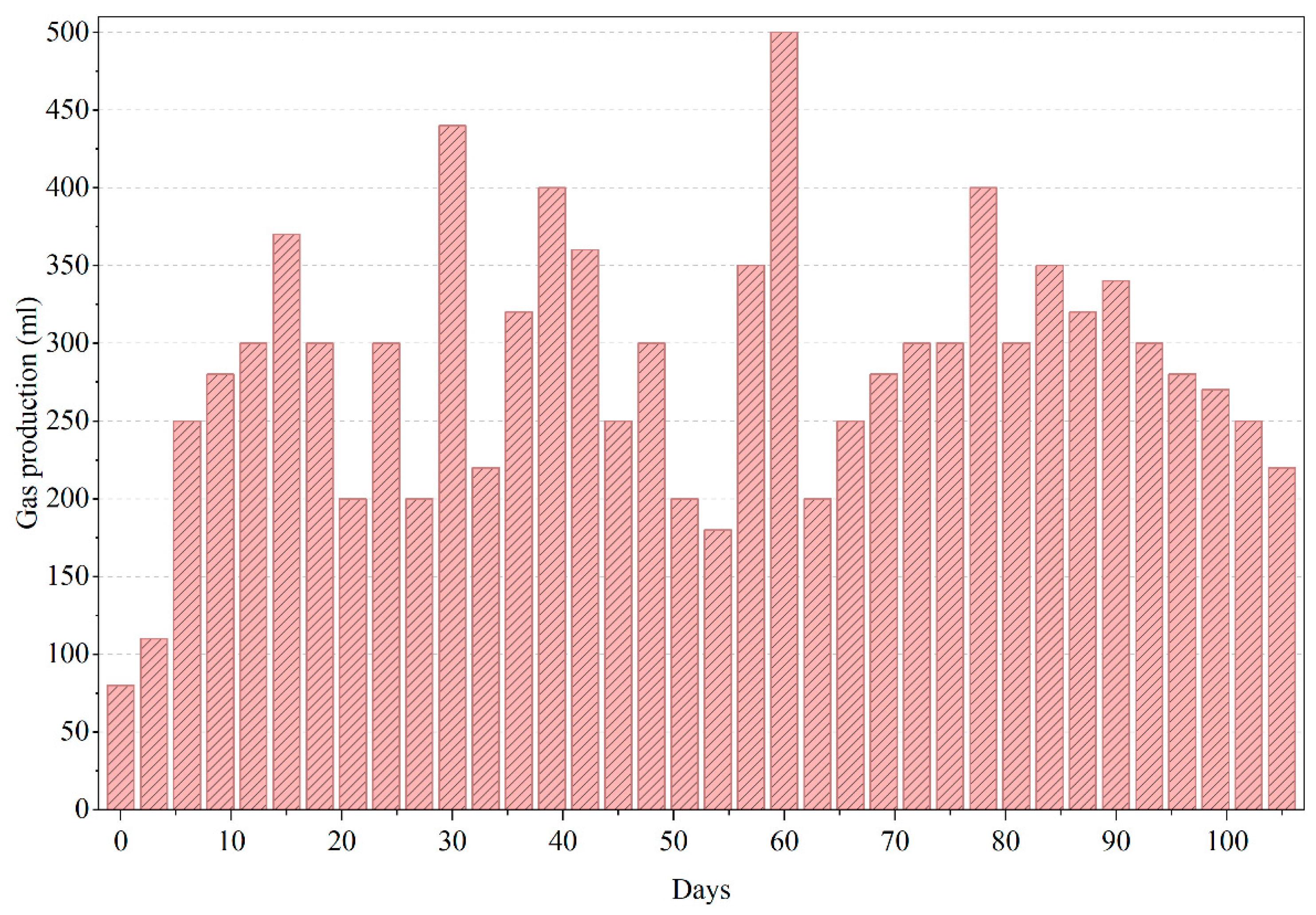
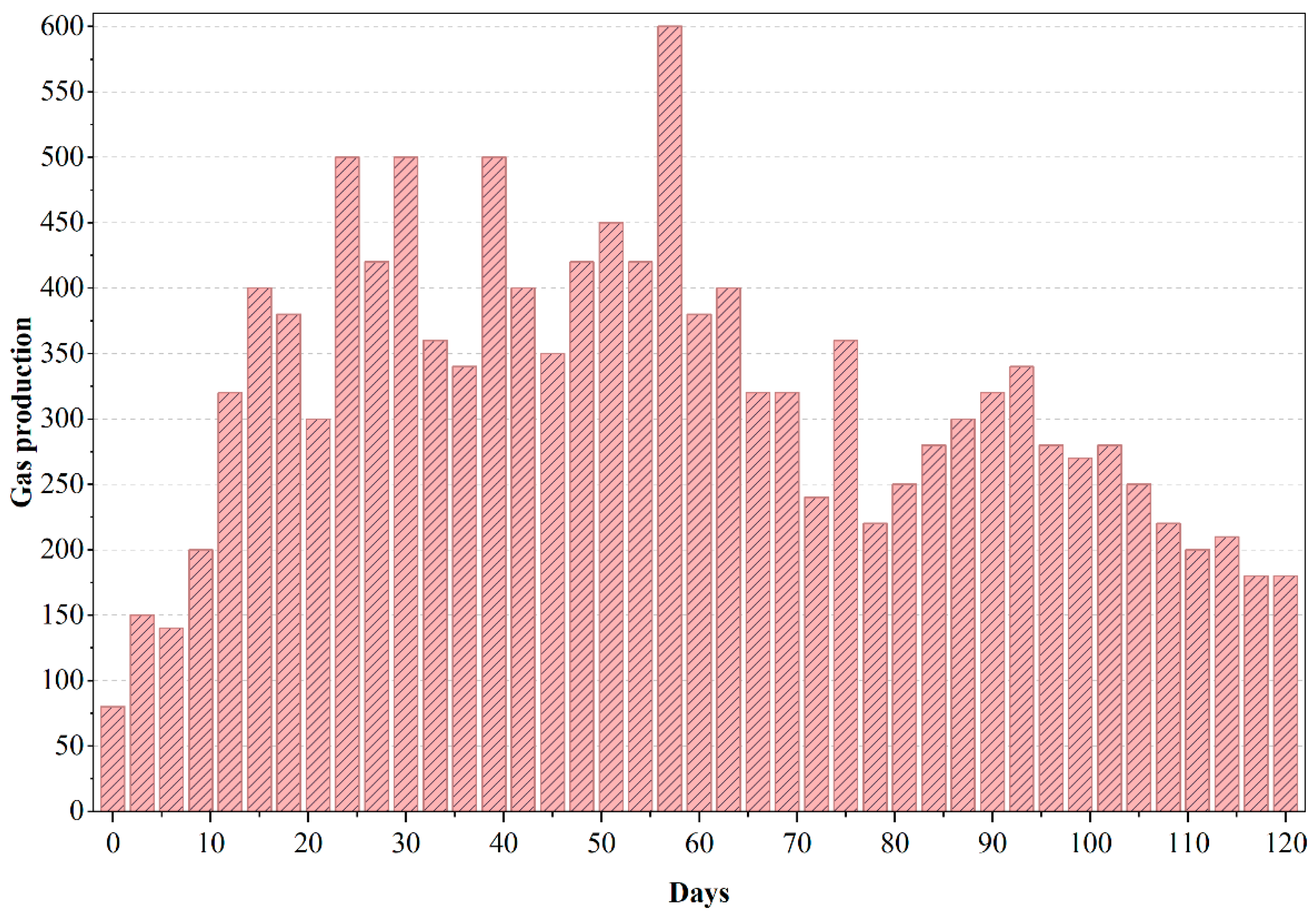
3.1.2. Biogas Production and Methane Yield
3.2. Aerobic Reactor Performance
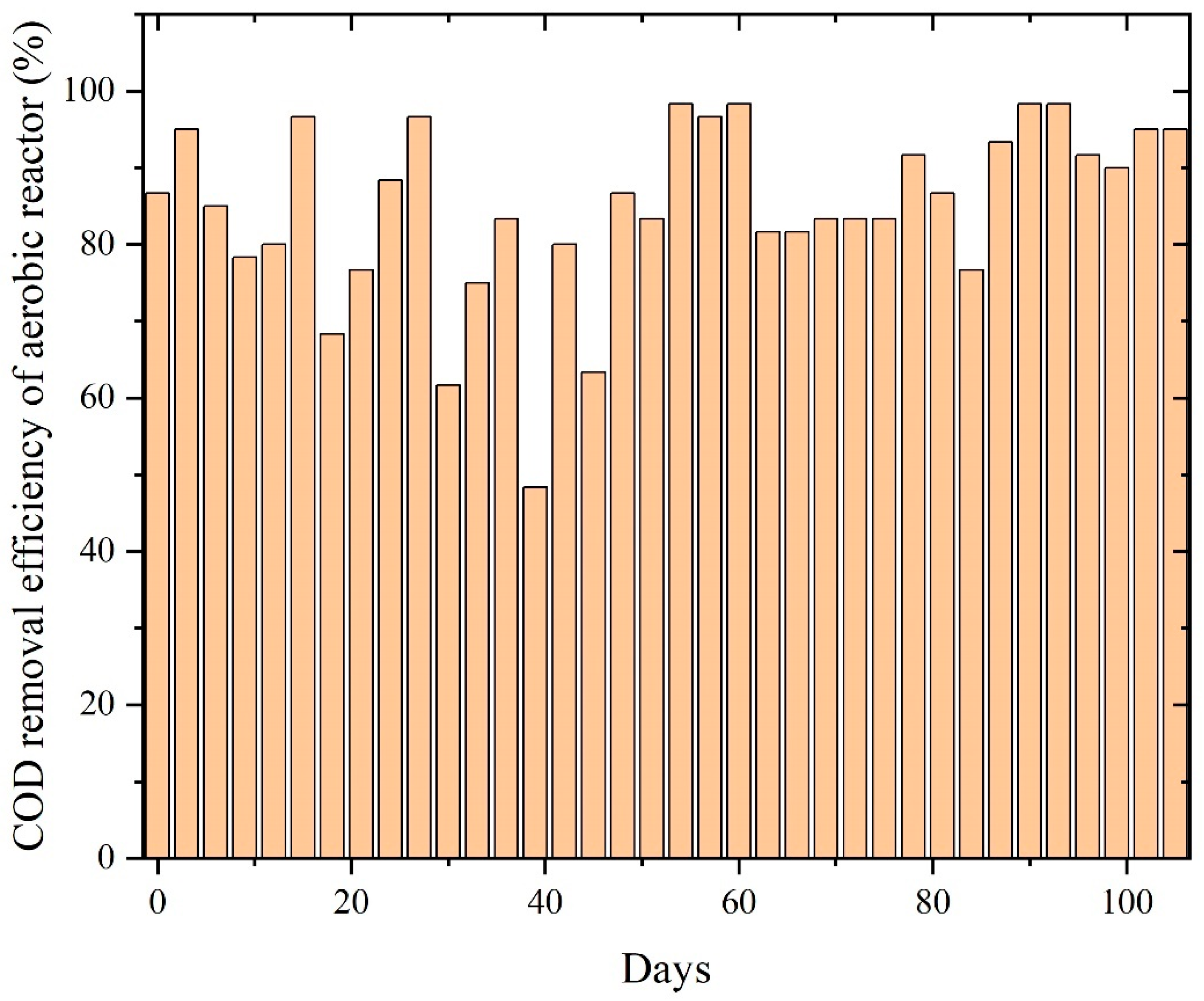
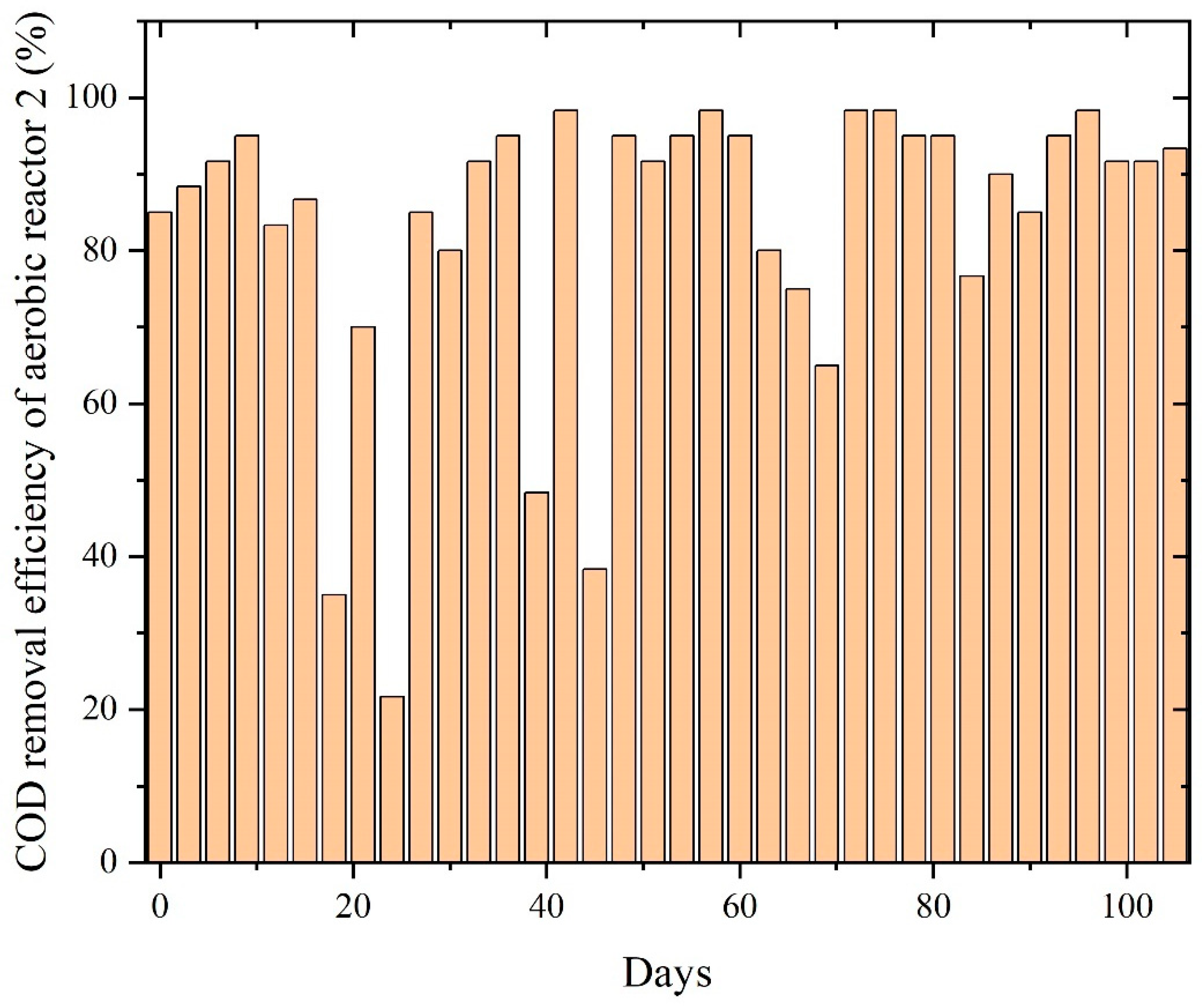
COD Removal Efficiency
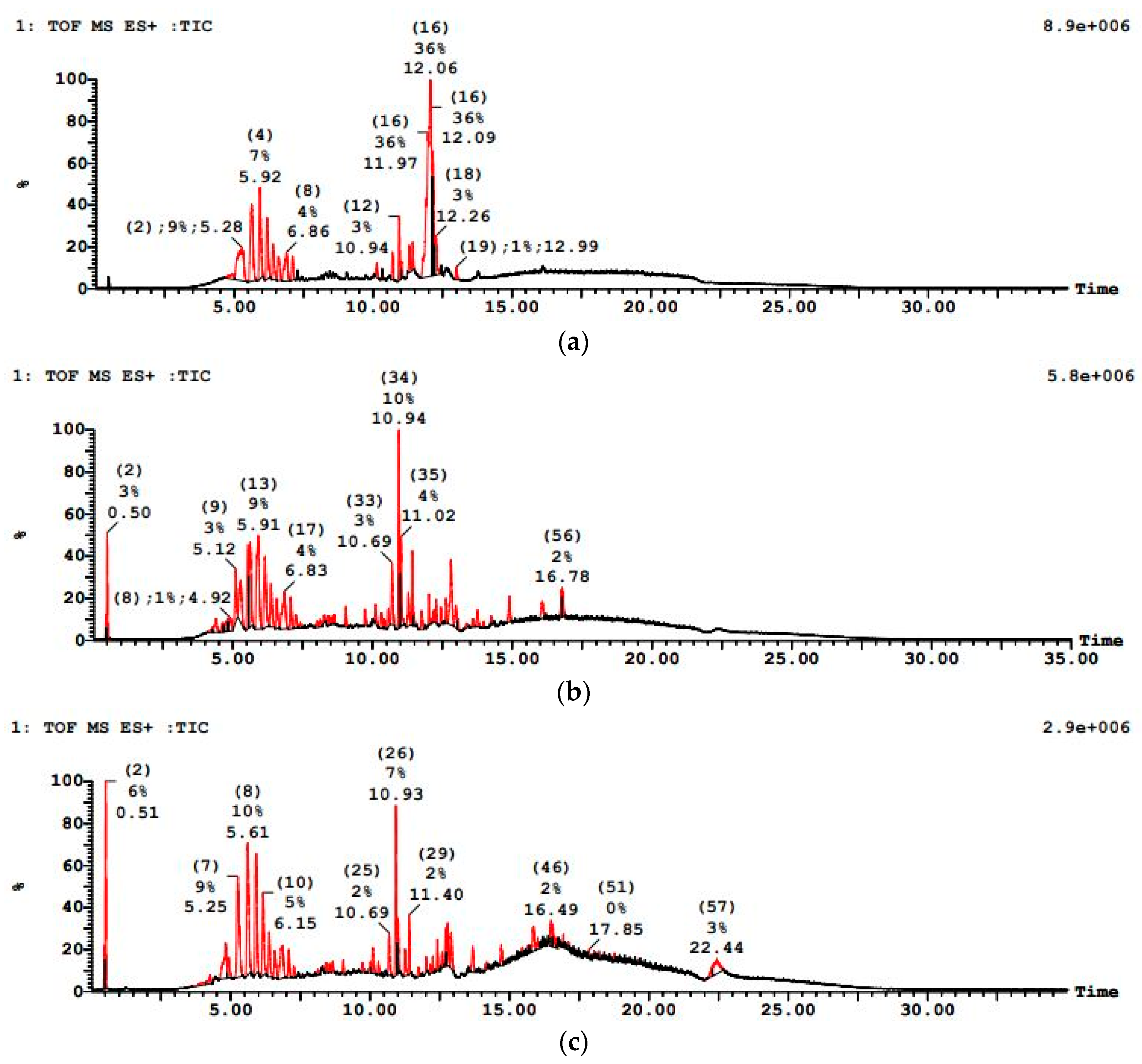
3.3. LC–MS-Based Pollutant Transformation Analysis
4. Conclusions
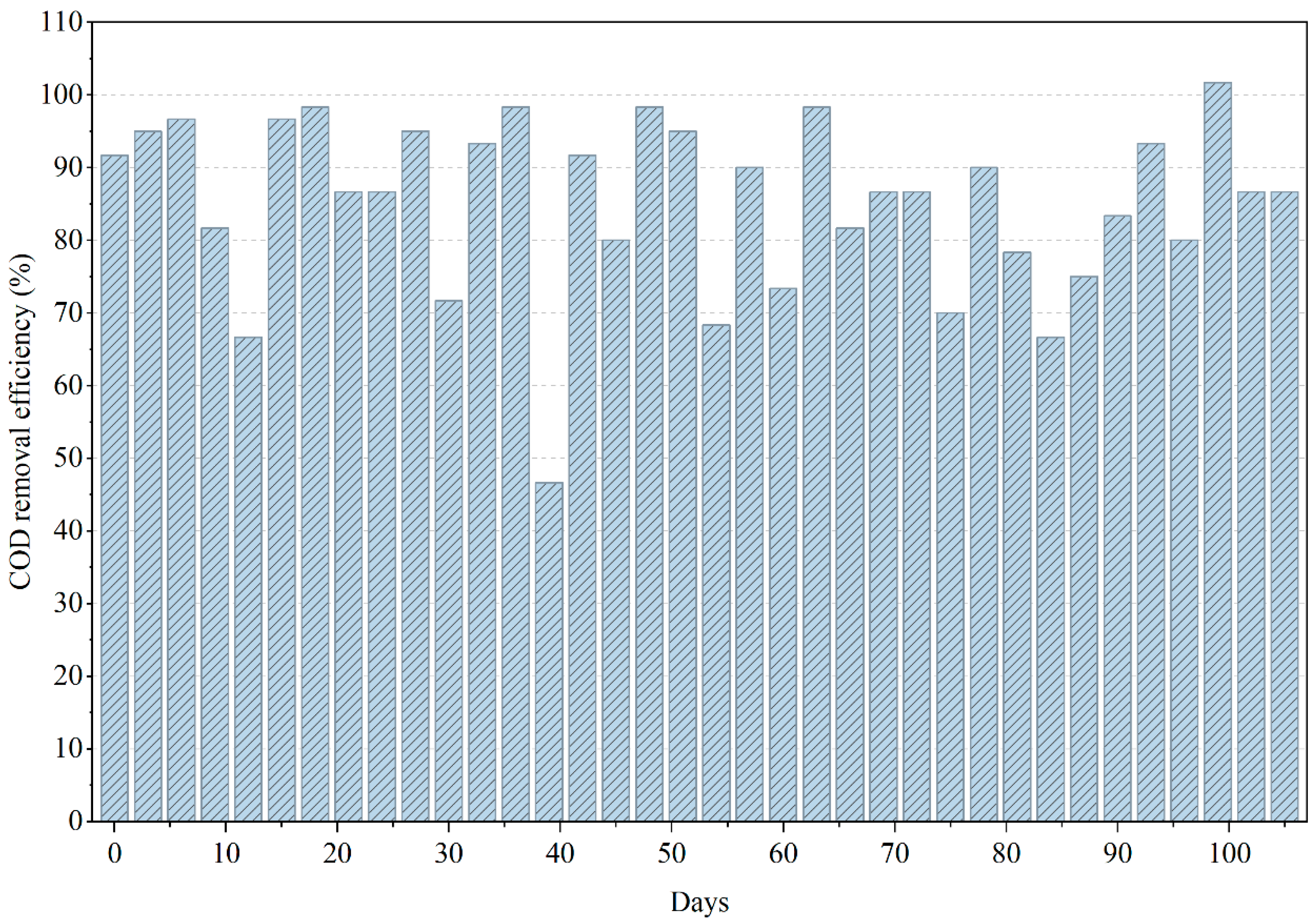
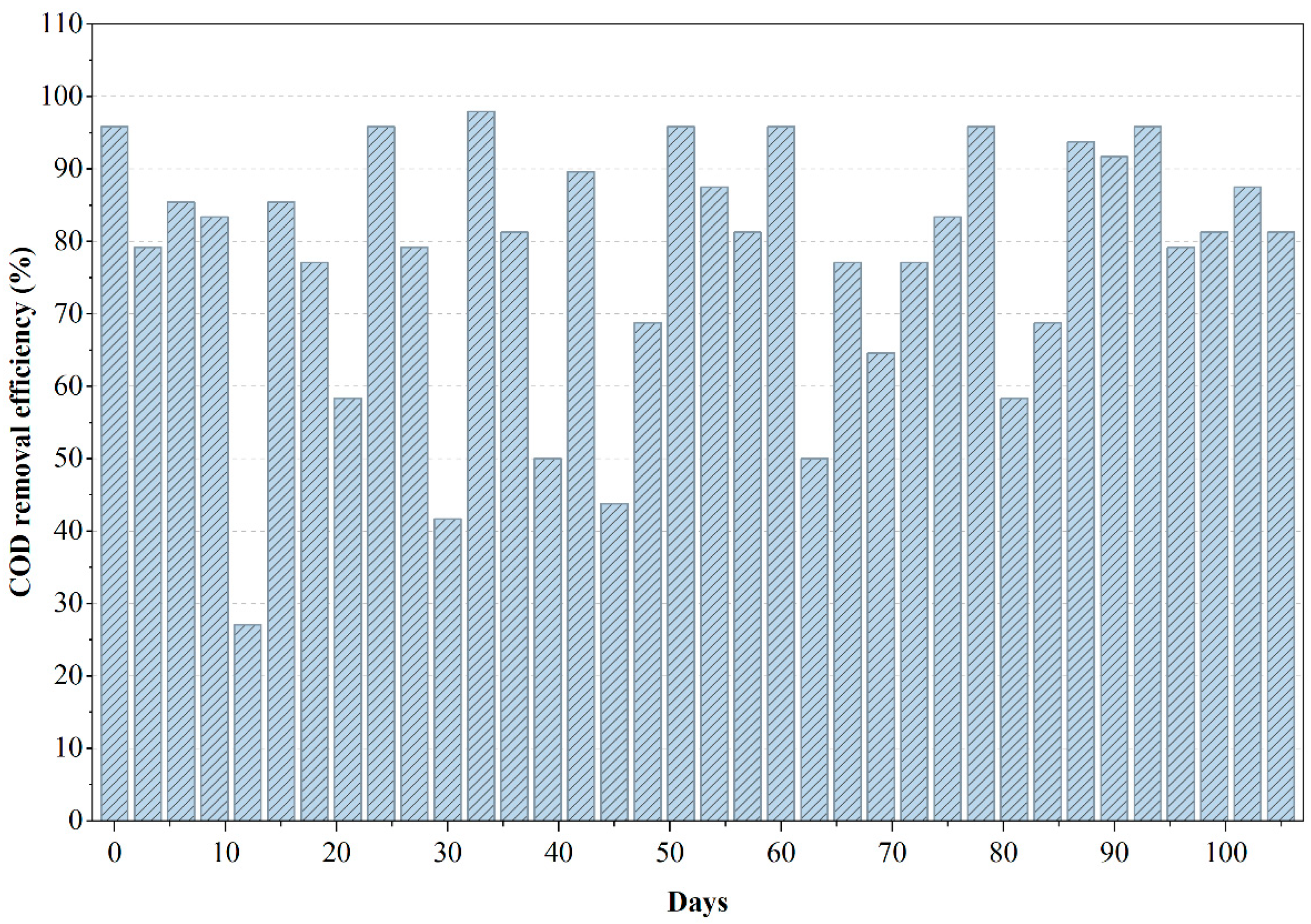
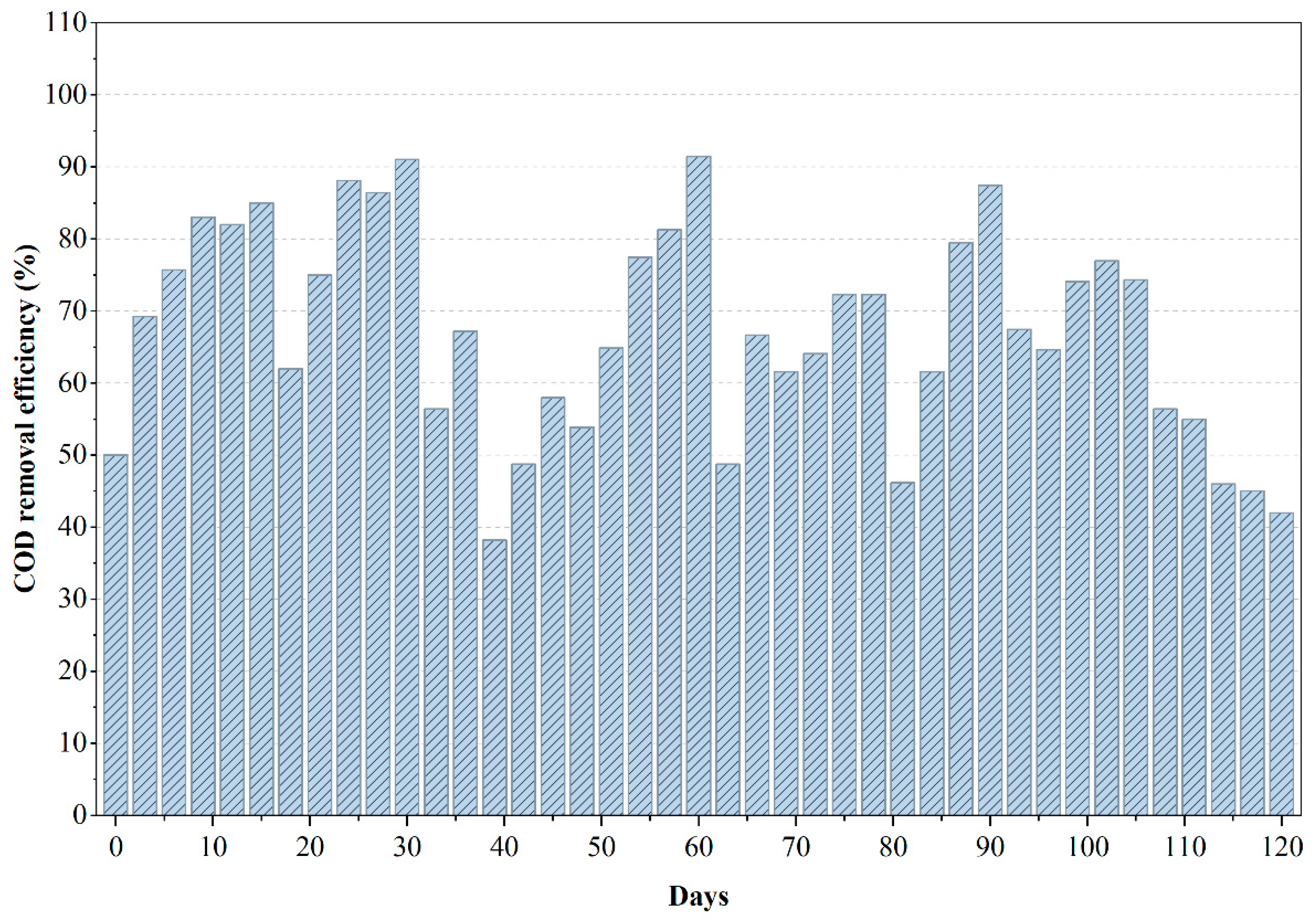
- Sequential anaerobic–aerobic treatment achieved high overall COD removal across the three wastewater types, with PWW1 and PWW2 exhibiting highly stable performance, whereas PWW3 showed early success but progressive decline due to inhibitory compound accumulation. Anaerobic digestion removed 70–95% of COD during stable phases, and aerobic polishing contributed an additional 10–20% removal depending on wastewater composition.
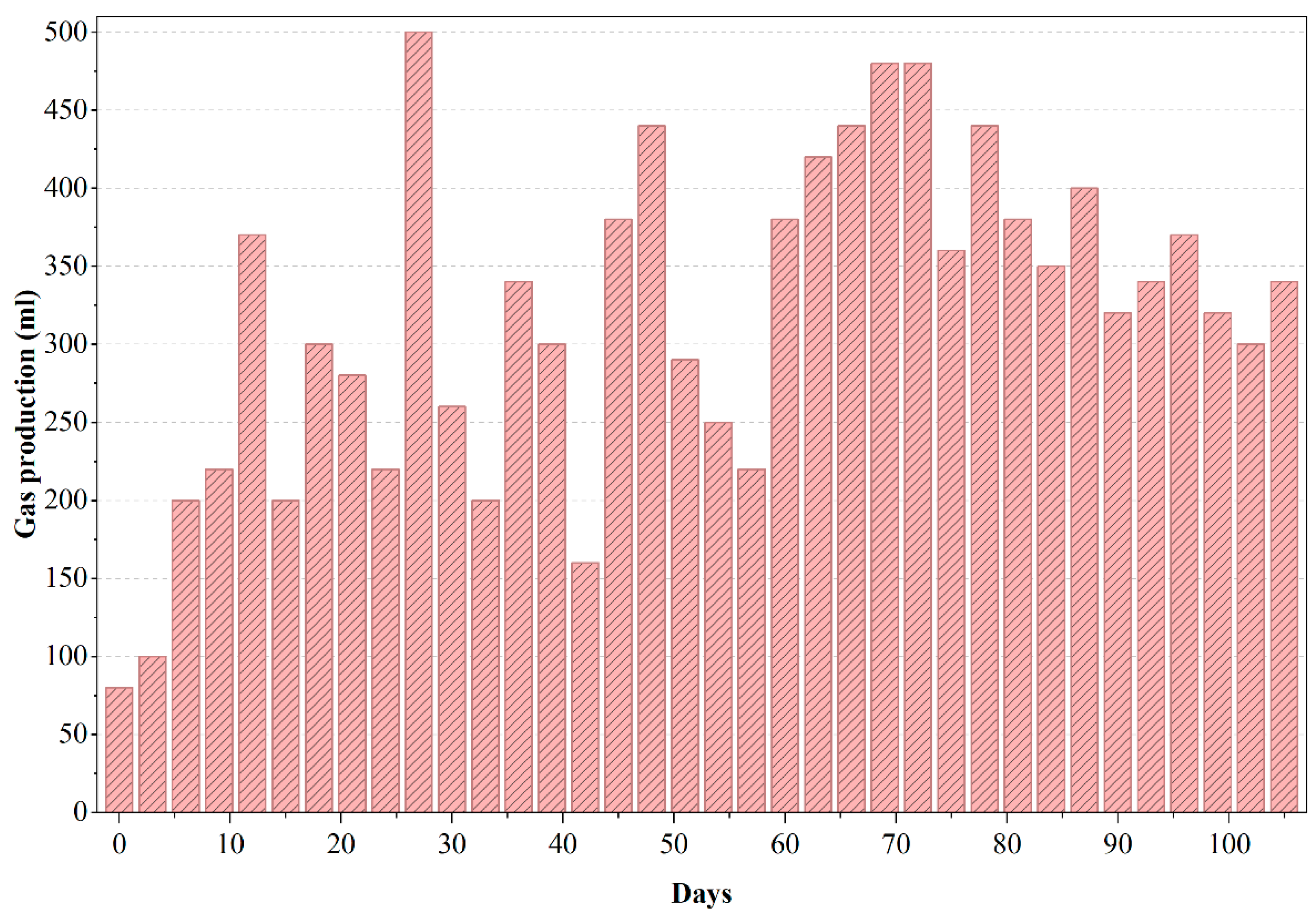
- Biogas production confirmed effective anaerobic conversion for PWW1 and PWW2. In contrast, PWW3 showed markedly lower methane recovery and required pH correction, indicating a possibility of inhibition of methanogenesis by solvent-derived aromatics and epoxy resin fragments.
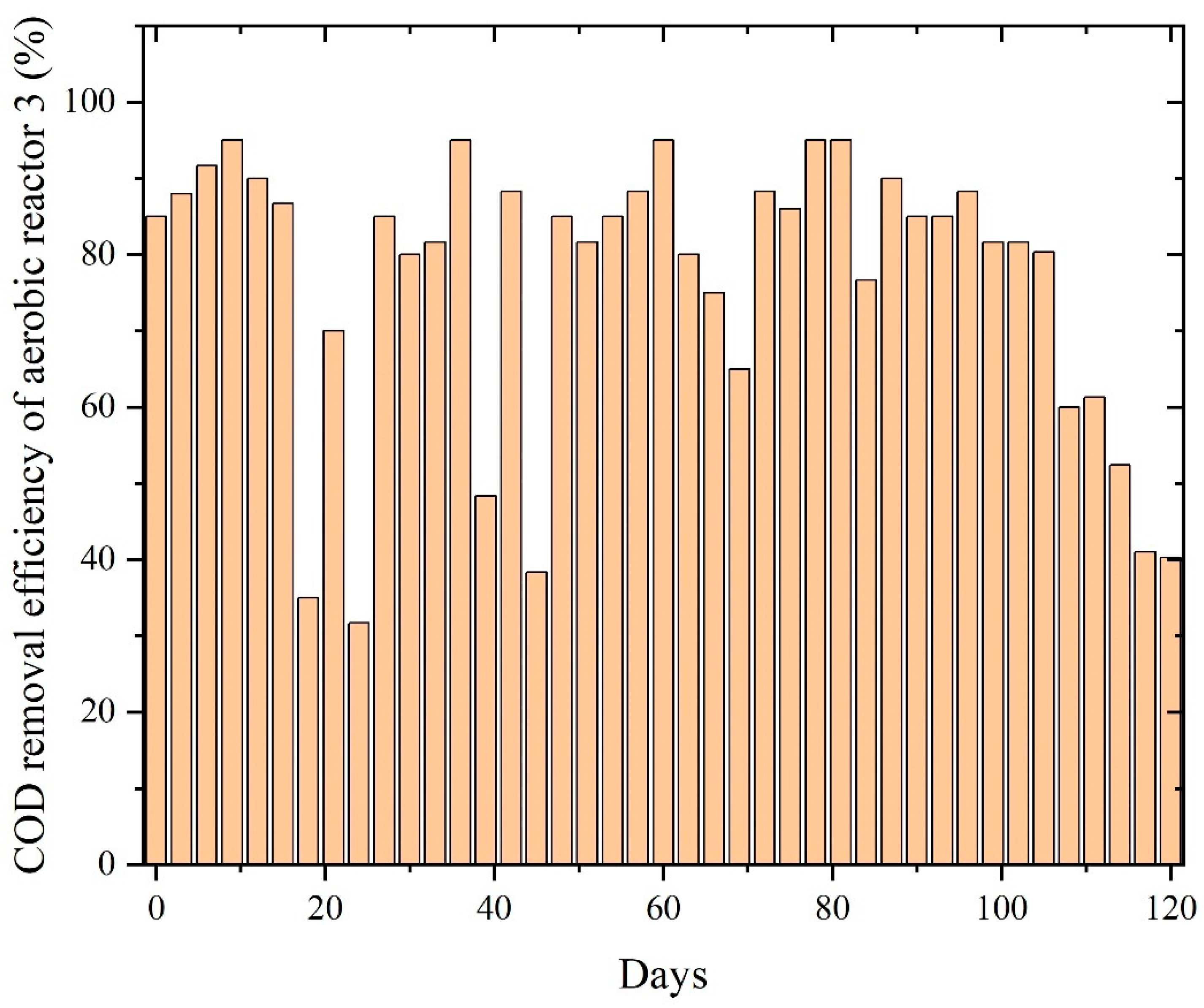
- Aerobic reactors played a critical role in degrading intermediates formed under anaerobic conditions, restoring system stability and driving near-complete oxidation of phthalate fragments and solvent residues in PWW1 and PWW2. However, PWW3’s aerobic reactor experienced wide fluctuations (40–98% COD removal), demonstrating that certain high-molecular-weight additives and aromatic compounds exerted sustained oxidative stress on aerobic biomass.
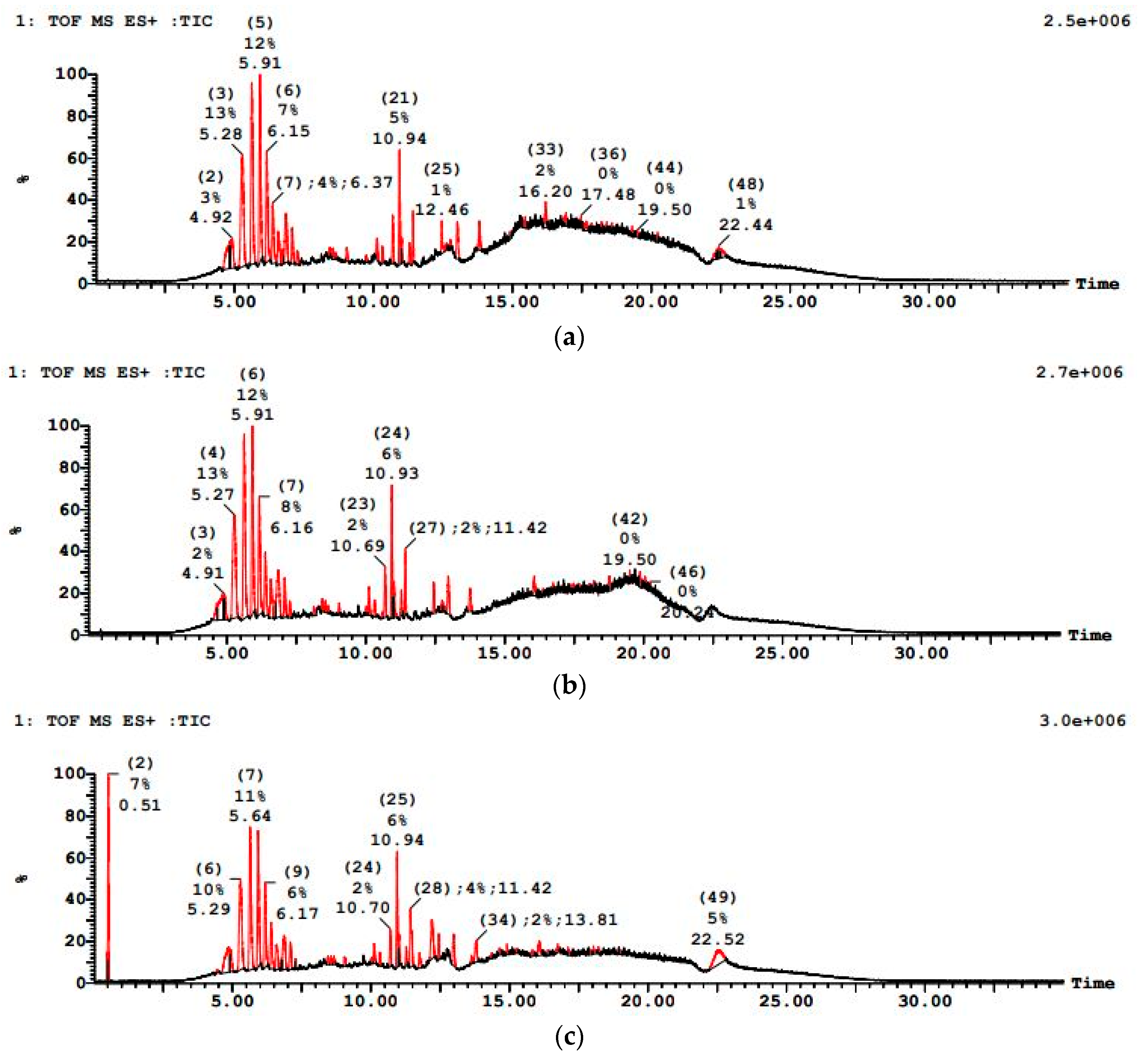
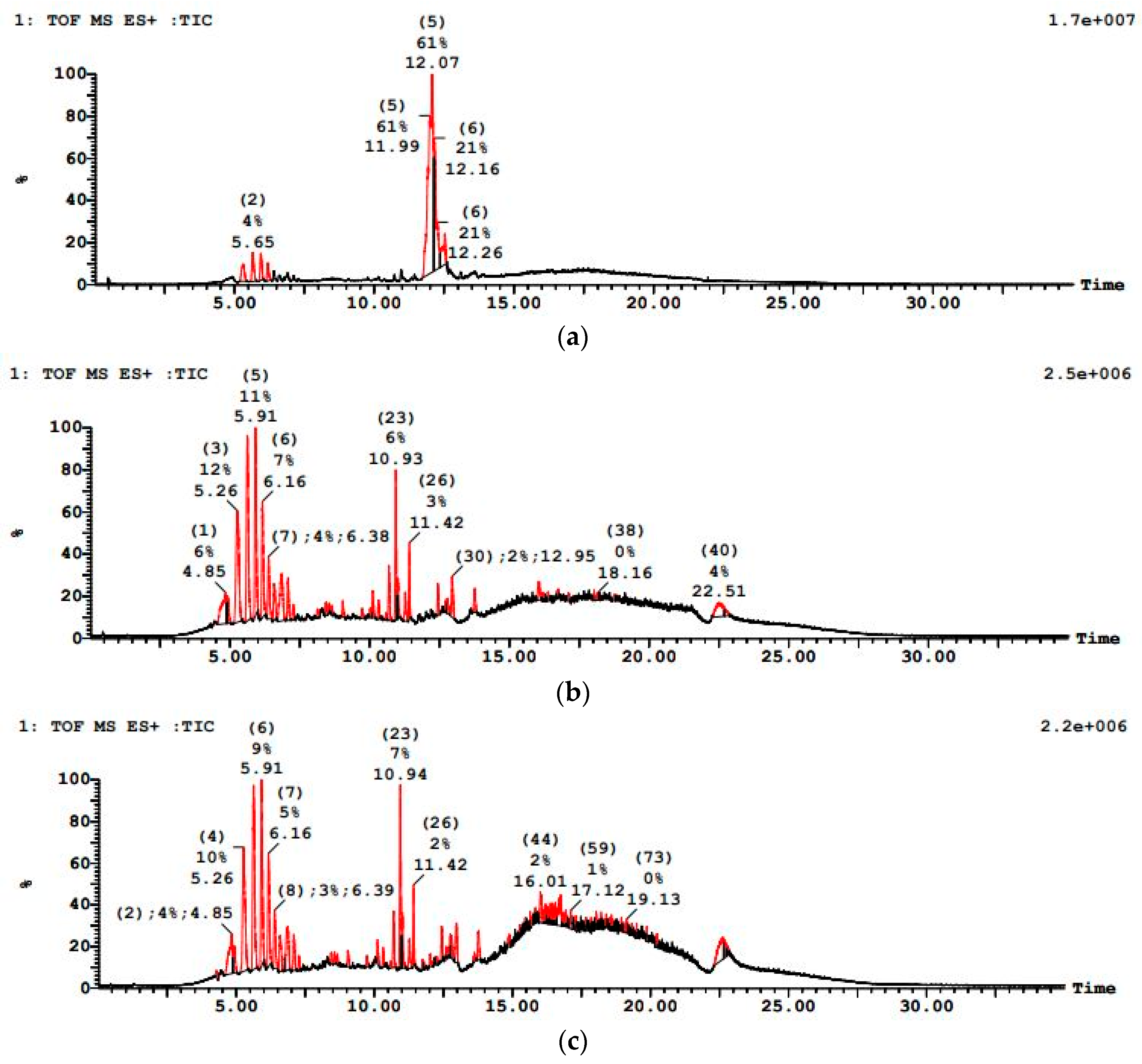
- LC–MS analysis provided evidence of pollutant transformation, showing substantial reduction in the number and intensity of peaks after sequential treatment. Some compounds were significantly degraded. However, persistent compounds remained detectable, highlighting the presence of recalcitrant fractions resistant to both anaerobic and aerobic biodegradation.
- Wastewater composition influenced reactor stability, biodegradation pathways, and inhibitory stress, with PWW3—rich in solvent-derived and aromatic constituents—showing decline in long-term performance. This emphasizes that while sequential biological treatment is highly effective for most paint wastewaters, effluents containing epoxy resins and heavy plasticizers may require post-treatment such as adsorption, advanced oxidation, or membrane polishing.
Author Contributions
Funding
Data Availability Statement
Conflicts of Interest
References
- Kaur, A.; Vats, S.; Rekhi, S.; Bhardwaj, A.; Goel, J.; Tanwar, R.S.; Gaur, K.K. Physico-chemical analysis of the industrial effluents and their impact on the soil microflora. Procedia Environ. Sci. 2010, 2, 595–599. [Google Scholar] [CrossRef]
- Krithika, D.; Philip, L. Treatment of wastewater from water based paint industries using submerged attached growth reactor. Int. Biodeterior. Biodegrad. 2016, 107, 31–41. [Google Scholar]
- El Shazly, M.A.; Hasanin, E.A.; Kamel, M.M. Appropriate Technology for Industrial Wastewater Treatment of Paint Industry. J. Agric. Environ. Sci 2010, 8, 597–601. [Google Scholar]
- da Silva, L.F.; Barbosa, A.D.; de Paula, H.M.; Romualdo, L.L.; Andrade, L.S. Treatment of paint manufacturing wastewater by coagulation/electrochemical methods: Proposals for disposal and/or reuse of treated water. Water Res. 2016, 101, 467–475. [Google Scholar] [CrossRef]
- Eremektar, G.; Goksen, S.; Babuna, F.; Dogruel, S. Coagulation-flocculation of wastewaters from a water-based paint and allied products industry and its effect on inert COD. J. Environ. Sci. Health-Part A Toxic/Hazard. Subst. Environ. Eng. 2006, 41, 1843–1852. [Google Scholar]
- Show, K.Y.; Ling, M.; Guo, H.; Lee, D.J. Laboratory and full-scale performances of integrated anaerobic granule-aerobic biofilm-activated sludge processes for high strength recalcitrant paint wastewater. Bioresour. Technol. 2020, 310, 123376. [Google Scholar]
- Körbahti, B.K.; Aktaş, N.; Tanyolaç, A. Optimization of electrochemical treatment of industrial paint wastewater with response surface methodology. J. Hazard. Mater. 2007, 148, 83–90. [Google Scholar] [CrossRef]
- Kurt, U.; Avsar, Y.; Talha Gonullu, M. Treatability of water-based paint wastewater with Fenton process in different reactor types. Chemosphere 2006, 64, 1536–1540. [Google Scholar] [CrossRef]
- Bouranene, S.; Sedira, N.; Fievet, P.; Attia, N. Treatment of paint wastewater by coagulation process. Filtr. Sep. 2015, 52, 42–45. [Google Scholar] [CrossRef]
- Mahesh, G.B.; Manu, B. Biological Treatment of 3,6-Dichloro-2-Methoxybenzoic Acid Using Anaerobic-Aerobic Sequential Batch Reactor. Environ. Process. 2019, 6, 493–509. [Google Scholar]
- Mahesh, G.B.; Manu, B. Biodegradation of ametryn and dicamba in a sequential anaerobic-aerobic batch reactor: A case study. Water Pract. Technol. 2019, 14, 423–434. [Google Scholar] [CrossRef]
- Mahesh, G.B.; Manu, B. Removal of ametryn and organic matter from wastewater using sequential anaerobic-aerobic batch reactor: A performance evaluation study. J. Environ. Manag. 2019, 249, 109390. [Google Scholar]
- Jena, J.; Narwade, N.; Das, T.; Dhotre, D.; Sarkar, U.; Souche, Y. Treatment of industrial effluents and assessment of their impact on the structure and function of microbial diversity in a unique Anoxic-Aerobic sequential batch reactor (AnASBR). J. Environ. Manag. 2020, 261, 110241. [Google Scholar] [CrossRef]
- Chin, H.; Elefsiniotis, P.; Singhal, N. Biodegradation of 2,4-dicholophenoxyacetic acid using an acidogenic anaerobic sequencing batch reactor. J. Environ. Eng. Sci. 2005, 4, 57–63. [Google Scholar] [CrossRef]
- Moradi, M.; Sadani, M.; Shahsavani, A.; Bakhshoodeh, R.; Alavi, N. Enhancing anaerobic digestion of automotive paint sludge through biochar addition. Heliyon 2023, 9, e17640. [Google Scholar] [CrossRef]
- Kee, W.C.; Wong, Y.S.; Ong, S.A.; Lutpi, N.A.; Sam, S.T.; Chai, A. Volatile fatty acid (VFA) removal of anaerobically digested molasses wastewater (MWW) in aerobic sequencing batch reactor (SBR) and up-flow aerobic column reactor (UACR) under various hydraulic retention time (HRT). IOP Conf. Ser. Earth Environ. Sci. 2021, 646, 012020. [Google Scholar] [CrossRef]
- Cui, M.H.; Gao, L.; Lee, H.S.; Wang, A.J. Mixed dye wastewater treatment in a bioelectrochemical system-centered process. Bioresour. Technol. 2020, 297, 122420. [Google Scholar] [CrossRef]
- Khan, R.; Bhawana, P.; Fulekar, M.H. Microbial decolorization and degradation of synthetic dyes: A review. Rev. Environ. Sci. Biotechnol. 2013, 12, 75–97. [Google Scholar]
- Qin, L.; Liu, Y.; Tay, J.H. Effect of settling time on aerobic granulation in sequencing batch reactor. Biochem. Eng. J. 2004, 21, 47–52. [Google Scholar] [CrossRef]
- APHA. Standard Methods for the Examination of Water and Wastewater; American Public Health Association: Washington, DC, USA; American Water Works Association: Washington, DC, USA; Water Environment Federation: Washington, DC, USA, 2005. [Google Scholar]
- Dovletoglou, O.; Philippopoulos, C.; Grigoropoulou, H. Coagulation for treatment of paint industry wastewater. J. Environ. Sci. Health-Part A Toxic/Hazard. Subst. Environ. Eng. 2002, 37, 1361–1377. [Google Scholar]
- Datta, A.; Philip, L. Biodegradation of volatile organic compounds from paint industries. Appl. Biochem. Biotechnol. 2012, 167, 564–580. [Google Scholar] [CrossRef]
- Verma, A.K.; Dash, R.R.; Bhunia, P. A review on chemical coagulation/flocculation technologies for removal of colour from textile wastewaters. J. Environ. Manag. 2012, 93, 154–168. [Google Scholar] [CrossRef]
- Tezel, U.; Guven, E.; Erguder, T.H.; Demirer, G.N. Sequential (anaerobic/aerobic) biological treatment of Dalaman SEKA Pulp and Paper Industry effluent. Waste Manag. 2001, 21, 717–724. [Google Scholar] [CrossRef]
- Sabeh, Y.; Narasiah, K.S. Degradation rate of aircraft deicing fluid in a sequential biological reactor. Water Sci. Technol. 1992, 26, 2061–2064. [Google Scholar] [CrossRef]
- Anderson, G.K.; Yang, G. Determination of bicarbonate and total volatile acid concentration in anaerobic digesters using a simple titration. Water Environ. Res. 1992, 64, 53–59. [Google Scholar] [CrossRef]
- Dey, B.; Hashim, M.; Hasan, S.; Gupta, B.S. Microfiltration of water-based paint effluents. Adv. Environ. Res. 2004, 8, 455–466. [Google Scholar] [CrossRef]
- Güven, D.; Hanhan, O.; Aksoy, E.C.; Insel, G.; Çokgör, E. Impact of paint shop decanter effluents on biological treatability of automotive industry wastewater. J. Hazard. Mater. 2017, 330, 61–67. [Google Scholar] [CrossRef]
- Viktoryová, N.; Szarka, A.; Hrouzková, S. Recent Developments and Emerging Trends in Paint Industry Wastewater Treatment Methods. Appl. Sci. 2022, 12, 10678. [Google Scholar] [CrossRef]





| Parameter | Paint WW1 | Paint WW2 | Paint WW3 | Remarks |
|---|---|---|---|---|
| Form | Liquid, dispersion | Liquid, dispersion | Liquid, dispersion | Physical observation |
| Colour | White | White | White | IS 3025 (Part 4): 1983 |
| Miscibility with water | Miscible | Miscible | Miscible | Qualitative observation |
| COD | 19,200 mg/L | 15,360 mg/L | 12,480 mg/L | IS 3025 (Part 58): 2006 |
| pH | 8.1 | 7.8 | 7.5 | IS 3025 (Part 11): 1983 |
| TSS | 10,200 mg/L | 8800 mg/L | 6500 mg/L | IS 3025 (Part 17): 1984 |
| TDS | 5500 mg/L | 4600 mg/L | 3200 mg/L | IS 3025 (Part 16): 1984 |
Disclaimer/Publisher’s Note: The statements, opinions and data contained in all publications are solely those of the individual author(s) and contributor(s) and not of MDPI and/or the editor(s). MDPI and/or the editor(s) disclaim responsibility for any injury to people or property resulting from any ideas, methods, instructions or products referred to in the content. |
© 2026 by the authors. Licensee MDPI, Basel, Switzerland. This article is an open access article distributed under the terms and conditions of the Creative Commons Attribution (CC BY) license.
Share and Cite
Manju, E.S.; Manu, B. Sequential Anaerobic–Aerobic Treatment of Paint Wastewater: Performance and LC–MS Pollutant Transformation. ChemEngineering 2026, 10, 38. https://doi.org/10.3390/chemengineering10030038
Manju ES, Manu B. Sequential Anaerobic–Aerobic Treatment of Paint Wastewater: Performance and LC–MS Pollutant Transformation. ChemEngineering. 2026; 10(3):38. https://doi.org/10.3390/chemengineering10030038
Chicago/Turabian StyleManju, E. S., and Basavaraju Manu. 2026. "Sequential Anaerobic–Aerobic Treatment of Paint Wastewater: Performance and LC–MS Pollutant Transformation" ChemEngineering 10, no. 3: 38. https://doi.org/10.3390/chemengineering10030038
APA StyleManju, E. S., & Manu, B. (2026). Sequential Anaerobic–Aerobic Treatment of Paint Wastewater: Performance and LC–MS Pollutant Transformation. ChemEngineering, 10(3), 38. https://doi.org/10.3390/chemengineering10030038