
Secukinumab Mitigates Cisplatin-Induced Nephrotoxicity and Enhances Cisplatin Cytotoxicity in MCF-7 Cells via IL-17A/NF-κB Axis Modulation


Abstract
1. Introduction
2. Methods and Materials
2.1. Materials
2.2. In Vivo Study
2.2.1. Animals
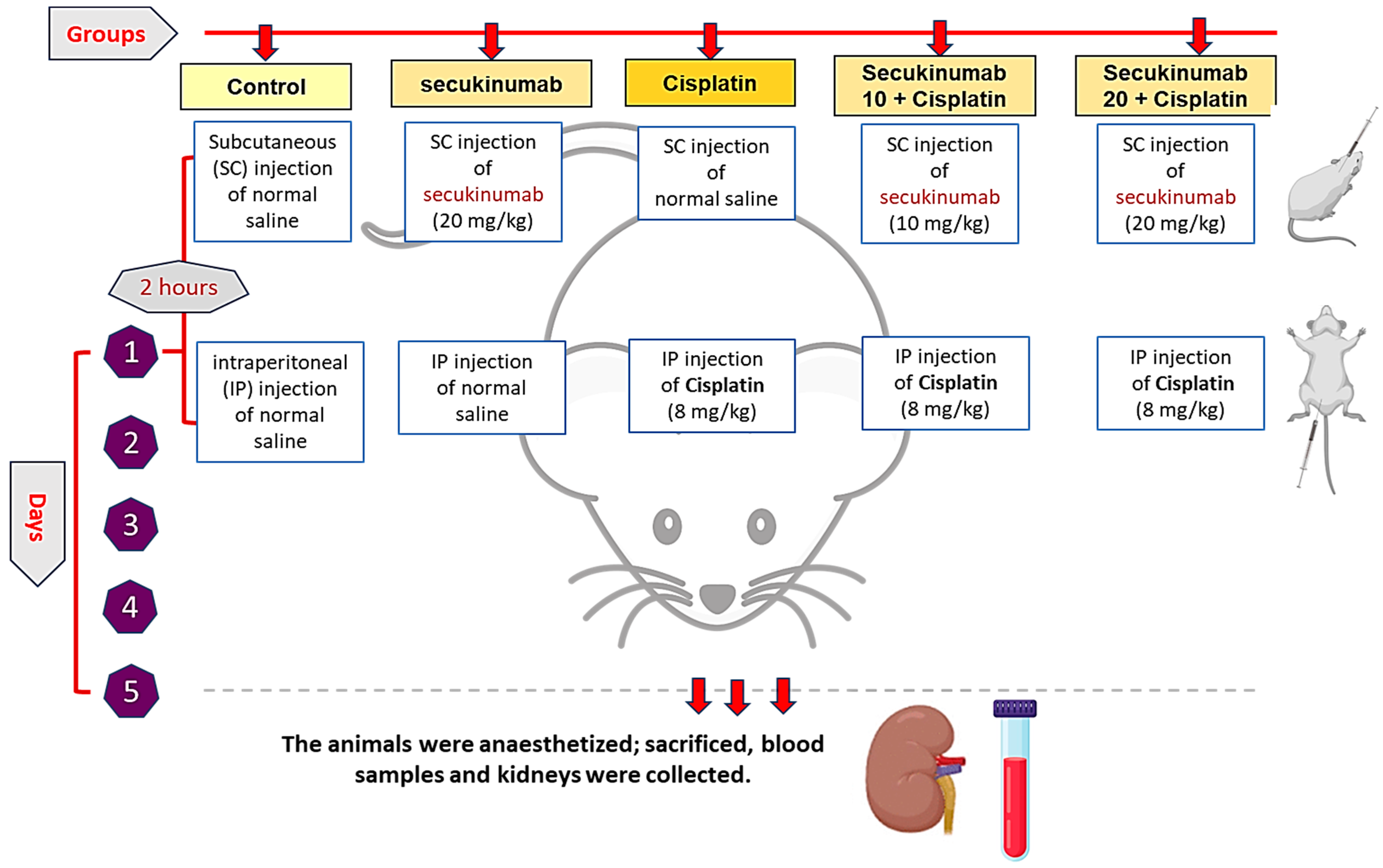
2.2.2. Experimental Design
2.2.3. Investigations of Kidney Function Biomarkers in Serum
2.2.4. Histopathological Investigations
2.2.5. Estimation of Oxidative Stress Markers
2.2.6. ELISA Assessment
2.2.7. Immunohistochemical Analysis
2.3. In Vitro Experiment
2.3.1. Cell Culture
2.3.2. Cell Seeding, Experimental Design and Drug Treatment
2.3.3. Cell Viability Analysis
2.3.4. Determination of Half-Maximal Inhibitory Concentration (IC50) and CI
2.4. Statistical Analysis
3. Results
3.1. In Vivo Experiment Results:
3.1.1. The Impact of Secukinumab (10 & 20 mg/kg) on Cisplatin-Induced Alterations in Serum Kidney Function Biomarkers and LDH
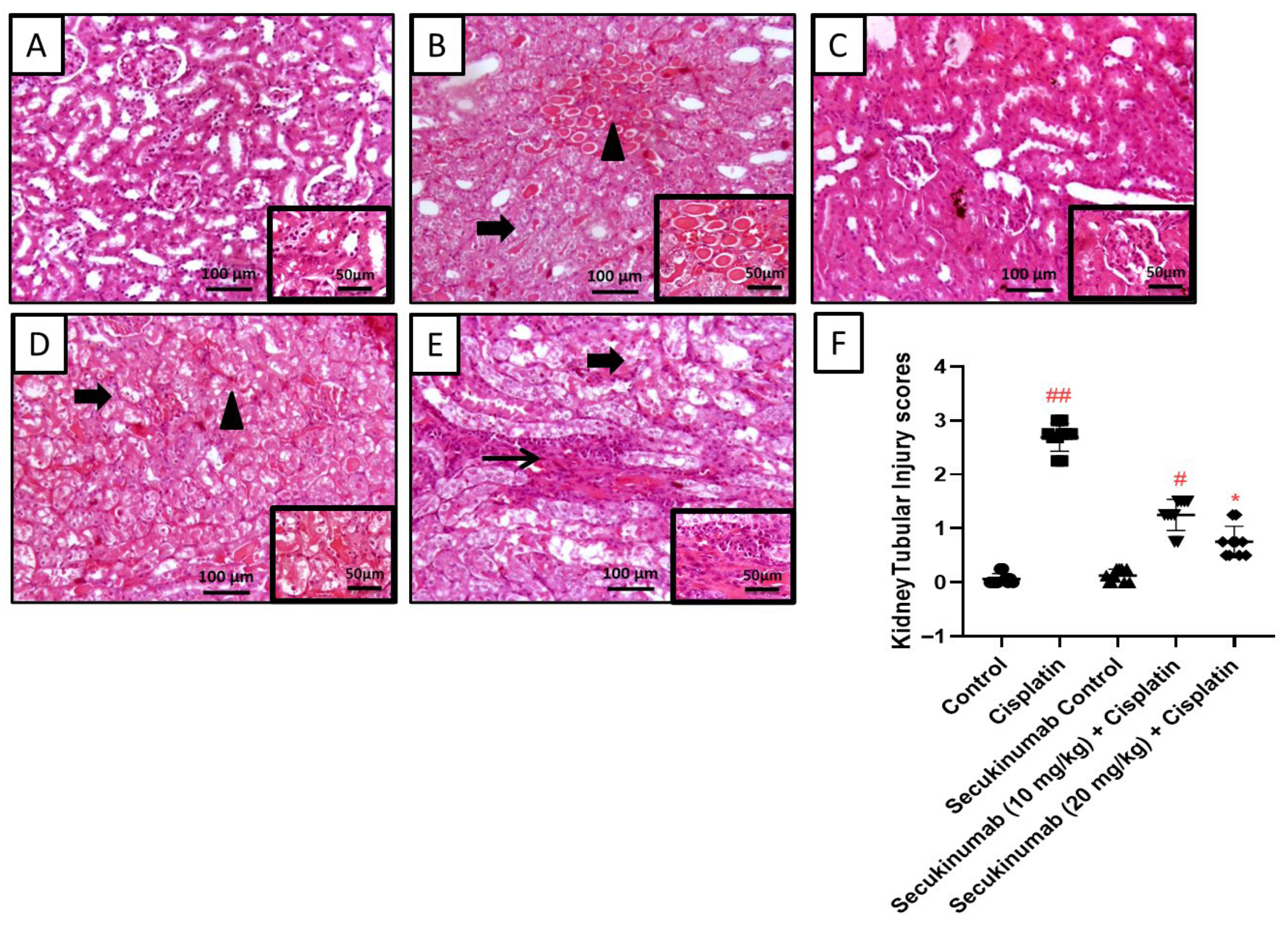
3.1.2. The Impact of Secukinumab (10 and 20 mg/kg) on Cisplatin-Induced Kidney Structure Alterations
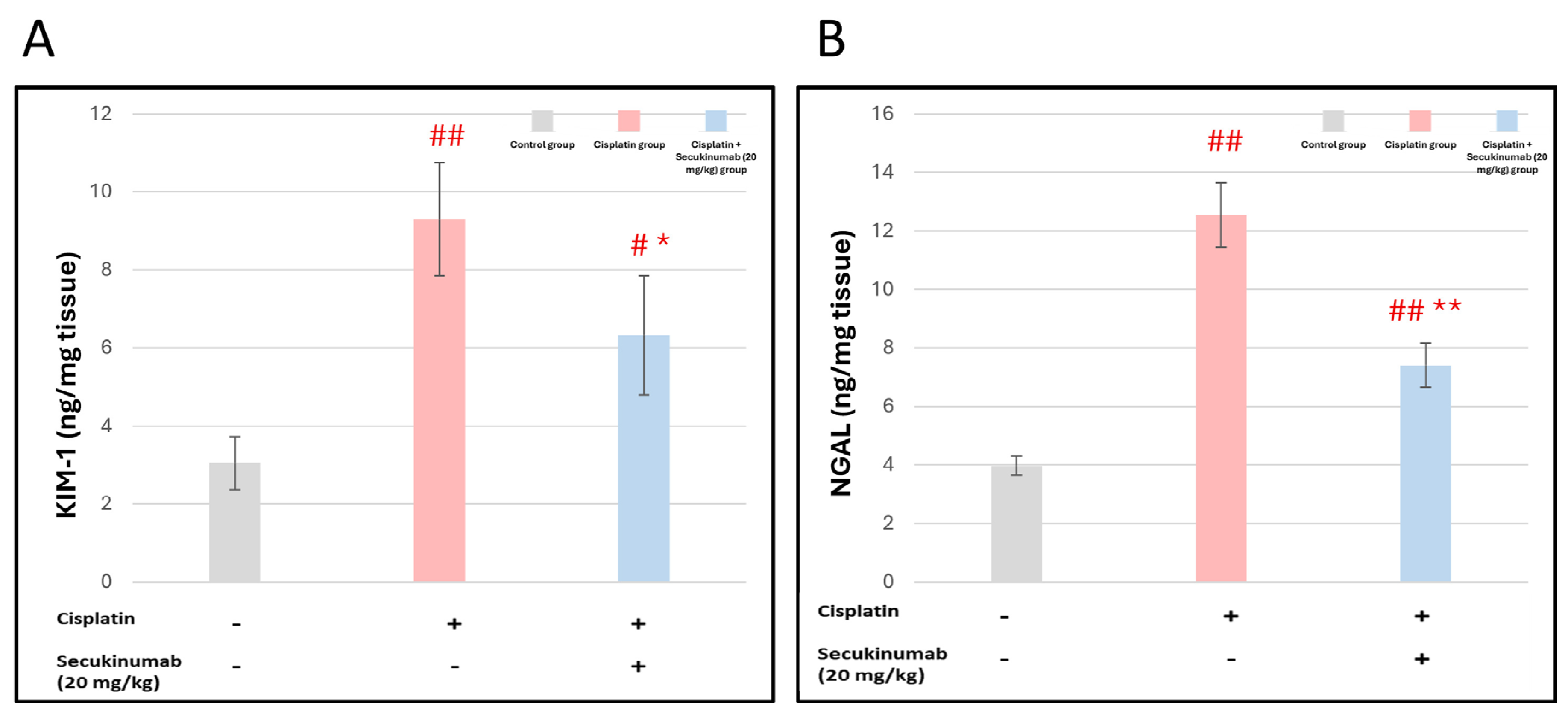
3.1.3. The Impact of Secukinumab (20 mg/kg) on Cisplatin-Induced Alterations in Early Biomarkers for Acute Kidney Injury: KIM-1 and NGAL in Kidney Tissue
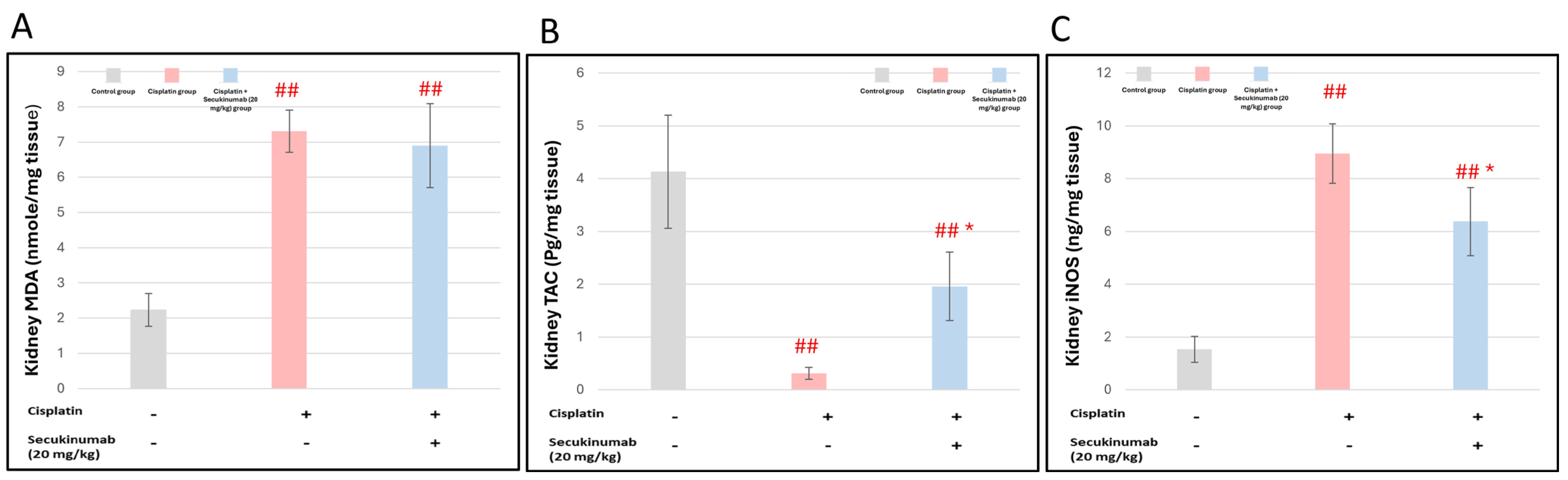
3.1.4. The Impact of Secukinumab (20 mg/kg) on Cisplatin-Induced Alterations in Oxidants and Antioxidant Biomarkers in Kidney Tissues
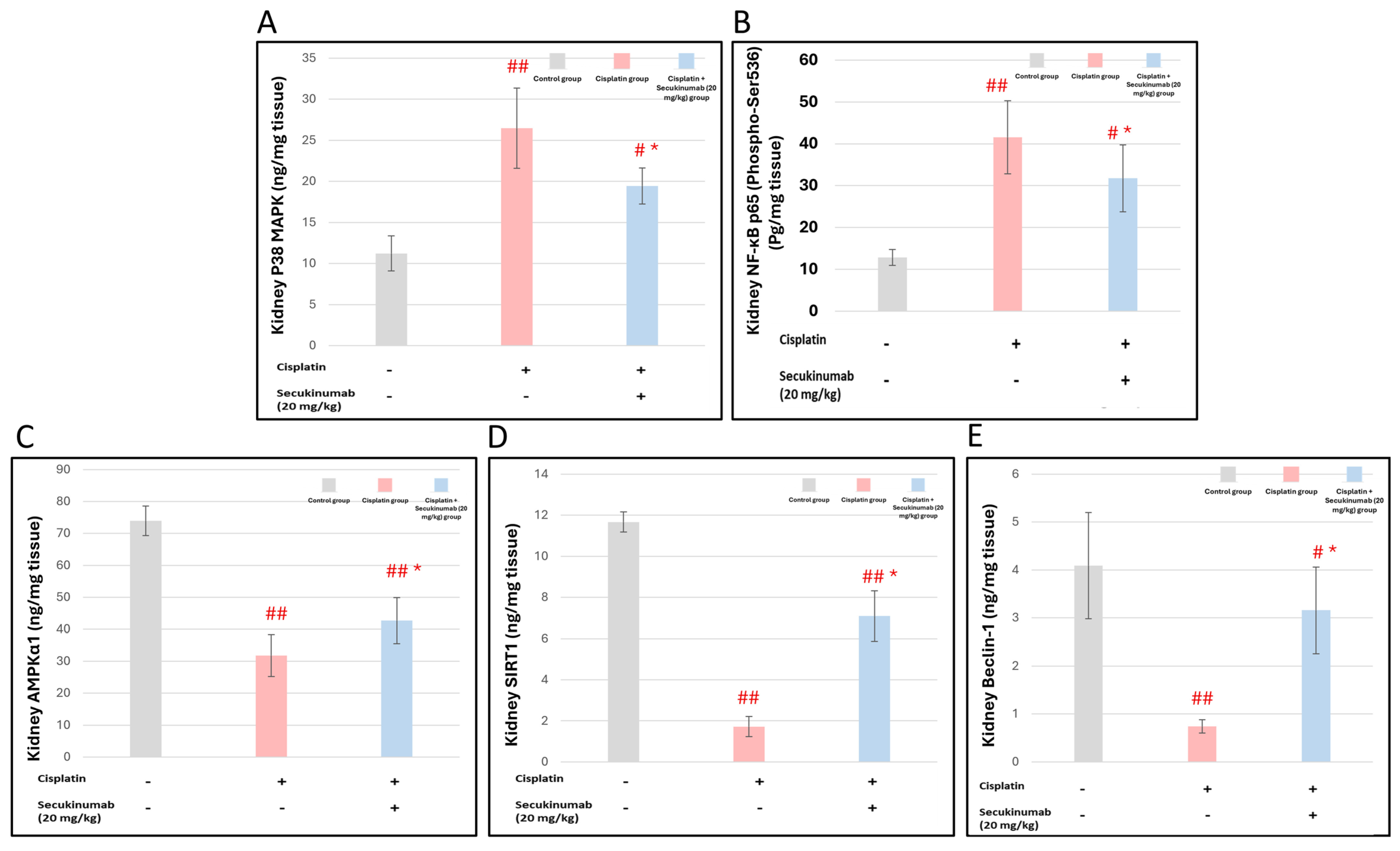
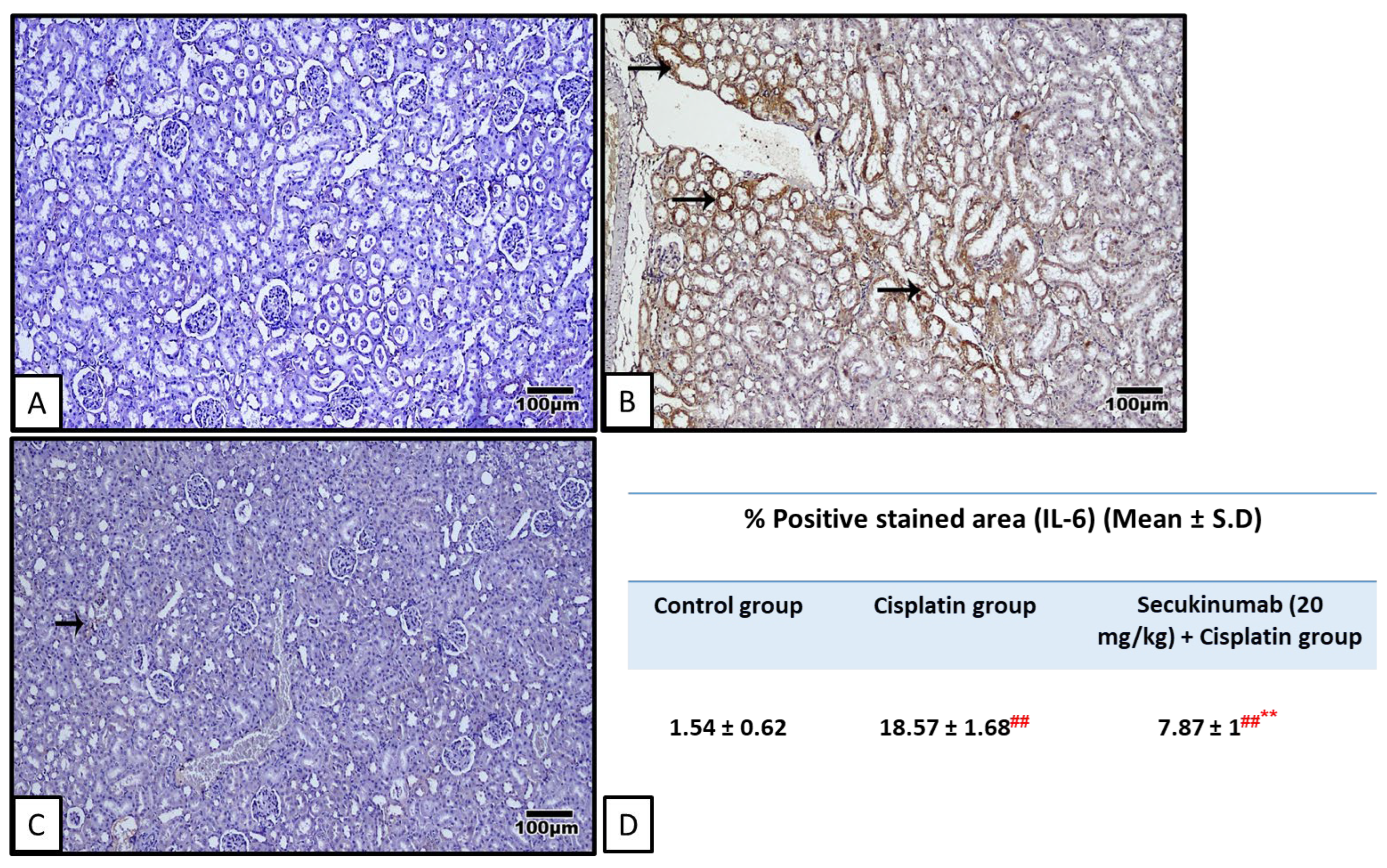
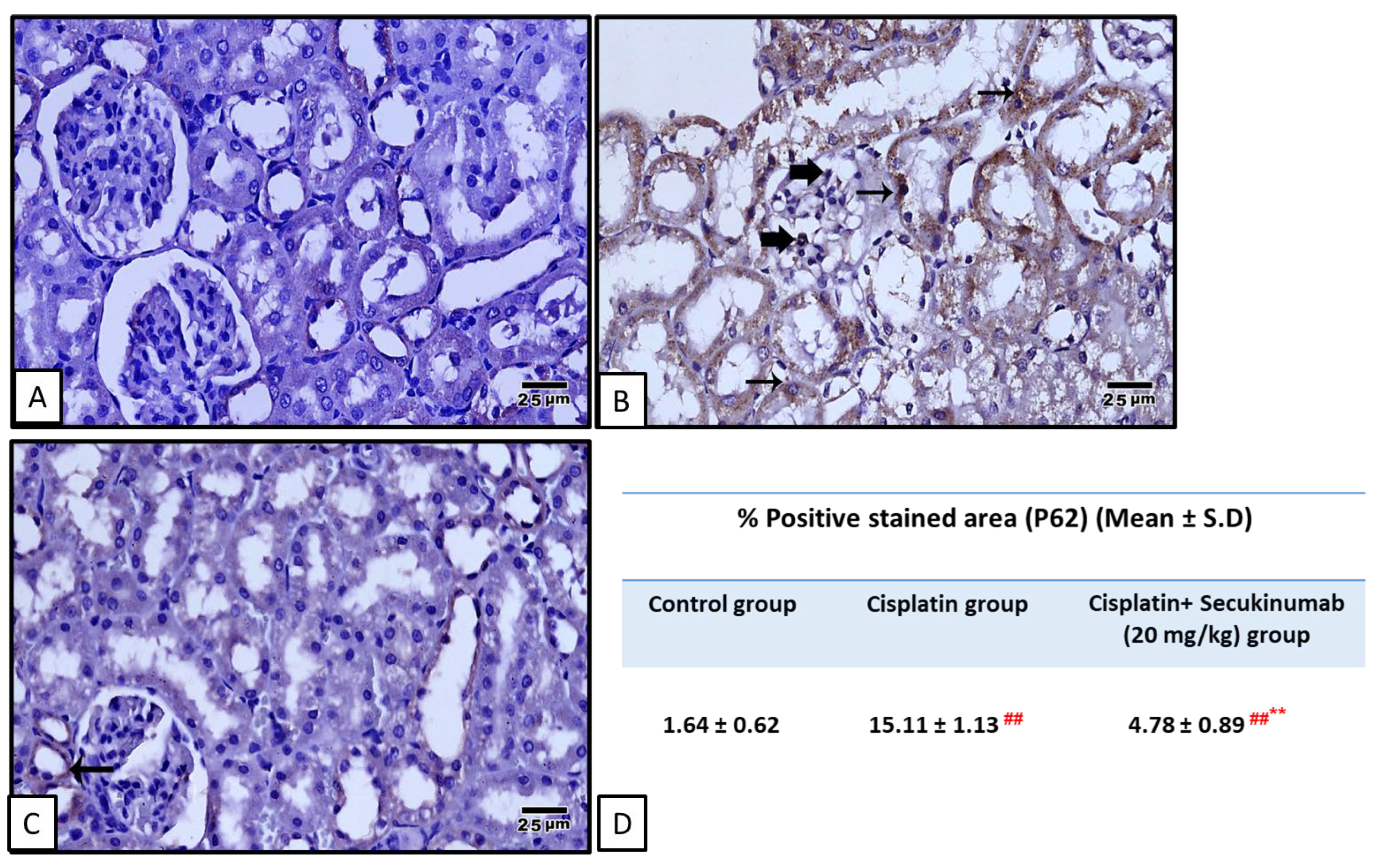
3.1.5. The Impact of Secukinumab (20 mg/kg) on Cisplatin-Induced Alterations in Stress Response-Inflammation-Autophagy Molecular Pathways
3.2. In Vitro Study Results
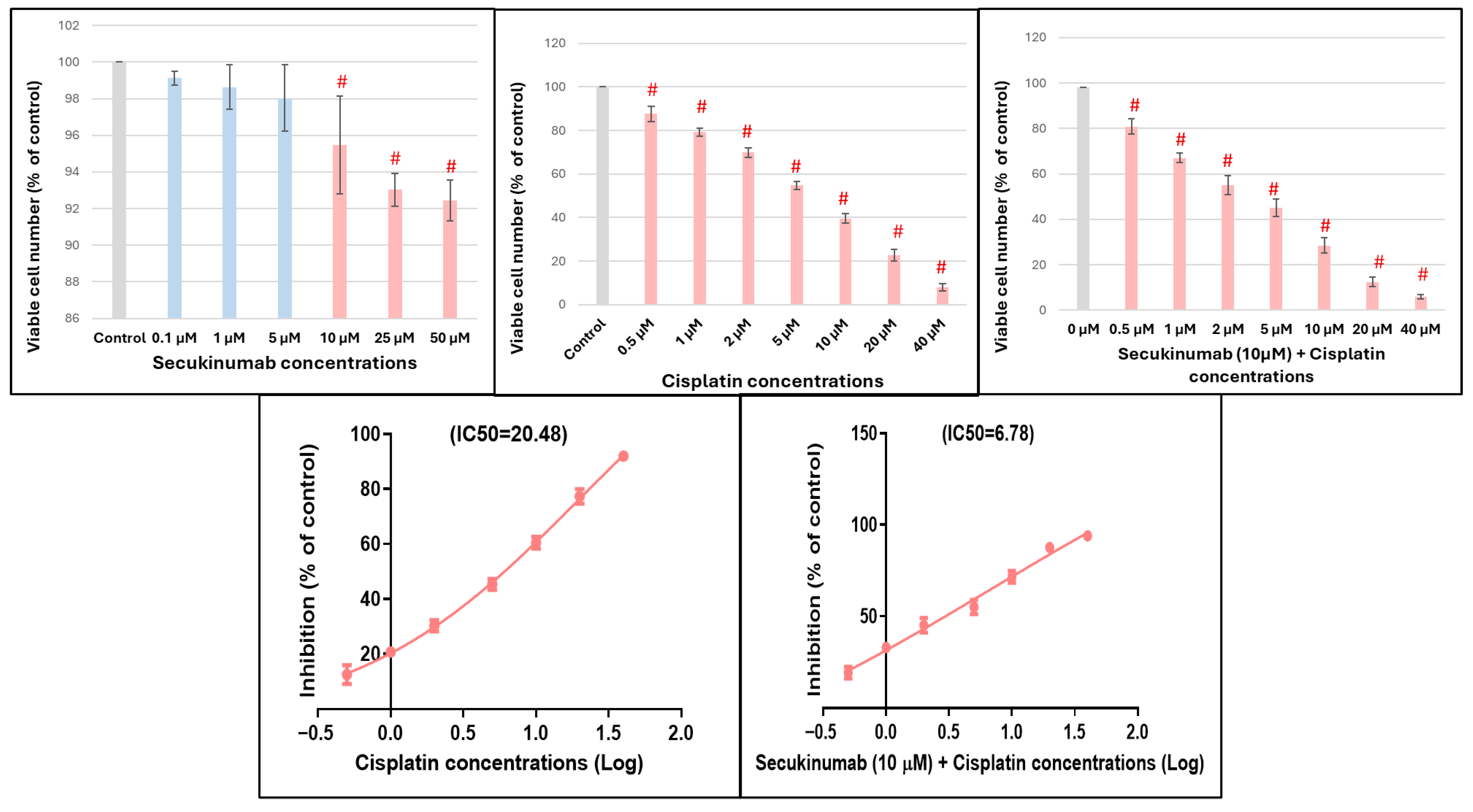
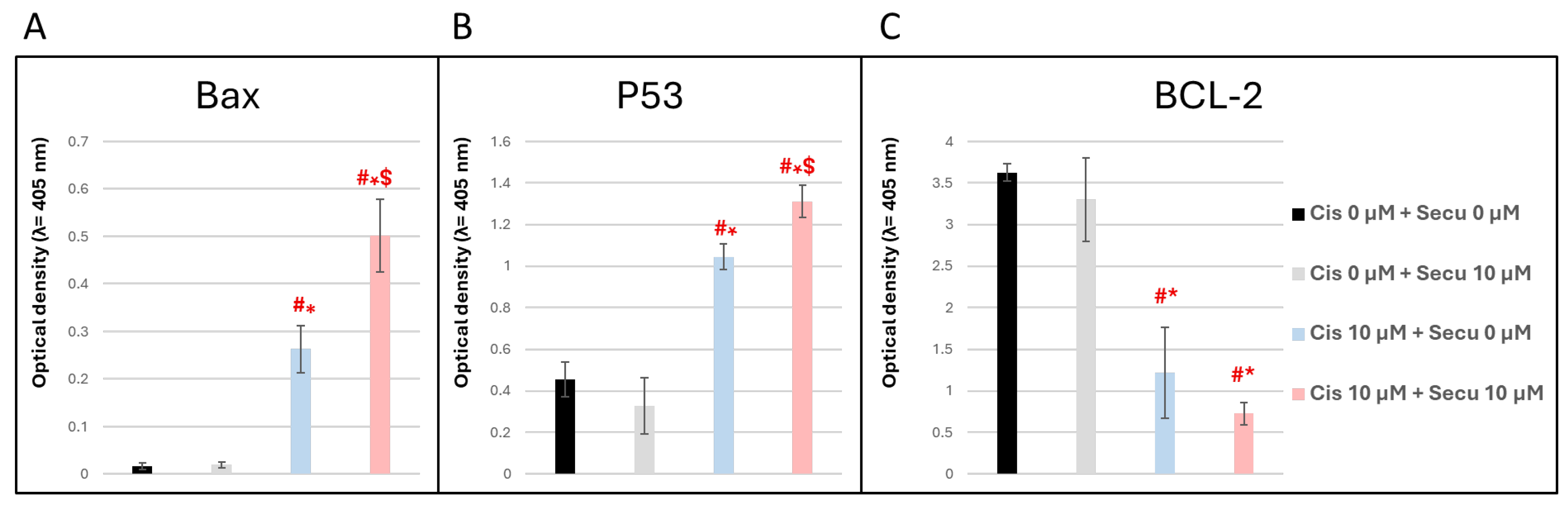
Effect of Secukinumab on MCF-7 Cell Viability
4. Discussion
5. Conclusions
Author Contributions
Funding
Institutional Review Board Statement
Informed Consent Statement
Data Availability Statement
Acknowledgments
Conflicts of Interest
Abbreviations
References
- Tsiftsoglou, A.S. Erythropoietin (EPO) as a key regulator of erythropoiesis, bone remodeling and endothelial transdifferentiation of multipotent mesenchymal stem cells (MSCs): Implications in regenerative medicine. Cells 2021, 10, 2140. [Google Scholar] [CrossRef] [Scilit]
- Gembillo, G.; Siligato, R.; Amatruda, M.; Conti, G.; Santoro, D. Vitamin D and glomerulonephritis. Medicina 2021, 57, 186. [Google Scholar] [CrossRef] [Scilit]
- Cao, J.-Y.; Wang, B.; Tang, T.-T.; Wen, Y.; Li, Z.-L.; Feng, S.-T.; Wu, M.; Liu, D.; Yin, D.; Ma, K.-L. Exosomal miR-125b-5p deriving from mesenchymal stem cells promotes tubular repair by suppression of p53 in ischemic acute kidney injury. Theranostics 2021, 11, 5248. [Google Scholar] [CrossRef] [Scilit]
- Ghosh, S. Cisplatin: The first metal based anticancer drug. Bioorg. Chem. 2019, 88, 102925. [Google Scholar] [CrossRef] [Scilit] [PubMed]
- Holditch, S.J.; Brown, C.N.; Lombardi, A.M.; Nguyen, K.N.; Edelstein, C.L. Recent advances in models, mechanisms, biomarkers, and interventions in cisplatin-induced acute kidney injury. Int. J. Mol. Sci. 2019, 20, 3011. [Google Scholar] [CrossRef] [Scilit] [PubMed]
- Tang, C.; Livingston, M.J.; Safirstein, R.; Dong, Z. Cisplatin nephrotoxicity: New insights and therapeutic implications. Nat. Rev. Nephrol. 2023, 19, 53–72. [Google Scholar] [CrossRef] [Scilit]
- Tan, J. Preventive Effect of Alpha-pinene on Cisplatin-induced Kidney Injury by Oxidative Stress, Inflammation and Apoptosis via NF-κB Signaling Pathway. Lett. Drug Des. Discov. 2023, 20, 2416–2422. [Google Scholar] [CrossRef] [Scilit]
- Song, N.; Thaiss, F.; Guo, L. NFκB and Kidney Injury. Front. Immunol. 2019, 10, 815. [Google Scholar] [CrossRef] [Scilit]
- Sui, G.; Qiu, Y.; Yu, H.; Kong, Q.; Zhen, B. Interleukin-17 promotes the development of cisplatin resistance in colorectal cancer. Oncol. Lett. 2019, 17, 944–950. [Google Scholar] [CrossRef] [Scilit]
- Ling, J.; Zhang, L.; Wang, Y.; Chang, A.; Huang, Y.; Zhao, H.; Zhuo, X. Fisetin, a dietary flavonoid, increases the sensitivity of chemoresistant head and neck carcinoma cells to cisplatin possibly through HSP90AA1/IL-17 pathway. Phytother. Res. 2023, 37, 1997–2011. [Google Scholar] [CrossRef] [Scilit]
- Zhang, F.; Yin, J.; Liu, L.; Liu, S.; Zhang, G.; Kong, Y.; Wang, Y.; Wang, N.; Chen, X.; Wang, F. IL-17C neutralization protects the kidney against acute injury and chronic injury. EBioMedicine 2023, 92, 104607. [Google Scholar] [CrossRef] [Scilit]
- Kim, J.Y.; Jo, J.; Kim, K.; An, H.J.; Gwon, M.G.; Gu, H.; Kim, H.J.; Yang, A.Y.; Kim, S.W.; Jeon, E.J.; et al. Pharmacological Activation of Sirt1 Ameliorates Cisplatin-Induced Acute Kidney Injury by Suppressing Apoptosis, Oxidative Stress, and Inflammation in Mice. Antioxidants 2019, 8, 322. [Google Scholar] [CrossRef] [Scilit] [PubMed]
- Ghosh, H.S. The anti-aging, metabolism potential of SIRT1. Curr. Opin. Investig. Drugs 2008, 9, 1095–1102. [Google Scholar]
- Xie, J.; Zhang, X.; Zhang, L. Negative regulation of inflammation by SIRT1. Pharmacol. Res. 2013, 67, 60–67. [Google Scholar] [CrossRef] [Scilit]
- Yeung, F.; Hoberg, J.E.; Ramsey, C.S.; Keller, M.D.; Jones, D.R.; Frye, R.A.; Mayo, M.W. Modulation of NF-kappaB-dependent transcription and cell survival by the SIRT1 deacetylase. Embo J. 2004, 23, 2369–2380. [Google Scholar] [CrossRef] [Scilit] [PubMed]
- Hasegawa, K.; Wakino, S.; Yoshioka, K.; Tatematsu, S.; Hara, Y.; Minakuchi, H.; Sueyasu, K.; Washida, N.; Tokuyama, H.; Tzukerman, M.; et al. Kidney-specific overexpression of Sirt1 protects against acute kidney injury by retaining peroxisome function. J. Biol. Chem. 2010, 285, 13045–13056. [Google Scholar] [CrossRef] [Scilit]
- Hasegawa, K.; Wakino, S.; Simic, P.; Sakamaki, Y.; Minakuchi, H.; Fujimura, K.; Hosoya, K.; Komatsu, M.; Kaneko, Y.; Kanda, T.; et al. Renal tubular Sirt1 attenuates diabetic albuminuria by epigenetically suppressing Claudin-1 overexpression in podocytes. Nat. Med. 2013, 19, 1496–1504. [Google Scholar] [CrossRef] [Scilit]
- Baeten, D.; Sieper, J.; Braun, J.; Baraliakos, X.; Dougados, M.; Emery, P.; Deodhar, A.; Porter, B.; Martin, R.; Andersson, M.; et al. Secukinumab, an Interleukin-17A Inhibitor, in Ankylosing Spondylitis. N. Engl. J. Med. 2015, 373, 2534–2548. [Google Scholar] [CrossRef] [Scilit] [PubMed]
- Frieder, J.; Kivelevitch, D.; Menter, A. Secukinumab: A review of the anti-IL-17A biologic for the treatment of psoriasis. Ther. Adv. Chronic Dis. 2018, 9, 5–21. [Google Scholar] [CrossRef] [Scilit]
- Wang, X.; Zhang, X.; Sun, L.; Gao, G.; Li, Y. Protective effect of Secukinumab on severe sepsis model rats by neutralizing IL-17A to inhibit IKBα/NFκB inflammatory signal pathway. Eur. J. Med. Res. 2022, 27, 206. [Google Scholar] [CrossRef] [Scilit]
- Elrashidy, R.A.; Mohamad, H.E.; Aal, S.M.A.; Mohamed, S.R.; Tolba, S.M.; Mahmoud, Y.K. Repurposing Secukinumab and Dapagliflozin as Candidate Therapies to Mitigate the Renal Toxicity of Sunitinib in Rats Through Suppressing IL-17-Mediated Pyroptosis and Promoting Autophagy. J. Biochem. Mol. Toxicol. 2025, 39, e70204. [Google Scholar] [CrossRef] [Scilit]
- Cavagnaro, J.A. Preclinical safety evaluation of biotechnology-derived pharmaceuticals. Nat. Rev. Drug Discov. 2002, 1, 469–475. [Google Scholar] [CrossRef] [Scilit]
- Puel, A.; Cypowyj, S.; Bustamante, J.; Wright, J.F.; Liu, L.; Lim, H.K.; Migaud, M.; Israel, L.; Chrabieh, M.; Audry, M.; et al. Chronic mucocutaneous candidiasis in humans with inborn errors of interleukin-17 immunity. Science 2011, 332, 65–68. [Google Scholar] [CrossRef] [Scilit]
- Hueber, W.; Sands, B.E.; Lewitzky, S.; Vandemeulebroecke, M.; Reinisch, W.; Higgins, P.D.; Wehkamp, J.; Feagan, B.G.; Yao, M.D.; Karczewski, M.; et al. Secukinumab, a human anti-IL-17A monoclonal antibody, for moderate to severe Crohn’s disease: Unexpected results of a randomised, double-blind placebo-controlled trial. Gut 2012, 61, 1693–1700. [Google Scholar] [CrossRef] [Scilit]
- Deodhar, A.; Mease, P.J.; McInnes, I.B.; Baraliakos, X.; Reich, K.; Blauvelt, A.; Leonardi, C.; Porter, B.; Das Gupta, A.; Widmer, A.; et al. Long-term safety of secukinumab in patients with moderate-to-severe plaque psoriasis, psoriatic arthritis, and ankylosing spondylitis: Integrated pooled clinical trial and post-marketing surveillance data. Arthritis Res. Ther. 2019, 21, 111. [Google Scholar] [CrossRef] [Scilit] [PubMed]
- Strober, B.; Sigurgeirsson, B.; Popp, G.; Sinclair, R.; Krell, J.; Stonkus, S.; Septe, M.; Elewski, B.E.; Gottlieb, A.B.; Zhao, Y.; et al. Secukinumab improves patient-reported psoriasis symptoms of itching, pain, and scaling: Results of two phase 3, randomized, placebo-controlled clinical trials. Int. J. Dermatol. 2016, 55, 401–407. [Google Scholar] [CrossRef] [Scilit] [PubMed]
- Kopač, M.; Jerin, A.; Petrera, A.; Osredkar, J. The Role of Cytokines and Chemokines as Biomarkers of Disease Activity in Idiopathic Nephrotic Syndrome in Children. Curr. Issues Mol. Biol. 2025, 47, 77. [Google Scholar] [CrossRef] [Scilit]
- Sahu, A.K.; Verma, V.K.; Mutneja, E.; Malik, S.; Nag, T.C.; Dinda, A.K.; Arya, D.S.; Bhatia, J. Mangiferin attenuates cisplatin-induced acute kidney injury in rats mediating modulation of MAPK pathway. Mol. Cell. Biochem. 2019, 452, 141–152. [Google Scholar] [CrossRef] [Scilit]
- Kumaş-Kulualp, M.; Gepdiremen, A.; Karataş, E.; Eşrefoğlu, M. Clemizole hydrochloride, a potent TRPC5 calcium channel inhibitor, prevents cisplatin-induced nephrotoxicity in Spraque-Dawley rats. J. Biochem. Mol. Toxicol. 2023, 37, e23372. [Google Scholar] [CrossRef] [Scilit] [PubMed]
- Gong, Q.; Wang, M.; Jiang, Y.; Zha, C.; Yu, D.; Lei, F.; Luo, Y.; Feng, Y.; Yang, S.; Li, J.; et al. The abrupt pathological deterioration of cisplatin-induced acute kidney injury: Emerging of a critical time point. Pharmacol. Res. Perspect. 2021, 9, e00895. [Google Scholar] [CrossRef] [Scilit]
- Malik, S.; Suchal, K.; Gamad, N.; Dinda, A.K.; Arya, D.S.; Bhatia, J. Telmisartan ameliorates cisplatin-induced nephrotoxicity by inhibiting MAPK mediated inflammation and apoptosis. Eur. J. Pharmacol. 2015, 748, 54–60. [Google Scholar] [CrossRef] [Scilit]
- eBioMedicine. The 3Rs of Animal Research. EBioMedicine 2022, 76, 103900. [Google Scholar] [CrossRef] [Scilit] [PubMed]
- Gibson-Corley, K.N.; Olivier, A.K.; Meyerholz, D.K. Principles for valid histopathologic scoring in research. Vet. Pathol. 2013, 50, 1007–1015. [Google Scholar] [CrossRef] [Scilit]
- Alenezi, F.N.; Abdelmageed, M.E.; Nader, M.A.; Zaghloul, M.S. Vonoprazan as an adjuvant to cisplatin: Enhancing antitumor efficacy while mitigating nephrotoxicity and gastrointestinal adverse effects. Front. Pharmacol. 2026, 17, 1798103. [Google Scholar] [CrossRef] [Scilit]
- Guesdon, J.L.; Ternynck, T.; Avrameas, S. The use of avidin-biotin interaction in immunoenzymatic techniques. J. Histochem. Cytochem. 1979, 27, 1131–1139. [Google Scholar] [CrossRef] [Scilit]
- Chou, T.C. Drug Combination Studies and Their Synergy Quantification Using the Chou-Talalay Method. Cancer Res. 2010, 70, 440–446. [Google Scholar] [CrossRef] [Scilit] [PubMed]
- Chou, T.C.; Talalay, P. Quantitative analysis of dose-effect relationships: The combined effects of multiple drugs or enzyme inhibitors. Adv. Enzym. Regul. 1984, 22, 27–55. [Google Scholar] [CrossRef] [Scilit] [PubMed]
- Banerjee, P.; Eckert, A.O.; Schrey, A.K.; Preissner, R. ProTox-II: A webserver for the prediction of toxicity of chemicals. Nucleic Acids Res. 2018, 46, W257–W263. [Google Scholar] [CrossRef] [Scilit]
- Pabla, N.; Dong, Z. Cisplatin nephrotoxicity: Mechanisms and renoprotective strategies. Kidney Int. 2008, 73, 994–1007. [Google Scholar] [CrossRef] [Scilit]
- Almulhim, M.Y. The efficacy of novel biomarkers for the early detection and management of acute kidney injury: A systematic review. PLoS ONE 2025, 20, e0311755. [Google Scholar] [CrossRef] [Scilit]
- Su, Y. Kidney injury molecule 1 in the early detection of acute kidney injury—A systematic review and meta-analysis. Front. Med. 2025, 12, 1574945. [Google Scholar] [CrossRef] [Scilit]
- Tolouian, R.; Tolouian, A.; Dastan, F. Antioxidants and cisplatin nephrotoxicity; an updated review on current knowledge. J. Nephropharmacol. 2023, 12, e10556. [Google Scholar] [CrossRef] [Scilit]
- Paquissi, F.C.; Abensur, H. The Th17/IL-17 Axis and Kidney Diseases, with Focus on Lupus Nephritis. Front. Med. 2021, 8, 654912. [Google Scholar] [CrossRef] [Scilit] [PubMed]
- Wang, Y.; Zhang, Y.; Shou, S.; Jin, H. The role of IL-17 in acute kidney injury. Int. Immunopharmacol. 2023, 119, 110307. [Google Scholar] [CrossRef] [Scilit]
- Hirano, T. IL-6 in inflammation, autoimmunity and cancer. Int. Immunol. 2021, 33, 127–148. [Google Scholar] [CrossRef] [Scilit]
- Zhang, H.; Sun, S.C. NF-κB in inflammation and renal diseases. Cell Biosci. 2015, 5, 63. [Google Scholar] [CrossRef] [Scilit] [PubMed]
- Fu, Y.; Wang, Y.; Liu, Y.; Tang, C.; Cai, J.; Chen, G.; Dong, Z. p53/sirtuin 1/NF-κB Signaling Axis in Chronic Inflammation and Maladaptive Kidney Repair After Cisplatin Nephrotoxicity. Front. Immunol. 2022, 13, 925738. [Google Scholar] [CrossRef] [Scilit]
- Wang, Y.; Liu, Z.; Shu, S.; Cai, J.; Tang, C.; Dong, Z. AMPK/mTOR Signaling in Autophagy Regulation During Cisplatin-Induced Acute Kidney Injury. Front. Physiol. 2020, 11, 619730. [Google Scholar] [CrossRef] [Scilit]
- Kang, R.; Zeh, H.J.; Lotze, M.T.; Tang, D. The Beclin 1 network regulates autophagy and apoptosis. Cell Death Differ. 2011, 18, 571–580. [Google Scholar] [CrossRef] [Scilit]
- Shi, M.; Maique, J. In vivo evidence for therapeutic applications of beclin 1 to promote recovery and inhibit fibrosis after acute kidney injury. Kidney Int. 2022, 101, 63–78. [Google Scholar] [CrossRef] [Scilit]
- Xiang, Y.; Fu, Y.; Wu, W.; Tang, C.; Dong, Z. Autophagy in acute kidney injury and maladaptive kidney repair. Burn. Trauma 2023, 11, tkac059. [Google Scholar] [CrossRef] [Scilit]
- Kashkoulinejad-Kouhi, T.; Safarian, S.; Arnaiz, B.; Saa, L. Enhancement of cisplatin sensitivity in human breast cancer MCF-7 cell line through BiP and 14-3-3ζ co-knockdown. Oncol. Rep. 2021, 45, 665–679. [Google Scholar] [CrossRef] [Scilit]
- Stenvinkel, P.; Ketteler, M.; Johnson, R.J.; Lindholm, B.; Pecoits-Filho, R.; Riella, M.; Heimbürger, O.; Cederholm, T.; Girndt, M. IL-10, IL-6, and TNF-α: Central factors in the altered cytokine network of uremia—The good, the bad, and the ugly. Kidney Int. 2005, 67, 1216–1233. [Google Scholar] [CrossRef] [Scilit]
- Su, H.; Lei, C.T.; Zhang, C. Interleukin-6 Signaling Pathway and Its Role in Kidney Disease: An Update. Front. Immunol. 2017, 8, 405. [Google Scholar] [CrossRef] [Scilit]
- Yao, X.; Panichpisal, K.; Kurtzman, N.; Nugent, K. Cisplatin Nephrotoxicity: A Review. Am. J. Med. Sci. 2007, 334, 115–124. [Google Scholar] [CrossRef] [Scilit] [PubMed]
- Krueger, J.G. Secukinumab induces rapid clinical, histologic, and molecular resolution of psoriasis while preserving full T-cell activation potential. J. Am. Acad. Dermatol. 2016. [Google Scholar] [CrossRef] [Scilit]
- Godse, K. Secukinumab—First in Class Interleukin-17A Inhibitor for the Treatment of Psoriasis. Indian J. Dermatol. 2017, 62, 195–199. [Google Scholar] [CrossRef] [Scilit]
- Basma, H.; El-Refaey, H.; Sgagias, M.K.; Cowan, K.H.; Luo, X.; Cheng, P.-W. BCL-2 antisense and cisplatin combination treatment of MCF-7 breast cancer cells with or without functional p53. J. Biomed. Sci. 2005, 12, 999–1011. [Google Scholar] [CrossRef] [Scilit] [PubMed]
- Sakakura, C. Overexpression of Bax sensitizes breast cancer MCF-7 cells to cisplatin and etoposide. Surg. Today 1997, 27, 676–679. [Google Scholar] [CrossRef] [Scilit] [PubMed]
- Florea, A.M.; Büsselberg, D. Cisplatin as an anti-tumor drug: Cellular mechanisms of activity, drug resistance and induced side effects. Cancers 2011, 3, 1351–1371. [Google Scholar] [CrossRef] [Scilit]
- Reed, J.C. Bcl-2 and the regulation of programmed cell death. J. Cell Biol. 1994, 124, 1–6. [Google Scholar] [CrossRef] [Scilit] [PubMed]
- Vousden, K.H.; Prives, C. Blinded by the Light: The Growing Complexity of p53. Cell 2009, 137, 413–431. [Google Scholar] [CrossRef] [Scilit]
- Oltval, Z.N.; Milliman, C.L.; Korsmeyer, S.J. Bcl-2 heterodimerizes in vivo with a conserved homolog, Bax, that accelerates programed cell death. Cell 1993, 74, 609–619. [Google Scholar] [CrossRef] [Scilit] [PubMed]
- Yamazaki, T.; Galluzzi, L. BAX and BAK dynamics control mitochondrial DNA release during apoptosis. Cell Death Differ. 2022, 29, 1296–1298. [Google Scholar] [CrossRef] [Scilit]
- Cory, S.; Adams, J.M. The Bcl2 family: Regulators of the cellular life-or-death switch. Nat. Rev. Cancer 2002, 2, 647–656. [Google Scholar] [CrossRef] [Scilit]
- Hatok, J.; Racay, P. Bcl-2 family proteins: Master regulators of cell survival. Biomol. Concepts 2016, 7, 259–270. [Google Scholar] [CrossRef] [Scilit]
- Kelland, L. The resurgence of platinum-based cancer chemotherapy. Nat. Rev. Cancer 2007, 7, 573–584. [Google Scholar] [CrossRef] [Scilit]
- Karin, M.; Greten, F.R. NF-κB: Linking inflammation and immunity to cancer development and progression. Nat. Rev. Immunol. 2005, 5, 749–759. [Google Scholar] [CrossRef] [Scilit]
- Grivennikov, S.I.; Greten, F.R.; Karin, M. Immunity, Inflammation, and Cancer. Cell 2010, 140, 883–899. [Google Scholar] [CrossRef] [Scilit] [PubMed]





| Score | Tubular Damage | Tubular Dilation and Cast | Inflammation | Fibrosis |
|---|---|---|---|---|
| 0 | None | None | None | None |
| 1 | Minimal, few | Minimal dilation with rare to few intraluminal cast | Few, rare | Few |
| 2 | Mild to moderate tubular degeneration | Minimal to mild dilation with moderate number of intraluminal cast | Mild, focal | Moderate interstitial fibrosis |
| 3 | Diffuse, many tubular necroses | numerous intraluminal cast | Moderate to severe coalescing interstitial inflammatory aggregates | Severe dense, interstitial fibrosis |
| Control Group | Cisplatin Group | Secukinumab Control Group | Secukinumab (10 mg/kg) Group + Cisplatin | Secukinumab (20 mg/kg) Group + Cisplatin | |
|---|---|---|---|---|---|
| Serum Creatinine (mg/dL) | 0.97 ± 0.15 | 2.75 ± 0.33 | 0.96 ± 0.15 ## | 2.15 ± 0.39 ##* | 1.81 ± 0.32 ##** |
| BUN (mg/dL) | 17.26 ± 1.68 | 73.32 ± 5.01 | 16.30 ± 2.65 ## | 70. 82 ± 7.54 ## | 57.81 ± 9.30 ##* |
| LDH (U/L) | 981.60 ± 177.48 | 1921.40 ± 522.90 | 870.80 ± 180.17 ## | 1483.80 ± 110.82 | 1354.00 ± 197.75 * |
| Cisplatin (µM) | % Cell Inhibition | CI Value | Interaction |
|---|---|---|---|
| 0.5 | 19% | 0.88 | Synergistic |
| 1 | 33% | 0.79 | Synergistic |
| 2 | 45% | 0.7 | Strong Synergistic |
| 5 | 55% | 0.62 | Strong Synergistic |
| 10 | 72% | 0.55 | Strong Synergistic |
| 20 | 88% | 0.48 | Very strong Synergistic |
Disclaimer/Publisher’s Note: The statements, opinions and data contained in all publications are solely those of the individual author(s) and contributor(s) and not of MDPI and/or the editor(s). MDPI and/or the editor(s) disclaim responsibility for any injury to people or property resulting from any ideas, methods, instructions or products referred to in the content. |
© 2026 by the authors. Licensee MDPI, Basel, Switzerland. This article is an open access article distributed under the terms and conditions of the Creative Commons Attribution (CC BY) license.
Share and Cite
Alenezi, F.N.; Zaghloul, M.S.; Nader, M.A.; Abdelmageed, M.E. Secukinumab Mitigates Cisplatin-Induced Nephrotoxicity and Enhances Cisplatin Cytotoxicity in MCF-7 Cells via IL-17A/NF-κB Axis Modulation. Toxics 2026, 14, 424. https://doi.org/10.3390/toxics14050424
Alenezi FN, Zaghloul MS, Nader MA, Abdelmageed ME. Secukinumab Mitigates Cisplatin-Induced Nephrotoxicity and Enhances Cisplatin Cytotoxicity in MCF-7 Cells via IL-17A/NF-κB Axis Modulation. Toxics. 2026; 14(5):424. https://doi.org/10.3390/toxics14050424
Chicago/Turabian StyleAlenezi, Faiz N., Marwa S. Zaghloul, Manar A. Nader, and Marwa E. Abdelmageed. 2026. "Secukinumab Mitigates Cisplatin-Induced Nephrotoxicity and Enhances Cisplatin Cytotoxicity in MCF-7 Cells via IL-17A/NF-κB Axis Modulation" Toxics 14, no. 5: 424. https://doi.org/10.3390/toxics14050424
APA StyleAlenezi, F. N., Zaghloul, M. S., Nader, M. A., & Abdelmageed, M. E. (2026). Secukinumab Mitigates Cisplatin-Induced Nephrotoxicity and Enhances Cisplatin Cytotoxicity in MCF-7 Cells via IL-17A/NF-κB Axis Modulation. Toxics, 14(5), 424. https://doi.org/10.3390/toxics14050424