Systematic Review

Does Lead Have a Connection to Autism? A Systematic Review and Meta-Analysis

by
Aleksandar Stojsavljević
1,*,
Novak Lakićević
2 and
Slađan Pavlović
3
1
Innovative Centre, Faculty of Chemistry, University of Belgrade, Studentski Trg 12–16, 11000 Belgrade, Serbia
2
Clinical Centre of Montenegro, Clinic for Neurosurgery, Ljubljanska bb, 81000 Podgorica, Montenegro
3
Institute for Biological Research “Siniša Stanković”—National Institute of the Republic of Serbia, University of Belgrade, Bulevar Despota Stefana 142, 11060 Belgrade, Serbia
*
Author to whom correspondence should be addressed.
Toxics 2023, 11(9), 753; https://doi.org/10.3390/toxics11090753

Submission received: 21 July 2023 / Revised: 20 August 2023 / Accepted: 31 August 2023 / Published: 5 September 2023
(This article belongs to the Section Neurotoxicity)

Abstract

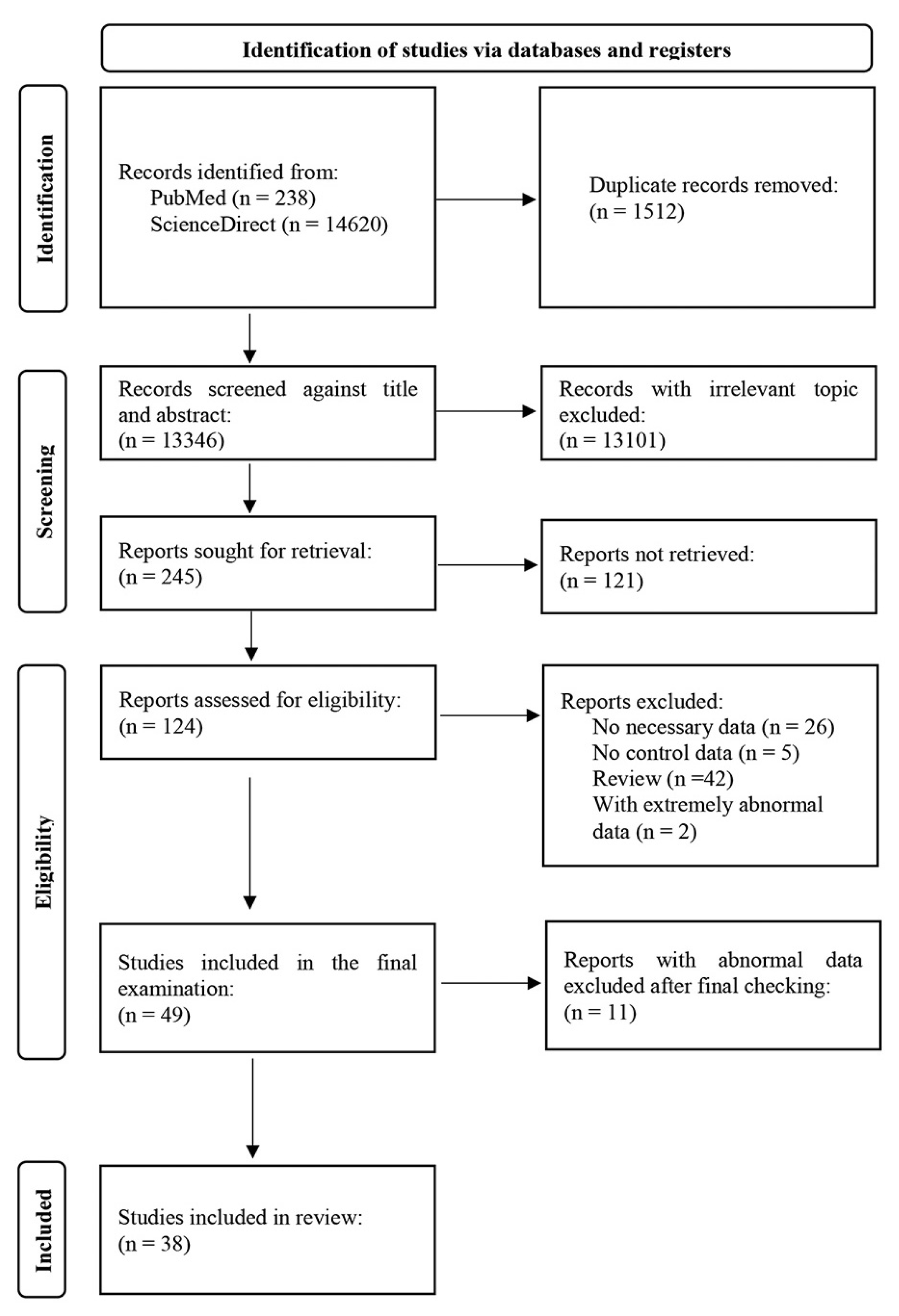
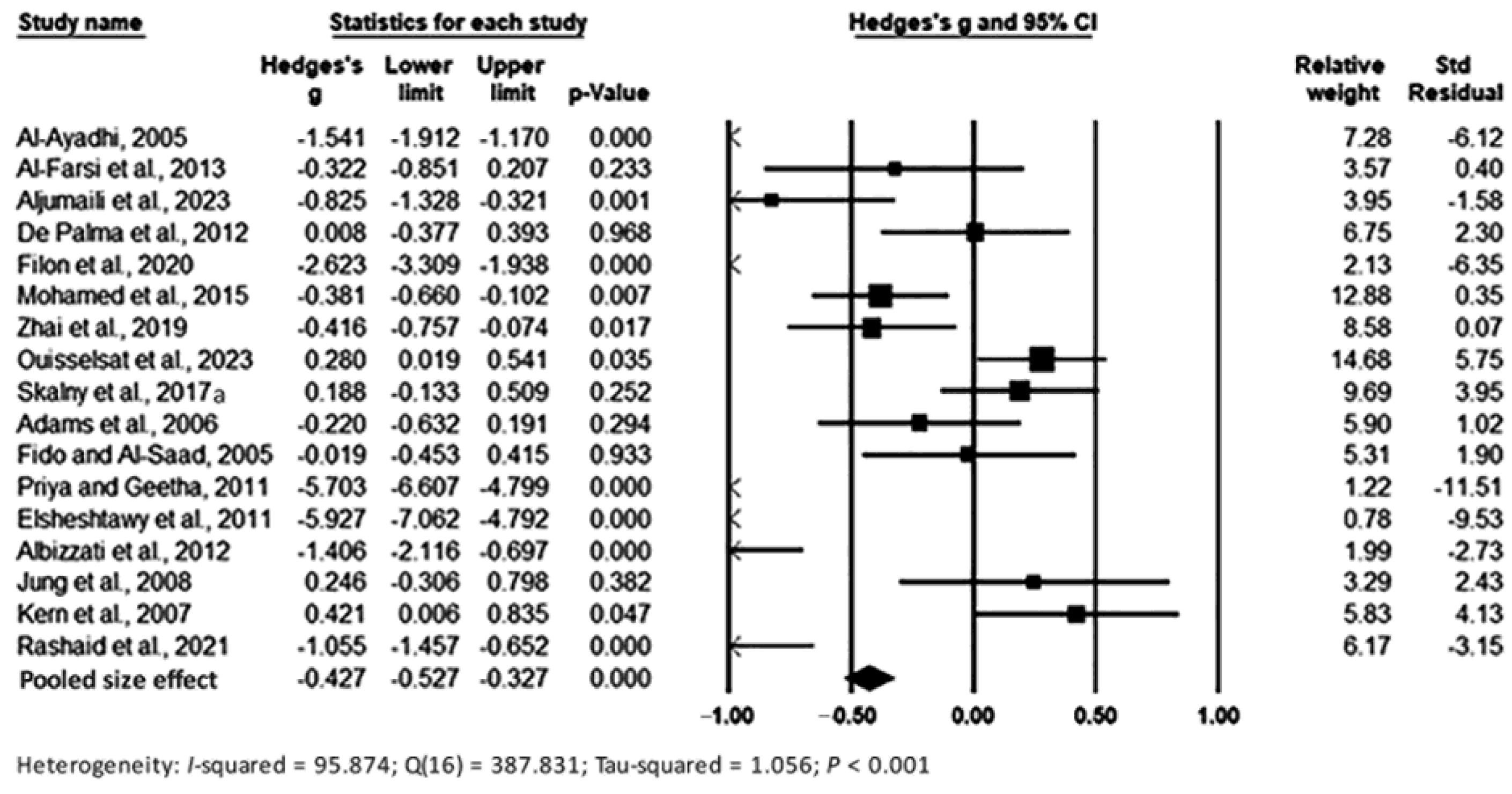
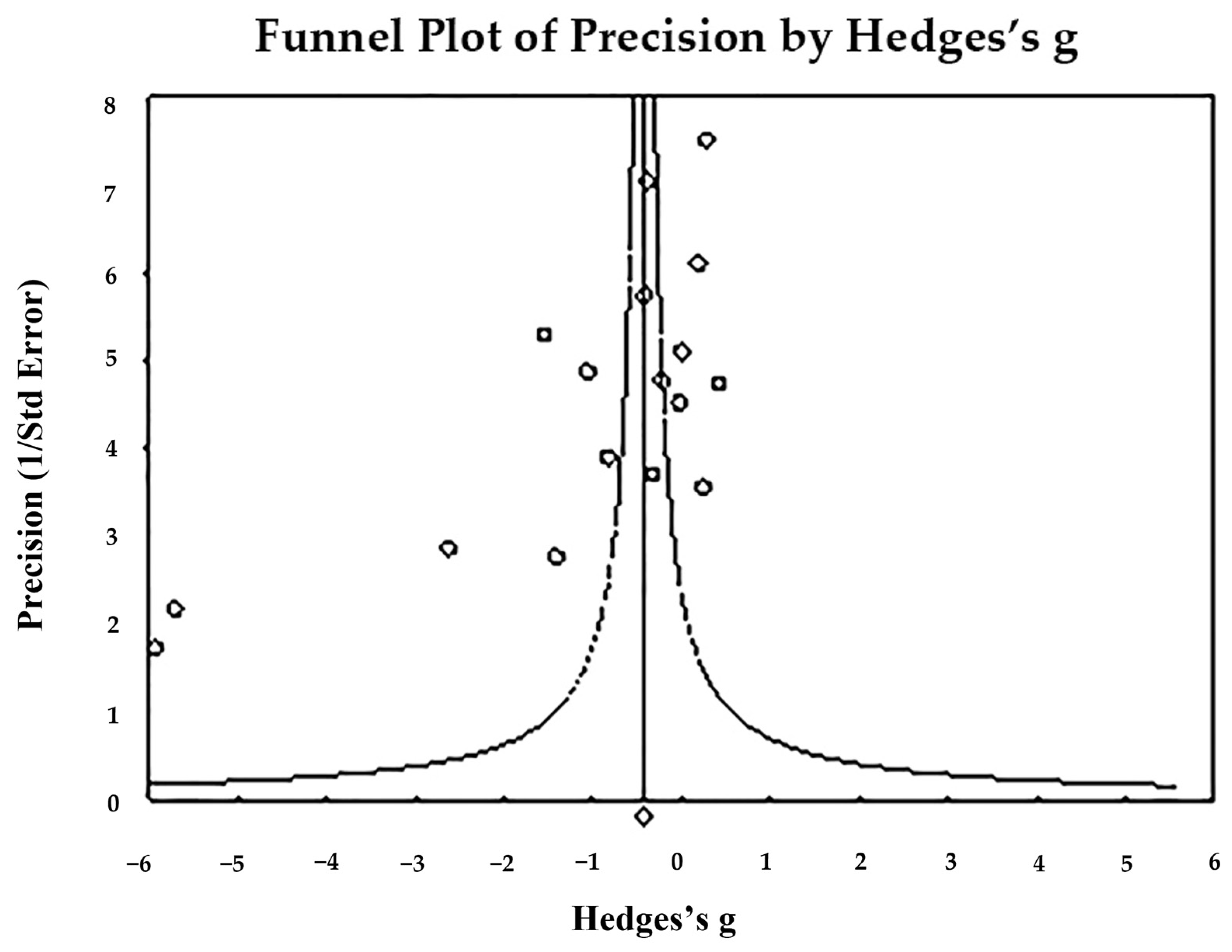
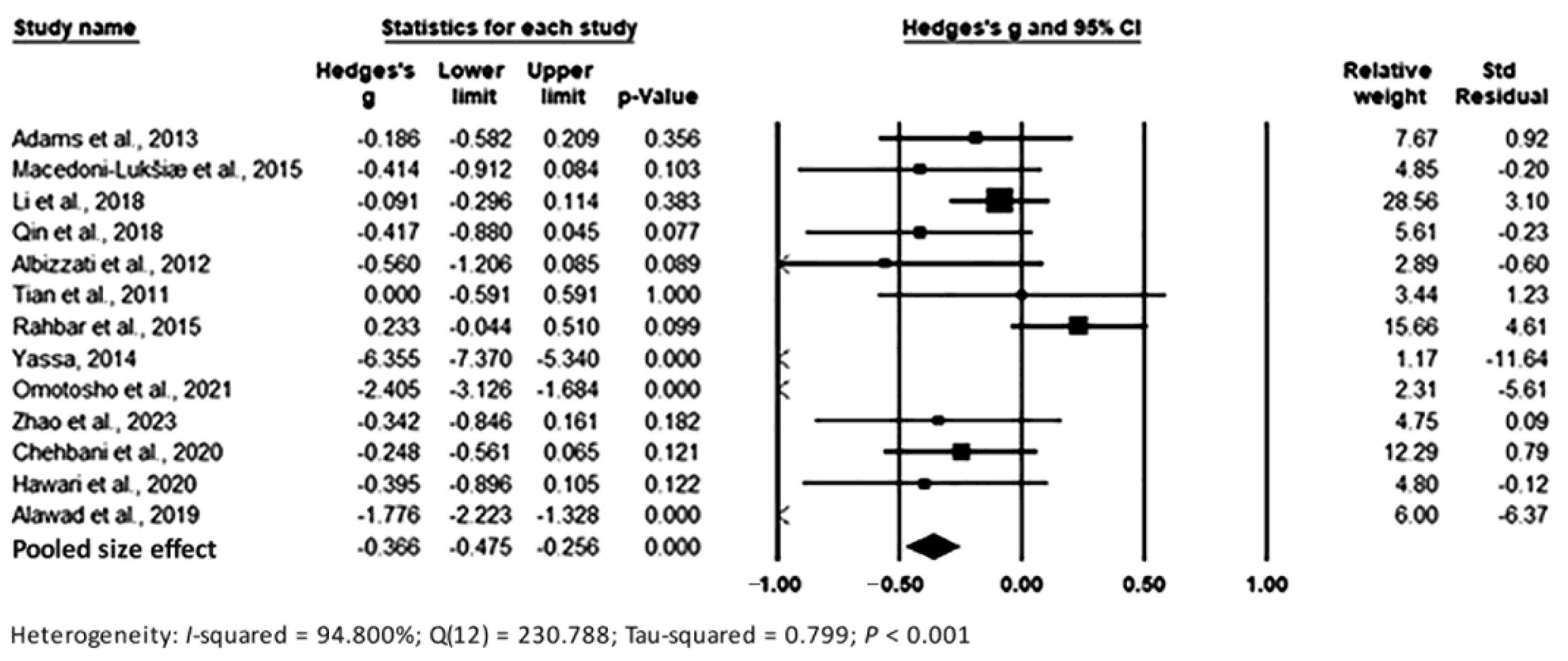
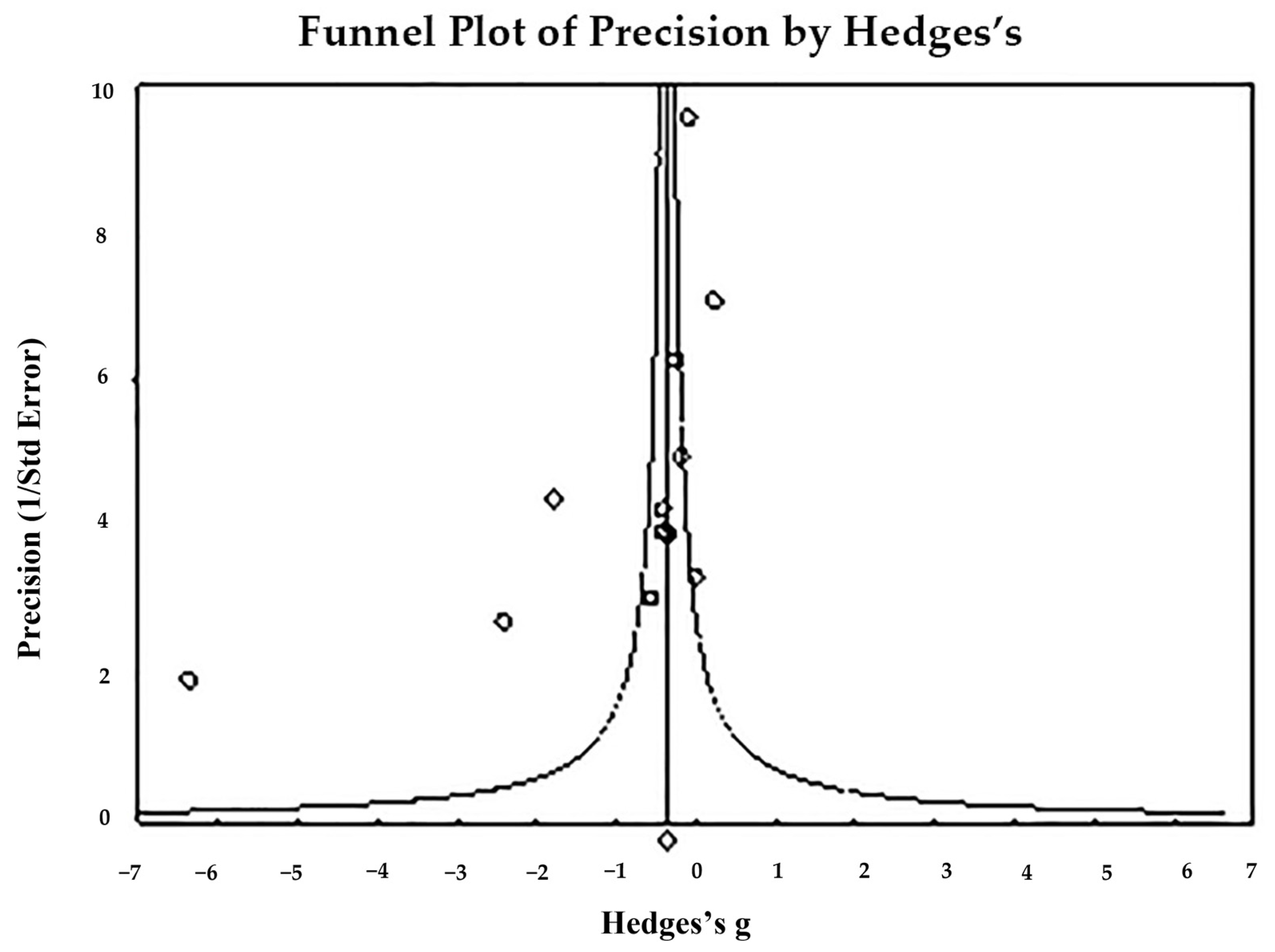
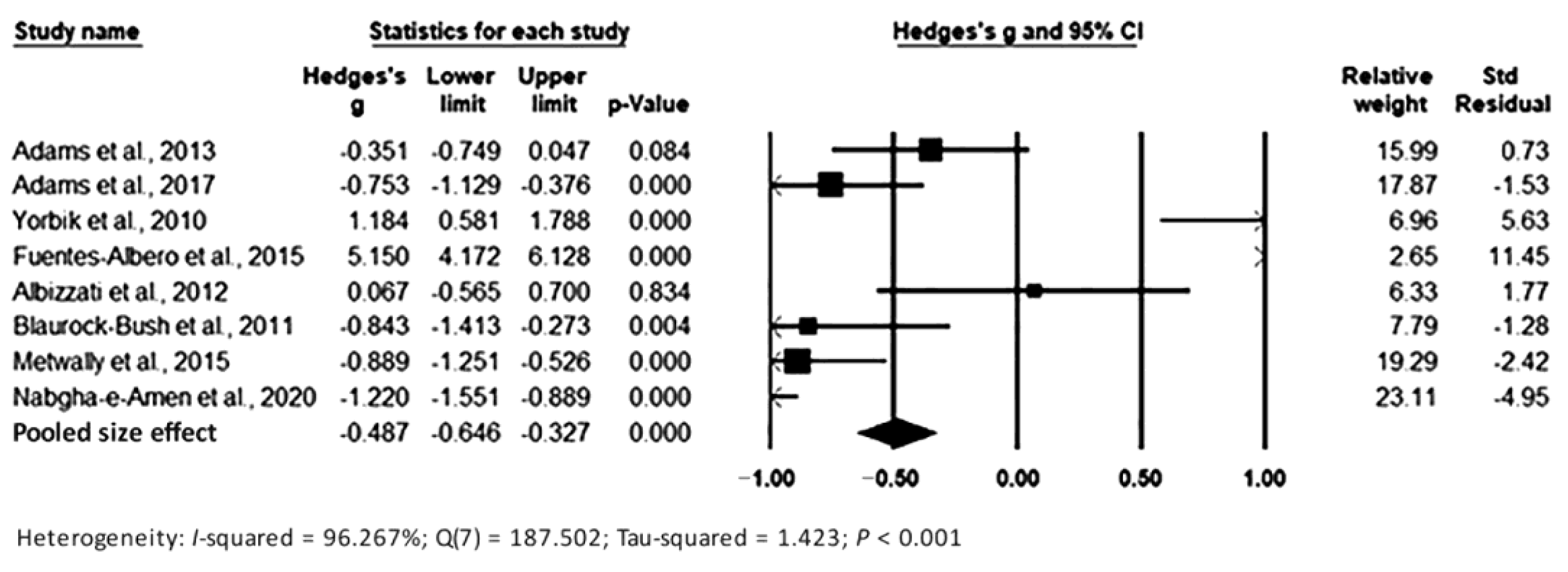
Environmental pollutants, particularly toxic trace metals with neurotoxic potential, have been related to the genesis of autism. One of these metals that stands out, in particular, is lead (Pb). We conducted an in-depth systematic review and meta-analysis of peer-reviewed studies on Pb levels in biological materials retrieved from autistic children (cases) and neurotypical children (controls) in this work. A systematic review was conducted after the careful selection of published studies according to established criteria to gain a broad insight into the higher or lower levels of Pb in the biological materials of cases and controls, and the findings were then strengthened by a meta-analysis. The meta-analysis included 17 studies (hair), 13 studies (whole blood), and 8 studies (urine). The overall number of controls/cases was 869/915 (hair), 670/755 (whole blood), and 344/373 (urine). This meta-analysis showed significantly higher Pb levels in all three types of biological material in cases than in controls, suggesting a higher body Pb burden in autistic children. Thus, environmental Pb exposure could be related to the genesis of autism. Since no level of Pb can be considered safe, the data from this study undoubtedly point to the importance of regularly monitoring Pb levels in autistic children.
Keywords: lead; autism; biological material; systematic review; meta-analysis lead; autism; biological material; systematic review; meta-analysis
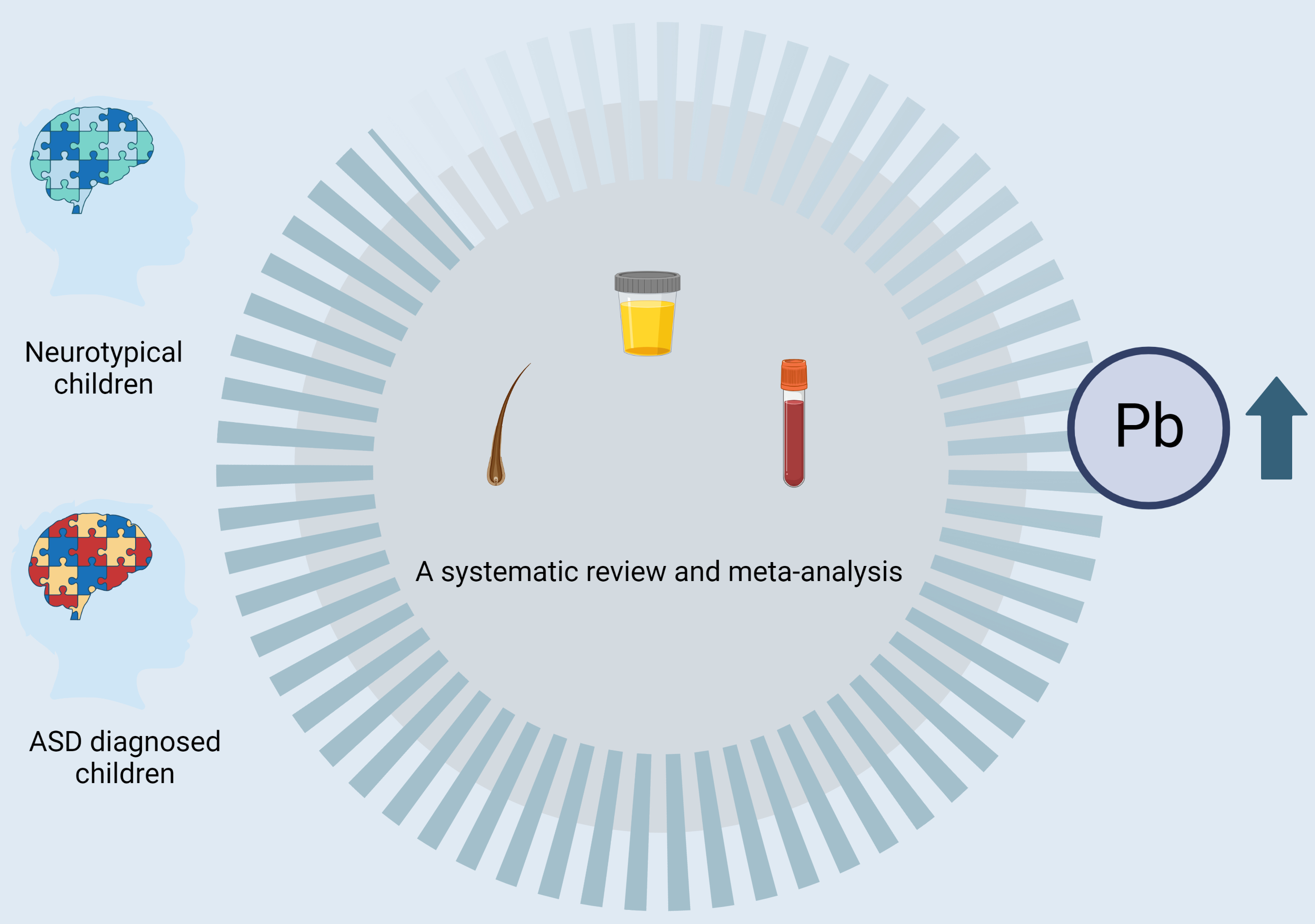
Graphical Abstract