Article

The Role of an Acidic Peptide in Controlling the Oxidation Process of Walnut Oil


Beijing Key Laboratory of Forest Food Processing and Safety, Beijing Forestry University, No. 35 Qinghua East Road Haidian District, Beijing 100083, China
*
Author to whom correspondence should be addressed.
Foods 2019, 8(10), 499; https://doi.org/10.3390/foods8100499
Submission received: 20 August 2019 / Revised: 6 October 2019 / Accepted: 14 October 2019 / Published: 15 October 2019
(This article belongs to the Section Food Physics and (Bio)Chemistry)

Abstract

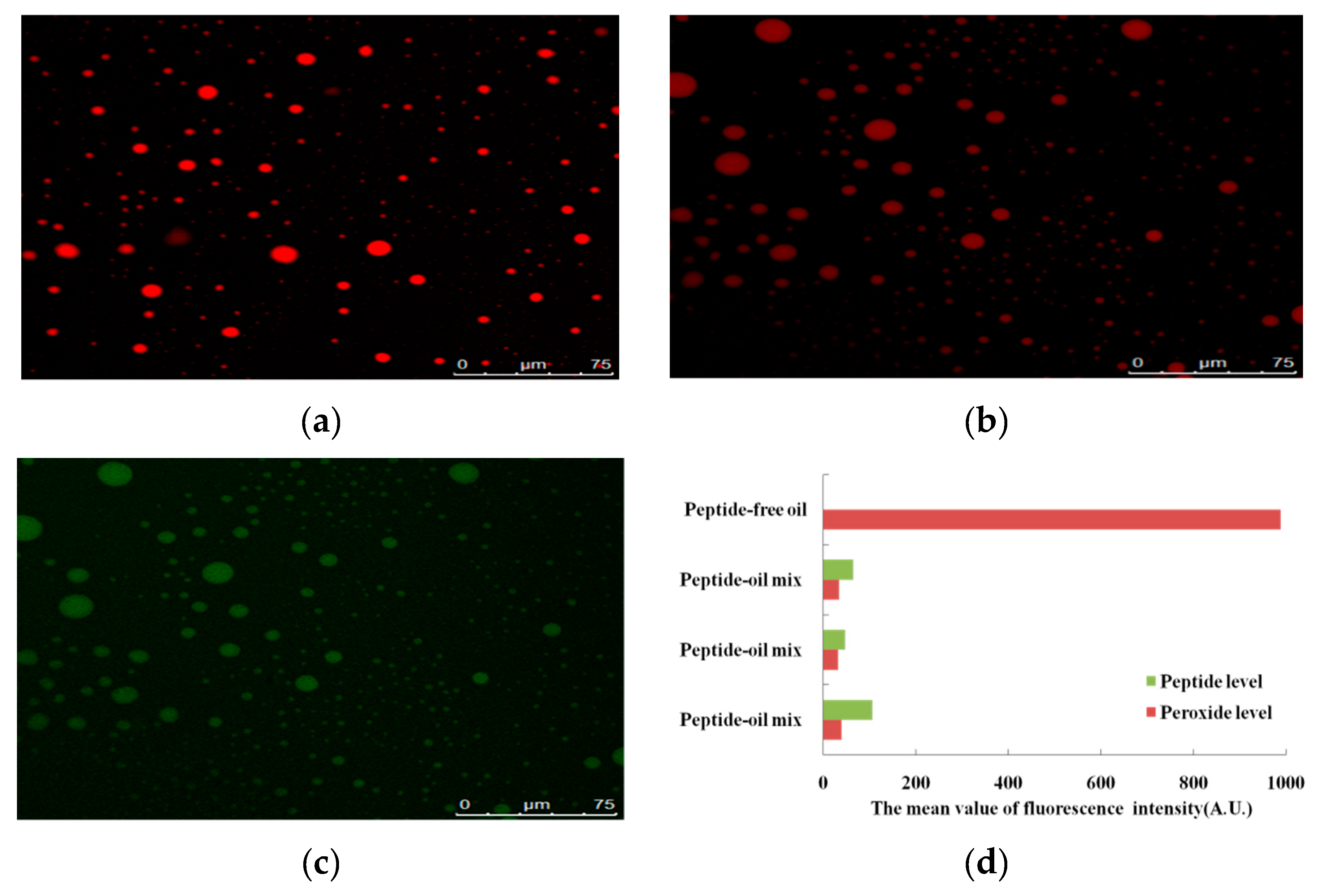
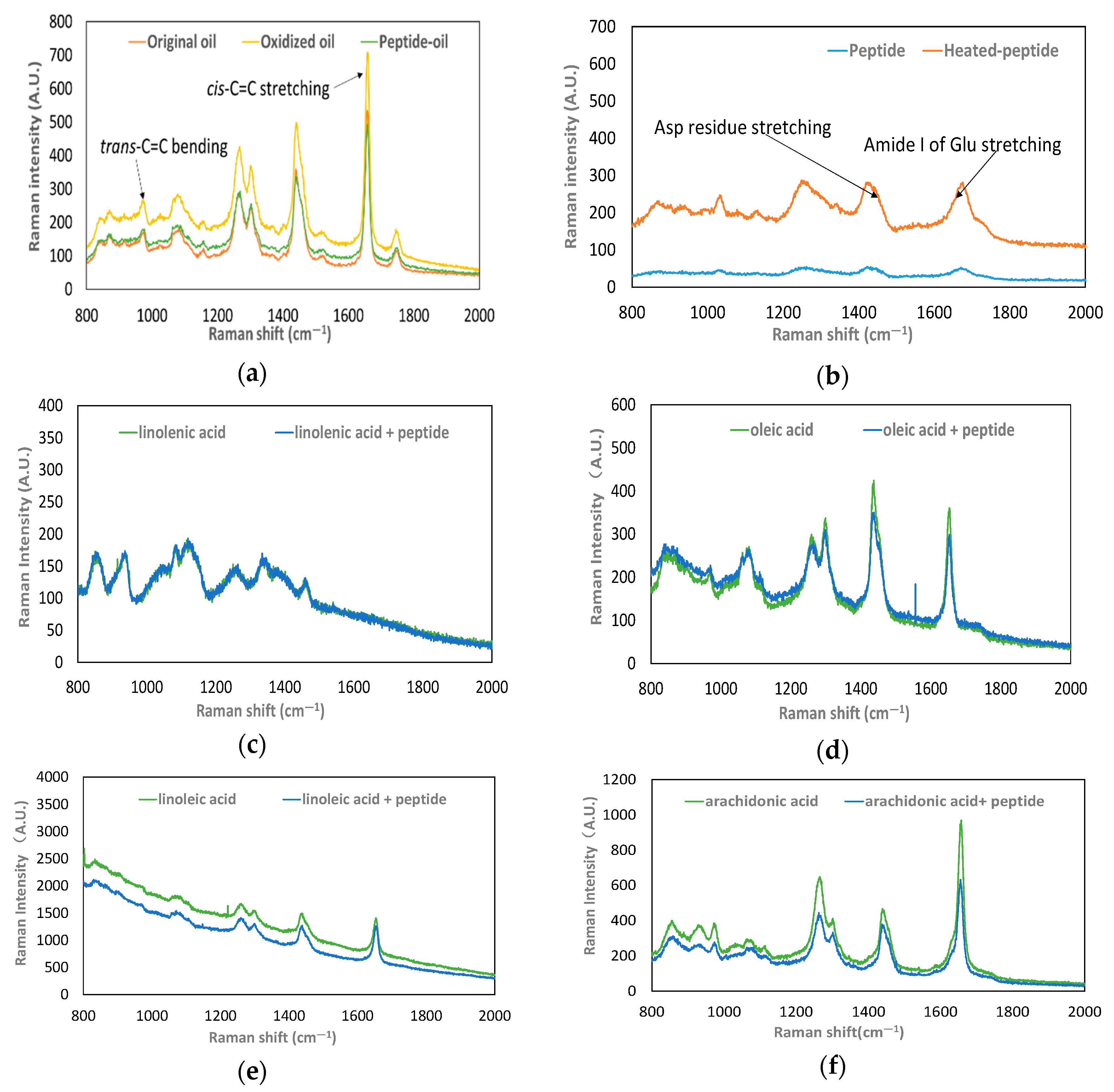
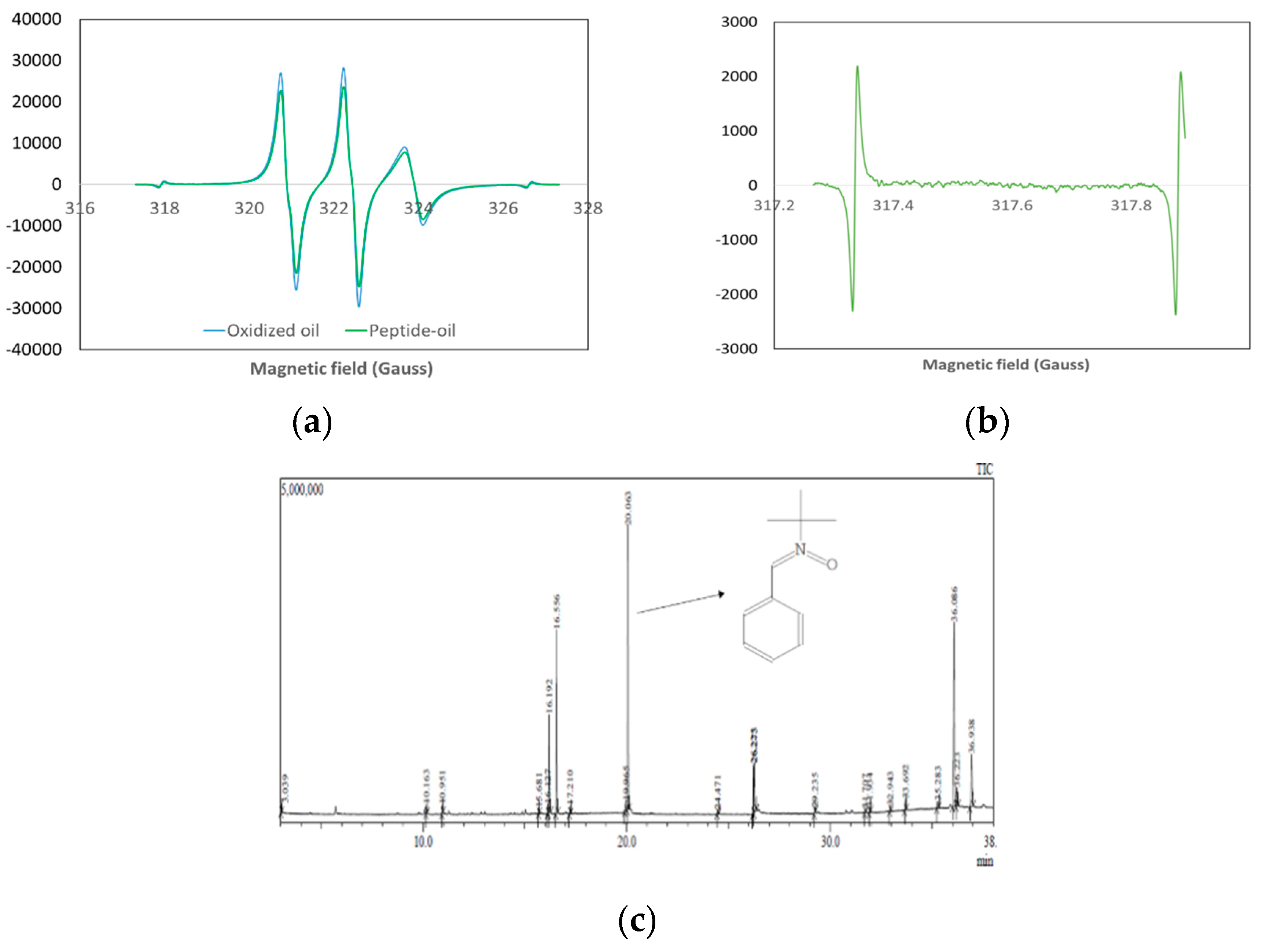
Here, the mechanism of action of an antioxidant peptide rich in acidic amino acid residues in controlling lipid oxidation is discussed. Firstly, in the presence of this peptide, the fluorescence intensity of lipid peroxide in samples of walnut oil was very low, indicating that the peptide prevented the formation of lipid peroxides. Secondly, the production of lipid-derived radicals of oil was reduced by 23% following addition of the anti-oxidative peptide. Thirdly, Raman shifts of the lipid with the anti-oxidative peptide showed that acidic amino acid residues of the peptide were involved in delaying lipid oxidation. Finally, seven peptide inhibitors were synthesized with variations to the amino acid sequence of the original peptide, and Glu–Asp was proven to enhance the peptide’s superoxide anion radical scavenging activity and decrease the formation of linoleic acid peroxides. Our findings emphasize the potential value of acidic amino acid residues in protecting unsaturated fatty acids from oxidation.
Keywords: lipid oxidation; antioxidant peptide; acidic amino acid residues lipid oxidation; antioxidant peptide; acidic amino acid residues