3.3.1. GO Enrichment Analysis Between Healthy Cells and Insulin Resistant Cells
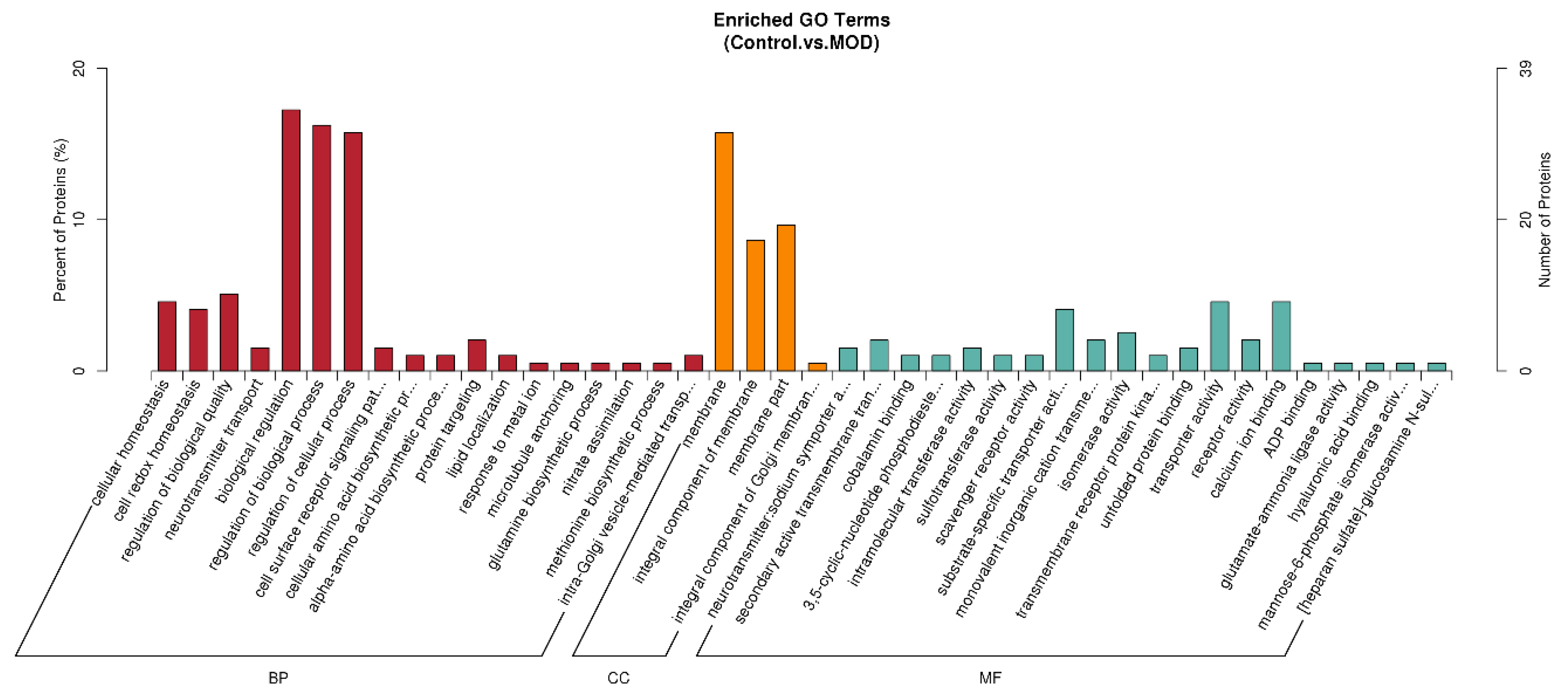
Gene Ontology (GO) enrichment analysis comparing healthy (Con) and insulin-resistant (MOD) cells (
Figure 3) revealed that insulin resistance is predominantly associated with alterations in biological processes (BP) related to redox balance, cellular quality control, and regulatory signaling, alongside changes in specific molecular functions (MF) and cellular components (CC). Among BP terms, cellular homeostasis (GO:0019725), a standardized Gene Ontology term defined by the Gene Ontology Consortium, was the most significantly enriched process (adjusted
p = 0.00456).This enrichment was driven by a tightly connected network of redox-active and protein-folding proteins, including thioredoxin domain-containing proteins (TXNDC9, TXNDC15, TXNDC16), protein disulfide isomerases (PDI, PDIA3, PDIA4, PDIA6), glutaredoxin-1, and ferritin heavy chain. Closely related, cell redox homeostasis (GO:0045454; BP; adjusted
p = 0.00551) was also significantly enriched and shared nearly identical anchor proteins, highlighting oxidative stress and endoplasmic reticulum (ER) redox imbalance as central features distinguishing insulin-resistant cells from healthy controls.
Consistent with impaired proteostasis, the BP term regulation of biological quality (GO:0065008; adjusted p = 0.01663) was enriched, again dominated by thioredoxin- and PDI-family proteins, with the additional contribution of seipin, a regulator of lipid droplet biogenesis and ER integrity. The convergence of these BP terms underscores a coordinated disruption of redox control, protein folding, and cellular quality surveillance mechanisms in insulin-resistant cells, processes known to interfere with insulin signaling and metabolic homeostasis.
In parallel, significant enrichment was observed for transport-related molecular functions (MF) and biological processes (BP). Neurotransmitter: sodium symporter activity (GO:0005328; MF; adjusted p = 0.00748) and neurotransmitter transport (GO:0006836; BP; adjusted p = 0.01663) were driven by sodium- and chloride-dependent taurine (SLC6A6), creatine (SLC6A8), and glycine (SLC6A9) transporters, indicating altered ion-coupled solute transport in insulin-resistant cells. This was further supported by enrichment of secondary active transmembrane transporter activity (GO:0015291; MF; adjusted p = 0.03162), which included the sodium/hydrogen exchanger NHE8, suggesting broader dysregulation of electrochemical gradient-dependent transport that may influence cellular energy balance, osmotic stress, and insulin responsiveness.
At a higher organizational level, insulin resistance was associated with widespread changes in biological regulation (GO:0065007; BP; adjusted p = 0.03162) and regulation of biological process (GO:0050789; BP; adjusted p = 0.04691). These terms encompassed extensive signaling and regulatory networks involving EGFR, STAT2, AKAP12, CBL, phosphodiesterases (PDE3, PDE4A), Rab and Rho GTPase regulators, Apaf-1, and multiple redox-active proteins. The enrichment of these BP categories reflects global remodeling of signal transduction, apoptosis, cytoskeletal organization, vesicle trafficking, and lipid metabolism in insulin-resistant cells, consistent with systemic metabolic dysfunction.
Beyond BP and MF, enrichment analysis also identified trends at the level of cellular components (CC). The term membrane (GO:0016020; CC; adjusted p = 0.05820) included a large cohort of transporters and receptors such as EGFR, Frizzled-7, ABC transporters, SLC6 family transporters, NPC1, and NHE8, indicating that many insulin-resistance-associated proteins localize to cellular and organelle membranes, where they can directly modulate signaling and nutrient transport. Additionally, cobalamin binding (GO:0031419; MF; adjusted p = 0.05440), anchored by methylmalonyl-CoA mutase and methionine synthase, suggests a potential link between insulin resistance and altered vitamin B12-dependent mitochondrial and one-carbon metabolism, although this enrichment was comparatively weaker.
Collectively, these GO enrichments indicate that insulin resistance is characterized by coordinated disturbances in redox-related biological processes, membrane-associated transport and signaling functions, and global regulatory networks, with thioredoxin- and protein disulfide isomerase-centered redox systems emerging as dominant anchor nodes. This functional signature provides a mechanistic framework linking oxidative stress, ER dysfunction, and impaired metabolic signaling in insulin-resistant cells.
3.3.2. GO Enrichment Analysis Between Insulin Resistant Cells (MOD) and Insulin Resistant Cells Treated with Peptide (P2)
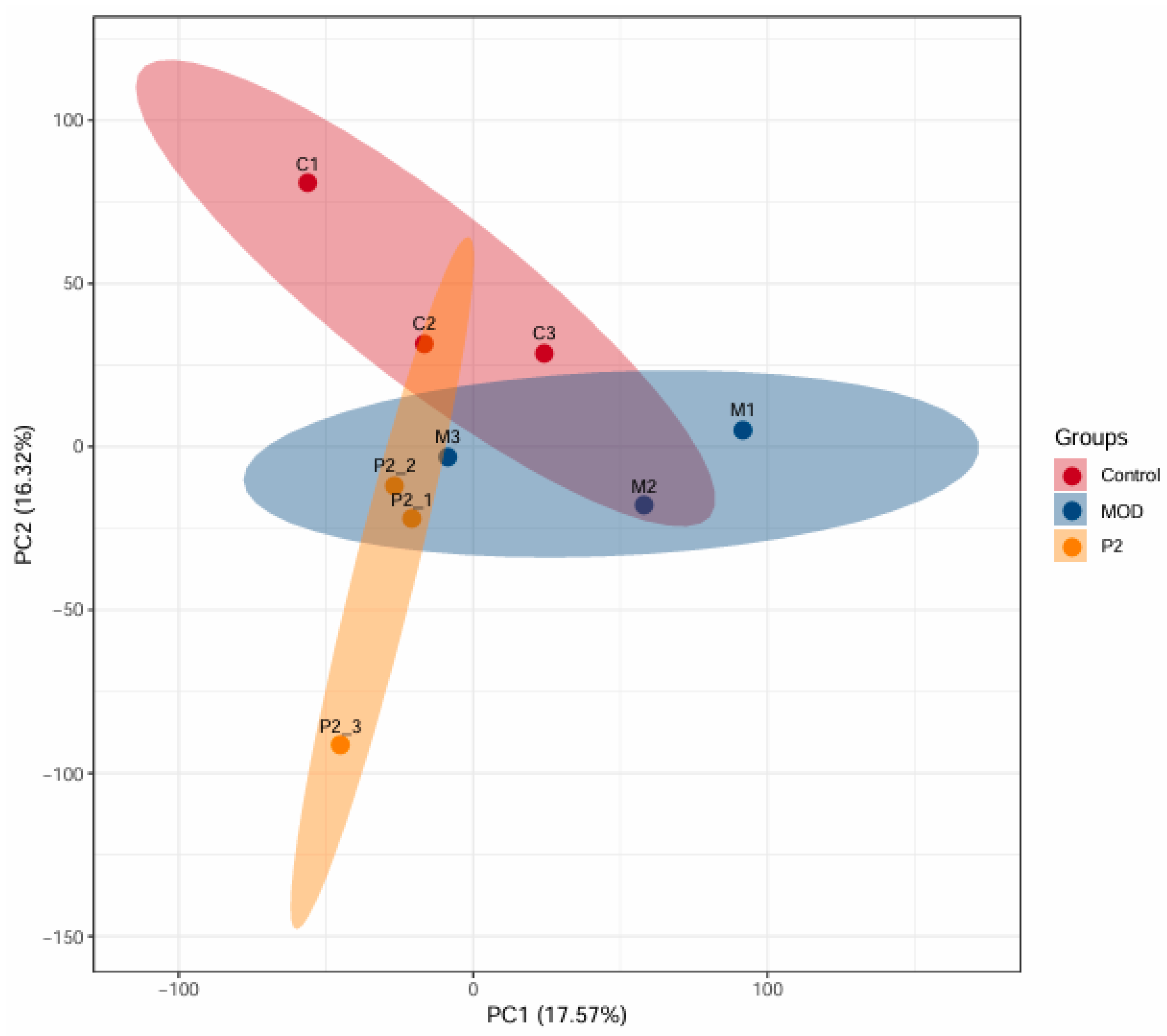
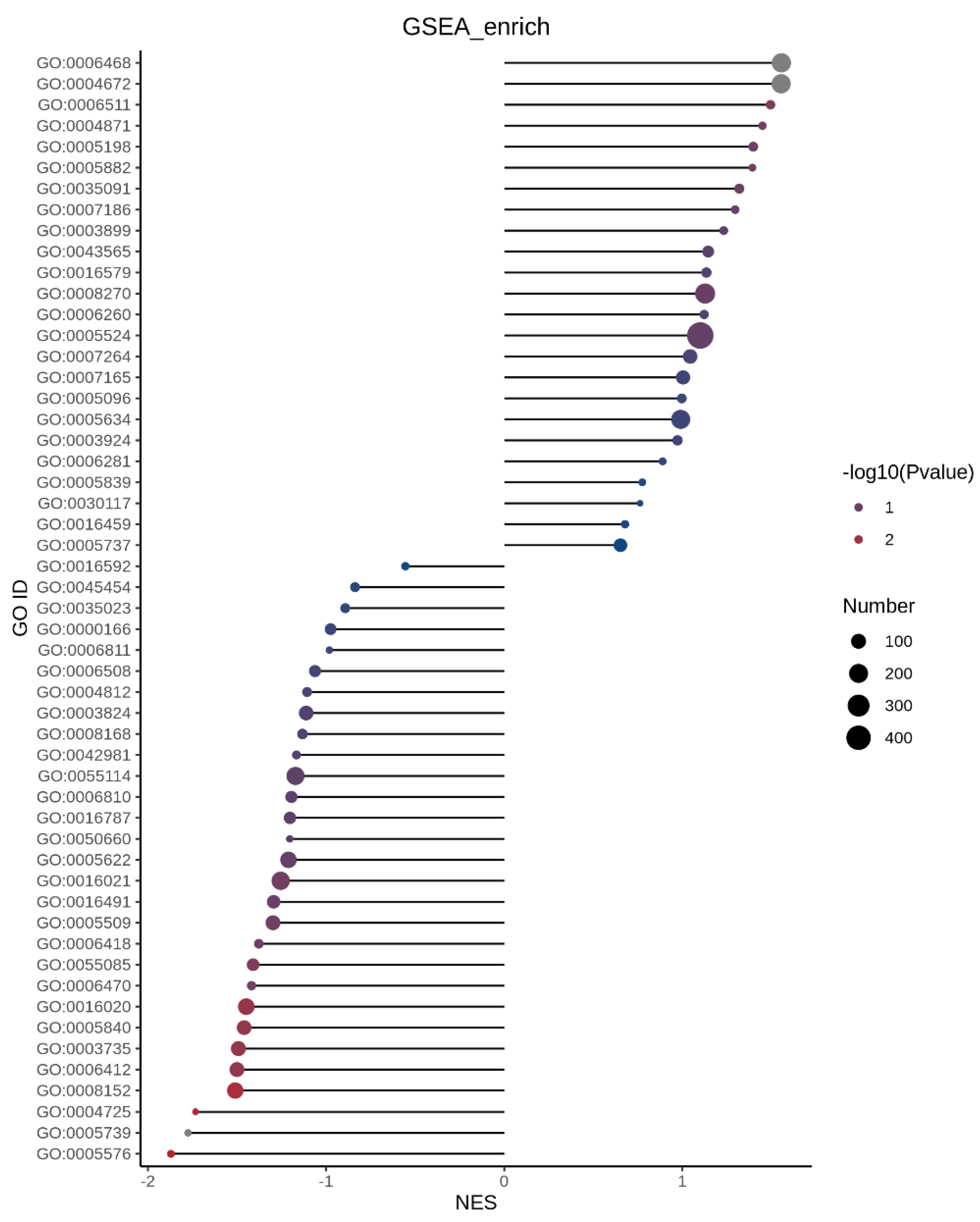
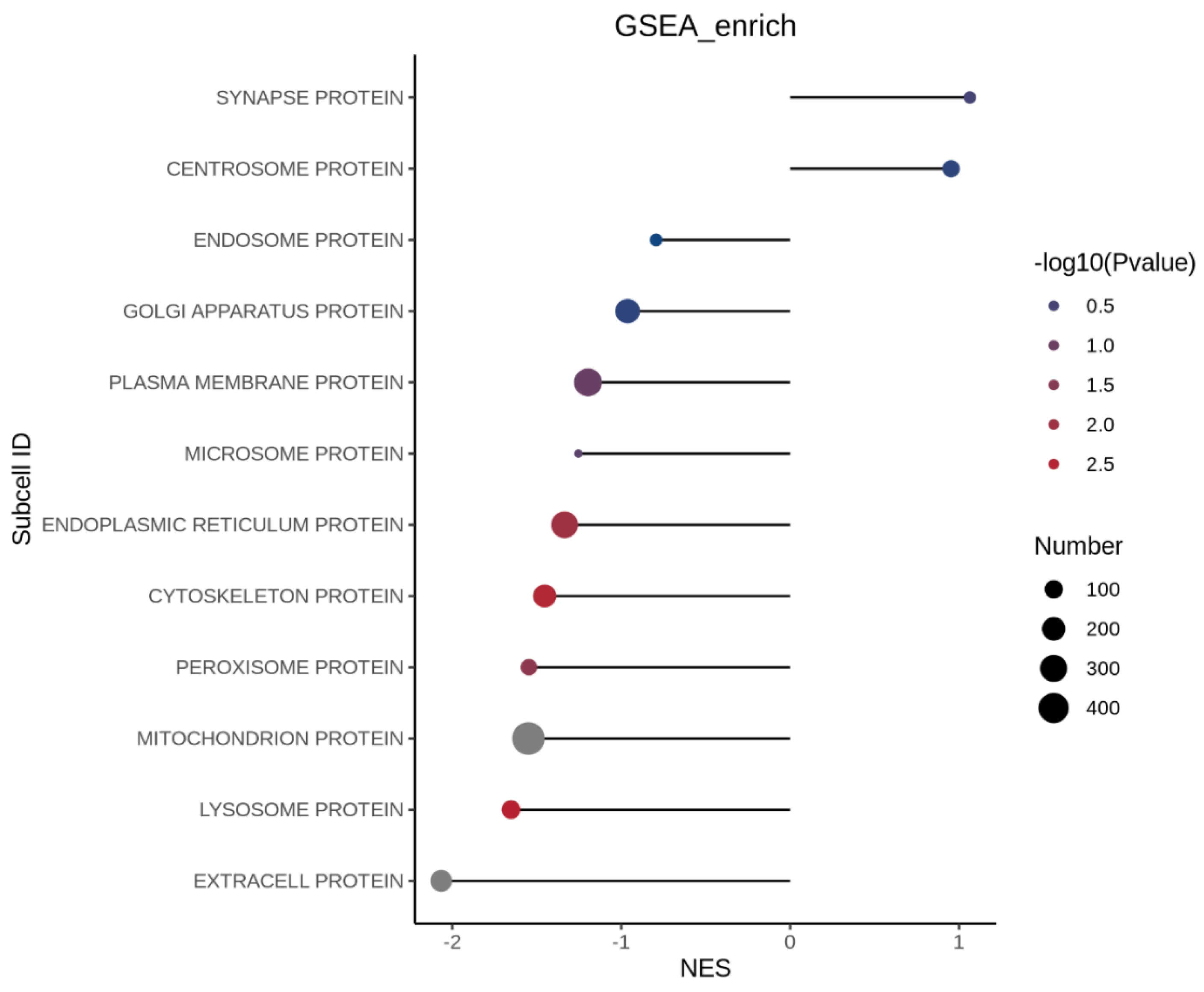
GO over-representation analysis did not reveal statistically significant enrichment of BP, MF, or CC terms following peptide treatment in insulin-resistant cells. This likely reflects the dependence of GO analysis on strict differential expression thresholds, which may overlook subtle yet coordinated proteomic shifts. In contrast, Gene Set Enrichment Analysis (GSEA) (
Figure 4), which evaluates ranked changes across the entire proteome without arbitrary cutoffs, revealed significant pathway-level modulation. Gene Ontology (GO) enrichment analysis GSEA comparing insulin-resistant HepG2 cells with those treated with the peptide revealed a significant enrichment in the extracellular region (GO:0005576; adjusted
p-value = 0.038). This suggests that the peptide may modulate processes related to secretion, extracellular signaling, or interactions within the cellular microenvironment. Notably, proteins associated with this compartment include Insulin-like Growth Factor-Binding Protein 4 (IGFBP4), Serine Protease HTRA1, and Group XIIA Secretory Phospholipase A2, all of which play roles in regulating growth factor availability, extracellular matrix remodeling, and lipid signaling, respectively. Other terms, such as mitochondrion (GO:0005739; adjusted
p-value = 0.056) and protein tyrosine phosphatase activity (GO:0004725; adjusted
p-value = 0.058), showed trends toward enrichment but did not reach statistical significance. Collectively, these findings indicate that the peptide’s effects in insulin-resistant cells may be mediated in part through modulation of key extracellular proteins that influence cell signaling and metabolic regulation.
3.3.3. KEGG Enrichment Analysis
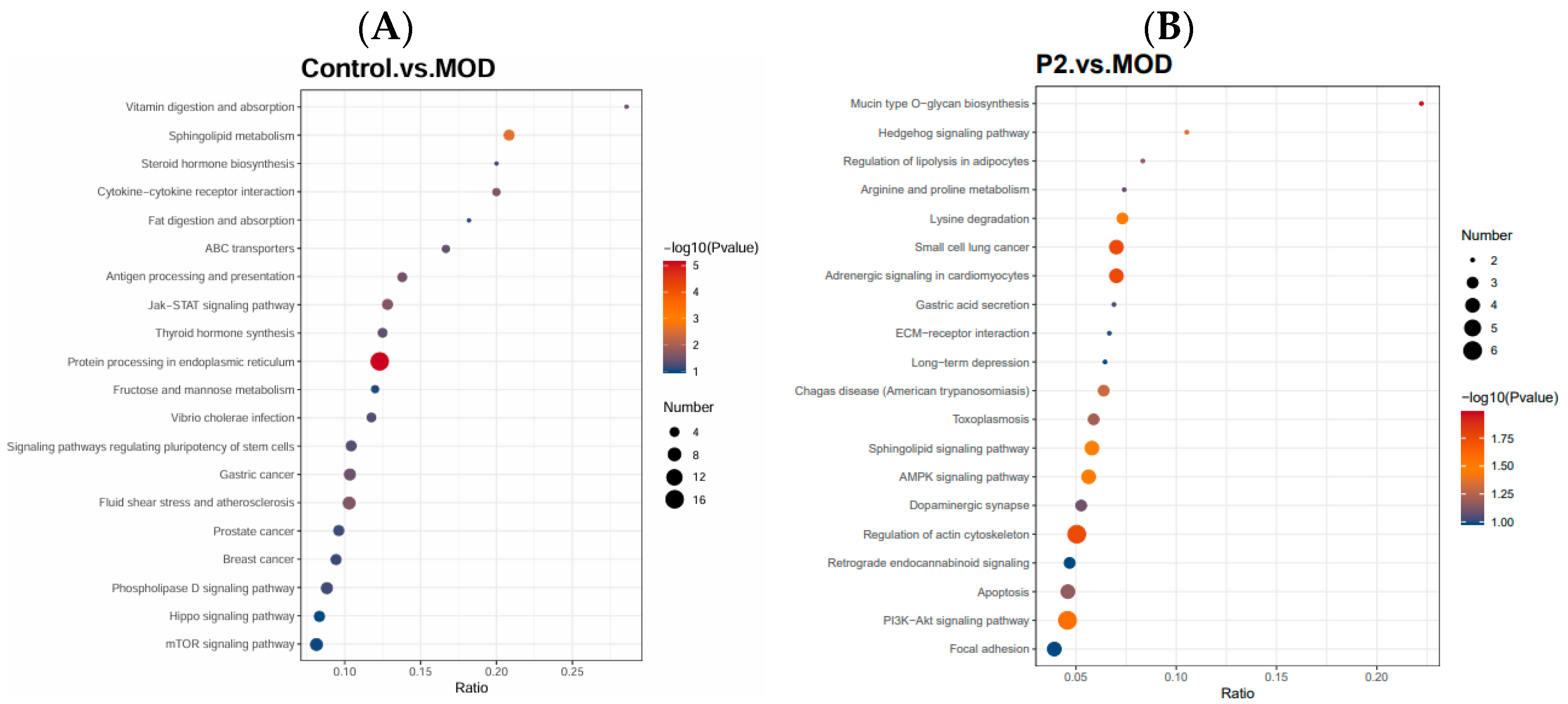
As shown in
Figure 5 KEGG pathway enrichment analysis identified “Protein processing in the endoplasmic reticulum” (map04141) as significantly enriched in the comparison between healthy and insulin-resistant cells (adjusted
p-value = 0.0016). This pathway includes 16 proteins from the dataset out of 132 genes in the pathway, indicating a strong overrepresentation. Proteins contributing to this enrichment include Protein disulfide-isomerase (P07237, P13667, P51571, P51668, Q15084), Endoplasmic reticulum chaperone BiP (P11021), Endoplasmin (P14625), Calreticulin (P27797), Translocon-associated proteins (P30101, Q9NR34), Ubiquitin-conjugating enzyme E2 D1 (P60059), Protein transport Sec61 subunit gamma (Q13217), DnaJ homolog C member 3 (Q13438), Protein OS-9 (Q15629), Translocating chain-associated membrane protein 1 (Q58FF3), Putative endoplasmin-like protein (Q9Y4L1), Mannosyl-oligosaccharide 1,2-alpha-mannosidase IC (Q9Y4L1), and Hypoxia up-regulated protein 1 (Q9Y4L1).
The enrichment of this pathway suggests that insulin-resistant cells exhibit significant alterations in ER protein folding, quality control, and stress responses, which is consistent with previous findings linking ER stress to insulin resistance. Key molecular functions affected include protein folding, disulfide bond formation, and chaperone-mediated quality control, highlighting the potential accumulation of misfolded proteins and activation of the unfolded protein response (UPR) in insulin-resistant states. Overall, these results indicate that insulin resistance is associated with dysregulated ER protein processing, which could contribute to cellular stress and impaired insulin signaling.
KEGG pathway enrichment analysis comparing insulin-resistant HepG2 cells with those treated with the peptide revealed a significant impact on mitochondrial and neurodegeneration-associated pathways. The top enriched pathway was oxidative phosphorylation (KEGG pathway: MAP00190), with key proteins including NADH dehydrogenase [ubiquinone] 1 beta subcomplex subunit 4 and cytochrome c oxidase subunit 3, indicating significant modulation of mitochondrial electron transport chain components [
17]. in response to the peptide restoring ATP production and reducing mitochondrial dysfunction commonly observed in insulin-resistant hepatocytes. Other enriched pathways included Parkinson’s disease (MAP05012; adjusted
p-value = 0.0021), driven by NADH dehydrogenase 1 beta subcomplex subunit 4, Cytochrome c oxidase subunit 3, and Guanine nucleotide-binding protein G(i) subunit alpha-1, and Alzheimer’s disease (MAP05010; adjusted
p-value = 0.011), anchored by NADH dehydrogenase 1 beta subcomplex subunit 4, Cytochrome c oxidase subunit 3, Cyclic AMP-dependent transcription factor ATF-6 alpha, and Presenilin-1. While these pathways are classically associated with neurons, the proteins involved are ubiquitously expressed and functional in hepatocytes, particularly in regulating mitochondrial respiration, oxidative stress, and ER-mitochondrial crosstalk. Their enrichment suggests that the peptide not only restores energy metabolism but may also improve proteostasis and cellular stress responses, which are critical for reversing insulin resistance in liver cells.
Collectively, these findings indicate that the peptide’s therapeutic effects are mediated through enhancement of oxidative phosphorylation, stabilization of mitochondrial function, and modulation of stress-responsive proteins. The overlap of these proteins across multiple pathways underscores their central role in maintaining hepatocyte metabolic homeostasis, providing a mechanistic link between improved mitochondrial function and peptide-induced alleviation of insulin resistance.
Globally, these results indicate that the peptide’s anti-diabetic effects in HepG2 cells are likely mediated through restoration of oxidative phosphorylation and mitochondrial homeostasis, which are central to reversing insulin resistance, rather than implying that hepatocytes develop neurodegenerative diseases.
3.3.4. Domain Enrichment Analysis
Healthy Cells (Control) vs. Insulin Resistant Cells (MOD): Domain Enrichment in Insulin Resistance
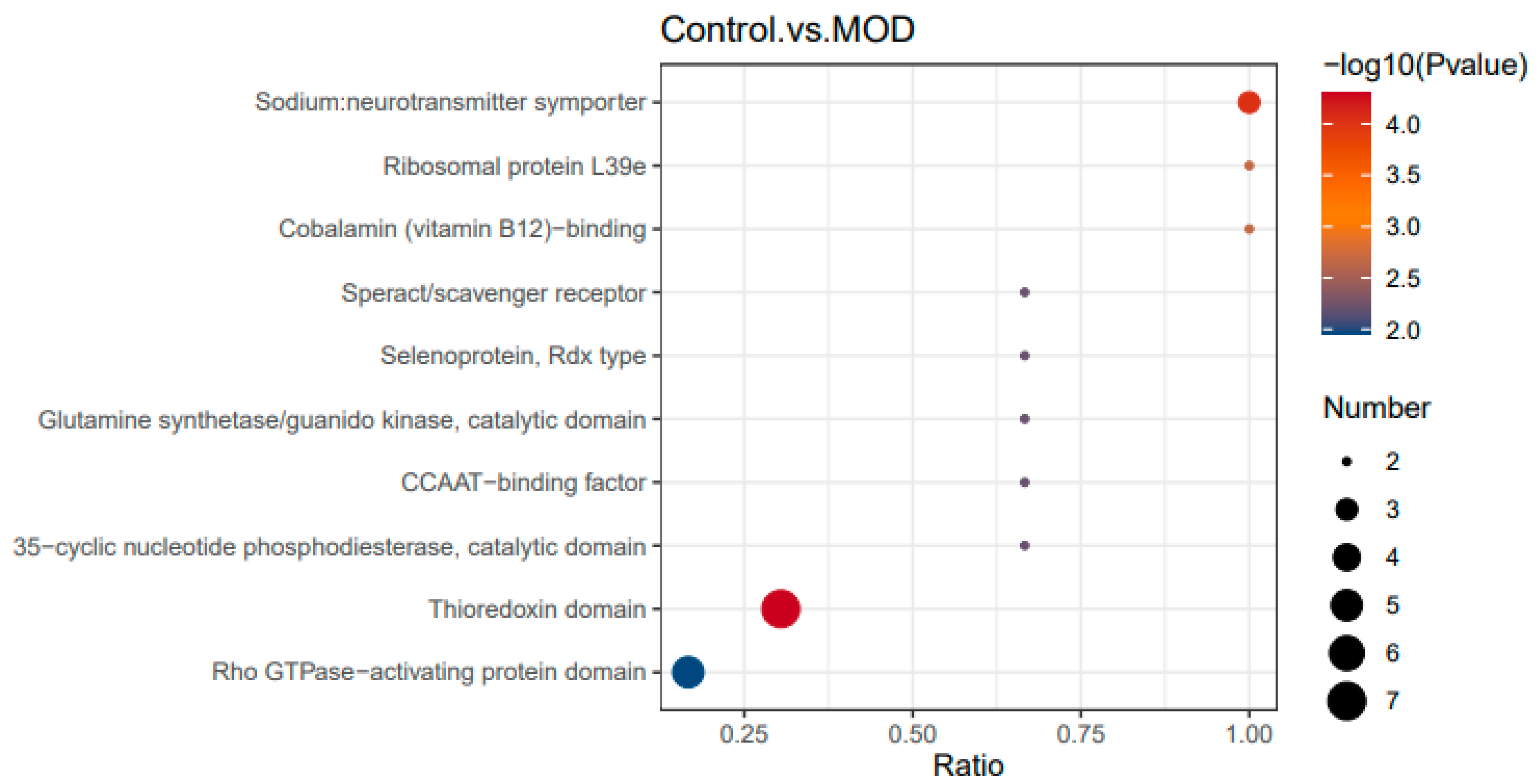
The IPRT domain enrichment analysis (see
Figure 6) comparing healthy and insulin-resistant cells identified two protein domains that were significantly enriched based on the adjusted
p-value threshold (<0.05), indicating biologically meaningful alterations associated with insulin resistance. The Thioredoxin domain (IPR013766, adjusted
p = 0.021457) was significantly altered, with Protein disulfide-isomerase (PDI; anchor protein: P07237) emerging as a central contributor alongside other thioredoxin domain-containing proteins (PDIA3, PDIA4, PDIA6, TXNDC9, TXNDC15, TXNDC16). This enrichment points to a pronounced disruption in redox homeostasis, protein folding, and endoplasmic reticulum (ER) stress regulation in insulin-resistant cells, processes well known to interfere with insulin signaling and metabolic homeostasis. The prominence of PDI as an anchor protein suggests that altered oxidative protein folding and ER stress responses are key molecular features distinguishing insulin-resistant cells from healthy counterparts.
In parallel, the sodium: neurotransmitter symporter domain (IPR000175, adjusted p = 0.021457) was also significantly enriched, with the sodium- and chloride-dependent taurine transporter (anchor protein: P31641) representing a major node, together with creatine transporter 1 (P48029) and glycine transporter 1 (P48067). This finding indicates that insulin resistance is associated with changes in membrane transport systems involved in osmolyte balance, amino acid handling, and cellular energetics. Taurine and creatine transport are closely linked to mitochondrial function and glucose metabolism, suggesting that impaired substrate transport contributes to the metabolic inflexibility observed in insulin-resistant cells.
In contrast, all other identified domains including ribosomal protein L39e, cobalamin-binding enzymes, scavenger receptor related proteins, cyclic nucleotide phosphodiesterase’s, transcriptional regulators, selenoproteins, and Rho GTPase-activating proteins displayed adjusted p values > 0.05 and therefore did not reach statistical significance. While these domains may still participate in insulin resistance-associated pathways, their changes were not sufficiently robust after multiple-testing correction. Therefore, the IPRT domain enrichment results emphasize that insulin resistance is primarily characterized by significant perturbations in redox/ER stress regulation and solute transport systems, rather than global alterations across all functional protein domains.
Domain Enrichment Analysis Between Peptide Treated Cells and Insulin Resistant Cells
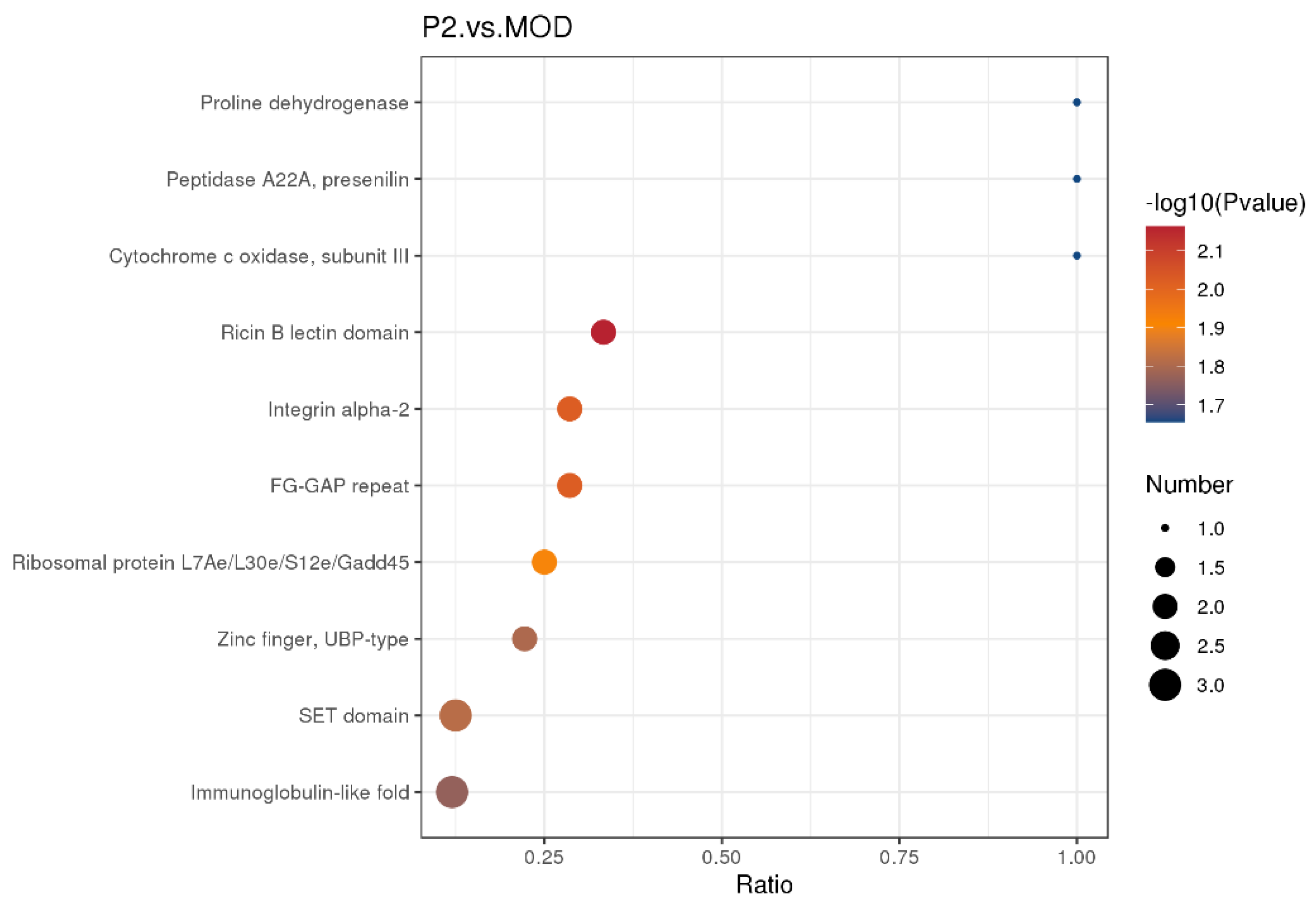
The IPRT domain enrichment analysis comparing insulin-resistant cells with peptide-treated insulin-resistant cells (
Figure 7) did not identify any protein domains reaching statistical significance, as all observed adjusted
p values were 0.0948, exceeding the significance threshold of 0.05. This indicates that peptide treatment did not induce strong, domain-level proteomic remodeling after multiple-testing correction. Nevertheless, several biologically relevant trends emerged that suggest coordinated but moderate molecular shifts associated with peptide intervention.
Notably, domains linked to cell–matrix interaction and signaling, including the FG-GAP repeat (IPR013517) and integrin alpha-related domains (IPR013649), were represented by Integrin alpha-L (P20701) and Integrin alpha-3 (P26006) as anchor proteins. Although not statistically significant, changes in integrin-associated domains suggest that peptide treatment may influence cell adhesion, cytoskeletal organization, and outside-in signaling, processes closely connected to insulin sensitivity and cellular stress responses.
Several domains involved in epigenetic and post-translational regulation also appeared, such as the SET domain (IPR001214) with histone methyltransferases SUV39H1 (O43463), NSD3 (Q9BZ95), and KMT2B (Q9UMN6) serving as anchor proteins. In parallel, the UBP-type zinc finger domain (IPR001607), represented by USP22 (Q9UPT9) and USP16 (Q9Y5T5), points toward altered ubiquitin-mediated protein turnover. These trends imply that peptide treatment may subtly modulate chromatin state and protein stability in insulin-resistant cells, potentially contributing to longer-term transcriptional reprogramming rather than acute proteomic shifts.
Metabolic and mitochondrial-related domains were also detected, including Cytochrome c oxidase subunit III (IPR000298; anchor protein P00414), Proline dehydrogenase (IPR002872; O43272), and arginine methyltransferase NDUFAF7 (IPR003788; Q7L592). Although not significant, their presence suggests a tendency toward mitochondrial functional adjustment and amino acid metabolism remodeling following peptide exposure processes highly relevant to insulin resistance and energy homeostasis.
Additionally, domains related to stress response and growth control, such as GADD45 alpha (P24522) within the Ribosomal protein L7Ae/L30e/S12e/Gadd45 domain (IPR004038), and signaling-associated domains like the immunoglobulin-like fold (IPR013783) and presenilin peptidase domain (IPR001108), hint at peptide-induced modulation of inflammatory signaling, cell survival, and membrane-associated proteolysis.
In summary, while no IPR titles achieved statistical significance (adjusted p < 0.05), the observed domain patterns suggest that peptide treatment of insulin-resistant cells may exert subtle, coordinated effects on integrin signaling, epigenetic regulation, mitochondrial metabolism, and stress-response pathways. These changes may precede or complement the more pronounced signaling and functional improvements observed at the pathway or phenotypic level rather than at broad proteomic domain enrichment.
3.3.5. Subcellular Localization Analysis of Differential Proteins
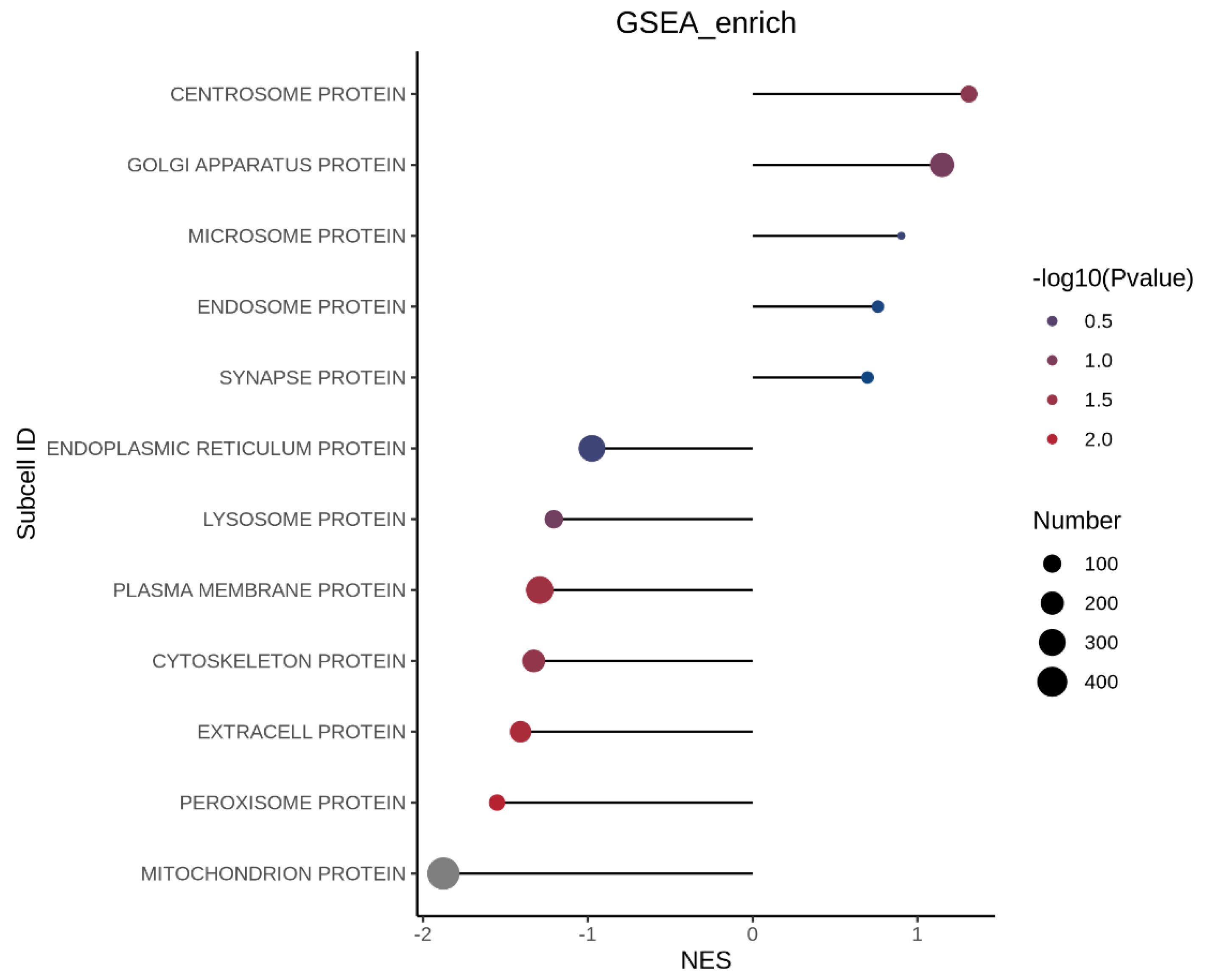
The subcellular localization of differentially expressed proteins (DEPs) was analyzed to understand how insulin resistance (MOD) and peptide treatment (P2) influence protein distribution within the cell.
Figure 8 and
Figure 9 presents this analysis for each comparison.
Protein Localization Between Healthy Cells and Insulin Resistant Cells
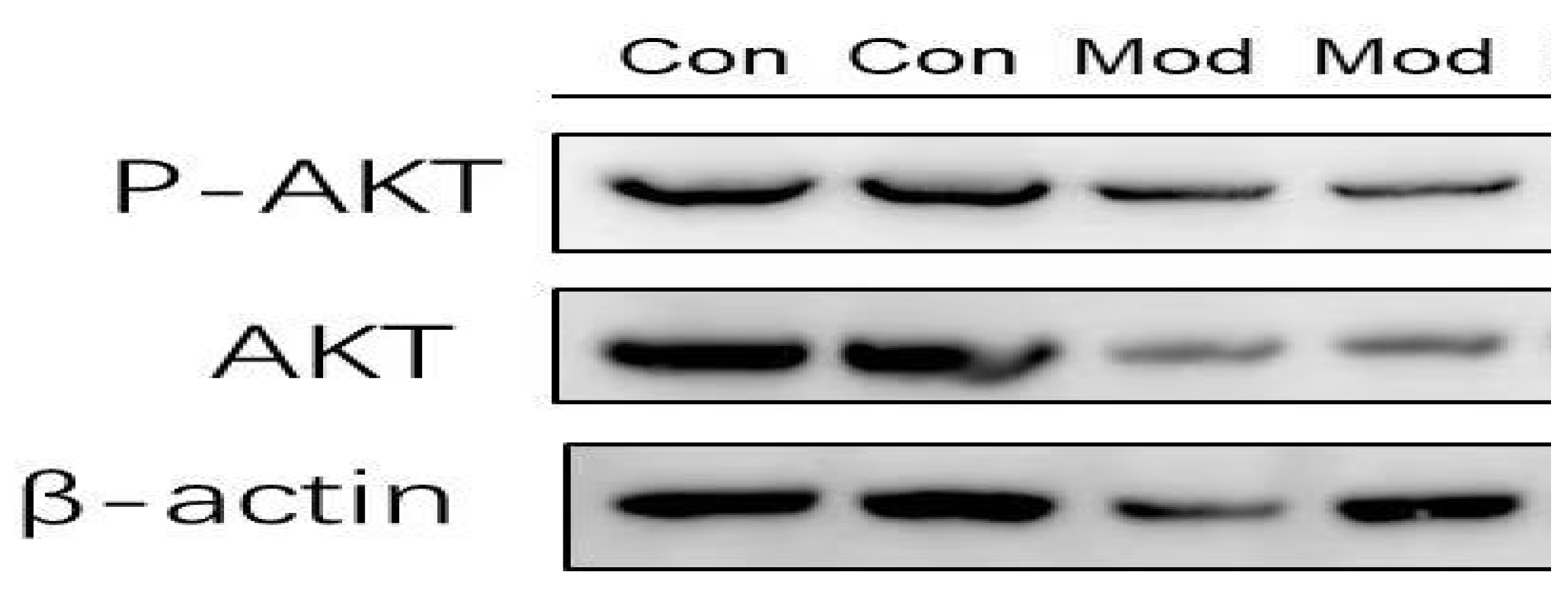
The lysosomal protein compartment showed significant alteration between healthy and insulin-resistant cells (adjusted p = 0.0219), anchored by proteins central to lipid trafficking, sphingolipid metabolism, and membrane turnover. The presence of NPC intracellular cholesterol transporter 1 (NPC1) highlights disrupted lysosomal cholesterol efflux, a process closely linked to impaired insulin signaling and lipid accumulation in insulin-resistant states. Acid ceramidase, a key regulator of ceramide catabolism, suggests dysregulated sphingolipid metabolism, consistent with elevated ceramide levels known to inhibit insulin receptor and AKT phosphorylation. Palmitoyl-protein thioesterase 1 points to altered depalmitoylation and protein recycling within lysosomes, potentially affecting membrane-associated signaling proteins. In addition, CD44 antigen, a multifunctional receptor involved in inflammation and extracellular matrix interactions, indicates a link between lysosomal remodeling and inflammatory signaling. Collectively, these anchor proteins suggest that lysosomal dysfunction in insulin-resistant cells contributes to lipid overload, defective autophagic flux, and inflammatory signal amplification.
The extracellular protein compartment exhibited the most pronounced and statistically robust alteration (adjusted p = 0), underscoring extensive remodeling of the secretory and extracellular matrix environment in insulin resistance. This compartment was anchored by proteins involved in lipid transport, growth factor signaling, matrix organization, and immune modulation. The identification of apolipoprotein B-100 reflects altered lipoprotein handling and extracellular lipid burden, a hallmark of metabolic dysregulation. Growth and signaling mediators such as platelet-derived growth factor subunit A (PDGF-A) and angiopoietin-related protein 2 indicate enhanced paracrine signaling that may promote inflammation, fibrosis, and insulin resistance. Structural matrix components including collagen alpha-1 (VIII) chain, fibrillin-1, and lysyl oxidase homolog 3 suggest extracellular matrix stiffening and remodeling, processes known to impair insulin sensitivity through mechano transduction pathways.
Several extracellular chaperones and immune-modulatory proteins further emphasize a stress-adaptive secretory phenotype. Clusterin and calreticulin are associated with protein quality control and cellular stress responses, while galectin-3-binding protein and lactadherin are linked to immune activation and macrophage recruitment. The presence of ubiquitin-like protein ISG15 indicates activation of interferon-related inflammatory pathways. Additionally, sex hormone-binding globulin and mesencephalic astrocyte-derived neurotrophic factor (MANF) point toward altered endocrine and stress-response signaling beyond the intracellular space. Finally, prenylcysteine oxidase-like protein suggests changes in extracellular protein turnover and redox regulation.
Within the mitochondrial protein compartment, several anchor proteins underpin the significant alteration observed between healthy and insulin-resistant cells (adjusted p = 0.0347). Proteins directly involved in mitochondrial energy metabolism were prominently represented, including NADH-ubiquinone oxidoreductase chain 3, pyruvate dehydrogenase kinase isozyme 2 (PDK2), methylmalonyl-CoA mutase, and methylmalonate-semialdehyde dehydrogenase, indicating impaired oxidative metabolism and altered substrate utilization in insulin resistance. The presence of proline dehydrogenase 1 and sulfite oxidase further suggests dysregulation of amino acid catabolism and redox balance. Importantly, stress-responsive and protective mitochondrial proteins such as ferritin heavy chain and ferroptosis suppressor protein 1 (FSP1) highlight enhanced oxidative stress and lipid peroxidation defense mechanisms. The identification of Rab-7L1, StAR-related lipid transfer protein 13, and sphingosine kinase 2 links mitochondrial dysfunction to vesicular trafficking and lipid signaling, processes increasingly recognized as modulators of insulin sensitivity. Notably, the detection of ER chaperone BiP and DNAJ homolog subfamily C member 3 within this group suggests crosstalk between mitochondrial stress and the unfolded protein response, reinforcing the concept of organelle stress coupling in insulin resistance. Alterations in the peroxisomal protein compartment (adjusted p = 0.0267) were anchored by proteins essential for peroxisome biogenesis, membrane integrity, and organelle dynamics. Peroxisomal membrane protein PEX13 emerged as a key structural component, indicating potential impairment in peroxisomal protein import. The presence of WD repeat-containing protein 81 suggests disruptions in endosomal–peroxisomal interactions and intracellular trafficking. Additionally, mitochondrial fission 1 protein (Fis1) highlights a functional link between peroxisomes and mitochondria, supporting coordinated regulation of lipid oxidation and reactive oxygen species metabolism. Together, these anchor proteins point toward compromised fatty acid handling and redox homeostasis, both of which contribute to metabolic inflexibility in insulin-resistant cells.
The cytoskeletal protein category (adjusted p = 0.0443) was characterized by anchor proteins involved in structural organization, signal scaffolding, and ubiquitin-mediated regulation. Proteins such as Advillin and Shroom2 indicate remodeling of actin and cytoskeletal architecture, which is critical for insulin receptor localization and glucose transporter trafficking. Multiple WD repeat proteins (WDR43, WDR47, WDR9) suggest altered protein–protein interaction networks and scaffolding functions. Regulatory proteins including LIM domain-containing protein Ajuba and BTB/POZ domain-containing protein 1 are known modulators of mechanotransduction and signaling pathways, potentially influencing insulin signal propagation. Furthermore, the identification of probable E3 ubiquitin-protein ligase MID2 points to enhanced ubiquitin-dependent turnover of cytoskeletal or signaling proteins, which may impair insulin responsiveness by destabilizing key signaling complexes.
Taken together, the lysosomal and extracellular anchor proteins reveal that insulin resistance is accompanied by a coordinated disruption of intracellular lipid handling and extracellular signaling environments. Lysosomal dysfunction promotes lipid and ceramide accumulation, while extracellular matrix and secreted factor remodeling amplify inflammatory and metabolic stress signals, reinforcing insulin resistance at both cellular and tissue-mimetic levels.
Protein Localization Between Insulin Resistant Cells and Peptide Treated Insulin Resistant Cells
Subcellular GSEA revealed that peptide P2 treatment induced a pronounced reprogramming of organelle-specific protein signatures in insulin-resistant cells, with the most significant enrichment observed in the mitochondrial protein compartment (adjusted p = 0.00226, size = 485). This enrichment was anchored by proteins governing mitochondrial metabolism, redox balance, and stress adaptation, including NADH-ubiquinone oxidoreductase chain 3, proline dehydrogenase 1, methylmalonyl-CoA mutase, and methylmalonate-semialdehyde dehydrogenase, indicating restoration of oxidative and amino acid metabolism following P2 treatment. The presence of pyruvate dehydrogenase kinase isozyme 2 (PDK2) suggests modulation of glucose-derived carbon entry into the TCA cycle, consistent with improved metabolic flexibility. Stress-responsive proteins such as ferritin heavy chain and ferroptosis suppressor protein 1 point to enhanced control of iron-dependent lipid peroxidation and oxidative stress. Additionally, Rab-7L1, multidrug resistance-associated protein 1, and ER chaperone BiP highlight improved mitochondrial–vesicular trafficking and organelle stress crosstalk, supporting mitochondrial functional recovery as a primary target of P2 action.
The peroxisomal protein compartment also displayed significant enrichment following peptide treatment (adjusted p = 0.03085, size = 73), suggesting coordinated regulation of lipid oxidation and organelle dynamics. Anchor proteins such as peroxisomal membrane protein PEX13 indicate improved peroxisomal protein import and biogenesis, while WD repeat-containing protein 81 implies enhanced intracellular trafficking and organelle communication. The detection of mitochondrial fission 1 protein (Fis1) underscores the functional coupling between peroxisomes and mitochondria, particularly in fatty acid β-oxidation and ROS regulation. Furthermore, sphingosine kinase 2 and StAR-related lipid transfer protein 13 suggest normalization of sphingolipid signaling and intracellular lipid transport, pathways that are commonly dysregulated in insulin resistance.
In contrast, the extracellular protein compartment showed a moderate but non-significant trend toward enrichment following P2 treatment (adjusted p = 0.06957, size = 162). Anchor proteins including apolipoprotein B-100, sex hormone-binding globulin, and angiopoietin-related protein 2 suggest partial modulation of lipid transport and endocrine signaling. Growth and matrix-associated factors such as platelet-derived growth factor subunit A, collagen alpha-1 (VIII) chain, fibrillin-1, and lysyl oxidase homolog 3 indicate attenuation but not complete normalization of extracellular matrix remodeling. The presence of immune and stress-associated proteins (ISG15, clusterin, galectin-3-binding protein, lactadherin) suggests that peptide P2 may reduce, but not fully suppress, inflammation-associated secretory programs in insulin-resistant cells.
Other subcellular compartments showed no statistically significant enrichment following P2 treatment, including the cytoskeletal proteins (adjusted p = 0.09641; size = 190), plasma membrane proteins (adjusted p = 0.10138; size = 318), and lysosomal proteins (adjusted p = 0.15750; size = 105). This suggests that peptide P2 primarily exerts its effects through metabolic organelle recovery rather than broad structural remodeling or membrane trafficking changes. Similarly, the endoplasmic reticulum (adjusted p = 0.51193), centrosome (adjusted p = 0.32134), Golgi apparatus (adjusted p = 0.49371), microsome, endosome, and synapse-associated compartments (all adjusted p ≥ 0.96) remained largely unchanged, indicating preservation of basal cellular architecture.
Globally, this subcellular GSEA demonstrates that peptide P2 selectively reverses insulin resistance associated dysfunction by targeting mitochondrial and peroxisomal metabolic networks, with secondary effects on extracellular signaling. These findings strongly support a mechanism in which P2 restores insulin sensitivity through organelle-centric metabolic reprogramming rather than global proteome restructuring, aligning well with improved mitochondrial efficiency and lipid handling observed in peptide-treated insulin-resistant cells.