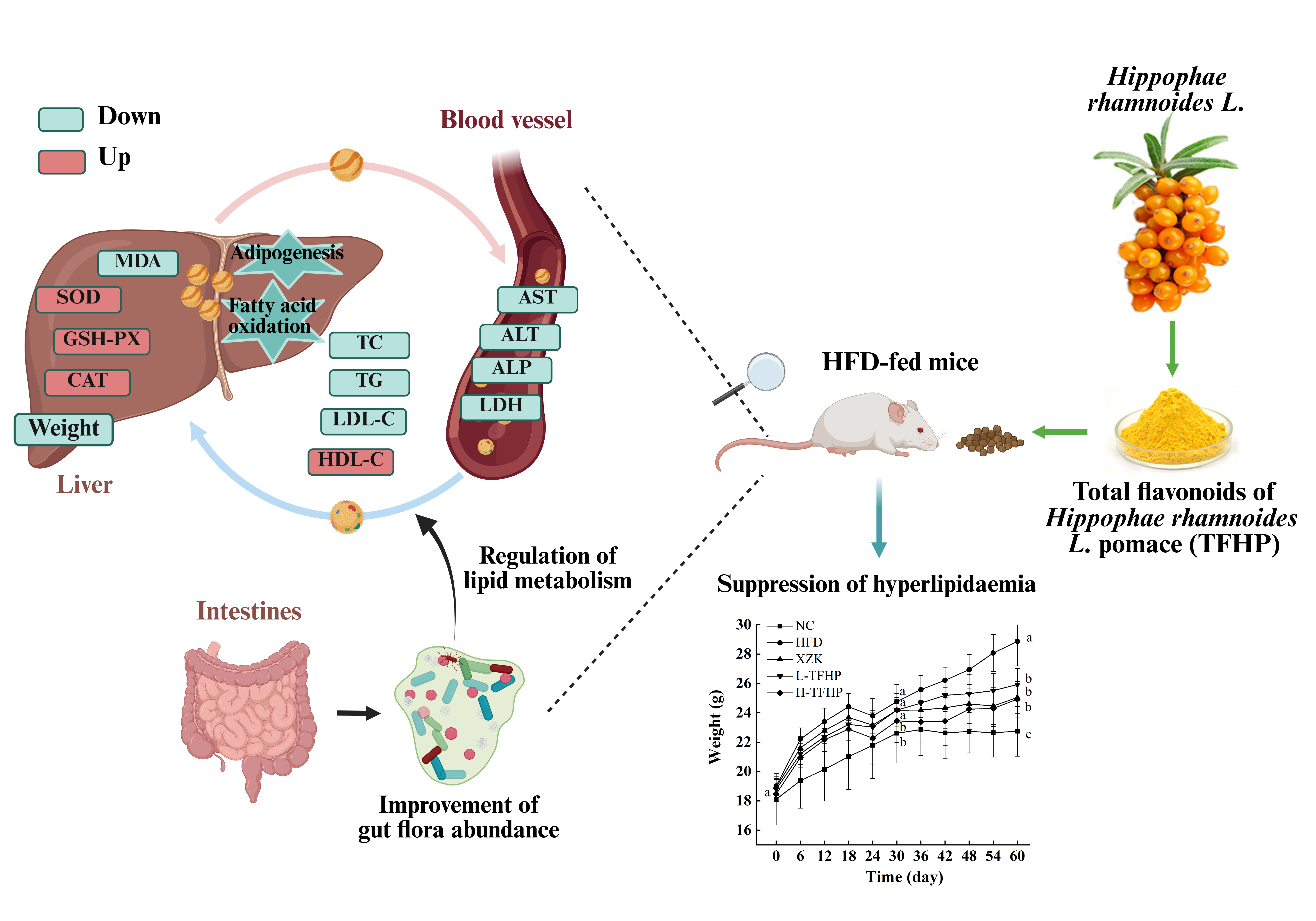
Sea Buckthorn Pericarp Flavonoids Improve Diet-Induced Hyperlipidemia via Coordinated Modulation of Hepatic Lipid Metabolism and Gut Microbiota

Abstract
1. Introduction
2. Materials and Methods
2.1. Materials
2.2. TFSP Extraction and Ultra Performance Liquid Chromatography–Quadrupole Mass Spectrometry (UPLC-Q-MS) Assay
2.3. Establishment of Animal Models and Group Processing
2.4. Determination of Serum Parameters in Mice
2.5. Determination of Liver Parameters
2.6. Histopathological Tests
2.7. Western Blot
2.8. Mice Fecal DNA Extraction and High-Throughput Sequencing
2.9. Statistical Analysis
3. Results
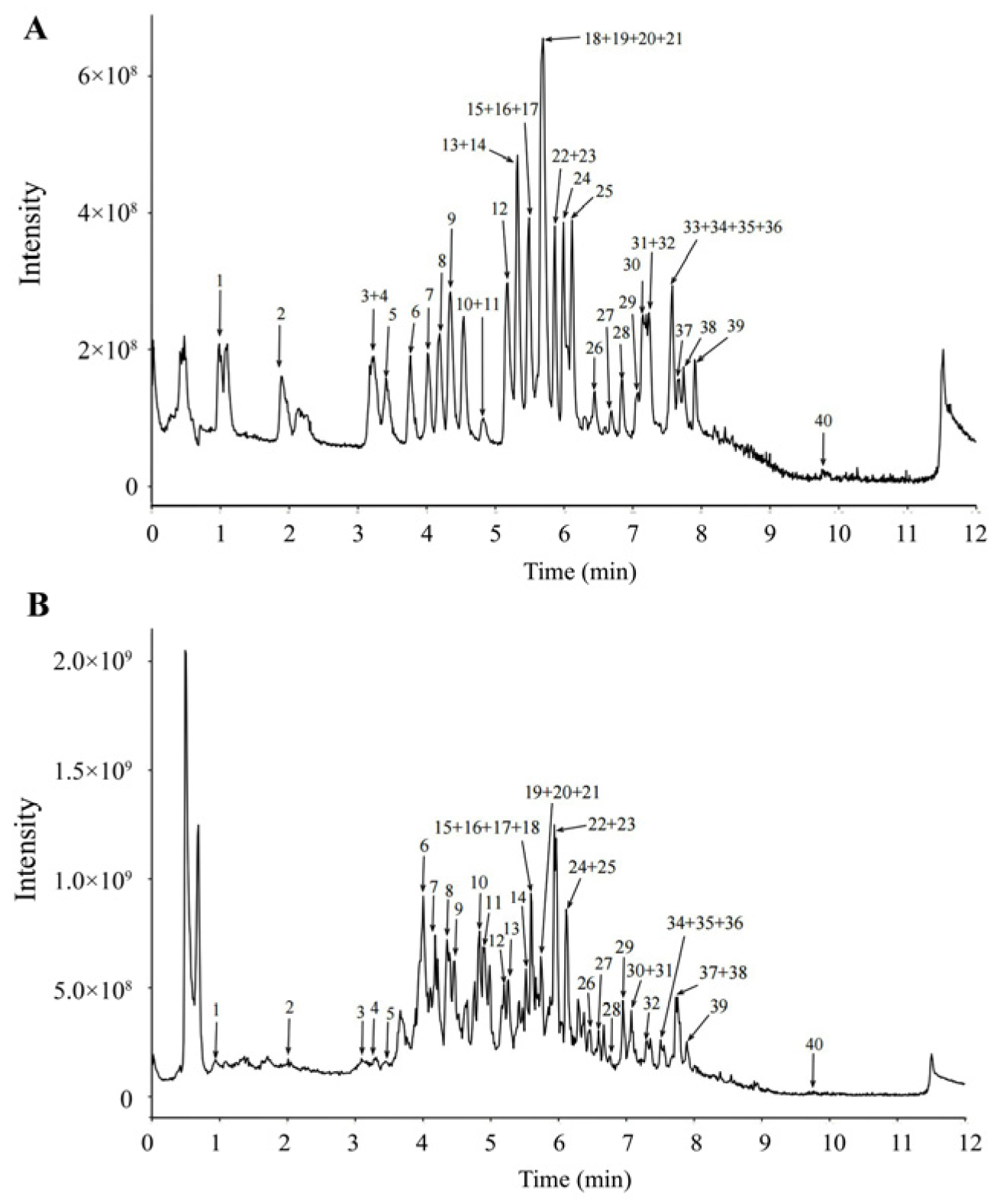
3.1. Flavonoid Content in TFSP
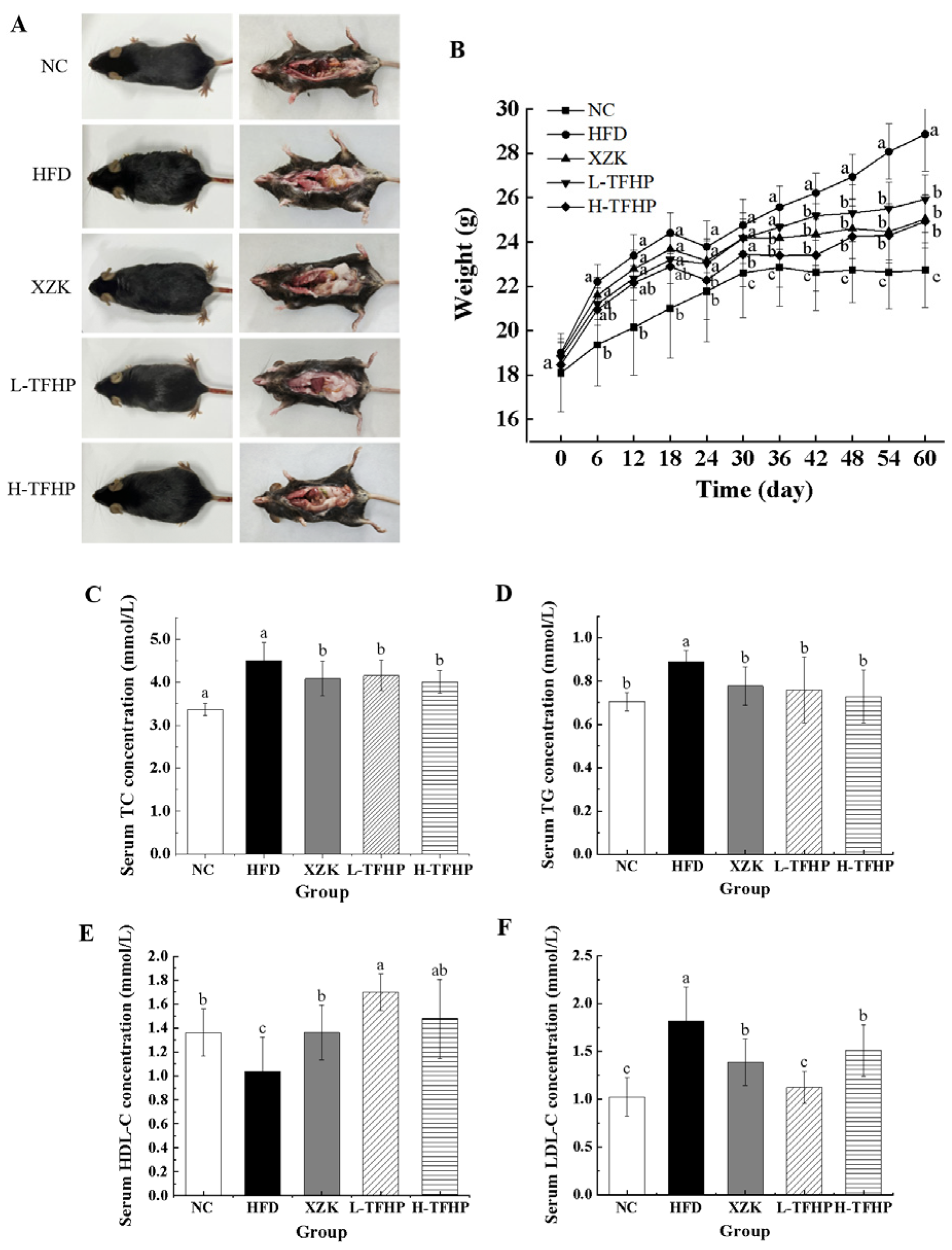
3.2. TFSP Ameliorates Weight Gain and Body Fat Accumulation in HFD Mice
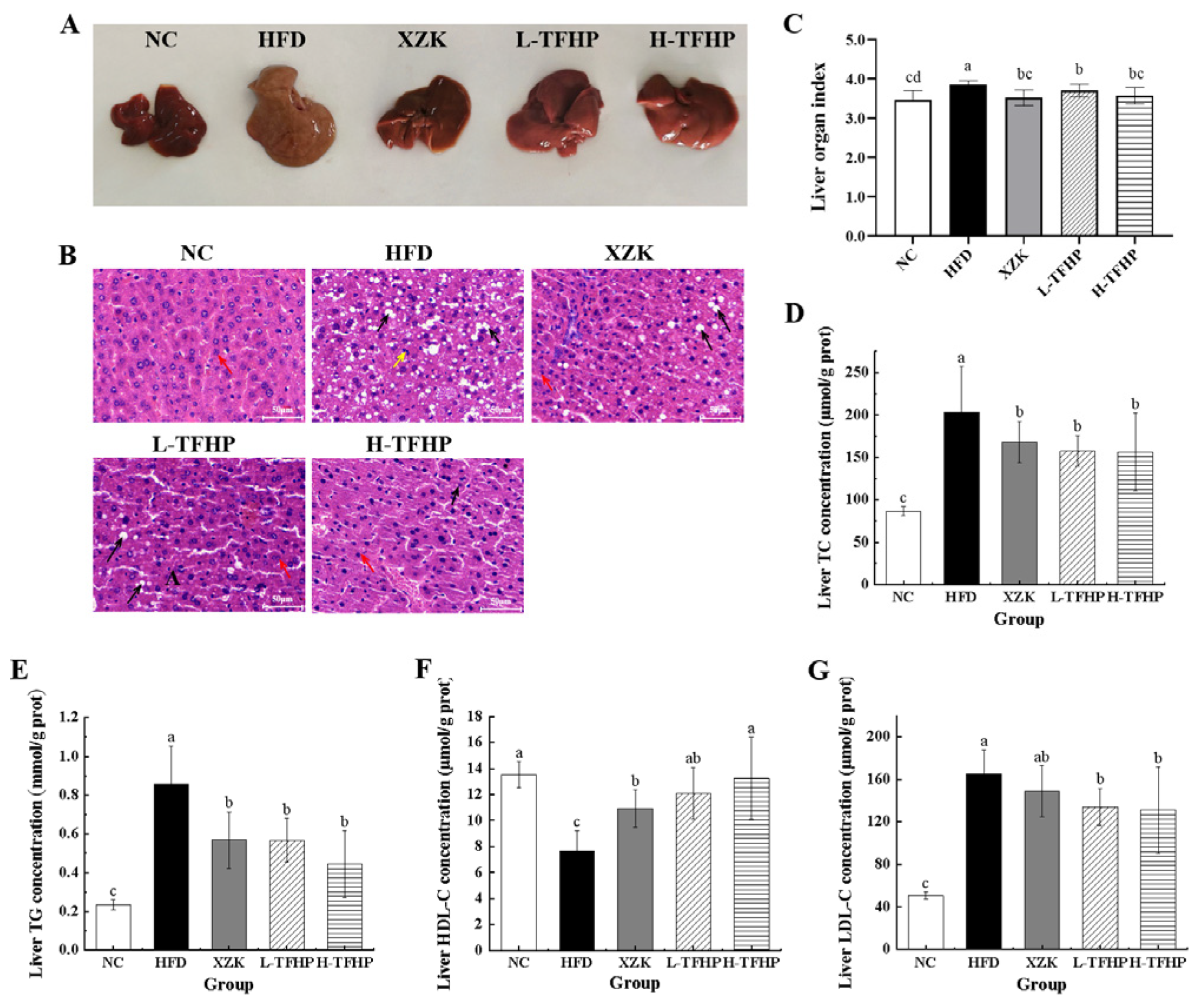
3.3. TFSP Improves Liver Fat Accumulation in Mice
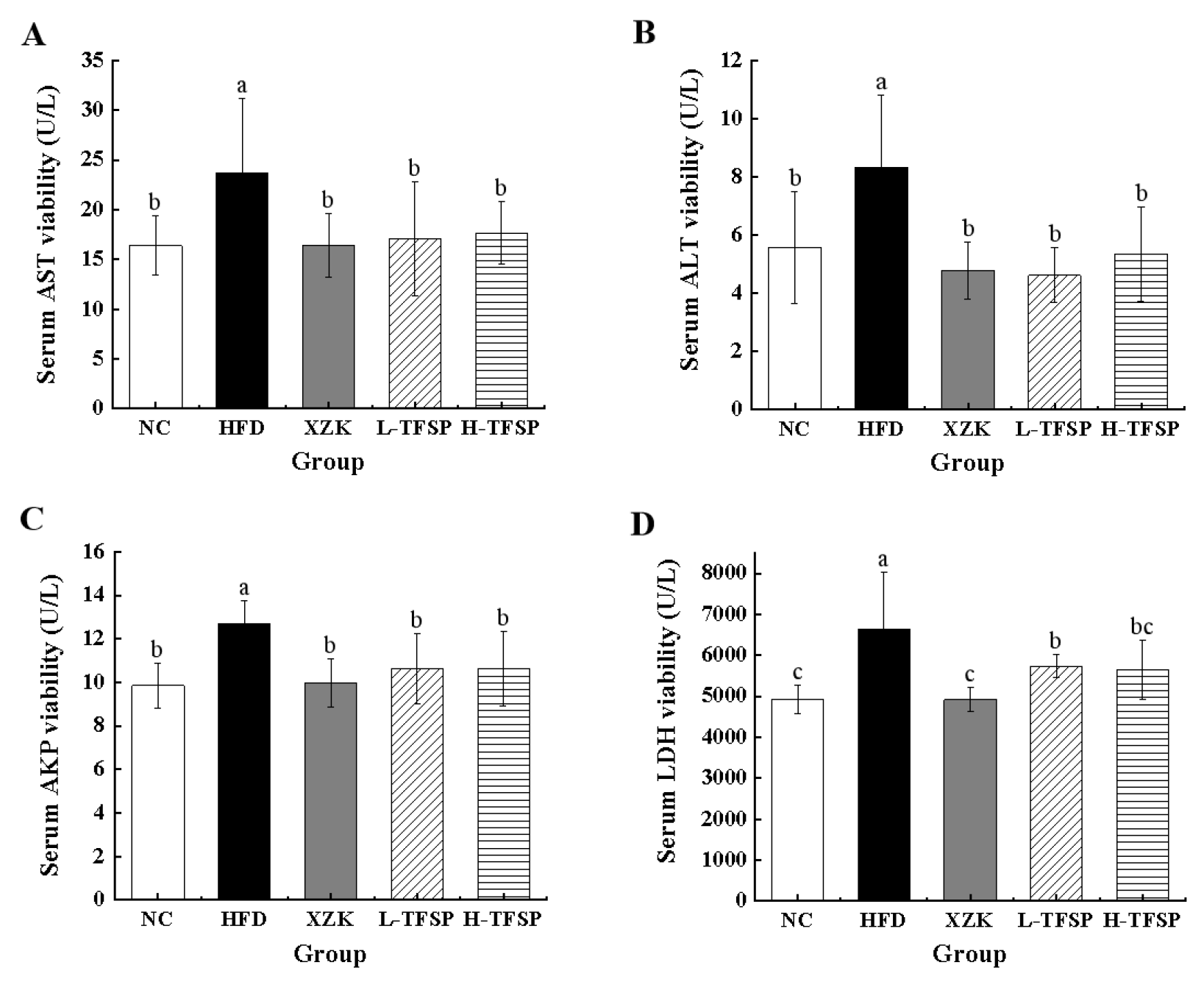
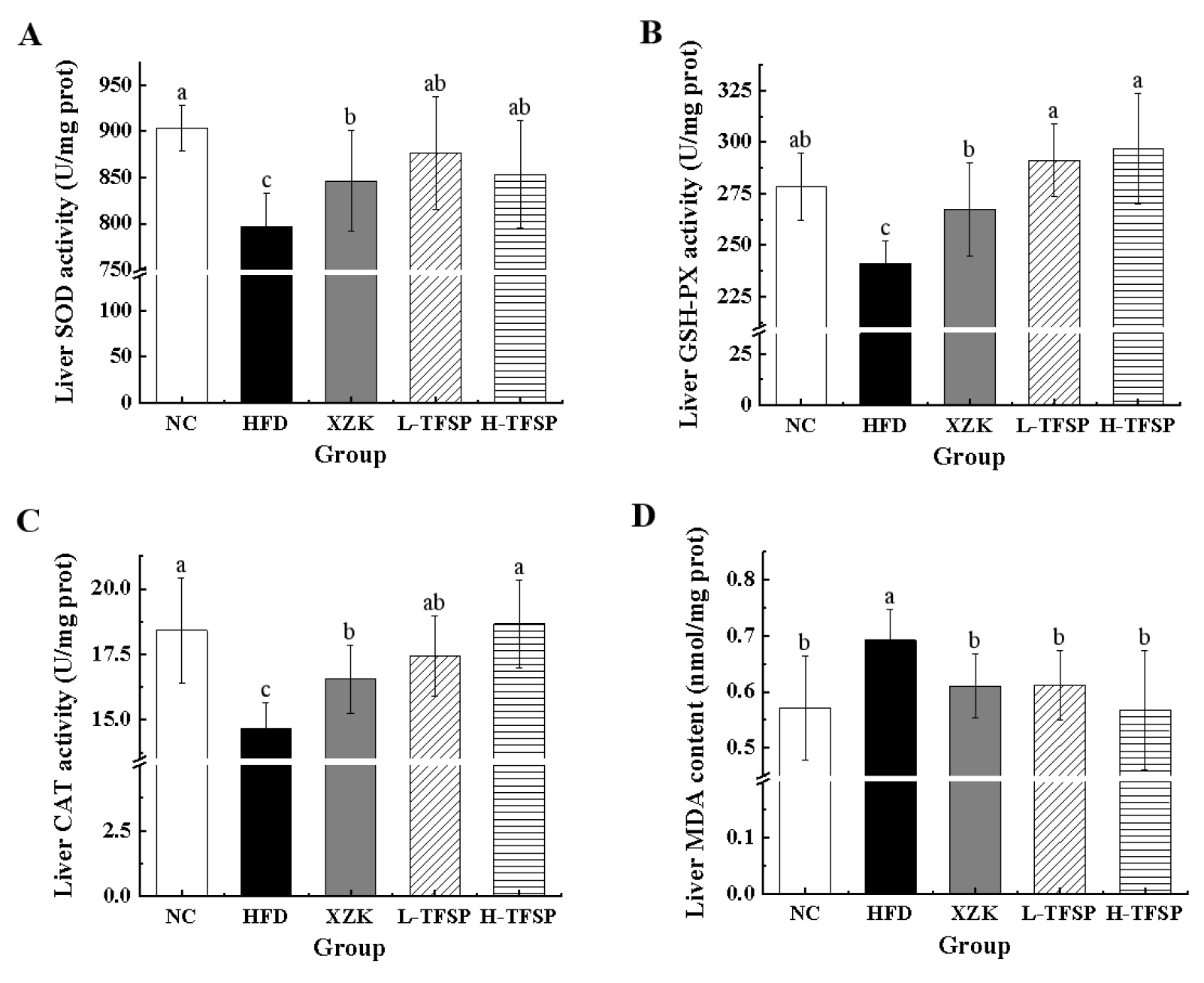
3.4. TFSP Ameliorates HFD-Induced Hepatic Impairment in Mice
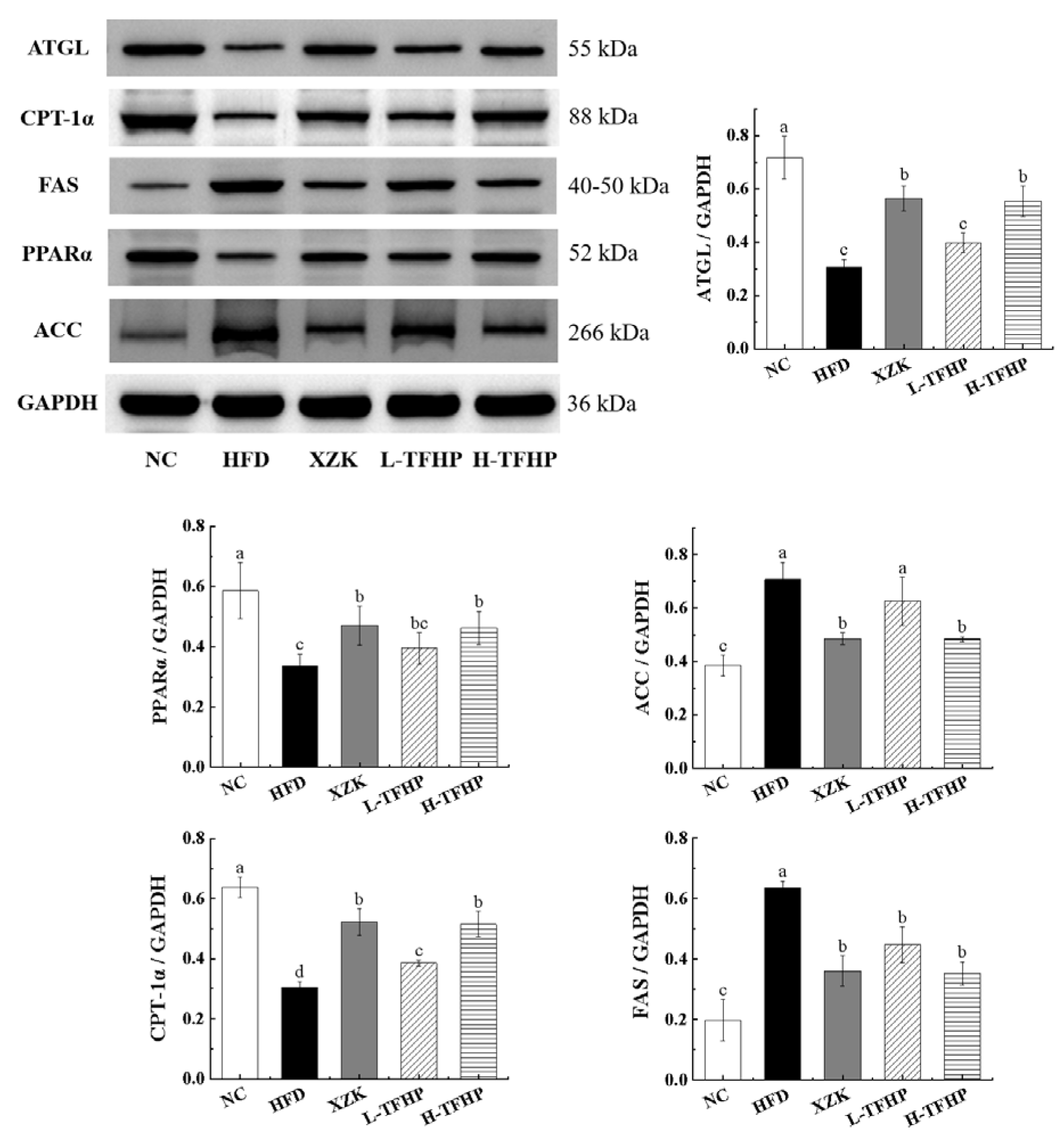
3.5. TFSP Regulates the Relevant Pathways of Lipid Metabolism
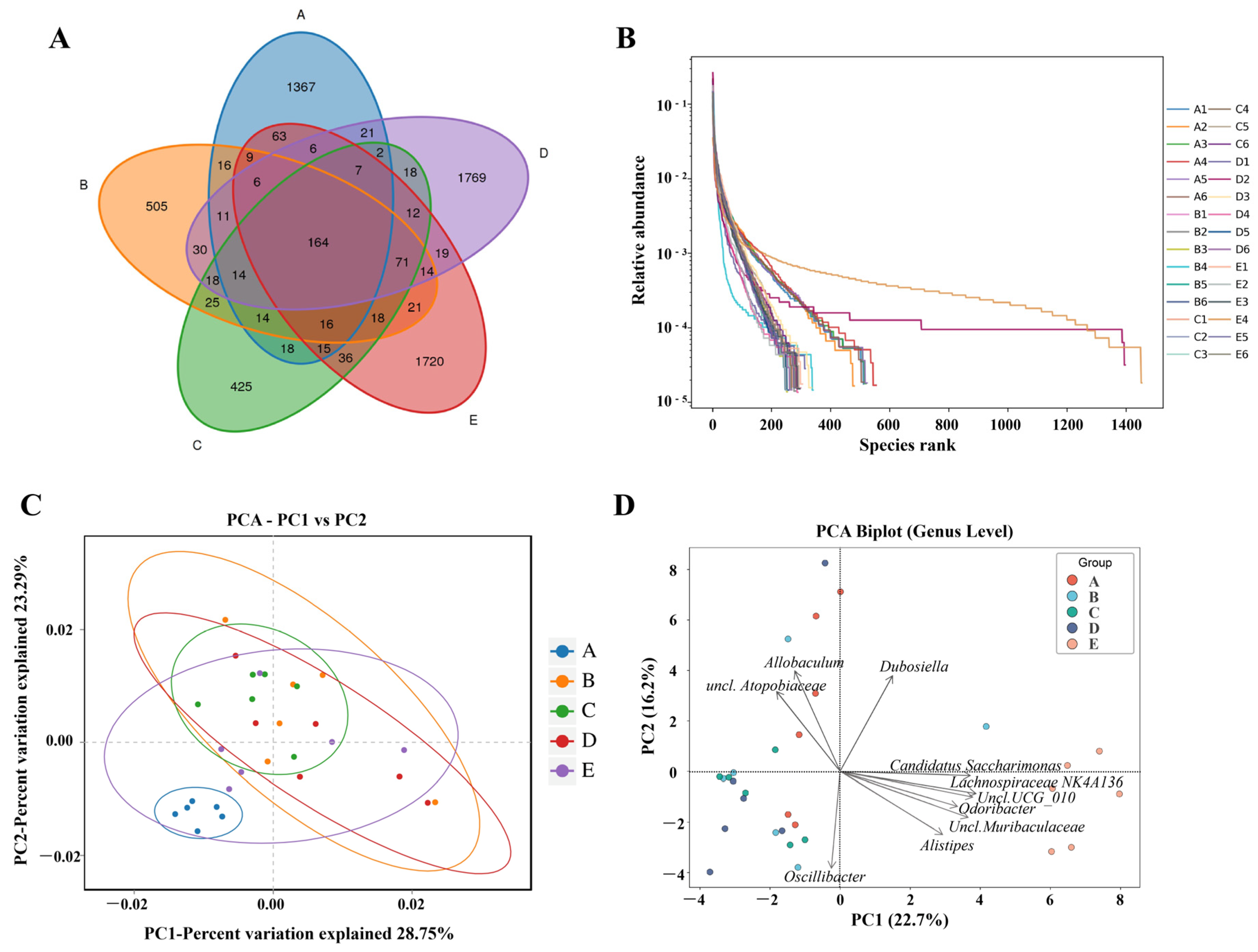
3.6. TFSP Improves Gut Flora Diversity
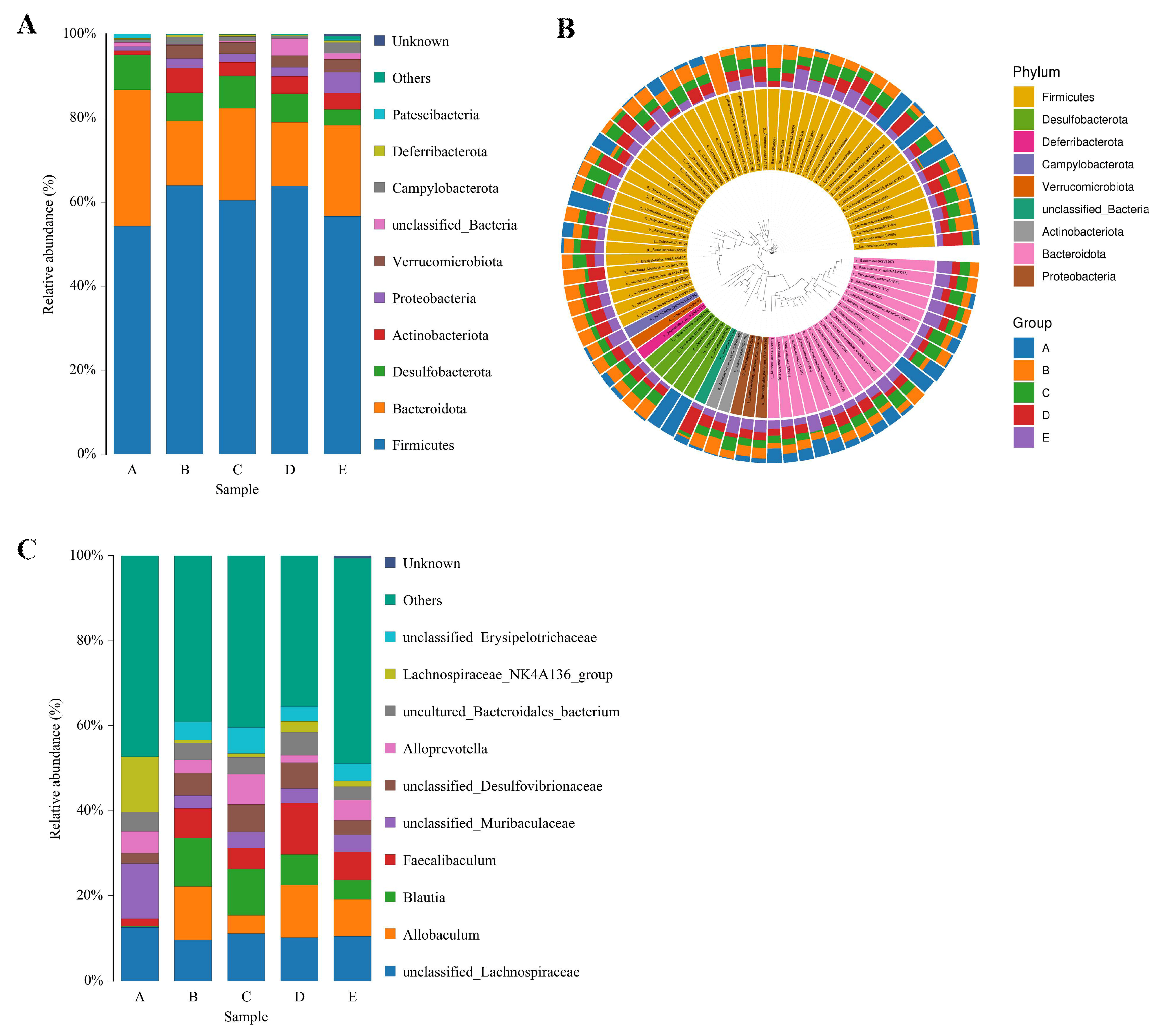
3.7. Regulation of Intestinal Flora at the Phylum and Genus Level in HFD Mice by TFSP
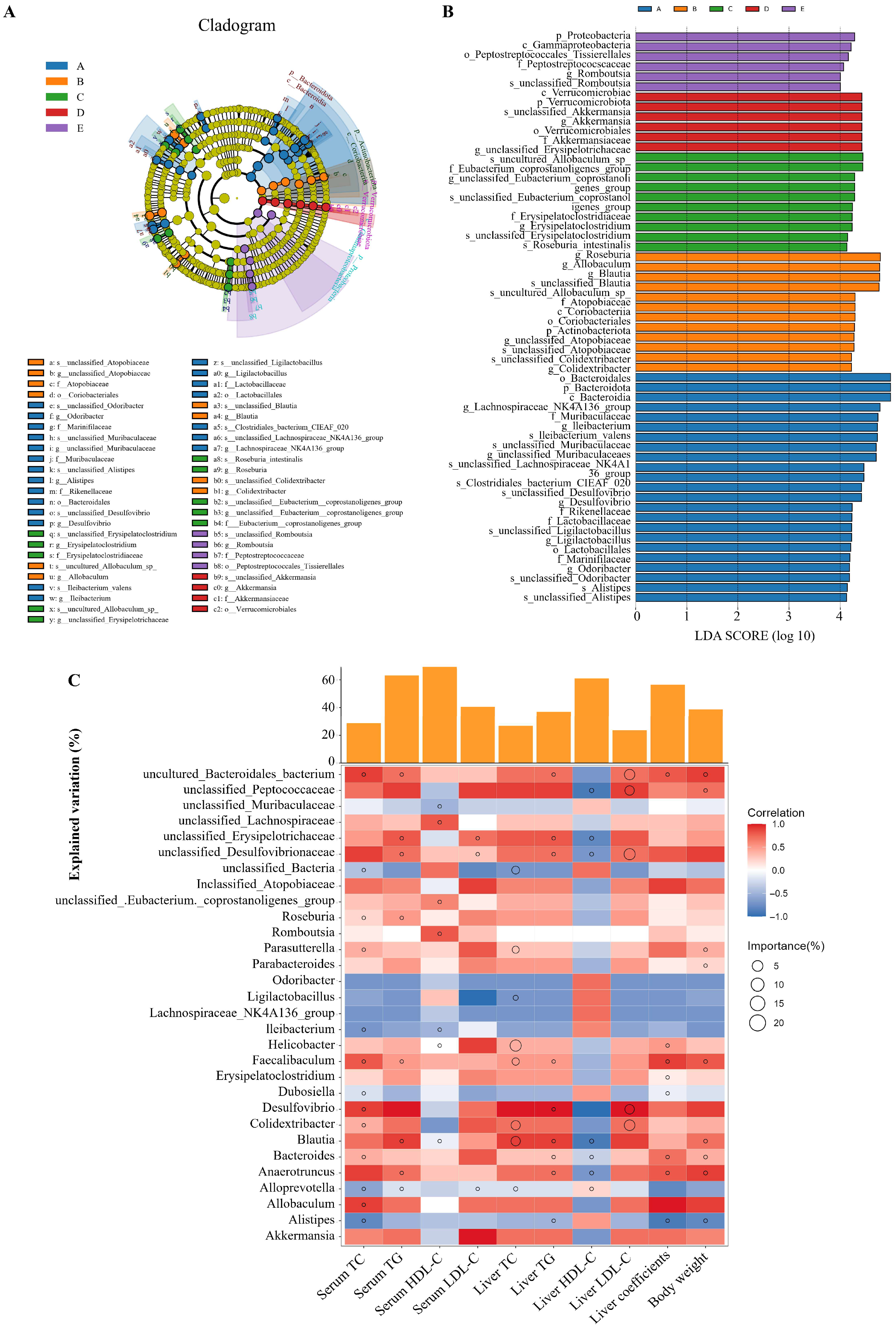
3.8. Analysis of Microbial Community Differences
3.9. Correlation Between Intestinal Flora and Hyperlipidemia
4. Discussion
5. Conclusions
Supplementary Materials
Author Contributions
Funding
Institutional Review Board Statement
Informed Consent Statement
Data Availability Statement
Acknowledgments
Conflicts of Interest
Abbreviations
| TFSP | Total flavonoids of Sea buckthorn pericarp pomace |
| HFD | High-fat diet |
| ACC | Acetyl-CoA carboxylase |
| FAS | Fatty acid synthase |
| CPT-1α | Carnitine palmitoyltransferase-1α |
| ATGL | Adipose triglyceride lipase |
| PPARα | Peroxisome proliferator-activated receptor alpha |
| ROS | Reactive oxygen species |
| SOD | Superoxide dismutase |
| CAT | Catalase |
| GSH-Px | Glutathione peroxidase |
| LDL-C | Low-density lipoprotein cholesterol |
| HDL-C | High-density lipoprotein cholesterol |
| TC | Total cholesterol |
| TG | Triglycerides |
| XZK | Xuezhikang |
| F/B | Firmicutes/Bacteroidetes |
References
- Guo, C.; Han, L.; Li, M.; Yu, L. Seabuckthorn (Hippophaë rhamnoides) Freeze-Dried Powder Protects against High-Fat Diet-Induced Obesity, Lipid Metabolism Disorders by Modulating the Gut Microbiota of Mice. Nutrients 2020, 12, 265. [Google Scholar] [CrossRef] [PubMed]
- Yuan, L.; Zhang, W.; Fang, W.; Zhuang, X.; Gong, W.; Xu, X.; Li, Y.; Wang, X. Sea Buckthorn Polyphenols Alleviate High-Fat-Diet-Induced Metabolic Disorders in Mice via Reprograming Hepatic Lipid Homeostasis Owing to Directly Targeting Fatty Acid Synthase. J. Agric. Food Chem. 2024, 72, 8632–8649. [Google Scholar] [CrossRef] [PubMed]
- Hao, Y.; Zhou, F.; Dong, J.; Wang, Y.; Lang, Z.; Li, S.; Li, S. Study on the Role of Flavonoids Derived Extract from Seed Residues of Hippophae rhamnoides on High-Fat Diet Induced Obese Mice. J. King Saud Univ.-Sci. 2020, 32, 1597–1603. [Google Scholar] [CrossRef]
- Kasahara, K.; Kerby, R.L.; Aquino-Martinez, R.; Evered, A.H.; Cross, T.L.; Everhart, J.; Ulland, T.K.; Kay, C.D.; Bolling, B.W.; Bäckhed, F.; et al. Gut Microbes Modulate the Effects of the Flavonoid Quercetin on Atherosclerosis. npj Biofilms Microbiomes 2025, 11, 12. [Google Scholar] [CrossRef]
- Nan, G.; Liu, L.; Wu, H.; Yin, S.; Li, C.; Zhao, H.; Chen, H.; Wu, Q. Transcriptomic and Metabonomic Profiling Reveals the Antihyperlipidemic Effects of Tartary Buckwheat Sprouts in High-Fat-Diet-Fed Mice. J. Agric. Food Chem. 2022, 70, 13302–13312. [Google Scholar] [CrossRef]
- Chen, Y.; Jiang, H.; Zhan, Z.; Lu, J.; Gu, T.; Yu, P.; Liang, W.; Zhang, X.; Liu, S.; Bi, H.; et al. Restoration of Lipid Homeostasis between TG and PE by the LXRα-ATGL/EPT1 Axis Ameliorates Hepatosteatosis. Cell Death Dis. 2023, 14, 85. [Google Scholar] [CrossRef]
- Xiang, Q.; Wen, J.; Zhou, Z.; Dai, Q.; Huang, Y.; Yang, N.; Guo, J.; Zhang, J.; Ren, F.; Zhou, X.; et al. Effect of Hydroxy-α-Sanshool on Lipid Metabolism in Liver and Hepatocytes Based on AMPK Signaling Pathway. Phytomedicine 2024, 132, 155849. [Google Scholar] [CrossRef]
- Wu, D.; Li, J.; Fan, Z.; Wang, L.; Zheng, X. Resveratrol Ameliorates Oxidative Stress, Inflammatory Response and Lipid Metabolism in Common Carp (Cyprinus carpio) Fed with High-Fat Diet. Front. Immunol. 2022, 13, 965954. [Google Scholar] [CrossRef]
- Stephens, R.W.; Arhire, L.; Covasa, M. Gut Microbiota: From Microorganisms to Metabolic Organ Influencing Obesity. Obesity 2018, 26, 801–809. [Google Scholar] [CrossRef]
- Tan, R.; Dong, H.; Chen, Z.; Jin, M.; Yin, J.; Li, H.; Shi, D.; Shao, Y.; Wang, H.; Chen, T.; et al. Intestinal Microbiota Mediates High-Fructose and High-Fat Diets to Induce Chronic Intestinal Inflammation. Front. Cell. Infect. Microbiol. 2021, 11, 654074. [Google Scholar] [CrossRef]
- Zhou, L.; Gong, L.; Liu, Z.; Xiang, J.; Ren, C.; Xu, Y. Probiotic Interventions with Highly Acid-Tolerant Levilactobacillus Brevis Strains Improve Lipid Metabolism and Gut Microbial Balance in Obese Mice. Food Funct. 2024, 16, 112–132. [Google Scholar] [CrossRef] [PubMed]
- Li, Q.; Li, S.; Chen, A.; Huang, C.; Chang, J.; Zhang, N.; Li, M. Dracocephalum moldavica L. Tea Alleviates High-Fat Diet-Induced Hyperlipidemia in Rats via Gut Microbiota and Lipid Metabolism. J. Futur. Foods 2026, 6, 220–231. [Google Scholar] [CrossRef]
- Sun, J.; Jiang, J.; Mou, X.; Zong, Z.; Yan, S.; Jialaliding, R.; Bao, X. Purification and Component Analysis of Total Flavonoids from Sea Buckthorn Peel Residue and Its Anti-Pancreatic Lipase. Sci. Technol. Food Ind. 2024, 45, 206–215. [Google Scholar] [CrossRef]
- Li, Z.; Liu, Y.; Xiang, J.; Wang, C.; Johnson, J.B.; Beta, T. Diverse Polyphenol Components Contribute to Antioxidant Activity and Hypoglycemic Potential of Mulberry Varieties. LWT 2023, 173, 114308. [Google Scholar] [CrossRef]
- Aydos, L.R.; Do Amaral, L.A.; de Souza, R.S.; Jacobowski, A.C.; Dos Santos, E.F.; Macedo, M.L.R. Nonalcoholic Fatty Liver Disease Induced by High-Fat Diet in C57BL/6 Models. Nutrients 2019, 11, 3067. [Google Scholar] [CrossRef]
- Jia, M.; Zhang, W.; He, T.; Shu, M.; Deng, J.; Wang, J.; Li, W.; Bai, J.; Lin, Q.; Luo, F.; et al. Evaluation of the Genotoxic and Oxidative Damage Potential of Silver Nanoparticles in Human NCM460 and HCT116 Cells. Int. J. Mol. Sci. 2020, 21, 1618. [Google Scholar] [CrossRef]
- Kitada, S.; Jia, L.; Coward, L.C.; Gorman, G.S.; Noker, P.; Pellecchia, M.; Reed, J.C. Bcl-2 Antagonist ApoGossypol (NSC736630) Displays Single-Agent Activity in Bcl-2 Transgenic Mice and Has Superior Efficacy and Pharmacology with Less Toxicity Compared to Gossypol (NSC19048). Blood 2006, 108, 2487. [Google Scholar] [CrossRef]
- Xie, Y.; Liu, J.; Shi, Y.; Wang, B.; Wang, X.; Wang, W.; Sun, M.; Xu, X.; Jiang, H.; Guo, M.; et al. The Combination of Sesamol and Clofibric Acid Moieties Leads to a Novel Potent Hypolipidemic Agent with Antioxidant, Anti-Inflammatory and Hepatoprotective Activity. Bio. Med. Chem. Lett. 2021, 44, 128121. [Google Scholar] [CrossRef]
- Zhou, X.; Ge, B.; Zhang, X.; Wang, K.; Zhou, C.; Fu, D. Metabolomics Analysis Reveals the Effects of Compound Fuzhuan Brick Tea (CFBT) on Regulating Dyslipidemia and Metabolic Disorders in Mice Induced by High-Fat Diet. Nutrients 2022, 14, 1128. [Google Scholar] [CrossRef]
- Bouhamed, S.B.H.; Chaari, M.; Bellassoued, K.; Naifar, M.; Makni-Ayadi, F.; Boudaouara, T.; El Feki, A.; Kechaou, N. Anti-Hyperlipidemic and Antioxidant Effects of Feather Protein Hydrolysate in High-Fat Fed Mice. Eng. Life Sci. 2019, 19, 175–183. [Google Scholar] [CrossRef]
- Zhang, S.; Xu, X.; Cao, X.; Liu, T. The Structural Characteristics of Dietary Fibers from Tremella Fuciformis and Their Hypolipidemic Effects in Mice. Food Sci. Hum. Wellness 2023, 12, 503–511. [Google Scholar] [CrossRef]
- Jiang, N.; Li, B.; Wang, X.; Xu, X.; Liu, X.; Li, W.; Chang, X.; Li, H.; Qi, H. The Antioxidant and Antihyperlipidemic Activities of Phosphorylated Polysaccharide from Ulva Pertusa. Int. J. Biol. Macromol. 2020, 145, 1059–1065. [Google Scholar] [CrossRef]
- Chang, J.J.; Hsu, M.J.; Huang, H.P.; Chung, D.J.; Chang, Y.C.; Wang, C.J. Mulberry Anthocyanins Inhibit Oleic Acid Induced Lipid Accumulation by Reduction of Lipogenesis and Promotion of Hepatic Lipid Clearance. J. Agric. Food Chem. 2013, 61, 6069–6076. [Google Scholar] [CrossRef] [PubMed]
- Duan, R.; Guan, X.; Huang, K.; Zhang, Y.; Li, S.; Xia, J.; Shen, M. Flavonoids from Whole-Grain Oat Alleviated High-Fat Diet-Induced Hyperlipidemia via Regulating Bile Acid Metabolism and Gut Microbiota in Mice. J. Agric. Food Chem. 2021, 69, 7629–7640. [Google Scholar] [CrossRef] [PubMed]
- Wu, Q.; Wang, Q.; Fu, J.; Ren, R. Polysaccharides Derived from Natural Sources Regulate Triglyceride and Cholesterol Metabolism: A Review of the Mechanisms. Food Funct. 2019, 10, 2330–2339. [Google Scholar] [CrossRef]
- Chen, Y.; Jiang, H.; Zhan, Z.; Lu, J.; Gu, T.; Yu, P.; Liang, W.; Zhang, X.; Zhong, S.; Tang, L. Oridonin Restores Hepatic Lipid Homeostasis in an LXRα-ATGL/EPT1 Axis-Dependent Manner. J. Pharm. Anal. 2023, 13, 1281–1295. [Google Scholar] [CrossRef]
- Barczynska, R.; Slizewska, K.; Litwin, M.; Szalecki, M.; Zarski, A.; Kapusniak, J. The Effect of Dietary Fibre Preparations from Potato Starch on the Growth and Activity of Bacterial Strains Belonging to the Phyla Firmicutes, Bacteroidetes, and Actinobacteria. J. Funct. Foods 2015, 19, 661–668. [Google Scholar] [CrossRef]
- Lu, X.; Liu, J.; Zhang, N.; Fu, Y.; Zhang, Z.; Li, Y.; Wang, W.; Li, Y.; Shen, P.; Cao, Y. Ripened Pu-Erh Tea Extract Protects Mice from Obesity by Modulating Gut Microbiota Composition. J. Agric. Food Chem. 2019, 67, 6978–6994. [Google Scholar] [CrossRef]
- Derrien, M.; Vaughan, E.E.; Plugge, C.M.; de Vos, W.M. Akkermansia municiphila gen. nov., sp. nov., a Human Intestinal Mucin-Degrading Bacterium. Int. J. Syst. Evol. Microbiol. 2004, 54, 1469–1476. [Google Scholar] [CrossRef]



| Peak Number | Retention Time (min) | Name | Molecular Formula | Concentration (ng/mg) | Categorization |
|---|---|---|---|---|---|
| 1 | 0.99 | Gallic acid | C7H6O5 | 3.007 ± 0.446 | Phenolic Acids |
| 2 | 1.91 | 3,4-Dihydroxybenzoic acid | C7H6O4 | 2.548 ± 0.578 | Phenolic Acids |
| 3 | 3.19 | Protocatechualdehyde | C7H6O3 | 18.988 ± 0.384 | Phenolic Acids |
| 4 | 3.3 | Phthalic acid | C8H6O4 | 0.601 ± 0.173 | Phenolic Acids |
| 5 | 3.4 | 4-Hydroxybenzoic acid | C7H6O3 | 1.33 ± 0.155 | Phenolic Acids |
| 6 | 3.98 | Catechin | C15H14O6 | 994.812 ± 0.845 | Flavonoids |
| 7 | 4.19 | Vanillic acid | C8H8O4 | 21.603 ± 0.628 | Phenolic Acids |
| 8 | 4.34 | Caffeic acid | C9H8O4 | 0.726 ± 0.048 | Phenolic Acids |
| 9 | 4.55 | Syringic acid | C9H10O5 | 7.284 ± 0.162 | Phenolic Acids |
| 10 | 4.81 | Epicatechin | C15H14O6 | 82.49 ± 0.135 | Flavonoids |
| 11 | 4.85 | Dihydromyricetin | C15H12O8 | 22.136 ± 0.422 | Flavonoids |
| 12 | 5.17 | Vanillin | C8H8O3 | 12.488 ± 0.151 | Phenolic Acids |
| 13 | 5.32 | p-Hydroxycinnamic Acid | C9H8O3 | 34.16 ± 0.485 | Phenolic Acids |
| 14 | 5.49 | Syringaldehyde | C9H10O4 | 5.63 ± 0.648 | Phenolic Acids |
| 15 | 5.6 | Rutin | C27H30O16 | 1348.81 ± 0.179 | Flavonoids |
| 16 | 5.6 | Salicylic acid | C7H6O3 | 7.591 ± 0.466 | Phenolic Acids |
| 17 | 5.64 | Vitexin | C21H20O10 | 0.05 ± 0.043 | Flavonoids |
| 18 | 5.68 | Trans-Ferulic acid | C10H10O4 | 12.291 ± 0.686 | Phenolic Acids |
| 19 | 5.71 | Sinapic Acid | C11H12O5 | 22.333 ± 0.56 | Phenolic Acids |
| 20 | 5.75 | Quercetin 3-β-D-glucoside | C21H20O12 | 558.638 ± 0.391 | Flavonoids |
| 21 | 5.78 | Luteoloside | C21H20O11 | 0.132 ± 0.006 | Flavonoids |
| 22 | 5.85 | (+)-Dihydroquercetin | C15H12O7 | 30.906 ± 0.347 | Flavonoids |
| 23 | 5.88 | Genistin | C21H20O10 | 0.364 ± 0.048 | Flavonoids |
| 24 | 6.05 | Benzoic acid | C7H6O2 | 43.597 ± 0.731 | Phenolic Acids |
| 25 | 6.05 | Kaempferol-3-O-glucoside | C21H20O11 | 102.69 ± 0.427 | Flavonoids |
| 26 | 6.44 | (+)-Dihydrokaempferol | C15H12O6 | 2.903 ± 0.029 | Flavonoids |
| 27 | 6.69 | Resveratrol | C14H12O3 | 0.608 ± 0.011 | Phenolic Acids |
| 28 | 6.81 | Daidzein | C15H10O4 | 0.008 ± 0.004 | Flavonoids |
| 29 | 7.05 | Luteolin | C15H10O6 | 0.87 ± 0.016 | Flavonoids |
| 30 | 7.09 | Quercetin | C15H10O7 | 111.289 ± 0.254 | Flavonoids |
| 31 | 7.14 | Hydrocinnamic acid | C9H10O2 | 2.921 ± 0.39 | Phenolic Acids |
| 32 | 7.24 | Trans-Cinnamic acid | C9H8O2 | 4.106 ± 0.44 | Phenolic Acids |
| 33 | - | Naringenin Chalcone | C15H12O5 | - | Flavonoids |
| 34 | 7.55 | Phloretin | C15H14O5 | 0.089 ± 0.011 | Flavonoids |
| 35 | 7.58 | Naringenin | C15H12O5 | 3.32 ± 0.439 | Flavonoids |
| 36 | 7.58 | Apigenin | C15H10O5 | 0.269 ± 0.014 | Flavonoids |
| 37 | 7.67 | Kaempferol | C15H10O6 | 21.144 ± 0.286 | Flavonoids |
| 38 | 7.73 | Isorhamnetin | C16H12O7 | 182.445 ± 0.62 | Flavonoids |
| 39 | 7.93 | Isoliquiritigenin | C15H12O4 | 0.007 ± 0.001 | Flavonoids |
| 40 | 9.76 | Gossypol | C30H30O8 | 0.344 ± 0.024 | Polyphenol |
Disclaimer/Publisher’s Note: The statements, opinions and data contained in all publications are solely those of the individual author(s) and contributor(s) and not of MDPI and/or the editor(s). MDPI and/or the editor(s) disclaim responsibility for any injury to people or property resulting from any ideas, methods, instructions or products referred to in the content. |
© 2026 by the authors. Licensee MDPI, Basel, Switzerland. This article is an open access article distributed under the terms and conditions of the Creative Commons Attribution (CC BY) license.
Share and Cite
Bao, X.; Wang, Q.; Li, F.; Wu, T.; Mou, X.; Zeng, Q.; Jia, M. Sea Buckthorn Pericarp Flavonoids Improve Diet-Induced Hyperlipidemia via Coordinated Modulation of Hepatic Lipid Metabolism and Gut Microbiota. Foods 2026, 15, 1049. https://doi.org/10.3390/foods15061049
Bao X, Wang Q, Li F, Wu T, Mou X, Zeng Q, Jia M. Sea Buckthorn Pericarp Flavonoids Improve Diet-Induced Hyperlipidemia via Coordinated Modulation of Hepatic Lipid Metabolism and Gut Microbiota. Foods. 2026; 15(6):1049. https://doi.org/10.3390/foods15061049
Chicago/Turabian StyleBao, Xiaowei, Qin Wang, Fengming Li, Tonghua Wu, Xiaojuan Mou, Qiqi Zeng, and Mingxi Jia. 2026. "Sea Buckthorn Pericarp Flavonoids Improve Diet-Induced Hyperlipidemia via Coordinated Modulation of Hepatic Lipid Metabolism and Gut Microbiota" Foods 15, no. 6: 1049. https://doi.org/10.3390/foods15061049
APA StyleBao, X., Wang, Q., Li, F., Wu, T., Mou, X., Zeng, Q., & Jia, M. (2026). Sea Buckthorn Pericarp Flavonoids Improve Diet-Induced Hyperlipidemia via Coordinated Modulation of Hepatic Lipid Metabolism and Gut Microbiota. Foods, 15(6), 1049. https://doi.org/10.3390/foods15061049