Exploring the Multifunctional Roles of Betaine: Traditional Applications, Emerging Technologies, and Green Chemistry Innovations


Abstract
1. Introduction
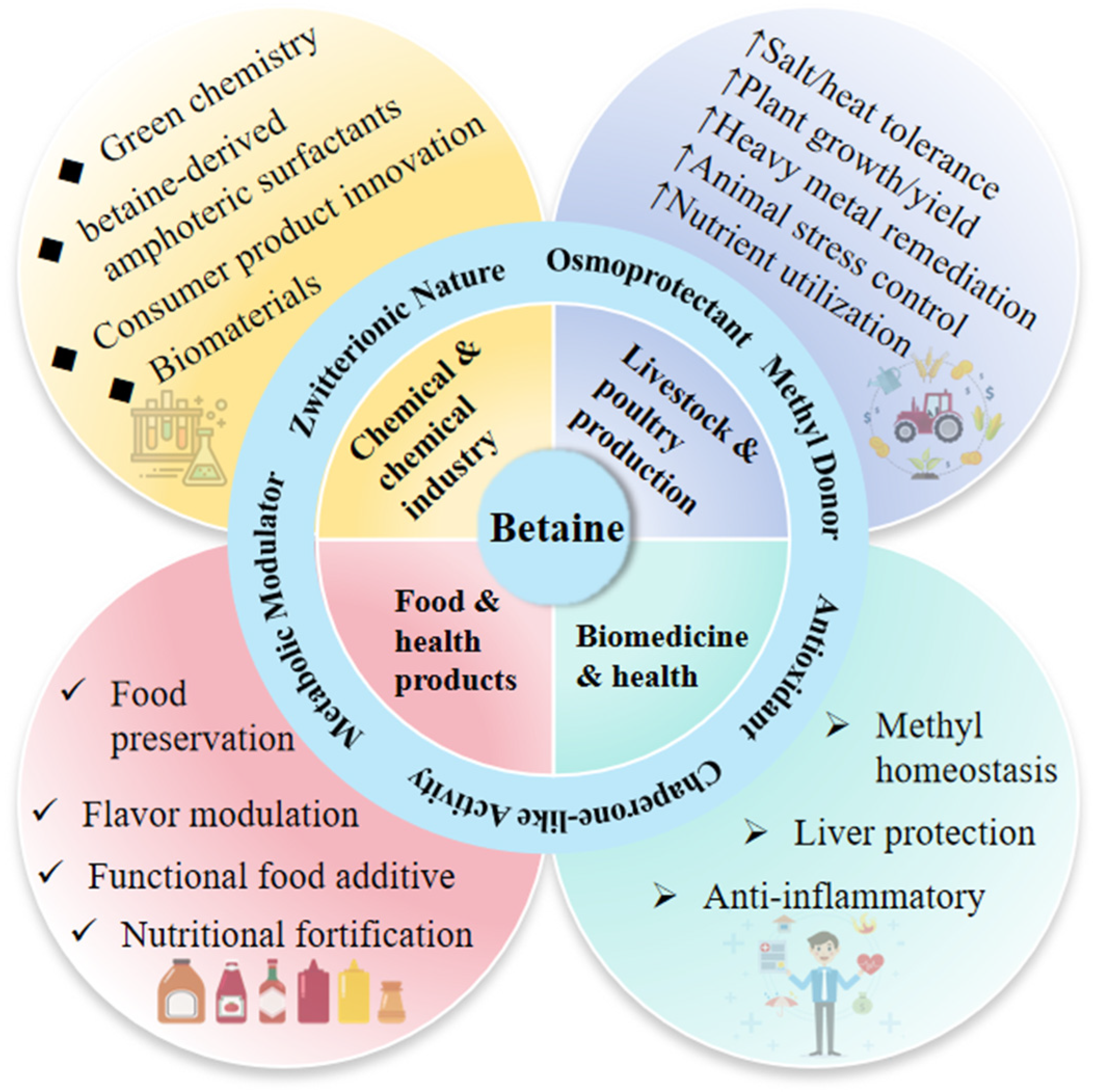
2. Main Applications of Betaine
2.1. Applications in Animal Nutrition and Husbandry

| Mechanism | Model/Example | Dose & Method | Key Outcome | Ref. |
|---|---|---|---|---|
| Improvement of meat quality & oxidative stability | Pigs (RYR1 gene mutation, heterozygous Nn) | Betaine (1.25 g/kg feed) or Creatine (2.0 g/kg feed); 30 days pre-slaughter | Vs. Control (Nn): Betaine: Initial pH ↑, Drip loss ↓; Both: Oxidative stability ↑ | [1] |
| Osmoprotection & antioxidant | Broiler chicken (heat stress) | 0.10% w/w betaine in feed | Weight gain +84 g; FCR improvement 4.6 pts | [2] |
| Enhances growth performance, meat quality, and antioxidant capacity | Broiler chickens | Anhydrous betaine (500 or 1000 mg/kg) or hydrochloride betaine (642.23 or 1284.46 mg/kg) | ↓ Drip loss and lipid peroxidation; ↑ growth performance, muscle yield, and antioxidant status | [3] |
| Methyl donor substitution & immunomodulation | Laying hens (Bovans brown) | Dietary replacement of choline with betaine (0, 25, 50, 100%) for 12 weeks | Egg weight & Egg mass ↑; Yolk color intensity ↑; Newcastle disease (ND) antibody titer ↑; Serum lipids & liver enzymes: No significant change | [4] |
| Methyl donor & osmoregulation | Ruminants (meta-analysis) | 10–15 g betaine/day in diet | Milk yield +1.0 kg/d; ADG +0.019 kg/d | [5] |
| Enhanced nutrient utilization | Aquaculture (meta-analysis) | 0.99% w/w betaine in feed | Specific growth rate & FCR ↑ | [6] |
| Antioxidant defense & mitigation of oxidative stress | Rats (Cadmium-induced testicular toxicity) | 1.5% (w/w) of total diet (oral) for 10 days | Testicular TBARS ↓; CAT & SOD activities ↑; pathological changes prevented | [8] |
| Enhances glucose uptake, insulin sensitivity, protein utilization | Ruminants | Betaine-based feed additive (betaine + biotin + chromium) at 3 or 6 g/kg DM | Improved nutrient utilization without affecting rumen fermentation or nitrogen balance | [9] |
2.2. Biomedicine and Health
2.2.1. Alleviation of Liver Injury
2.2.2. Prevention of Cardiovascular Disease
2.2.3. Regulation of Systemic Metabolism
2.2.4. Amelioration of Muscle Atrophy
2.2.5. Anti-Inflammatory and Immunomodulatory Properties
2.2.6. Other Biological Activities
2.2.7. Construction of Functional Polymers
| Mechanism | Model/Example | Dose & Method | Key Outcome | Ref. |
|---|---|---|---|---|
| Synergistic effects of SCG and CAPB in complex system; improved performance compared to SCG alone | SCG/CAPB System | Visible-ultraviolet spectrophotometry, surface tension meter, POM, SAXS | SCG and CAPB mixture enhances phase behavior and performance in personal care formulations | [44] |
| Mild surfactancy; low skin irritation | Mild personal-care formulation | 60 μL applied via 24 h occlusive patch test (24 volunteers); standardized cleaning assay (model dirt) | Reduced irritation; good cleansing efficacy | [45] |
| Modulation of surface activity & micellar self-assembly via alkyl chain length | CAPB components (Pure amidopropyl betaines with varying tail lengths) | Physicochemical analysis (SANS, Tensiometry, Foaming studies, Microscopy) | Increased alkyl tail length correlates with higher surface activity; Altered micelle geometries; Modulated adsorption dynamics & foaming; Enables optimization of surfactant properties via feedstock selection | [46] |
| Safety assessment & Toxicological evaluation (Irritation, Sensitization, Systemic toxicity) | Cosmetic formulations (Leave-on/Rinse-off) & Rats (92-day repeated dose toxicity) | Usage limits: 30% (rinse-off), 6% (leave-on); NOAEL: 250 mg/kg/day (Oral) | Mild skin/eye irritation & sensitization observed; Systemic exposure 0.0012–0.93 mg/kg/day; Margin of Safety (MOS) > 100; Concluded safe under current usage conditions | [47] |
2.3. Applications in Consumer Products
2.4. Applications in Food Science
2.4.1. Functional Food Additive
2.4.2. Food Preservation & Quality Maintenance
2.4.3. Flavor Modulation
2.4.4. Regulatory Requirements and Application Limits
2.5. Limitations of Betaine Application
3. Emerging Frontiers in Betaine Research: Cocrystals and Deep Eutectic Systems
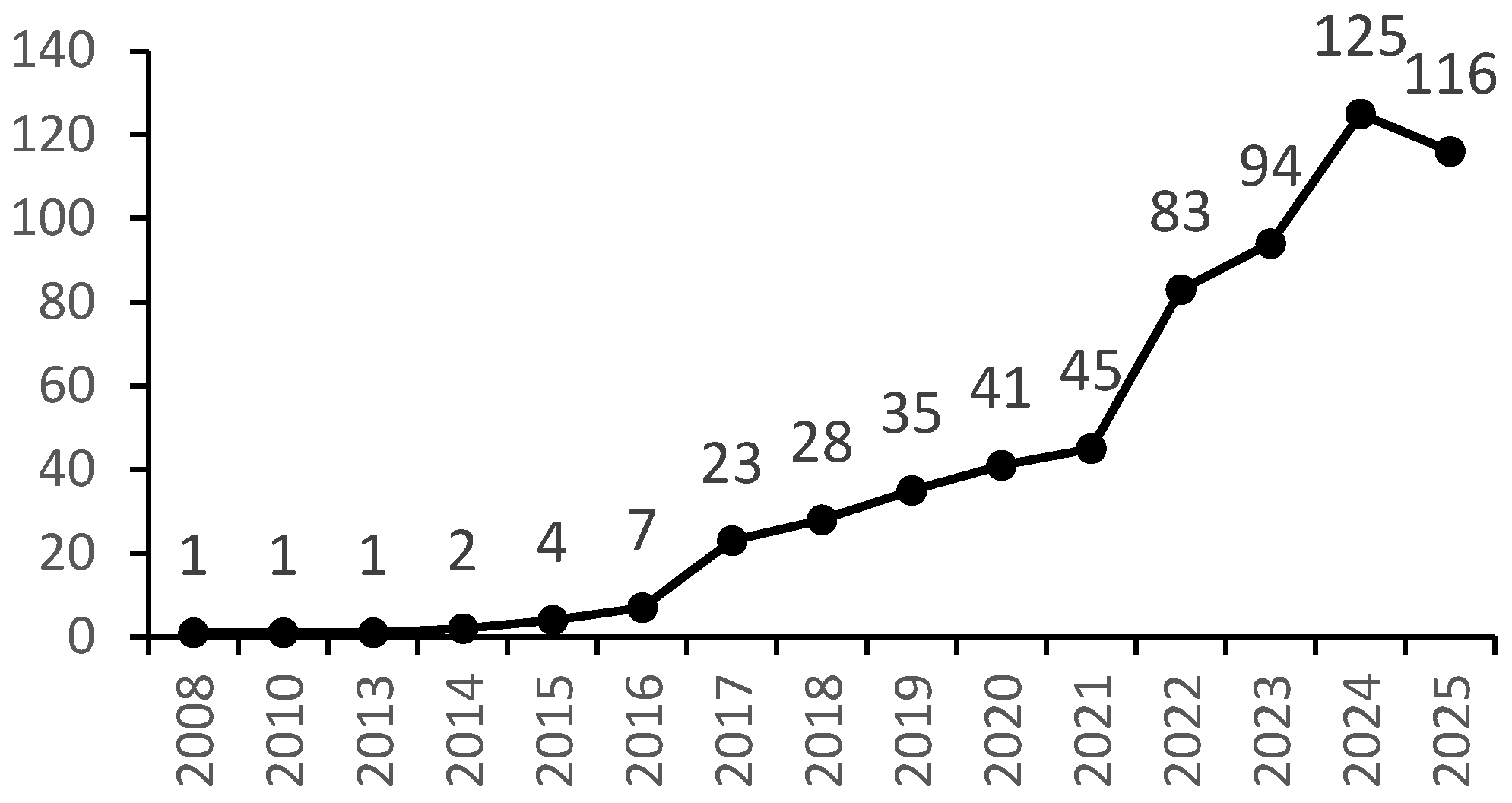
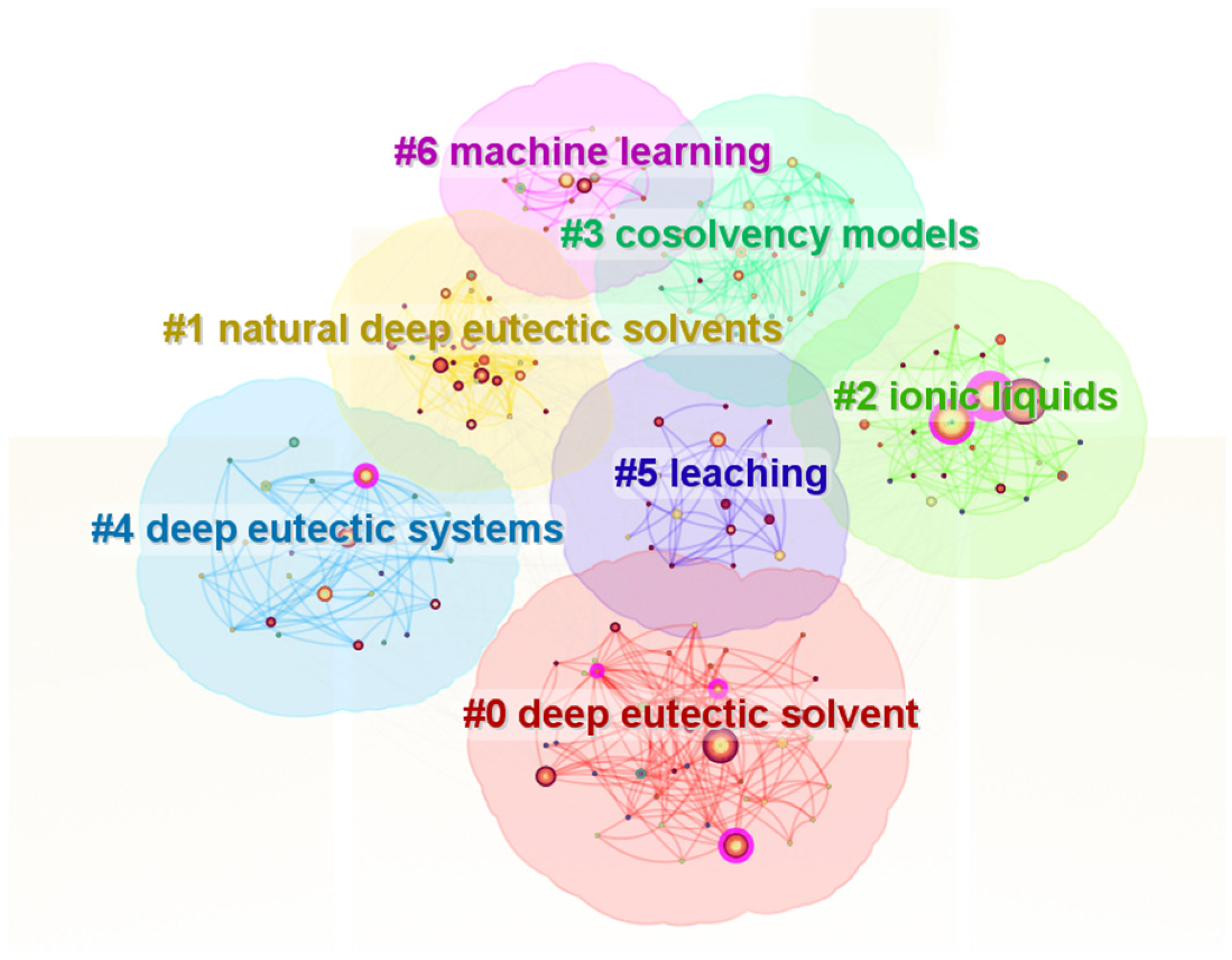
3.1. Research Landscape
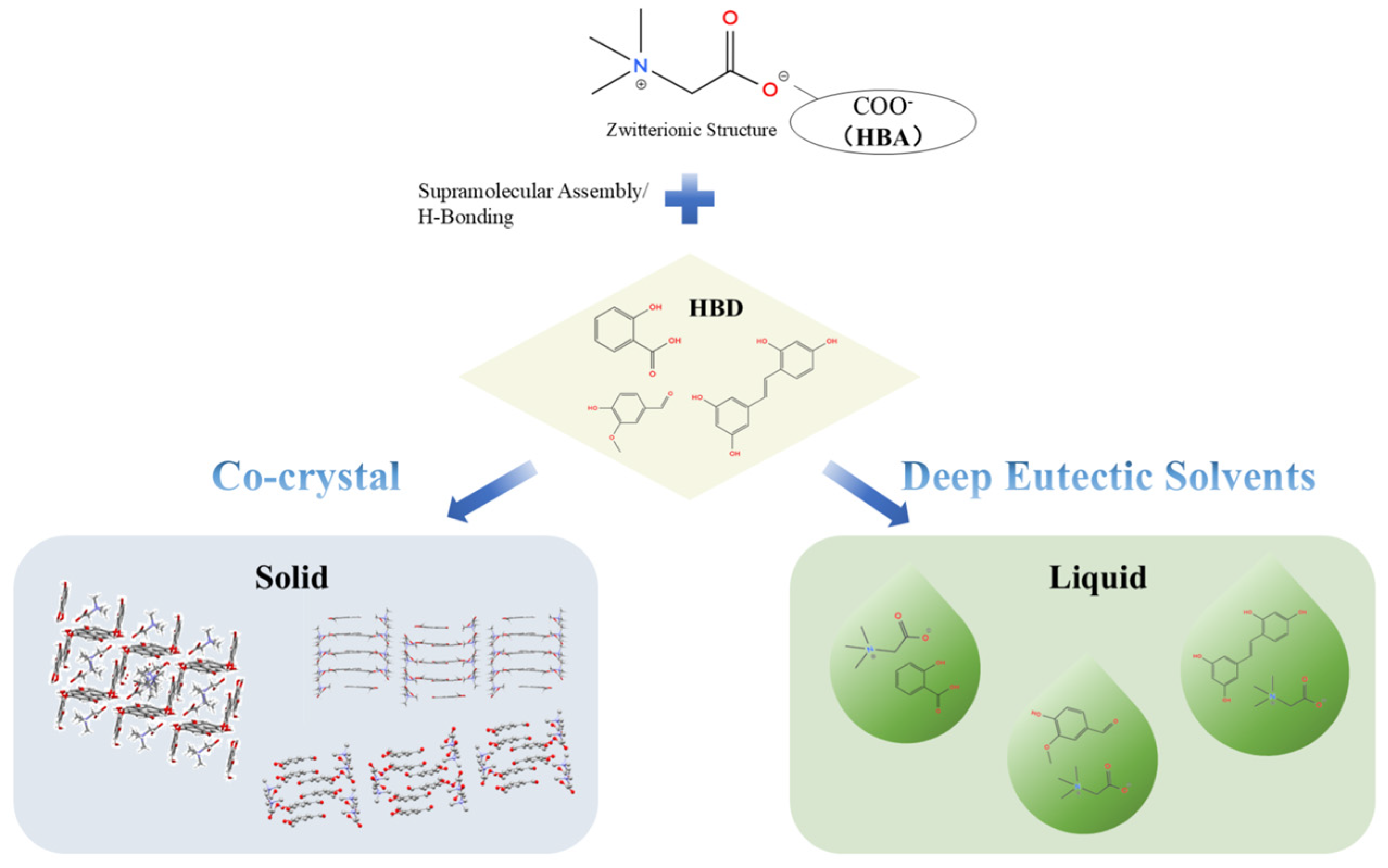
3.2. Mechanisms of Cocrystal and Deep Eutectic Formation
4. Applications of Betaine in Cocrystal and Deep Eutectic Systems
4.1. Biomedical Applications
4.2. Applications in Cosmetics
4.3. Green Chemistry and Sustainable Development
4.4. Extraction and Separation Processes
4.5. Material Synthesis and Processing
5. Challenges and Future Directions
6. Conclusions
Author Contributions
Funding
Institutional Review Board Statement
Informed Consent Statement
Data Availability Statement
Acknowledgments
Conflicts of Interest
Abbreviations
| AFB1 | Aflatoxin B1 |
| Akt | Protein kinase B |
| AMPK | AMP-activated protein kinase |
| APIs | Active pharmaceutical ingredients |
| ApoE | Apolipoprotein E |
| ASC | Apoptosis-associated speck-like protein containing a CARD |
| ATG3 | Autophagy related 3 |
| AuNPs | Gold nanoparticles |
| BHMT | Betaine-homocysteine methyltransferase |
| BLG | β-lactoglobulin |
| CAPB | Cocamidopropyl betaine |
| CI | Chilling injury |
| COX-2 | Cyclooxygenase-2 |
| DES | Deep eutectic solvent |
| EAU | Experimental autoimmune uveitis |
| EFSA | European Food Safety Authority |
| ER | Endoplasmic reticulum |
| GDM | Gestational diabetes mellitus |
| GPx | Glutathione peroxidase |
| HBA | Hydrogen bond acceptor |
| HBD | Hydrogen bond donor |
| HCY | Homocysteine |
| HFD | High-fat diet |
| IL-18 | Interleukin-18 |
| IL-1β | Interleukin-1β |
| IL-6 | Interleukin-6 |
| iNOS | Inducible nitric oxide synthase |
| IRS1 | Insulin receptor substrate-1 |
| LPS | Lipopolysaccharide |
| m6A | N6-Methyladenosine |
| MAG | Monoacylglycerol |
| MD | Molecular dynamics |
| Mettl21c | Methyltransferase 21C |
| MOS | Margin of Safety |
| MTG | Microbial transglutaminase |
| MyD88 | Myeloid differentiation primary response 88 |
| Myh1 | Myosin heavy chain 1 |
| NADES | Natural deep eutectic solvents |
| NAFLD | Non-alcoholic fatty liver disease |
| NF-κB | Nuclear factor kappa-B |
| NLRP3 | NLR family pyrin domain containing 3 |
| Nrf2 | Nuclear factor erythroid-2 related factor 2 |
| OECD | Organization for Economic Co-operation and Development |
| PBs | Polybetaines |
| PVA | Polyvinyl alcohol |
| SAM | S-adenosylmethionine |
| SAH | S-adenosylhomocysteine |
| SASA | Solvent-accessible surface area |
| SCFA | Short-chain fatty acid |
| SCG | Sodium cocoyl glycinate |
| SOD | Superoxide dismutase |
| T2DM | Type 2 diabetes mellitus |
| tHCY | Total homocysteine |
| TLR4 | Toll-like receptor 4 |
| TNF-α | Tumor necrosis factor-α |
| VCAM-1 | Vascular cell adhesion molecule 1 |
| VCP | Valosin-containing protein |
| VOC | Volatile organic compound |
| YTHDF1 | YTH domain-containing family protein 1 |
| Z-CNFs | Zwitterionic cellulose nanofibers |
References
- Bahelka, I.; Lahučký, R.; Kuechenmeister, U. The Influence of Betaine and Creatine Monohydrate Supplementation on Chemical Composition, Oxidative Stability and Pork Quality in RYR1 Heterozygous Pigs. J. Cent. Eur. Agric. 2021, 22, 692–700. [Google Scholar] [CrossRef]
- Al-Sagan, A.A.; Al-Yemni, A.H.; Abudabos, A.M.; Al-Abdullatif, A.A.; Hussein, E.O. Effect of Different Dietary Betaine Fortifications on Performance, Carcass Traits, Meat Quality, Blood Biochemistry, and Hematology of Broilers Exposed to Various Temperature Patterns. Animals 2021, 11, 1555. [Google Scholar] [CrossRef] [PubMed]
- Chen, R.; Yang, M.; Song, Y.D.; Wang, R.X.; Wen, C.; Liu, Q.; Zhou, Y.M.; Zhuang, S. Effect of Anhydrous Betaine and Hydrochloride Betaine on Growth Performance, Meat Quality, Postmortem Glycolysis, and Antioxidant Capacity of Broilers. Poult. Sci. 2022, 101, 101687. [Google Scholar] [CrossRef] [PubMed]
- Zaki, A.; Jiang, S.; Zaghloul, S.; El-Rayes, T.K.; Saleh, A.A.; Azzam, M.M.; Ragni, M.; Alagawany, M. Betaine as an Alternative Feed Additive to Choline and Its Effect on Performance, Blood Parameters, and Egg Quality in Laying Hens Rations. Poult. Sci. 2023, 102, 102710. [Google Scholar] [CrossRef]
- Abhijith, A.; Dunshea, F.R.; Chauhan, S.S.; Sejian, V.; DiGiacomo, K. A Meta-Analysis of the Effects of Dietary Betaine on Milk Production, Growth Performance, and Carcass Traits of Ruminants. Animals 2024, 14, 1756. [Google Scholar] [CrossRef]
- Mugwanya, M.; Dawood, M.A.O.; Kimera, F.; Sewilam, H. A Meta-Analysis on the Influence of Dietary Betaine on the Growth Performance and Feed Utilization in Aquatic Animals. Aquac. Rep. 2024, 37, 102200. [Google Scholar] [CrossRef]
- EFSA Panel on Additives and Products or Substances used in Animal Feed (FEEDAP). Scientific Opinion on the Safety and Efficacy of Betaine (Betaine Anhydrous and Betaine Hydrochloride) as a Feed Additive for All Animal Species Based on a Dossier Submitted by VITAC EEIG. EFSA J. 2013, 11, 3210. [CrossRef]
- Kheradmand, A.; Alirezaei, M.; Dezfoulian, O. Cadmium-Induced Oxidative Stress in the Rat Testes: Protective Effects of Betaine. Int. J. Pept. Res. Ther. 2013, 19, 337–344. [Google Scholar] [CrossRef]
- Poolthajit, S.; Srakaew, W.; Haitook, T.; Wachirapakorn, C. Effects of Betaine-Biotin-Chromium Supplementation and Concentrate to Roughage Ratio on Nutrient Utilization Efficiency in Thai Native Cattle. Animals 2021, 11, 2747. [Google Scholar] [CrossRef]
- Zhao, G.; He, F.; Wu, C.; Li, P.; Li, N.; Deng, J.; Zhu, G.; Ren, W.; Peng, Y. Betaine in Inflammation: Mechanistic Aspects and Applications. Front. Immunol. 2018, 9, 1070. [Google Scholar] [CrossRef]
- Jung, Y.S.; Kim, S.J.; Kwon, D.Y.; Ahn, C.W.; Kim, Y.S.; Choi, D.W.; Kim, Y.C. Alleviation of Alcoholic Liver Injury by Betaine Involves an Enhancement of Antioxidant Defense via Regulation of Sulfur Amino Acid Metabolism. Food Chem. Toxicol. 2013, 62, 292–298. [Google Scholar] [CrossRef] [PubMed]
- Sun, L.; Tan, X.; Liang, X.; Chen, H.; Ou, Q.; Wu, Q.; Yu, X.; Zhao, H.; Huang, Q.; Yi, Z.; et al. Maternal Betaine Supplementation Mitigates Maternal High Fat Diet-Induced NAFLD in Offspring Mice through Gut Microbiota. Nutrients 2023, 15, 284. [Google Scholar] [CrossRef] [PubMed]
- Seo, J.; Kwon, D.; Kim, S.H.; Byun, M.R.; Lee, Y.-H.; Jung, Y.-S. Role of Autophagy in Betaine-Promoted Hepatoprotection against Non-Alcoholic Fatty Liver Disease in Mice. Curr. Res. Food Sci. 2024, 8, 100663. [Google Scholar] [CrossRef] [PubMed]
- Xu, G.; Pan, H.; Fan, L.; Zhang, L.; Li, J.; Cheng, S.; Meng, L.; Shen, N.; Liu, Y.; Li, Y.; et al. Dietary Betaine Improves Glucose Metabolism in Obese Mice. J. Nutr. 2024, 154, 1309–1320. [Google Scholar] [CrossRef]
- Wang, C.; Li, M.; Huang, W.; Huang, S.; Wusiman, M.; Liu, Z.; Zhu, H. Betaine Inhibits the Stem Cell-like Properties of Hepatocellular Carcinoma by Activating Autophagy via SAM/m6 A/YTHDF1-Mediated Enhancement on ATG3 Stability. Theranostics 2025, 15, 1949–1965. [Google Scholar] [CrossRef]
- Heidari, R.; Niknahad, H.; Sadeghi, A.; Mohammadi, H.; Ghanbarinejad, V.; Ommati, M.M.; Hosseini, A.; Azarpira, N.; Khodaei, F.; Farshad, O.; et al. Betaine Treatment Protects Liver through Regulating Mitochondrial Function and Counteracting Oxidative Stress in Acute and Chronic Animal Models of Hepatic Injury. Biomed. Pharmacother. 2018, 103, 75–86. [Google Scholar] [CrossRef]
- Ueland, P.M.; Holm, P.I.; Hustad, S. Betaine: A Key Modulator of One-Carbon Metabolism and Homocysteine Status. Clin. Chem. Lab. Med. 2005, 43, 1069–1075. [Google Scholar] [CrossRef]
- McRae, M.P. Betaine Supplementation Decreases Plasma Homocysteine in Healthy Adult Participants: A Meta-Analysis. J. Chiropr. Med. 2013, 12, 20–25. [Google Scholar] [CrossRef]
- Lu, X.-T.; Wang, Y.-N.; Mo, Q.-W.; Huang, B.-X.; Wang, Y.-F.; Huang, Z.-H.; Luo, Y.; Maierhaba, W.; He, T.-T.; Li, S.-Y.; et al. Effects of Low-Dose B Vitamins plus Betaine Supplementation on Lowering Homocysteine Concentrations among Chinese Adults with Hyperhomocysteinemia: A Randomized, Double-Blind, Controlled Preliminary Clinical Trial. Eur. J. Nutr. 2023, 62, 1599–1610. [Google Scholar] [CrossRef]
- Zawieja, E.; Durkalec-Michalski, K.; Muzsik-Kazimierska, A.; Chmurzynska, A. The Effect of 3-Week Betaine Supplementation on Blood Biomarkers of Cardiometabolic Health in Young Physically Active Males. Metabolites 2022, 12, 731. [Google Scholar] [CrossRef]
- Shariati, S.; Shirani, M.; Azadnasab, R.; Khorsandi, L.; Khodayar, M.J. Betaine Protects Mice from Cardiotoxicity Triggered by Sodium Arsenite Through Antioxidative and Anti-Inflammatory Pathways. Cardiovasc. Toxicol. 2024, 24, 539–549. [Google Scholar] [CrossRef]
- Du, J.; Zhang, P.; Luo, J.; Shen, L.; Zhang, S.; Gu, H.; He, J.; Wang, L.; Zhao, X.; Gan, M.; et al. Dietary Betaine Prevents Obesity through Gut Microbiota-Drived microRNA-378a Family. Gut Microbes 2021, 13, 1–19. [Google Scholar] [CrossRef] [PubMed]
- Ribo, S.; Sánchez-Infantes, D.; Martinez-Guino, L.; García-Mantrana, I.; Ramon-Krauel, M.; Tondo, M.; Arning, E.; Nofrarías, M.; Osorio-Conles, Ó.; Fernández-Pérez, A.; et al. Increasing Breast Milk Betaine Modulates Akkermansia Abundance in Mammalian Neonates and Improves Long-Term Metabolic Health. Sci. Transl. Med. 2021, 13, eabb0322. [Google Scholar] [CrossRef] [PubMed]
- Gong, X.; Du, Y.; Li, X.; Yang, J.; Zhang, X.; Wei, Y.; Zhao, Y. Maternal Plasma Betaine in Middle Pregnancy Was Associated with Decreased Risk of GDM in Twin Pregnancy: A Cohort Stud. Diabetes Metab. Syndr. Obes. 2021, 14, 2495–2504. [Google Scholar] [CrossRef] [PubMed]
- Zhou, Z.; Yao, Y.; Sun, Y.; Wang, X.; Huang, S.; Hou, J.; Wang, L.; Wei, F. Serum Betaine and Dimethylglycine in Mid-Pregnancy and the Risk of Gestational Diabetes Mellitus: A Case-Control Study. Endocrine 2024, 85, 649–659. [Google Scholar] [CrossRef]
- Tabandeh, M.R.; Davoodi, E.; Bayati, V.; Dayer, D. Betaine Regulates Steroidogenesis, Endoplasmic Reticulum Stress Response and Nrf2/HO-1 Antioxidant Pathways in Mouse Leydig Cells under Hyperglycaemia Condition. Arch. Physiol. Biochem. 2024, 130, 768–778. [Google Scholar] [CrossRef]
- Kathirvel, E.; Morgan, K.; Malysheva, O.V.; Caudill, M.A.; Morgan, T.R. Betaine for the Prevention and Treatment of Insulin Resistance and Fatty Liver in a High-Fat Dietary Model of Insulin Resistance in C57BL Mice. Front. Nutr. 2024, 11, 1409972. [Google Scholar] [CrossRef]
- Di Credico, A.; Gaggi, G.; Izzicupo, P.; Vitucci, D.; Buono, P.; Di Baldassarre, A.; Ghinassi, B. Betaine Treatment Prevents TNF-α-Mediated Muscle Atrophy by Restoring Total Protein Synthesis Rate and Morphology in Cultured Myotubes. J. Histochem. Cytochem. 2023, 71, 199–209. [Google Scholar] [CrossRef]
- Chen, S.; Lu, X.; He, T.; Yishake, D.; Tan, X.; Hou, M.; Luo, Y.; Long, J.; Tang, Z.; Zhong, R.; et al. Betaine Delayed Muscle Loss by Attenuating Samtor Complex Inhibition for mTORC1 Signaling Via Increasing SAM Level. Mol. Nutr. Food Res. 2021, 65, e2100157. [Google Scholar] [CrossRef]
- Chen, S.; Chen, J.; Wang, C.; He, T.; Yang, Z.; Huang, W.; Luo, X.; Zhu, H. Betaine Attenuates Age-Related Suppression in Autophagy via Mettl21c/P97/VCP Axis to Delay Muscle Loss. J. Nutr. Biochem. 2024, 125, 109555. [Google Scholar] [CrossRef]
- Shi, H.; Wang, X.-L.; Quan, H.-F.; Yan, L.; Pei, X.-Y.; Wang, R.; Peng, X.-D. Effects of Betaine on LPS-Stimulated Activation of Microglial M1/M2 Phenotypes by Suppressing TLR4/NF-κB Pathways in N9 Cells. Molecules 2019, 24, 367. [Google Scholar] [CrossRef] [PubMed]
- Li, L.; Sun, L.; Liang, X.; Ou, Q.; Tan, X.; Li, F.; Lai, Z.; Ding, C.; Chen, H.; Yu, X.; et al. Maternal Betaine Supplementation Ameliorates Fatty Liver Disease in Offspring Mice by Inhibiting Hepatic NLRP3 Inflammasome Activation. Nutr. Res. Pract. 2023, 17, 1084. [Google Scholar] [CrossRef] [PubMed]
- Dai, X.; Liu, S.; Cheng, L.; Huang, T.; Guo, H.; Wang, D.; Xia, M.; Ling, W.; Xiao, Y. Betaine Supplementation Attenuates S-Adenosylhomocysteine Hydrolase-Deficiency-Accelerated Atherosclerosis in Apolipoprotein E-Deficient Mice. Nutrients 2022, 14, 718. [Google Scholar] [CrossRef] [PubMed]
- Choi, Y.; Jung, K.; Kim, H.J.; Chun, J.; Ahn, M.; Jee, Y.; Ko, H.J.; Moon, C.; Matsuda, H.; Tanaka, A.; et al. Attenuation of Experimental Autoimmune Uveitis in Lewis Rats by Betaine. Exp. Neurobiol. 2021, 30, 308–317. [Google Scholar] [CrossRef]
- Zhang, Y.; Jia, J. Betaine Mitigates Amyloid-β-Associated Neuroinflammation by Suppressing the NLRP3 and NF-κB Signaling Pathways in Microglial Cells. Sage J. 2023, 94, S9–S19. [Google Scholar] [CrossRef]
- Zhang, M.; Wang, X.-L.; Shi, H.; Meng, L.-Q.; Quan, H.-F.; Yan, L.; Yang, H.-F.; Peng, X.-D. Betaine Inhibits NLRP3 Inflammasome Hyperactivation and Regulates Microglial M1/M2 Phenotypic Differentiation, Thereby Attenuating Lipopolysaccharide-Induced Depression-Like Behavior. J. Immunol. Res. 2022, 2022, 9313436. [Google Scholar] [CrossRef]
- Nobari, H.; Cholewa, J.M.; Castillo-Rodríguez, A.; Kargarfard, M.; Pérez-Gómez, J. Effects of Chronic Betaine Supplementation on Performance in Professional Young Soccer Players during a Competitive Season: A Double Blind, Randomized, Placebo-Controlled Trial. J. Int. Soc. Sports Nutr. 2021, 18, 67. [Google Scholar] [CrossRef]
- Jeyhoonabadi, M.; Alimoahmmadi, S.; Hassanpour, S.; Hashemnia, M. Betaine Ameliorates Depressive-Like Behaviors in Zinc Oxide Nanoparticles Exposed Mice. Biol. Trace Elem. Res. 2022, 200, 4771–4781. [Google Scholar] [CrossRef]
- Liang, Y.; Chen, L.; Huang, Y.; Xie, L.; Liu, X.; Zhou, W.; Cao, W.; Chen, Z.; Zhong, X. Betaine Eliminates CFA-Induced Depressive-like Behaviour in Mice May Be through Inhibition of Microglia and Astrocyte Activation and Polarization. Brain Res. Bull. 2024, 206, 110863. [Google Scholar] [CrossRef]
- Qu, Y.; Zhang, K.; Pu, Y.; Chang, L.; Wang, S.; Tan, Y.; Wang, X.; Zhang, J.; Ohnishi, T.; Yoshikawa, T.; et al. Betaine Supplementation Is Associated with the Resilience in Mice after Chronic Social Defeat Stress: A Role of Brain–Gut–Microbiota Axis. J. Affect. Disord. 2020, 272, 66–76. [Google Scholar] [CrossRef]
- Chen, Q.; Wang, Y.; Fangzhou, J.; Chunxia, S.; Maohua, P.; Wang, L.; Zuojiong, G. Betaine Inhibits Toll-like Receptor 4 Responses and Restores Intestinal Microbiota in Acute Liver Failure Mice. Sci. Rep. 2020, 10, 21850. [Google Scholar] [CrossRef] [PubMed]
- Chen, L.; Liu, D.; Mao, M.; Liu, W.; Wang, Y.; Liang, Y.; Cao, W.; Zhong, X. Betaine Ameliorates Acute Sever Ulcerative Colitis by Inhibiting Oxidative Stress Induced Inflammatory Pyroptosis. Mol. Nutr. Food Res. 2022, 66, e2200341. [Google Scholar] [CrossRef] [PubMed]
- De Breuck, J.; Jérôme, V.; Freitag, R.; Leiske, M.N. Zwitterionic Amino-Acid-Derived Polyacrylamides with a Betaine Twist—Synthesis and Characterization. Macromol. Rapid Comm. 2025, 46, 2400623. [Google Scholar] [CrossRef] [PubMed]
- Zhu, Z.; Zhang, J.; Wang, F.; Feng, W.; Dang, L.; Wei, H. Synergistic Effect and Phase Behavior of SCG-CAPB-H2O Ternary Compound System. Appl. Sci. 2024, 14, 3081. [Google Scholar] [CrossRef]
- Dick, A.; Stolz, H.J.; Sonsmann, F.K. Mild but Effective Skin Cleansing—Evaluation of Laureth-23 as a Primary Surfactant. Int. J. Cosmet. Sci. 2024, 46, 403–413. [Google Scholar] [CrossRef]
- Kelleppan, V.T.; Butler, C.S.G.; Williams, A.P.; Vidallon, M.L.P.; Giles, L.W.; King, J.P.; Sokolova, A.V.; de Campo, L.; Pearson, G.R.; Tabor, R.F.; et al. Components of Cocamidopropyl Betaine: Surface Activity and Self-Assembly of Pure Alkyl Amidopropyl Betaines. Colloids Surf. A 2023, 656, 130435. [Google Scholar] [CrossRef]
- Kim, D.; Seok, J.K.; Kim, M.; Choi, S.; Hong, J.; Yoon, Y.A.; Chung, H.; Bae, O.-N.; Kwack, S.J.; Kim, K.-B.; et al. Safety Assessment of Cocamidopropyl Betaine, a Cosmetic Ingredient. Toxicol. Res. 2024, 40, 361–375. [Google Scholar] [CrossRef]
- Mostafalu, R.; Banaei, A.; Ghorbani, F. An Inaccuracy in the Determination of Cocoamidopropyl Betaine by the Potentiometric Method. J. Surfactants Deterg. 2015, 18, 919–922. [Google Scholar] [CrossRef]
- Kasai, D.; Koshimizu, M.; Ohba, K.; Hasegawa, H.; Nagura, T.; Yamauchi, H.; Han, K.-H.; Shimada, K.; Fukushima, M. Improvement of Bread-making Quality by the Addition of Betaine. J. Jpn. Soc. Food Sci. 2016, 63, 405–414. (In Japanese) [Google Scholar] [CrossRef]
- Baum, S.; Ritter, E.; Smirnova, I.; Schilling, M.; Liese, A. The Role of Phase Behavior in the Enzyme Catalyzed Synthesis of Glycerol Monolaurate. RSC Adv. 2016, 6, 32422–32429. [Google Scholar] [CrossRef]
- Mitrevski, J.; Pantelić, N.Đ.; Laličić-Petronijević, J.; Kojić, J.S.; Zlatanović, S.; Gorjanović, S.; Avramov, S.; Dodevska, M.S.; Antić, V.V. Low Glycemic Index Biscuits Enriched with Beetroot Powder as a Source of Betaine and Mineral Nutrients. Foods 2025, 14, 814. [Google Scholar] [CrossRef]
- Sanz-Serrano, J.; Vettorazzi, A.; Muruzabal, D.; Azqueta, A.; López De Cerain, A. In Vitro Genotoxicity Assessment of Functional Ingredients: Betaine, Choline, and Taurine. Foods 2021, 10, 339. [Google Scholar] [CrossRef] [PubMed]
- Molaei, S.; Rabiei, V.; Soleimani, A.; Razavi, F. Exogenous Application of Glycine Betaine Increases the Chilling Tolerance of Pomegranate Fruits Cv. Malase Saveh during Cold Storage. J. Food Process. Preserv. 2021, 45, 15315. [Google Scholar] [CrossRef]
- Ye, D.; Wang, X.; Guo, J.; Ren, J.; Li, B.; Li, Q.; Chen, Y.; Wang, X.; Ntakatsane, M.; Chen, P. The Underpinning Mechanisms and Applications of Glycine Betaine on Chilling Injury in Fruit and Vegetables. Microchem. J. 2025, 212, 113290. [Google Scholar] [CrossRef]
- Zhang, Y.; Kou, X.; Zhang, G.; Luo, D.; Cao, S. Exogenous Glycine Betaine Maintains Postharvest Blueberry Quality by Modulating Antioxidant Capacity and Energy Metabolism. LWT 2024, 212, 116976. [Google Scholar] [CrossRef]
- Nassarawa, S.S.; Rabiu, A.; Rahman, F.U.; Abdelshafy, A.M.; Zhu, X.; Nayik, G.A. Glycine Betaine: A Non-Toxic Approach to Enhancing Postharvest Quality and Physiology of Fruits and Vegetables. J. Stored Prod. Res. 2025, 114, 102726. [Google Scholar] [CrossRef]
- Gonçalves, B.; Morais, M.C.; Sequeira, A.; Ribeiro, C.; Guedes, F.; Silva, A.P.; Aires, A. Quality Preservation of Sweet Cherry Cv. “staccato” by Using Glycine-Betaine or Ascophyllum nodosum. Food Chem. 2020, 322, 126713. [Google Scholar] [CrossRef]
- Reig, L.; Ginovart, M.; Flos, R. Modification of the Feeding Behaviour of Sole (Solea solea) Through the Addition of a Commercial Flavour as an Alternative to Betaine. Aquat. Living Resour. 2003, 16, 370–379. [Google Scholar] [CrossRef]
- Luo, J.; Frank, D.; Arcot, J. Forging Prawn and Salmon Flavours with Non-Animal-Based Ingredients. Foods 2025, 14, 820. [Google Scholar] [CrossRef]
- Lim, L.-S.; Chor, W.-K.; Tuzan, A.D.; Shapawi, R.; Kawamura, G. Betaine Is a Feed Enhancer for Juvenile Grouper (Epinephelus fuscoguttatus) as Determined Behaviourally. J. Appl. Anim. Res. 2016, 44, 415–418. [Google Scholar] [CrossRef]
- Dong, L.; Zhong, Z.X.; Cui, H.H.; Wang, S.N.; Luo, Y.; Yu, L.H.; Loor, J.J.; Wang, H.R. Effects of Rumen-Protected Betaine Supplementation on Meat Quality and the Composition of Fatty and Amino Acids in Growing Lambs. Animal 2020, 14, 435–444. [Google Scholar] [CrossRef] [PubMed]
- European Parliament and Council. Commission Implementing Regulation (EU) 2019/1294. Authorising the Placing on the Market of Betaine as a Novel Food under Regulation (EU) 2015/2283 of the European Parliament and of the Council and Amending Commission Implementing Regulation (EU) 2017/2470. Off. J. Eur. Union 2019, 204, 16–22. [Google Scholar]
- European Parliament and Council. Regulation (EU) No 609/2013 of the European Parliament and of the Council of 12 June 2013 on Food Intended for Infants and Young Children, Food for Special Medical Purposes, and Total Diet Replacement for Weight Control. Off. J. Eur. Union 2013, 181, 35–56. [Google Scholar]
- Cui, W.; He, Z.; Zhang, Y.; Fan, Q.; Feng, N. Naringenin Cocrystals Prepared by Solution Crystallization Method for Improving Bioavailability and Anti-Hyperlipidemia Effects. AAPS PharmSciTech 2019, 20, 115. [Google Scholar] [CrossRef] [PubMed]
- Haskins, M.M.; Kavanagh, O.N.; Sanii, R.; Khorasani, S.; Chen, J.-M.; Zhang, Z.-Y.; Dai, X.-L.; Ren, B.-Y.; Lu, T.-B.; Zaworotko, M.J. Tuning the Pharmacokinetic Performance of Quercetin by Cocrystallization. Cryst. Growth Des. 2023, 23, 6059–6066. [Google Scholar] [CrossRef]
- Zhang, Z.; Li, D.; Luo, C.; Huang, C.; Qiu, R.; Deng, Z.; Zhang, H. Cocrystals of Natural Products: Improving the Dissolution Performance of Flavonoids Using Betaine. Cryst. Growth Des. 2019, 19, 3851–3859. [Google Scholar] [CrossRef]
- Sakamoto, N.; Tsuno, N.; Koyama, R.; Gato, K.; Titapiwatanakun, V.; Takatori, K.; Fukami, T. Four Novel Pharmaceutical Cocrystals of Oxyresveratrol, Including a 2:3 Cocrystal with Betaine. Chem. Pharm. Bull. 2021, 69, 995–1004. [Google Scholar] [CrossRef]
- Tian, Y.; Zhu, M.; Hu, T.; Liu, C. Natural Deep Eutectic Solvent-A Novel Green Solvent for Protein Stabilization. Int. J. Biol. Macromol. 2023, 247, 125477. [Google Scholar] [CrossRef]
- Tafreshi-Hosseini, A.; Giahi, M.; Dabirmanesh, B.; Azizpour, Y.; Khajeh, K. Enhancing Transglutaminase Activity and Thermal Stability Using Natural Deep Eutectic Solvents. J. Iran. Chem. Soc. 2025, 22, 2163–2168. [Google Scholar] [CrossRef]
- Baruah, I.; Borgohain, G. Temperature Dependent Molecular Dynamics Simulation Study to Understand the Stabilizing Effect of NADES on the Protein β-Lactoglobulin. J. Mol. Graph. 2023, 125, 108582. [Google Scholar] [CrossRef]
- Wang, Z.; Wang, M.; Tao, Q.; Li, Y.; Wang, H.; Zhang, M.; Liu, X.; Zhang, J. Betaine–Salicylic Acid Cocrystal for Enhanced Skincare and Acne Treatment. RSC Med. Chem. 2025, 16, 1705–1714. [Google Scholar] [CrossRef]
- Lu, T.; Wang, Z.; Zheng, X.; Wang, S.; Liang, X.; Xia, Y.; Ma, Y.; Wang, T. A Novel Peppermint Essential Oil Nanoemulsion Based on Co-Assembly of Hydrophilic and Hydrophobic Deep Eutectic Solvents: Preparation, Characterization and Biological Activity. Ind. Crop Prod. 2025, 235, 121634. [Google Scholar] [CrossRef]
- Mori, N.; Usuki, T. Extraction of Essential Oils from Tea Tree (Melaleuca alternifolia) and Lemon Grass (Cymbopogon citratus) Using Betaine-Based Deep Eutectic Solvent (DES). Phytochem. Anal. 2022, 33, 831–837. [Google Scholar] [CrossRef] [PubMed]
- Bai, D.; Wang, Z.; Xiao, Y.; Liu, T.; Pu, Y.; Sun, H.; Wang, M.; Guo, C.; Zhang, J. Transdermal Delivery of Elastin Peptide Assisted by Betaine-Based Deep Eutectic Solvent to Ameliorate Skin Photoaging. Biomater. Adv. 2024, 163, 213965. [Google Scholar] [CrossRef] [PubMed]
- Li, Y.; Wu, Y.; Chen, H.; Han, B.; Ruan, B.; Zhong, X.; Li, S.; Chen, Y.; Peng, T.; Zhang, J.; et al. Enhancement of Silymarin Solubility and Bioactivities Using Betaine/Ascorbyl Glucoside DES. New J. Chem. 2024, 49, 174–182. [Google Scholar] [CrossRef]
- Song, C.; Guo, N.; Xue, A.; Jia, C.; Shi, W.; Liu, M.; Zhang, M.; Qin, J. Self-Assembled Thymol-Betaine Co-Crystals with Controlled Release and Hygroscopic Properties as Green Preservatives for Aflatoxin Prevention. Food Chem. 2024, 456, 140037. [Google Scholar] [CrossRef]
- Fonseca, D.P.; Amorim, A.C.; Carreiro, E.P.; Ramalho, J.P.P.; Hermann, G.J.; Federsel, H.-J.; Duarte, A.R.C.; Burke, A.J. Sustainable Organocatalyzed Enantioselective Catalytic Michael Additions in Betaine-Derived Deep Eutectic Solvents. SynOpen 2023, 7, 374–380. [Google Scholar] [CrossRef]
- Mustafa, S.M.; Barzinjy, A.A.; Hamad, A.H.; Hamad, S.M. Betaine-Based Deep Eutectic Solvents Mediated Synthesis of Zinc Oxide Nanoparticles at Low Temperature. Ceram. Int. 2022, 48, 28951–28960. [Google Scholar] [CrossRef]
- Długosz, O.; Matyjasik, W.; Matysik, J.; Banach, M. Anhydrous Metal Nanoparticle Suspensions Using Deep Eutectic Solvents (DES)—Green Approach to Metal Nanoparticles Production. J. Mol. Liq. 2024, 396, 123966. [Google Scholar] [CrossRef]
- Vorobyova, V.; Vasyliev, G.; Skiba, M.; Frolenkova, S.; Zaporozhets, J.; Gnatko, O.; Linyucheva, O. Green Extraction of Phenolic Compounds from Grape Pomace by Deep Eutectic Solvent Extraction: Physicochemical Properties, Antioxidant Capacity. Chem. Pap. 2023, 77, 2447–2458. [Google Scholar] [CrossRef]
- Suo, C.; Yu, J.; Zhang, J.; Li, W.; Luo, S.; Ma, C.; Liu, S. Green Chemistry Closed-Loop: Photocatalytic Cleavage Lignin β-O-4 Bond Utilizing Visible Light by Bi2O3/Bi2WO6 in Deep Eutectic Solvent at Room Temperature. Biomass Bioenergy 2024, 190, 107394. [Google Scholar] [CrossRef]
- Ahmad, I.; Syakfanaya, A.M.; Azminah, A.; Saputri, F.C.; Mun’im, A. Optimization of Betaine-Sorbitol Natural Deep Eutectic Solvent-Based Ultrasound-Assisted Extraction and Pancreatic Lipase Inhibitory Activity of Chlorogenic Acid and Caffeine Content from Robusta Green Coffee Beans. Heliyon 2021, 7, e07702. [Google Scholar] [CrossRef]
- Syarifah, A.N.; Suryadi, H.; Hayun, H.; Simamora, A.; Mun’im, A. Detoxification of Comfrey (Symphytum officinale L.) Extract Using Natural Deep Eutectic Solvent (NADES) and Evaluation of Its Anti-Inflammatory, Antioxidant, and Hepatoprotective Properties. Front. Pharmacol. 2023, 14, 1012716. [Google Scholar] [CrossRef]
- Marcos Celada, L.; Martín, J.; Dvinskikh, S.V.; Olsén, P. Fully Bio-Based Ionic Liquids for Green Chemical Modification of Cellulose in the Activated-State. ChemSusChem 2024, 17, e202301233. [Google Scholar] [CrossRef]
- Xie, H.; Fan, Y.; Lu, D.; Yang, H.; Zou, Y.; Wang, X.; Ji, X.; Si, C. Preparation of Zwitterionic Cellulose Nanofibers with Betaine-Oxalic Acid DES and Its Multiple Performance Characteristics. Cellulose 2023, 30, 10953–10969. [Google Scholar] [CrossRef]
- Vorobyova, V.; Skiba, M.; Vinnichuk, K.; Vasyliev, G. Synthesis of Gold Nanoparticles Using Deep Eutectic Solvents and Their Incorporation into Polyvinyl Alcohol–Based Eutectogels: Structural, Chemical, and Functional Analysis. Colloid Polym. Sci. 2025, 303, 1213–1234. [Google Scholar] [CrossRef]


| Function Category | Mechanism | Model/Example | Dose & Method | Key Outcome | Ref. |
|---|---|---|---|---|---|
| Alleviating Liver Injury | Restoration of SAM & GSH; enhanced antioxidant defense | Alcoholic liver injury (rat) | 1% w/v betaine in liquid ethanol diet | Liver injury markers ↓ | [11] |
| Modulation of gut-liver axis & lipid metabolism | Mice offspring (Maternal High-Fat Diet induced NAFLD) | 1% betaine supplementation to dams during pregnancy & lactation | Hepatic steatosis & Triglycerides ↓; Lipid oxidation genes (PPARα, CPT1α) ↑, TNFα ↓; Beneficial bacteria (Bacteroides) ↑ & Fecal SCFAS ↑ | [12] | |
| Autophagy–AMPK activation; sulfur amino acid metabolism regulation | NAFLD mouse (CDAHFD model) | 1% w/v betaine in water or feed | Hepatic steatosis ↓; ER stress & apoptosis ↓ | [13] | |
| Regulation of insulin sensitivity, glucose uptake, glycogen metabolism; modulation of Notch signaling and cytochrome P450-related pathways | High-fat diet-induced hyperglycemic mice; HepG2 and C2C12 cells | 1% w/v in drinking water (mice); 20 mM (in vitro cells) | Reduced blood glucose and liver triglycerides; improved glucose metabolism in liver and muscle | [14] | |
| Epigenetic regulation (m6A) & Autophagy activation | Hepatocellular carcinoma (HCC): Patients, Mice (Xenografts/Metastasis), & Cell lines | Cohort study (serum analysis); 3% w/v in drinking water (mice) | Suppressed HCC stemness & metastasis; Activated autophagy via SAM/m6A/YTHDF1/ATG3 axis | [15] | |
| Mitigation of oxidative stress & Mitochondrial protection | Animal models (Acute: TAA-induced; Chronic: Bile duct ligation) | 10 & 50 mg/kg (i.p.) | Ameliorated hepatic injury & histopathology; Decreased oxidative stress markers; Preserved mitochondrial function | [16] | |
| Preventing Cardiovascular Disease | BHMT-mediated remethylation | Hyperhomocysteinemia (human/animal) | 1–2 g betaine/day, PO | Plasma tHcy significantly ↓ | [17] |
| Methyl donor → enhances homocysteine remethylation | Healthy adults (meta-analysis, 5 RCTs) | ≥4 g/day oral betaine for ≥6 weeks | Plasma homocysteine ↓ 1.23 μmol/L (mean) | [18] | |
| Methyl donor activity → homocysteine remethylation | Chinese adults with hyperhomocysteinemia | Daily oral: 1 g betaine + B vitamins for 12 weeks | Plasma homocysteine ↓ 3.87 μmol/L (−10.1% vs. placebo) | [19] | |
| Methyl donor activity → homocysteine remethylation | Healthy, physically active males | 2.5–5.0 g/day oral betaine for 21 days | Plasma homocysteine ↓ 1.5 μmol/L; no effect on lipids or enzymes | [20] | |
| Inhibits TNF-α and NF-κB; reduces lipid peroxidation (TBARS); boosts antioxidant enzymes (CAT, SOD, GPx); restores redox balance | Male mice with NaAsO2-induced cardiotoxicity | NaAsO2 (50 ppm, 8 weeks); BET (500 mg/kg, last 2 weeks) | Reduced cardiac oxidative damage, inflammation, enzyme leakage, and histopathological injury | [21] | |
| Regulating Systemic Metabolism | Modulates gut microbiota and SCFA levels; activates miR-378a/YY1 pathway | HFD-fed mice; germ-free mice | 1% w/v in drinking water (23 weeks for HFD mice; 45 days for Abx-treated mice) | ↓ Obesity and metabolic syndrome; ↑ glucose tolerance and brown fat activity | [22] |
| ↑ Milk betaine → ↑ Akkermansia & goblet cells; improved gut–metabolic axis | Lactating mice & human infant cohorts | 1% w/v in drinking water (supplemented to dams during lactation) | ↓ Offspring adiposity; ↑ glucose homeostasis; replicated in human milk–microbiome link | [23] | |
| Higher plasma betaine associated with improved glucose regulation | Pregnant women with dichorionic twin gestation | Cohort study (187 twin pregnancies); Plasma analysis (median 16.1 weeks gestation) | ↑ Plasma betaine linked to ↓ GDM risk (RR = 0.41, highest vs. lowest tertile) | [24] | |
| ↓ Betaine and ↓ betaine/choline ratio linked to ↓ glucose tolerance | Pregnant women (GDM cases vs. matched controls) | Case-control study (200 cases vs. 200 controls); Serum analysis (at 24–28 weeks gestation) | Lower serum betaine associated with ↑ GDM risk and glucose excursion markers | [25] | |
| Regulation of steroidogenesis genes (3β-HSD, StAR, P450scc, LHR), attenuation of ER stress (GRP78, CHOP, ATF6, IRE1), activation of Nrf2 antioxidant pathways | Mouse Leydig cells | 5 mM betaine, 24 h, in vitro | Enhanced cell viability and testosterone production under hyperglycemia | [26] | |
| Regulation of insulin sensitivity, glucose uptake, glycogen metabolism; modulation of Notch signaling and cytochrome P450-related pathways | High-fat diet-induced hyperglycemic mice; HepG2 and C2C12 cells | 1% w/v in drinking water (mice); 20 mM (in vitro cells) | Reduced blood glucose and liver triglycerides; improved glucose metabolism in liver and muscle | [14] | |
| Enhances insulin signaling via IRS1 and Akt phosphorylation; restores hepatic betaine content; increases glycogen storage; reduces liver injury | C57BL/6J mice (high-fat diet model); primary human hepatocytes | Dietary betaine (14 weeks in vivo; 4 weeks in late-stage model); betaine treatment in vitro | Improved insulin sensitivity and hepatic insulin signaling; reduced hepatic steatosis and ALT levels | [27] | |
| Ameliorating Muscle Atrophy | Maintains protein synthesis; upregulates Myh1 expression; counteracts TNF-α-induced morphological atrophy | C2C12 myotubes treated with TNF-α | 10 mM betaine (in vitro cells treated for 72 h) | Prevented inflammatory cytokine-induced muscle atrophy in vitro | [28] |
| Activates mTORC1 signaling via increased SAM levels; disrupts Samtor–mTORC1 binding; enhances myogenic factor expression and myosin heavy chain levels | Aged C57BL/6J mice; C2C12 cells | 2% w/v betaine in drinking water (in vivo); betaine treatment in vitro | Improved muscle mass, strength, motor function; delayed age-related muscle atrophy | [29] | |
| Enhances autophagy via Mettl21c/p97/VCP axis; increases SAM levels; promotes trimethylation of p97 and autophagic flux | Aged C57BL/6J mice; C2C12 cells under methionine starvation | 2% w/v betaine in drinking water (12 weeks); 10 mM betaine in vitro | Preserved autophagy markers; improved muscle mass, strength, ATP production, and cell differentiation | [30] | |
| Anti-inflammatory and Immunomodulatory Properties | Inhibition of TLR4/NF-κB & NLRP3 inflammasome | Neuroinflammation (mouse) | In vivo administration (per study protocol) | Microglial M1 → M2 shift; pro-inflammatory cytokines ↓ | [31] |
| Anti-inflammatory regulation (NLRP3 inflammasome) & Homocysteine metabolism | Mice offspring (Maternal Fatty Liver Disease model: HFD + STZ) | 1% betaine (Maternal supplementation during gestation & lactation) | Reversed hepatic steatosis & serum inflammation (ALT, IL-6, TNF-α); Inhibited NLRP3 inflammasome pathway (NLRP3, ASC, Caspase-1, IL-1β, IL-18); Decreased hepatic Hcy & SAH levels | [32] | |
| Reduces plasma SAH; increases SAM/SAH ratio; inhibits NF-κB inflammatory signaling; suppresses smooth muscle cell proliferation and migration | ApoE−/−/SAHH+/− mice fed AIN-93G diet ± betaine | 4% betaine in diet for 8 weeks | Reduced atherosclerotic lesion development and vascular inflammation | [33] | |
| Increases antioxidant enzyme SOD; downregulates pro-inflammatory molecules (VCAM-1, IL-1β) | Lewis rats with IRBP-induced EAU | Oral betaine 100 mg/kg for 9 days | Reduced retinal and ciliary body inflammation | [34] | |
| Inhibits NLRP3 inflammasome and NF-κB activation, lowering inflammatory cytokines | BV2 microglial cells stimulated with Aβ(42) oligomers | 2 mM betaine treatment in vitro | Reduced IL-1β, IL-18, TNF-α levels; suppressed microglial inflammation | [35] | |
| Inhibits NLRP3 inflammasome; shifts microglia from M1 to M2 polarization; reduces pro-inflammatory cytokines | LPS-induced depression-like behavior in ICR mice | Betaine (1% & 5% in drinking water, 21 days) + LPS injection | Improved depressive behaviors; reduced neuroinflammation | [36] | |
| Other biological activities | Improves anabolic profile (↑ testosterone/cortisol ratio); reduces systemic inflammation | Young professional soccer players (n = 29, 14–15 y/o) | 2 g/day oral betaine for 14 weeks | Increased VO2max, 1-RM strength, sprint performance, and anaerobic power | [37] |
| Enhances antioxidant defense (↑ SOD, ↑ GPx, ↓ MDA); protects hippocampal neurons; reduces depressive-like behavior | Male mice exposed to ZnO nanoparticles | ZnO NPs: 600 mg/kg; Betaine: 30 mg/kg orally for 7 days | Improved FST/TST scores, restored oxidative balance, and hippocampal structure | [38] | |
| Inhibits microglia/astrocyte activation; shifts glial phenotypes (M1 → M2, A1 → A2); modulates cytokine profile | CFA-induced chronic pain model in rodents | 600 mg/kg betaine (i.p.) daily for 14 days | Reduced pain-related depressive behavior and hippocampal neuroinflammation | [39] | |
| Modulates gut microbiota and SCFAs; suppresses IL-6; supports brain–gut–microbiota axis function | Mice under chronic social defeat stress (CSDS) | 3% (w/v) betaine in drinking water | Prevented anhedonia-like behavior; improved microbial diversity and reduced inflammation | [40] | |
| Inhibits TLR4/MyD88 signaling; enhances ZO-1/occludin expression; modulates gut microbiota | ALF mouse model & IEC-18 intestinal cells | 800 mg/kg/day (intragastric) for 7 days (mice); 3.4–6.8 mM (in vitro cells) | Reduced intestinal damage; improved gut barrier; restored healthy microbiota composition | [41] | |
| Inhibiting oxidative stress-induced pyroptosis via the ROS/NLRP3/Caspase-1/GSDMD pathway | DSS-induced ulcerative colitis (mice); IEC-18 cells (oxidative stress model) | In vivo: 20 mg/kg (oral gavage) daily; in vitro: IEC-18 cells | Reduced Disease Activity Index (DAI) & colon damage; inhibited ROS accumulation & NLRP3 inflammasome activation; decreased IL-1β & IL-18 levels | [42] | |
| Constructing Functional Polymers | Permanent positive charge broadens the pH range of zwitterionic stability; preserves stereochemistry | Amino-acid-derived polyacrylamides (Methylated vs. Non-methylated) | Synthesis via RAFT & Post-polymerization quaternization; cell viability tested up to 1 mg mL−1 | Superior pH stability compared to non-methylated analog; preserved chirality; high biocompatibility | [43] |
| Function Category | Mechanism | Model/Example | Dose & Method | Key Outcome | Ref. |
|---|---|---|---|---|---|
| Functional Food Additive | Betaine affects gas production and gluten development in dough | Bakery dough | 1.5% (w/w flour basis); comparison of addition timing (initial vs. late stage) | Early addition → decreased loaf volume, increased crumb hardness; Late addition → improved loaf structure and texture | [49] |
| CAPB modifies phase behavior, enhancing enzymatic selectivity | Enzymatic MAG synthesis in lipid-based formulations | 5 wt% CAPB added to enzymatic reaction mixture | Improved monoacylglyceride selectivity, enhanced catalytic efficiency, formulation advantages | [50] | |
| Natural betaine source enriches nutrients and reduces harmful compounds | Biscuits with beetroot powder | 15%, 20%, and 25% flour substitution with beetroot powder | Increased mineral and betaine content, improved sensory acceptance, reduced acrylamide levels, lower glycemic response | [51] | |
| Betaine safety assessment | Food additive safety testing | Up to 5000 µg/plate (Ames); up to 10 mM (TK6 cells); OECD-compliant assays | No genotoxic effects observed; validated as safe for functional food development | [52] | |
| Food Preservation & Quality Maintenance | Alleviates chilling injury via antioxidant enzyme activation, membrane stabilization, preservation of ascorbic acid and phenolics | Cold-stored pomegranates | Exogenous betaine, 20 mM | Reduced chilling injury, enhanced antioxidant activity, maintained membrane integrity and nutritional compounds | [53] |
| Modulates oxidative metabolism, membrane stabilization, sugar/energy metabolism, amino acid and protein turnover, cold-resistance gene expression | General postharvest fruits/vegetables | Review of exogenous application (typically 1–20 mM immersion) | Multifaceted mitigation of chilling injury | [54] | |
| Delays senescence, reduces decay, enhances antioxidant capacity and energy charge via enzyme regulation | Blueberries | Betaine treatment, 10 mM | Delayed senescence, reduced decay, improved firmness, enhanced antioxidant and energy metabolism | [55] | |
| Modulates ethylene production, respiration, phenylpropanoid metabolism, maintains cell wall integrity | Various postharvest fruits | Review of postharvest treatments (typically 1–20 mM dipping) | Reduced storage-related deterioration, improved postharvest physiology | [56] | |
| Enhances size, soluble solids, vitamin C, polyphenol content, antioxidant activity; promotes ripening | Sweet cherry, pre-harvest | Pre-harvest foliar spray (1.5 and 3.0 kg/ha) | Improved fruit quality and stress adaptation during cultivation | [57] | |
| Flavor Modulation | Enhances feeding behavior and initiation | Aquaculture: sole | 10 g/kg (1%) in feed | Improved food-seeking behavior and feeding initiation; cost remains a limitation | [58] |
| Acts as flavor precursor forming volatile compounds | Plant-based seafood analogues | Added as taste-active component (approx. 0.1–0.6% w/w) | Enhanced crustacean-like aroma and consumer sensory perception via trimethylamine and pyrazines | [59] | |
| Synergistic enhancement of feed palatability with amino acids | Juvenile grouper | 0.5%, 1.0%, 1.5%, and 2.0% in feed | Significantly increased feed preference | [60] | |
| Improves growth, carcass traits, and post-slaughter flavor | Ruminants | 2 and 4 g/day/lamb (Rumen-protected betaine) | Enhanced meat quality: increased flavor amino acids, altered fatty acid profiles | [61] |
| Country/Organization | Relevant Regulations |
|---|---|
| United States | The U.S. Environmental Protection Agency (EPA) issued a notice on 7 February 2019, exempting the residue limit of betaine (CAS Reg. No. 107-43-7) when used as a plant nutrient component in pesticide formulations for crops. |
| European Union | In 2017, the European Food Safety Authority (EFSA) conducted a safety assessment and concluded that betaine, as a new food ingredient from sugar beet, is safe at an intake level of 400 mg/day. In 2019, the EU issued Regulation (EU) 2019/1294, approving betaine as a novel food ingredient and permitting its use in nutritional products [62]. |
| Japan | In 1959, Japan included betaine in the “Standards for Food Additives” and established testing methods. In 1996, betaine was approved as a food additive for general consumption. |
| China | The 2023 edition of the “Dietary Reference Intakes for Chinese Residents” recommends a dietary intake of betaine at 1.5 g/day, with a maximum tolerable intake of 4.0 g/day. |
| Food Category | Maximum Use Limits |
|---|---|
| Sports drinks, isotonic beverages, and energy drinks | 60 mg/100 g |
| Protein and cereal bars for athletes | 500 mg/100 g |
| Meal replacement products for athletes | 20 mg/100 g |
| Meal replacement products for weight control as defined in Regulation (EU) No 609/2013 [63] | 500 mg/100 g (solid foods) 136 mg/100 g (soups) 188 mg/100 g (porridges) 60 mg/100 g (beverages) |
| Foods for special medical purposes for adults as defined in Regulation (EU) No 609/2013 [63] | 400 mg/day |
Disclaimer/Publisher’s Note: The statements, opinions and data contained in all publications are solely those of the individual author(s) and contributor(s) and not of MDPI and/or the editor(s). MDPI and/or the editor(s) disclaim responsibility for any injury to people or property resulting from any ideas, methods, instructions or products referred to in the content. |
© 2026 by the authors. Licensee MDPI, Basel, Switzerland. This article is an open access article distributed under the terms and conditions of the Creative Commons Attribution (CC BY) license.
Share and Cite
Liu, Y.; Li, Q.; Liu, R.; Wang, Z.; Zhao, S. Exploring the Multifunctional Roles of Betaine: Traditional Applications, Emerging Technologies, and Green Chemistry Innovations. Foods 2026, 15, 737. https://doi.org/10.3390/foods15040737
Liu Y, Li Q, Liu R, Wang Z, Zhao S. Exploring the Multifunctional Roles of Betaine: Traditional Applications, Emerging Technologies, and Green Chemistry Innovations. Foods. 2026; 15(4):737. https://doi.org/10.3390/foods15040737
Chicago/Turabian StyleLiu, Yinuo, Qiuxiao Li, Ruijia Liu, Zelong Wang, and Shuna Zhao. 2026. "Exploring the Multifunctional Roles of Betaine: Traditional Applications, Emerging Technologies, and Green Chemistry Innovations" Foods 15, no. 4: 737. https://doi.org/10.3390/foods15040737
APA StyleLiu, Y., Li, Q., Liu, R., Wang, Z., & Zhao, S. (2026). Exploring the Multifunctional Roles of Betaine: Traditional Applications, Emerging Technologies, and Green Chemistry Innovations. Foods, 15(4), 737. https://doi.org/10.3390/foods15040737