
Review

Economic Uses, Specific Metabolites and Molecular Biology Research of the Genus Zanthoxylum

by
Xing-Dou Wang
1,†,
Wei He
2,†,
Wen-Jun Wang
2,
Yuan-Yuan Ren
2,
Nian Wang
2,
Zhi-Hua Hou
2,
Na Guo
1,*,
Xiao-Qiao Zhai
2 and
Guo-Qiang Fan
1,*
1
Institute of Paulownia, College of Forestry, Henan Agricultural University, Zhengzhou 450002, China
2
Forest Tree Germplasm Resources Innovation and Utilization Key Laboratory of Henan, Forestry Academy of Henan, Zhengzhou 450002, China
*
Authors to whom correspondence should be addressed.
These authors contributed equally to this work.
Foods 2026, 15(3), 540; https://doi.org/10.3390/foods15030540
Submission received: 4 December 2025 / Revised: 15 January 2026 / Accepted: 27 January 2026 / Published: 3 February 2026
(This article belongs to the Section Food Security and Sustainability)

Abstract

Zanthoxylum plants are a perennial economic crop which have garnered significant attention owing to their distinctive smell and taste. Their main flavor characteristics include a numbing sensation, bitterness, and aroma, which are mostly contributed by secondary metabolites, including alkaloids, flavonoids, and terpenes. As an important spice and a natural food additive, Zanthoxylum has broad application prospects and economic value in the production of food, medicine, animal feed, and raw chemical materials. This review aimed to provide a comprehensive overview of the economic uses and main flavor metabolites of Zanthoxylum. Furthermore, molecular biology research into the plant was summarized in detail. This will provide a reference for the future development and utilization of Zanthoxylum, and reveal the molecular mechanisms involving the biosynthesis of its flavor metabolites.

1. Introduction

Zanthoxylum is a genus within the Rutaceae family, which contains over 200 species. It is a shrub/tree with a long history of cultivation [1]. It is native to warm temperate and subtropical regions. In Asia, this genus is frequently found in the Himalayan region, as well as Central Asia, South Asia, Southeast Asia, and East Asia. Depending on the pigment of the peel, Zanthoxylum is divided into two categories: green pepper (Z. schinifolium Siebold & Zucc, Z. armatum DC., and others) and red pepper (such as Z. bungeanum Maxim.) [2,3]. Zanthoxylum is one of the most important spices and medicinal materials, and it is enjoyed by people worldwide [4]. The sprout, seed, and peel of Zanthoxylum are edible [5,6,7], with oil extract obtained from seeds, while the bark has medicinal purposes.
Flavor is the sense of smell and taste formed by chemicals that stimulate the central nervous system. It is one of the most impactful sensory impressions of products. To meet the increasing demand of consumers for products, flavor has been placed in an important position by the Flavor and Extract Manufacturers Association (FEMA) [8]. In Zanthoxylum, the flavors are mainly divided into three types: numbness, bitterness, and aroma. These flavors are caused by secondary metabolites, such as alkaloids, flavonoids, and terpenes. Alkaloids are mainly responsible for numbness, coumarins, amino acids, and flavonoids are the main contributors of bitterness, and volatile oils rich in terpenes are largely responsible for aroma [9].
Different Zanthoxylum species have their own specific primary and secondary metabolites. In plants, primary metabolites are essential for growth and include sugars, organic acids, amino acids, and proteins, while secondary metabolites relate to plant interactions with the surrounding environment and mainly include phenylpropanoids, terpenoids, and alkaloids [10]. Metabolites are often seen as a bridge between genotypes and phenotypes, and changes in the levels of metabolites can directly reveal functional genes; thus, it is more effective to elucidate related biochemical and molecular mechanisms [11]. Zanthoxylum has evolved multiple metabolites [12,13] that provide nutritional benefits in foods, and these substances are also of interest in agriculture, medicine, and other fields.
With the development of molecular biology, researchers have made progress in the molecular biological research of Zanthoxylum [14,15]. Studies related to genomics, transcriptomics and metabolomics have been conducted on Zanthoxylum for a deep analysis of its potential value in molecular biology, especially in biological synthesis. However, up to now, little research has been systematically conducted in this field. In this review, the economic uses, specific metabolites and biosynthetic pathways of the main flavor metabolites in Zanthoxylum were summarized. The developmental directions of plants in the Zanthoxylum genus in the fields of food, industry, and medicine were also explored, aiming to provide a reference for the development and utilization of important economic crops.

2. Economic Uses

2.1. Foods

The use of Zanthoxylum as a spice spans over 2000 years in Chinese history and it plays a significant role in the culinary traditions of Southeast Asia. In Chinese cuisine, the peel of Zanthoxylum is a crucial condiment that adds flavor, color, and other sensory elements. It is an essential auxiliary seasoning in almost all Chinese recipes and a key ingredient in hot pot bases, which provides a numbing and aromatic flavor foundation for pot foods [16,17,18]. Zanthoxylum is commonly used as a seasoning in dumplings, and the young shoots can be utilized as ingredients [19]. Furthermore, Zanthoxylum extract can be combined with chitosan to create a polymer shell, which enhances the shelf life of fruits [20]. Consumer acceptance of foods relies on their flavor, and Zanthoxylum also contains aromatic and valuable terpenoids, such as limonene, myrcene, and linalool, which are crucial raw materials in various industries [21,22].

2.2. Medicines

Zanthoxylum has been utilized for centuries in traditional Chinese medicine for its therapeutic properties. According to the Chinese Pharmacopoeia, Zanthoxylum peels can be used as a Chinese herbal medicine. The conventional oral dosage is 3 to 6 g, with variable doses given, such as Ebony Pill, Tong Luo Qu Tong Gao, and Ke Tong Ding [23]. Zanthoxylum has demonstrated various pharmacological effects, including antibacterial [24], anti-inflammatory [25,26], analgesic [27], antiviral [28], and anti-tumor effects [29]; anti-platelet aggregation [30]; antioxidant activities [31]; and hypolipidemic activity [32]. Z. bungeanum can inhibit bacterial growth by disrupting the permeability and integrity of bacterial cell membranes [24]. Extracts of Z. austrosinense exhibit anti-proliferative effects on human tumor cells, with IC50 values ranging from 0.85 ± 0.06 to 29.56 ± 0.17 µM [25]. Z. bungeanum extract has the highest antioxidant activity (75.57%) compared with extracts from five species of the Rutaceae family [31]. Moreover, Zanthoxylum is also employed in the treatment of ailments in ethnic medicine across East Asia, the Americas, and Europe [33]. Additionally, Zanthoxylum extract is commonly utilized as both an insect repellent and herbicide. It possesses neurotoxic properties that can impact the development of mosquito larvae [34].

2.3. Animal Feed

Zanthoxylum seeds are often considered by-products, although they account for 60–70% of its total production. The seeds are rich in lipids, amino acids, and proteins, which makes them suitable as feed components. The incorporation of Z. bungeanum seeds into feed can enhance the rates of egg production and improve the quality of eggs in laying hens [35]. Furthermore, adding 5% Z. bungeanum seeds to feed does not negatively impact the growth of Jian carp [36].

2.4. Industrial Applications

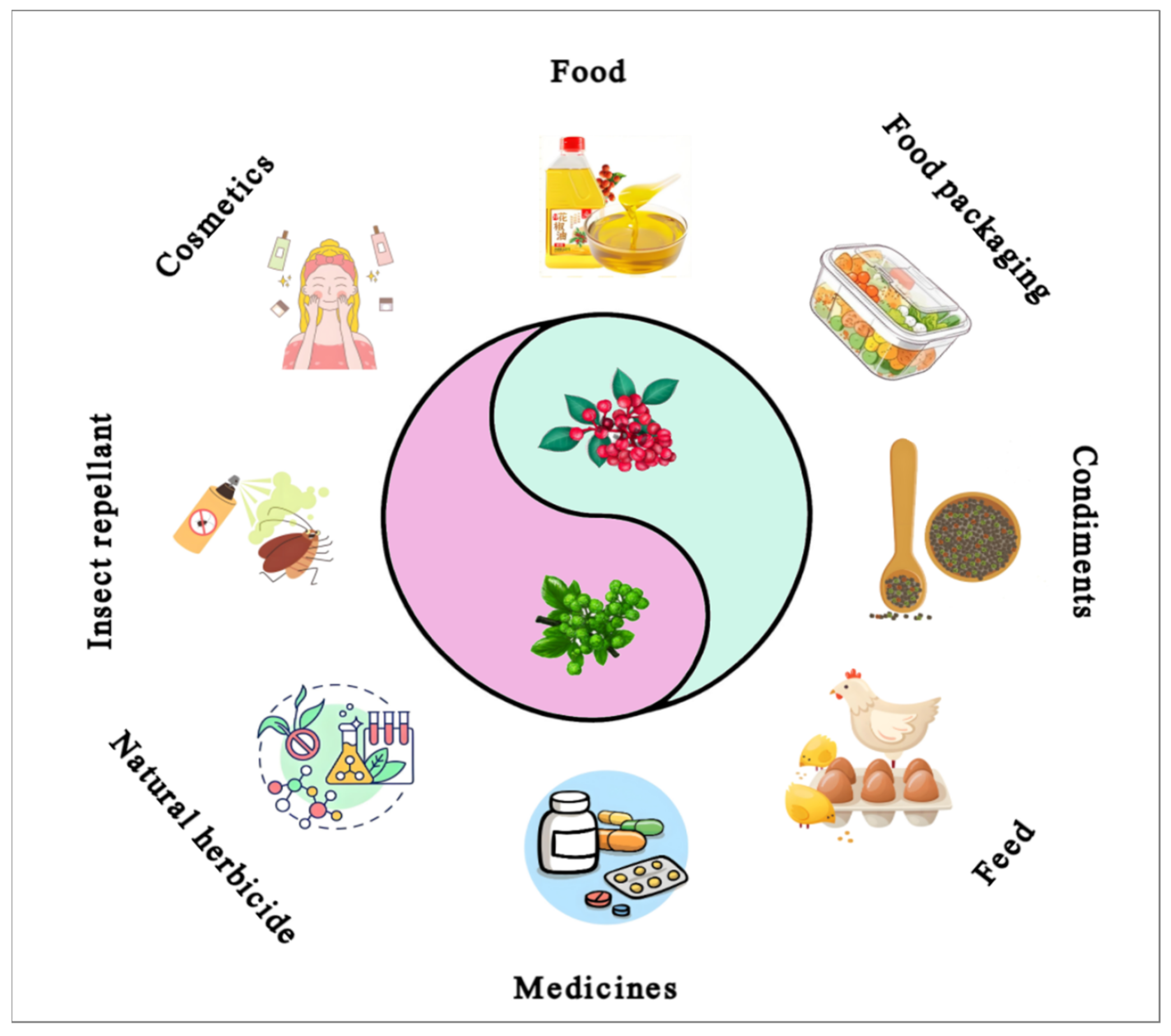
Advancements in methods to extract, separate, and identify metabolites have become more precise and wide-ranging. As a result, the applications of Zanthoxylum in various aspects of people’s lives are diversified, and the outstanding benefits of this plant have contributed to the development of numerous industries. Patent applications related to Zanthoxylum encompass areas such as food, medicine, cosmetics, agricultural production, feed processing, and mechanized manufacturing (Figure 1 and Table 1). The findings of these studies have significant implications for enhancing the value of Zanthoxylum applications, promoting its development, and improving human well-being.

3. Specific Metabolites

3.1. Terpenoids

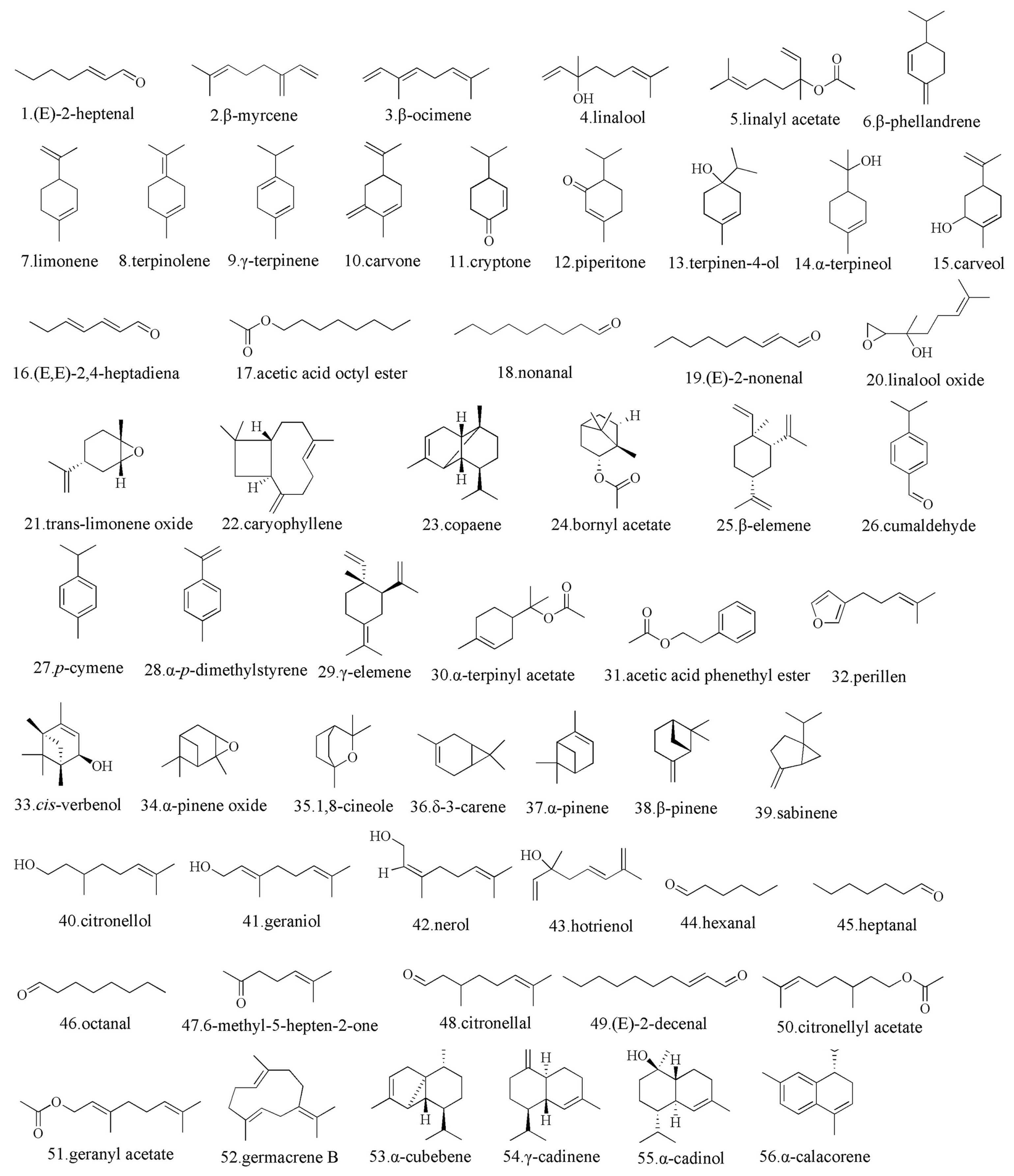
Zanthoxylum is abundant in aromatic oils [37], with the main aromatic compounds of linalool, limonene, geraniol, laurene, and cedrene [38,39]. These compounds are significantly higher in Z. bungeanum than Z. armatum [40]. During the maturation process, the content of monoterpenes and linalyl acetate significantly increases shortly after pollination and early fruit development, and gradually decreases as the fruit matures. The content of aldehydes also gradually decreases with fruit maturity [41]. The main terpenoids isolated from Zanthoxylum are shown in Figure 2. The terpenoids with the highest content in Z. bungeanum are limonene and linalool [40], which are volatile aromatic compounds rich in biological activity. Limonene scavenges free radicals, inhibits membrane lipid peroxidation, and exhibits anti-inflammatory effects [41]; for instance, treatment with 0.1 g/kg for 14 days had the strongest anti-inflammatory effect in mice ear models [42]. Furthermore, linalool can exert anti-tumor activity by inducing apoptosis, which leads to the generation of reactive oxygen species in liver cancer cells [43].

3.2. Alkaloids

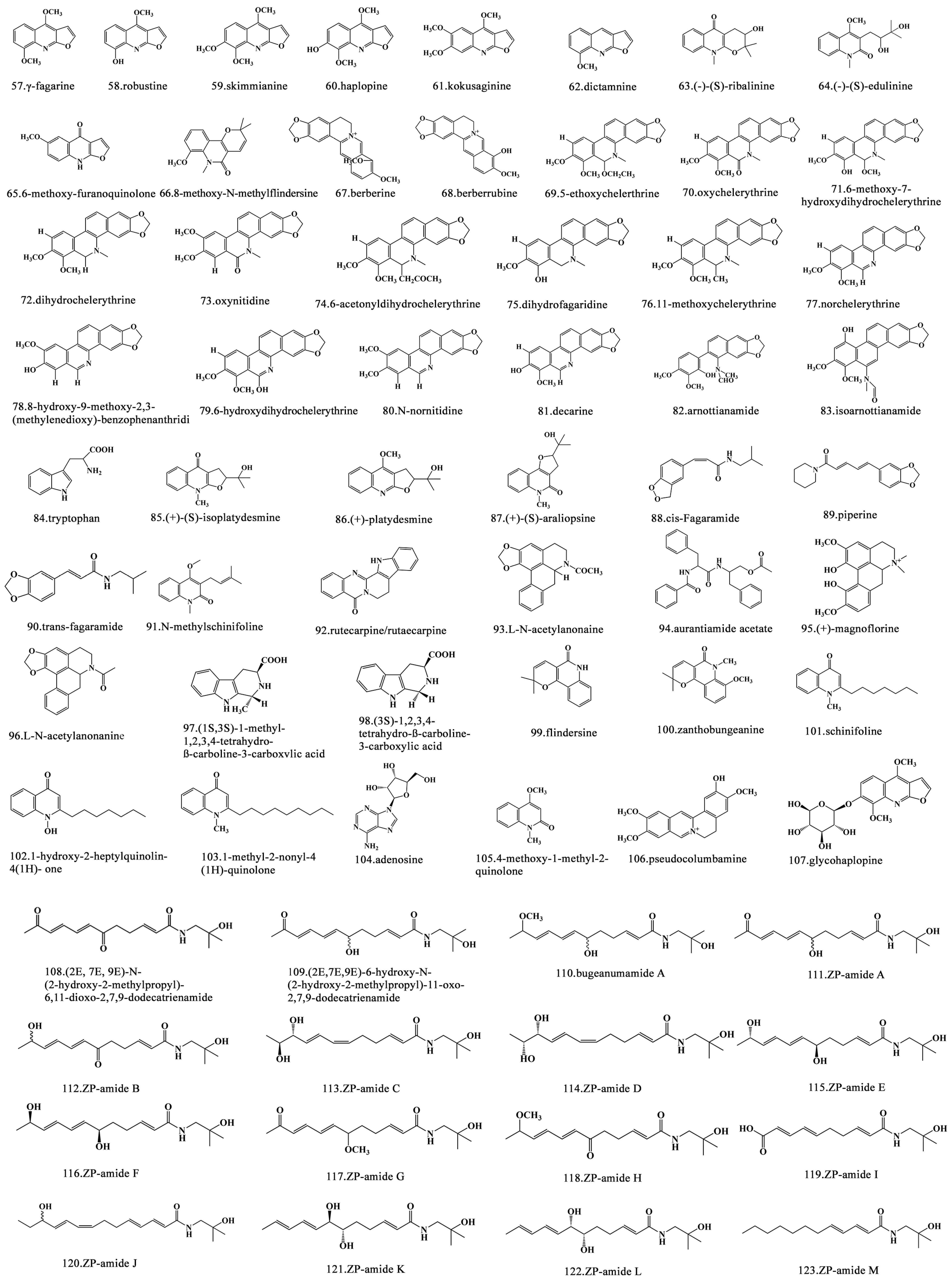
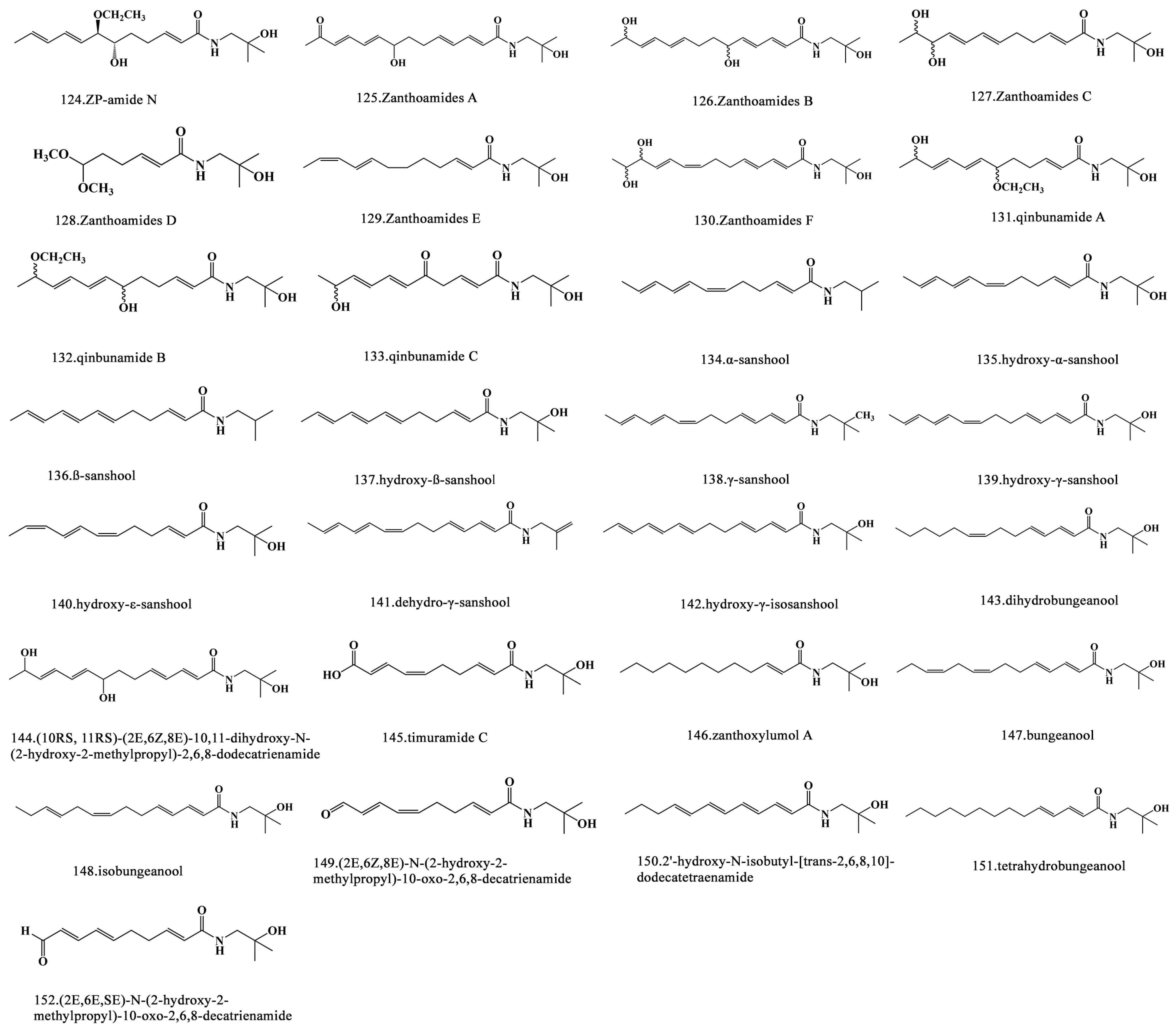
Alkaloids are endogenous metabolites of sessile plants, and the 16,000 alkaloids identified to date constitute a highly diverse group of secondary metabolites [44]. In Zanthoxylum, over 200 alkaloids have been identified [45]. According to their chemical structures, Zanthoxylum alkaloids are mainly divided into four categories: (1) quinoline, (2) isoquinoline, (3) benzo[c]phenanthridine, and (4) quinolone [46]. The main alkaloids isolated from Zanthoxylum are shown in Figure 3. The numbing component of Zanthoxylum is fagaramide, which is a phenylpropylamino alkaloid commonly known as “sanshool” [47]. Sanshool was first identified by Murayama in 1913 [47] and its different configurations were discovered in 1982 [48]. Recently, dozens of sanshools have been isolated and identified from the peels of Z. bungeanum and Z. schinifolium, including hydroxy-α-sanshool, hydroxy-β-sanshool, hydroxy-ε-sanshool, hydroxy-γ-sanshool, δ-zanicosamine, and their alkaloid derivatives [49]. Hydroxy-α-sanshool in Z. piperitum can induce currents and Ca2+ influx in a capsazepine-dependent manner, which results in numbness in humans [50]. N-[2-(3,4-dimethoxyphenyl)ethyl]-3-phenyl-acrylamide alkaloid (WGX-50/GX-50) in Zanthoxylum is a well-known pepper extract, which can reduce wrinkles, relieve pain, and induce apoptosis of hepatoma cells in vitro [51,52,53]. Furthermore, it is an important drug candidate for the treatment of Alzheimer’s disease [54].

3.3. Flavonoids

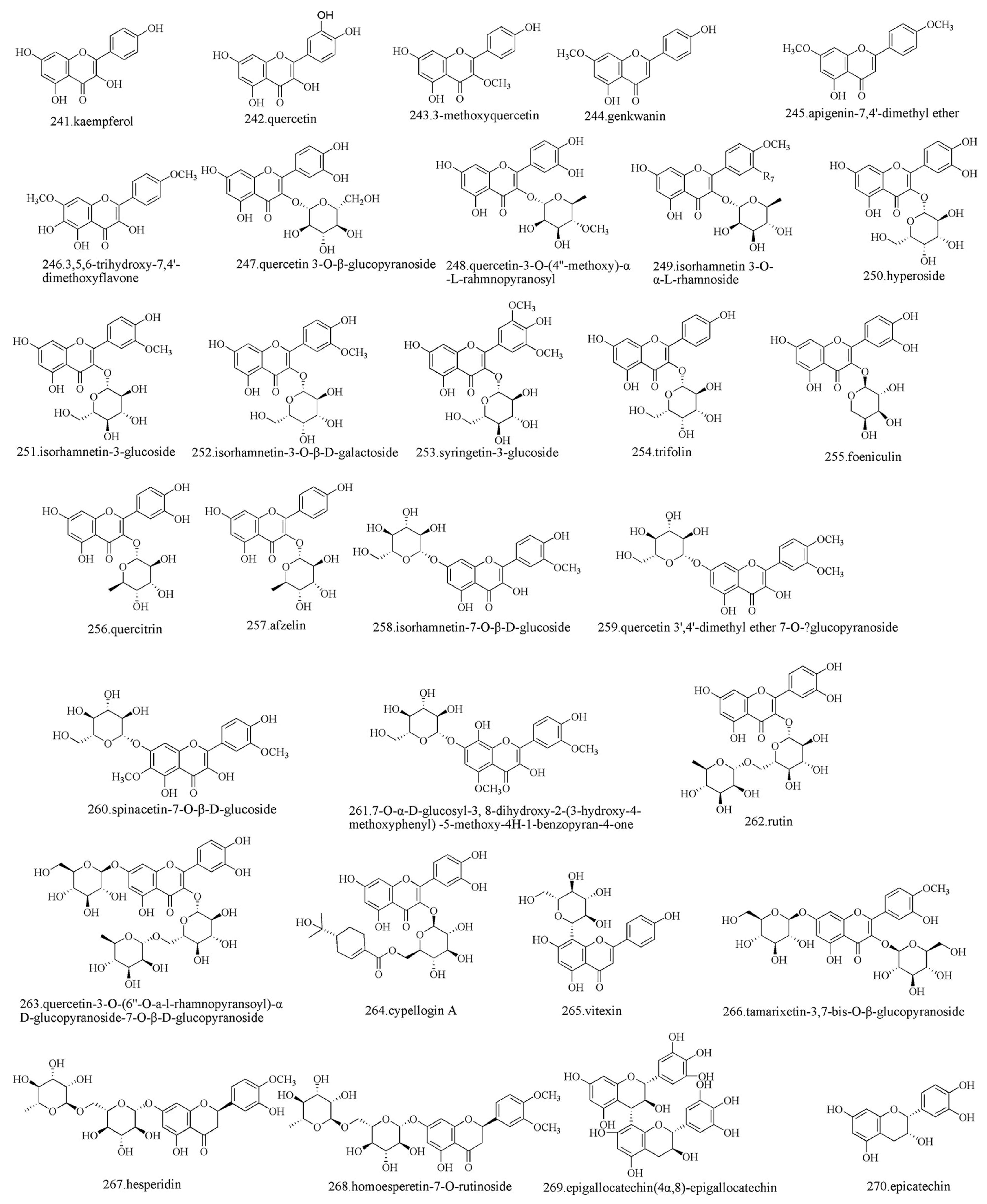
Flavonoids are a large group of ubiquitous secondary metabolites with a wide range of biochemical and biological effects [55]. Nine flavonoids have been identified by liquid chromatography–mass spectrometry using methanol extracts from various tissues of Z. zanthoxyloides (fruits, leaves, stems, trunk barks, and root barks) [56]. The flavonoids of Zanthoxylum are mainly flavanones, flavones, and flavonols, and the most common flavonoid metabolites are hyperoside, quercitrin, kaempferol, afzelin, hesperetin, apigenin, butin, isorhamnetin, and others [57,58,59,60]. Within these flavonoids, hyperoside, isorhamnetin, quercetin, and kaempferol are the main sources of bitterness in the peel of mature green pepper [61]. Compounds such as quercetin and kaempferol found in Z. piperitum exhibit antiviral activity against influenza virus A/NWS/33, and these related compounds inhibit the activity of viral neuraminidase in a dose-dependent manner [42]. Flavonoid extracts from Z. lemairei demonstrate inhibitory effects against Escherichia coli AG100 and Klebsiella pneumoniae KP55, with a minimum inhibitory concentration of 64 µg/mL for lermairones B against AG100 [42]. Anthocyanins are a class of flavonoids that confer different colors to Zanthoxylum fruits. Recent research comparing the types and contents of anthocyanins in green and red Chinese peppers at different developmental stages shows that the peel contains various anthocyanins, including cyanidin, delphinidin, peonidin, and pelargonidin. Among these anthocyanins, the content of cyanidin is the highest in ripe red Chinese pepper fruits [60]. The main flavonoids isolated from Zanthoxylum are shown in Figure 4.

3.4. Other Compounds

In addition to alkaloids, flavonoids, and terpenes, Zanthoxylum contains a rich array of fatty acids, phenolic acids, and lignans [62]. The primary fatty acids found in Zanthoxylum include palmitic acid, oleic acid, linoleic acid, and alpha-linolenic acid [63,64]. Palmitic acid is the most abundant in green pepper, while oleic acid is predominant in red pepper [65]. Furthermore, most Zanthoxylum varieties contain chlorogenic acid, quercetin, ferulic acid, quercitrin, and hypericin [66,67]. Notably, ferulic acid and quercitrin are in high abundance in Zanthoxylum.

4. Research Progress in the Molecular Biology of Zanthoxylum

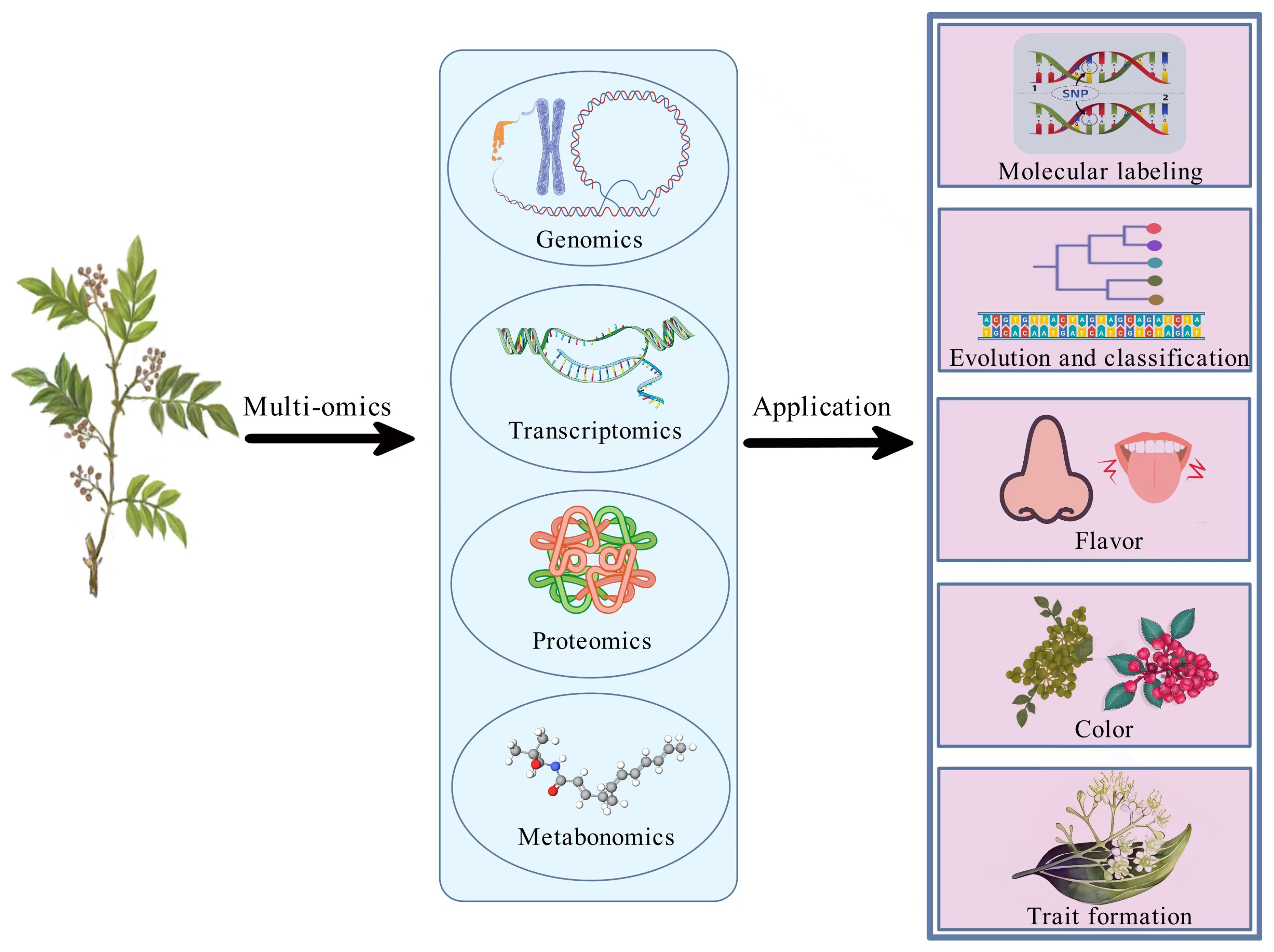
The genomics and molecular biology research of Zanthoxylum has been greatly limited owing to its large genome, high chromosome number, significant heterozygosity, and rich repetitive sequences. This constitutes a highly challenging research field. In recent years, remarkable achievements have been made with the rapid development of genomic sequencing technology and the comprehensive application of genomics, transcriptomics, metabolomics, proteomics, and microbiomics (Figure 5). These achievements helped reveal the genetic diversity, systematic classification, and functional genomics of Zanthoxylum species. These landmark studies provide valuable perspectives for the species identification of Zanthoxylum, including the analysis of phylogenetic relationships, the development of genome sequencing and assembly, and the exploration of key secondary metabolite biosynthetic pathways.

4.1. Application of Molecular Labeling Technology in Zanthoxylum

Molecular marker technology is widely applied in areas such as the genetic diversity, population structure, identification of germplasm resources and breeding of Zanthoxylum. The molecular markers currently used in Zanthoxylum include amplified fragment length polymorphism (AFLP), random amplified polymorphic DNA (RAPD), sequence-related amplified polymorphism (SRAP), inter-simple sequence repeats (ISSRs), simple sequence repeats (SSRs), chloroplast DNA (cpDNA), and so on. Zheng et al. identified 21 pepper germplasms from Shaanxi, Hebei, Gansu, and Shandong using RAPD technology, and divided them into seven groups through cluster analysis [68]. Li et al. established the ISSR-PCR system in pepper shells for the first time and screened out 18 specific primers, which provided a reference basis to identify Z. dissitum shell germplasm resources [69]. Dasgupta analyzed the DNA fingerprints of Z. acanthopodium and Z. acanthopodium using AFLP technology and identified 23 species-specific markers [70]. Genetic diversity analysis of 269 pepper samples collected from five different germplasm regions through SRAP suggests that Shaanxi pepper and Yunnan pepper might have developed different trait characteristics owing to regional differences during the domestication process [71]. Feng et al. identified 182 germplasm samples of Zanthoxylum from 18 germplasm origins based on three cpDNA markers of Zanthoxylum. Reconstruction of the ancestral distribution area of Zanthoxylum shows that its population originates in the Yunnan–Guizhou region. This study provides genetic evidence for the origin and distribution of Zanthoxylum, and offers an important reference basis for the phylogenetic and population genetic research of Zanthoxylum [72]. Simple sequence repeat analysis using 260 germplasm samples of Zanthoxylum from 45 germplasm sources indicates that the genetic diversity of Zanthoxylum is higher than that of bamboo-leaf Zanthoxylum [73]. The Qinling Mountains are the main geographical obstacle that affects gene exchange between Zanthoxylum and bamboo-leaf Zanthoxylum. There are significant genetic differentiations between cultivated and wild varieties of Zanthoxylum. This study provides a fundamental genetic map to conserve and develop the existing germplasm of Zanthoxylum. Subsequently, Li et al. screened and identified 36 polymorphic SSR markers based on whole-genome sequencing of Zanthoxylum [74]. The above research provides an important foundation to identify pepper germplasm resources, which can result in genetic improvements and genetic diversity through variety breeding.

4.2. Genome Sequencing and Assembly of Zanthoxylum

The large genome of Zanthoxylum contains many chromosomes, high heterozygosity, and repetitive sequences, which makes assembly very difficult. Feng et al. used the widely cultivated Z. bungeanum to assemble the pepper genome for the first time through whole-genome sequencing [1]. The genome has 68 chromosomes and contains approximately 4.23 Gb of data, with heterozygous rates and duplication rates of about 4.11% and 93.17%, respectively. Further phylogenetic genomic analysis indicated that Zanthoxylum and sweet orange were the most closely related, and they diverged approximately 32.9 million years ago. Evolutionary analysis revealed that bamboo-leaf Zanthoxylum experienced a whole-genome doubling event approximately 26.6 million years ago, followed by an LTR burst event about 6.4 million years ago. This led to an increase in the genome size of Zanthoxylum to 8.5 times that of sweet oranges [75]. Subsequently, a series of chromosome breaks and fusions eventually led to the formation of the current chromosomes. In 2023, a landmark achievement was the assembly of chromosome-level genomes of the widely cultivated tetraploid bambus-leaf pepper and red pepper [15]. The assembly results indicated that the pepper genome had intense genomic rearrangements and two whole-genome replicas, which led to the large genome size (~4.5 Gb), high repetition ratio (>82%), heterozygosity (>6%), and chromosome number (2n = 4 × = 132). The assembly of the pepper genome provides a good reference basis for the formation of its important traits, development of medicinal functions, identification of germplasm resources and molecular directional breeding, and so forth.

4.3. Synthetic Biology of Main Flavor Metabolites in Zanthoxylum

Synthetic biology has emerged as an alternative approach to resource acquisition, which can rapidly produce large quantities of bioactive compounds. This method holds broad application prospects in the development and sustainable utilization of medicinal plant resources. Currently, it has successfully produced natural products including artemisinic acid, ginsenosides, and others. The biosynthesis of flavor metabolites in Zanthoxylum is also attracting significant attention.
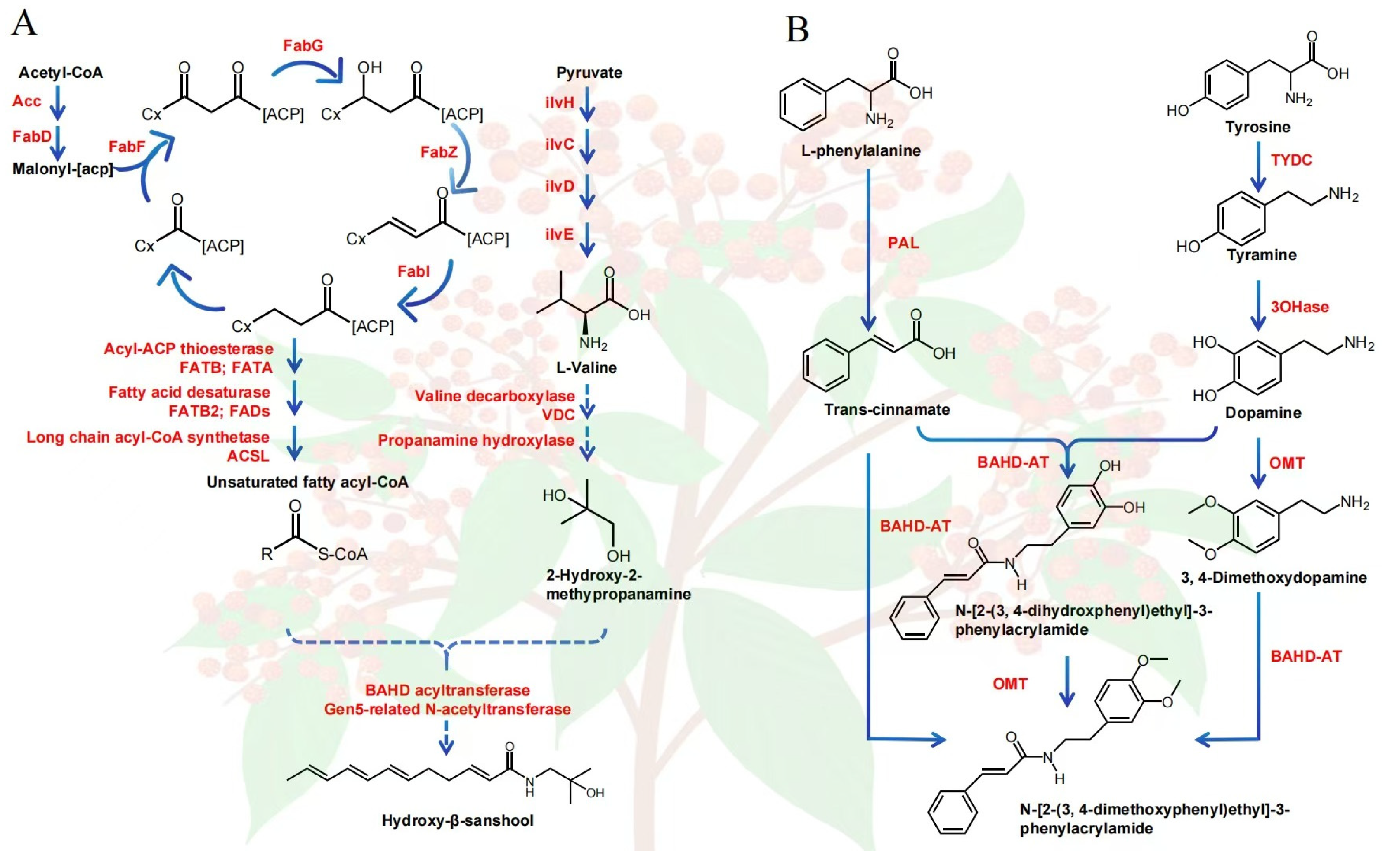
Feng et al. deciphered the metabolic pathway of sanshool based on genomic sequencing [1]. Namely, sanshools are directly synthesized from two precursor substrate unsaturated fatty acid fragments and propylamine under the catalysis of a potential acetyltransferase (NAF), and the fatty acid is usually composed of 12c or 14c unsaturated fatty acid acyl coA synthesized by acyl acp thionase and fatty acid desaturase. In contrast, the biosynthesis of propylamine is divided into two steps: valine decarboxylation through branched-chain amino acid (BCAA) decarboxylase, followed by the production of 2-hydroxy-2-methylpropylamine under the action of cytochrome P450 hydroxylase (Figure 6A).
Huang determined changes in the contents of key bitter metabolites in the peel of the relatively bitter Chongqing Jiangjin Jiuye green pepper based on high-performance liquid chromatography (HPLC) analysis [61]. Five flavonoids were identified as the main sources of bitterness. Further analysis of the co-expression network of weighted genes indicates that the expression of 13 structural gene families in Zanthoxylum (such as PAL, C4H, 4CL, COMT, F5H, F6H, F3H, F3′5′h, F3′H, DFR, ANS, ANR, and FLS) strongly correlates with the dynamic accumulation of bitter metabolites in the peel of green Zanthoxylum. These findings reveal the biosynthetic pathways and biological mechanisms of key bitter metabolites during the growth and development of Zanthoxylum peels, and expand the understanding of the sources of bitterness during the growth of Zanthoxylum peels, which lays a theoretical foundation for further exploration of the wild-type plant, and may result in the development of methods to remove the bitterness of Zanthoxylum peels.
The aromas of green Zanthoxylum and red Zanthoxylum are mainly due to their menthone and limonene terpenes, respectively, according to gas chromatography–mass spectrometry analysis [76]. In-depth transcriptome analysis shows the key roles of HDS2, MVK2, and MVD genes in the synthesis of terpenoids in Zanthoxylum, while FDPS2 and FDPS3 genes are crucial for the synthesis of terpenoids in Zanthoxylum. The accumulation of these metabolites and the differences in gene expression have led to significant differences in the aroma of different types of Zanthoxylum.

4.4. Formation Mechanism of Other Qualities in Zanthoxylum

In recent years, studies on the formation rules and biological mechanisms of the main components of Zanthoxylum have emerged, as well as its color and asexual reproduction. Wang et al. analyzed two potential biosynthetic pathways of the active alkaloid GX-50 in Zanthoxylum based on its chemical molecular structure [75]. Both pathways are related to the production of tyrosine, tyramine, dopamine, L-phenylalanine, and trans-cinnamic acid, although the sequence of acyltransferase and methyltransferase reactions differs in the last two steps. After combining HPLC and weighted gene co-expression network analysis, it was inferred that the key gene families involved in the biosynthesis of GX-50 include tyrosine decarboxylase (TYDC), tyrosinase (3OHase), phenylalanine ammonia-lyase (PAL), O-methyltransferase (OMT), and BAHD acyltransferase (BAHD-AT) [75] (Figure 6B).
The main fatty acids found in Zanthoxylum are palmitic acid, palmitoleic acid, elaidic acid, linoleic acid, and linolenic acid [60]. In the mature stage of Z. bungeanum, the content of palmitic acid in its seeds can exceed 40 mg/g. Several studies have identified genes associated with fatty acid synthesis in Zanthoxylum, including structural genes involved in the fatty acid synthetic pathway such as fatty acid desaturase (FAD) and the acyltransferase gene family [1,15,63]. However, there is a lack of relevant reports on the detailed regulatory mechanisms of functional genes involved in fatty acid synthesis.
The key anthocyanins during the color change of pepper peel from green to red are geranion-3, 5-O-bisglucoside, paeonion-O-hexanoside, anthocyanin-O-syringic acid, and paeonion-3-O-glucoside according to metabolomic analysis of three varieties of Zanthoxylum at different color development stages [60]. The accumulation of these anthocyanins is affected by the upregulated expression of ANS and UFGT genes according to transcriptome sequencing analysis. Members of the MYB transcription factor family are involved in anthocyanin biosynthesis in Z. bungeanum [77]. In addition, the biosynthesis of anthocyanins in Zanthoxylum involves the COP1–HY5 module, which is a light-responsive element. Ultraviolet rays induce the expression of ZbHY5, which promotes the accumulation of anthocyanins in Z. bungeanum leaves [78].
The flowers of Zanthoxylum are mainly female, with male flowers and bisexual flowers occasionally seen. Therefore, asexual reproduction is an important biological characteristic. Namely, female plants do not need to be fertilized and directly develop into embryos from the pericardium cells to reproduce offspring. Many male flowers have been produced in Zanthoxylum planispinum var. dintanensis [79]. The Zardc07021 gene might play an important role in the asexual reproduction process of pepper plants [75]. However, the detailed molecular basis of asexual reproduction remains to be explored. In the future, the gene functions and formation mechanisms related to asexual reproduction of the genus Zanthoxylum will be further clarified with the continuous decline in sequencing costs and the advancement of sequencing and assembly technologies.

5. Conclusions and Future Prospects

Metabolites play crucial roles in the growth and development of all plants. Different species have developed specific metabolites through long-term interactions with the environment and domestication. Zanthoxylum is a medicinal and edible plant with a unique stress-resistant phenotype and specific metabolites, which could be incorporated as valuable adaptation strategies by other species in increasingly harsh environments. Furthermore, the applications of Zanthoxylum can be extended to various industries, such as food, medicine, cosmetics, animal feed, agricultural production, and machinery manufacturing. The recent publication of Zanthoxylum genomes (Z. bungeanum and Z. aratum) and advancements in metabolite identification and separation methods provide a foundation for further exploration of their special metabolites and potential benefits. However, research on Zanthoxylum metabolites is in its early stages. Future research should focus on the three main areas discussed below.
(1) To comprehensively identify the metabolites in Zanthoxylum, advanced separation and detection technologies are required. Additionally, it is crucial to comprehend how these metabolites are synthesized and regulated and determine where they accumulate in Zanthoxylum. Single-cell omics techniques can enhance the analysis of Zanthoxylum metabolites. In addition, the synthesis of specific metabolites is closely linked to changes in specific metabolic pathways during evolution. These changes include the regulation of transposons, variations in key gene promoter regions, and tandem duplications of genes. Therefore, it is crucial to utilize multi-omics methods to comprehensively identify key genes in the relevant metabolic pathways and conduct gene function research to study the metabolites of Zanthoxylum.
(2) To study the biosynthesis and regulation of characteristic components of Zanthoxylum, it is necessary to establish a suitable genetic operating system. Although a series of metabolic enzymes have been identified from Zanthoxylum, there are certain limitations on the synthetic pathways of characteristic components owing to the complexity of plant secondary metabolism and the multi-layer nature of regulatory mechanisms. Therefore, in-depth research on the biosynthesis and synthetic biology of the main components is urgently needed. These efforts will lay the foundation for the development of new products and provide innovative solutions to the challenge of sustainable utilization of Zanthoxylum resources.
(3) To efficiently utilize Zanthoxylum to create capital value, the development of functional products needs to cater to specific market needs. The emergence of plant-specific metabolites is the outcome of a plant’s long-term interaction with the environment, and Zanthoxylum contains metabolites with noteworthy biological activities. Further research is needed to explore the interaction of Zanthoxylum with various organisms, including humans, and to fully evaluate their medicinal value. This will contribute to a more comprehensive understanding and effective application of these specific metabolites.

Author Contributions

Writing—original draft preparation, X.-D.W.; data curation, W.H.; funding acquisition, W.-J.W. and Y.-Y.R.; software, N.W.; resources, Z.-H.H.; visualization and writing—review and editing, N.G.; project administration and funding acquisition, X.-Q.Z.; supervision, G.-Q.F. All authors have read and agreed to the published version of the manuscript.

Funding

This research was funded by the Science and Technology Innovation Team Project of Henan Academy of Agricultural Sciences (2024TD33); the Independent Innovation Project of Henan Academy of Agricultural Science (2025ZC132); the Application Research Project of Henan Academy of Agricultural Sciences (2025YG001); the Science and Technology Key Project of Henan Province (252102110336); and the Science and Technology Forestry Project of Henan Province (YLK202504).

Institutional Review Board Statement

Not applicable.

Informed Consent Statement

Not applicable.

Data Availability Statement

No new data were created or analyzed in this study.

Acknowledgments

We thank Candace Webb, for editing the English text of a draft of this manuscript.

Conflicts of Interest

The authors declare no conflicts of interest.

References

  1. Feng, S.J.; Liu, Z.S.; Cheng, J.; Li, Z.H.; Tian, L.; Liu, M.; Yang, T.X.; Liu, Y.L.; Liu, Y.H.; Dai, H.; et al. Zanthoxylum-specific whole genome duplication and recent activity of transposable elements in the highly repetitive paleotetraploid Z. bungeanum genome. Hortic. Res. 2021, 8, 205. [Google Scholar] [CrossRef] [PubMed]
  2. Wang, C.F.; Kai, Y.; Zhang, H.M.; Cao, J.; Fang, R.; Liu, Z.L.; Du, S.S.; Wang, Y.Y.; Deng, Z.W.; Zhou, L. Components and Insecticidal Activity against the Maize Weevils of Zanthoxylum schinifolium Fruits and Leaves. Molecules 2011, 16, 3077–3088. [Google Scholar] [CrossRef] [PubMed]
  3. Zhuo, Z.; Xu, D.; Li, Y.; Pu, B.; Ye, M. Fingerprint analysis of Zanthoxylum armatum DC. by HPLC. J. Food Compos. Anal. 2021, 96, 103736. [Google Scholar] [CrossRef]
  4. Liu, J.; Wang, Y.; Hou, X.; Cui, Q.; Wu, H.; Shen, G.; Luo, Q.; Li, S.; Liu, X.; Li, M.; et al. Starch-based film functionalized with Zanthoxylum armatum essential oil improved the shelf life of beef sauce. LWT 2023, 183, 114930. [Google Scholar] [CrossRef]
  5. Fei, X.T.; Qi, Y.; Lei, Y.; Wang, S.; Wei, A.Z. Transcriptome and metabolite analysis reveals key genes for melanin synthesis during the development of Zanthoxylum bungeanum seeds. Ind. Crops Prod. 2021, 165, 113419. [Google Scholar] [CrossRef]
  6. Oloya, B.; Namukobe, J.; Heydenreich, M.; Ssengooba, W.; Schmidt, B.; Byamukama, R. Antimycobacterial Activity of the Extract and Isolated Compounds from the Stem Bark of Zanthoxylum leprieurii Guill. and Perr. Nat. Prod. Commun. 2021, 16, 485–494. [Google Scholar] [CrossRef]
  7. Zhang, Y.J.; Wang, D.M.; Yang, L.N.; Zhou, D.; Zhang, J.F. Purification and Characterization of Flavonoids from the Leaves of Zanthoxylum bungeanum and Correlation between Their Structure and Antioxidant Activity. PLoS ONE 2014, 9, e105725. [Google Scholar] [CrossRef]
  8. Al Saqqa, G.S.R. What to know about food flavor? A Review. Jordan J. Agri. Sci. 2022, 18, 1–15. [Google Scholar] [CrossRef]
  9. Shi, W.J.; Chai, T.; Lv, C.M.; Wang, X.R.; Zhang, X.R.; Qiang, Y.; Wang, W.F.; Yang, J.L. Research Progress on the Main Flavor Components and Detection Methods of Zanthoxylum bungeanum Maxim. J. Food Compos. Anal. 2025, 144, 107658. [Google Scholar] [CrossRef]
  10. Bocso, N.S.; Butnariu, M. The biological role of primary and secondary plants metabolites. Food Sci. Nutr. 2022, 5, 107658. [Google Scholar] [CrossRef]
  11. Fiehn, O. Metabolomics—The link between genotypes and phenotypes. Plant Mol. Biol. 2002, 48, 155–171. [Google Scholar] [CrossRef]
  12. Ahuja, I.; Kissen, R.; Bones, A.M. Phytoalexins in defense against pathogens. Trends Plant Sci. 2012, 17, 73–90. [Google Scholar] [CrossRef]
  13. Shen, S.; Zhan, C.; Yang, C.; Fernie, A.R.; Luo, J. Metabolomics-centered mining of plant metabolic diversity and function: Past decade and future perspectives. Mol. Plant 2023, 16, 43–63. [Google Scholar] [CrossRef]
  14. Fei, X.T.; Shi, Q.Q.; Qi, Y.C.; Wang, S.J.; Lei, Y.; Hu, H.C.; Liu, Y.L.; Yang, T.X.; Wei, A.Z. ZbAGL11, a class D MADS-box transcription factor of Zanthoxylum bungeanum, is involved in sporophytic apomixis. Hortic. Res. 2021, 8, 23. [Google Scholar] [CrossRef]
  15. Hu, L.S.; Xu, Z.P.; Fan, R.; Wang, G.Y.; Wang, F.Q.; Qin, X.W.; Yan, L.; Ji, X.Z.; Meng, M.H.; Sim, S.; et al. The complex genome and adaptive evolution of polyploid Zanthoxylum (Zanthoxylum armatum and Zanthoxylum bungeanum). Plant Biotechnol. J. 2023, 21, 78–96. [Google Scholar] [CrossRef]
  16. Sha, X.; Wu, P.; Qin, Y.; Li, G.; Shao, B.; Li, J. Determination of 4 polycyclic aromatic hydrocarbons in spicy strips by vacuum concentration coupled with isotope dilution gas chromatography-mass spectrometry. Wei Sheng Yan Jiu 2020, 49, 603–612. [Google Scholar] [CrossRef]
  17. Zhang, D.; Fan, Y.; Sun, X.; Wei, X.; Lin, Z.; Zhang, X.; Shi, J.; Battino, M.; Gong, Y.; Shi, B.; et al. SERS determination of hydroxy-α-sanshool in spicy hotpot seasoning: The strategy to restrain the interference of capsaicin and its mechanism. Food Chem. 2023, 413, 135644. [Google Scholar] [CrossRef]
  18. Xu, B.; He, W.; Yi, Y.; Wang, H.; Xu, W.; Guo, D. The impacting mechanism of β-sanshool in Zanthoxylum bungeanum Maxim on the structure of myofibrillar protein in duck meat. LWT 2023, 182, 114838. [Google Scholar] [CrossRef]
  19. Huang, L.; Xiong, Y.L.; Kong, B.; Huang, X.; Li, J. Influence of storage temperature and duration on lipid and protein oxidation and flavour changes in frozen pork dumpling filler. Meat Sci. 2013, 95, 295–301. [Google Scholar] [CrossRef] [PubMed]
  20. Yang, Z.; Zhang, Y.; Zhao, Y.; Dong, H.; Peng, J.; He, Q. Preparation of an Antimicrobial and Antioxidant Bio-Polymer Film and Its Application as Glazing Shell for Postharvest Quality of Fresh-Cut Apple. Foods 2022, 11, 985. [Google Scholar] [CrossRef]
  21. Akhavan-Mahdavi, S.; Sadeghi, R.; Faridi Esfanjani, A.; Hedayati, S.; Shaddel, R.; Dima, C.; Malekjani, N.; Boostani, S.; Jafari, S.M. Nanodelivery systems for d-limonene; techniques and applications. Food Chem. 2022, 384, 132479. [Google Scholar] [CrossRef] [PubMed]
  22. Lapczynski, A.; Bhatia, S.P.; Letizia, C.S.; Api, A.M. Fragrance material review on linalool. Food Chem. Toxicol. 2008, 46, 943–964. [Google Scholar] [PubMed]
  23. National Pharmacopoeia Committee. Pharmacopoeia of the People’s Republic of China; Part 1; Chinese Medical Science and Technology Press: Beijing, China, 2020; pp. 165–166.
  24. Zheng, H.; Chen, S.; Liu, Z.; Zhou, G.; Zhang, X.; Kang, S.; Hua, Q.; Wu, Y.; Liu, Z. Utilization of nanoemulsion to enhance antibacterial capacity of Zanthoxylum bungeanum pericarp essential oils against foodborne pathogenic bacteria. LWT 2024, 207, 116657. [Google Scholar] [CrossRef]
  25. Fu, Y.H.; Guo, J.M.; Xie, Y.T.; Hua, J.; Dai, Y.Y.; Zhang, W.; Lin, T.C.; Liu, Y.P. Structural characterization, antiproliferative and anti-inflammatory activities of alkaloids from the roots of Zanthoxylum austrosinense. Bioorg. Chem. 2020, 102, 104101. [Google Scholar] [CrossRef]
  26. Ji, K.L.; Liu, W.; Yin, W.H.; Li, J.Y.; Yue, J.M. Quinoline alkaloids with anti-inflammatory activity from Zanthoxylum avicennae. Org. Biomol. Chem. 2022, 20, 4176–4182. [Google Scholar] [CrossRef]
  27. Zhang, M.; Wang, J.; Zhu, L.; Li, T.; Jiang, W.; Zhou, J.; Peng, W.; Wu, C. Zanthoxylum bungeanum Maxim. (Rutaceae): A Systematic Review of Its Traditional Uses, Botany, Phytochemistry, Pharmacology, Pharmacokinetics, and Toxicology. Int. J. Mol. Sci. 2017, 18, 2172. [Google Scholar] [CrossRef] [PubMed]
  28. Yuan, H.M.; Qiu, L.; Song, Y.; Zou, L.; Yang, L.F.; Fu, Q. Phenylpropanoids from Zanthoxylum species and their pharmacological activities: A review. Zhongguo Zhong Yao Za Zhi 2021, 46, 5760–5772. [Google Scholar] [CrossRef]
  29. Cao, X.L.; Xu, J.; Bai, G.; Zhang, H.; Liu, Y.; Xiang, J.F.; Tang, Y.L. Isolation of anti-tumor compounds from the stem bark of Zanthoxylum ailanthoides Sieb. & Zucc. by silica gel column and counter-current chromatography. J. Chromatogr. B 2013, 929, 6–10. [Google Scholar] [CrossRef]
  30. Yang, Y.P.; Cheng, M.J.; Teng, C.M.; Chang, Y.L.; Tsai, I.L.; Chen, I.S. Chemical and anti-platelet constituents from Formosan Zanthoxylum simulans. Phytochemistry 2002, 61, 567–572. [Google Scholar] [CrossRef]
  31. Hong, M.; Xiao, K.; Lin, P.; Lin, J. Five Rutaceae family ethanol extracts alleviate H2O2 and LPS-induced inflammation via NF-κB and JAK-STAT3 pathway in HaCaT cells. Chin. J. Nat. Med. 2022, 20, 937–947. [Google Scholar] [CrossRef]
  32. Wang, R.; You, Y.M.; Liu, X. Effect of Zanthoxylum alkylamides on lipid metabolism and its mechanism in rats fed with a high-fat diet. J. Food Biochem. 2021, 45, e13548. [Google Scholar] [CrossRef]
  33. Okagu, I.U.; Ndefo, J.C.; Aham, E.C.; Udenigwe, C.C. Zanthoxylum Species: A Comprehensive Review of Traditional Uses, Phytochemistry, Pharmacological and Nutraceutical Applications. Molecules 2021, 26, 4023. [Google Scholar] [CrossRef]
  34. Muema, J.M.; Bargul, J.L.; Mutunga, J.M.; Obonyo, M.A.; Asudi, G.O.; Njeru, S.N. Neurotoxic Zanthoxylum chalybeum root constituents invoke mosquito larval growth retardation through ecdysteroidogenic CYP450s transcriptional perturbations. Pestic. Biochem. Physiol. 2021, 178, 104912. [Google Scholar] [CrossRef]
  35. Fu, X.Z.; Lu, Z.F.; Shen, H.; Feng, X. Effect of Prickly Ash Seed Powder on Production Performance and Egg Quality of Laying Hens. China Poult. 2016, 38, 30–34. [Google Scholar] [CrossRef]
  36. Tian, J.J.; Yang, K.; Chen, H.J.; Ji, H.; Zhou, J.S. Effect of dietary prickly ash (Zanthoxylum bungeanum) seeds (PAS) on growth, body composition, and health of juvenile Jian carp (Cyprinus carpio var. Jian). Aquacult. Int. 2016, 25, 107–120. [Google Scholar] [CrossRef]
  37. Vranová, E.; Coman, D.; Gruissem, W. Network analysis of the MVA and MEP pathways for isoprenoid synthesis. Annu. Rev. Plant Biol. 2013, 64, 665–700. [Google Scholar] [CrossRef]
  38. Ma, J.; Ning, L.; Wang, J.; Gong, W.; Gao, Y.; Li, M. GC-MS Analysis and Bioactivity Screening of Leaves and Fruits of Zanthoxylum armatum DC. Separations 2023, 10, 420. [Google Scholar] [CrossRef]
  39. Zheng, T.; Su, K.X.; Gao, M.S.; Zhang, D.L.; Chen, X.Y.; Liu, S.M. Chemotaxonomic variation in volatile component contents and their correlation between climate factors in Chinese prickly ash peels (Zanthoxylum bungeanum Maxim.). Food Chem. X 2021, 12, 100176. [Google Scholar] [CrossRef] [PubMed]
  40. Zhao, C.; Han, M.; Tu, T.; Chen, S.B.; Hu, W.; Dong, L.; Zhang, F.J.; Zhao, U.J.; Li, Z.H. Comparative analysis of fatty acids, volatile and non-volatile components in red huajiao (Zanthoxylum bungeanum maxim.) and green huajiao (Zanthoxylum armatum DC.) using GC-MS, UPLC-LTQ-Orbitrap-MS/MS and HPLC-DAD. Ind. Crops Prod. 2023, 204, 117371. [Google Scholar] [CrossRef]
  41. Feng, J.Z.; Zhang, B.B.; Zhang, H.N.; Wu, Z.C.; Li, M.Y.; Wang, D.M.; Wang, C. Combining with E-nose, GC-MS, GC-IMS and chemometrics to explore volatile characteristics during the different stages of Zanthoxylum bungeanum maxim fruits. Food Res. Int. 2024, 195, 114964. [Google Scholar] [CrossRef] [PubMed]
  42. Yang, X.F.; Long, Y.Y.; Wu, Y.; Ma, Y.M. Recent Progress in Research on Active Components of Zanthoxylum L. Food Sci. 2018, 39, 303–312. [Google Scholar]
  43. An, Q.; Ren, J.N.; Li, X.; Fan, G.; Qu, S.S.; Song, Y.; Li, Y.; Pan, S.Y. Recent updates on bioactive properties of linalool. Food Funct. 2021, 12, 10370–10389. [Google Scholar] [CrossRef]
  44. Schläger, S.; Dräger, B. Exploiting plant alkaloids. Curr. Opin. Biotechnol. 2016, 37, 155–164. [Google Scholar] [CrossRef]
  45. Wei, W.J.; Chen, X.H.; Guo, T.; Liu, X.Q.; Zhao, Y.; Wang, L.L.; Lan, J.X.; Li, H.W.; Si, Y.P.; Wang, Z.M. A Review on Classification and Biological Activities of Alkaloids from the Genus Zanthoxylum Species. Mini-Rev. Med. Chem. 2021, 21, 336–361. [Google Scholar] [CrossRef]
  46. Yuan, H.M.; Qiu, L.; Xie, Z.J.; Zou, L.; Zheng, J.; Fu, Q. Research progress on alkaloids constituents from Zanthoxylum and their pharmacological activities. China J. Chin. Mater. Med. 2015, 46, 5760–5772. [Google Scholar]
  47. Luo, J.; Ke, J.; Hou, X.; Li, S.; Luo, Q.; Wu, H.; Shen, G.; Zhang, Z. Composition, structure and flavor mechanism of numbing substances in Chinese prickly ash in the genus Zanthoxylum: A review. Food Chem. 2022, 373, 131454. [Google Scholar] [CrossRef] [PubMed]
  48. Yasuda, L.; Takeya, K.C.; Itokawa, H.J. Distribution of unsaturated aliphatic acid amides in Japanese Zanthoxylum species. Phytochemistry 1982, 21, 1295–1298. [Google Scholar] [CrossRef]
  49. Yang, X.G. Aroma constituents and alkylamides of red and green huajiao (Zanthoxylum bungeanum and Zanthoxylum schinifolium). J. Agric. Food Chem. 2008, 56, 1689–1696. [Google Scholar] [CrossRef] [PubMed]
  50. Koo, J.Y.; Jang, Y.W.; Cho, H.; Lee, C.H.; Oh, U. Hydroxy-α-sanshool activates TRPV1 and TRPA1 in sensory neurons. Eur. J. Neurosci. 2007, 26, 1139–1147. [Google Scholar] [CrossRef]
  51. Artaria, C.; Maramaldi, G.; Bonfigli, A.; Rigano, L.; Appendino, G. Lifting properties of the alkamide fraction from the fruit husks of Zanthoxylum bungeanum. Int. J. Cosmet. Sci. 2011, 33, 328–333. [Google Scholar] [CrossRef]
  52. Tsunozaki, M.; Lennertz, R.C.; Vilceanu, D.; Katta, S.; Stucky, C.L.; Bautista, D.M. A ‘toothache tree’ alkylamide inhibits Aδ mechanonociceptors to alleviate mechanical pain. J. Physiol. 2013, 591, 3325–3340. [Google Scholar] [CrossRef]
  53. You, Y.; Zhou, M.; Lu, H.; Shirima, G.; Cheng, Y.; Liu, X. Sanshool from Zanthoxylum L. induces apoptosis in human hepatocarcinoma HepG2 cells. Food Sci. Biotechnol. 2015, 24, 2169–2175. [Google Scholar] [CrossRef]
  54. Tang, M.P.; Wang, Z.X.; Zhou, Y.; Xu, W.J.; Li, S.T.; Wang, L.Y.; Wei, D.Q.; Qiao, Z.D. A novel drug candidate for Alzheimer’s disease treatment: Gx-50 derived from Zanthoxylum bungeanum. J. Alzheimer’s Dis. 2013, 34, 203–213. [Google Scholar] [CrossRef]
  55. Davies, K.M.; Jibran, R.; Zhou, Y.; Albert, N.W.; Brummell, D.A.; Jordan, B.R.; Bowman, J.L.; Schwinn, K.E. The Evolution of Flavonoid Biosynthesis: A Bryophyte Perspective. Front. Plant Sci. 2020, 11, 7. [Google Scholar] [CrossRef] [PubMed]
  56. Tine, Y.; Yang, Y.; Renucci, F.; Costa, J.; Paolini, J. LC-MS/MS Analysis of Flavonoid Compounds from Zanthoxylum zanthoxyloides Extracts and Their Antioxidant Activities. Nat. Prod. Commun. 2017, 12, 1865–1868. [Google Scholar] [CrossRef]
  57. Chen, X.Q.; Wang, W.; Wang, C.; Liu, Z.J.; Sun, Q.; Wang, D.M. Quality evaluation and chemometric discrimination of Zanthoxylum bungeanum Maxim leaves based on flavonoids profiles, bioactivity and HPLC-fingerprint in a common garden experiment. Ind. Crops Prod. 2019, 134, 225–233. [Google Scholar] [CrossRef]
  58. Hu, H.C.; Fei, X.T.; He, B.; Luo, Y.; Qi, Y.; Wei, A.Z. Integrated Analysis of Metabolome and Transcriptome Data for Uncovering Flavonoid Components of Zanthoxylum bungeanum Maxim. Leaves Under Drought Stress. Front. Nutr. 2021, 8, 801244. [Google Scholar] [CrossRef] [PubMed]
  59. Sun, L.W.; Yu, D.M.; Wu, Z.C.; Wang, C.; Wei, A.Z.; Wang, D.M. Comparative Transcriptome Analysis and Expression of Genes Reveal the Biosynthesis and Accumulation Patterns of Key Flavonoids in Different Varieties of Zanthoxylum bungeanum Leaves. J. Agric. Food Chem. 2019, 67, 13258–13268. [Google Scholar] [CrossRef]
  60. Zheng, T.; Zhang, Q.; Su, K.X.; Liu, S.M. Transcriptome and metabolome analyses reveal the regulation of peel coloration in green, red Chinese prickly ash (Zanthoxylum L.). Food Chem. 2020, 1, 100004. [Google Scholar] [CrossRef]
  61. Huang, S. Study on the Formation of Bitterness in the Pericarp of Green Prickly Ash (Zanthoxylum schinifolium Sieb.et Zucc) at Different Developmental Stages. Master’s Thesis, Southwest University, Chongqing, China, 2023. [Google Scholar]
  62. Luo, F.H.; Chen, Z.H.; Zeng, F.F.; Yang, X.; Li, J.J.; Zhang, F.X.; Shi, W. Botany, phytochemistry, pharmacologic activities, traditional applications, pharmacokinetics, quality control and toxicity of Zanthoxyli Radix: An updated review. J. Ethnopharmacol. 2025, 337, 118783. [Google Scholar] [CrossRef]
  63. Fei, X.T.; Ma, Y.; Hu, H.C.; Wei, A.Z. Transcriptome analysis and GC-MS profiling of key genes in fatty acid synthesis of Zanthoxylum bungeanum seeds. Ind. Crops Prod. 2020, 156, 112870. [Google Scholar] [CrossRef]
  64. Ran, J.Q.; Zhu, Y.; Ren, T.Y.; Qin, L.K. Effects of Geographic Region and Cultivar on Fatty Acid Profile and Thermal Stability of Zanthoxylum bungeanum Seed Oil. J. Oleo Sci. 2022, 71, 631–639. [Google Scholar] [CrossRef]
  65. Hou, L.X.; Liu, Y.L.; Wei, A.Z. Geographical variations in the fatty acids of Zanthoxylum seed oils: A chemometric classification based on the random forest algorithm. Ind. Crops Prod. 2019, 134, 146–153. [Google Scholar] [CrossRef]
  66. Sun, X.X.; Zhang, D.; Zhao, L.; Shi, B.L.; Xiao, J.B.; Liu, X.H.; Zekruman, M.; Hu, Y.Q.; Ngouana, A.; Shi, J.Y.; et al. Antagonistic interaction of phenols and alkaloids in Sichuan pepper (Zanthoxylum bungeanum) pericarp. Ind. Crops Prod. 2020, 152, 112551. [Google Scholar] [CrossRef]
  67. Yang, L.C.; Li, R.; Tan, J.; Jiang, Z.T. Polyphenolics composition of the leaves of Zanthoxylum bungeanum Maxim. grown in Hebei, China, and their radical scavenging activities. J. Agric. Food Chem. 2013, 61, 1772–1778. [Google Scholar] [CrossRef]
  68. Zheng, H.X.; Li, Z.Q.; Xue, H.D.; Wang, D.W.; Sun, Y. RAPD Analysis of the Germplasm Resources of Zanthoxylum bungeanum. J. Northwest For. Univ. 2011, 26, 96–100. [Google Scholar]
  69. Li, M.; Wang, P.; Sun, J.K.; Sun, X.Q.; Cheng, P. Establishment and optimization of ISSR-PCR reaction system on Zanthoxylum dissitum. Guihaia 2013, 33, 185–190. [Google Scholar] [CrossRef]
  70. Gupta, D.D.; Mandi, S.S. Species Specific AFLP Markers for authentication of Zanthoxylum acanthopodium & Zanthoxylum oxyphyllum. J. Med. Plants Stud. 2013, 1, 1–9. [Google Scholar]
  71. Li, L.X.; Yang, T.X.; Wei, A.Z.; Feng, S.J.; Chen, L.; Hou, N. Genetic Diversity and Population Structure Analysis of Zanthoxylum germplasms by SRAP. Acta Agric. Boreali-Sinica 2016, 31, 122–128. [Google Scholar] [CrossRef]
  72. Feng, S.J.; Liu, Z.S.; Chen, L.; Hou, N.; Yang, T.X.; Wei, A.Z. Phylogenetic relationships among cultivated Zanthoxylum species in China based on cpDNA markers. Tree Genet. Genomes 2016, 12, 45. [Google Scholar] [CrossRef]
  73. Hu, Y.; Tian, L.; Shi, J.W.; Tian, J.Y.; Zhao, L.L.; Feng, S.J.; Wei, A.Z. Genetic structure of cultivated Zanthoxylum species investigated with SSR markers. Tree Genet. Genomes 2018, 14, 89. [Google Scholar] [CrossRef]
  74. Li, J.M.; Li, S.Q.; Kong, L.J.; Wang, L.H.; Wei, A.Z.; Liu, Y.L. Genome survey of Zanthoxylum bungeanum and development of genomic-SSR markers in congeneric species. Biosci. Rep. 2020, 40, BSR20201101. [Google Scholar] [CrossRef]
  75. Wang, M.; Tong, S.; Ma, T.; Xi, Z.; Liu, J. Chromosome-level genome assembly of Sichuan pepper provides insights into apomixis, drought tolerance, and alkaloid biosynthesis. Mol. Ecol. Resour. 2021, 21, 2533–2545. [Google Scholar] [CrossRef] [PubMed]
  76. Fei, X.T.; Qi, Y.; Lei, Y.; Wang, S.J.; Hu, H.; Wei, A.Z. Transcriptome and metabolome dynamics explain aroma differences between green and red prickly ash fruit. Foods 2021, 10, 391. [Google Scholar] [CrossRef]
  77. Wang, X.Y.; Tian, L.; Feng, S.J.; Wei, A.Z. Identifying potential flavonoid biosynthesis regulator in Zanthoxylum bungeanum Maxim. by genome-wide characterization of the MYB transcription factor gene family. J. Integr. Agric. 2022, 21, 1997–2018. [Google Scholar] [CrossRef]
  78. Zhou, J.; Meng, J.; Zhang, S.; Chi, R.; Wang, C.; Wang, D.; Li, H. The UV-B-Induced Transcription Factor HY5 Regulated Anthocyanin Biosynthesis in Zanthoxylum bungeanum. Int. J. Mol. Sci. 2022, 23, 2651. [Google Scholar] [CrossRef] [PubMed]
  79. Guo, Y.; Yang, G.; Fu, Y.; Yang, S.; Yu, Y.; Du, M.; Zhou, Y. Fruit traits of different variants of Zanthoxylum planispinum var. dingtanensis in the karst plateau valley area of Guizhou Province, Southwest China. BMC Plant Biol. 2024, 24, 1097. [Google Scholar] [CrossRef]
Figure 1. Economic uses and industrial applications of Zanthoxylum.
Foods 15 00540 g001
Figure 2. Chemical structures of terpenoids isolated from Zanthoxylum [38,40,41,42].
Foods 15 00540 g002
Figure 3. Chemical structures of alkaloid components isolated from Zanthoxylum [18,22,25].
Foods 15 00540 g003aFoods 15 00540 g003b
Figure 4. Chemical structures of flavonoids isolated from Zanthoxylum [7,9].
Foods 15 00540 g004
Figure 5. Current molecular biology research strategies and their applications for Zanthoxylum.
Foods 15 00540 g005
Figure 6. Biosynthesis of two main alkaloids in Zanthoxylum. The putative pathways and candidate genes involved in the biosynthesis of hydroxy-β-sanshool [1] (A) and N-[2-(3,4-dimethoxyphenyl)ethyl]-3-phenyl-acrylamide (GX-50) [75] (B) in Zanthoxylum, respectively. The solid lines indicate genes catalyzing major reactions that were characterized. The dotted lines indicate unclear pathways.
Foods 15 00540 g006
Table 1. Chinese industrial applications of Zanthoxylum products.
Patent NumberDate of PublicationTitleSummary
CN102836260A7 September 2012A method for extracting antioxidant active plant polyphenols from Zanthoxylum leavesA method for extracting antioxidant active plant polyphenols from Zanthoxylum leaves, which is characterized by crushing and sifting Zanthoxylum leaves and adding methanol solution to extract them.
CN106309671B18 July 2017Extracts of Zanthoxylum bungeanum L. ‘Longnan’, Gansu Province, preparation method and detection method thereofA plant extract study which relates to an extract of Gansu Zanthoxylum bungeanum L. ‘Longnan’ with an anesthetic effect and the preparation method thereof. The extract has a significant effect on the treatment of arthritis and venous injury.
CN103623105A26 August 2012Use of Zanthoxylum extract in preparation of drugs regulating cholesterol metabolismA pharmaceutical study which relates to the use of Zanthoxylum extract in preparing drugs regulating cholesterol metabolism. It specifically relates to the regulation of cholesterol metabolism using different solvent extracts under the conditions of high cholesterol and inflammation.
CN111568794B25 August 2020New application of active ingredient WGX50 in Zanthoxylum extractRelates to a new use of the active ingredient WGX50 in Zanthoxylum extract, provides a potential scheme for the preparation of multi-functional cosmetics, opens up a new idea for the preparation of cosmetics, and is conducive to realizing higher commercial value.
CN110279768A27 September 2019Use of Zanthoxylum in the preparation of drugs for the prevention and/or treatment of neurodegenerative diseasesDemonstrates the use of Zanthoxylum in the preparation of drugs for the prevention and/or treatment of neurological diseases. The experimental results show that Zanthoxylum can be used in the treatment of neurodegenerative diseases and can be used in pharmaceuticals.
CN101326942A24 December 2008Two-step extraction of prickly ash seed skin oil and kernel oil with the same solventDiscloses a process for extracting Zanthoxylum seed oil. After refining, the kernel oil can be used as edible oil, and the skin oil can be used as industrial oil, which can effectively solve the low oil yield and poor quality of kernel oil.
CN112980445B12 April 2022Relates to a method for extracting phenolic antioxidants from processing by-products of Zanthoxylum oilDiscloses a method for extracting phenolic antioxidants from the by-products of Zanthoxylum oil processing. The extraction process can obtain phenolic antioxidants with high purity and high activity, and can also reduce energy consumption, costs and pollution.
CN109453253B18 June 2021Relates to a method for extracting flavonoids antioxidants from processing by-products of Zanthoxylum oilDiscloses a method for extracting flavonoid antioxidants from the by-products of Zanthoxylum oil processing, which can improve the comprehensive utilization rate of raw material waste, reduce pollution, and have positive economic and social benefits.
CN102690208A26 September 2012Relates to a method for extracting hydroxy-α-sanshool from Zanthoxylum oilDiscloses a method for extracting hydroxy-α-sanshool from Zanthoxylum oil which provides a standard product that can provide a quantitative numbing taste, is convenient to operate, and can obtain a high-purity isolate.
CN111718814A29 September 2020Zanthoxylum craft beer preparation methodDiscloses a Zanthoxylum craft beer and the preparation method thereof. The prepared beer has a moderate bitter taste, has the numbing taste and fragrance of prickly pepper, and is more acceptable to consumers.
CN113974117A28 January 2022Zanthoxylum salt microcapsule compound flavor Outlines a Zanthoxylum salt microcapsule compound seasoning and the preparation method thereof, solving the problems of single salt variety, low added value, poor solubility of simple mixed seasoning, etc., which can be applied to the food processing industry.
CN115304508A8 November 2022Preparation method of a biomimetic antibacterial and antioxidant nanoparticle based on Zanthoxylum fruit extractOutlines an antibacterial and antioxidant nanoparticle based on Zanthoxylum fruit extract and the preparation method and applications thereof. The nanoparticle can remove wound bacteria, promote healing, and be used for clinical treatment.
CN116420504A14 July 2023Utility model of a multi-functional green Zanthoxylum picking machineDescribes a multi-functional green Zanthoxylum picking machine, which can be used for drying, picking, separation of peel/seed, collection, and integrated production.
CN113491647B20 June 2023Method for preparing a pain-relieving and anti-inflammatory toothpaste from Zanthoxylum herbDescribes an analgesic and anti-inflammatory toothpaste made using Zanthoxylum herb and possesses anti-inflammatory, antibacterial, anti-allergic, analgesic, and other effects, and has excellent industrialization prospects.
CN116350547A30 June 2023Preparation method of anti-dandruff shampoo containing a nano-emulsion of green Zanthoxylum aromatic essential oilDescribes an anti-dandruff shampoo containing a green Zanthoxylum aromatic essential oil nano-emulsion, which can enhance the writing effect, delay the generation of drug resistance, and effectively solve the application defects of chemical drugs and natural products.
CN219318990U7 July 2023A continuous Zanthoxylum heat pump dryer dehumidifying deviceDescribes a continuous Zanthoxylum heat pump dryer humidification system, comprising a humidification channel and a humidification outlet, which can remove water vapor near the central axis of the dryer over time.
CN116252321A13 June 2023Zanthoxylum picking soft manipulatorDescribes a soft manipulator for picking prickly ash, which can wring prickly ash branches to ensure safe picking.
Disclaimer/Publisher’s Note: The statements, opinions and data contained in all publications are solely those of the individual author(s) and contributor(s) and not of MDPI and/or the editor(s). MDPI and/or the editor(s) disclaim responsibility for any injury to people or property resulting from any ideas, methods, instructions or products referred to in the content.