Article

Establishing a Rapid Enrichment Medium for Bacillus cereus to Shorten Detection Time

1
College of Food Science and Technology, Nanjing Agricultural University, Nanjing 210095, China
2
Key Laboratory of Detection and Traceability Technology of Foodborne Pathogenic Microorganisms, State Administration for Market Regulation, Nanjing 211198, China
*
Authors to whom correspondence should be addressed.
These authors contributed equally to this work.
Foods 2026, 15(3), 466; https://doi.org/10.3390/foods15030466
Submission received: 30 December 2025 / Revised: 19 January 2026 / Accepted: 27 January 2026 / Published: 29 January 2026
(This article belongs to the Section Food Microbiology)

Abstract

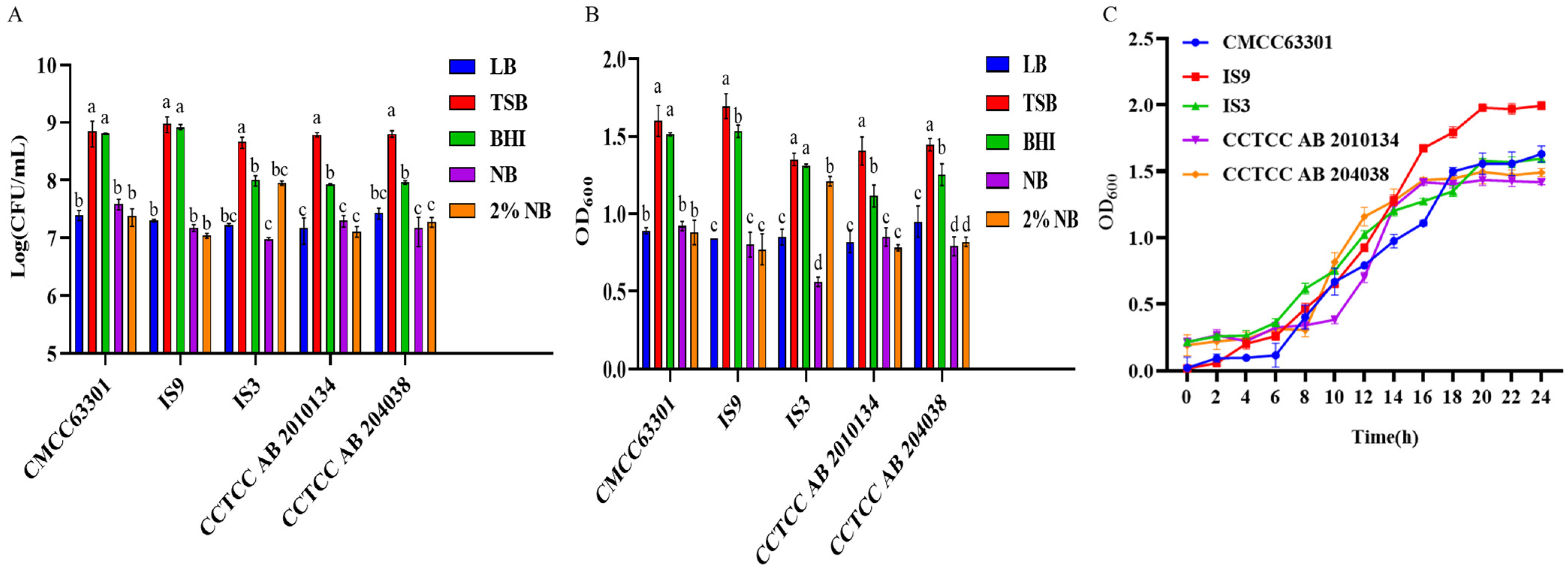
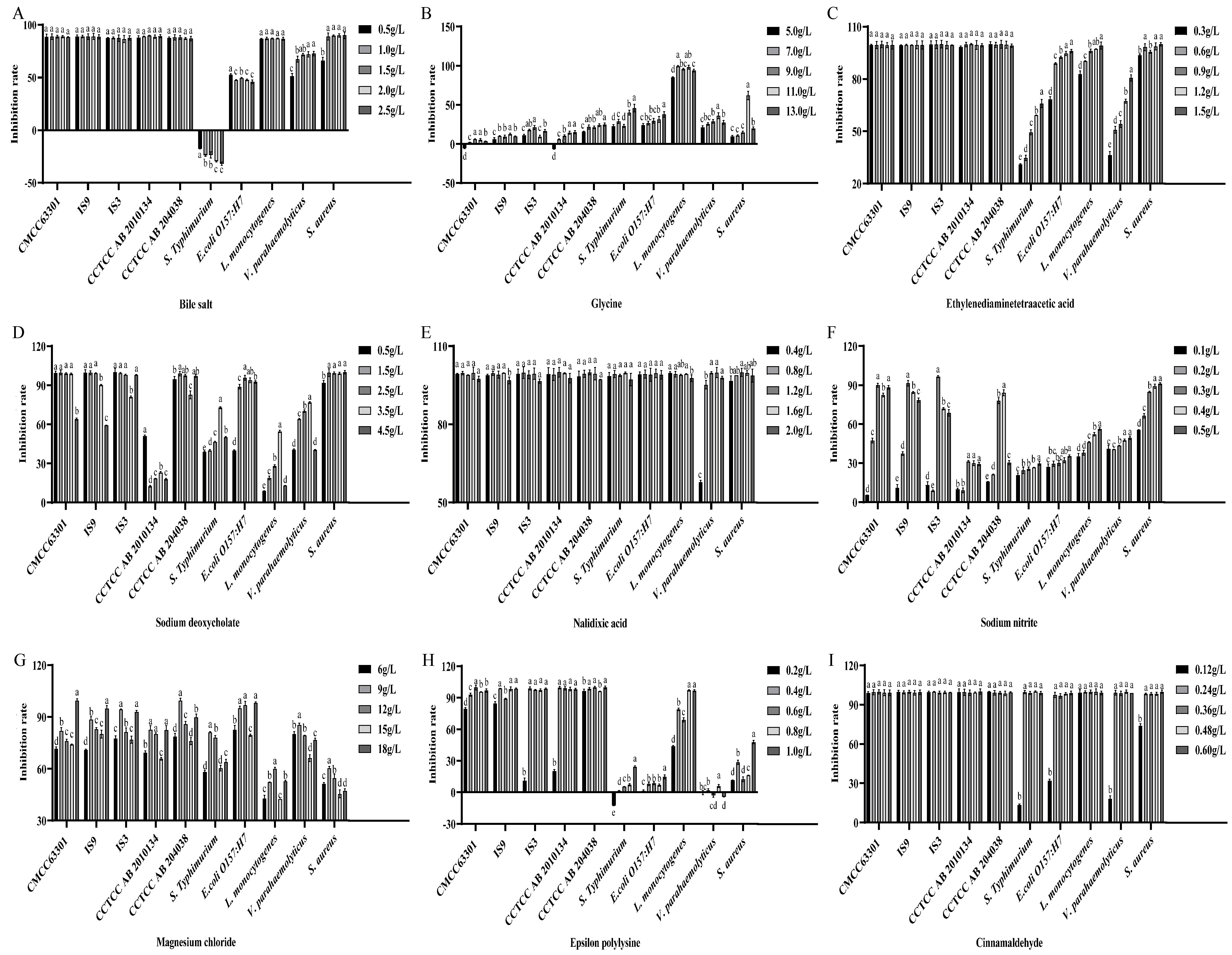
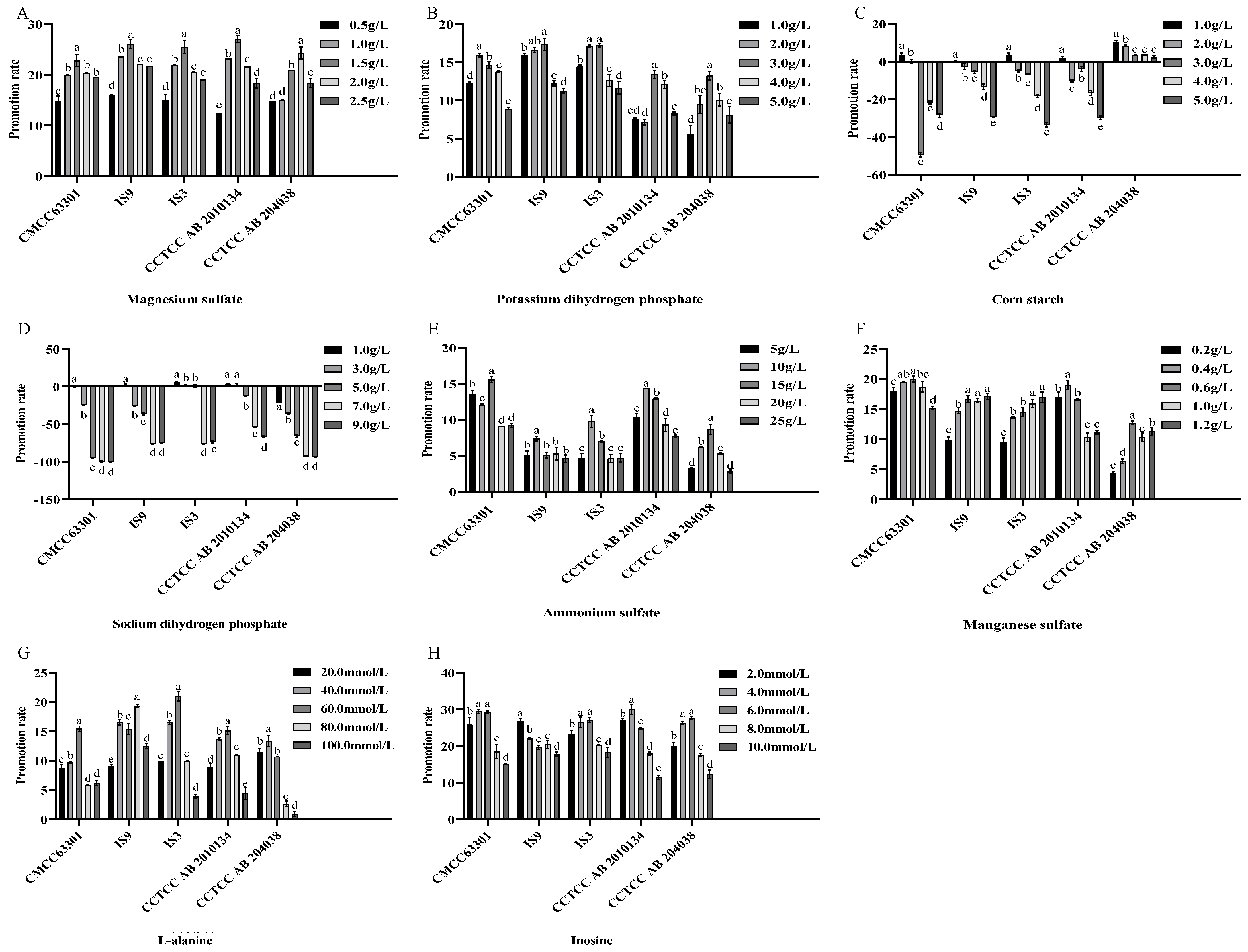
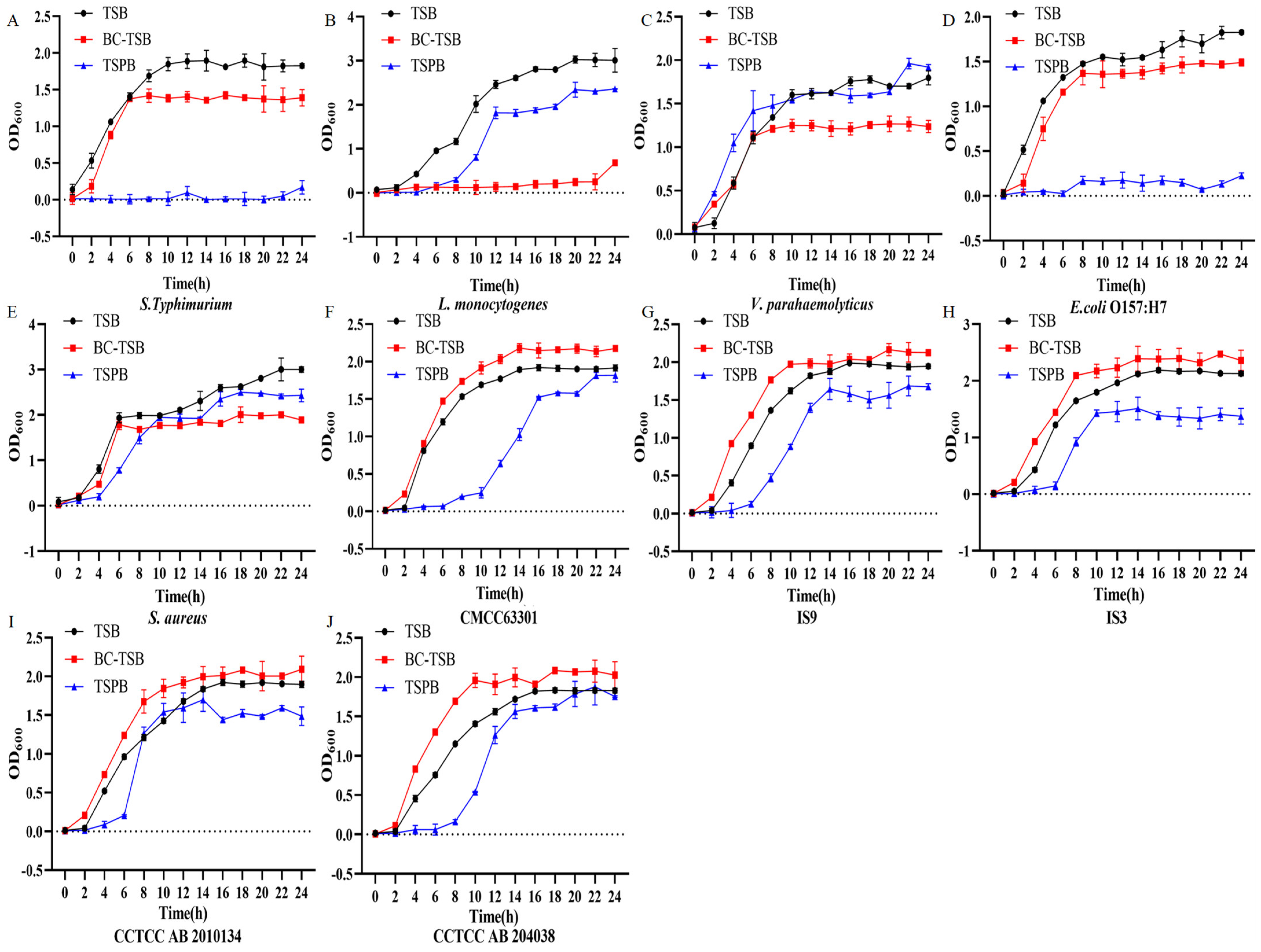
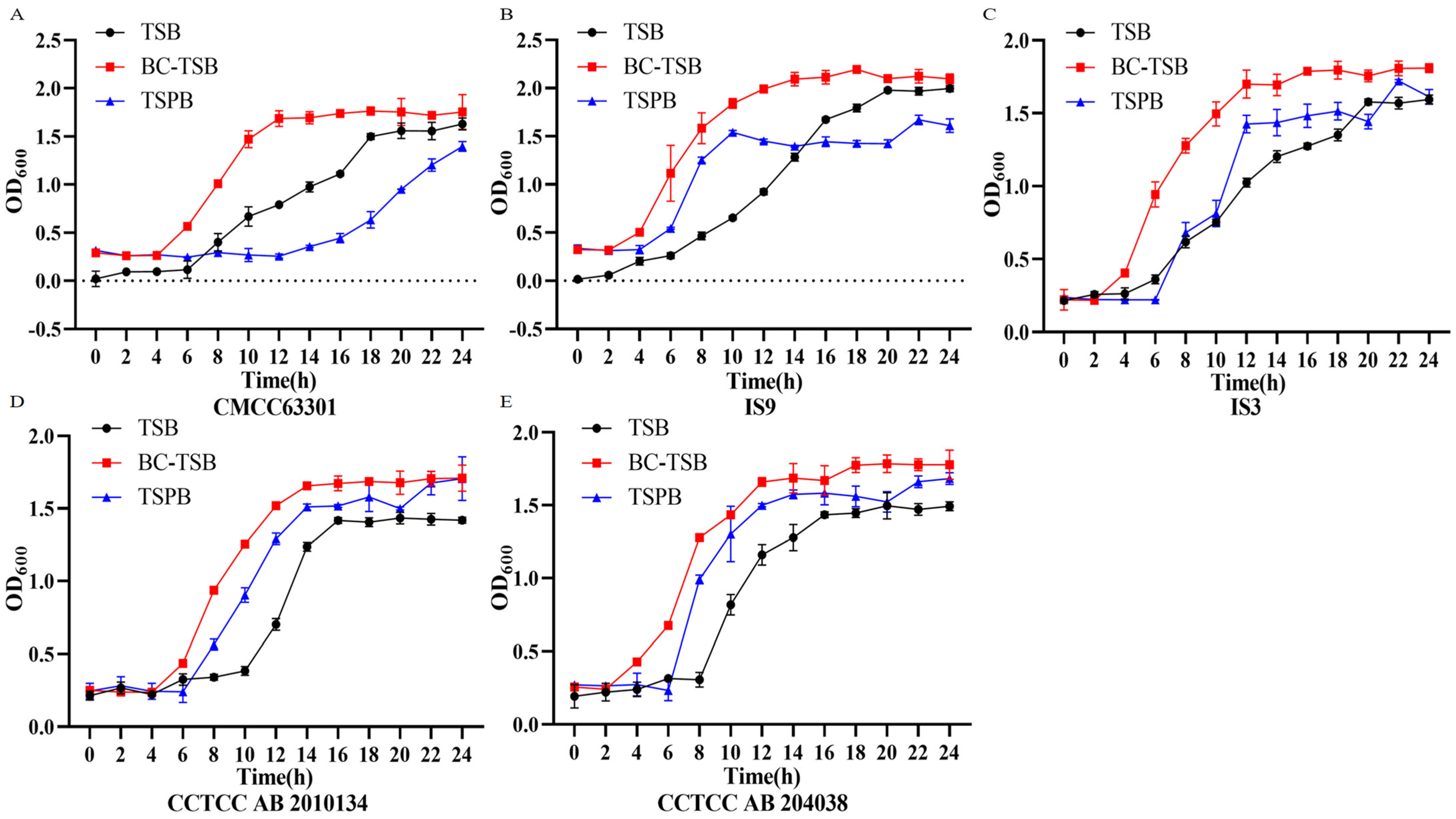
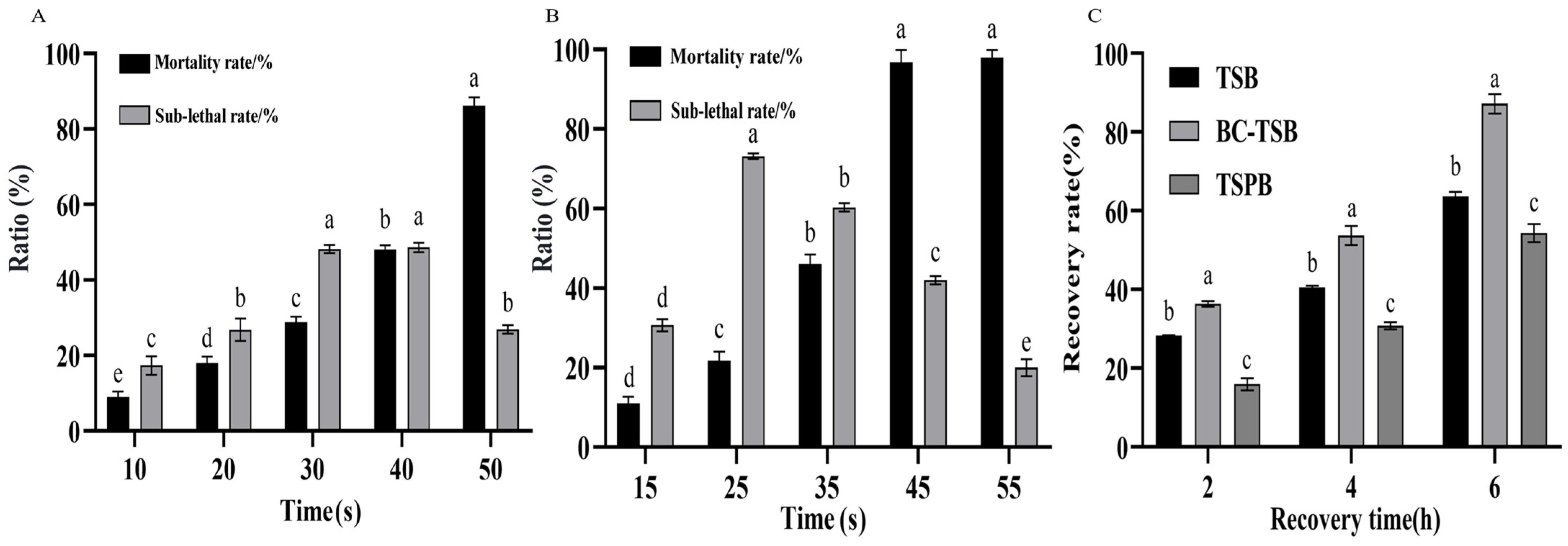
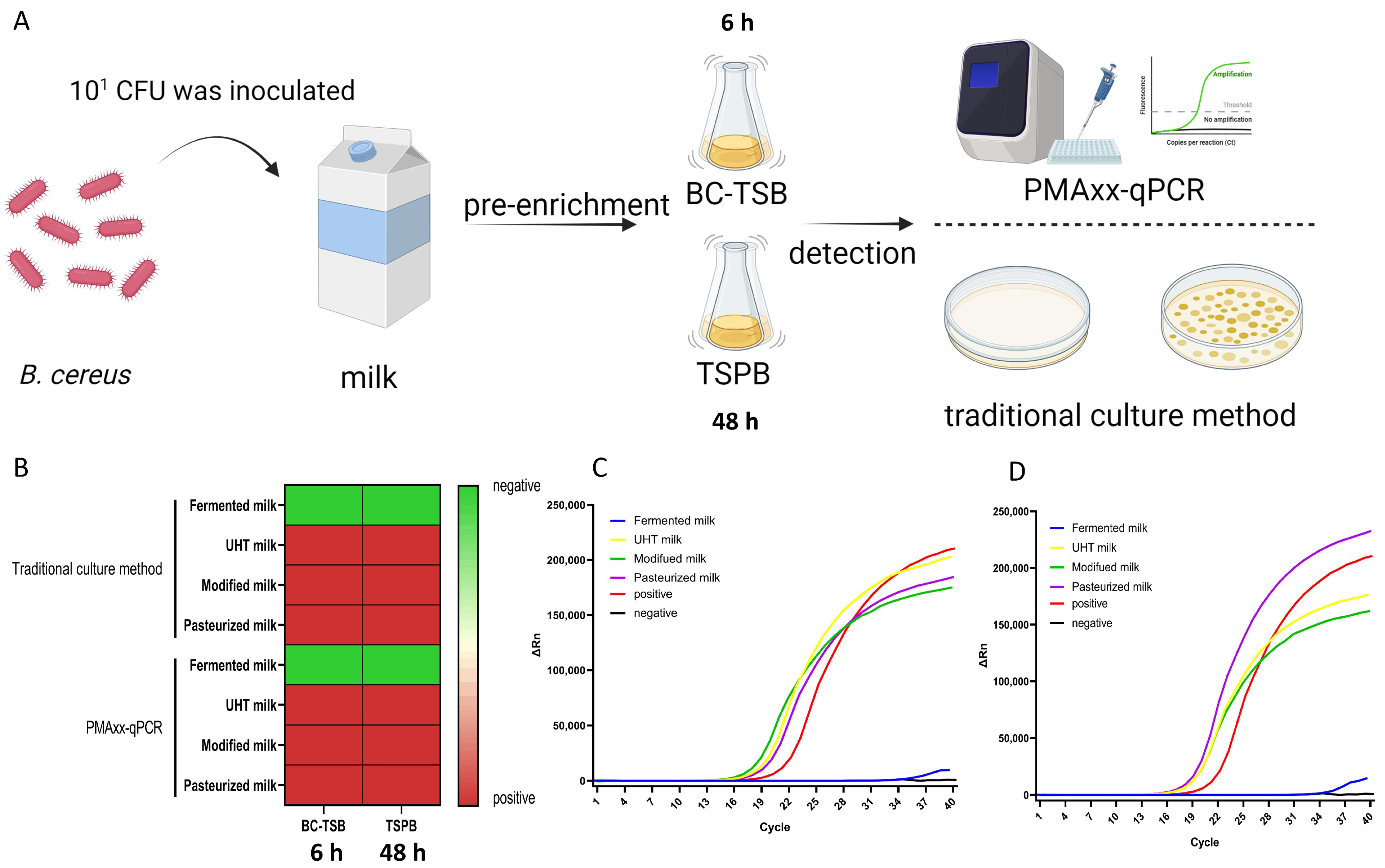
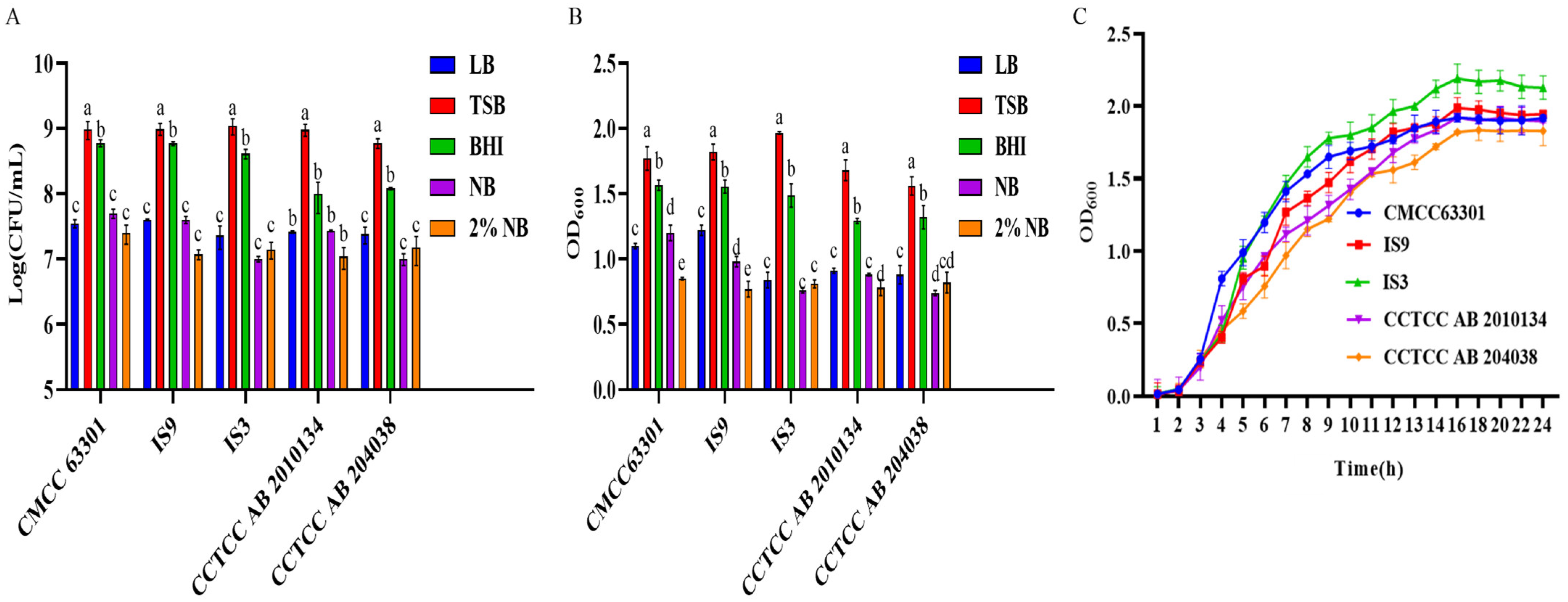
Bacillus cereus is a common Gram-positive bacterium that poses a significant threat to food safety due to its environmental adaptability, spore-forming ability, and production of harmful toxins. Traditional detection methods for B. cereus are time-consuming and inaccurate. This study aimed to develop a rapid enrichment medium for B. cereus to improve detection efficiency. Five B. cereus strains and five non-B. cereus strains were used. The TSB medium was selected as the basic medium as it supported the best growth and spore germination of B. cereus among the tested media. Magnesium sulfate and inosine were identified as the most effective promoters for the growth of vegetative cells and spore germination respectively, while glycine and sodium nitrite were chosen as suitable inhibitors against non-B. cereus bacteria. Through orthogonal experiments, the optimal formulation of the rapid enrichment medium (BC-TSB) was determined. BC-TSB effectively inhibited the growth of non-target bacteria and significantly promoted the growth and spore germination of B. cereus compared to the TSB basic medium. It also efficiently facilitated the recovery of thermally injured B. cereus cells, with a 6 h recovery rate of 87%—shortening the incubation time required by traditional method from 48 h to 6 h. In the detection of artificially contaminated dairy samples, BC-TSB could effectively pre-enrich B. cereus, achieving a 100% detection rate in UHT milk, modified milk, and pasteurized milk using both traditional and PMAxx-qPCR methods. Overall, the developed BC-TSB medium has great potential for the rapid and accurate detection of B. cereus in food, which can help enhance food safety monitoring.
Keywords: Bacillus cereus; rapid enrichment medium; spore germination; detection efficiency Bacillus cereus; rapid enrichment medium; spore germination; detection efficiency