High-Value Utilization of Coconut Kernel Fiber By-Products: The Insulin-Sensitizing Effect of Novel α-Glucosidase-Inhibiting Peptides Derived from Coconut Kernel Fiber on T2DM Mice



Abstract
1. Introduction
2. Materials and Methods
2.1. Materials
2.2. Preparation of CKFH
2.3. Isolation and Purification of Highly Active CKFH Fractions
2.4. Analysis of α-Glucosidase Inhibitory Activity
2.5. Structural Characterization of CKF and Its Hydrolysate
2.6. IR-HepG2 Cell Model Construction and Its Glucose Consumption Analysis
2.7. High Glucose and High-Fat Diet (HSHFD) Combined with STZ Induced T2DM Mice Model
2.8. Oral Glucose Tolerance Test (OGTT)
2.9. Serum Biochemical Parameter Assay
2.10. Observation of Liver Tissue Pathology
2.11. In Vitro Simulation Studies of the Gastrointestinal Digestive Process
2.12. Analysis of the Processing Stability of LW-CKFH
2.13. α-Glucosidase Inhibitory Activity Analysis of LW-CKFH in Different Food Matrices
2.14. Analysis of Glucose Content of Bread During Simulated Diet Digestion
2.15. Identification and Screening of CKF Polypeptides
2.16. Molecular Docking
2.17. Statistical Analysis
3. Results
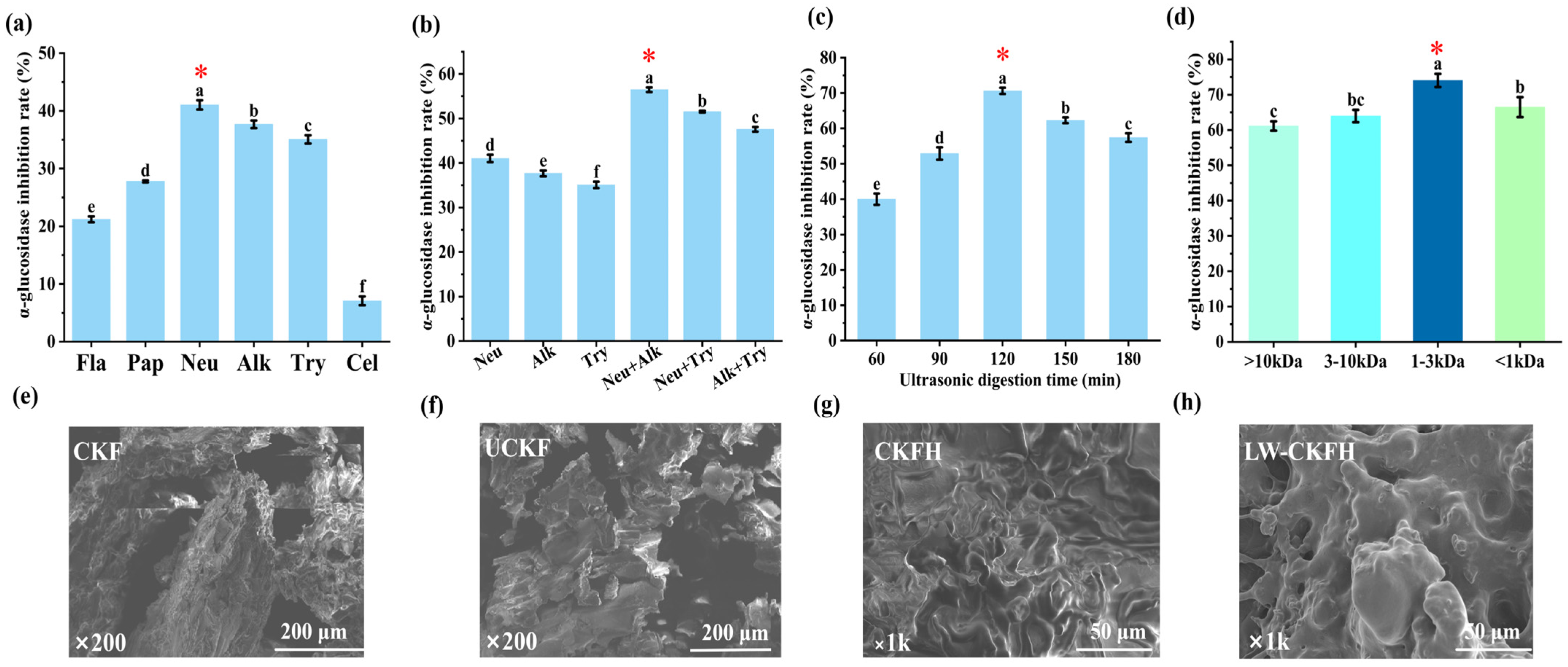
3.1. Preparation of LW-CKFH with High α-Glucosidase Inhibitory Activity
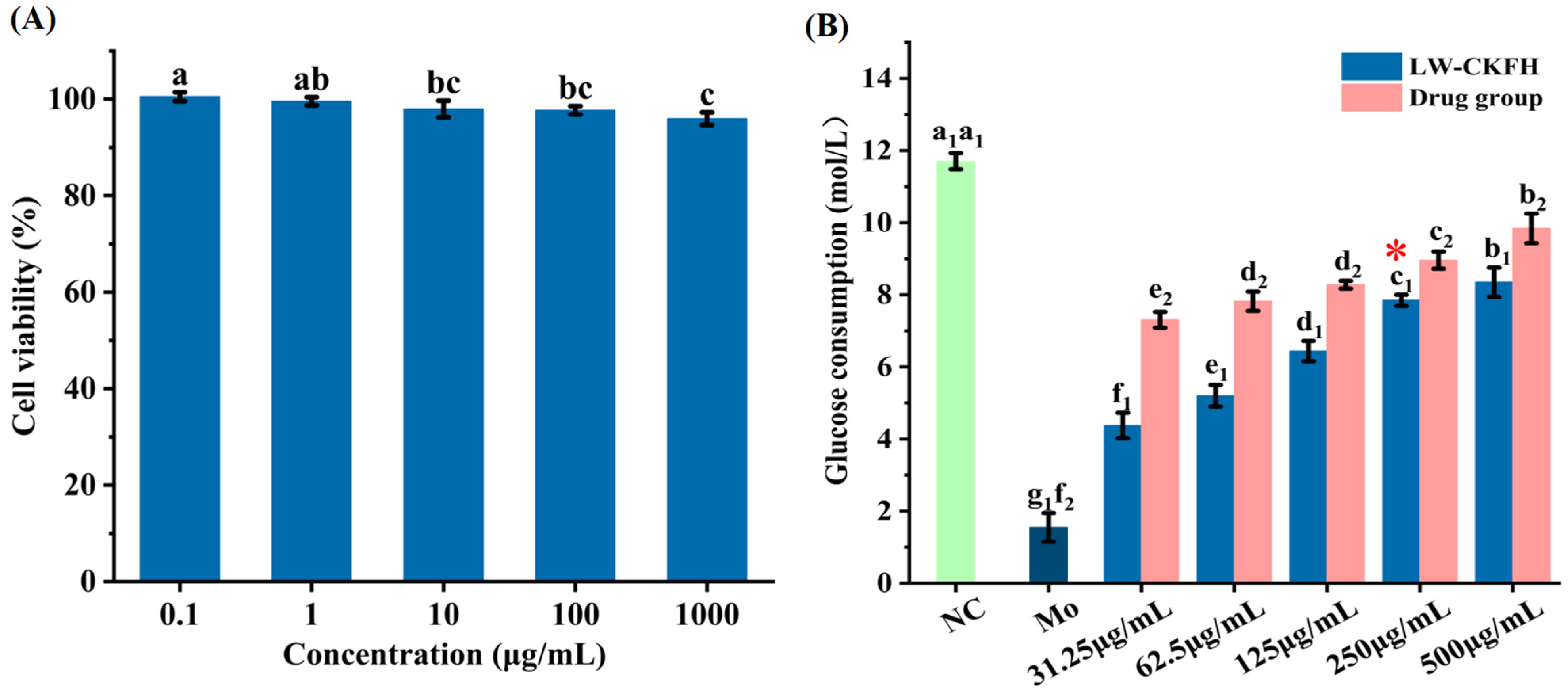
3.2. The Glucose Metabolism Effects of LW-CKFH Based on IR-HepG2 Cell Model
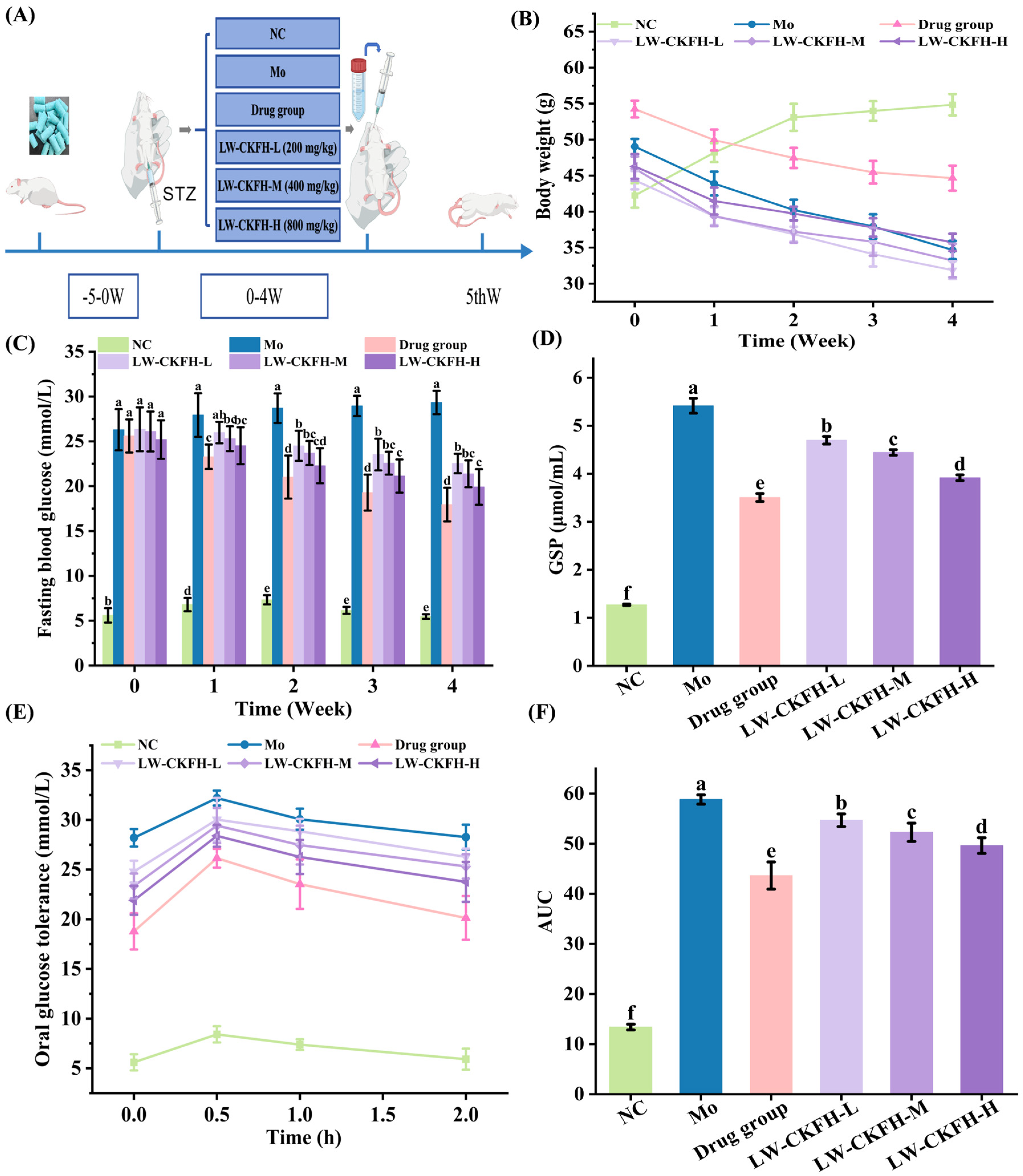
3.3. The Regulatory Effect of LW-CKFH on Glucose Homeostasis in T2DM Mice
3.3.1. The Effect of LW-CKFH on Improving Glucose Metabolic Disorders in T2DM Mice
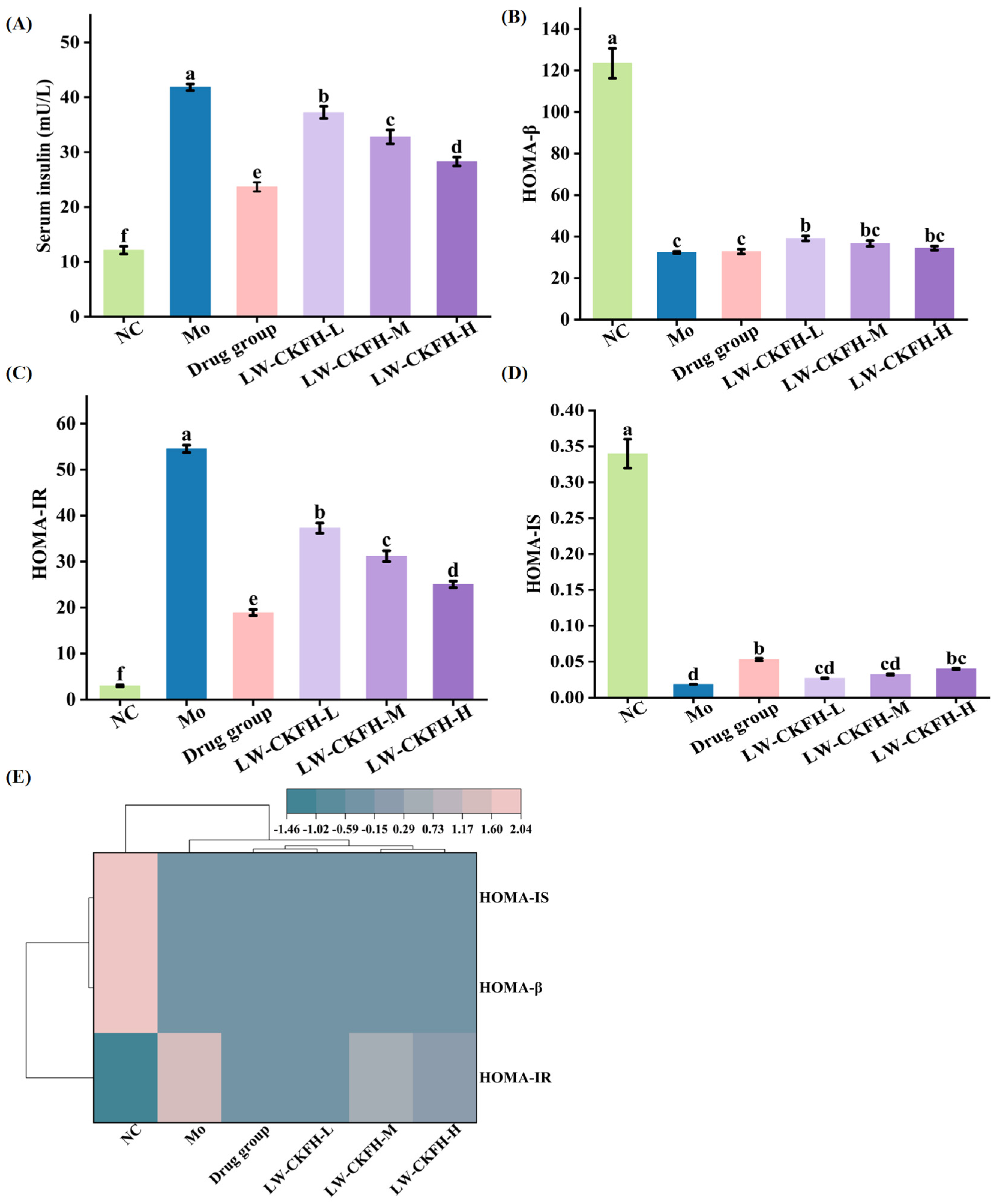
3.3.2. The Improvement Effect of LW-CKFH on the Insulin Level in T2DM Mice

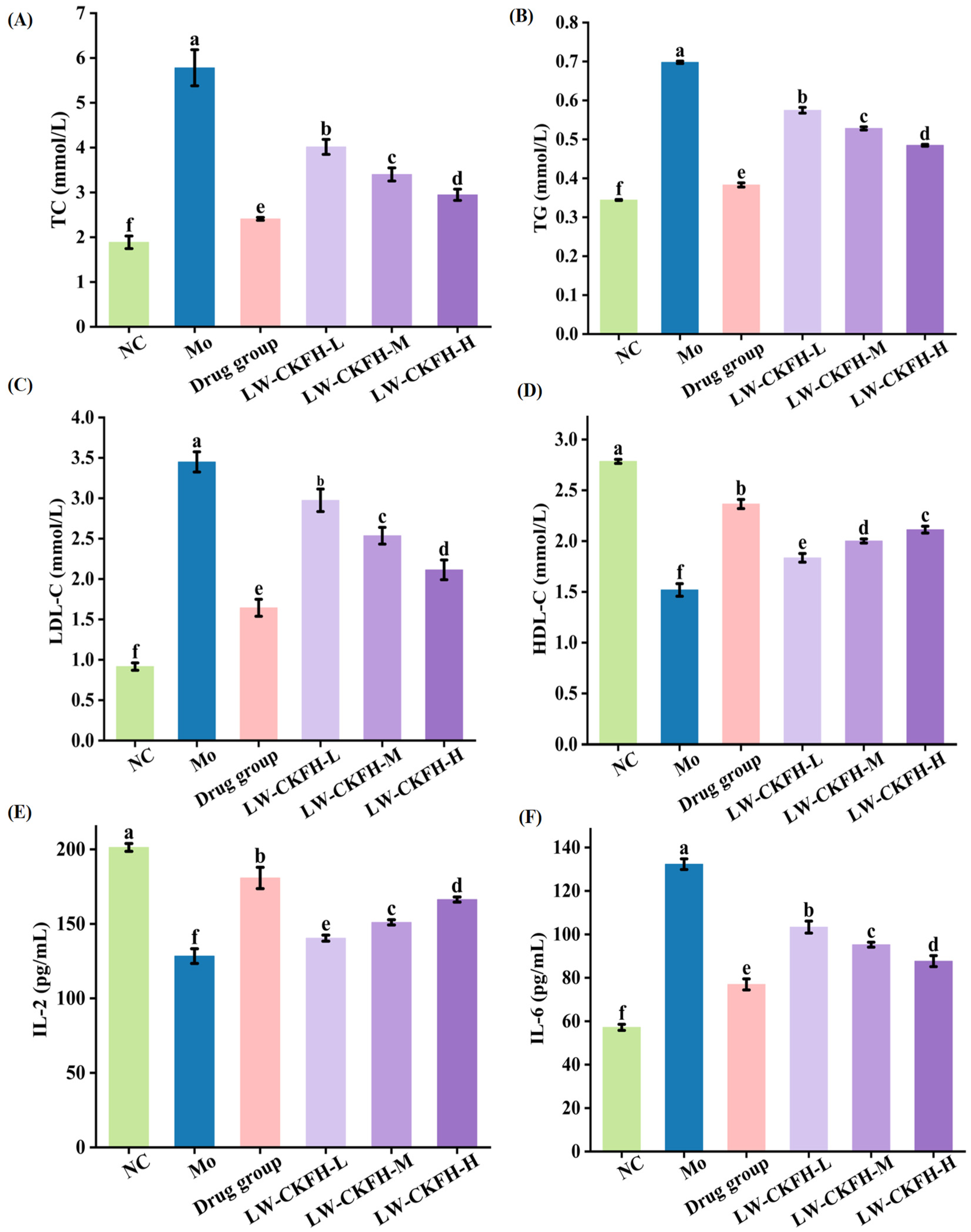
3.3.3. Improvement of LW-CKFH on Lipid Metabolism Disorder in T2DM Mice
3.3.4. The Improvement of LW-CKFH on Inflammatory Response in T2DM Mice
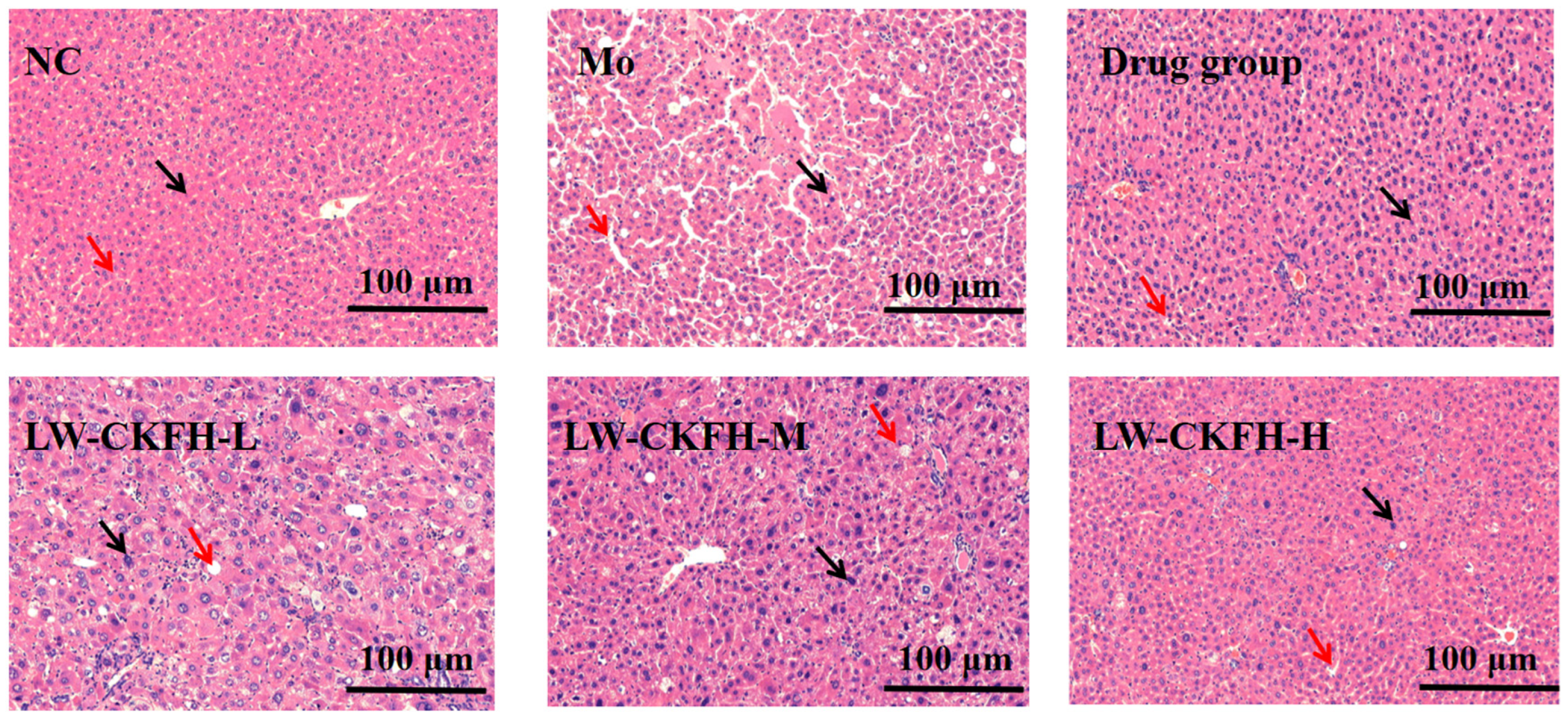
3.3.5. The Reparative Effects of LW-CKFH on Hepatocyte Damage in T2DM Mice
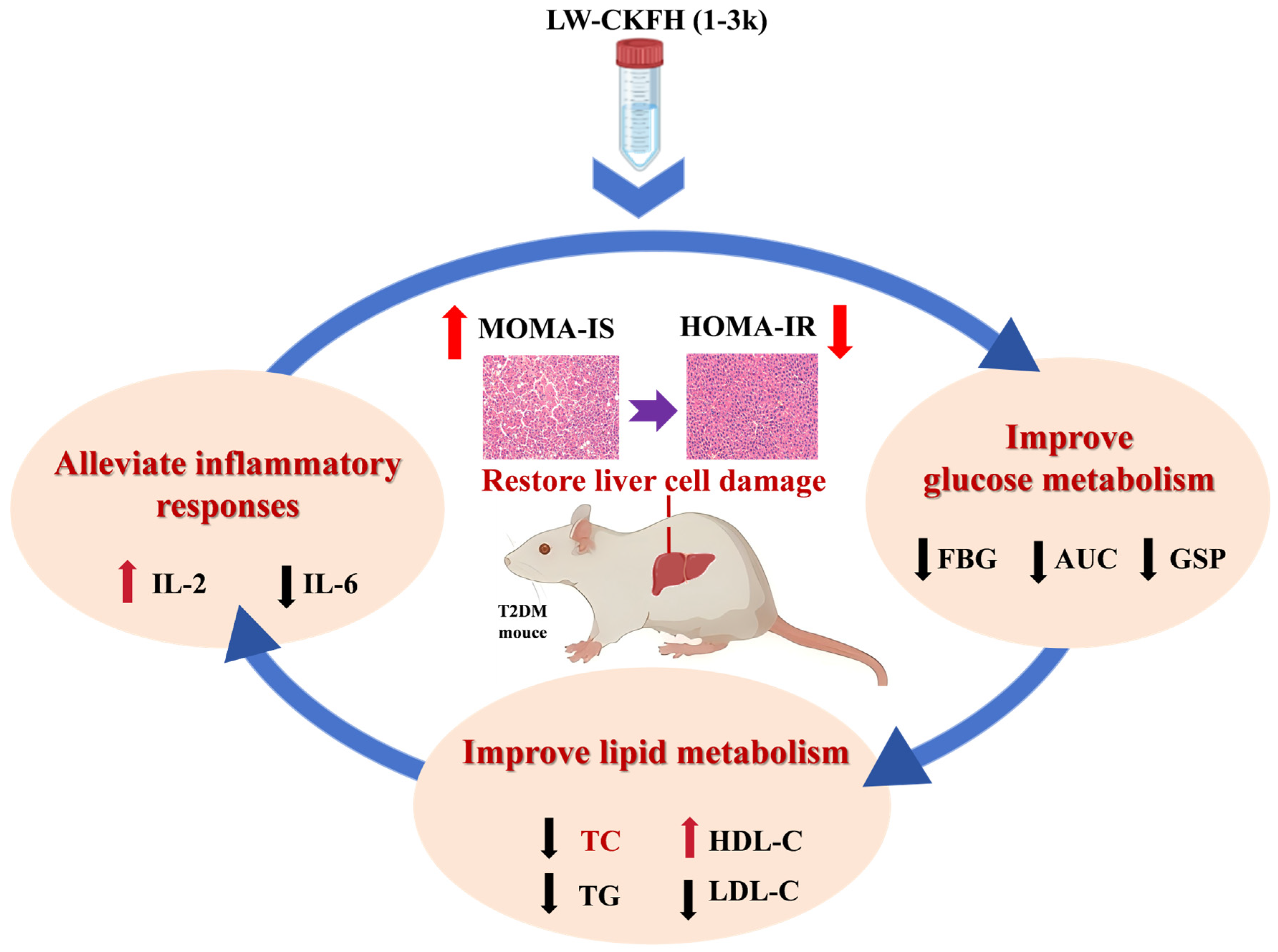
3.3.6. The Main Regulatory Pathways of LW-CKFH in Blood Glucose Homeostasis of T2DM Mice
3.4. Feasibility of LW-CKFH in the Application of Hypoglycemic Food
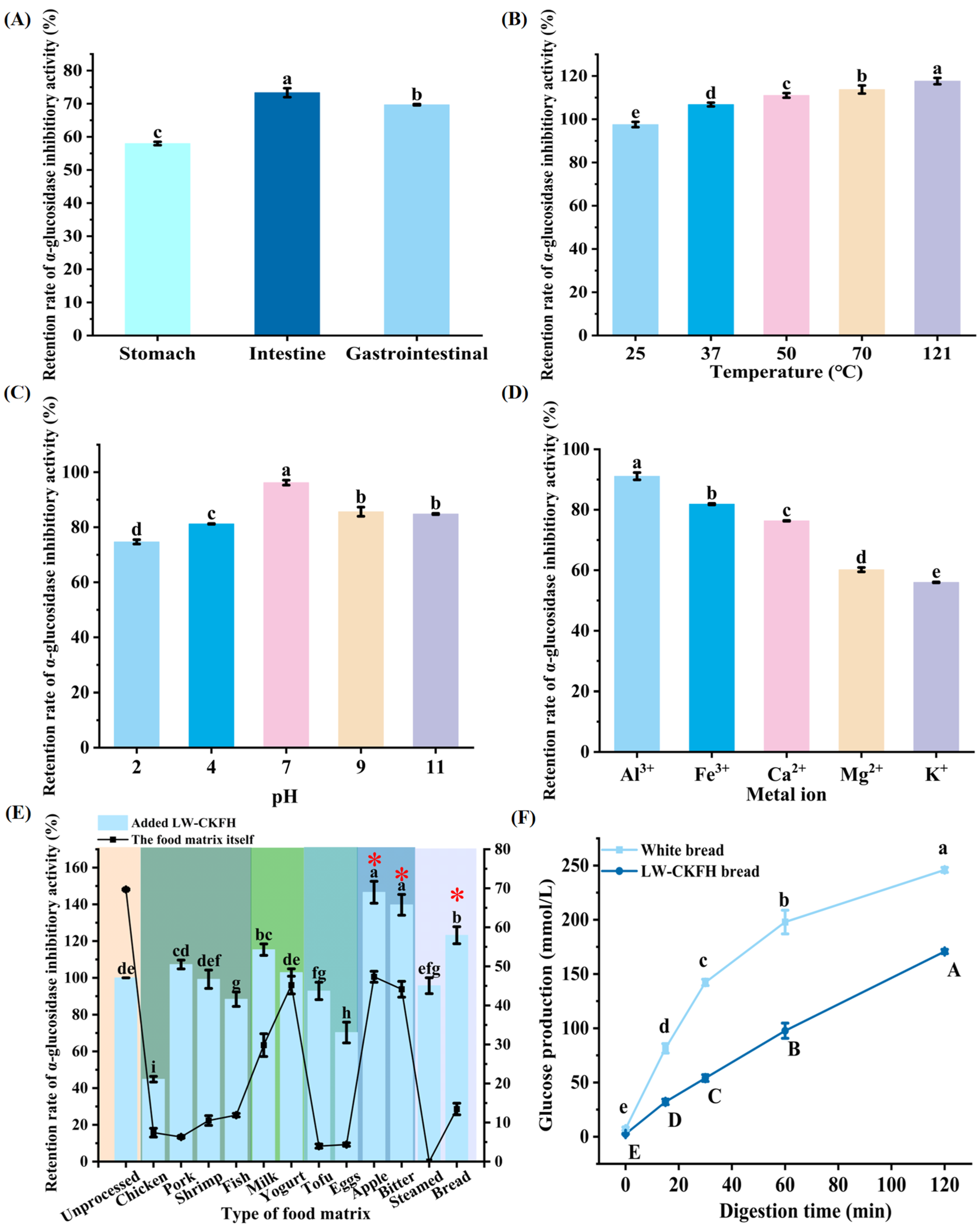
3.4.1. Processing Stability of LW-CKFH
3.4.2. The Effect of Food Matrix on LW-CKFH Activity
3.4.3. Effect of LW-CKFH on the Glucose Release Rate of Bread During Simulated Diet Digestion
3.5. Identification and Screening of α-Glucosidase Inhibitory Peptides from LW-CKFH
3.6. Analysis of the Inhibitory Activity and Binding Action of Oligopeptides to α-Glucosidase
4. Conclusions
Author Contributions
Funding
Institutional Review Board Statement
Informed Consent Statement
Data Availability Statement
Acknowledgments
Conflicts of Interest
References
- Zhou, B.; Rayner, A.; Gregg, E.W.; Sheffer, K.E.; Carrillo-Larco, R.M.; Bennett, J.E.; Shaw, J.E.; Paciorek, C.J.; Singleton, R.; Barradas-Pires, A. Worldwide trends in diabetes prevalence and treatment from 1990 to 2022: A pooled analysis of 1108 population-representative studies with 141 million participants. Lancet 2024, 404, 2077–2093. [Google Scholar] [CrossRef] [Scilit]
- Shahwan, M.; Alhumaydhi, F.A.; Ashraf, G.M.; Hasan, P.M.Z.; Shamsi, A. Role of polyphenols in combating type 2 diabetes and insulin resistance. Int. J. Biol. Macromol. 2022, 206, 567–579. [Google Scholar] [CrossRef] [Scilit]
- Santos-Hernández, M.; Cermeño, M.; Recio, I.; FitzGerald, R.J. In vitro dipeptidyl peptidase IV inhibitory activity and in situ insulinotropic activity of milk and egg white protein digests. Food Funct. 2021, 12, 12372–12380. [Google Scholar] [CrossRef] [Scilit]
- Chen, H.; Li, W.; Hu, W.; Liu, J.; Zhang, C.; Wang, Y.; Zhang, C.; Zhang, X.; Chen, S.; Nie, Q.; et al. Discovery of a novel tetrapeptide as glucose homeostasis modulator with bifunctionalities of targeting DPP-IV and microbiota. iMeta 2025, 4, e70072. [Google Scholar] [CrossRef] [Scilit] [PubMed]
- Mu, X.; Wang, R.; Cheng, C.; Ma, Y.; Zhang, Y.; Lu, W. Preparation, structural properties, and in vitro and in vivo activities of peptides against dipeptidyl peptidase IV (DPP-IV) and α-glucosidase: A general review. Crit. Rev. Food Sci. Nutr. 2023, 64, 9844–9858. [Google Scholar] [CrossRef] [Scilit]
- Fadimu, G.J.; Farahnaky, A.; Gill, H.; Olalere, O.A.; Gan, C.Y.; Truong, T. In-silico analysis and antidiabetic effect of α-Amylase and α-Glucosidase inhibitory peptides from Lupin protein hydrolysate: Enzyme-peptide interaction study using molecular docking approach. Foods 2022, 11, 3375. [Google Scholar] [CrossRef] [Scilit]
- Li, W.; Xu, T.; Yuan, Y.; Tang, S.; Wu, T.; Pan, S.; Xu, X. Extraction and activity mechanism of α-Glucosidase inhibitory peptides from Seabuckthorn seed meal. J. Food Sci. 2025, 90, e70269. [Google Scholar] [CrossRef] [Scilit]
- Zhang, M.; Chen, C.; Wei, F.; Zhao, N.; Yang, W.; Tianrong, Z.; Ren, G.; Zhijun, Q.; Bin, Z. Identification and molecular mechanism of novel α-Glucosidase inhibitory peptides from the hydrolysate of hemp seed proteins: Peptidomic analysis, molecular docking, and dynamics simulation. Int. J. Mol. Sci. 2025, 26, 2222. [Google Scholar] [CrossRef] [Scilit] [PubMed]
- Li, L.; Sun, J.; Wanting, Z.; Yuanyuan, Z.; Wang, C. Purification and molecular docking of α-glucosidase inhibitory peptides from mung bean protein hydrolysates. LWT 2025, 222, 117545. [Google Scholar] [CrossRef] [Scilit]
- Hau, E.H.; Chew, L.Y.; Yeo, S.K.; Owatworakit, A.; Teh, S.S.; Mah, S.H. Oil palm leaf protein hydrolysate and its novel peptides as alternative plant-based α-glucosidase inhibitors. Int. J. Biol. Macromol. 2024, 291, 138897. [Google Scholar] [CrossRef] [Scilit] [PubMed]
- Zhou, S.; Zhang, Z.; Li, S.; Liu, M.; Zhang, Z.; Wang, N.; Sun, J. Characterization and efficacy of α-glucosidase inhibitory peptides from enzymatically hydrolyzed Peanut meal. Food Res. Int. 2025, 218, 116864. [Google Scholar] [CrossRef] [Scilit]
- Bian, M.M.; Yang, Y.; Liu, Y.; Xing, J.; Tu, Y. Novel α-glucosidase inhibitory peptide derived from Cyperus esculentus meal protein hydrolysates: Screening, inhibition mechanism and stability. Food Bioprod. Process. 2025, 153, 275–285. [Google Scholar] [CrossRef] [Scilit]
- Al-Khaza’leh, J.F.; Obeidat, B.S. Effects of coconut meal inclusion on growth performance, nutrient utilization, carcass characteristics, and meat quality in Awassi Lambs. Vet. World 2025, 18, 1411–1420. [Google Scholar] [CrossRef] [Scilit] [PubMed]
- Wang, L.N.; Zhang, F.; Suo, B.; Han, C.; Ma, Q.; Sun, J.; Wang, W. α-Glucosidase inhibitory peptides from the enzymolysis of Semen Ziziphi Spinosae protein using an ultrasound-assisted protease: Preparation and inhibitory mechanism. Food Res. Int. 2025, 208, 116282. [Google Scholar] [CrossRef] [Scilit]
- Kim, J.S.; Hyun, T.K.; Kim, M.J. The inhibitory effects of ethanol extracts from sorghum, foxtailmillet and proso millet on α-glucosidase and α-amylase activities. Food Chem. 2011, 124, 1647–1651. [Google Scholar] [CrossRef] [Scilit]
- Lu, Y.C.; Wang, X.; Wu, Y.; Wang, Z.; Zhou, N.; Li, J.; Shang, X.Y.; Lin, P. Chemical characterization of the antioxidant and α-glucosidase inhibitory active fraction of Malus transitoria leaves. Food Chem. 2022, 386, 132863. [Google Scholar] [CrossRef] [Scilit] [PubMed]
- Nga, N.T.; Ngoc, T.T.B.; Nguyen, T.T.M.; Tran, T.L.; Thảo, Đ.T.P. Optimization and application of MTT assay in determining density of suspension cells. Anal. Biochem. 2020, 610, 113937. [Google Scholar] [CrossRef] [Scilit]
- Qin, J.; Zheng, X.; Wang, D.; Song, C.; Shi, W.; Lu, Y. Degradation polysaccharide of Euryale ferox Salisb. Seeds significantly enhanced the hypoglycemic efficiency of type 2 diabetes mellitus. Int. J. Biol. Macromol. 2025, 318, 145238. [Google Scholar] [CrossRef] [Scilit]
- Cai, L.; Wu, S.; Jia, C.; Cui, C.; Sun-Waterhouse, D. Active peptides with hypoglycemic effect obtained from hemp (Cannabis sativa L) protein through identification, molecular docking, and virtual screening. Food Chem. 2023, 429, 136912. [Google Scholar] [CrossRef] [Scilit]
- Devi, M.B.; Chakraborty, S.; Nickhil, C.; Deka, S.C. Effect of Euryale ferox seed shell extract addition on the in vitro starch digestibility and predicted glycemic index of wheat-based bread. Int. J. Biol. Macromol. 2023, 226, 1066–1078. [Google Scholar] [CrossRef] [Scilit]
- Minekus, M.; Alminger, M.; Alvito, P.; Ballance, S.; Bohn, T.; Bourlieu-Lacanal, C.; Carrière, F.; Boutrou, R.; Corredig, M.; Dupont, D. A standardised static in vitro digestion method suitable for food—An international consensus. Food Funct. 2014, 5, 1113–1124. [Google Scholar] [CrossRef] [Scilit]
- Li, Y.; Zhang, F.; Gong, J.S.; Peng, C. Two novel dipeptidyl peptidase-IV (DPP-IV) inhibitory peptides identified from truffle (Tuber sinense) by peptidomics, in silico, and molecular docking analysis. J. Food Compos. Anal. 2023, 121, 105384. [Google Scholar] [CrossRef] [Scilit]
- Trott, O.; Olson, A.J. AutoDock Vina: Improving the speed and accuracy of docking with a new scoring function, efficient optimization, and multithreading. J. Comput. Chem. 2009, 31, 455–461. [Google Scholar] [CrossRef] [Scilit]
- Jiang, S.; Li, H.; Zhang, L.; Mu, W.; Zhang, S.; Chen, T.; Wu, J.; Tang, H.; Zheng, S.; Liu, Y. Generic Diagramming Platform (GDP): A comprehensive database of high-quality biomedical graphics. Nucleic Acids Res. 2024, 53, D1670–D1676. [Google Scholar] [CrossRef] [Scilit] [PubMed]
- Yang, X.; Wang, D.; Dai, Y.; Zhao, L.; Wang, W.; Ding, X. Identification and molecular binding mechanism of novel α-glucosidase inhibitory peptides from Hot-pressed peanut meal protein hydrolysates. Foods 2023, 12, 663. [Google Scholar] [CrossRef] [Scilit]
- Wang, L.; He, Y.; Chen, L.; Ma, X. Optimization of preparation of Candida utilis polypeptide by ultrasonic pretreatment and double enzyme method. Biomass Convers. Biorefin. 2022, 14, 3597–3613. [Google Scholar] [CrossRef] [Scilit]
- Saleem, R.; Ahmad, R. Effect of low frequency ultrasonication on biochemical and structural properties of chicken actomyosin. Food Chem. 2016, 205, 43–51. [Google Scholar] [CrossRef] [Scilit]
- Ujiroghene, O.J.; Liu, L.; Zhang, S.; Lu, J.; Ujiroghene, O.J.; Lv, J. α-Glucosidase and ACE dual inhibitory protein hydrolysates and peptide fractions of sprouted quinoa yoghurt beverages inoculated with Lactobacillus casei. Food Chem. 2019, 299, 124985. [Google Scholar] [CrossRef] [Scilit] [PubMed]
- Zhao, Q.; Wei, G.; Li, K.; Duan, S.; Ye, R.; Huang, A. Identification and molecular docking of novel α-glucosidase inhibitory peptides from hydrolysates of Binglangjiang buffalo casein. LWT 2022, 156, 113062. [Google Scholar] [CrossRef] [Scilit]
- Li, Y.; Fan, Y.; Liu, J.; Meng, Z.; Huang, A.; Xu, F.; Wang, X. Identification, characterization and in vitro activity of hypoglycemic peptides in whey hydrolysates from rubing cheese by-product. Food Res. Int. 2023, 164, 112382. [Google Scholar] [CrossRef] [Scilit]
- Jiao, Y.; Wang, X.; Jiang, X.; Kong, F.; Wang, S.; Yan, C. Antidiabetic effects of Morus alba fruit polysaccharides on high-fat diet and streptozotocin-induced type 2 diabetes in rats. J. Ethnopharmacol. 2017, 199, 119–127. [Google Scholar] [CrossRef] [Scilit]
- Okita, K.; Iwahashi, H.; Kozawa, J.; Okauchi, Y.; Funahashi, T.; Imagawa, A.; Shimomura, I. Homeostasis model assessment of insulin resistance for evaluating insulin sensitivity in patients with type 2 diabetes on insulin therapy. Endocr. J. 2013, 60, 283–290. [Google Scholar] [CrossRef] [Scilit]
- Haq, A.U.; Khalid, U.; Ullah, N.; Tariq, H.; Akhtar, J.; Ullah, I. A cross-sectional study on prevalence and pattern of dyslipidemia and its associated factors among patients with type 2 diabetes mellitus. Pak. J. Med. Health Sci. 2023, 17, 836–839. [Google Scholar] [CrossRef] [Scilit]
- Zhang, Y.; Wang, M.; Li, P.; Lv, G.; Yao, J.; Zhao, L. Hypoglycemic effect of polysaccharides from Physalis alkekengi L. in type 2 diabetes mellitus mice. Biology 2024, 13, 496. [Google Scholar] [CrossRef] [Scilit] [PubMed]
- Liŭ, D.; Zhang, Y.; Liu, Y.; Hou, L.-q.; Li, S.; Tian, H.; Zhao, T. Berberine modulates gut microbiota and reduces insulin resistance via the TLR4 signaling pathway. Exp. Clin. Endocrinol. Diabetes 2018, 126, 513–520. [Google Scholar] [CrossRef] [Scilit]
- Thomas, M.C. The clustering of cardiovascular, renal, adipo-metabolic eye and liver disease with type 2 diabetes. Metabolism 2022, 128, 154961. [Google Scholar] [CrossRef] [Scilit] [PubMed]
- Bai, Z.; Huang, X.J.; Wu, G.; Zhou, Y.; Deng, X.; Yang, J.; Yin, J.; Nie, S. Hepatic metabolism-related effects of polysaccharides from red kidney bean and small black soybean on type 2 diabetes. Food Chem. 2023, 403, 134334. [Google Scholar] [CrossRef] [Scilit]
- Ma, M.; Liu, H.; Yu, J.; He, S.; Li, P.; Ma, C.; Zhang, H.; Xu, L.; Ping, F.; Li, W. Triglyceride is independently correlated with insulin resistance and islet beta cell function: A study in population with different glucose and lipid metabolism states. Lipids Health Dis. 2020, 19, 121. [Google Scholar] [CrossRef] [Scilit]
- Li, J.; He, J.; He, H.; Wang, X.; Zhang, S.; He, Y.; Zhang, J.; Yuan, C.; Wang, H.; Xu, D. Sweet triterpenoid glycoside from Cyclocarya paliurus ameliorates obesity-induced insulin resistance through inhibiting the TLR4/NF-κB/NLRP3 inflammatory pathway. Curr. Res. Food Sci. 2024, 8, 100677. [Google Scholar] [CrossRef] [Scilit]
- Cheng, Y.; Liu, Y.; Chen, D.; Zhou, Y.; Yu, S.; Lin, H.; Liao, C.K.; Lin, H.; Xu, P.; Huang, M. Dual effects of quercetin on protein digestion and absorption in the digestive tract. Food Chem. 2021, 358, 129891. [Google Scholar] [CrossRef] [Scilit] [PubMed]
- Rivero-Pino, F.; Espejo-Carpio, F.J.; Guadix, E.M. Evaluation of the bioactive potential of foods fortified with fish protein hydrolysates. Food Res. Int. 2020, 137, 109572. [Google Scholar] [CrossRef] [Scilit] [PubMed]
- Nawaz, A.; Irshad, S.; Khan, I.A.; Khalifa, I.; Walayat, N.; Aadil, R.M.; Kumar, M.; Wang, M.; Chen, F.; Cheng, K.W. Protein oxidation in muscle-based products: Effects on physicochemical properties, quality concerns, and challenges to food industry. Food Res. Int. 2022, 157, 111322. [Google Scholar] [CrossRef] [Scilit] [PubMed]
- Fujie, S.; Horii, N.; Kajimoto, H.; Yamazaki, H.; Inoue, K.; Iemitsu, K.; Uchida, M.; Arimitsu, T.; Shinohara, Y.; Sanada, K. Impact of resistance training and chicken intake on vascular and muscle health in elderly women. J. Cachexia Sarcopenia Muscle 2024, 16, e13572. [Google Scholar] [CrossRef] [Scilit]
- Han, L.; Xie, T.; Wu, Q.; Hu, Z.; Luo, Y.; Luo, F. Alpha-glucosidase inhibitory peptides: Sources, preparations, identifications, and action mechanisms. Nutrients 2023, 15, 4267. [Google Scholar] [CrossRef] [Scilit]
- Ibrahim, M.A.; Bester, M.J.; Neitz, A.W.H.; Gaspar, A.R.M. Structural properties of bioactive peptides with α-glucosidase inhibitory activity. Chem. Biol. Drug Des. 2017, 91, 370–379. [Google Scholar] [CrossRef] [Scilit]
- Ren, Y.; Liang, K.F.; Jin, Y.; Zhang, M.; Chen, Y.; Wu, H.; Lai, F. Identification and characterization of two novel α-glucosidase inhibitory oligopeptides from hemp (Cannabis sativa L.) seed protein. J. Funct. Foods 2016, 26, 439–450. [Google Scholar] [CrossRef] [Scilit]
- Capriotti, A.L.; Cavaliere, C.; Foglia, P.; Piovesana, S.; Samperi, R.; Chiozzi, R.Z.; Laganà, A. Development of an analytical strategy for the identification of potential bioactive peptides generated by in vitro tryptic digestion of fish muscle proteins. Anal. Bioanal. Chem. 2014, 407, 845–854. [Google Scholar] [CrossRef] [Scilit]



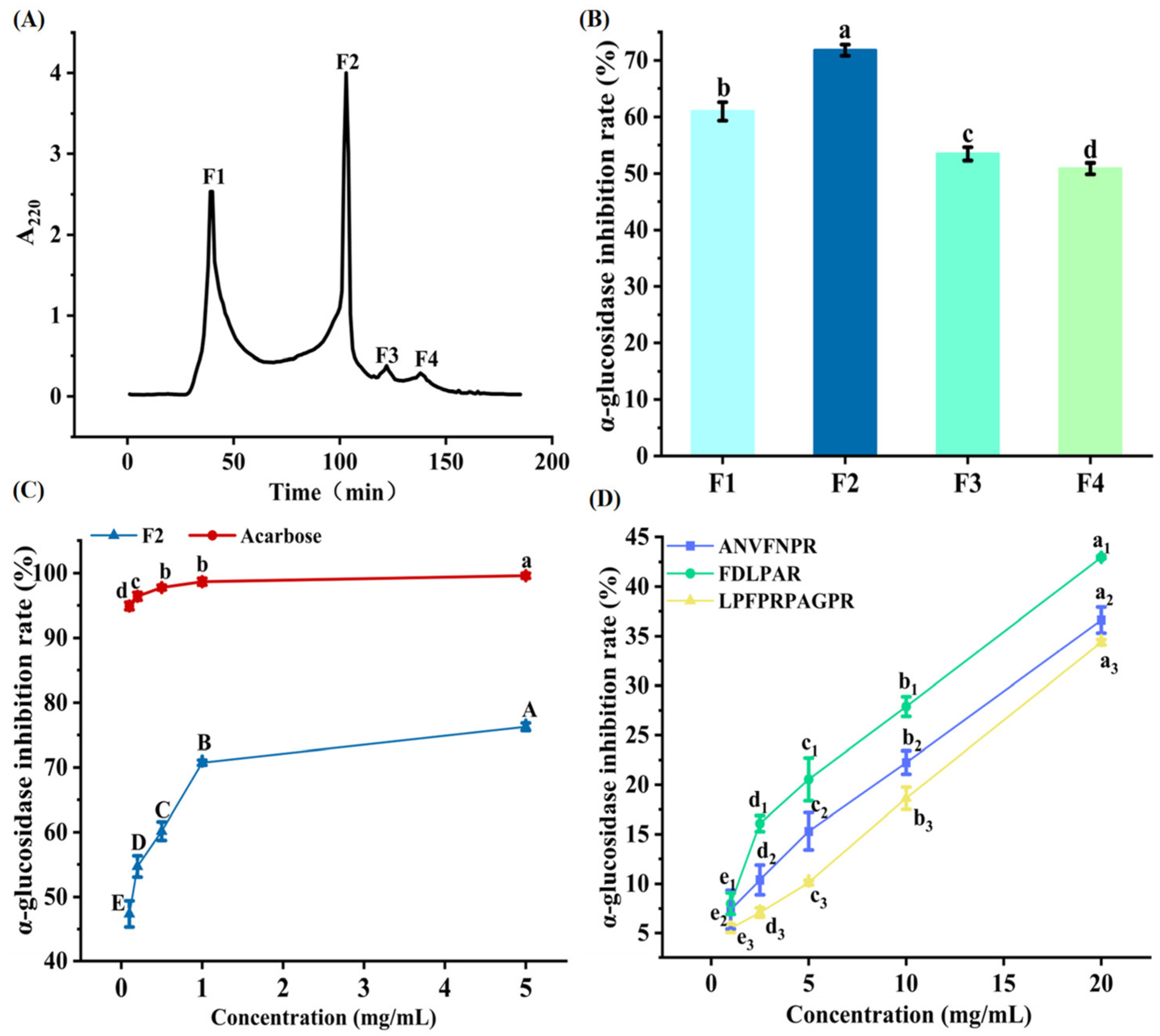
| Sequence | Molwet (Da) | Bioactivity Peptide Ranker | Proportion of Hydrophobic Amino Acids (%) | Toxin | Allergenicity | Binding Energy (kcal/mol) |
|---|---|---|---|---|---|---|
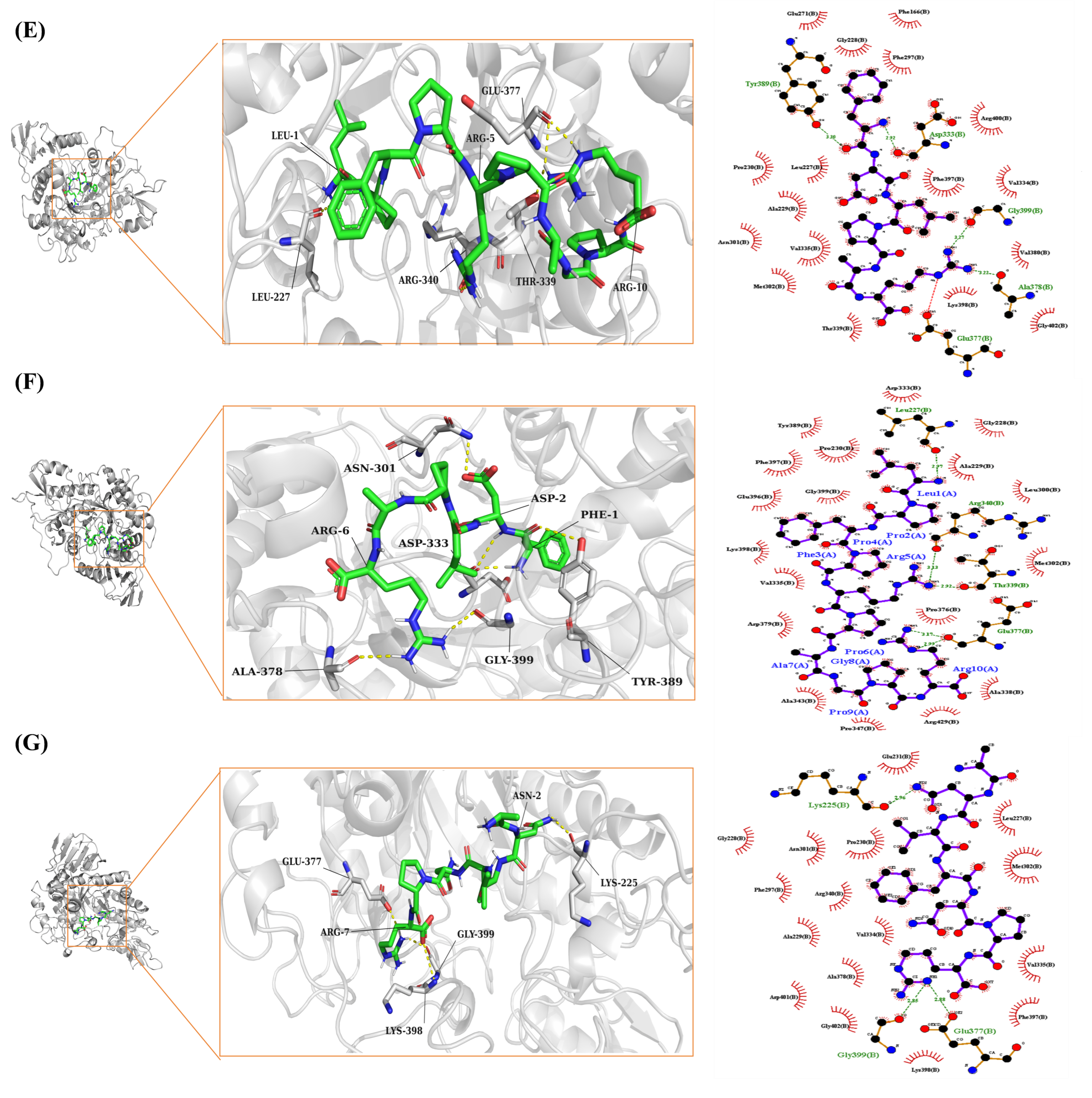
| LPFPRPAGPR | 1106.63 | 0.85 | 70 | F | F | −7.9 |
| FDLPAR | 717.38 | 0.97 | 66.67 | F | F | −7.8 |
| ANVFNPR | 816.42 | 0.93 | 57.14 | F | F | −7.6 |
| HFPERP | 781.39 | 0.96 | 50 | F | F | −7.7 |
| FPAGSQRGAP | 986.492 | 0.86 | 50 | F | F | −7.9 |
| RADVFNPRG | 1031.25 | 0.7 | 44.44 | F | F | −8 |
Disclaimer/Publisher’s Note: The statements, opinions and data contained in all publications are solely those of the individual author(s) and contributor(s) and not of MDPI and/or the editor(s). MDPI and/or the editor(s) disclaim responsibility for any injury to people or property resulting from any ideas, methods, instructions or products referred to in the content. |
© 2026 by the authors. Licensee MDPI, Basel, Switzerland. This article is an open access article distributed under the terms and conditions of the Creative Commons Attribution (CC BY) license.
Share and Cite
Sun, D.; Zheng, X.; Zhang, M.; Pan, J.; Lu, Y. High-Value Utilization of Coconut Kernel Fiber By-Products: The Insulin-Sensitizing Effect of Novel α-Glucosidase-Inhibiting Peptides Derived from Coconut Kernel Fiber on T2DM Mice. Foods 2026, 15, 2105. https://doi.org/10.3390/foods15122105
Sun D, Zheng X, Zhang M, Pan J, Lu Y. High-Value Utilization of Coconut Kernel Fiber By-Products: The Insulin-Sensitizing Effect of Novel α-Glucosidase-Inhibiting Peptides Derived from Coconut Kernel Fiber on T2DM Mice. Foods. 2026; 15(12):2105. https://doi.org/10.3390/foods15122105
Chicago/Turabian StyleSun, Dingyan, Xiaoshan Zheng, Mingliang Zhang, Jiemin Pan, and Ying Lu. 2026. "High-Value Utilization of Coconut Kernel Fiber By-Products: The Insulin-Sensitizing Effect of Novel α-Glucosidase-Inhibiting Peptides Derived from Coconut Kernel Fiber on T2DM Mice" Foods 15, no. 12: 2105. https://doi.org/10.3390/foods15122105
APA StyleSun, D., Zheng, X., Zhang, M., Pan, J., & Lu, Y. (2026). High-Value Utilization of Coconut Kernel Fiber By-Products: The Insulin-Sensitizing Effect of Novel α-Glucosidase-Inhibiting Peptides Derived from Coconut Kernel Fiber on T2DM Mice. Foods, 15(12), 2105. https://doi.org/10.3390/foods15122105