Article

Prediction of Temporal Liking from Temporal Dominance of Sensations by Using Reservoir Computing and Its Sensitivity Analysis


by
Hiroharu Natsume
and
Shogo Okamoto
*,†
Department of Computer Science, Tokyo Metropolitan University, Hino 191-0065, Japan
*
Author to whom correspondence should be addressed.
These authors contributed equally to this work.
Foods 2024, 13(23), 3755; https://doi.org/10.3390/foods13233755
Submission received: 10 October 2024 / Revised: 19 November 2024 / Accepted: 20 November 2024 / Published: 23 November 2024
(This article belongs to the Section Sensory and Consumer Sciences)

Abstract

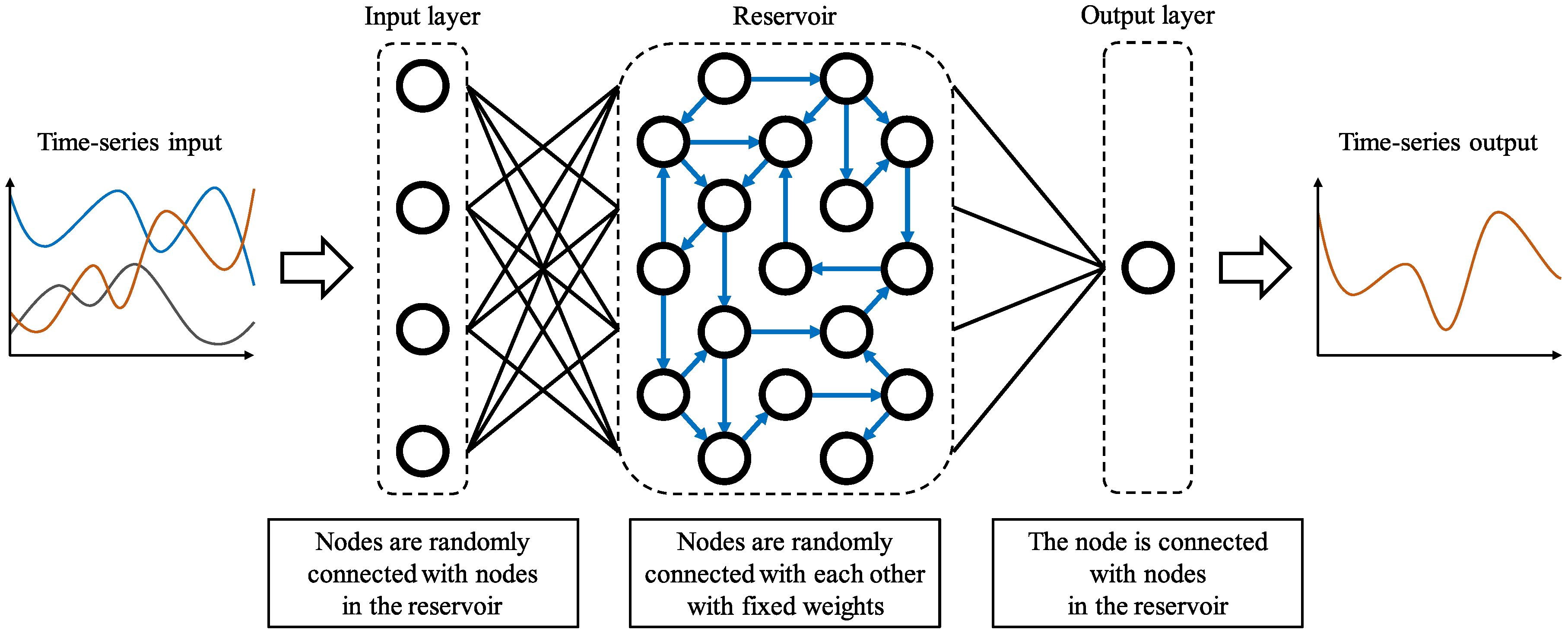
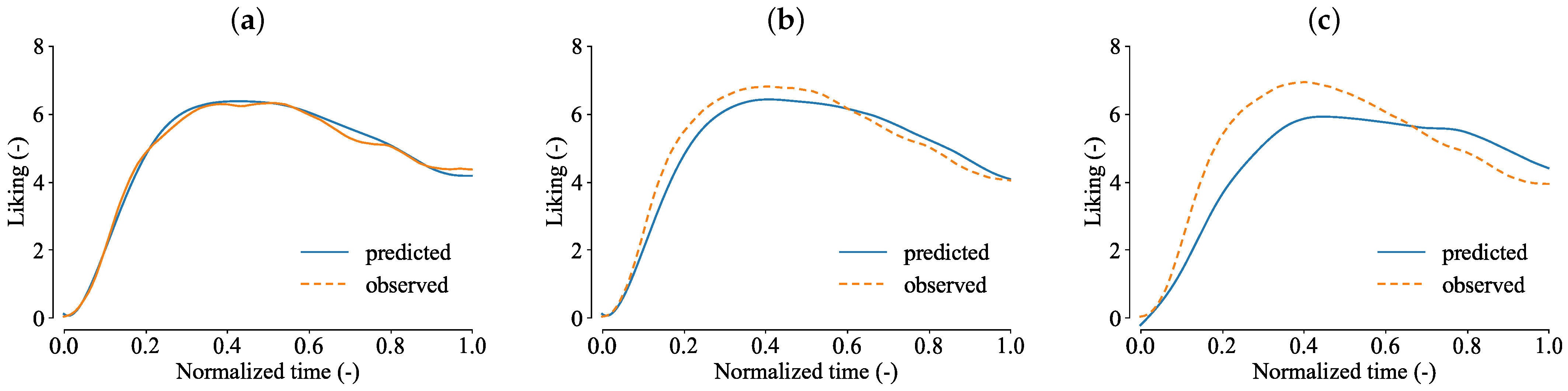
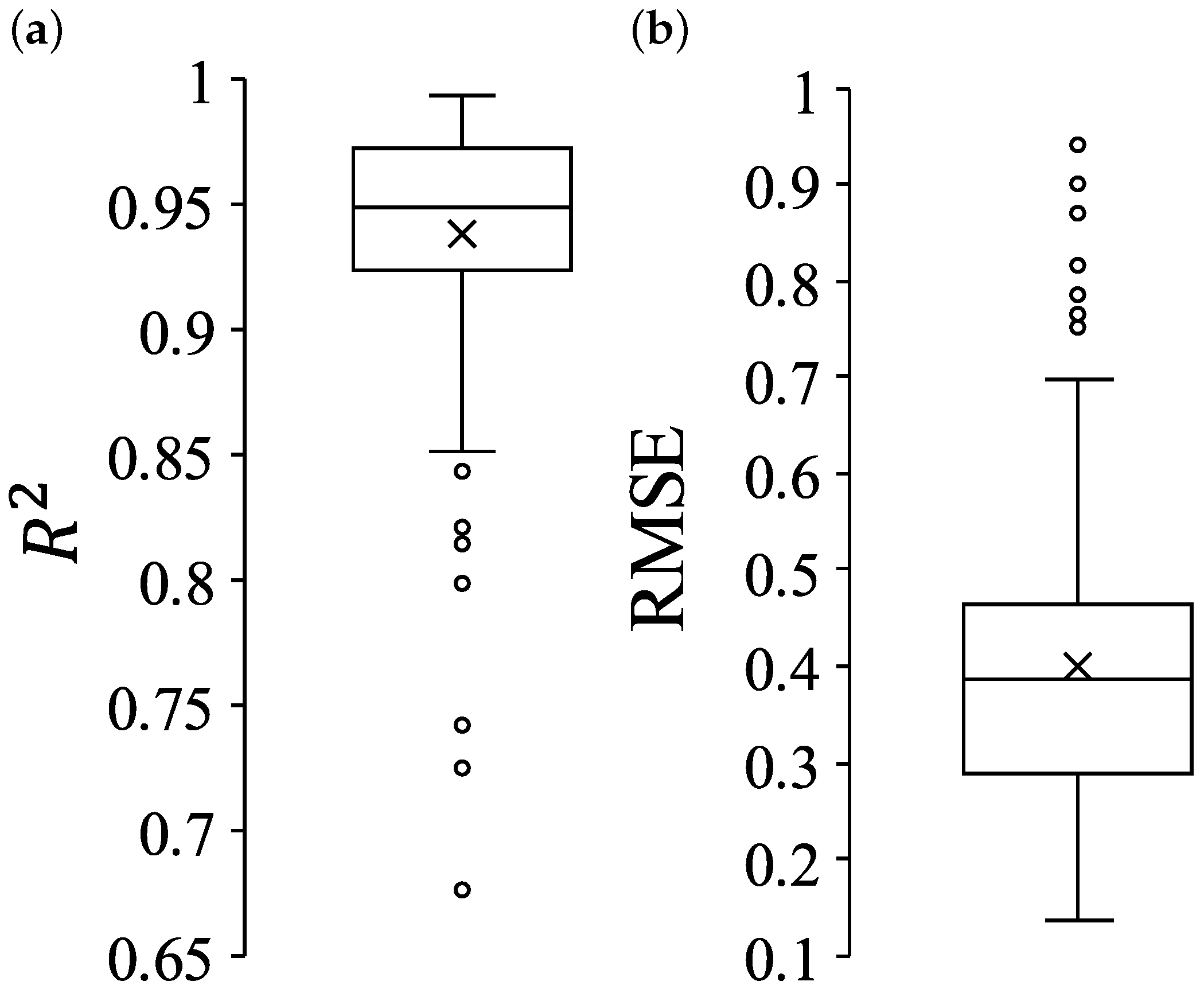
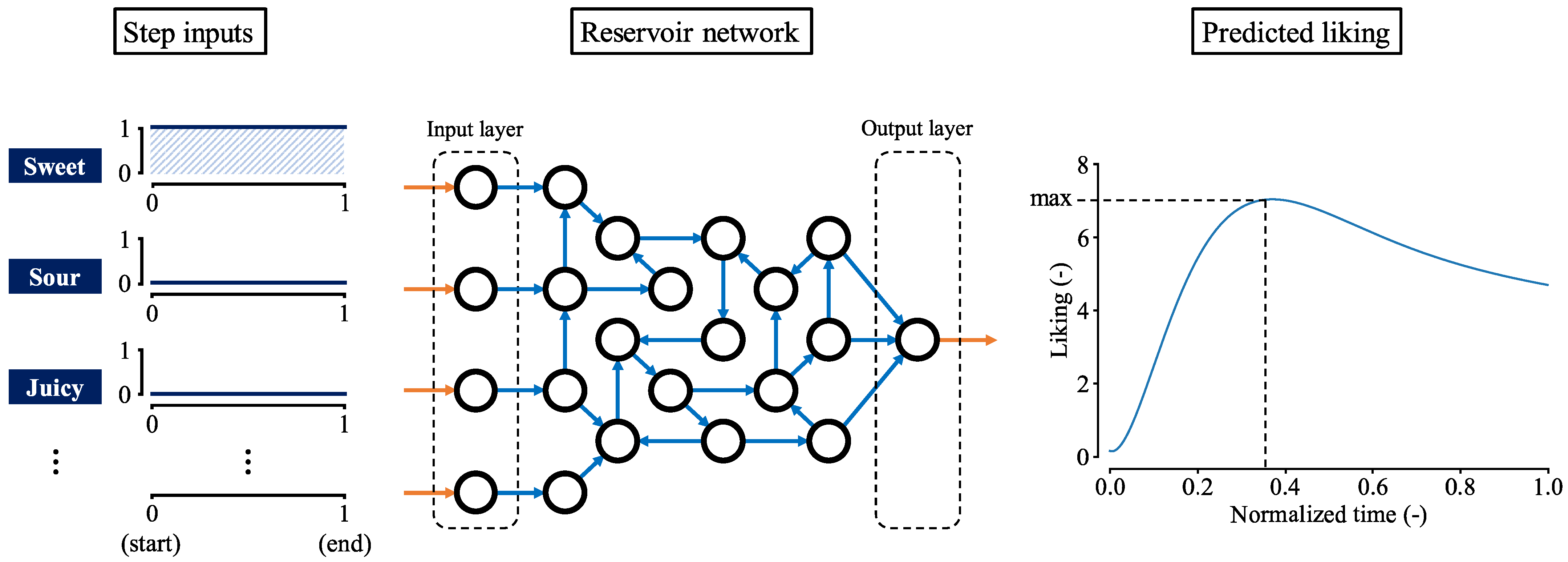
The temporal dominance of sensations (TDS) method has received particular attention in the food science industry due to its ability to capture the time–series evolution of multiple sensations during food tasting. Similarly, the temporal liking method is used to record changes in consumer preferences over time. The conjunctive use of these methods provides an effective framework for analyzing food taste and preference, making them valuable tools for product development, quality control, and consumer research. We employed the TDS and temporal liking data of strawberries that were recorded in our earlier study to estimate the temporal liking values from sensory changes. For this purpose, we used a reservoir network, a type of recurrent neural network suitable for time–series data. The trained models exhibited prediction accuracy of the determination coefficient as high as 0.676–0.993, with the median being 0.951. Further, we proposed two types of sensitivities of each sensory attribute toward the change in the temporal liking value. Elemental sensitivity indicates the degree that each sensory attribute influences the temporal liking. In the case of strawberries, the sweet attribute was the greatest contributor, followed by the attribute of fruity. The two least-contributing attributes were light and green. Interactive sensitivity indicates how each attribute affects the temporal liking in conjunction with other attributes. This sensitivity analysis revealed that the sweet attribute positively influenced the liking, whereas the green and light attributes impacted it negatively. The proposed methods offer a new approach to comprehensively analyze how the results of TDS are linked to those of the temporal liking method, serving as a step toward developing an alternative system to human panels.
Keywords: sensory evaluation; temporal dominance of sensations; temporal liking; machine learning; reservoir computing; strawberry sensory evaluation; temporal dominance of sensations; temporal liking; machine learning; reservoir computing; strawberry