Next Article in Journal
Aspergillus oryzae Fermented Rice Bran: A Byproduct with Enhanced Bioactive Compounds and Antioxidant Potential
Previous Article in Journal
Adding Value to Bycatch Fish Species Captured in the Portuguese Coast—Development of New Food Products
Review

Fermentative Foods: Microbiology, Biochemistry, Potential Human Health Benefits and Public Health Issues


1
Laboratory of Animal Health, Food Hygiene and Quality, Department of Agriculture, School of Agriculture, University of Ioannina, 47132 Arta, Greece
2
School of Dentistry, National and Kapodistrian University of Athens, 11521 Athens, Greece
3
Laboratory of Microbiology, Biotechnology & Hygiene, Department of Agricultural Development, Democritus University of Thrace, 68200 Orestiada, Greece
4
Department of Food Science and Technology, University of the Peloponnese, 24100 Kalamata, Greece
5
Department of Public and Community Health, University of West Attika, 11521 Athens, Greece
6
Laboratory of Hygiene and Environmental Protection, Medical School, Democritus University of Thrace, 68100 Alexandroupolis, Greece
*
Author to whom correspondence should be addressed.
Foods 2021, 10(1), 69; https://doi.org/10.3390/foods10010069
Received: 13 December 2020 / Revised: 26 December 2020 / Accepted: 27 December 2020 / Published: 31 December 2020
(This article belongs to the Section Food Microbiology)
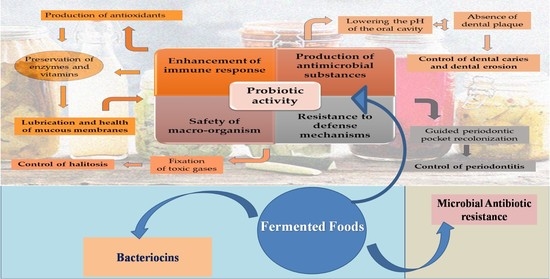
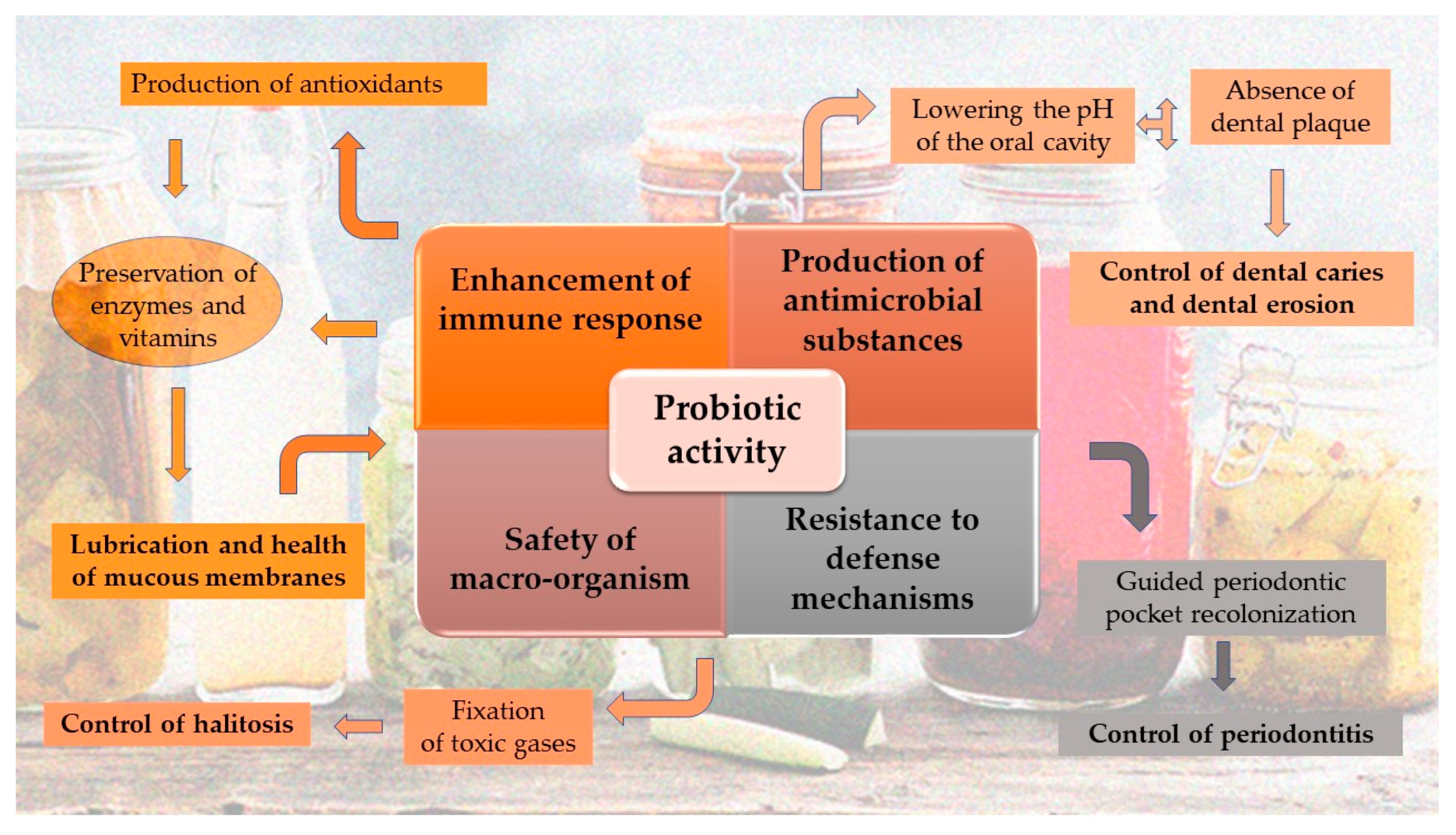
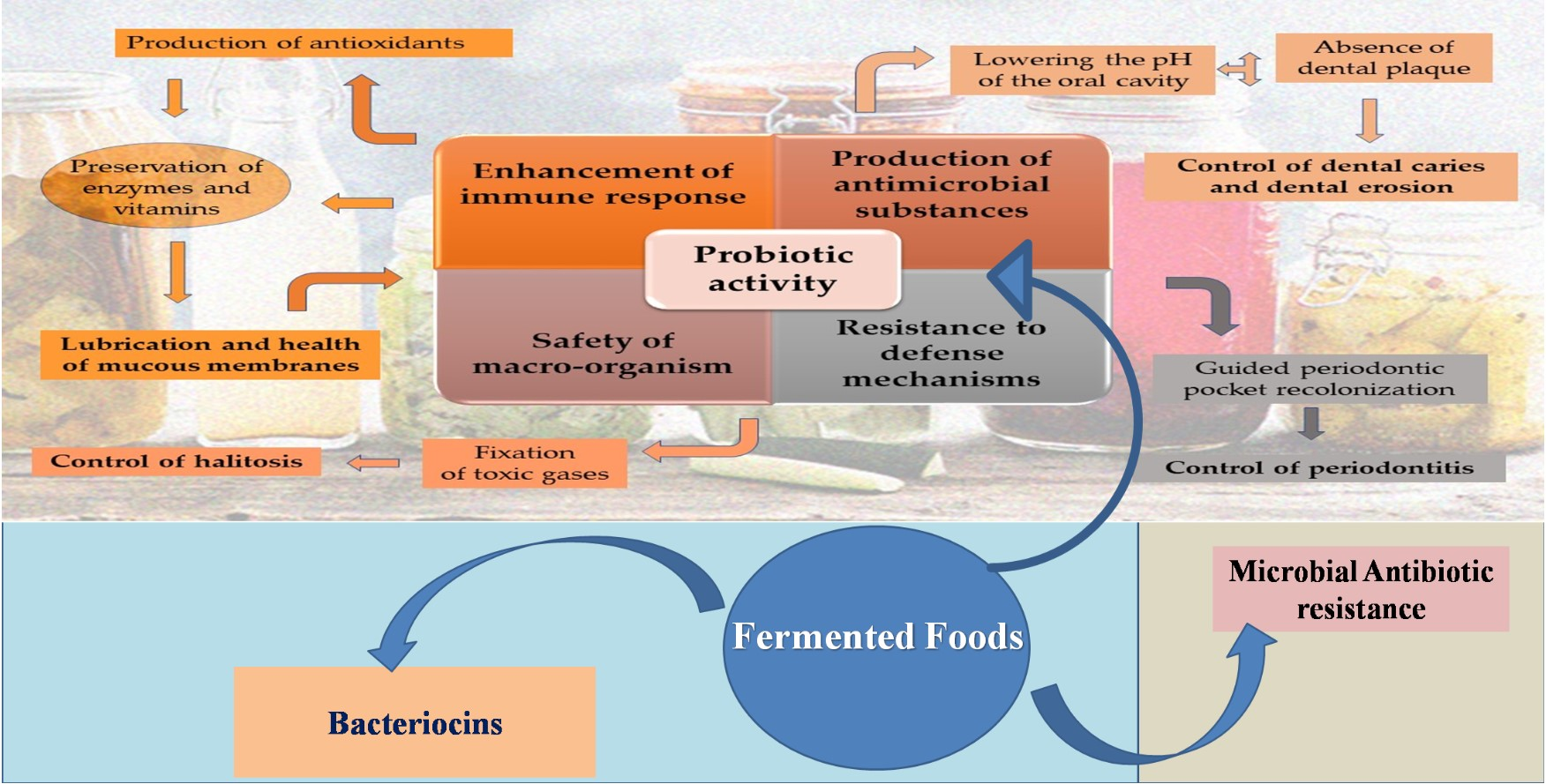
Fermented foods identify cultures and civilizations. History, climate and the particulars of local production of raw materials have urged humanity to exploit various pathways of fermentation to produce a wide variety of traditional edible products which represent adaptations to specific conditions. Nowadays, industrial-scale production has flooded the markets with ferments. According to recent estimates, the current size of the global market of fermented foods is in the vicinity of USD 30 billion, with increasing trends. Modern challenges include tailor-made fermented foods for people with special dietary needs, such as patients suffering from Crohn’s disease or other ailments. Another major challenge concerns the safety of artisan fermented products, an issue that could be tackled with the aid of molecular biology and concerns not only the presence of pathogens but also the foodborne microbial resistance. The basis of all these is, of course, the microbiome, an aggregation of different species of bacteria and yeasts that thrives on the carbohydrates of the raw materials. In this review, the microbiology of fermented foods is discussed with a special reference to groups of products and to specific products indicative of the diversity that a fermentation process can take. Their impact is also discussed with emphasis on health and oral health status. From Hippocrates until modern approaches to disease therapy, diet was thought to be of the most important factors for health stability of the human natural microbiome. After all, to quote Pasteur, “Gentlemen, the microbes will have the last word for human health.” In that sense, it is the microbiomes of fermented foods that will acquire a leading role in future nutrition and therapeutics. View Full-Text
Keywords: fermented foods; microbiology; microbiome; health; oral health fermented foods; microbiology; microbiome; health; oral health
Show Figures

Graphical abstract

MDPI and ACS Style

Voidarou, C.; Antoniadou, Μ.; Rozos, G.; Tzora, A.; Skoufos, I.; Varzakas, T.; Lagiou, A.; Bezirtzoglou, E. Fermentative Foods: Microbiology, Biochemistry, Potential Human Health Benefits and Public Health Issues . Foods 2021, 10, 69. https://doi.org/10.3390/foods10010069

AMA Style

Voidarou C, Antoniadou Μ, Rozos G, Tzora A, Skoufos I, Varzakas T, Lagiou A, Bezirtzoglou E. Fermentative Foods: Microbiology, Biochemistry, Potential Human Health Benefits and Public Health Issues . Foods. 2021; 10(1):69. https://doi.org/10.3390/foods10010069
Chicago/Turabian Style

Voidarou, Chrysa, Μaria Antoniadou, Georgios Rozos, Athina Tzora, Ioannis Skoufos, Theodoros Varzakas, Areti Lagiou, and Eugenia Bezirtzoglou. 2021. "Fermentative Foods: Microbiology, Biochemistry, Potential Human Health Benefits and Public Health Issues " Foods 10, no. 1: 69. https://doi.org/10.3390/foods10010069
Find Other Styles
Note that from the first issue of 2016, MDPI journals use article numbers instead of page numbers. See further details here.

Article Access Map by Country/Region

1
Back to TopTop