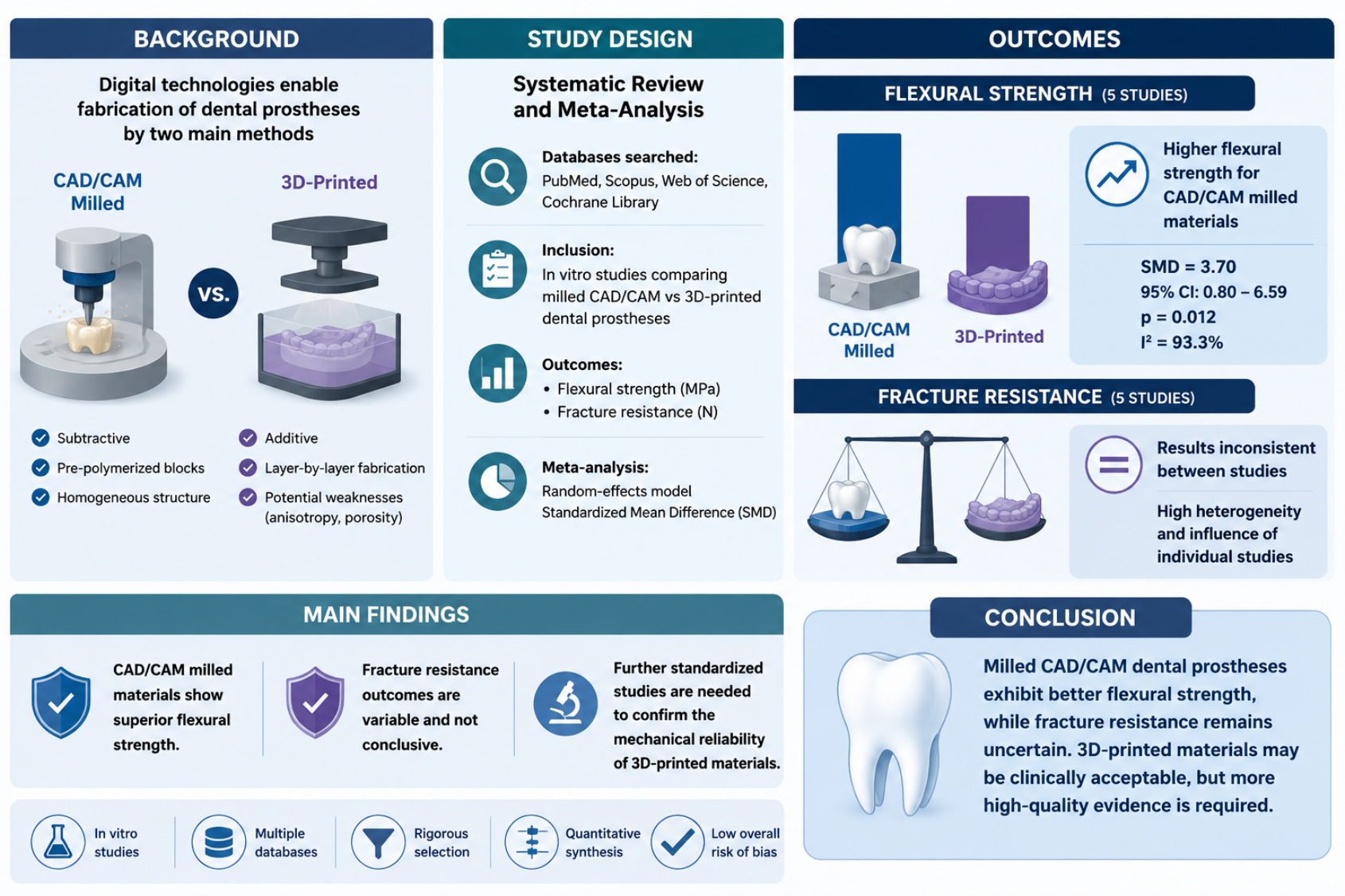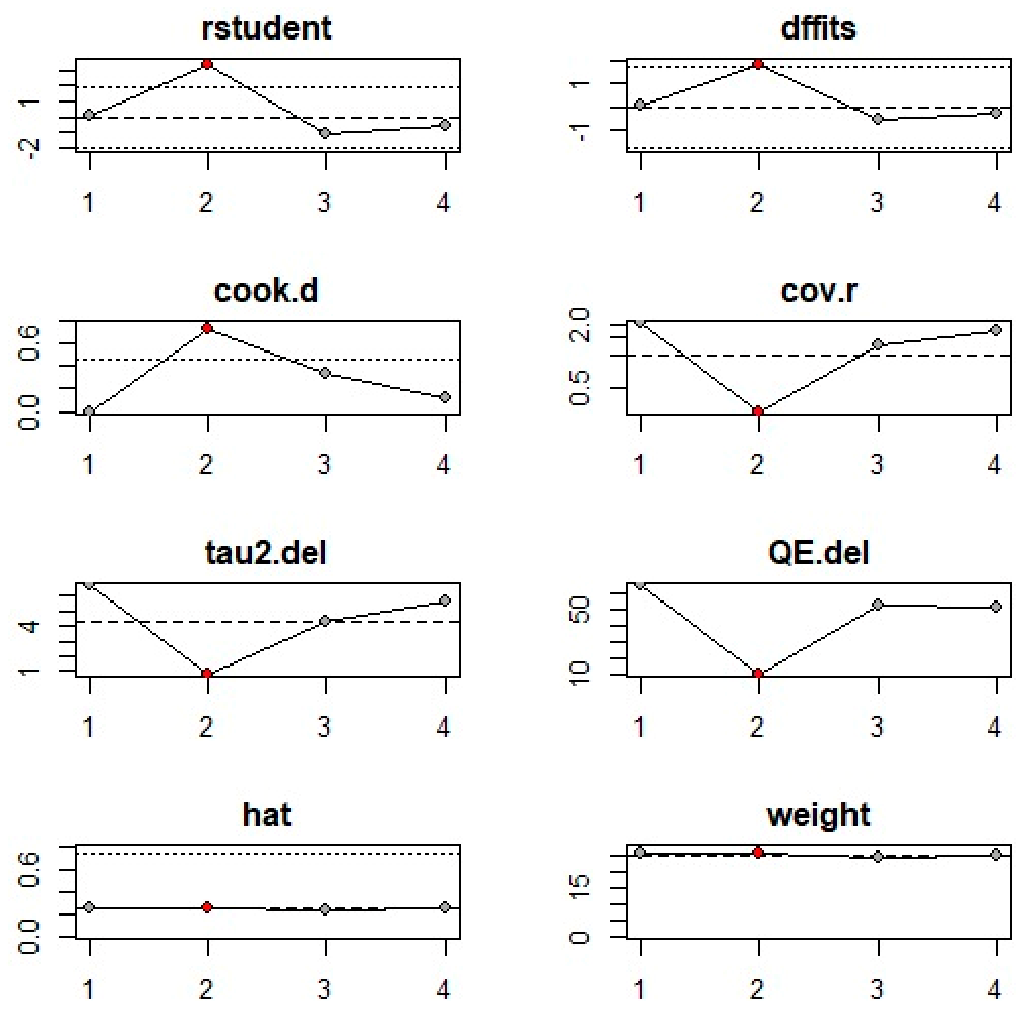

Mechanical Performance of Milled CAD/CAM Versus 3D-Printed Dental Prostheses: A Systematic Review and Meta-Analysis of Flexural Strength and Fracture Resistance

 , , ,
, , , 
Abstract
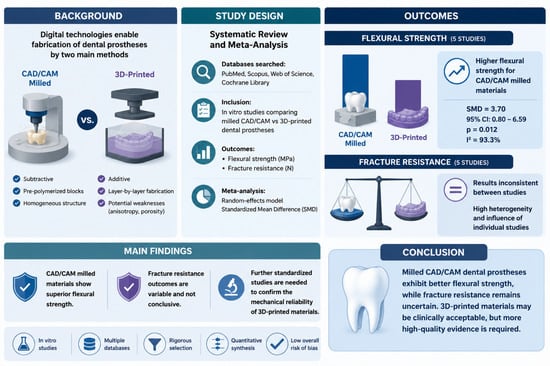
1. Introduction
2. Materials and Methods
2.1. PICO Question
- Primary outcomes:
- ○
- Flexural strength (MPa)
- ○
- Fracture resistance (N)
- Secondary outcomes (optional, if the study decides to expand later):
- ○
- Elastic modulus
- ○
- Weibull modulus
- ○
- Failure mode análisis
2.2. Search Strategy and Database Screening
2.3. Eligibility Criteria
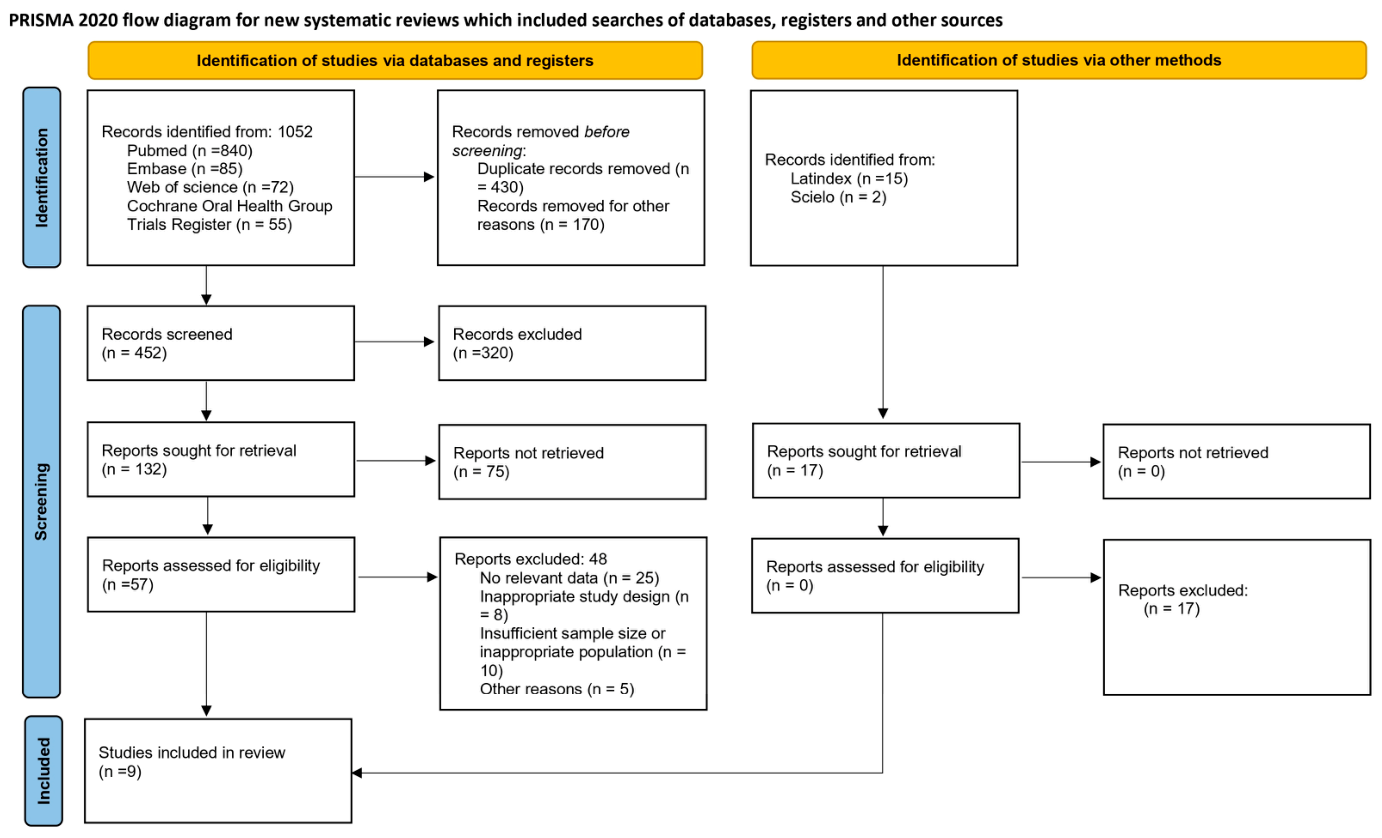
2.4. Study Screening and Data Extraction
2.5. Assessment of Risk of Bias (RoB)
2.6. Statistical Analysis
3. Results
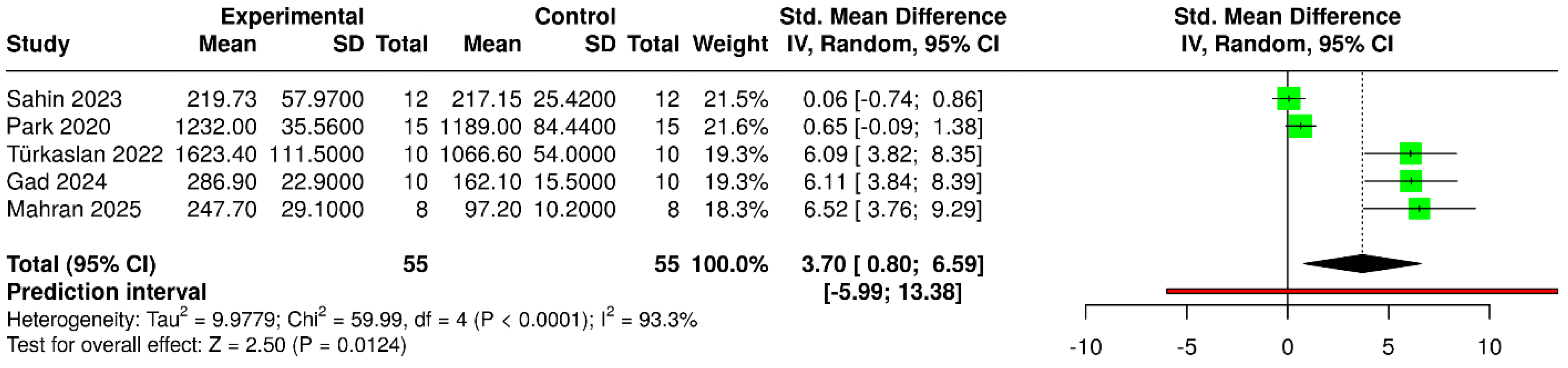
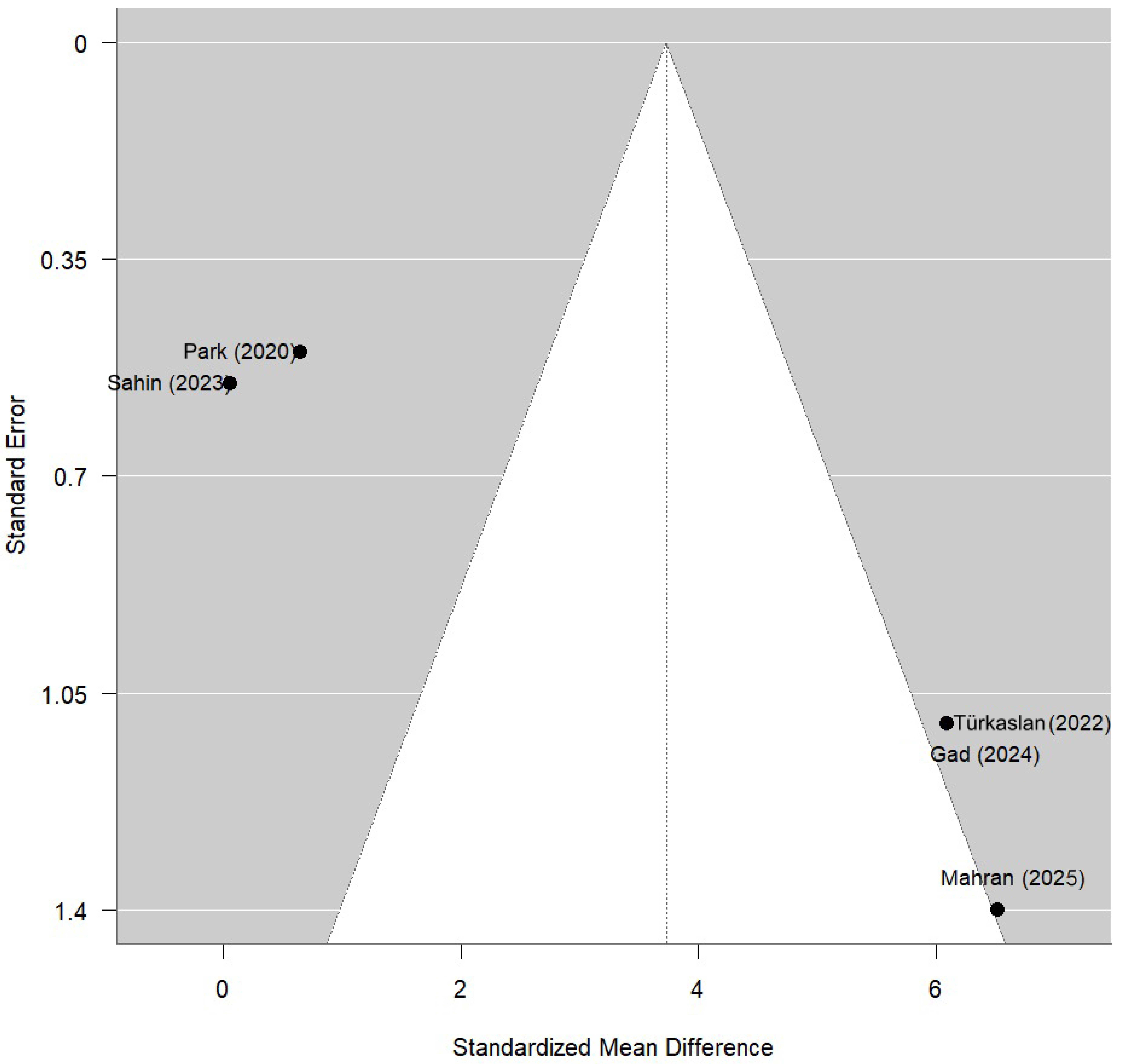
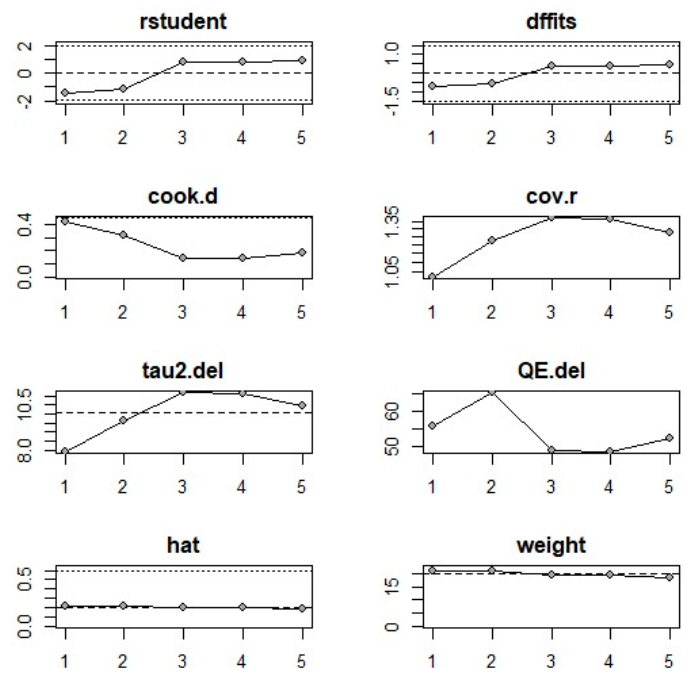
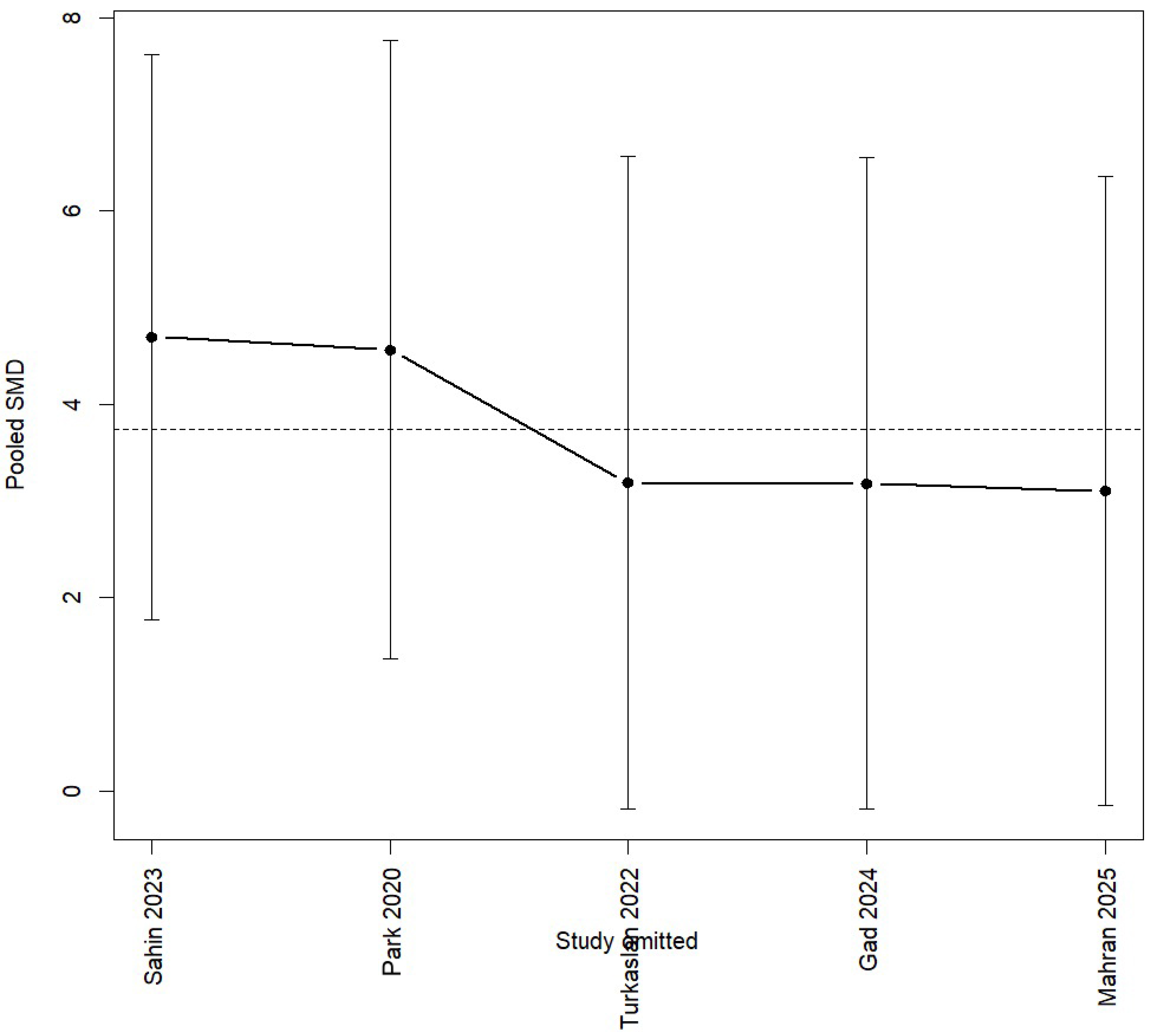
3.1. Flexural Strength
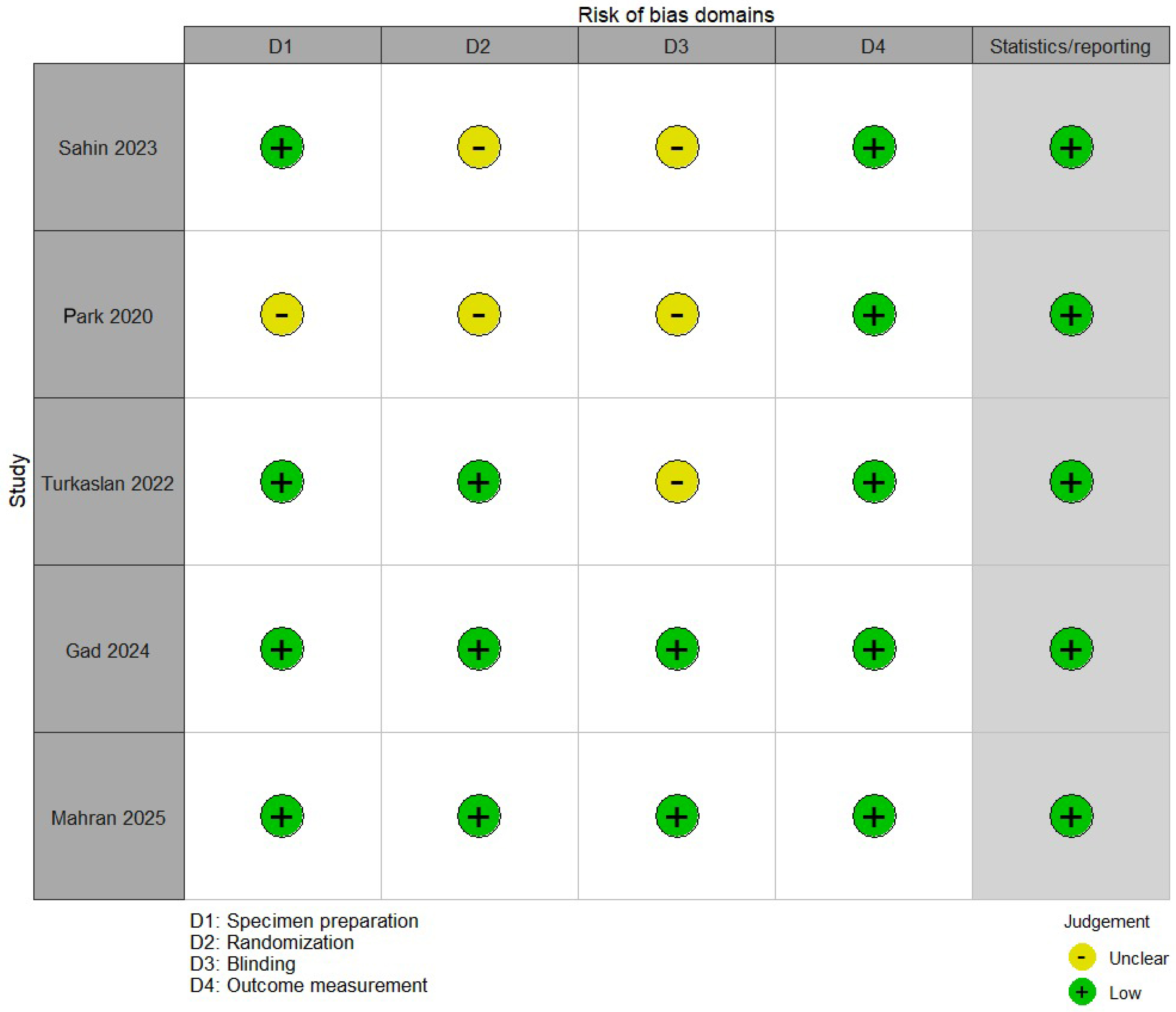
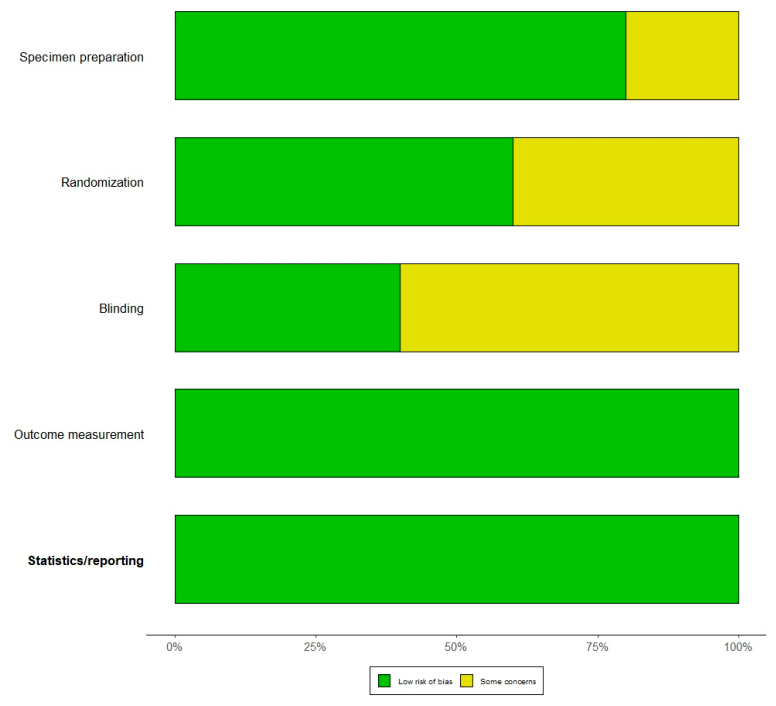
3.2. Risk of Bias—Traffic Light Plot
3.3. Fracture Resistance
4. Discussion
5. Conclusions
Supplementary Materials
Author Contributions
Funding
Institutional Review Board Statement
Informed Consent Statement
Data Availability Statement
Acknowledgments
Conflicts of Interest
References
- Alharbi, N.; Osman, R.B.; Wismeijer, D. Factors Influencing the Dimensional Accuracy of 3D-Printed Full-Coverage Dental Restorations Using Stereolithography Technology. Int. J. Prosthodont. 2016, 29, 503–510. [Google Scholar] [CrossRef] [PubMed]
- Stansbury, J.W.; Idacavage, M.J. 3D printing with polymers: Challenges among expanding options and opportunities. Dent. Mater. 2016, 32, 54–64. [Google Scholar] [CrossRef] [PubMed]
- Revilla-León, M.; Özcan, M. Additive Manufacturing Technologies Used for Processing Polymers: Current Status and Potential Application in Prosthetic Dentistry. J. Prosthodont. 2019, 28, 146–158. [Google Scholar] [CrossRef] [PubMed]
- Ferracane, J.L. Resin composite—State of the art. Dent. Mater. 2011, 27, 29–38. [Google Scholar] [CrossRef] [PubMed]
- Haselton, D.R.; Diaz-Arnold, A.M.; Vargas, M.A. Flexural strength of provisional crown and fixed partial denture resins. J. Prosthet. Dent. 2002, 87, 225–228. [Google Scholar] [CrossRef] [PubMed]
- Saini, R.S.; Gurumurthy, V.; Quadri, S.A.; Bavabeedu, S.S.; Abdelaziz, K.M.; Okshah, A.; Alshadidi, A.A.F.; Yessayan, L.; Mosaddad, S.A.; Heboyan, A. The flexural strength of 3D-printed provisional restorations fabricated with different resins: A systematic review and meta-analysis. BMC Oral Health 2024, 24, 66. [Google Scholar] [CrossRef] [PubMed] [PubMed Central]
- Mainjot, A.K.; Dupont, N.M.; Oudkerk, J.C.; Dewael, T.Y.; Sadoun, M.J. From Artisanal to CAD-CAM Blocks: State of the Art of Indirect Composites. J. Dent. Res. 2016, 95, 487–495. [Google Scholar] [CrossRef] [PubMed]
- Spitznagel, F.A.; Boldt, J.; Gierthmuehlen, P.C. CAD/CAM Ceramic Restorative Materials for Natural Teeth. J. Dent. Res. 2018, 97, 1082–1091. [Google Scholar] [CrossRef] [PubMed]
- Suksuphan, P.; Krajangta, N.; Didron, P.P.; Wasanapiarnpong, T.; Rakmanee, T. Marginal adaptation and fracture resistance of milled and 3D-printed CAD/CAM hybrid dental crown materials with various occlusal thicknesses. J. Prosthodont Res. 2024, 68, 326–335. [Google Scholar] [CrossRef] [PubMed]
- Tahayeri, A.; Morgan, M.; Fugolin, A.P.; Bompolaki, D.; Athirasala, A.; Pfeifer, C.S.; Ferracane, J.L.; Bertassoni, L.E. 3D printed versus conventionally cured provisional crown and bridge dental materials. Dent. Mater. 2018, 34, 192–200. [Google Scholar] [CrossRef] [PubMed] [PubMed Central]
- Shim, J.S.; Kim, J.E.; Jeong, S.H.; Choi, Y.J.; Ryu, J.J. Printing accuracy, mechanical properties, surface characteristics, and microbial adhesion of 3D-printed resins with various printing orientations. J. Prosthet. Dent. 2020, 124, 468–475. [Google Scholar] [CrossRef] [PubMed]
- Hathan, S.; Oliveira, D.; Amorim, K.G.; Zoidis, P.; Delgado, A.J.; Griggs, J.A.; Pereira, P.; Rocha, M.G. Evaluating the biomechanical properties of 3D-milled and 3D-printed restorative dental materials. J. Mech. Behav. BioMed Mater. 2026, 173, 107202. [Google Scholar] [CrossRef] [PubMed]
- Redwan, H.; Fan, Y.; Giordano, R. Effect of machining damage on the surface roughness and flexural strength of CAD/CAM materials. J. Prosthet. Dent. 2025, 133, 872–880. [Google Scholar] [CrossRef] [PubMed]
- Alharbi, N.; Alharbi, S.; Cuijpers, V.M.J.I.; Osman, R.B.; Wismeijer, D. Three-dimensional evaluation of marginal and internal fit of 3D-printed interim restorations fabricated on different finish line designs. J. Prosthodont Res. 2018, 62, 218–226. [Google Scholar] [CrossRef] [PubMed]
- Sampaio, G.N.; de Oliveira Limírio, J.P.J.; de Luna Gomes, J.M.; Lemos, C.A.A.; Pesqueira, A.A.; Pellizzer, E.P. Evaluation of mechanical properties of CAD/CAM composite resins for milled versus 3D printed definitive restorations: A systematic review and meta-analysis. J. Prosthet. Dent. 2025, 137, 744–752. [Google Scholar] [CrossRef] [PubMed]
- Herpel, C.; Tasaka, A.; Higuchi, S.; Finke, D.; Kühle, R.; Odaka, K.; Rues, S.; Lux, C.J.; Yamashita, S.; Rammelsberg, P.; et al. Accuracy of 3D printing compared with milling—A multi-center analysis of try-in dentures. J. Dent. 2021, 110, 103681. [Google Scholar] [CrossRef] [PubMed]
- Mandurino, M.; Cortili, S.; Coccoluto, L.; Greco, K.; Cantatore, G.; Gherlone, E.F.; Vichi, A.; Paolone, G. Mechanical Properties of 3D Printed vs. Subtractively Manufactured Composite Resins for Permanent Restorations: A Systematic Review. Materials 2025, 18, 985. [Google Scholar] [CrossRef] [PubMed] [PubMed Central]
- Aktaş, N.; Ciftci, V. Current applications of three-dimensional (3D) printing in pediatric dentistry: A literature review. J. Clin. Pediatr. Dent. 2024, 48, 4–13. [Google Scholar] [CrossRef]
- Pot, G.J.; Van Overschelde, P.A.; Keulemans, F.; Kleverlaan, C.J.; Tribst, J.P.M. Mechanical Properties of Additive-Manufactured Composite-Based Resins for Permanent Indirect Restorations: A Scoping Review. Materials 2024, 17, 3951. [Google Scholar] [CrossRef] [PubMed] [PubMed Central]
- Gad, M.M.; Fouda, S.M. Factors affecting flexural strength of 3D-printed resins: A systematic review. J. Prosthodont. 2023, 32, 96–110. [Google Scholar] [CrossRef] [PubMed]
- Page, M.J.; McKenzie, J.E.; Bossuyt, P.M.; Boutron, I.; Hoffmann, T.C.; Mulrow, C.D.; Shamseer, L.; Tetzlaff, J.M.; Akl, E.A.; Brennan, S.E.; et al. The PRISMA 2020 statement: An updated guideline for reporting systematic reviews. BMJ 2021, 372, n71. [Google Scholar] [CrossRef] [PubMed] [PubMed Central]
- Sahin, Z.; Ozer, N.E.; Yιkιcι, C.; Kιlιçarslan, M.A. Mechanical Characteristics of Composite Resins Produced by Additive and Subtractive Manufacturing. Eur. J. Prosthodont Restor. Dent. 2023, 31, 278–285. [Google Scholar] [CrossRef] [PubMed]
- Park, S.M.; Park, J.M.; Kim, S.K.; Heo, S.J.; Koak, J.Y. Flexural Strength of 3D-Printing Resin Materials for Provisional Fixed Dental Prostheses. Materials 2020, 13, 3970. [Google Scholar] [CrossRef] [PubMed] [PubMed Central]
- Diken Turksayar, A.A.; Donmez, M.B.; Olcay, E.O.; Demirel, M.; Demir, E. Effect of printing orientation on the fracture strength of additively manufactured 3-unit interim fixed dental prostheses after aging. J. Dent. 2022, 124, 104155. [Google Scholar] [CrossRef] [PubMed]
- Gad, M.M.; Al Mahfoudh, H.A.; Al Mahfuth, F.A.; Hashim, K.A.; Khan, S.Q.; Al-Qarni, F.D.; Baba, N.Z.; Al-Harbi, F.A. A comparative study of strength and surface properties of permanent 3D-printed resins with CAD/CAM milled fixed dental prostheses. J. Prosthodont. 2024. [Google Scholar] [CrossRef] [PubMed]
- Mahran, G.A.; El-Banna, A.; El-Korashy, D.I. Evaluation of a 3D-printed nanohybrid resin composite versus a milled resin composite for flexural strength, wear and color stability. BMC Oral. Health 2025, 25, 572. [Google Scholar] [CrossRef] [PubMed] [PubMed Central]
- Corbani, K.; Hardan, L.; Skienhe, H.; Özcan, M.; Alharbi, N.; Salameh, Z. Effect of material thickness on the fracture resistance and failure pattern of 3D-printed composite crowns. Int. J. Comput Dent. 2020, 23, 225–233. [Google Scholar] [PubMed]
- Henderson, J.Y.; Korioth, T.V.P.; Tantbirojn, D.; Versluis, A. Failure load of milled, 3D-printed, and conventional chairside-dispensed interim 3-unit fixed dental prostheses. J. Prosthet. Dent. 2022, 127, 275.e1–275.e7. [Google Scholar] [CrossRef] [PubMed]
- Handermann, R.; Zehender, N.; Rues, S.; Kobayashi, H.; Rammelsberg, P.; Schwindling, F.S. Load-bearing capacity of 3D-printed incisor partial-coverage crowns made from zirconia and composite. J. Prosthodont Res. 2024, 68, 532–539. [Google Scholar] [CrossRef] [PubMed]
- Park, Y.; Kim, J.; Kang, Y.J.; Shim, E.Y.; Kim, J.H. Comparison of Fracture Strength of Milled and 3D-Printed Crown Materials According to Occlusal Thickness. Materials 2024, 17, 4645. [Google Scholar] [CrossRef] [PubMed] [PubMed Central]
- Higgins, J.P.T.; Altman, D.G.; Gøtzsche, P.C.; Jüni, P.; Moher, D.; Oxman, A.D.; Savović, J.; Schulz, K.F.; Weeks, L.; Sterne, J.A.C.; et al. The Cochrane Collaboration’s tool for assessing risk of bias in randomised trials. BMJ 2011, 343, d5928. [Google Scholar] [CrossRef] [PubMed] [PubMed Central]
- Sterne, J.A.C.; Savović, J.; Page, M.J.; Elbers, R.G.; Blencowe, N.S.; Boutron, I.; Cates, C.J.; Cheng, H.Y.; Corbett, M.S.; Eldridge, S.M.; et al. RoB 2: A revised tool for assessing risk of bias in randomised trials. BMJ 2019, 366, l4898. [Google Scholar] [CrossRef] [PubMed]
- Alharbi, N.; Osman, R.; Wismeijer, D. Effects of build direction on the mechanical properties of 3D-printed complete coverage interim dental restorations. J. Prosthet. Dent. 2016, 115, 760–767. [Google Scholar] [CrossRef] [PubMed]
- Ellakany, P.; Fouda, S.M.; Mahrous, A.A.; AlGhamdi, M.A.; Aly, N.M. Influence of CAD/CAM Milling and 3D-Printing Fabrication Methods on the Mechanical Properties of 3-Unit Interim Fixed Dental Prosthesis after Thermo-Mechanical Aging Process. Polymers 2022, 14, 4103. [Google Scholar] [CrossRef] [PubMed] [PubMed Central]
- Digholkar, S.; Madhav, V.N.V.; Palaskar, J. Evaluation of the flexural strength and microhardness of provisional crown and bridge materials fabricated by different methods. J. Indian Prosthodont Soc. 2016, 16, 328–334. [Google Scholar] [CrossRef] [PubMed] [PubMed Central]
- Lerner, H.; Nagy, K.; Pranno, N.; Zarone, F.; Admakin, O.; Mangano, F. Trueness and precision of 3D-printed versus milled monolithic zirconia crowns: An in vitro study. J. Dent. 2021, 113, 103792. [Google Scholar] [CrossRef] [PubMed]
- Alharbi, N.; Wismeijer, D.; Osman, R.B. Additive Manufacturing Techniques in Prosthodontics: Where Do We Currently Stand? A Critical Review. Int. J. Prosthodont. 2017, 30, 474–484. [Google Scholar] [CrossRef] [PubMed]
- van Noort, R. The future of dental devices is digital. Dent. Mater. 2012, 28, 3–12. [Google Scholar] [CrossRef] [PubMed]
- Mörmann, W.H. The evolution of the CEREC system. J. Am. Dent. Assoc. 2006, 137, 7S–13S. [Google Scholar] [CrossRef] [PubMed]
- Abduo, J.; Lyons, K. Rationale for the use of CAD/CAM technology in implant prosthodontics. Int. J. Dent. 2013, 2013, 768121. [Google Scholar] [CrossRef] [PubMed] [PubMed Central]
- Miyazaki, T.; Hotta, Y.; Kunii, J.; Kuriyama, S.; Tamaki, Y. A review of dental CAD/CAM: Current status and future perspectives from 20 years of experience. Dent. Mater. J. 2009, 28, 44–56. [Google Scholar] [CrossRef] [PubMed]
- Bosch, G.; Ender, A.; Mehl, A. A 3-dimensional accuracy analysis of chairside CAD/CAM milling processes. J. Prosthet. Dent. 2014, 112, 1425–1431. [Google Scholar] [CrossRef] [PubMed]



| Author (Year) | Country | Study Design | Milled Material | 3D-Printed Material | Sample Size (per Group) | Mechanical Property Evaluated | Testing Method | Main Finding |
|---|---|---|---|---|---|---|---|---|
| Sahin [22] (2023) | Turkey | In vitro comparative study | CAD/CAM milled resin composite | 3D-printed resin composite | 12/12 | Flexural strength | Three-point bending test | No significant difference between milled and printed groups. |
| Park [23] (2020) | South Korea | In vitro experimental study | CAD/CAM milled composite resin | 3D-printed resin | 15/15 | Flexural strength | Universal testing machine | Milled materials showed slightly higher flexural strength than printed resins. |
| Türkaslan [24] (2022) | Turkey | In vitro comparative study | CAD/CAM milled PMMA | 3D-printed PMMA resin | 10/10 | Flexural strength | Three-point bending test | Milled materials exhibited significantly higher flexural strength. |
| Gad [25] (2024) | Egypt | In vitro experimental study | CAD/CAM milled fixed dental prosthesis resin | 3D-printed permanent resin | 10/10 | Flexural strength | Universal testing machine | Milled prosthetic materials demonstrated superior mechanical performance. |
| Mahran [26] (2025) | Egypt | In vitro comparative study | CAD/CAM milled provisional resin | 3D-printed provisional resin | 8/8 | Flexural strength | Mechanical testing using universal testing machine | Milled materials showed significantly higher flexural strength than printed resins. |
| Authors (Year) | Study Design | Materials Compared | Sample Size | Test Type | Methodology | Main Results | Conclusion |
|---|---|---|---|---|---|---|---|
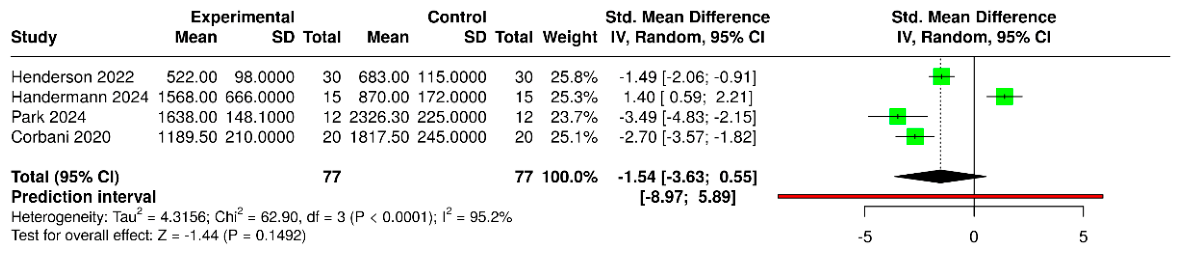
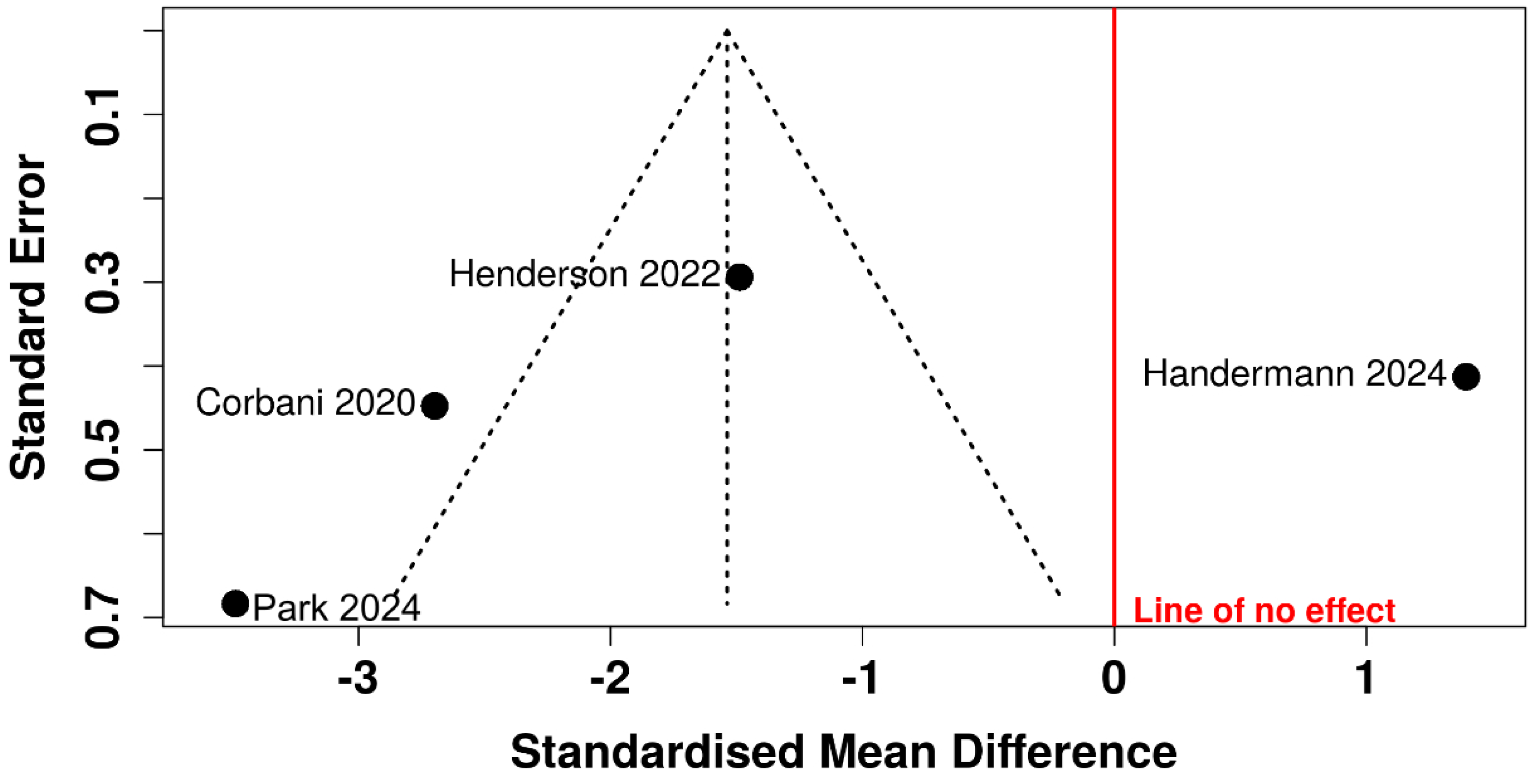
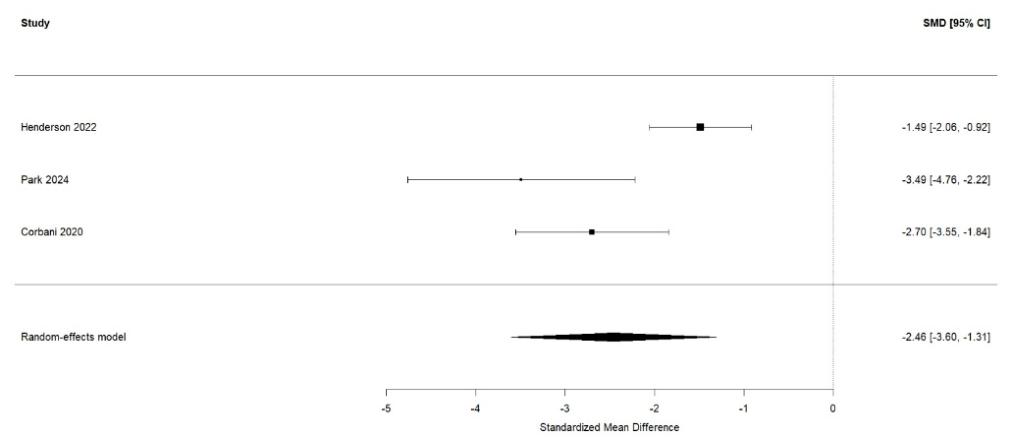
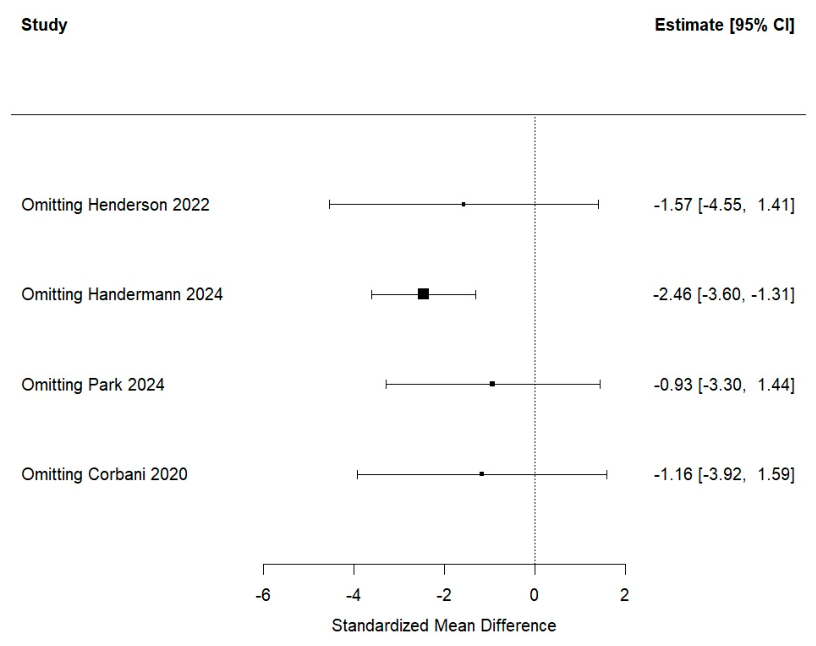
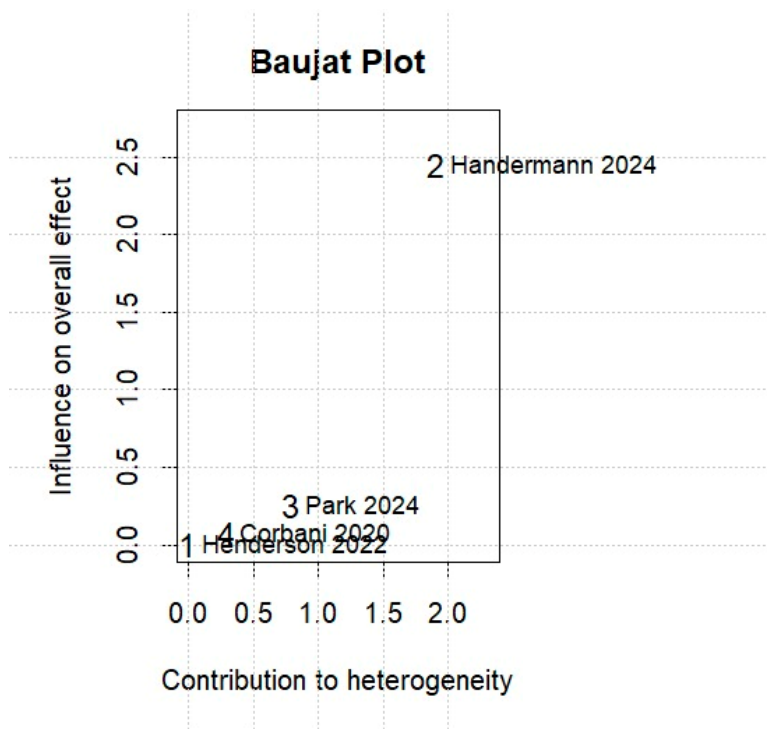
| Corbani et al. [27] (2020) | In vitro experimental | 3D-printed composite resin vs. CAD/CAM milled composite resin crowns | n = 60 (10 per subgroup; thickness: 0.5, 1.0, 1.5 mm) | Fracture resistance (N) | Thermocycling (5000 cycles, 5–55 °C) + cyclic loading (1,200,000 cycles, 50 N) + load-to-fracture test (UTM) | 3D-printed crowns showed significantly higher fracture resistance than CAD/CAM in all thicknesses; strength increased with thickness | 3D-printed crowns demonstrated superior fracture resistance under tested conditions |
| Henderson et al. [28] (2022) | In vitro experimental | CAD/CAM PMMA vs. 3D-printed bis-acryl vs. conventional bis-acryl | n ≈ 15 per subgroup | Fracture resistance (N) | Storage conditions (1 day vs. 30 days, 37 °C humidity) + load-to-fracture test (Instron) | CAD/CAM showed highest fracture resistance; 3D-printed materials showed lower values and significant degradation over time | CAD/CAM materials exhibit superior mechanical performance; 3D materials affected by aging |
| Handermann et al. [29] (2024) | In vitro experimental | 3D-printed zirconia vs. CAD/CAM zirconia vs. 3D composite | n = 15 per group | Fracture resistance (N) | Adhesive cementation + load-to-fracture test (0.5 mm/min, 45° loading) | 3D zirconia showed higher fracture resistance than CAD/CAM zirconia; composite showed lowest values | 3D zirconia may outperform CAD/CAM due to better marginal adaptation |
| Park et al. [30] (2024) | In vitro experimental | CAD/CAM hybrid ceramic vs. two 3D-printed resins | n = 108 (12 per subgroup; thickness: 0.5, 1.0, 1.5 mm) | Fracture resistance (N) | Crown-based testing + load-to-fracture (UTM) + Vickers hardness + SEM analysis | CAD/CAM strength increased with thickness; 3D-printed resins decreased with thickness; highest value observed in 3D resin (P1) at 0.5 mm (3769.7 N) | Mechanical behavior depends on material composition and thickness; all materials exceed occlusal forces |
Disclaimer/Publisher’s Note: The statements, opinions and data contained in all publications are solely those of the individual author(s) and contributor(s) and not of MDPI and/or the editor(s). MDPI and/or the editor(s) disclaim responsibility for any injury to people or property resulting from any ideas, methods, instructions or products referred to in the content. |
© 2026 by the authors. Licensee MDPI, Basel, Switzerland. This article is an open access article distributed under the terms and conditions of the Creative Commons Attribution (CC BY) license.
Share and Cite
Chauca-Bajaña, L.; Zambrano Manzaba, G.G.; Ordoñez-Balladares, A.; Caicedo-Quiroz, R.; Rodríguez Zuleta, M.D.; Suarez Palacios, J.C.; Teran-Sánchez, N.; Sánchez Salcedo, A.C.; Velasquez Ron, B. Mechanical Performance of Milled CAD/CAM Versus 3D-Printed Dental Prostheses: A Systematic Review and Meta-Analysis of Flexural Strength and Fracture Resistance. Dent. J. 2026, 14, 325. https://doi.org/10.3390/dj14060325
Chauca-Bajaña L, Zambrano Manzaba GG, Ordoñez-Balladares A, Caicedo-Quiroz R, Rodríguez Zuleta MD, Suarez Palacios JC, Teran-Sánchez N, Sánchez Salcedo AC, Velasquez Ron B. Mechanical Performance of Milled CAD/CAM Versus 3D-Printed Dental Prostheses: A Systematic Review and Meta-Analysis of Flexural Strength and Fracture Resistance. Dentistry Journal. 2026; 14(6):325. https://doi.org/10.3390/dj14060325
Chicago/Turabian StyleChauca-Bajaña, Luis, Gabriela Guadalupe Zambrano Manzaba, Andrea Ordoñez-Balladares, Rosangela Caicedo-Quiroz, Marcos Daniel Rodríguez Zuleta, Juan Carlos Suarez Palacios, Nayely Teran-Sánchez, Andrea Carolina Sánchez Salcedo, and Byron Velasquez Ron. 2026. "Mechanical Performance of Milled CAD/CAM Versus 3D-Printed Dental Prostheses: A Systematic Review and Meta-Analysis of Flexural Strength and Fracture Resistance" Dentistry Journal 14, no. 6: 325. https://doi.org/10.3390/dj14060325
APA StyleChauca-Bajaña, L., Zambrano Manzaba, G. G., Ordoñez-Balladares, A., Caicedo-Quiroz, R., Rodríguez Zuleta, M. D., Suarez Palacios, J. C., Teran-Sánchez, N., Sánchez Salcedo, A. C., & Velasquez Ron, B. (2026). Mechanical Performance of Milled CAD/CAM Versus 3D-Printed Dental Prostheses: A Systematic Review and Meta-Analysis of Flexural Strength and Fracture Resistance. Dentistry Journal, 14(6), 325. https://doi.org/10.3390/dj14060325