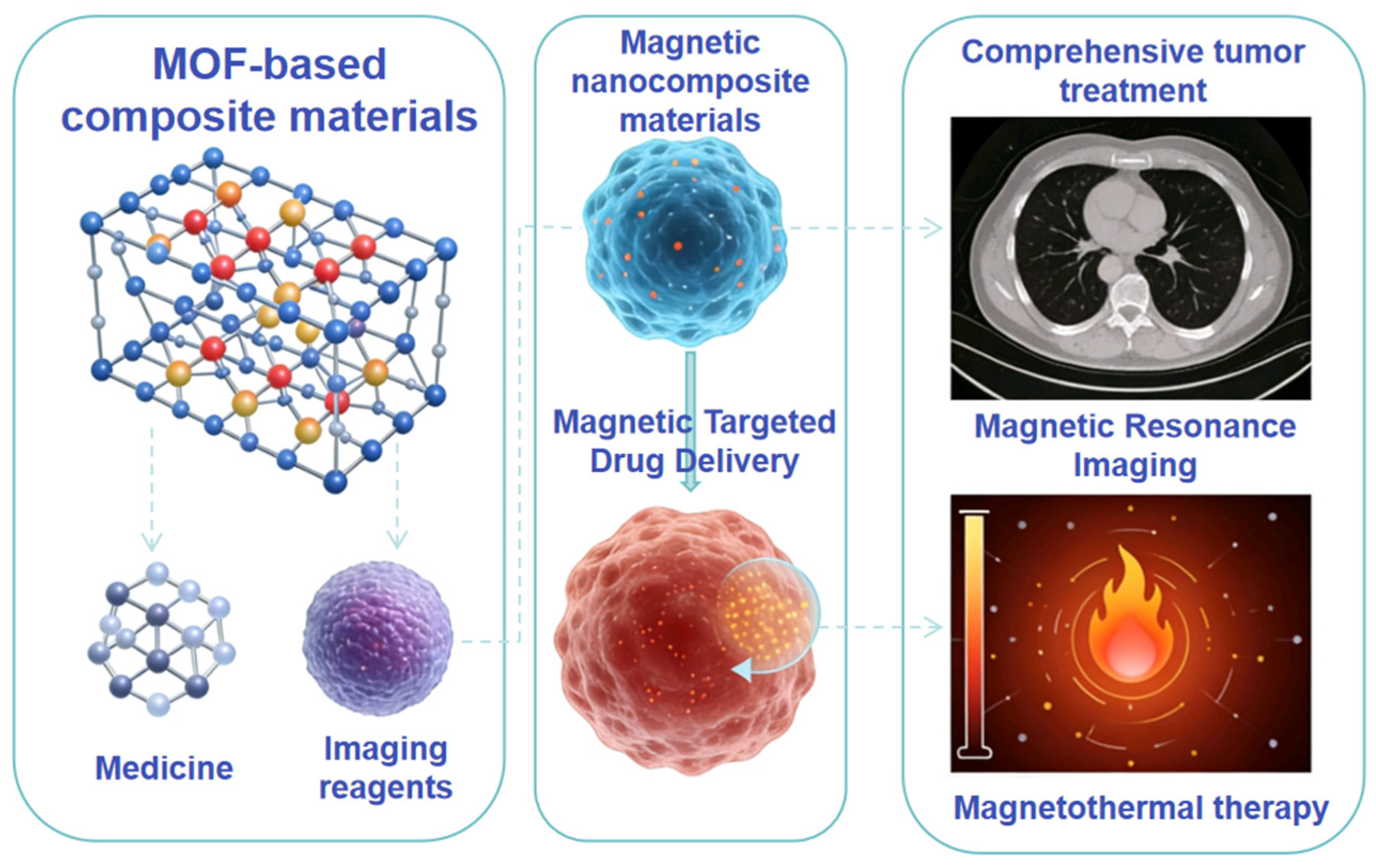

Research Progress of Functional Materials in Drug Degradation, Adsorption and Integrated Diagnosis and Treatment

Abstract
1. Introduction
2. Types and Characteristics of Functional Materials
2.1. Metal–Organic Frameworks
2.2. Nanocomposites
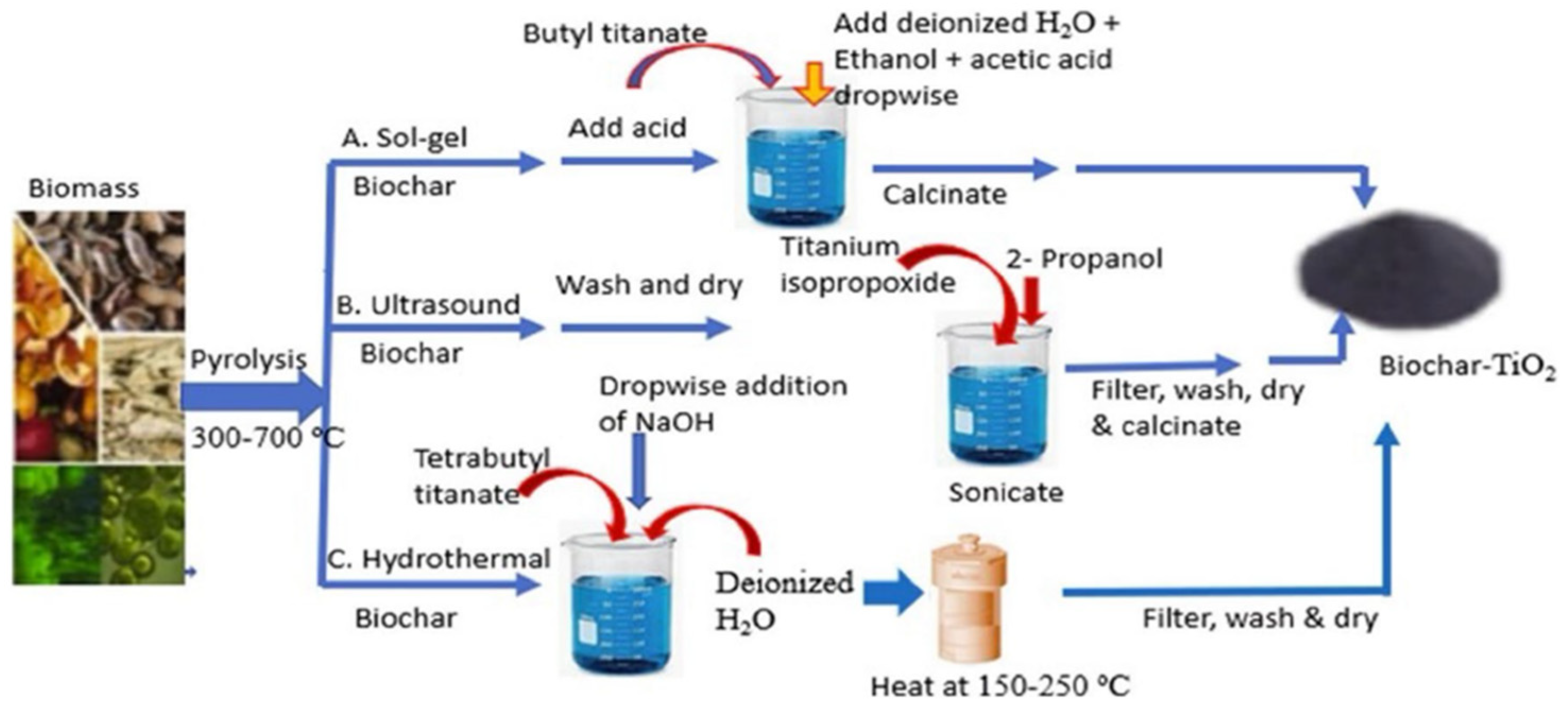
2.3. Bio-Based Materials
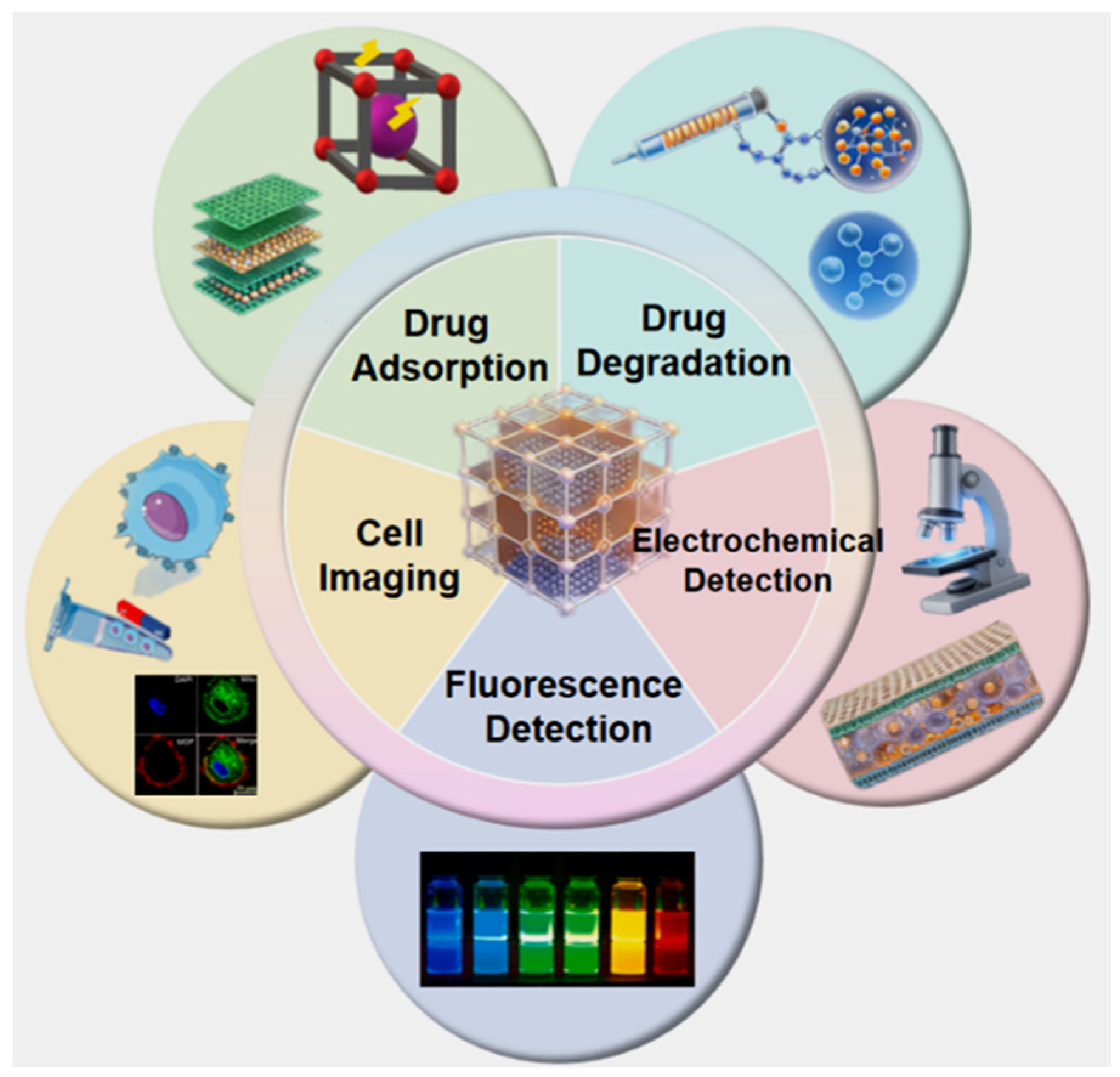
3. Multiple Applications of Functional Materials in the Pharmaceutical Field
3.1. Application in Drug Degradation
3.2. Application in Drug Adsorption
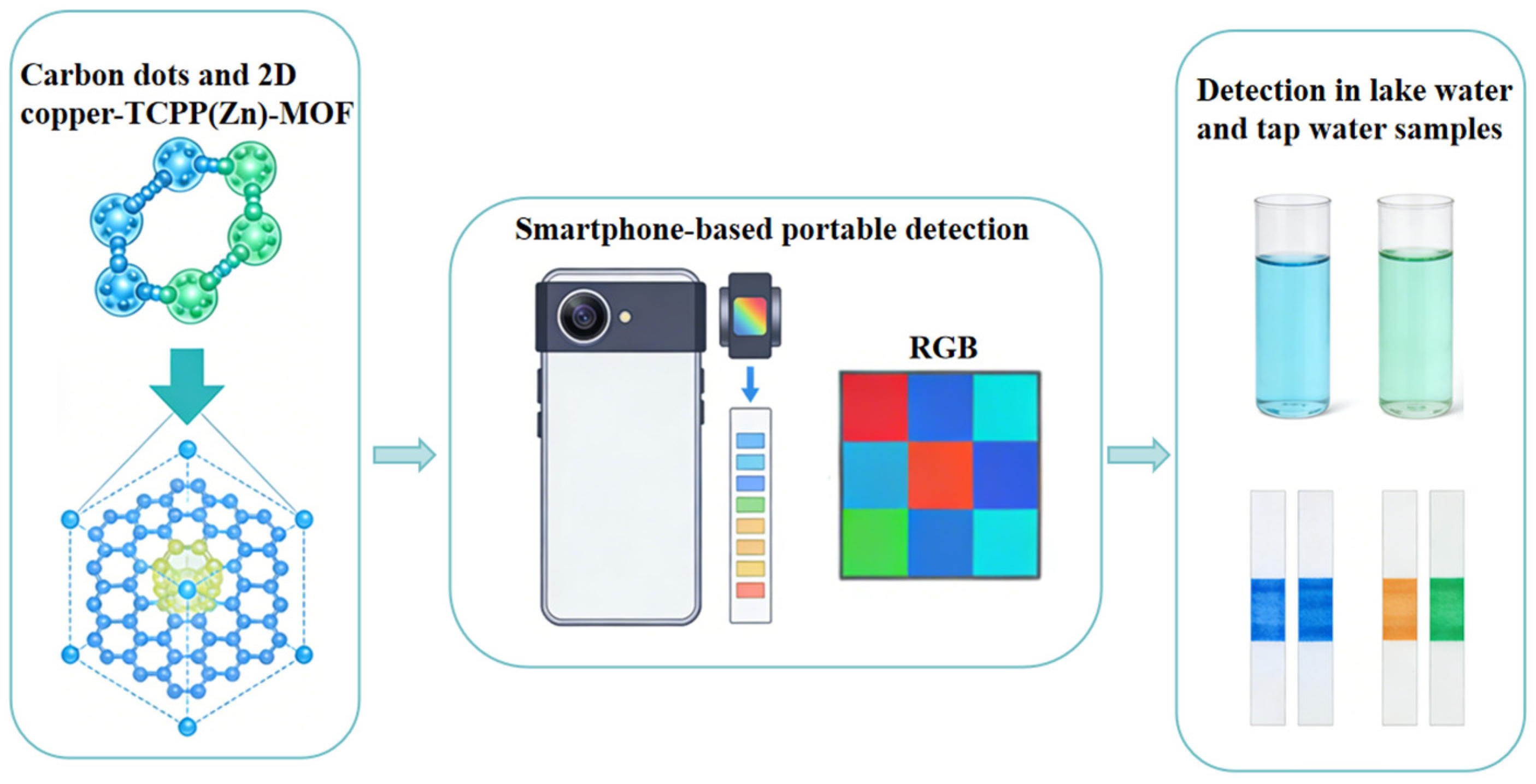
3.3. Application in Pharmaceutical Analysis and Electrochemical Detection
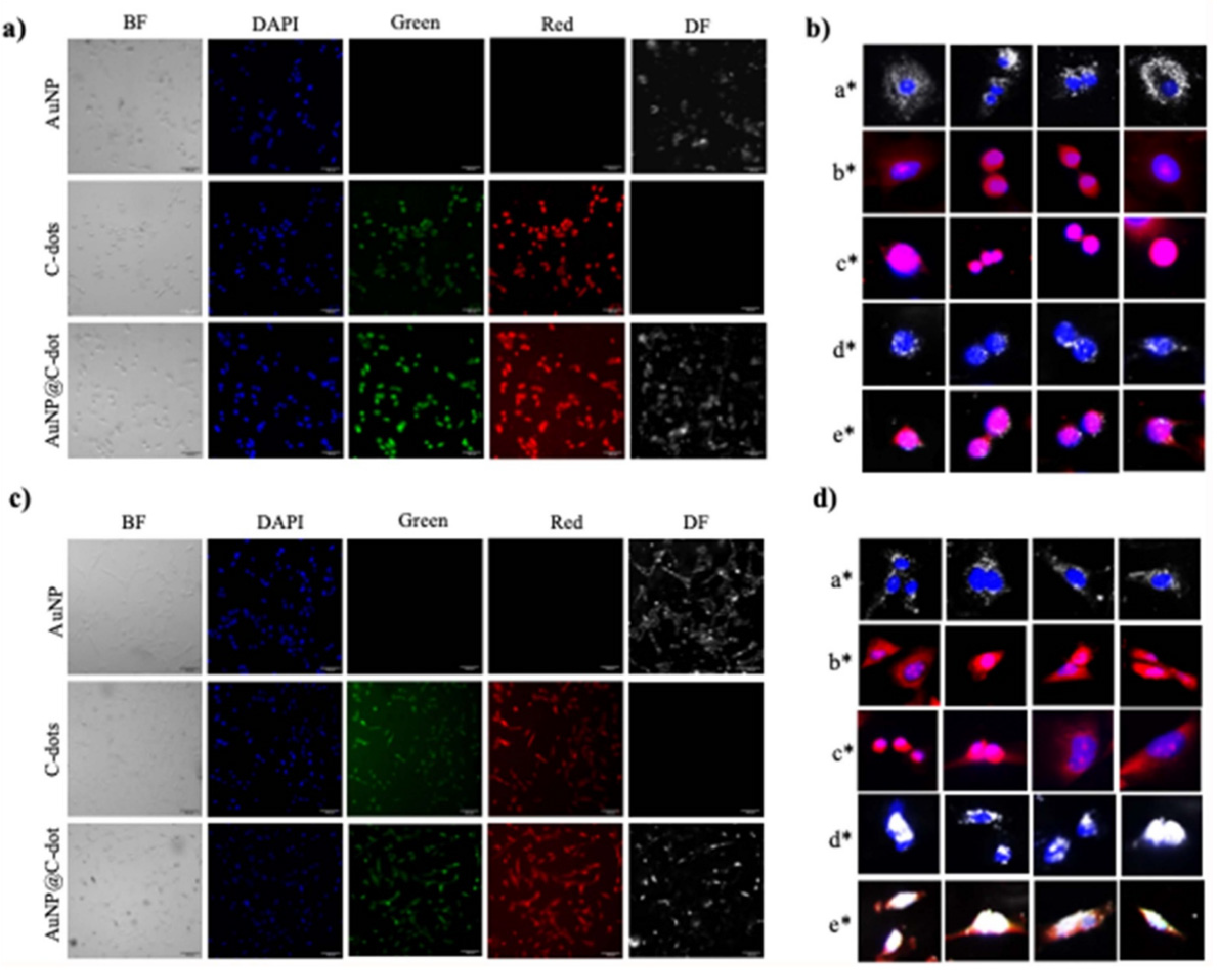
3.4. Application in Bioimaging
3.5. Multi-Functional Integrated Applications
4. Key Challenges in the Application of Functional Materials
4.1. Biocompatibility and Safety
4.2. Stability and Durability
4.3. Large-Scale Preparation and Cost Control
4.4. Clinical Translation and Regulatory Approval
5. Future Perspectives
5.1. Precise Design of Multifunctional Integrated Materials
5.2. Green Synthesis and Sustainable Development
5.3. Interdisciplinary Integration and Technological Innovation
5.4. Clinical Translation and Improved Regulatory Systems
6. Conclusions
Author Contributions
Funding
Data Availability Statement
Conflicts of Interest
References
- Miettinen, M.; Khan, S.A. Pharmaceutical pollution: A weakly regulated global environmental risk. Rev. Eur. Comp. Int. Environ. Law 2022, 31, 75–88. [Google Scholar] [CrossRef]
- Zampelli, S.; Verna, R. Environmental Pollution from Pharmaceuticals. Life 2025, 15, 1341. [Google Scholar] [CrossRef]
- de Oliveira Souza, H.; dos Santos Costa, R.; Quadra, G.R.; dos Santos Fernandez, M.A. Pharmaceutical pollution and sustainable development goals: Going the right way? Sustain. Chem. Pharm. 2021, 21, 100428. [Google Scholar] [CrossRef]
- Hu, J.; Chen, Y.; Li, Y.; Zhou, Z.; Cheng, Y. A thermo-degradable hydrogel with light-tunable degradation and drug release. Biomaterials 2017, 112, 133–140. [Google Scholar] [CrossRef]
- Kryuchkova, M.; Batasheva, S.; Akhatova, F.; Babaev, V.; Buzyurova, D.; Vikulina, A.; Volodkin, D.; Fakhrullin, R.; Rozhina, E. Pharmaceuticals removal by adsorption with montmorillonite nanoclay. Int. J. Mol. Sci. 2021, 22, 9670. [Google Scholar] [CrossRef] [PubMed]
- Aggarwal, D.; Garg, T.; Sheoran, A.; Singhal, S. Exploring the potential of MIL-53 (Fe) as a fluorescent probe for the highly selective and sensitive detection of anti-tuberculosis drug—Isoniazid. J. Mol. Struct. 2024, 1297, 136899. [Google Scholar] [CrossRef]
- Witika, B.A.; Bassey, K.E.; Demana, P.H.; Siwe-Noundou, X.; Poka, M.S. Current advances in specialised niosomal drug delivery: Manufacture, characterization and drug delivery applications. Int. J. Mol. Sci. 2022, 23, 9668. [Google Scholar] [CrossRef]
- He, S.; Wu, L.; Li, X.; Sun, H.; Xiong, T.; Liu, J.; Huang, C.; Xu, H.; Sun, H.; Chen, W.; et al. Metal-organic frameworks for advanced drug delivery. Acta Pharm. Sin. B 2021, 11, 2362–2395. [Google Scholar] [CrossRef] [PubMed]
- Barati, M.; Raissi, H.; Ghahari, A.; Farzad, F. Efficient Covalent Organic Frameworks for Treating Pharmaceuticals in Water. Ind. Eng. Chem. Res. 2025, 64, 13196–13210. [Google Scholar] [CrossRef]
- Rowley, J.V.; Wall, P.A.; Yu, H.; Howard, M.J.; Baker, D.L.; Kulak, A.; Green, D.C.; Thornton, P.D. Triggered and monitored drug release from bifunctional hybrid nanocomposites. Polym. Chem. 2022, 13, 100–108. [Google Scholar] [CrossRef]
- Iacob, A.T.; Lupascu, F.G.; Apotrosoaei, M.; Vasincu, I.M.; Tauser, R.G.; Lupascu, D.; Giusca, S.E.; Caruntu, I.D.; Profire, L. Recent biomedical approaches for chitosan based materials as drug delivery nanocarriers. Pharmaceutics 2021, 13, 587. [Google Scholar] [CrossRef]
- Lawson, H.D.; Walton, S.P.; Chan, C. Metal–organic frameworks for drug delivery: A design perspective. ACS Appl. Mater. Interfaces 2021, 13, 7004–7020. [Google Scholar] [CrossRef] [PubMed]
- Wu, J.; Xu, J.W.; Liu, W.C.; Yang, S.Z.; Luo, M.M.; Han, Y.Y.; Liu, J.Q.; Batten, S.R. Designed metal–organic framework based on metal–organic polyhedron: Drug delivery. Inorg. Chem. Commun. 2016, 71, 32–34. [Google Scholar] [CrossRef]
- Maranescu, B.; Visa, A. Applications of metal-organic frameworks as drug delivery systems. Int. J. Mol. Sci. 2022, 23, 4458. [Google Scholar] [CrossRef]
- Li, X.; Lachmanski, L.; Safi, S.; Sene, S.; Serre, C.; Greneche, J.M.; Zhang, J.; Gref, R. New insights into the degradation mechanism of metal-organic frameworks drug carriers. Sci. Rep. 2017, 7, 13142. [Google Scholar] [CrossRef]
- Livesey, T.C.; Mahmoud, L.A.; Katsikogianni, M.G.; Nayak, S. Metal–organic frameworks and their biodegradable composites for controlled delivery of antimicrobial drugs. Pharmaceutics 2023, 15, 274. [Google Scholar] [CrossRef] [PubMed]
- Zulfiqar, N.; Nadeem, R.; Musaimi, O.A. Photocatalytic degradation of antibiotics via exploitation of a magnetic nanocomposite: A green nanotechnology approach toward drug-contaminated wastewater reclamation. ACS Omega 2024, 9, 7986–8004. [Google Scholar] [CrossRef]
- Awfa, D.; Ateia, M.; Fujii, M.; Yoshimura, C. Novel magnetic carbon nanotube-TiO2 composites for solar light photocatalytic degradation of pharmaceuticals in the presence of natural organic matter. J. Water Process Eng. 2019, 31, 100836. [Google Scholar] [CrossRef]
- Justin, R.; Chen, B. Multifunctional chitosan–magnetic graphene quantum dot nanocomposites for the release of therapeutics from detachable and non-detachable biodegradable microneedle arrays. Interface Focus 2018, 8, 20170055. [Google Scholar]
- Hojjati-Najafabadi, A.; Mansoorianfar, M.; Liang, T.; Shahin, K.; Wen, Y.; Bahrami, A.; Karaman, C.; Zare, N.; Karimi-Maleh, H.; Vasseghian, Y. Magnetic-MXene-based nanocomposites for water and wastewater treatment: A review. J. Water Process Eng. 2022, 47, 102696. [Google Scholar]
- Hovhannisyan, V.; Siposova, K.; Musatov, A.; Chen, S.J. Development of multifunctional nanocomposites for controlled drug delivery and hyperthermia. Sci. Rep. 2021, 11, 5528. [Google Scholar] [CrossRef]
- Peltonen, L.; Hirvonen, J. Drug nanocrystals–versatile option for formulation of poorly soluble materials. Int. J. Pharm. 2018, 537, 73–83. [Google Scholar] [PubMed]
- Wei, S.; Li, Y.; Liang, H.; Yen, Y.; Lin, Y.; Chang, H. Photoluminescent carbon nanomaterials for sensing of illicit drugs: Focus. Anal. Sci. 2022, 38, 247–260. [Google Scholar] [CrossRef] [PubMed]
- Savaser, A.; Esim, O. Current Trends in Nanomaterials: Drug Delivery and their Sensitive Assays. Curr. Drug Deliv. 2021, 18, 102. [Google Scholar] [CrossRef] [PubMed]
- Yang, J.; Lei, S. Dual-mode detection of illicit drugs based on ZIF-8/Ag core–shell nanomaterials. Anal. Methods 2025, 17, 6859–6865. [Google Scholar] [CrossRef] [PubMed]
- Amiri, M.; Imanzadeh, H.; Sefid-Sefidehkhan, Y. An overview on electrochemical sensors based on nanomaterials for the determination of drugs of abuse. Curr. Drug Deliv. 2021, 18, 162–183. [Google Scholar] [CrossRef]
- Chen, L.; Wu, B.; Yuan, L.X. Application Progress of Nanomaterial-Based Delivery Systems in the Diagnosis and Treatment of Atherosclerosis. J. Shanghai Jiao Tong Univ. (Med. Sci.) 2025, 45, 1687–1693. [Google Scholar]
- Mu, J. Construction of Fluorescence Enhancement Systems Based on Metal Nanoclusters and Their Applications in Sensing. Doctoral Dissertation, Jilin University, Changchun, China, 2025. [Google Scholar]
- Zhang, Z.; Han, W.; Qing, J.; Meng, T.; Zhou, W.; Xu, Z.; Chen, M.; Wen, L.; Cheng, Y.; Ding, L. Functionalized magnetic metal organic framework nanocomposites for high throughput automation extraction and sensitive detection of antipsychotic drugs in serum samples. J. Hazard. Mater. 2024, 465, 133189. [Google Scholar] [CrossRef]
- Mohan, B.; Kumari, R.; Singh, G.; Singh, K.; Pombeiro, A.J.; Yang, X.; Ren, P. Covalent organic frameworks (COFs) and metal–organic frameworks (MOFs) as electrochemical sensors for the efficient detection of pharmaceutical residues. Environ. Int. 2023, 175, 107928. [Google Scholar] [CrossRef]
- Lak, M.; Hassaninejad-Darzi, S.K. Synergistic effect of silver, reduced graphene oxide and metal-organic framework-5 nanocomposite for the simultaneous voltammetric sensing of darunavir and naproxen pharmaceutical analytes using chemometric methods. Sens. Bio-Sens. Res. 2025, 51, 100933. [Google Scholar] [CrossRef]
- Sakamoto, R.; Fukui, N.; Maeda, H.; Toyoda, R.; Takaishi, S.; Tanabe, T.; Komeda, J.; Amo-Ochoa, P.; Zamora, F.; Nishihara, H. Layered metal-organic frameworks and metal-organic nanosheets as functional materials. Coord. Chem. Rev. 2022, 472, 214787. [Google Scholar]
- Jin, E.; Lee, I.S.; Yang, D.C.; Moon, D.; Nam, J.; Cho, H.; Kang, E.; Lee, J.; Noh, H.J.; Min, S.K.; et al. Origamic metal-organic framework toward mechanical metamaterial. Nat. Commun. 2023, 14, 7938. [Google Scholar] [CrossRef] [PubMed]
- Wang, D.; Jia, F.; Wang, H.; Chen, F.; Fang, Y.; Dong, W.; Zeng, G.; Li, X.; Yang, Q.; Yuan, X. Simultaneously efficient adsorption and photocatalytic degradation of tetracycline by Fe-based MOFs. J. Colloid Interface Sci. 2018, 519, 273–284. [Google Scholar] [CrossRef]
- Zhang, R.; Xue, Z.; Jia, K.; Zhu, Y.; Liang, H.; Li, Q.; Yuan, N. Critical trigger of self-assembled bimetallic Fe/Mn-MOF with SnS2 heterojunctions by persulfate activation for efficient tetracyclines photodegradation. Environ. Res. 2024, 263, 120060. [Google Scholar] [CrossRef]
- Fang, G.; Liu, X.; Wang, D.; Si, T.; Liu, Z. Near-field coupling resonance enhancement with AuNiO Heterostructure nanosheets for high-performance photodynamic/photothermal Hybrid antibacterial & imaging tracking. Biosens. Bioelectron. 2025, 271, 117034. [Google Scholar]
- Uwayezu, J.N.; Kumpiene, J.; Carabante, I. Efficient removal of PFAS in groundwater and landfill leachate using iron-modified peat residues and electrochemical oxidation. J. Environ. Chem. Eng. 2025, 13, 118833. [Google Scholar] [CrossRef]
- Mohammadzadeh, M.; Leiviskä, T. Iron-modified peat and magnetite-pine bark biosorbents for levofloxacin and trimethoprim removal from synthetic water and various pharmaceuticals from real wastewater. Ind. Crops Prod. 2023, 195, 116491. [Google Scholar] [CrossRef]
- Fablet, L.; Choueikani, F.; Pédrot, M.; Marsac, R. What are the effects of environmental factors on Co speciation at the magnetite surface? Environ. Sci. Nano 2024, 11, 2036–2048. [Google Scholar] [CrossRef]
- Kaity, S.; Ghosh, A. Facile preparation of acrylamide grafted locust bean gum-poly (vinyl alcohol) interpenetrating polymer network microspheres for controlled oral drug delivery. J. Drug Deliv. Sci. Technol. 2016, 33, 1–12. [Google Scholar] [CrossRef]
- Amdeha, E. Biochar-based nanocomposites for industrial wastewater treatment via adsorption and photocatalytic degradation and the parameters affecting these processes. Biomass Convers. Biorefinery 2024, 14, 23293–23318. [Google Scholar] [CrossRef]
- Chai, H.; Ma, Y.; Yuan, Z.; Li, Y.; Liu, G.; Chen, L.; Tian, Y.; Tan, W.; Ma, J.; Zhang, G. A ratiometric fluorescence sensor based on carbon dots and two-dimensional porphyrinic MOFs for on-site monitoring of sulfide. Microchem. J. 2023, 185, 108288. [Google Scholar] [CrossRef]
- Zhao, Y.; Liu, C.; Chen, H.; Zhou, H.; Yu, S.; Mi, D.; Yue, S.; Qiao, W. Synthesis of asymmetrically dihydrophobic chain poly (ethylene glycol) lipids for long circulation and membrane fusion. J. Surfactants Deterg. 2022, 25, 643–654. [Google Scholar] [CrossRef]
- Mi, S.; Du, Z.; Xu, Y.; Sun, W. The crossing and integration between microfluidic technology and 3D printing for organ-on-chips. J. Mater. Chem. B 2018, 6, 6191–6206. [Google Scholar] [CrossRef] [PubMed]
- Zhang, C.; Cha, R.; Long, K.; Liu, Y.; Dong, Y.; Zhang, Y.; Wang, X.; Jiang, X. Functionalized Iron Oxide Nanoparticles for Both Dual-Modal Imaging and Erythropoiesis. ACS Appl. Mater. Interfaces 2024, 16, 68905–68917. [Google Scholar] [CrossRef] [PubMed]
- Kavuranpala, T.; Saydullaeva, I.; Özçelik, S. Developing gold nanoparticles decorated with carbon-dots for multiplexed cellular imaging. Nanotechnology 2025, 36, 445102. [Google Scholar] [CrossRef]
- Yang, C.; Wang, K.; Li, Z.; Mo, L.; Lin, W. A two-photon metal-organic framework nanoprobe with catalytic hairpin assembly for amplified MicroRNA imaging in living cells and tissues. Sens. Actuators B Chem. 2022, 359, 131593. [Google Scholar] [CrossRef]
- Tsutsumi, H.; Shirai, T.; Ohkusa, H.; Mihara, H. Gold nanoparticles conjugated with glycopeptides for lectin detection and imaging on cell surface. Protein Pept. Lett. 2018, 25, 84–89. [Google Scholar] [CrossRef]
- Chowdhuri, A.R.; Laha, D.; Pal, S.; Karmakar, P.; Sahu, S.K. One-pot synthesis of folic acid encapsulated upconversion nanoscale metal organic frameworks for targeting, imaging and pH responsive drug release. Dalton Trans. 2016, 45, 18120–18132. [Google Scholar] [CrossRef]
- Li, Y.; Tao, T.; Xiong, Y.; Guo, W.; Liang, Y. Multifunctional PLGA nanosystems: Enabling integrated diagnostic and therapeutic strategies. Front. Pharmacol. 2025, 16, 1670397. [Google Scholar] [CrossRef]
- Shawcross, J.; Bakhai, A.; Ansaripour, A.; Armstrong, J.; Lewis, D.; Agg, P.; Godoy, R.; Blunn, G. In vivo biocompatibility and pacing function study of silver ion-based antimicrobial surface technology applied to cardiac pacemakers. Open Heart 2017, 4, e000357. [Google Scholar] [CrossRef]
- Yang, M.Y.; Wang, Y.H.; Kuo, P.Y.; Yang, Y.C.; Hsieh, W.Y.; Liu, S.Y.; Huang, Y.F.; Yen, C.M.; Tang, C.M.; Liu, B.S.; et al. In vitro and In Vivo evaluation of graphene oxide–gold nanocomposites for enhanced biocompatibility and functional performance in biomaterial application. Colloids Surf. A Physicochem. Eng. Aspects 2025, 725, 137721. [Google Scholar] [CrossRef]
- Weimer, P.; de Araújo Lock, G.; Amaral Antunes Nunes, K.; Cassanta Rossi, R.; Scherer Koester, L. Association effect of the phytocannabinoid beta-caryophyllene and indomethacin carried in topical nanoemulgels: An evaluation by in vivo anti-inflammatory model. Nat. Prod. Res. 2025, 39, 3335–3341. [Google Scholar]
- Li, Z.; Shi, M.; Li, N.; Xu, R. Application of functional biocompatible nanomaterials to improve curcumin bioavailability. Front. Chem. 2020, 8, 589957. [Google Scholar] [CrossRef]
- Elansary, M.; Belaiche, M.; Mouhib, Y.; Lemine, O.M.; Bentarhlia, N.; Bsoul, I. Novel biocompatible nanomaterial for biomedical application: Structural, morphological, magnetic, and in vivo toxicity investigations. Ceram. Int. 2023, 49, 4551–4570. [Google Scholar]
- Aftab, A.; Waseem, M. Remediation of carcinogen group I metal contaminants; insights into the application of functionalized carbon nanotubes. J. Mol. Liq. 2025, 434, 128064. [Google Scholar] [CrossRef]
- Song, C.; Chen, M.; Tan, J.; Xu, J.; Zhang, Y.; Zhang, G.; Hu, X.; Liu, S. Self-amplified cascade degradation and oxidative stress via rational pH regulation of oxidation-responsive poly (ferrocene) aggregates. J. Am. Chem. Soc. 2023, 145, 17755–17766. [Google Scholar]
- Ogawa, A.; Tahori, A.; Yano, M.; Hirobe, S.; Terada, S.; Kanematsu, H. Antibiofilm property and biocompatibility of siloxane-based polymer coatings applied to biomaterials. Materials 2023, 16, 7399. [Google Scholar] [CrossRef] [PubMed]
- Aminov, L.; Sindilar, E.V.; Pasca, A.S.; Antohi, C.; Decolli, Y.; Stamatin, O.; Costin, L.L.; Bulancea, B.P.; Francu, L.; Mihalas, E.; et al. In Vivo Evaluation of Biocompatibility of Three Biomaterials Used in Endodontics for Prosthetic Purposes in Complex Rehabilitation Treatment. Appl. Sci. 2021, 11, 6519. [Google Scholar] [CrossRef]
- Vincent, M.P.; Bobbala, S.; Karabin, N.B.; Frey, M.; Liu, Y.; Navidzadeh, J.O.; Stack, T.; Scott, E.A. Surface chemistry-mediated modulation of adsorbed albumin folding state specifies nanocarrier cleara. Nat. Commun. 2020, 12, 648. [Google Scholar] [CrossRef]
- Xiao, Y.; Zhou, Z.; Zuo, Y.; Wu, X.; Liu, Y.; Li, Y.; Gao, Y.; Zhang, X.; Wang, Y.; Hu, L.; et al. Layer-by-layer fabrication of alginate/polyethyleneimine multilayer on magnetic interface with enhanced efficiency in immuno-capturing circulating tumor cells. Anal. Chim. Acta 2024, 1312, 342778. [Google Scholar] [CrossRef] [PubMed]
- Jang, S.; Jun, H.; Eom, S.; Zhao, S.; Murthy, N.; Kang, S.; Kim, H. EGFR Affibody and PEG functionalized protein nanoparticles: Sustaining targeting and macrophage evasion. Int. J. Biol. Macromol. 2025, 307, 142167. [Google Scholar] [CrossRef]
- Bračič, M.; Mohan, T.; Griesser, T.; Stana-Kleinschek, K.; Strnad, S.; Fras-Zemljič, L. One-step noncovalent surface functionalization of PDMS with chitosan-based Bioparticles and their protein-repellent properties. Adv. Mater. Interfaces 2017, 4, 1700416. [Google Scholar] [CrossRef]
- Gökaltun, A.; Kang, Y.B.; Yarmush, M.L.; Usta, O.B.; Asatekin, A. Simple surface modification of poly (dimethylsiloxane) via surface segregating smart polymers for biomicrofluidics. Sci. Rep. 2019, 9, 7377. [Google Scholar] [CrossRef]
- Tian, R.; Luo, M.; Li, J. Spontaneous protein desorption from self-assembled monolayer (SAM)-coated gold nanoparticles. Phys. Chem. Chem. Phys. 2018, 20, 68–74. [Google Scholar] [CrossRef]
- Bryniarski, M.A.; Tuhin, M.T.H.; Shomin, C.D.; Nasrollahi, F.; Ko, E.C.; Soto, M.; Chung, K.; Poon-Andersen, C.; Primack, R.; Wong, D.; et al. Utility of cellular measurements of non-specific endocytosis to assess the target-independent clearance of monoclonal antibodies. J. Pharm. Sci. 2024, 113, 3100–3111. [Google Scholar] [CrossRef]
- Zhang, R.; Ma, Q.; Zheng, N.; Wang, R.; Visentin, S.; He, L.; Liu, S. Plant polyphenol-based injectable hydrogels: Advances and biomedical applications. Adv. Healthc. Mater. 2025, 14, 2500445. [Google Scholar] [CrossRef] [PubMed]
- Yadav, A.K.; Kenny, M.S.; Musa, E.N.; Walz, T.J.; Gładysiak, A.; Stylianou, K.C. Hydrolytic Stability of Metal–Organic Frameworks: An Experimental Study. Chem. Mater. 2025, 37, 9965–9984. [Google Scholar] [CrossRef]
- Vasudhevan, P.; Manikandan, V.; Iqbal, N.; Ullah, S.; Ma, H.; Singh, S.; Varshney, D.; Pu, S. Metal-Organic Frameworks for Wastewater Remediation: Sustainable Synthesis, Properties, and Applications. Chem. Rec. 2025, 25, e202500076. [Google Scholar] [CrossRef]
- Patil, P.D.; Suvarna, M.; Gargate, N.; Tiwary, A.; Palresha, D.; Tiwari, M.S.; Kagale, S.; Bhange, V.P.; Nadar, S. Recent advances in carbonous metal–organic frameworks (carbon-MOFs): Synthesis and environmental application. J. Ind. Eng. Chem. 2025, 153, 172–199. [Google Scholar] [CrossRef]
- Yu, W.; Li, A.; Lu, Z.; Jiang, H.; Jiang, Y.; Ni, H.; Wang, Y.; Chen, L. Coordination bond regulation in metal–organic framework composites: From precise synthesis to advanced catalysis and emerging adsorption/purification applications. Sep. Purif. Technol. 2025, 387, 136625. [Google Scholar] [CrossRef]
- Makableh, Y.F.; Al-Abed, R.; Aljaiuossi, G. Stability and optical enhancement of perovskite materials by nanocomposite PMMA sandwich structure in an open air environment. J. Mater. Sci. Mater. Electron. 2021, 32, 7106–7122. [Google Scholar] [CrossRef]
- Si, G.R.; He, T.; Kong, X.J.; Xie, L.H.; Li, J.R. Stable Metal–Organic Frameworks for Air and Water Pollution Control. Acc. Mater. Res. 2025, 6, 1006–1019. [Google Scholar] [CrossRef]
- Orellana, W. Ligand-dependent stability and ORR/OER activity of single-layer metal-organic frameworks. Electrochim. Acta 2026, 558, 148589. [Google Scholar] [CrossRef]
- Tang, H.; Chen, C.; Chen, Z.; Li, Z.; Guo, M.; Wang, Z.; Shao, Z.; Liu, Z.; Shen, Y.; Yue, Z.; et al. Phase and microstructure stability of Ba-containing proton conducting electrolyte materials under reducing environment of protonic ceramic cells-BaCeO3 and BaZrO3. Ceram. Int. 2025, 51, 63626–63638. [Google Scholar] [CrossRef]
- Seibel, F.I.; Brião, V.B.; Graciola, S.; Pontié, M.; Hannachi, A.; Shabani, M.; Alyoun, E.M.; Shaheed, M.H. Routes for reuse of aged pressure-driven membranes: Current status and future perspectives. Desalination 2025, 622, 119690. [Google Scholar] [CrossRef]
- Alcarazo, M. Dibenzothiophenium Salts: Practical Alternatives to Hypervalent I (III)-Based Reagents. Acc. Chem. Res. 2025, 58, 635–646. [Google Scholar] [CrossRef]
- Cowie, B.E.; Porley, V.; Robertson, N. Solar disinfection (SODIS) provides a much underexploited opportunity for researchers in photocatalytic water treatment (PWT). ACS Catal. 2020, 10, 11779–11782. [Google Scholar] [CrossRef]
- Pratsinis, S.E. Aerosol-based technologies in nanoscale manufacturing: From functional materials to devices through core chemical engineering. AIChE J. 2010, 56, 3028–3035. [Google Scholar] [CrossRef]
- Ranjan, R. Development of Complex Generics and Similar Biological Products: An Industrial Perspective of Reverse Engineering. AAPS PharmSciTech 2025, 26, 95. [Google Scholar] [CrossRef] [PubMed]
- Yu, D.; Han, N.; Son, H.; Kim, S.J.; Kweon, S. Functional Peptide-Based Biomaterials for Pharmaceutical Application: Sequences, Mechanisms, and Optimization Strategies. J. Funct. Biomater. 2026, 17, 37. [Google Scholar] [CrossRef]
- Shrestha, S.; Bhattacharya, S. Versatile use of nanosponge in the pharmaceutical arena: A mini-review. Recent Pat. Nanotechnol. 2020, 14, 351–359. [Google Scholar] [CrossRef]
- Chen, W.L.; Wagner, J.; Heugel, N.; Sugar, J.; Lee, Y.W.; Conant, L.; Malloy, M.; Heffernan, J.; Quirk, B.; Zinos, A.; et al. Functional near-infrared spectroscopy and its clinical application in the field of neuroscience: Advances and future directions. Front. Neurosci. 2020, 14, 540710. [Google Scholar] [CrossRef]
- Qian, H.; Liu, J.; Wang, X.; Pei, W.; Fu, C.; Ma, M.; Huang, C. The state-of-the-art application of functional bacterial cellulose-based materials in biomedical fields. Carbohydr. Polym. 2023, 300, 120252. [Google Scholar] [CrossRef]
- Liu, X.; Qiao, Y.; Chen, H. Progress and challenges in the application of nanomaterials in the treatment of gastrointestinal tumors: From basic research to clinical translation. World J. Cancer Res. 2025, 15, 115. [Google Scholar] [CrossRef]
- Nahla, U.A.; Suleman, M.; Khan, I.; Saddique, M.N. Translating nanorobotic oncology: Promise, progress, and persistent barriers. Ann. Med. Surg. 2026, 88, 1136–1137. [Google Scholar] [CrossRef]
- Li, X.; Fu, L.; Chen, F.; Lv, Y.; Zhang, R.; Zhao, S.; Karimi-Maleh, H. Cyclodextrin-based architectures for electrochemical sensing: From molecular recognition to functional hybrids. Anal. Methods 2025, 17, 4300–4320. [Google Scholar] [CrossRef]
- Kumeria, T. Advances on porous nanomaterials for biomedical application (drug delivery, sensing, and tissue engineering). ACS Biomater. Sci. Eng. 2022, 8, 4025–4027. [Google Scholar] [CrossRef] [PubMed]
- Maji, T.K. Editorial for forum on applied supramolecular materials. ACS Appl. Mater. Interfaces 2023, 15, 25079–25081. [Google Scholar] [CrossRef] [PubMed]
- Parray, A.H.; Sohal, N.; Singh, P.; Kolte, J. Green synthesis of carbon quantum dots from biomass: A sustainable approach to nanotechnology. Biomass Bioenergy 2026, 204, 108447. [Google Scholar] [CrossRef]
- Ashrafi, G.; Nasrollahzadeh, M.; Jaleh, B.; Sajjadi, M.; Ghafuri, H. Biowaste-and nature-derived (nano) materials: Biosynthesis, stability and environmental applications. Adv. Colloid Interface Sci. 2022, 301, 102599. [Google Scholar]
- Zhang, S.; Cui, C.; Huang, S.; Wang, Z.; Wu, S. Application and mechanisms of biochar-immobilized enzymes in environmental remediation: A review. Biochar 2026, 8, 4. [Google Scholar] [CrossRef]
- Zhang, X.; Yan, M.; Chen, P.; Li, J.; Li, Y.; Li, H.; Liu, X.; Chen, Z.; Yang, H.; Wang, S.; et al. Emerging MOFs, COFs, and their derivatives for energy and environmental applications. Innovation 2025, 6, 100778. [Google Scholar] [PubMed]
- Bag, P.P.; Wang, X.S.; Cao, R. Microwave-assisted large scale synthesis of lanthanide metal–organic frameworks (Ln-MOFs), having a preferred conformation and photoluminescence properties. Dalton Trans. 2015, 44, 11954–11962. [Google Scholar] [CrossRef]
- Chen, T.; Xu, L.; Wei, S.; Tang, X.; Chen, H. Enhanced ammonia-rich solution production and electrode separation using magnetic nickel-loaded carbon black in flow-electrode electrochemical deionization (FEED). Desalination 2022, 544, 116152. [Google Scholar] [CrossRef]
- Ikram, H.; Al Rashid, A.; Koç, M. Additive manufacturing of smart polymeric composites: Literature review and future perspectives. Polym. Compos. 2022, 43, 6355–6380. [Google Scholar] [CrossRef]
- Zheng, Y. Artificial intelligence and machine learning for materials. Curr. Opin. Solid State Mater. Sci. 2025, 34, 101202. [Google Scholar] [CrossRef]
- Pan, X.; Xie, Y.; Li, C.; He, Y.; Zhang, Y.; Wang, Y.; Li, Z.; Peng, P.; Wang, J. Convergence of Computational Materials Science and AI for Next-Generation Energy Storage Materials. J. Electron. Mater. 2026, 55, 45–114. [Google Scholar] [CrossRef]
- Zhou, B.; Li, X.; Pan, Y.; He, B.; Gao, B. Artificial intelligence-assisted next-generation biomaterials: From design and preparation to medical applications. Colloids Surf. B Biointerfaces 2025, 255, 114970. [Google Scholar] [CrossRef] [PubMed]
- Li, Z.; Song, P.; Li, G.; Han, Y.; Ren, X.; Bai, L.; Su, J. AI energized hydrogel design, optimization and application in biomedicine. Mater. Today Bio 2024, 25, 101014. [Google Scholar] [CrossRef]
- Osaro, E.; Karpinski, N.; Alornyo, S.; Ighalo, J.O. Artificial intelligence in materials science and chemistry: Past, present and future trajectories. Mater. Today Chem. 2025, 49, 103115. [Google Scholar] [CrossRef]
- Gao, L.; Zhang, Q.; Gu, M. Femtosecond laser micro/nano processing: From fundamental to applications. Int. J. Extrem. Manuf. 2025, 7, 022010. [Google Scholar]
- Duarte, L.C.; Figueredo, F.; Chagas, C.L.S.; Cortón, E.; Coltro, W.K.T. A review of the recent achievements and future trends on 3D printed microfluidic devices for bioanalytical applications. Anal. Chim. Acta 2024, 1299, 342429. [Google Scholar] [CrossRef]
- Kumar, R.; Kehr, N.S. 3D-printable oxygen-and drug-carrying nanocomposite hydrogels for enhanced cell viability. Nanomaterials 2022, 12, 1304. [Google Scholar] [CrossRef]



| Material Type | Representative Material | Application Scenario | Core Quantitative Parameters | Ref. |
|---|---|---|---|---|
| Metal–Organic Frameworks | Fe-MIL-101 | Drug degradation/adsorption | Tetracycline adsorption capacity: 326 mg/g; Tetracycline degradation rate: 96.6%; Wastewater treatment capacity: 6.5 L/g | [34] |
| 414Metal–Organic Frameworks | Fe/Mn-MOF@SnS2 | Drug degradation | Tetracycline degradation efficiency in 80 min: 91.4%; Interfacial charge transfer efficiency: >85% | [35] |
| Metal–Organic Frameworks | 2D Cu-TCPP(Zn)@carbon dots | Drug detection | Sulfide limit of detection (LOD): 0.12 μM; Enrichment factor: >103 times; Detection recovery: 95.2–102.3% | [42] |
| Nanocomposites | Au-NiO heterojunction nanosheets | Drug detection/antibacterial | S. aureus LOD: 145.6 cfu/mL; Photothermal conversion efficiency: 42.6%; Bactericidal rate: >99% | [36] |
| Nanocomposites | Folic acid-modified UCNP@MOF | Bioimaging/drug delivery | Fluorescence quantum yield: 35%; Drug loading capacity: 18.5 wt%; Tumor site drug enrichment: 12.6 μg/g | [49] |
| Nanocomposites | Fe3O4@MOF | Bioimaging/adsorption | r2 relaxivity: 156 mM−1·s−1; Saturation magnetization: 28.6 emu/g; Solid–liquid separation within 5 min after adsorption | [29,48] |
| Bio-based Materials | Iron-modified peat (FEP) | Drug adsorption | Fe loading content: 5.2 wt%; Levofloxacin saturated adsorption capacity: 86.7 mg/g; 1.9-fold higher than unmodified peat | [37] |
| Bio-based Materials | Co-MPB | Drug degradation | Co doping content: 3.8 wt%; Levofloxacin degradation rate constant: 0.052 h−1; 2.5-fold higher than pure MPB | [39] |
Disclaimer/Publisher’s Note: The statements, opinions and data contained in all publications are solely those of the individual author(s) and contributor(s) and not of MDPI and/or the editor(s). MDPI and/or the editor(s) disclaim responsibility for any injury to people or property resulting from any ideas, methods, instructions or products referred to in the content. |
© 2026 by the authors. Licensee MDPI, Basel, Switzerland. This article is an open access article distributed under the terms and conditions of the Creative Commons Attribution (CC BY) license.
Share and Cite
Wang, Y.; Tang, X.; Huang, S.; Wang, W.; Cao, X.; Lv, Y.; Chen, X. Research Progress of Functional Materials in Drug Degradation, Adsorption and Integrated Diagnosis and Treatment. Inorganics 2026, 14, 87. https://doi.org/10.3390/inorganics14030087
Wang Y, Tang X, Huang S, Wang W, Cao X, Lv Y, Chen X. Research Progress of Functional Materials in Drug Degradation, Adsorption and Integrated Diagnosis and Treatment. Inorganics. 2026; 14(3):87. https://doi.org/10.3390/inorganics14030087
Chicago/Turabian StyleWang, Yuxin, Xiaoxue Tang, Siqi Huang, Weie Wang, Xi Cao, Yuguang Lv, and Xiaoyi Chen. 2026. "Research Progress of Functional Materials in Drug Degradation, Adsorption and Integrated Diagnosis and Treatment" Inorganics 14, no. 3: 87. https://doi.org/10.3390/inorganics14030087
APA StyleWang, Y., Tang, X., Huang, S., Wang, W., Cao, X., Lv, Y., & Chen, X. (2026). Research Progress of Functional Materials in Drug Degradation, Adsorption and Integrated Diagnosis and Treatment. Inorganics, 14(3), 87. https://doi.org/10.3390/inorganics14030087