1. Introduction
Ultraviolet–visible (UV-Vis) absorption spectroscopy is a fundamental analytical method for evaluating the electronic structure and composition of substances by using energy transitions associated with light absorption by atoms and molecules [
1]. Because it is relatively simple, safe, and nondestructive, is widely employed in fields such as materials science [
2,
3], biochemistry [
4,
5,
6,
7], medicine [
8,
9,
10], and food and agriculture [
11,
12,
13]. However, when the sample is a scattering medium, such as a colloidal dispersion, particle suspension, or cell suspension, the attenuation of transmitted light is affected not only by absorption but also by scattering [
14,
15,
16,
17]. Therefore, in conventional transmission measurements, it is difficult to evaluate the absorption component accurately, and a measurement system capable of appropriately separating and collecting transmitted and scattered light is required.
For absorption measurements of such scattering samples, methods using an integrating sphere (IS) are widely used [
18,
19]. The inner wall of the IS is typically made of highly diffuse reflective materials such as barium sulfate (BaSO4), diffuse gold, and polytetrafluoroethylene (PTFE) [
20,
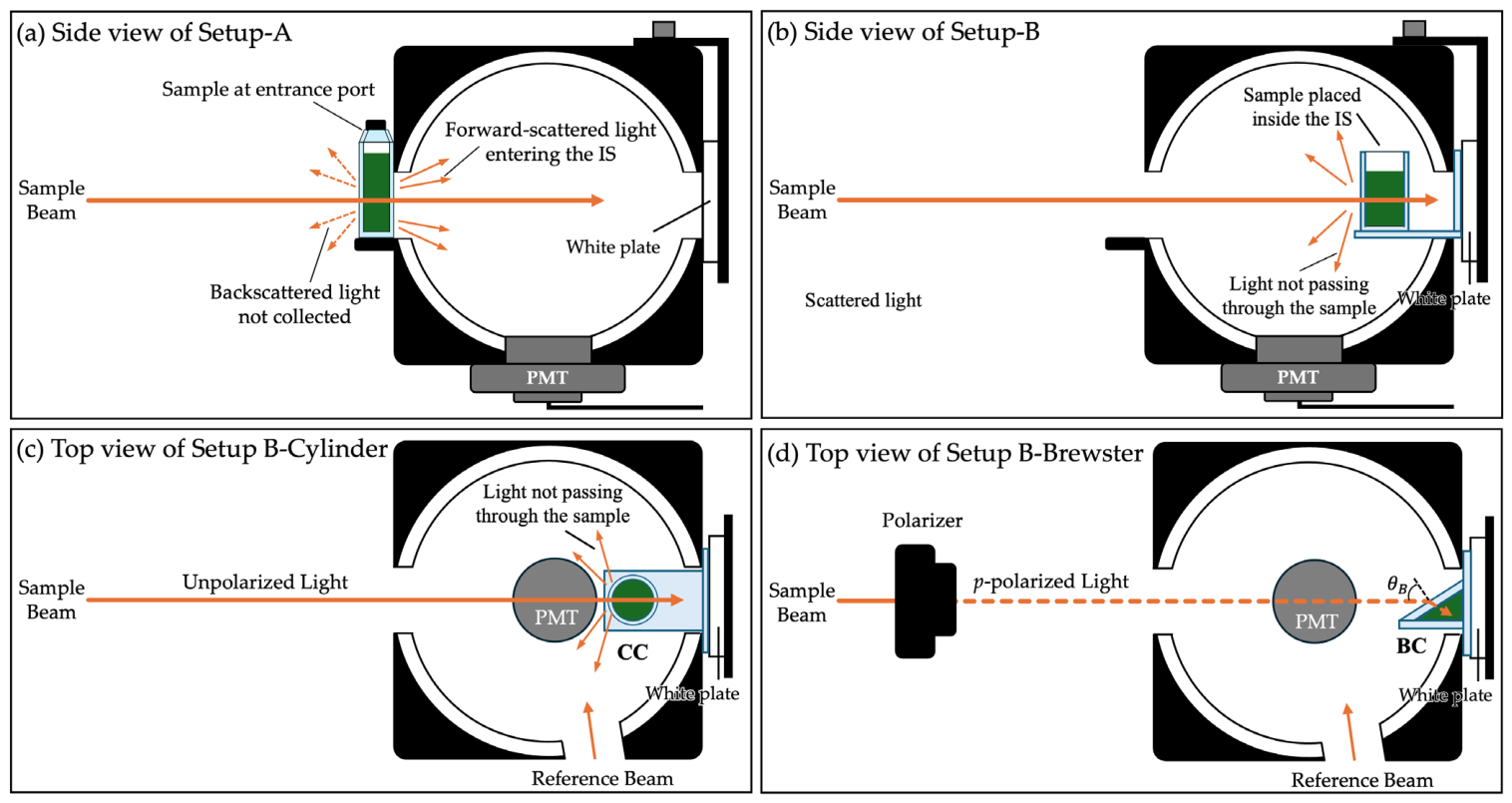
21]. In a conventional configuration (hereafter, Setup-A), the sample is placed at the entrance port of the IS, allowing transmitted and forward-scattered light to be collected [
22,
23]. However, this configuration cannot sufficiently capture backward-scattered light, and the measurement accuracy may decrease for samples for which the contribution of backward scattering is not negligible [
24]. To address this problem, methods such as the double-integrating-sphere technique [
25,
26] and the integrating cavity absorption meter have also been proposed [
27,
28], but these generally require bulky optics and more complex instrumentation. Therefore, there remains value in developing a simple method that can collect scattered light over the full solid angle while using only a single IS.
To overcome this limitation, the IS with sample inside (ISSI) method has been proposed [
6,
29,
30,
31,
32,
33]. In ISSI, an optical cell containing the sample is placed inside the IS, so that scattered light from the sample can be collected by the inner wall of the sphere over the full solid angle.
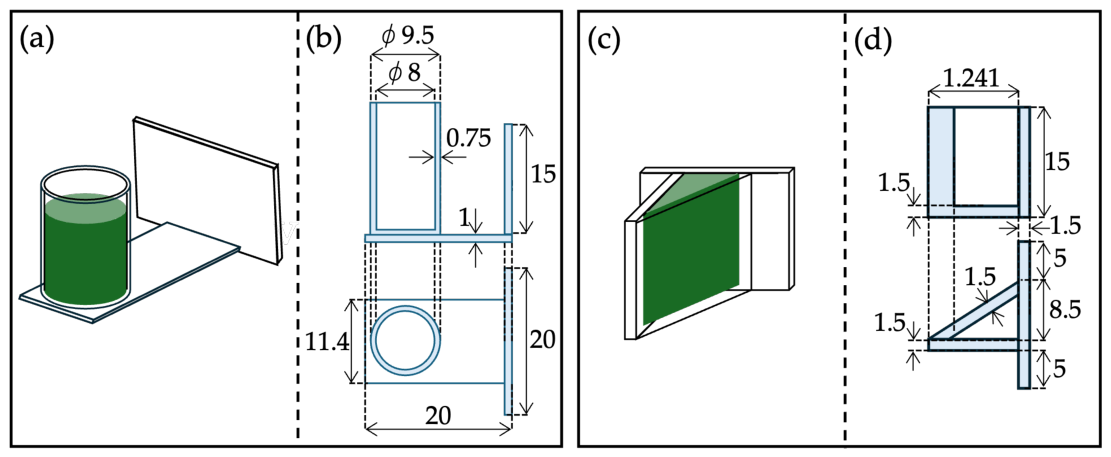
Figure 1b–d show schematic diagrams of the ISSI configurations treated in this study, namely, the ISSI configuration using a cylindrical cell (Setup B-Cylinder) and the ISSI configuration using a Brewster cell (Setup B-Brewster).
However, in ISSI, because light repeatedly reflects from the inner wall of the IS, the detected signal includes components that pass through the sample multiple times, as well as stray-light components that do not pass through the sample even once, such as light reflected at the cell surface. Consequently, the relationship between the measured absorbance,
, and dye concentration,
, deviates from the simple linear relationship predicted by the Beer–Lambert law [
31,
34,
35]. We previously derived an analytical expression for a configuration in which a cylindrical cell (CC) was placed inside the IS. This expression contains three parameters: the fraction of incident light transmitted through the sample, the probability that light reflected from the inner wall of the IS passes through the sample again, and the optical path length. Using this model, we reproduced the nonlinear relationship between the
and the absorption coefficient for both non-scattering samples (aqueous nickel nitrate and cobalt nitrate solutions) and scattering samples (polystyrene bead dispersions) [
31]. We also developed a Monte Carlo ray-tracing simulation (RTS-ISSI), which successfully estimated the
and path-length distribution from the absorption coefficient, scattering coefficient, and anisotropy factor [
34]. Furthermore, analysis using RTS-ISSI showed that the path-length distribution broadens owing to the dispersion of scatterers, and we reported its application to high-dynamic-range absorption measurements that exploit this characteristic [
35].
However, ISSI has a limitation in that the saturation absorbance,
, becomes lower than the instrumental upper limit of the spectrophotometer. In the conventional configuration using a CC, light reflected at the cell surface is detected as stray light that does not carry absorption information from the sample. As a result, the
saturates in the high-absorbance region, and
has been reported to be limited to approximately 1.4 [
31]. To secure a sufficient measurement range for highly absorbing samples, a cell design is required that suppresses the stray-light component that does not pass through the sample and extends the upper measurement limit while retaining the advantages of ISSI.
As a solution to this problem, the present study focuses on Brewster’s law. At the Brewster angle, reflection of
p-polarized light ideally becomes zero, and polarization selectivity can be achieved while suppressing reflection losses at an uncoated interface [
36]. This property has been used to reduce losses in laser resonators and high-finesse optical cavities, and broadband resonator designs using Brewster-angle prism retroreflectors have been reported for spectroscopic applications [
37,
38,
39]. More recently, resonant power enhancement and optical-feedback locking using Brewster-window cavities have also been applied to high-sensitivity mid-infrared spectroscopy, including intracavity quartz-enhanced photoacoustic spectroscopy (QEPAS) [
40,
41]. These studies indicate that reducing interfacial reflection remains an effective design principle.
In this study, we applied this principle by introducing a custom-designed Brewster cell (BC), in which p-polarized light enters the cell surface at the Brewster angle. By using the BC, reflected light at the cell surface, i.e., the stray-light component that does not pass through the sample, is expected to be reduced. As a result, the in ISSI should increase, leading to an expanded dynamic range in the high-absorbance region. At the same time, because the BC uses an oblique-incidence optical geometry, the path-length distribution and the contribution of multiple-pass components may differ from those of the CC. Therefore, the relationship between the and concentration needs to be examined within a common analytical framework.
Accordingly, the aim of this study was to describe the relationship between
and dye concentration c measured by the ISSI method using CC and BC with a simple analytical model. As non-scattering samples, aqueous solutions of four water-soluble dyes representing different wavelength regions in the ultraviolet–visible range were used. Because all dyes are fully dissolved molecular species in water, Rayleigh and Mie scattering are negligible at the concentrations employed. In particular, Trypan Blue has been used as a non-scattering sample in our previous ISSI study [
34], confirming that dissolved dye molecules do not contribute to scattering. Trypan Blue, which is used for biological staining [
42], and the food dyes Brilliant Blue FCF, Tartrazine, and New Coccine were selected [
43,
44], and the
relationships were obtained at multiple peak wavelengths. As analytical models, a single-pass model incorporating the fraction of light that does not pass through the sample,
, and a multiple-pass model considering the effective weights
of light passing through the sample up to
times were applied, and their suitability for CC and BC was examined. For CC, the validity of the single-pass model and the feasibility of linear approximation in the low-absorbance region were evaluated; for BC, the optimal model was selected from the 1–4-pass models based on adjusted RMSE and the corrected Akaike information criterion (AICc) [
45,
46,
47]. Furthermore, the
of the two cells was compared to quantitatively evaluate the improvement in dynamic range achieved by introducing the BC. Whereas the single-pass model is obtained as a simplification of the analytical expression derived in our previous work [
31], the multiple-pass model introduced in the present study is a new generalization that, together with the Brewster-cell configuration, enables ISSI measurements in optical geometries where a uniform single-pass optical path can no longer be assumed. In this study, ‘high dynamic range’ refers to extending the measurable absorbance range by increasing the saturation absorbance
through the use of a Brewster cell. Because absorbance is a logarithmic quantity, this increase from approximately 1.34 (CC) to 2.42 (BC) in
corresponds to an approximately 12-fold expansion of the linear intensity ratio (~22 to ~263), i.e., about one order of magnitude.
3. Results
3.1. Absorbance Spectra and Concentration–Absorbance Relationships
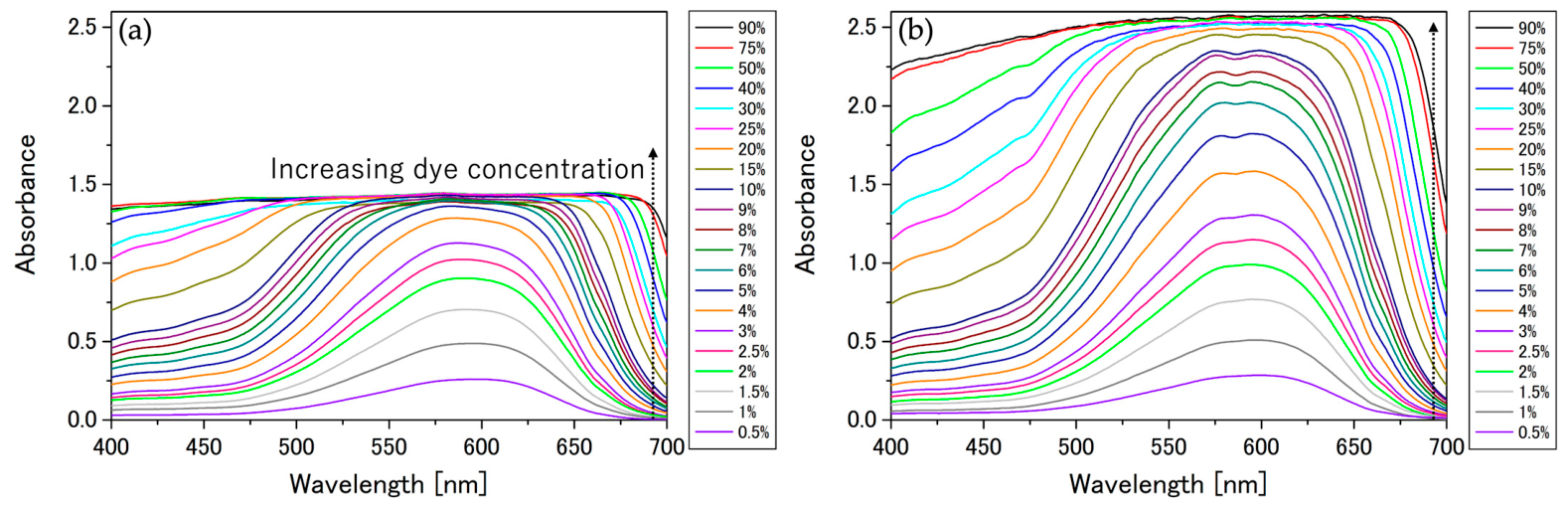
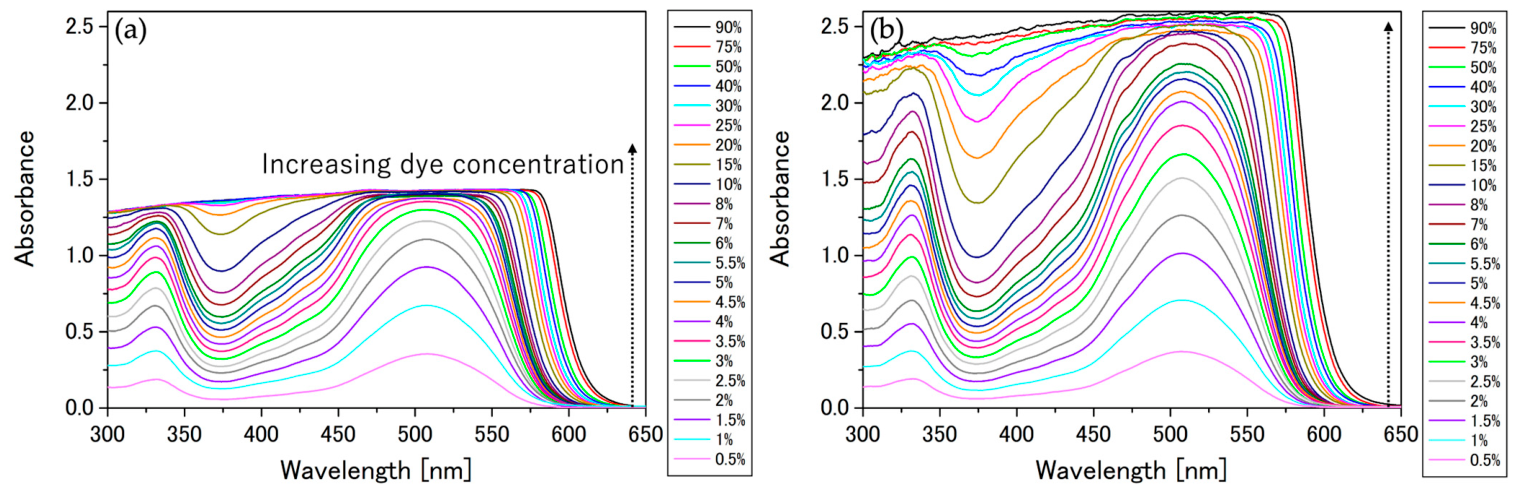
Figure 3 and
Figure 4 present, respectively, the absorbance spectra
and the concentration dependence of
at the absorption-peak wavelength for TB (stock concentration: 0.9 mM). The corresponding pair of plots is given in
Figure 5 and
Figure 6 for FCF (1.0 mM), in
Figure 7 and
Figure 8 for TAR (2.5 mM), and in
Figure 9 and
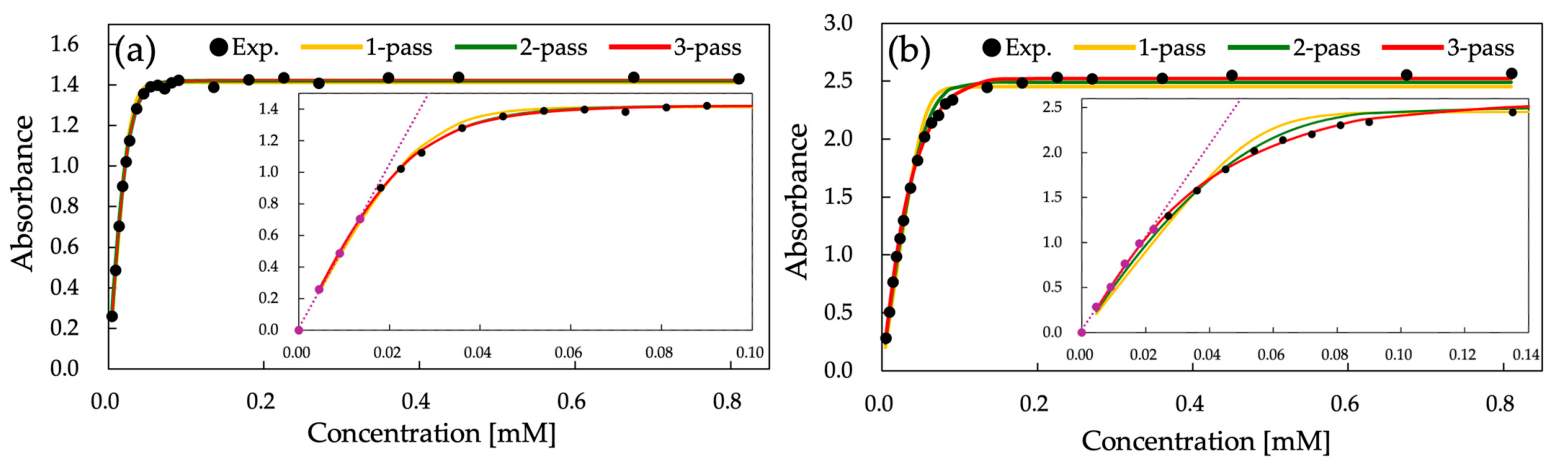
Figure 10 for NCC (3.5 mM). All solutions were prepared at dilution ratios of 0.5–90%. In the spectral figures, each curve is labeled by its dilution ratio relative to the stock solution, whereas in the concentration–absorbance plots, the horizontal axis shows the absolute dye concentration c in mM, which is the independent variable of the analytical model. The peak wavelengths used for the fitting analysis were determined from the spectra at low concentrations, where the spectral shape is not distorted by the saturation effect. At higher concentrations, the apparent peak position may shift slightly owing to the nonlinear
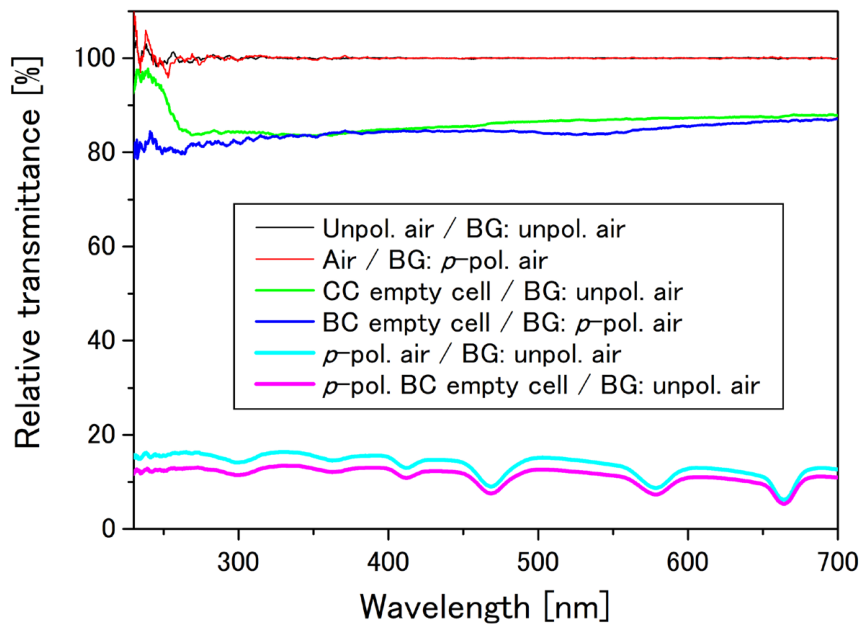
relationship, but the same fixed wavelength was used across all concentrations. The fitting analysis was performed at the absorption-peak wavelength(s) specific to each dye—591 nm for TB, 408 nm and 630 nm for FCF, 258 nm and 428 nm for TAR, and 331 nm and 507 nm for NCC—so that the model could be tested across a wide range of the UV–Vis spectrum. For all four dyes, the saturation absorbance was approximately 1.4 for CC, whereas it reached approximately 2.5 for BC. For BC, increased noise was observed below 250 nm in high-concentration TAR samples; additional transmission measurements investigating this behavior are presented in
Appendix C.
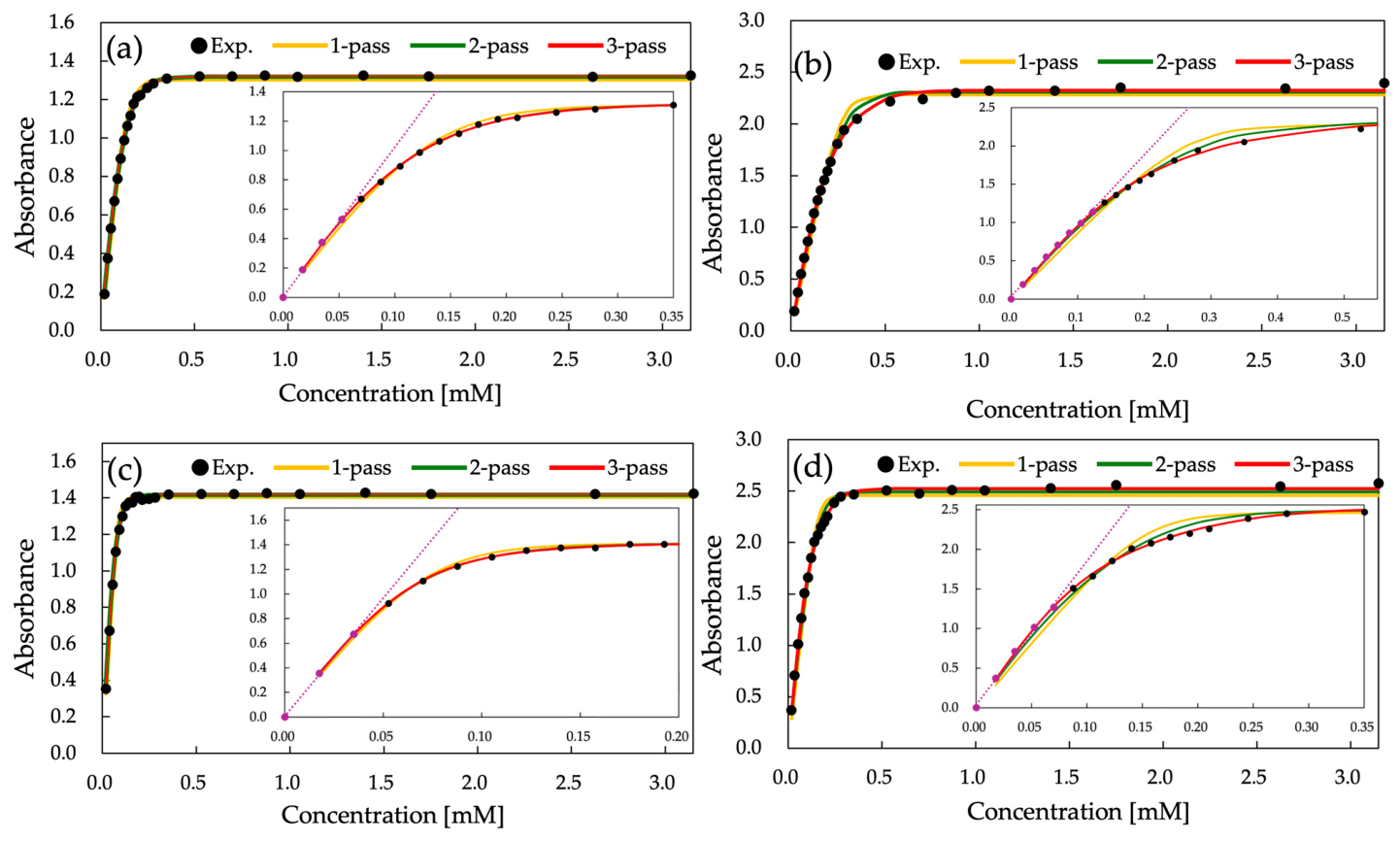
The concentration–absorbance plots show the concentration dependence of
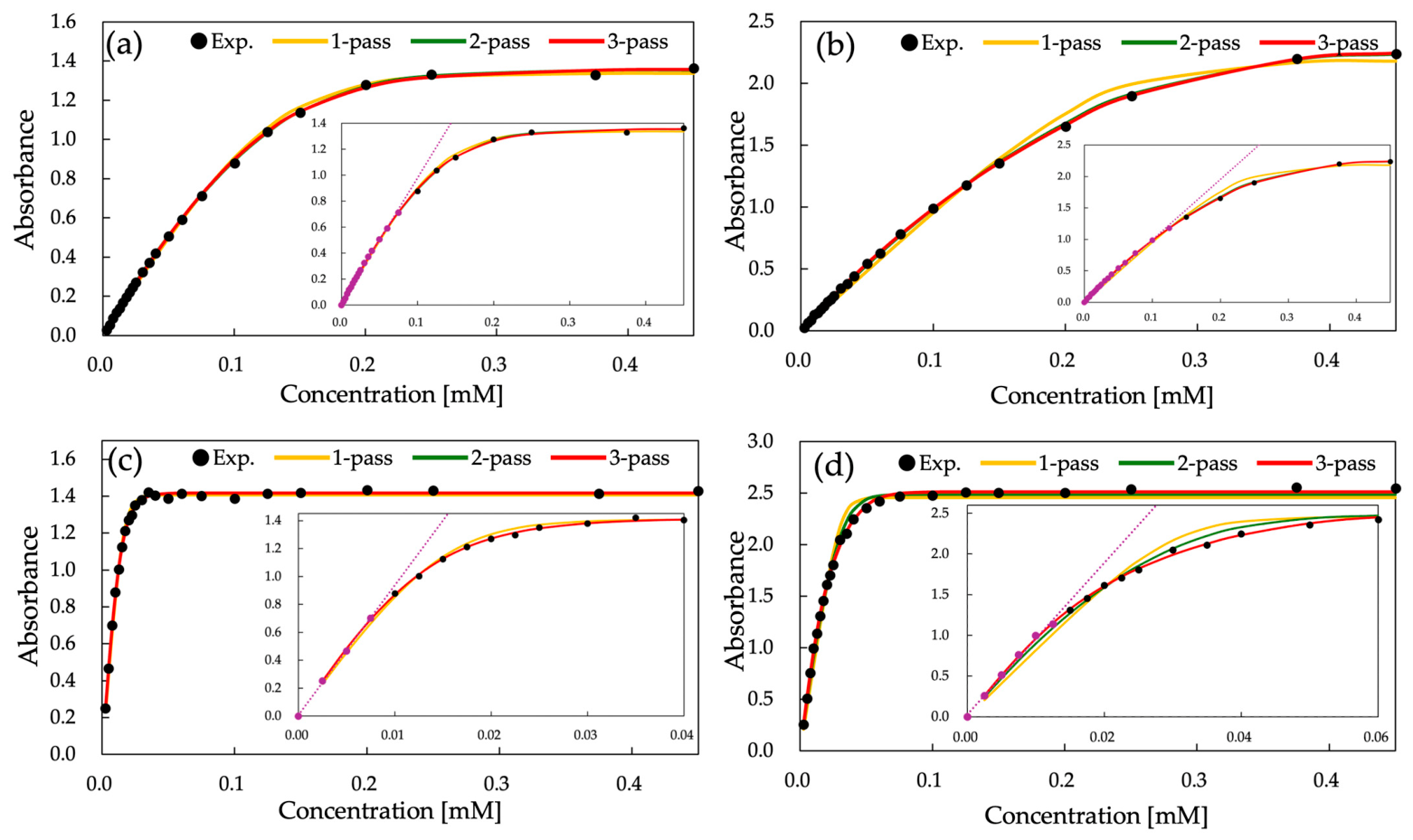
at each absorption-peak wavelength together with the fitting results of the 1- to 4-pass models. For CC, the differences among the models were small for all dyes and peak wavelengths, and the single-pass model reproduced the experimental data well. In contrast, for BC, the 1-pass and 2-pass models showed clear deviations from the experimental data, whereas the 3-pass model reproduced the data well from the low-concentration region to saturation. In all insets, the measured data in the low-absorbance region were generally consistent with the approximate straight lines obtained by linear fitting using the measured data points at or below
together with the origin as an additional data point (cf.
Section 2.3.1).
For FCF at 630 nm [
Figure 6c], only one measured point was available at or below
. Supplementary measurements using a 0.5 mM stock solution are therefore presented in
Appendix B, confirming that the low-absorbance linearity holds even with additional data points [
Figure A2c].
3.2. Brilliant Blue FCF (FCF)
The results for FCF are presented below:
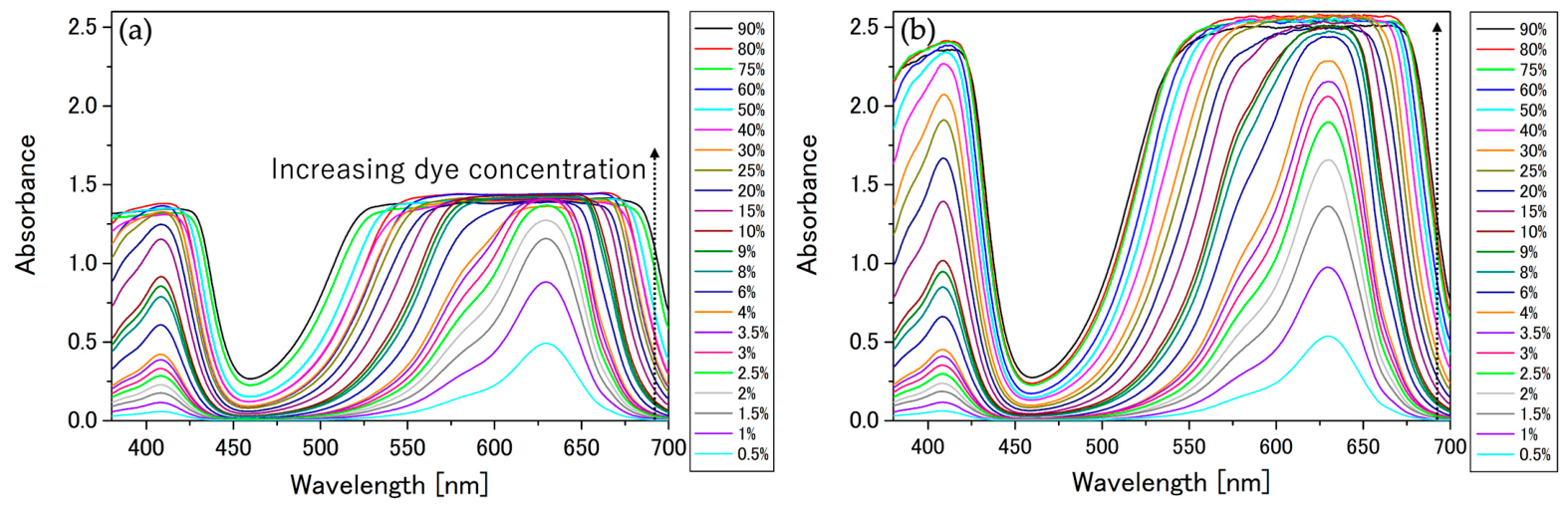
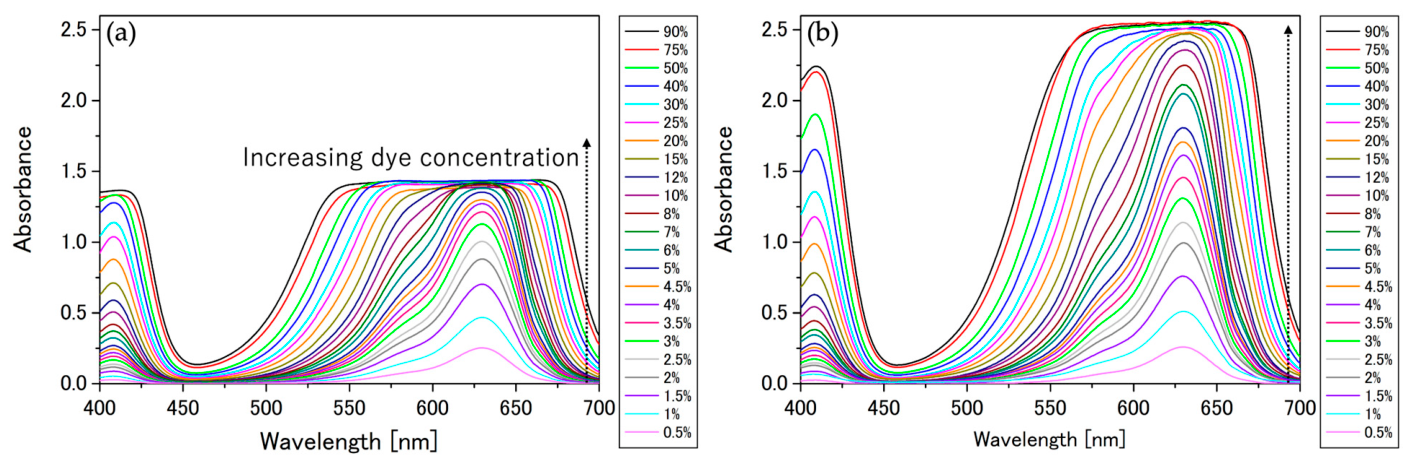
Figure 5 shows the absorbance spectra, and
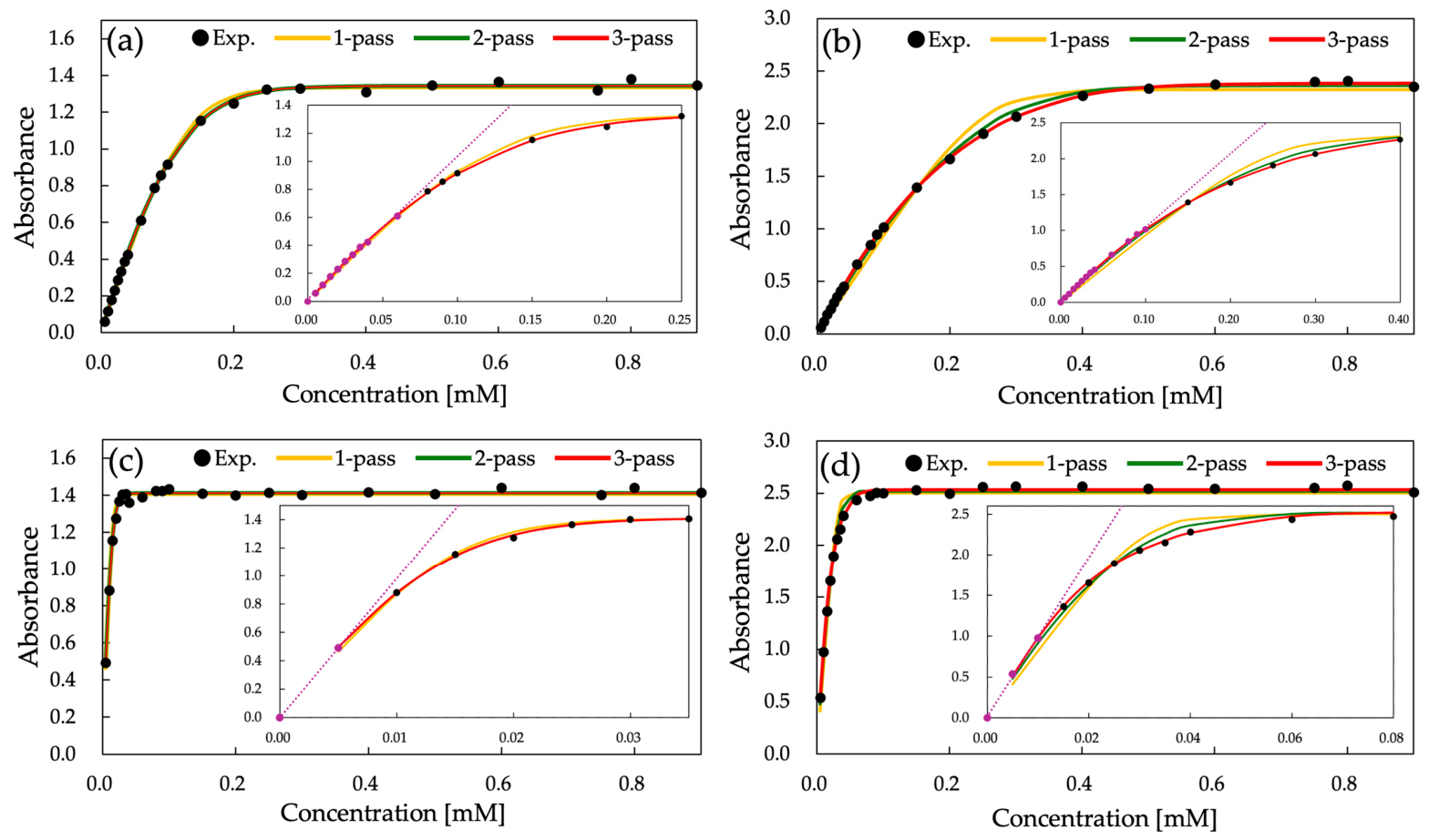
Figure 6 shows the concentration dependence of
at the absorption-peak wavelengths.
Figure 5.
Absorbance spectra of FCF aqueous solutions. Each curve corresponds to a dilution ratio (0.5–90%, based on a stock concentration of 1.0 mM). (a) Measured with CC. (b) Measured with BC. The measured wavelength range was 380–700 nm. The legend entries are arranged in descending order of concentration (from top to bottom), corresponding to the vertical ordering of the spectra. The arrows indicate the direction of increasing dye concentration.
Figure 5.
Absorbance spectra of FCF aqueous solutions. Each curve corresponds to a dilution ratio (0.5–90%, based on a stock concentration of 1.0 mM). (a) Measured with CC. (b) Measured with BC. The measured wavelength range was 380–700 nm. The legend entries are arranged in descending order of concentration (from top to bottom), corresponding to the vertical ordering of the spectra. The arrows indicate the direction of increasing dye concentration.
Figure 6.
Concentration dependence of for FCF. (a) CC, 408 nm; (b) BC, 408 nm; (c) CC, 630 nm; (d) BC, 630 nm. “Exp.” denotes the measured values, and the colored curves represent the fitting results of the respective pass models. The insets are enlarged views of the low-concentration region. The purple dots indicate the measured data points at or below approximately together with the origin, and the purple dashed lines indicate the approximate straight lines obtained by linear fitting using these points.
Figure 6.
Concentration dependence of for FCF. (a) CC, 408 nm; (b) BC, 408 nm; (c) CC, 630 nm; (d) BC, 630 nm. “Exp.” denotes the measured values, and the colored curves represent the fitting results of the respective pass models. The insets are enlarged views of the low-concentration region. The purple dots indicate the measured data points at or below approximately together with the origin, and the purple dashed lines indicate the approximate straight lines obtained by linear fitting using these points.
3.3. Tartrazine (TAR)
The results for TAR are presented below:
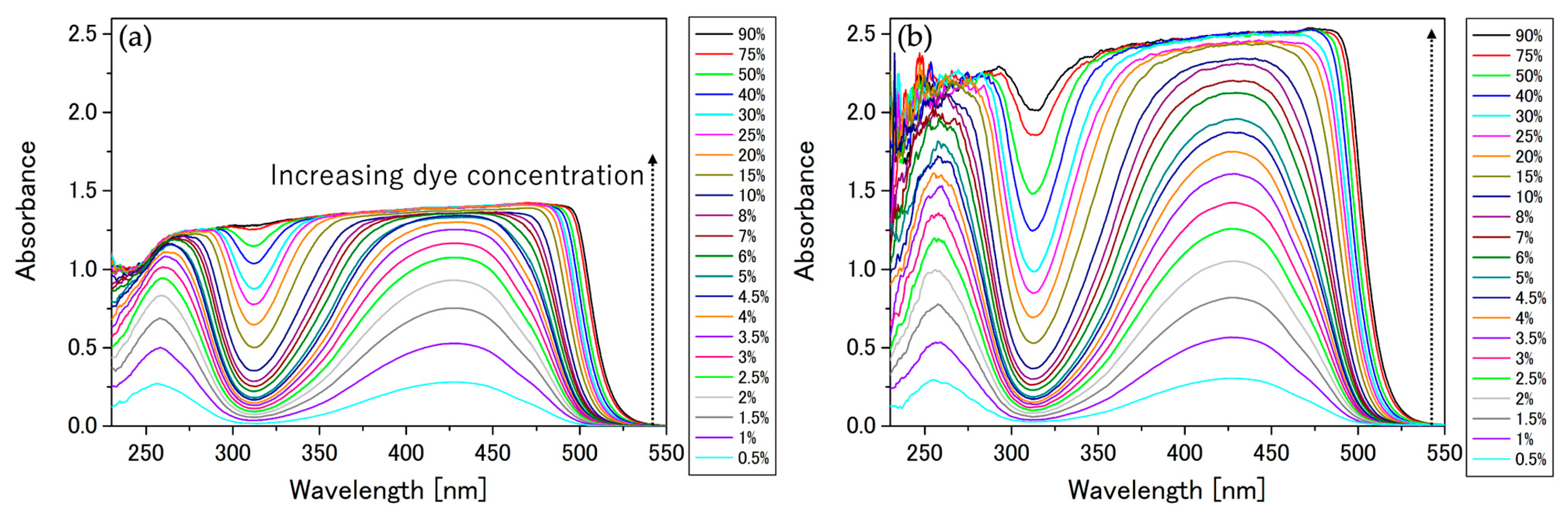
Figure 7 shows the absorbance spectra, and
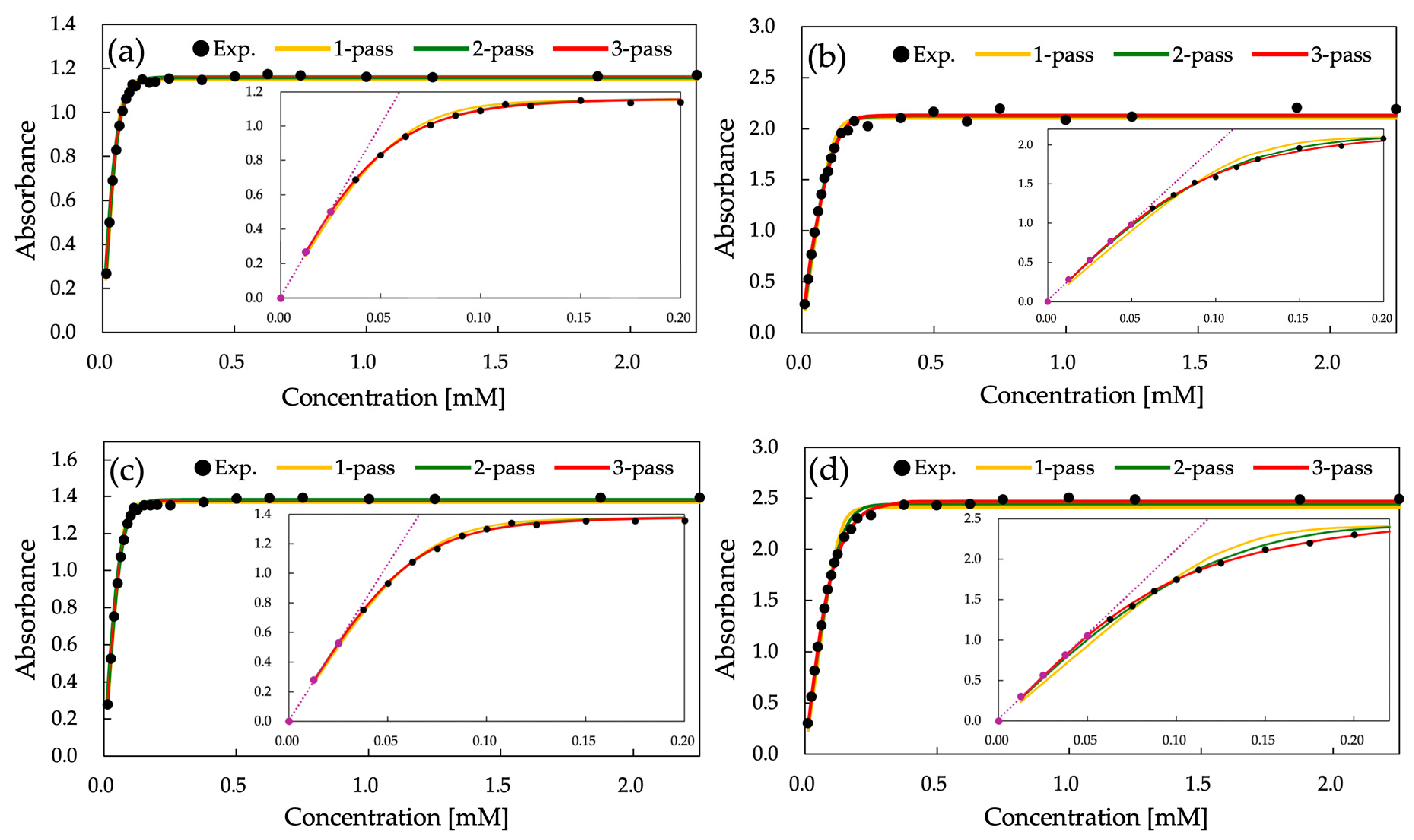
Figure 8 shows the concentration dependence of
at the absorption-peak wavelengths.
Figure 7.
Absorbance spectra of TAR aqueous solutions. Each curve corresponds to a dilution ratio (0.5–90%, based on a stock concentration of 2.5 mM). (a) Measured with CC. (b) Measured with BC. The measured wavelength range was 230–550 nm. In the BC measurement, increased noise was observed below approximately 250 nm for high-concentration samples. The legend entries are arranged in descending order of concentration (from top to bottom), corresponding to the vertical ordering of the spectra. The arrows indicate the direction of increasing dye concentration.
Figure 7.
Absorbance spectra of TAR aqueous solutions. Each curve corresponds to a dilution ratio (0.5–90%, based on a stock concentration of 2.5 mM). (a) Measured with CC. (b) Measured with BC. The measured wavelength range was 230–550 nm. In the BC measurement, increased noise was observed below approximately 250 nm for high-concentration samples. The legend entries are arranged in descending order of concentration (from top to bottom), corresponding to the vertical ordering of the spectra. The arrows indicate the direction of increasing dye concentration.
Figure 8.
Concentration dependence of for TAR. (a) CC, 258 nm; (b) BC, 258 nm; (c) CC, 428 nm; (d) BC, 428 nm. “Exp.” denotes the measured values, and the colored curves represent the fitting results of the respective pass models. The insets are enlarged views of the low-concentration region. The purple dots indicate the measured data points at or below approximately together with the origin, and the purple dashed lines indicate the approximate straight lines obtained by linear fitting using these points.
Figure 8.
Concentration dependence of for TAR. (a) CC, 258 nm; (b) BC, 258 nm; (c) CC, 428 nm; (d) BC, 428 nm. “Exp.” denotes the measured values, and the colored curves represent the fitting results of the respective pass models. The insets are enlarged views of the low-concentration region. The purple dots indicate the measured data points at or below approximately together with the origin, and the purple dashed lines indicate the approximate straight lines obtained by linear fitting using these points.
3.4. New Coccine (NCC)
The results for NCC are presented below:
Figure 9 shows the absorbance spectra, and
Figure 10 shows the concentration dependence of
at the absorption-peak wavelengths.
Figure 9.
Absorbance spectra of NCC aqueous solutions. Each curve corresponds to a dilution ratio (0.5–90%, based on a stock concentration of 3.5 mM). (a) Measured with CC. (b) Measured with BC. The measured wavelength range was 300–650 nm. The legend entries are arranged in descending order of concentration (from top to bottom), corresponding to the vertical ordering of the spectra. The arrows indicate the direction of increasing dye concentration.
Figure 9.
Absorbance spectra of NCC aqueous solutions. Each curve corresponds to a dilution ratio (0.5–90%, based on a stock concentration of 3.5 mM). (a) Measured with CC. (b) Measured with BC. The measured wavelength range was 300–650 nm. The legend entries are arranged in descending order of concentration (from top to bottom), corresponding to the vertical ordering of the spectra. The arrows indicate the direction of increasing dye concentration.
Figure 10.
Concentration dependence of for NCC. (a) CC, 331 nm; (b) BC, 331 nm; (c) CC, 507 nm; (d) BC, 507 nm. “Exp.” denotes the measured values, and the colored curves represent the fitting results of the respective pass models. The insets are enlarged views of the low-concentration region. The purple dots indicate the measured data points at or below approximately together with the origin, and the purple dashed lines indicate the approximate straight lines obtained by linear fitting using these points.
Figure 10.
Concentration dependence of for NCC. (a) CC, 331 nm; (b) BC, 331 nm; (c) CC, 507 nm; (d) BC, 507 nm. “Exp.” denotes the measured values, and the colored curves represent the fitting results of the respective pass models. The insets are enlarged views of the low-concentration region. The purple dots indicate the measured data points at or below approximately together with the origin, and the purple dashed lines indicate the approximate straight lines obtained by linear fitting using these points.
3.5. Fitting Performance: Adjusted RMSE
Table 1 summarizes the degree-of-freedom-corrected RMSE values [Equation (6)] obtained for each dye and each peak wavelength after averaging by cell type and number of passes.
For CC, the mean adjusted RMSE of the 1-pass model was 0.0203 ± 0.0020 Abs, which was already sufficiently small even in comparison with the models including two or more passes (0.0124–0.0126 Abs). The differences among the 2-pass, 3-pass, and 4-pass models were small, indicating that the improvement achieved by introducing higher-order pass components was limited.
In contrast, for BC, the mean adjusted RMSE of the 1-pass model was 0.0929 ± 0.0160 Abs, which was markedly larger than that for CC, indicating that the single-pass model could not reproduce the measured data sufficiently. The mean adjusted RMSE decreased substantially to 0.0506 ± 0.0117 Abs for the 2-pass model and to 0.0275 ± 0.0087 Abs for the 3-pass model. The further improvement from the 3-pass model to the 4-pass model was only marginal (0.0270 ± 0.0088 Abs), indicating that the improvement had almost saturated at the 3-pass model.
3.6. Model Selection for the Brewster Cell: ΔAICc
The results in
Table 1 showed that the lower-order pass models were insufficient to reproduce the measurements for BC. Therefore, to determine the optimal number of passes objectively, the AICc values [Equation (7)] of the 1-pass to 4-pass models were calculated for each dye and each peak wavelength for BC, and the ΔAICc values [Equation (8)] were compared.
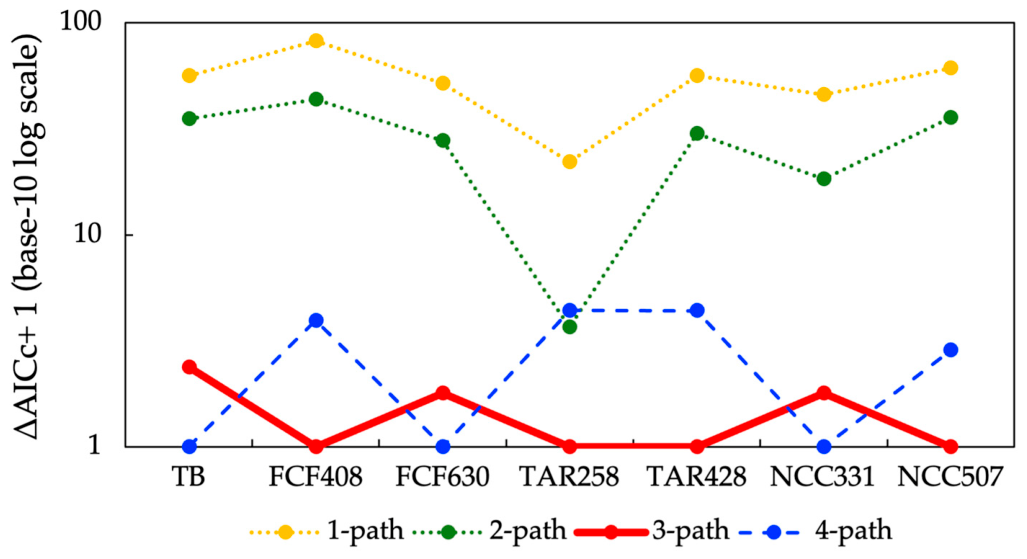
Figure 11 shows the ΔAICc values for each dye and each peak wavelength in BC as a function of the number of passes.
For all samples, the 1-pass model showed ΔAICc > 10 and was statistically inappropriate.
For all samples except TAR (258 nm), the 2-pass model also gave ΔAICc > 10. Even for TAR (258 nm), the value was ΔAICc = 2.67, which was inferior to the 3-pass model. The 3-pass model was either the best model or practically equivalent to the best model (ΔAICc ≤ 2) for all samples. The 4-pass model gave the minimum AICc for some samples (TB, FCF 630 nm, and NCC 331 nm), but the differences from the 3-pass model were small (ΔAICc = 0.79–1.38), indicating essentially equivalent support. At both peak wavelengths of TAR (258 nm and 428 nm), as well as at FCF 408 nm and NCC 507 nm, the 3-pass model gave the minimum AICc, whereas the 4-pass model was slightly inferior (ΔAICc = 1.85–3.40).
Based on the above RMSE evaluation and model selection using the AICc, CC was judged to be sufficiently described by the single-pass model, whereas for BC the 3-pass model was regarded as the minimum sufficient model that balances physical plausibility and descriptive accuracy.
3.7. Saturation Absorbance Amax
Table 2 lists the saturation absorbance
obtained from fitting each pass model for each dye and each peak wavelength.
was calculated from
using Equation (2).
For CC, was nearly constant regardless of the number of passes, and the mean value for the single-pass model was approximately 1.34 ± 0.09. The change in from the single-pass model to the other models was only about 0.01, indicating that the choice of pass model had little effect on the estimated saturation absorbance.
In contrast, for BC was markedly larger than that for CC, and the mean value for the 3-pass model was approximately 2.42 ± 0.14. Even for BC, the difference in between the 3-pass and 4-pass models was very small. Replacing CC with BC increased by approximately 1.08, making it about 1.81 times as high as that of CC.
To evaluate the extension of the practically linear concentration range in BC from the viewpoint of concentration, the concentration
at which the zero-intercept line
, defined from the slope of the approximate straight line in the low-absorbance region, reaches
was calculated for each dye and each peak wavelength using the saturation absorbance
. Here,
was defined as
.
Table 3 shows the ratio
in BC relative to that in CC, i.e., the BC/CC ratio.
As a result, the practical upper concentration limit for linear approximation in BC was larger than that in CC for all dyes and peak wavelengths, and the arithmetic mean of the BC/CC ratio was 1.85. Therefore, although BC exhibited a more complex optical response than CC, it extended the concentration range that can still be treated as practically linear by approximately 1.85 times.
When the same evaluation was carried out using approximate straight lines with a free intercept, the BC/CC ratio changed very little. This indicates that the zero-intercept approximation adopted in this study was practically valid and that the above conclusion does not depend strongly on the treatment of the intercept.
4. Discussion
4.1. Validity of the Single-Pass Model and Linearity in the Low-Absorbance Region for CC
For CC, the single-pass model [Equation (1)] reproduced the measured results well for all dyes and all peak wavelengths, and the mean degree-of-freedom-corrected RMSE of the 1-pass model was sufficiently small at 0.0203 ± 0.0020 Abs (
Table 1). Even when models with two or more passes were introduced, the improvement in RMSE was limited to about 0.008, indicating that the contribution of higher-order pass components was small. These results suggest that, for CC, the assumption of a single optical path length is generally valid, because the incident light passes through the sample with an almost constant path length (cell inner diameter ≈ 8 mm).
From the linear regression results in the insets of
Figure 4a,
Figure 6a,c,
Figure 8a,c, and
Figure 10a,c, good linearity between
and the concentration
c was confirmed for CC in the concentration range up to
(corresponding to
Abs). In the ISSI method, light diffusely reflected by the integrating-sphere wall can, strictly speaking, pass through the sample multiple times even for CC. However, as shown in
Table 1, the single-pass model already provides sufficient accuracy for CC, indicating that the contribution of multiple-pass components is limited. As a result, the
relationship for CC in the low-absorbance region agrees well with the approximate straight line obtained by linear fitting using the data points at or below
together with the origin as an additional data point, demonstrating that the ISSI method using CC is applicable to quantitative analysis based on a linear calibration curve derived from the conventional Beer–Lambert law.
4.2. Necessity of the Multiple-Pass Model for BC
For BC, in contrast to CC, the single-pass model could not reproduce the measured results sufficiently. The mean degree-of-freedom-corrected RMSE of the 1-pass model was 0.0929 ± 0.0160 Abs, which was approximately 4.6 times larger than that of the 1-pass model for CC (0.0203 Abs) (
Table 1). This discrepancy is considered to originate from the optical configuration of BC.
CC has a cylindrical geometry, and the incident beam passes through the sample with an almost uniform path length along the diameter. In contrast, because the incident angle in BC is set to the Brewster angle (≈56°), the optical path inside the cell becomes more complex. The distance traveled by the incident light during a single pass varies with position inside the cell, and short and long path lengths coexist. Furthermore, when light diffusely reflected by the integrating-sphere wall re-enters the BC, the inclined geometry of the BC generates a wide variety of incident angles and path lengths. Therefore, in addition to light that passes through the sample only once, the contributions of light passing through the sample two or three times cannot be neglected. The multiple-pass model introduced in this study [Equation (3)] describes these multiple-pass components by the effective weight parameters and empirically captures the optical behavior of BC.
4.3. Optimality of the 3-Pass Model
To determine the optimal number of passes for BC, two indices were used: the degree-of-freedom-corrected RMSE [Equation (6)] and the AICc [Equation (7)]. According to the RMSE results (
Table 1), the RMSE decreased markedly from 0.0929 to 0.0506 to 0.0275 Abs when the model was extended from 1 pass to 2 passes and then to 3 passes, whereas the further improvement from the 3-pass model to the 4-pass model was very small (0.0275 to 0.0270 Abs). This tendency was consistent across all dyes and all peak wavelengths, indicating that the improvement had essentially saturated at the 3-pass model.
The AICc analysis (
Figure 11) showed that the 1-pass model (ΔAICc = 21–81) was statistically inappropriate for all samples (ΔAICc > 10). The 2-pass model was also inappropriate for all samples except TAR (258 nm), for which ΔAICc was 2.67. Although this value does not warrant complete rejection of the 2-pass model, it was still inferior to the 3-pass model. In contrast, the 3-pass model was either the best model or practically equivalent to the best model (ΔAICc ≤ 2) for all samples, whereas the improvement obtained by the 4-pass model was limited (ΔAICc = 0.79–3.40). According to the criteria [
47], models with ΔAICc ≤ 2 receive essentially equivalent support; therefore, the 4-pass model was judged not to provide a meaningful improvement over the 3-pass model. Based on these results, the 3-pass model was concluded to be the minimally sufficient model that balances physical plausibility and descriptive accuracy for the concentration–absorbance relationship in BC. Notably, the RMSE for BC improved to 0.0275 ± 0.0087 Abs with the 3-pass model, reaching the same order of magnitude as that of the 1-pass model for CC (0.0203 ± 0.0020 Abs). This indicates that, with an appropriate pass model, the concentration–absorbance relationship in BC can also be described with accuracy comparable to that of CC.
We note that the model framework [Equation (3)] can be extended to an arbitrary number of passes n. The optimal number of passes is determined by the balance between the goodness of fit and the information-criterion penalty for additional parameters, and may change if the cell geometry or optical configuration is modified. The model structure itself is independent of the incident beam power, since it describes the spatial distribution of optical paths rather than the absolute detected intensity.
4.4. Comparison of the Saturation Absorbance Amax and Improvement of the Dynamic Range by the Brewster Cell
As shown in
Table 2, the saturation absorbance
of BC (mean 2.42 ± 0.14 for the 3-pass model) was approximately 1.08 higher than that of CC (mean 1.34 ± 0.09 for the 1-pass model). This increase in
quantitatively demonstrates that the introduction of the BC improved the dynamic range. Because absorbance is a logarithmic quantity, this increase of approximately 1.08 in
corresponds to an approximately 12-fold expansion of the linear intensity ratio (~22 to ~263), i.e., about one order of magnitude.
According to Equation (2), the saturation absorbance is determined solely by , the fraction of light that does not pass through the sample. The increase in of approximately 1.08 when CC was replaced with BC therefore indicates that was substantially reduced in BC. According to Brewster’s law, when p-polarized light is incident on the cell surface at the Brewster angle, the reflectance at the surface becomes nearly zero. Because light reflected at the cell surface is detected as stray light that does not carry absorption information from the sample, a reduction in this reflected light directly leads to a decrease in and thus to an increase in .
It should be noted that the difference in
between CC and BC cannot be attributed solely to the reduction in reflected light at the cell surface. In BC, the cell-wall thickness (1.5 mm) is twice that of CC (0.75 mm), and the increased thickness may cause optical losses inside the cell that differ from those in CC. However, because the internal transmittance of quartz glass in the visible region is sufficiently high (>92% for a plate thickness of 10 mm), the additional loss for a wall thickness of 1.5 mm is considered negligible. It should also be noted that
showed a slight decrease toward shorter wavelengths for both CC and BC (see
Appendix C). This wavelength dependence is attributed primarily to the reduced reflectance of the BaSO
4 integrating-sphere wall in the UV region, rather than to the Brewster-angle mismatch caused by the refractive-index dispersion of the quartz cell, which has a negligible effect on
p-polarization reflectance.
4.5. Comparison of the Linearity in the Low-Absorbance Region for CC and BC
For CC, good linearity between
and the concentration
was confirmed in the concentration range up to
(
Section 4.1). For BC as well, the measured data points at or below
(corresponding to
≲ 1.21 Abs) shown in the insets of
Figure 4b,
Figure 6b,d,
Figure 8b,d and
Figure 10b,d were all generally consistent with the approximate straight line obtained by linear fitting using those data points together with the origin as an additional data point. Therefore, in the low-absorbance region treated in this study, BC also exhibited practically acceptable linearity comparable to that of CC.
On the other hand, the overall relationship for BC could not be described sufficiently by the single-pass model, and the 3-pass model was required. This is because the cell geometry and oblique-incidence optical configuration of BC produce a broader path-length distribution and a larger contribution of multiple-pass components than in CC. In other words, BC is optically more complex than CC and, strictly speaking, exhibits somewhat greater nonlinearity. However, this difference is small in the low-absorbance region considered in the present study, and in the range shown in the insets, both CC and BC can be treated using an approximately linear relationship.
In addition, for BC was approximately 1.08 higher than that for CC, and the mean value for the 3-pass model was approximately 2.42. Furthermore, when the concentration at which the zero-intercept approximate line reaches was calculated for each dye and each peak wavelength, the practical upper concentration limit for linear approximation in BC was, on average, 1.85 times that in CC. Thus, although BC is inferior to CC in terms of strict optical simplicity, it has the practical advantage of greatly extending the concentration range that can still be treated as nearly linear. This conclusion changed very little even when approximate straight lines with a free intercept were used, indicating that it does not strongly depend on the adoption of the zero-intercept approximation.
4.6. Physical Interpretation of the Parameters in the Multiple-Pass Model
In this study, the product in the Beer–Lambert law was treated collectively as the effective absorption parameter without separating and . The multiple-pass coefficients were also treated empirically as effective weights of light passing through the sample times, without relying on rigorous geometric estimation of the path-length distribution. This approach is practical because it can describe the concentration–absorbance relationship of BC with sufficient accuracy by simple fitting, without requiring computationally expensive numerical analysis such as RTS-ISSI.
On the other hand, the values of can be discussed in relation to the geometric structure of the cell and the path-length distribution. In the present study, however, these parameters were treated empirically as effective weights of light passing through the sample times, and no rigorous geometrical interpretation was imposed. The values of , , and obtained for the 3-pass model may therefore be regarded as practical descriptors of the overall optical behavior of BC. Separating into and and quantitatively relating the fitted parameters to the geometric optical path-length distribution remain topics for future work.
The difference in the effective pass structure between CC and BC can be understood from the Fresnel reflectance at the cell surfaces. For CC at near-normal incidence, the reflectance at a single air–quartz interface is
(3.5%) per surface (
n = 1.46 at 546 nm [
48]). Light reflected at the entrance and exit surfaces (combined ~7%) does not pass through the sample and contributes directly to
, leading to a lower
. In contrast, for BC with p-polarized light incident at the Brewster angle, the surface reflectance is ideally zero, resulting in a smaller
and a higher
. Moreover, because the dominant optical path in CC is a single pass with nearly uniform path length along the cell diameter, the effective weights of higher-order passes are expected to be small.
In summary, CC was sufficiently described by the single-pass model, whereas BC required the 3-pass model to reproduce the full concentration–absorbance relationship. Despite its greater optical complexity, BC maintained practically acceptable linearity in the low-absorbance region while increasing and extending the usable concentration range. Thus, the Brewster-cell design provides an effective way to expand the dynamic range of the ISSI method using a simple fitting-based approach. Future work should quantitatively relate the effective model parameters to the geometric optical path-length distribution and extend the present framework to scattering samples.